Fin Garden of Kashan
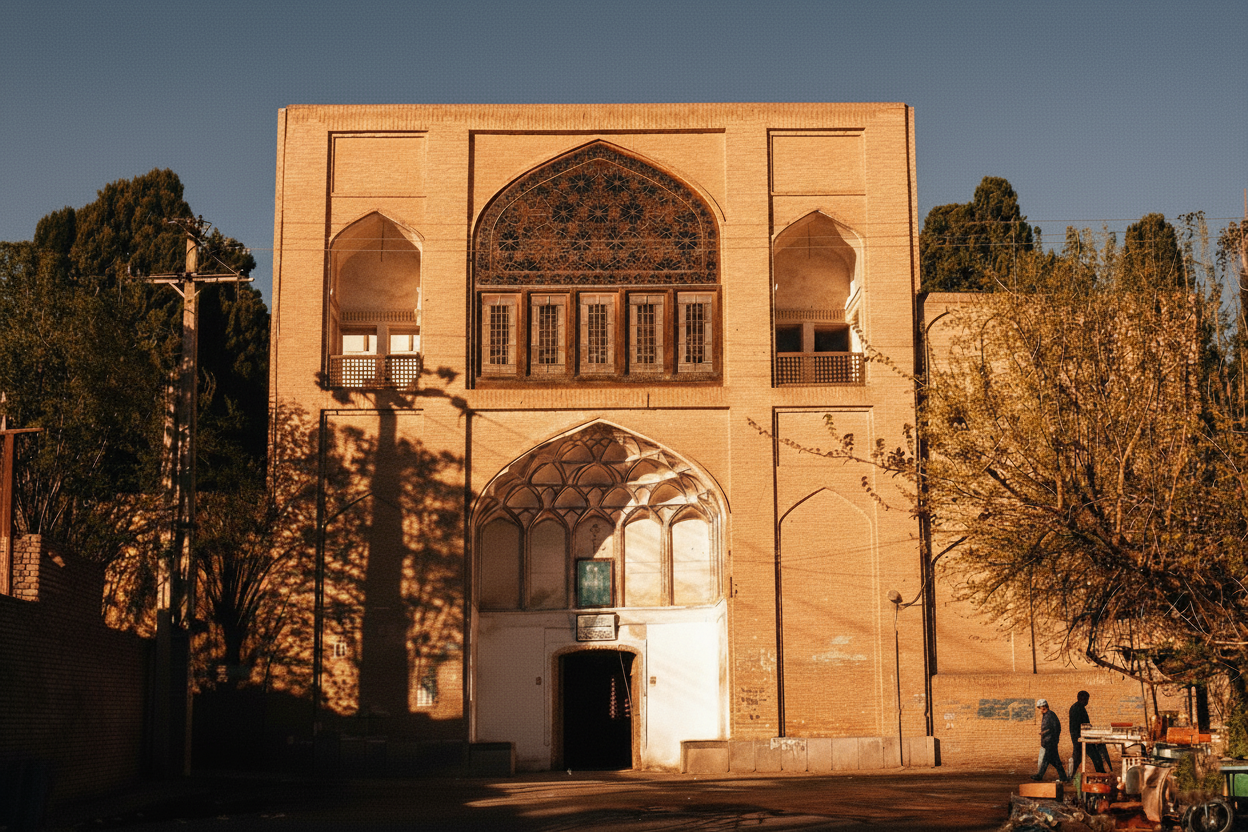
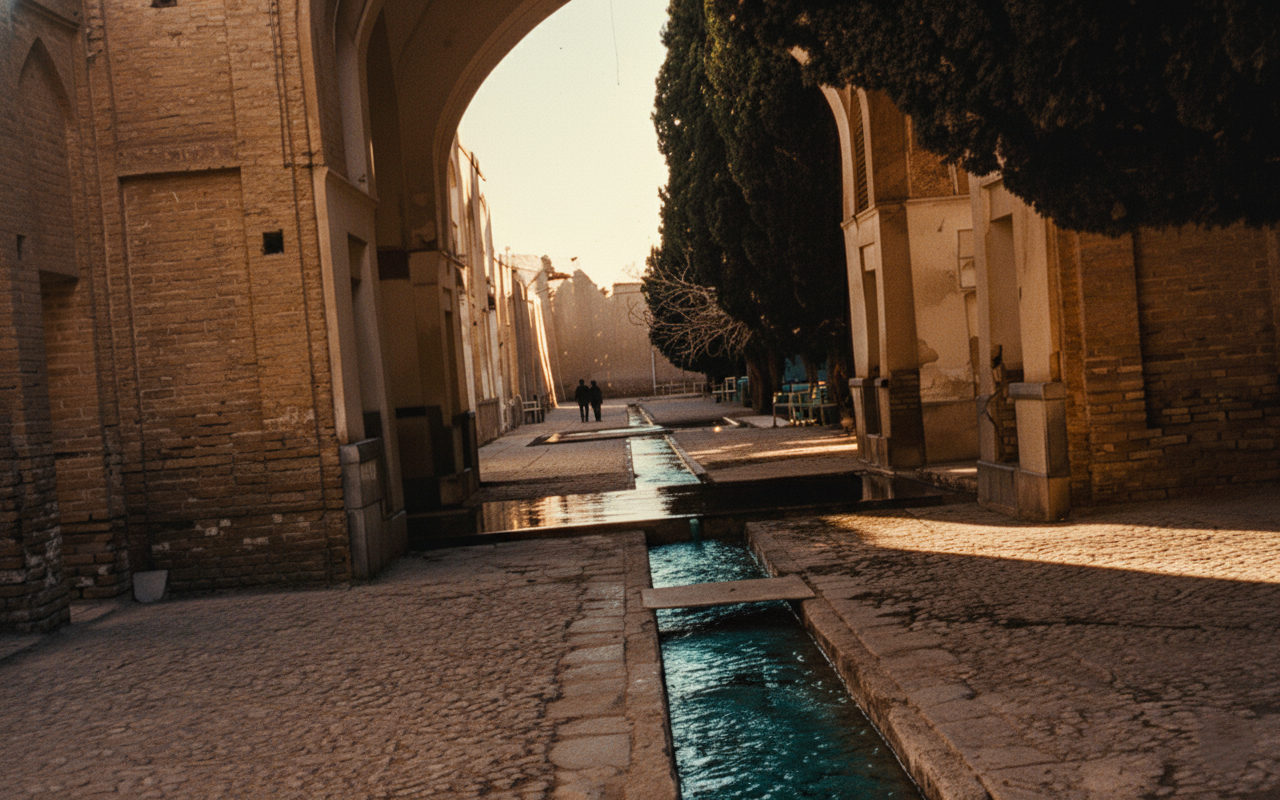
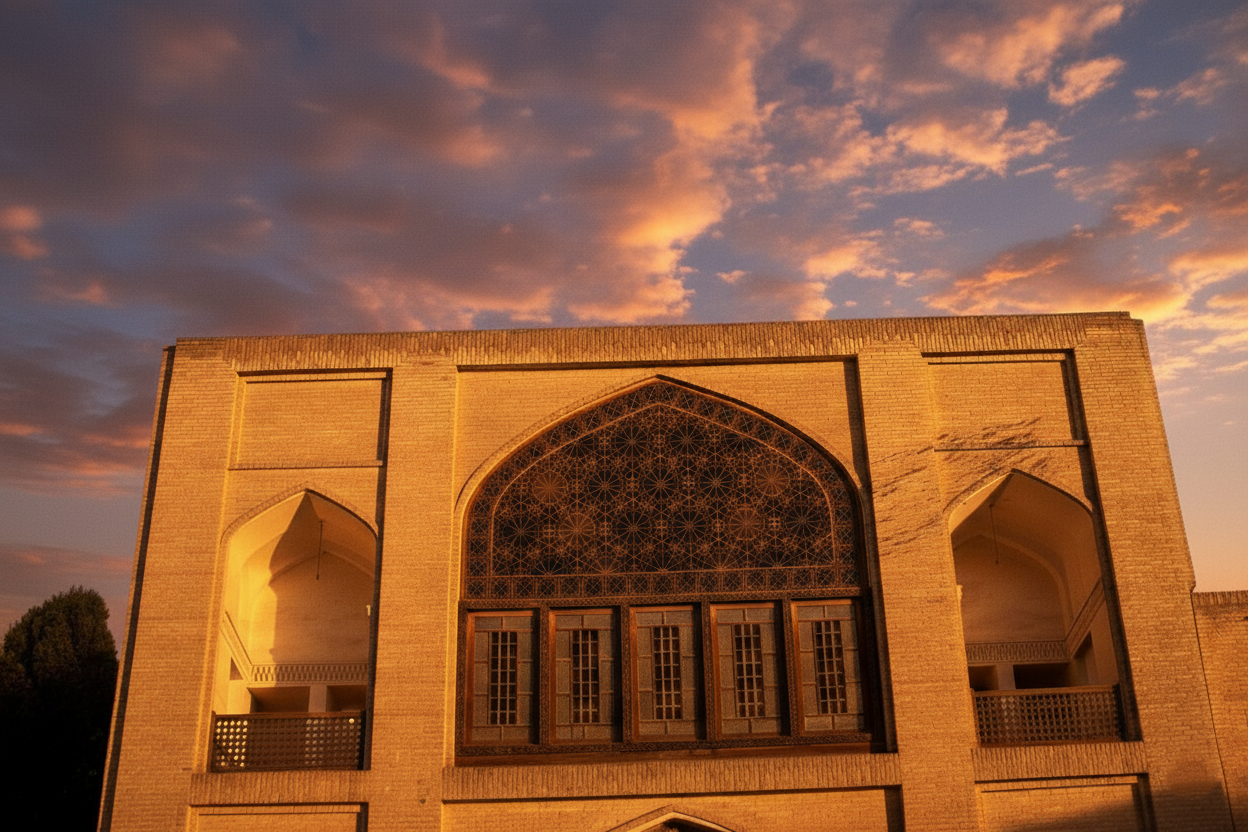
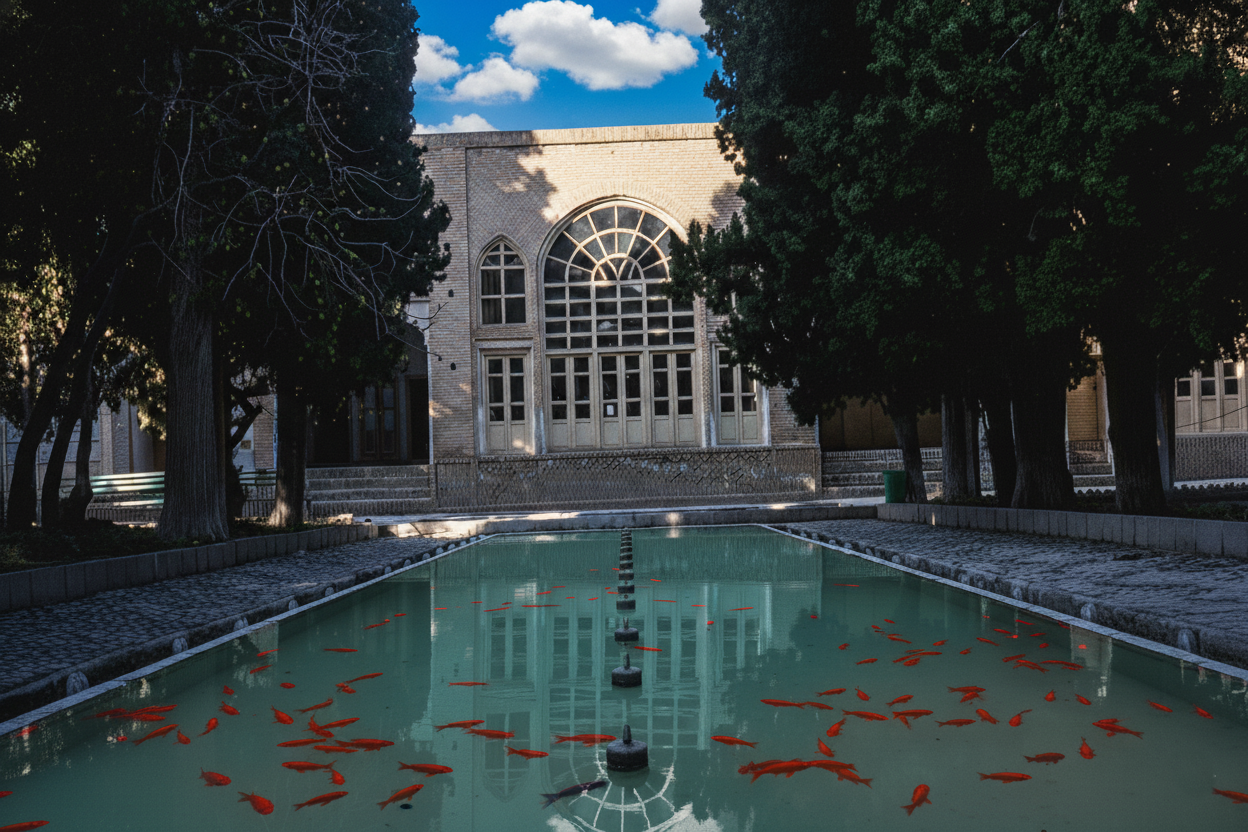
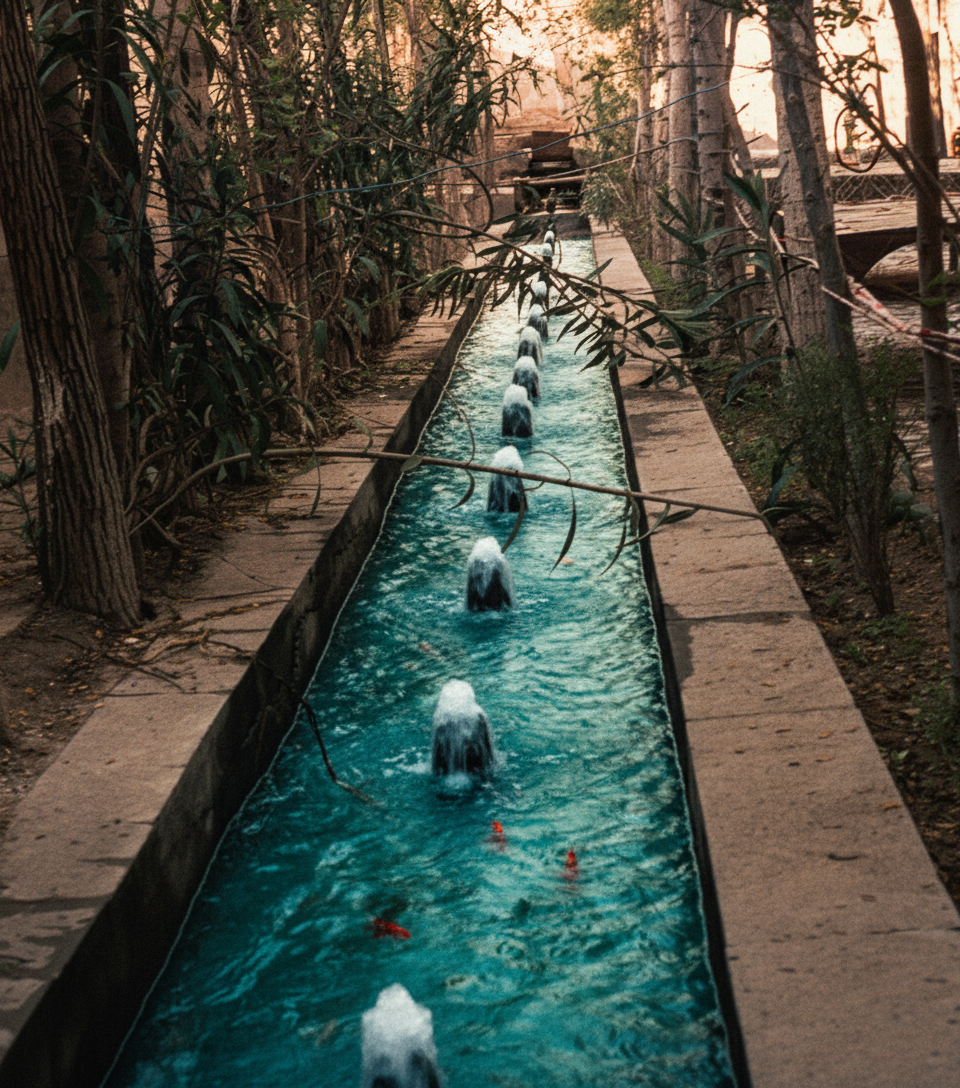
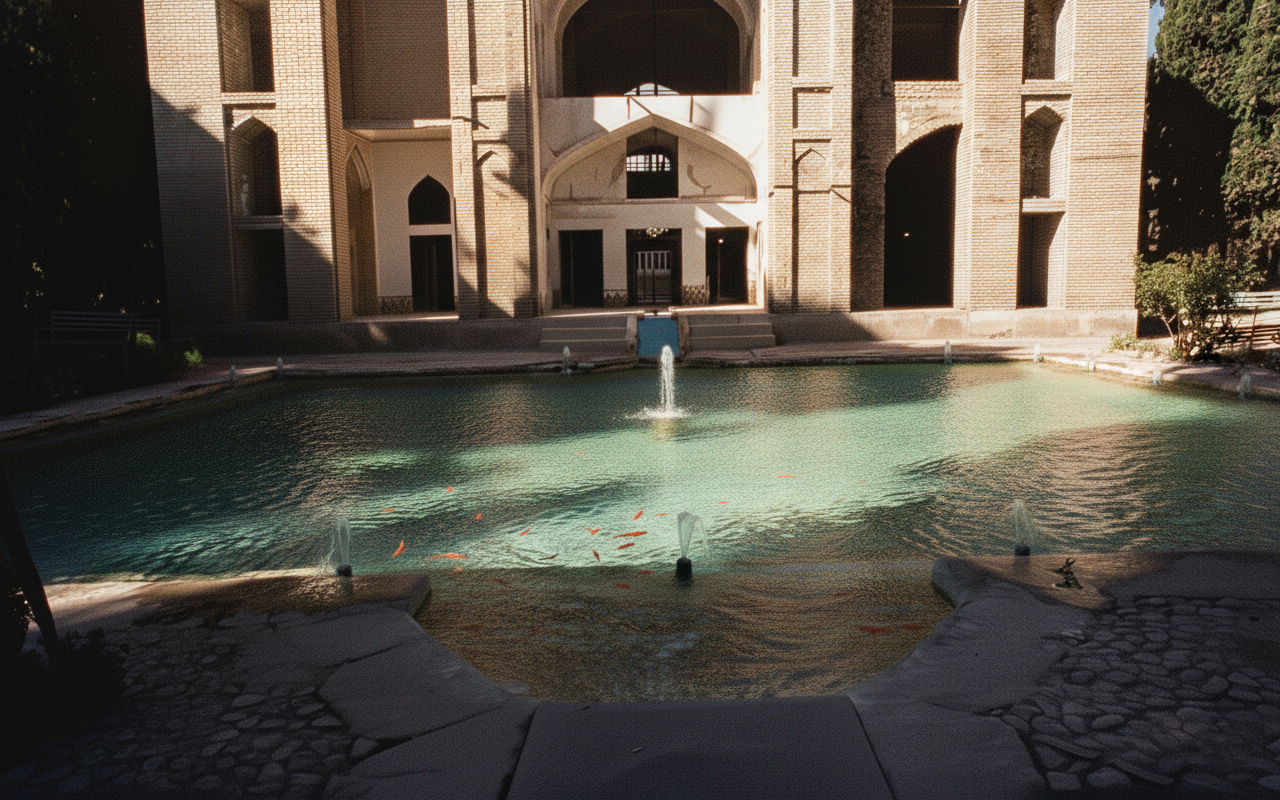
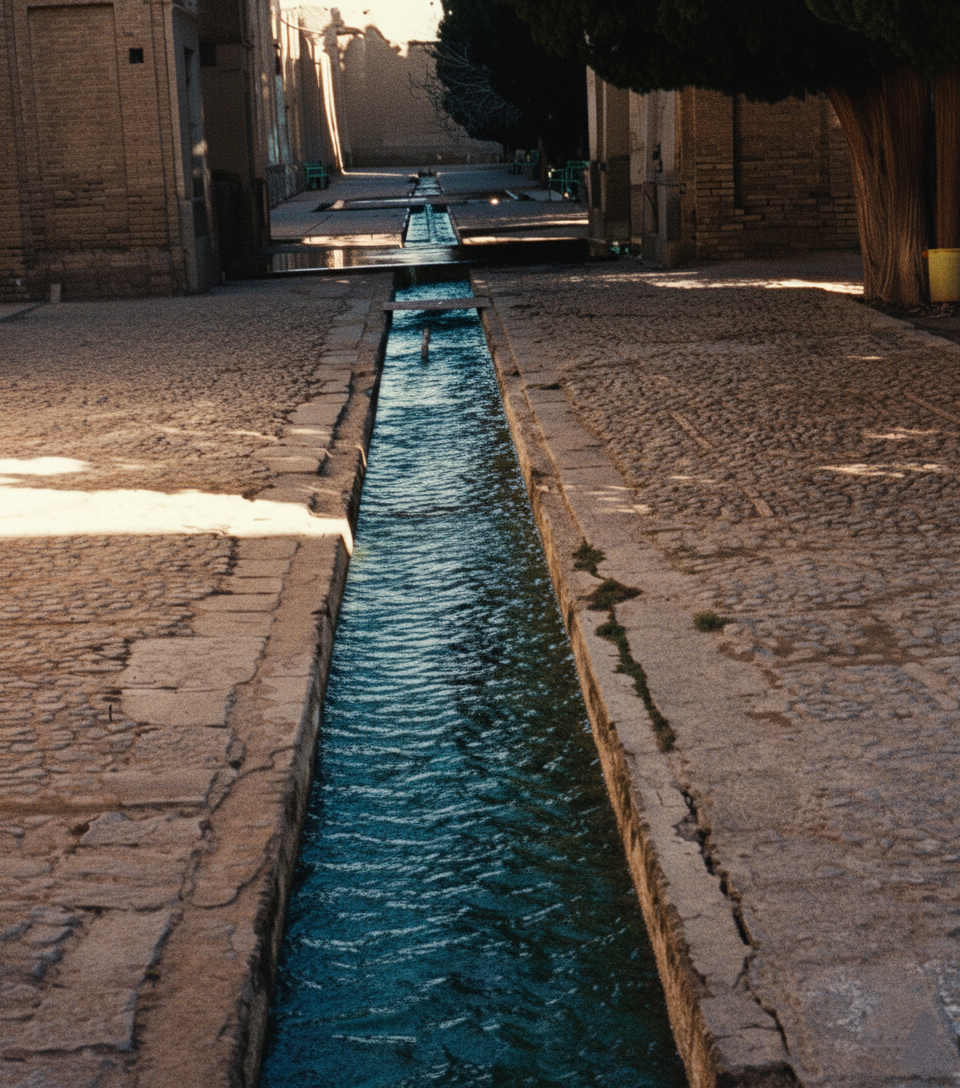
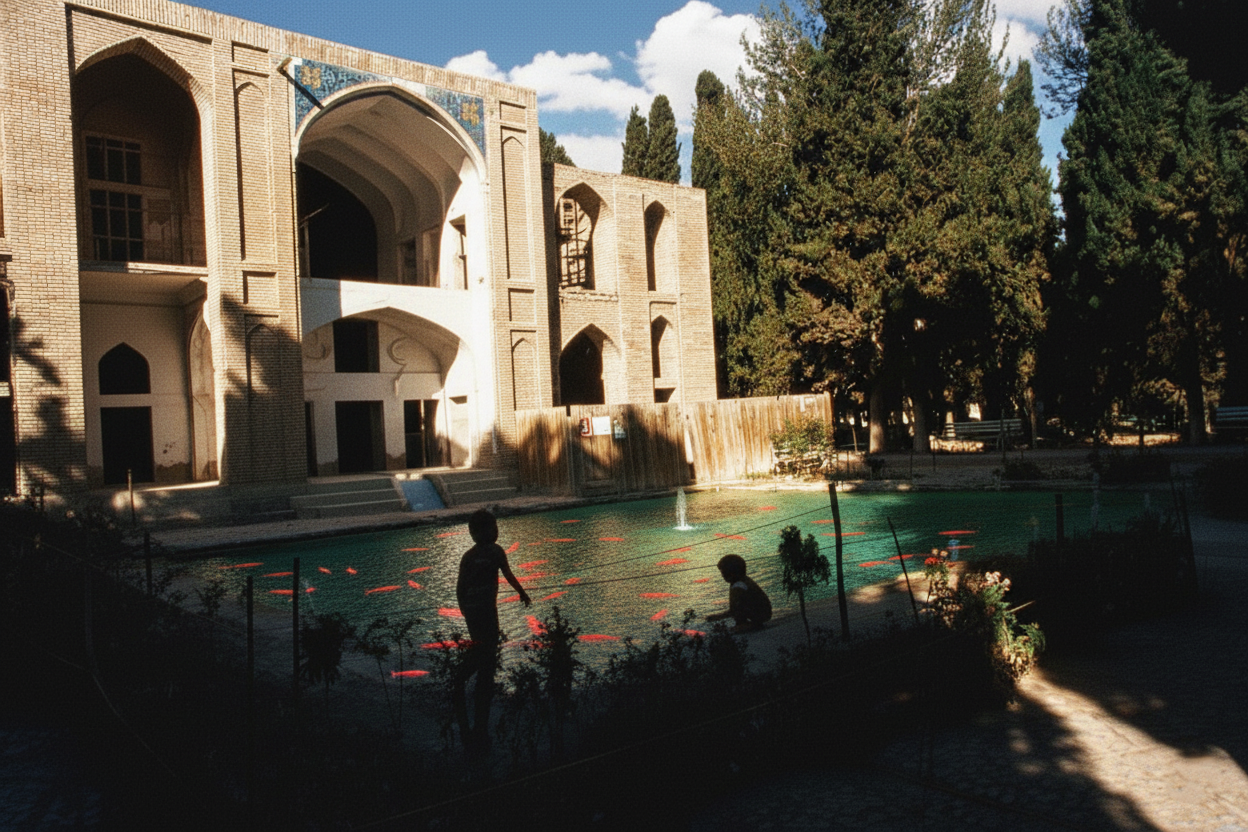
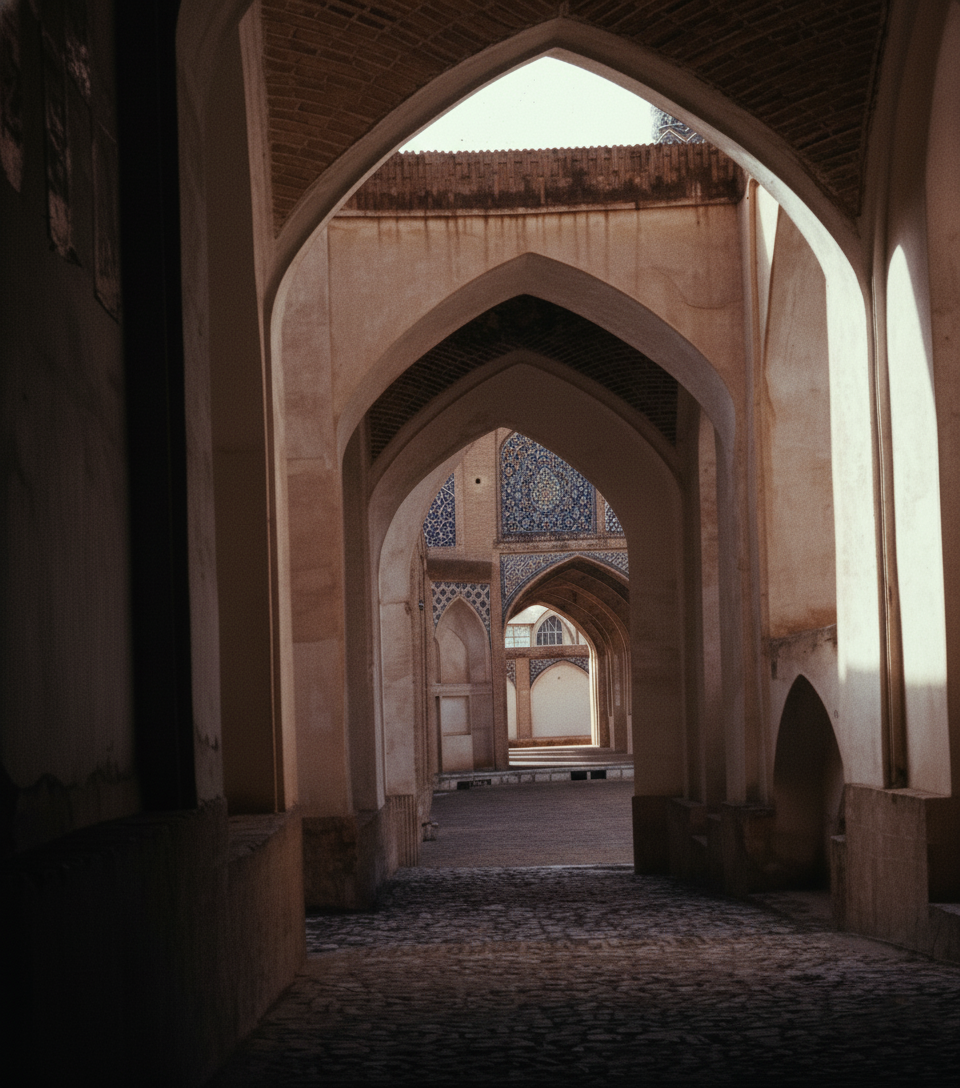
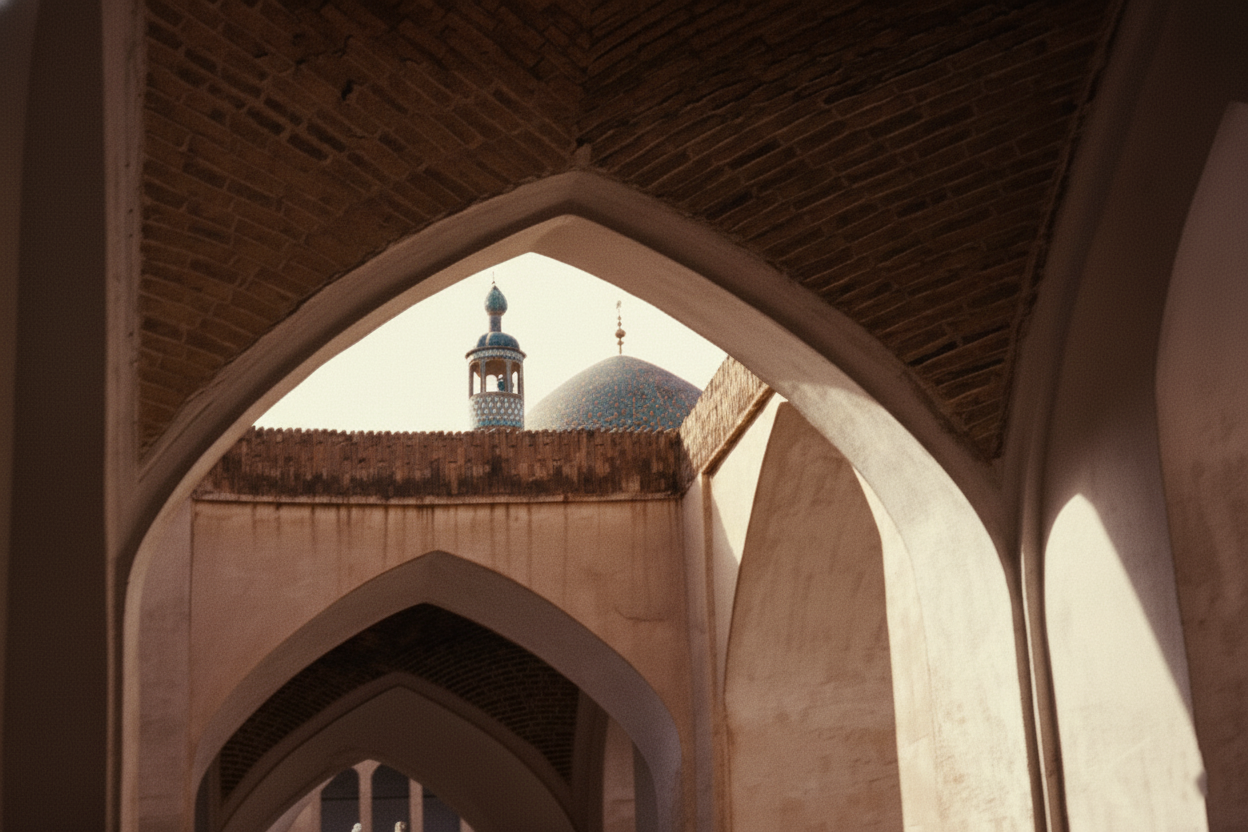
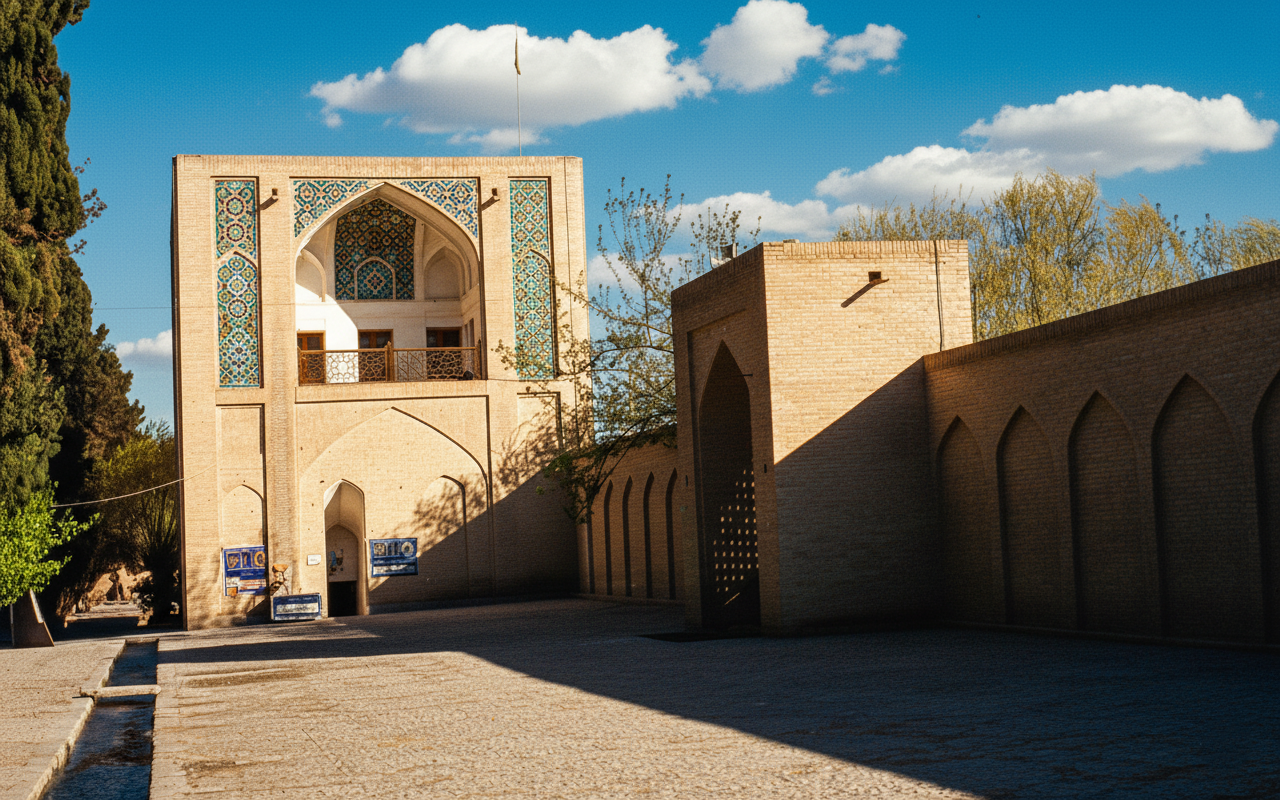
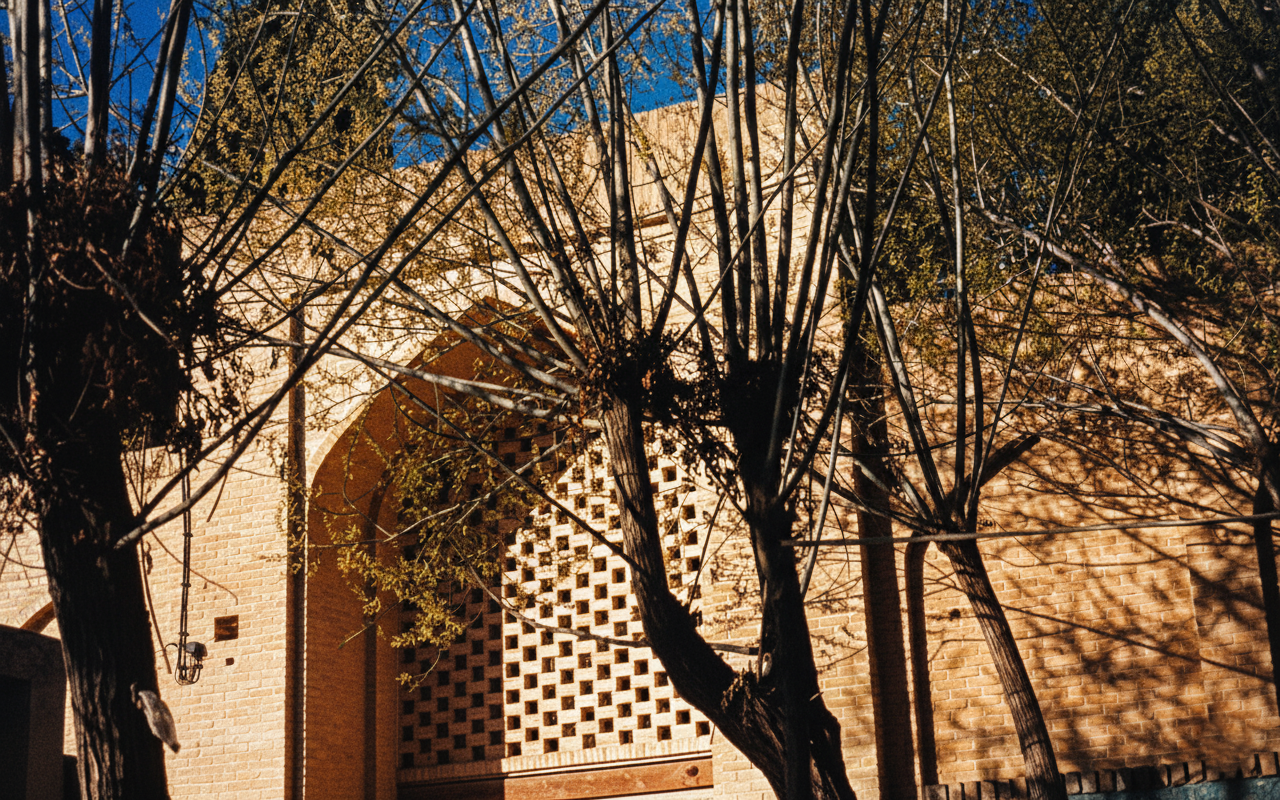
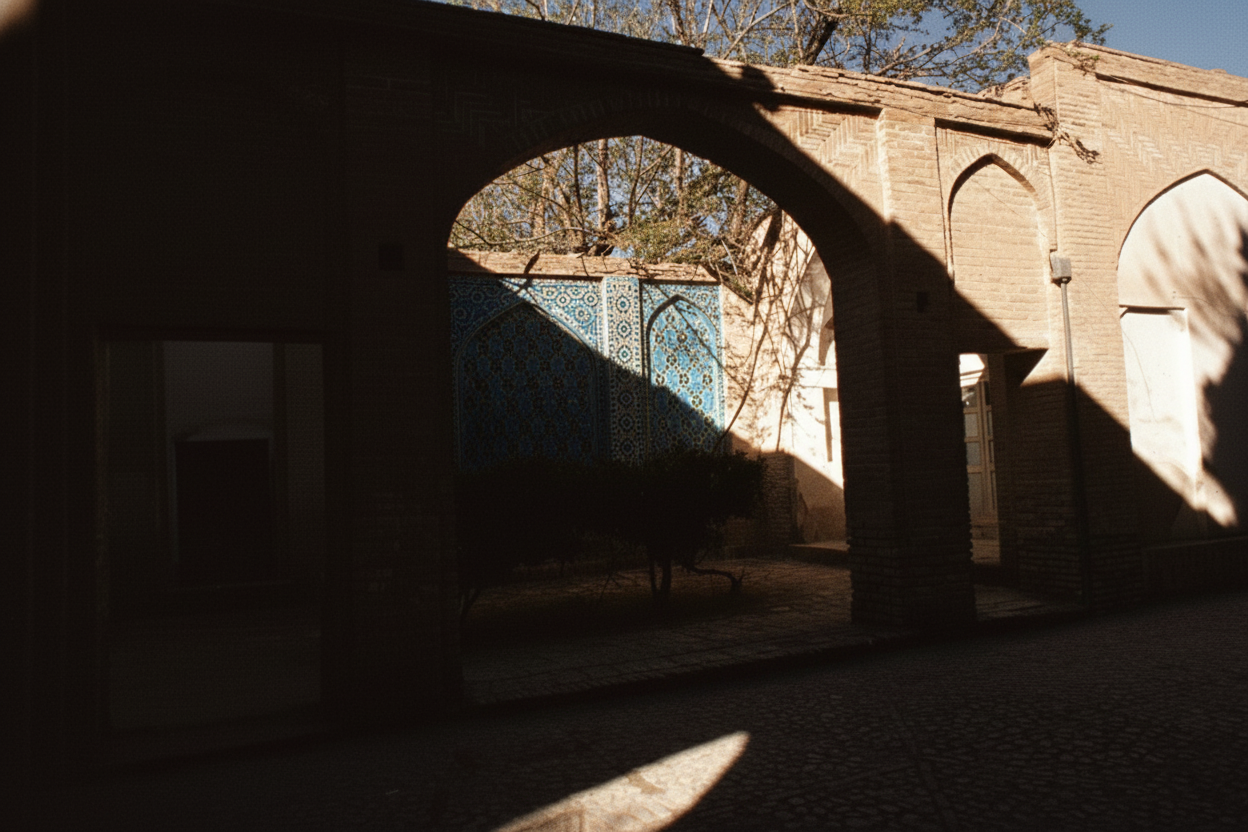
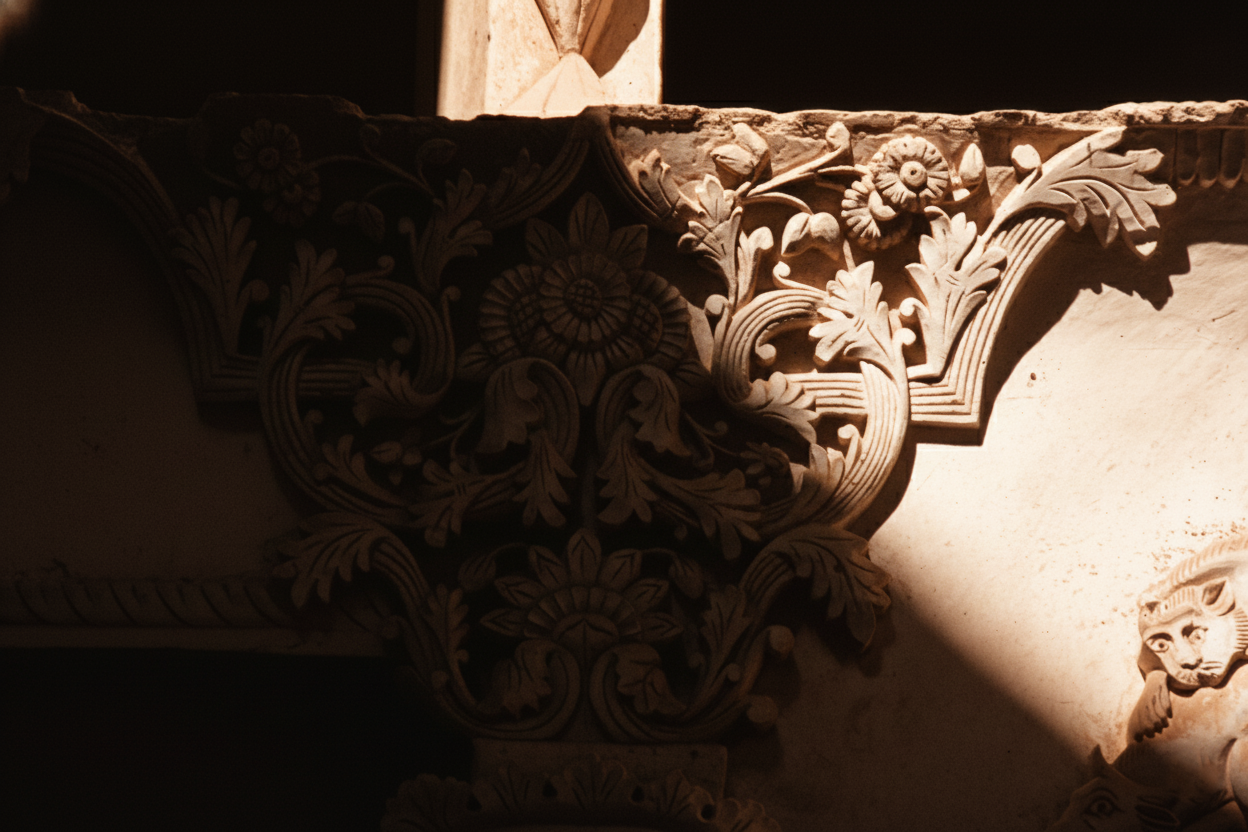
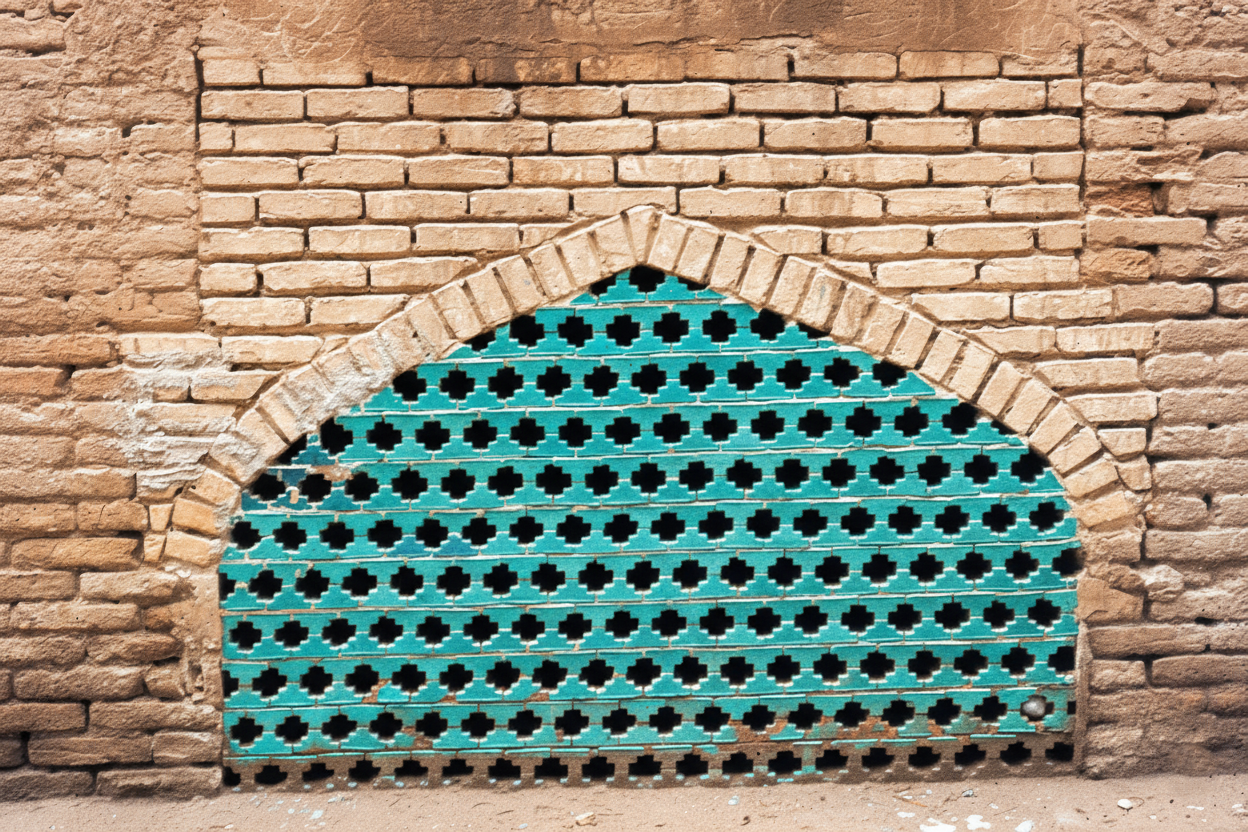
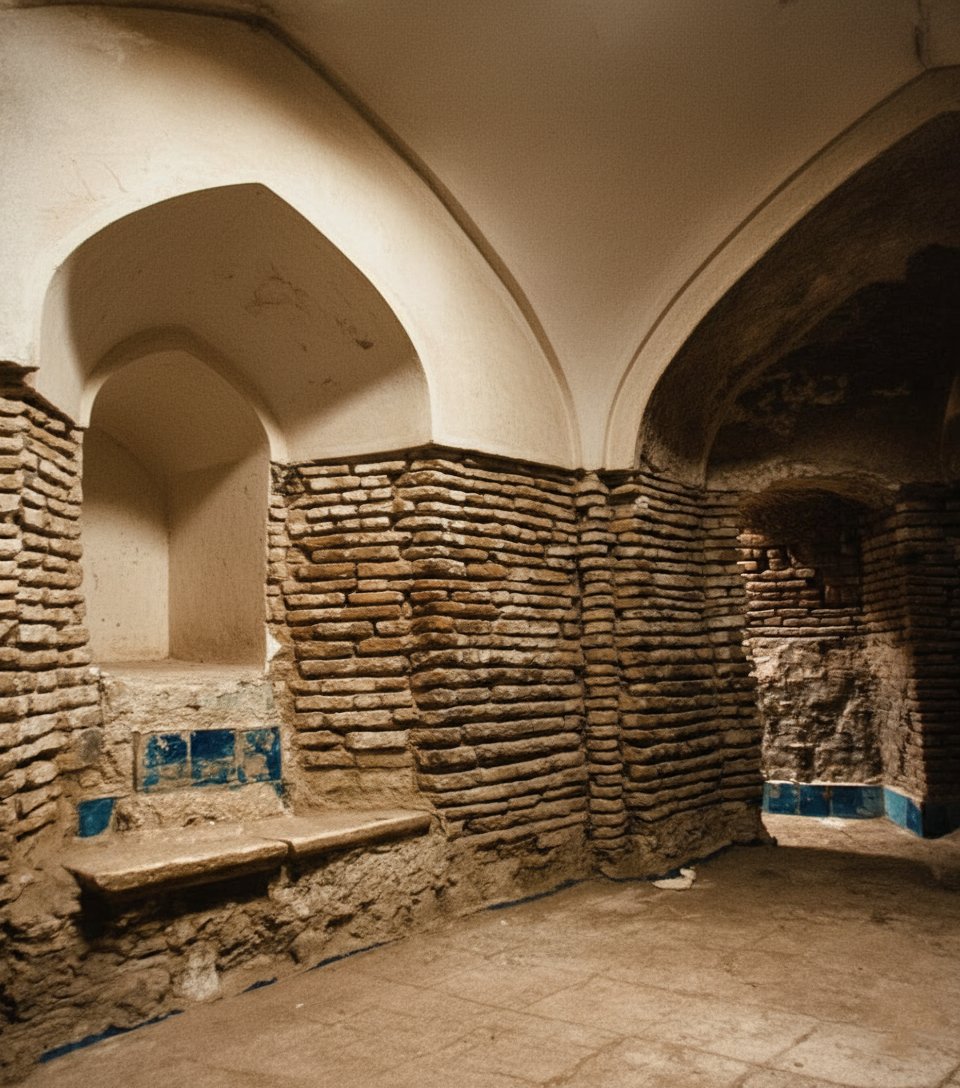
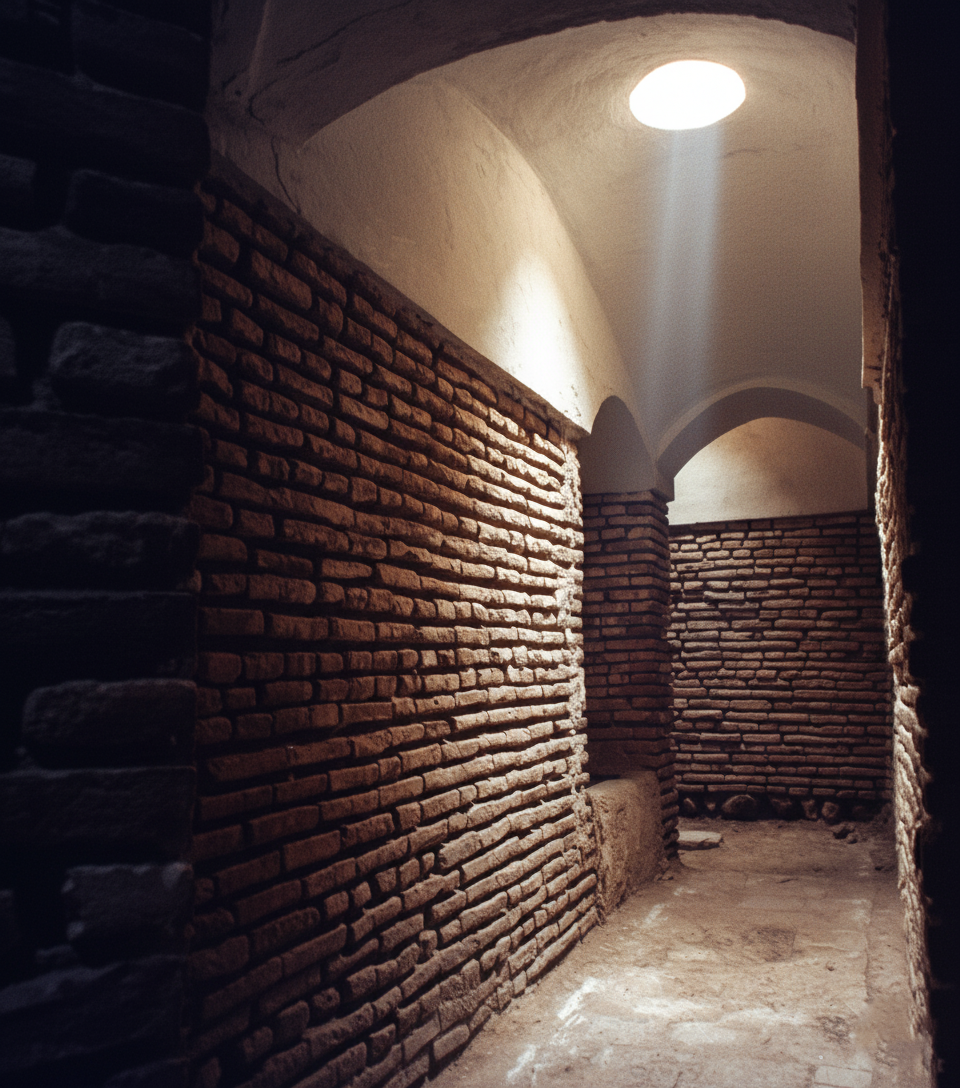
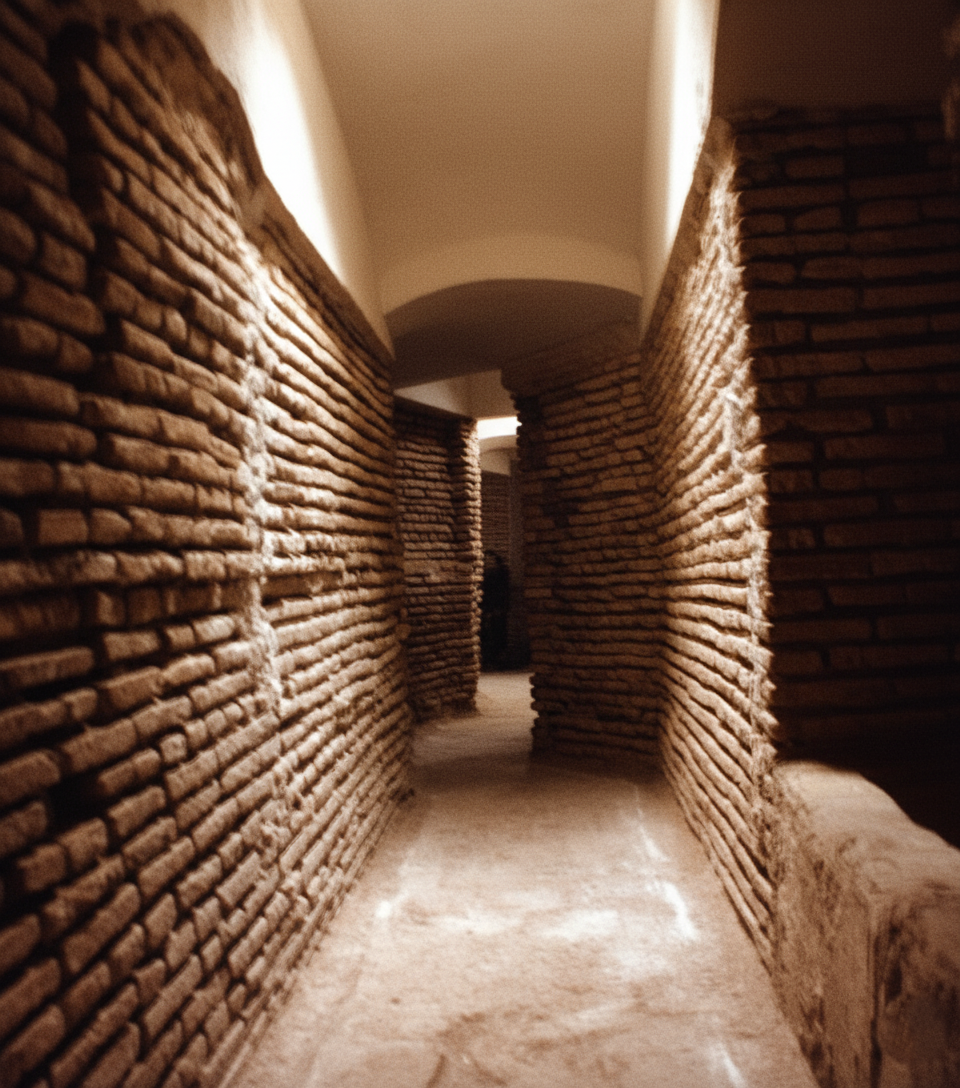
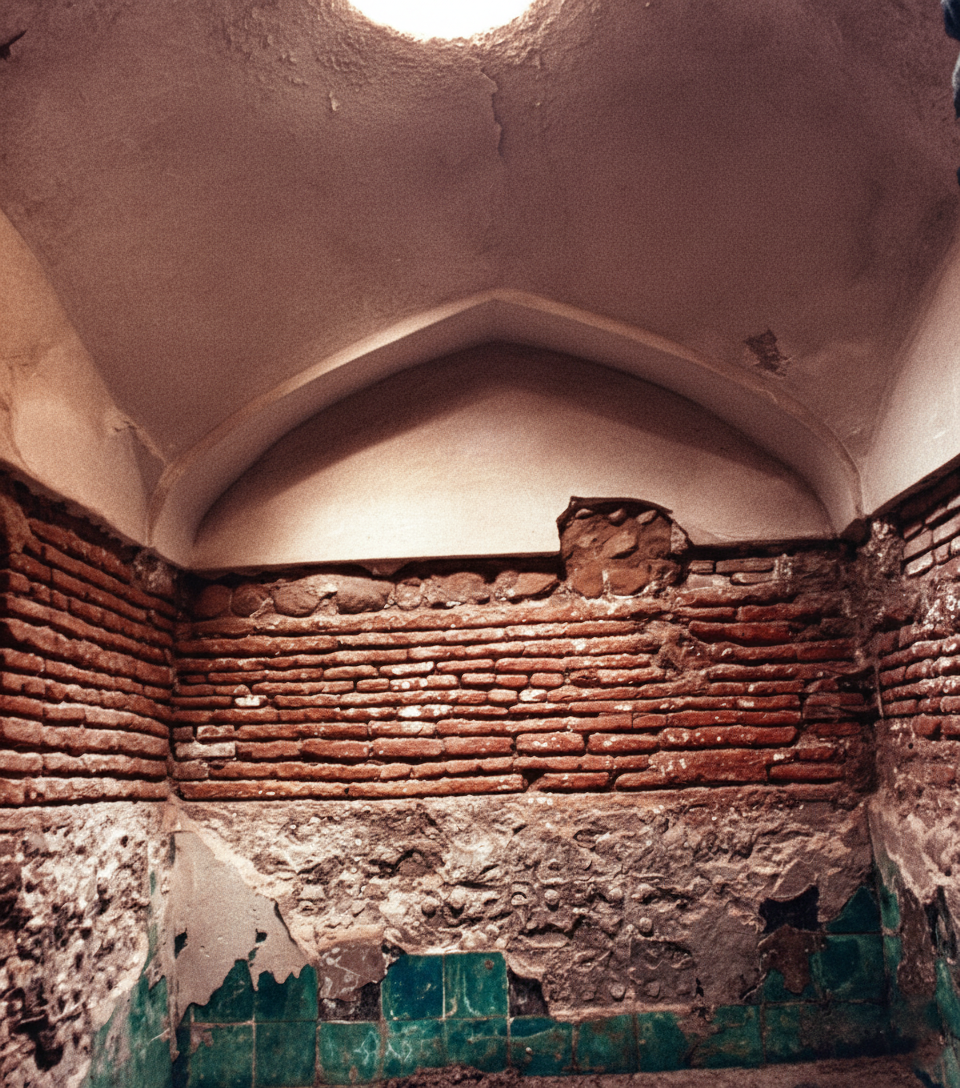
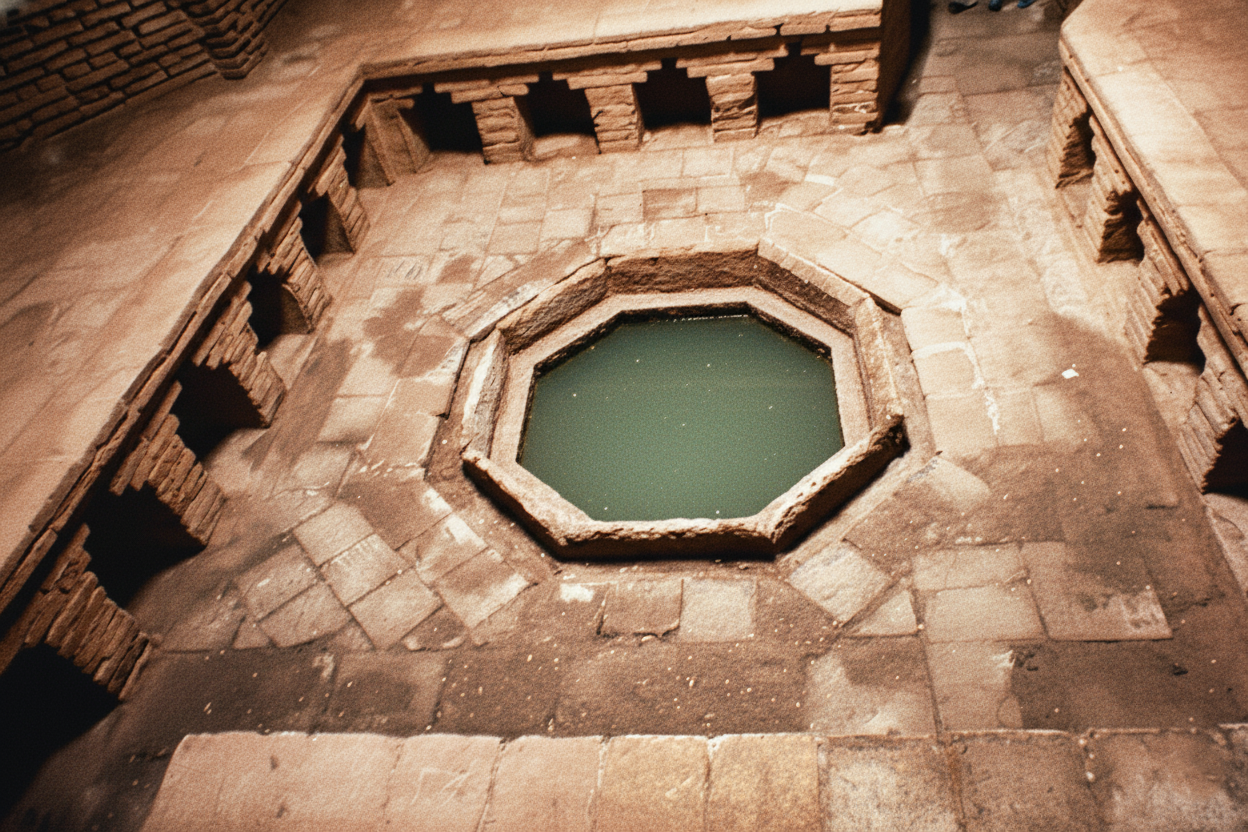
Fin Garden (باغ فین), established in the Safavid period (c. 1590 CE) and expanded in the Qajar era (19th century), exemplifies the Persian garden tradition and stands as a hallmark of microclimate design. Axial water channels fed by natural springs organize space and cool the air, while cypress trees create shaded corridors, forming a cultivated oasis within Kashan’s desert environment.
-
Fin Garden, originally established in the Safavid period in the late 16th century (c. 1590 CE) and later expanded during the Qajar era in the 19th century, is one of the most complete expressions of the Persian garden tradition, where water and vegetation structure both space and experience within an arid landscape. Organized along a clear axial geometry, the garden uses flowing water channels to define its spatial hierarchy, linking pavilions, pathways, and planted areas in a coherent composition. Fed by natural springs, water moves visibly and audibly through linear rills and pools, animating the garden while cooling the air and reflecting surrounding architecture. In the desert climate of Kashan, this controlled water presence transforms the garden into a cultivated oasis.
Vegetation plays an equally architectural role. Tall cypress trees and dense planting create shaded corridors and enclosed outdoor rooms, moderating sunlight and framing views toward built elements. The interplay of water, shade, and greenery establishes a microclimate that contrasts with the surrounding arid environment. Rather than serving as decoration, water and vegetation are structural components of the design, shaping circulation, perception, and thermal comfort. In Fin Garden, landscape and architecture operate as a unified system, embodying the Persian conception of a balanced, ordered paradise within the desert context.
