Adobe (خشت و گل)
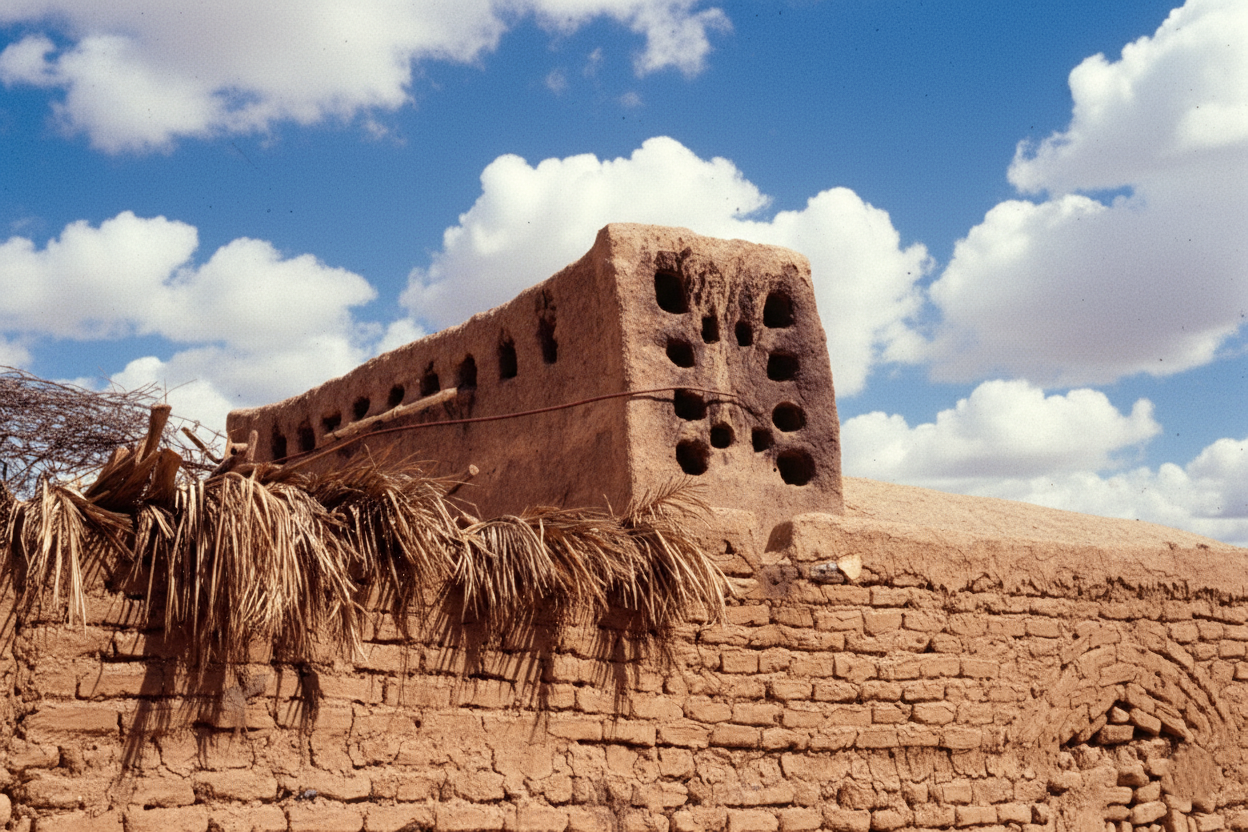
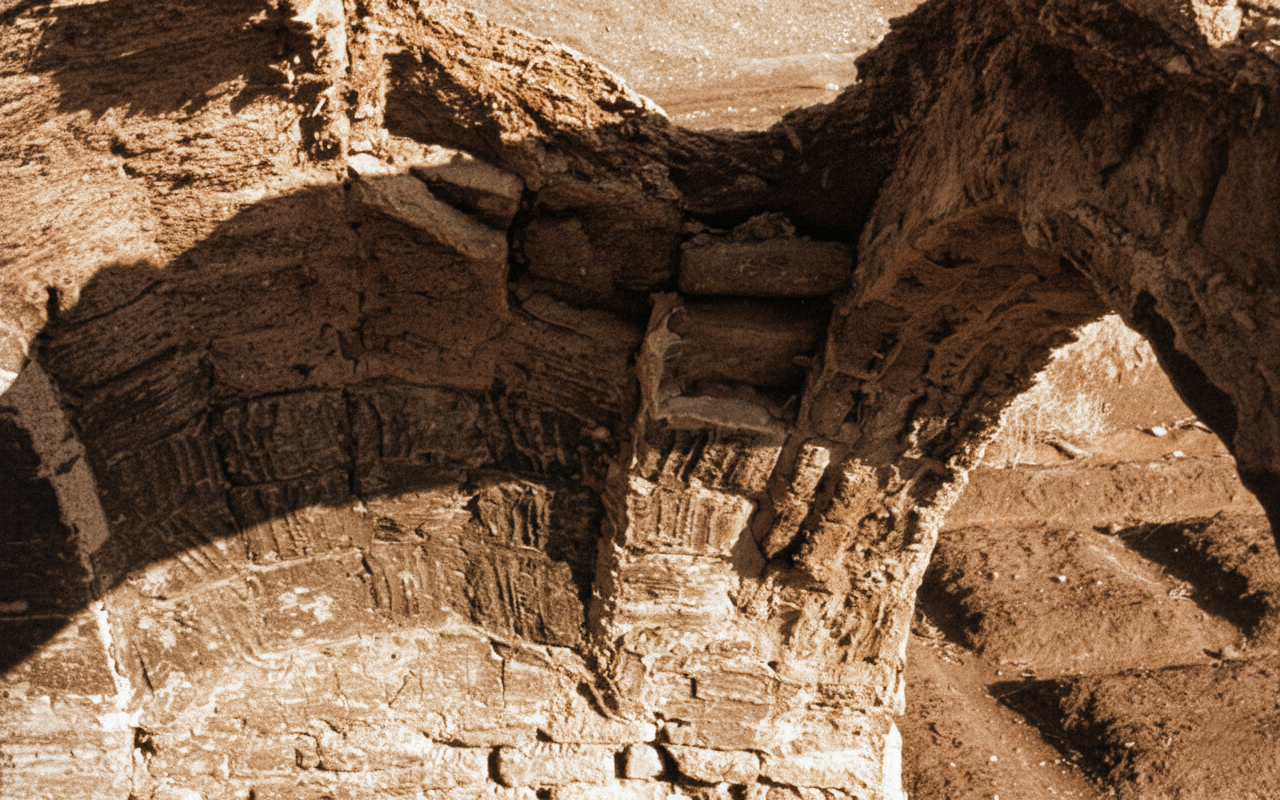
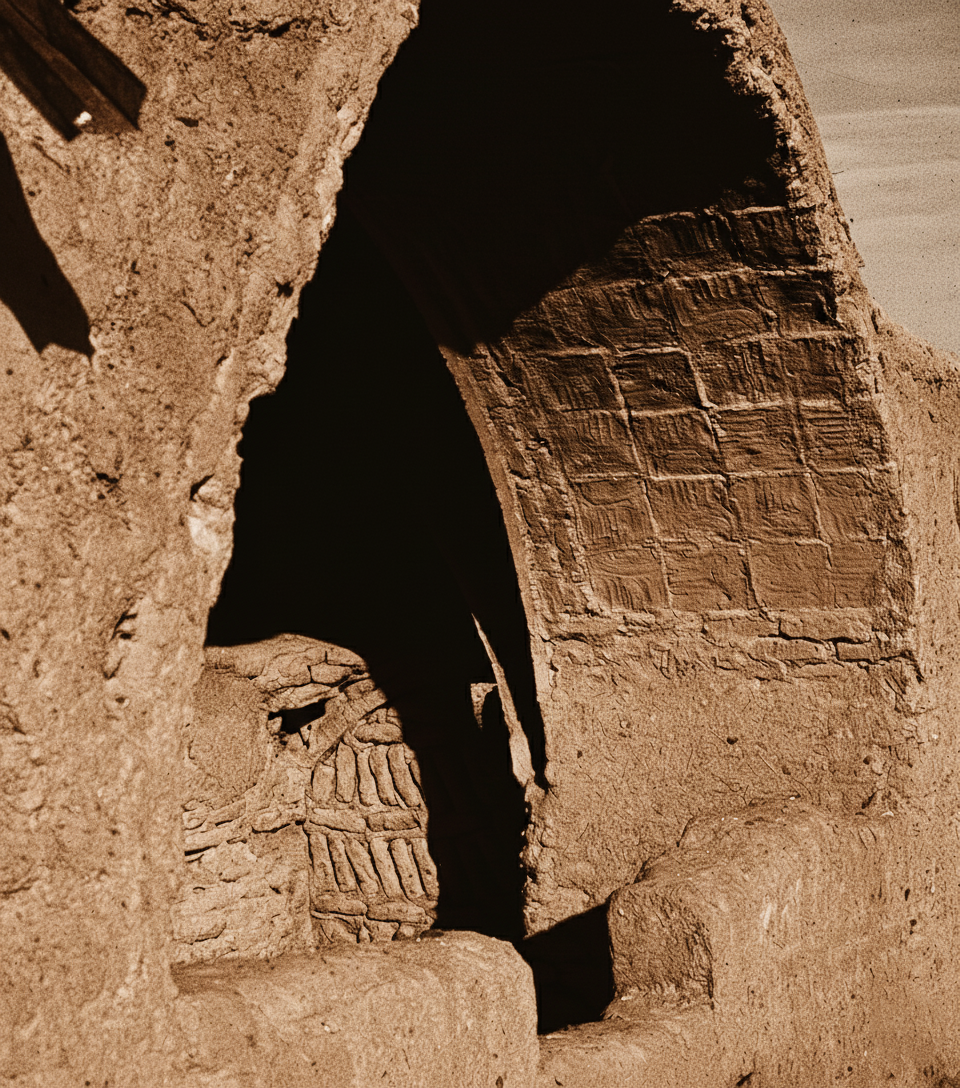
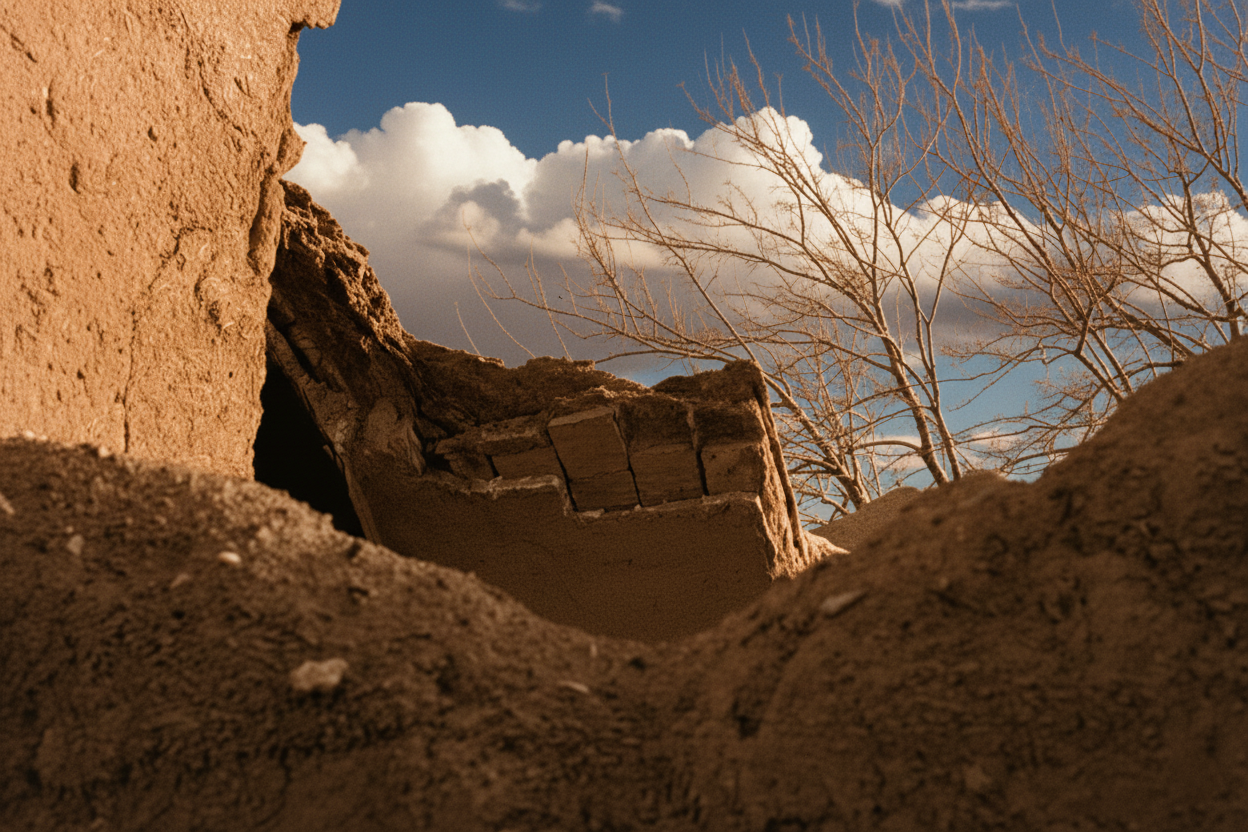
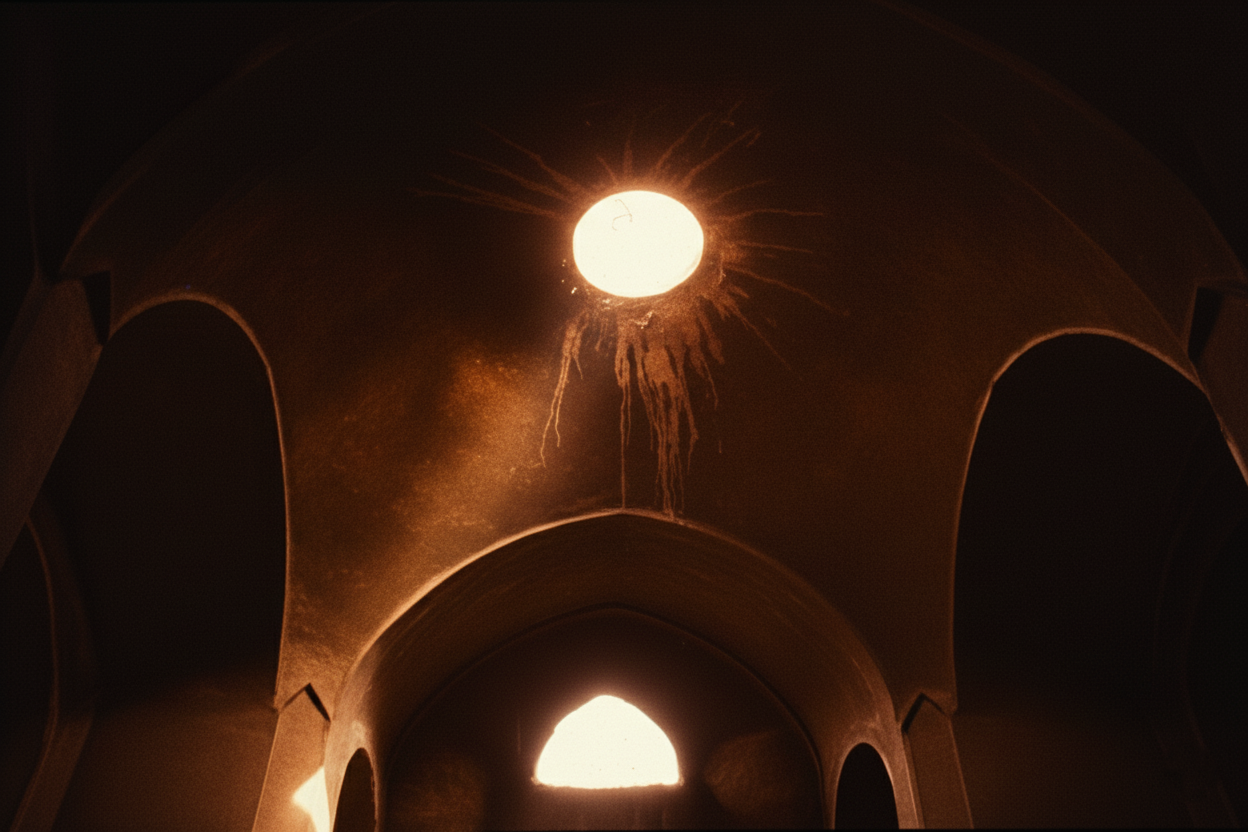
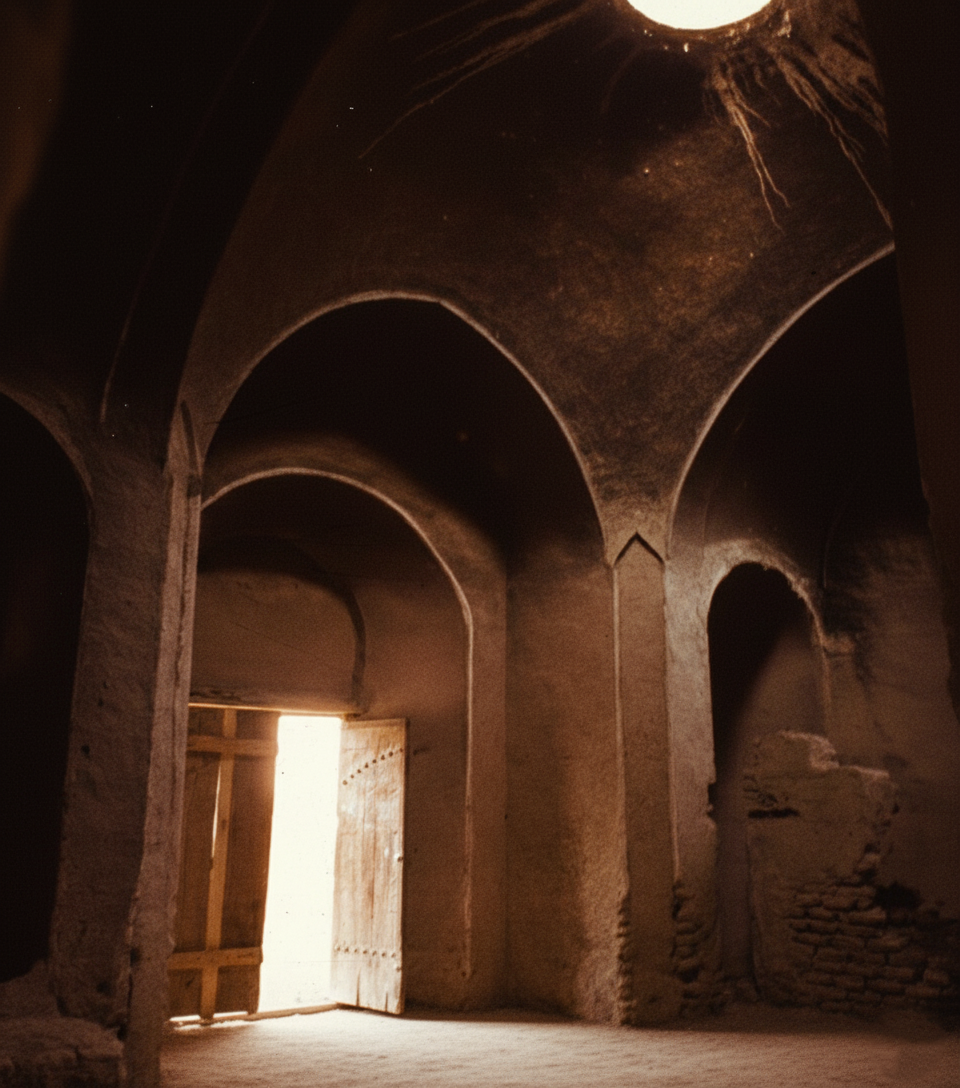
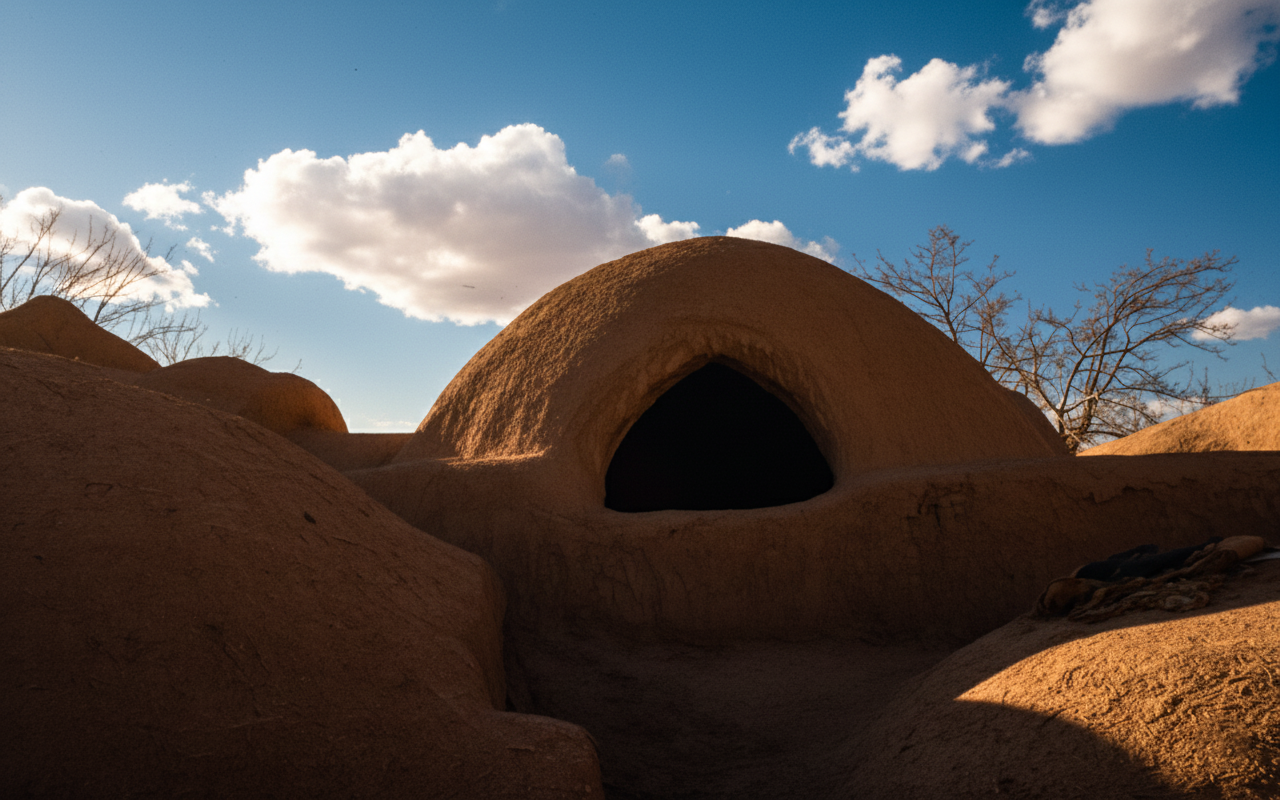
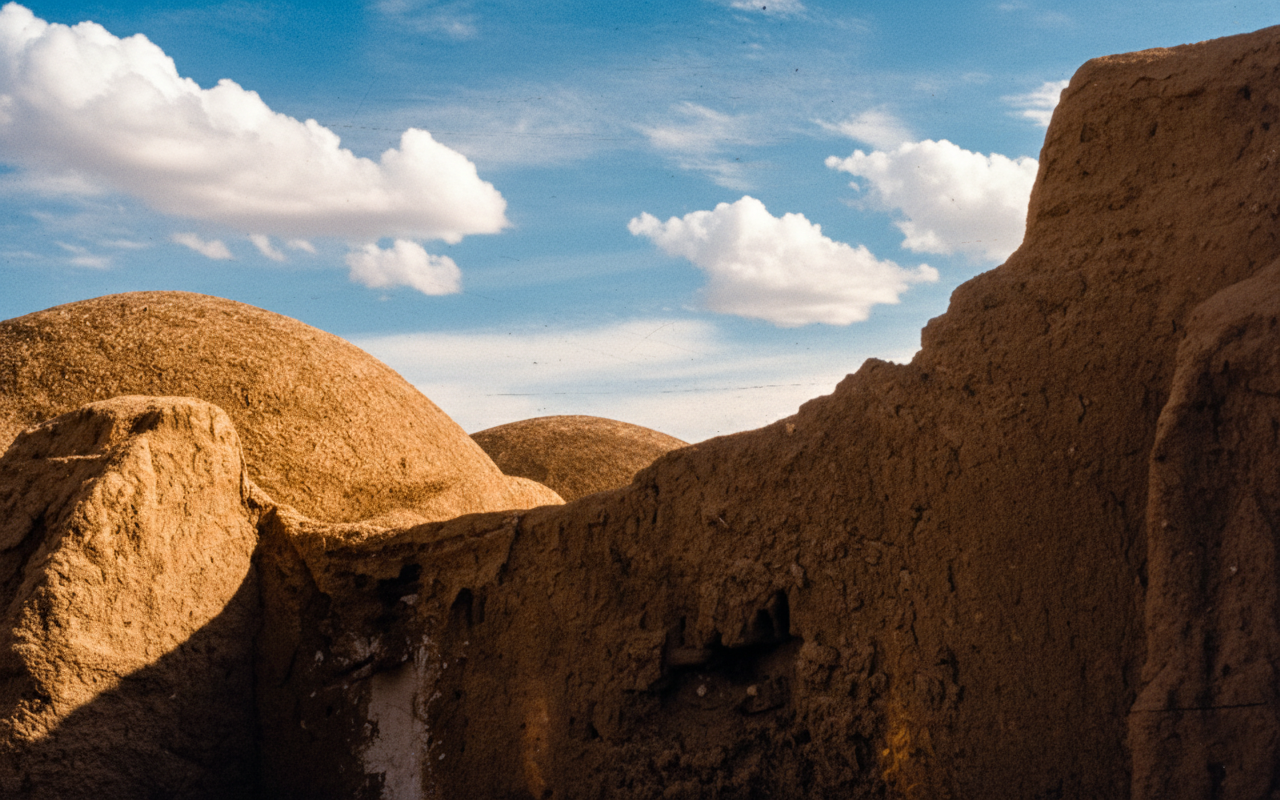
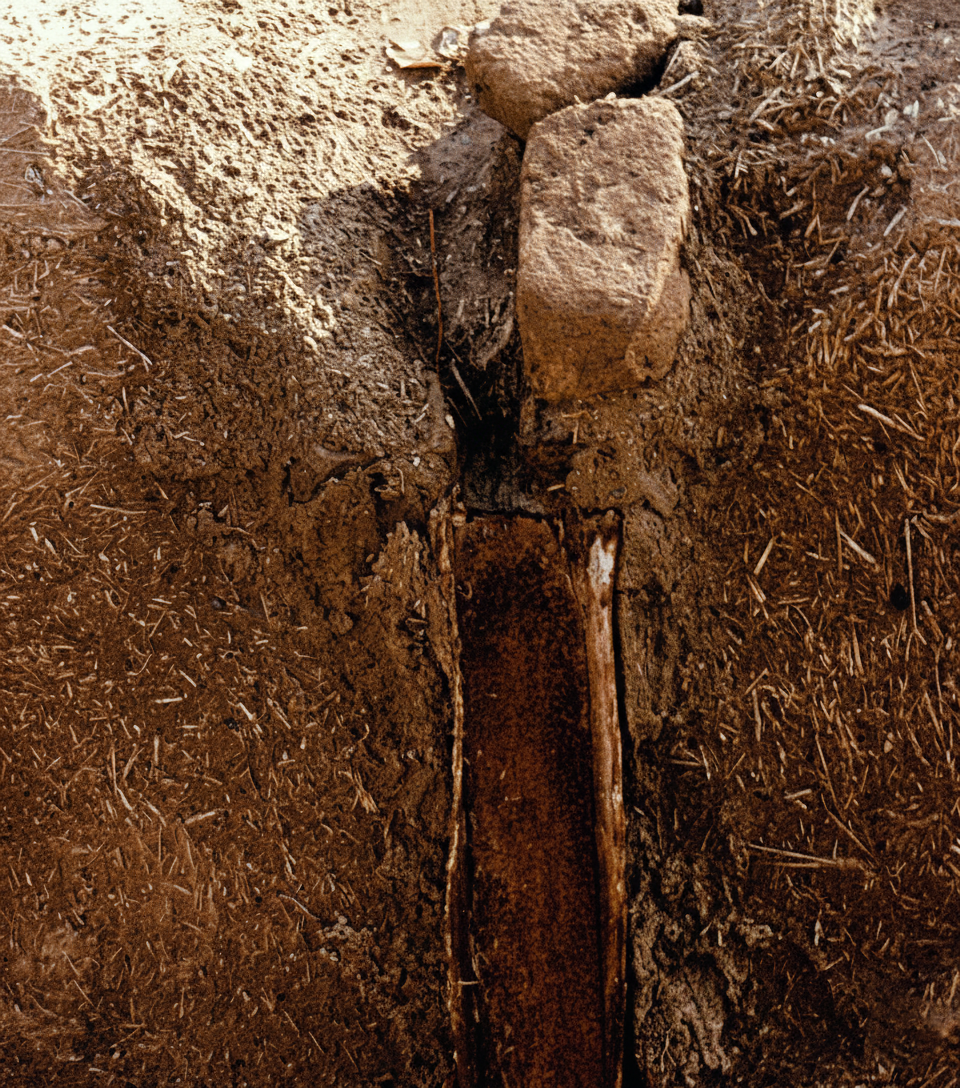
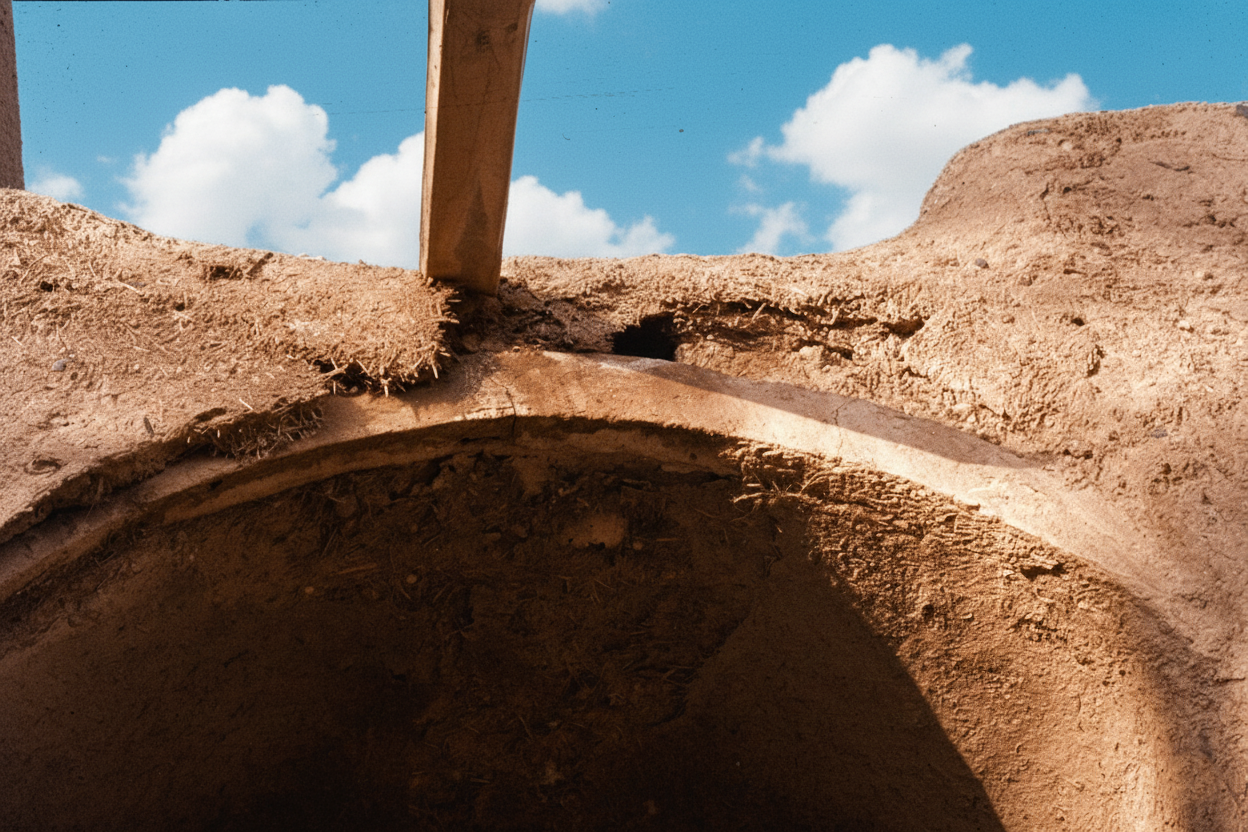
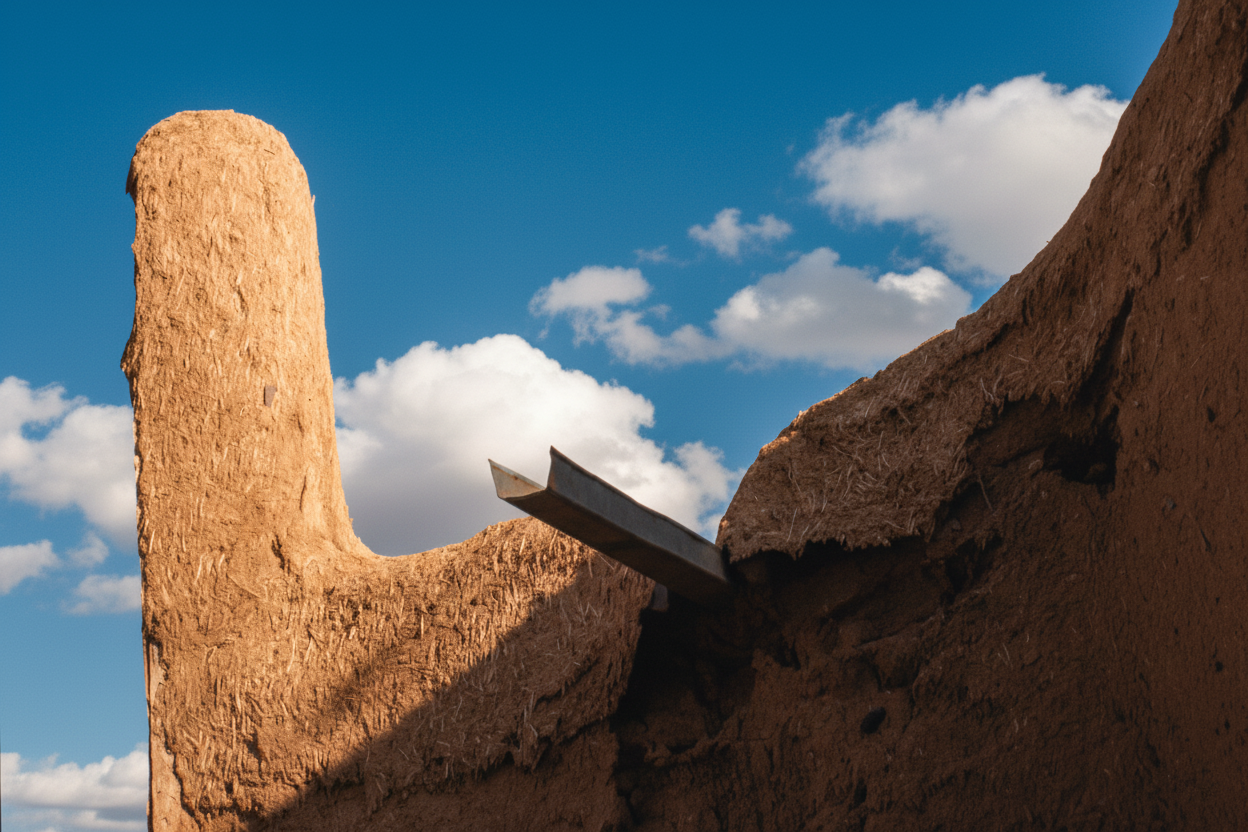
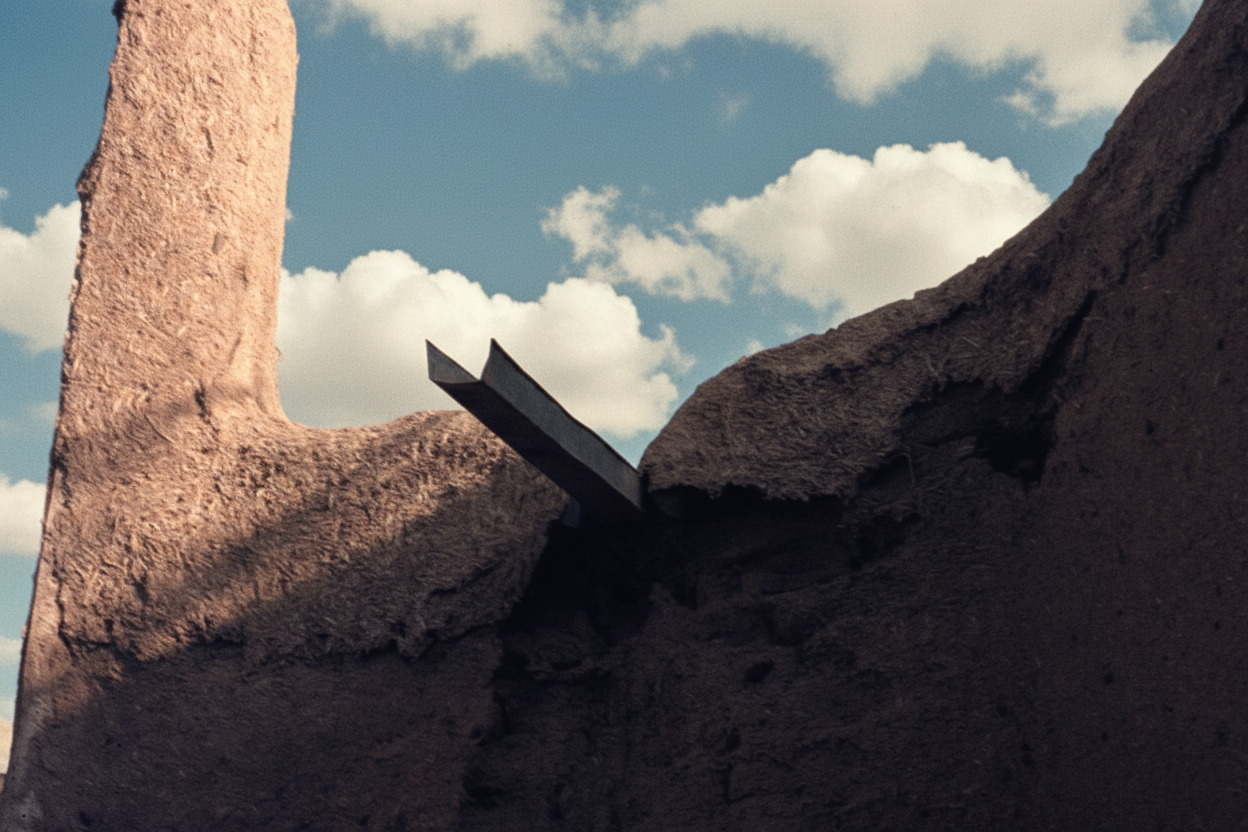
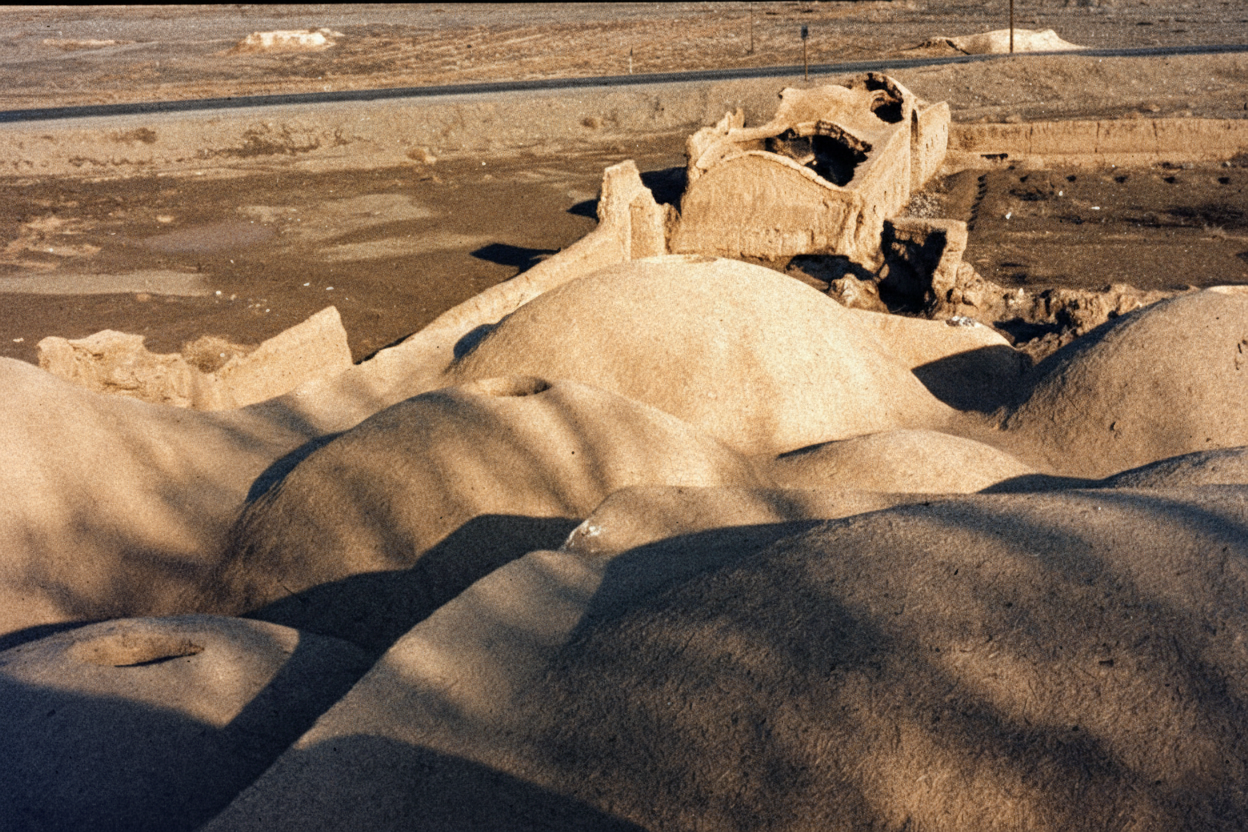
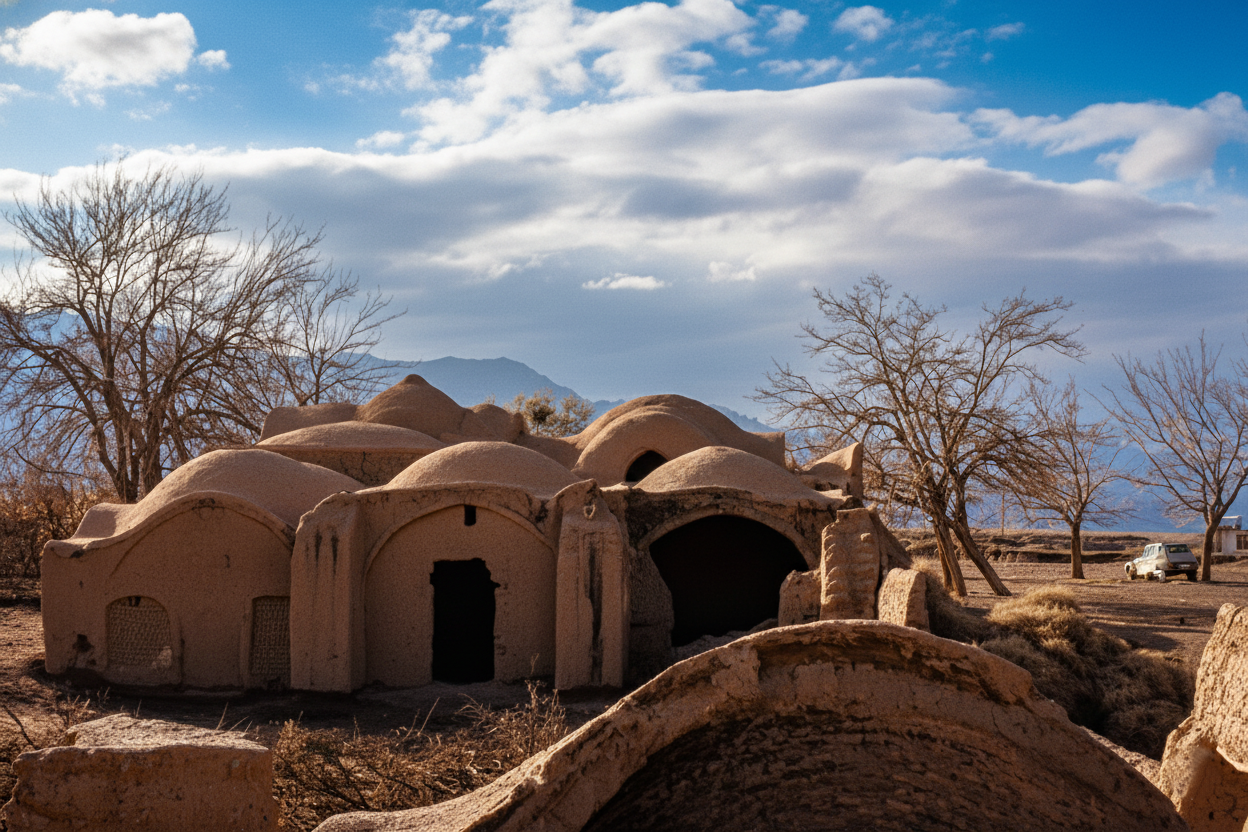
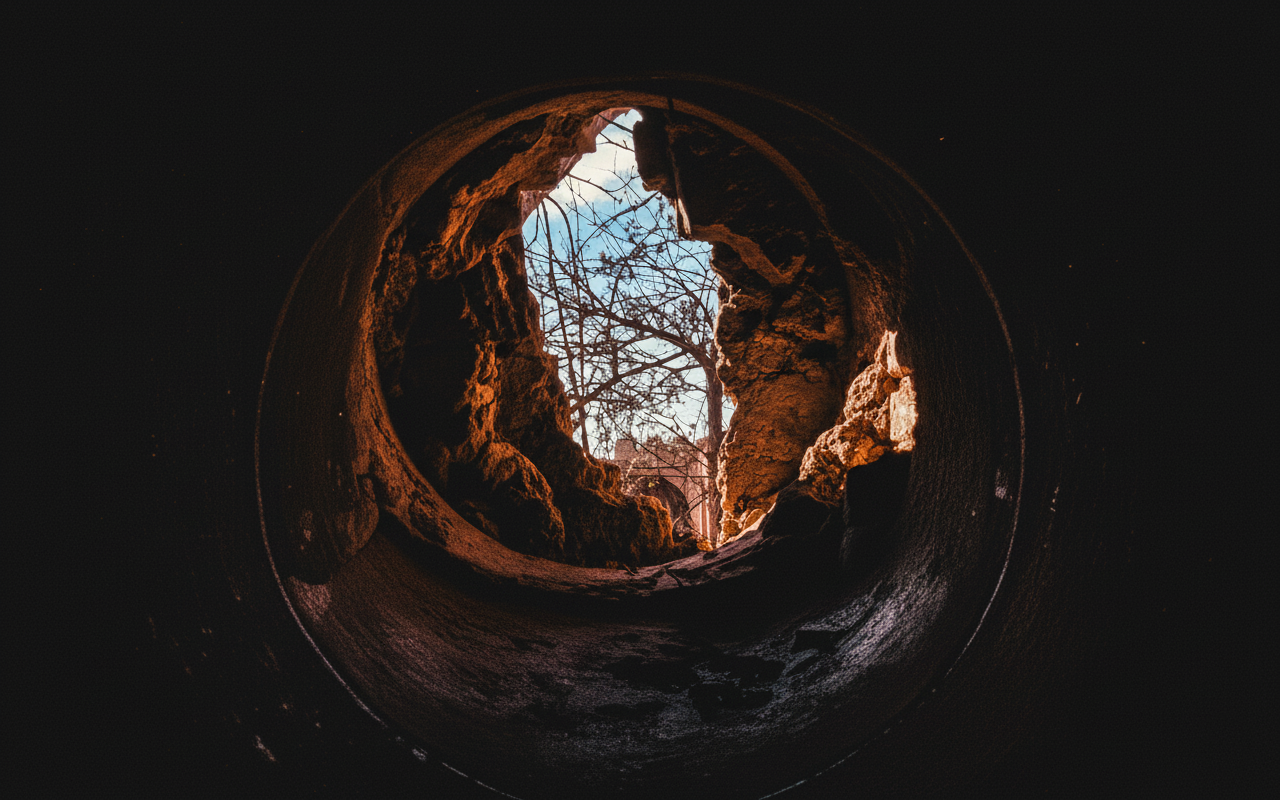
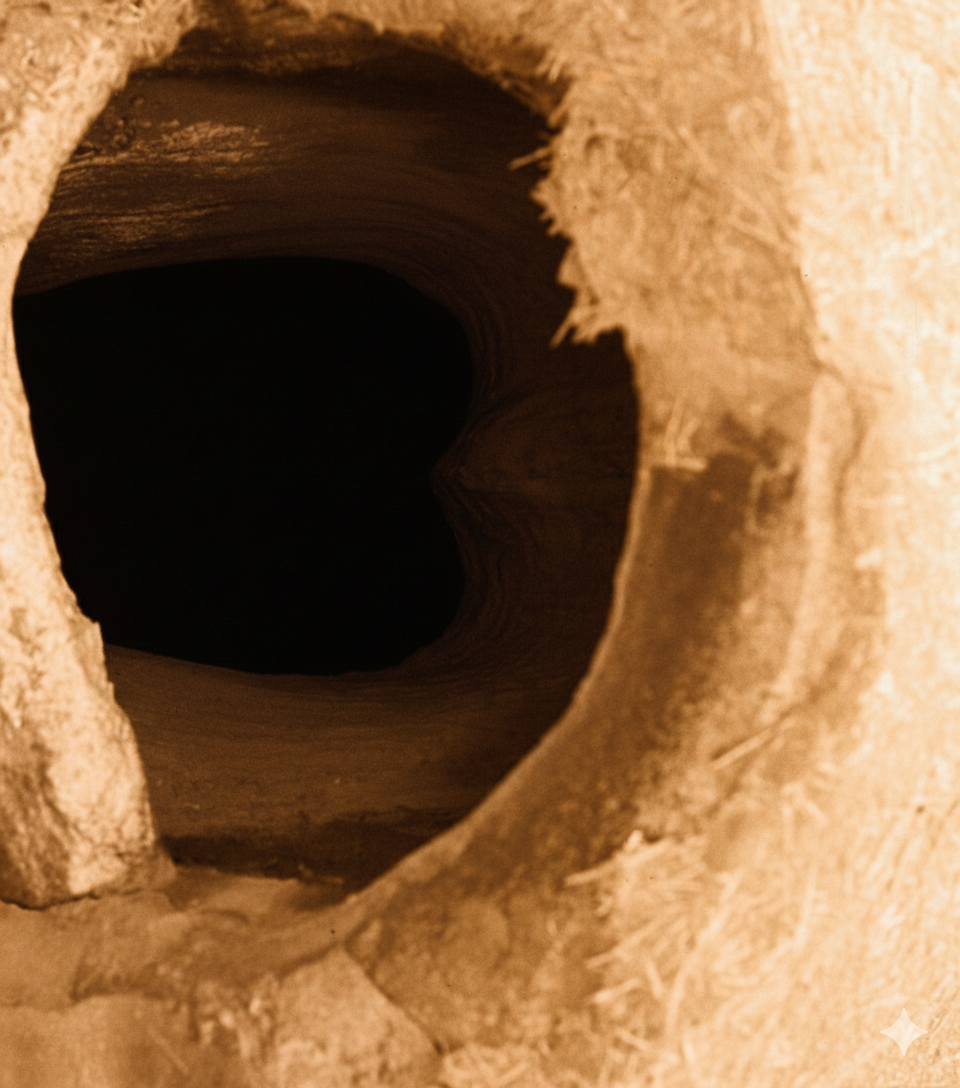
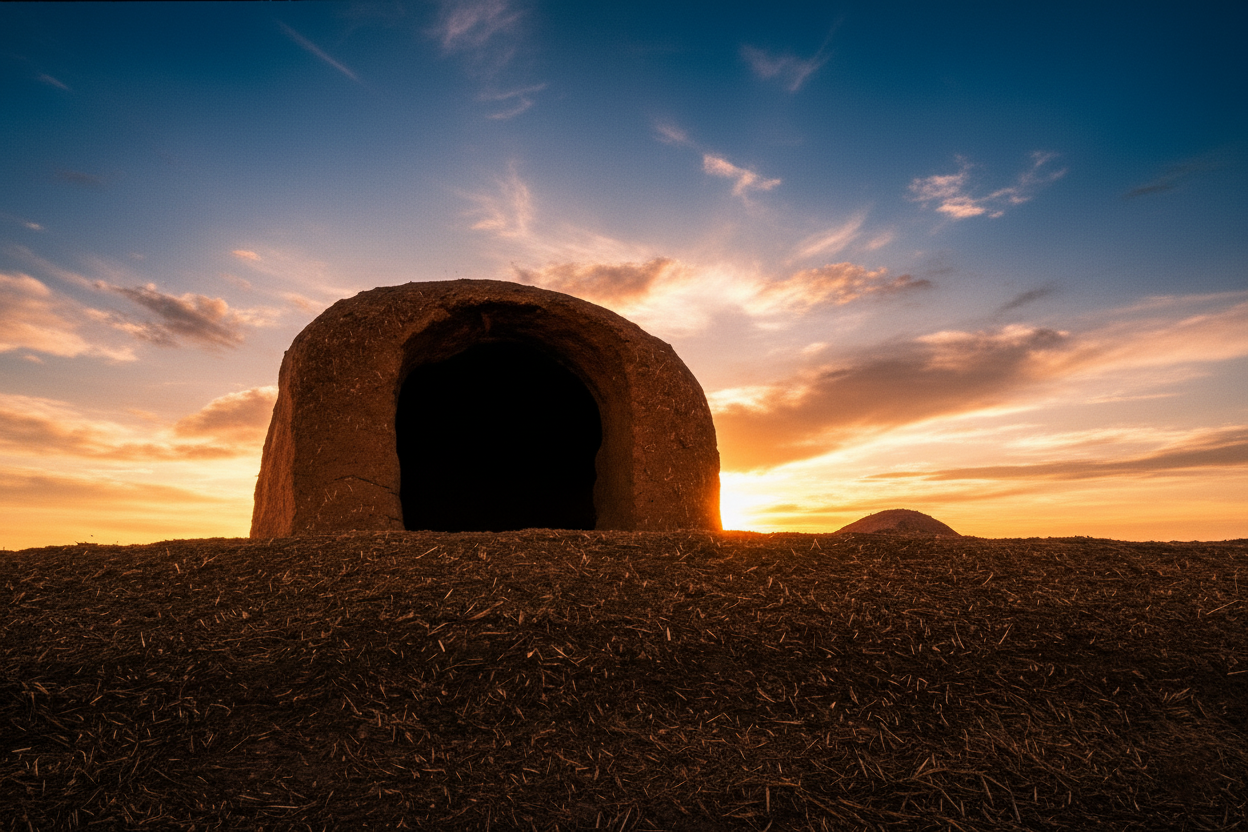
Adobe (خشت و گل) forms the material foundation of Kashan’s (کاشان) architecture. Its thick earthen walls regulate temperature in the desert climate while shaping domes (گنبد), vaults, and windcatchers (بادگیر). Locally sourced and easily repaired, adobe creates a continuous urban fabric linking houses, bazaars (بازار), and Ab anbars (آبانبارها).
-
Adobe (خشت و گل) is the primary material shaping the architecture and identity of Kashan (کاشان). Composed of earth, water, and straw, it is both structurally effective and climatically intelligent, making it ideally suited to the city’s desert environment. Thick adobe walls provide significant thermal mass, absorbing heat during the day and releasing it gradually at night, thereby stabilizing interior temperatures. This material logic extends across houses, bazaars (بازار), Ab anbars (آبانبارها), and religious buildings, creating a cohesive architectural language that gives Kashan its distinctive earthen character.
Beyond its environmental performance, adobe defines the spatial and visual continuity of Kashan’s urban fabric. Its plasticity allows the formation of domes (گنبد), vaults, windcatchers (بادگیر), and sculpted rooflines that shape the city’s recognizable skyline. The material’s soft, خاکی-toned surface absorbs and diffuses sunlight, producing subtle variations of light and shadow across façades and streets. Because adobe is locally sourced and easily repairable, it supports an architecture of gradual growth and renewal, allowing neighborhoods (محلهها) to evolve organically over time. In Kashan, adobe is not simply a building material—it is the medium through which climate adaptation, craftsmanship, and urban cohesion are expressed.
