Yazd (یزد) Desert-Responsive Design
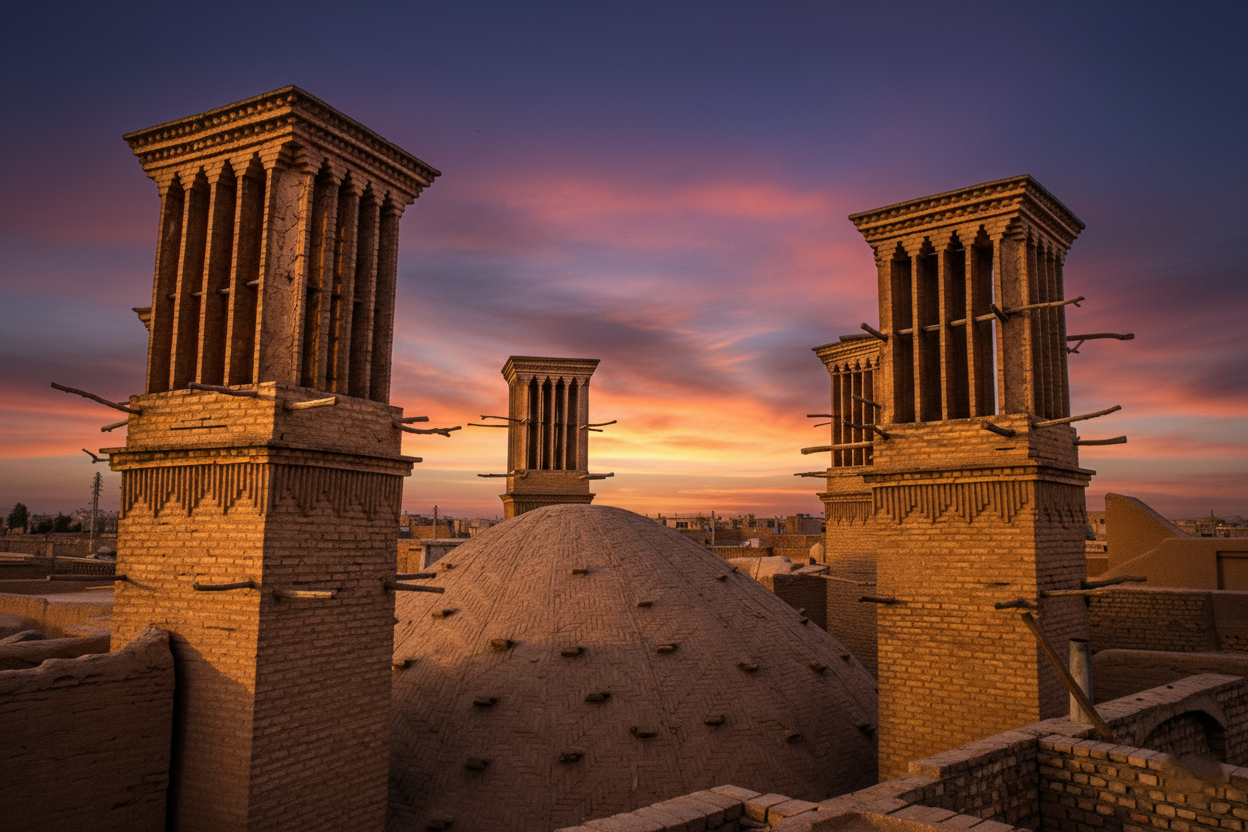
Yazd (یزد), located between the Dasht-e Kavir (دشت کویر) and Dasht-e Lut (دشت لوت), developed from the Sassanian period (224–651 CE) as a major Silk Road city. Its dense adobe architecture (خشت و گل), Badgirs (بادگیرها), Ab-anbars (آبانبارها), and qanat systems (قنات) form a climate-responsive urban fabric exemplified by landmarks such as the Yazd Grand Mosque (14th century) and Dowlat Abad Garden (1750).
-
Yazd (یزد) is one of the most significant examples of desert urbanism in Iran and the world. Located between the Dasht-e Kavir (دشت کویر) and the Dasht-e Lut (دشت لوت), the city developed over many centuries as a resilient settlement shaped by climate, trade, and environmental technologies. Its origins date back at least to the Sassanian period (224–651 CE), and it later flourished during the Seljuk period (11th–12th centuries), the Ilkhanid period (13th–14th centuries), and the Safavid period (16th–17th centuries) as an important center along the historic Silk Road trade routes.
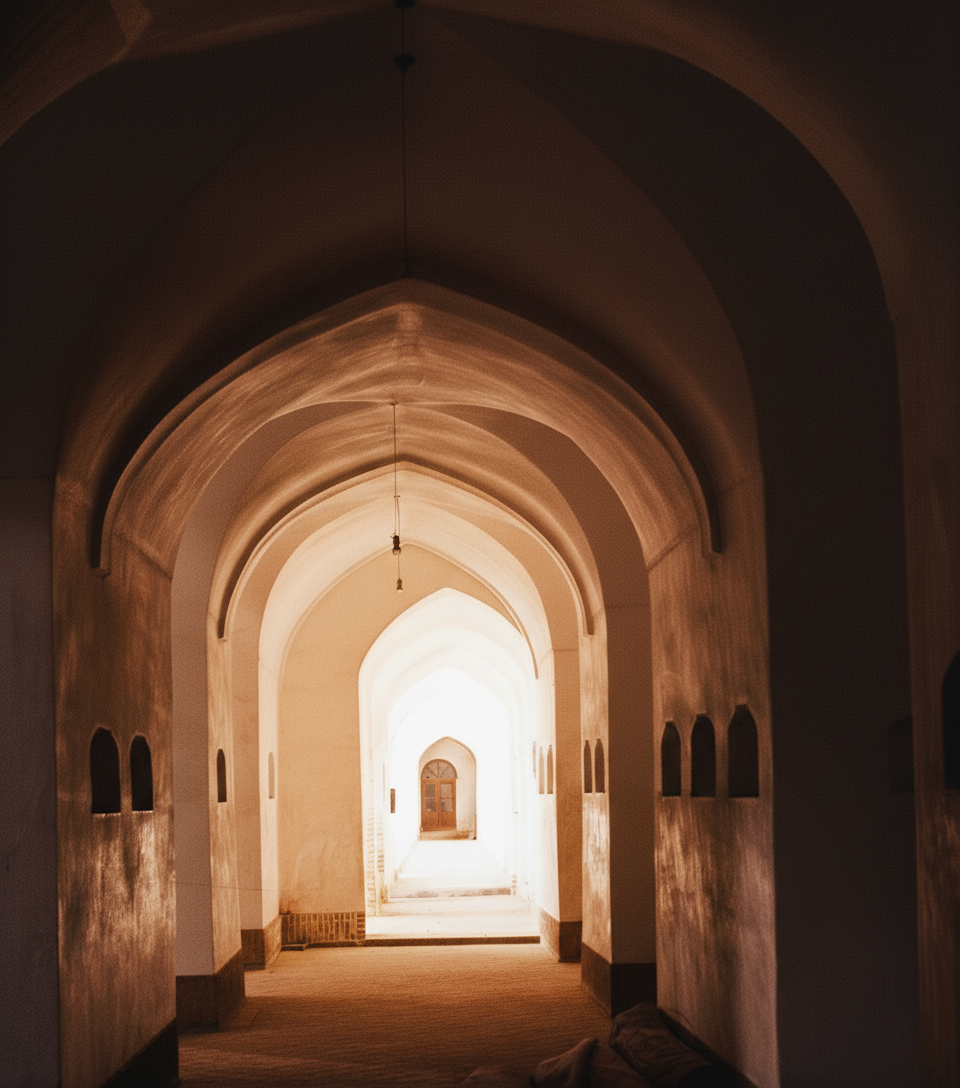
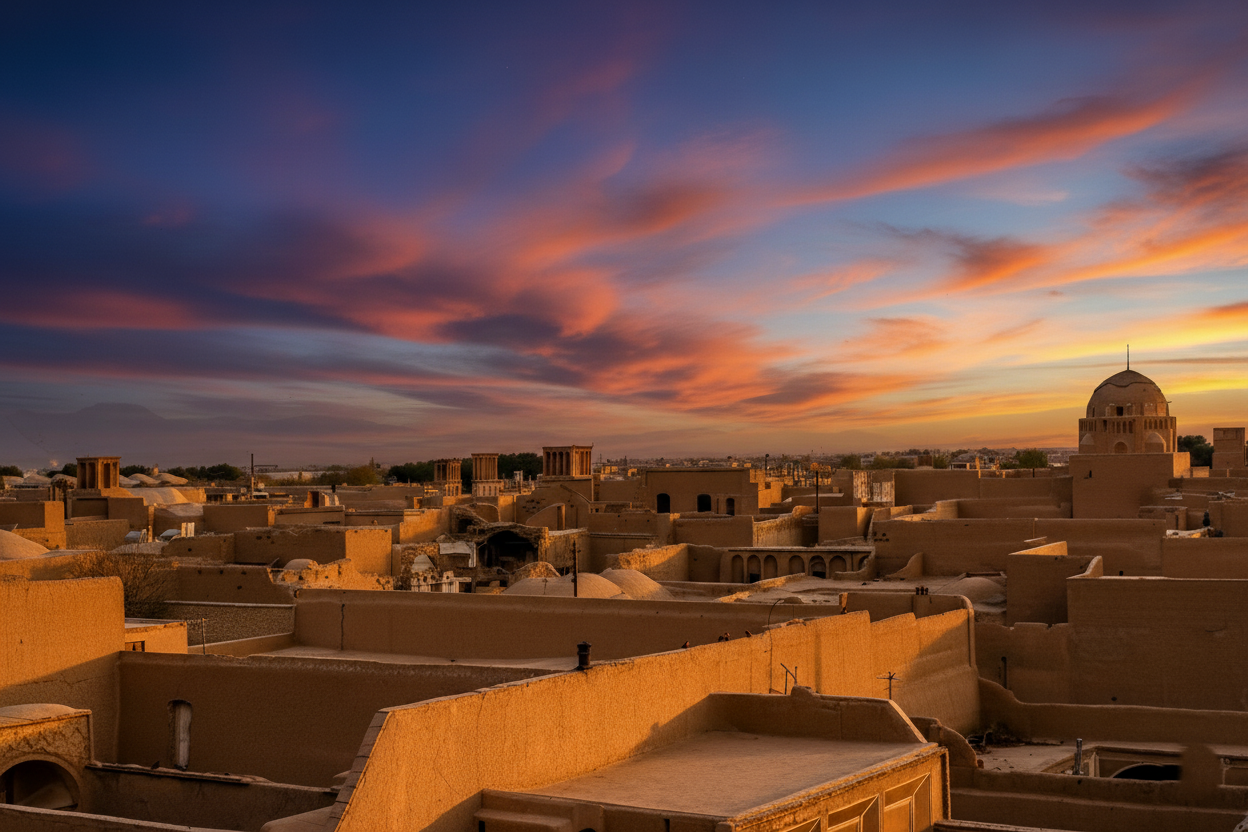
The historic urban fabric of Yazd consists of dense clusters of adobe buildings (خشت و گل) constructed from khesht and mud plaster (خشت و گل). These structures form a continuous earth-toned cityscape that blends with the surrounding desert landscape while responding to the hot, arid climate. Within this fabric, essential urban elements—including Ab-anbars (آبانبارها) for water storage, bazaars (بازارها) for commerce, traditional courtyard houses (خانههای حیاطدار), Kucheh-hā-ye Bārīk (کوچههای باریک) or narrow winding alleys, and gardens (باغها)—are closely integrated to form a cohesive settlement. The narrow alleys create shade, reduce solar exposure and desert winds, channel cooling air, and encourage daily social interaction among residents.
Yazd’s architecture incorporates advanced environmental technologies such as Badgirs (بادگیرها), or windcatchers, which capture prevailing winds and direct them into interior spaces to provide natural ventilation and cooling. Many Badgirs (بادگیرها) operate in combination with Ab-anbars (آبانبارها) supplied by underground qanat systems (قنات), demonstrating a sophisticated integration of architecture with water management and passive climate control.
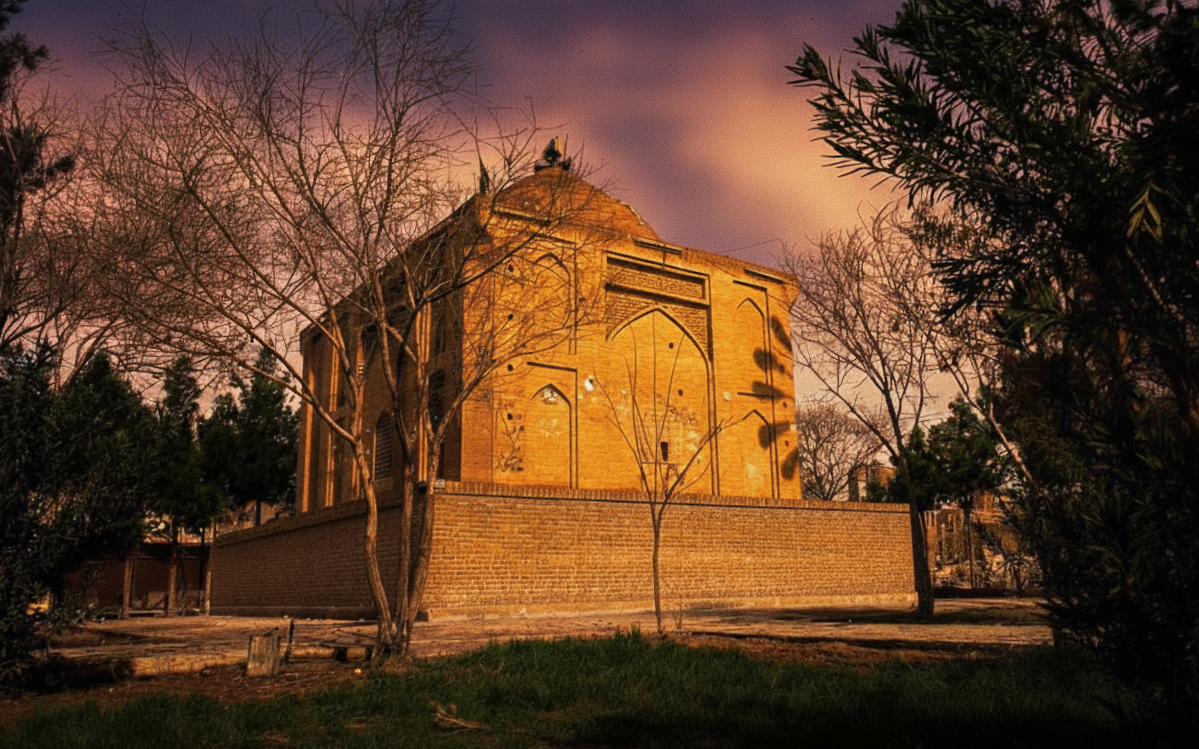
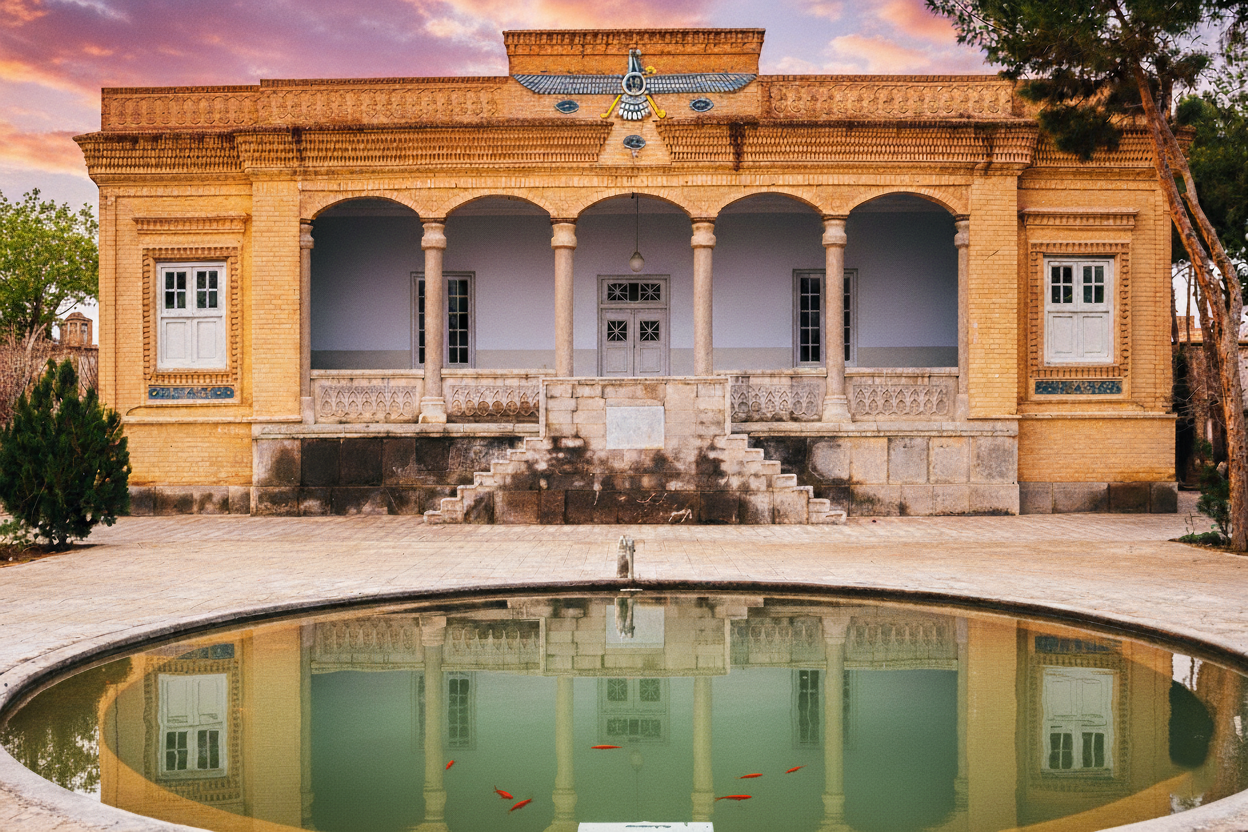
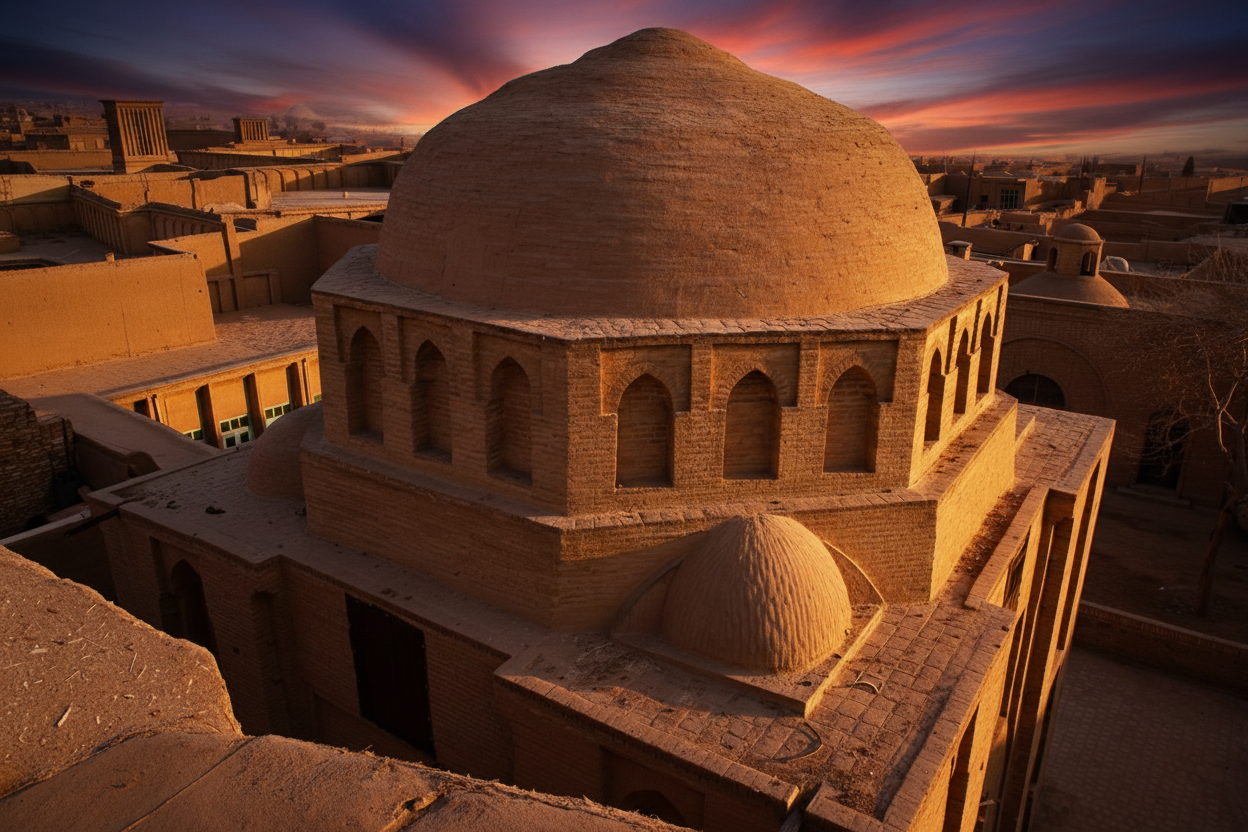
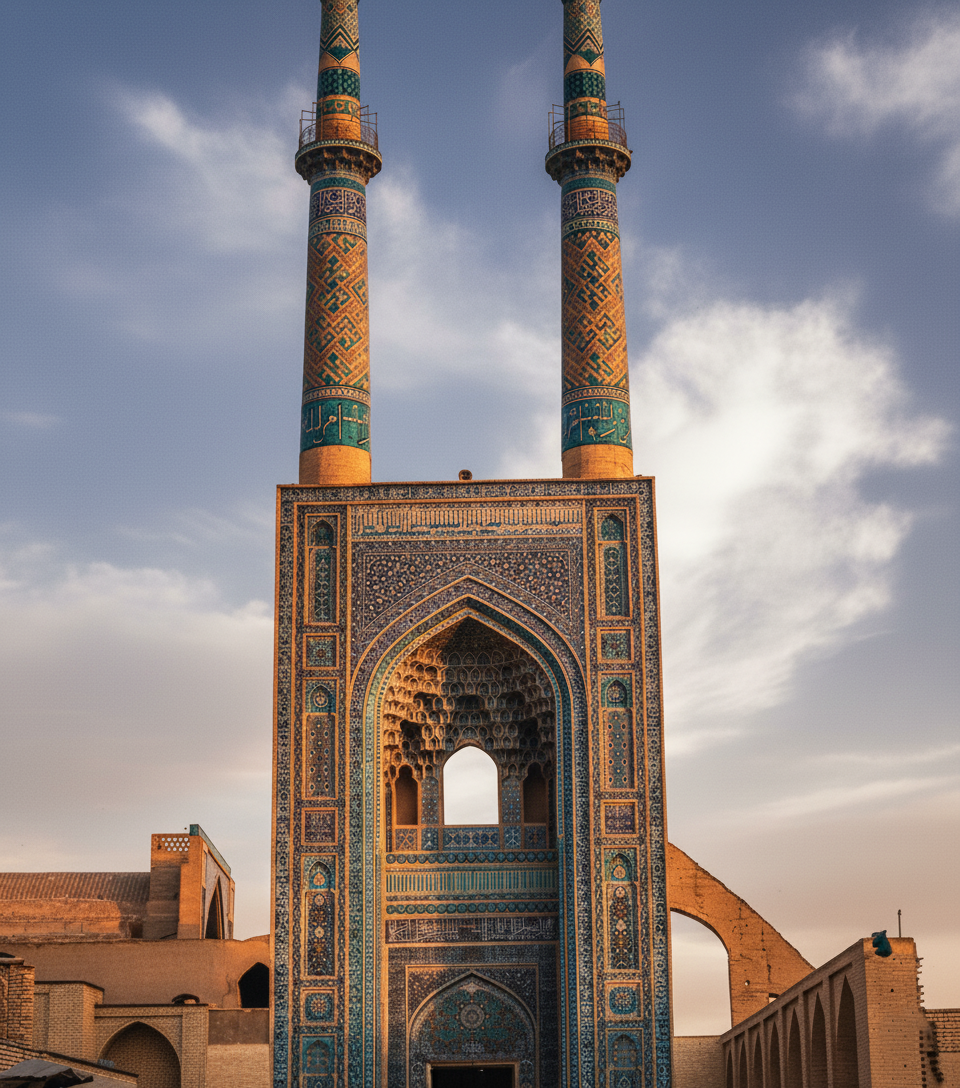
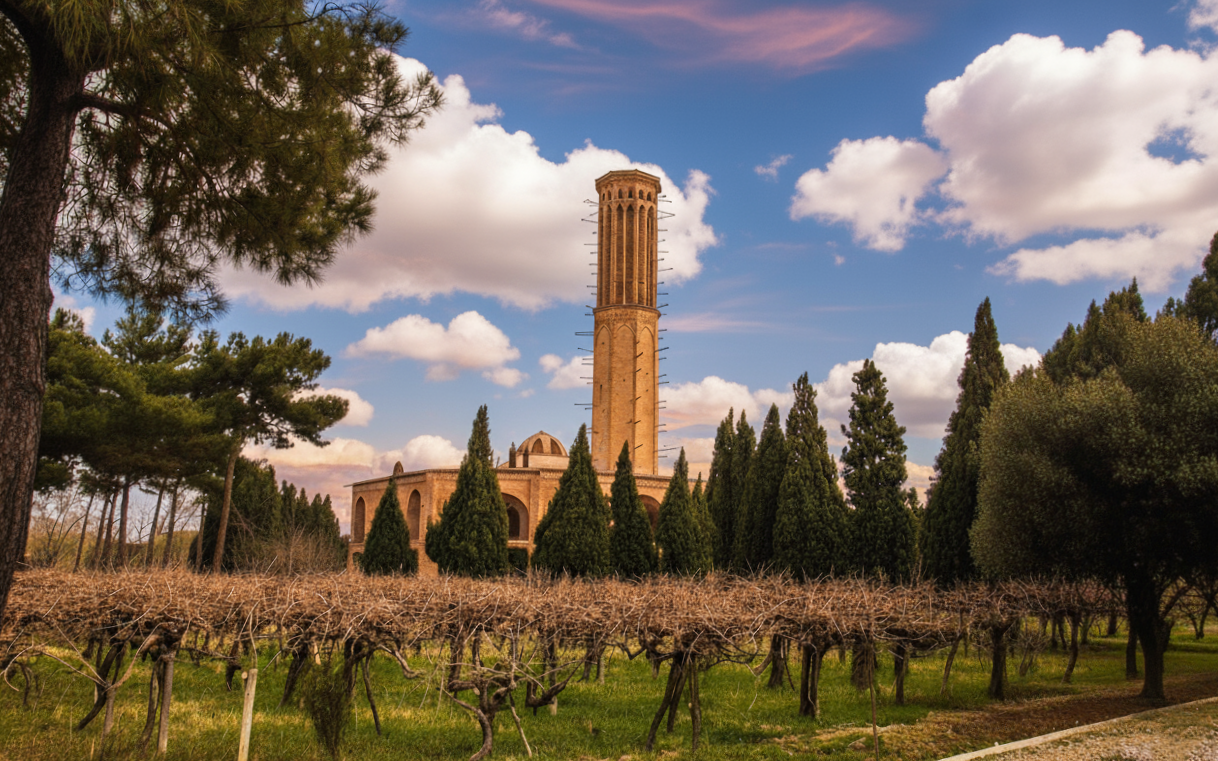
Prominent monuments illustrate the city’s architectural heritage. The Yazd Grand Mosque (مسجد جامع یزد, mainly 14th century) is distinguished by its monumental portal, intricate tilework, and twin minarets rising above the skyline of domes and windcatchers. Other significant sites include the Dowlat Abad Garden (باغ دولتآباد, built in 1750), known for one of the tallest windcatchers in Iran, the Zoroastrian Fire Temple of Yazd (آتشکده زرتشتیان یزد, 1934), and the Tomb of the Twelve Imams (بقعه دوازده امام, 11th century), an early Islamic monument in the region.
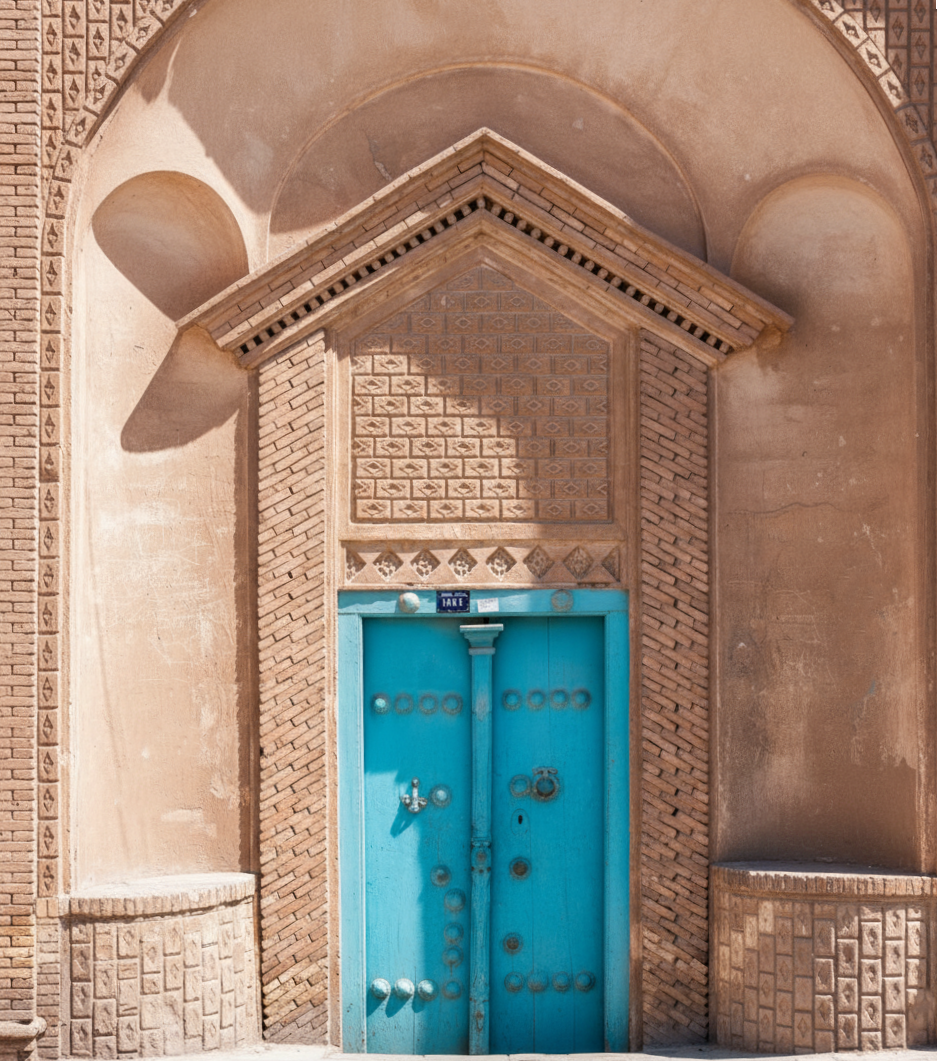
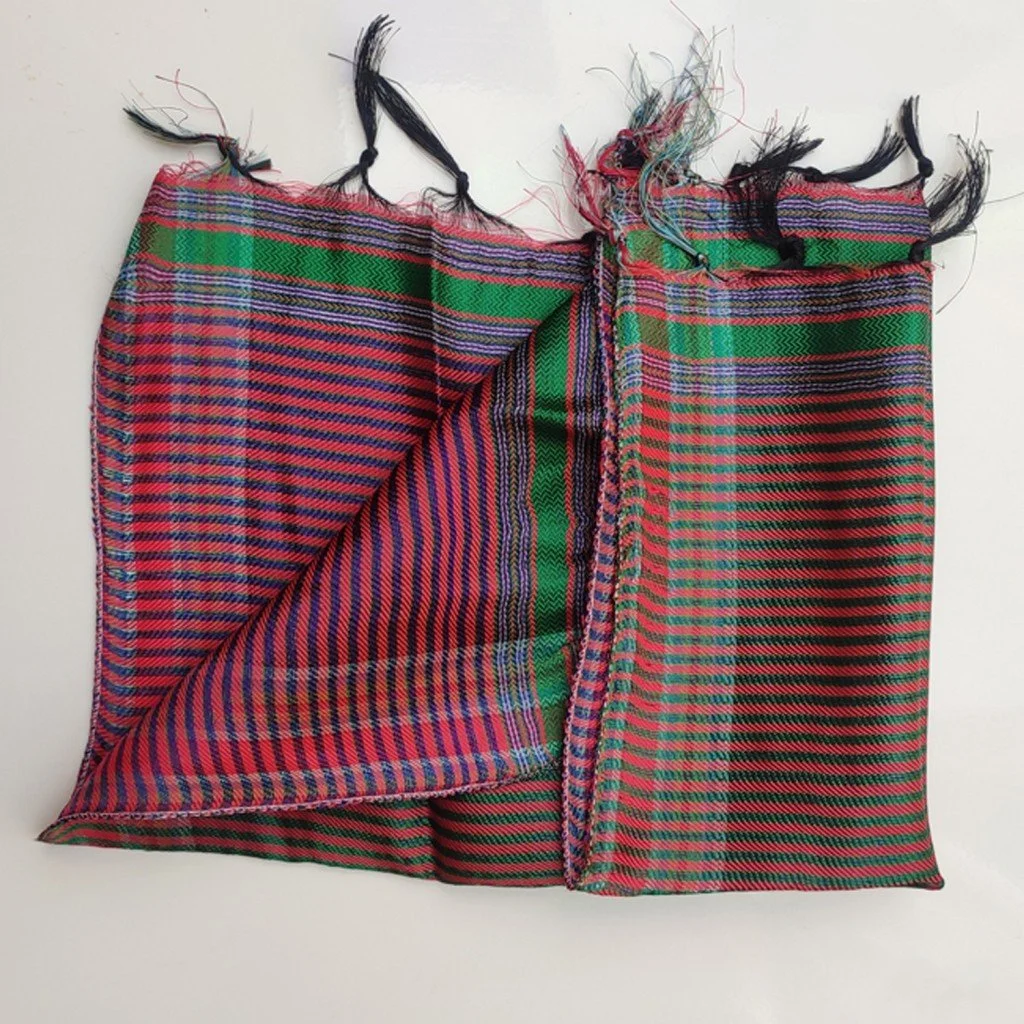
The cityscape is further enriched by architectural features such as Sardar (سردار) gateways at neighborhood and bazaar entrances, traditional door knockers (کوبههای در) reflecting social customs, and local craft traditions including Dastmal Yazdi (دستمال یزدی) textile workshops. Recognized today as a UNESCO World Heritage city (2017), Yazd remains a living example of how architecture and urban form adapt to extreme desert climates through environmental knowledge, craftsmanship, and cultural continuity.