Sabat (ساباط) & Kucheh-hā-ye Bārīk (کوچههای باریک)
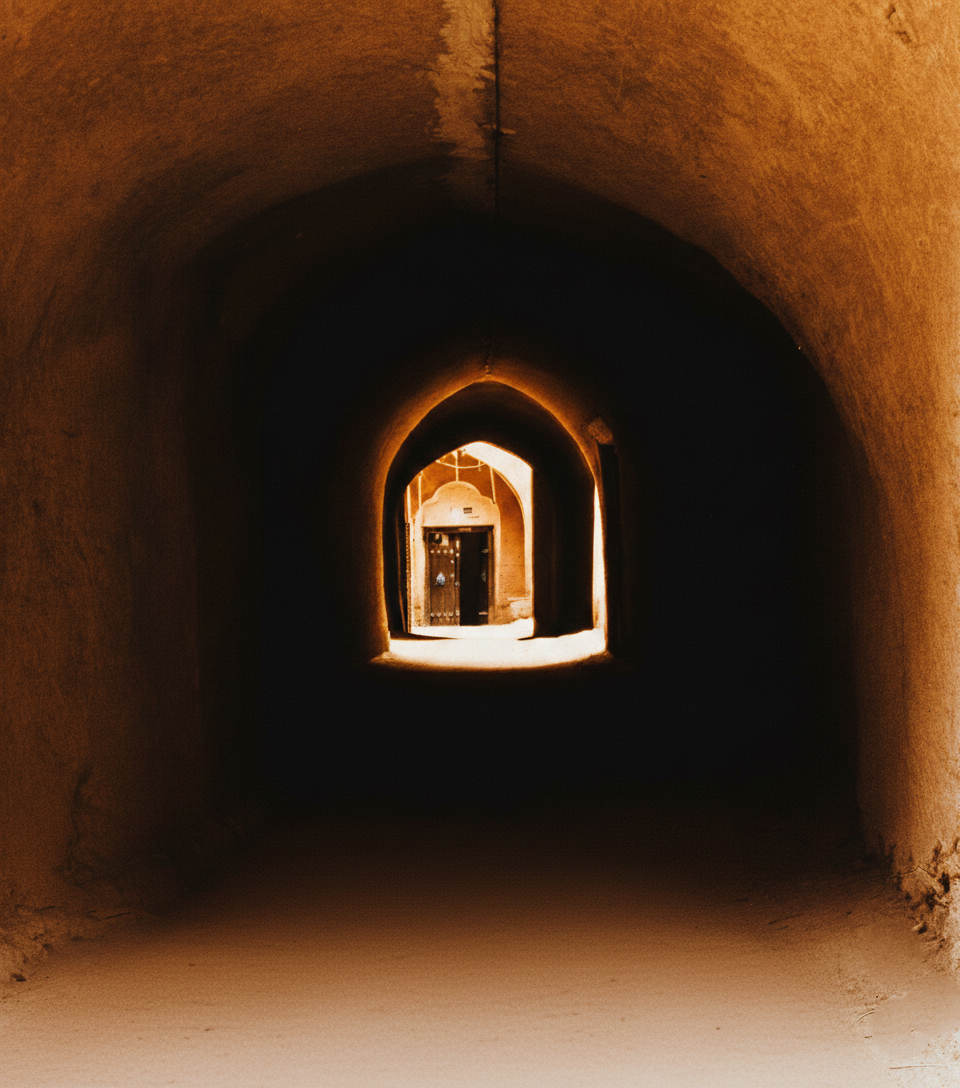
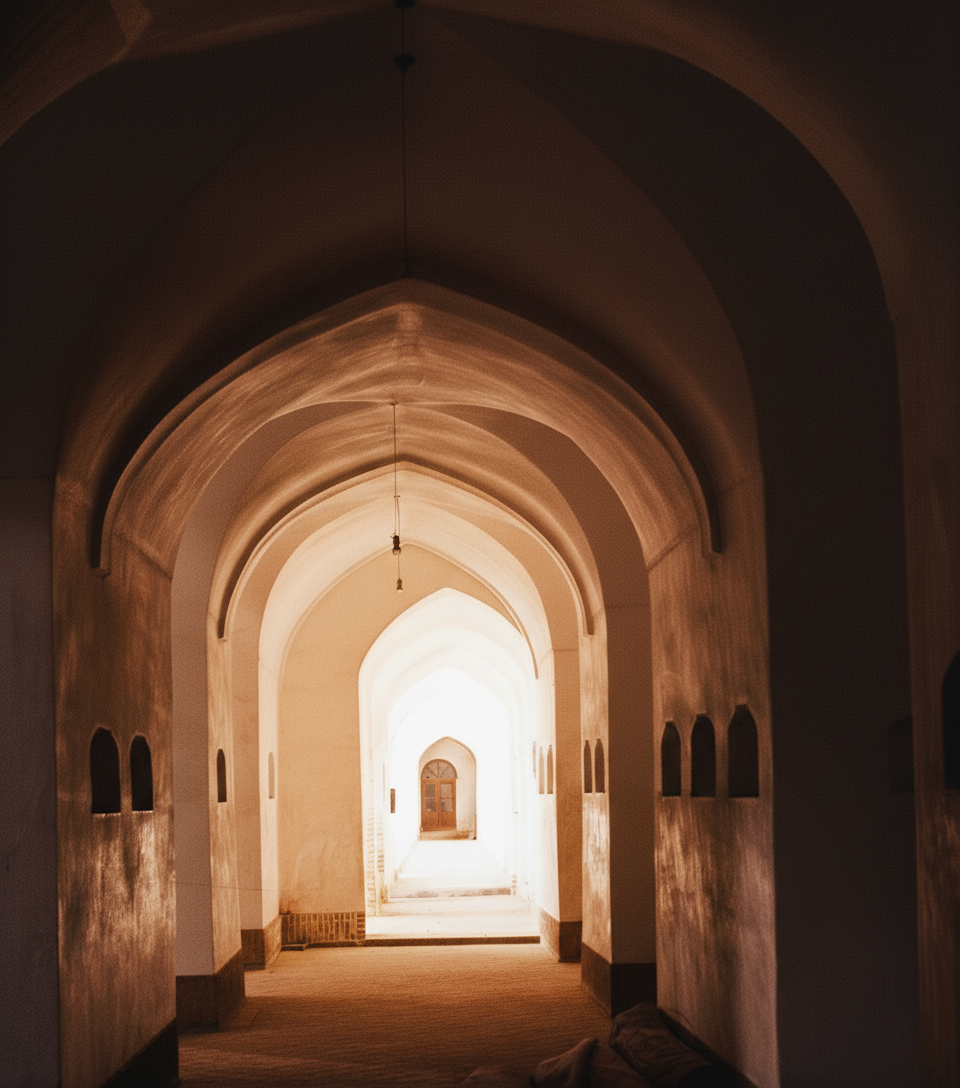
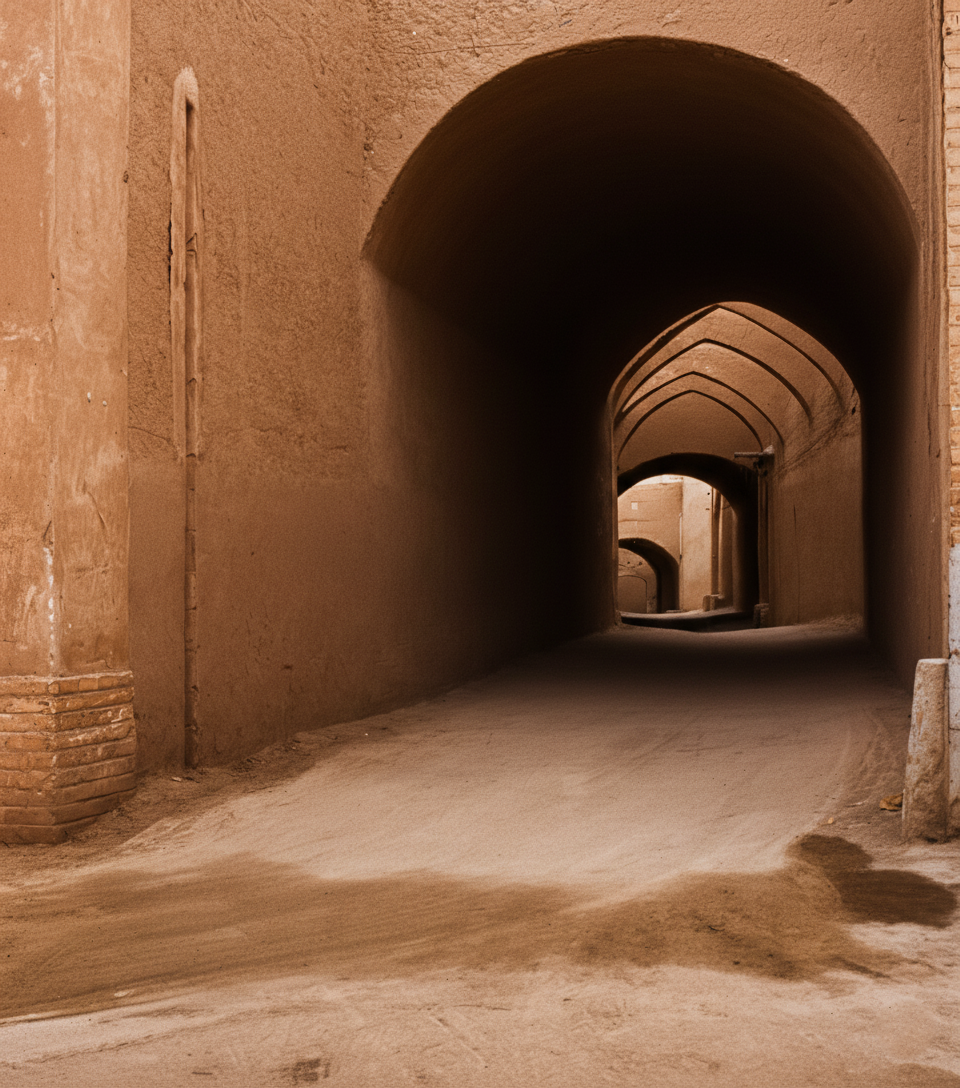
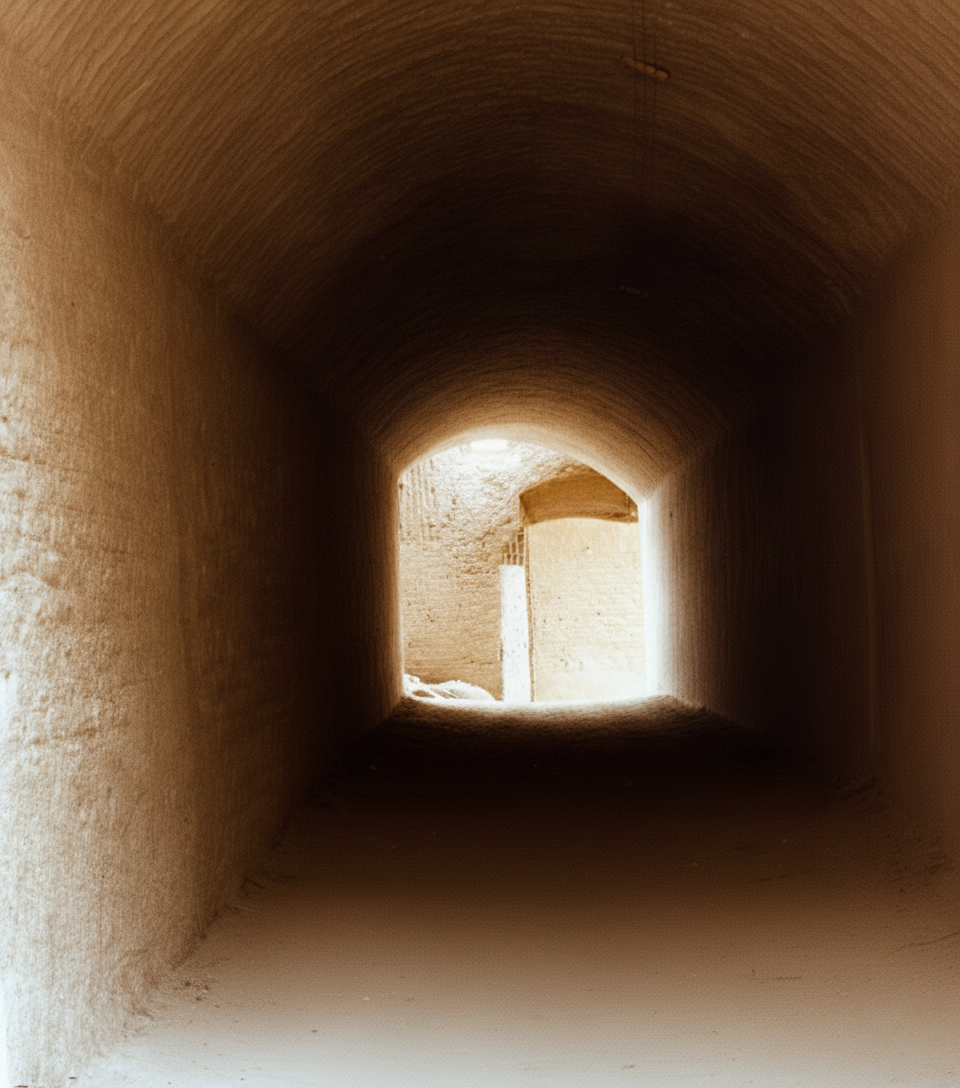
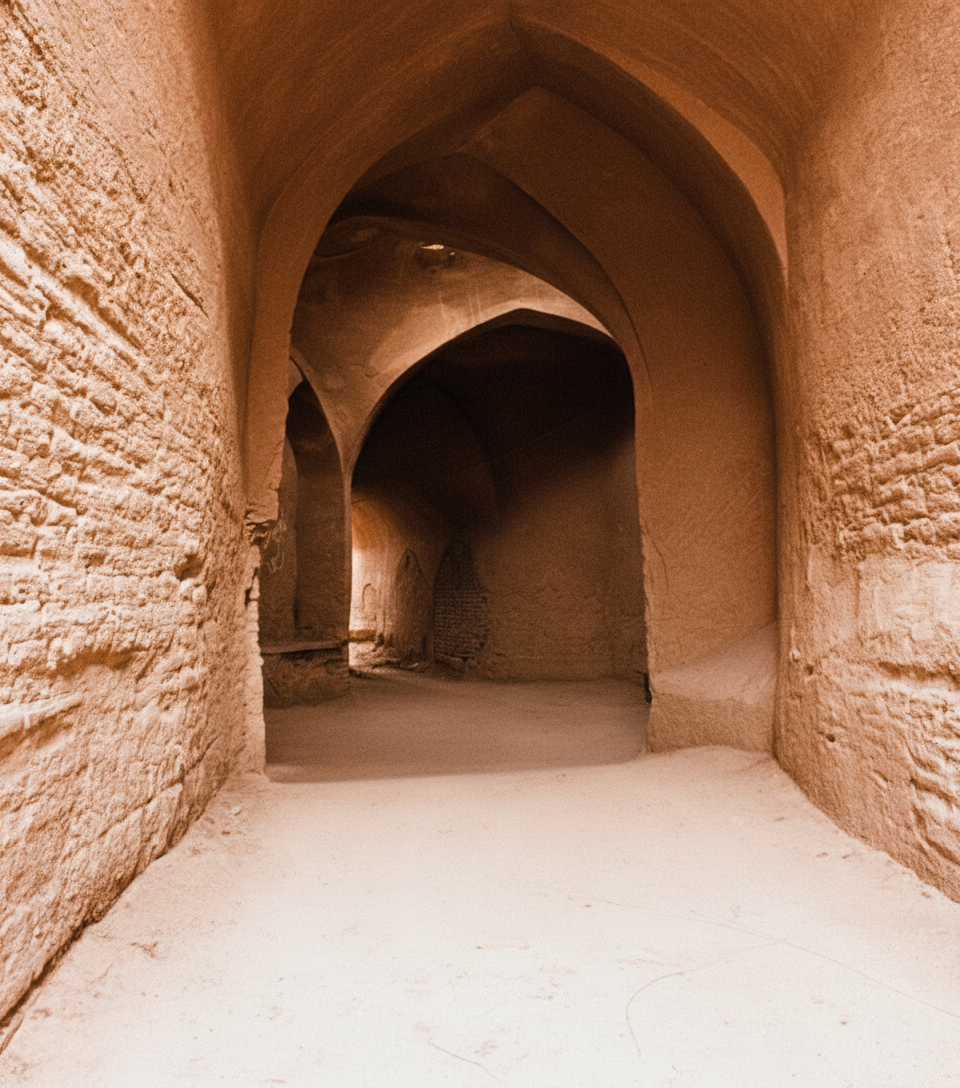
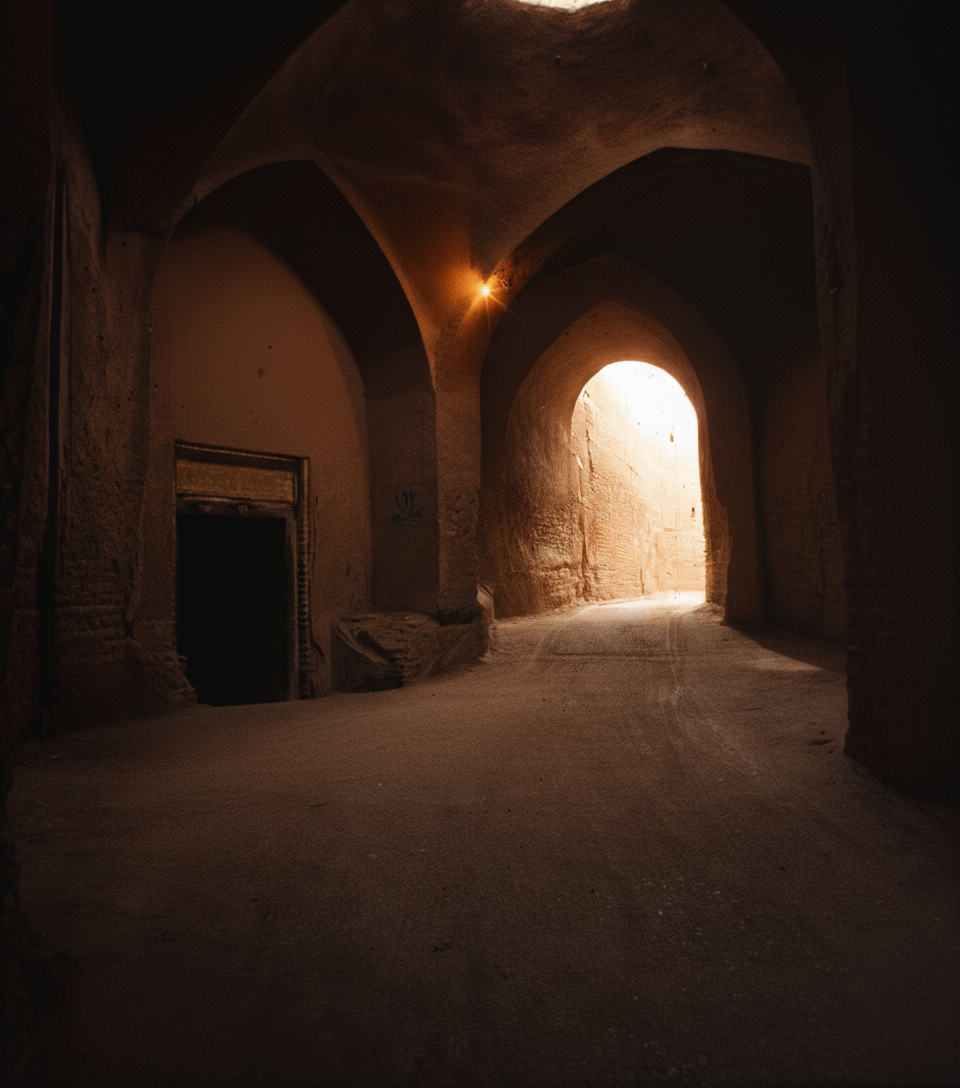
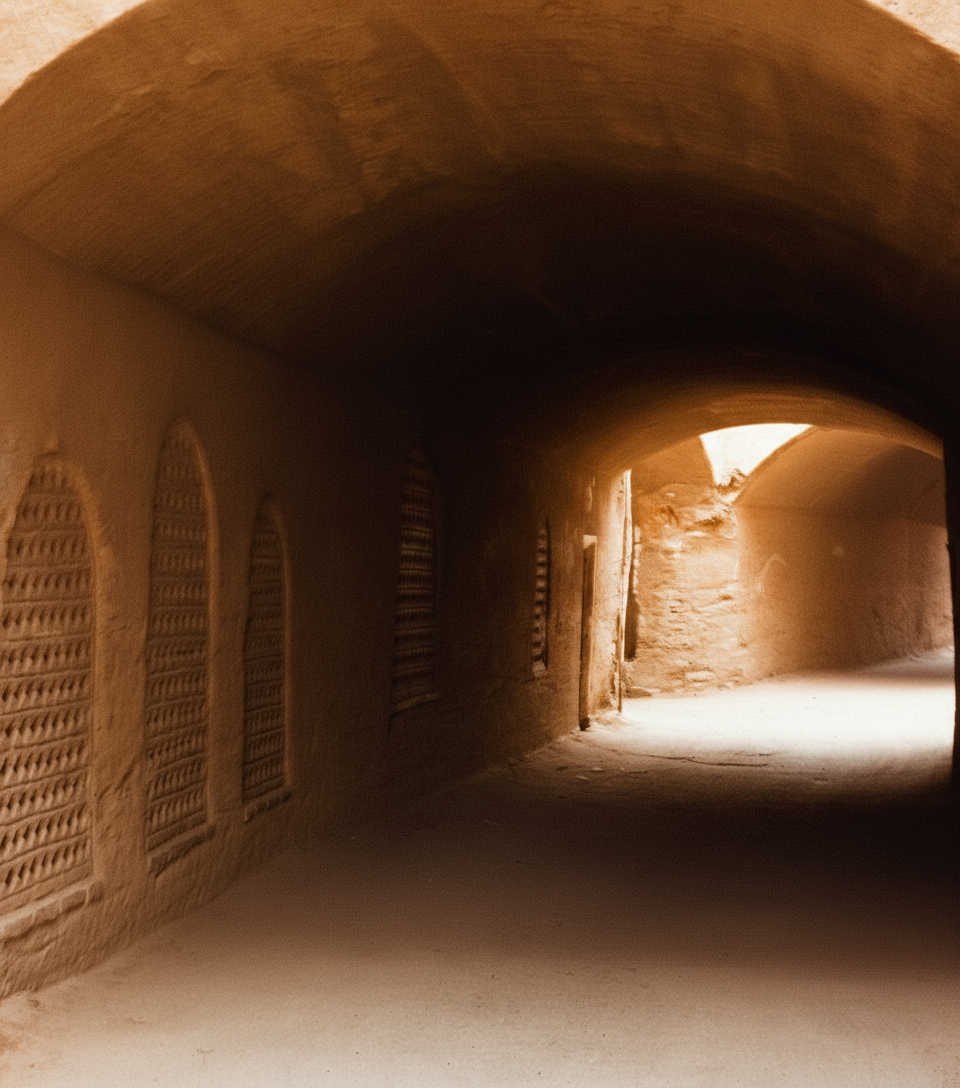
Sabat (ساباط) and Kucheh-hā-ye Bārīk (کوچههای باریک) form a climate-responsive network in Yazd (یزد). These narrow adobe-lined alleys provide shade, reduce desert winds, and maintain cooler temperatures. Covered Sabats enhance thermal comfort while fostering everyday social interaction, linking courtyards, Badgirs (بادگیرها), and Ab Anbars (آبانبارها) within the historic urban fabric.
-
Sabat (ساباط) & Kucheh-hā-ye Bārīk (کوچههای باریک), meaning "narrow alleys," are important features of the historic urban fabric of Yazd (یزد). These winding, narrow passageways developed organically between dense adobe buildings (خشت و گل) and play a crucial role in adapting the city to its hot desert climate. The tall walls of the alleys create continuous shade, reduce direct sunlight, and protect pedestrians from strong desert winds and dust. Their curved, irregular layout also slows airflow and helps maintain cooler temperatures.
Many of these alleys incorporate Sabat (ساباط)—covered or semi-covered passages created by building arches, vaults, or rooms over the street between adjacent houses. The Sabat provides additional shade and thermal protection, further moderating the alley's microclimate and making movement through the city more comfortable during intense summer heat.
Beyond their environmental function, Kucheh-hā-ye Bārīk (کوچههای باریک) and Sabat (ساباط) also enhance neighborhood life and social interaction. The shaded and intimate spaces they create encourage residents to pause, meet neighbors, converse, and share daily activities. These transitional spaces between public streets and private homes strengthen the sense of community and collective life within the neighborhood.
Together with courtyards, Badgirs (بادگیرها), and Ab Anbars (آبانبارها), the network of Kucheh-hā-ye Bārīk (کوچههای باریک) and Sabat (ساباط) contributes to the climate-responsive and human-centered design of Yazd’s historic city.
