Yazd (یزد), Badgirs (بادگیرها)
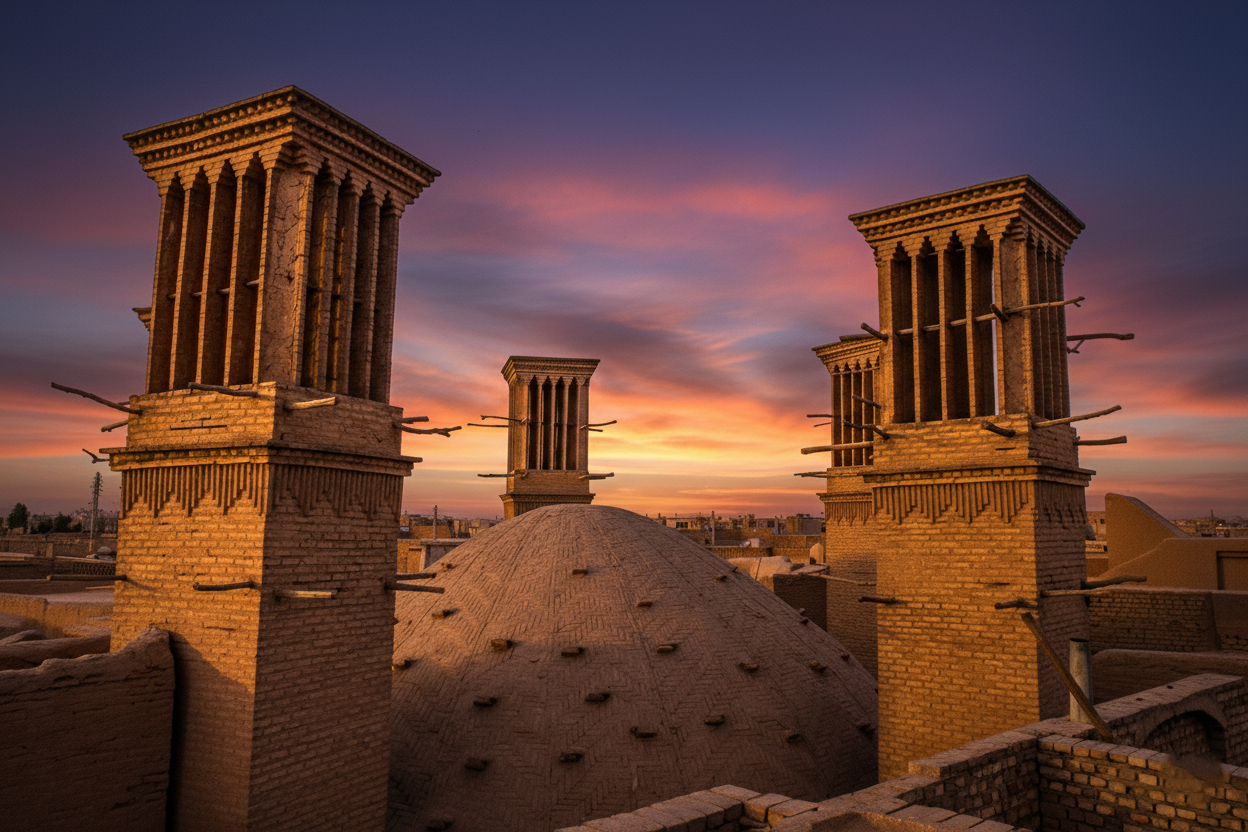
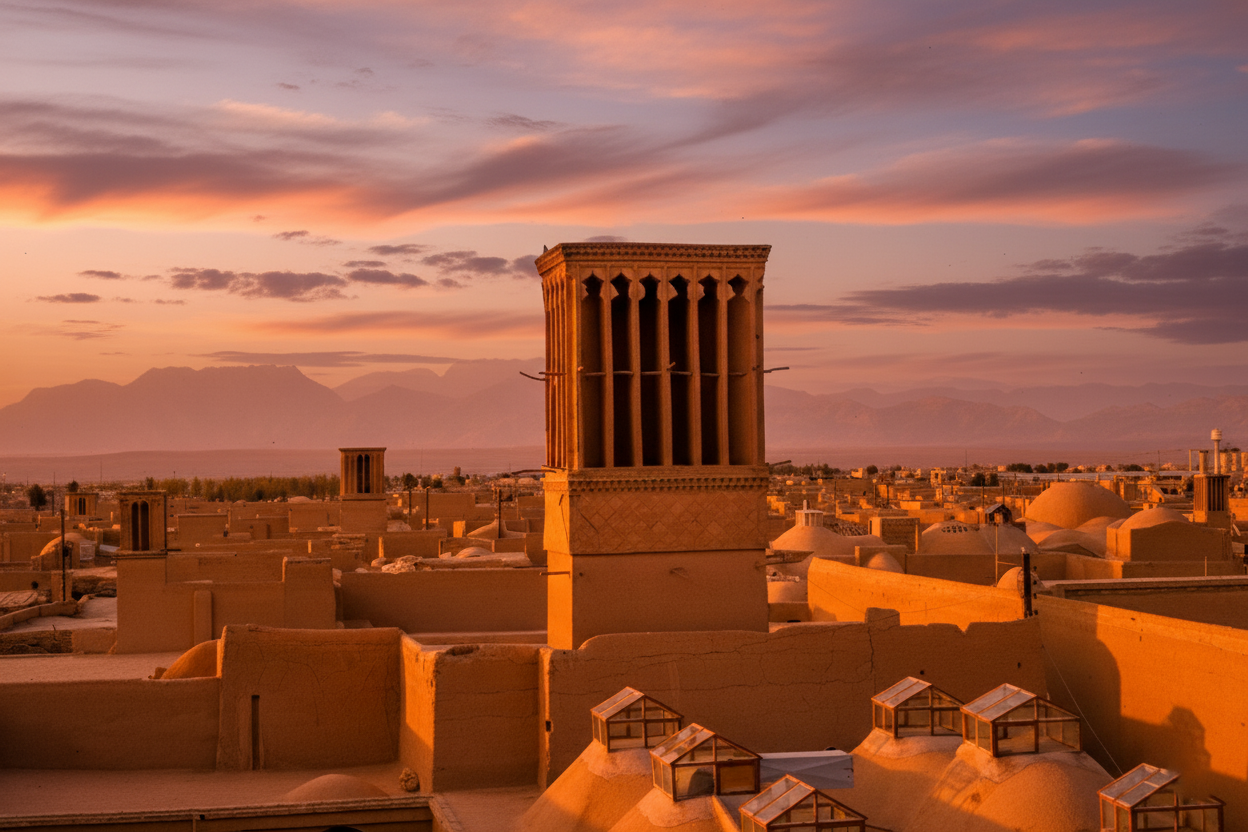
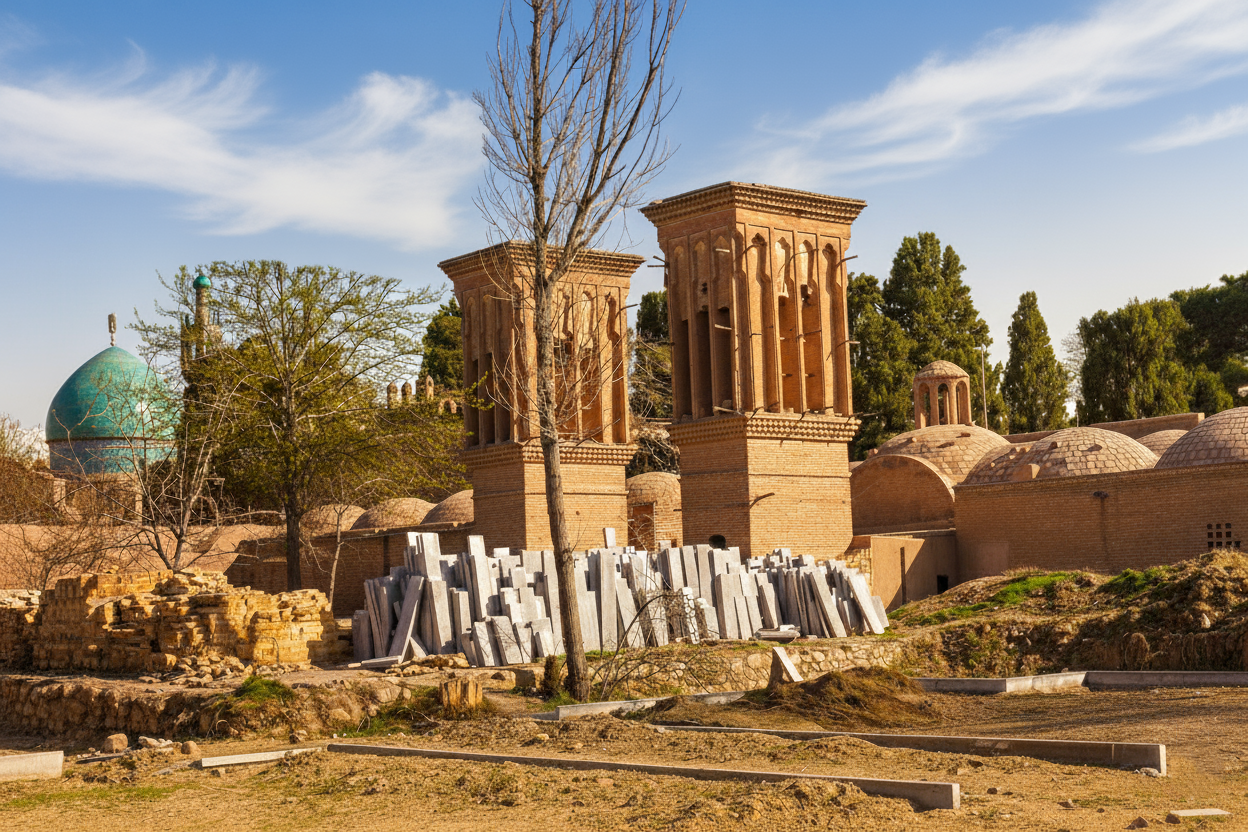
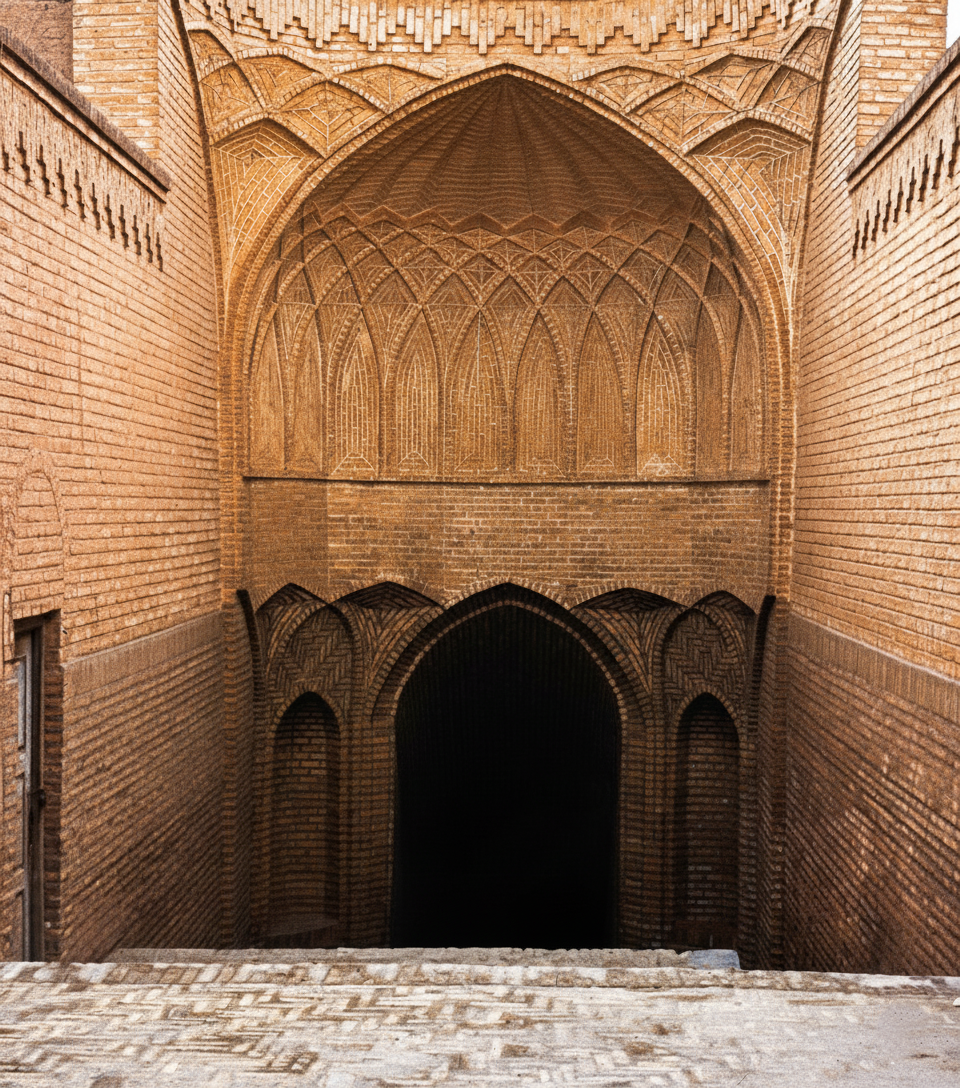
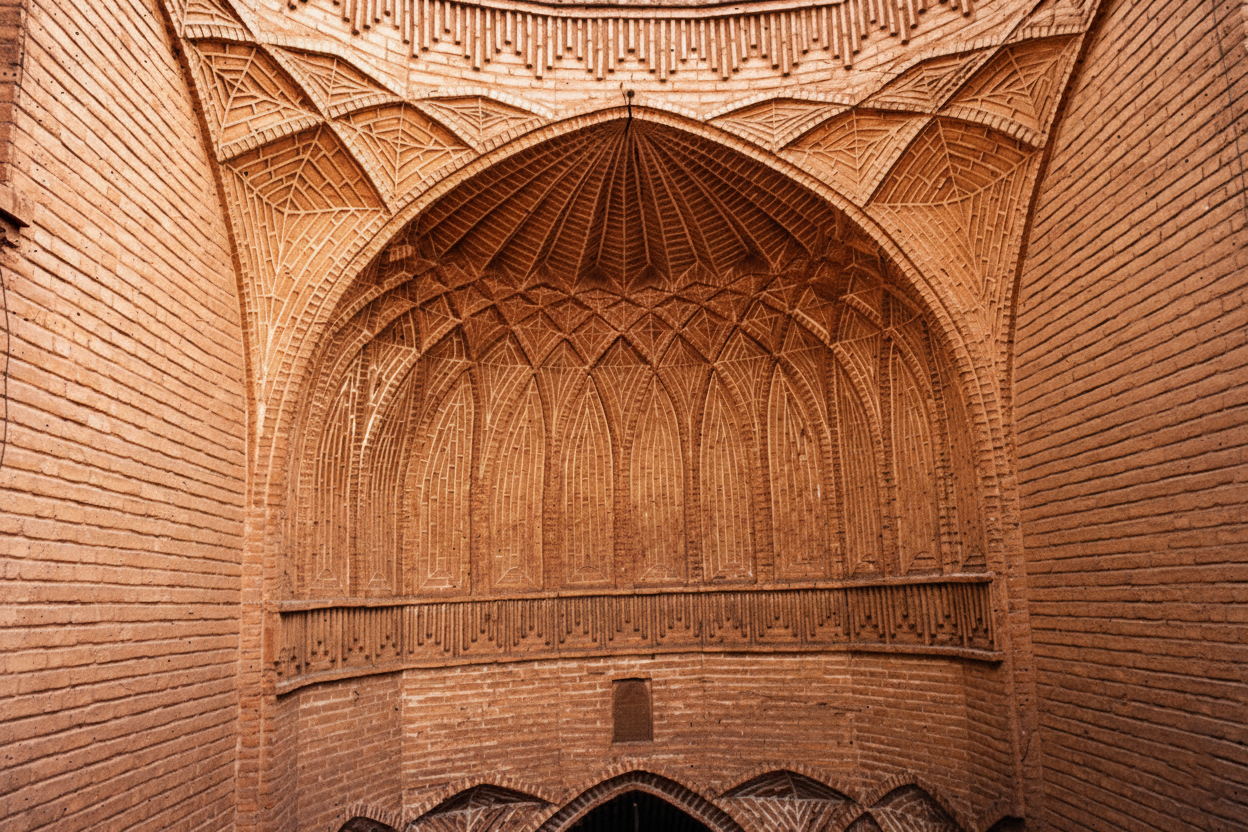
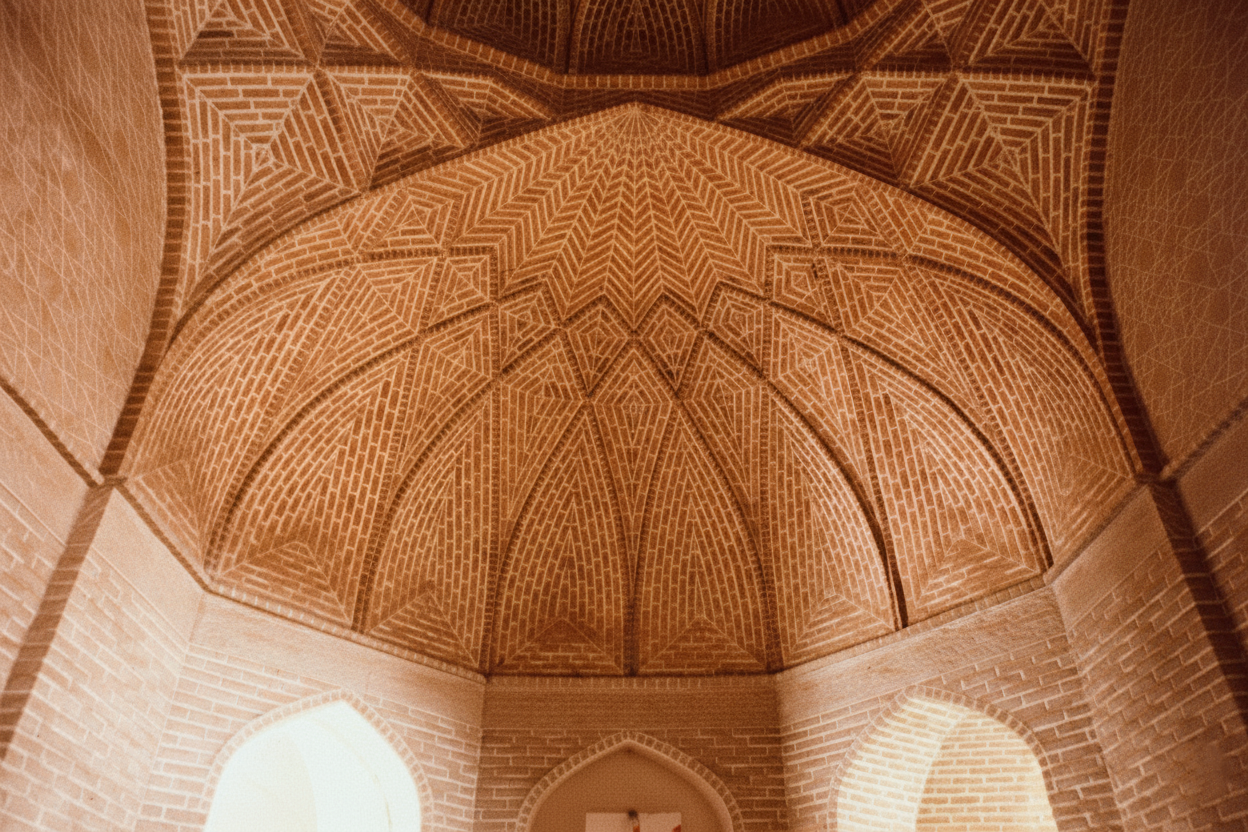


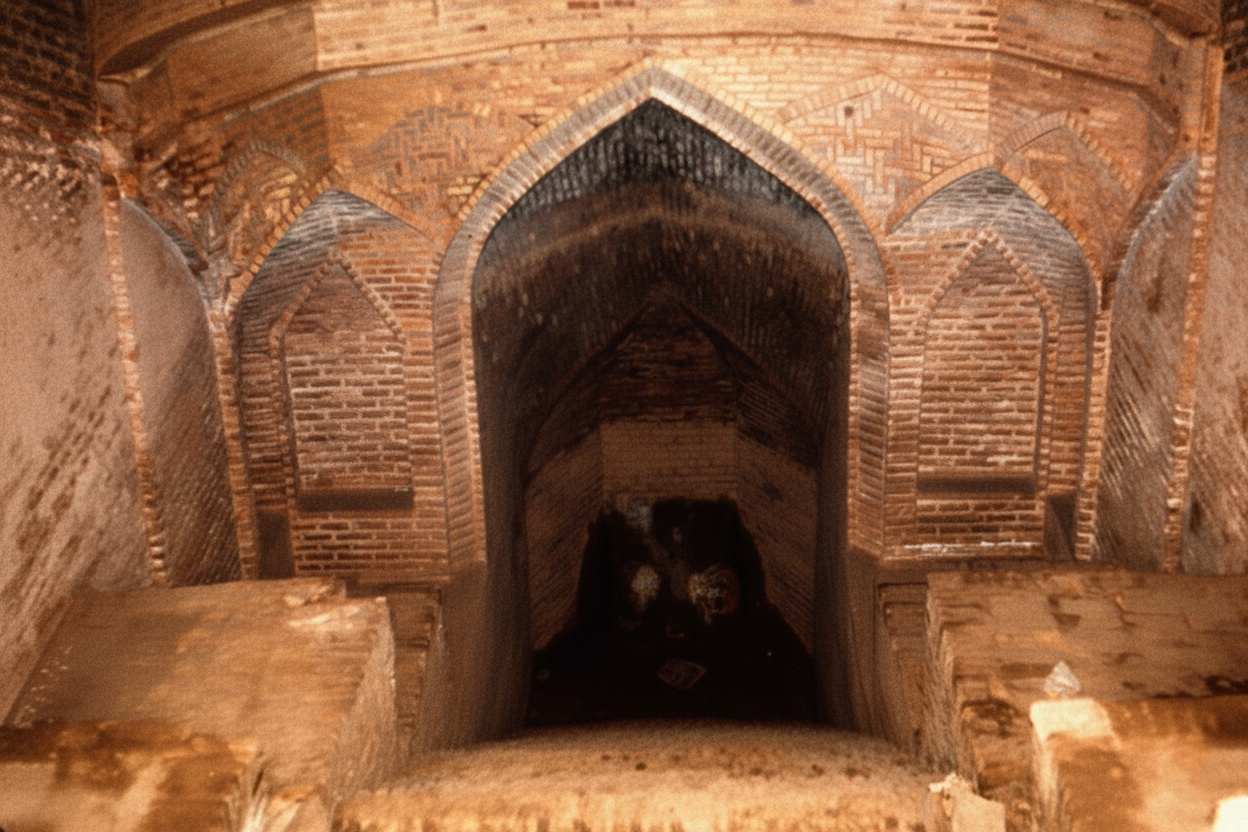
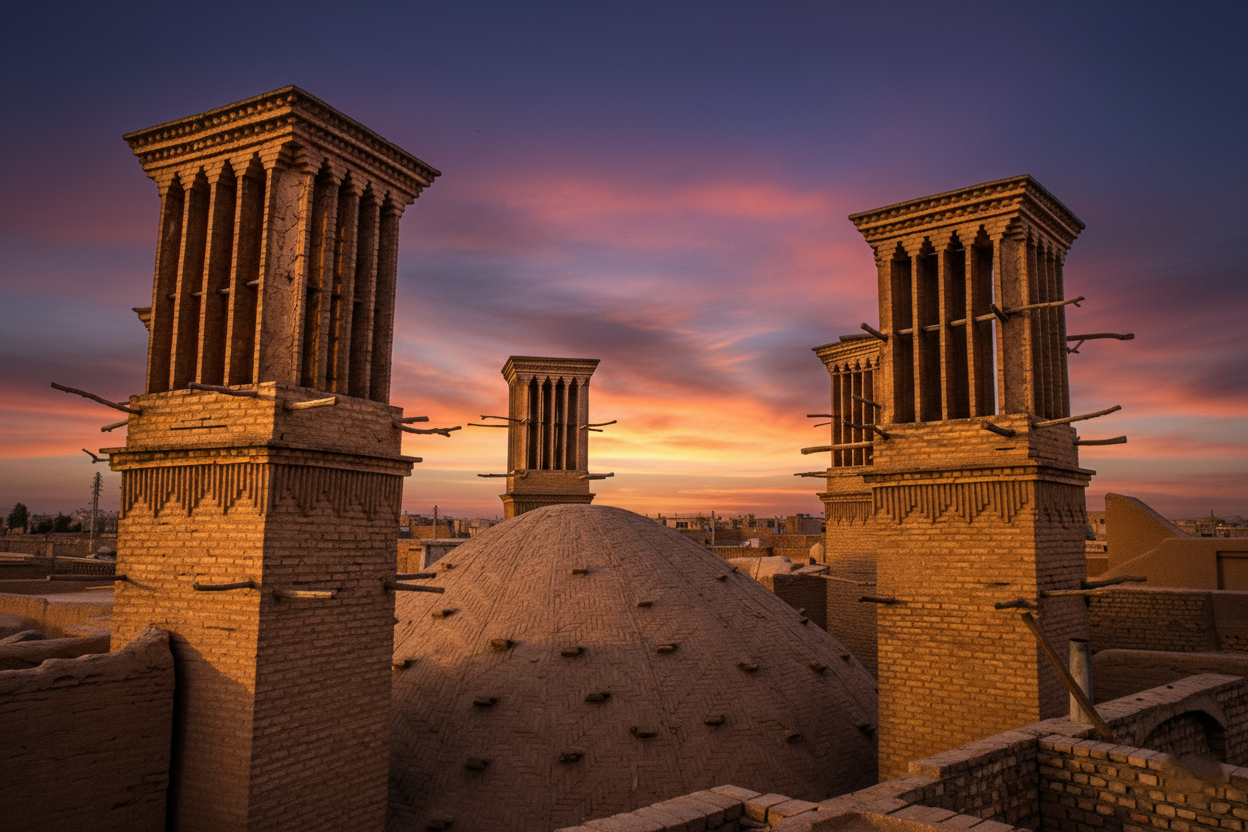
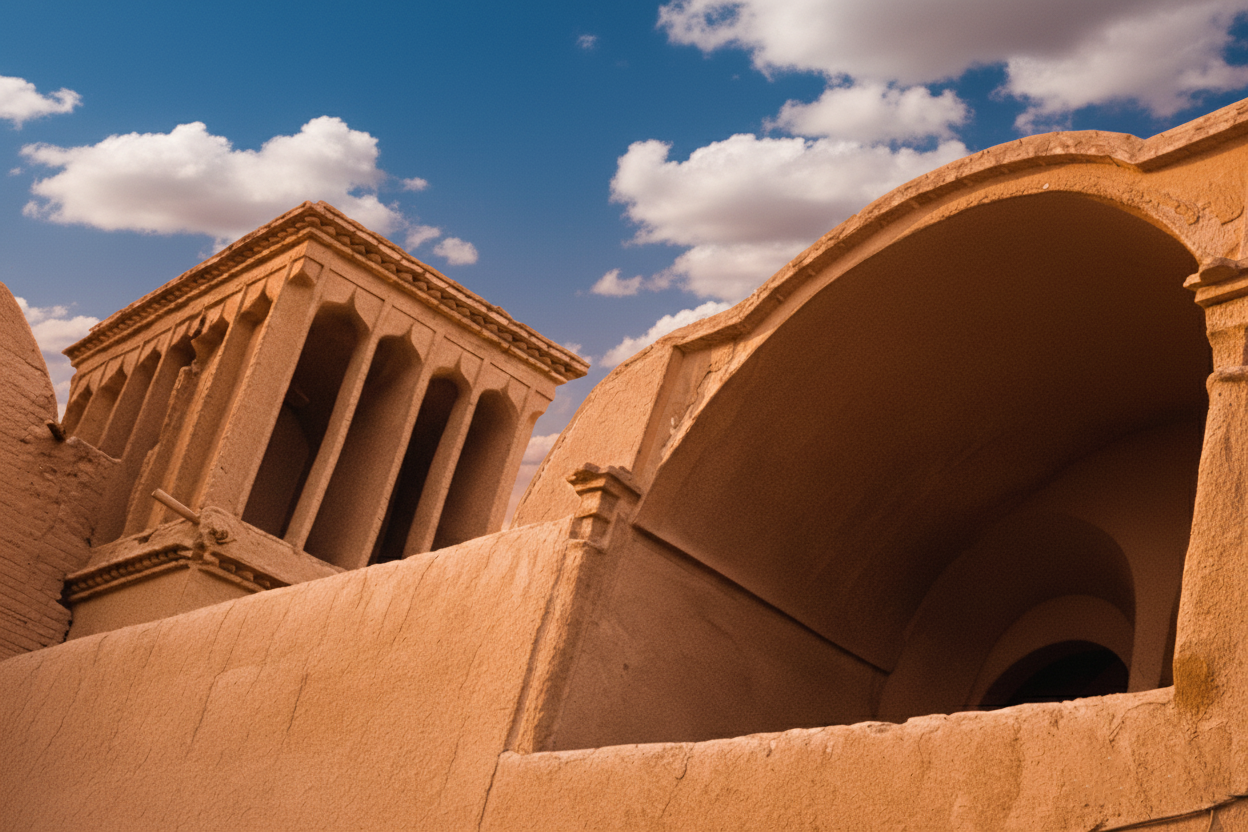
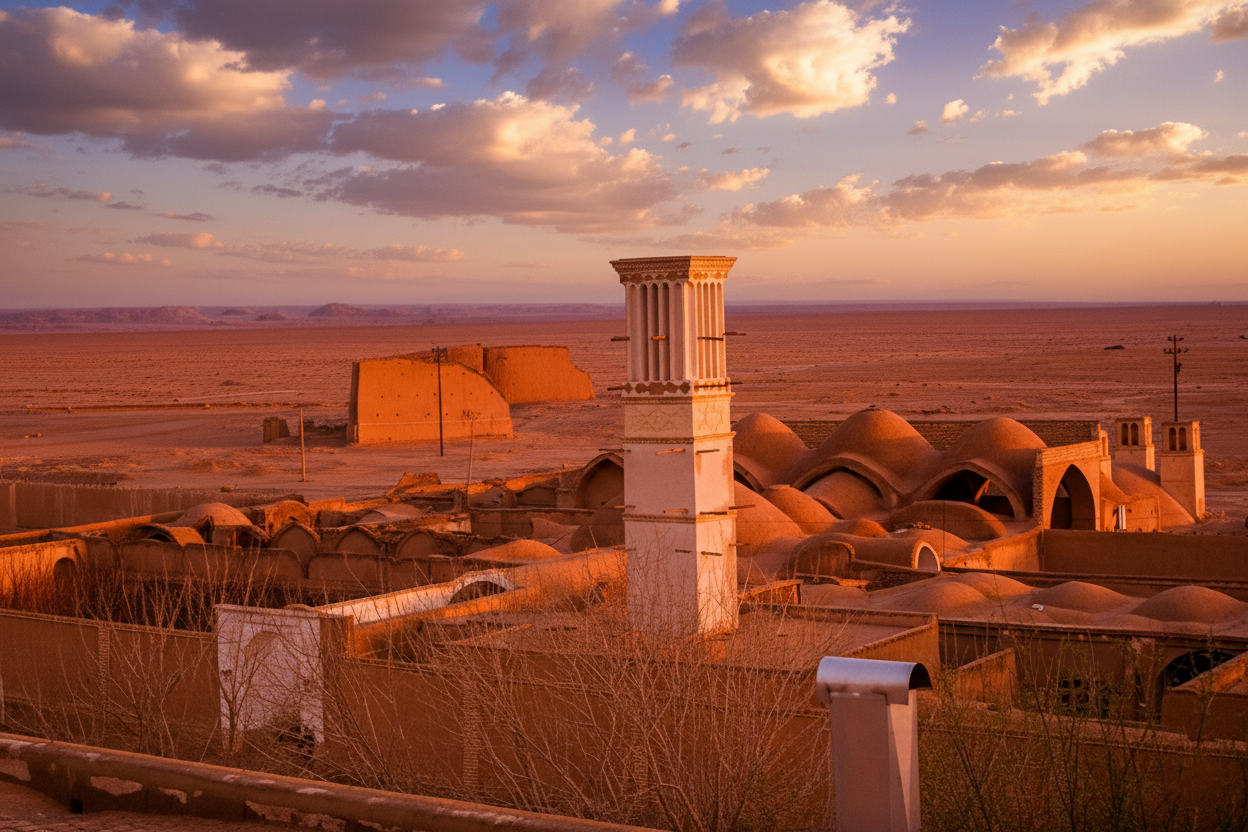
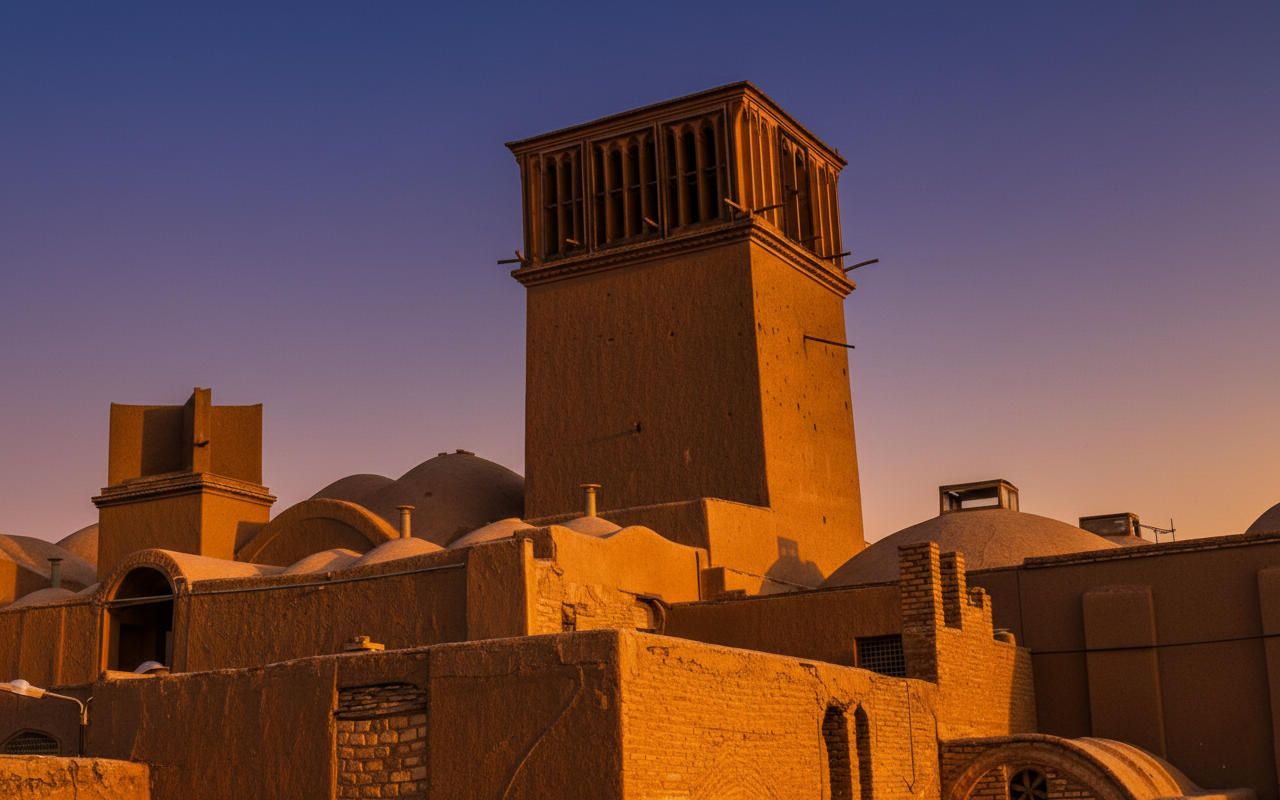
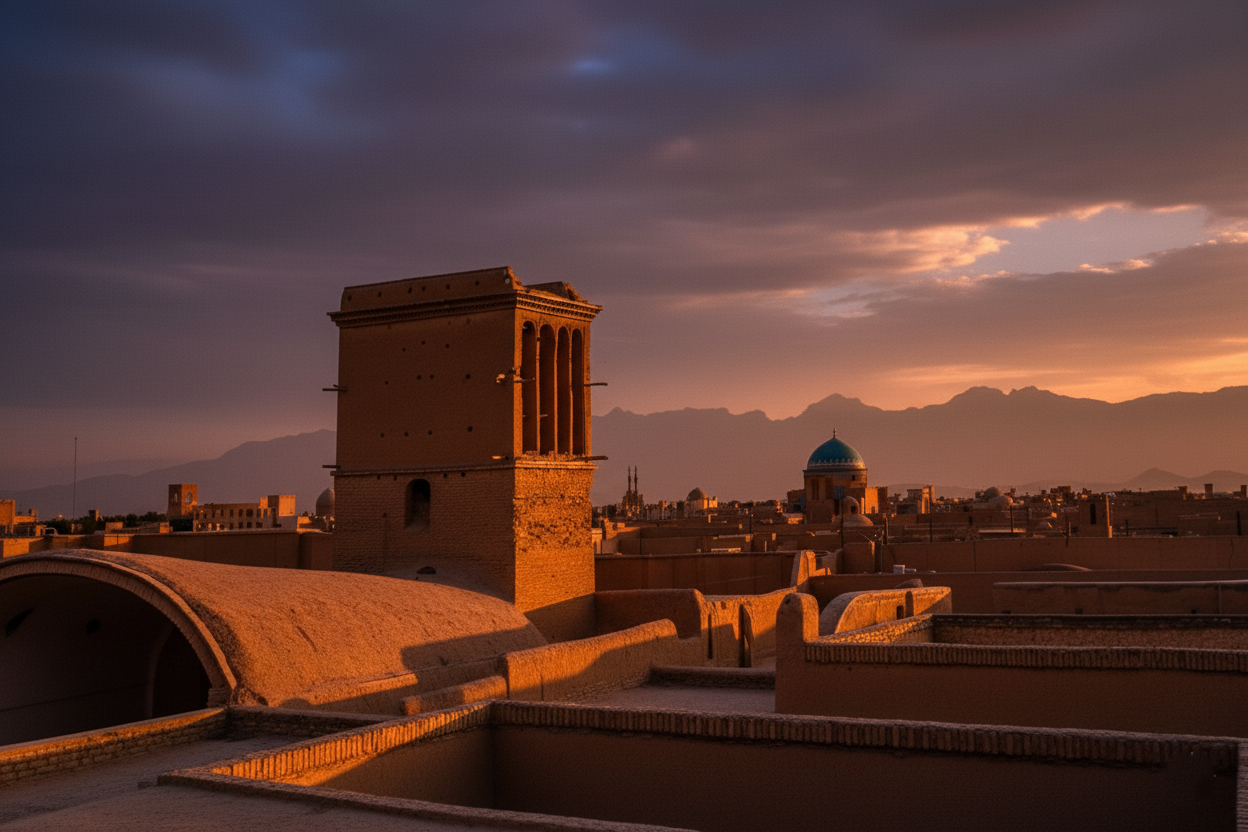
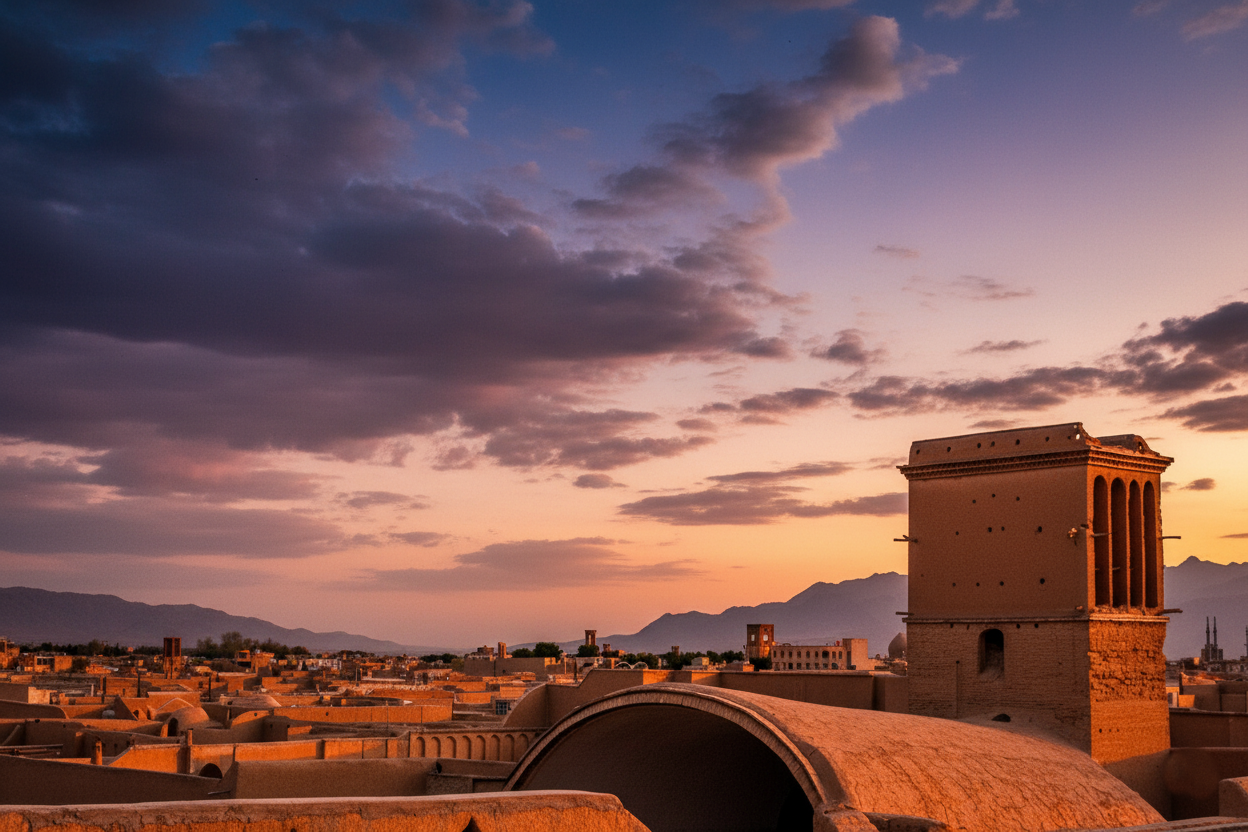
In Yazd (یزد), Badgirs (بادگیرها) and Ab Anbars (آبانبارها) form essential climate-adaptive infrastructure. Badgirs capture and channel cool breezes into buildings, while Ab Anbars store water from qanats (قنات) beneath domed reservoirs. Often working together, they cool interior spaces and water supplies, demonstrating Yazd’s sophisticated and sustainable desert architecture.
-
In Yazd (یزد), Badgirs (بادگیرها) and Ab Anbars (آبانبارها) are key elements of the city’s traditional climate-adaptive architecture. Badgirs, or wind catchers, are tall ventilation towers built on houses, mosques, and gardens that capture and direct cool breezes down into interior spaces, providing natural air conditioning in the hot desert climate. Ab Anbars are underground water reservoirs designed to store and preserve water from qanats (قنات) and rain, often covered with domes to reduce evaporation. Many Ab Anbars are connected to Badgirs, which help cool the stored water and maintain its freshness. Together, these structures demonstrate the ingenious environmental design of Yazd’s traditional architecture and its sustainable approach to life in an arid desert.
