Soltaniyeh (سلطانیه), The Building
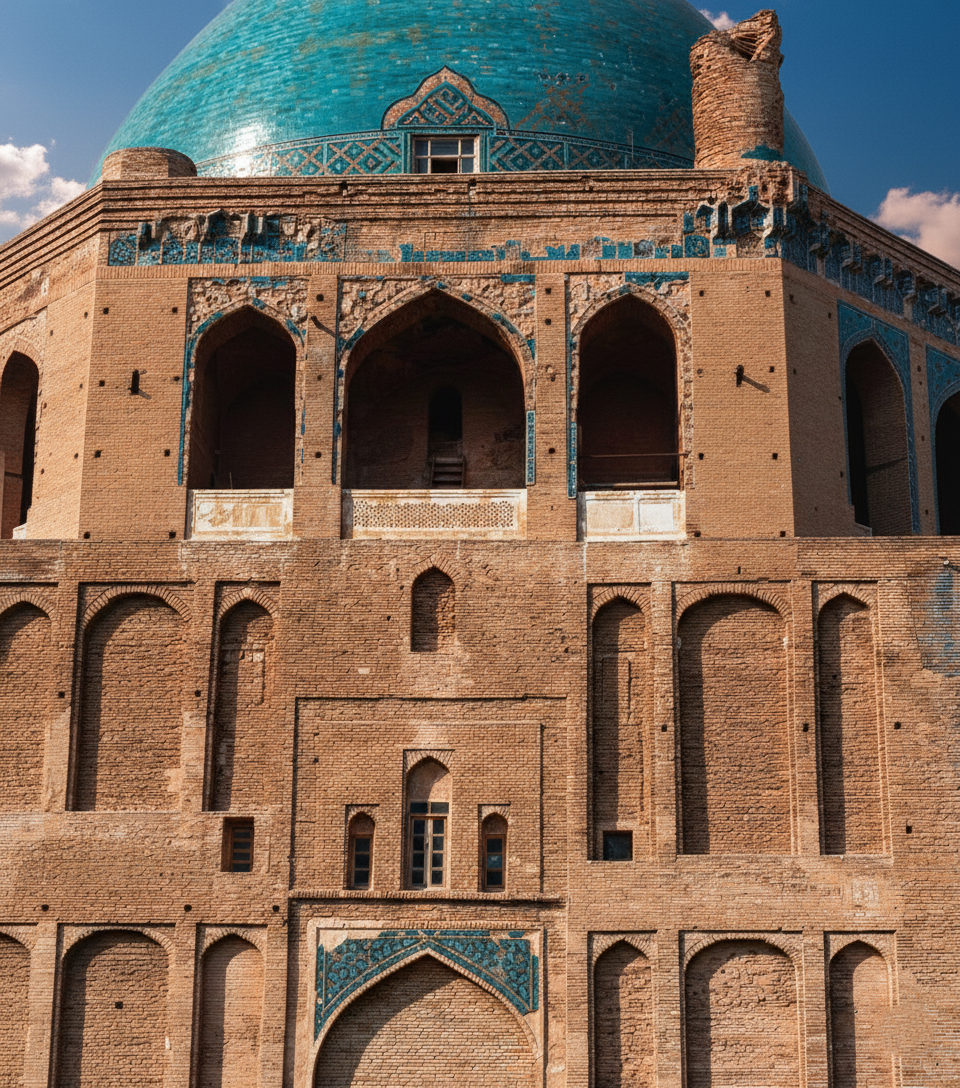
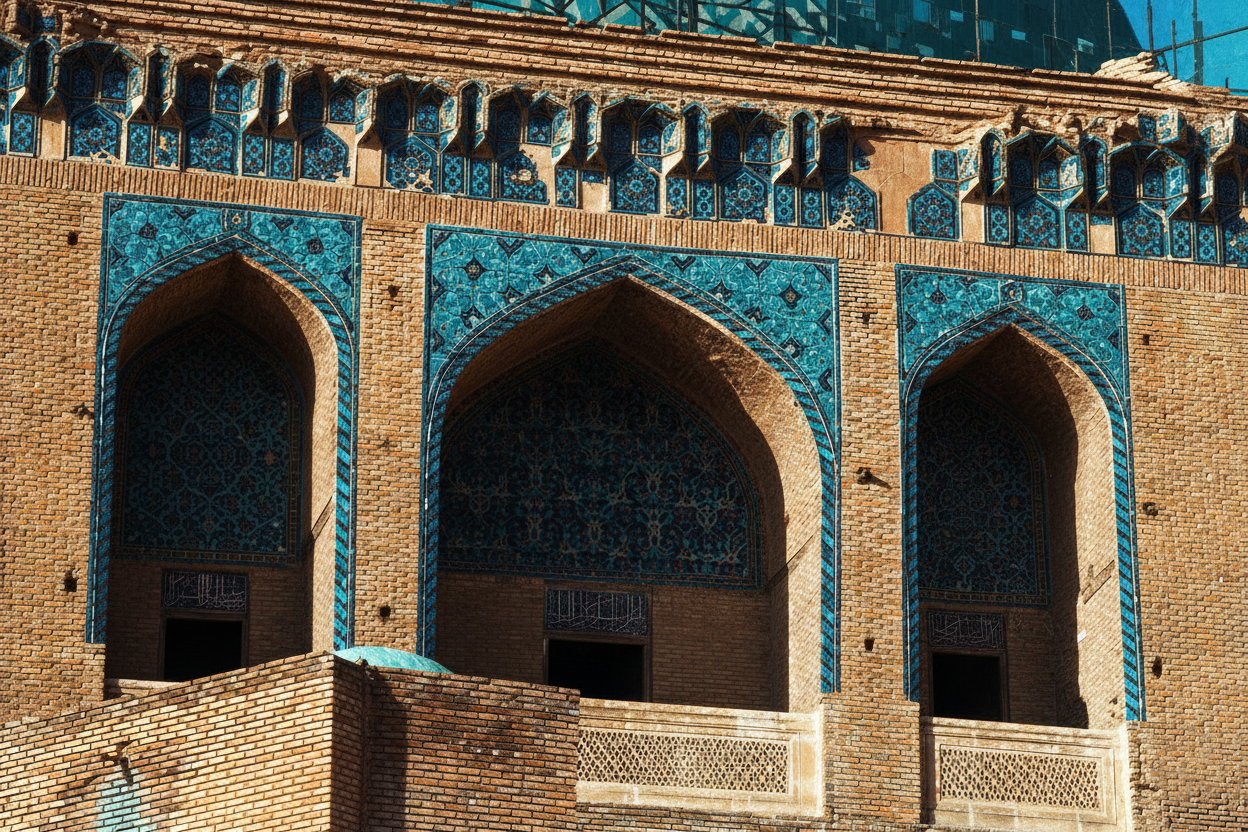
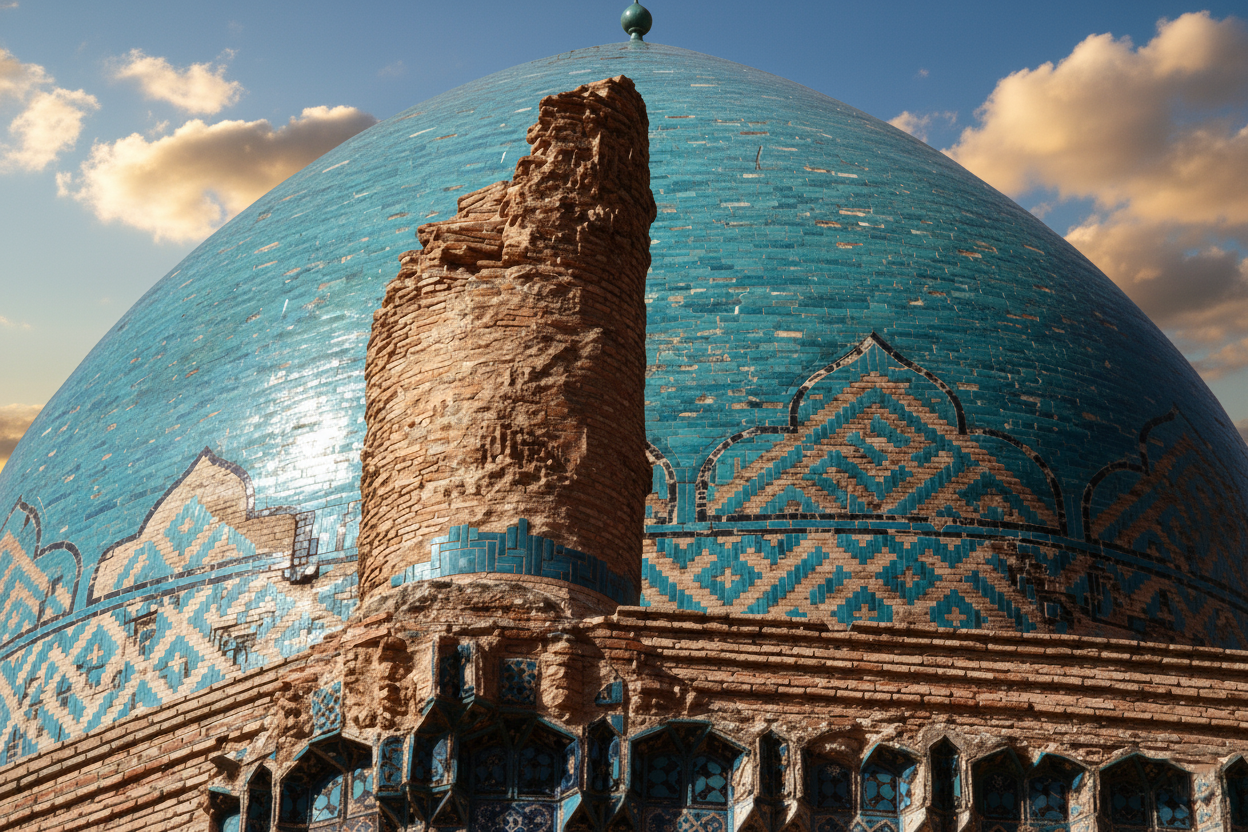
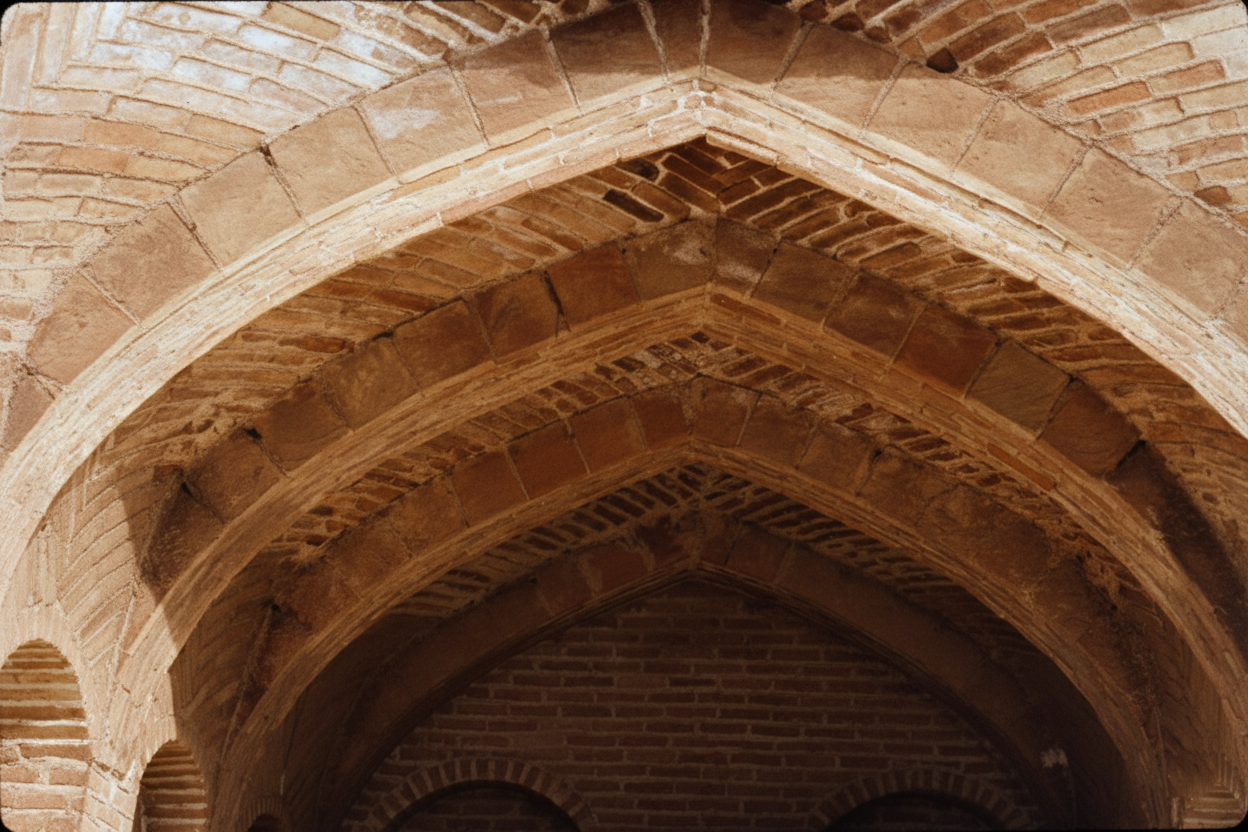
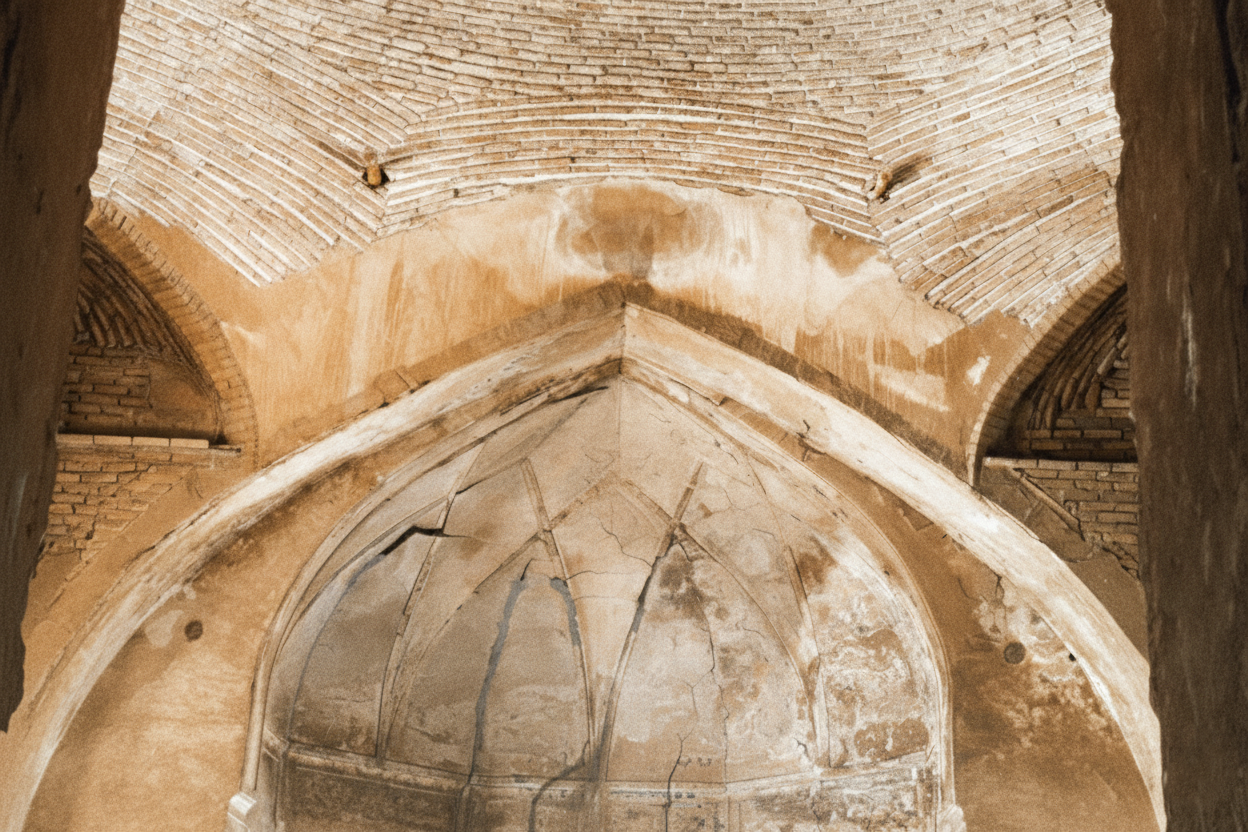
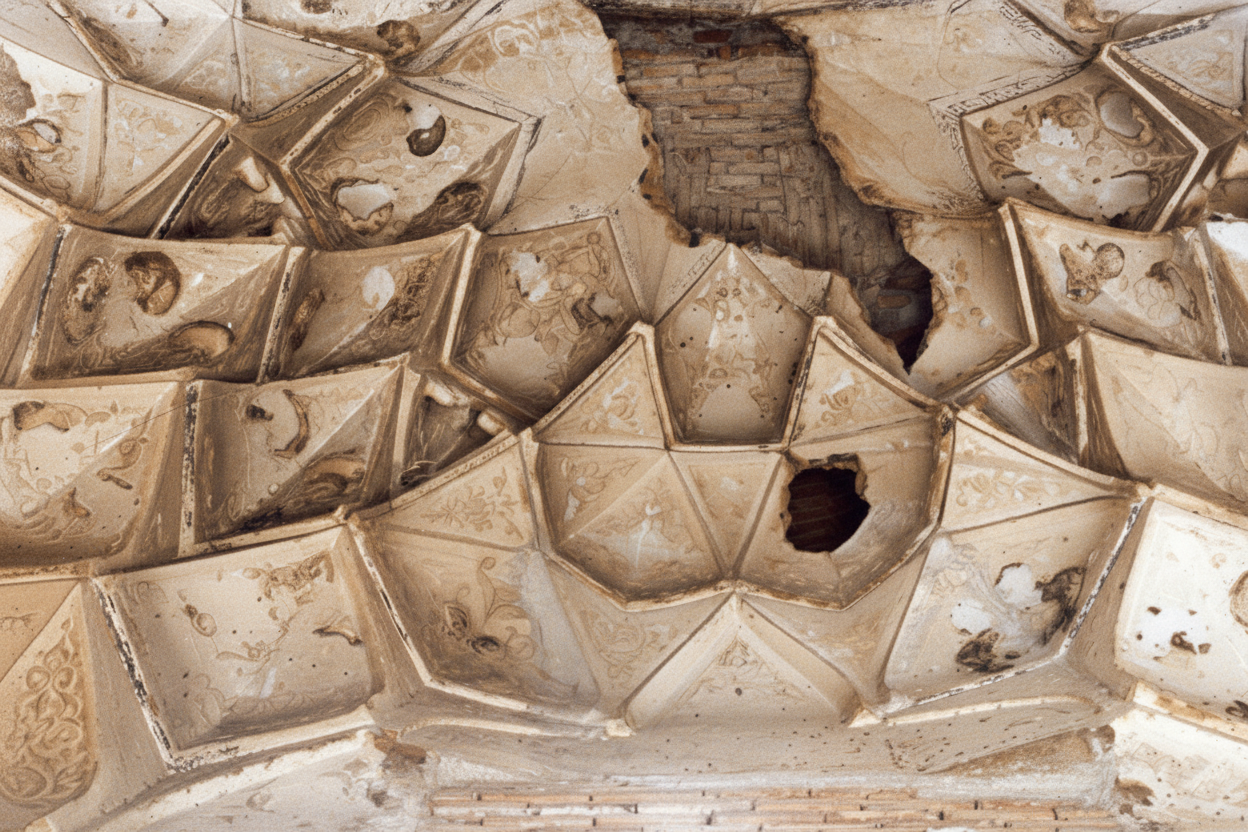
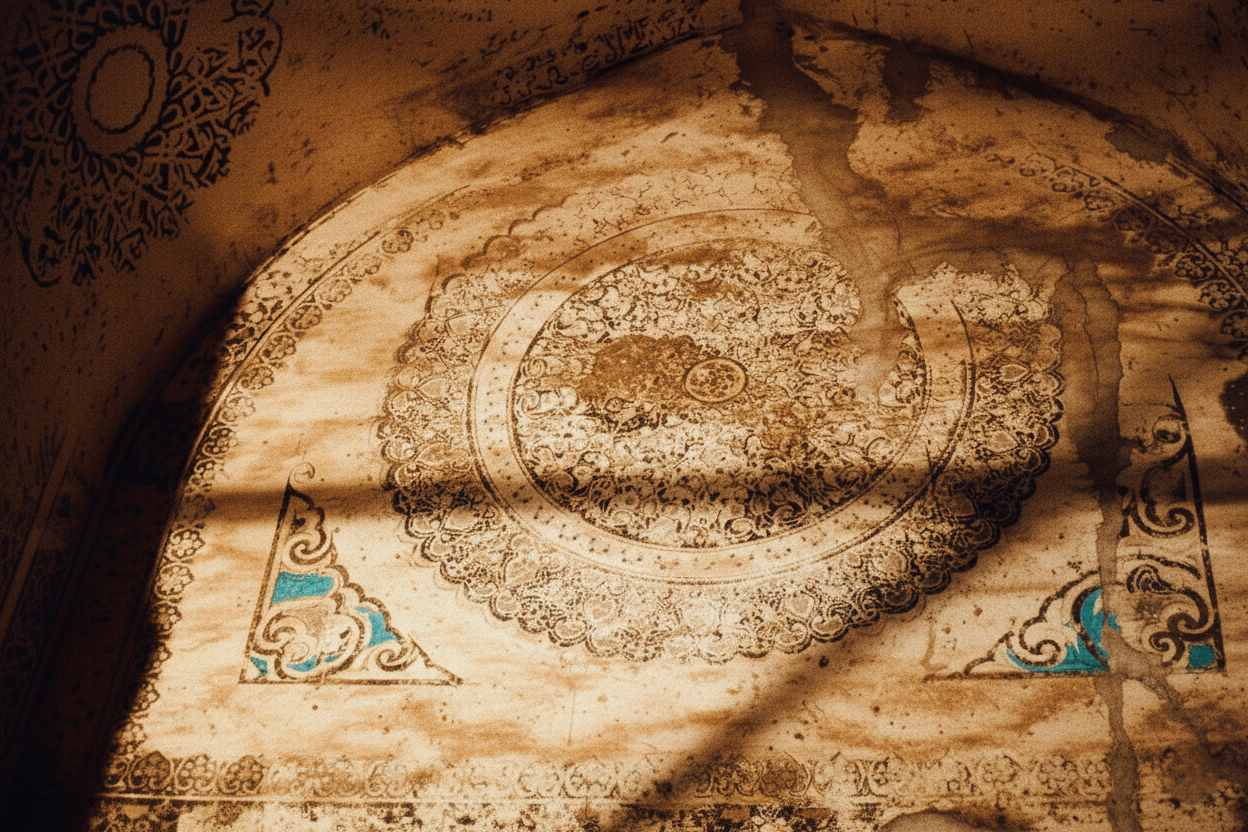
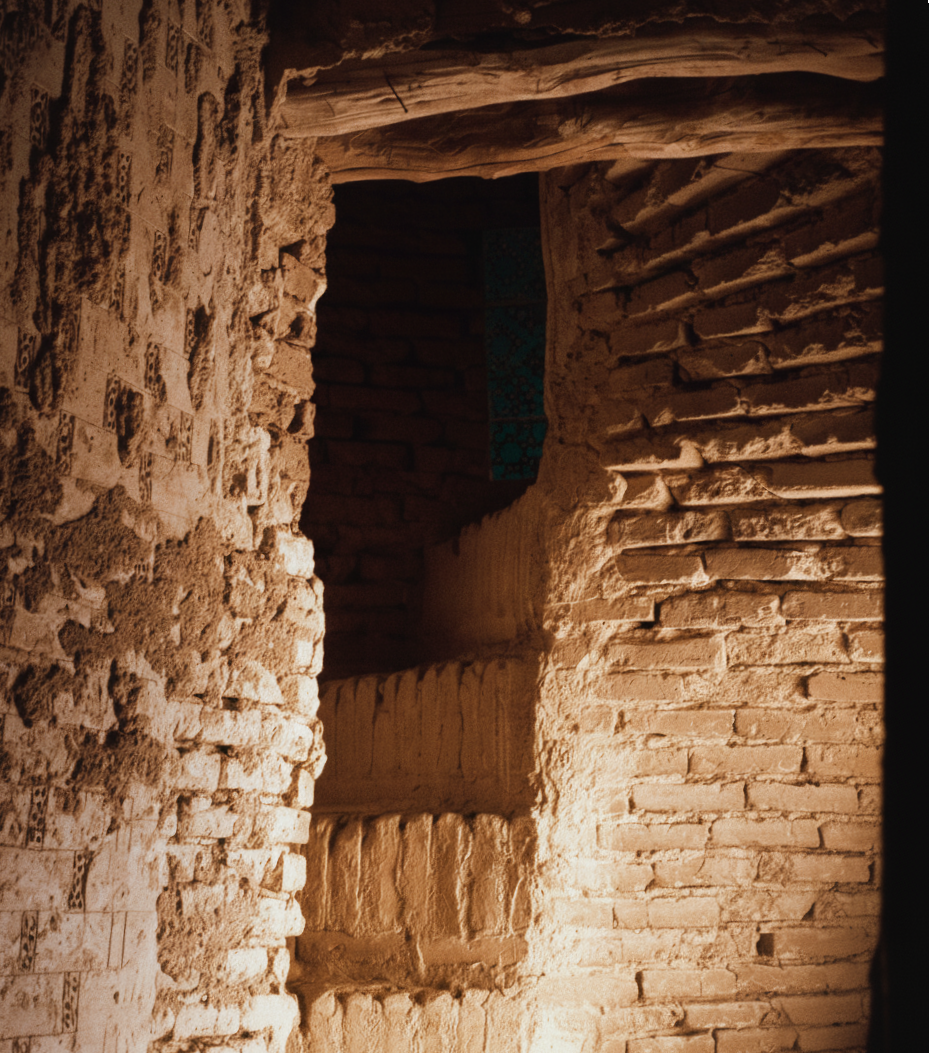
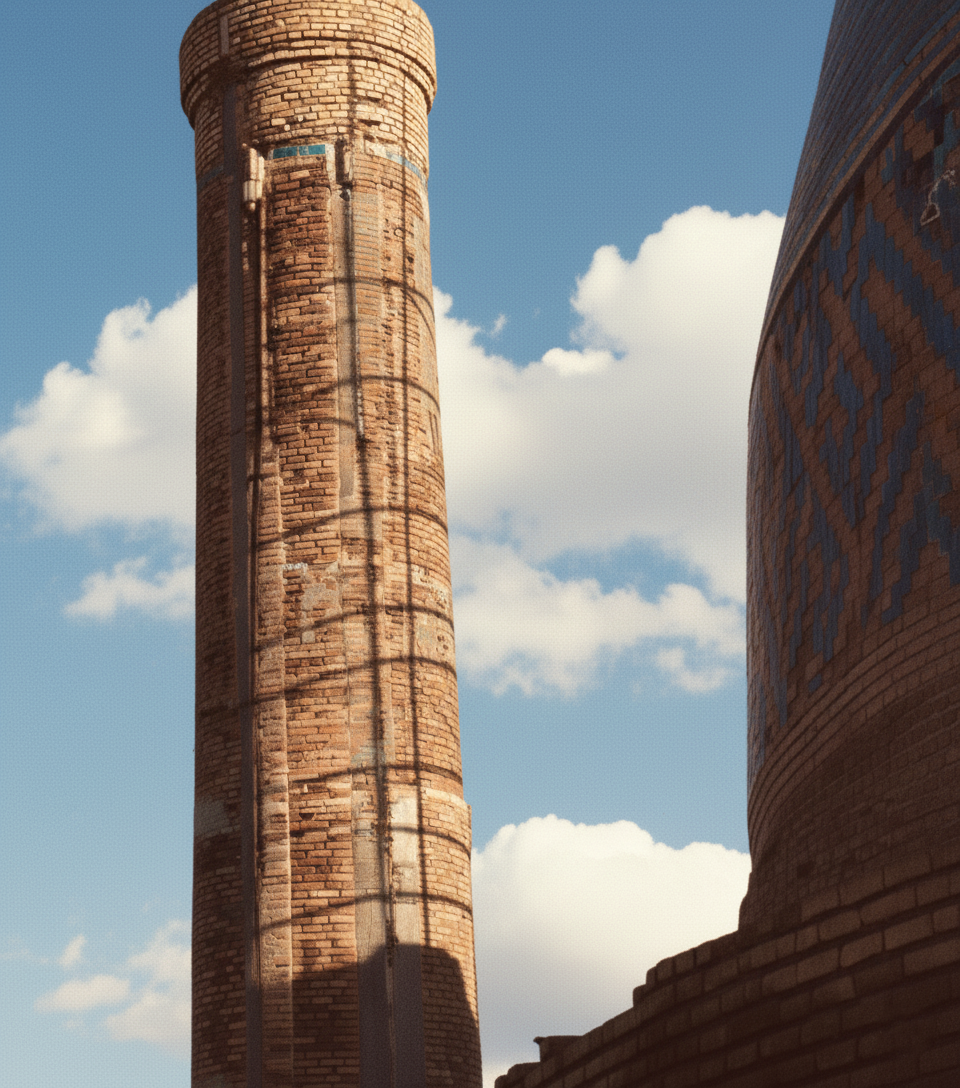
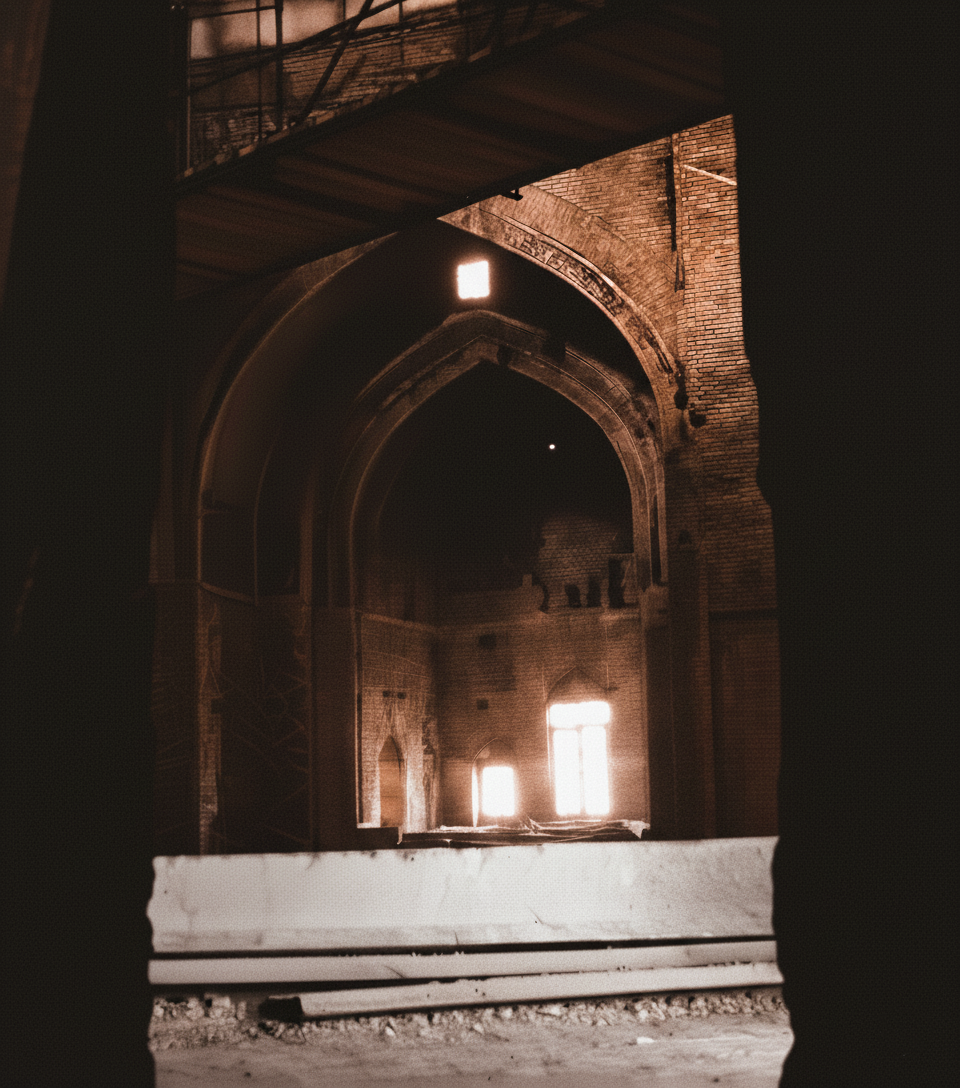
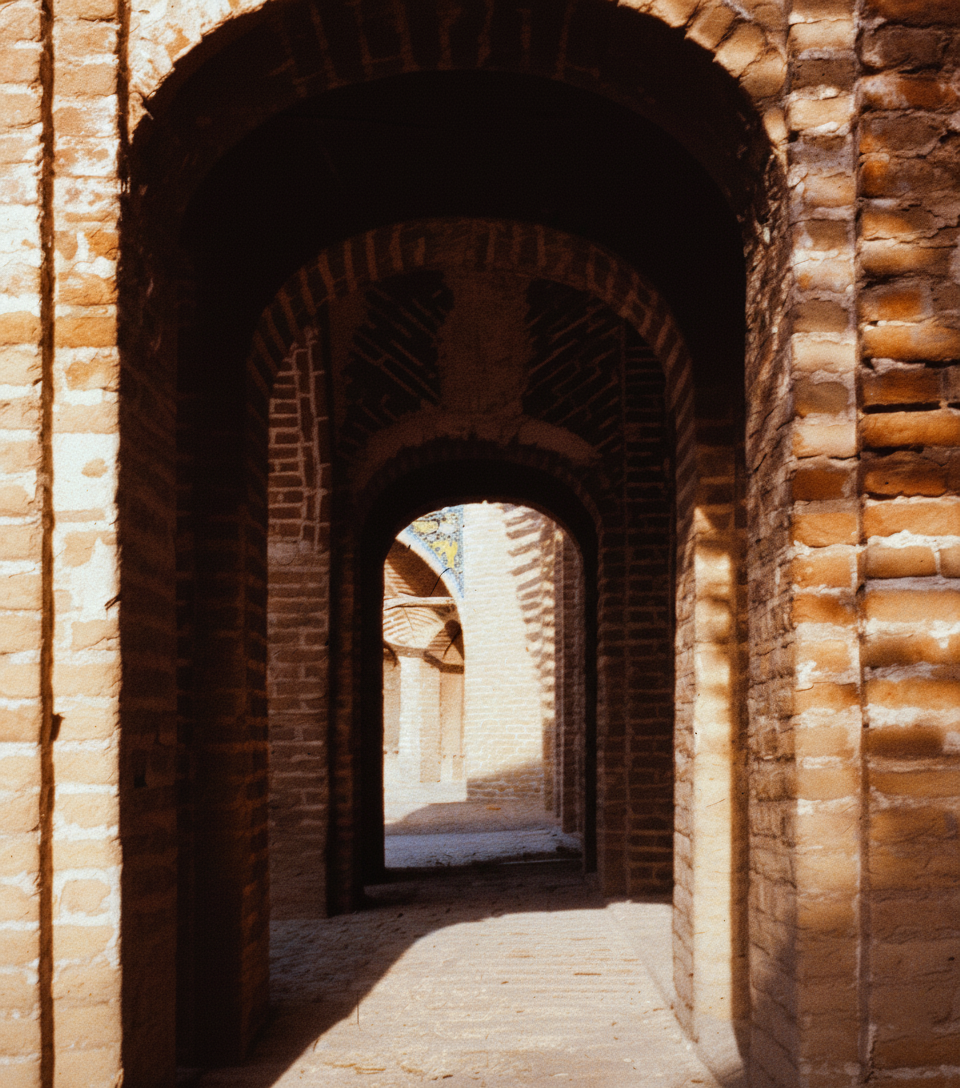
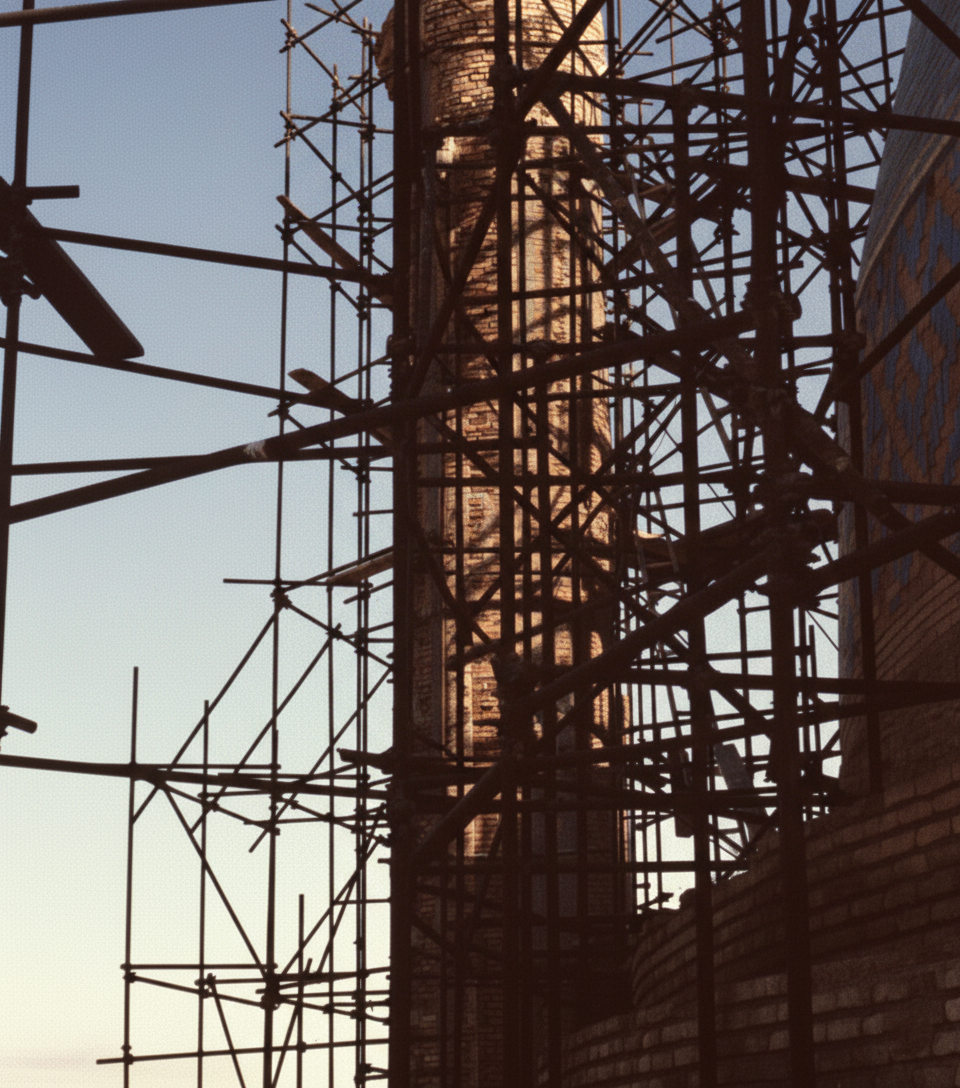
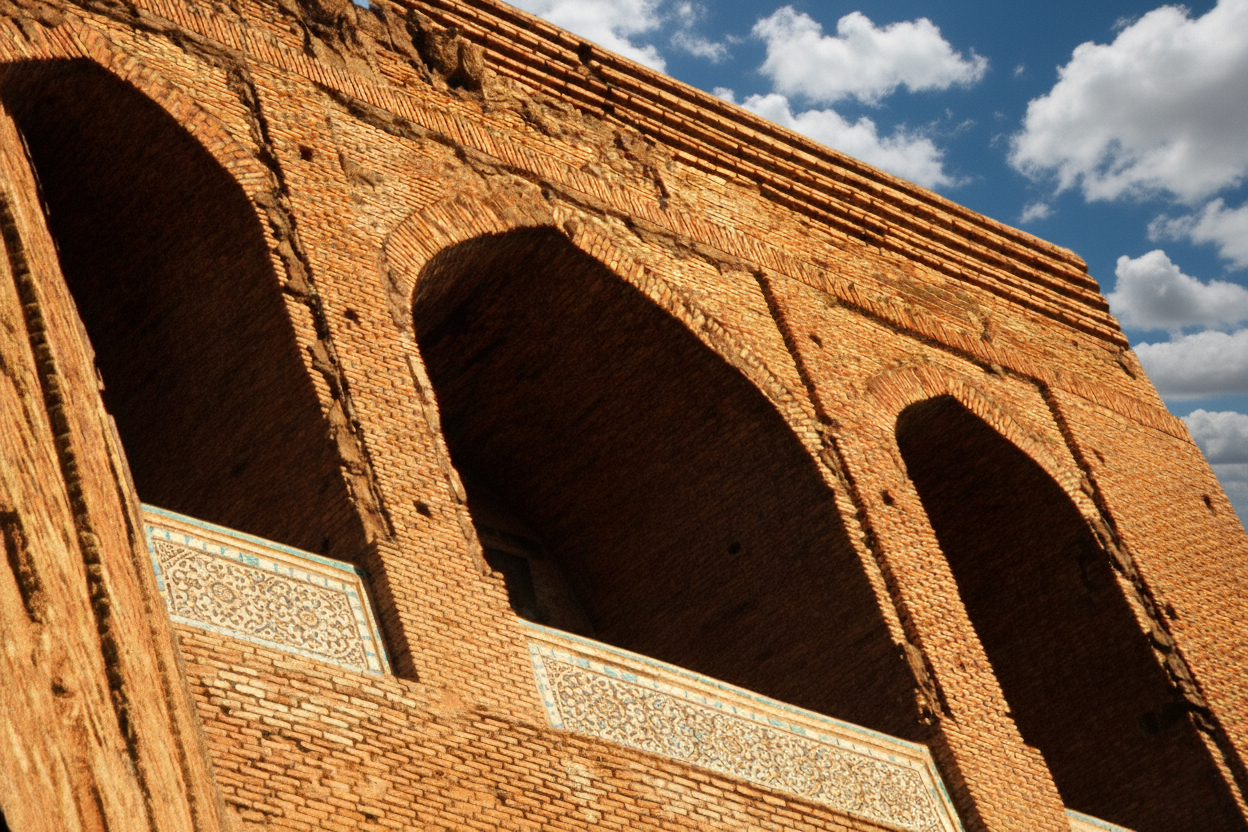
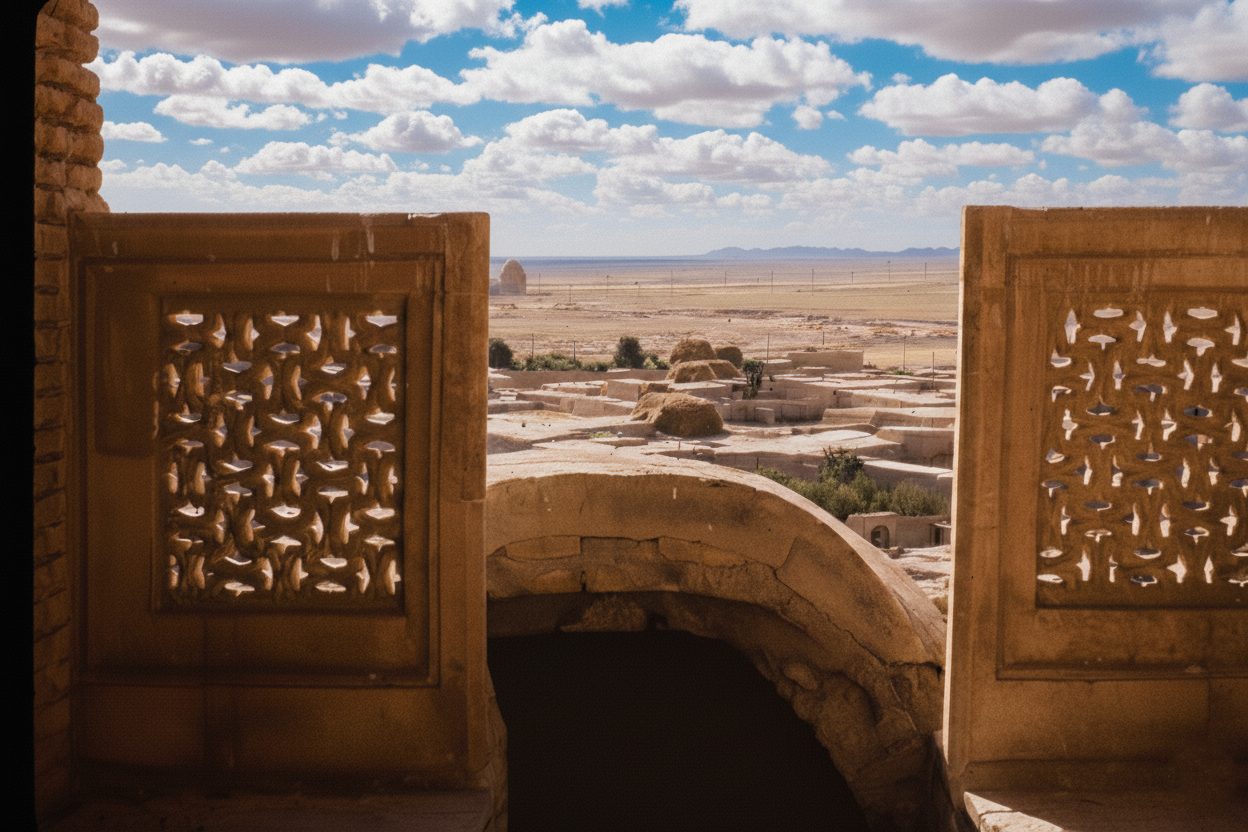
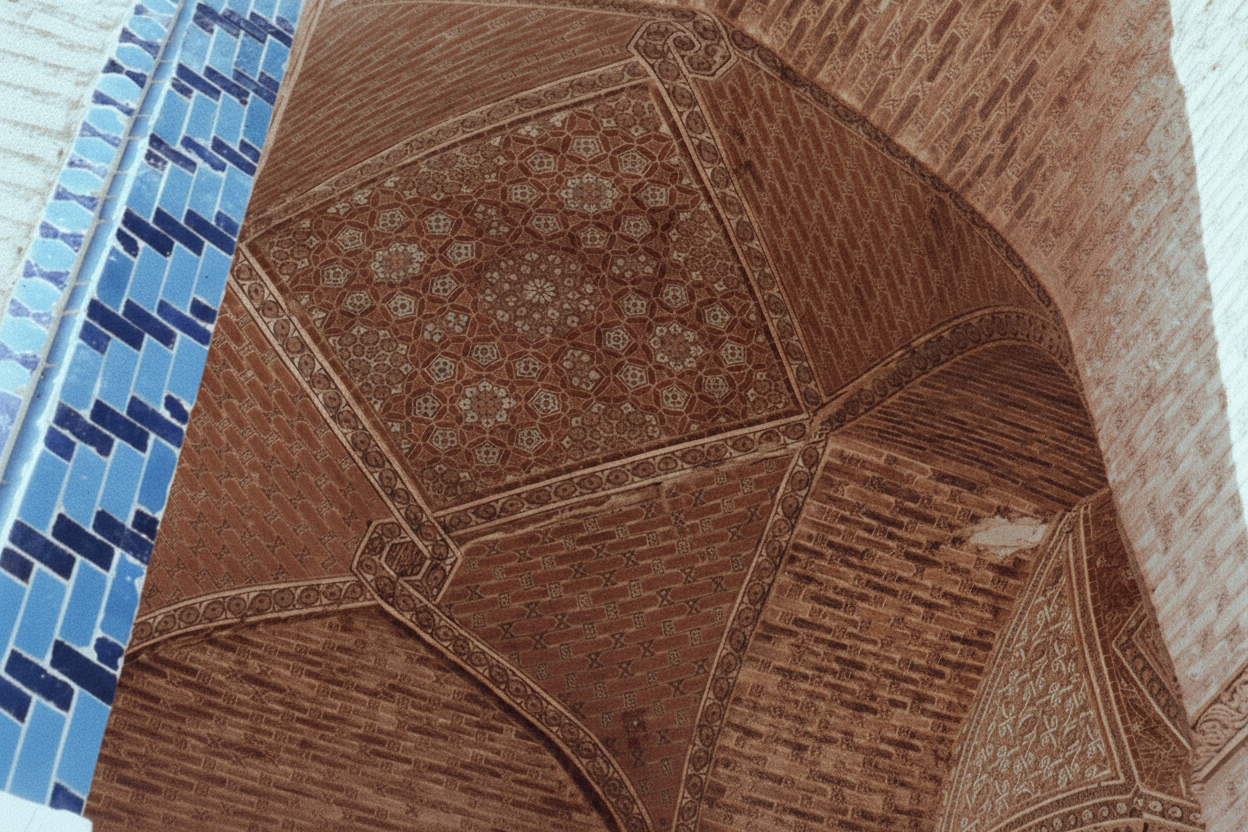
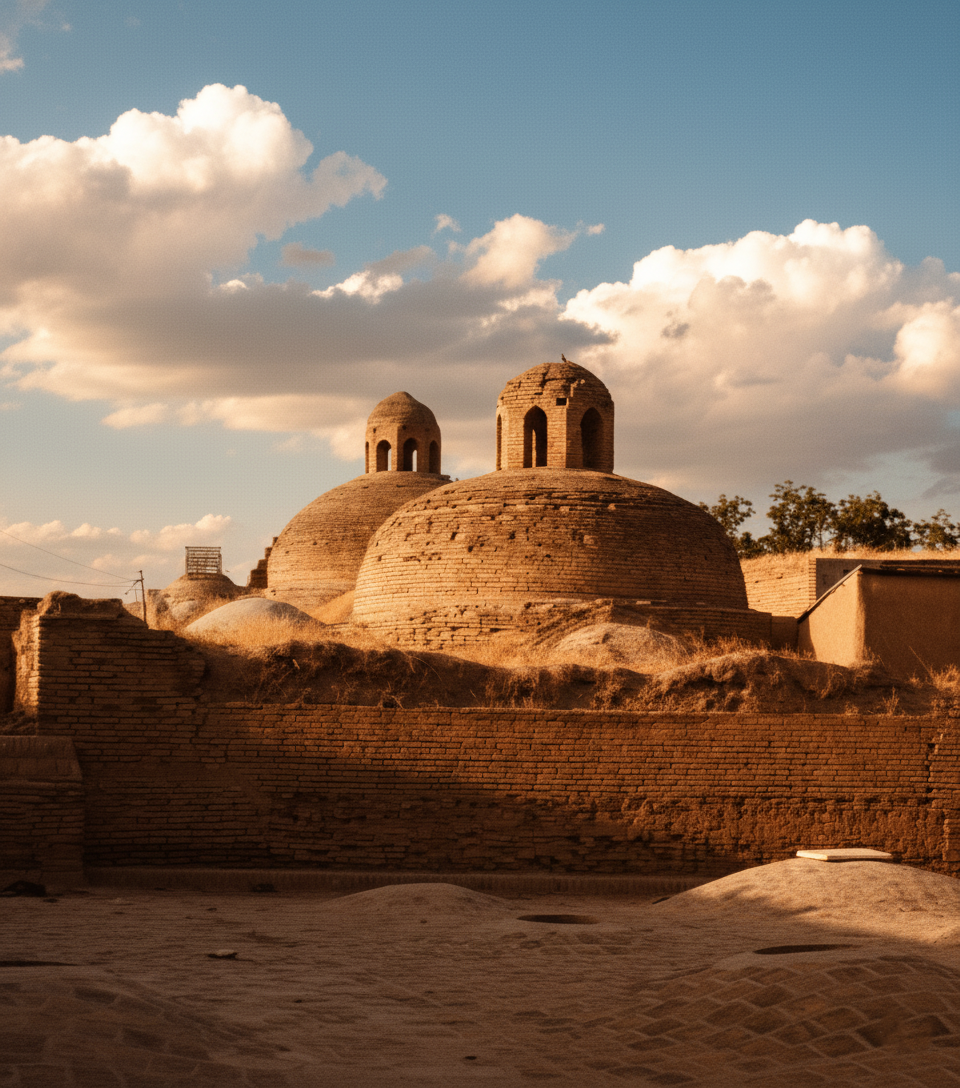
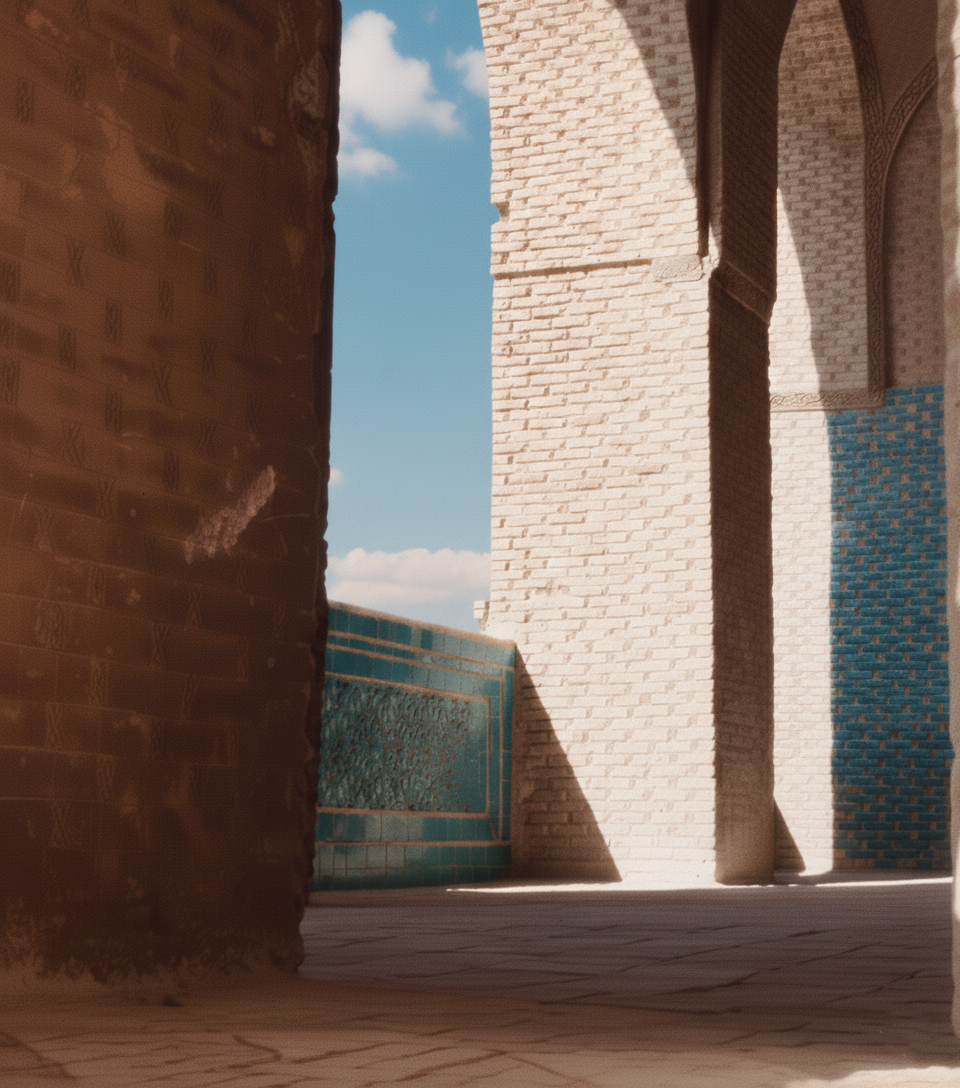
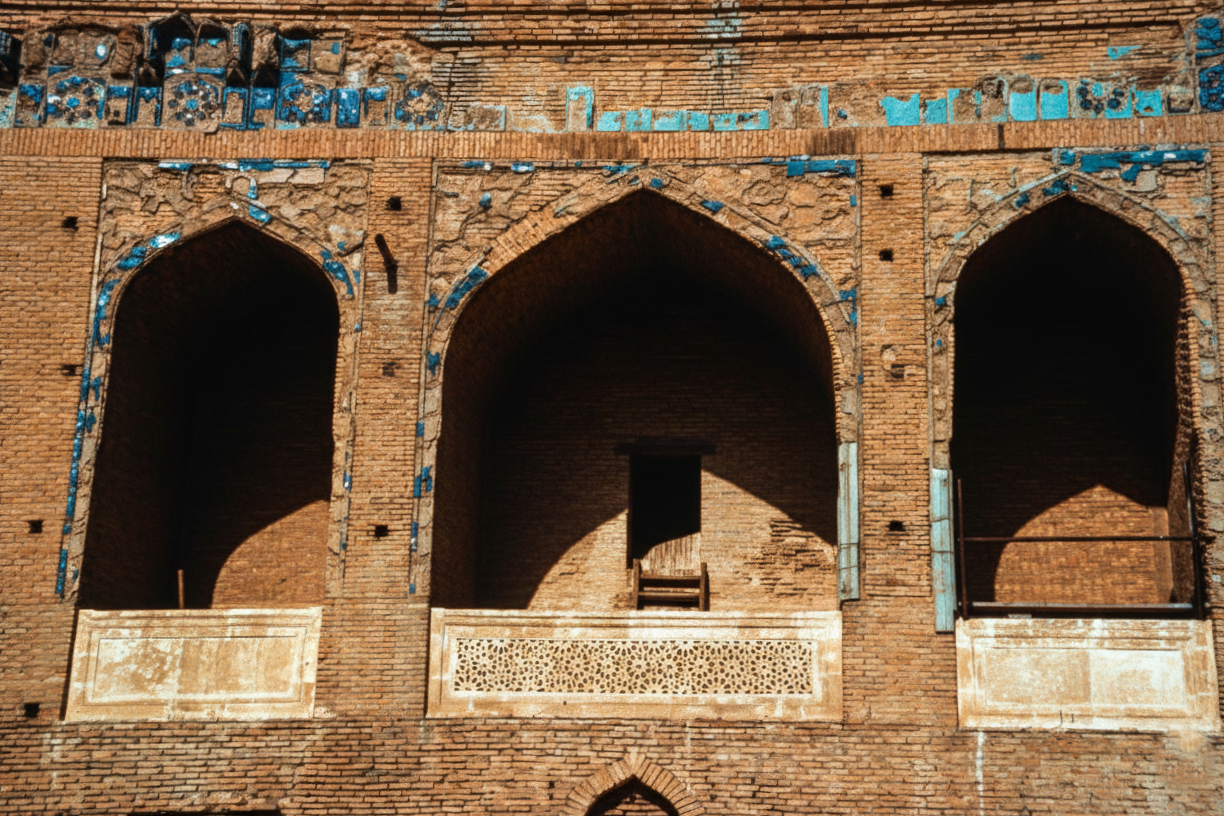
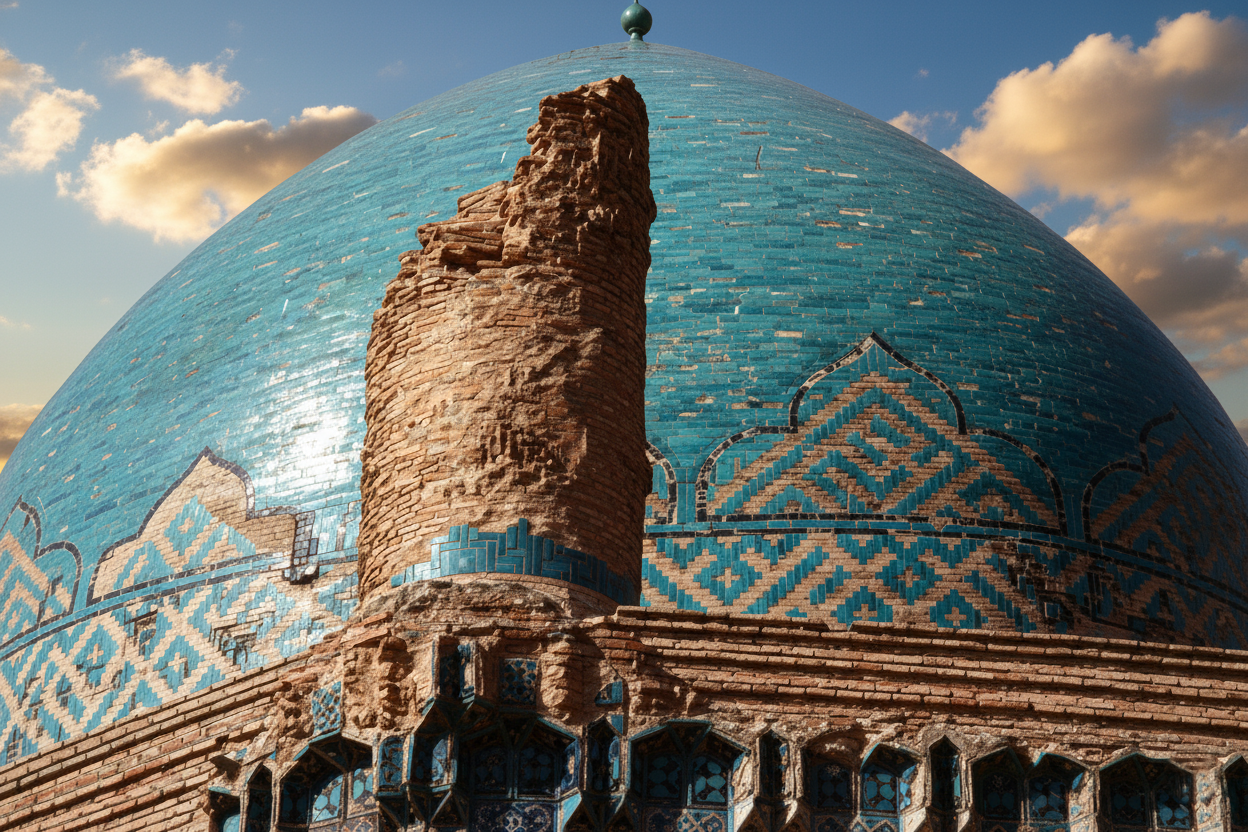
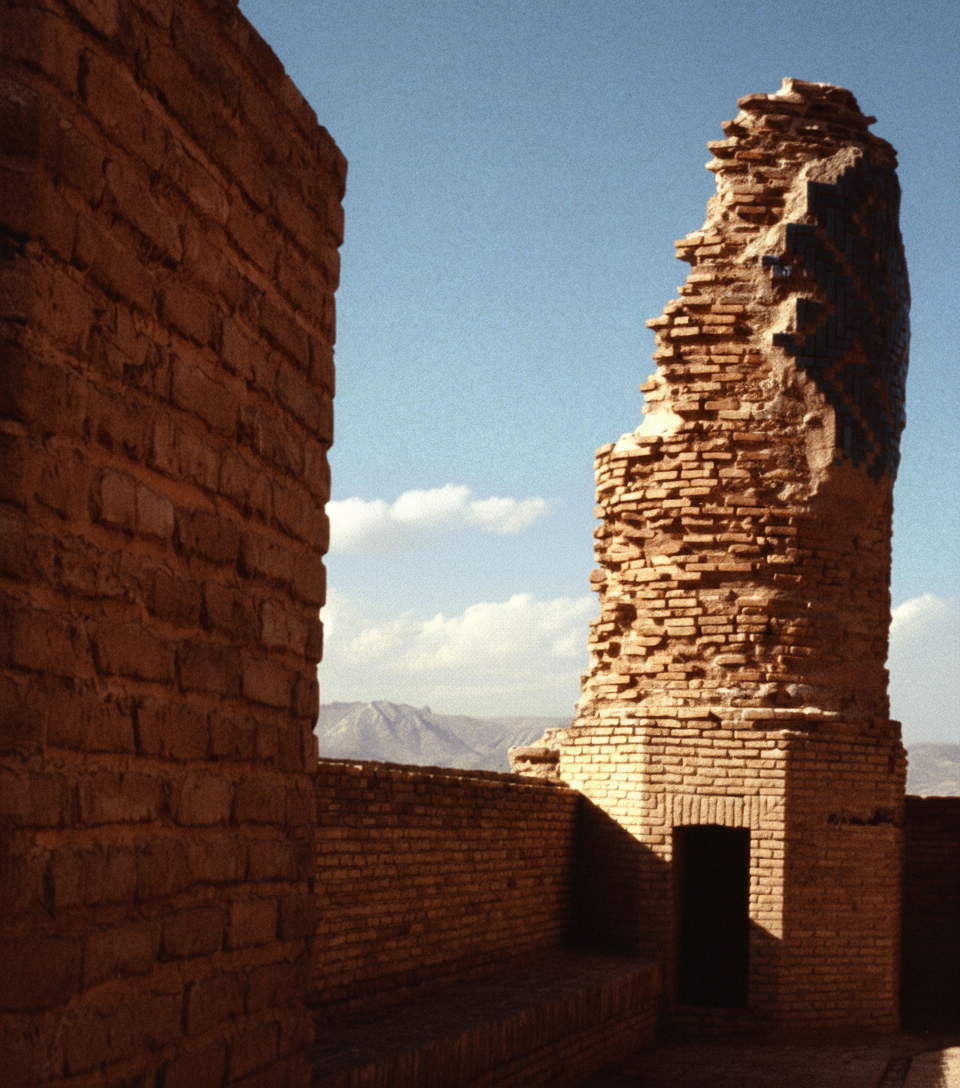
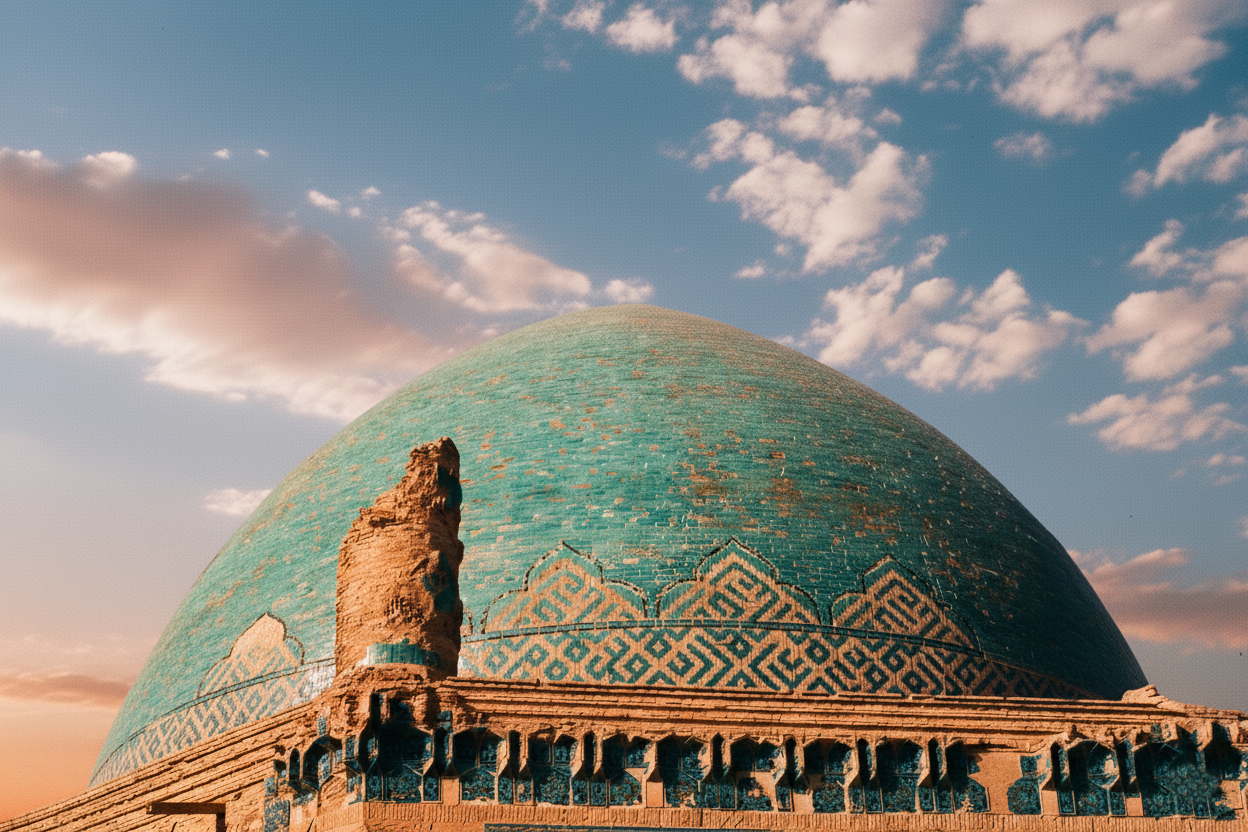
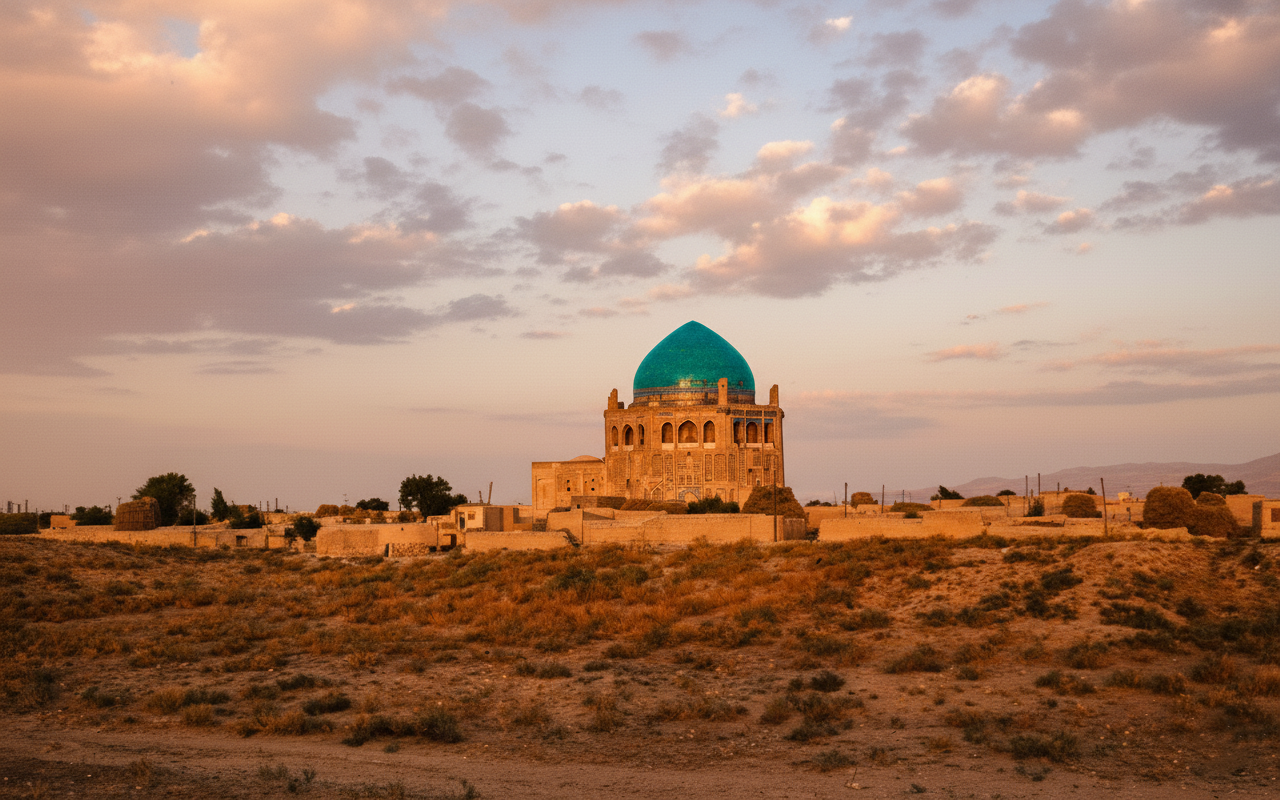
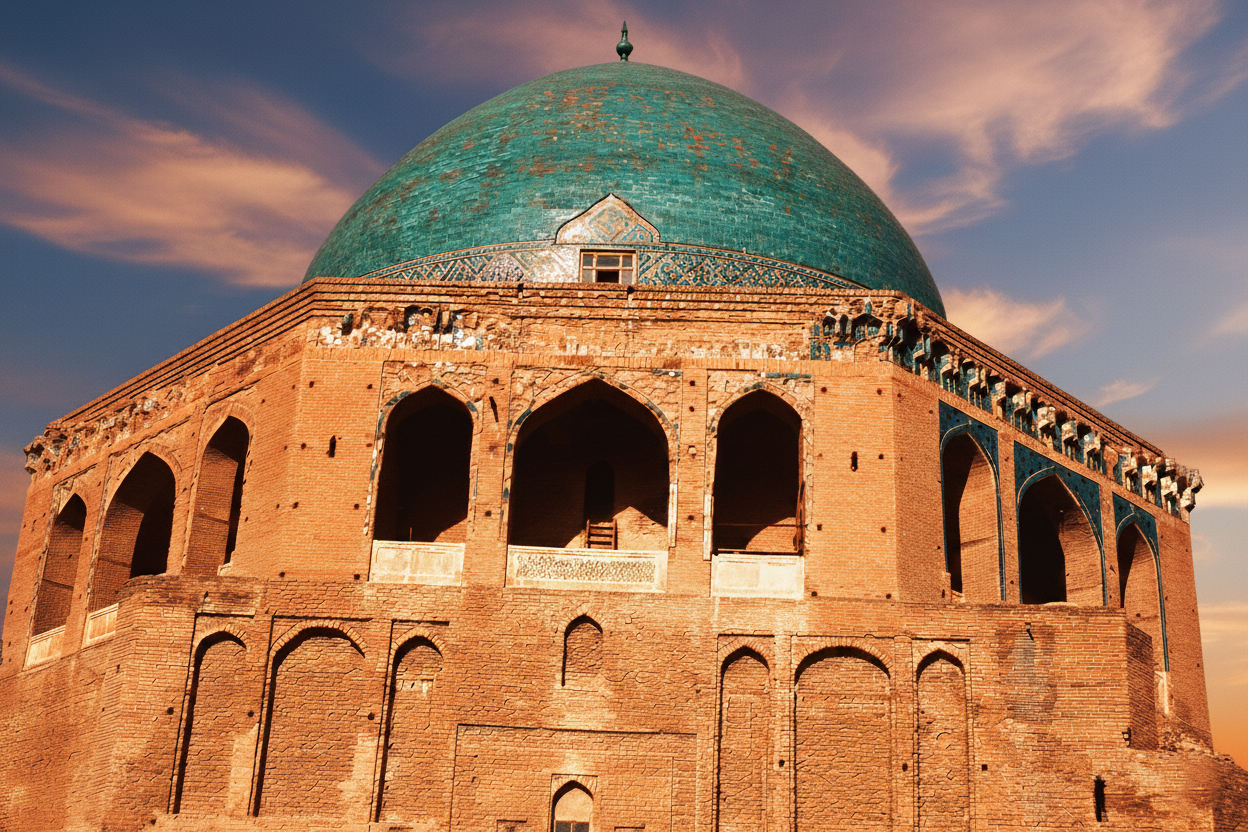
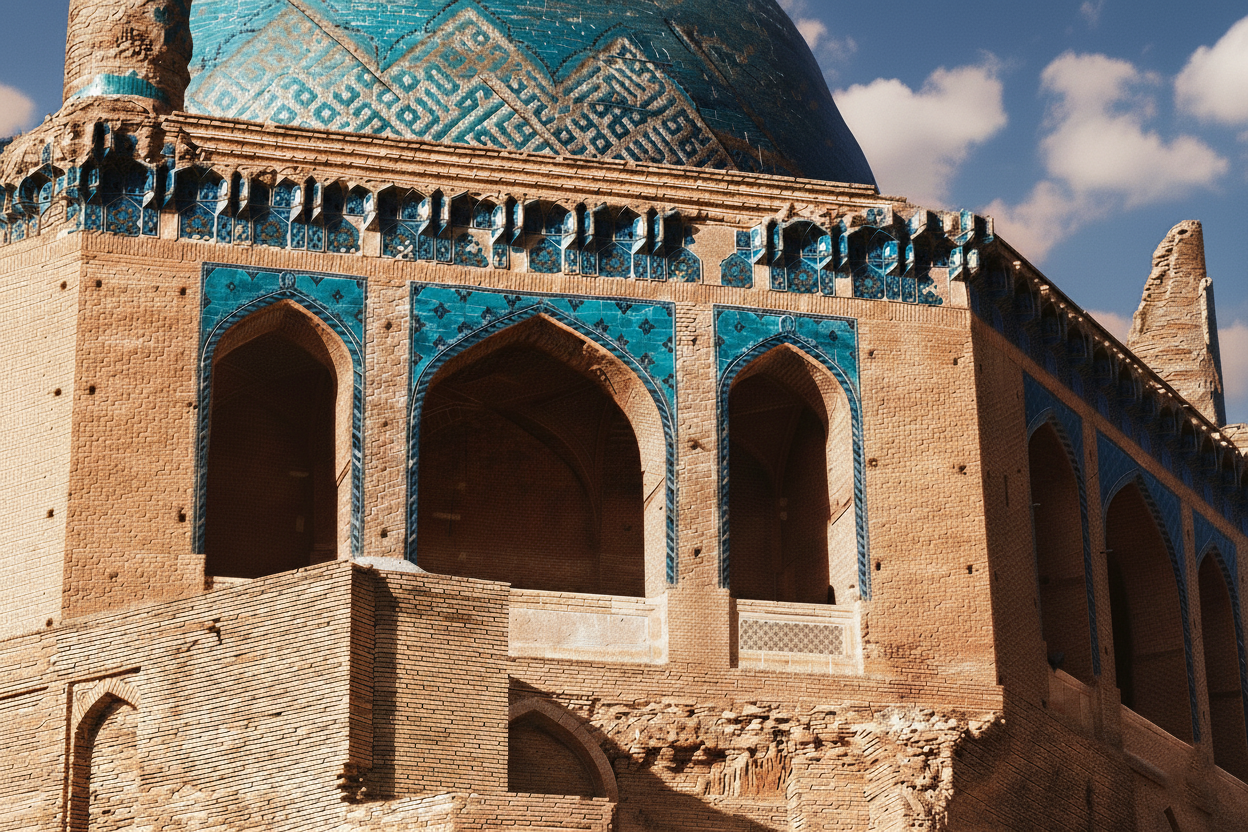
Soltaniyeh (سلطانیه, early 14th century CE), capital of the Ilkhanid (ایلخانی) dynasty, features the Dome of Soltaniyeh (گنبد سلطانیه, 1302–1312 CE), the world’s largest brick dome. Its monumental (عظیم) scale, double-shell dome (گنبد دوپوسته), and tilework (کاشیکاری) reflect Persian (ایرانی) innovation. Built in an open landscape (منظر), it embodies imperial power (قدرت), continuity (تداوم), and architectural mastery (مهارت معماری).
-
Soltaniyeh (سلطانیه, founded early 14th century CE). Soltaniyeh (سلطانیه), located in the province of Zanjan (زنجان) in northwestern Iran, was founded in the early 14th century CE as the capital of the Ilkhanid ruler Öljaitü (الجایتو, r. 1304–1316 CE). During its brief period as an imperial capital, the city became the site of one of the most ambitious architectural projects of the medieval Islamic world (جهان اسلام).
At the center of the city stands the Mausoleum of Öljaitü (گنبد سلطانیه, completed c. 1312 CE). The structure is crowned by an immense turquoise dome rising approximately forty-eight meters above the surrounding plain, making it one of the largest brick domes (گنبد آجری) ever built.
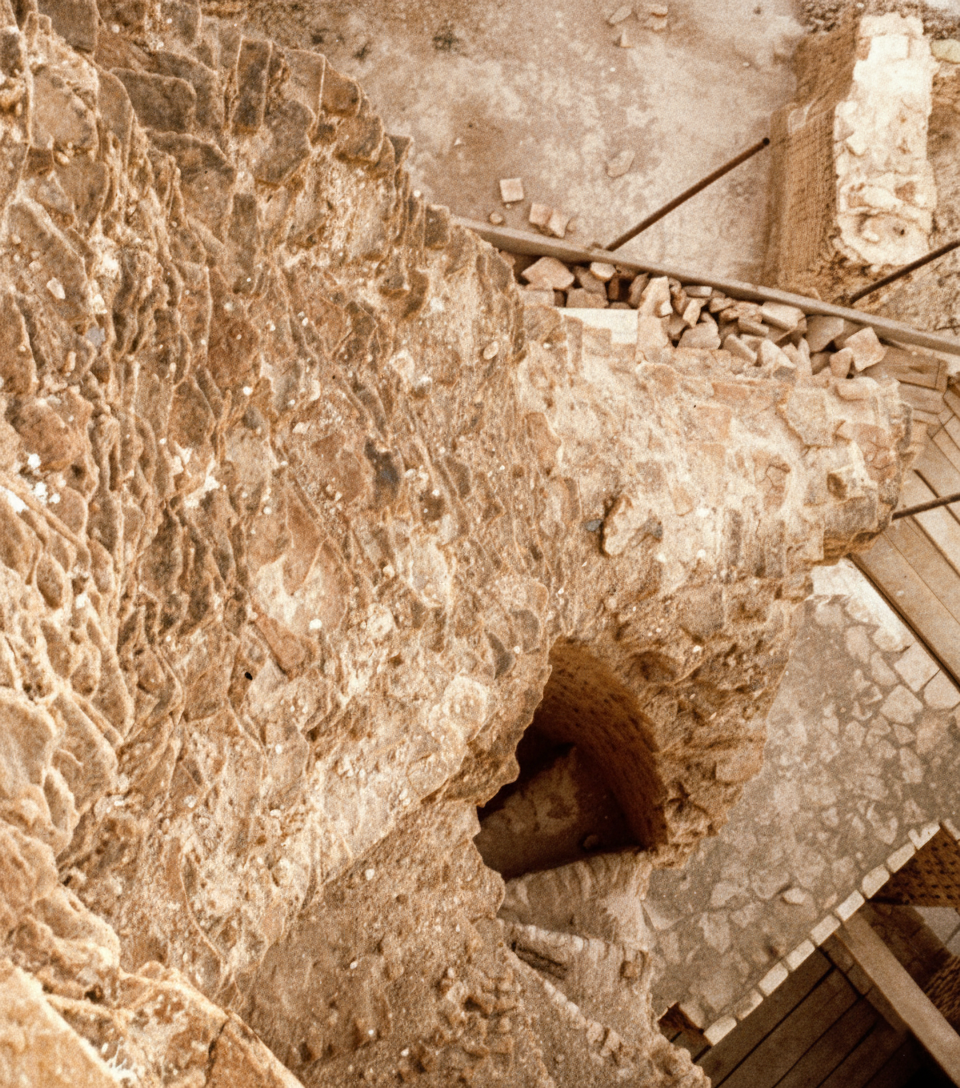
The building is octagonal in plan and surrounded by eight slender minarets (منارهها) that emphasize the verticality (عمودیت) of the structure. Its double-shell dome (گنبد دوپوسته) represents an important technological development in Persian architecture (معماری ایرانی) and later influenced the construction of major domed monuments across the Islamic world (جهان اسلام).
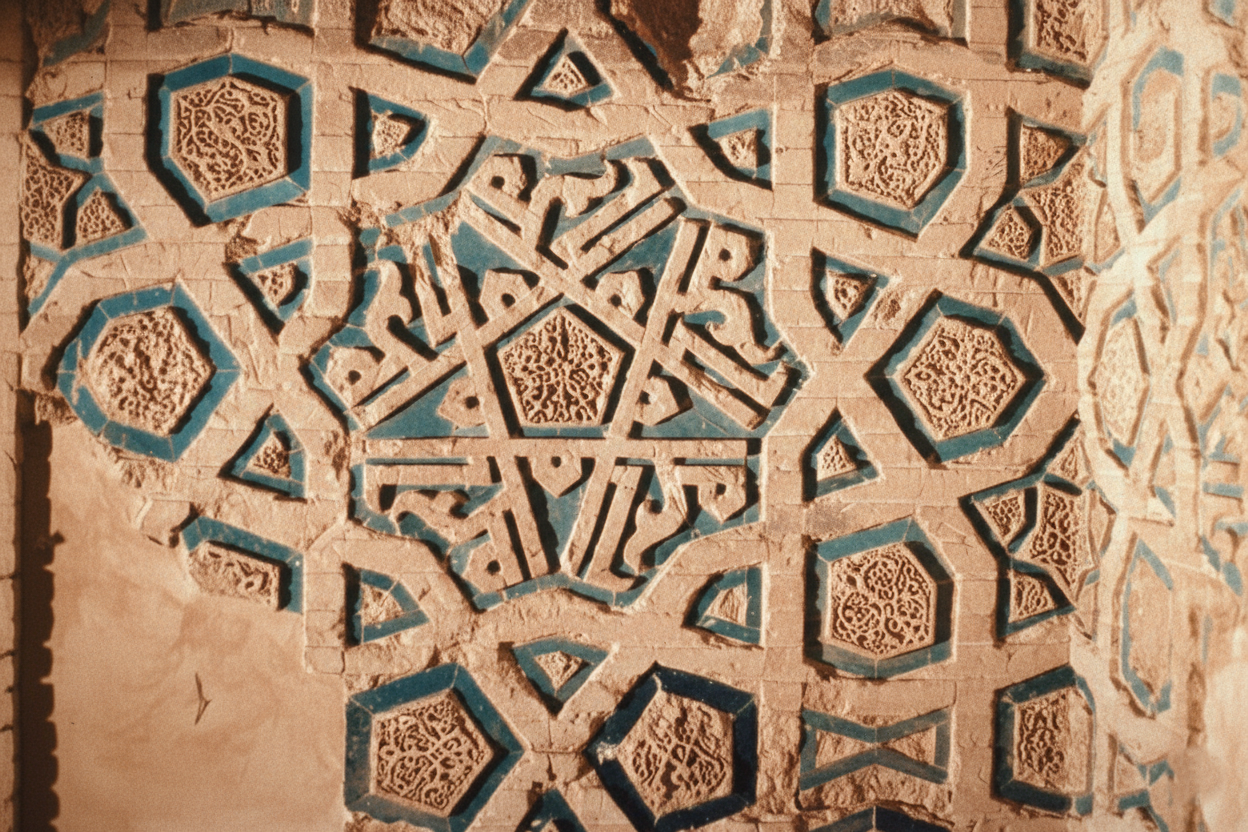
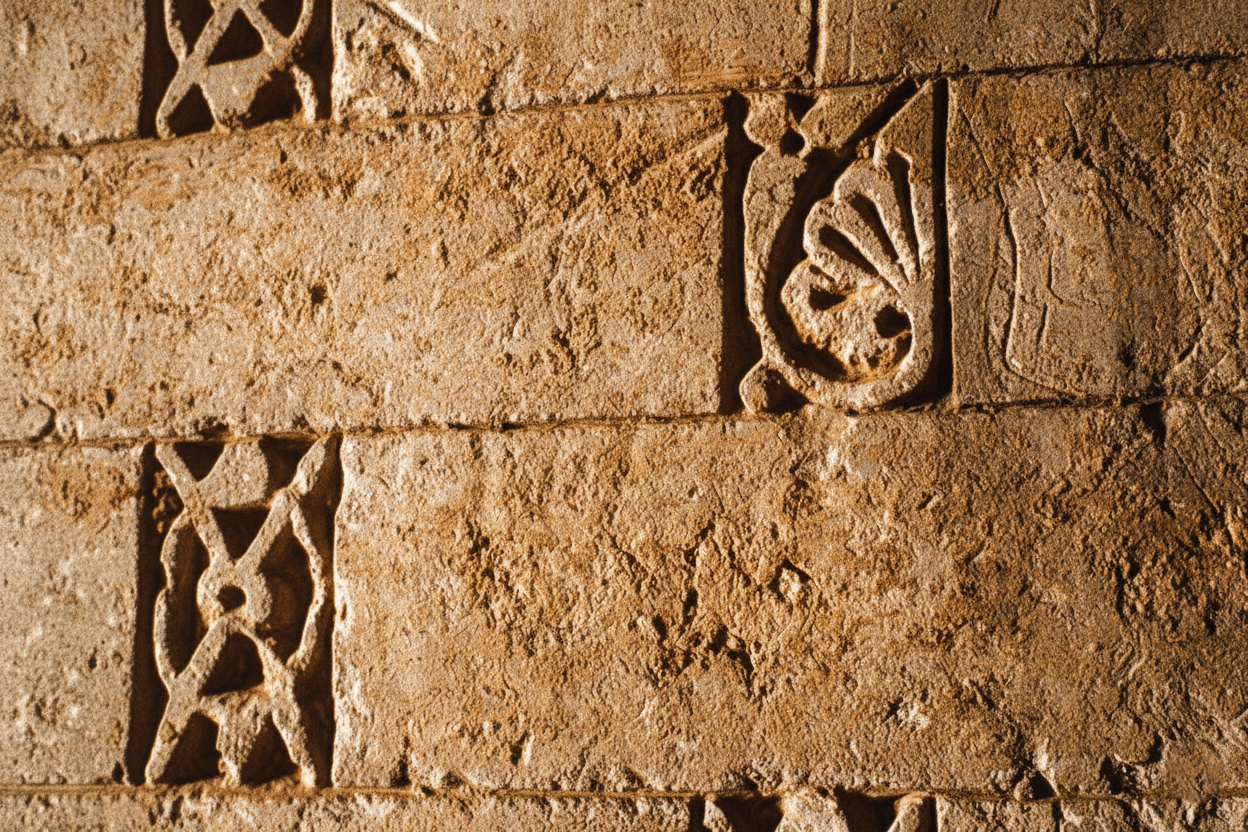
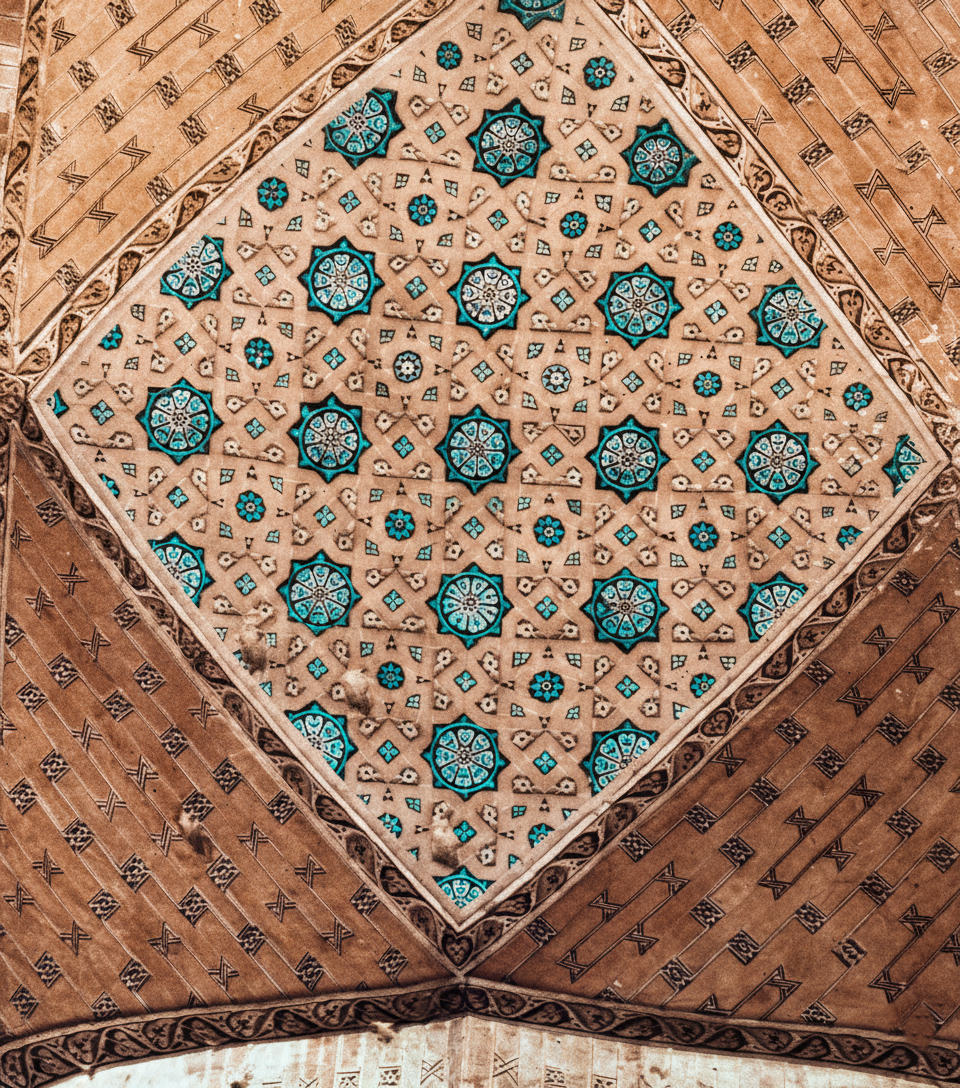
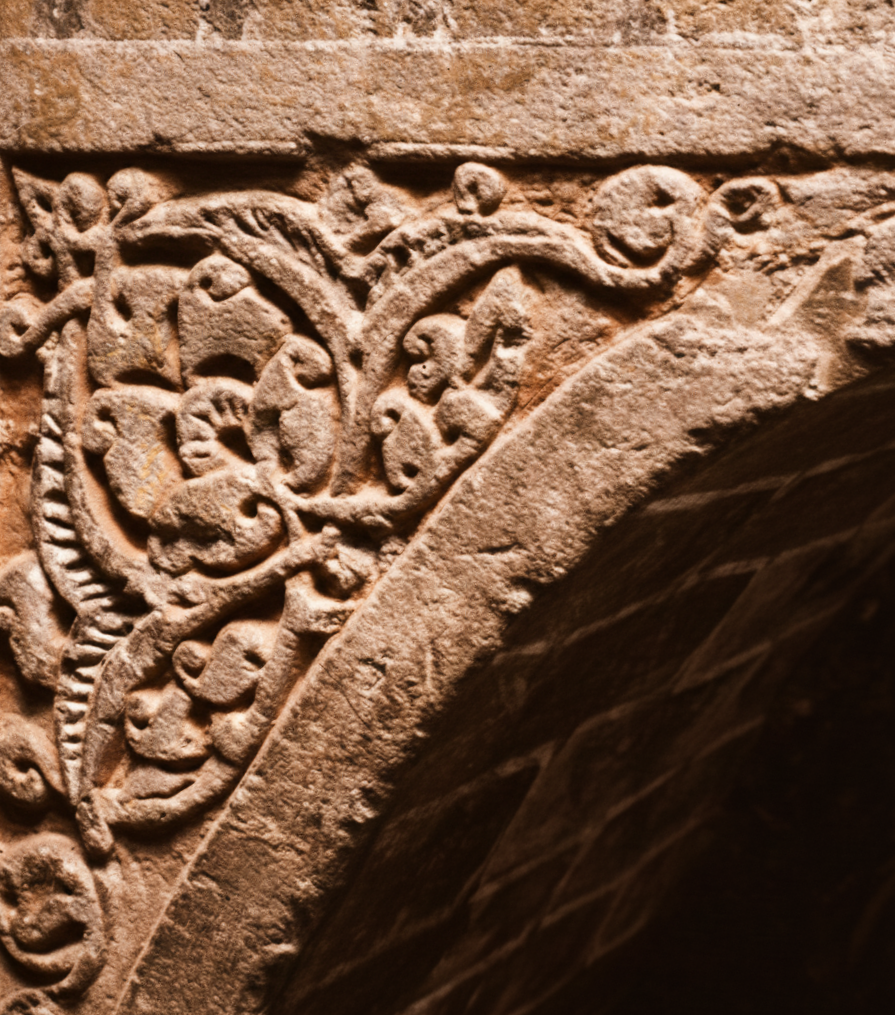
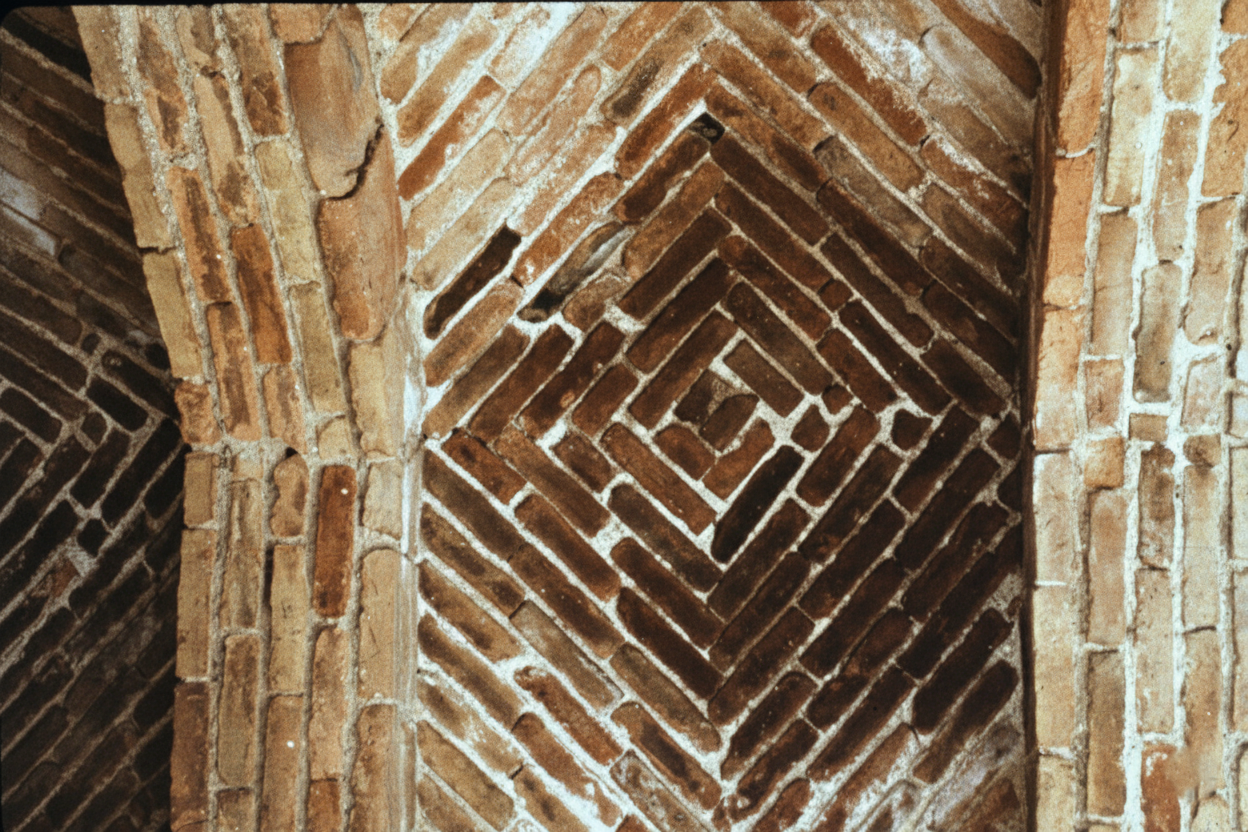
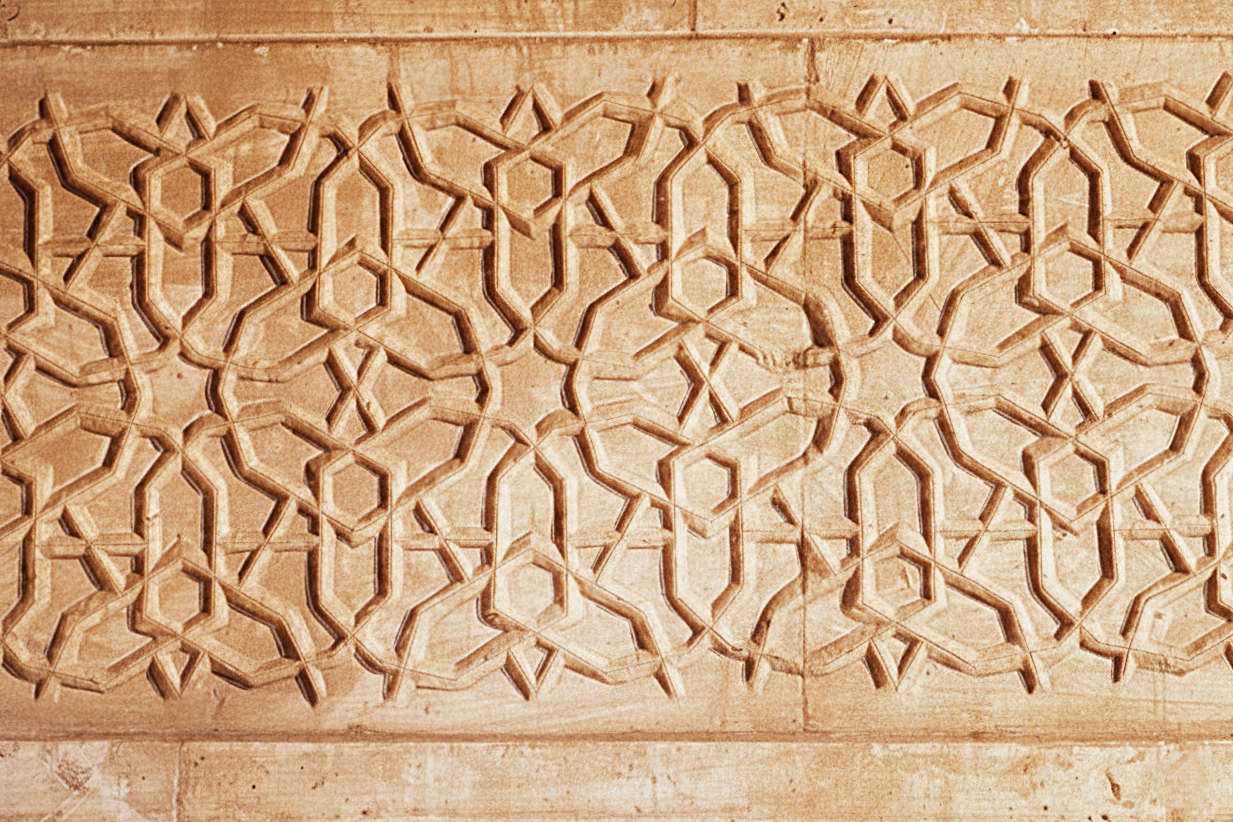
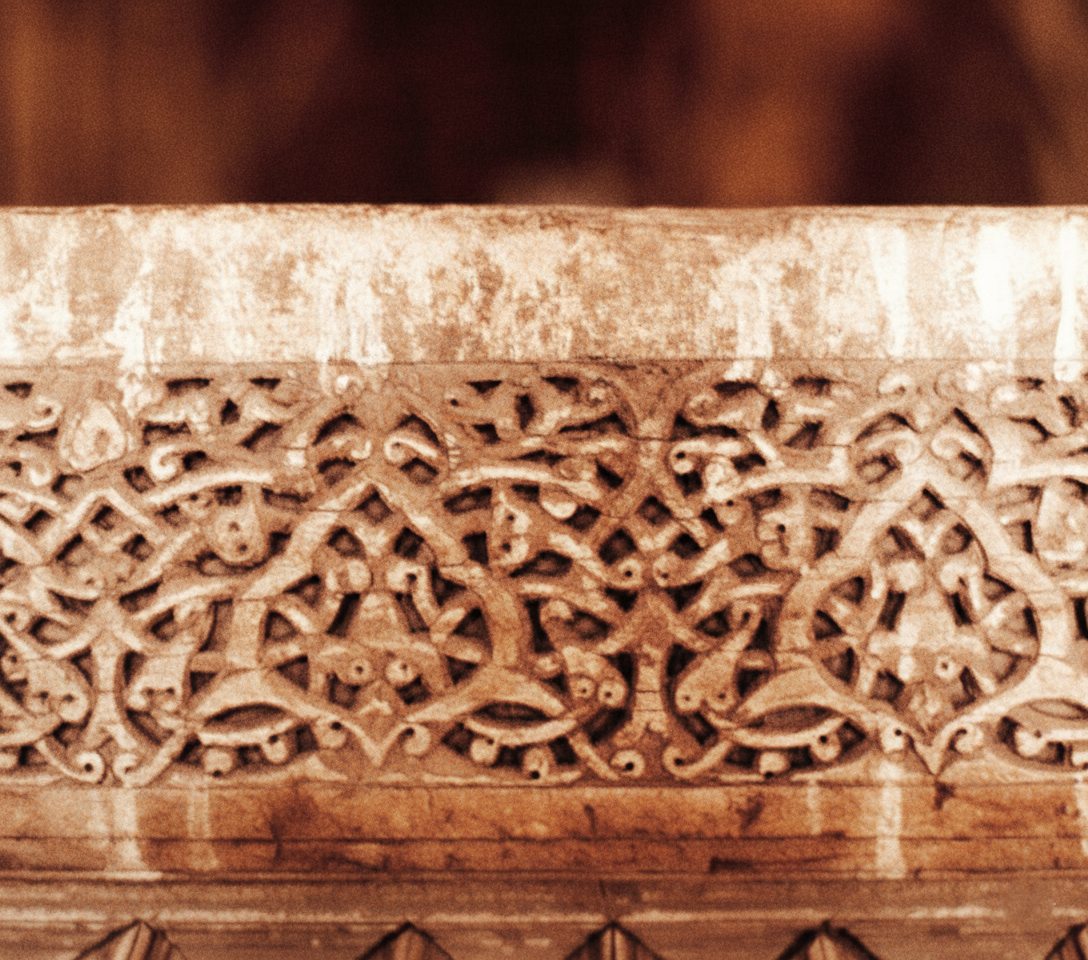
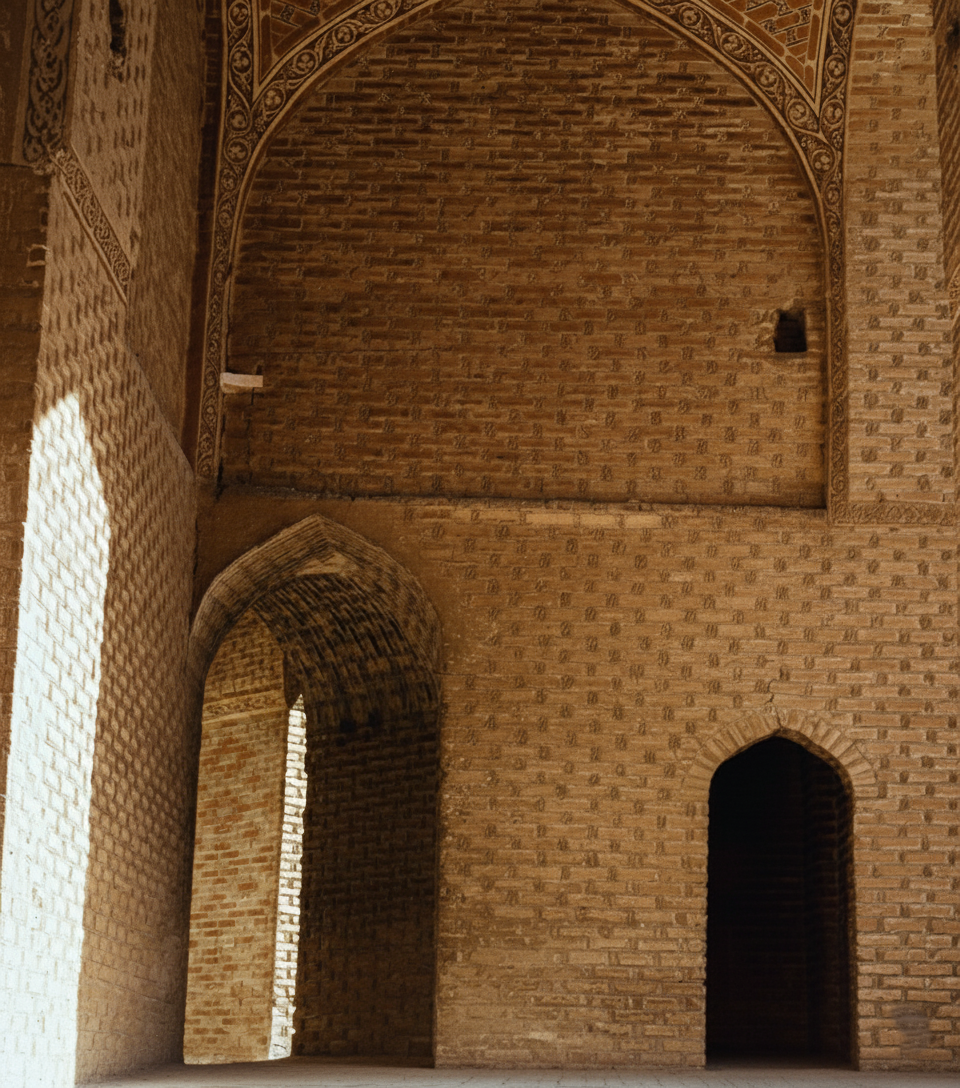
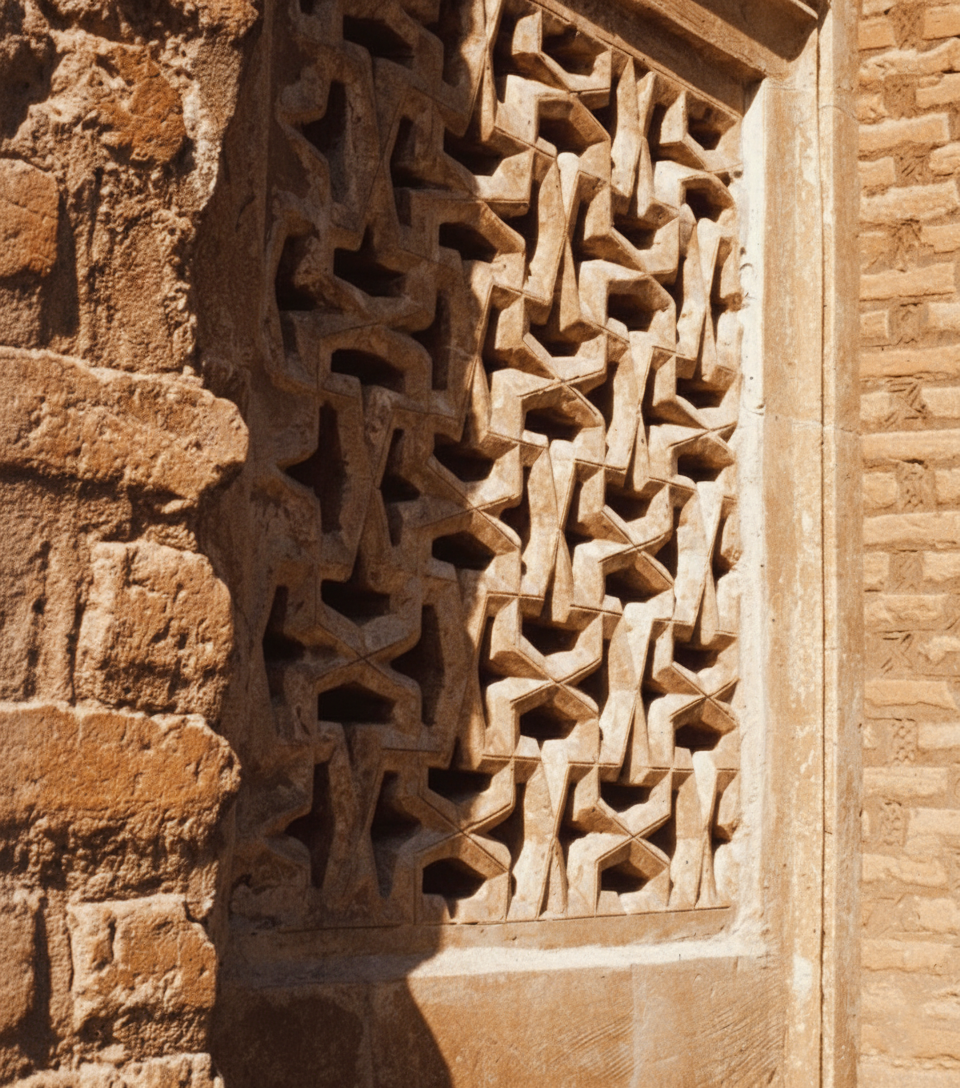
Inside, the mausoleum reveals an extraordinary program of decorative arts. Walls and vaults are covered with intricate stucco carving (گچبری), geometric tile patterns (نقوش هندسی), and calligraphic inscriptions (کتیبههای خوشنویسی) that reflect the artistic synthesis of Persian (ایرانی), Mongol (مغولی), and Islamic (اسلامی) traditions.
Although the city of Soltaniyeh declined after the fall of the Ilkhanid dynasty (1335 CE), the monumental dome remains one of the most impressive architectural achievements of medieval Iran (ایران). Today it stands as a symbol of the remarkable engineering skill and artistic creativity that characterized the architectural heritage (میراث معماری) of the Iranian plateau (فلات ایران).