Soltaniyeh, Tilework (کاشیکاری)
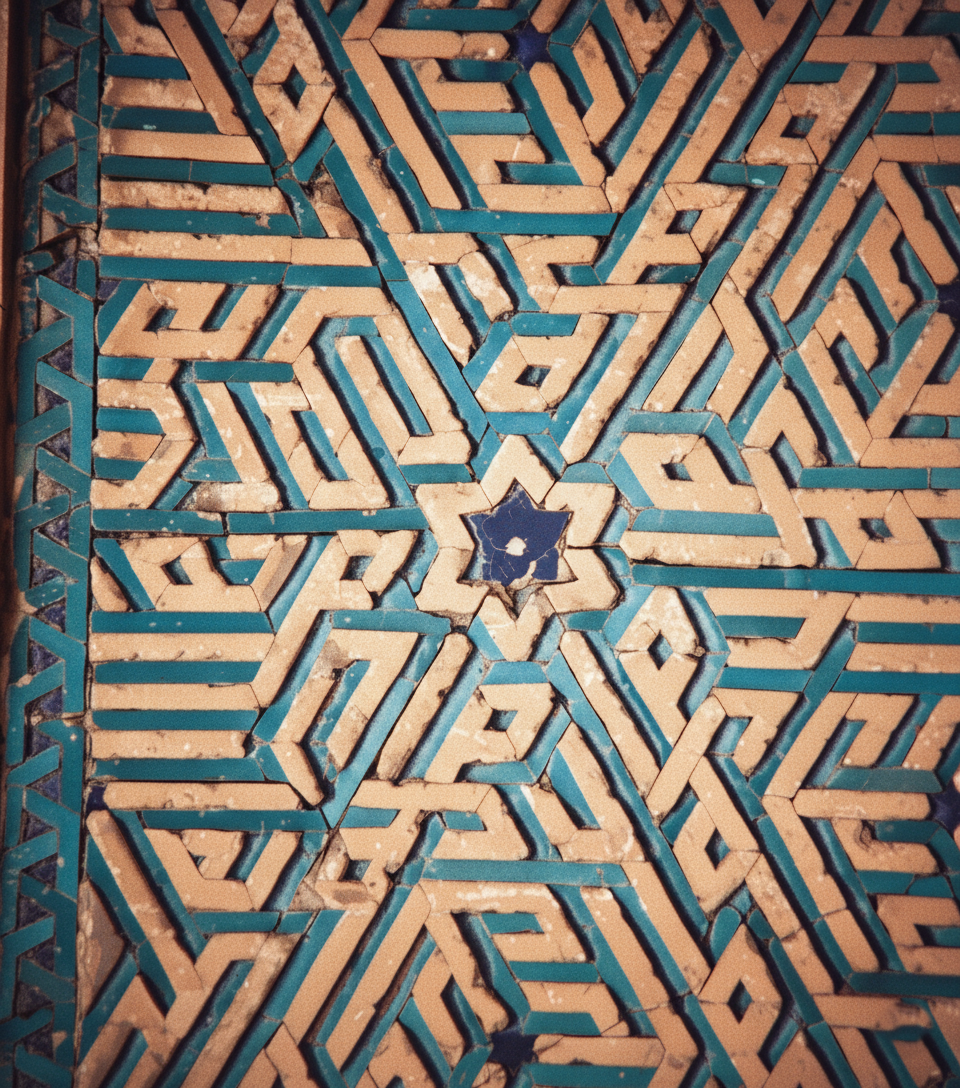
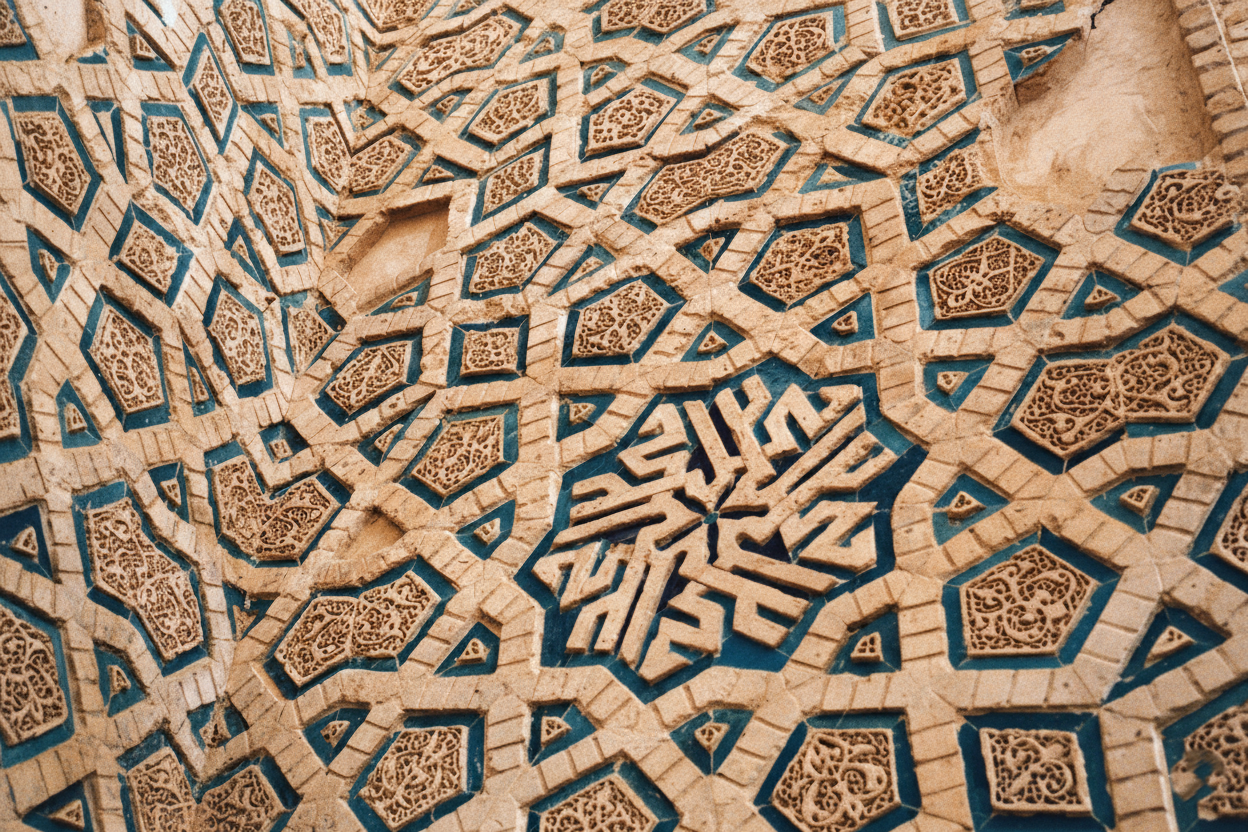
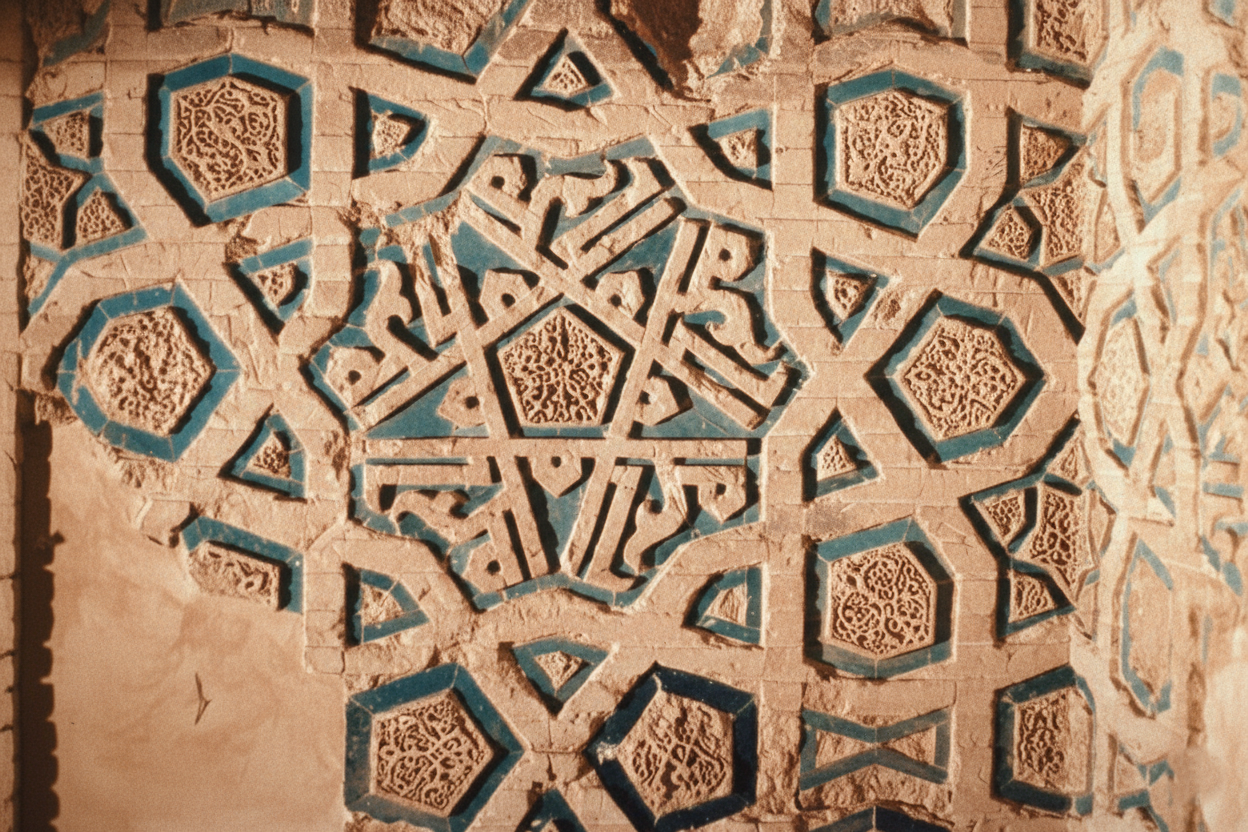
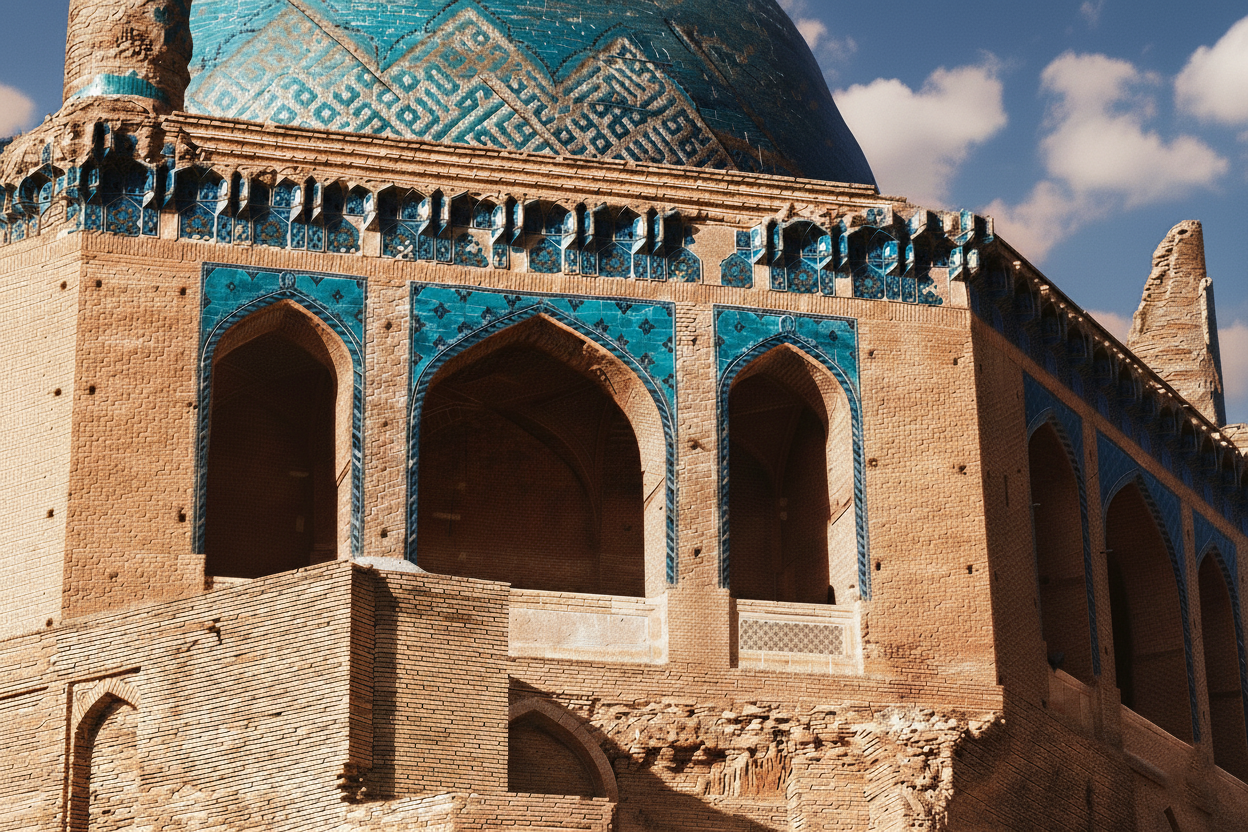
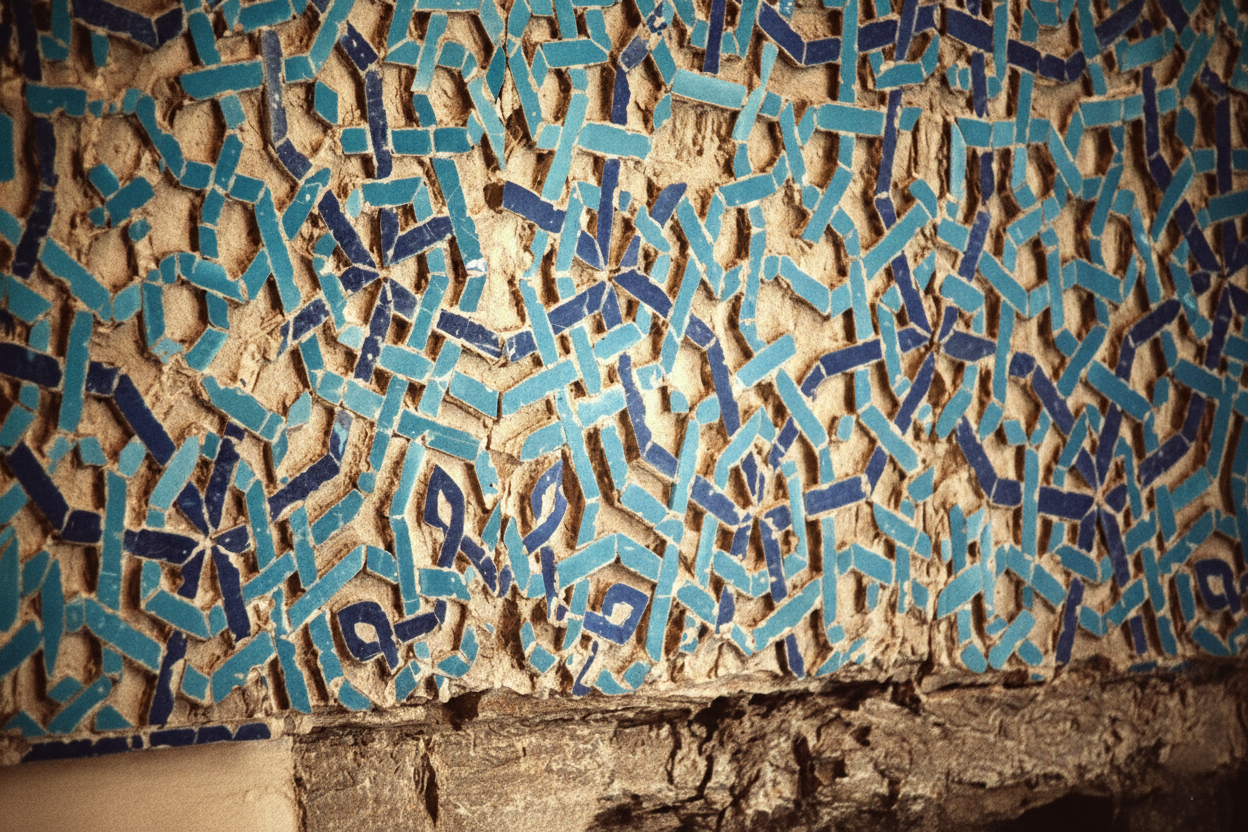
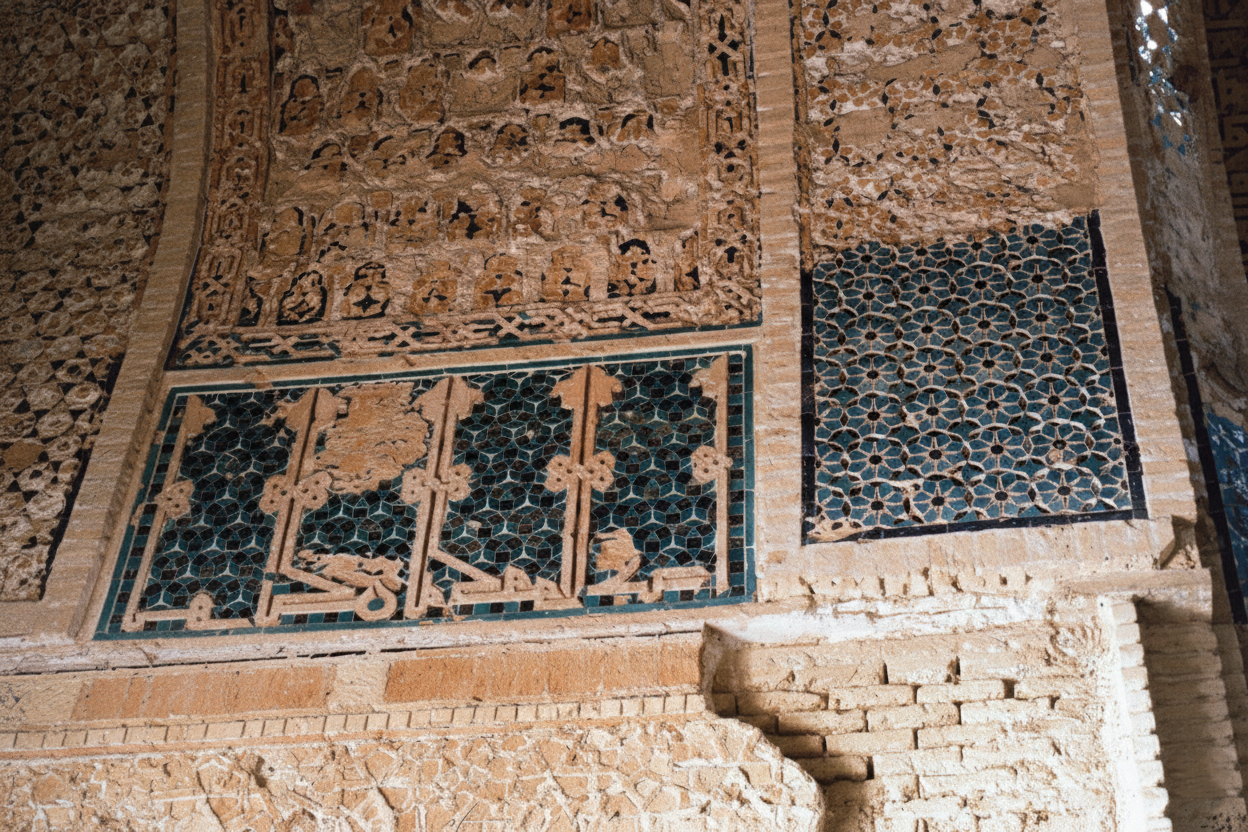
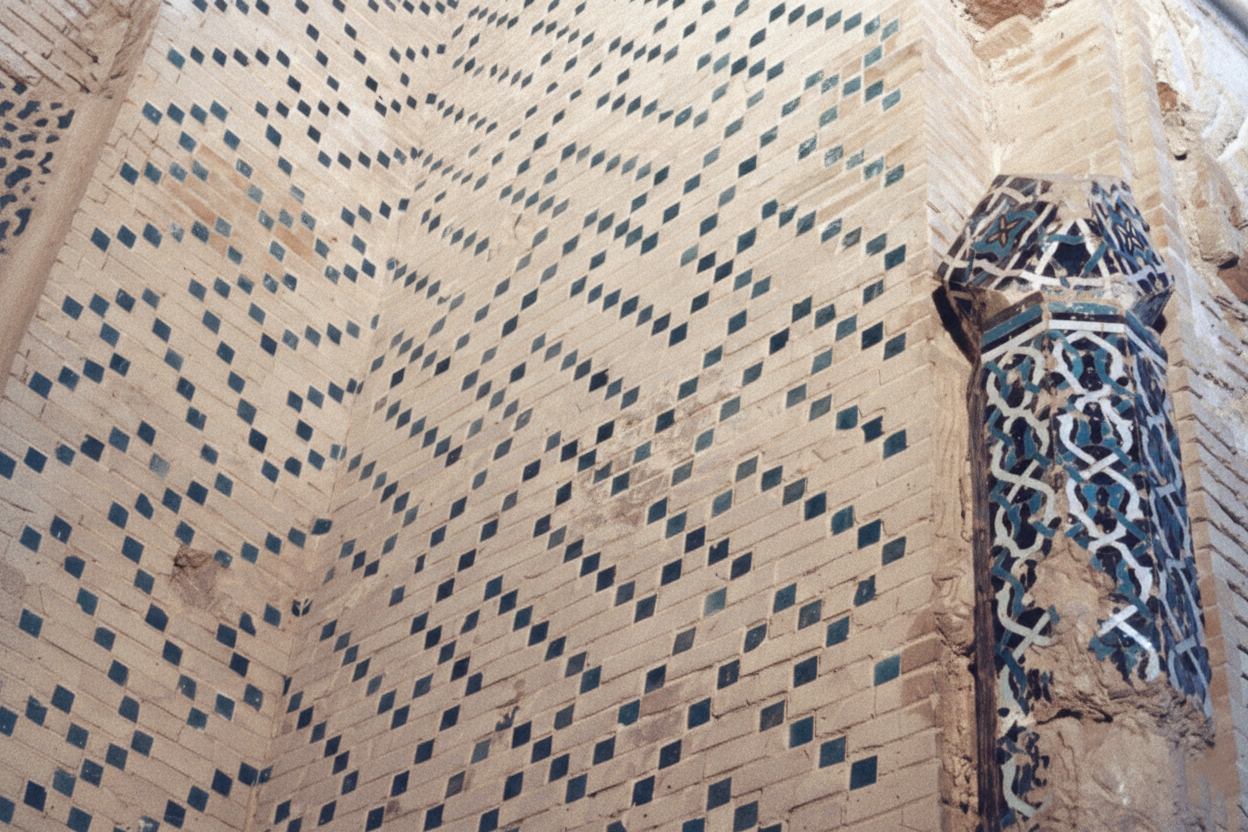
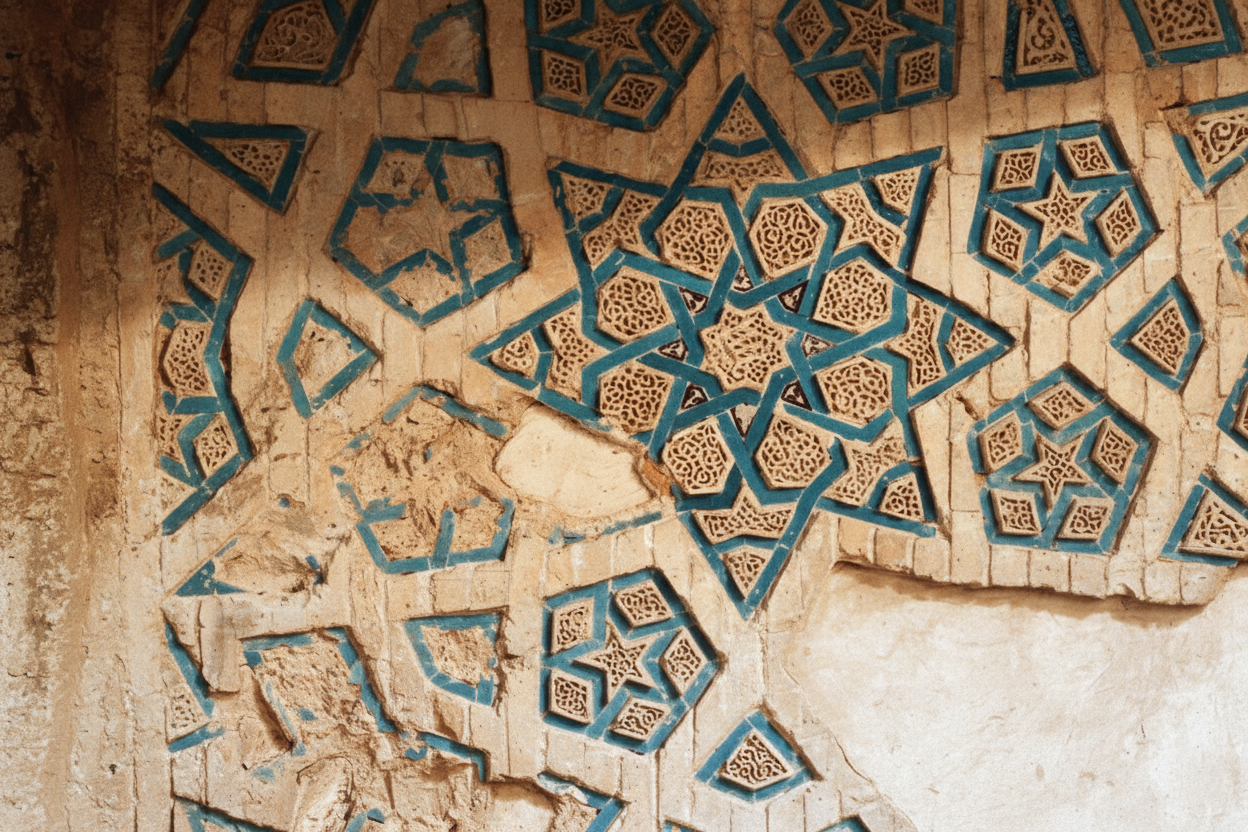
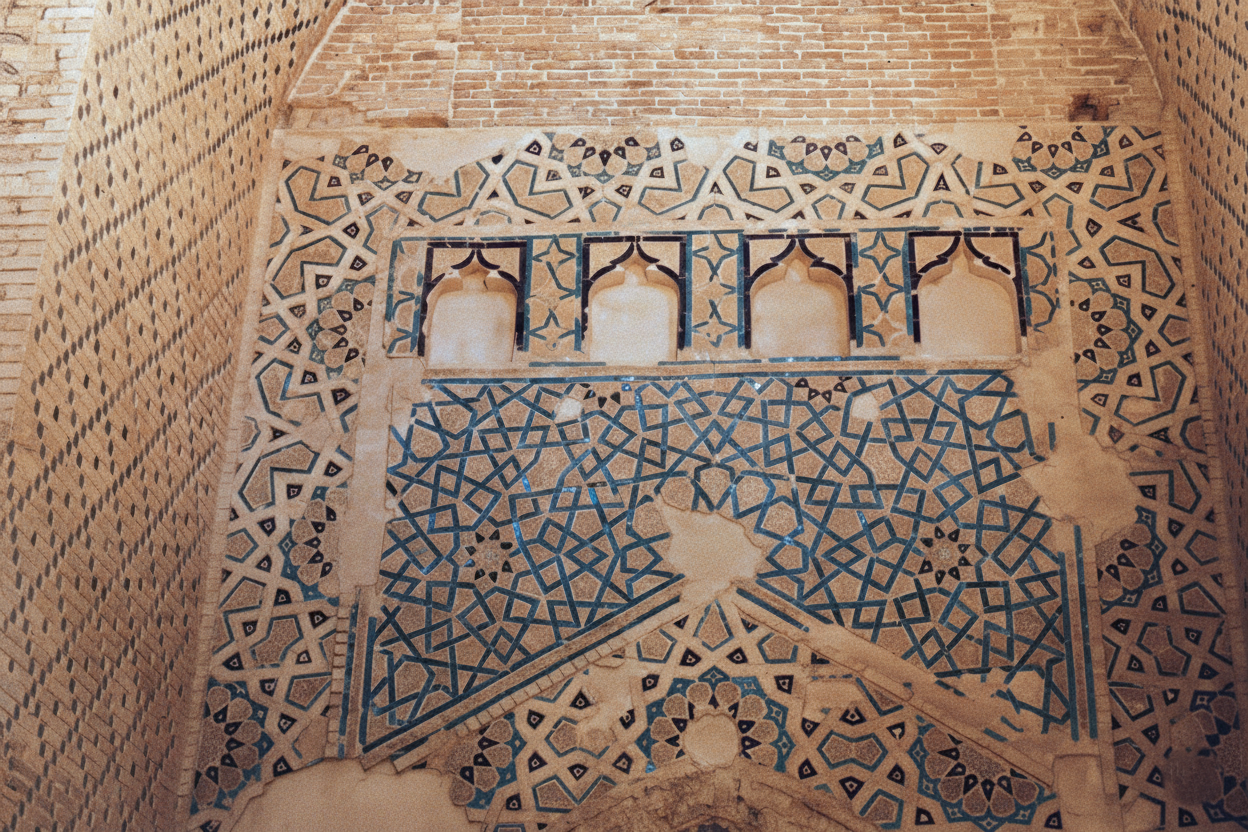
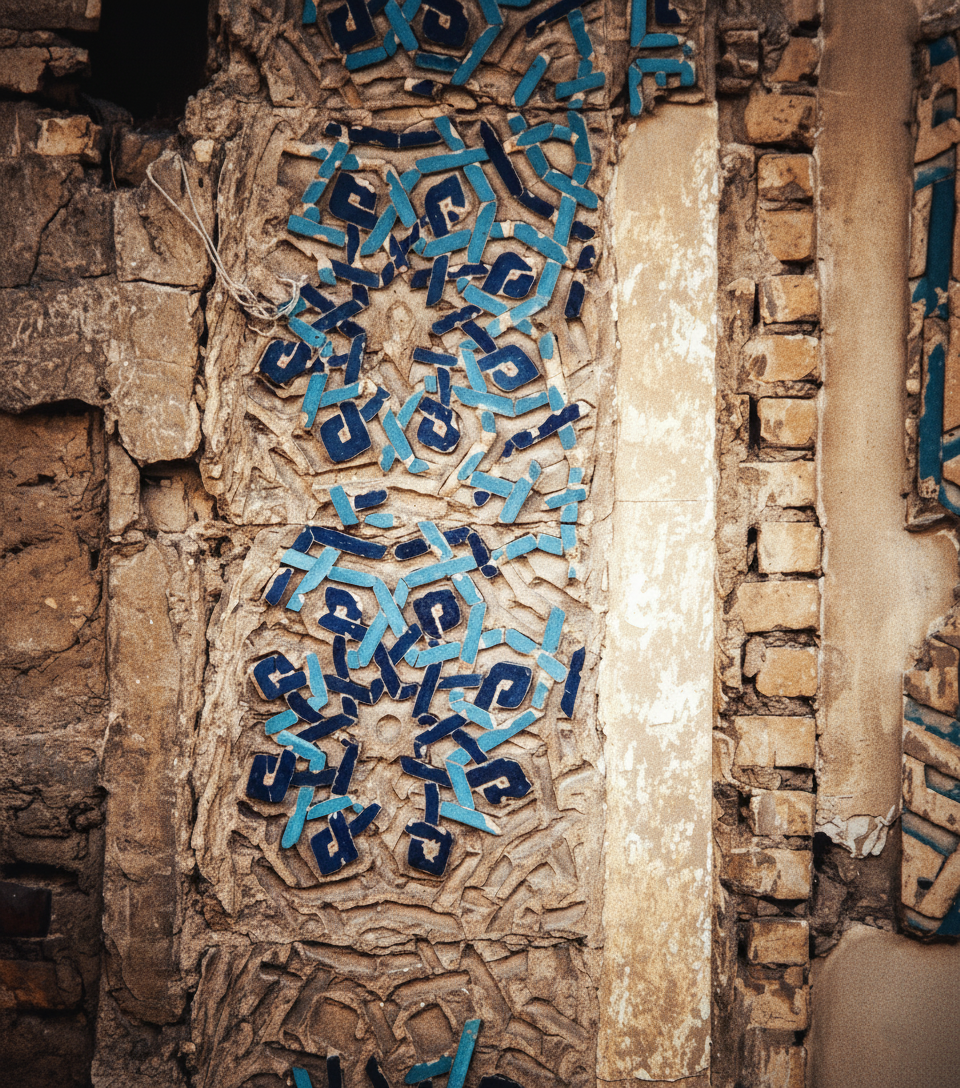
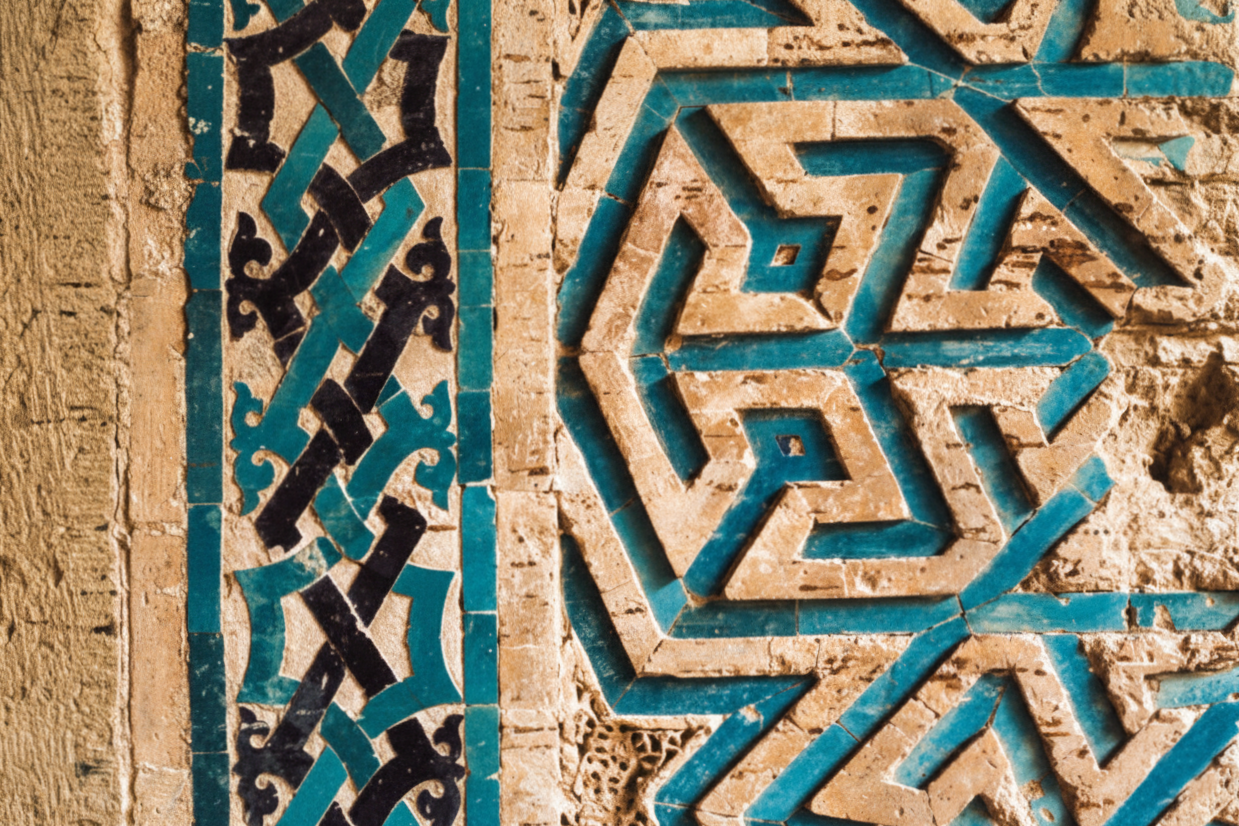
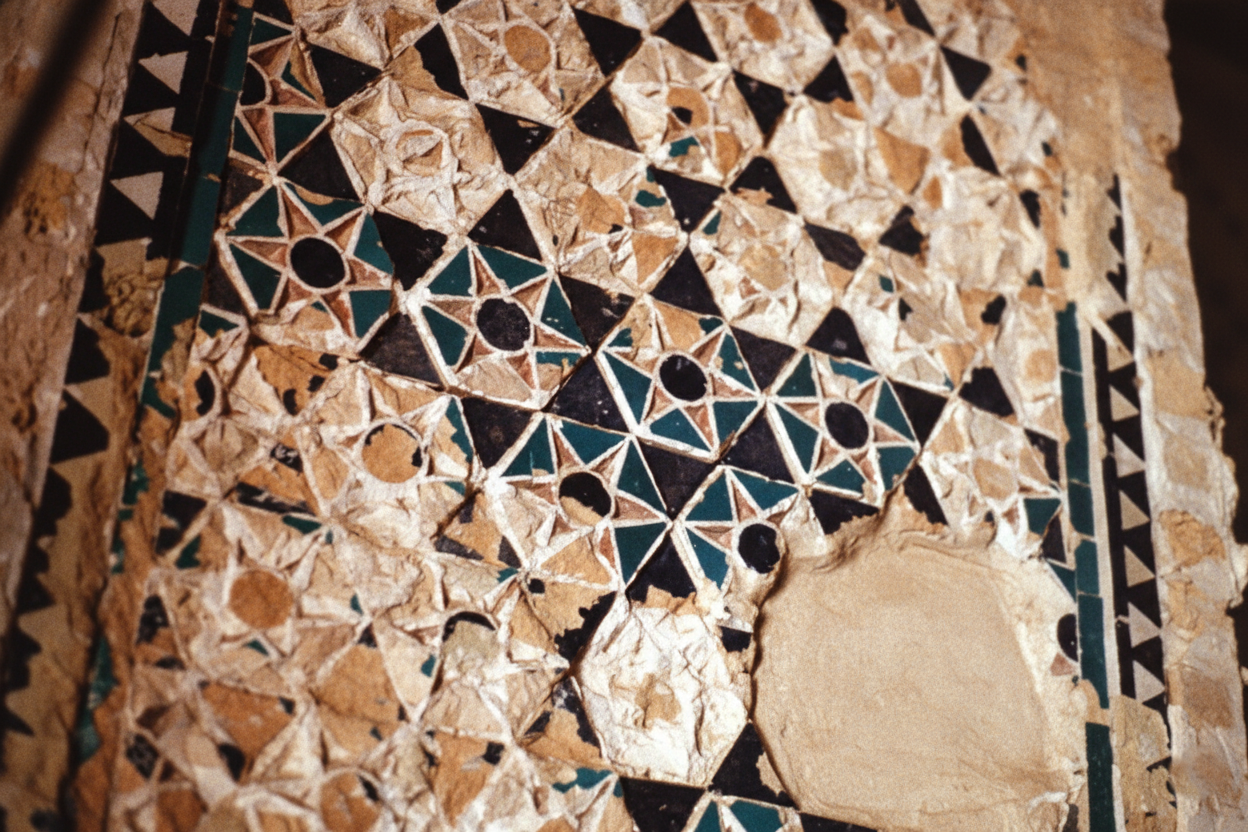
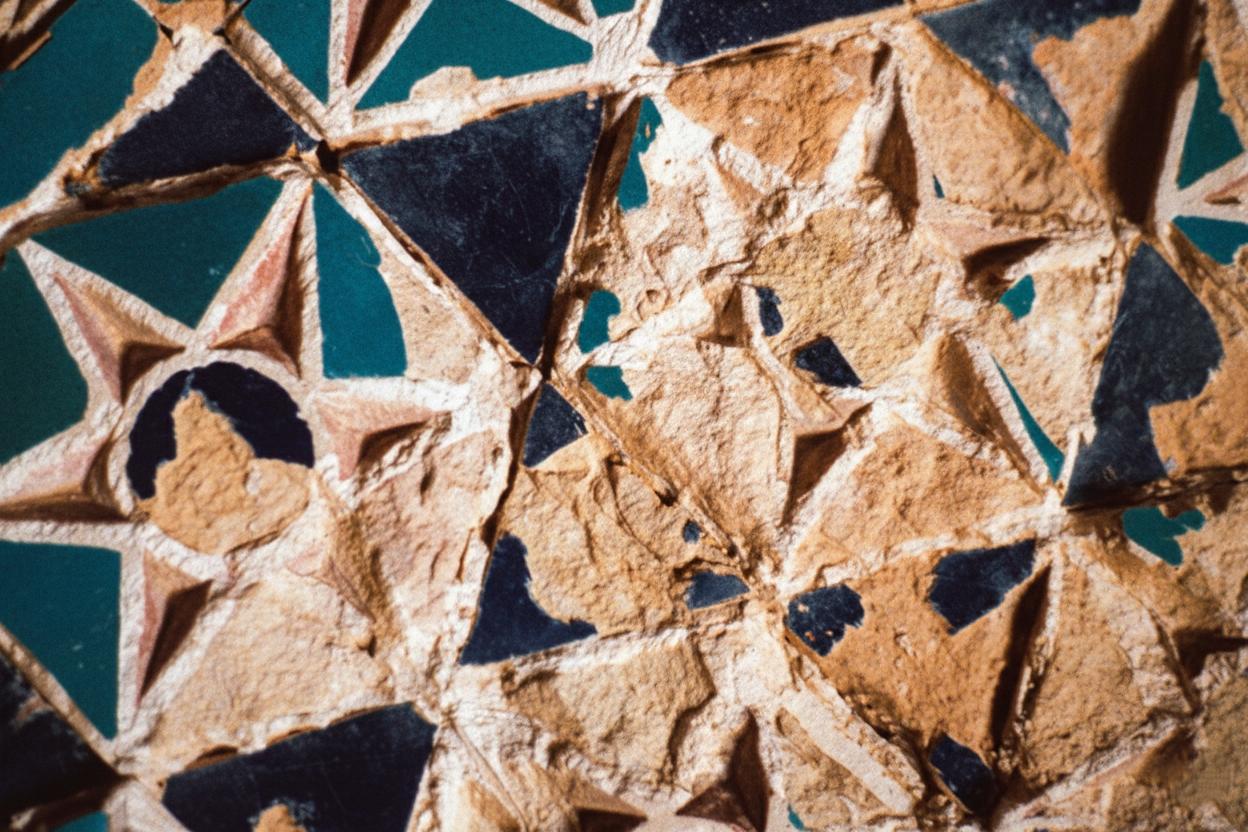
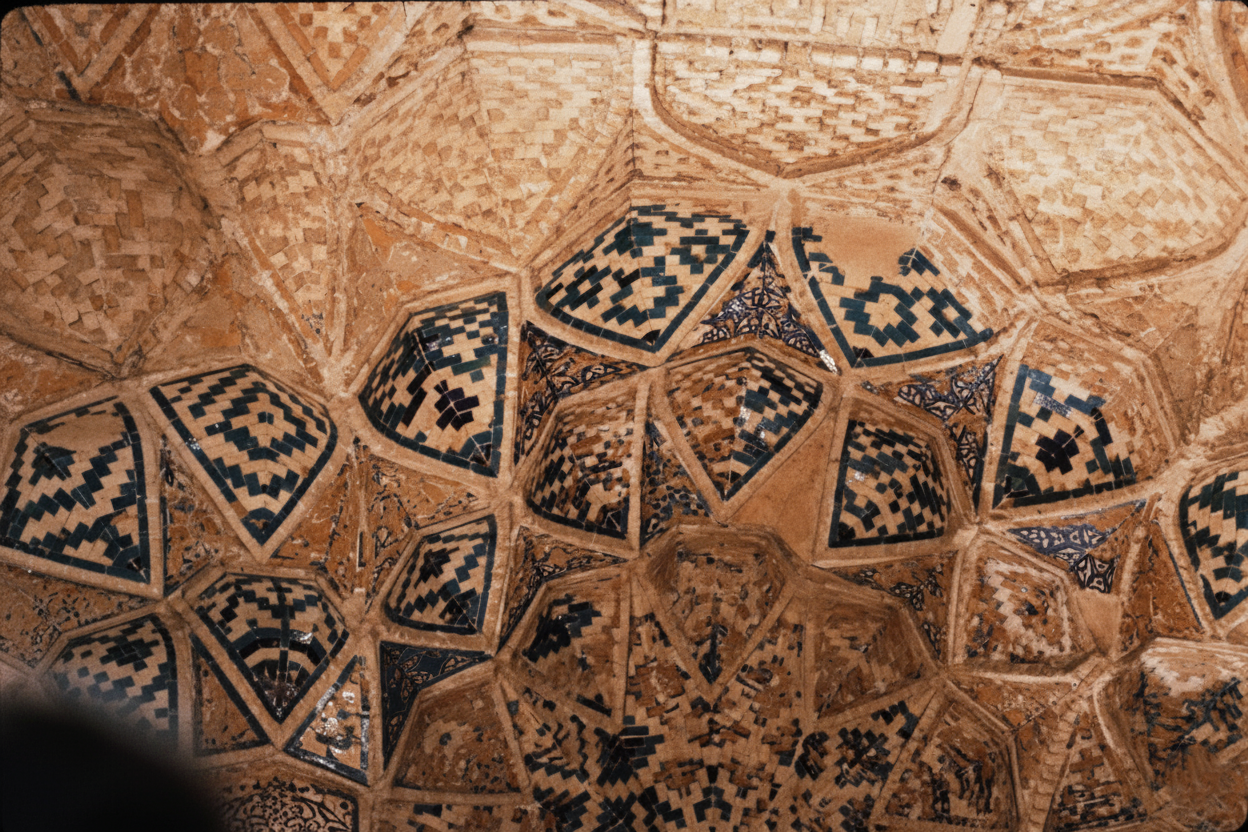
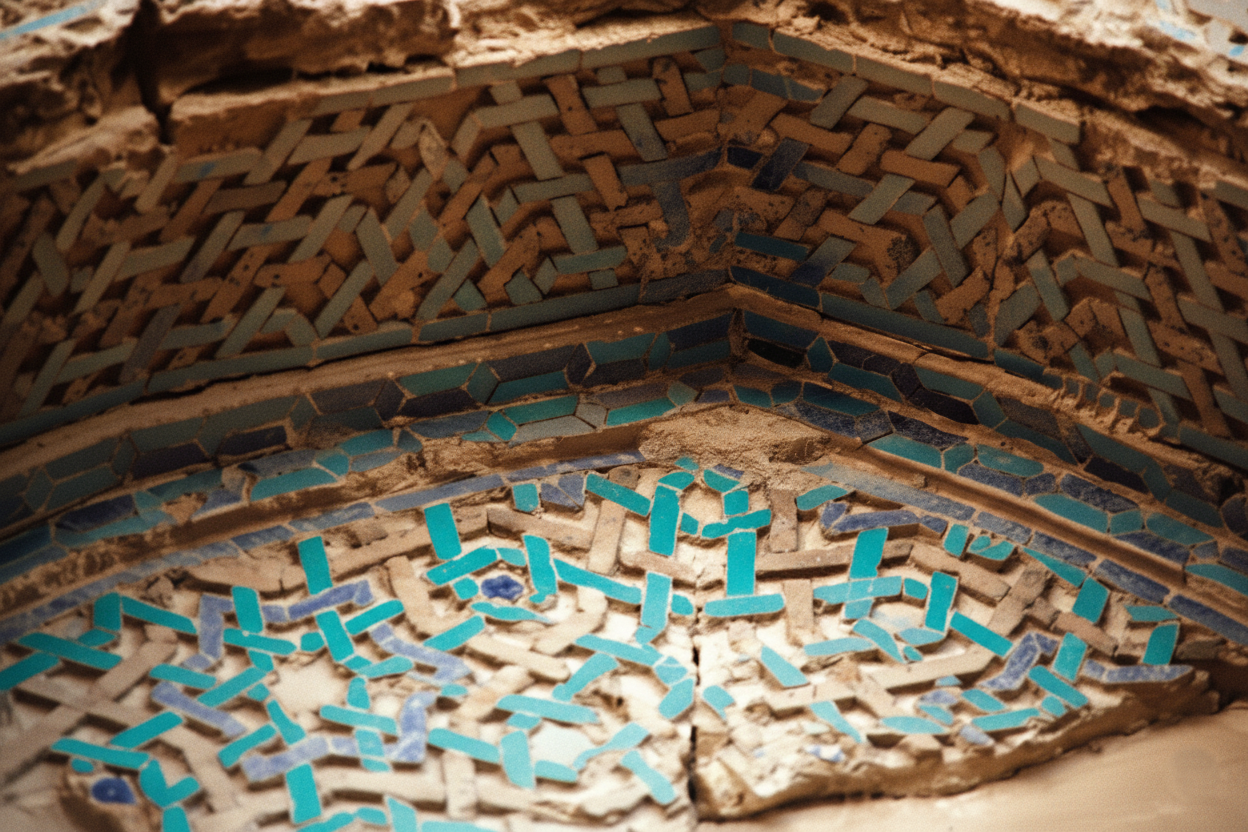
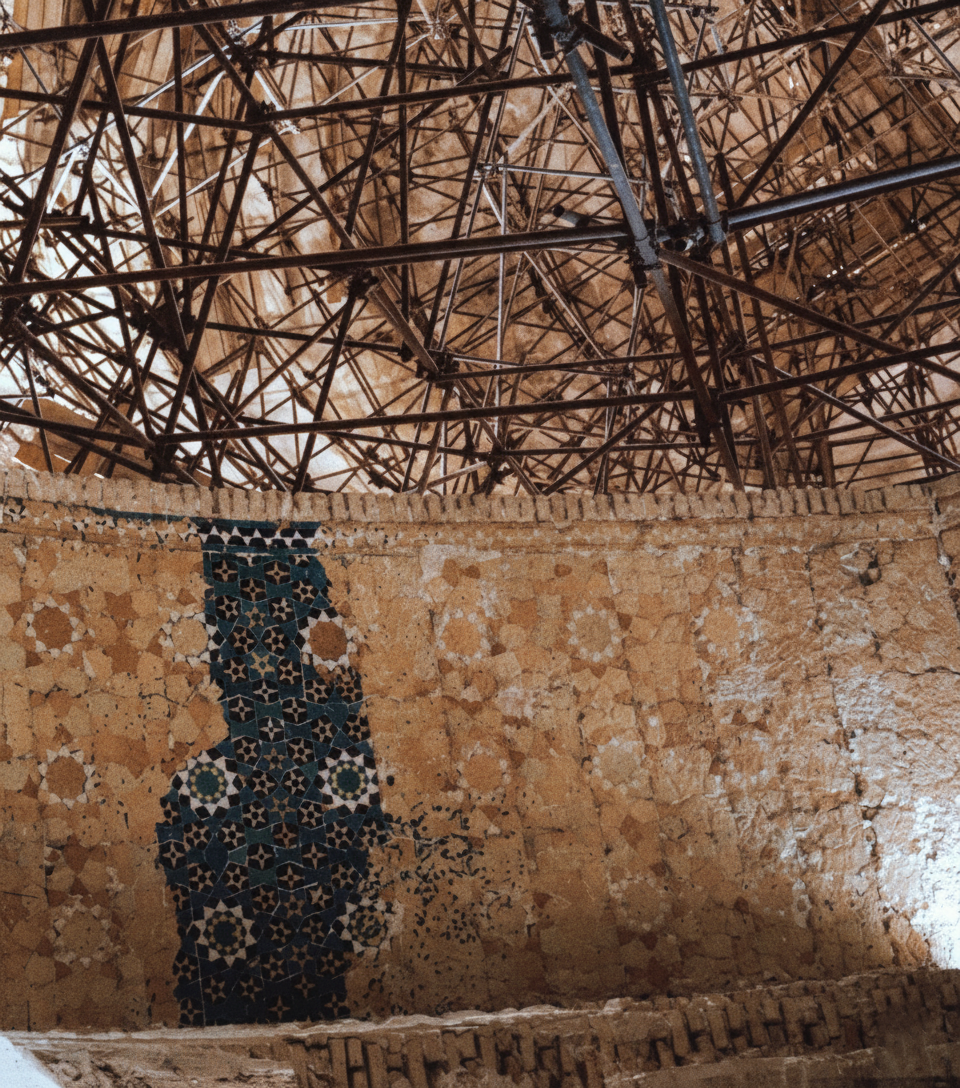
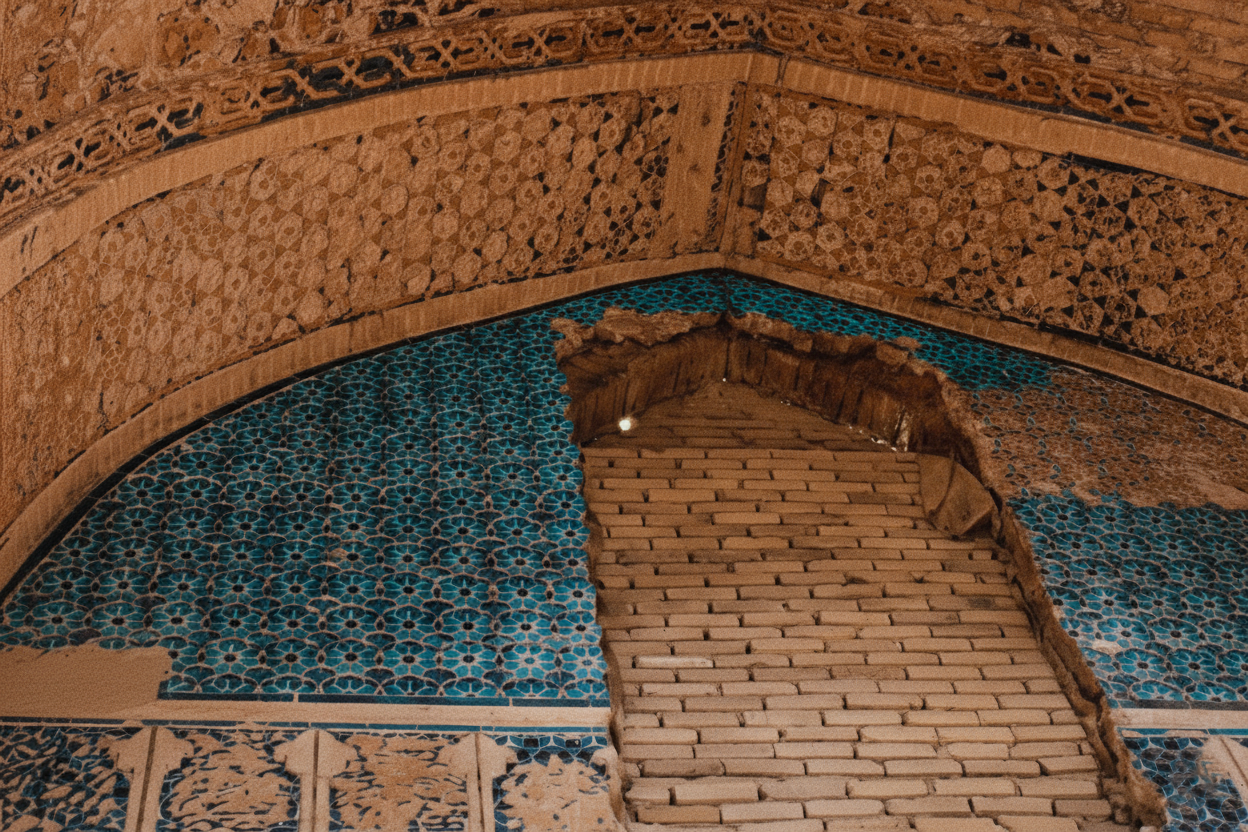
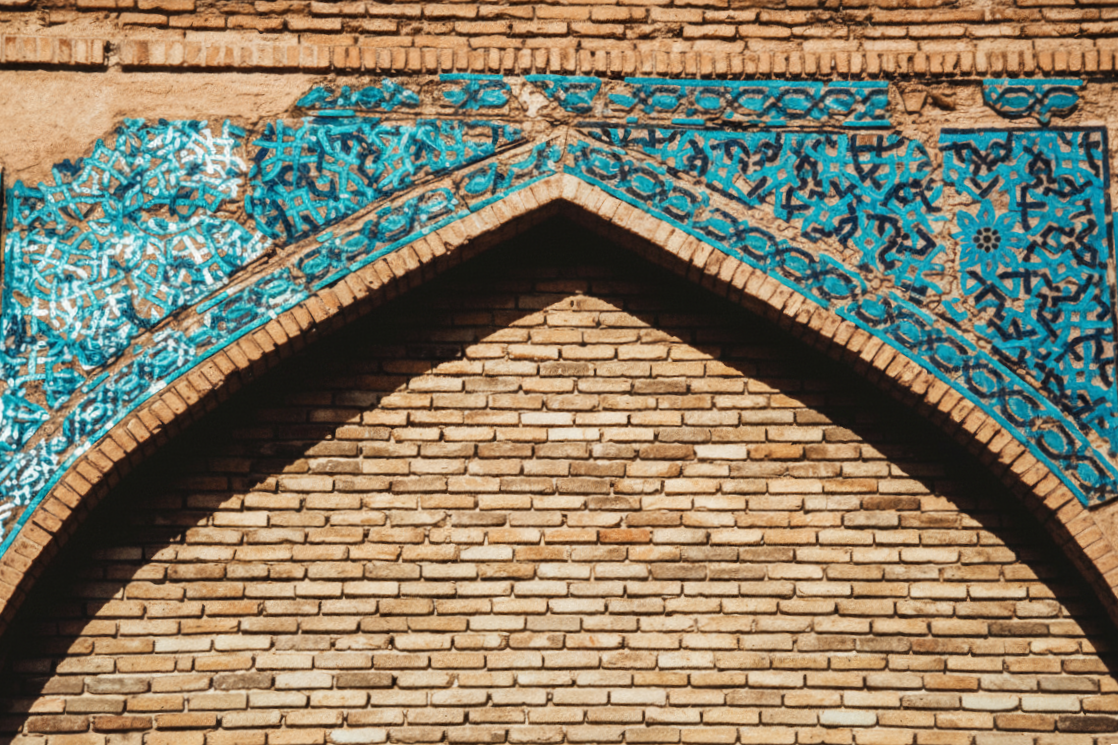
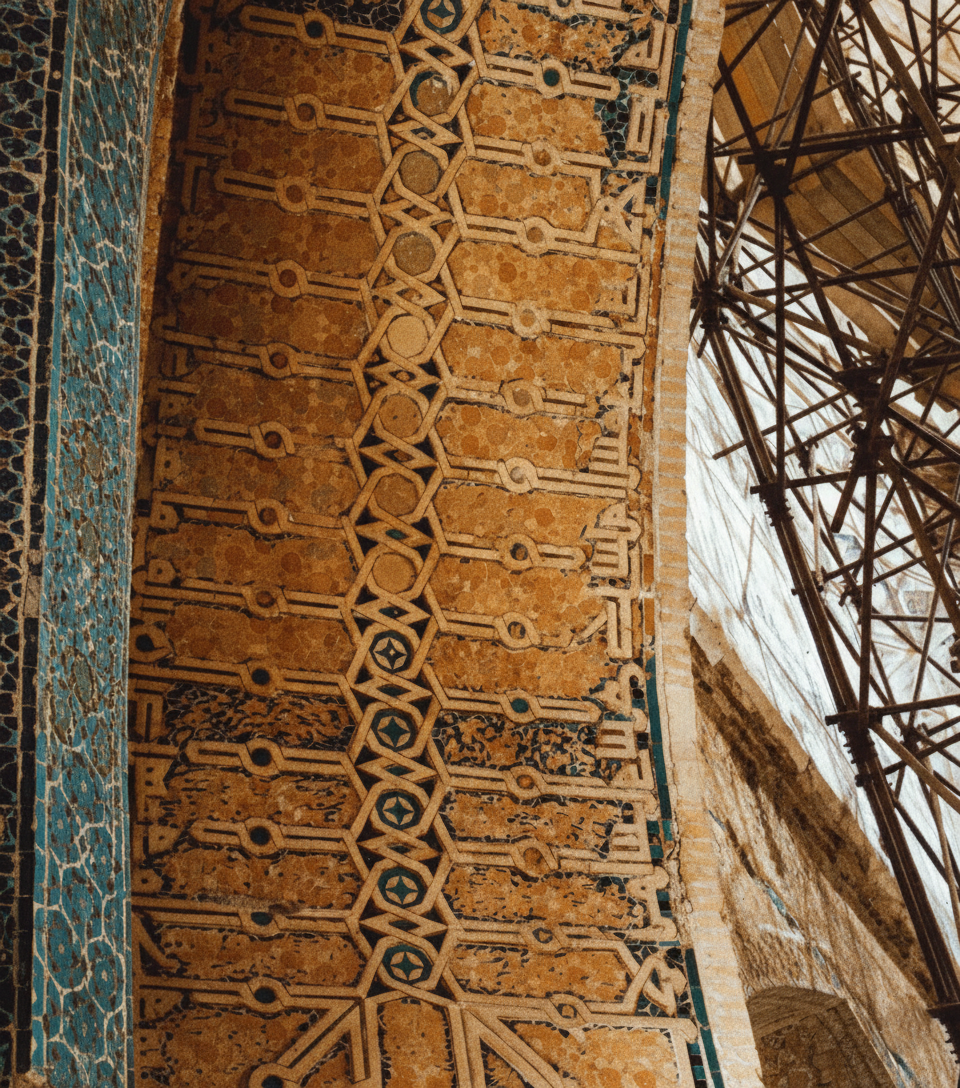
Tilework (کاشیکاری) in Soltaniyeh (سلطانیه, early 14th century CE) defines Ilkhanid (ایلخانی) architecture through color and pattern. Turquoise glazed tiles and geometric designs (نقوش هندسی) soften structural mass (جرم), while light enhances dematerialization (نامادیسازی), transforming the Dome of Öljaitü (گنبد سلطانیه, c. 1312 CE) into a luminous spatial experience (تجربه فضایی).
-
Tilework (کاشیکاری) in Soltaniyeh (سلطانیه, early 14th century CE) represents one of the most advanced expressions of Ilkhanid (ایلخانی) architectural decoration, playing a central role in both visual articulation and dematerialization (نامادیسازی).
In Soltaniyeh (سلطانیه), especially in the Dome of Öljaitü (گنبد سلطانیه, early 14th century, Ilkhanid period; c. 1312 CE), tilework was used on the exterior, the dome, and the interior of the monument. The exterior and the large dome are covered with turquoise glazed tiles, giving the building its distinctive blue appearance and emphasizing the monument’s monumental (عظیم) form. Inside the structure, decoration originally included glazed mosaic tiles arranged in geometric patterns (نقوش هندسی) such as stars, polygons, and interlocking shapes, often combined with calligraphic inscriptions (کتیبههای خوشنویسی) and stucco ornament (گچبری) on the walls and iwans (ایوانها). Together, these exterior, dome, and interior decorations demonstrate the advanced Ilkhanid use of geometric tilework and architectural ornament (تزئینات معماری) in Soltaniyeh.
Beyond ornament, tilework contributes directly to the transformation of material perception. The reflective surfaces, насыщенность (color richness / غنای رنگی), and continuous patterned fields break down the reading of solid mass (جرم) and soften structural boundaries (مرزها). Light interacting with glazed surfaces enhances this effect, creating a luminous and dynamic spatial experience (تجربه فضایی).
In this way, tilework in Soltaniyeh is not merely decorative; it is an architectural strategy that integrates color, surface, and light to dissolve material heaviness, reinforcing the Ilkhanid pursuit of visual refinement and spatial dematerialization within Persian (ایرانی) architecture (معماری).
