Soltaniyeh, Molded or stamped brick (آجر قالبی / آجر مُهری)
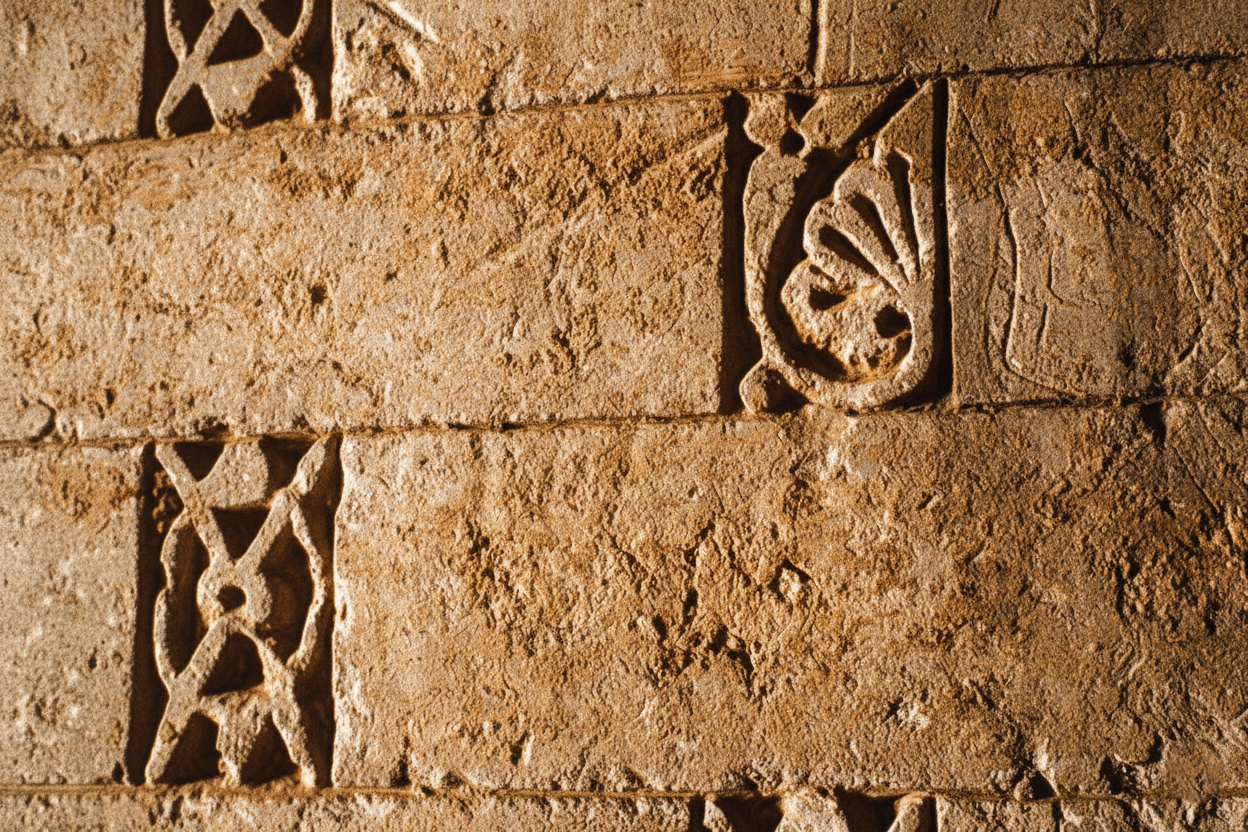
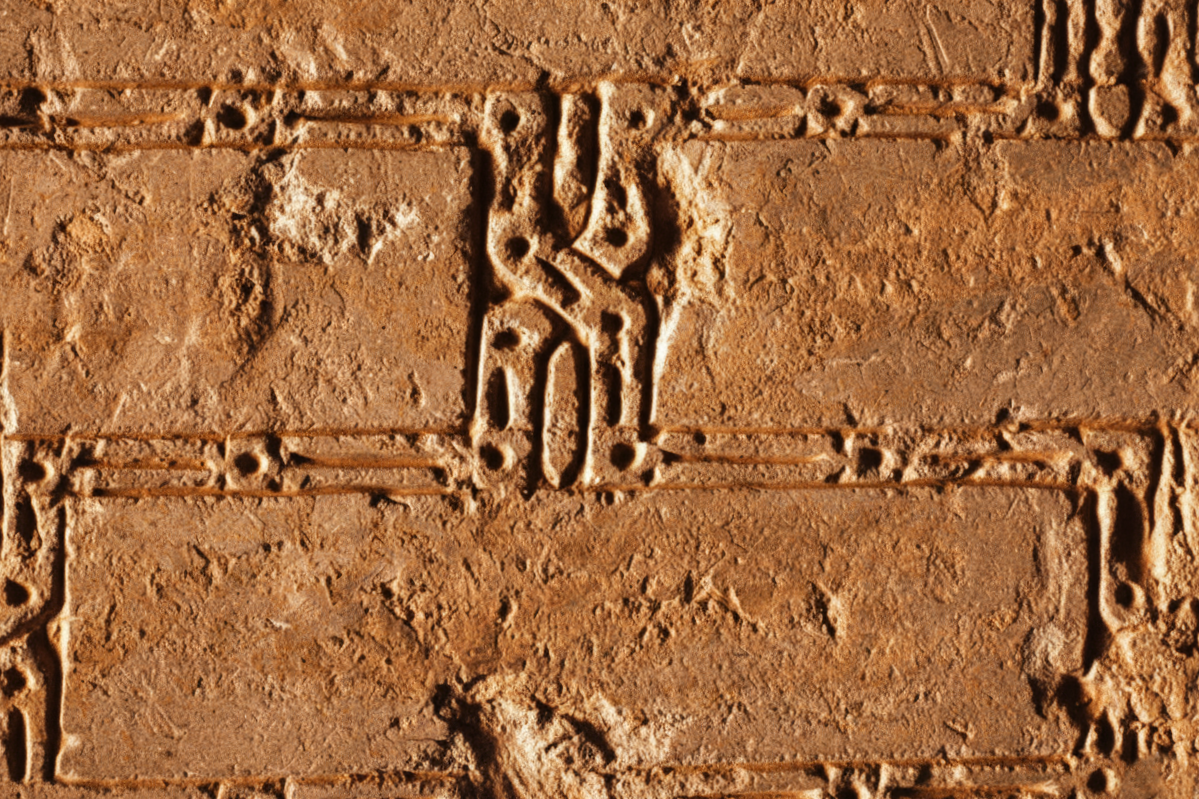
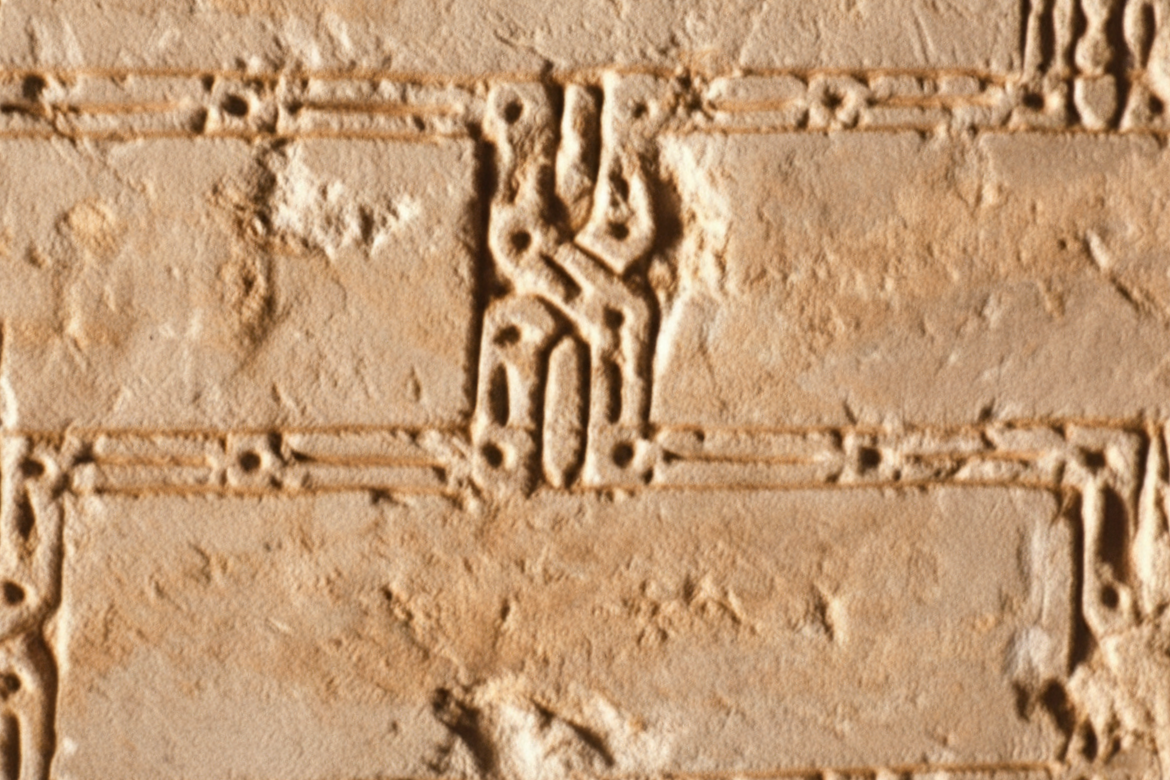
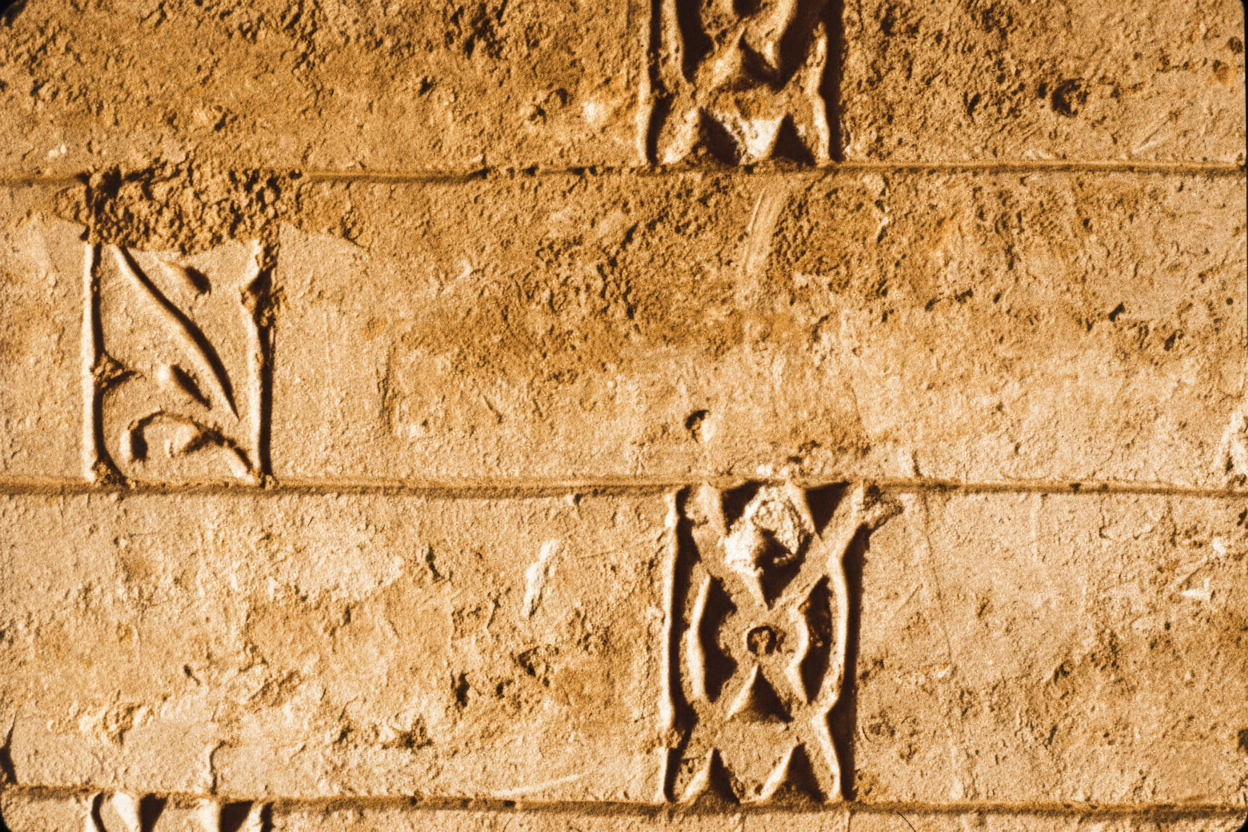
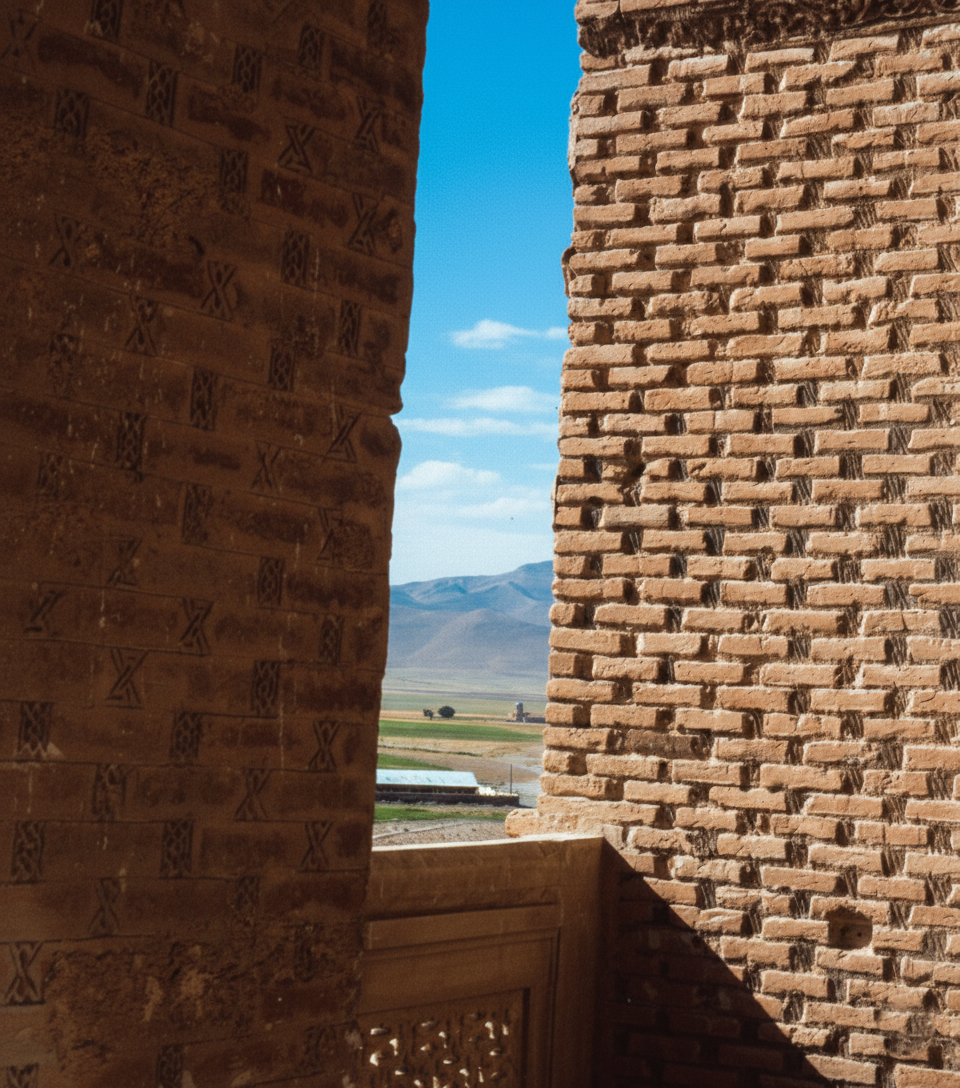
Molded brick (آجر قالبی) in Ilkhanid (ایلخانی, 13th–14th centuries CE) architecture integrates structure and decoration (تزئین). In Soltaniyeh (سلطانیه, c. 1312 CE), it creates geometric patterns (نقوش هندسی) that break down mass (جرم), enhancing light and shadow effects and contributing to dematerialization (نامادیسازی) in Persian (ایرانی) architectural surfaces.
-
Molded or stamped brick (آجر قالبی / آجر مُهری) played a significant role in Ilkhanid (ایلخانی, 13th–14th centuries CE) architecture, continuing and advancing earlier Persian (ایرانی) brick traditions. Unlike plain structural brick (آجر ساده), these bricks were shaped or impressed with patterns before firing, allowing architects to integrate structure (سازه) and decoration (تزئین) into a single material system.
In Ilkhanid buildings, molded brick was widely used to create geometric patterns (نقوش هندسی), inscriptions (کتیبهها), and surface articulation (پرداخت سطح). This technique allowed façades and architectural elements to achieve visual complexity without relying solely on applied ornament like tilework (کاشیکاری). The نتیجه (result / نتیجه) was a هماهنگی (unity / هماهنگی) between form and surface, where structure itself became decorative.
In Soltaniyeh (سلطانیه, early 14th century CE), molded and patterned brickwork appears alongside glazed tile decoration, especially in transitional zones and structural surfaces of the Mausoleum of Öljaitü (گنبد سلطانیه, c. 1312 CE). Here, brick is not merely a background material but an active participant in the visual language of the building, contributing to both texture and pattern.
Importantly, molded brick also contributes to the concept of dematerialization (نامادیسازی). Through repetition, relief, and shadow, the سطح (surface / سطح) of walls and structural elements is visually broken down into smaller units. This fragmentation reduces the perception of solid mass (جرم) and creates a dynamic interplay of light and shadow, making heavy architectural forms appear lighter and more intricate.
In this way, molded brick functions as both a structural and perceptual tool. It bridges construction (ساخت) and ornamentation, while simultaneously softening the visual weight of architecture. In Ilkhanid architecture—and particularly in Soltaniyeh—it plays a crucial role in transforming solid materials into expressive, visually dematerialized surfaces.
