Soltaniyeh (سلطانیه), Gachbori (گچبری)
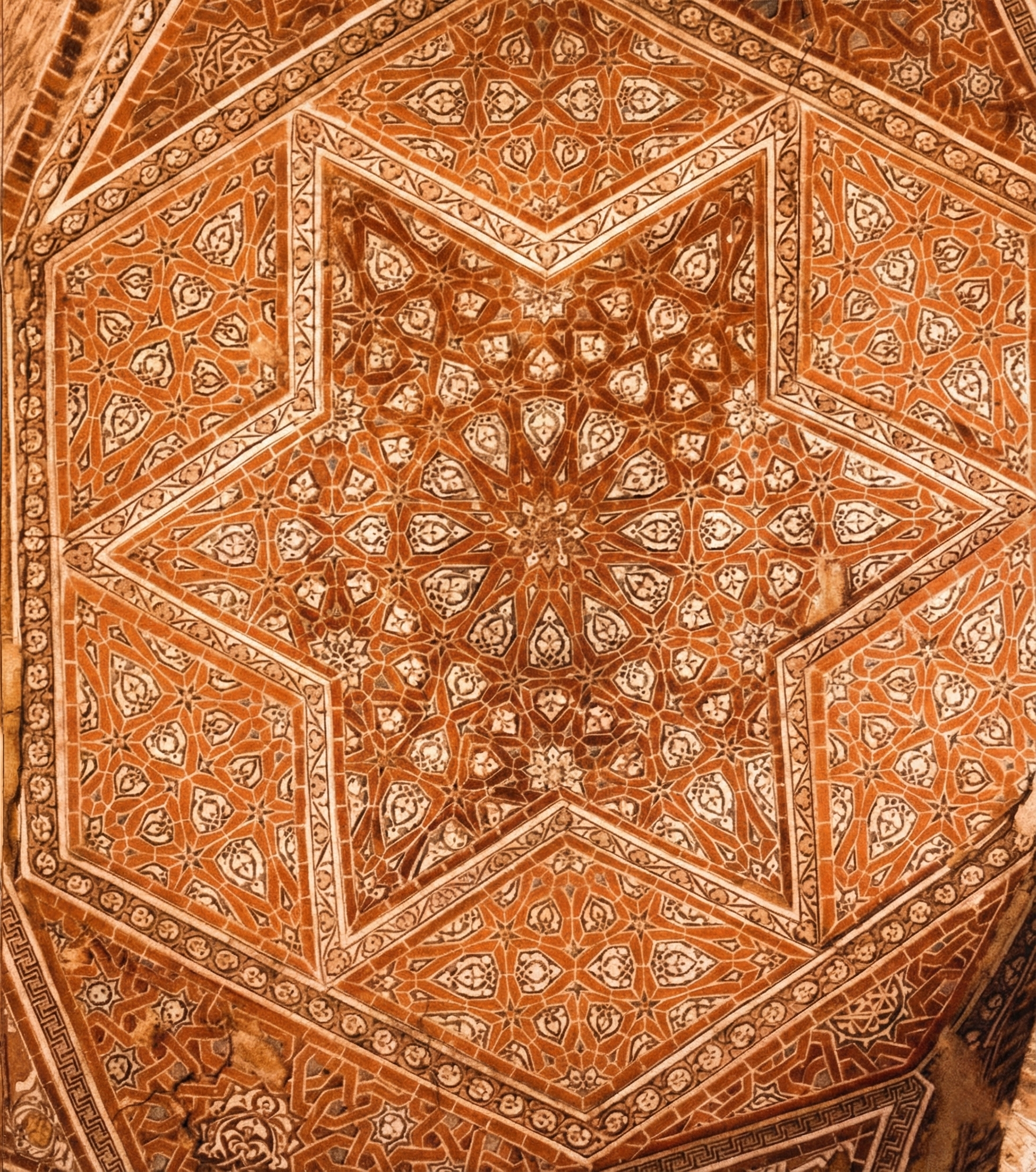
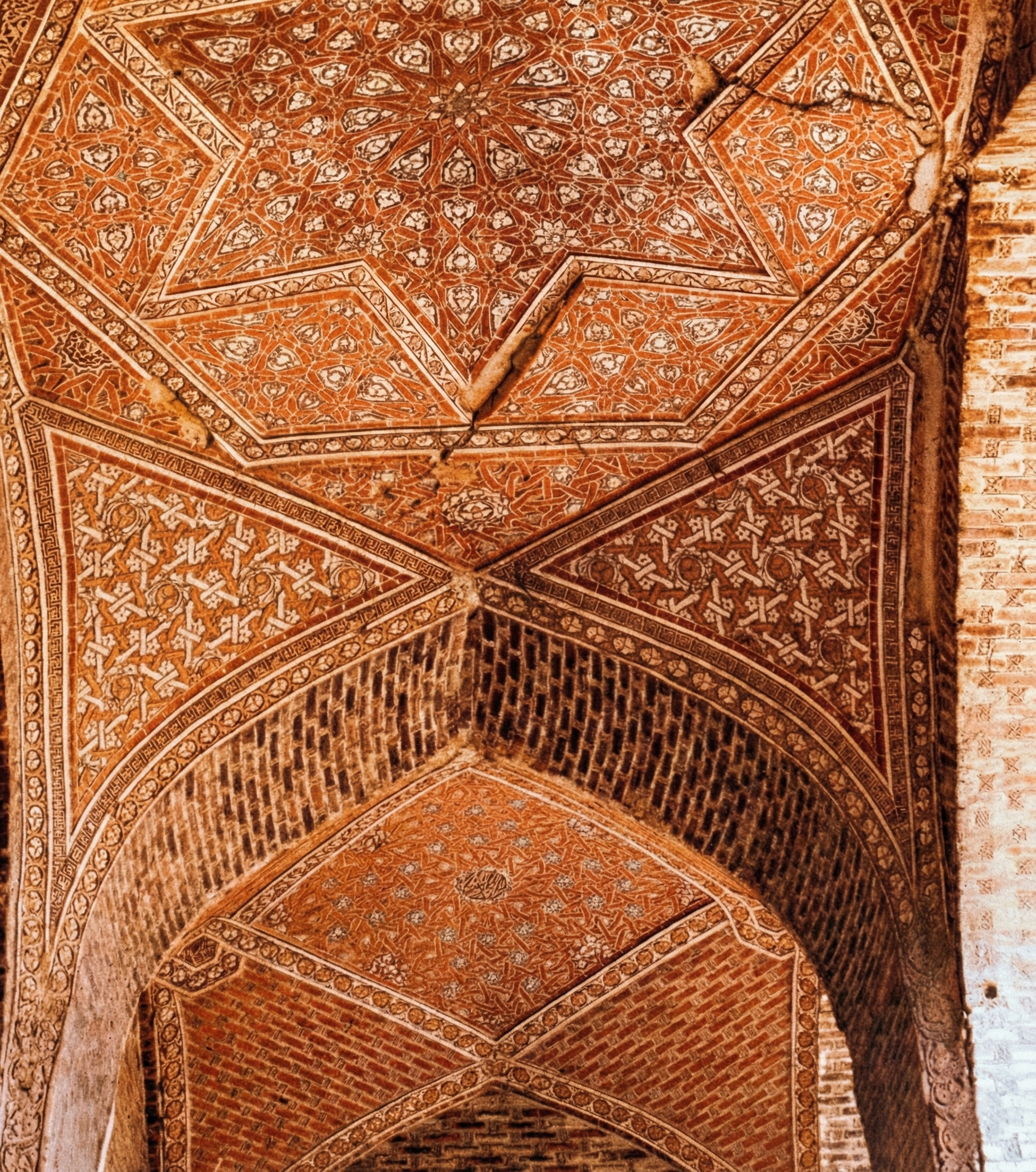
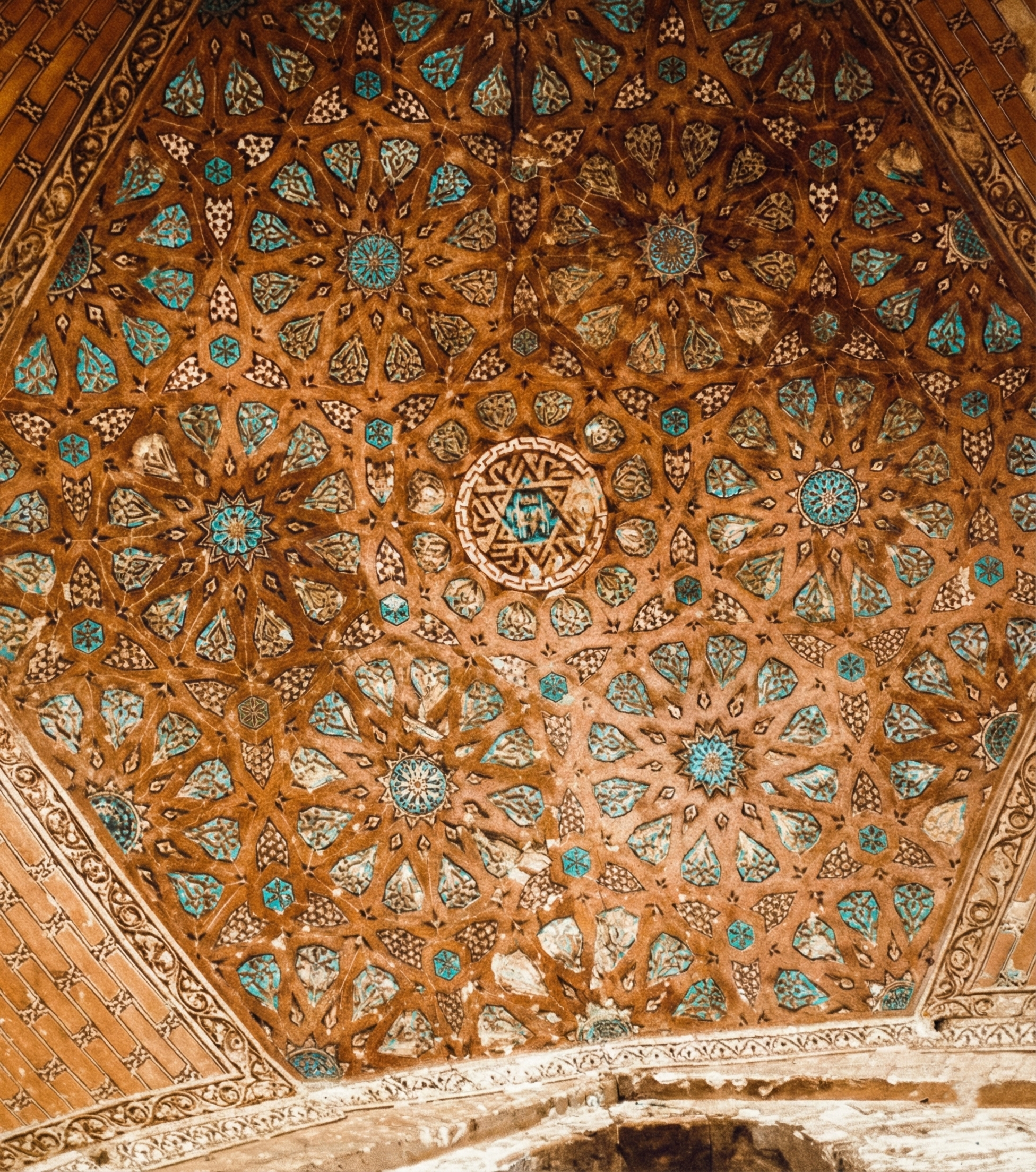
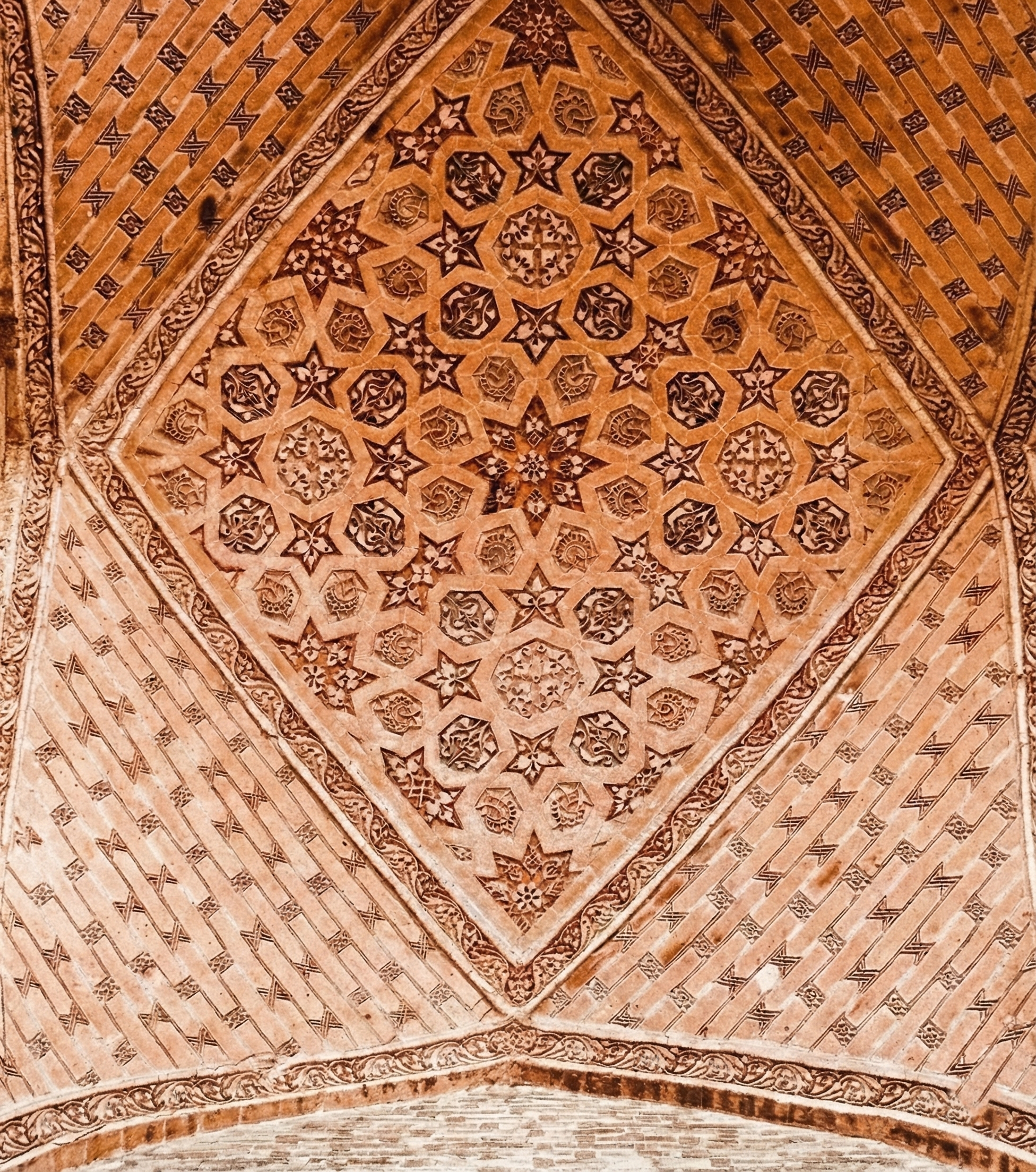
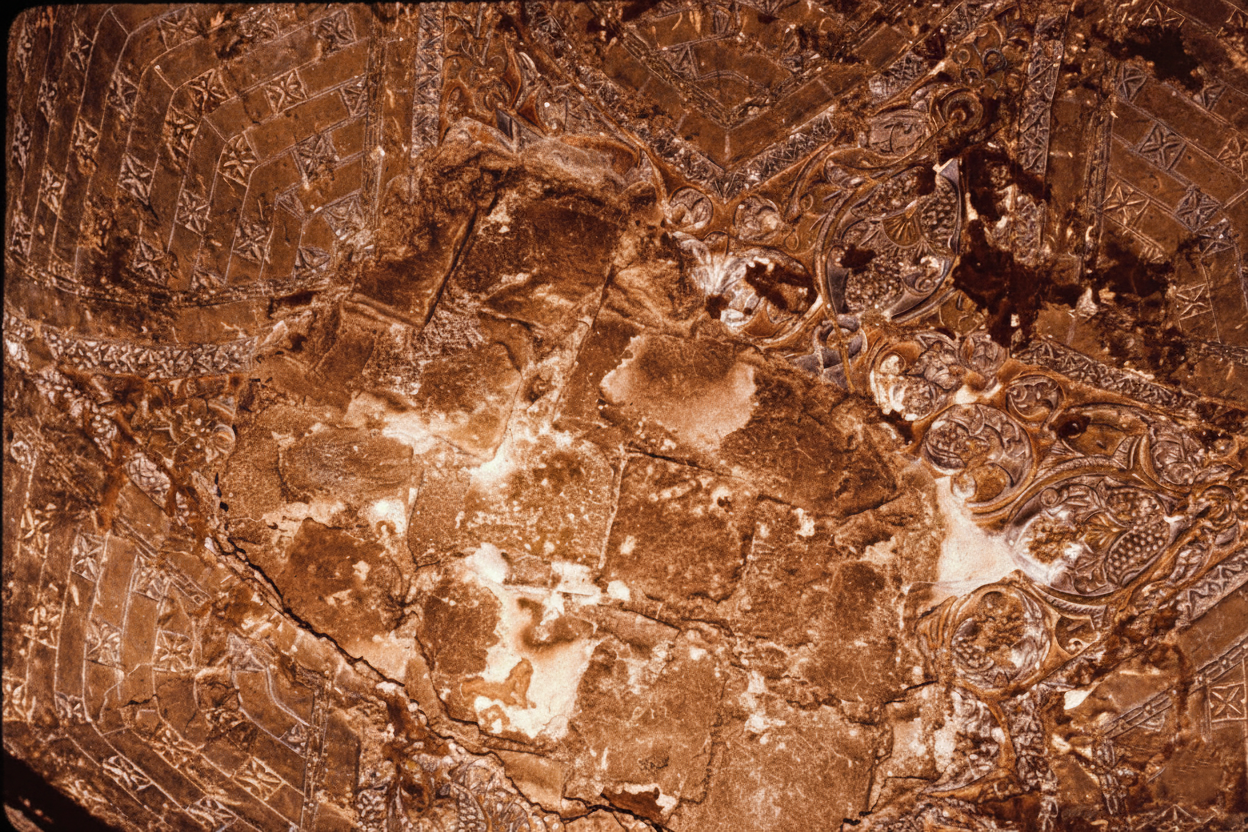
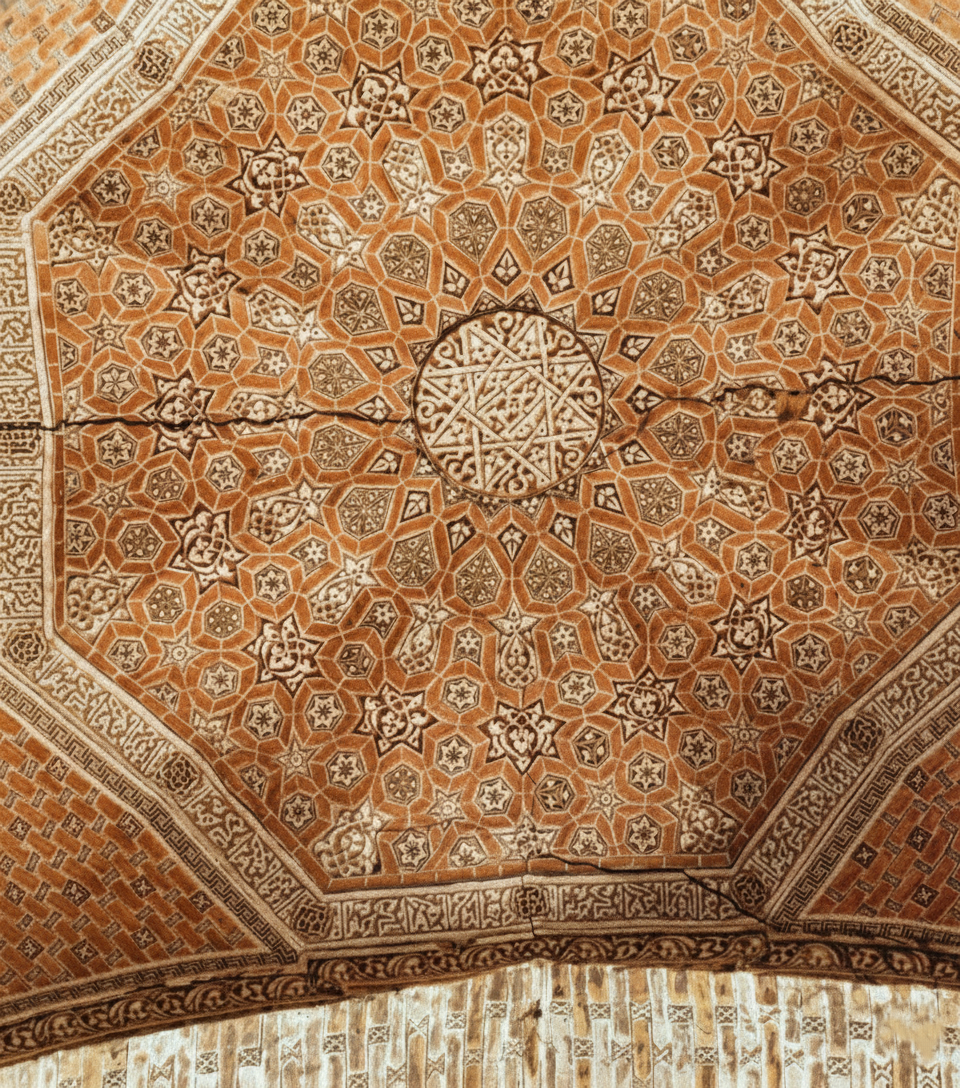
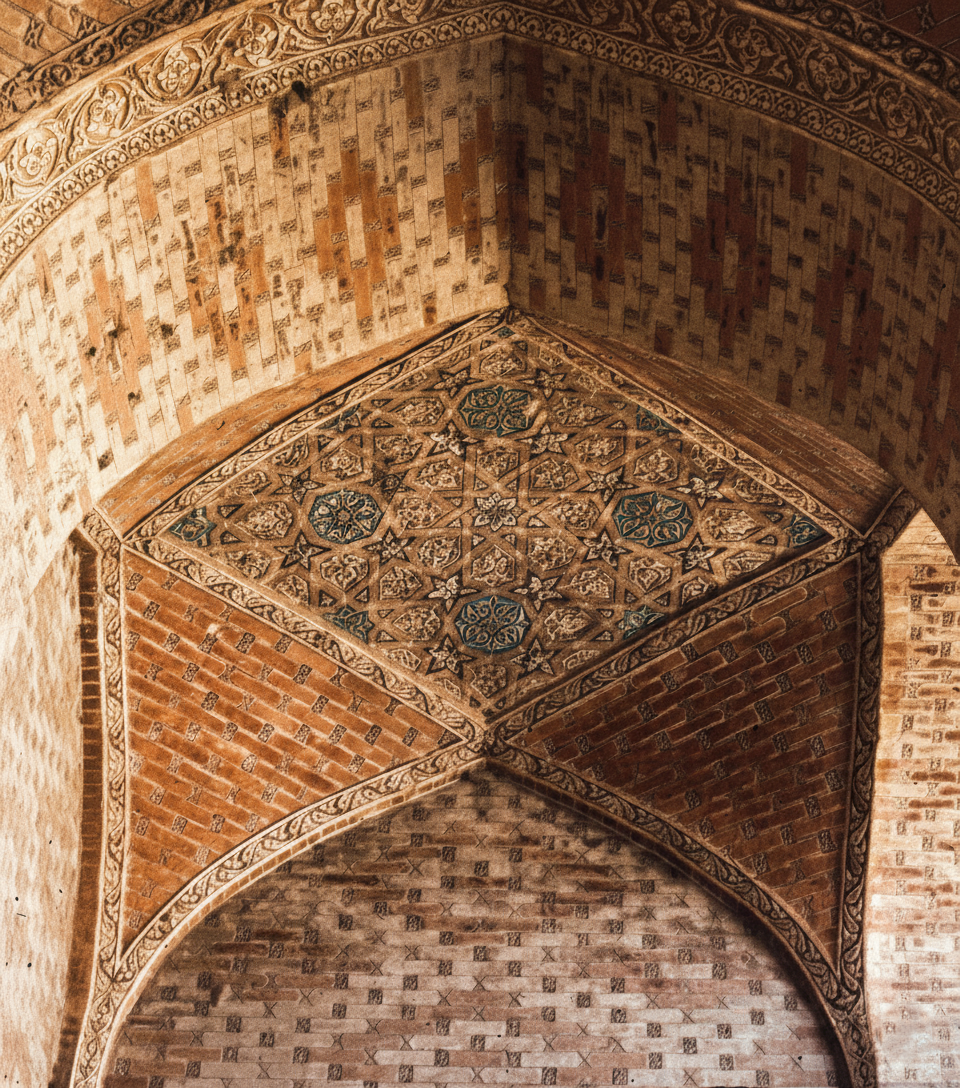
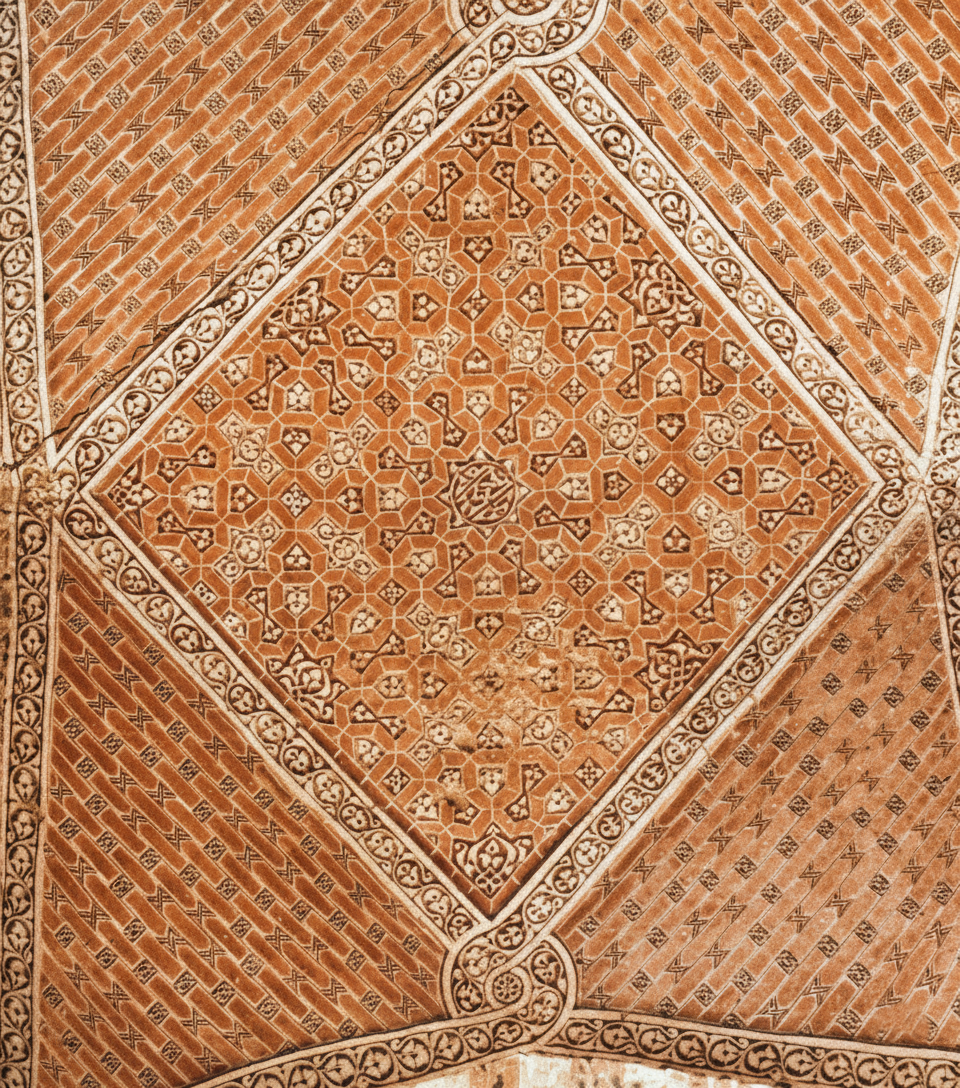
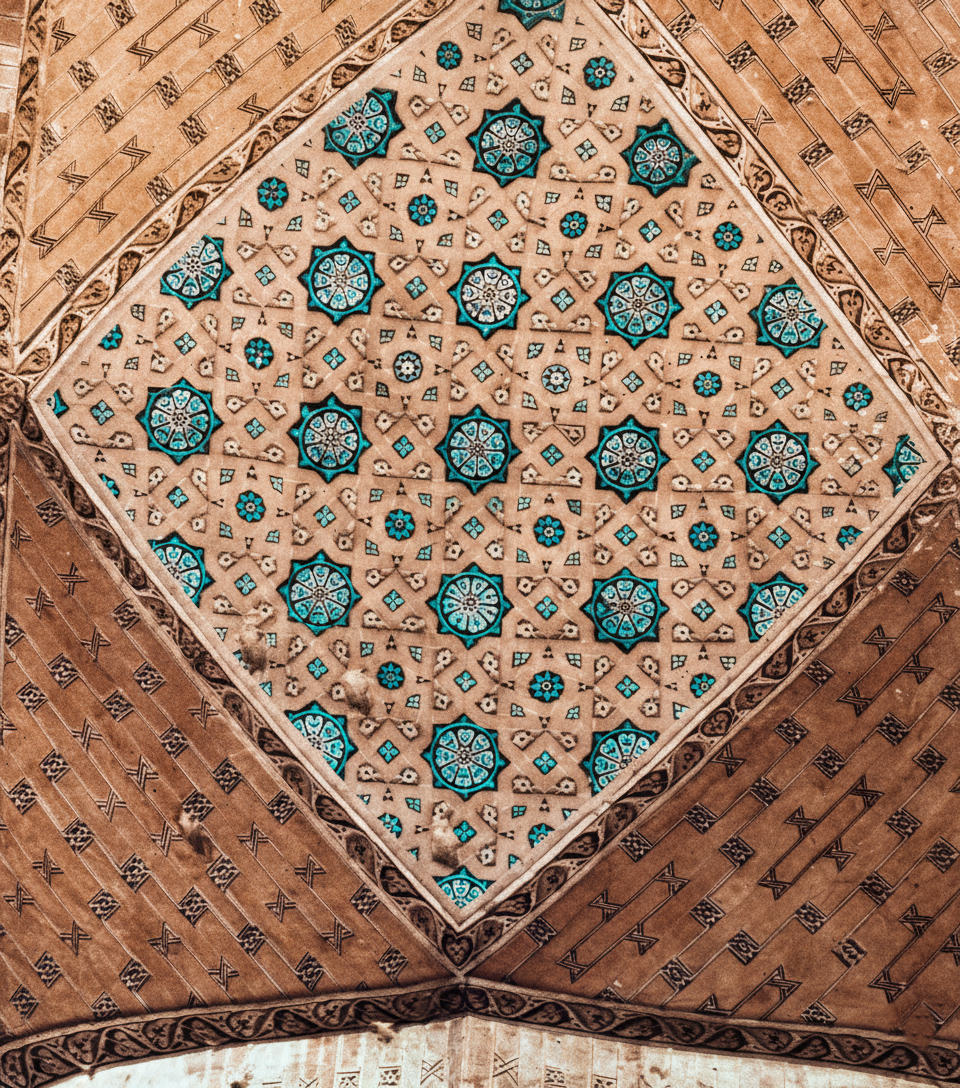
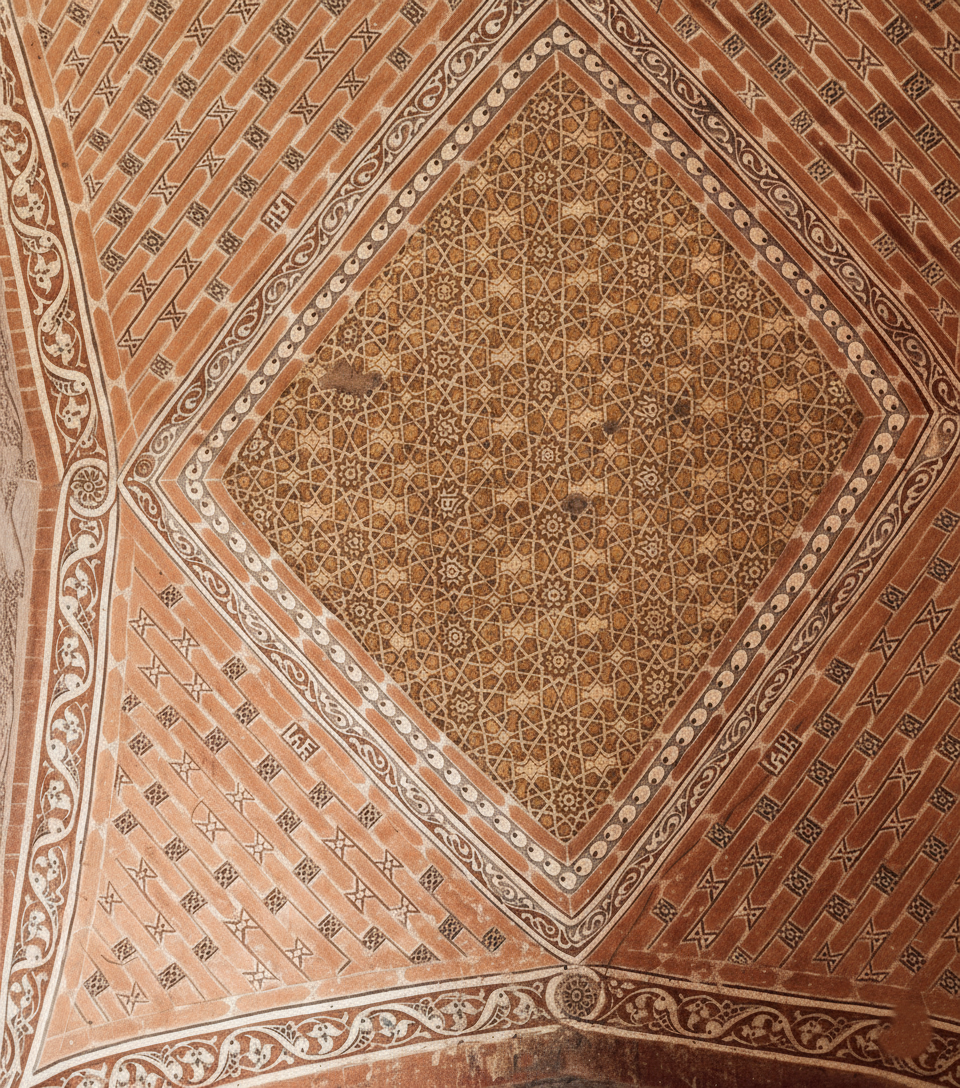
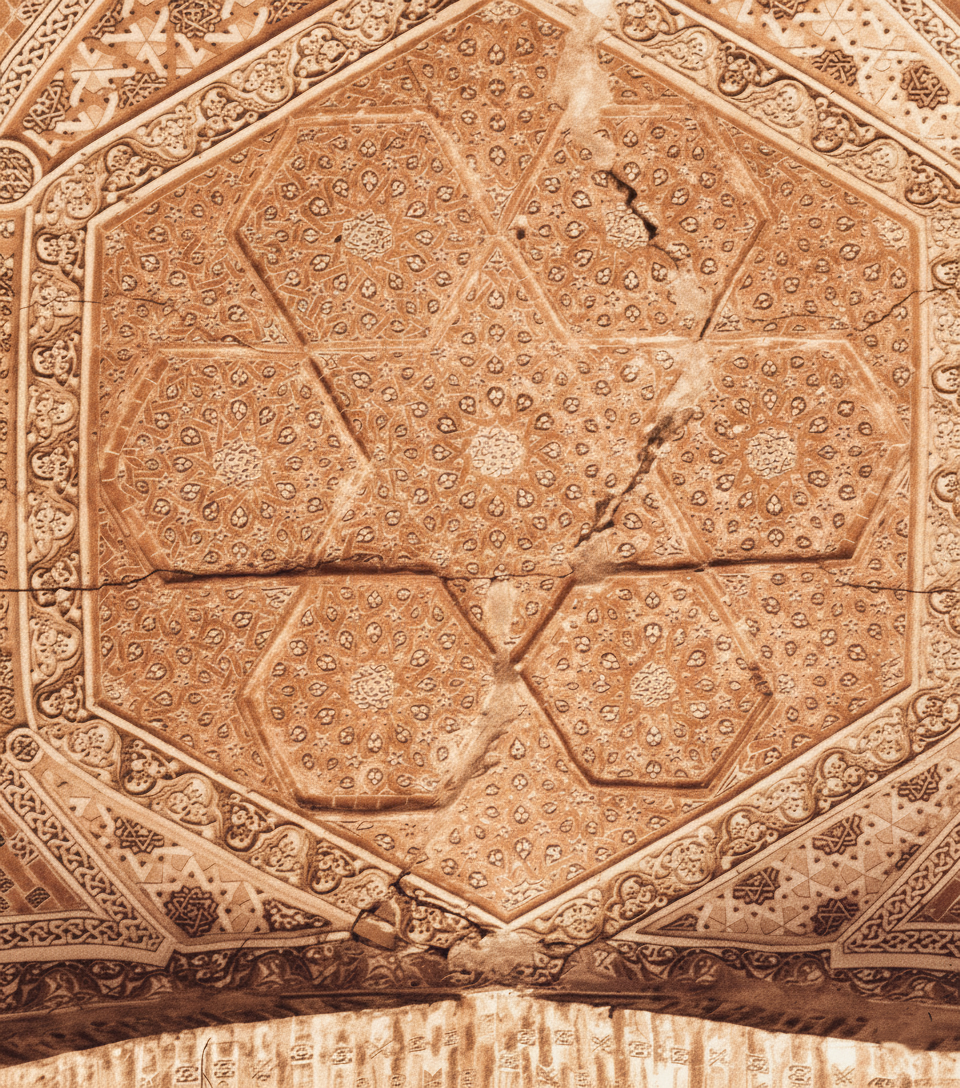
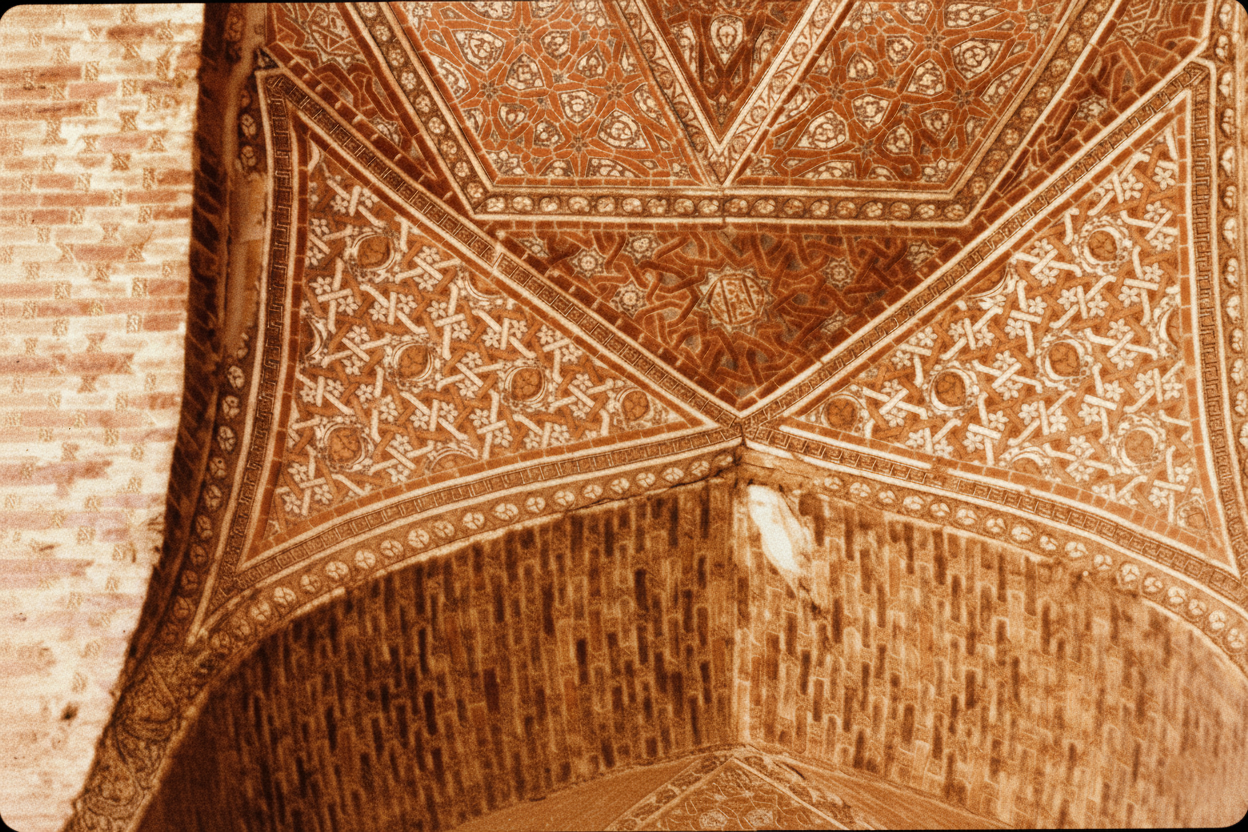
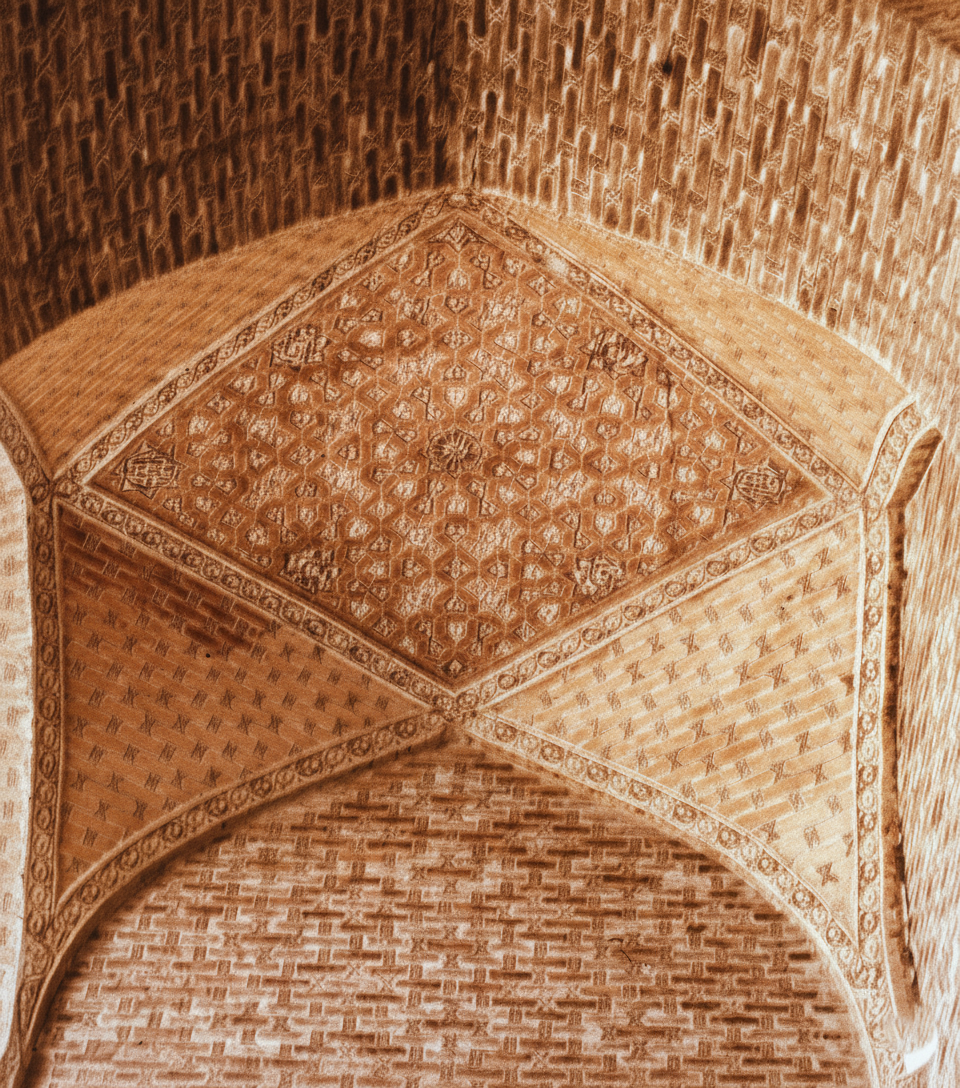
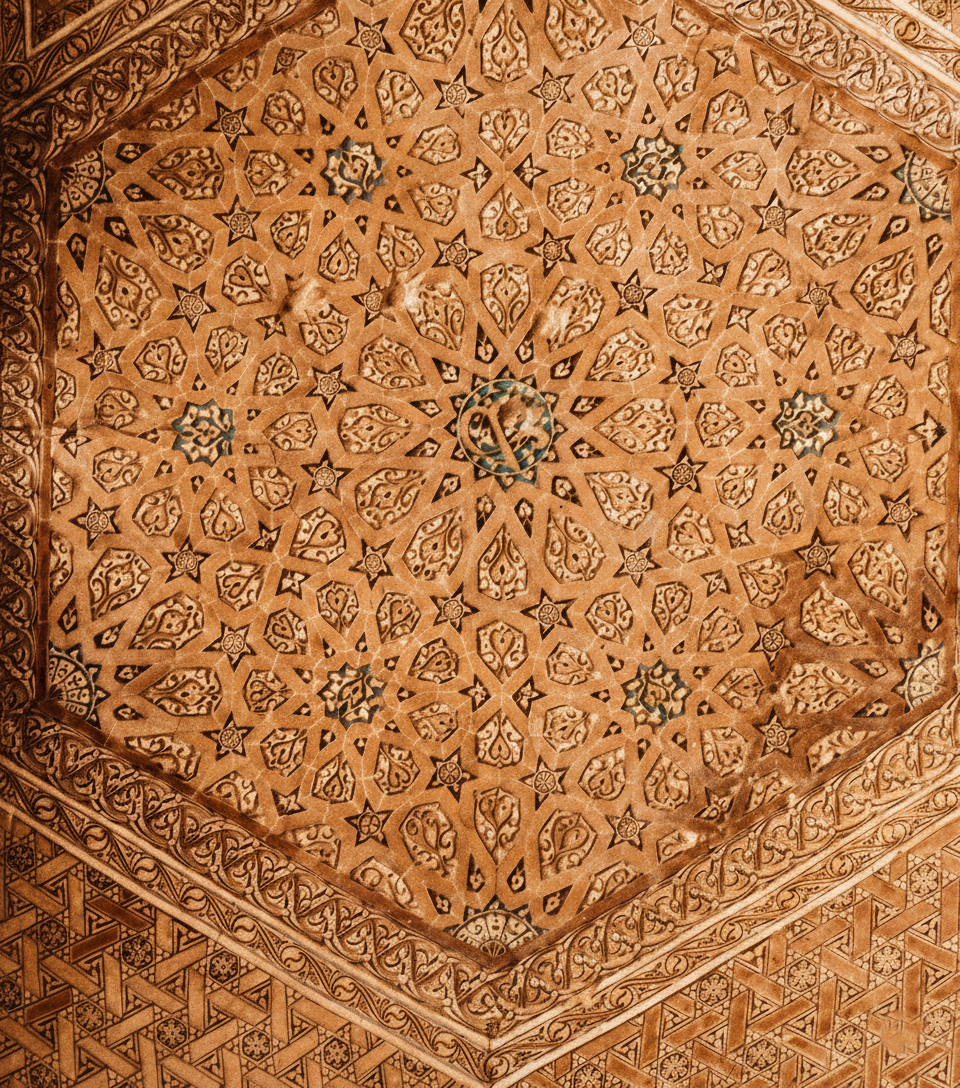
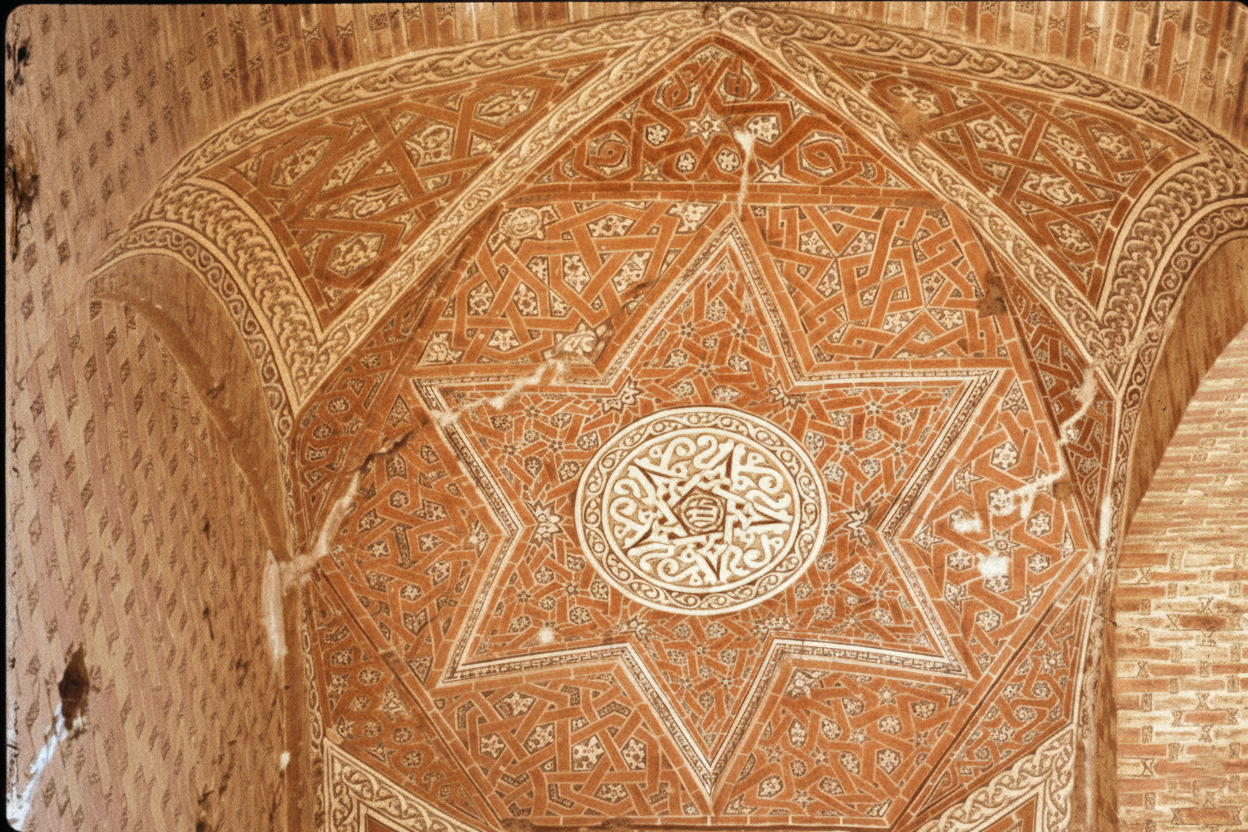
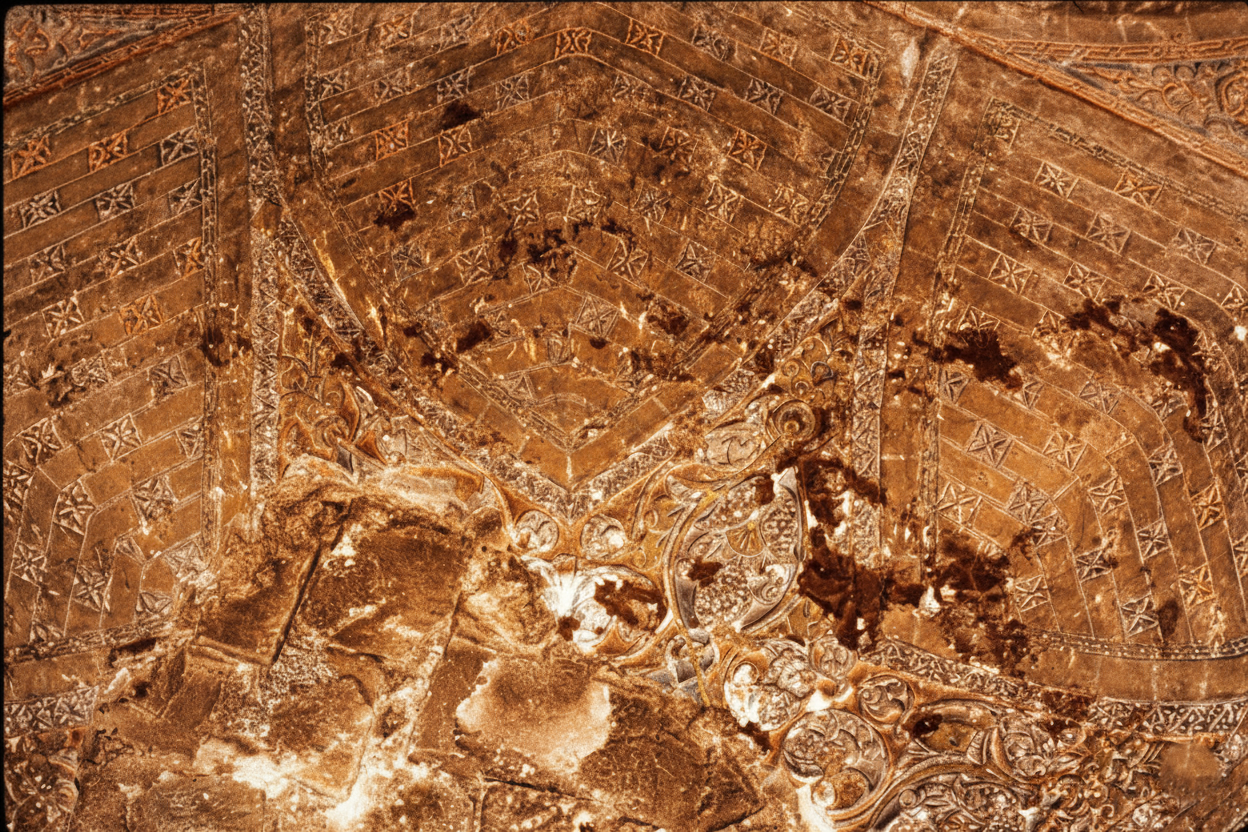
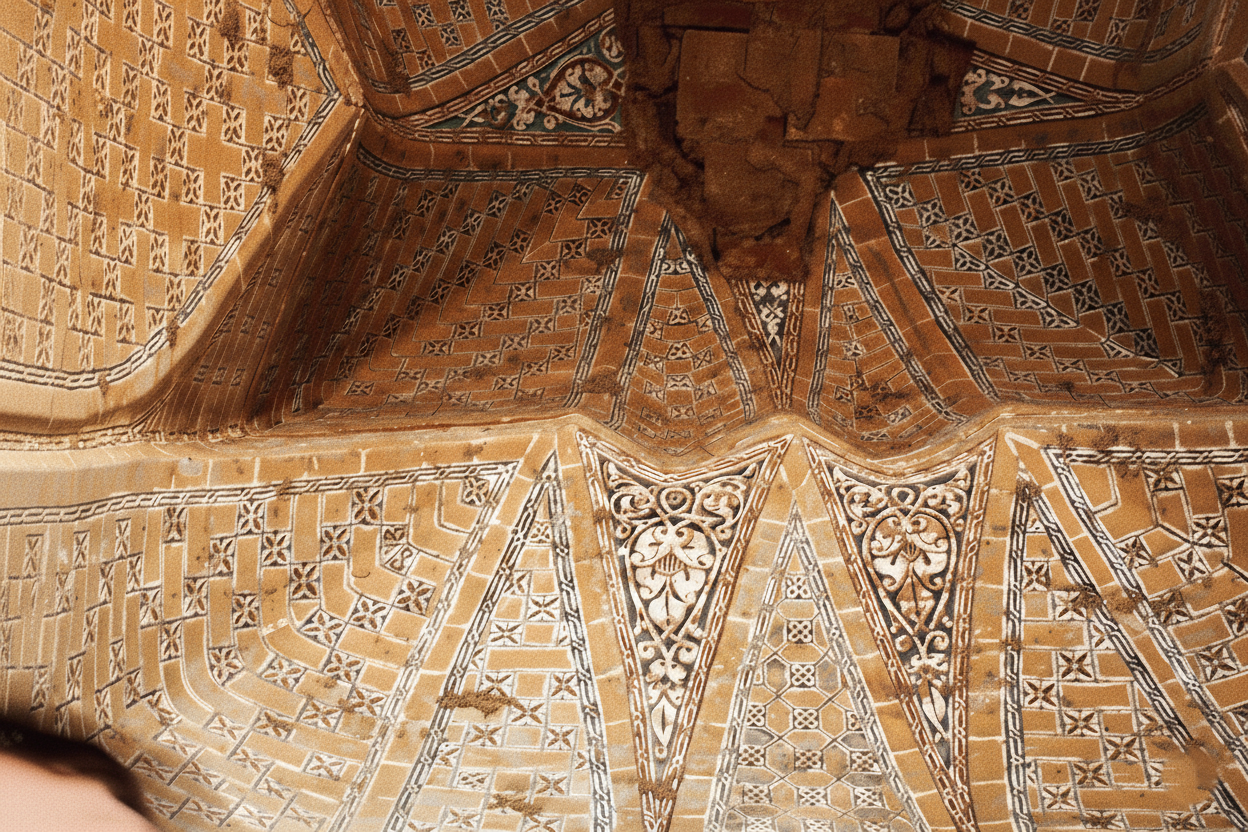
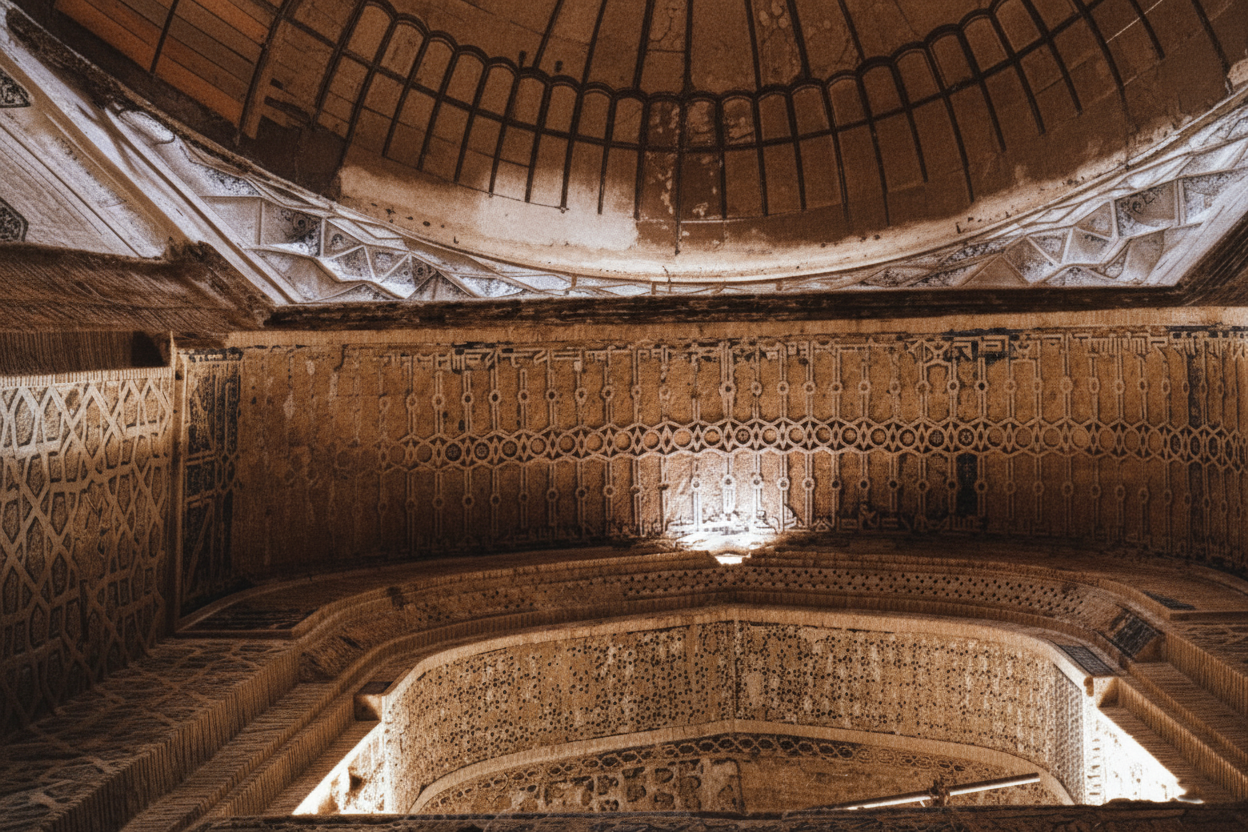
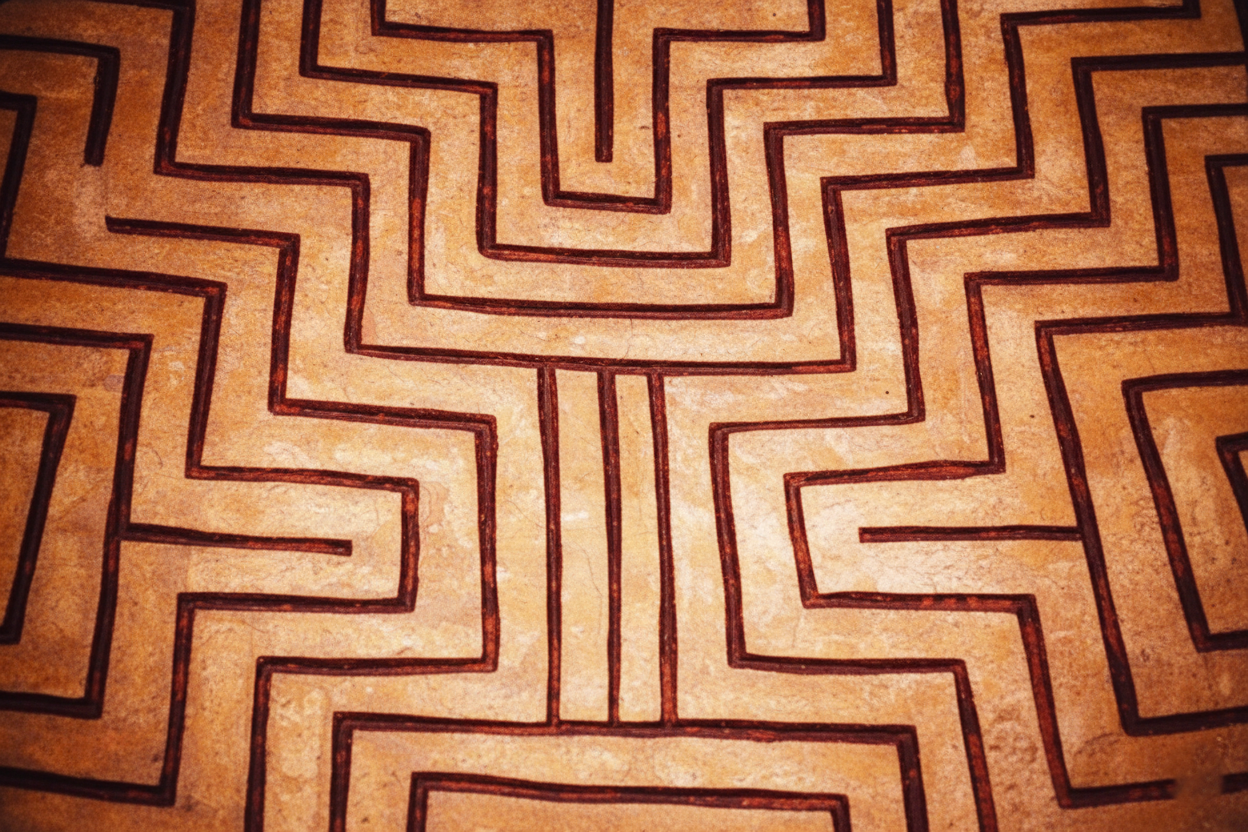
In Soltaniyeh (سلطانیه, early 14th century CE), Gachbori (گچبری) transforms massive Ilkhanid (ایلخانی) architecture into a dematerialized (نامادی) visual experience. Intricate stucco patterns (نقوش) dissolve structural mass (جرم), while light and shadow soften surfaces of domes (گنبدها) and walls, creating spatial fluidity (سیالیت فضایی) and redefining material presence (حضور مادی) within Persian architecture (معماری ایرانی).
-
In Soltaniyeh (سلطانیه, early 14th century CE), during the Ilkhanid (ایلخانی) period, Gachbori (گچبری) plays a fundamental role not only as ornament but as a key architectural strategy for dematerialization (نامادیسازی). Within the Mausoleum of Öljaitü (گنبد سلطانیه, c. 1312 CE), stucco carving transforms massive structural surfaces into visually dynamic and perceptually light compositions.
The ضخیم (solid / ضخیم) walls, vaults, and domed interiors (گنبدها) are covered with intricate layers of carved stucco, incorporating geometric patterns (نقوش هندسی), calligraphy (خوشنویسی), and vegetal motifs (نقوش گیاهی). These patterns fragment the surface and create a continuous field of detail that dissolves the perception of mass (جرم). Instead of reading the structure as heavy and static, the eye perceives movement, rhythm, and depth.
Light plays a crucial role in this transformation. As it moves across the carved surfaces, it produces shifting shadows that enhance depth and blur the حدود (boundaries / مرزها) of architectural elements. This interaction reduces the visual weight of the بنا (building / بنا) and creates an effect of spatial fluidity (سیالیت فضایی).
In the context of Ilkhanid Persian architecture (معماری ایرانی ایلخانی), Gachbori thus becomes a tool for redefining material presence. At Soltaniyeh, it elevates the interior from a purely structural enclosure into an immersive visual environment (محیط بصری), where architecture transitions from physical mass to perceptual experience. Through this process, the monument embodies a refined balance between engineering (مهندسی), decoration (تزئین), and the dematerialization of form.
