Persepolis (Takht-e Jamshid – تخت جمشید)
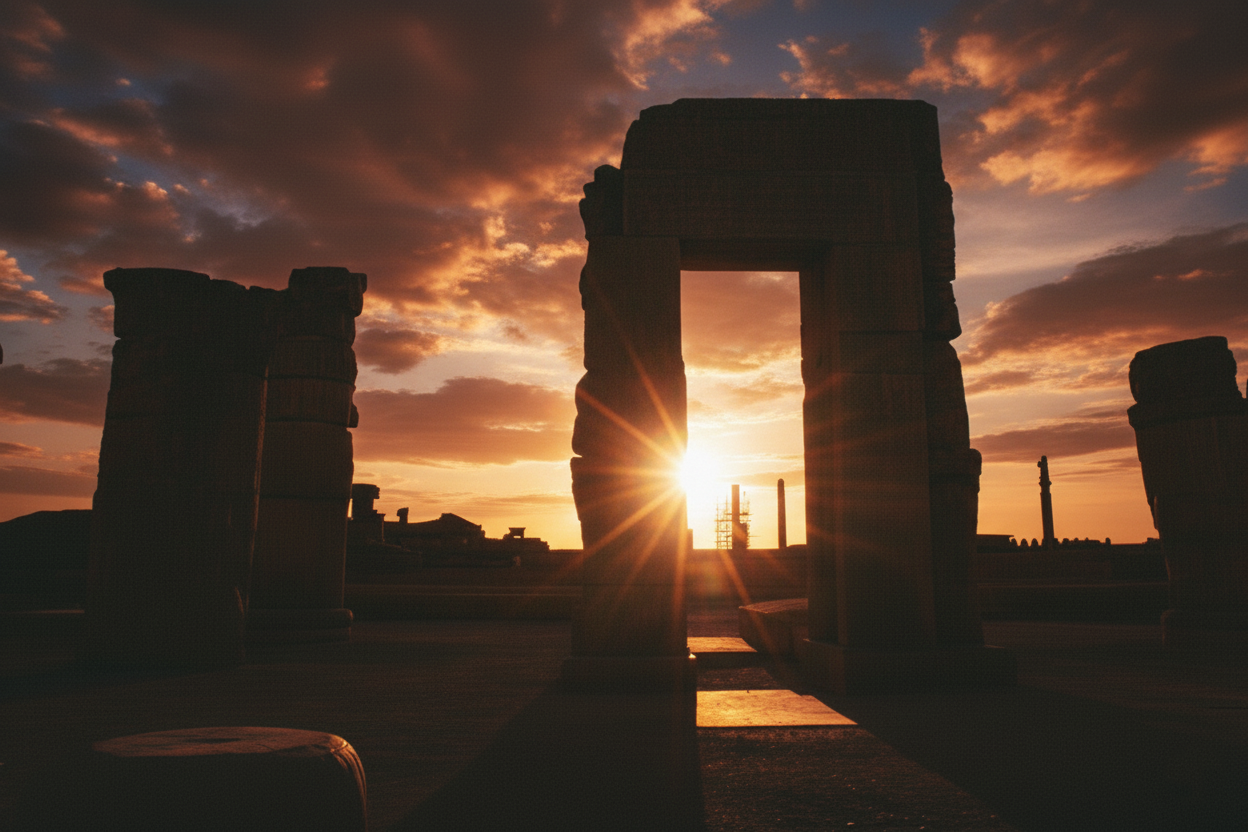
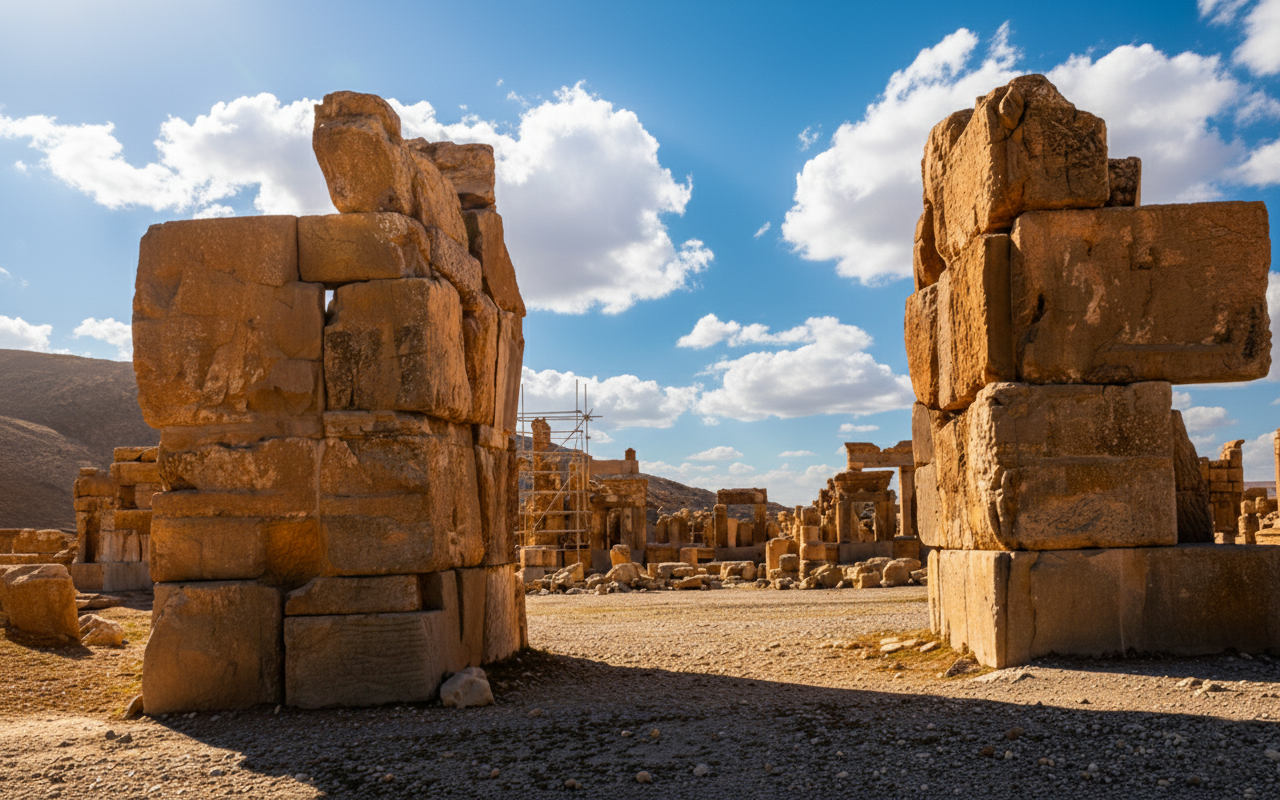
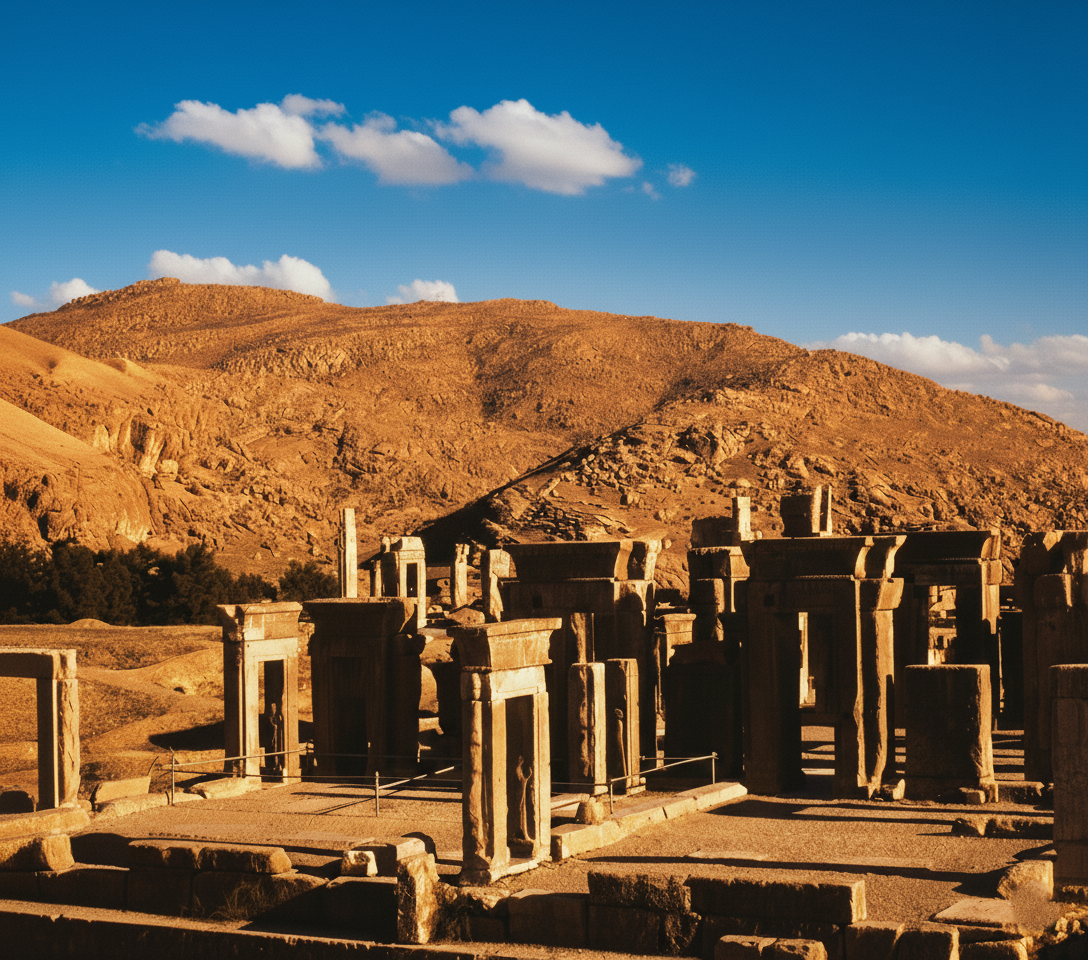
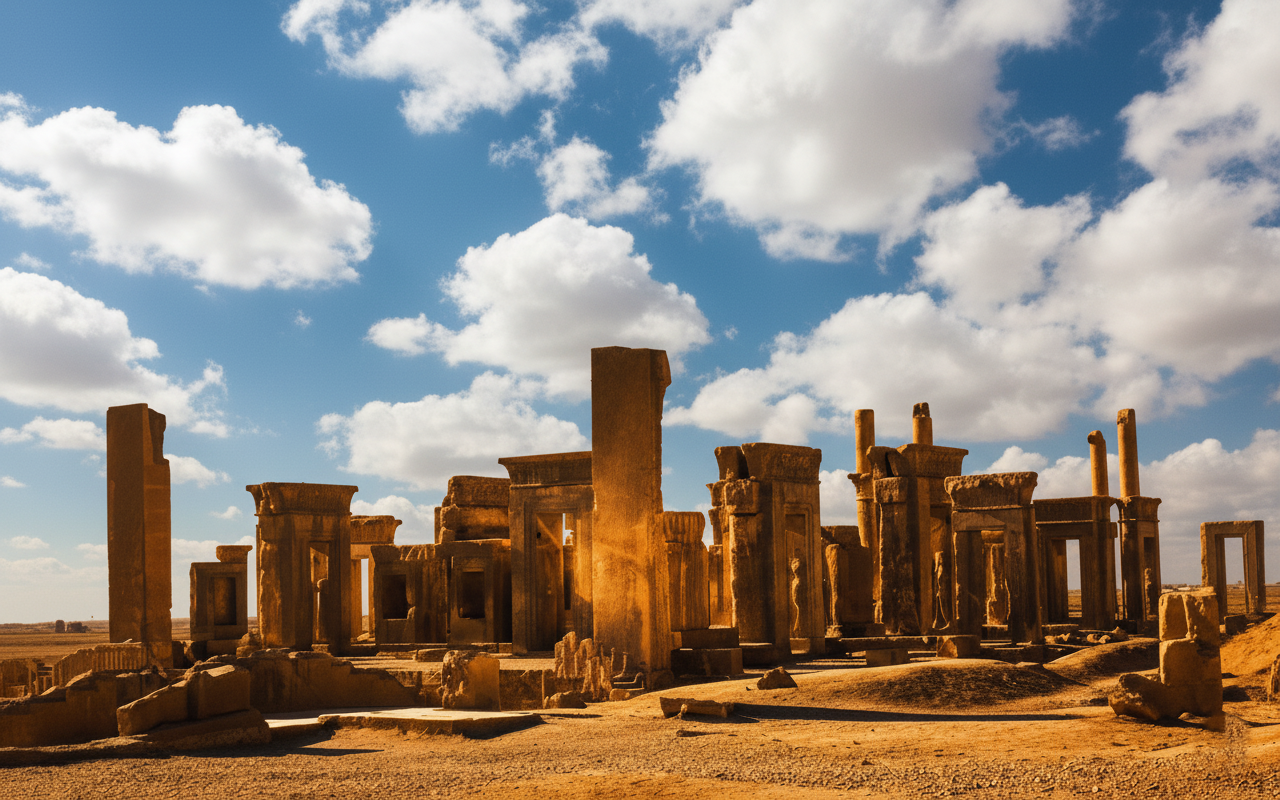
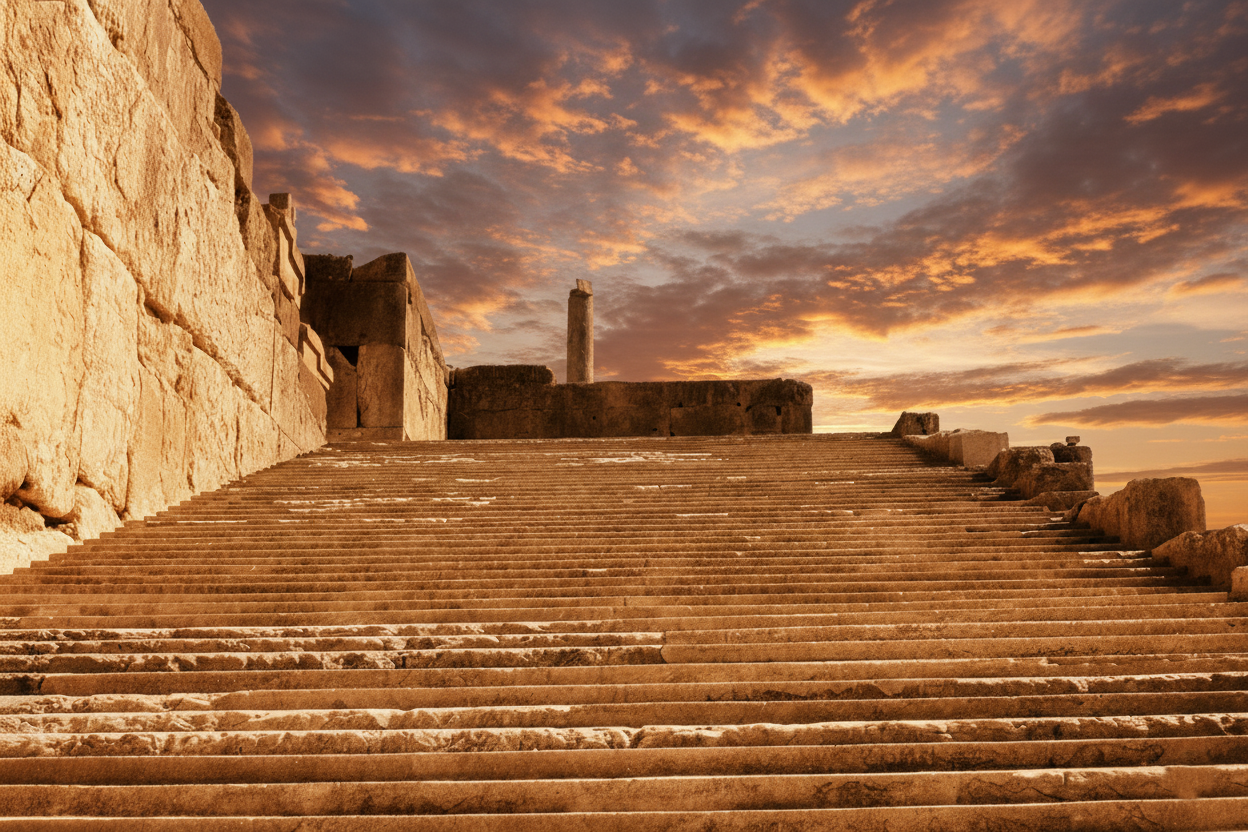
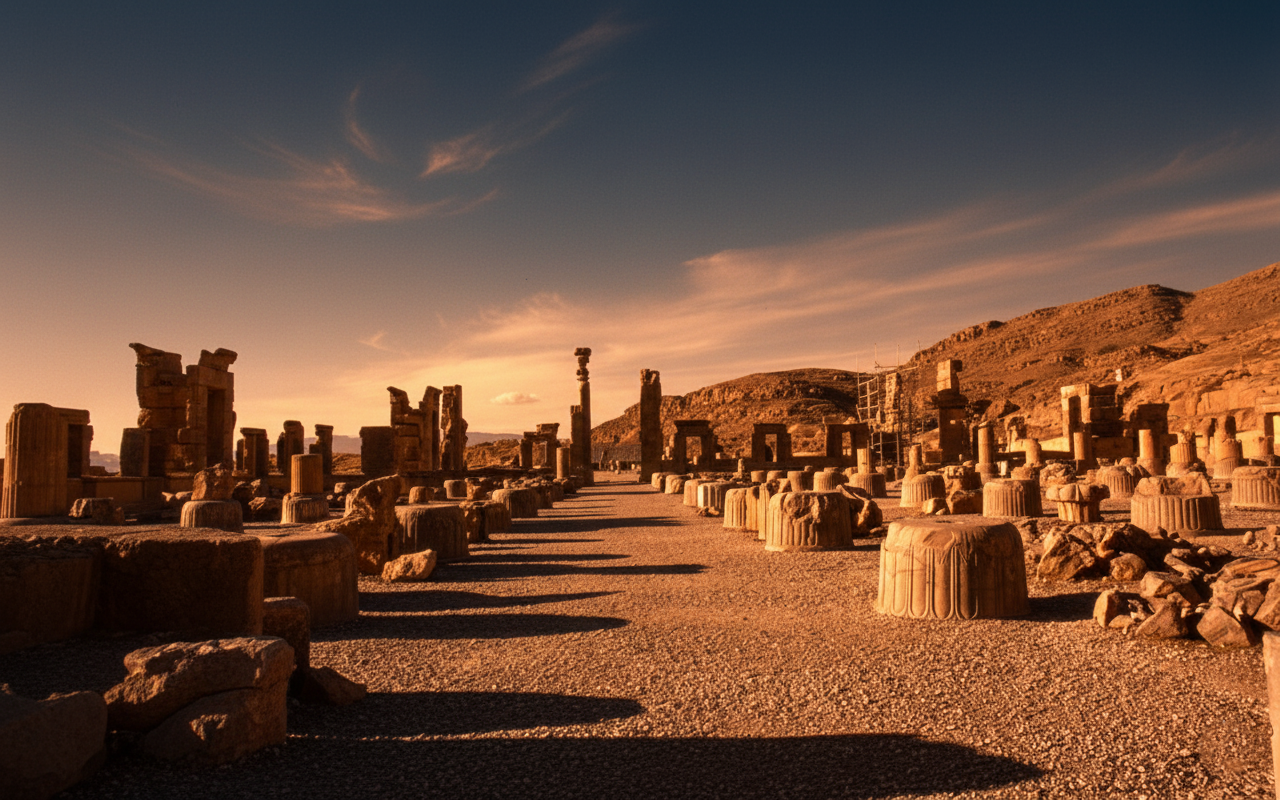
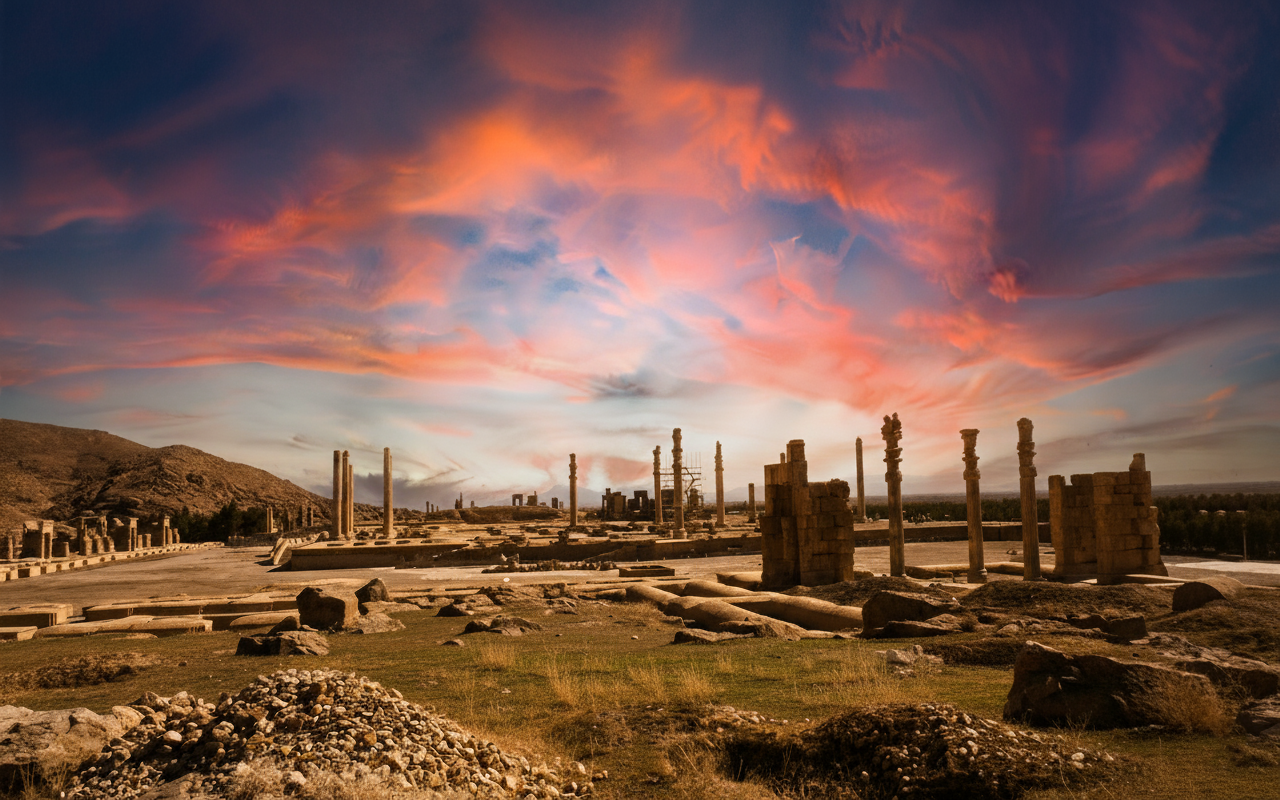
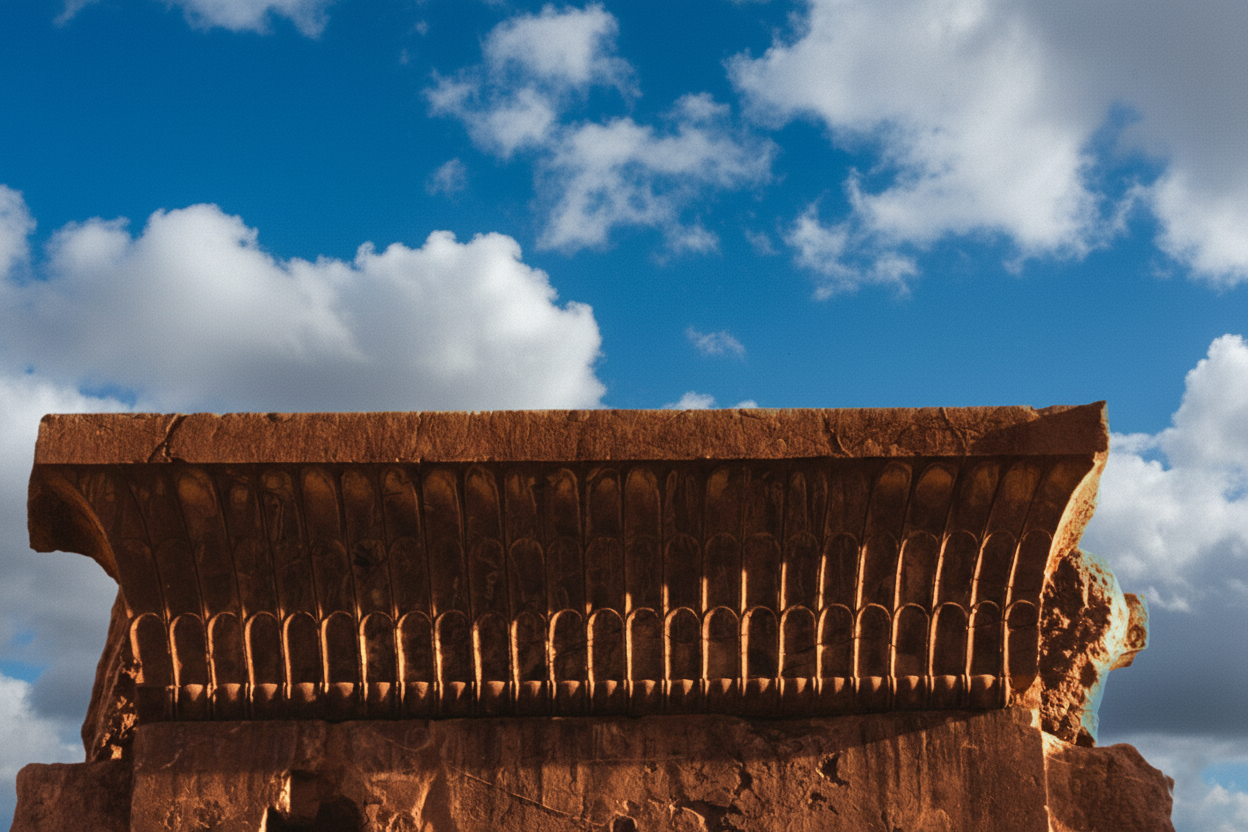
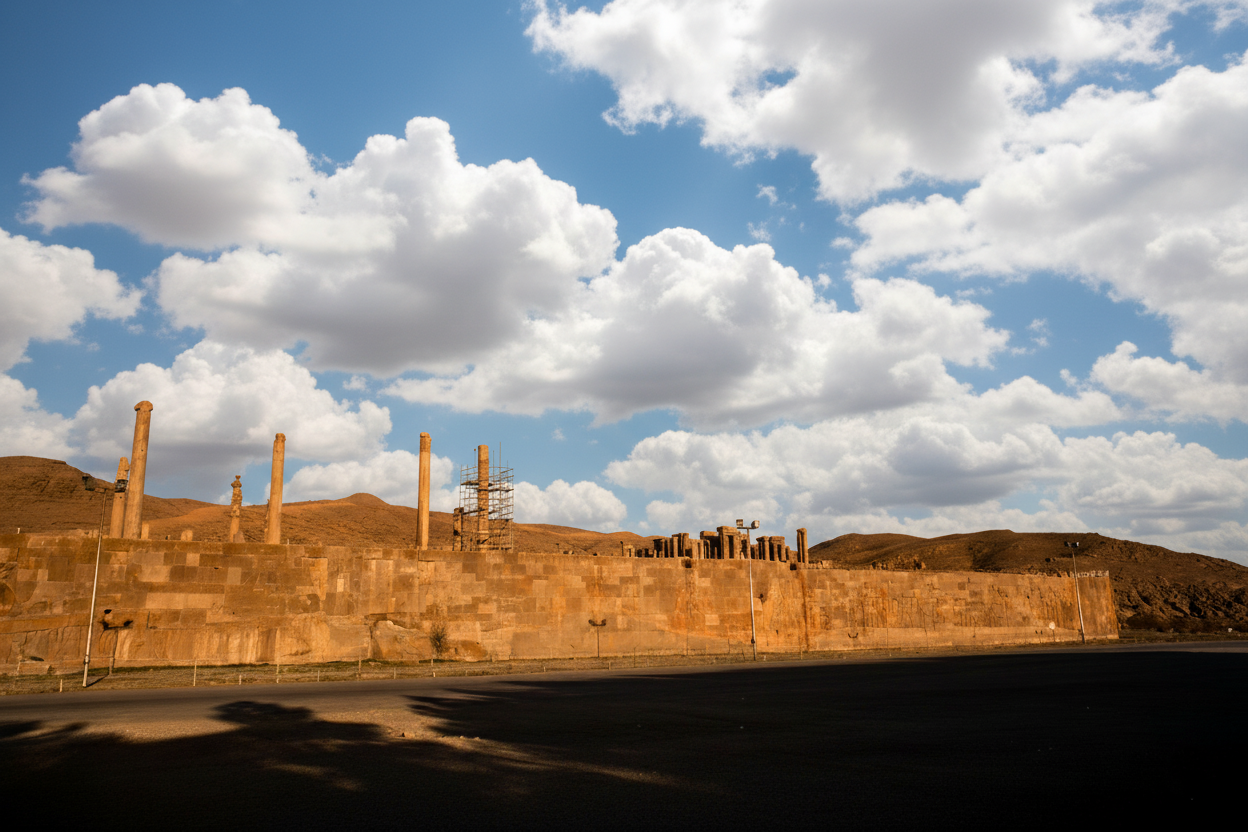
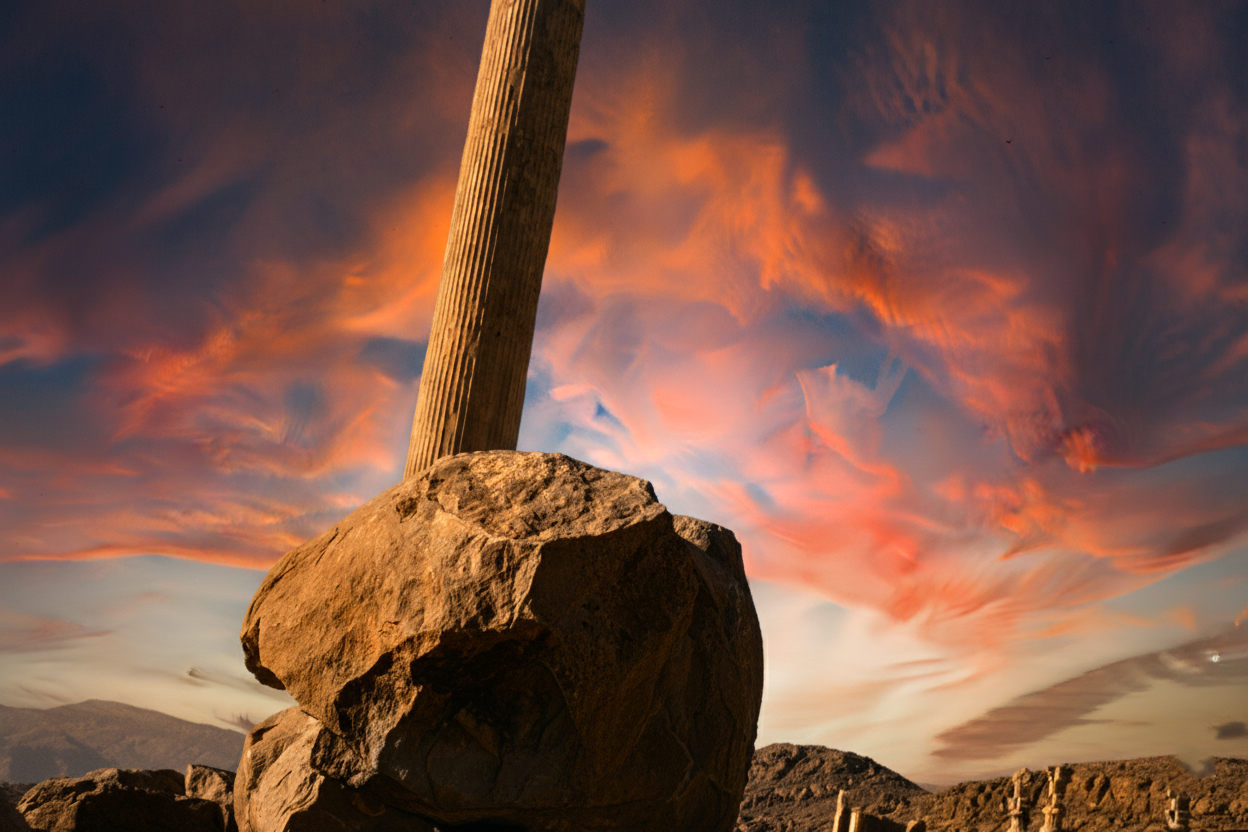
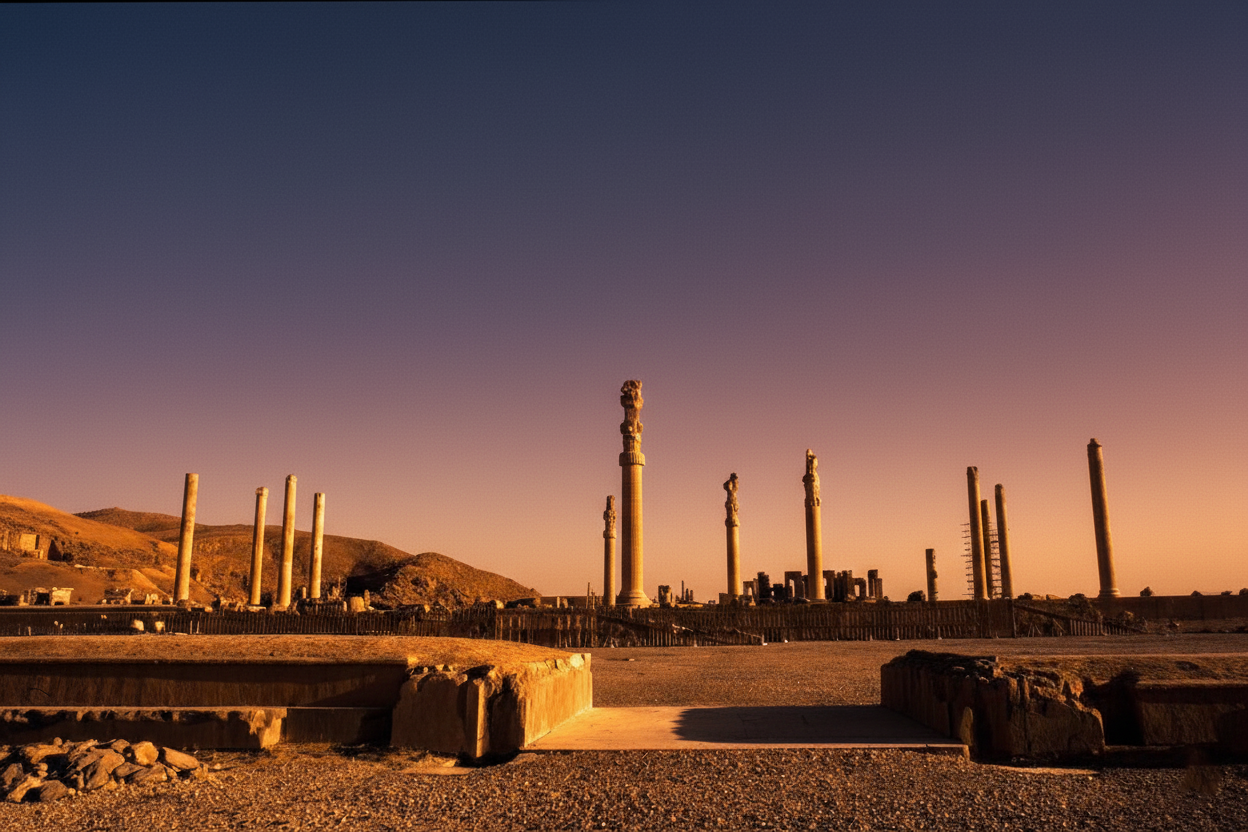
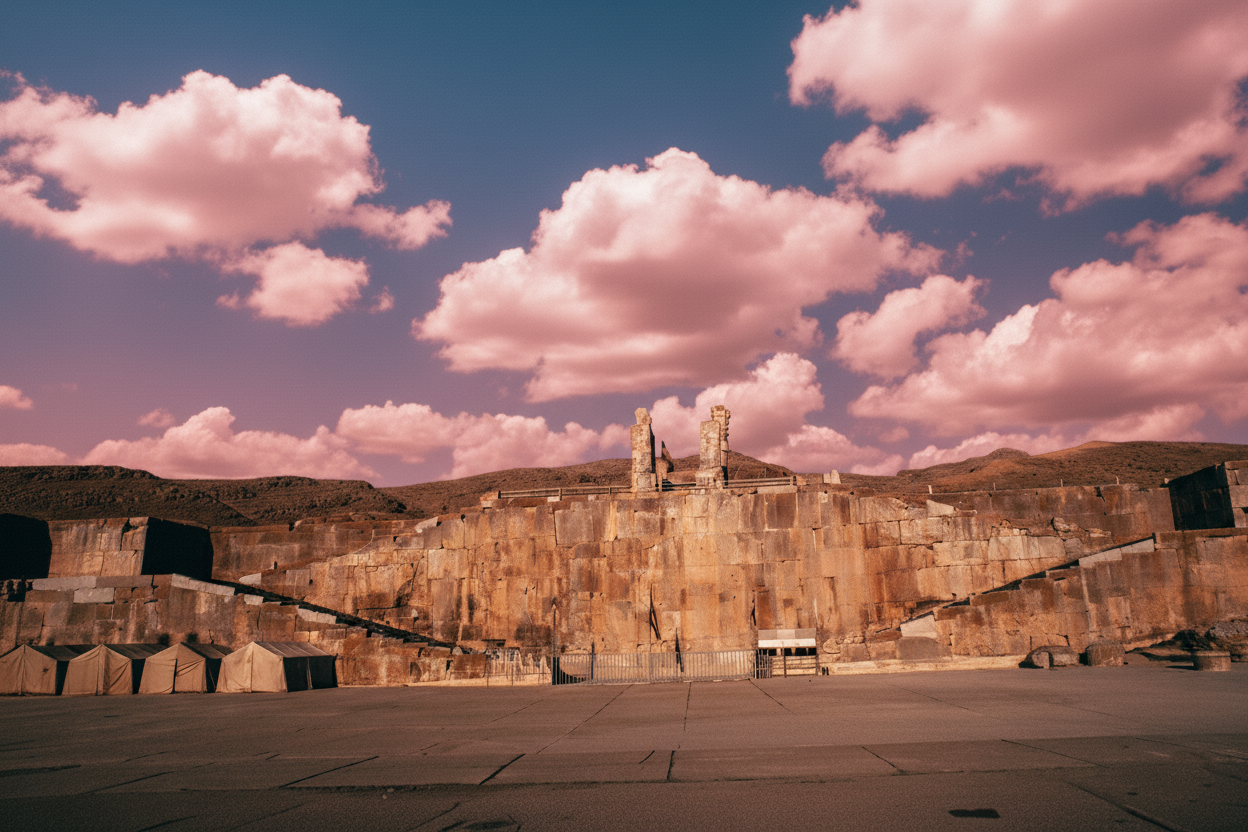
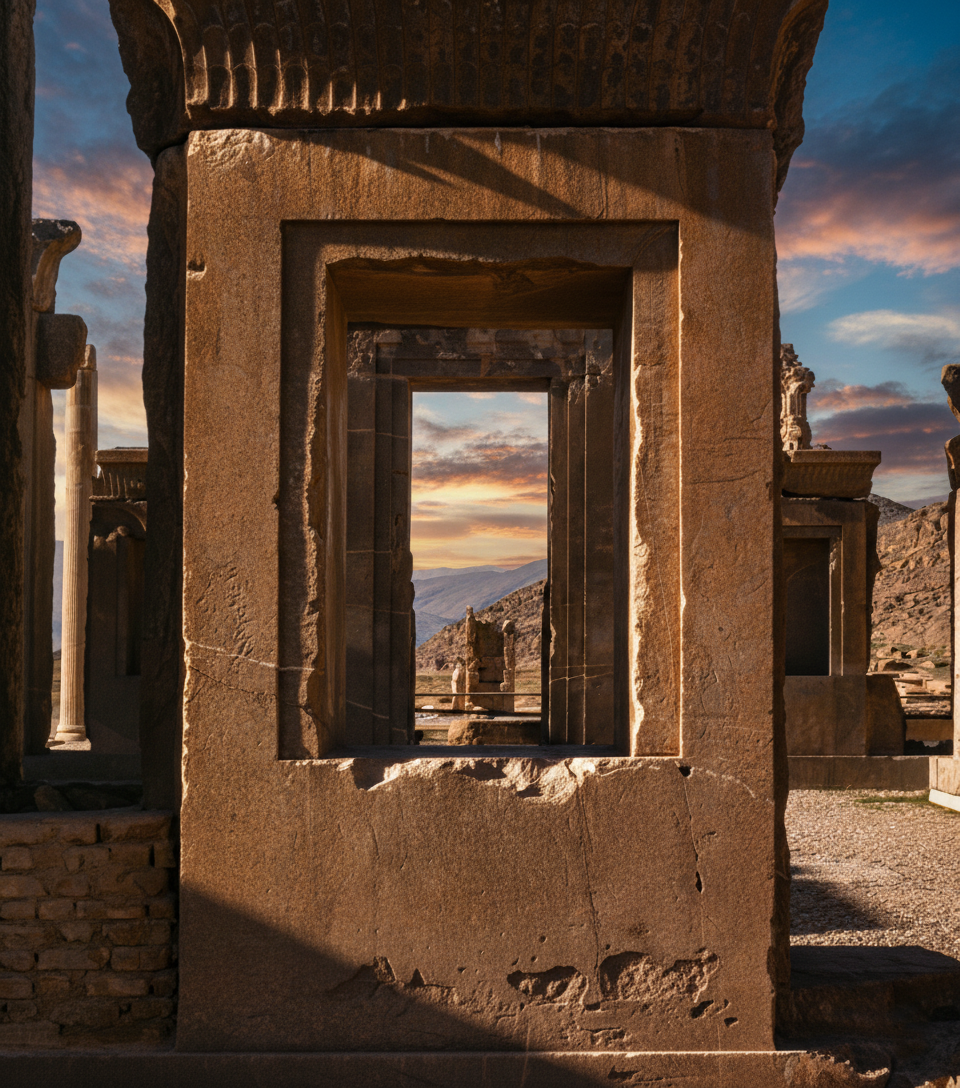
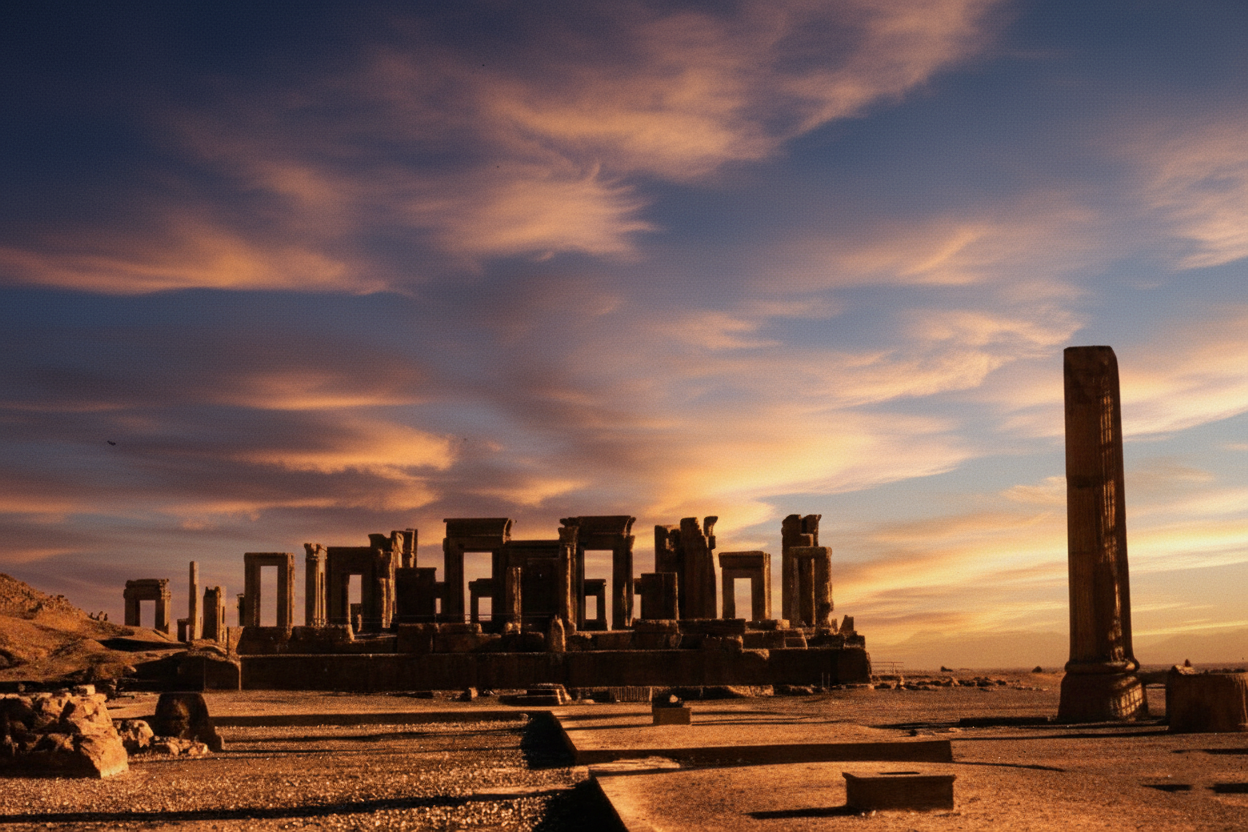
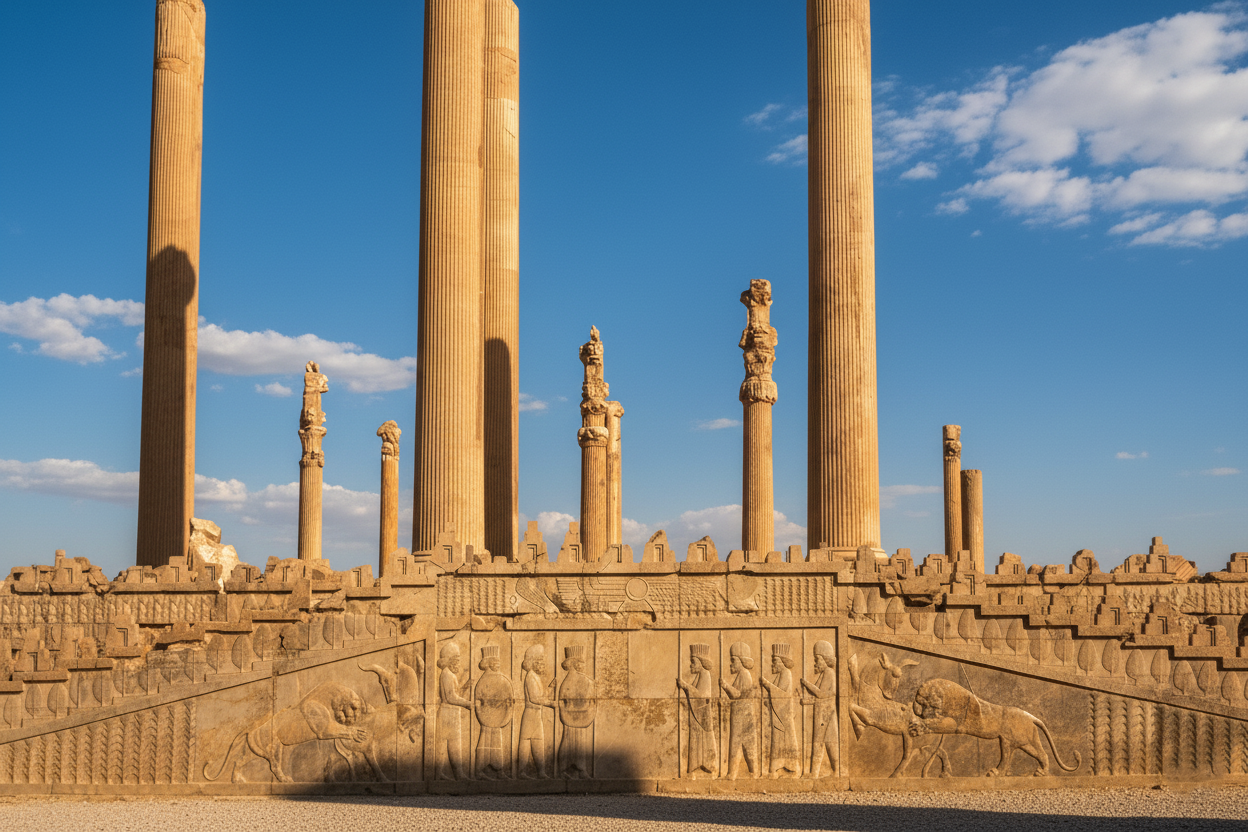
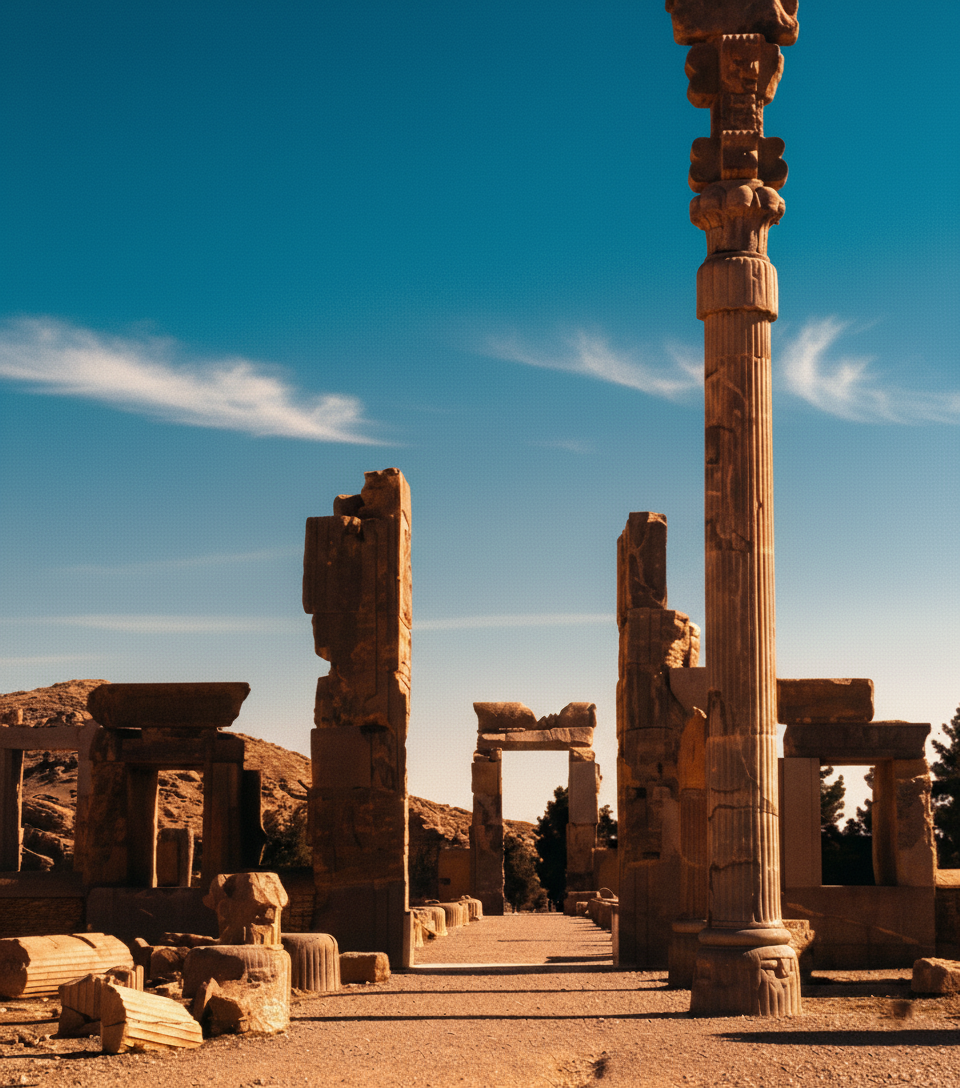
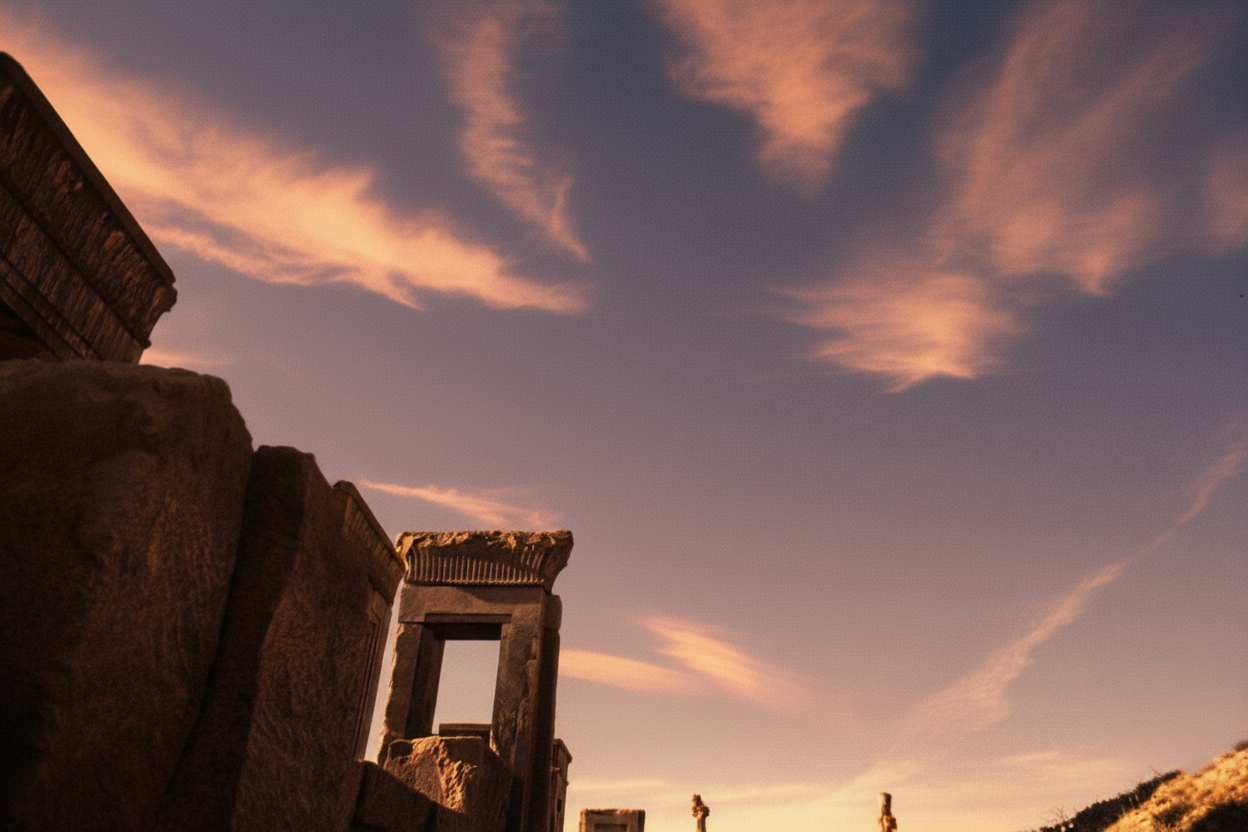
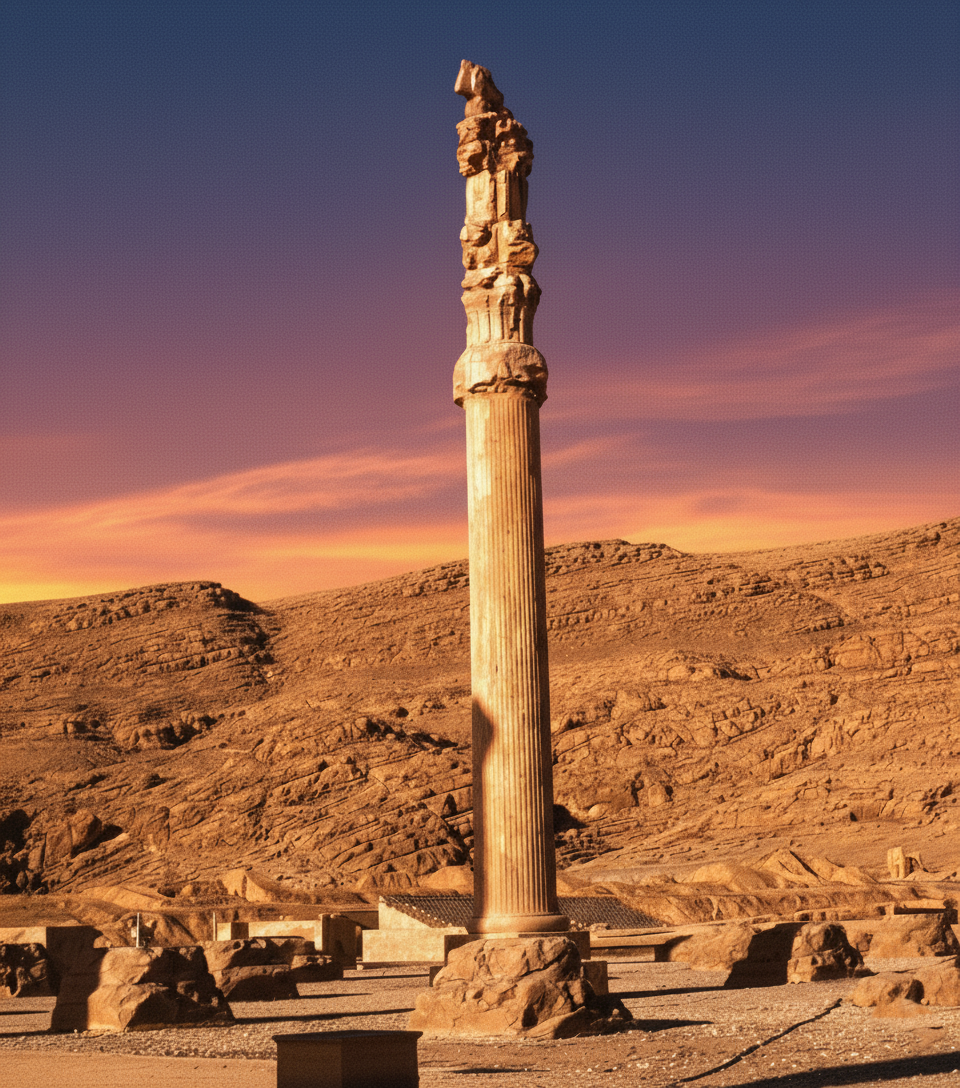
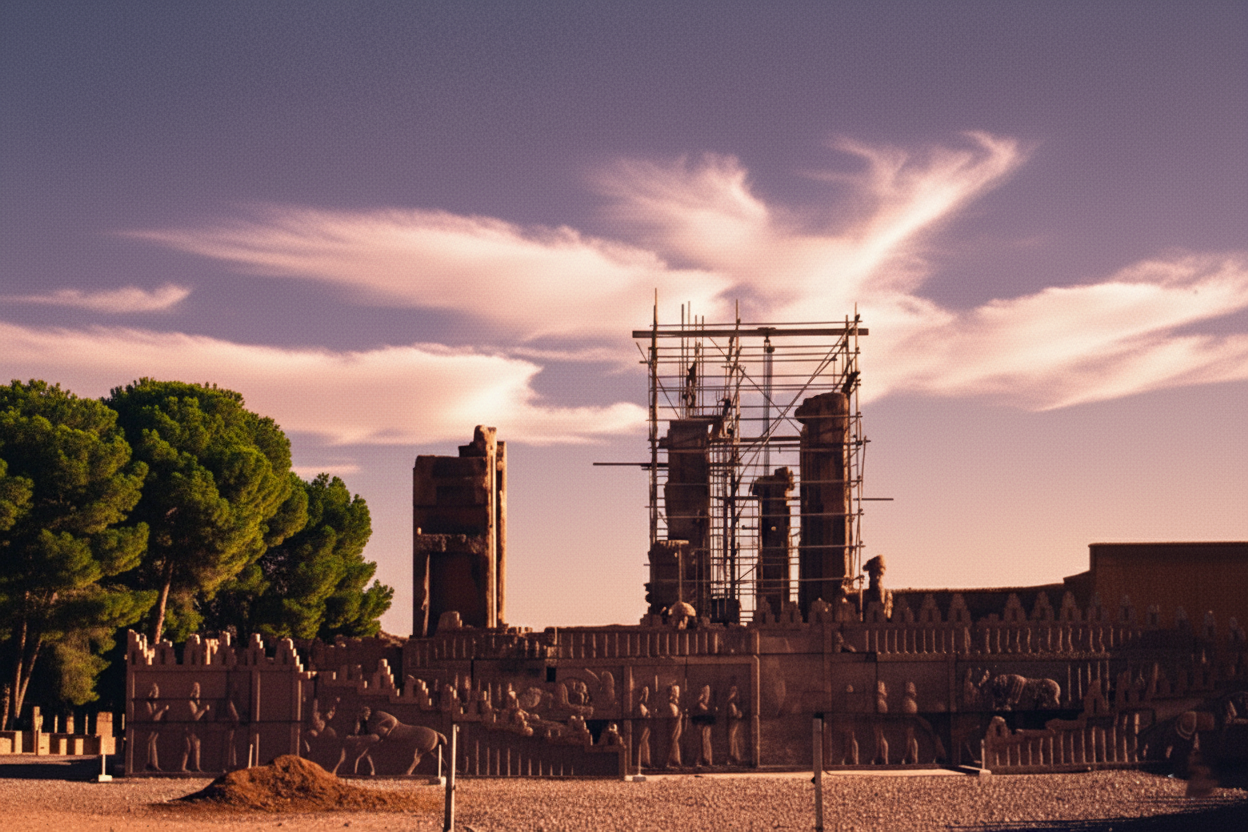
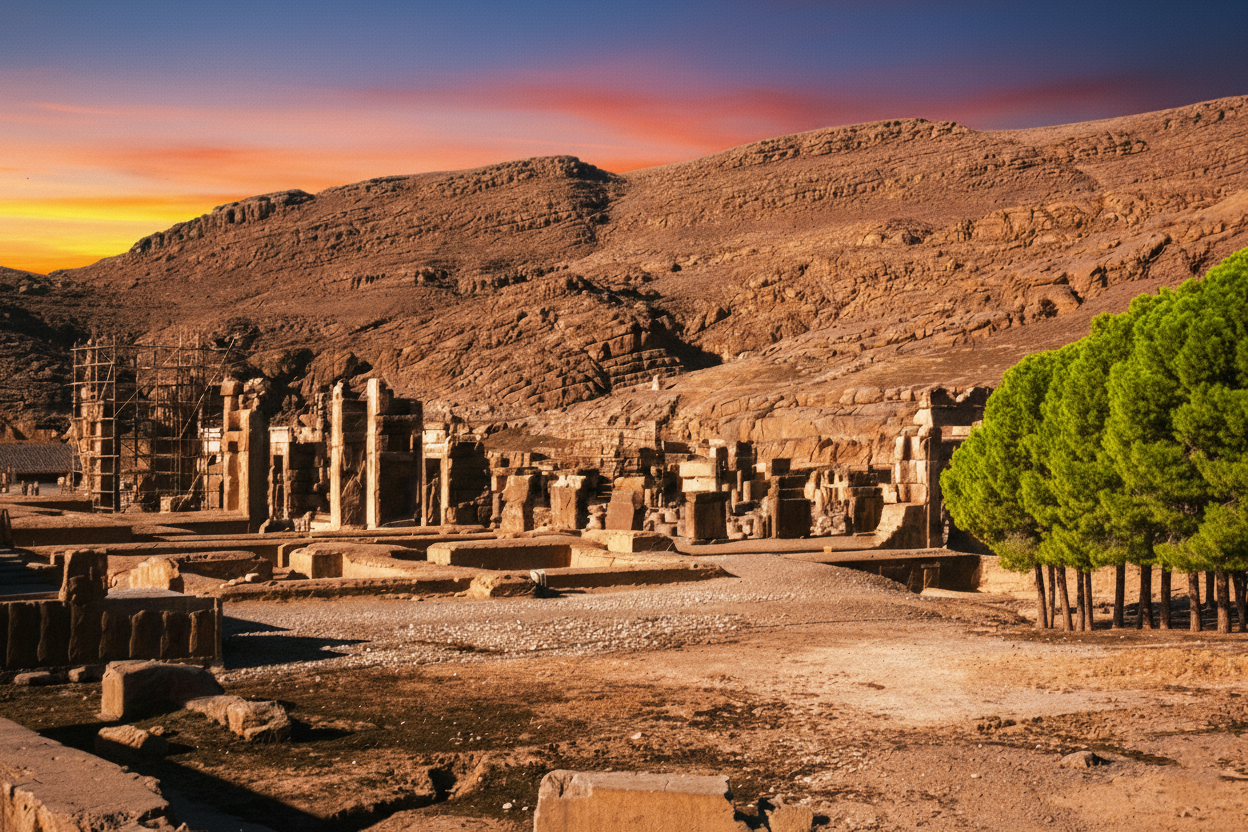
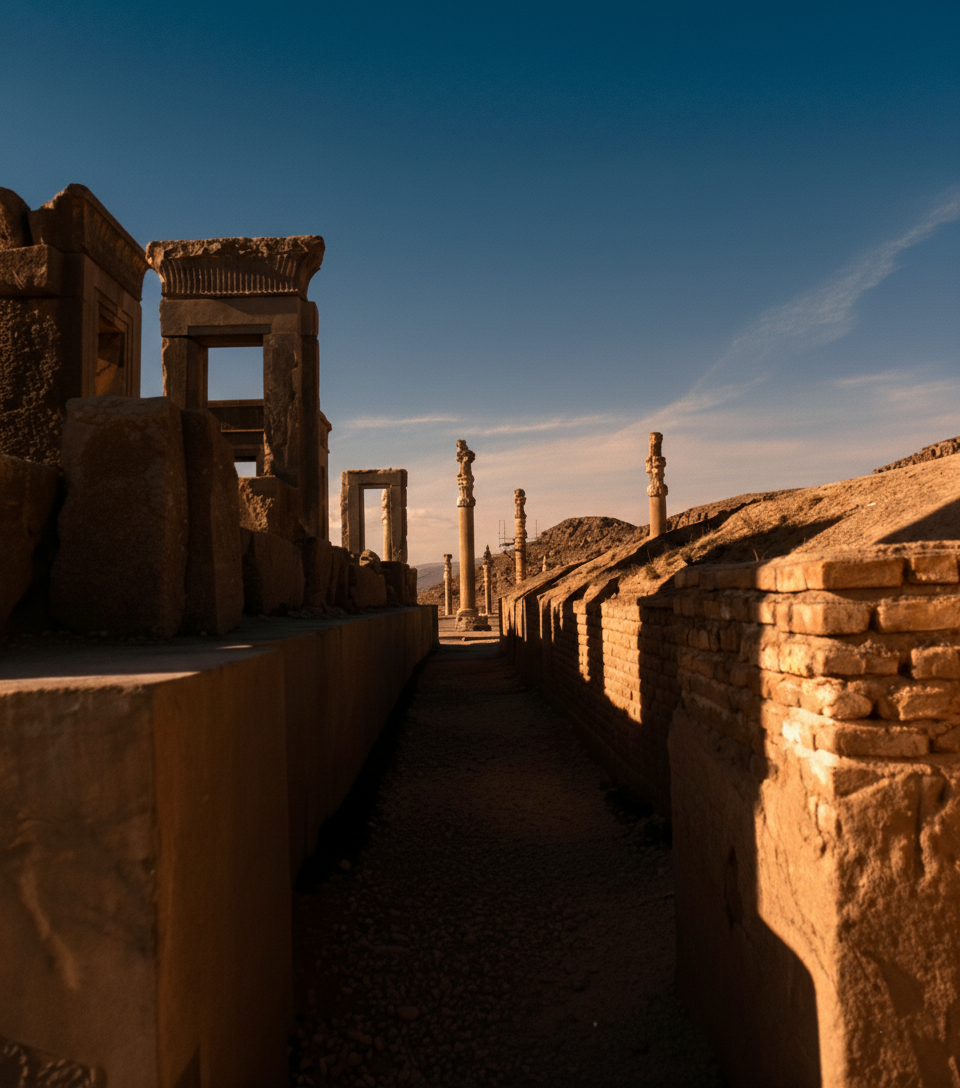
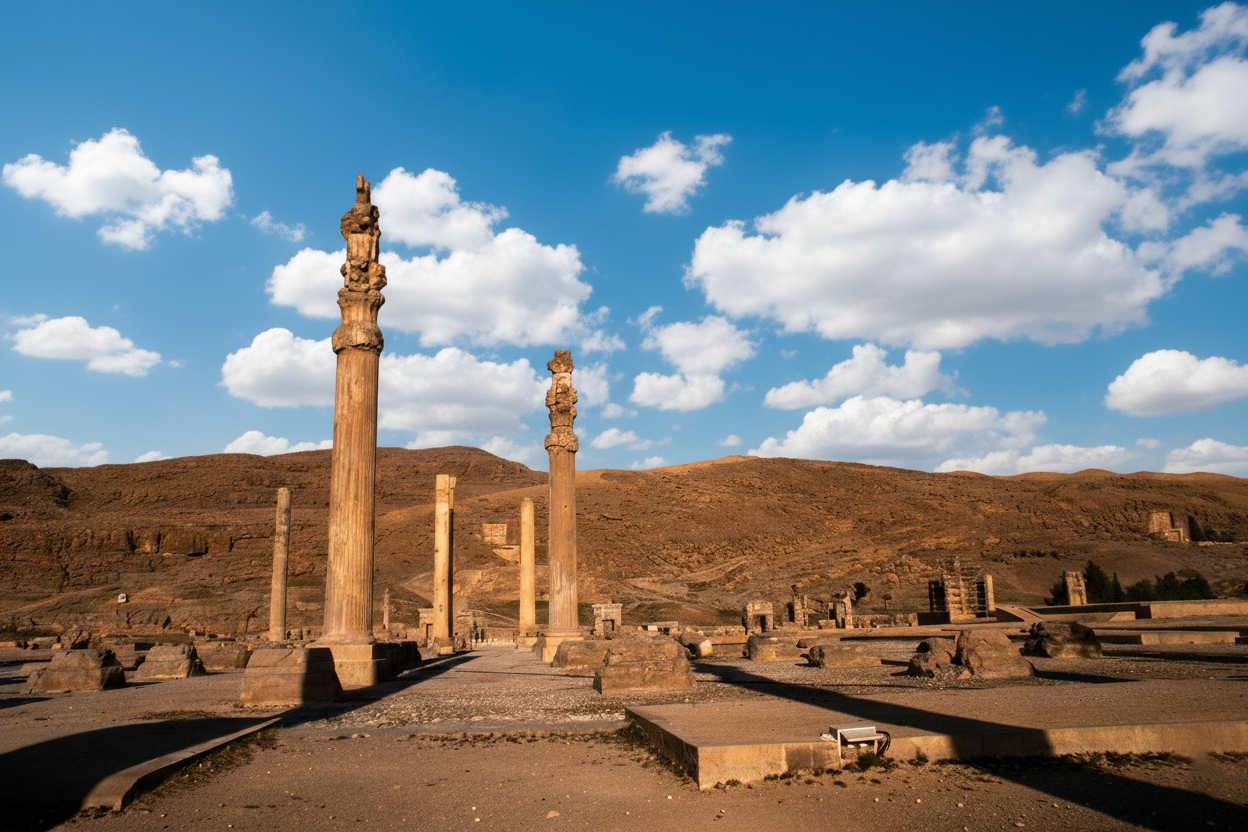
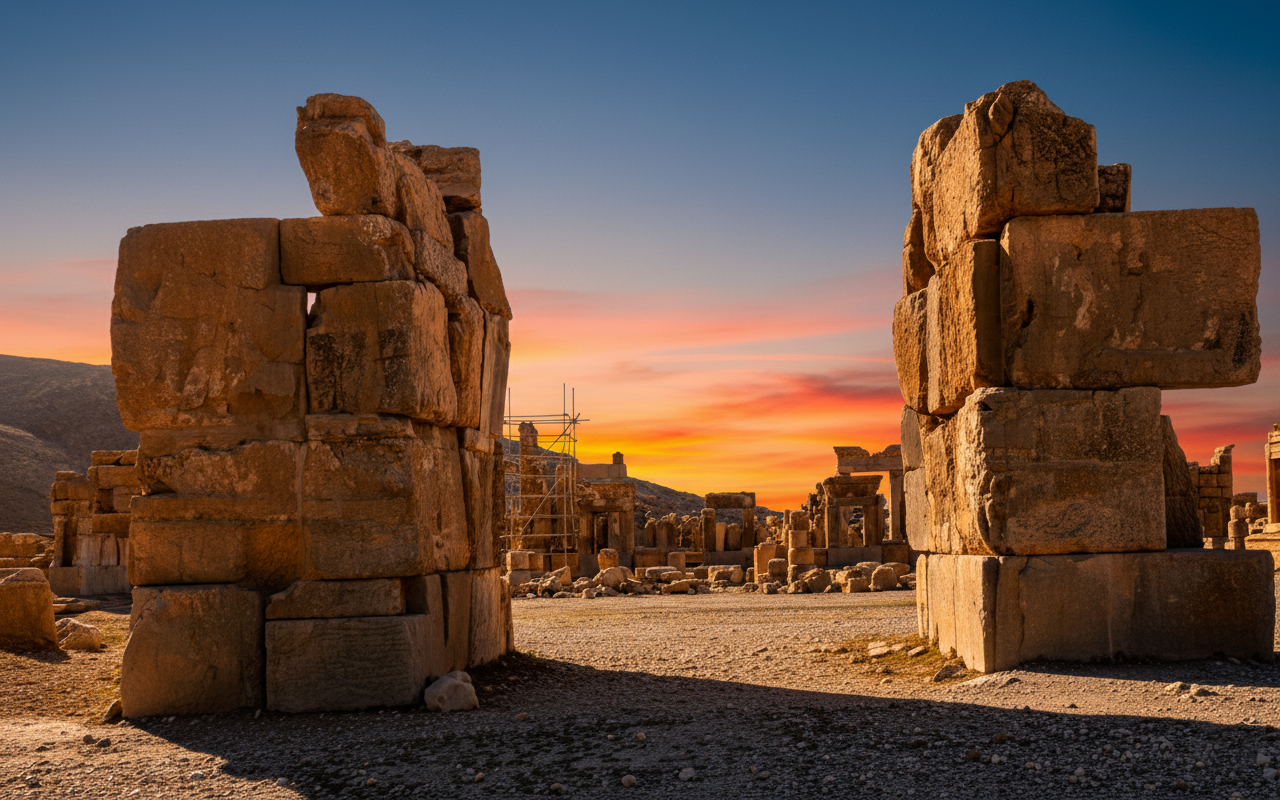
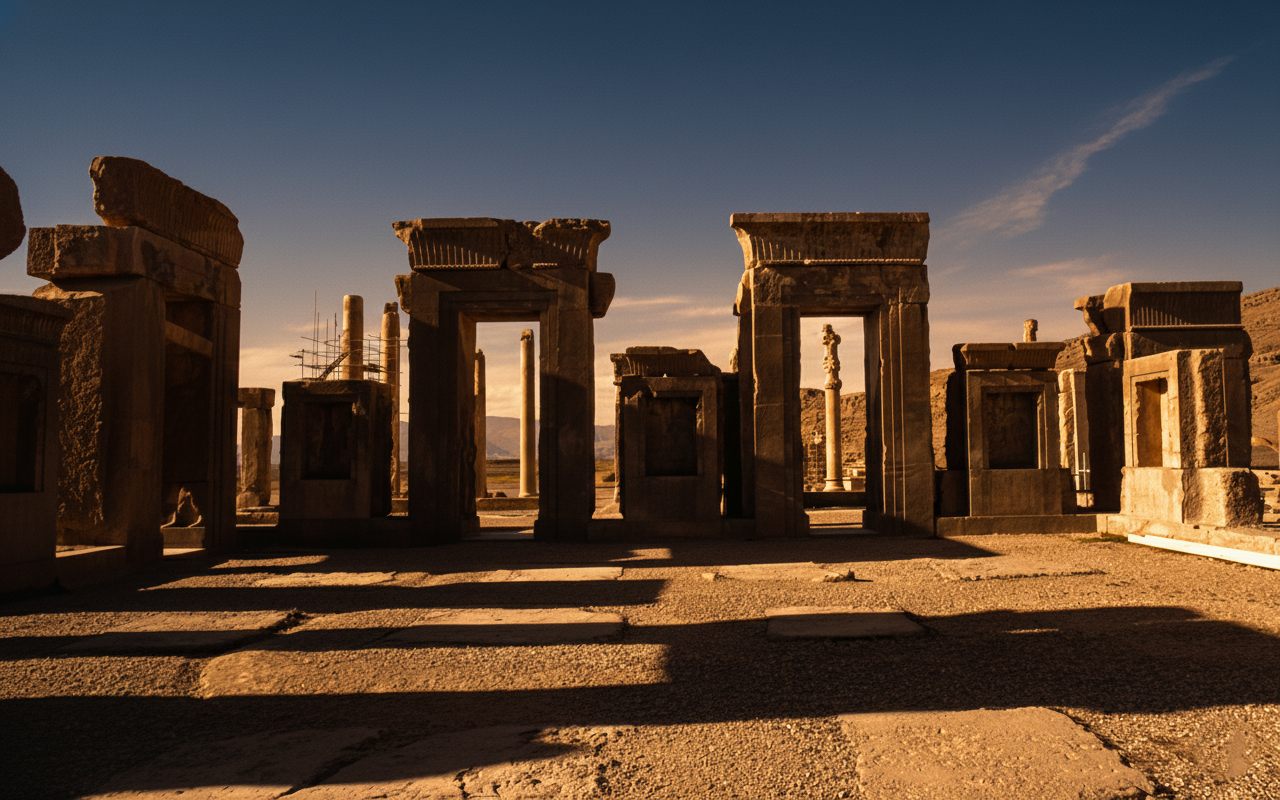
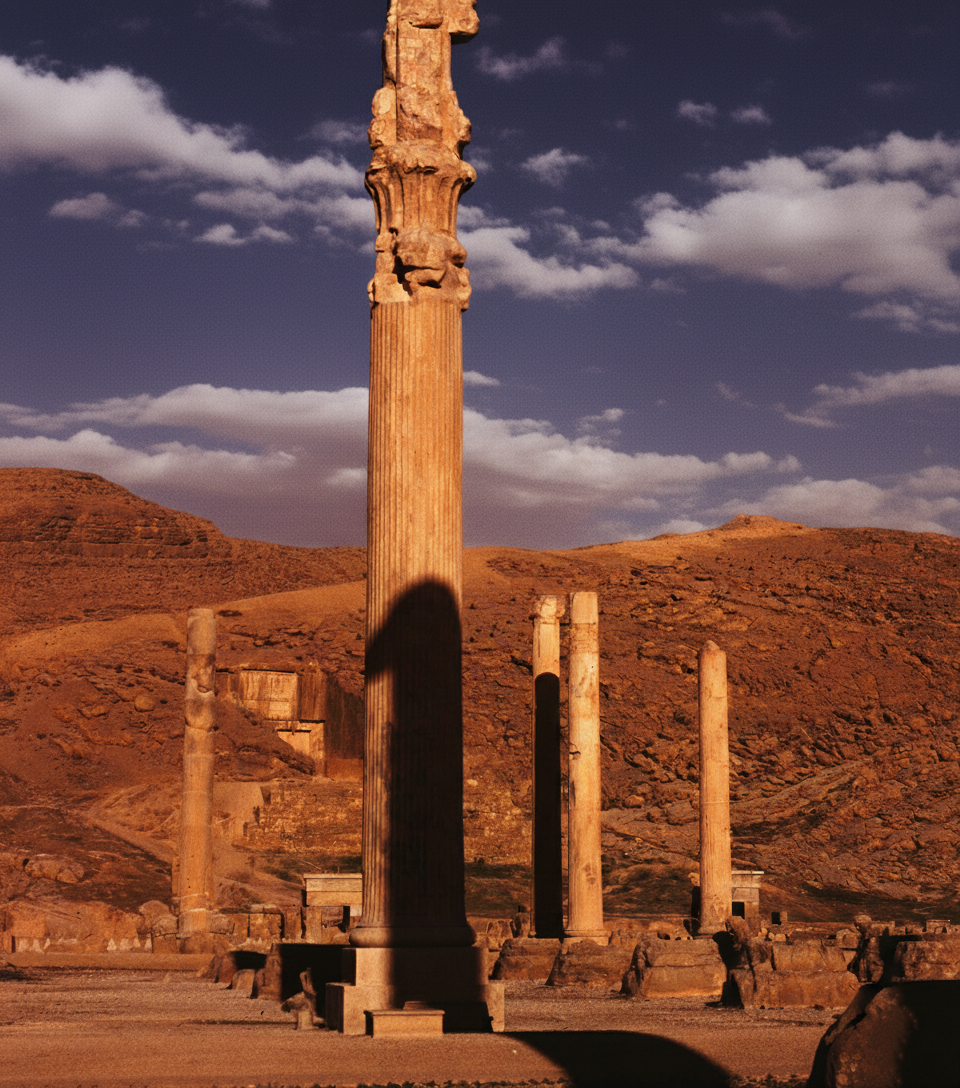
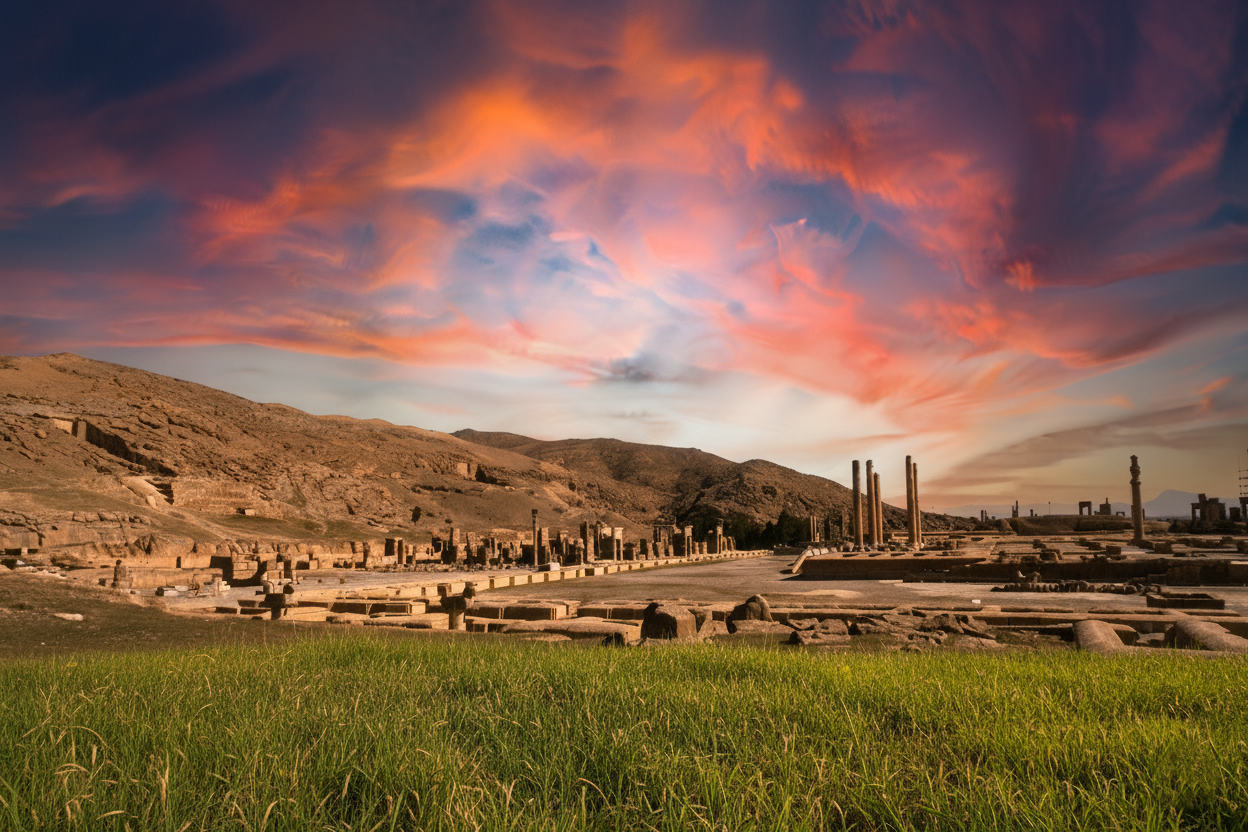
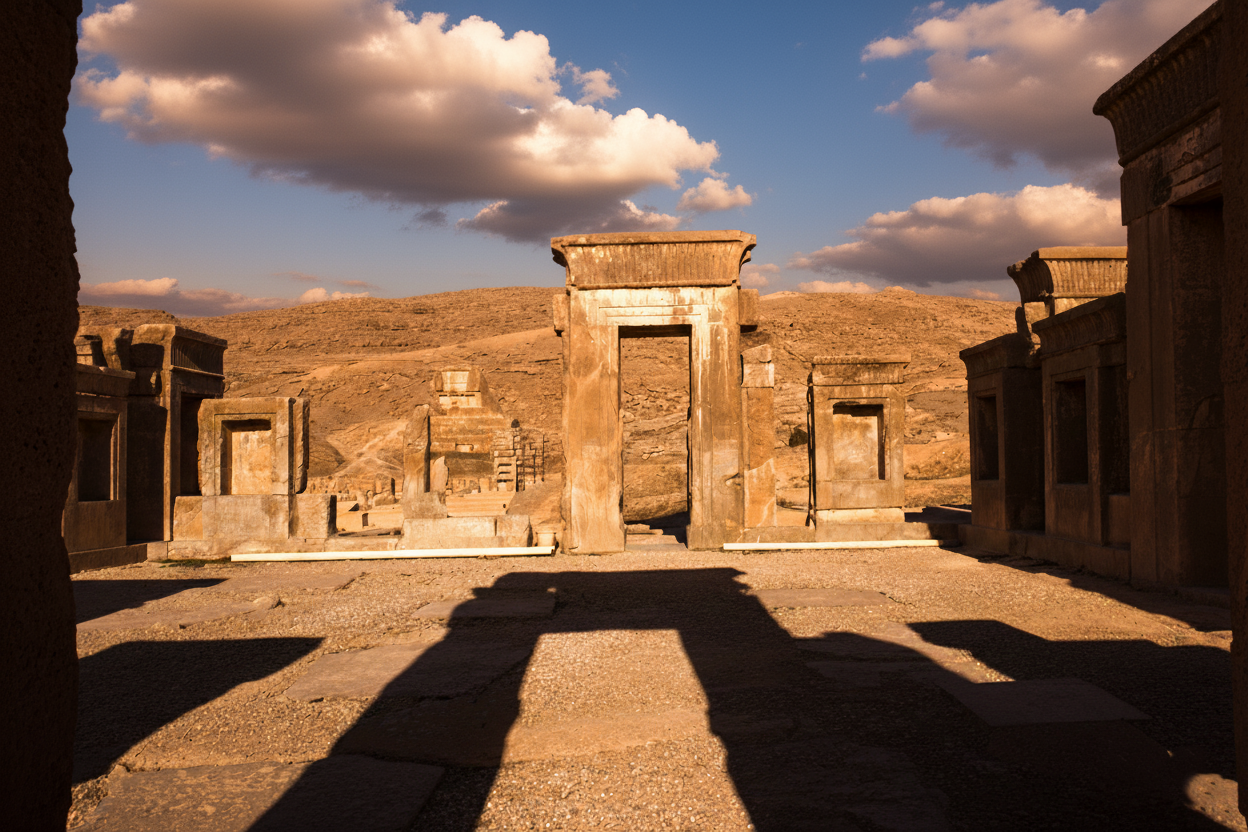
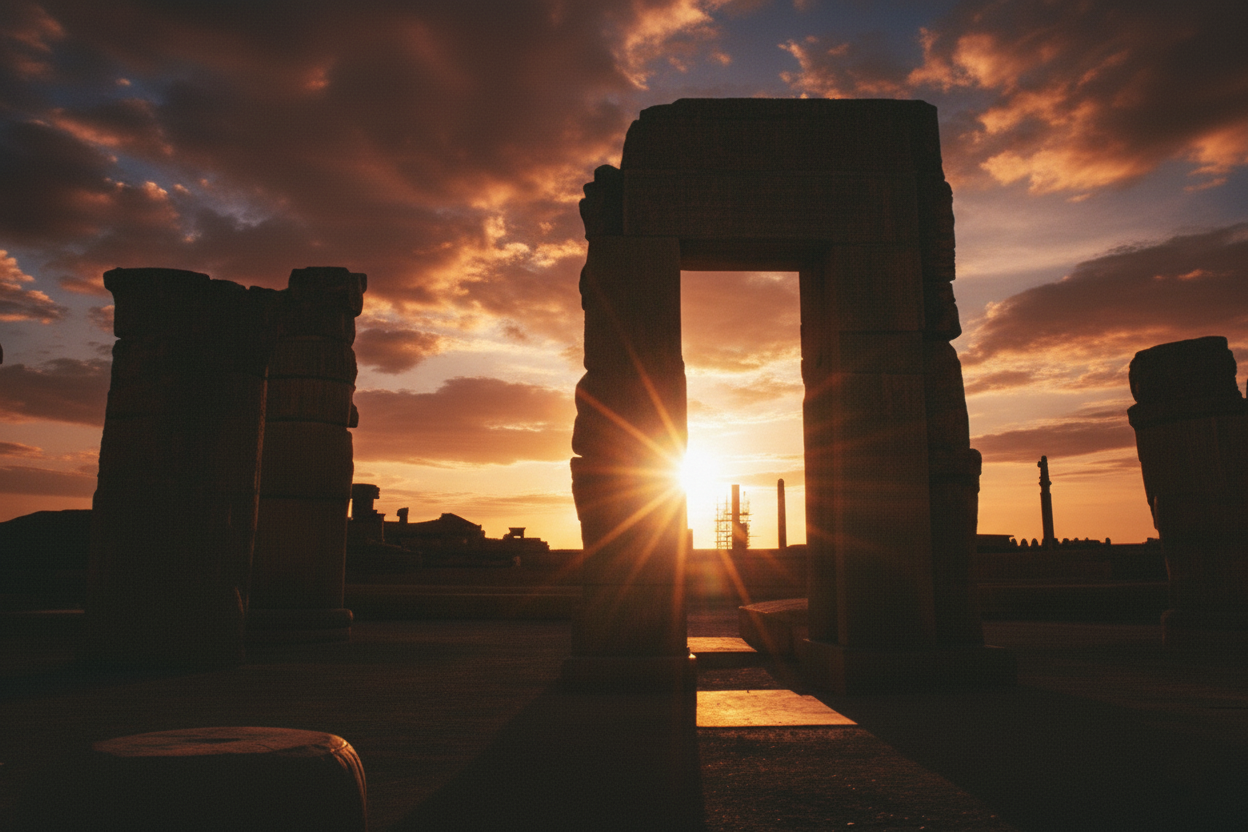
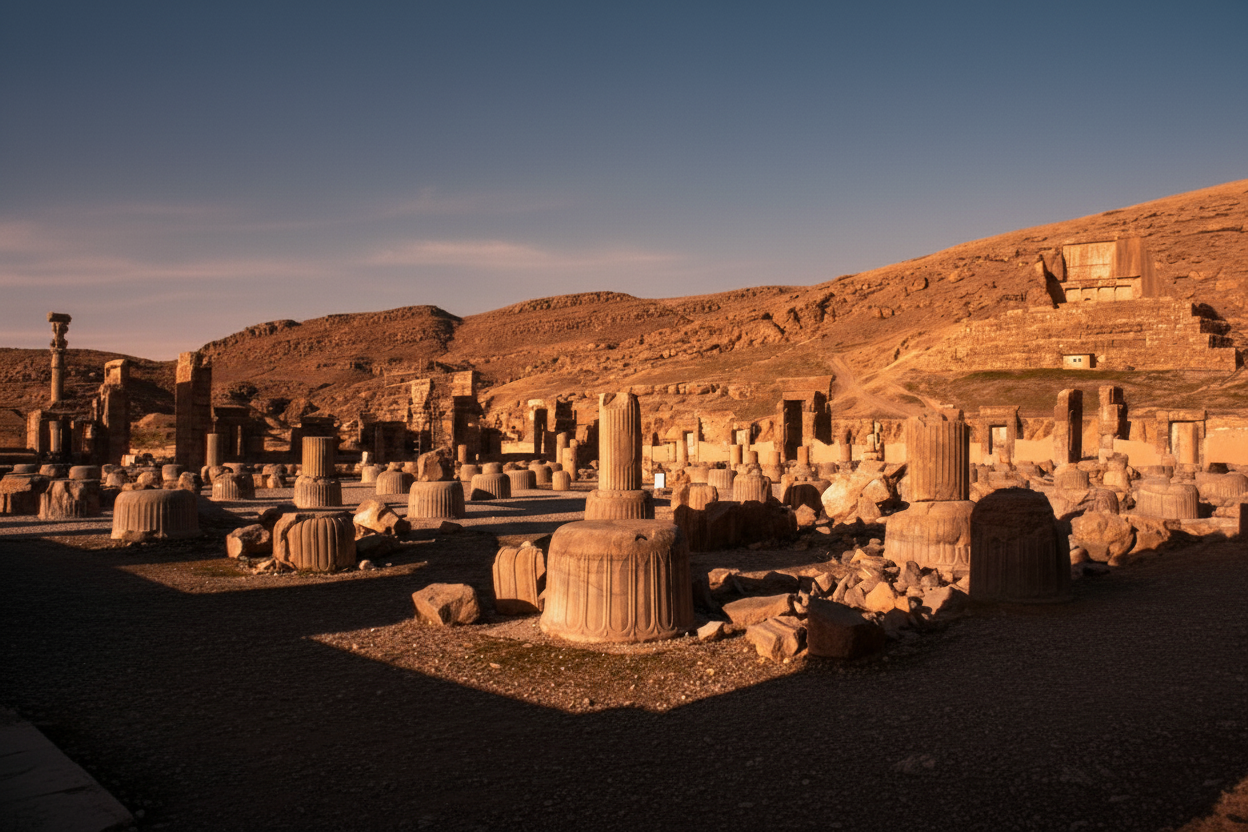
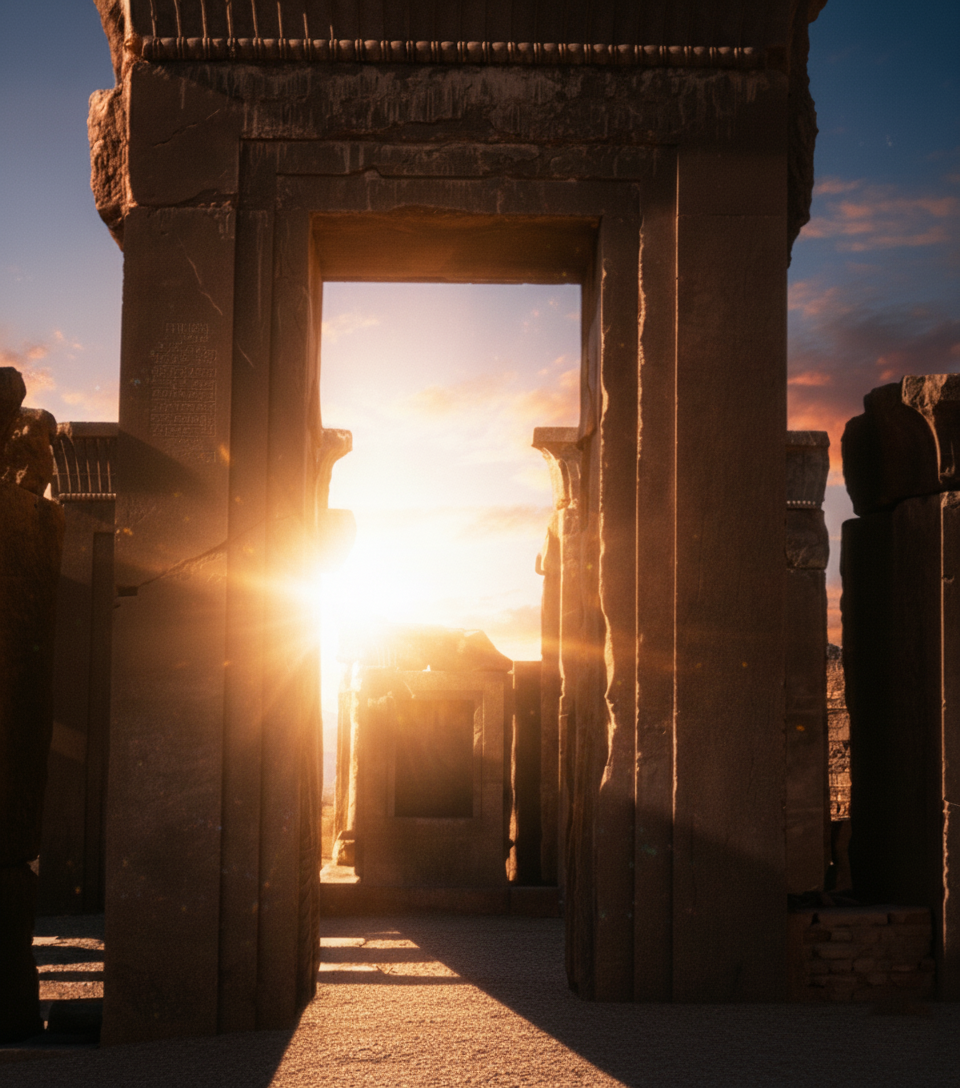
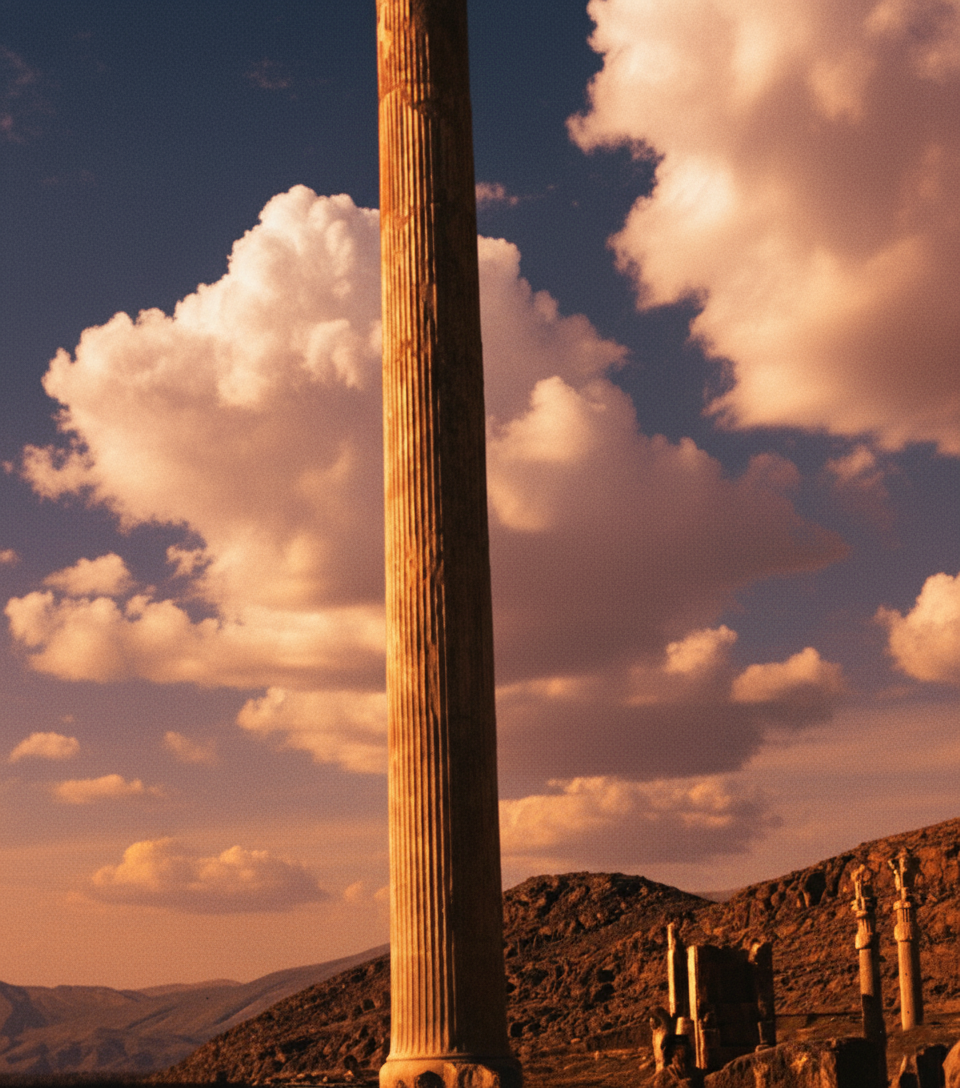
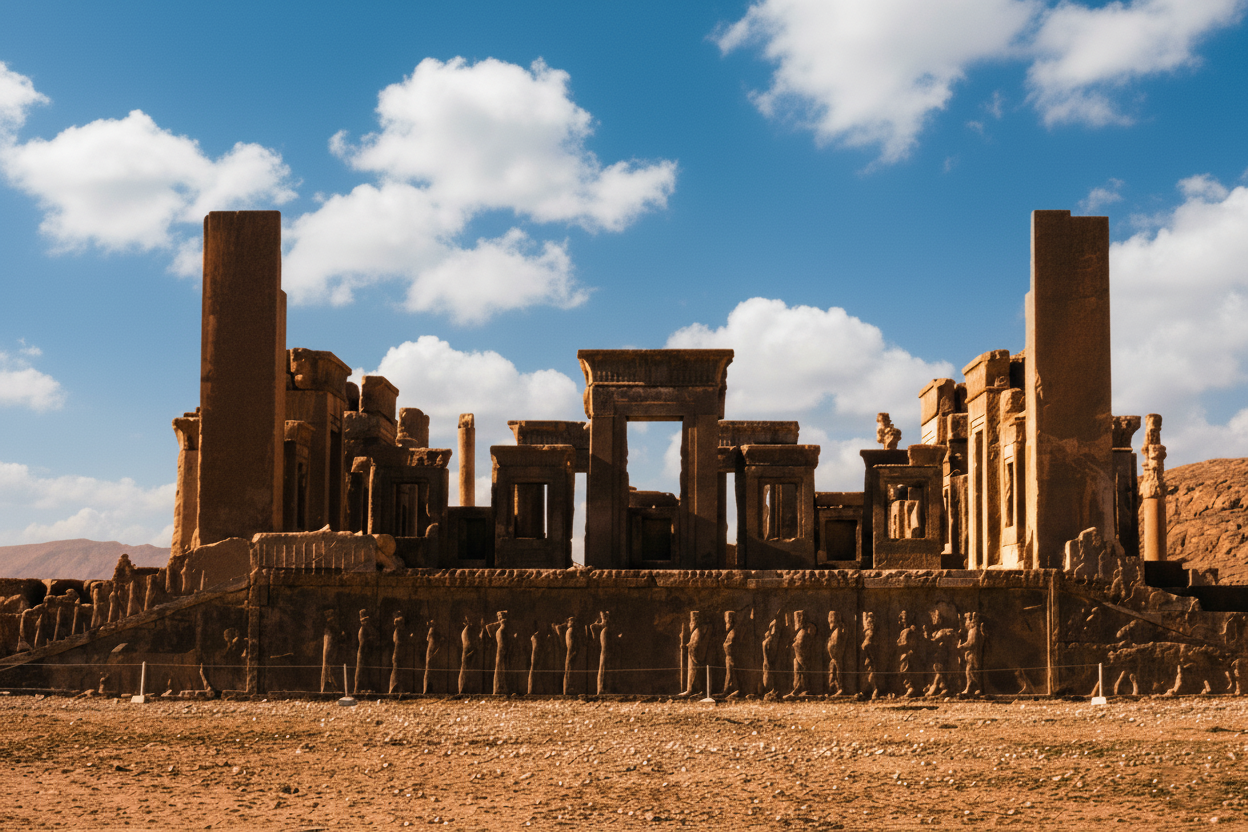
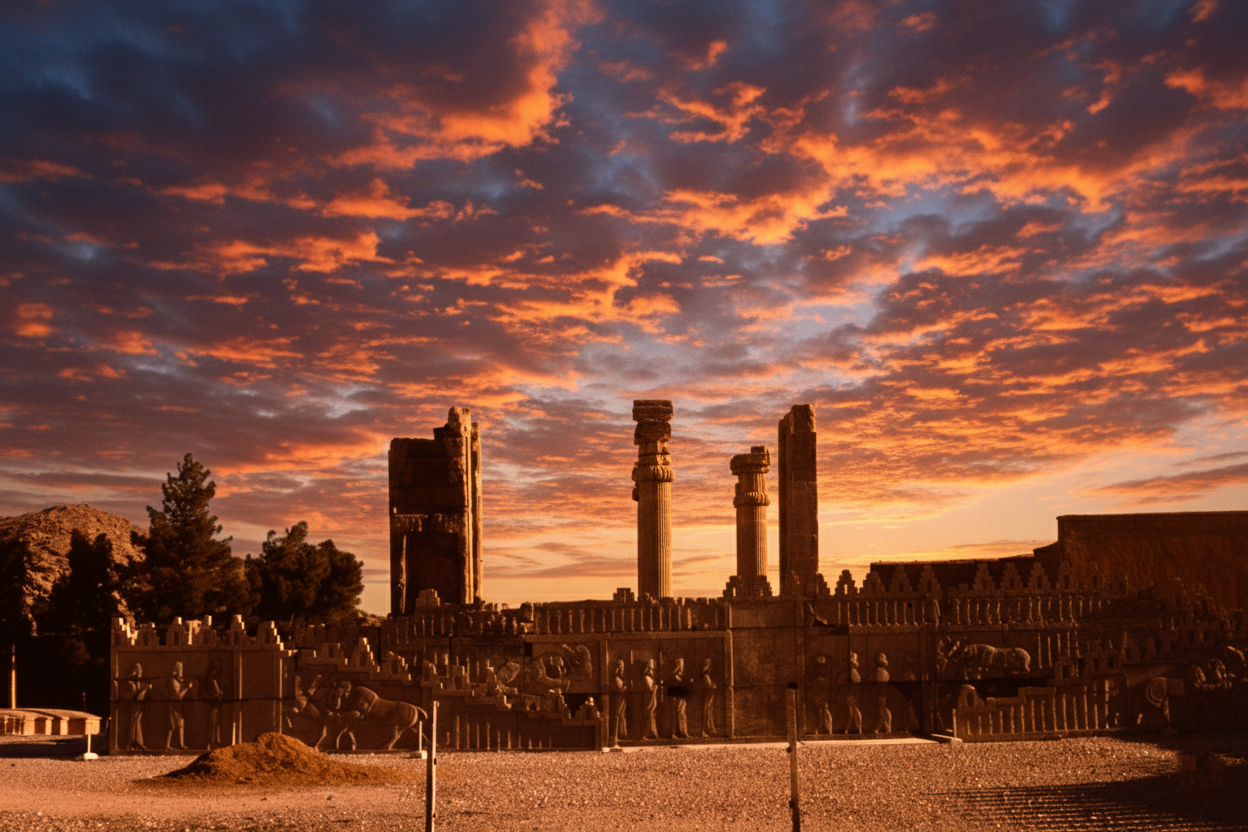
Persepolis (تخت جمشید), founded around 518 BCE by Darius the Great near Shiraz, served as the ceremonial capital of the Achaemenid Empire. Built on a vast stone terrace, it featured monumental gates, columned halls, and sculpted reliefs depicting delegations from across the empire, symbolizing imperial unity, diplomacy, and the architectural vision of ancient Persia.
-
Persepolis, known in Persian as Takht-e Jamshid (تخت جمشید), stands as one of the most important architectural and archaeological sites of the ancient world. Located approximately sixty kilometers northeast of Shiraz in the province of Fars, the complex was founded around 518 BCE by Darius the Great (داریوش بزرگ) as the ceremonial capital of the Achaemenid Empire.
Unlike administrative capitals such as Susa (شوش) or Ecbatana (هگمتانه), Persepolis functioned primarily as a symbolic and ceremonial center where representatives from across the empire gathered—particularly during the celebration of Nowruz (نوروز), the Persian New Year. For nearly two centuries, the complex flourished under the reigns of Darius I, Xerxes, and Artaxerxes, serving as a monumental stage for imperial diplomacy and ritual.
Architecturally, Persepolis was constructed upon an immense artificial terrace carved into the mountainside and reinforced with massive limestone retaining walls. Monumental gateways, ceremonial staircases, and vast columned halls organized the complex into a carefully planned imperial landscape.
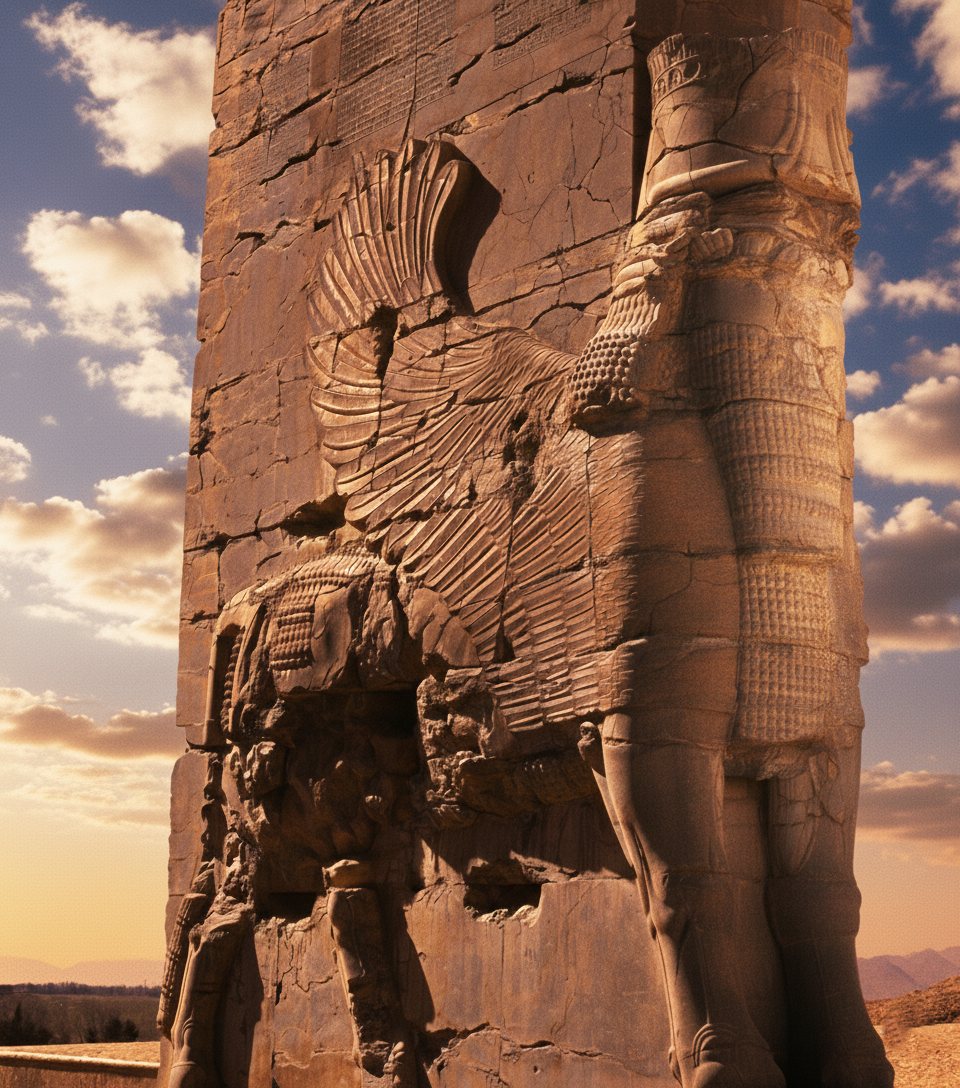
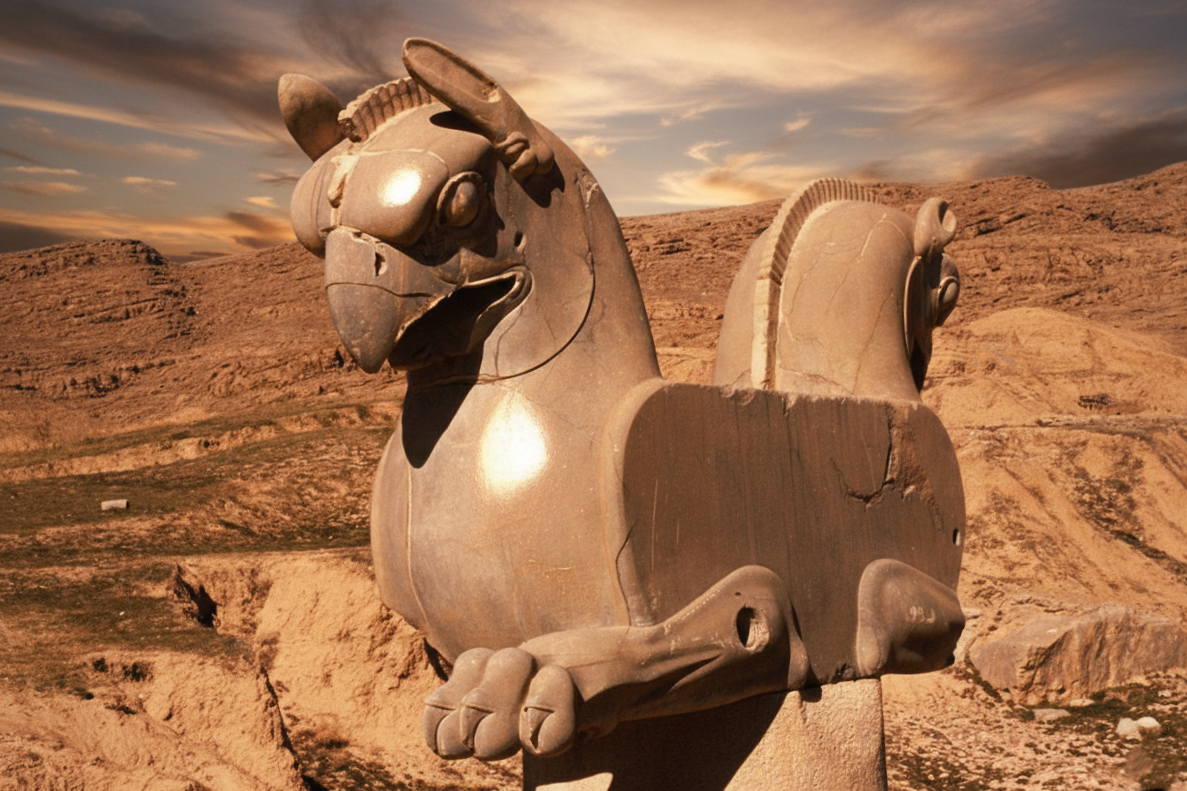
Among the most significant structures are the Gate of All Nations and the Apadana Palace, whose towering stone columns—some reaching nearly twenty meters in height—supported vast wooden roofs. The columns are crowned with sculpted capitals depicting paired animals such as bulls, lions, and griffins, whose forms symbolically support the beams above.
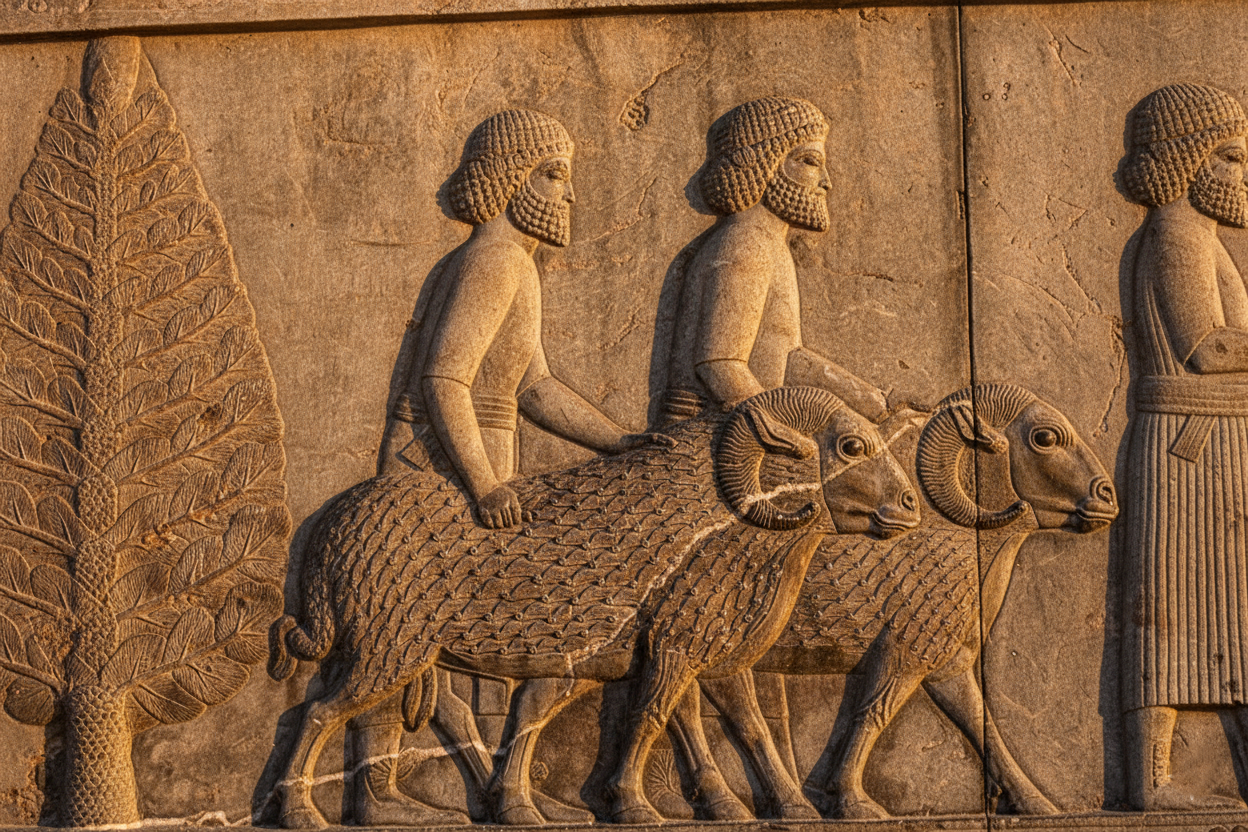
The site is particularly renowned for its stone reliefs (نقوش برجسته), which depict ceremonial processions of delegations from twenty-three subject nations of the empire. Each delegation is shown wearing distinctive clothing and presenting gifts, illustrating the cultural diversity of the Achaemenid world while emphasizing harmony and imperial unity rather than military conquest.
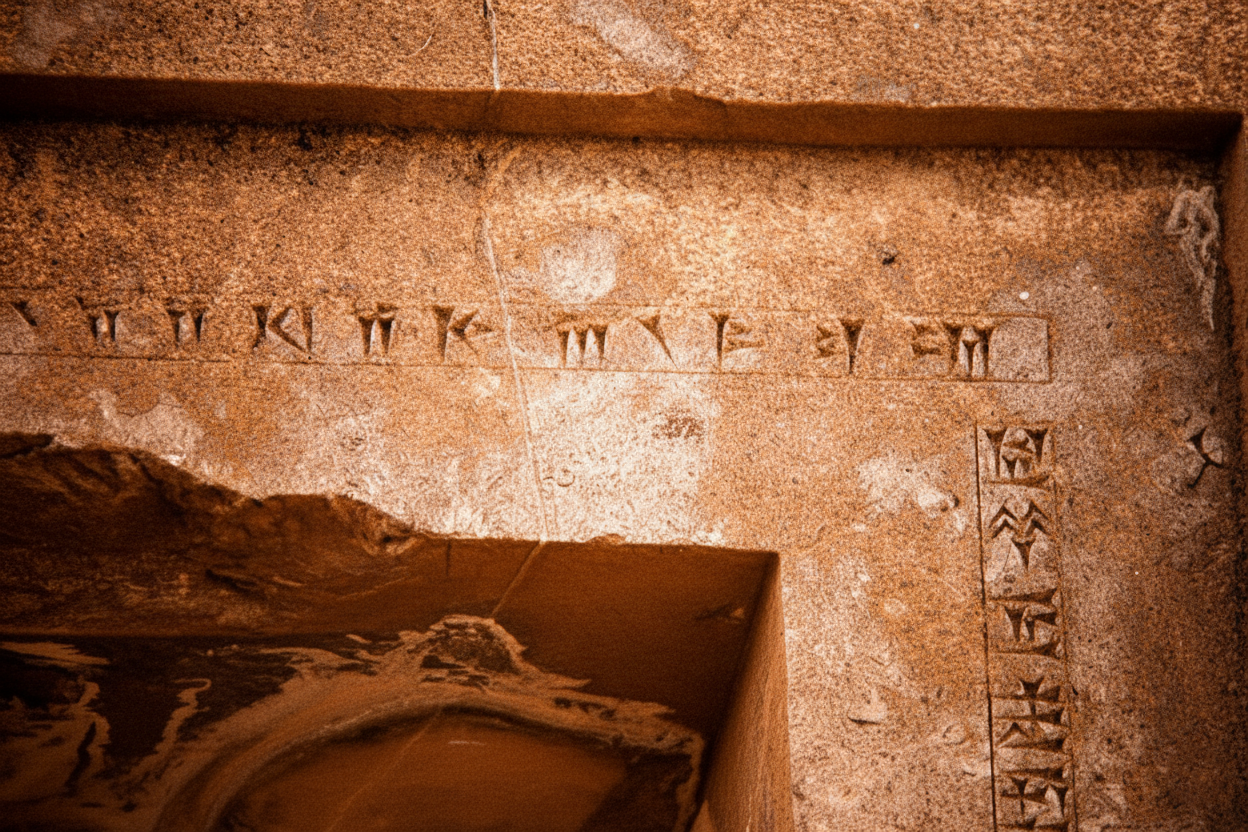
Although Persepolis was captured and burned by Alexander the Great in 330 BCE, the destruction inadvertently preserved thousands of administrative tablets that today provide invaluable insight into the organization of the empire. More than two millennia later, the monumental terraces, columns, and reliefs of Persepolis continue to embody the architectural vision and political ideals of ancient Persia.