Column Capitals of Persepolis (سرستونهای تخت جمشید)
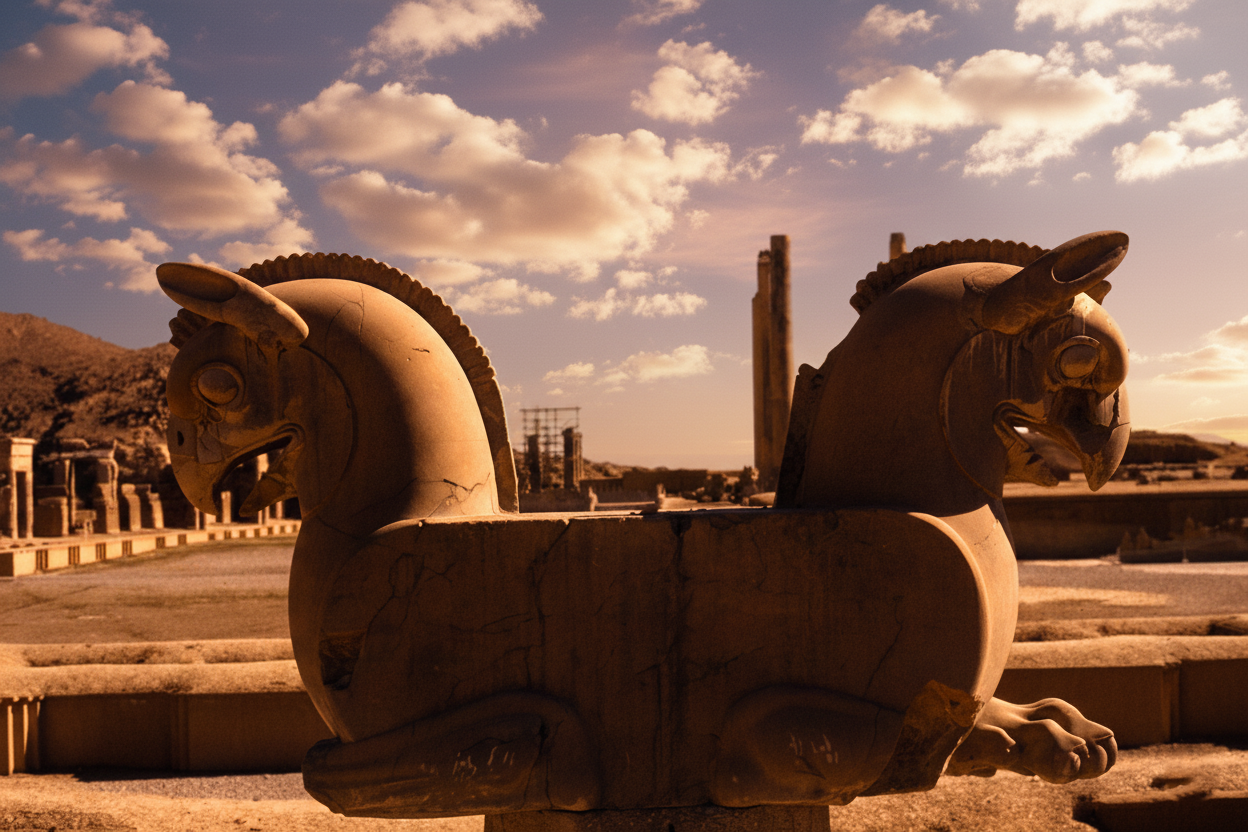
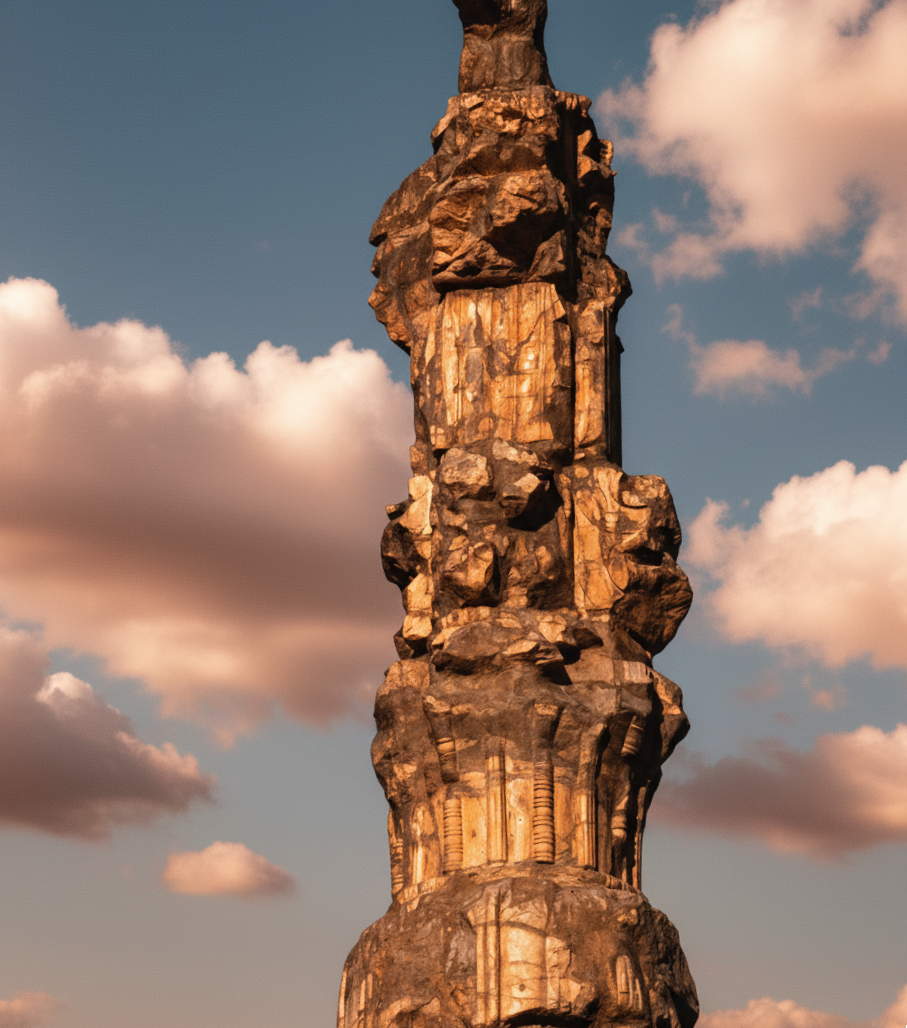
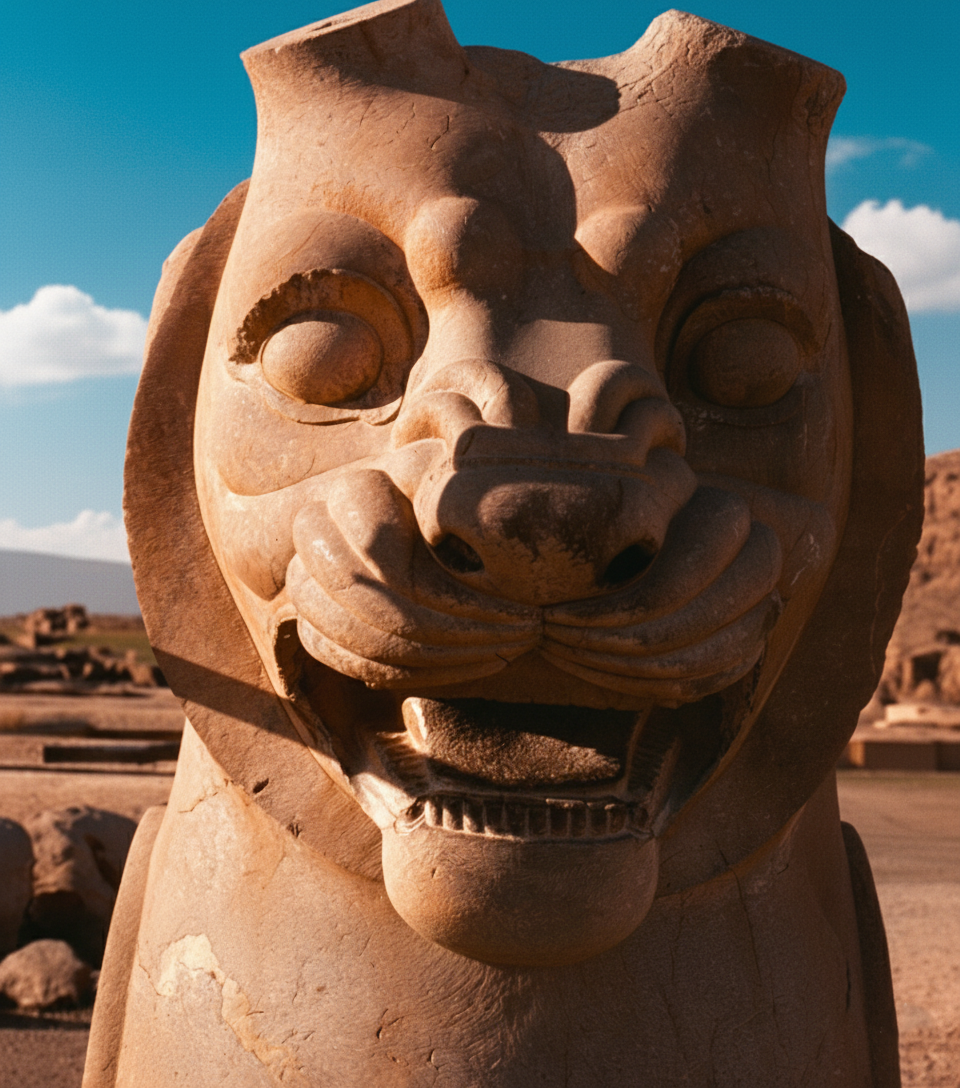
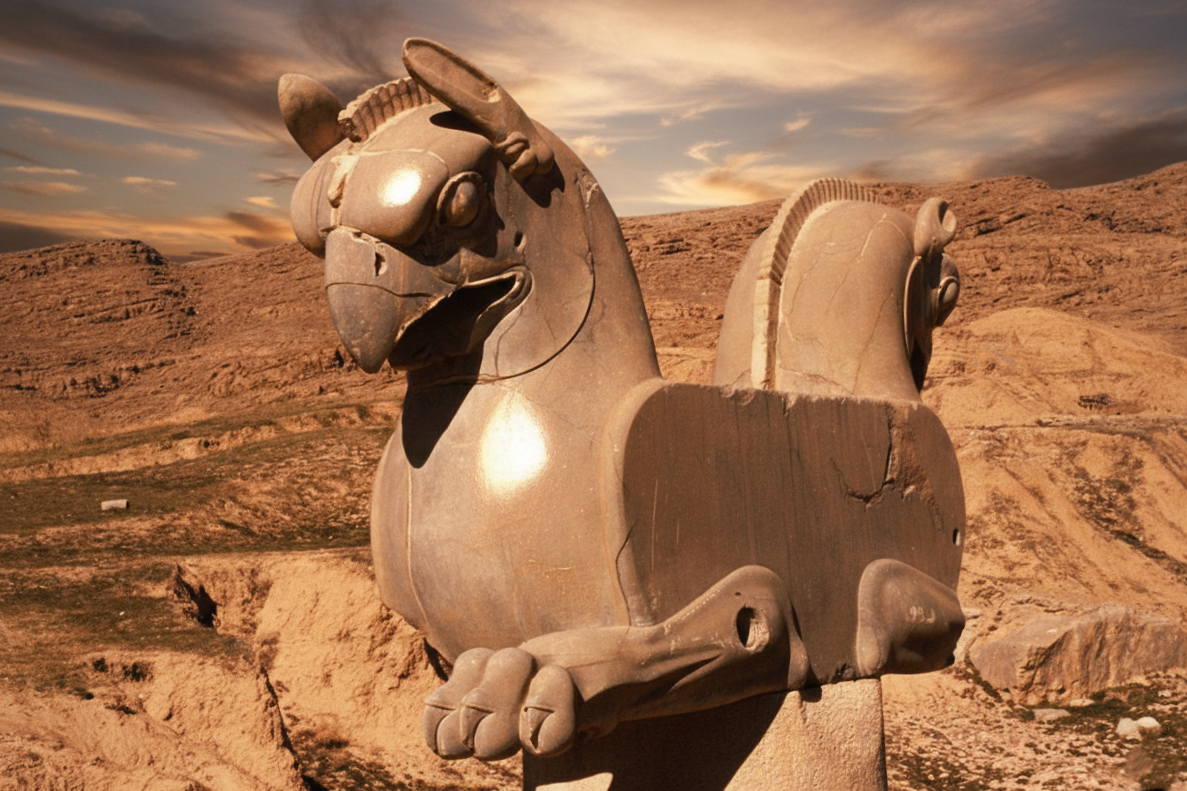
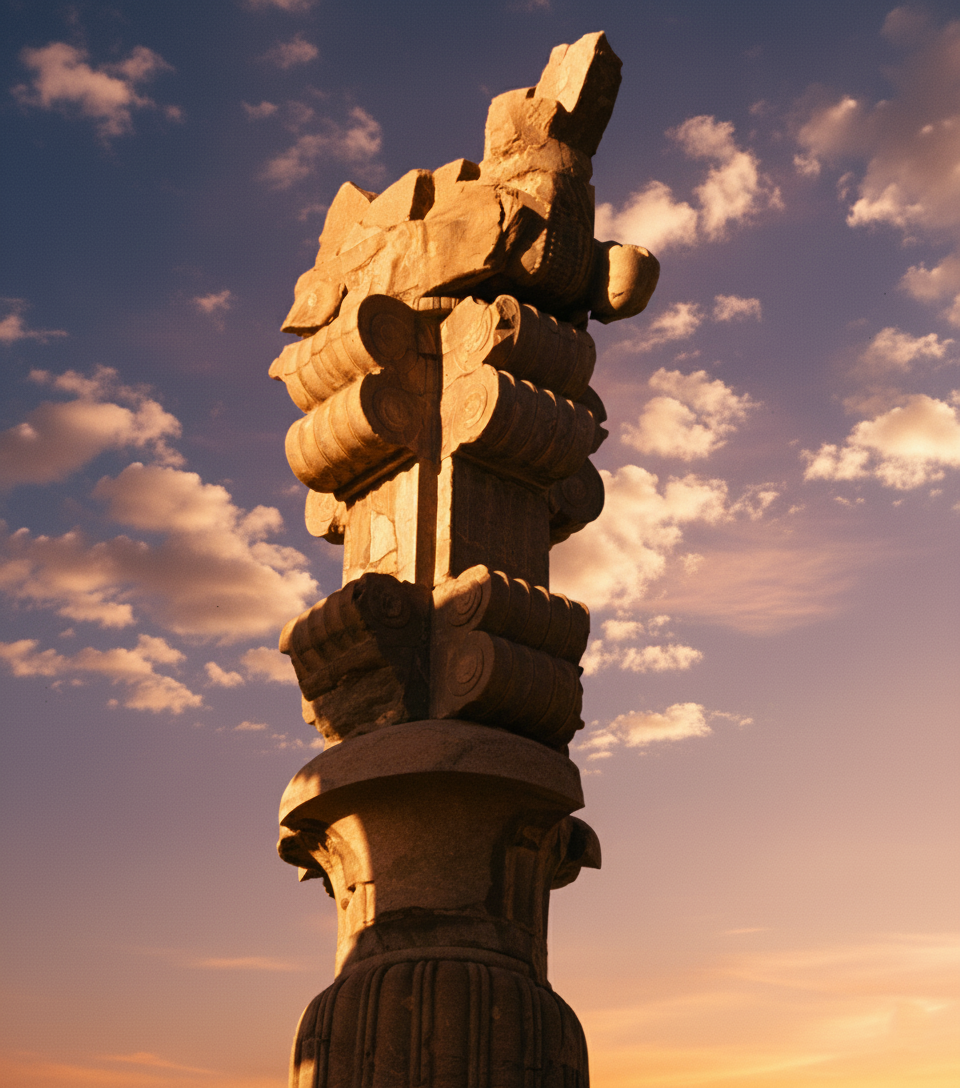
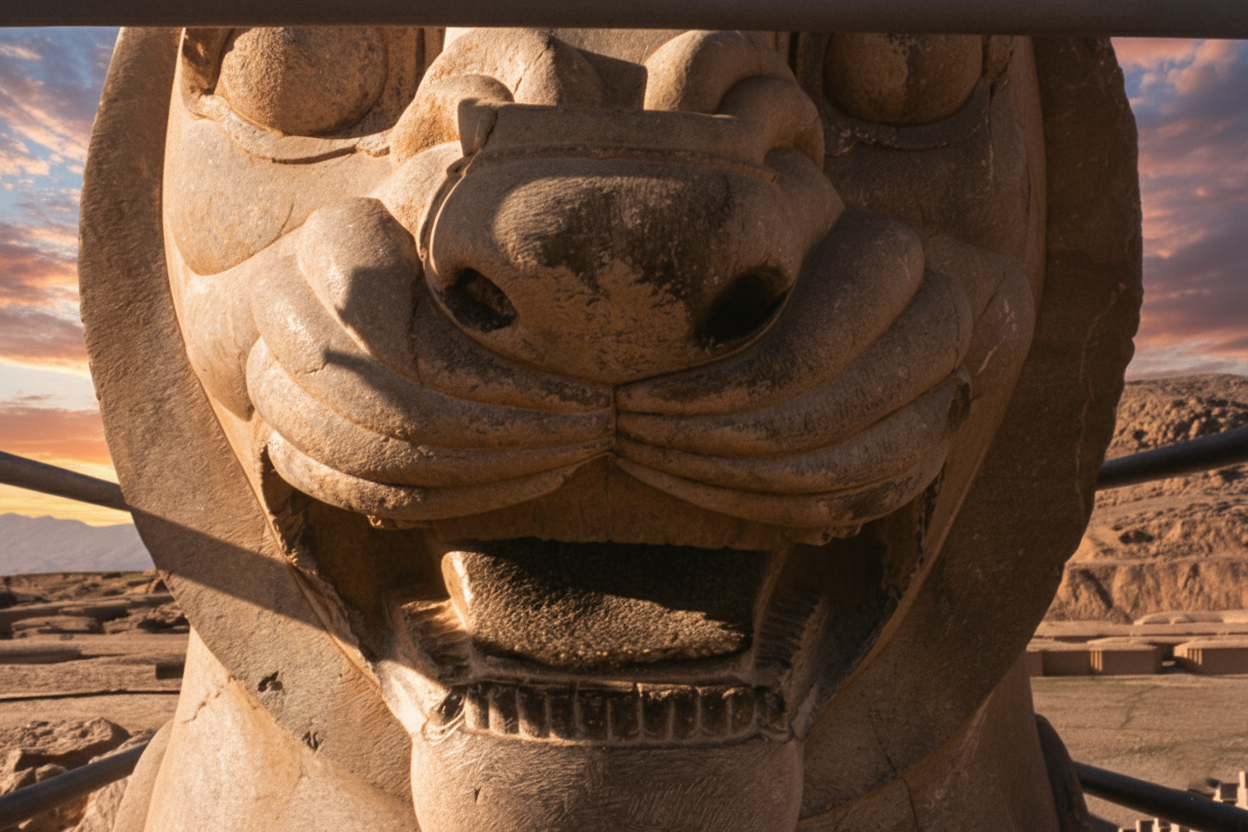
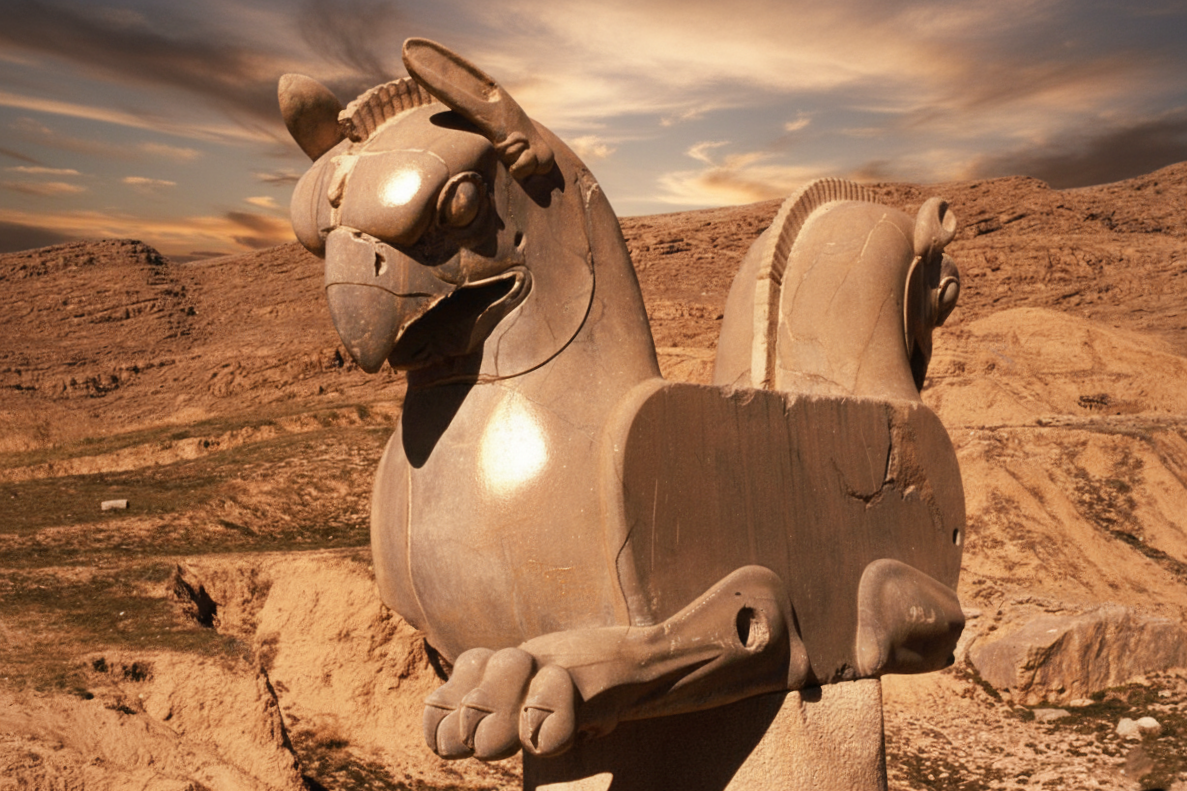
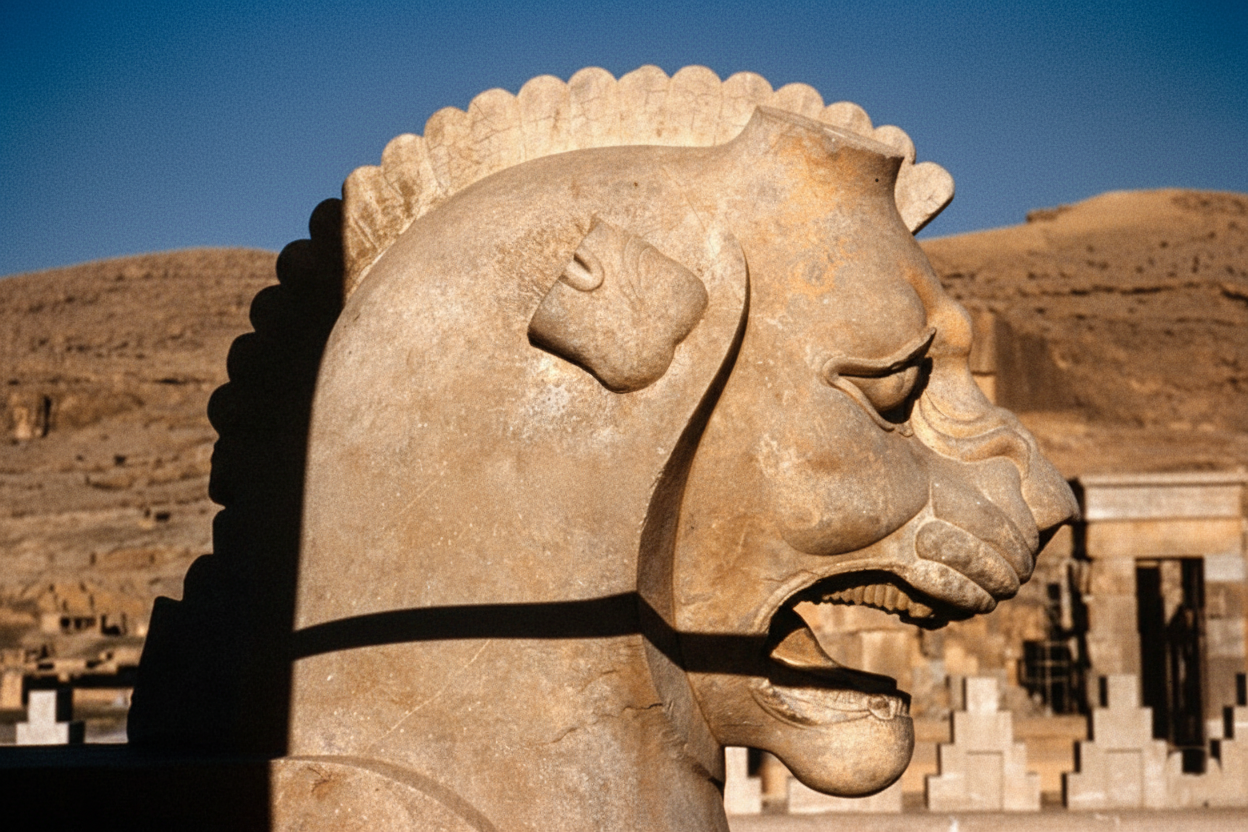
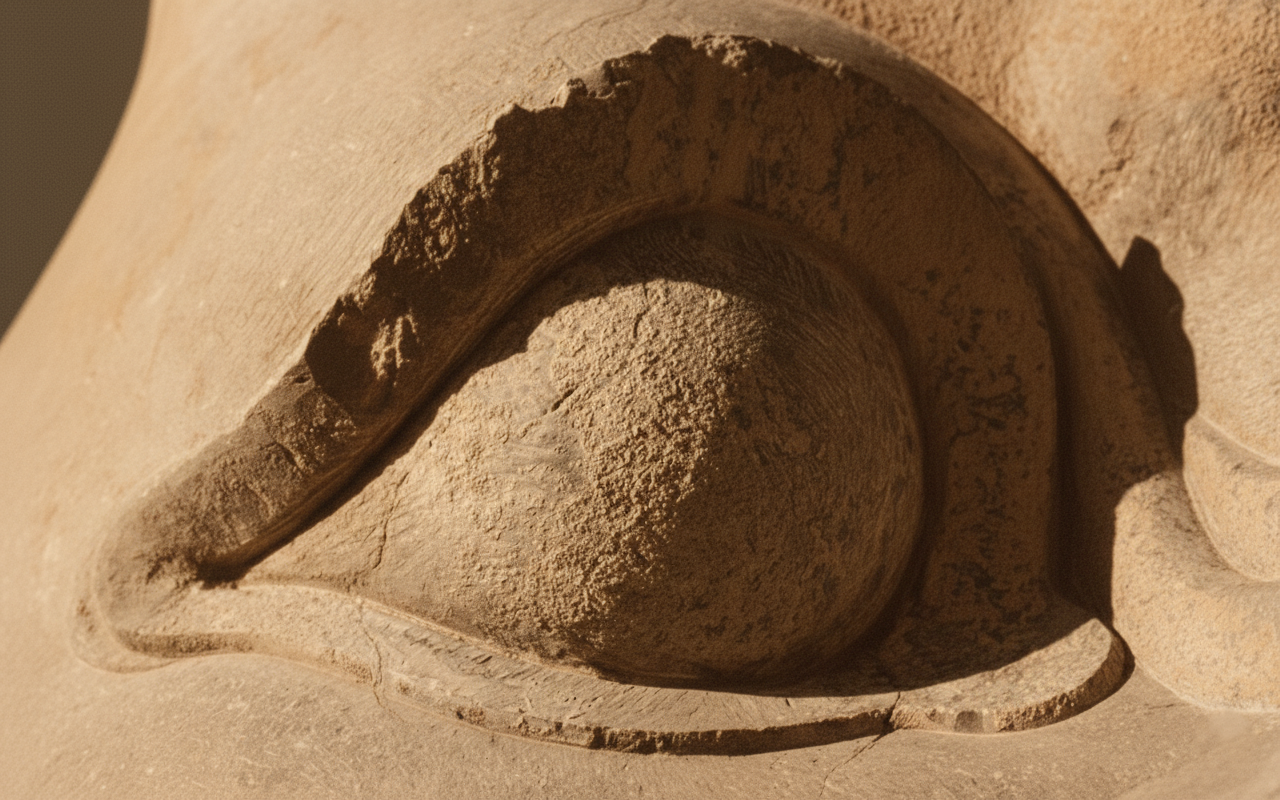
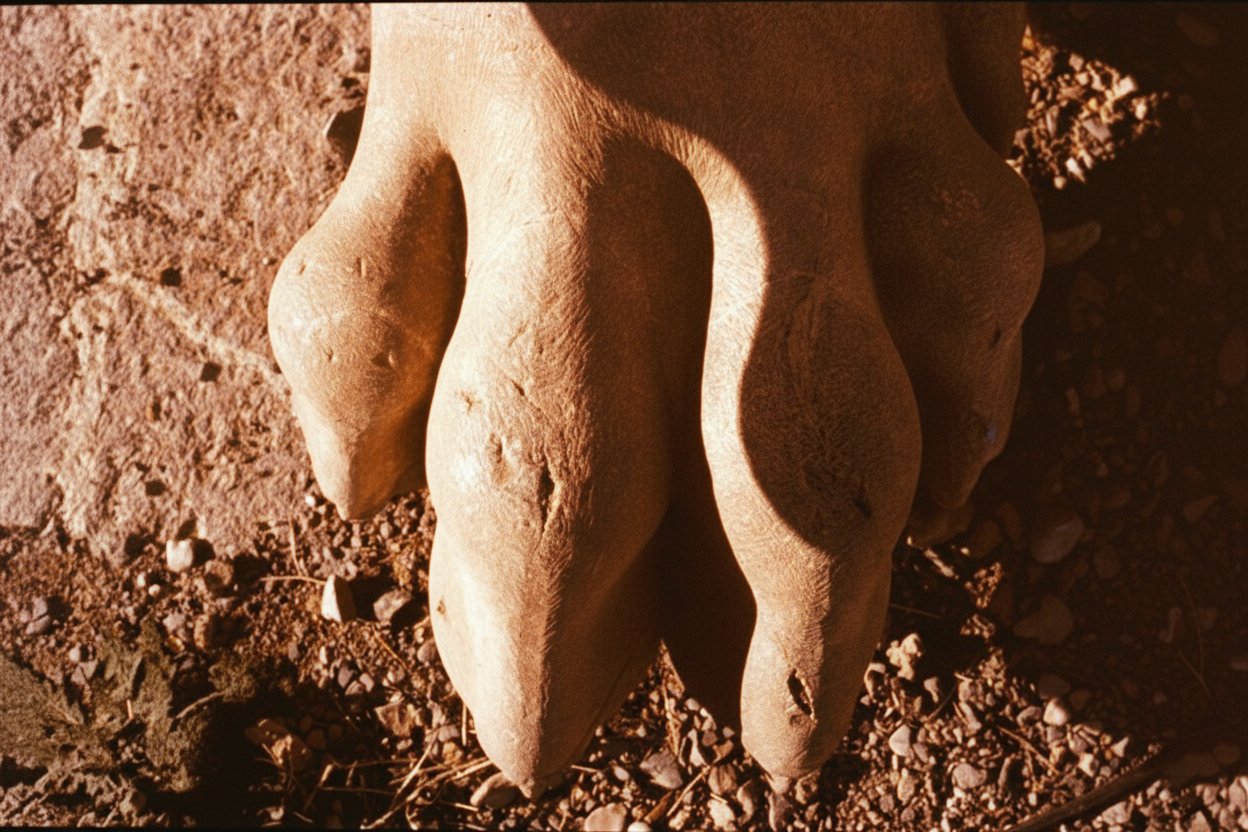
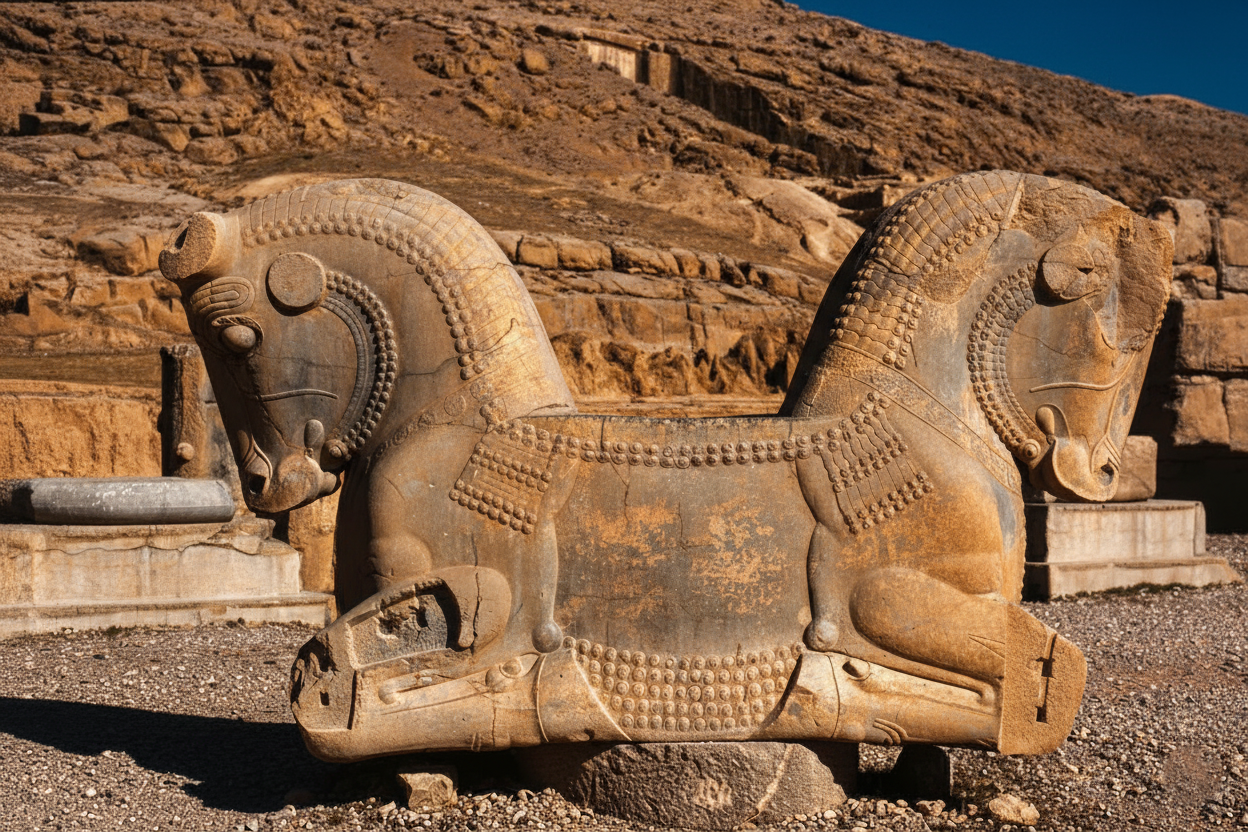
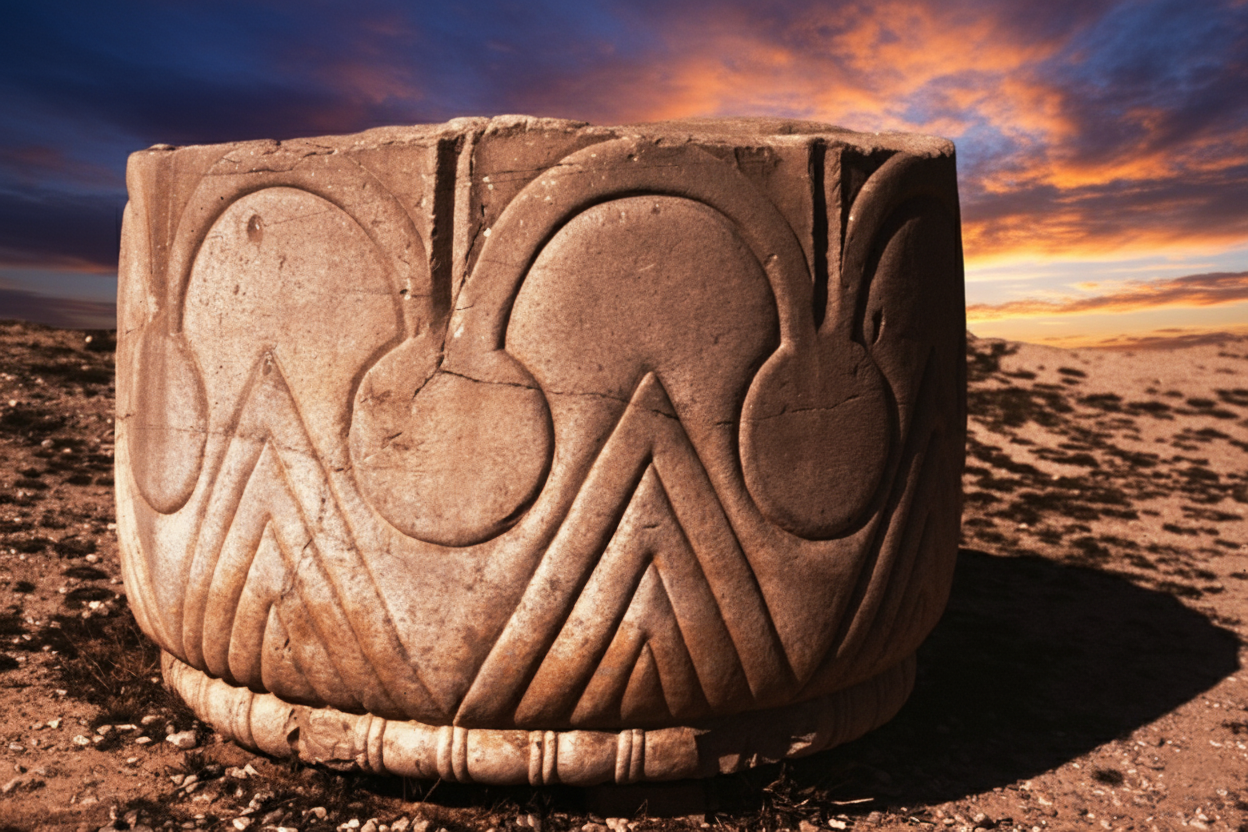
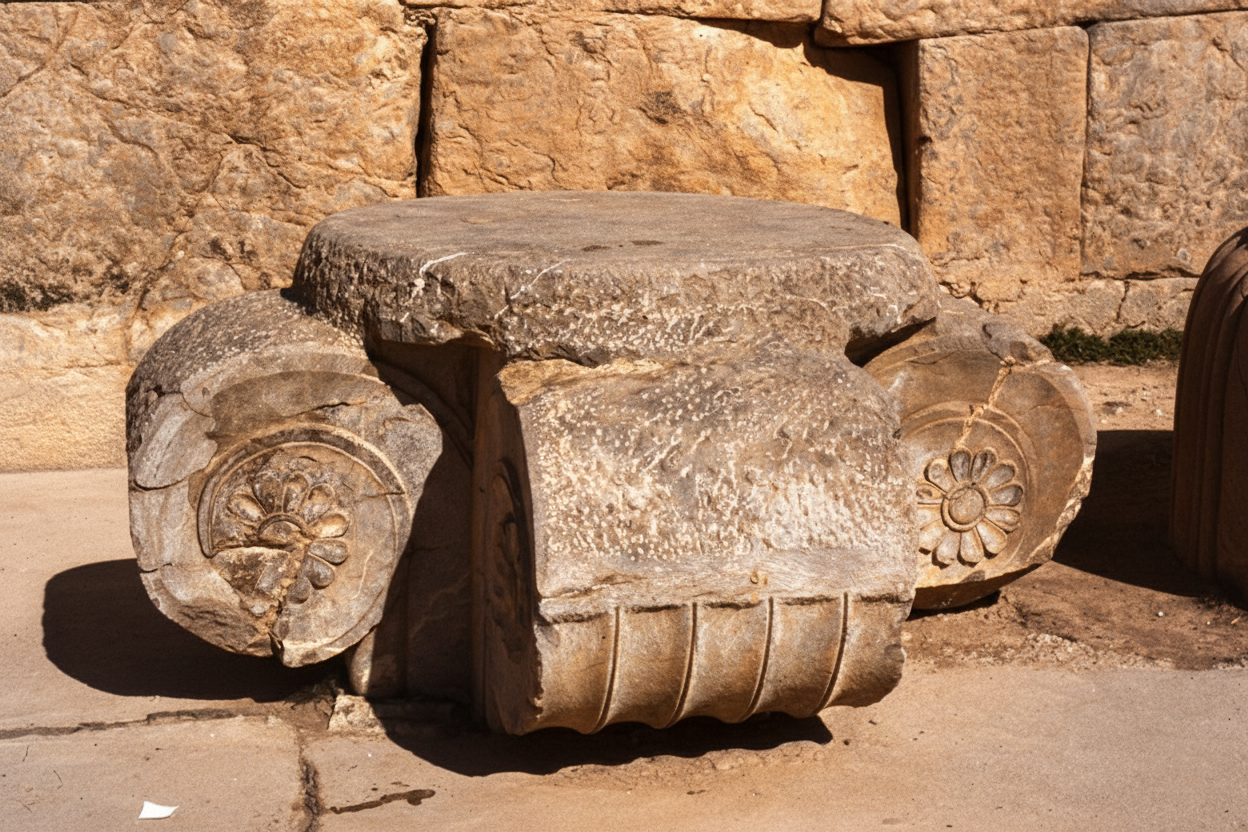
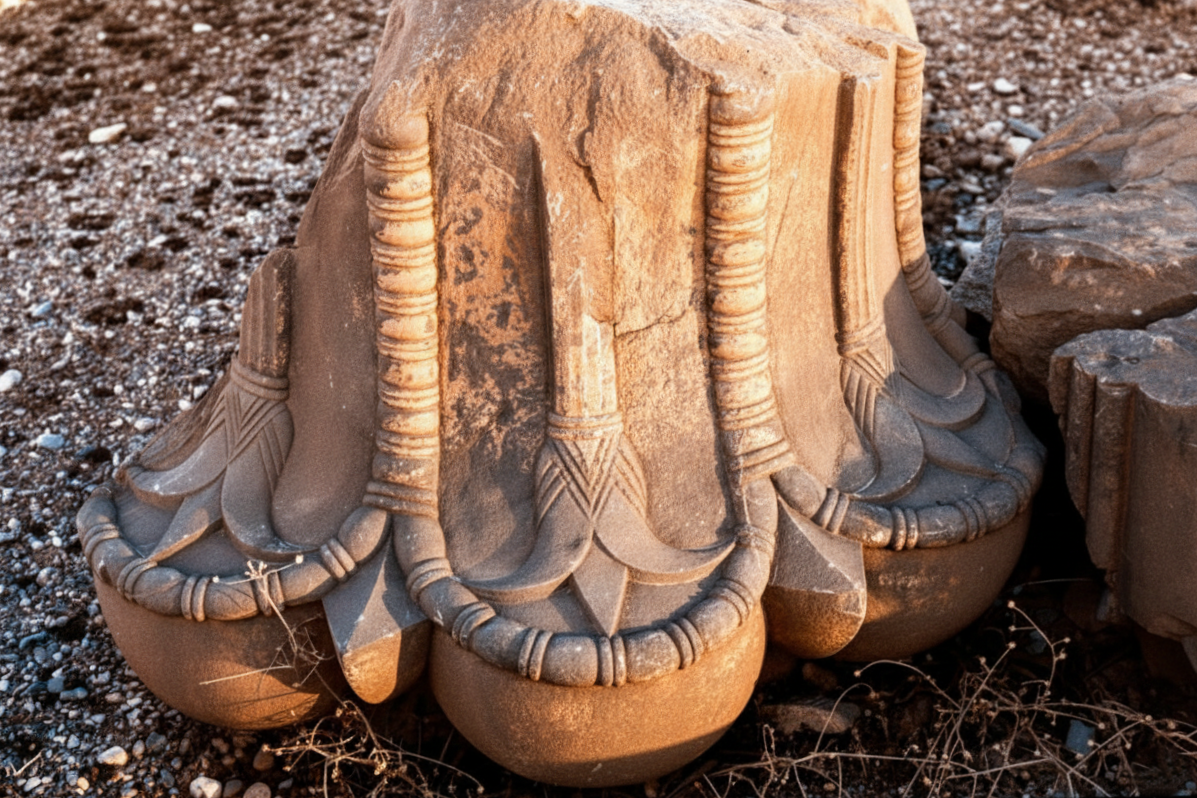
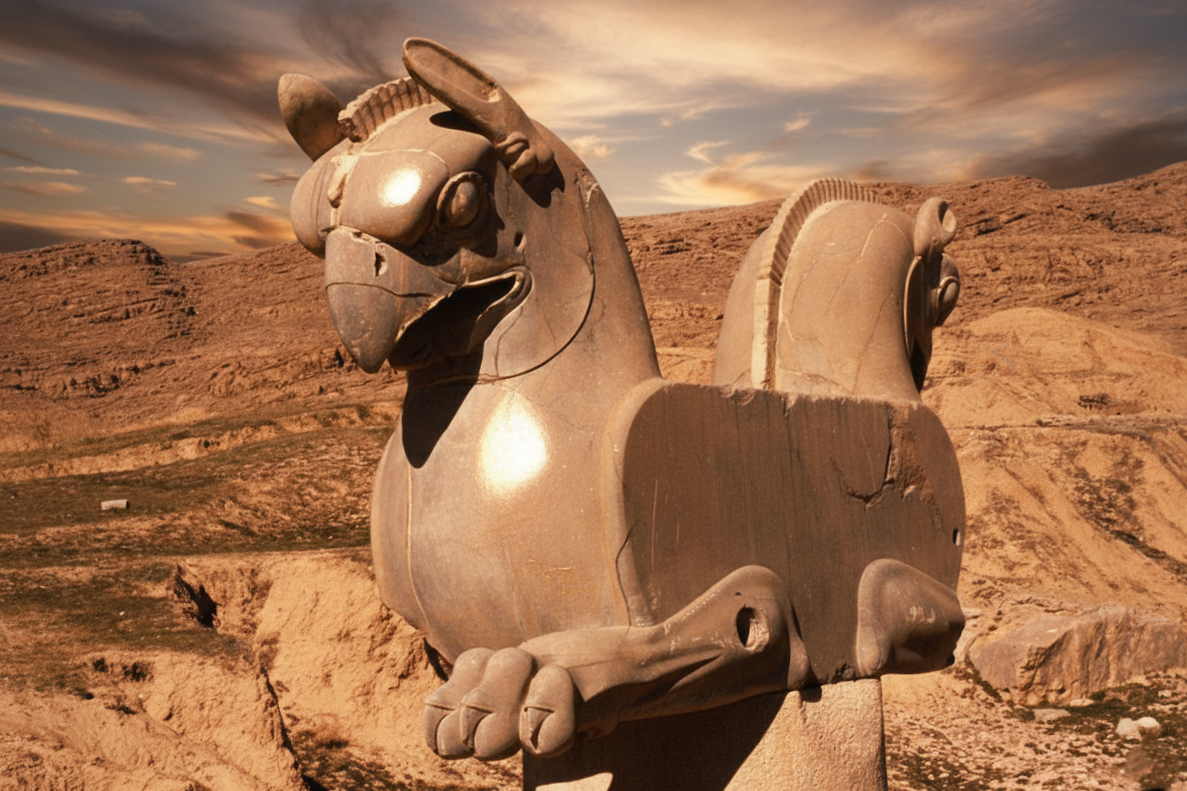
The column capitals of Persepolis are distinctive features of Achaemenid architecture, carved as paired animals such as bulls, lions, or griffins that supported wooden roof beams. Rising atop tall fluted columns, they combined structural function with symbolic power, representing royal authority while reflecting artistic influences from Mesopotamian, Anatolian, and Egyptian traditions.
-
The column capitals of Persepolis are among the most distinctive elements of Achaemenid architecture. Carved from massive stone blocks, these capitals typically take the form of paired animals—most commonly bulls, lions, or griffins—whose projecting backs supported the wooden roof beams of palace halls.
Rising atop tall fluted columns that could reach nearly twenty meters in height, the capitals combined structural efficiency with symbolic meaning. The powerful animal forms represented protection, strength, and royal authority while simultaneously serving a practical architectural function.
These sculptural capitals illustrate the Achaemenid synthesis of artistic traditions drawn from Mesopotamian, Anatolian, and Egyptian influences. Through this integration of engineering and symbolism, the columns of Persepolis transformed structural supports into monumental works of art that defined the imperial complex's visual identity.
