Cuneiform Inscriptions at Persepolis (کتیبههای میخی تخت جمشید)
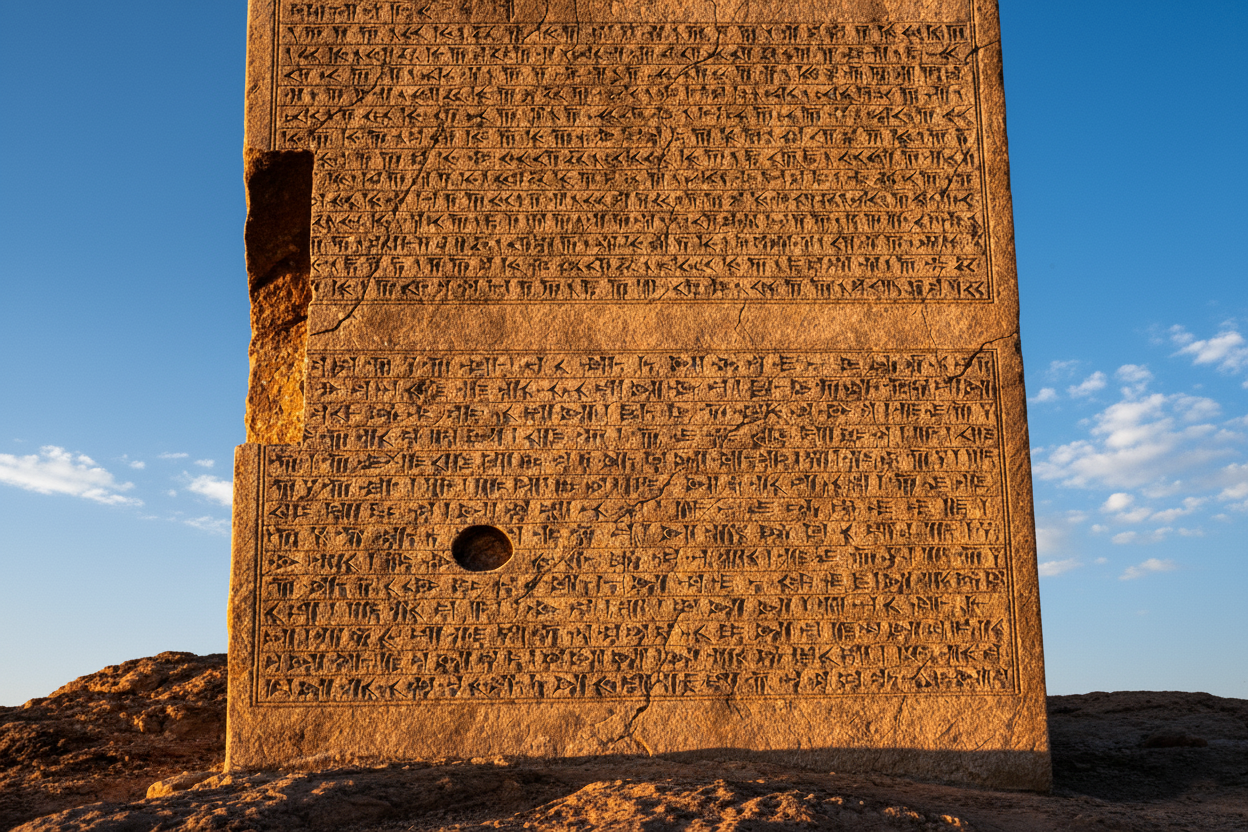
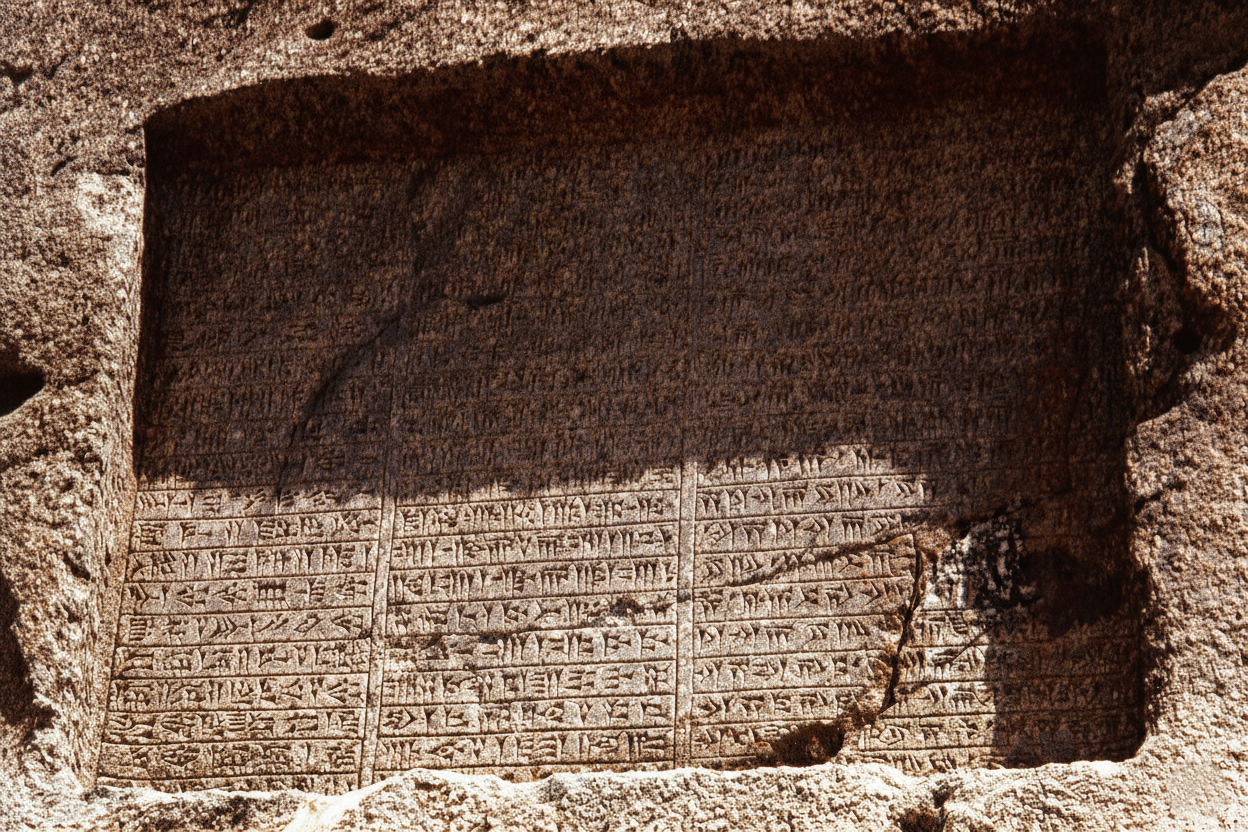
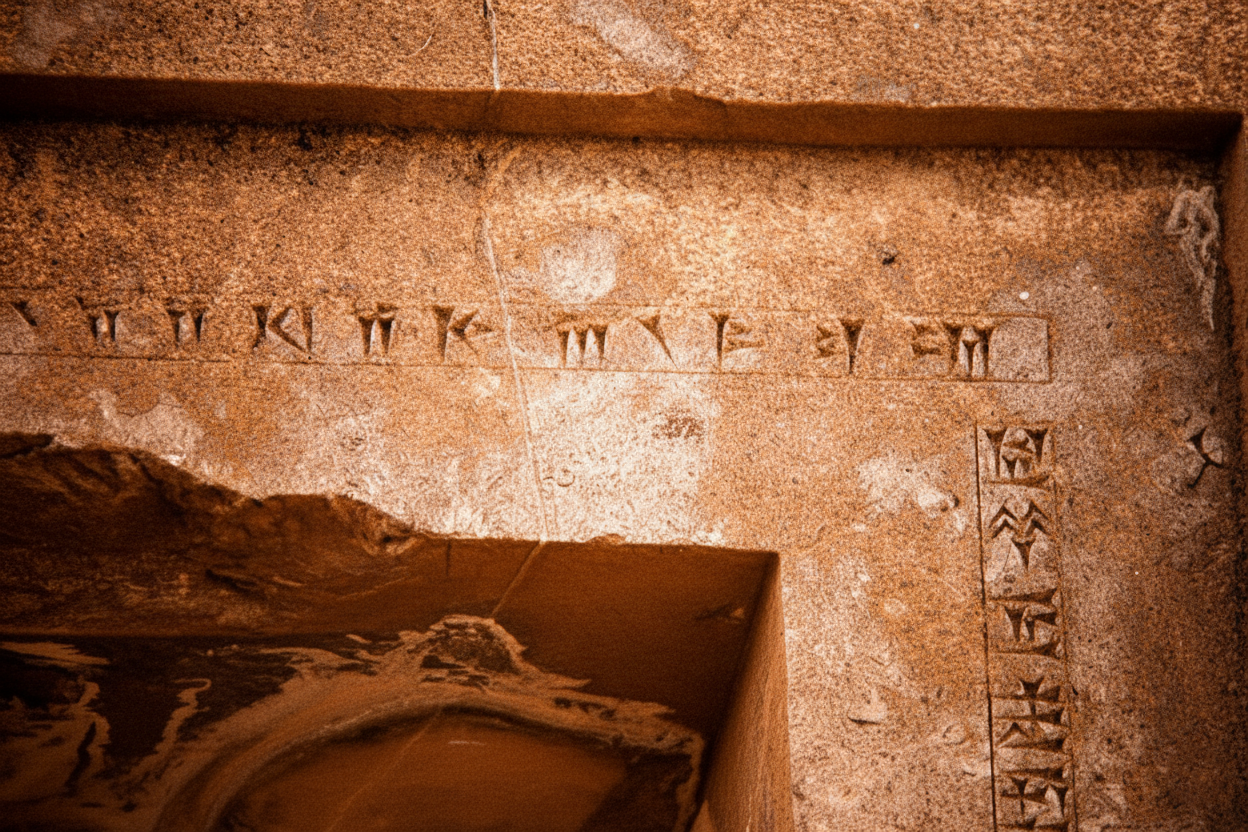
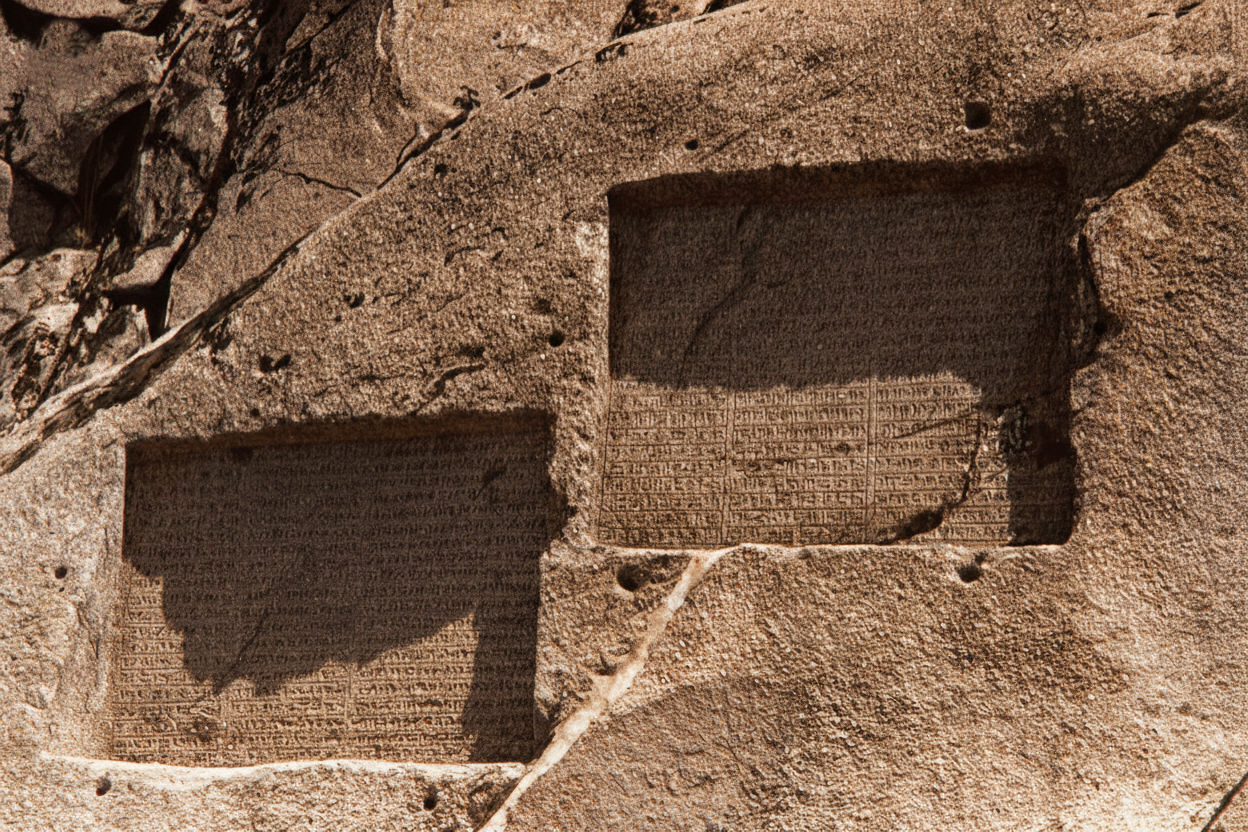
Cuneiform inscriptions at Persepolis, carved during the reign of Darius I and his successors, are key records of the Achaemenid Empire. Written in Old Persian, Elamite, and Babylonian, they proclaim royal authority and divine legitimacy. Integrated into palace entrances and stairways, these inscriptions served as enduring statements of imperial power and governance.
-
Cuneiform inscriptions carved throughout the palaces and gateways of Persepolis are among the most important written records of the Achaemenid Empire. These inscriptions were engraved during the reigns of Darius I (داریوش بزرگ) and his successors in the 5th century BCE.
Written in three languages—Old Persian, Elamite, and Babylonian—the inscriptions typically record royal proclamations, building dedications, and acknowledgments of divine authority granted by Ahura Mazda (اهورامزدا).
Beyond their historical value, the inscriptions were also integrated into the complex's architectural design. Positioned at entrances, staircases, and palace façades, the carefully carved wedge-shaped characters served as permanent declarations of imperial power and legitimacy.
Through their precise craftsmanship and enduring stone surfaces, the cuneiform inscriptions ensured that the voice of the Achaemenid kings would resonate across centuries.
