Persepolis Wall Reliefs
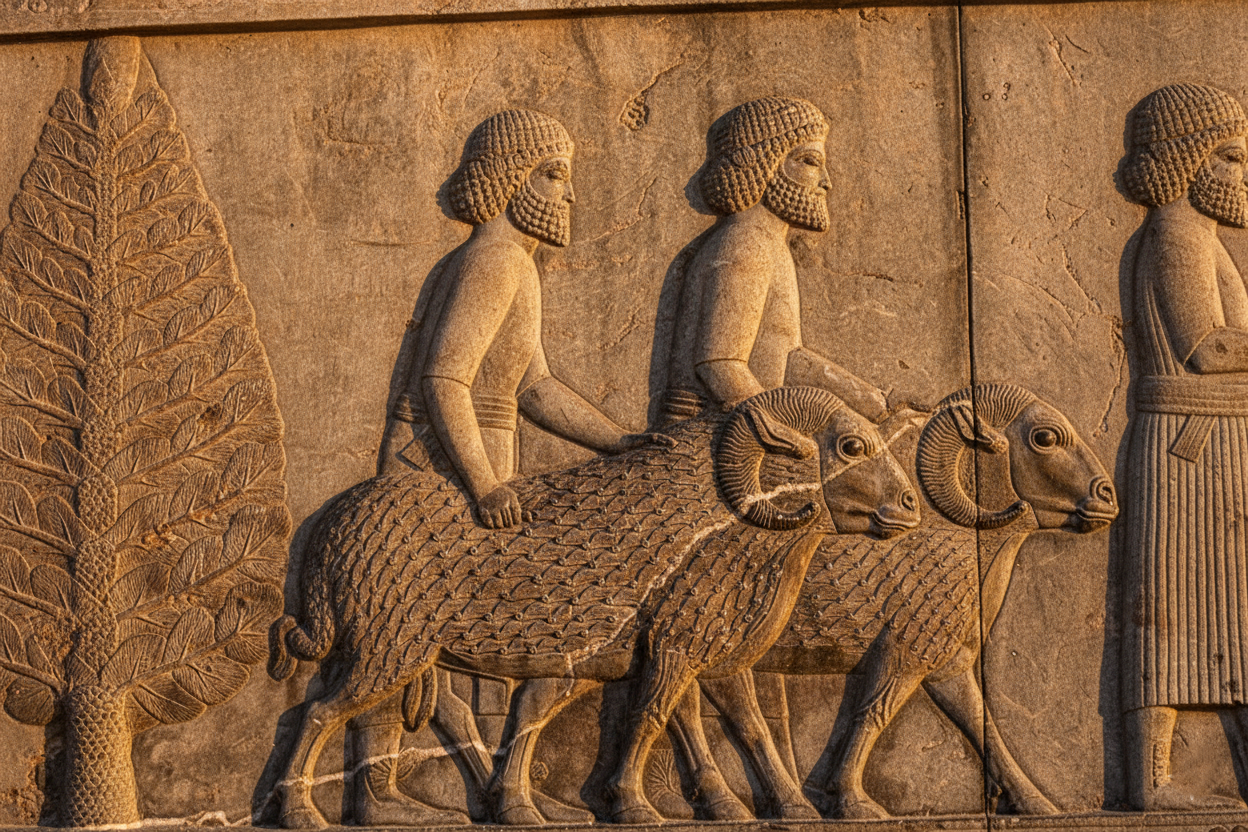
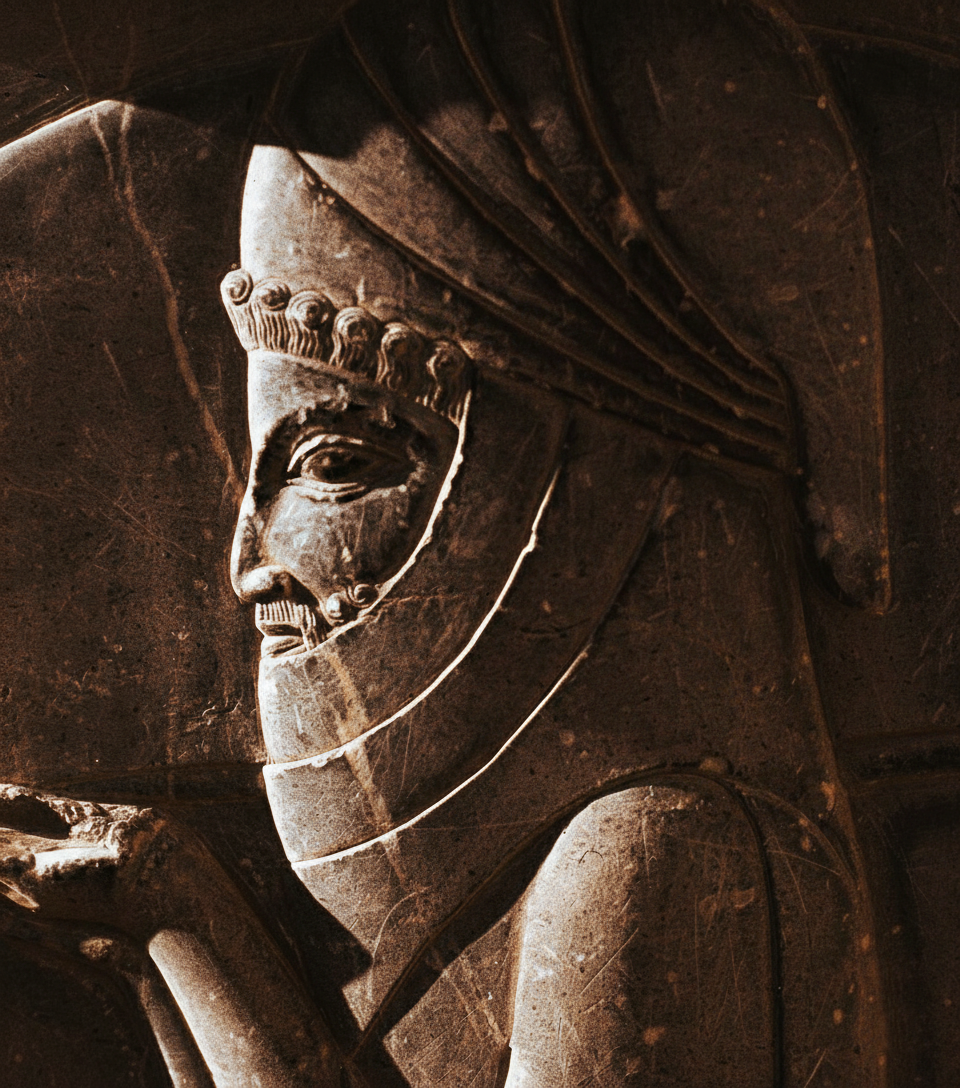
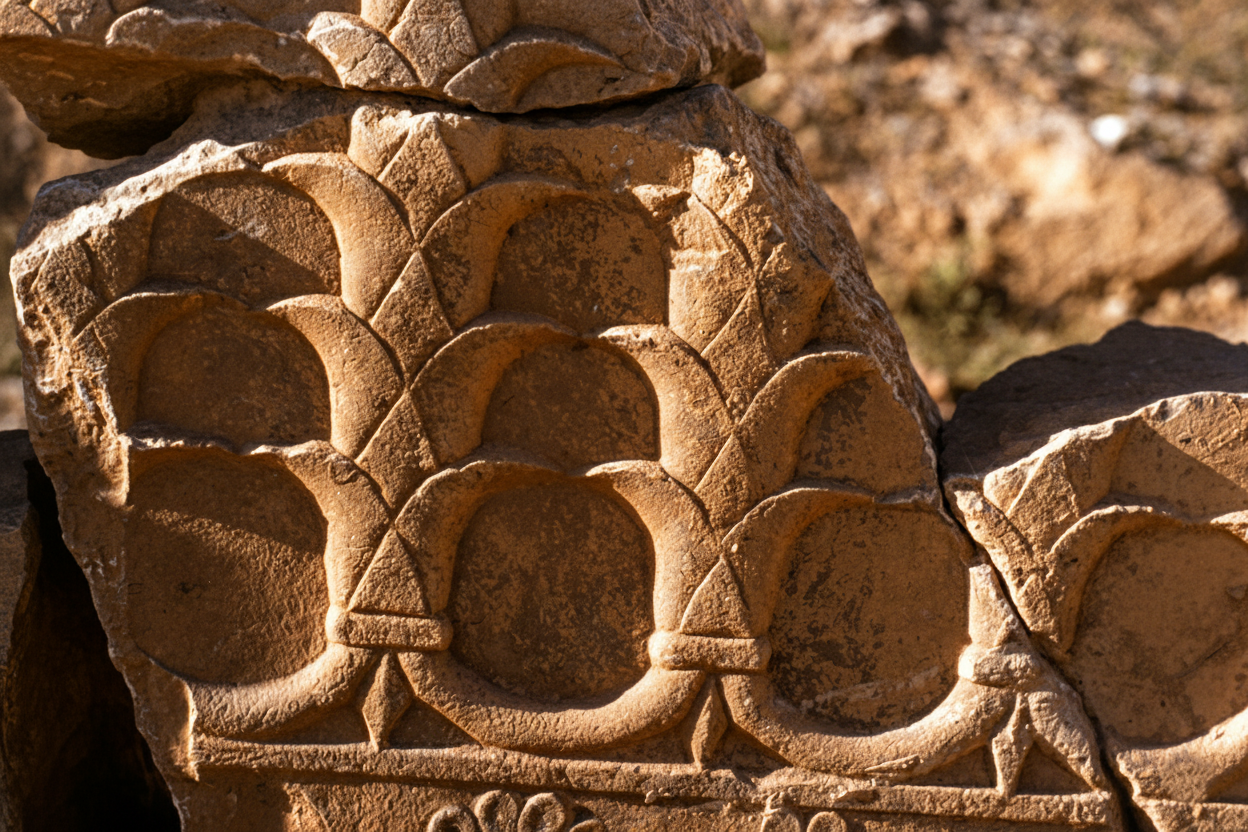
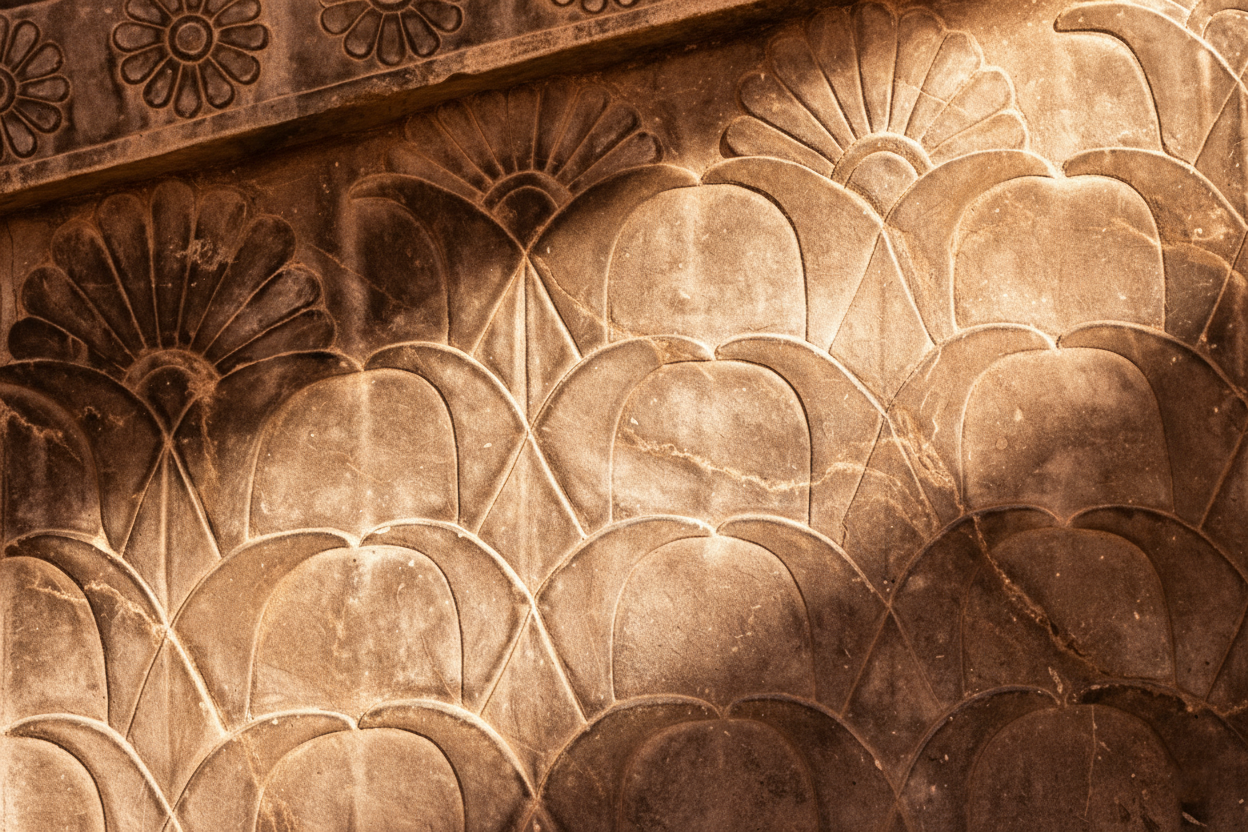
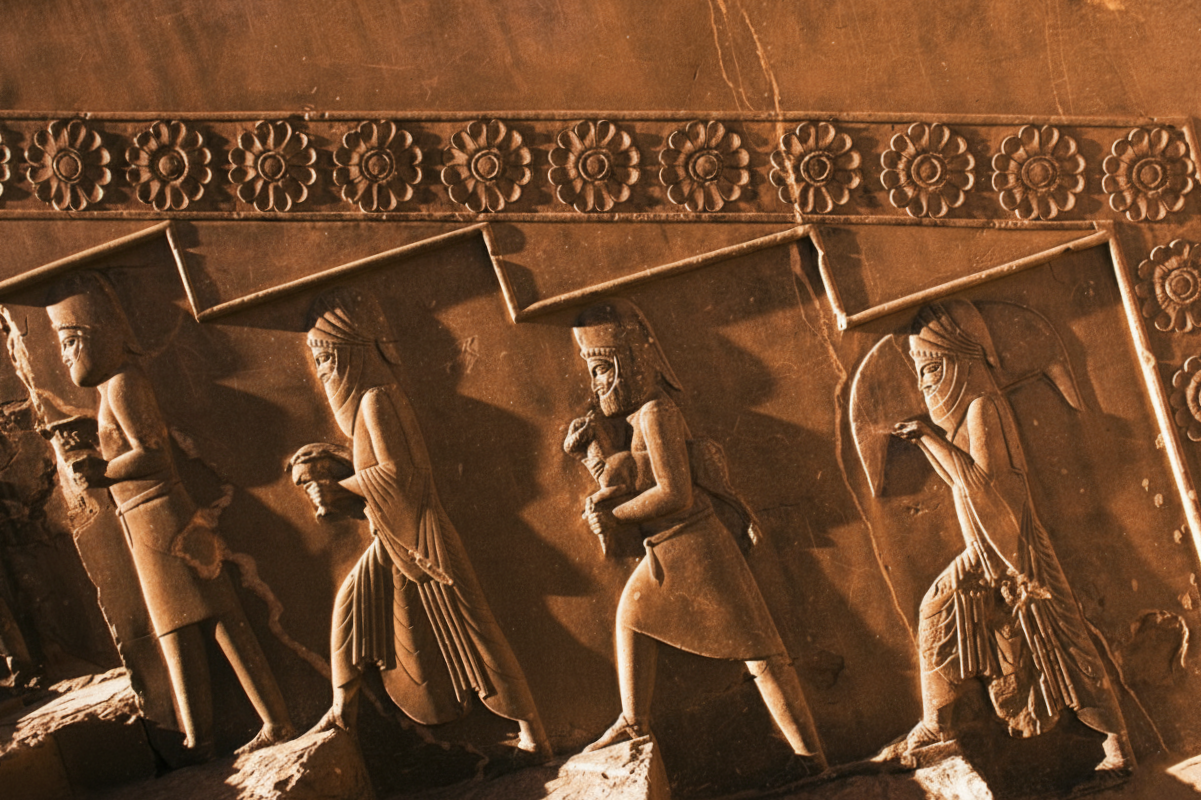
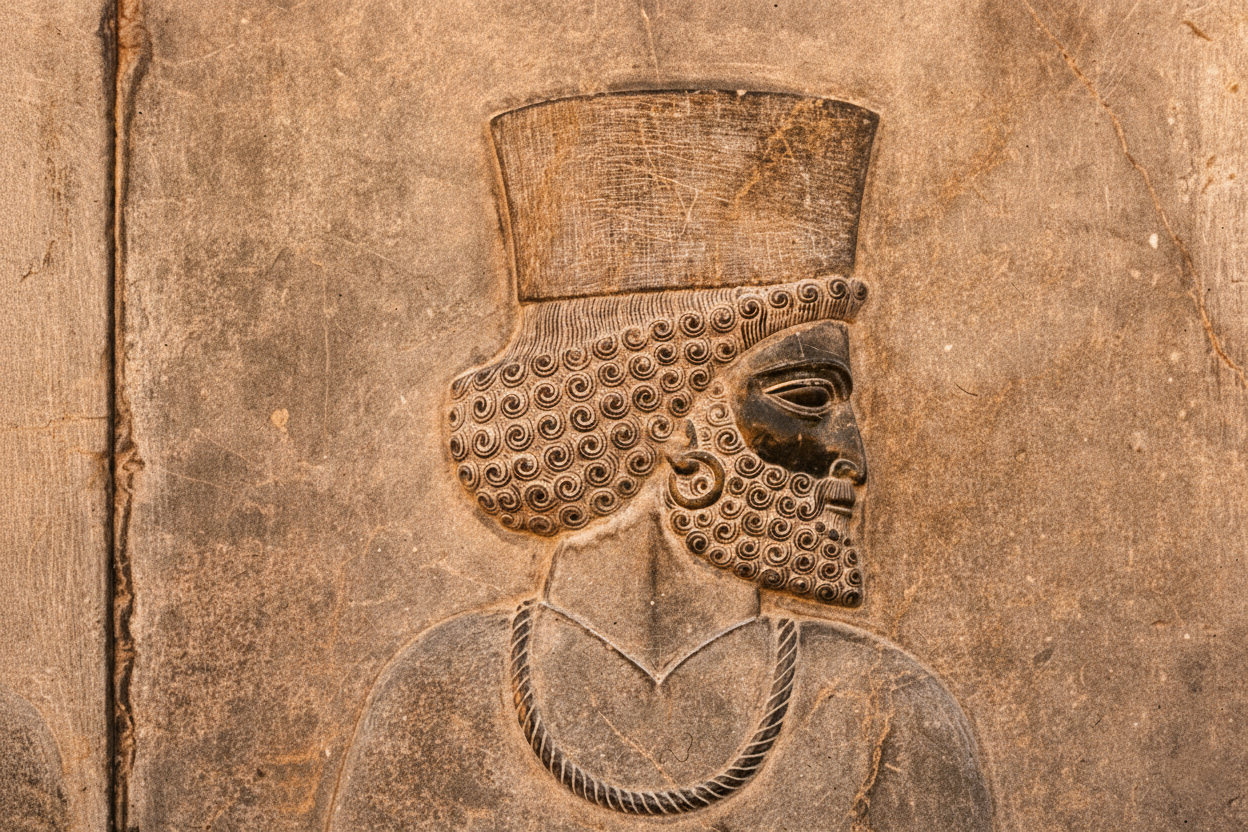
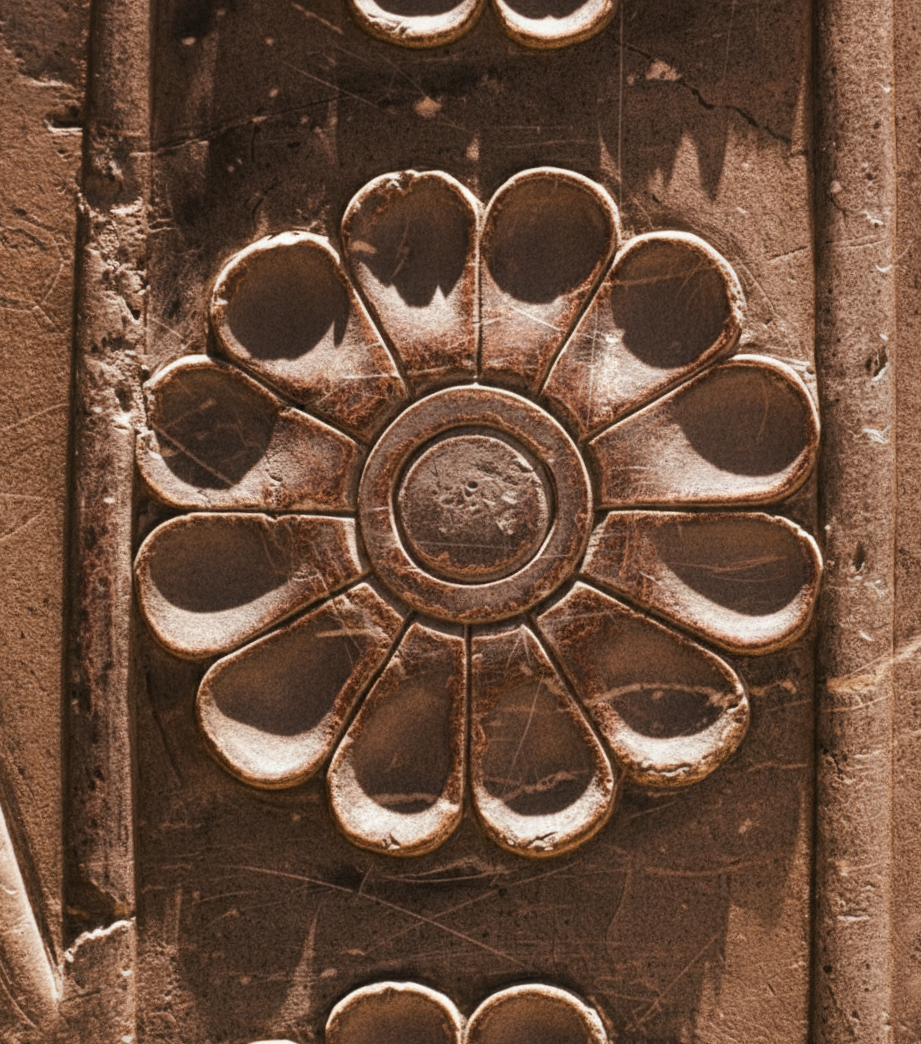
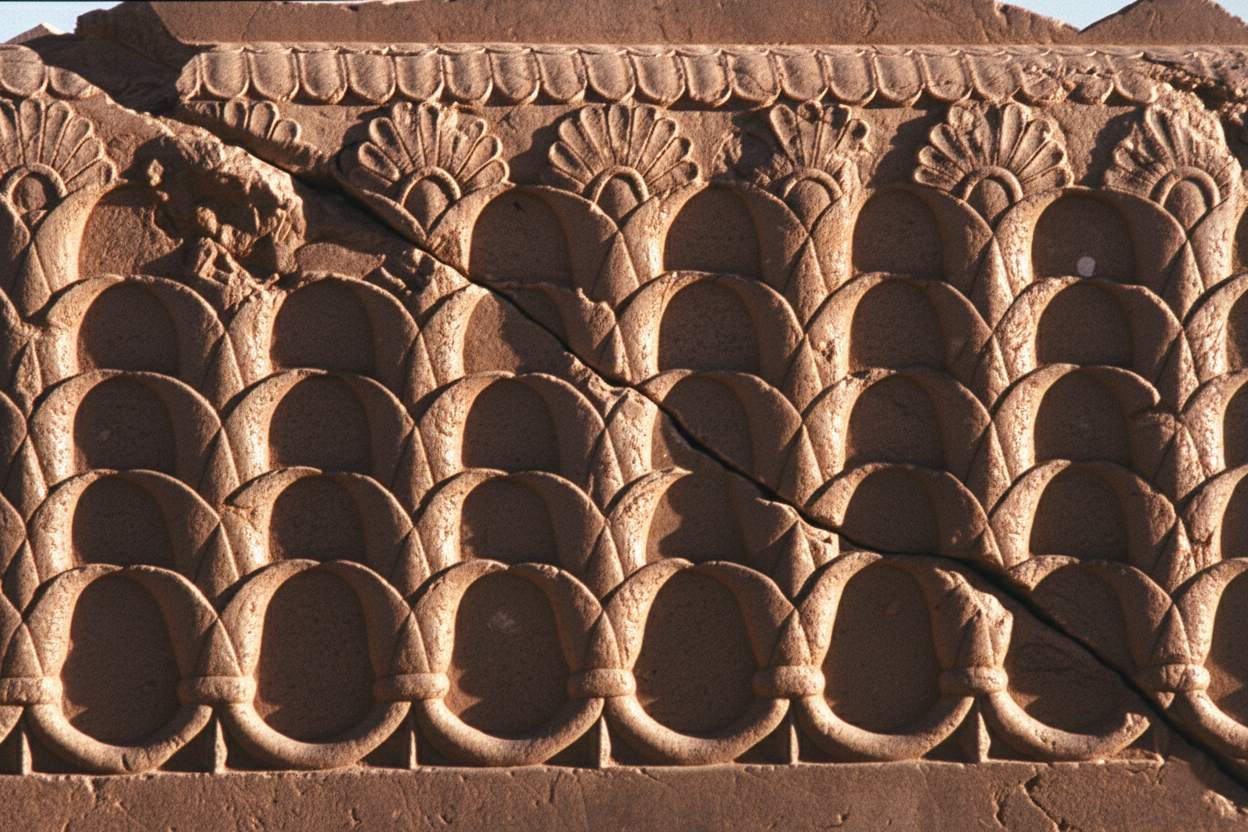
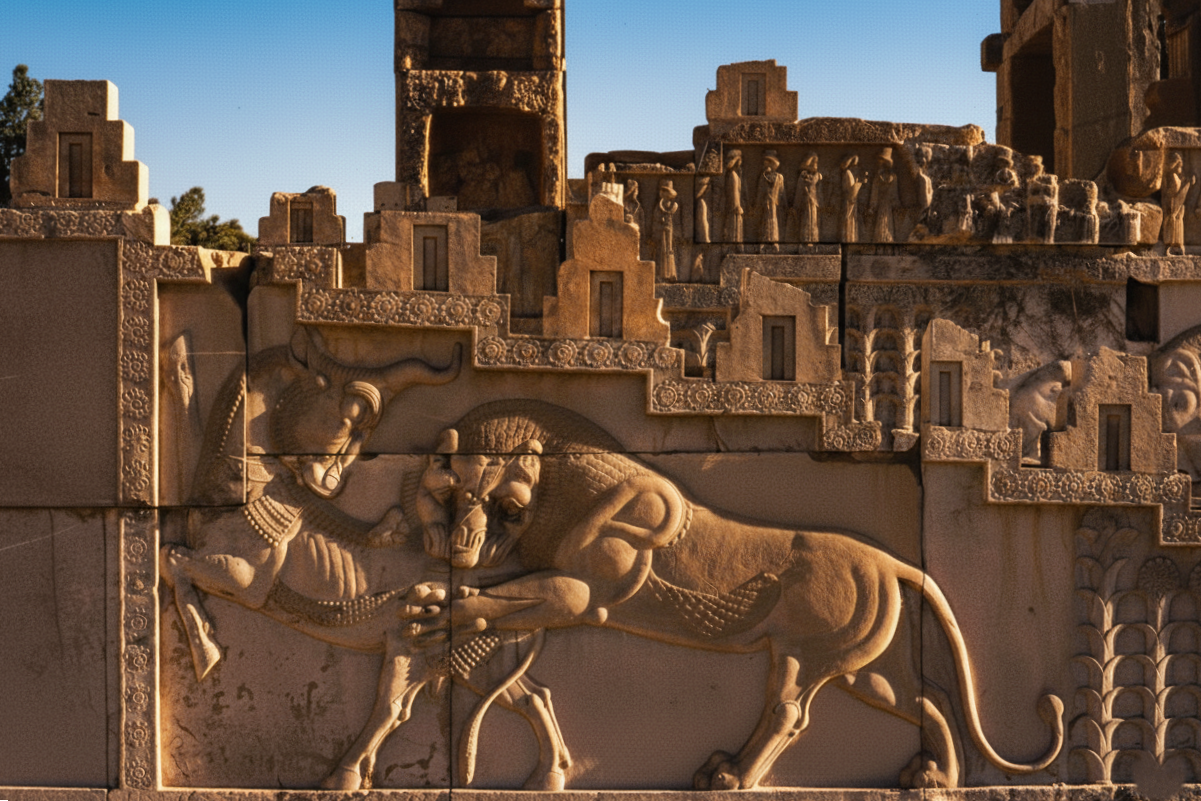
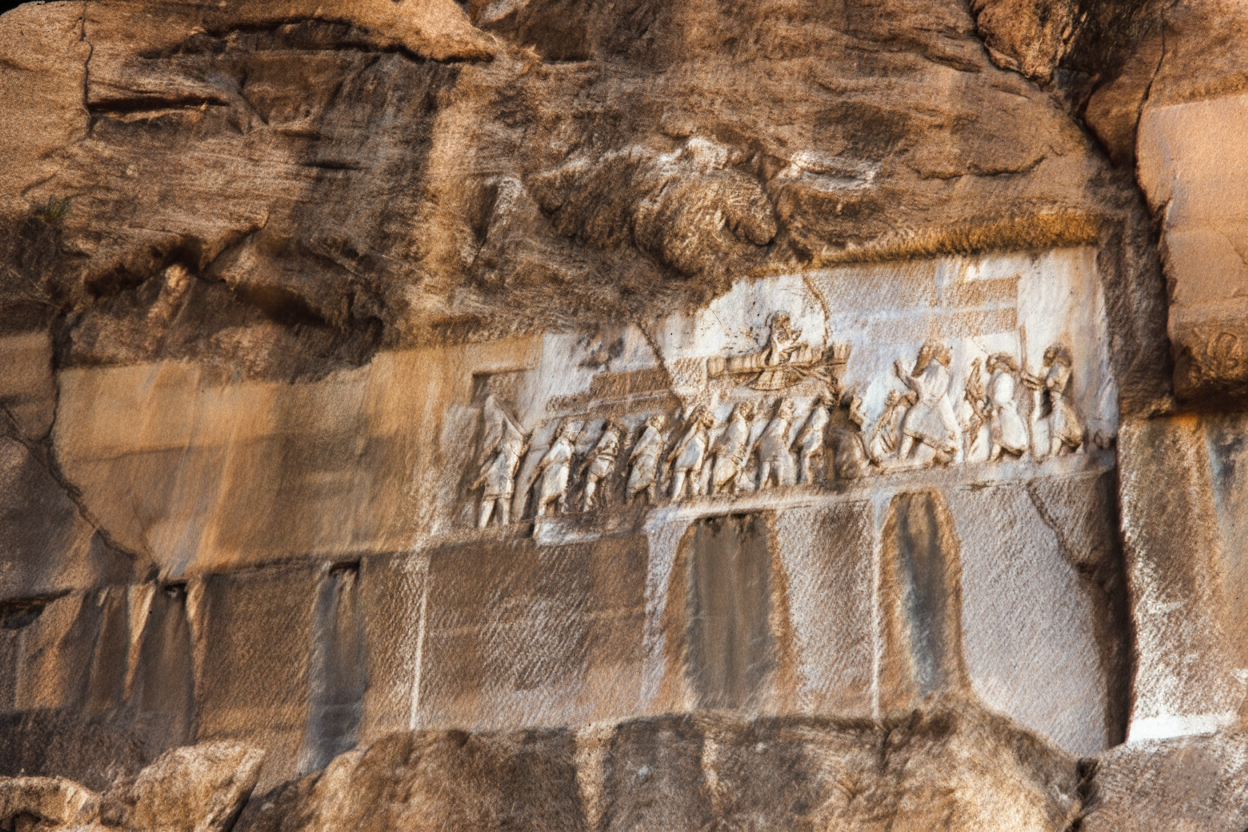
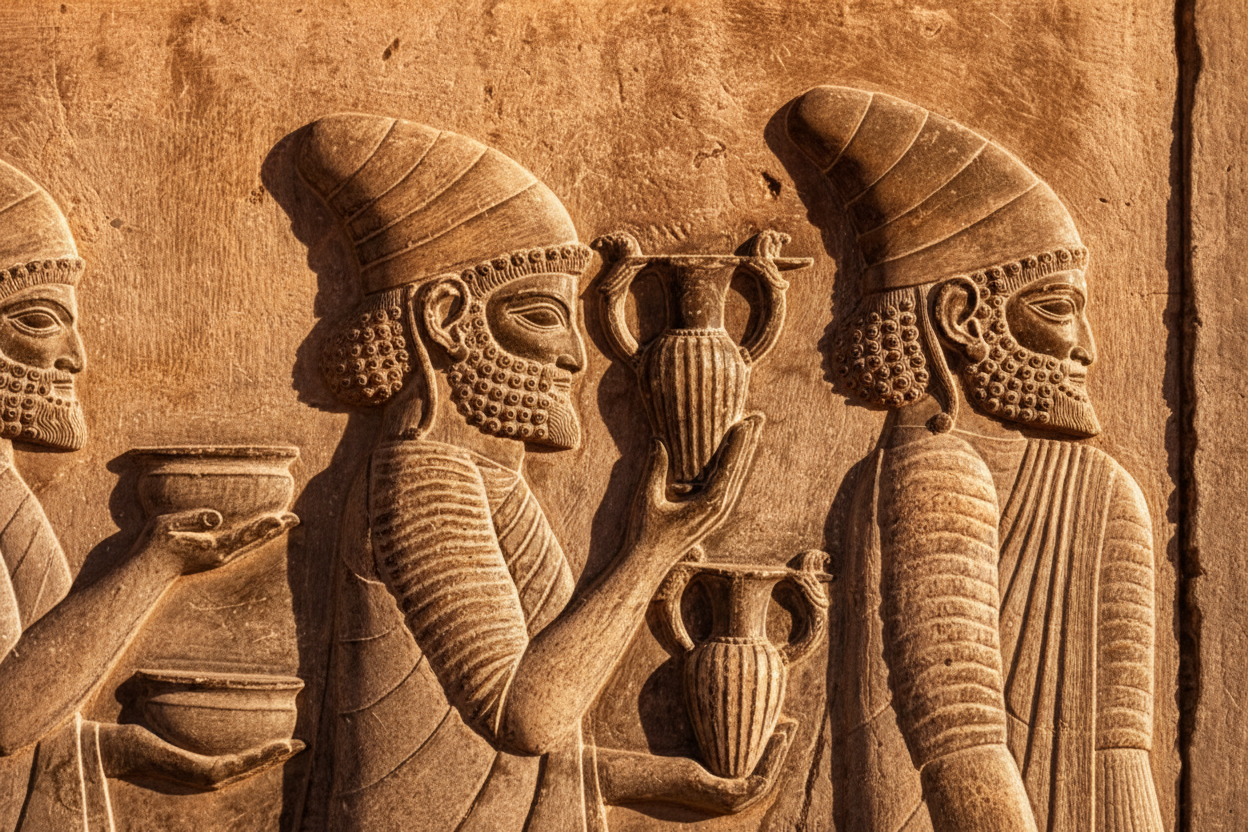
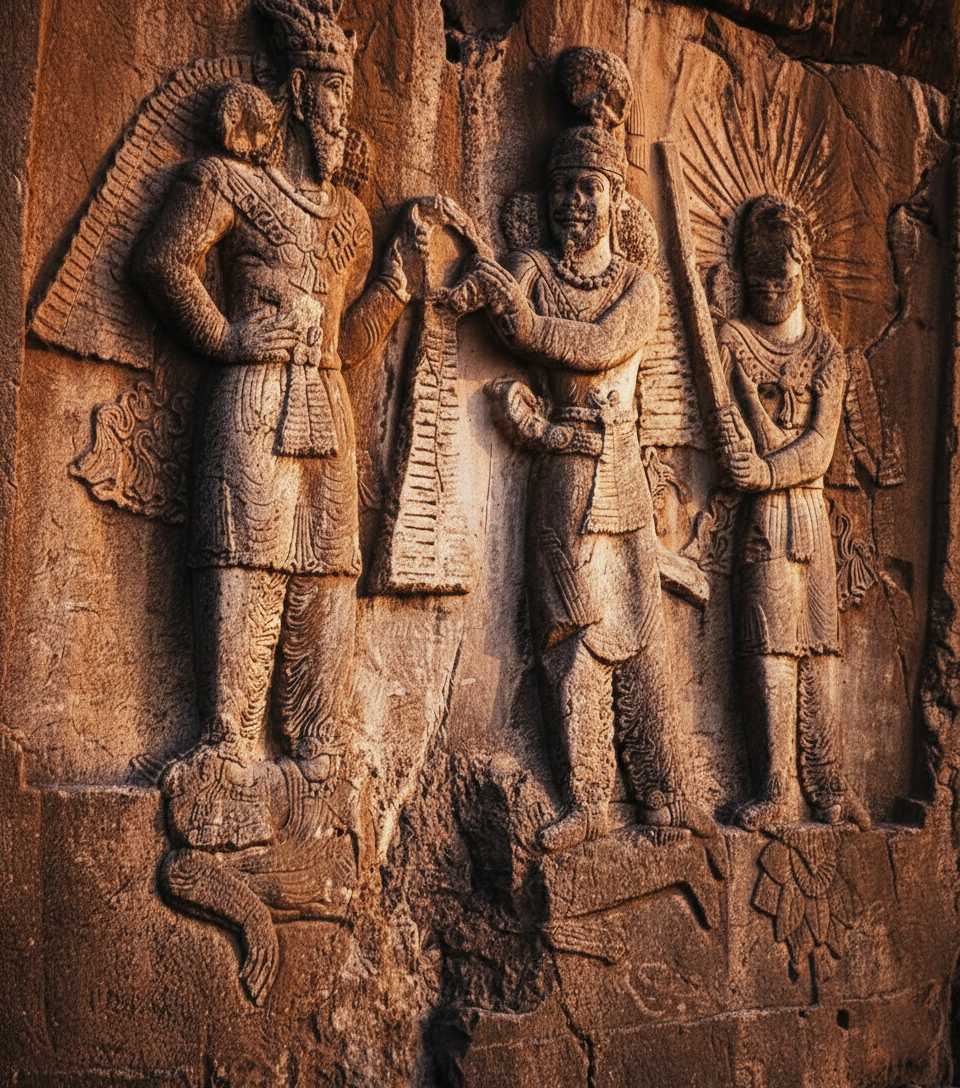
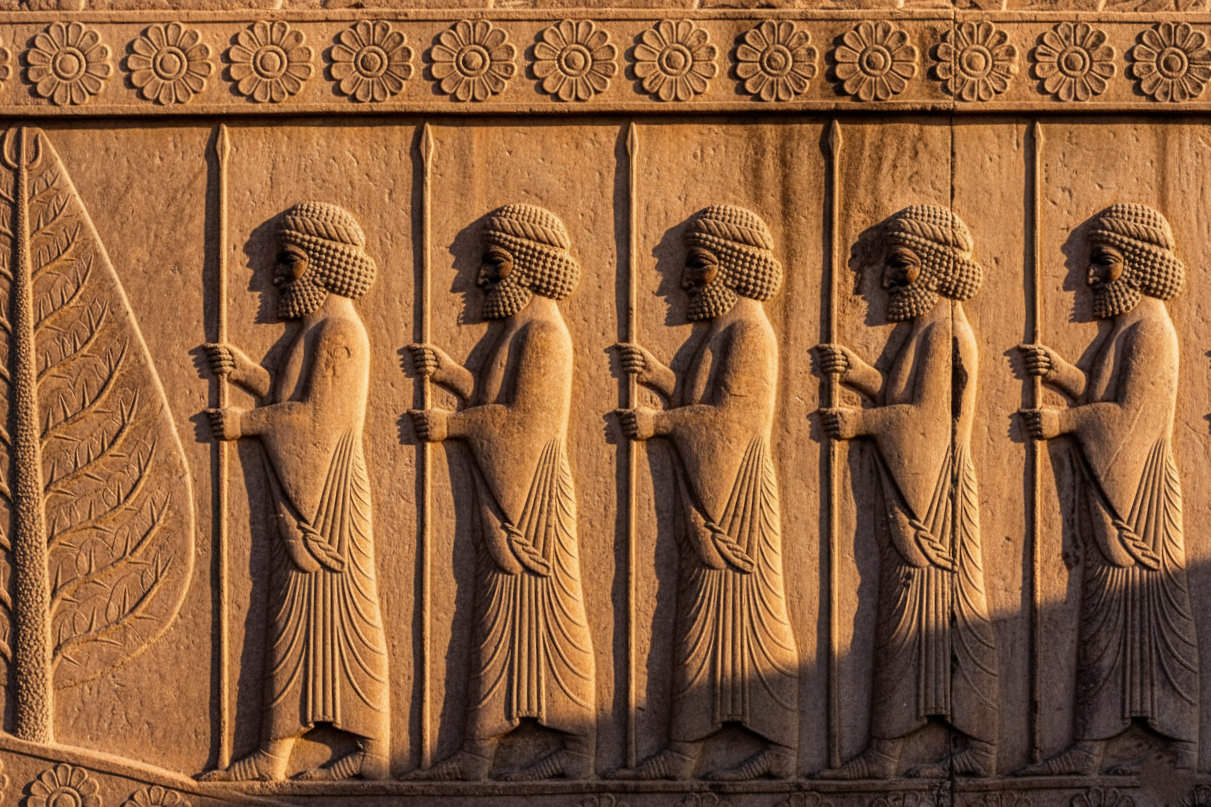
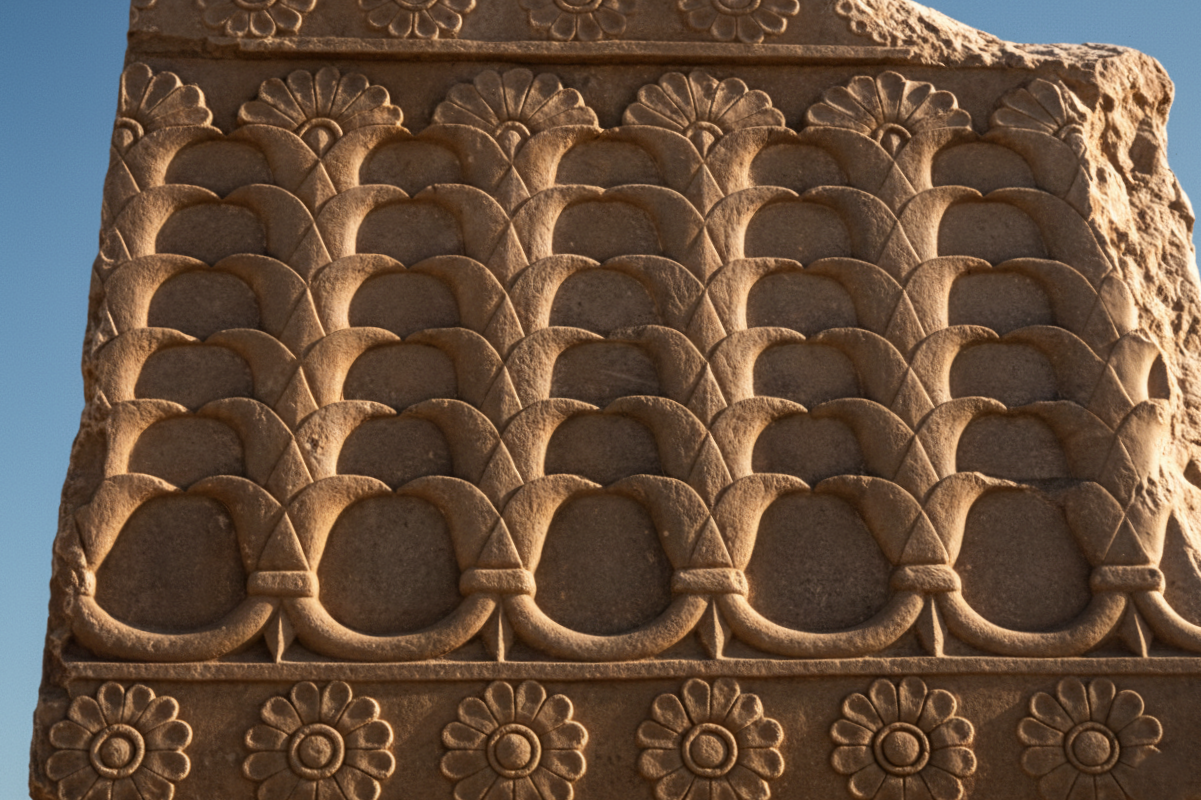
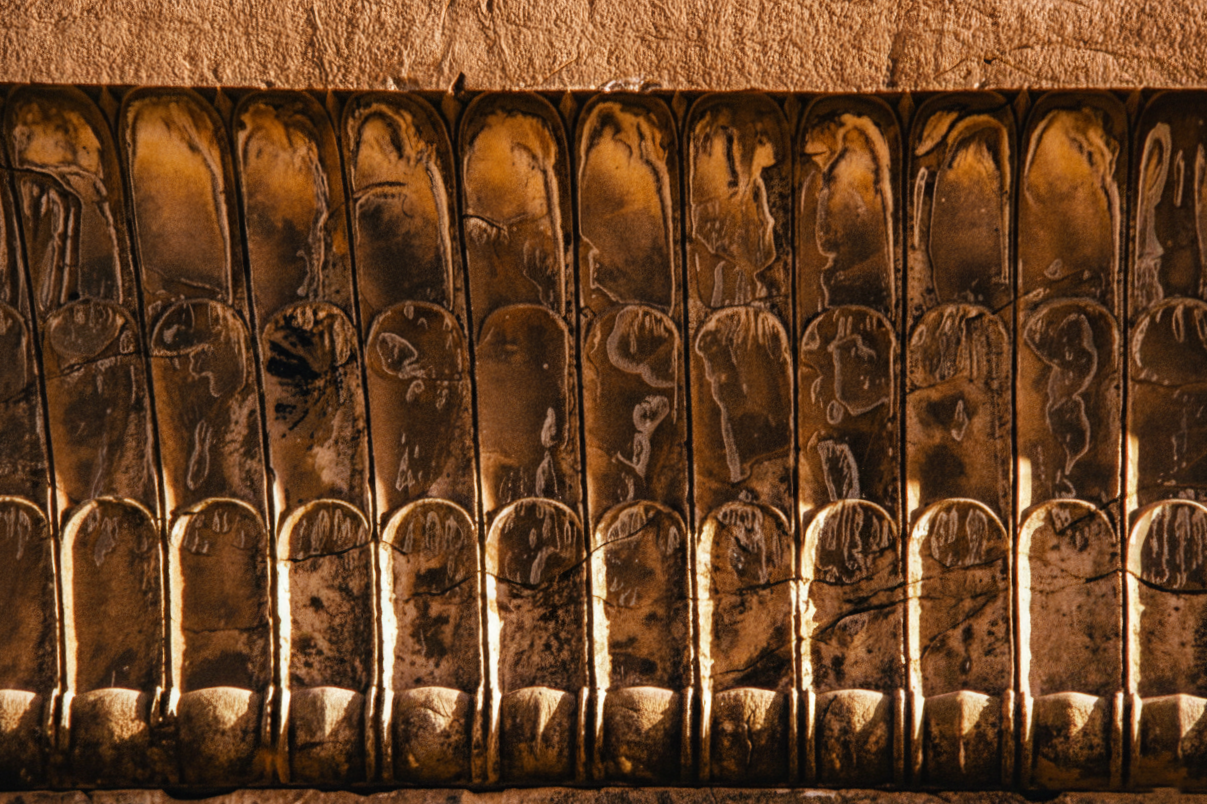
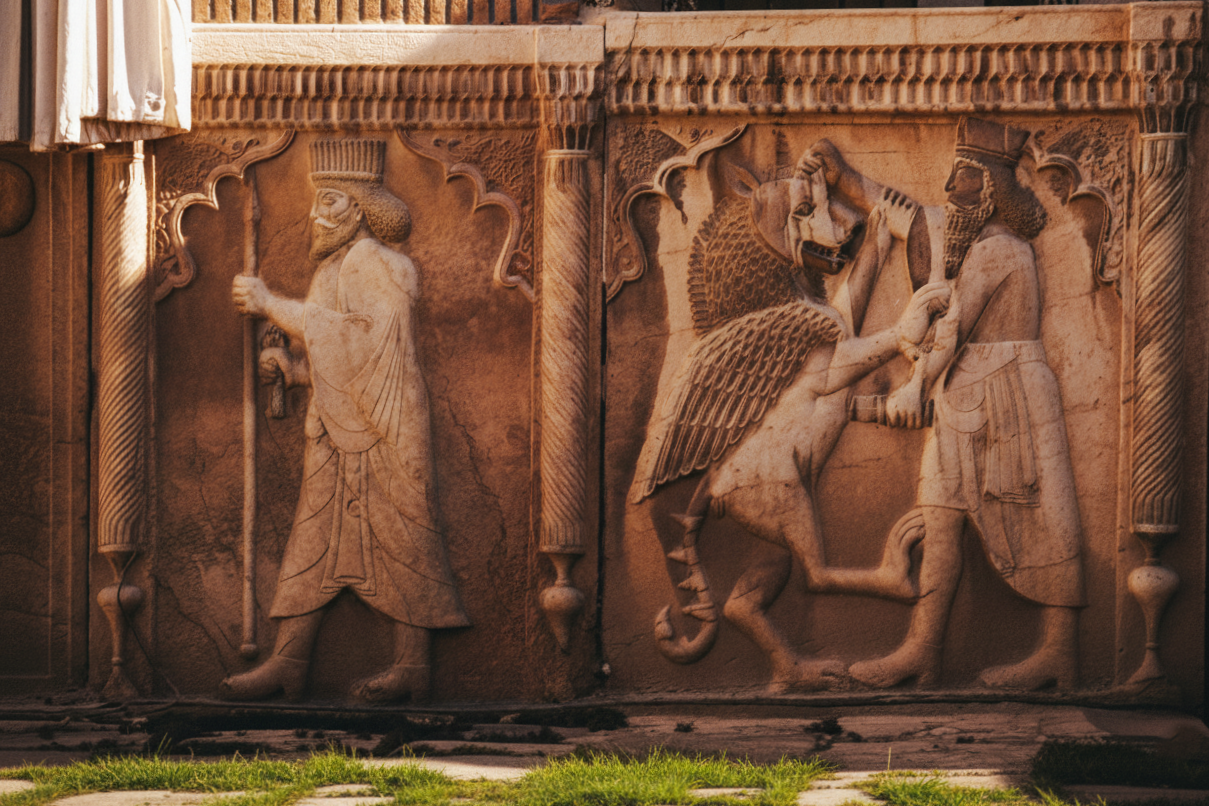
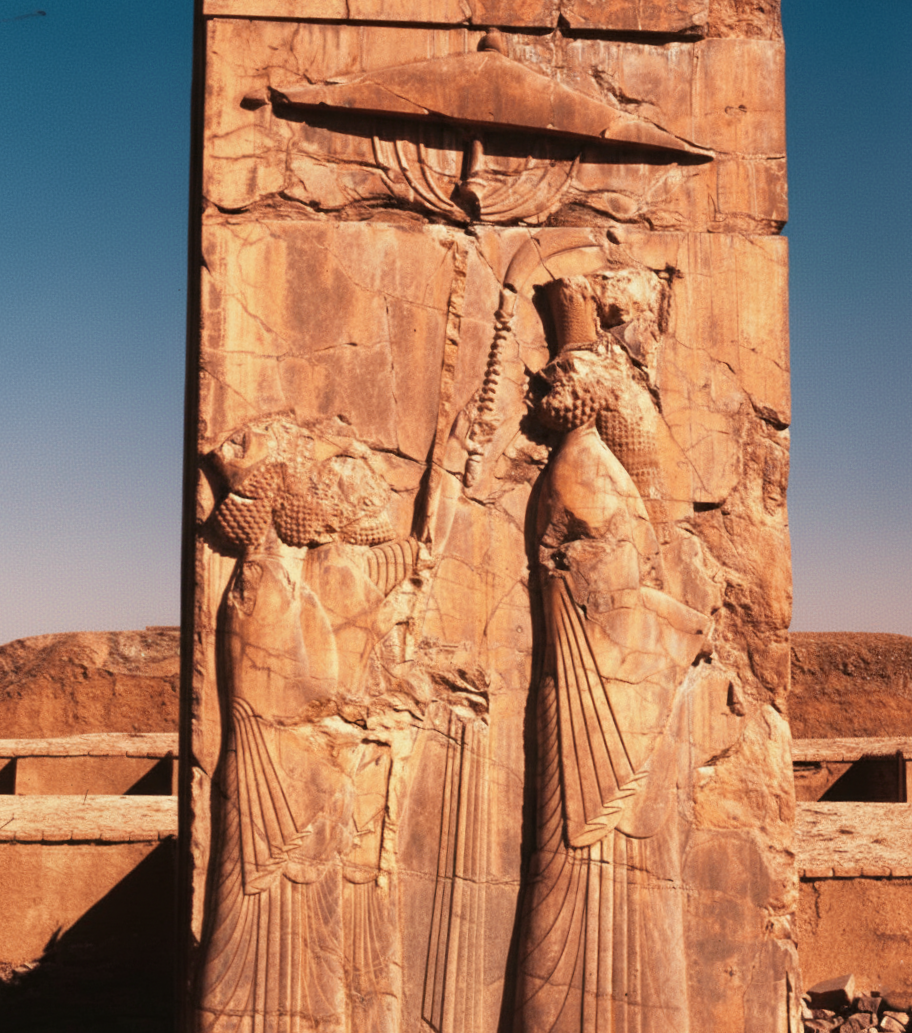
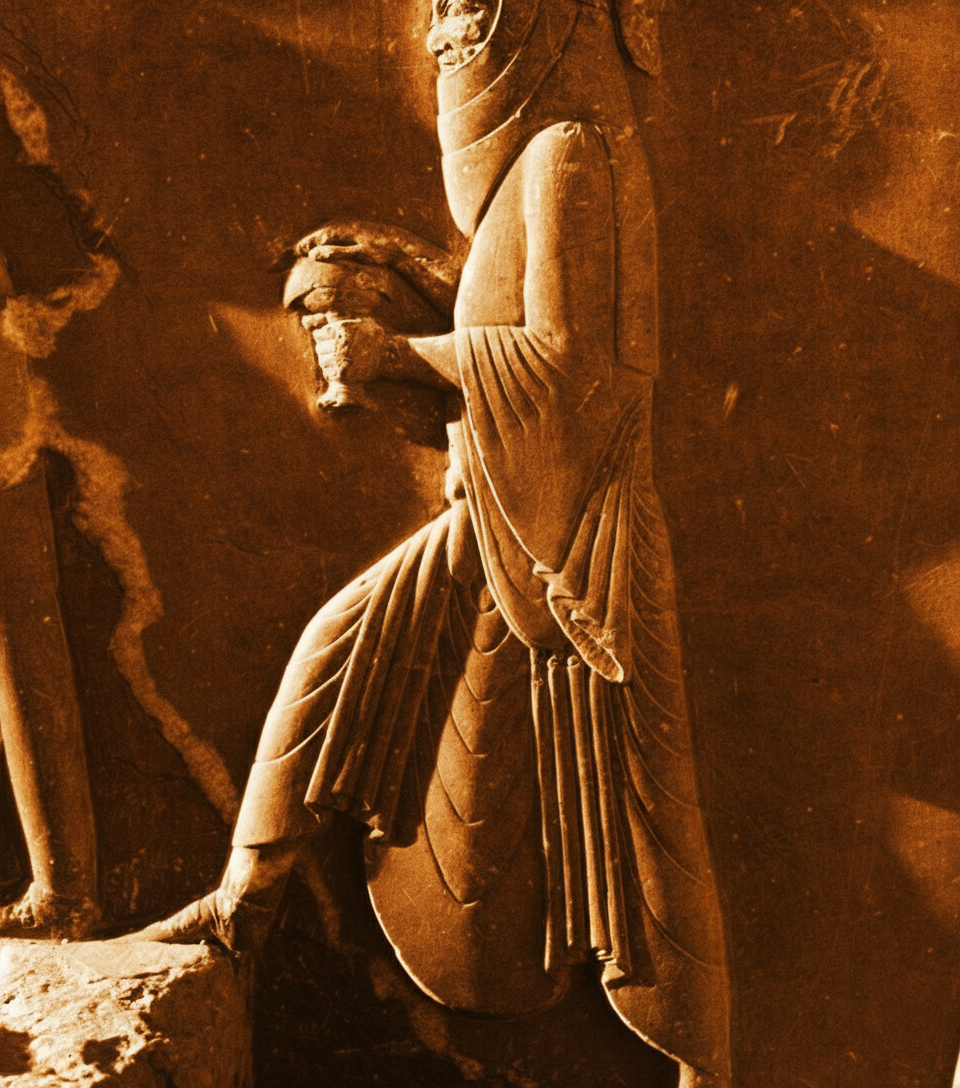
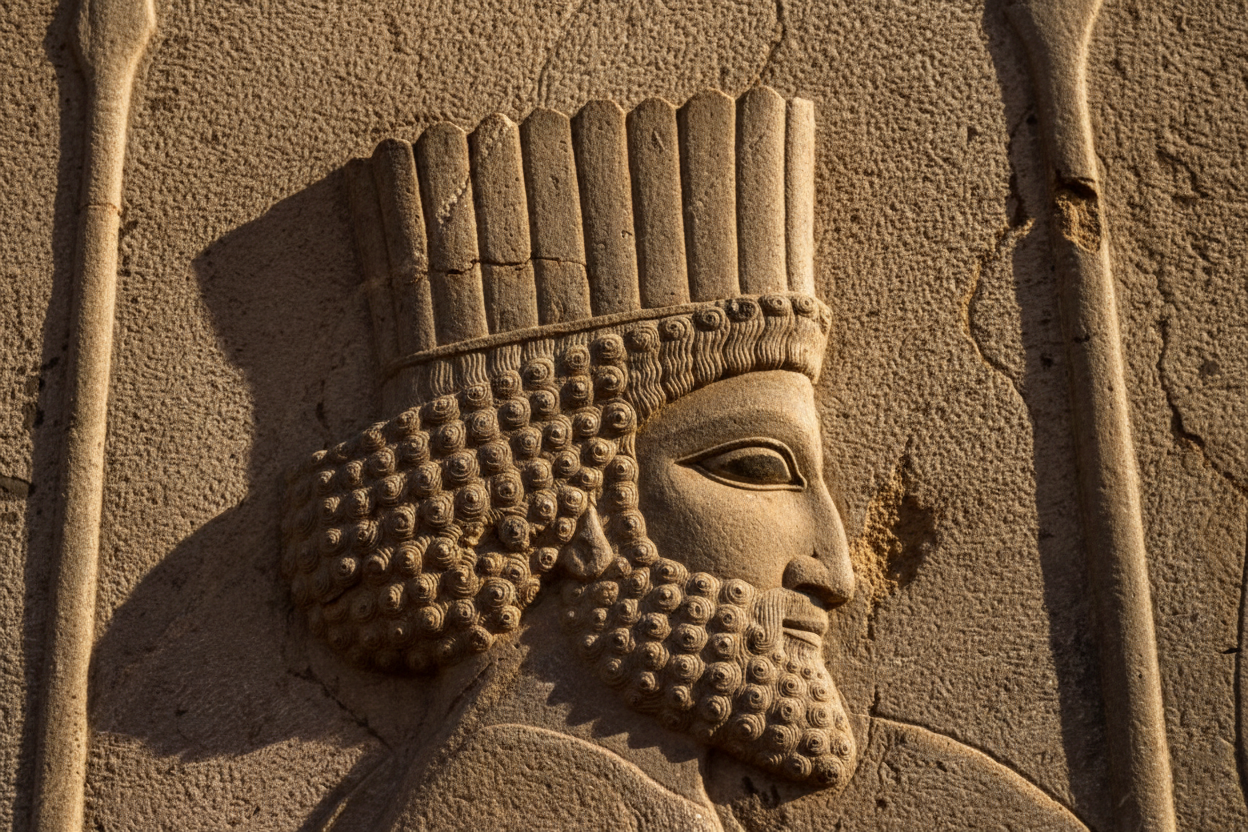
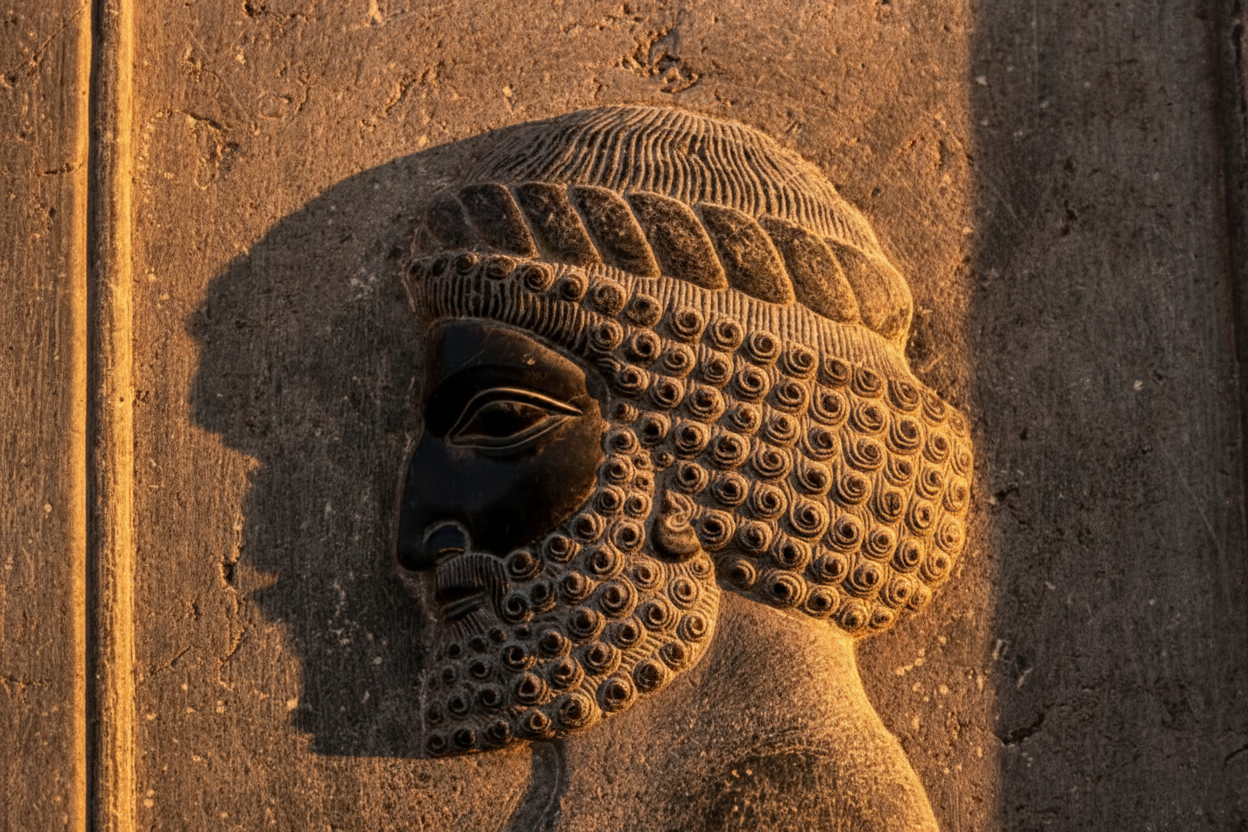
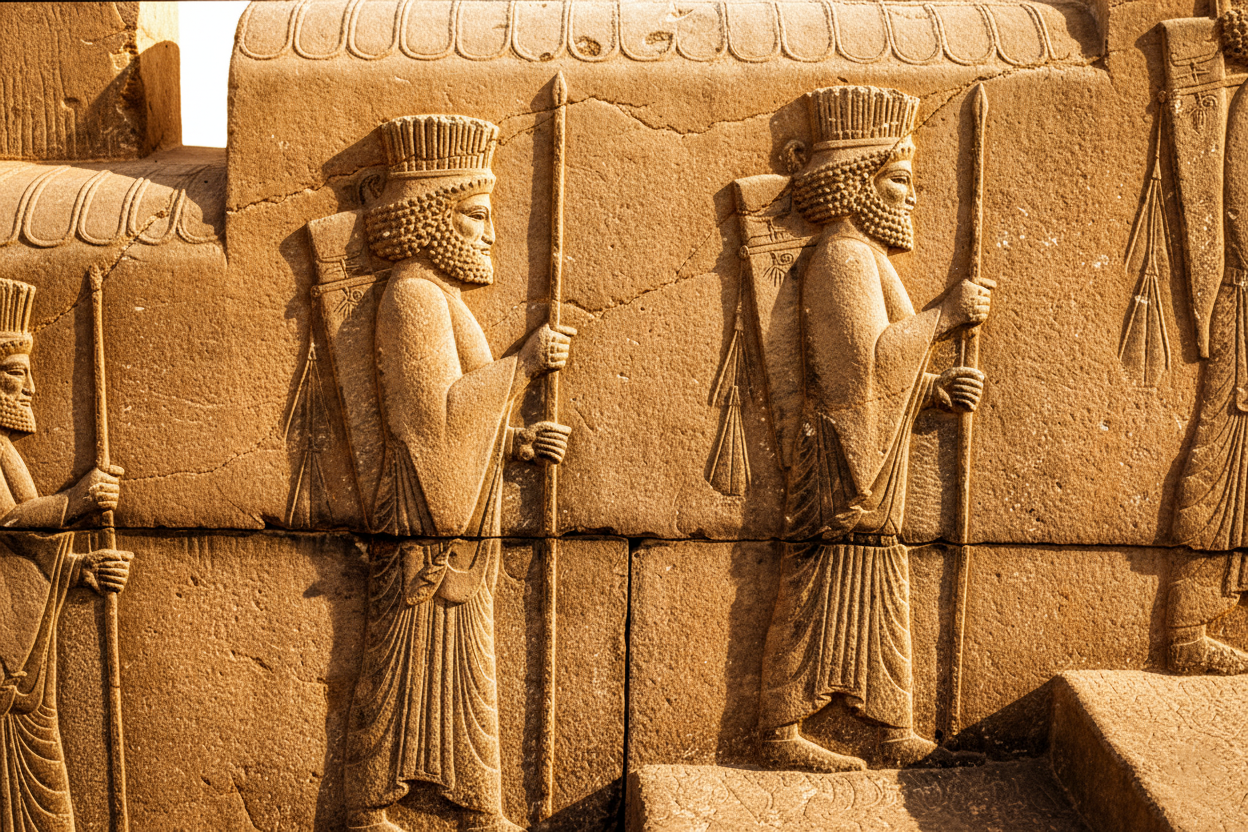
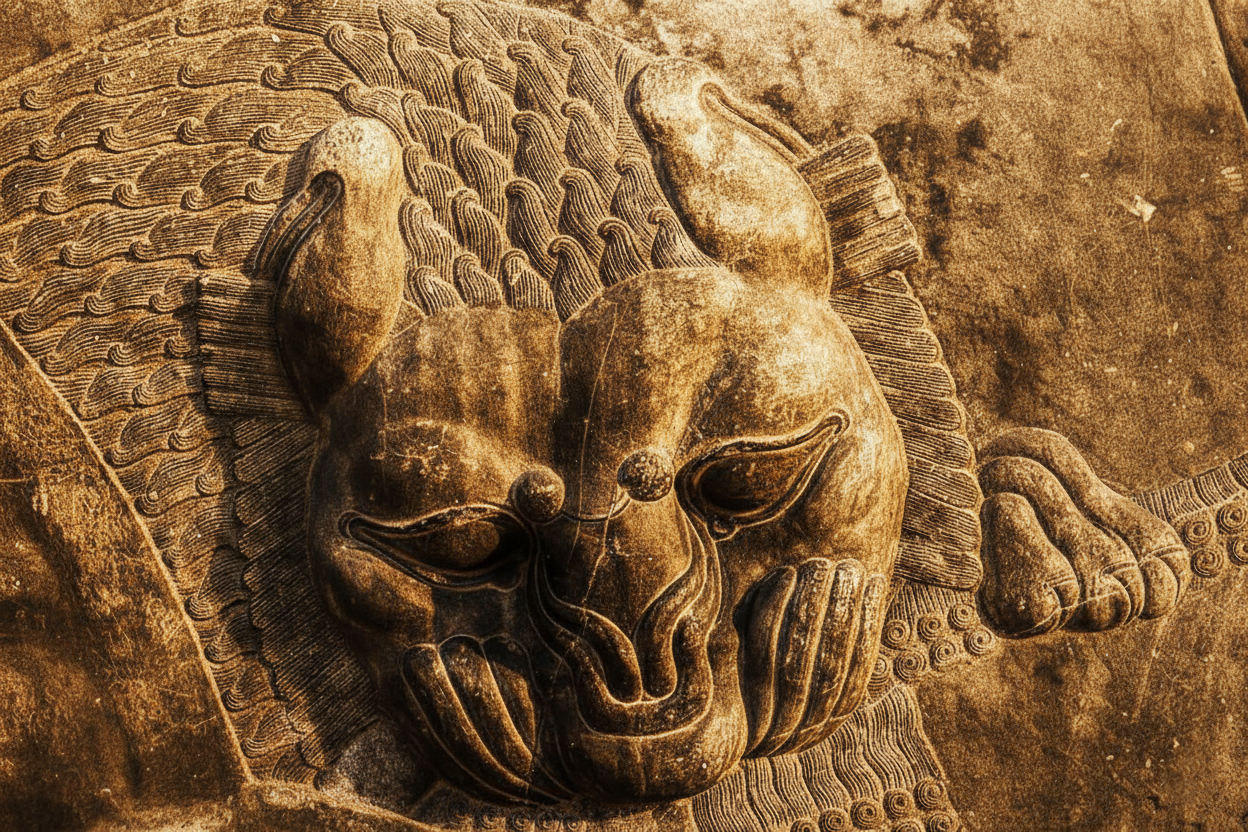
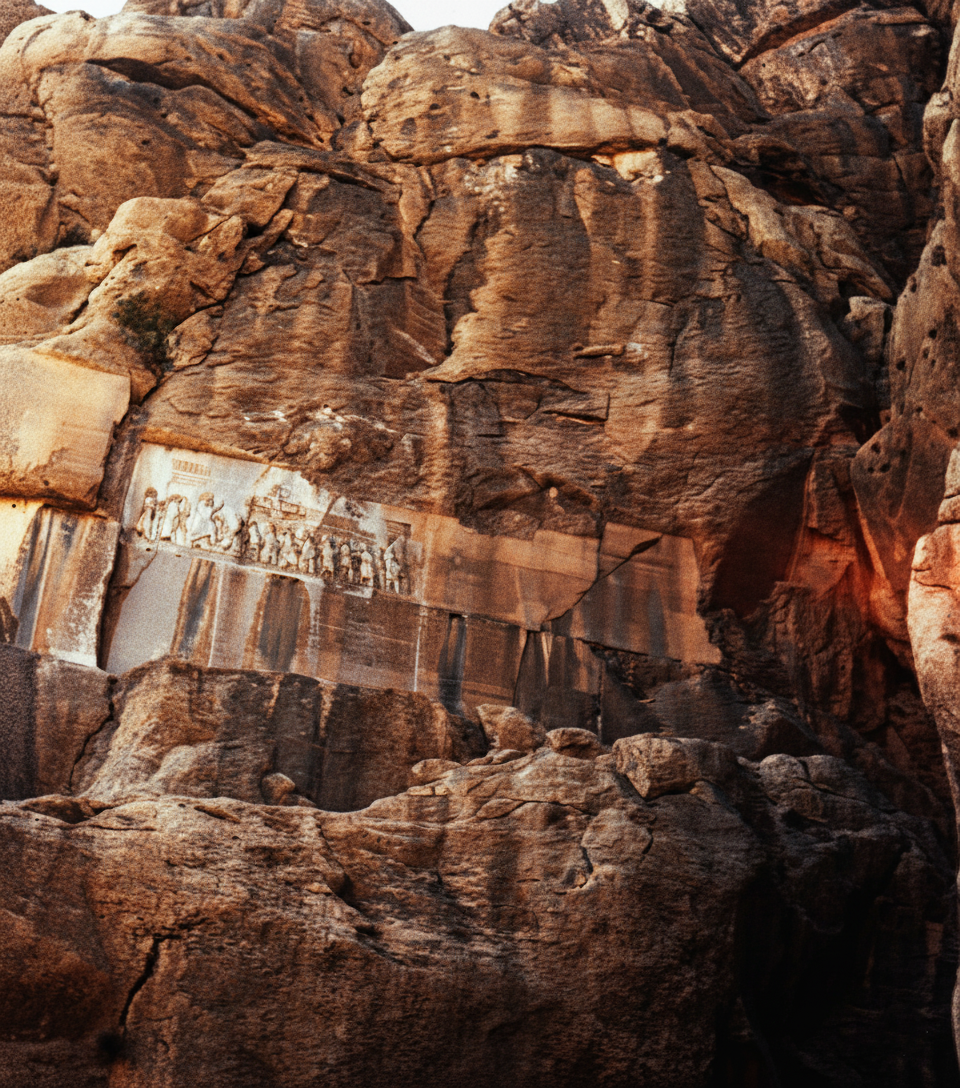
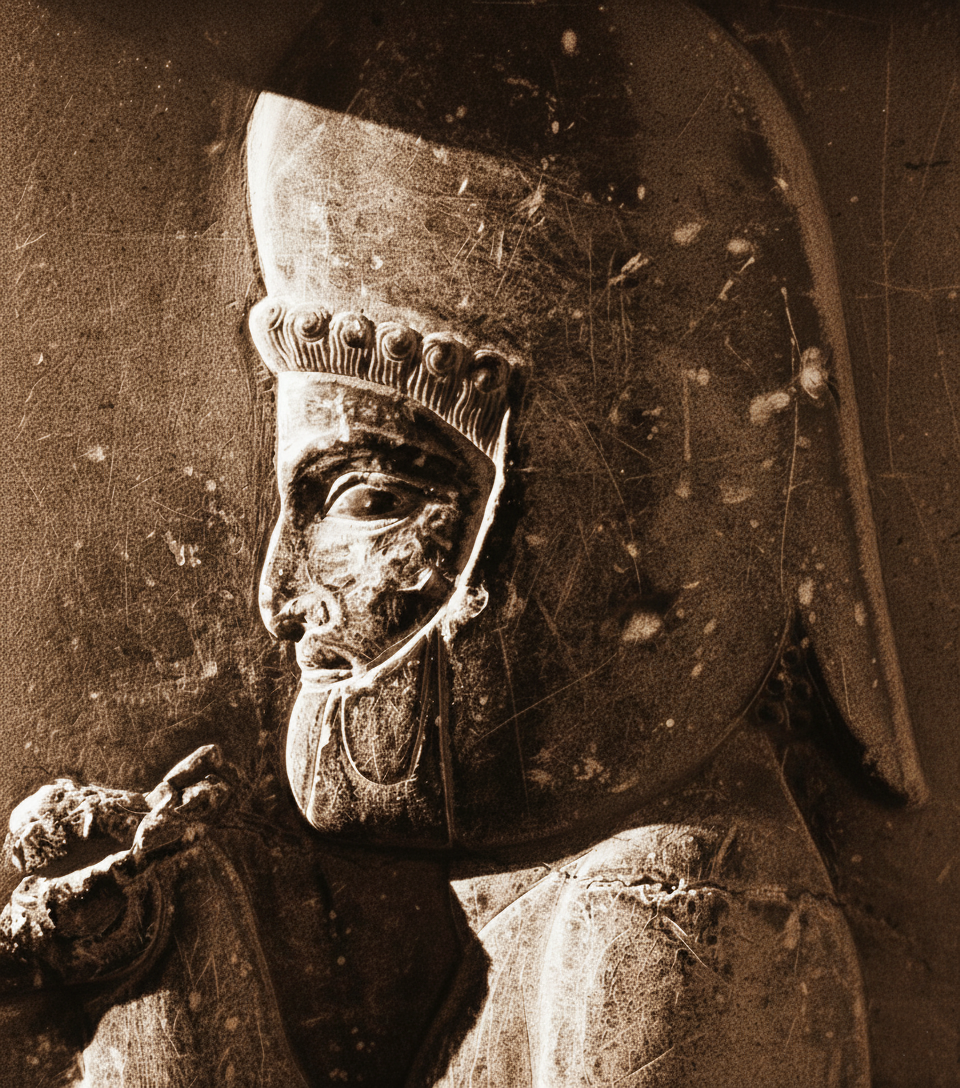
The wall reliefs of Persepolis, carved in the 5th century BCE, depict ceremonial processions of guards and delegations from across the Achaemenid Empire. Carefully detailed clothing, gifts, plants, and animals symbolize cultural diversity, power, and renewal. These refined bas-reliefs serve as both artistic masterpieces and historical records of imperial unity and ritual.
-
The wall reliefs of Persepolis (تخت جمشید) are among the most celebrated artistic achievements of the Achaemenid Empire, carved into the stone staircases and palace walls during the 5th century BCE. These bas-reliefs depict orderly processions of royal guards, soldiers, and delegations from various nations of the empire approaching the king. Each group is portrayed with remarkable precision in clothing, hairstyles, and gifts, illustrating the cultural diversity of the Achaemenid world while emphasizing harmony and ceremonial unity rather than conquest.
Alongside human figures, the reliefs include detailed representations of plants and animals, such as lions, bulls, and stylized trees, symbolizing power, renewal, and the cycle of nature. The famous motif of a lion attacking a bull is often interpreted as a representation of cosmic balance or the arrival of spring associated with Nowruz (نوروز). Through their refined carving, balanced composition, and symbolic imagery, the Persepolis reliefs function as both artistic masterpieces and historical records of the political, cultural, and natural world of ancient Persia.
