Qazvin (قزوین یا کاسپین)
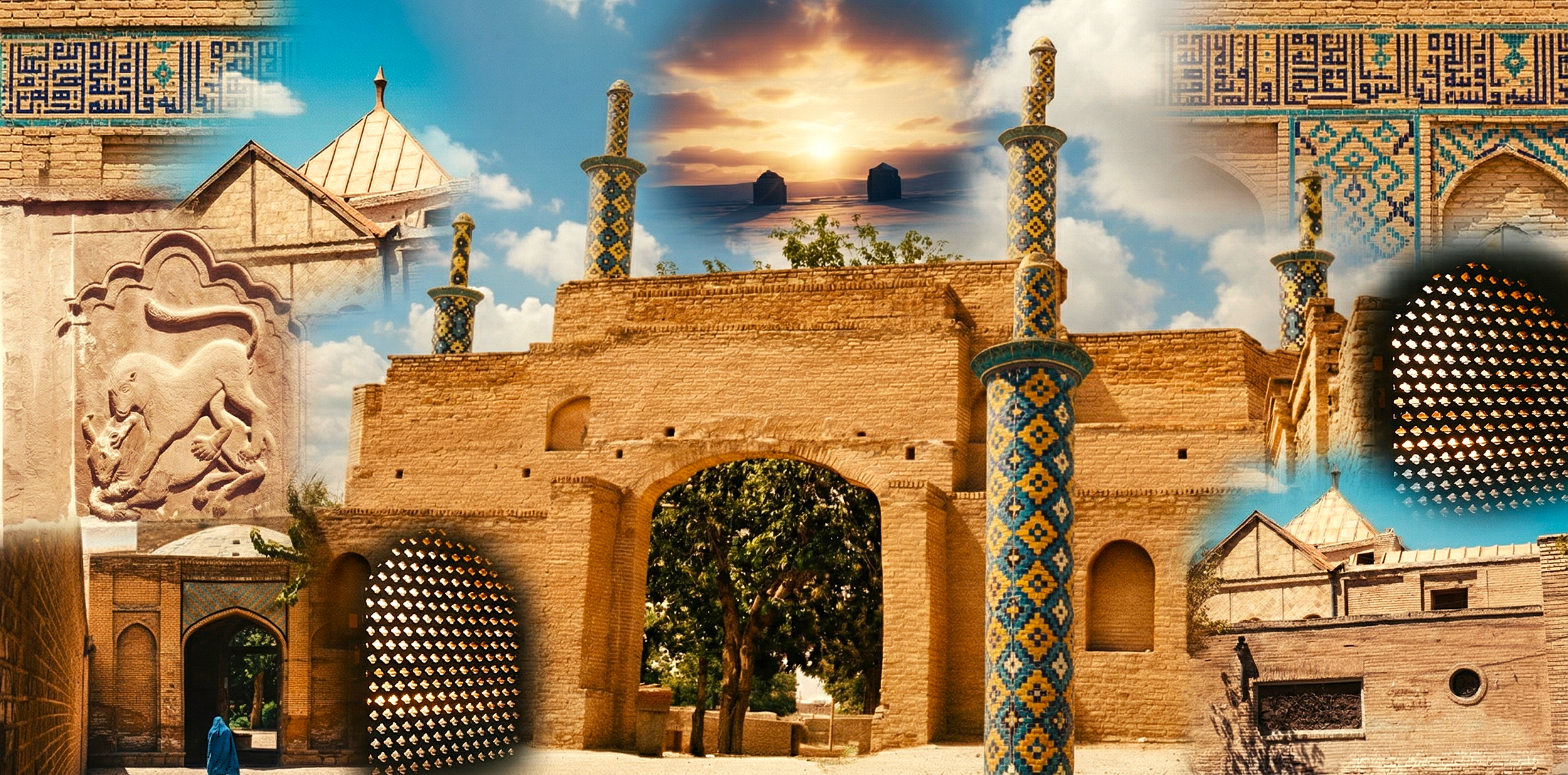
Qazvin (قزوین), founded in the Sassanian period (3rd–7th centuries CE) and made the Safavid capital in 1548 by Shah Tahmasp I (شاه طهماسب اول), developed as a strategic Silk Road city. Its Jameh Mosque (مسجد جامع قزوین, 9th century CE), Chehel Sotoun Pavilion (کاخ چهل ستون قزوین, 16th century), and historic Bazaar (بازار قزوین) reflect centuries of urban continuity.
-
Qazvin (قزوین یا کاسپین), located at the foothills of the Alborz Mountains (رشتهکوه البرز), has long served as a strategic gateway between the Iranian plateau and the Caspian region. With origins in the Sassanian period (3rd–7th centuries CE), the city began as a frontier fortress resisting early Arab-Islamic expansion and later functioned as a military garrison under the Caliphate. Positioned along major trade corridors—including routes connected to the Silk Road (جاده ابریشم)—Qazvin developed into an important cultural and commercial bridge linking the central Iranian plateau with the Caspian region and Anatolia.
The city reached its greatest prominence during the Safavid period, when Shah Tahmasp I (شاه طهماسب اول) established Qazvin as the imperial capital in 1548 CE, nearly half a century before the capital was transferred to Isfahan (اصفهان). During this period, the city underwent substantial urban expansion, with the construction of new palaces, gardens, mosques, and administrative buildings that expressed Safavid royal authority. This era also introduced one of the earliest examples of the Persian “Garden City” concept (Bagh-Shahr – باغ شهر), incorporating planned boulevards, gardens, and civic spaces into the urban structure.
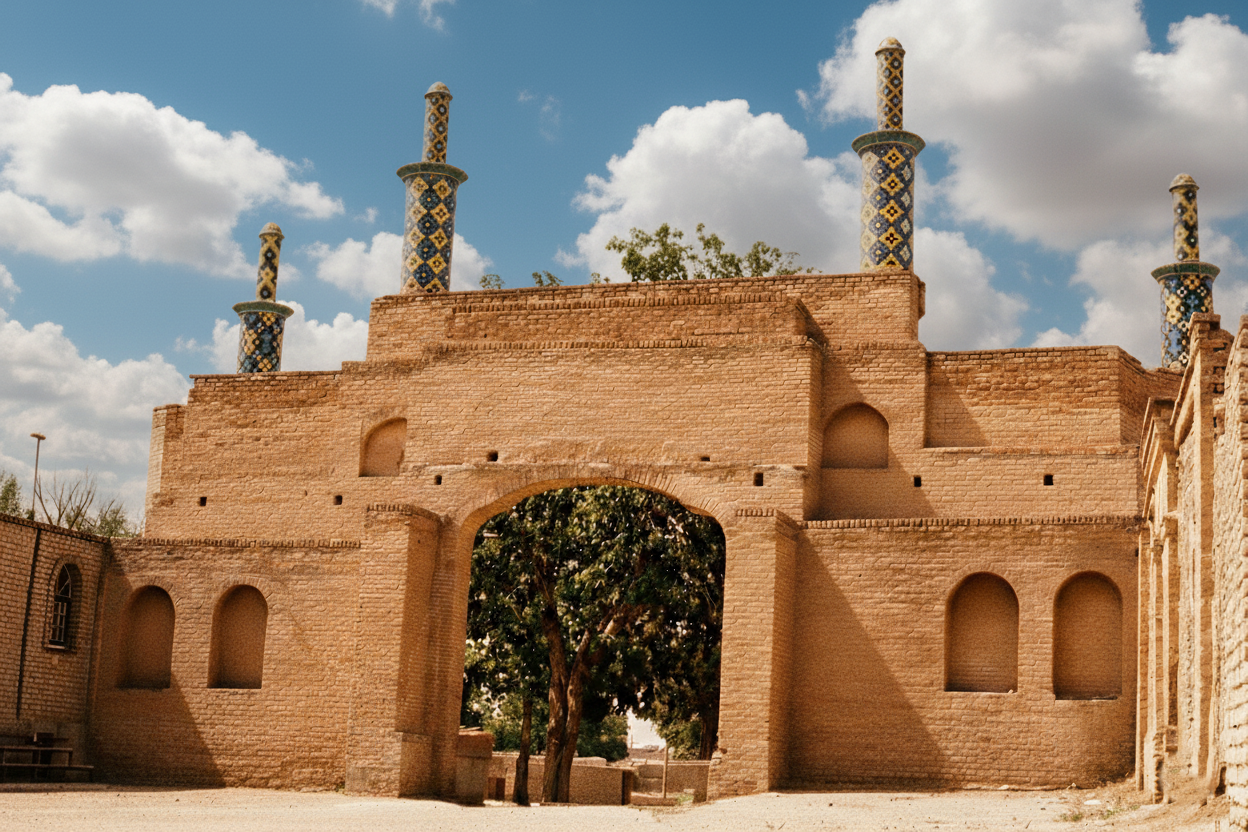
One of the most notable surviving Safavid monuments is the Chehel Sotoun Pavilion of Qazvin (کاخ چهل ستون قزوین), originally part of the larger Sa’databad Garden (باغ سعادتآباد) royal complex constructed in the 16th century CE. The pavilion functioned as a reception hall for the Safavid court and remains an important example of early Safavid palace architecture, even though much of the surrounding palace complex has disappeared.
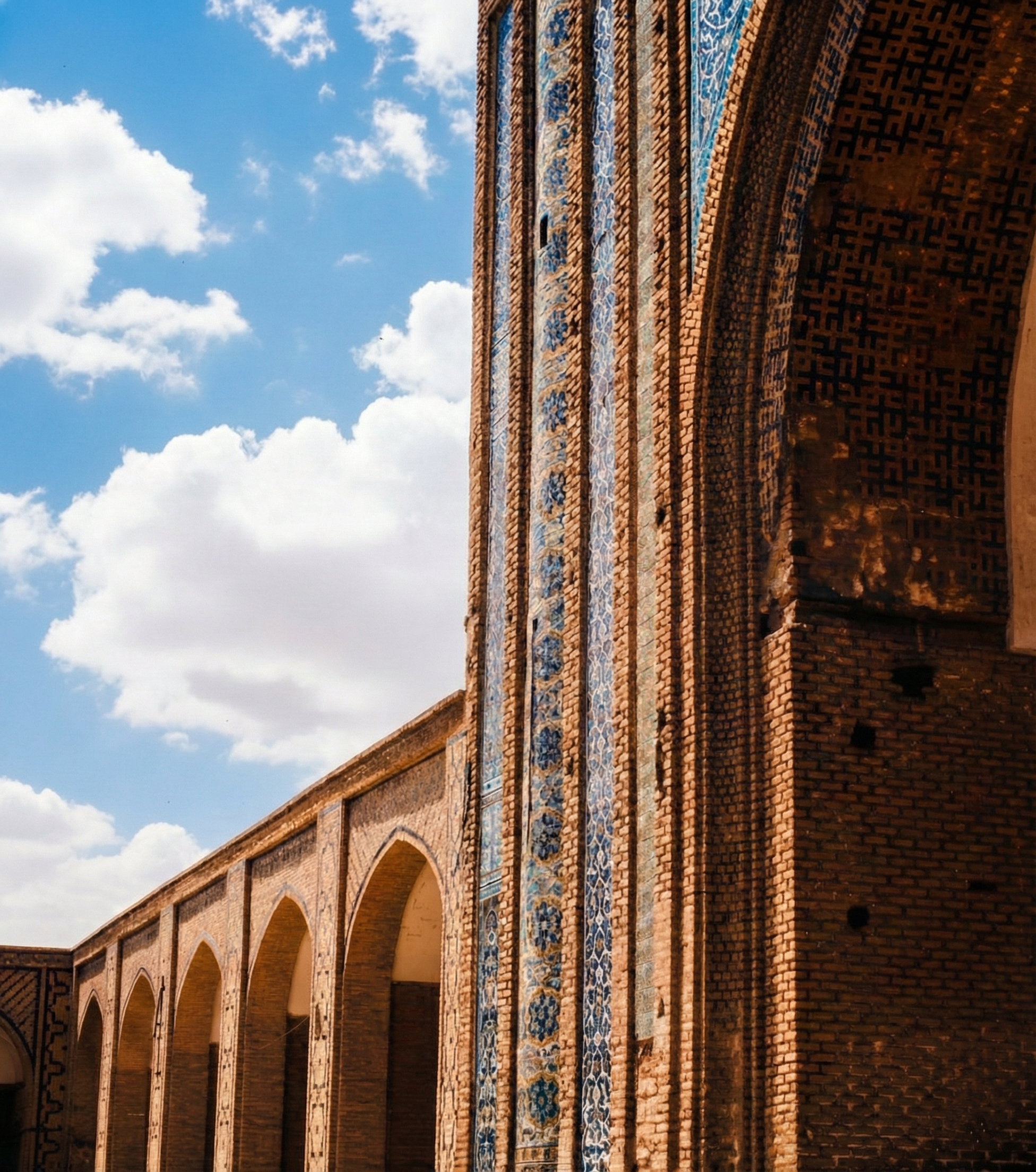
Another key landmark is the Jameh Mosque of Qazvin (مسجد جامع قزوین), one of the oldest congregational mosques in Iran. Its foundations date to the 9th century CE, with major expansions during the Seljuk period (11th–12th centuries CE) and later restorations under Safavid (16th–17th centuries CE) and Qajar rulers (18th–19th centuries CE). The mosque reflects the long architectural continuity of Iranian religious architecture.
The historic Bazaar of Qazvin (بازار قزوین) further illustrates the city’s commercial vitality. Covered corridors, domed intersections, caravanserais (کاروانسراها), and market halls formed an integrated marketplace where merchants traveling between the Caspian region, Anatolia, and central Iran exchanged goods. This commercial infrastructure was supported by a network of Ab-anbars (آب انبارها) that stored water and moderated the semi-arid climate.
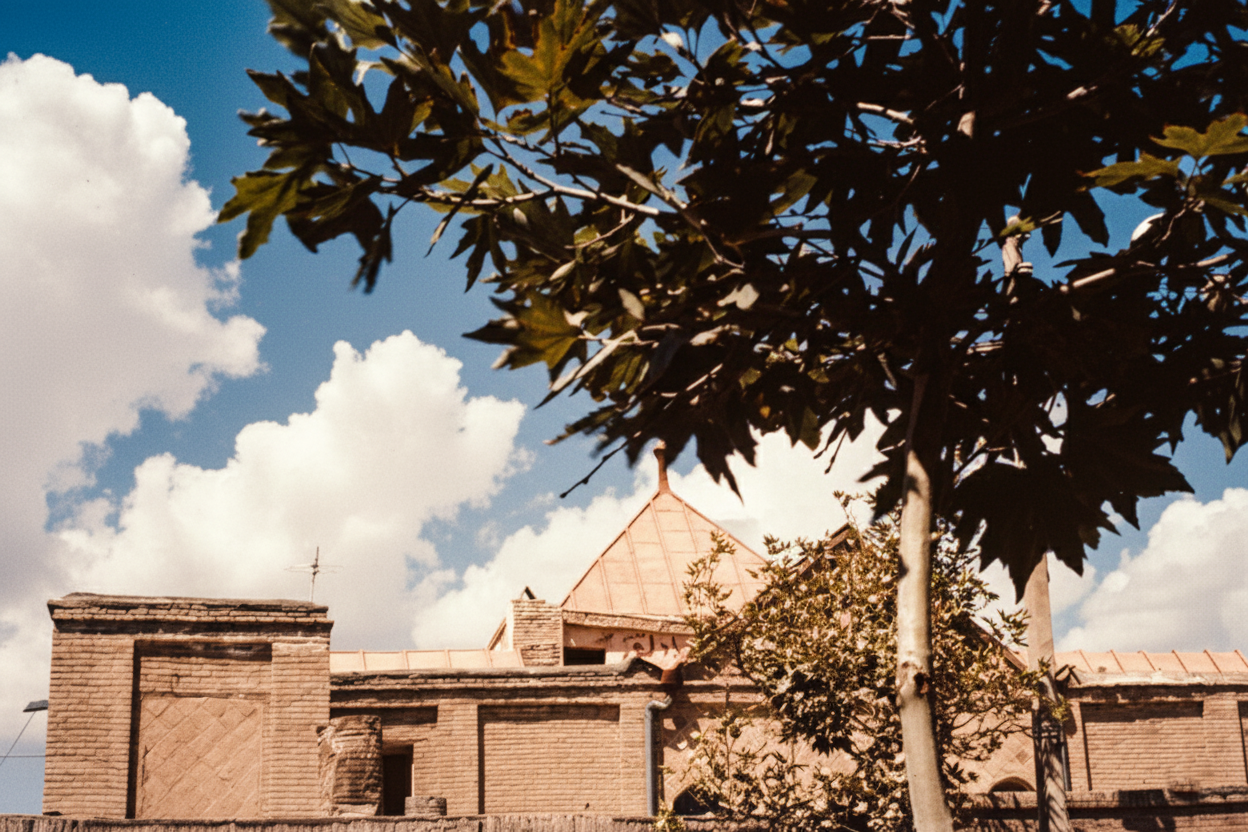
Qazvin’s urban fabric developed organically through interconnected neighborhoods (محلهها) composed of narrow alleys (کوچههای باریک), courtyard houses, and structures built primarily of adobe (خشت و گل). Thick earthen walls, domes (گنبد), and vaulted passages created a cohesive, earth-toned cityscape adapted to seasonal extremes. Architectural details such as decorated sardar portals (سردر) and traditional door knockers (کوبههای در) articulate the transition between public streets and private domestic spaces.
Surrounding the city, the historic Baghestan orchards—a 2,500-hectare agricultural belt developed over centuries—serve as ecological infrastructure that filters dust, cools incoming winds, and mitigates flooding through traditional irrigation systems.
Through its royal monuments, religious institutions, markets, orchards, and climate-responsive architecture, Qazvin illustrates the transition from the medieval cities of the Iranian plateau to the grand imperial capitals of the Safavid era, embodying a resilient urban model shaped by defense, trade, landscape integration, and environmental intelligence.