Aminiha Historical House (خانه امینیها)
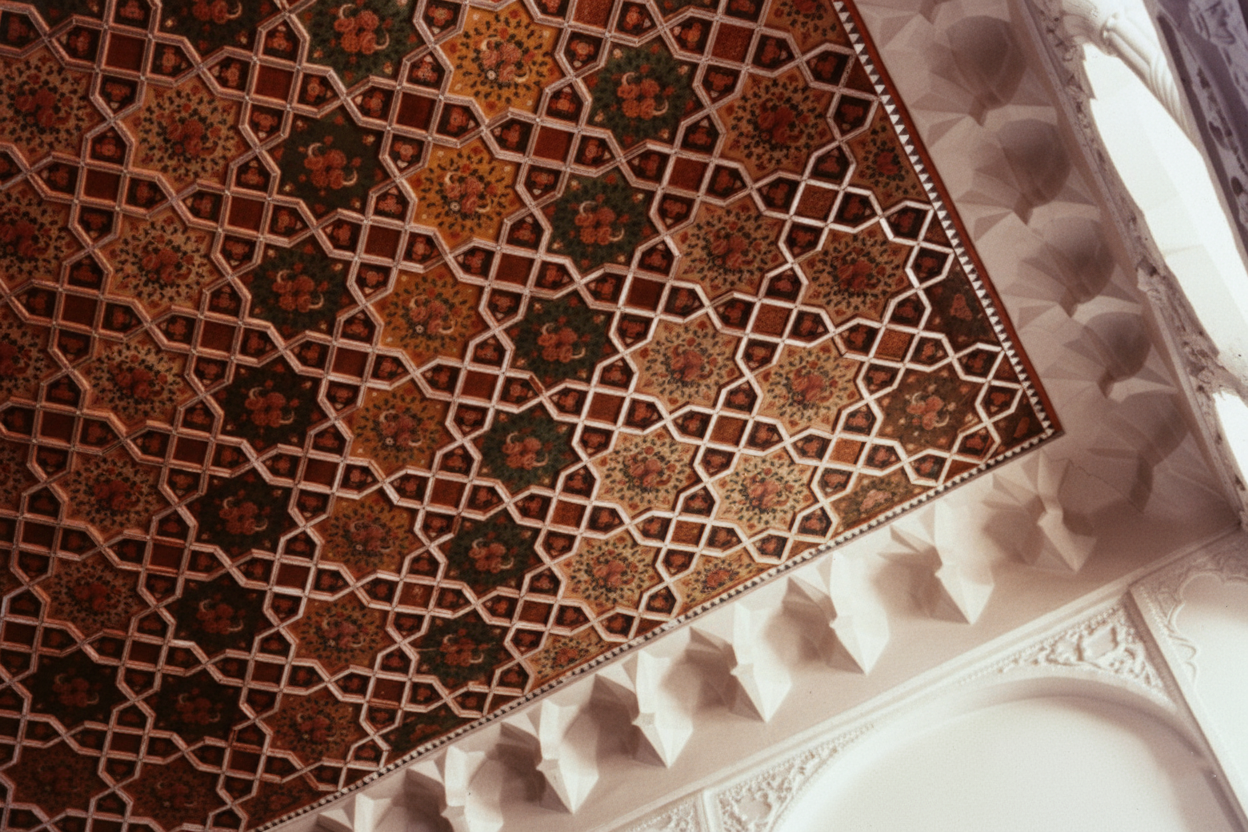
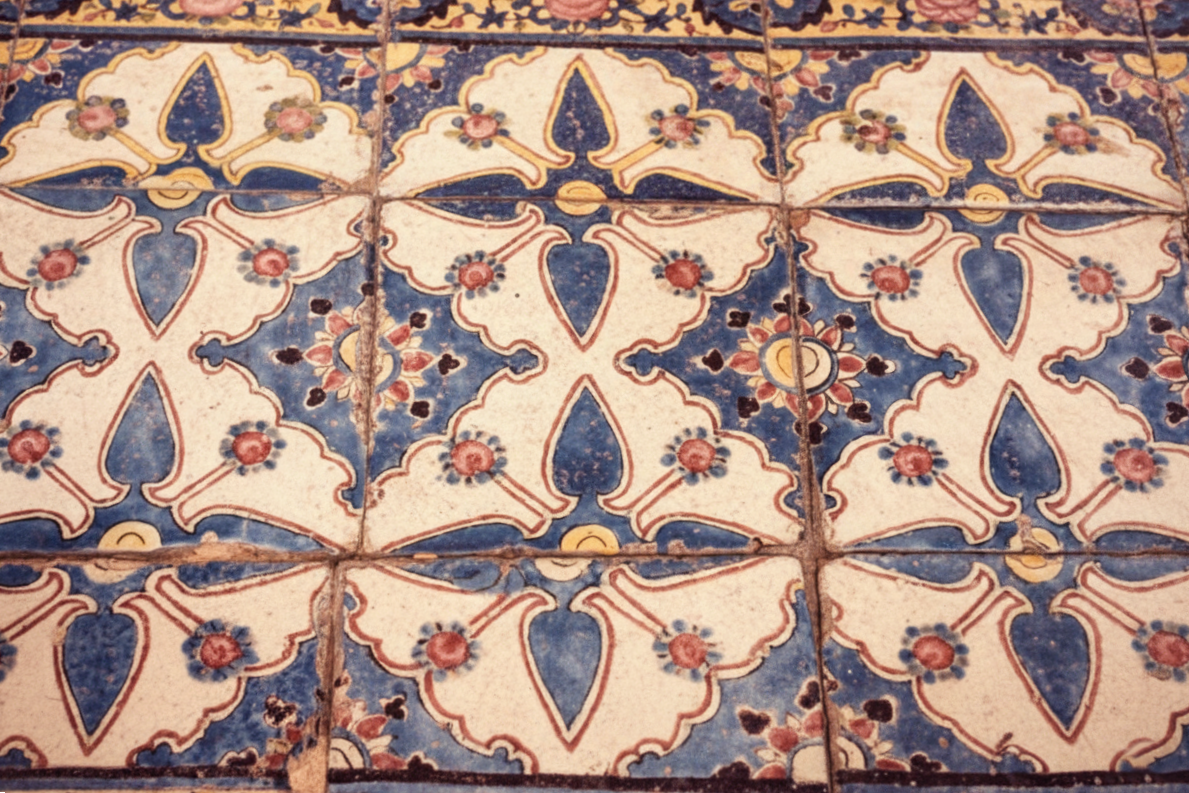
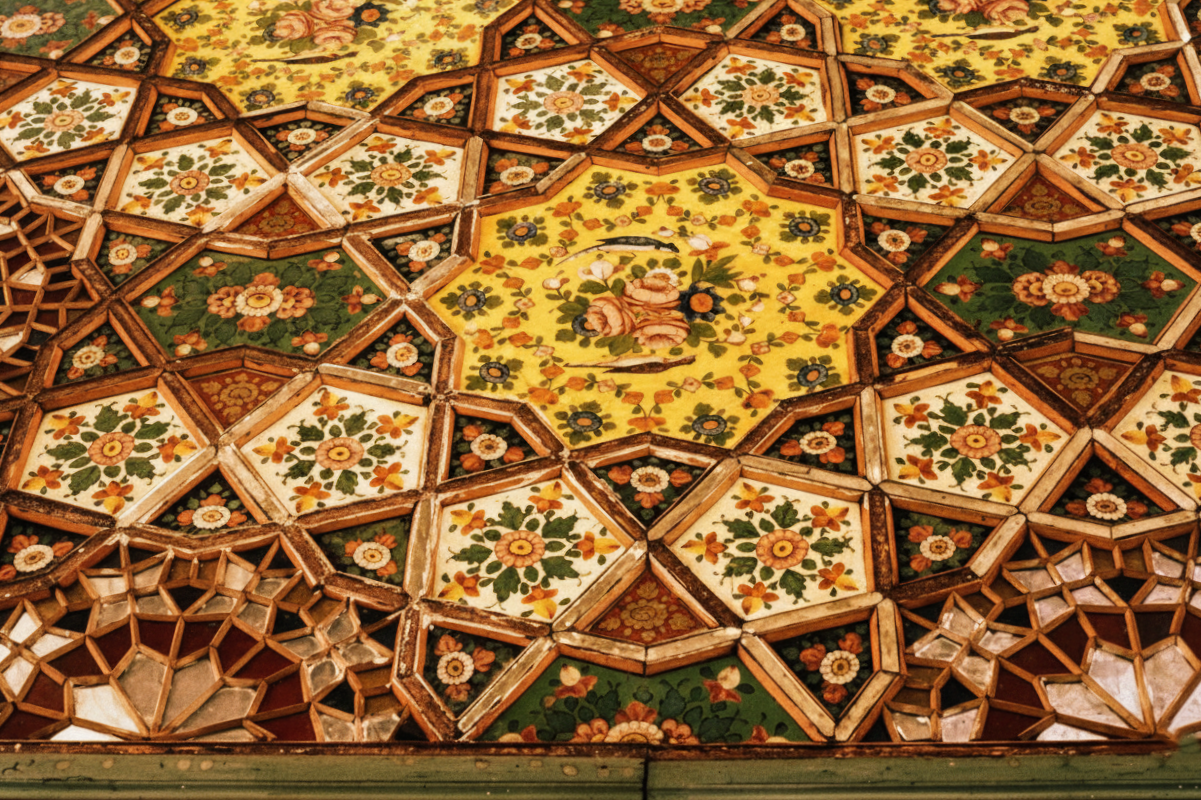
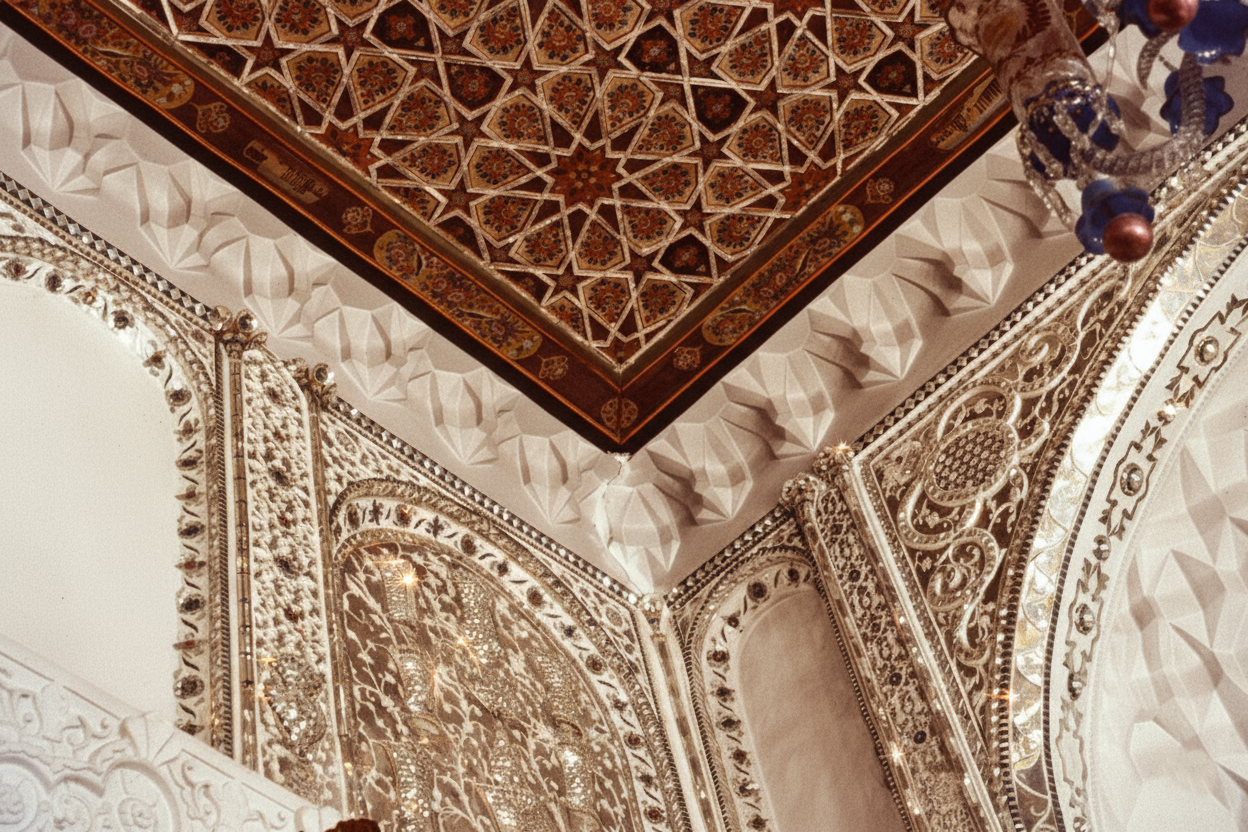
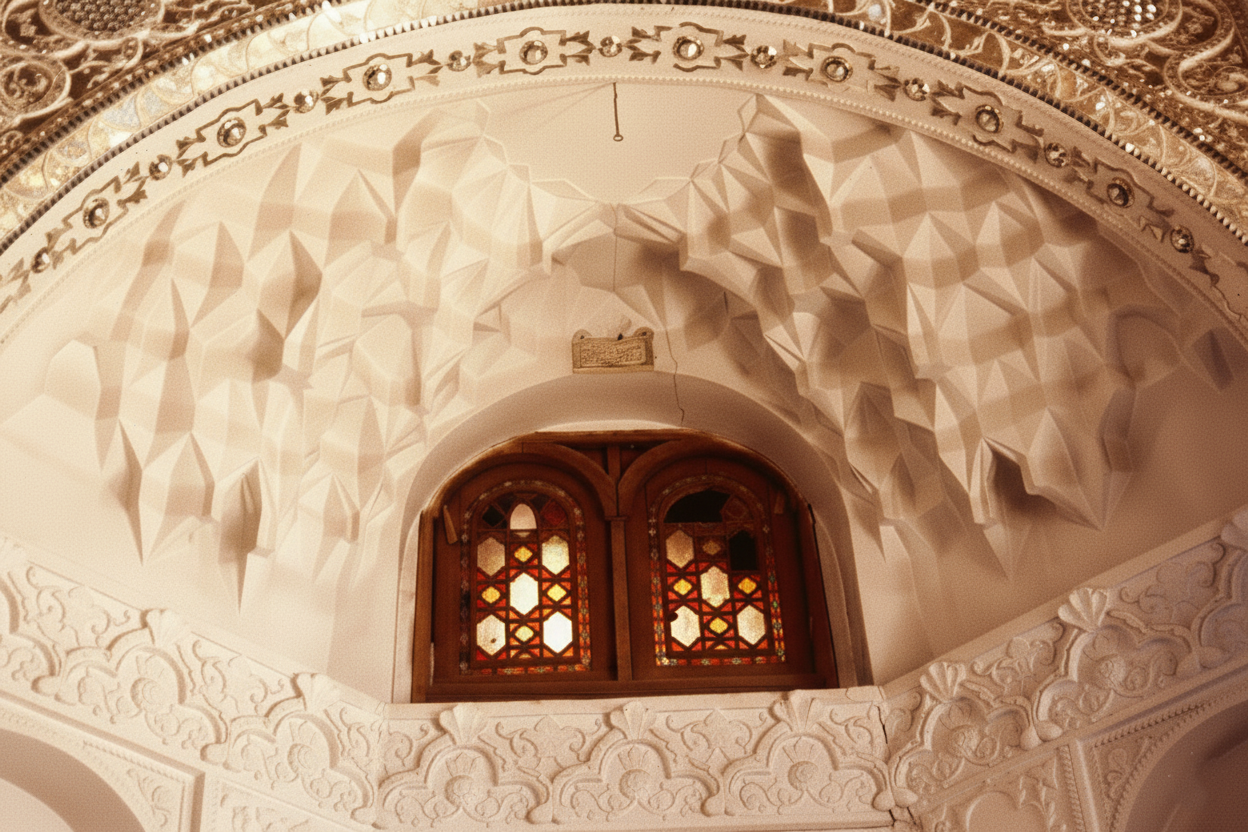
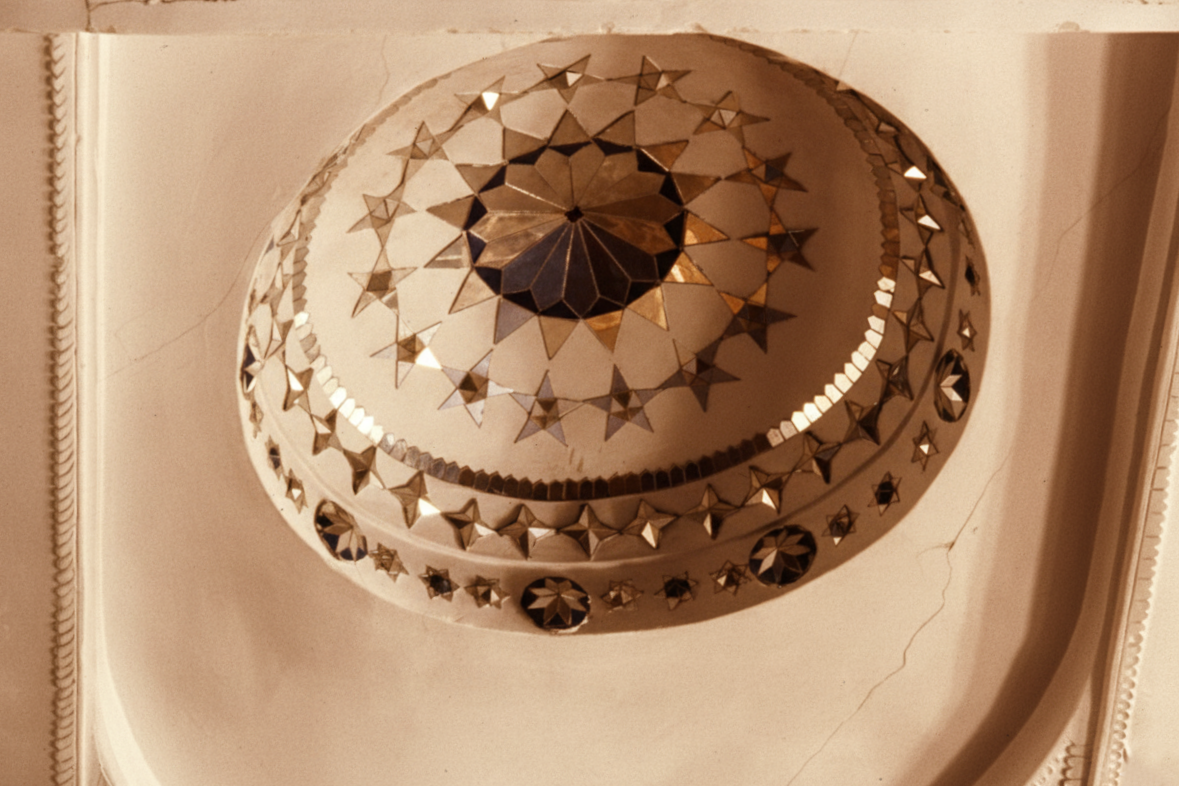
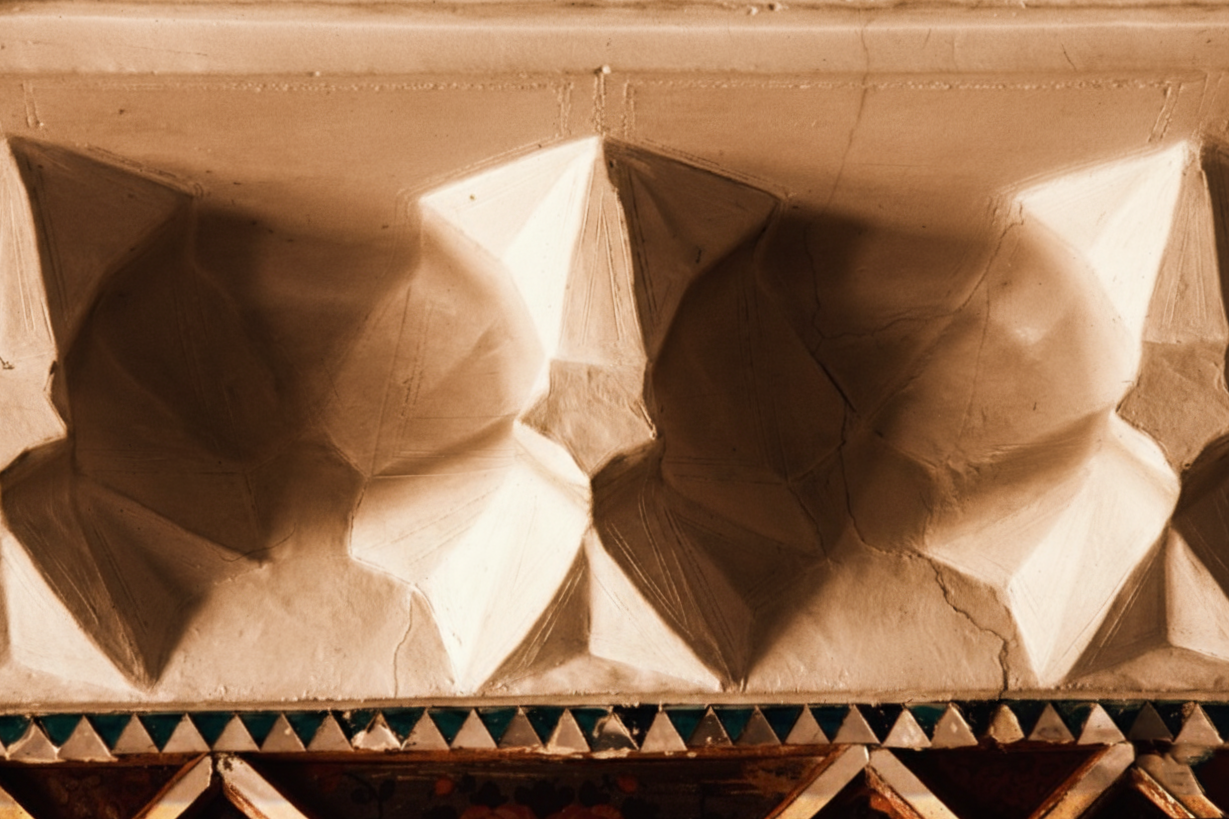
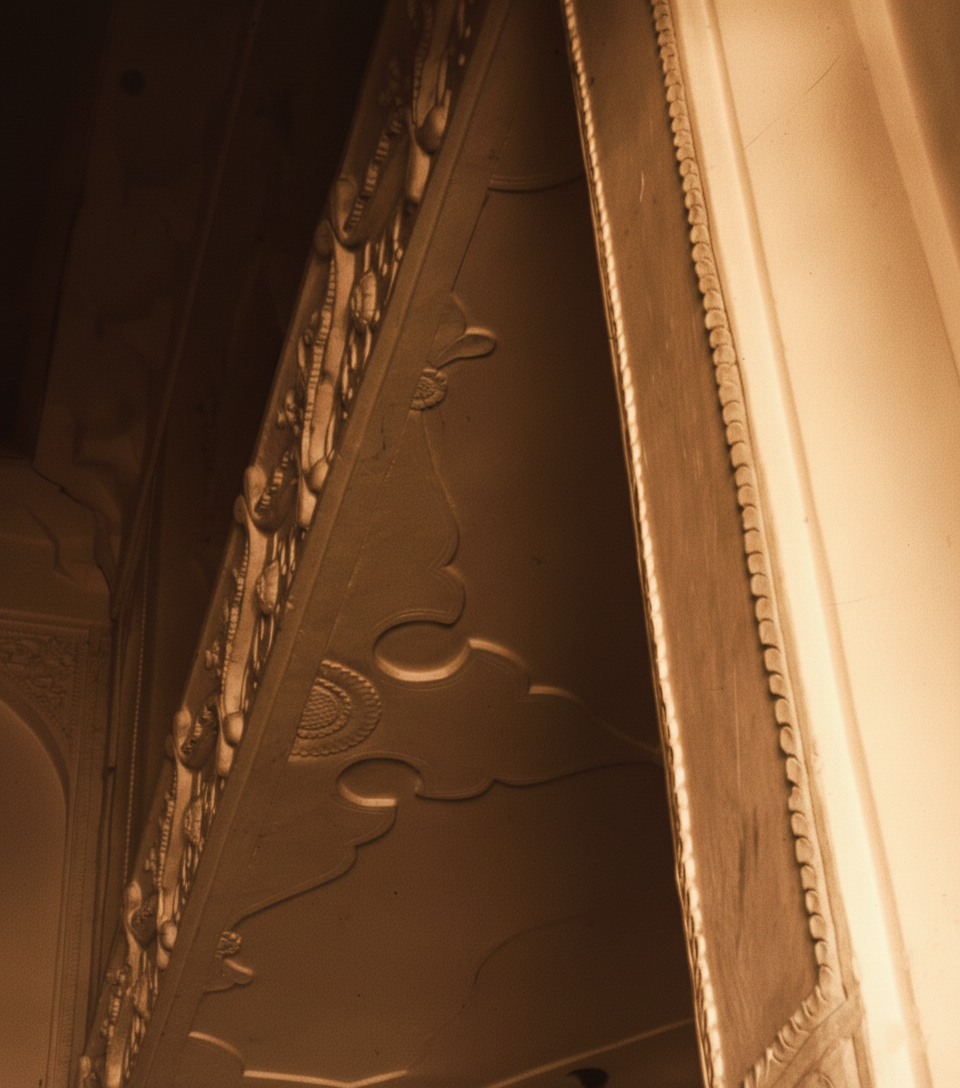
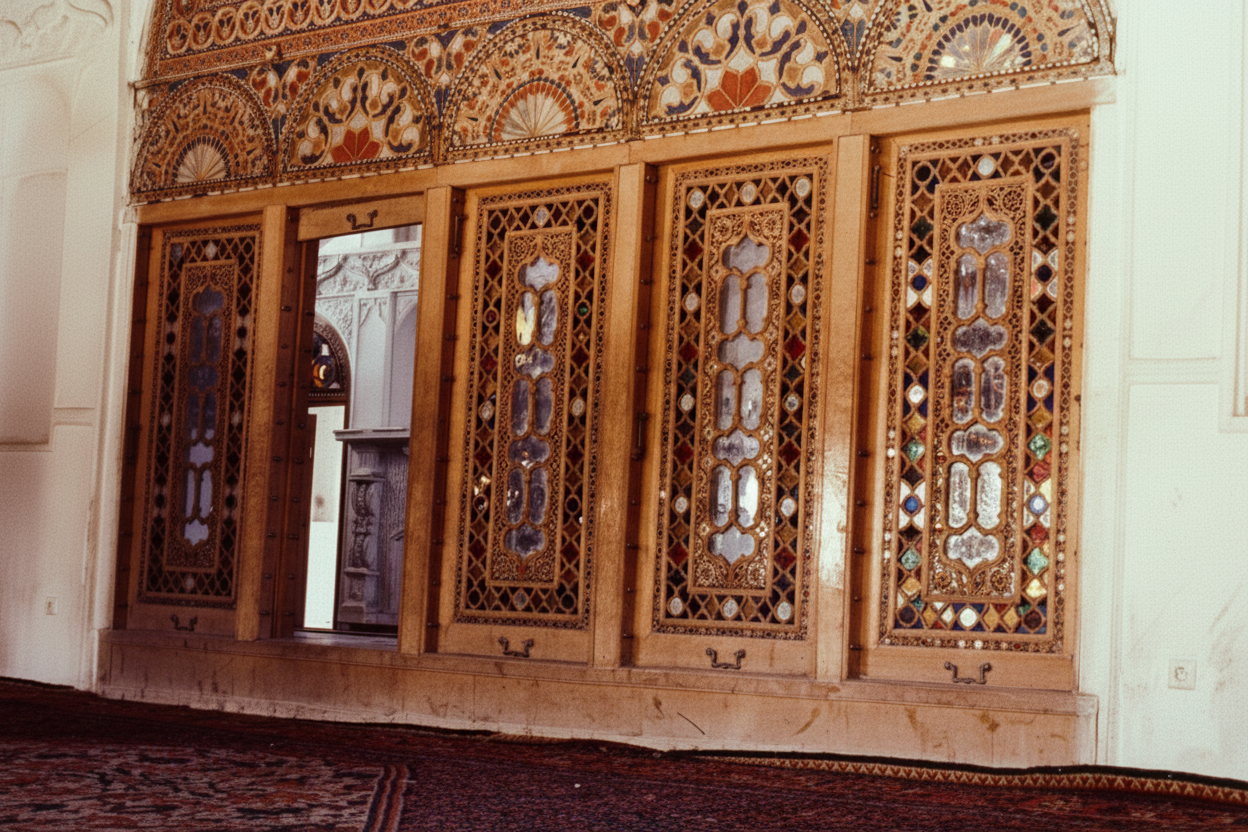
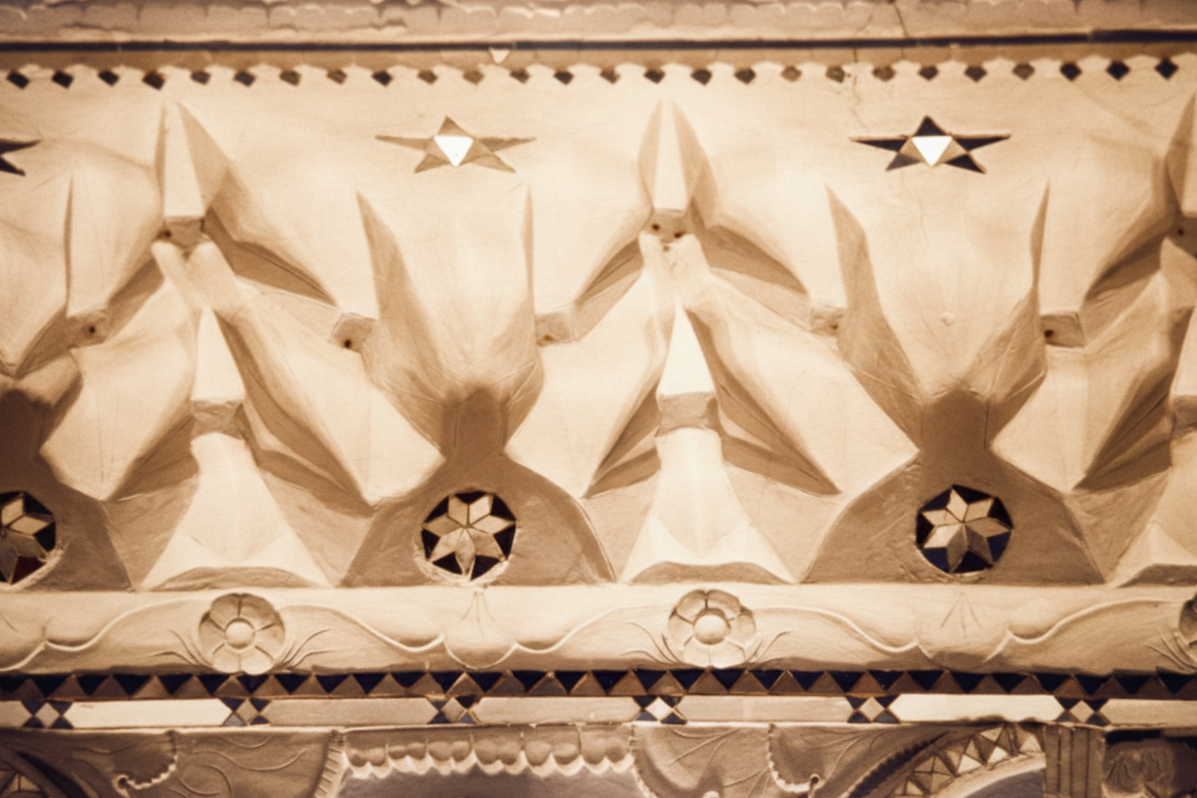
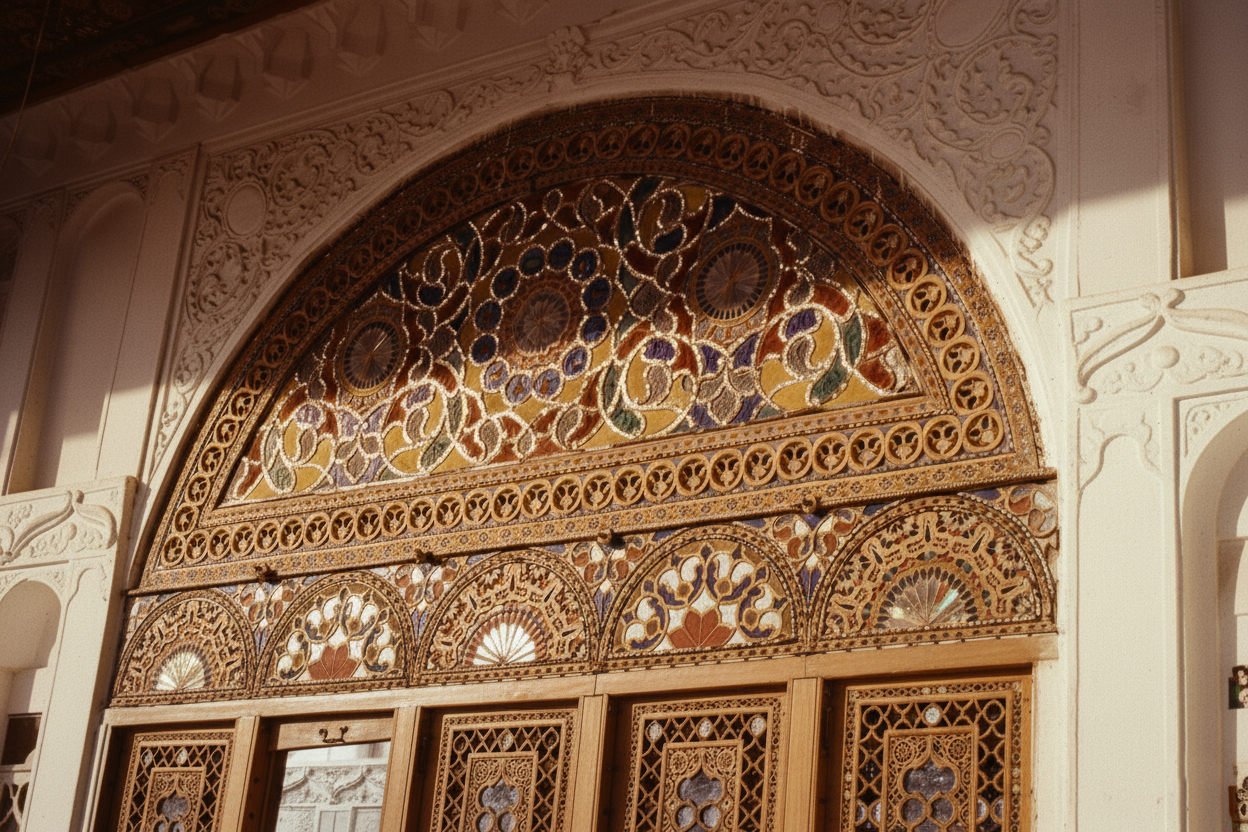
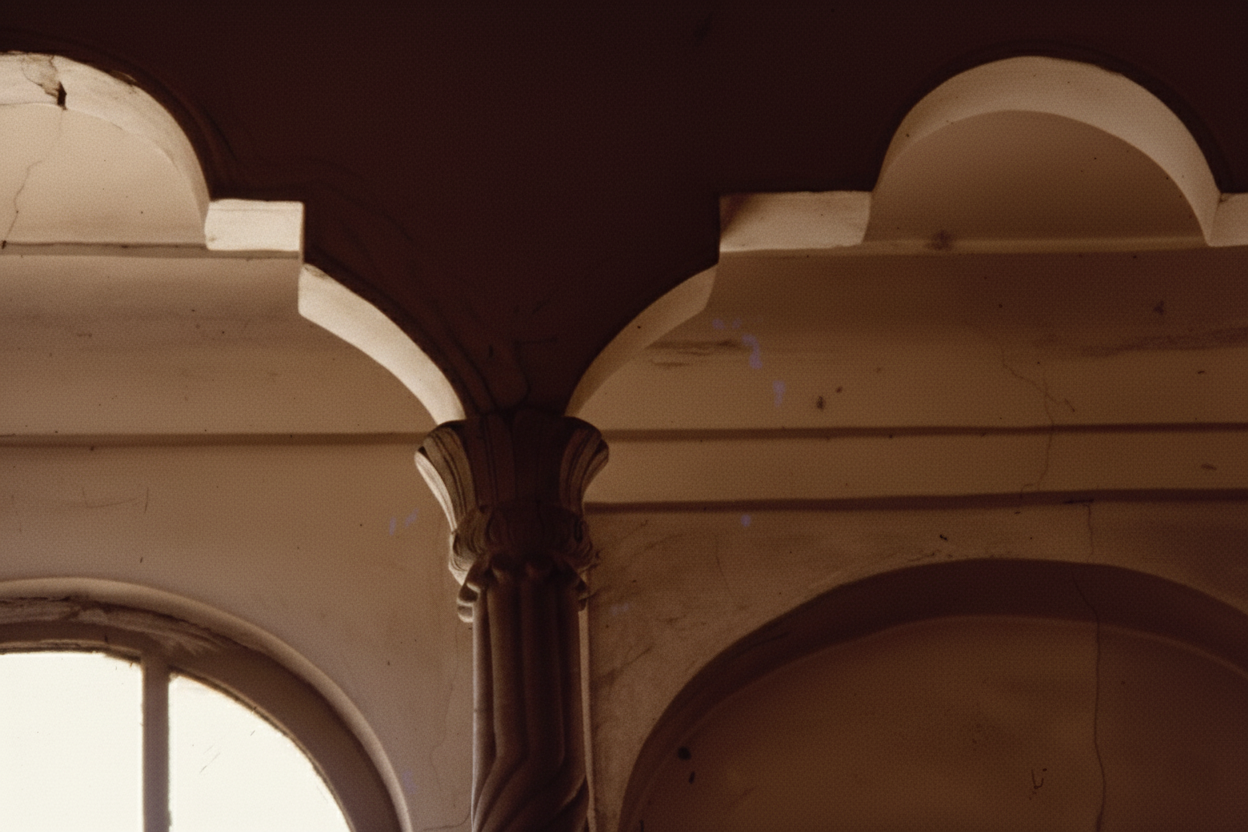
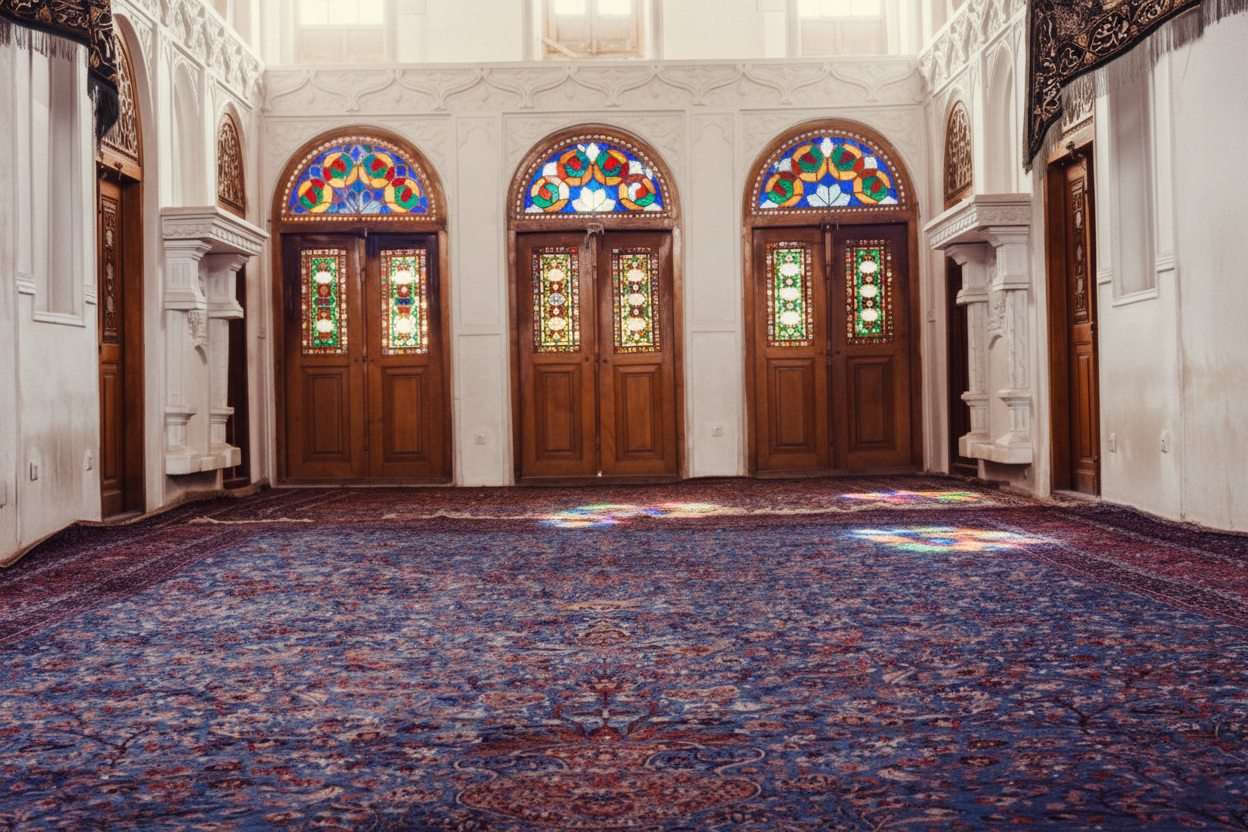
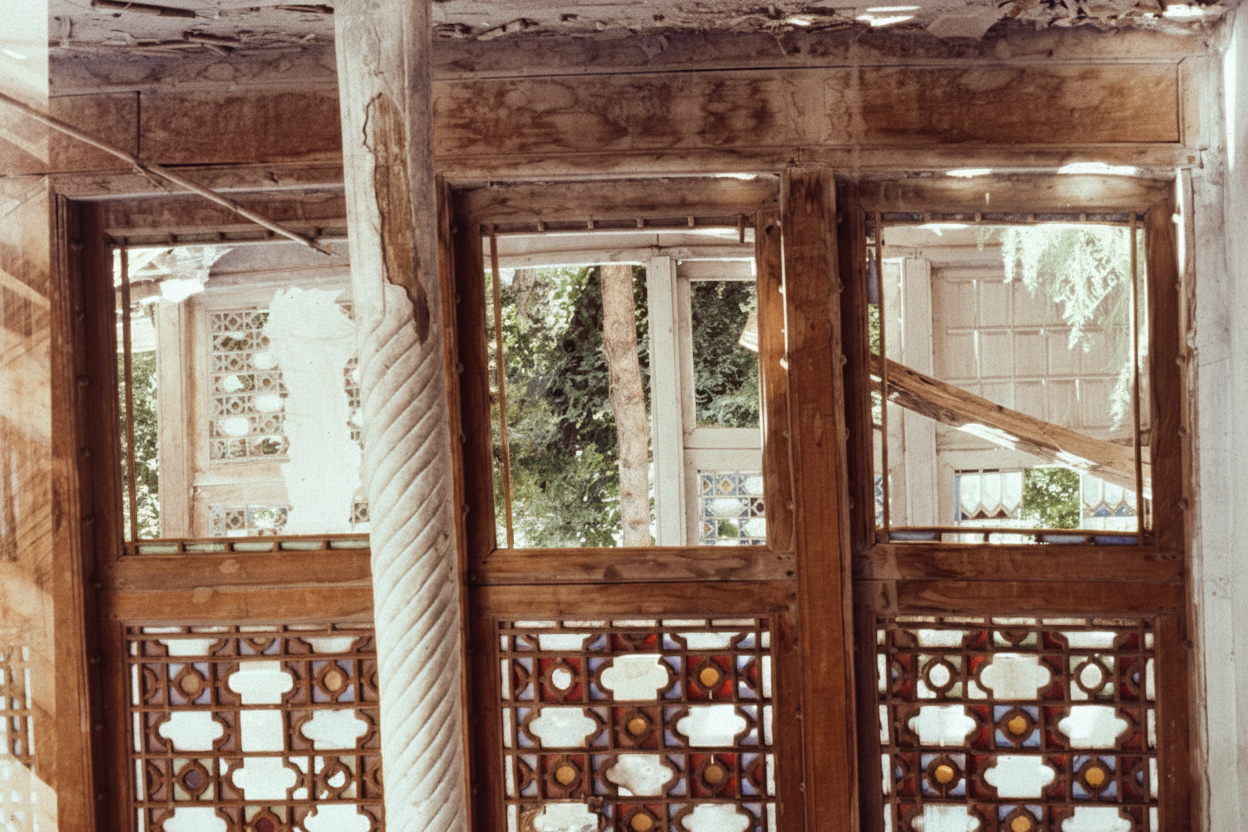
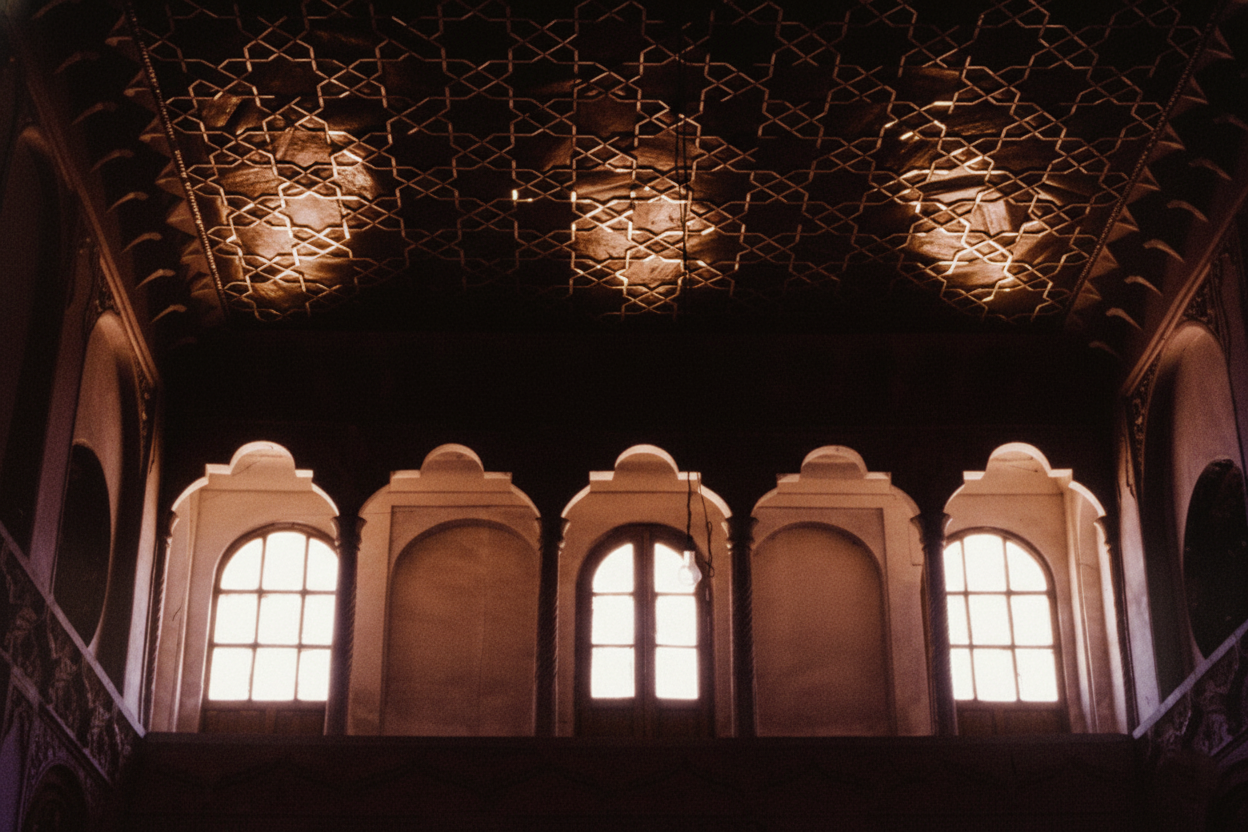
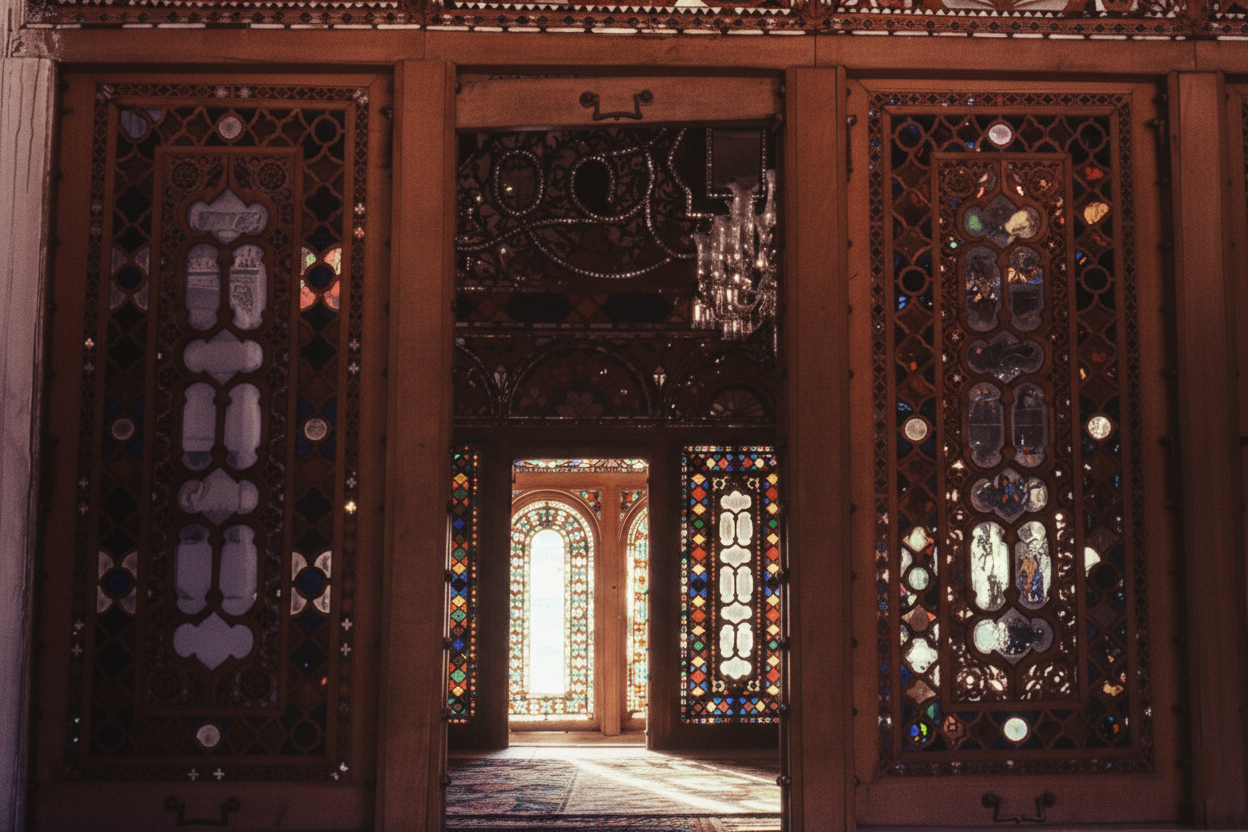
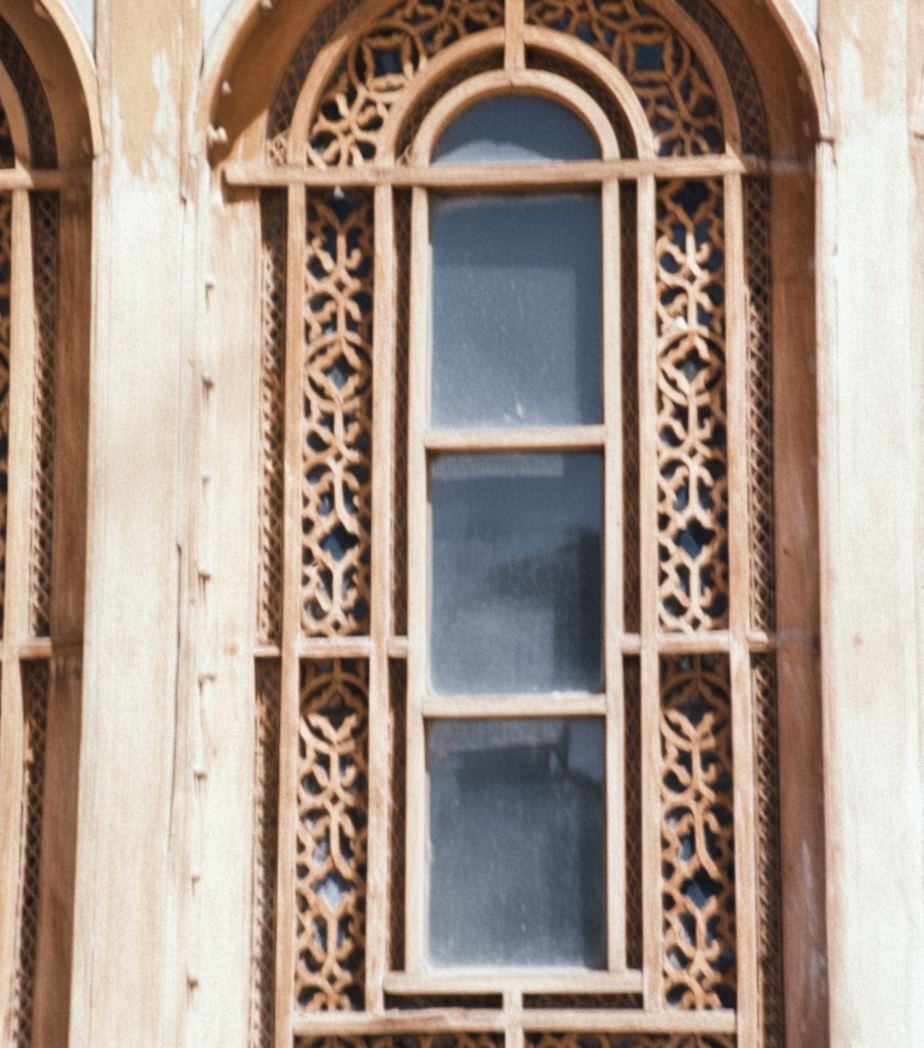
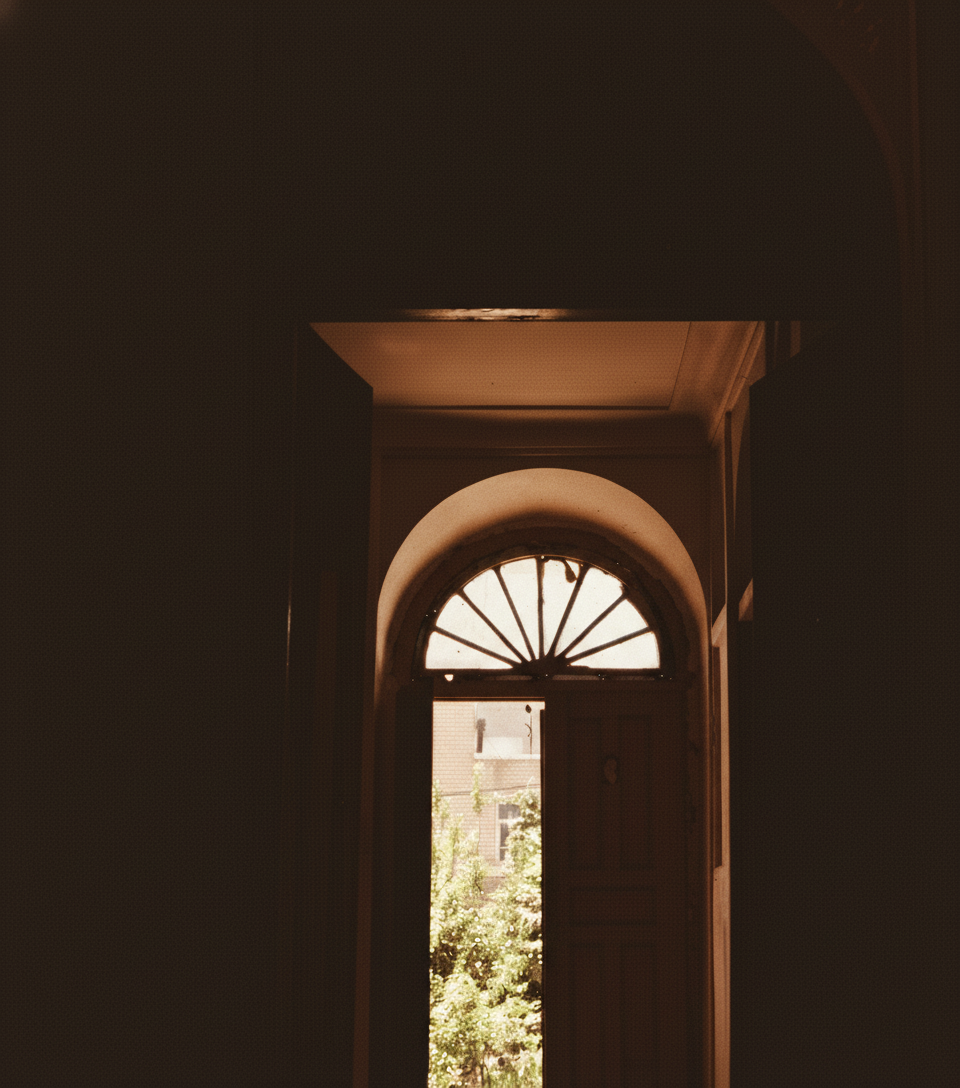
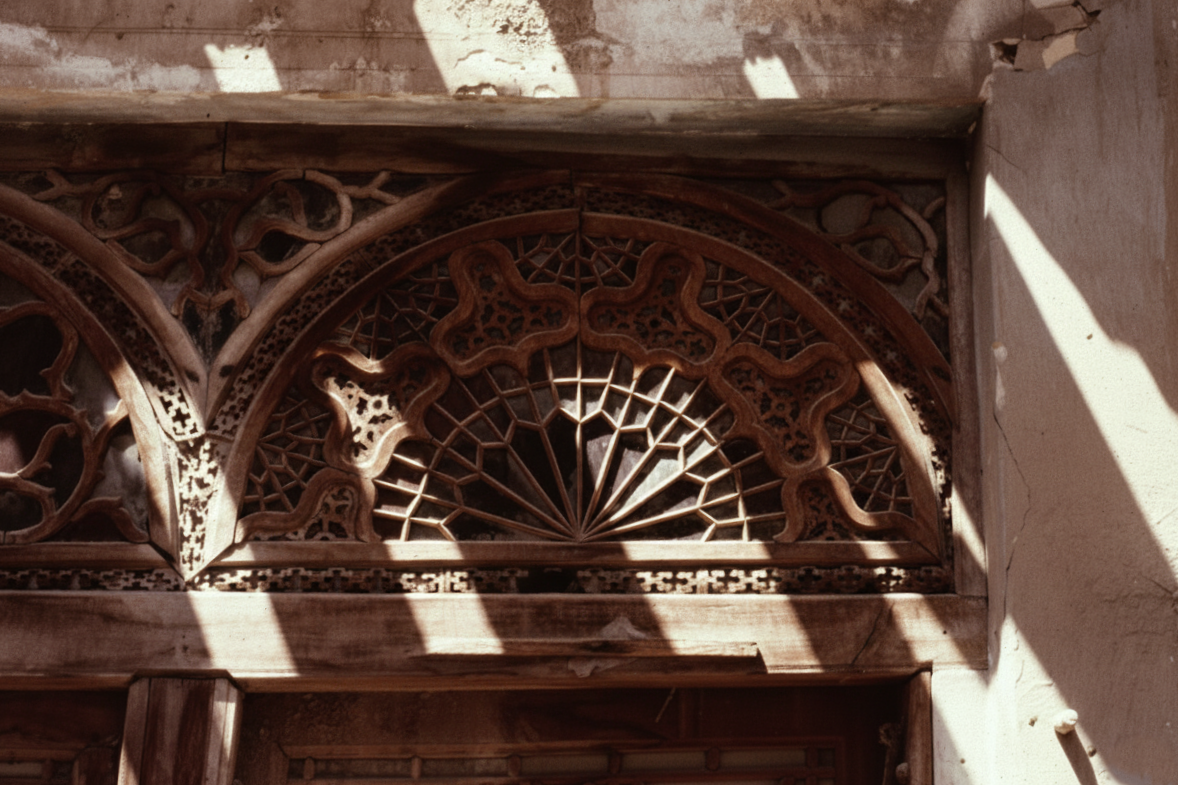
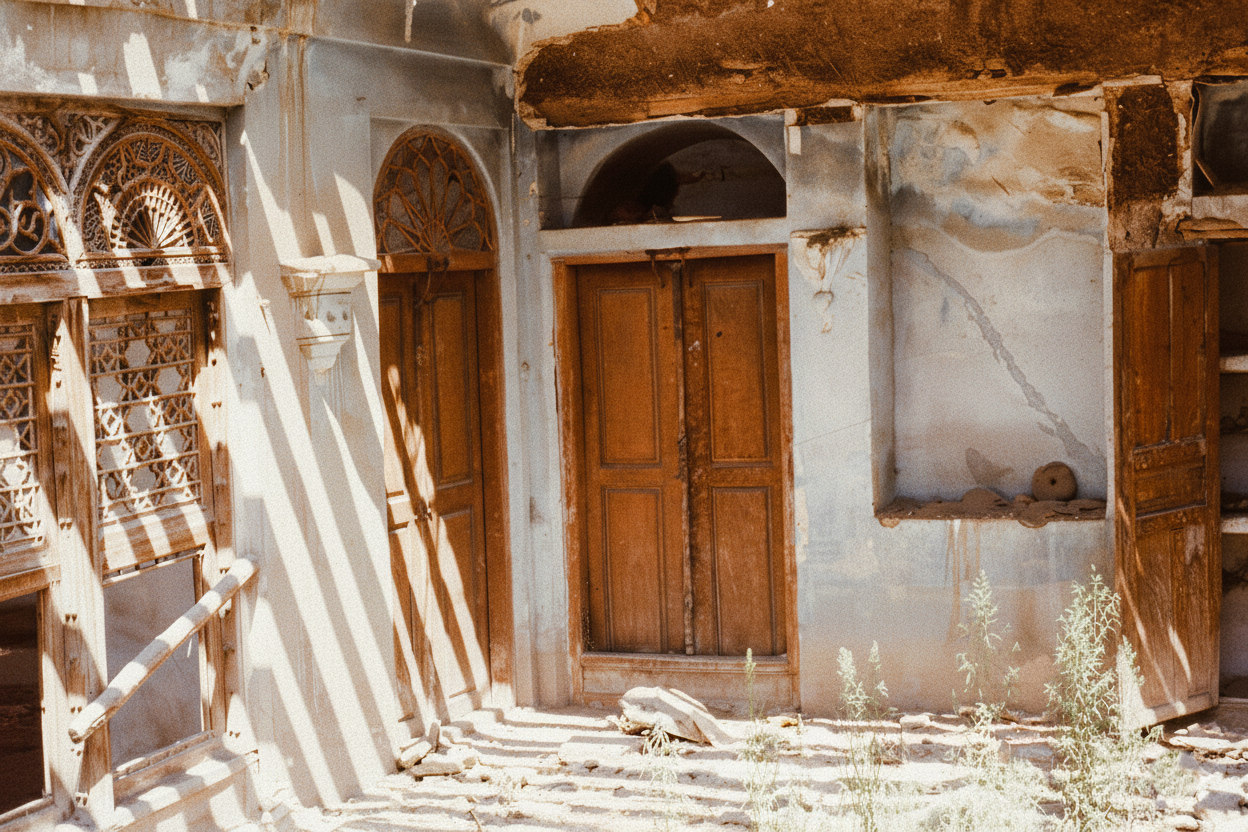
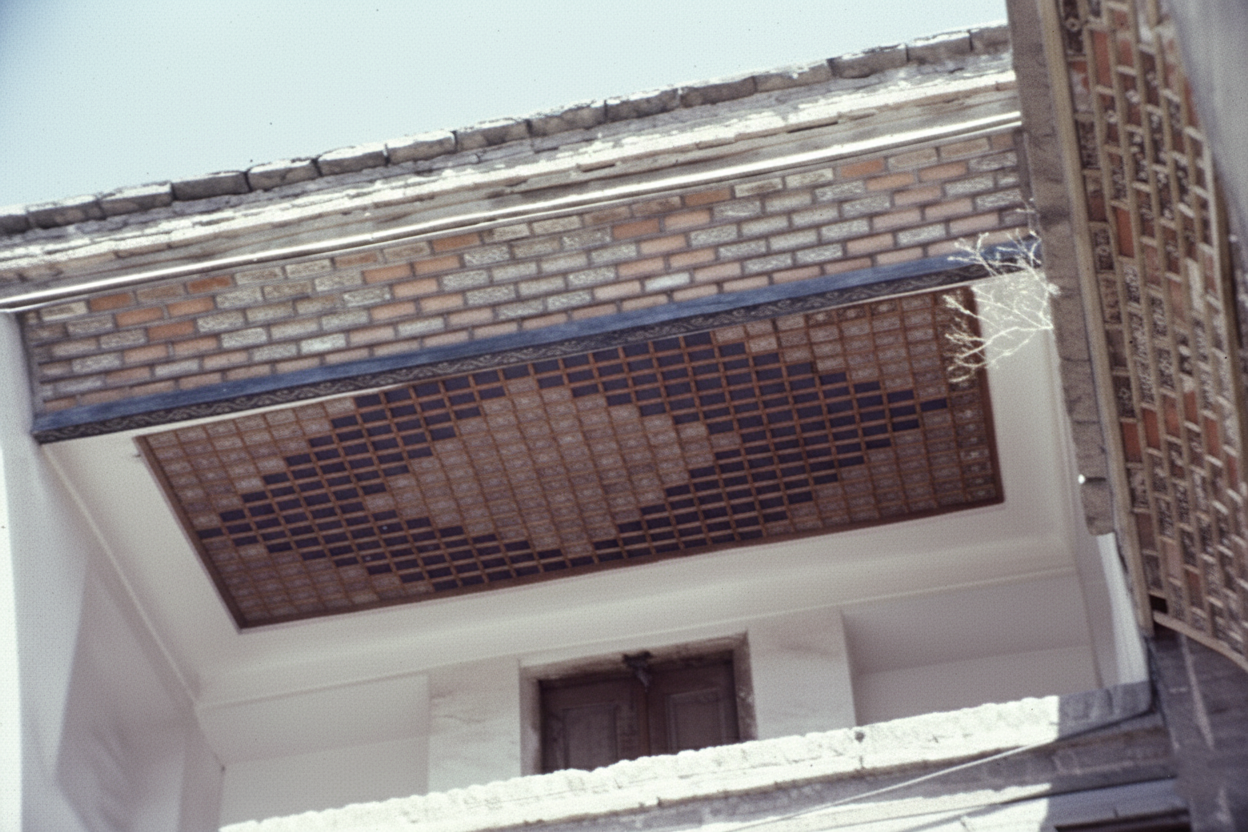
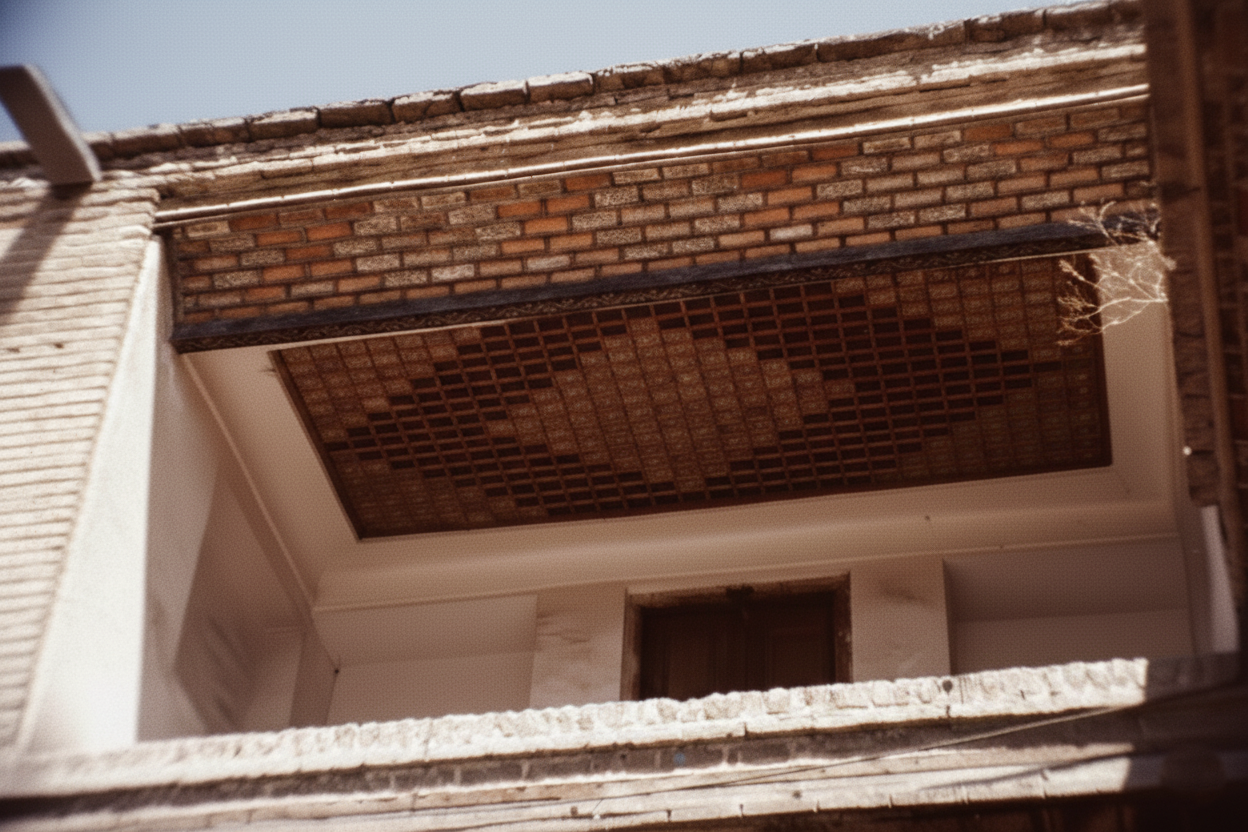
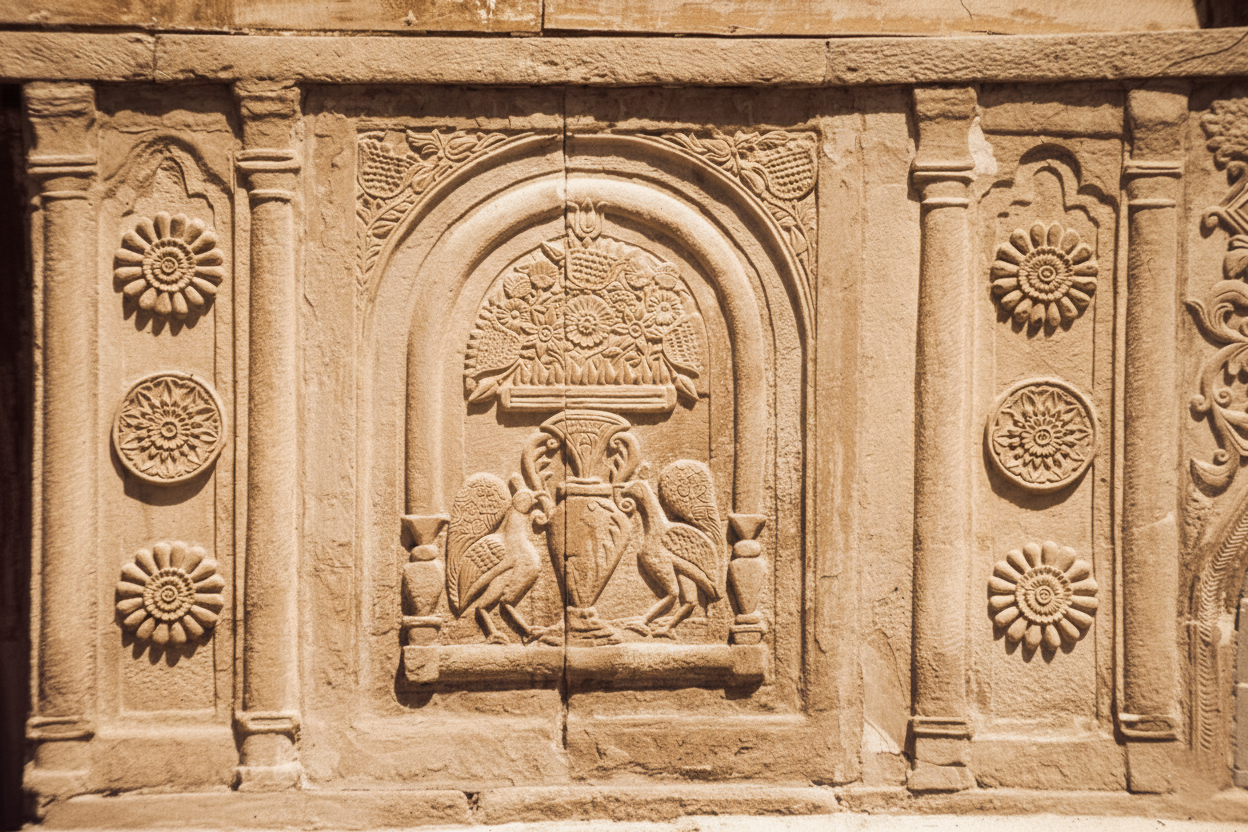
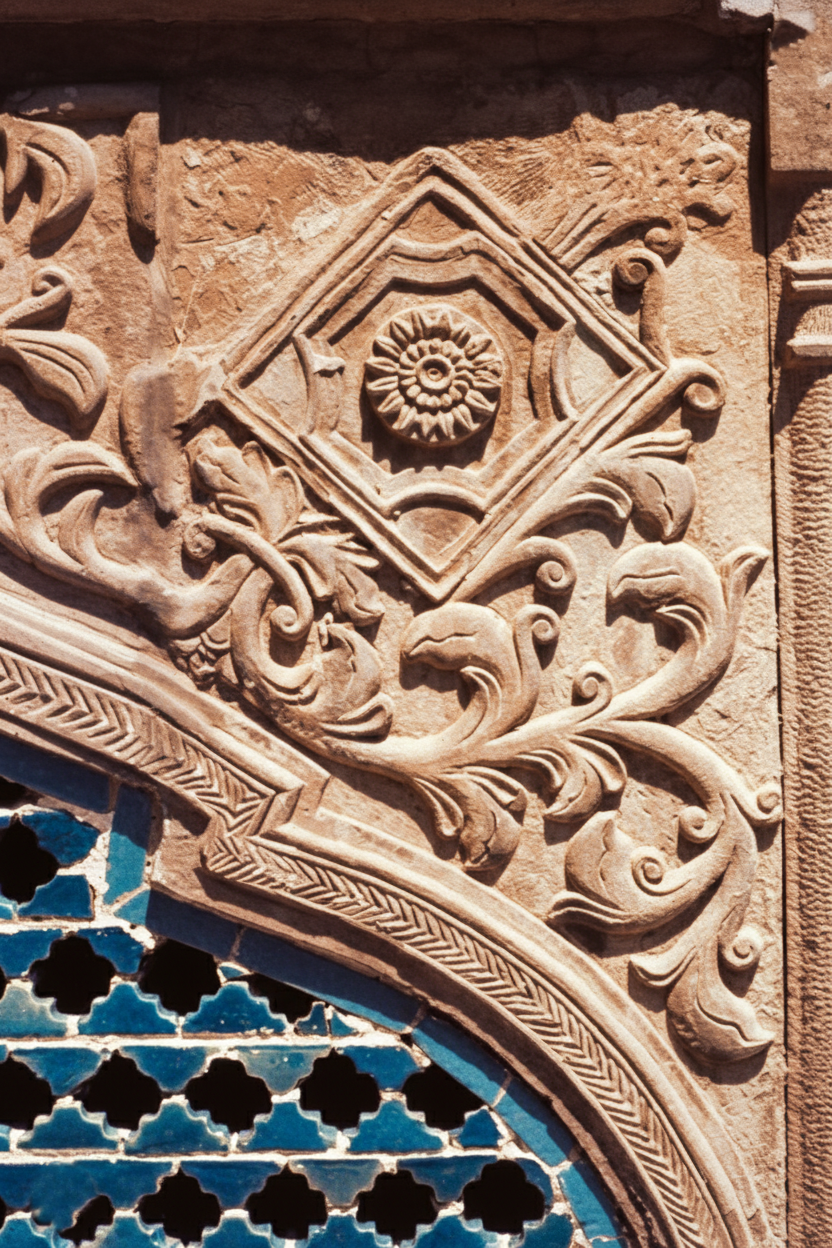
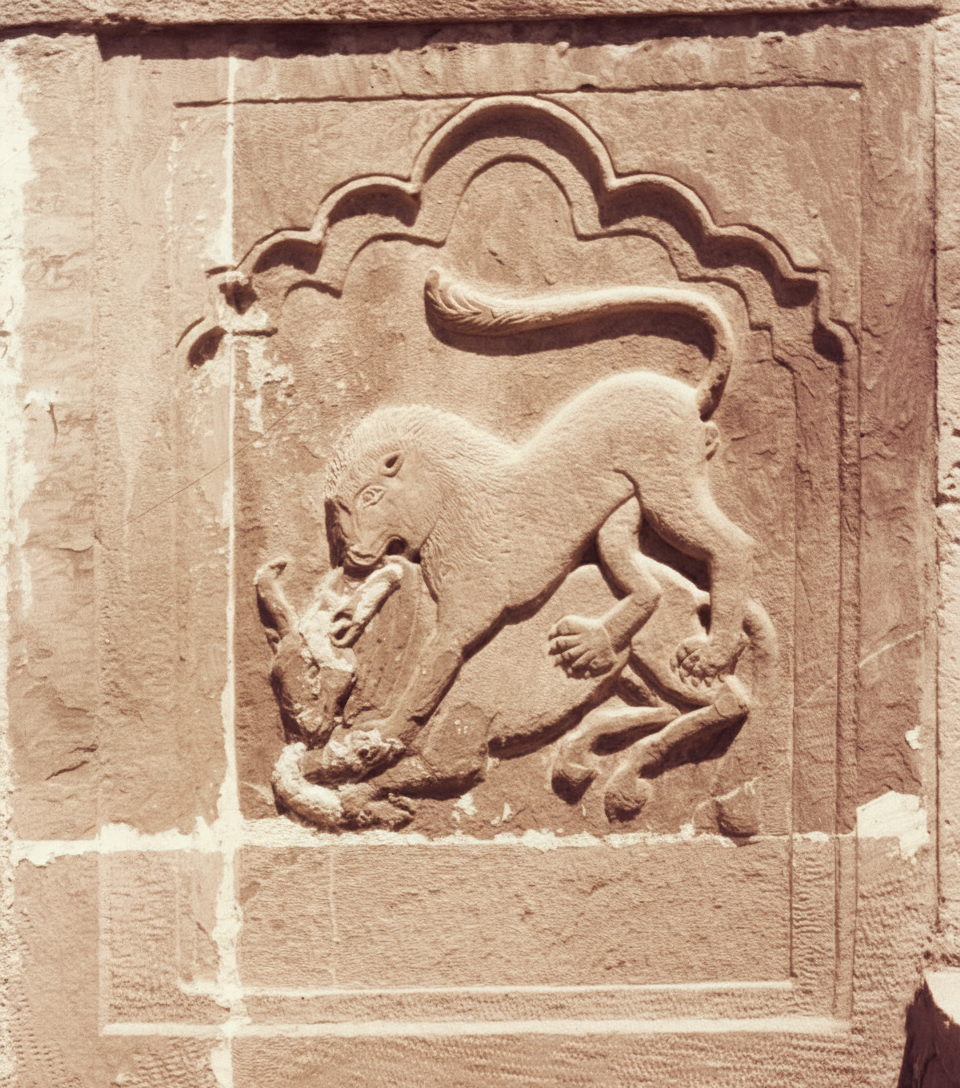
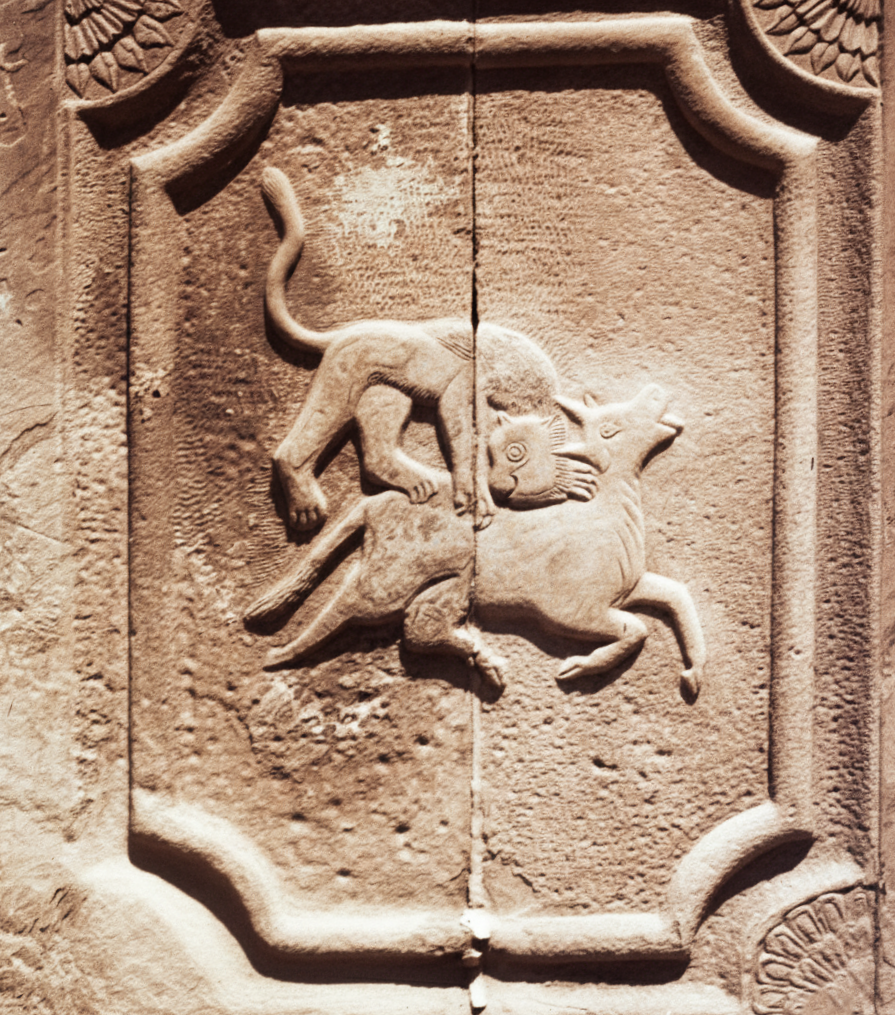
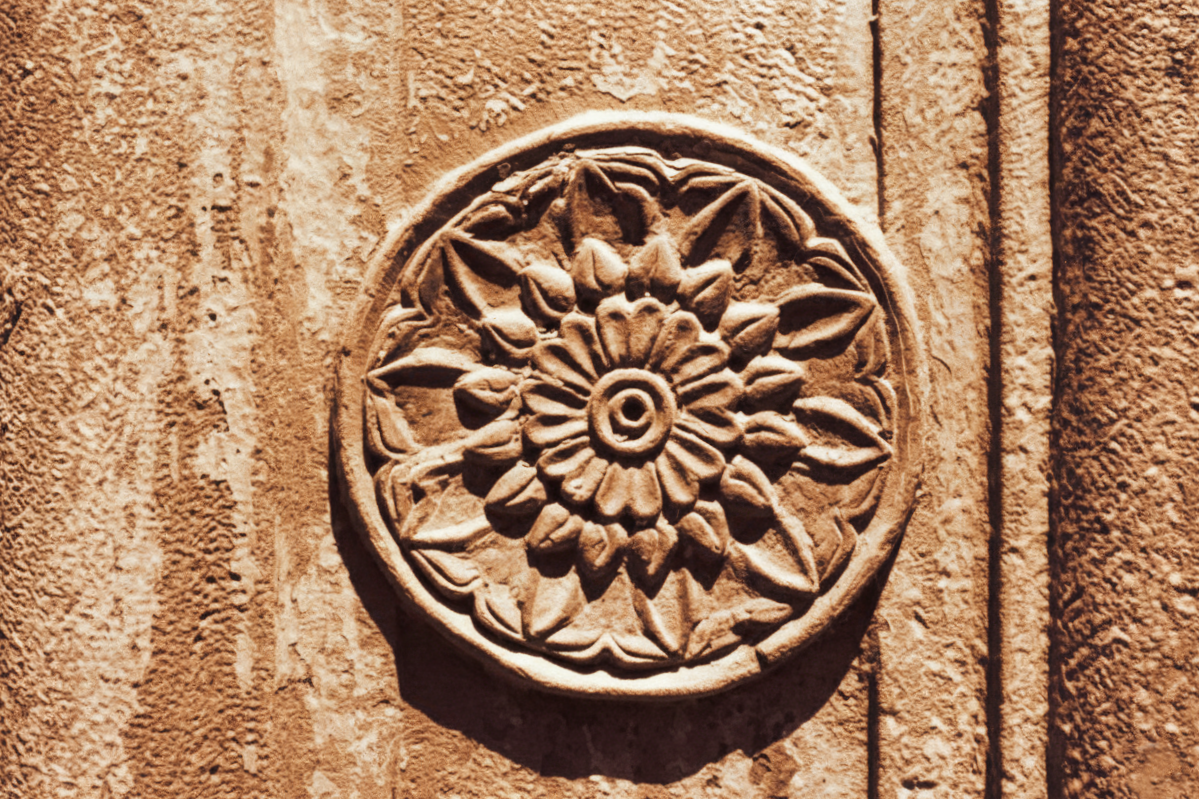
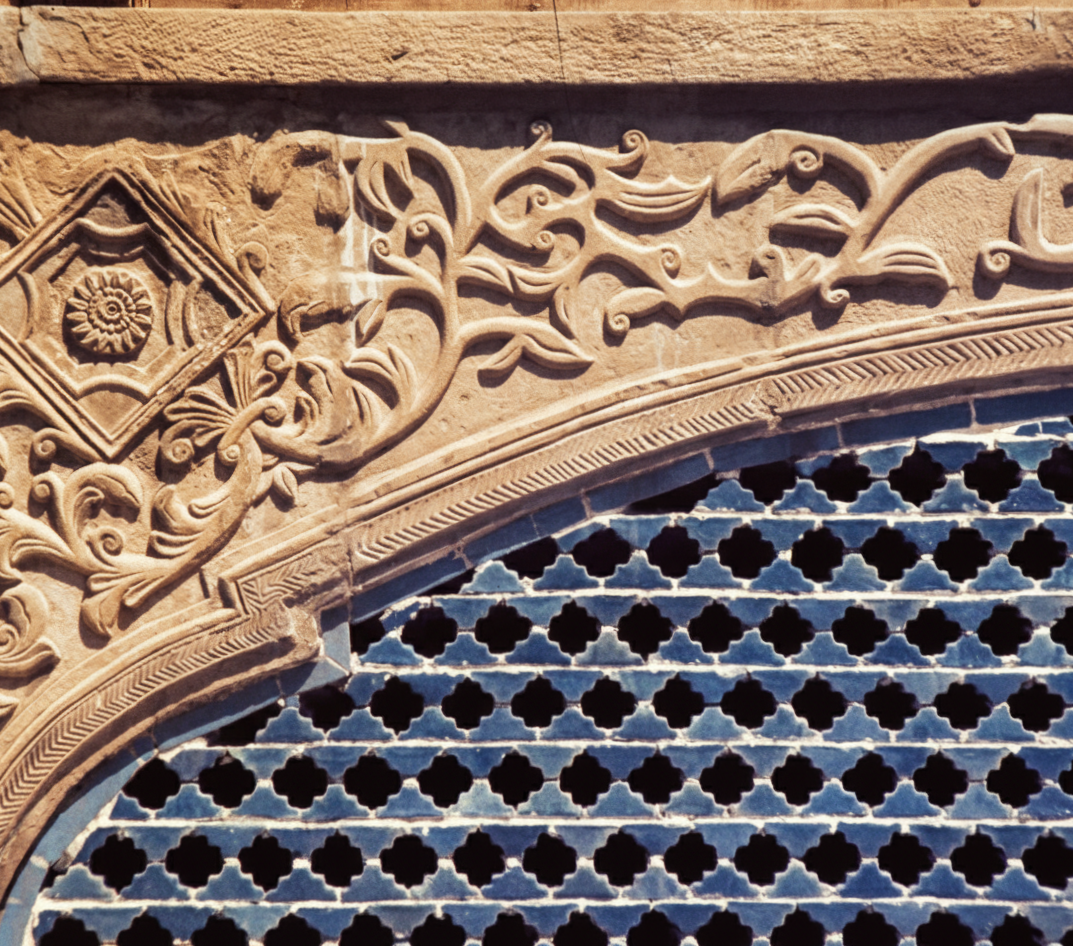
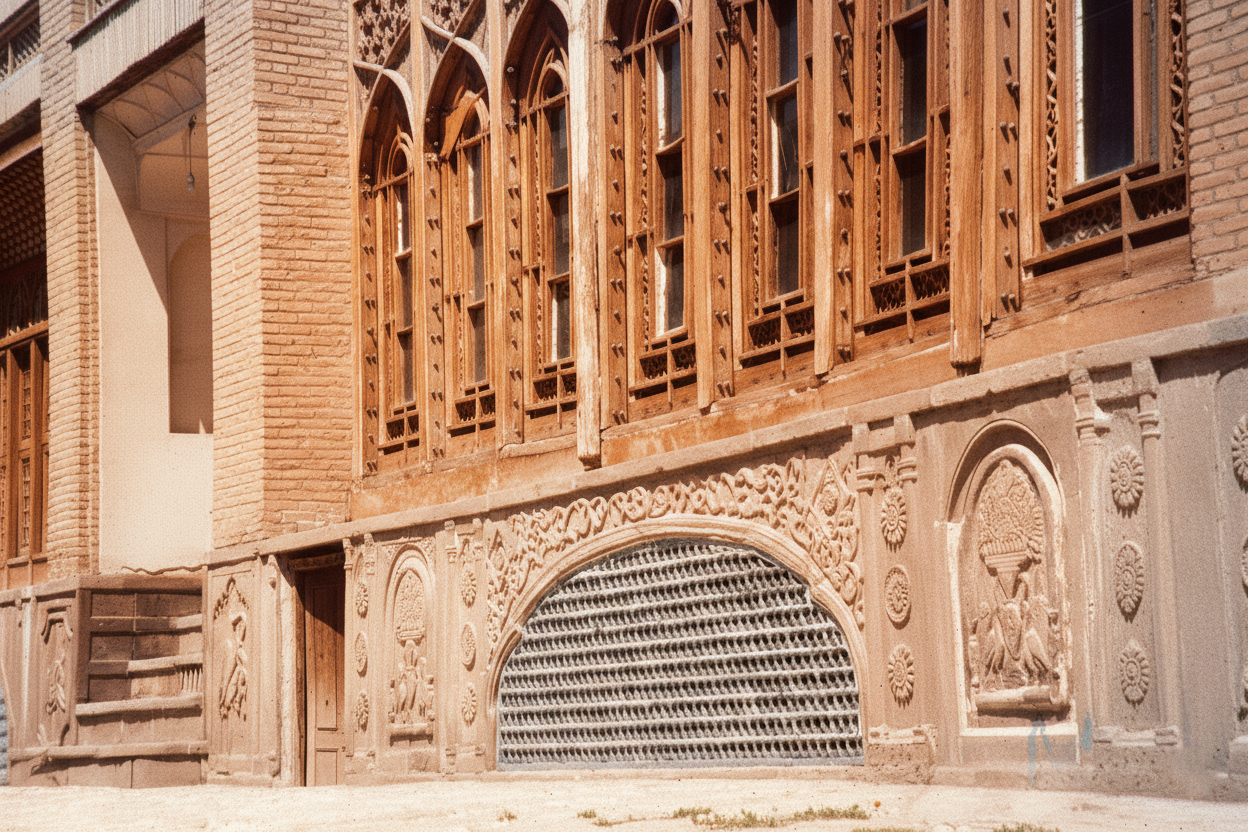
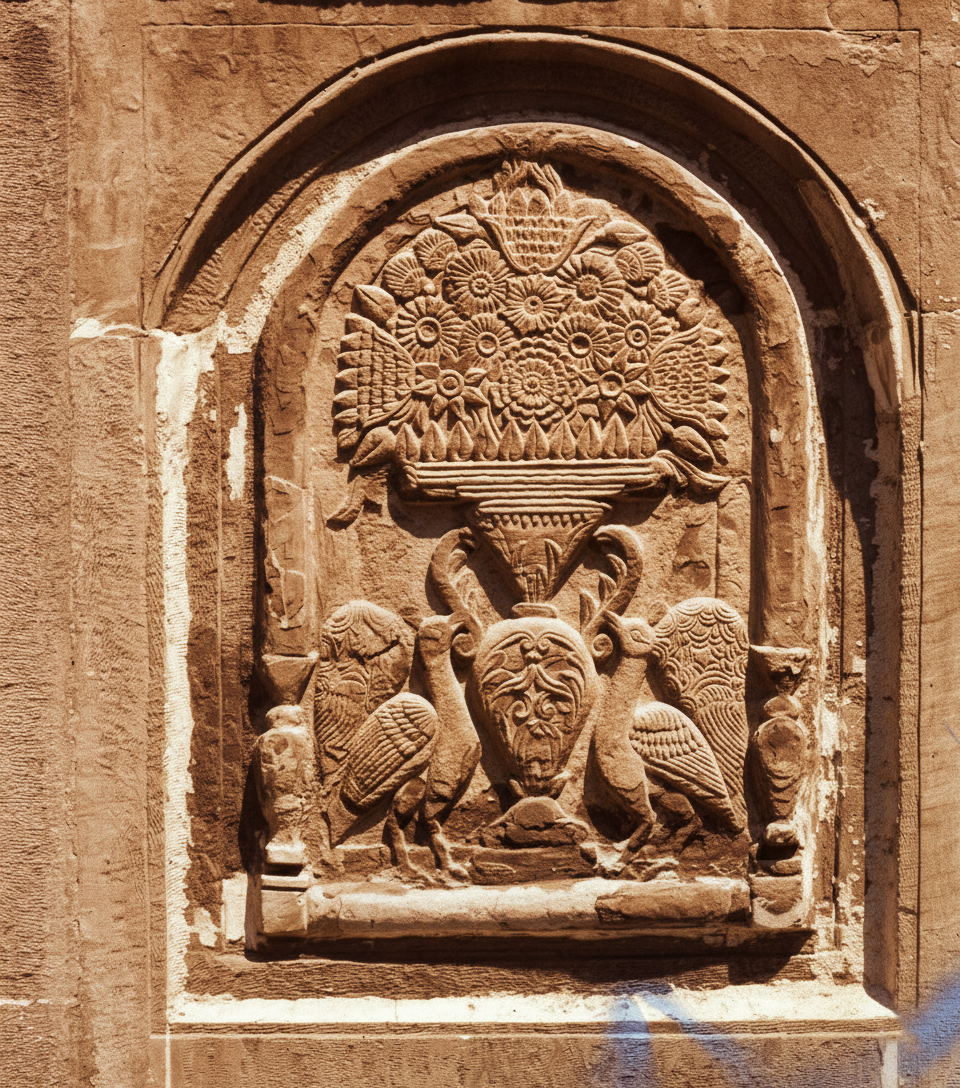
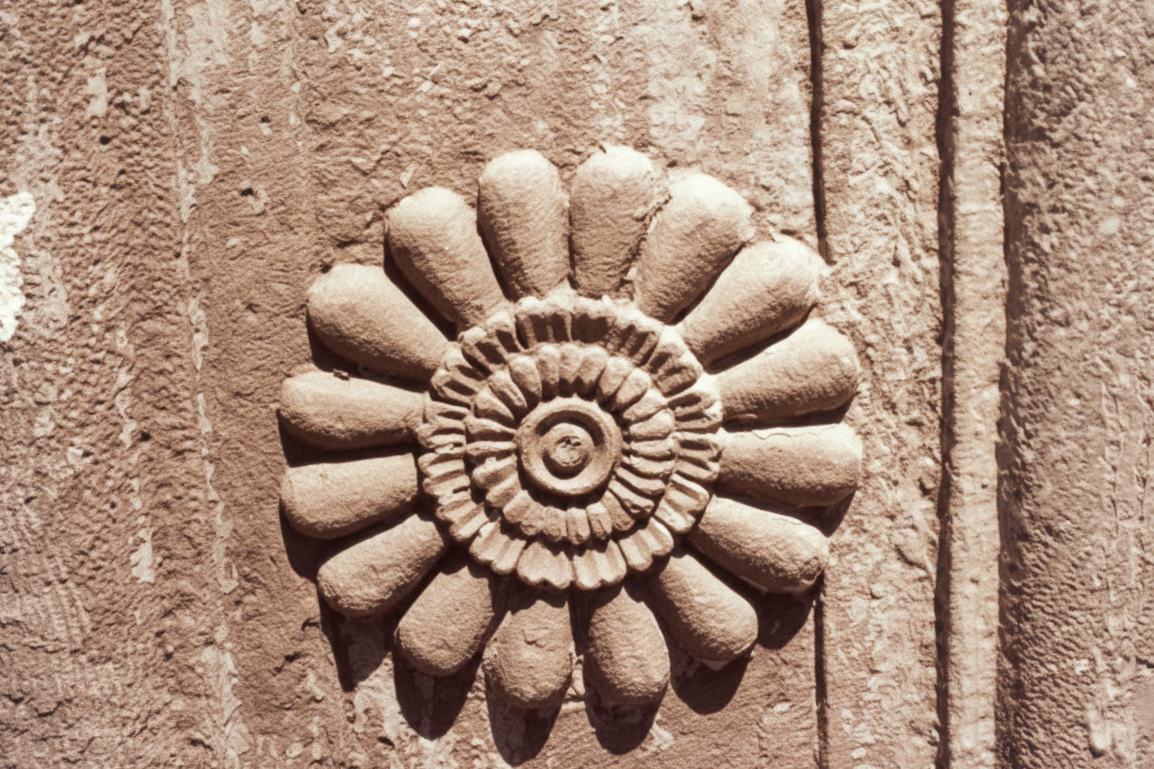
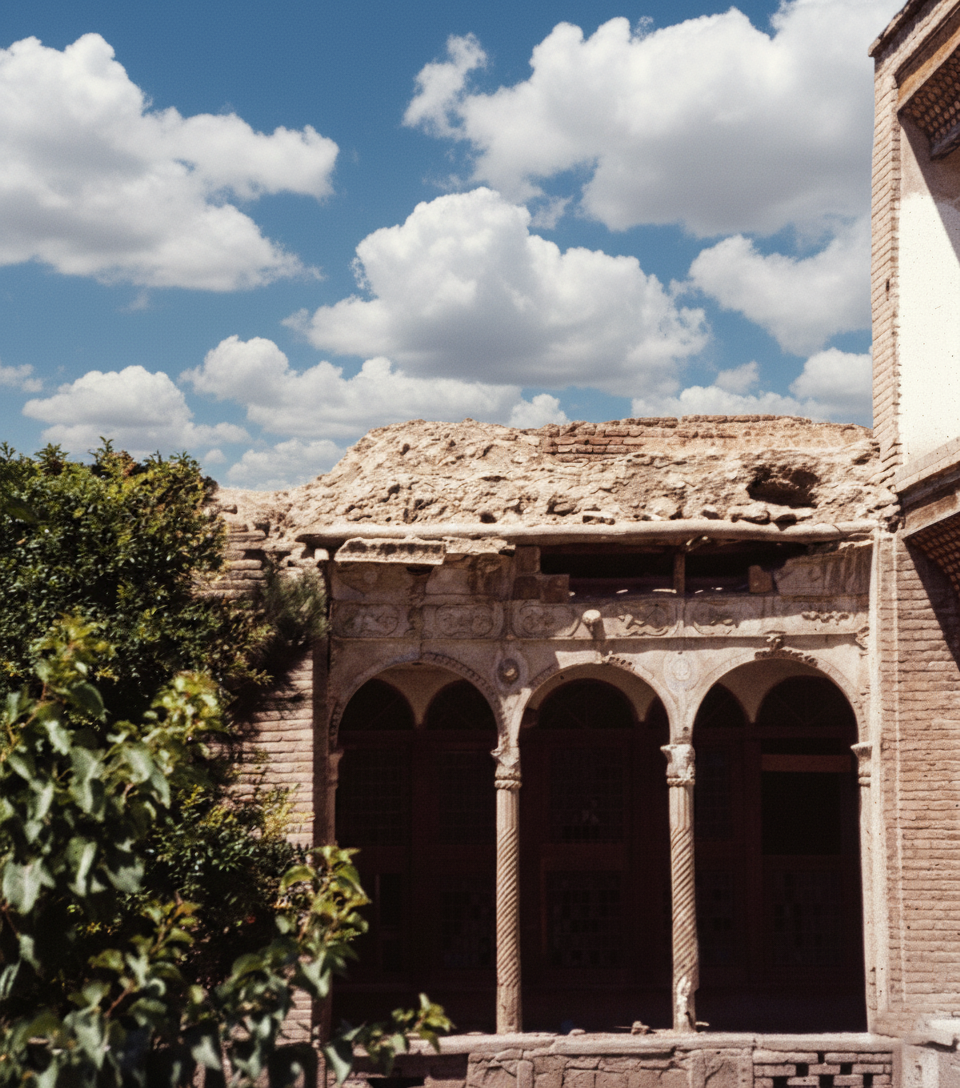
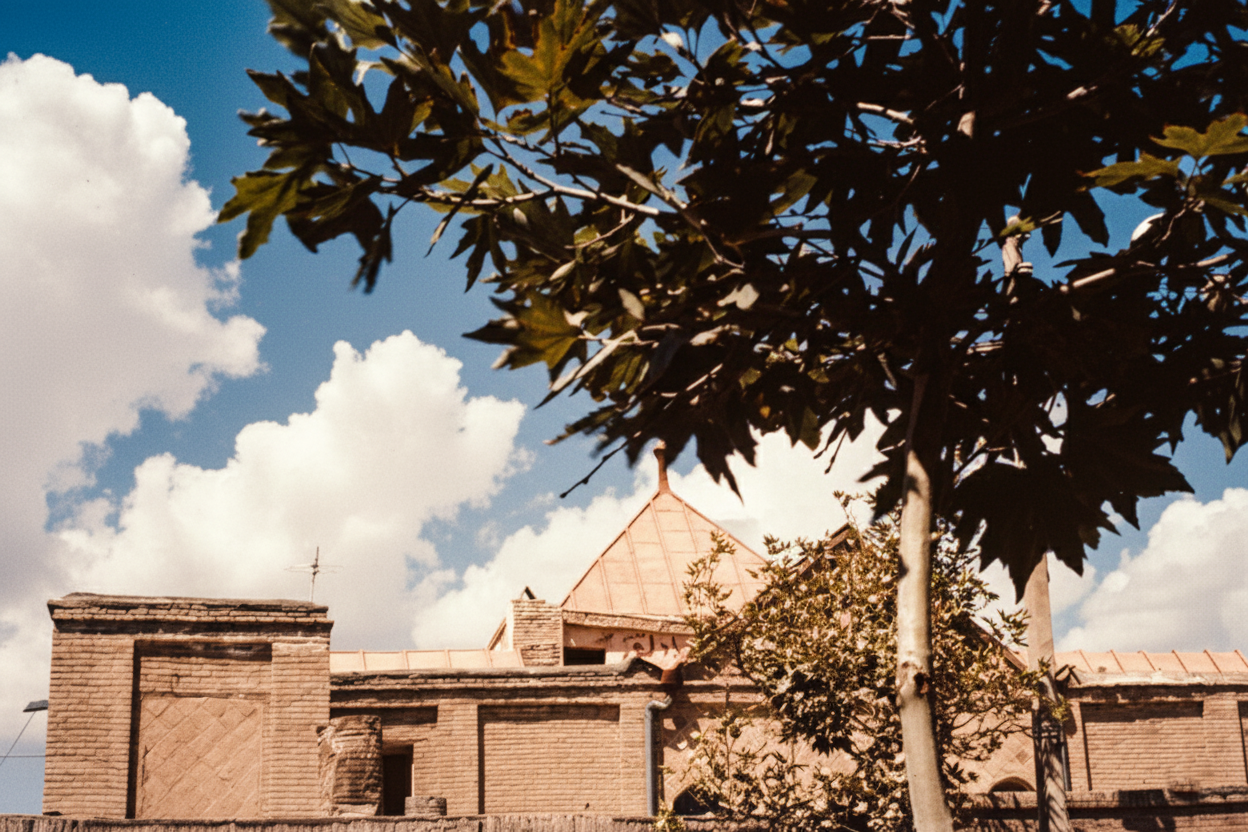
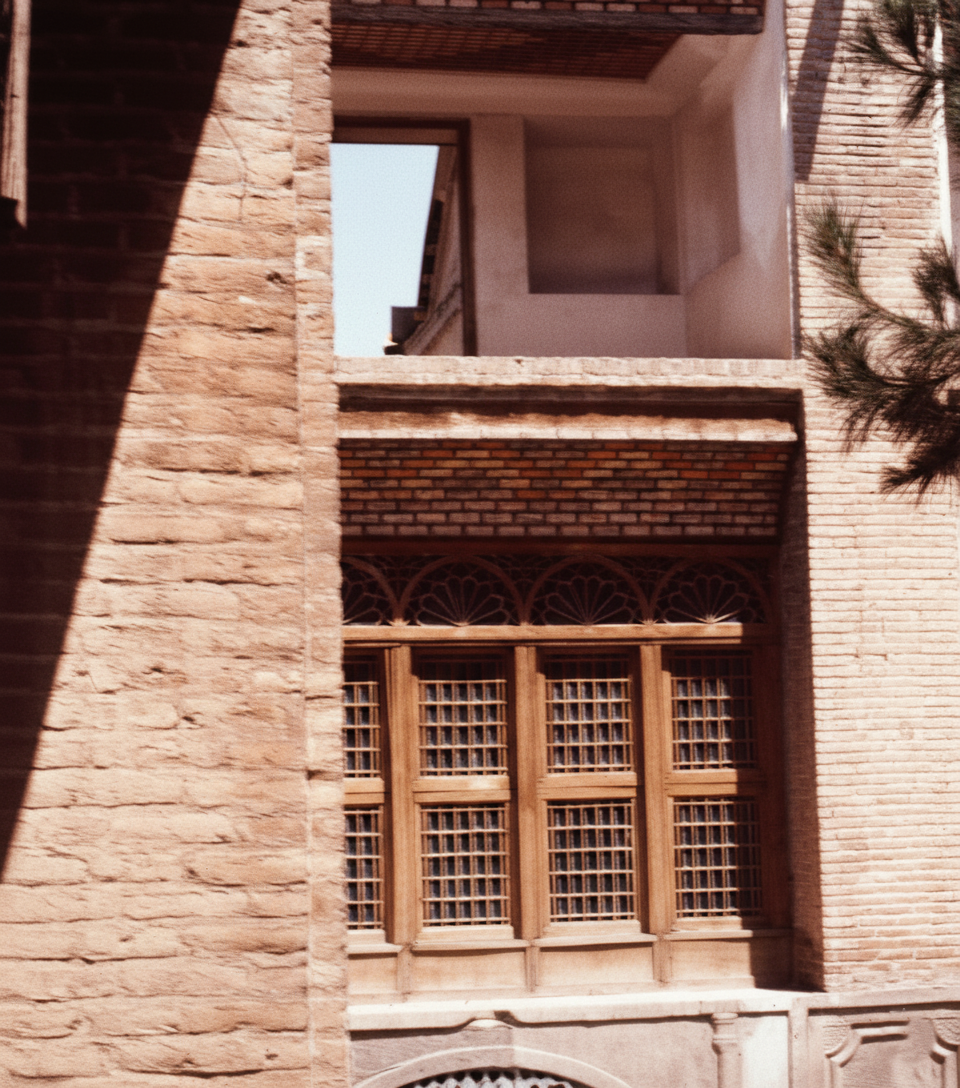
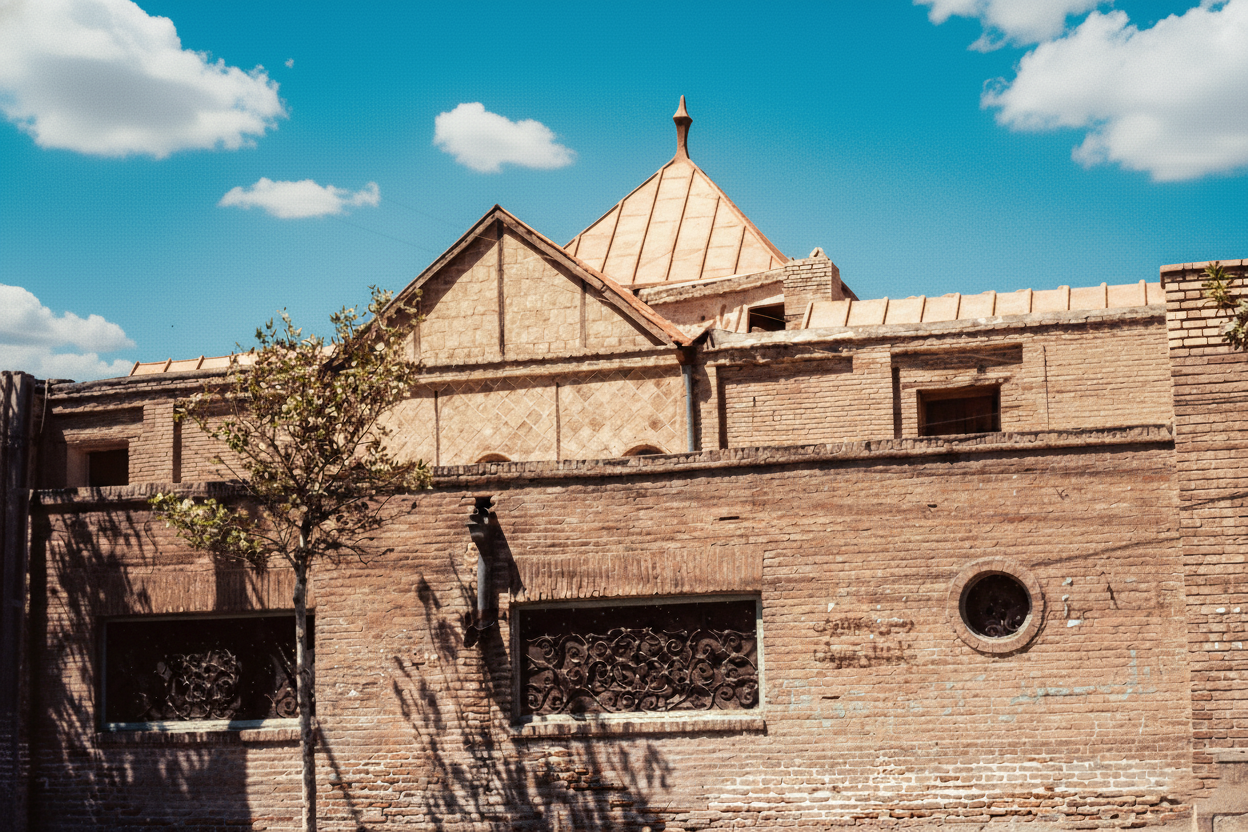
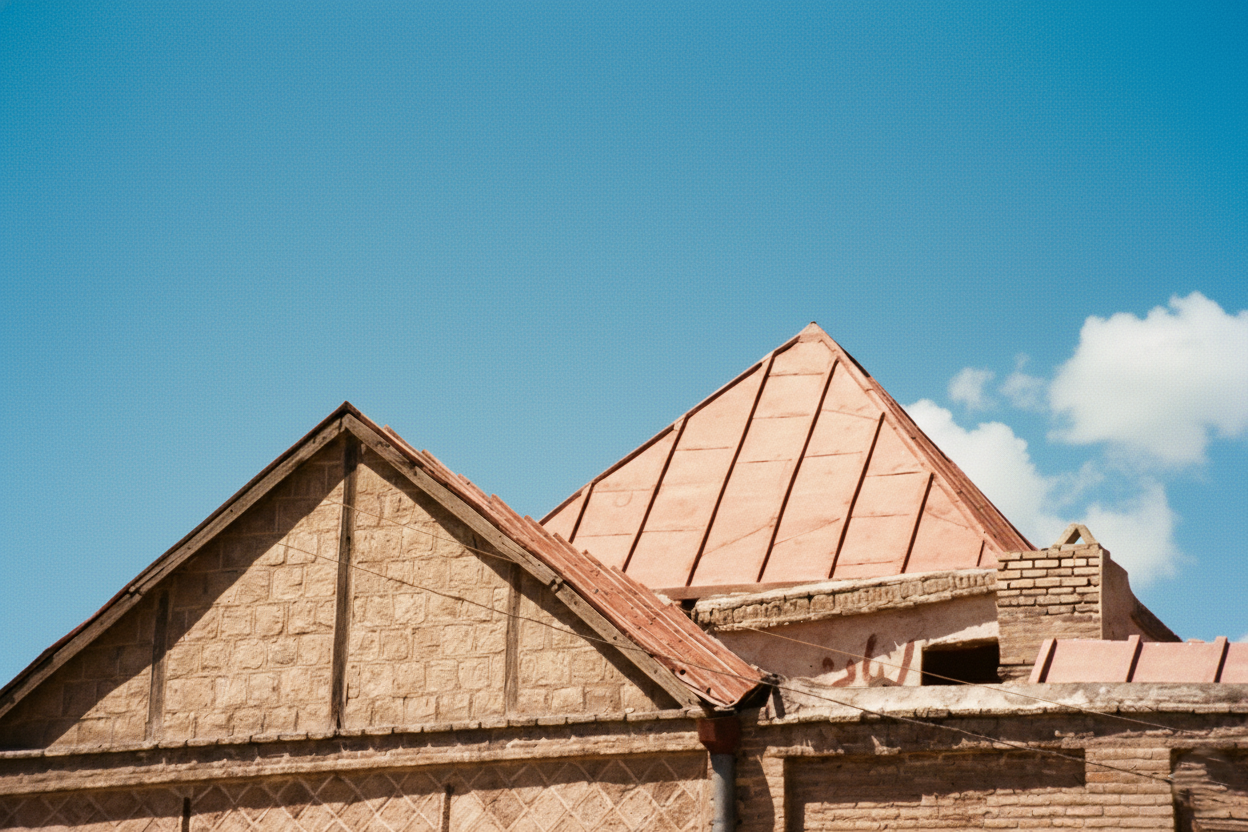
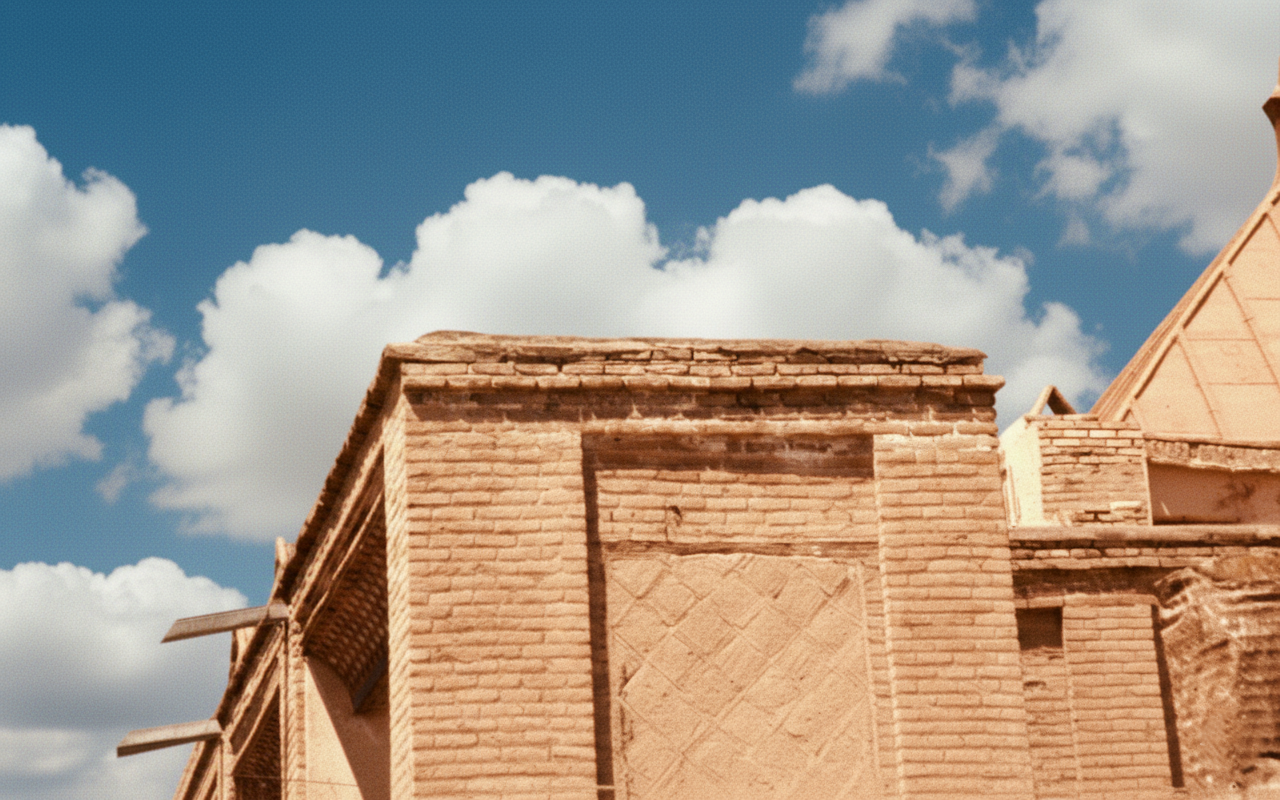
The Aminiha Historical House (خانه امینیها, 1858 CE) exemplifies Qajar-era domestic architecture in Qazvin (قزوین). Organized around a central courtyard (حیاط) and enriched with orsi windows (ارسی) and plasterwork, it integrates climate-responsive design with social hierarchy, reflecting the refined urban domestic culture of the city’s historic neighborhoods.
-
The Aminiha Historical House (خانه امینیها) in Qazvin (قزوین) is a distinguished example of Qajar-era (قاجار) residential architecture, constructed in 1858 CE (1275 AH) by the wealthy merchant Haj Mohammad Reza Amini (حاج محمدرضا امینی). The house reflects the spatial and social principles of traditional Iranian domestic design, where architecture mediates between climate, privacy, and social life.
Organized as an inward-looking courtyard house, the building revolves around a central courtyard (حیاط مرکزی) that regulates light, airflow, and seasonal use. Rooms are arranged hierarchically around this courtyard: the principal reception halls occupy the main axis facing the courtyard, while more private family quarters are positioned deeper within the complex. This spatial hierarchy reflects the cultural distinction between public reception (بیرونی) and private family space (اندرونی) that structured elite domestic life in Qajar Iran.
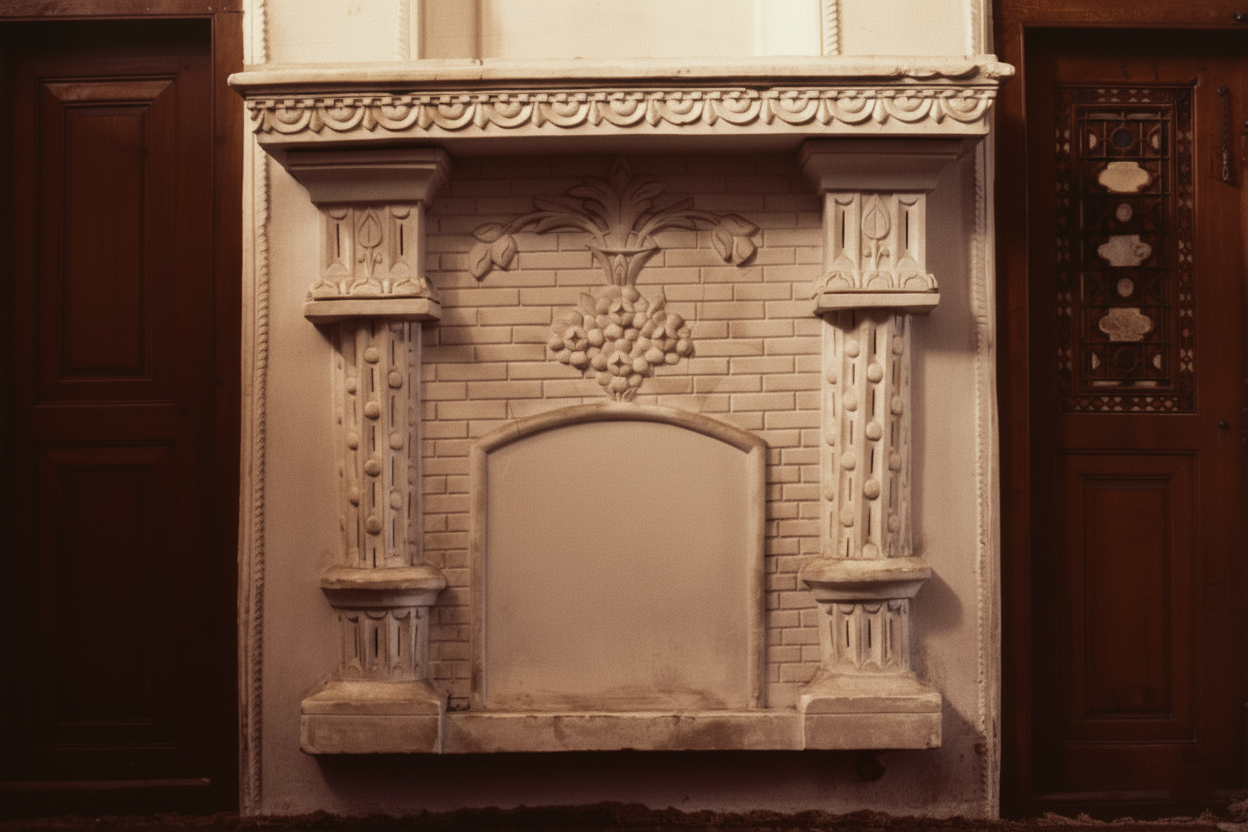
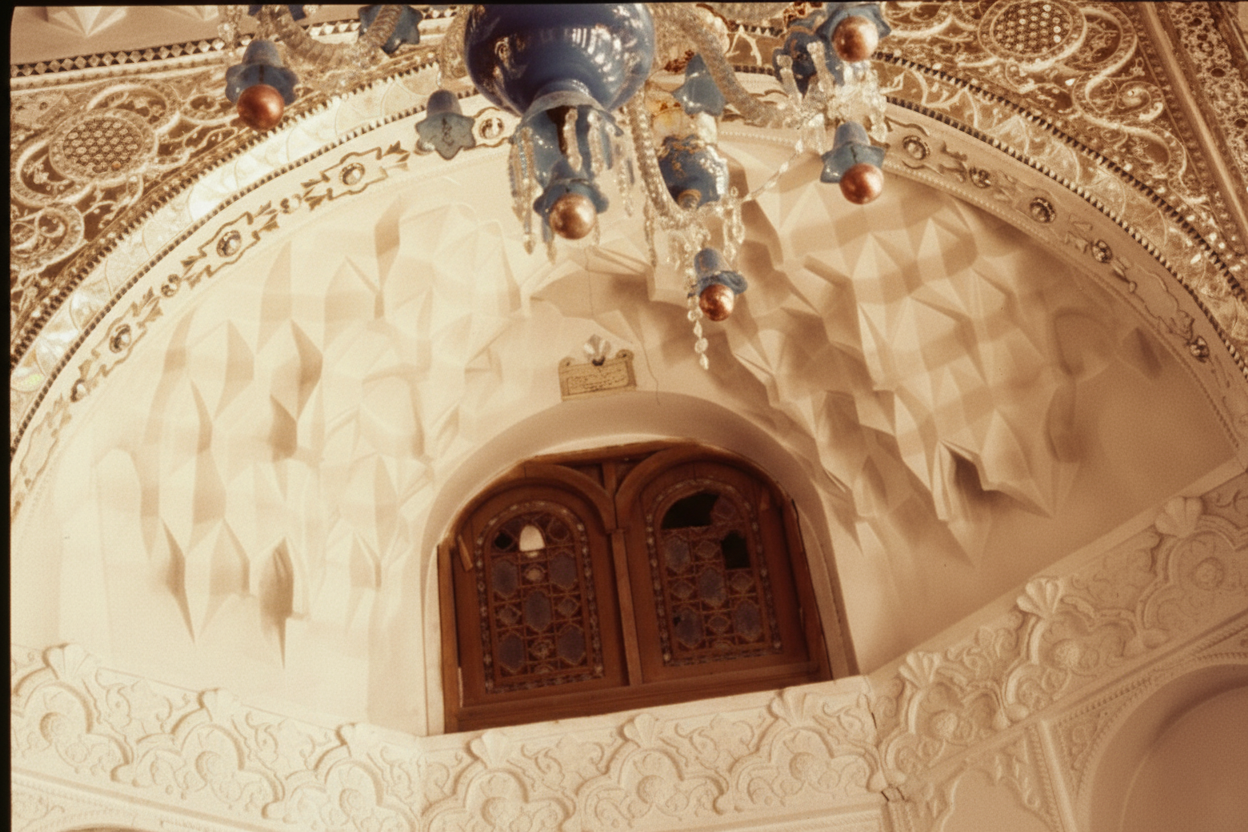
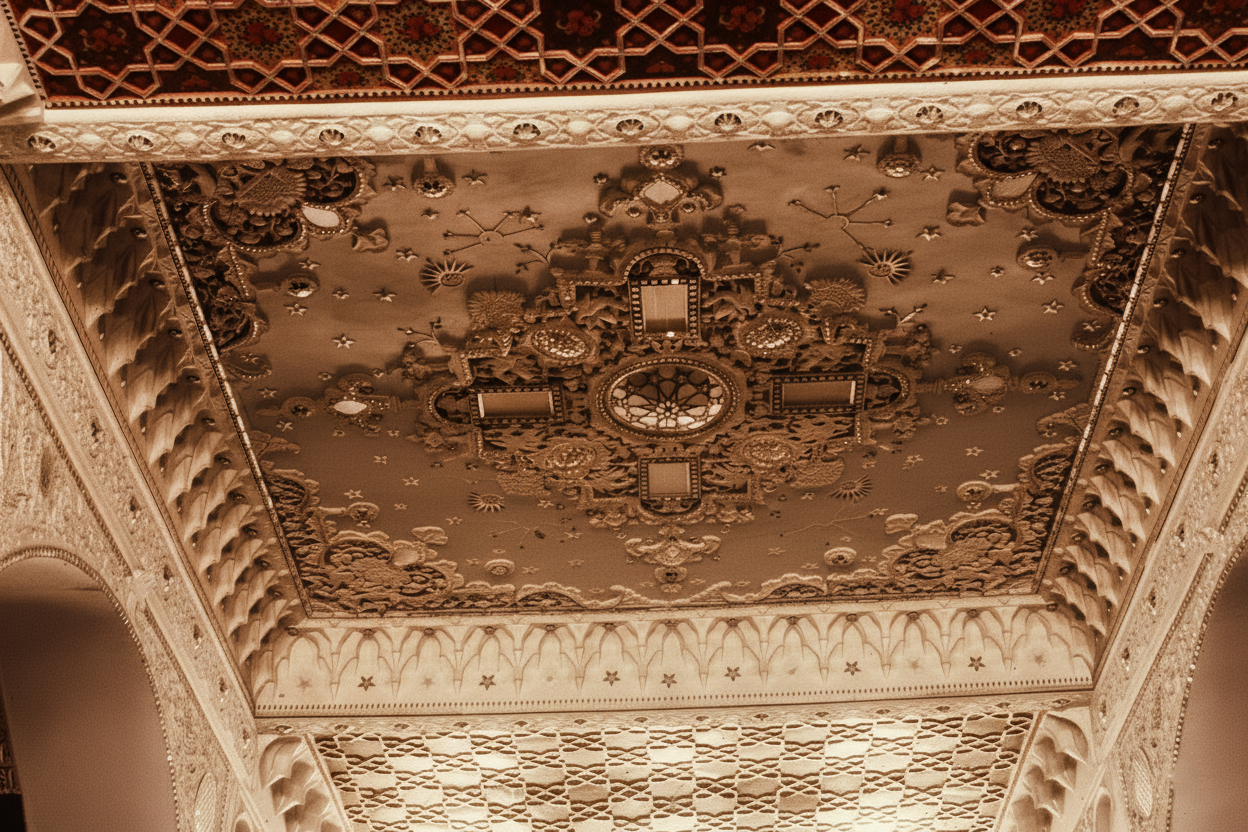
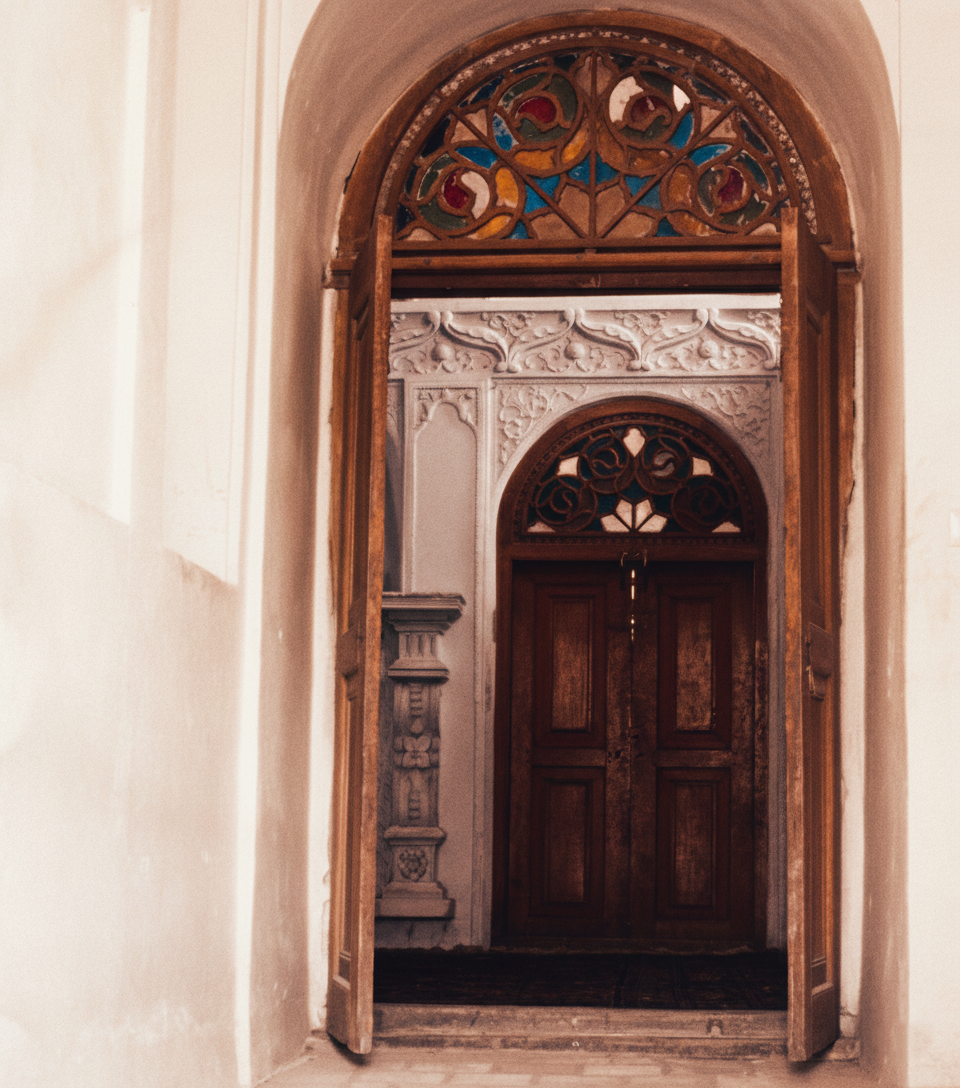
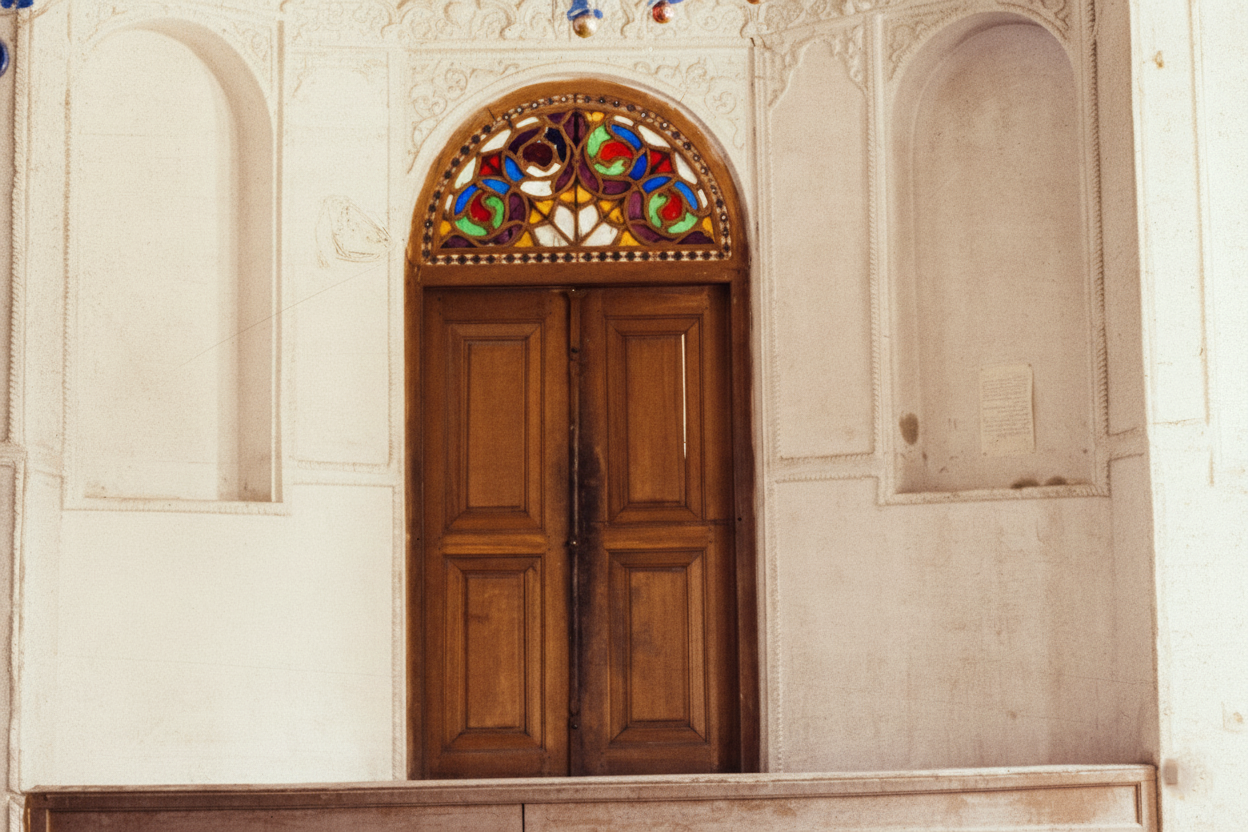
Architecturally, the house is celebrated for its richly decorated interiors. Elaborate plasterwork (گچبری), mirrorwork (آینهکاری), colored-glass orsi windows (ارسی), and finely crafted wooden doors create an atmosphere of refinement that reflects the prosperity of merchant families in 19th-century Qazvin. The large triple-door reception hall is designed to open into an expansive ceremonial space, allowing the interior to accommodate large social and religious gatherings.
Within the urban fabric of Qazvin, the Aminiha House forms part of a network of traditional neighborhoods (محلهها) connected by narrow alleys (کوچههای باریک) and local commercial nodes. Like many historic courtyard houses, its modest exterior walls facing the street conceal richly articulated interiors, reinforcing the Iranian architectural principle of privacy from the public realm while maintaining close integration with the surrounding community.
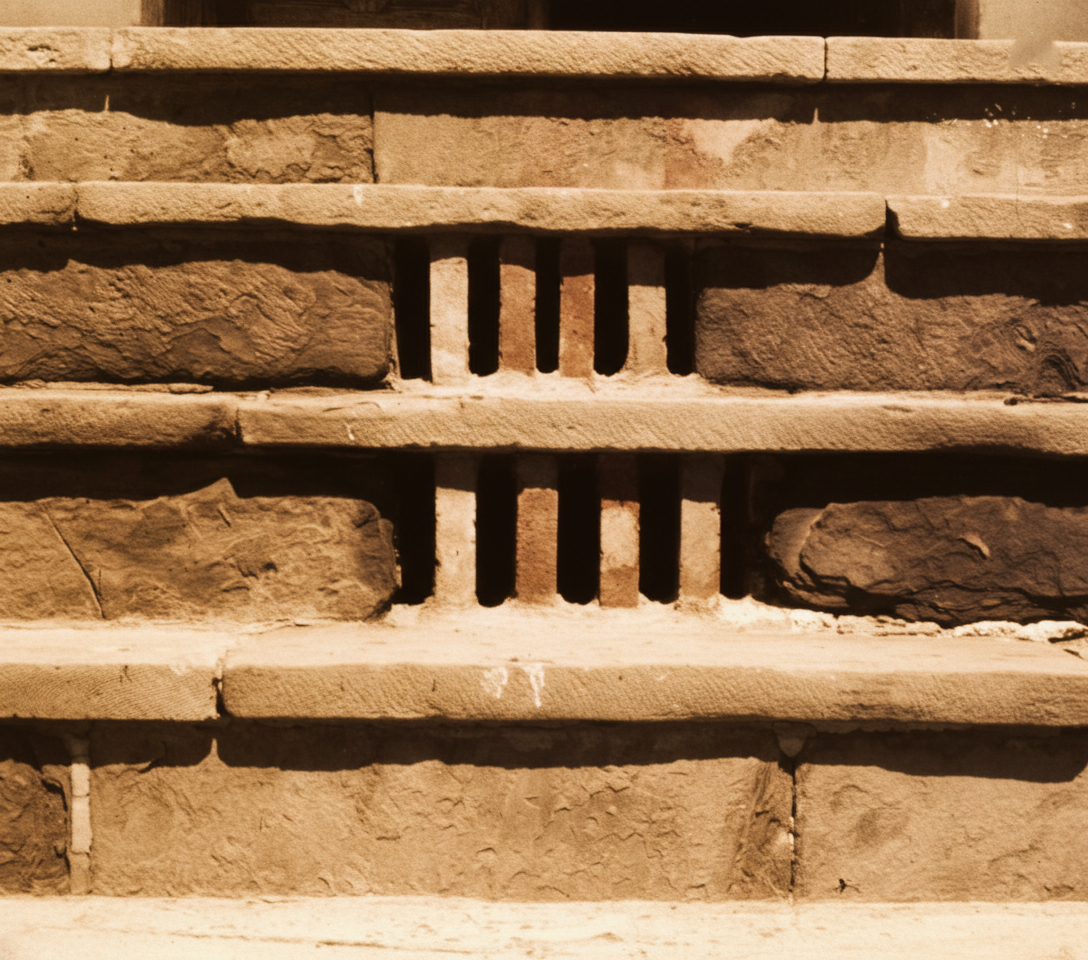
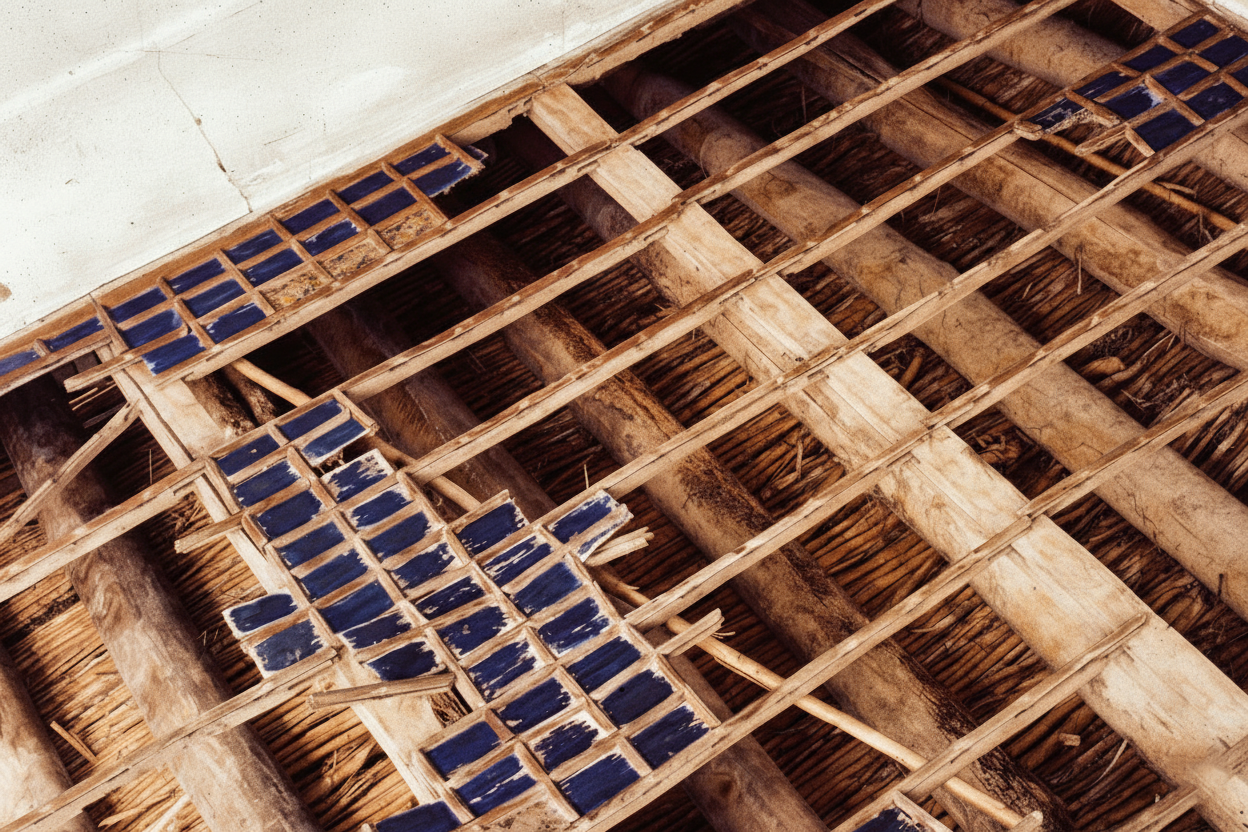
Built with thick brick and adobe walls (خشت و گل) that moderate temperature, the house exemplifies climate-responsive construction adapted to the semi-arid conditions of the northern Iranian plateau. Beyond its architectural beauty, the Aminiha House illustrates how domestic architecture contributed to the broader social and urban structure of Qazvin, where residential spaces supported hospitality, religious gatherings, and community interaction within the evolving city.
