The Jameh Mosque of Qazvin (مسجد جامع قزوین)
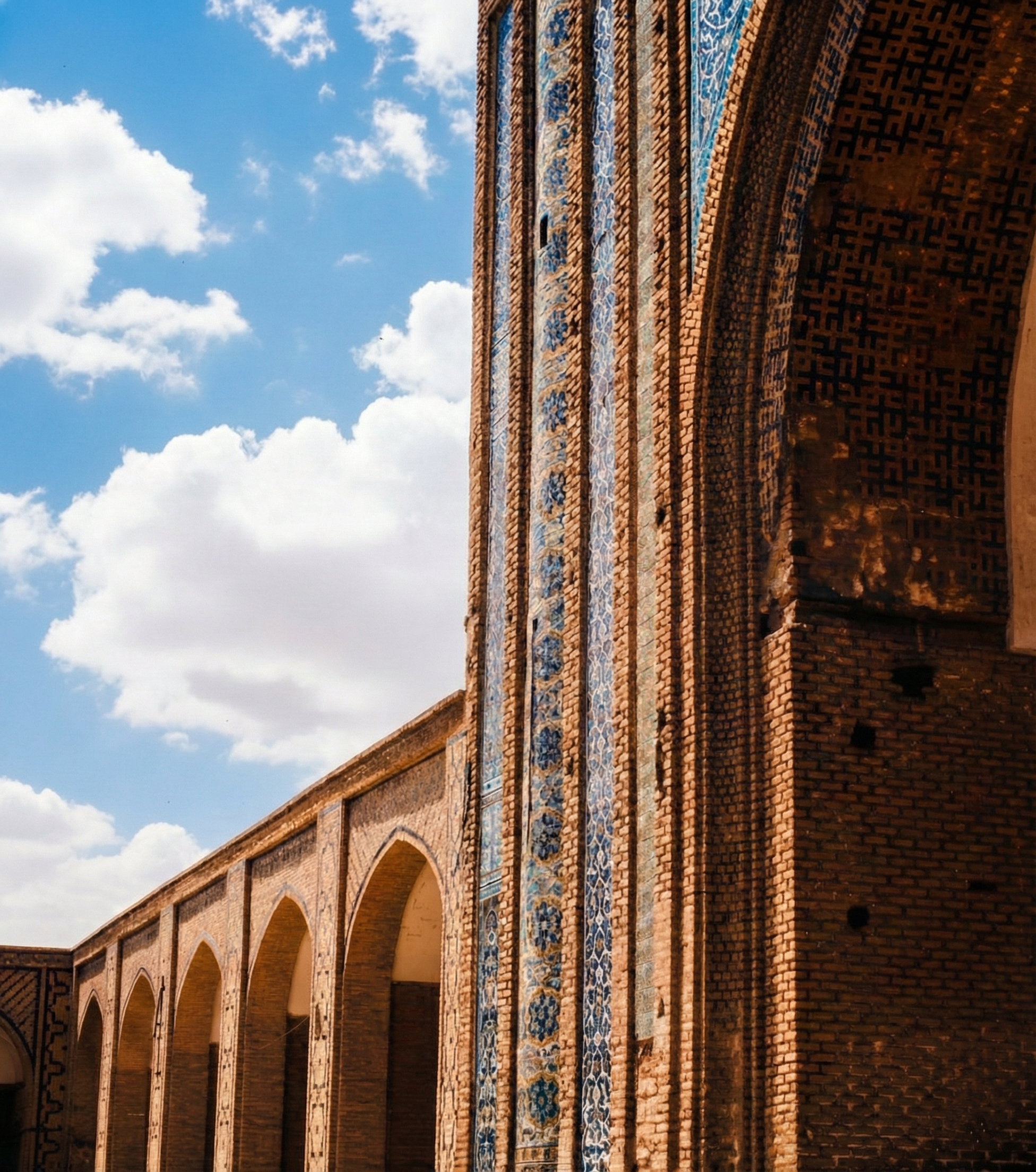
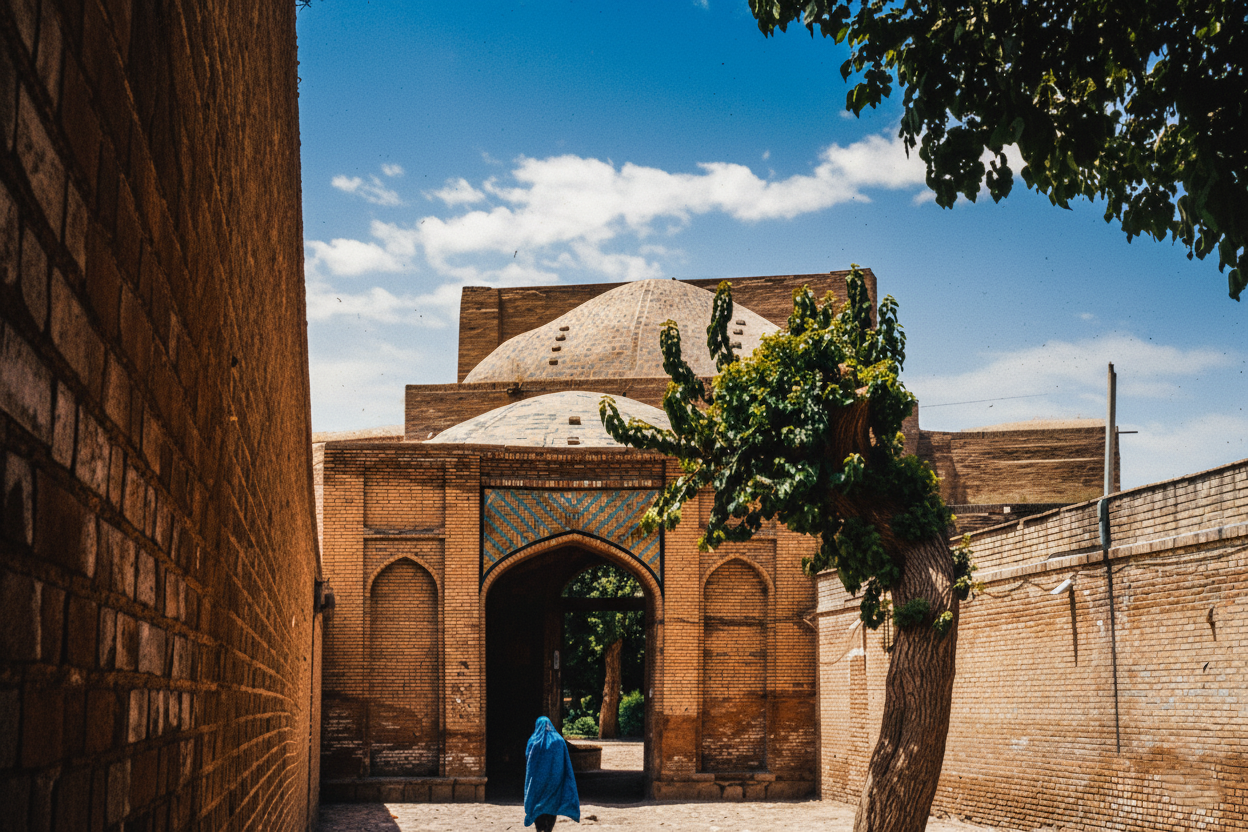
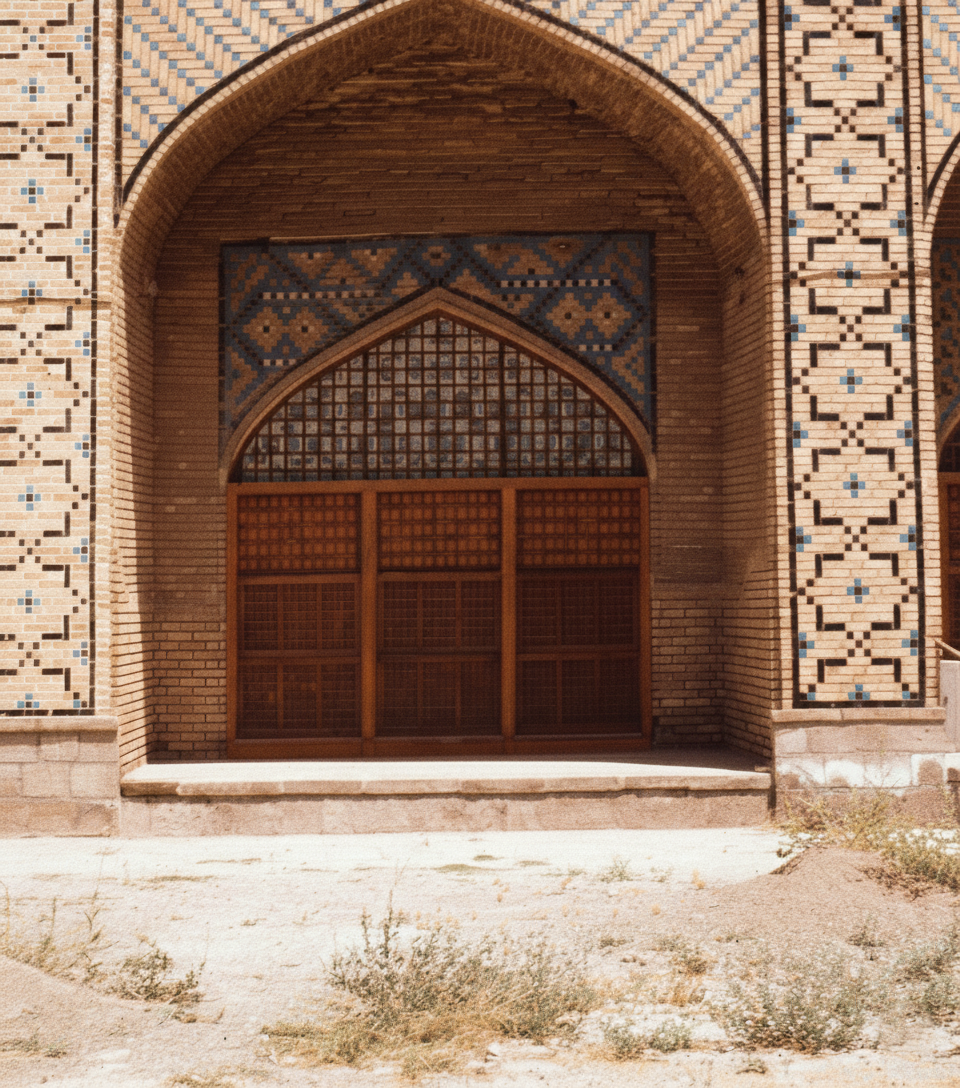
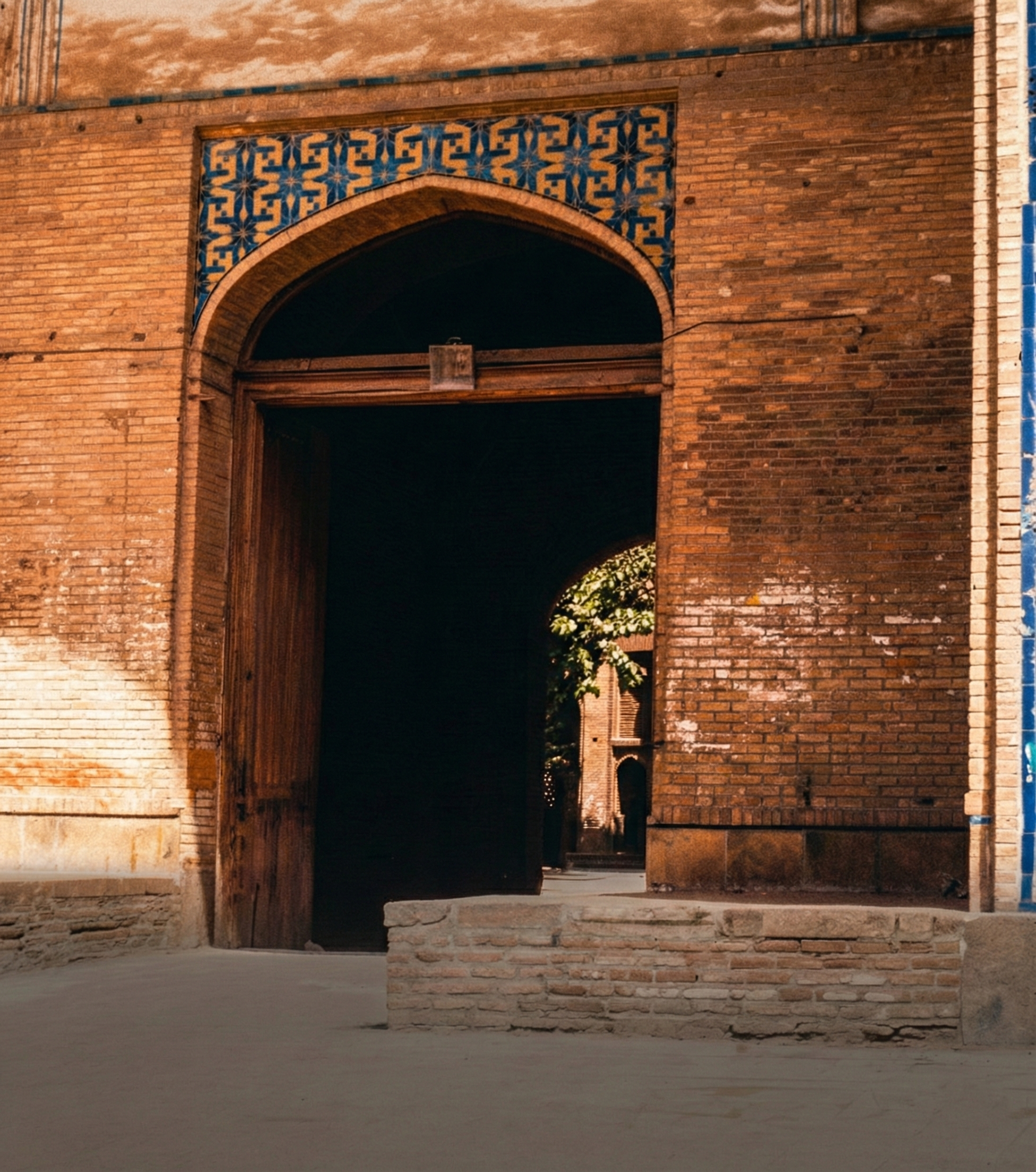
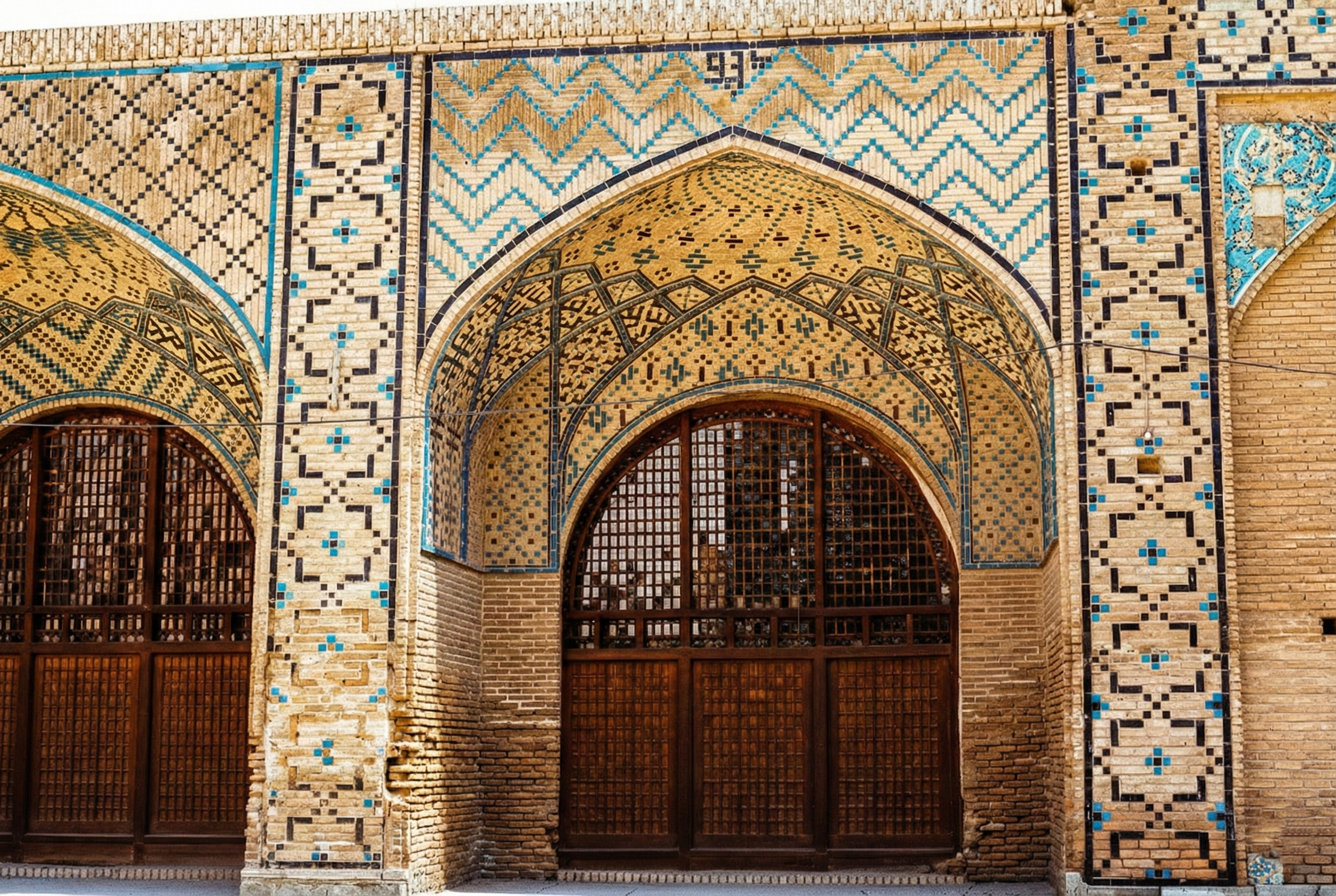
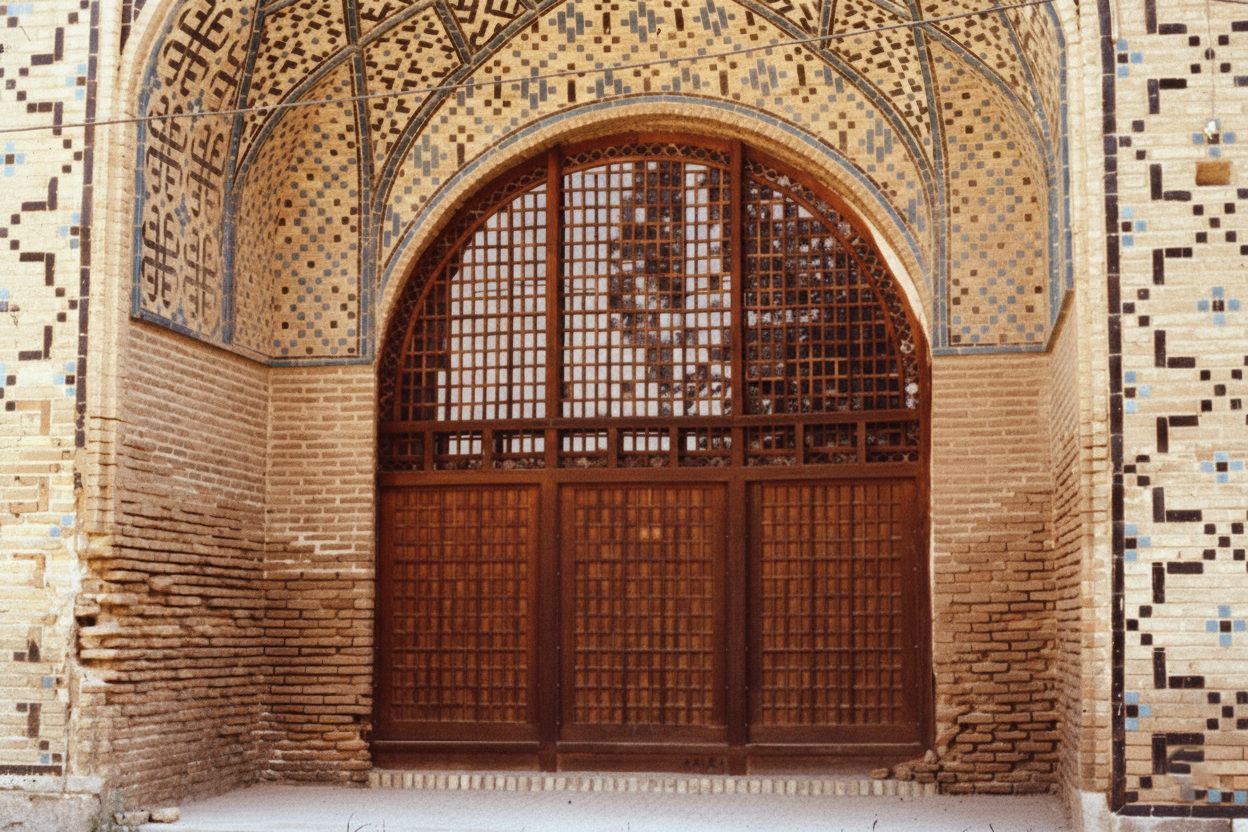
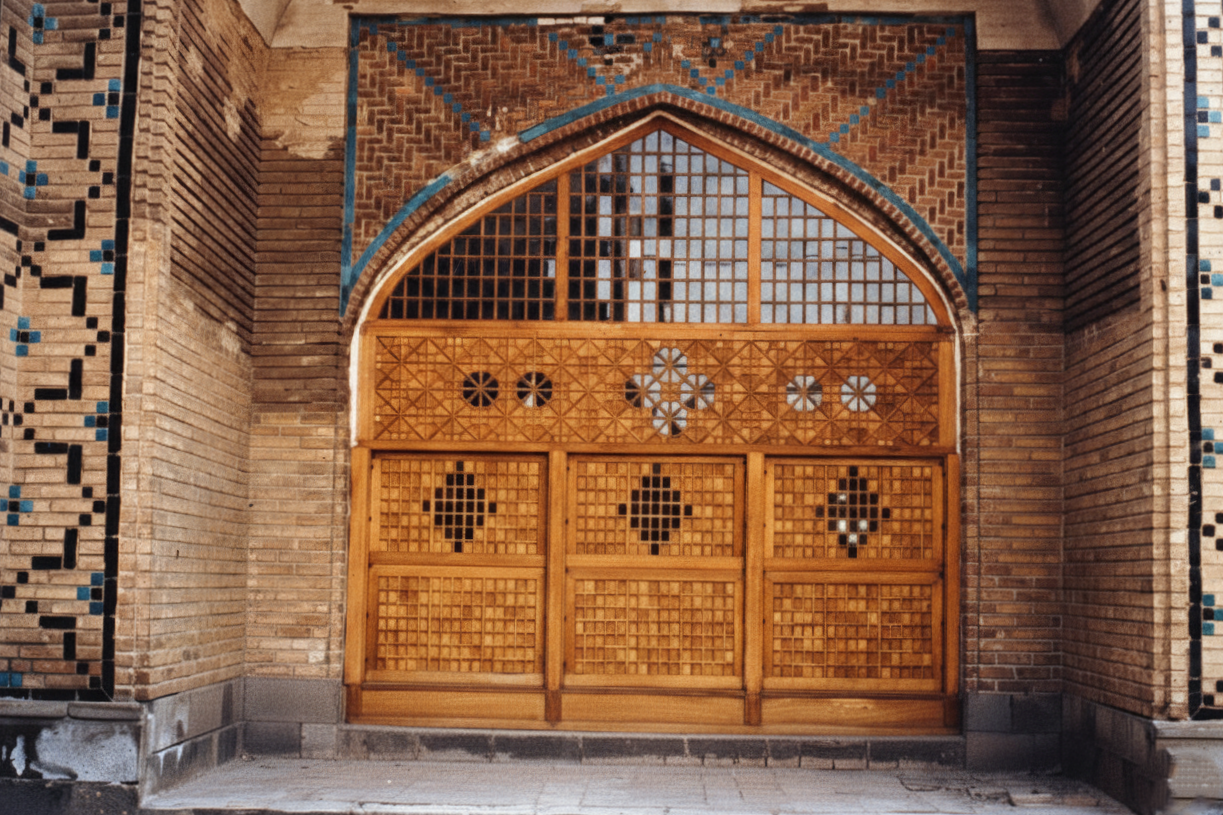
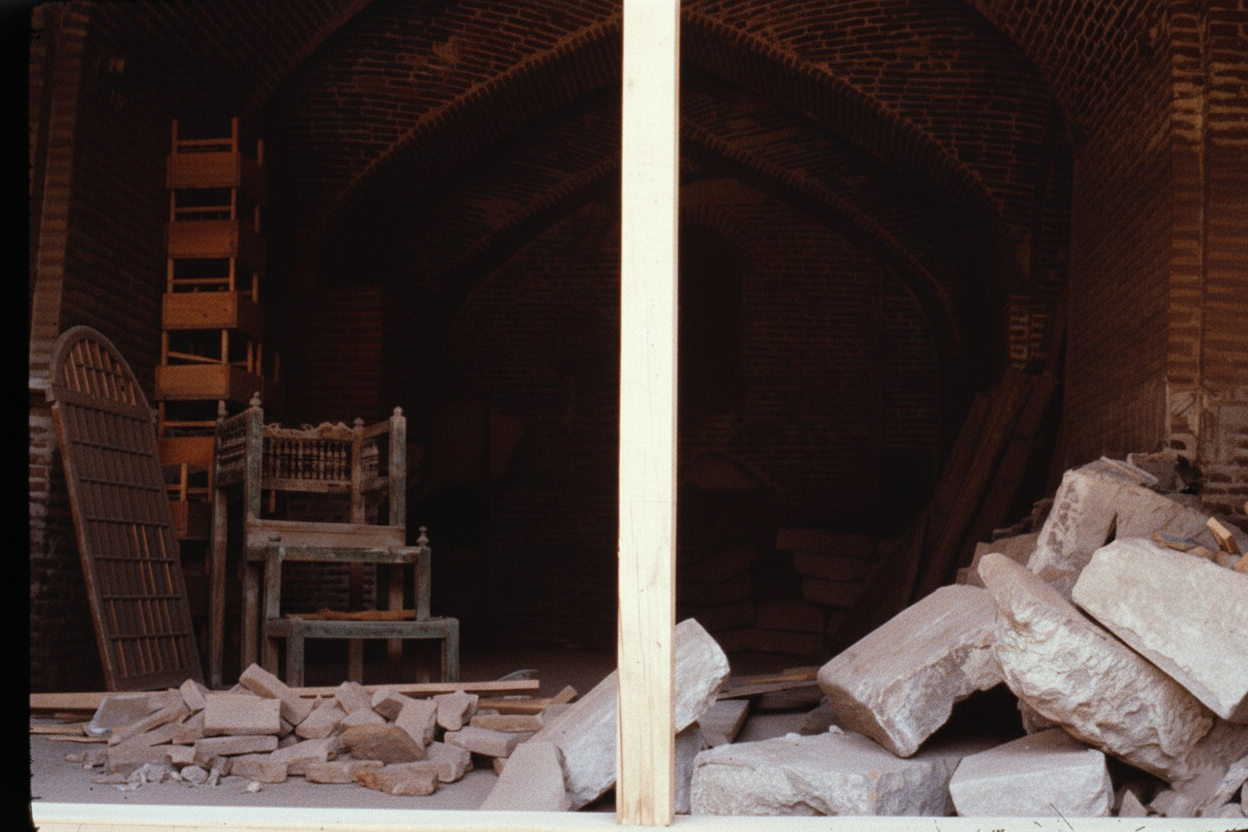
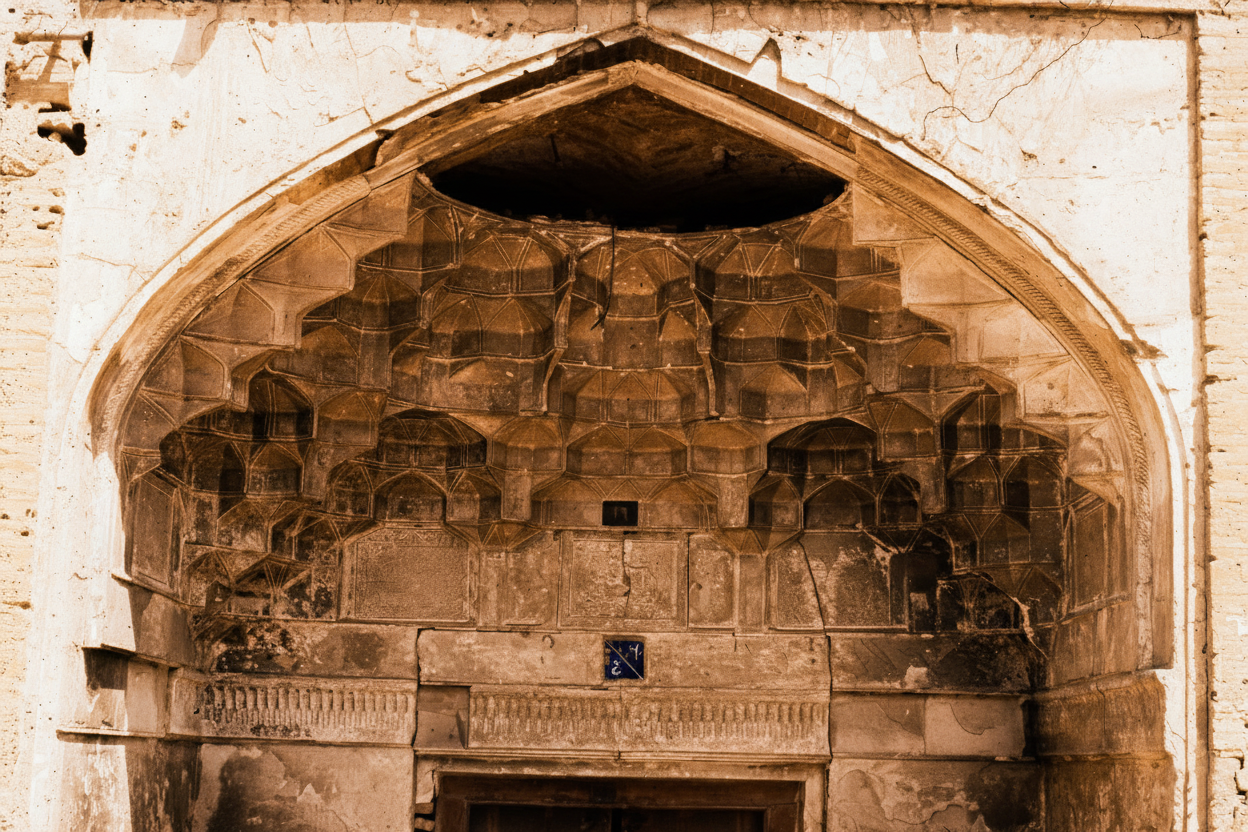
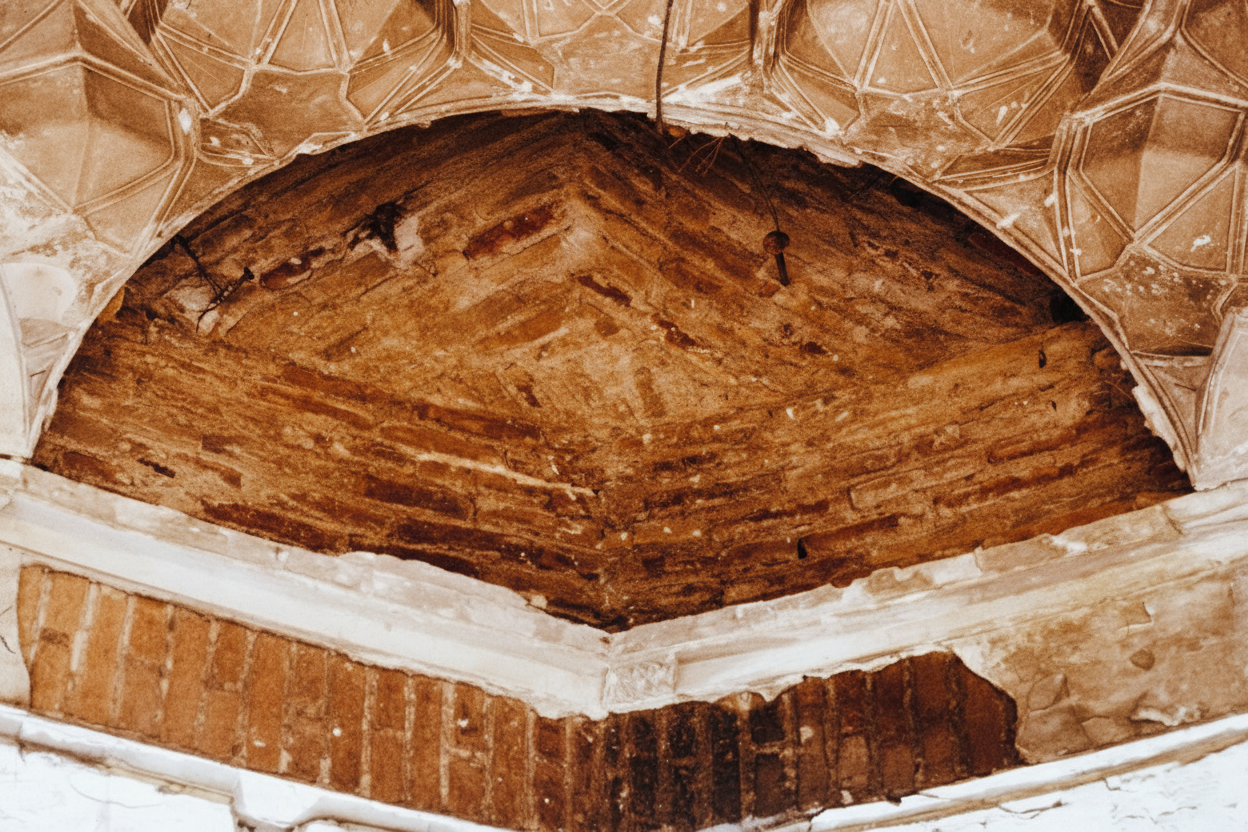
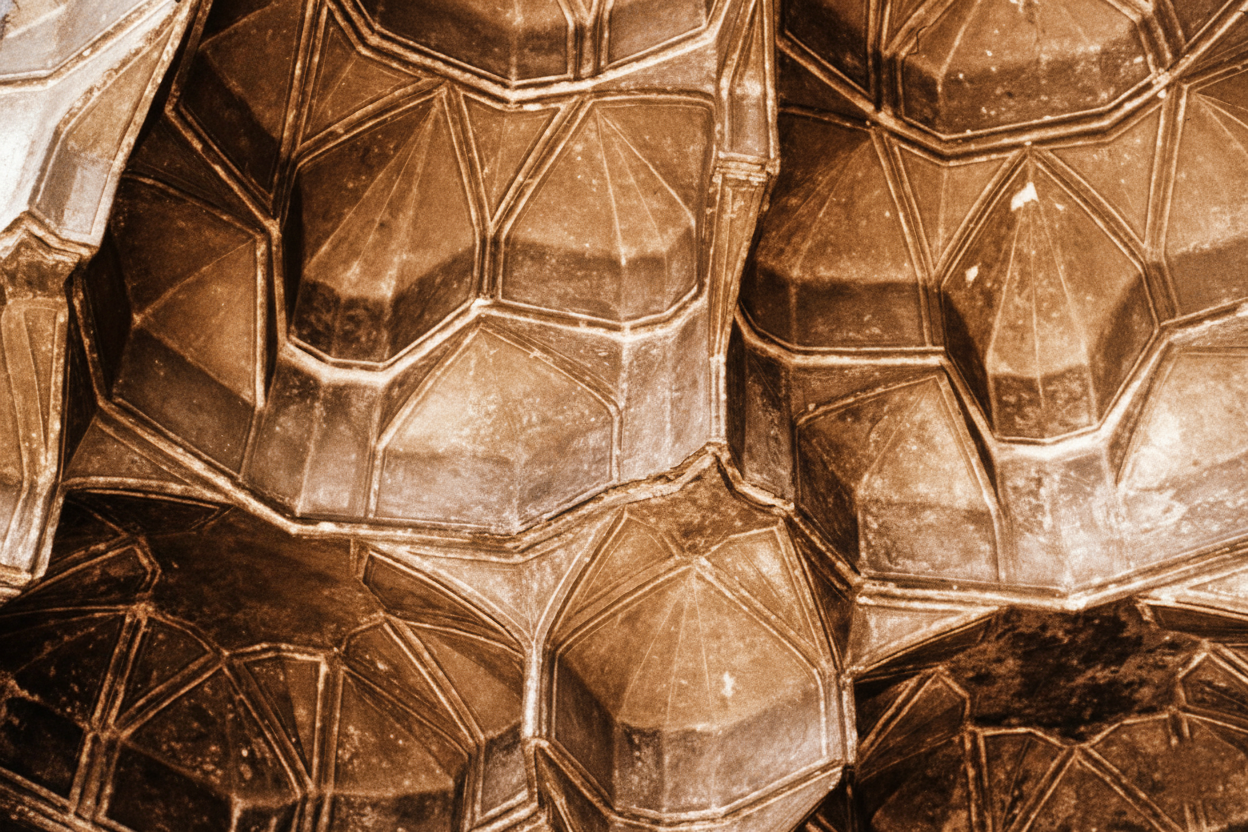
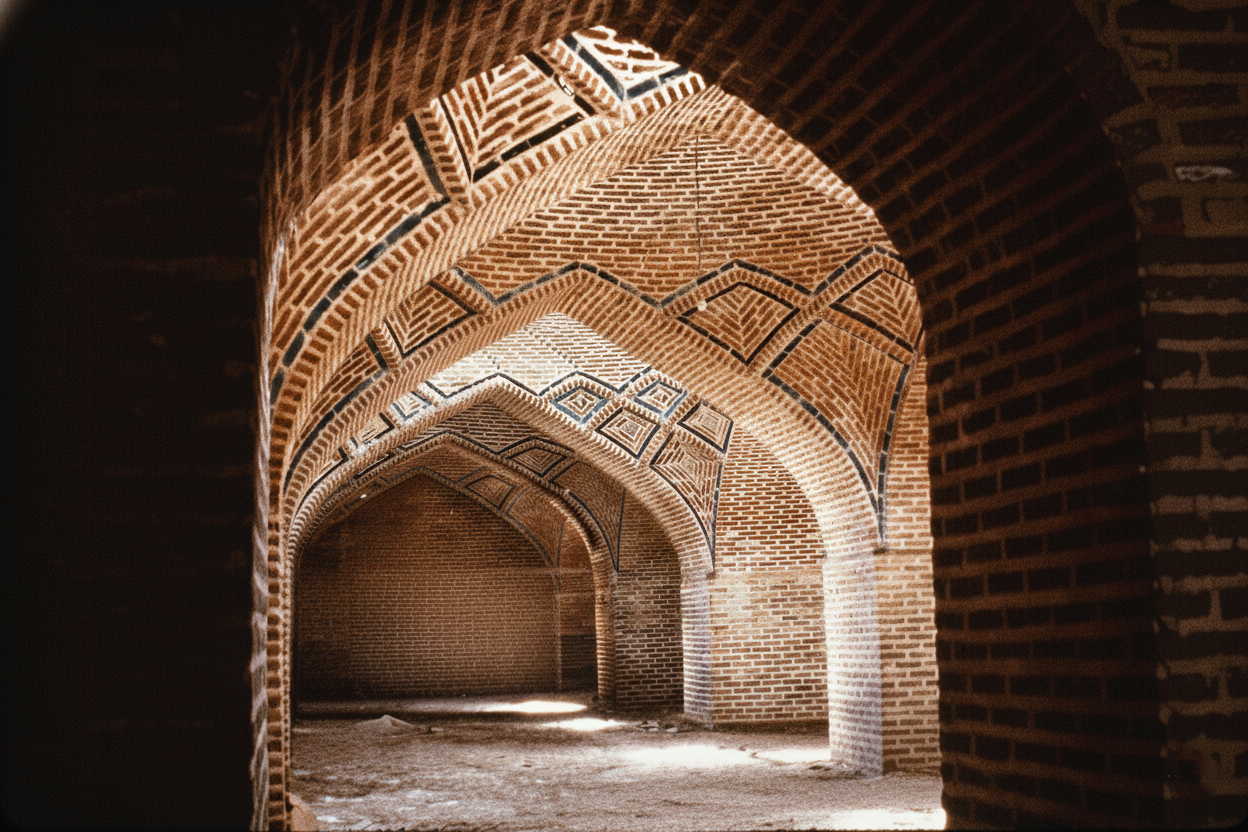
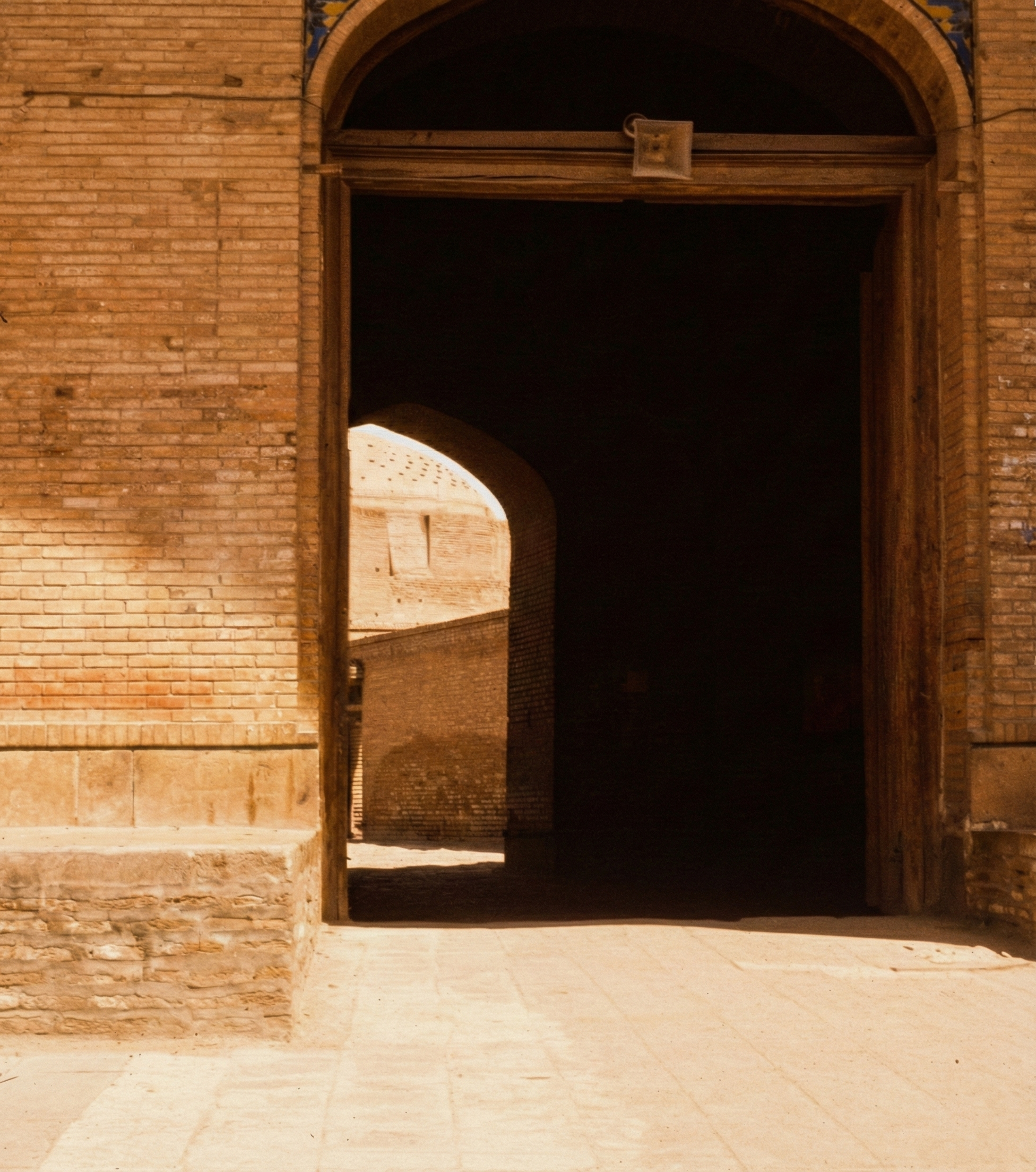
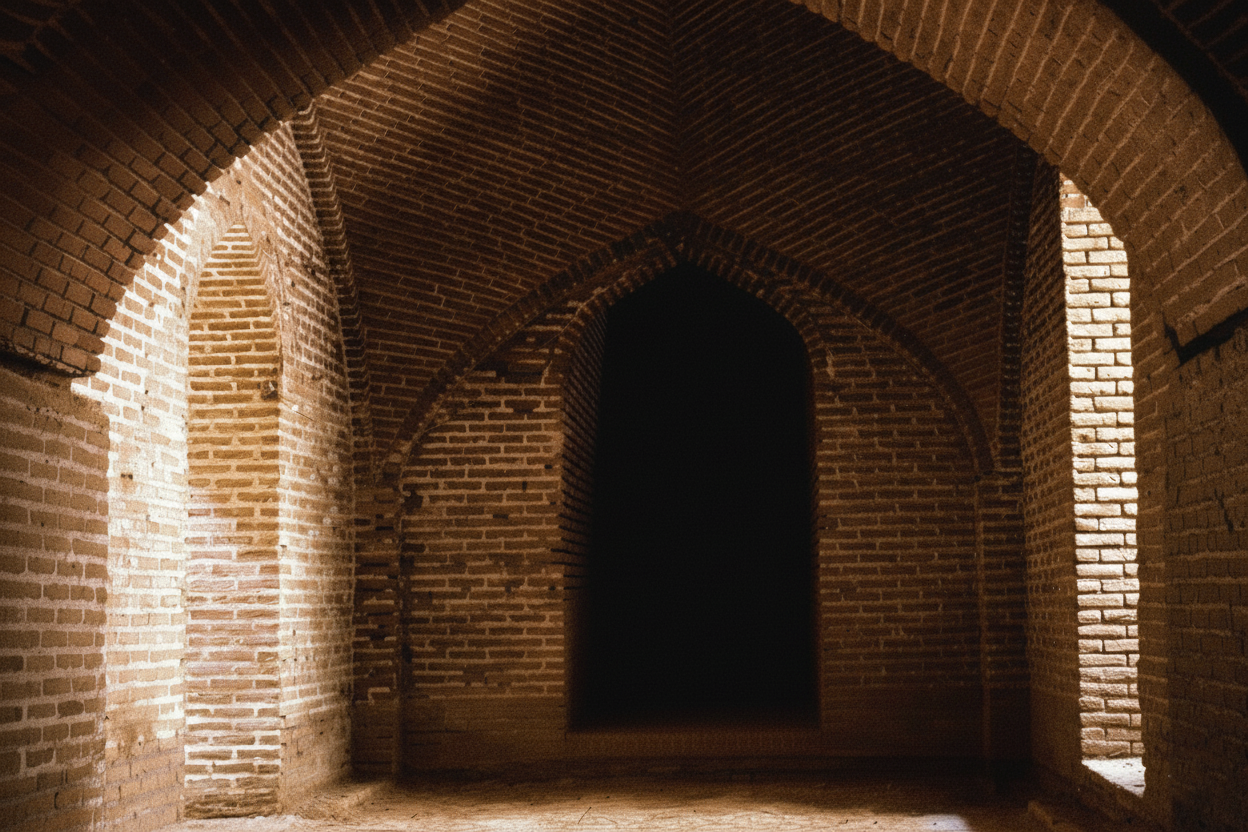
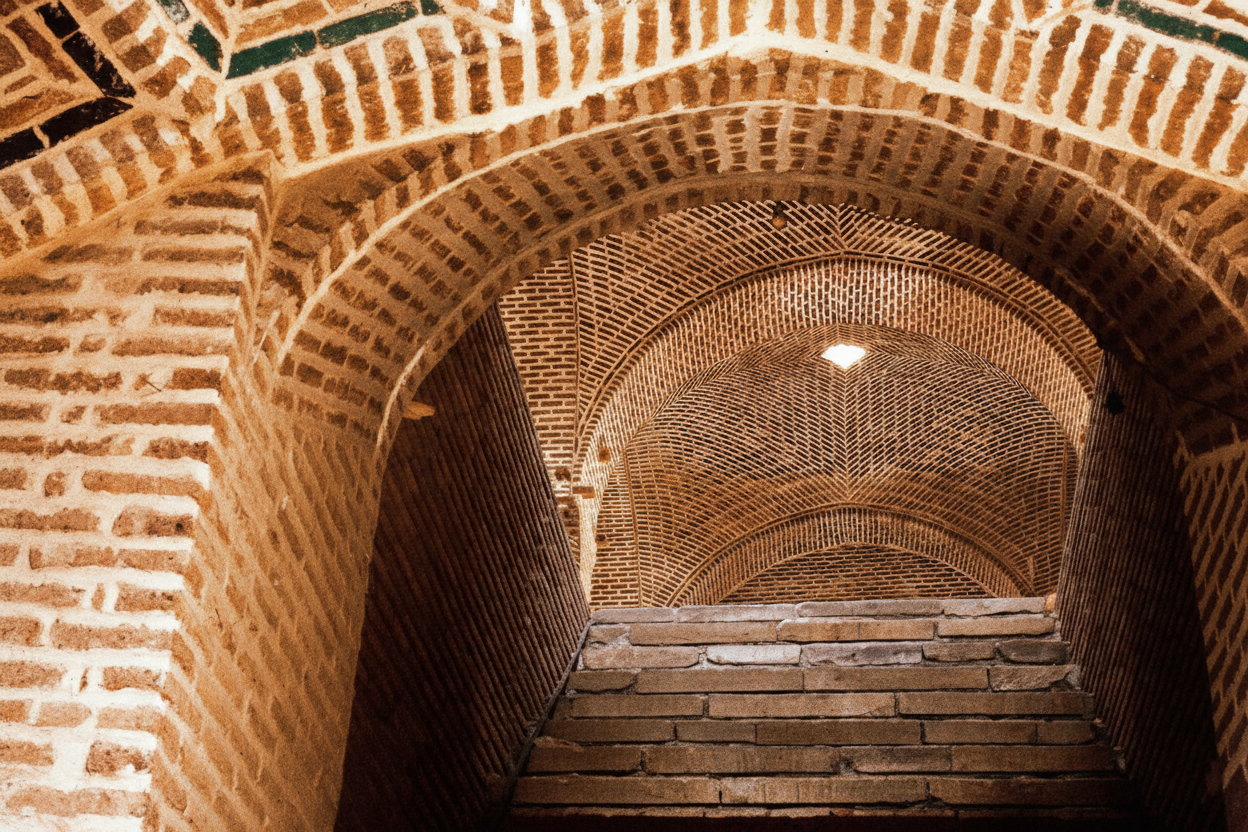
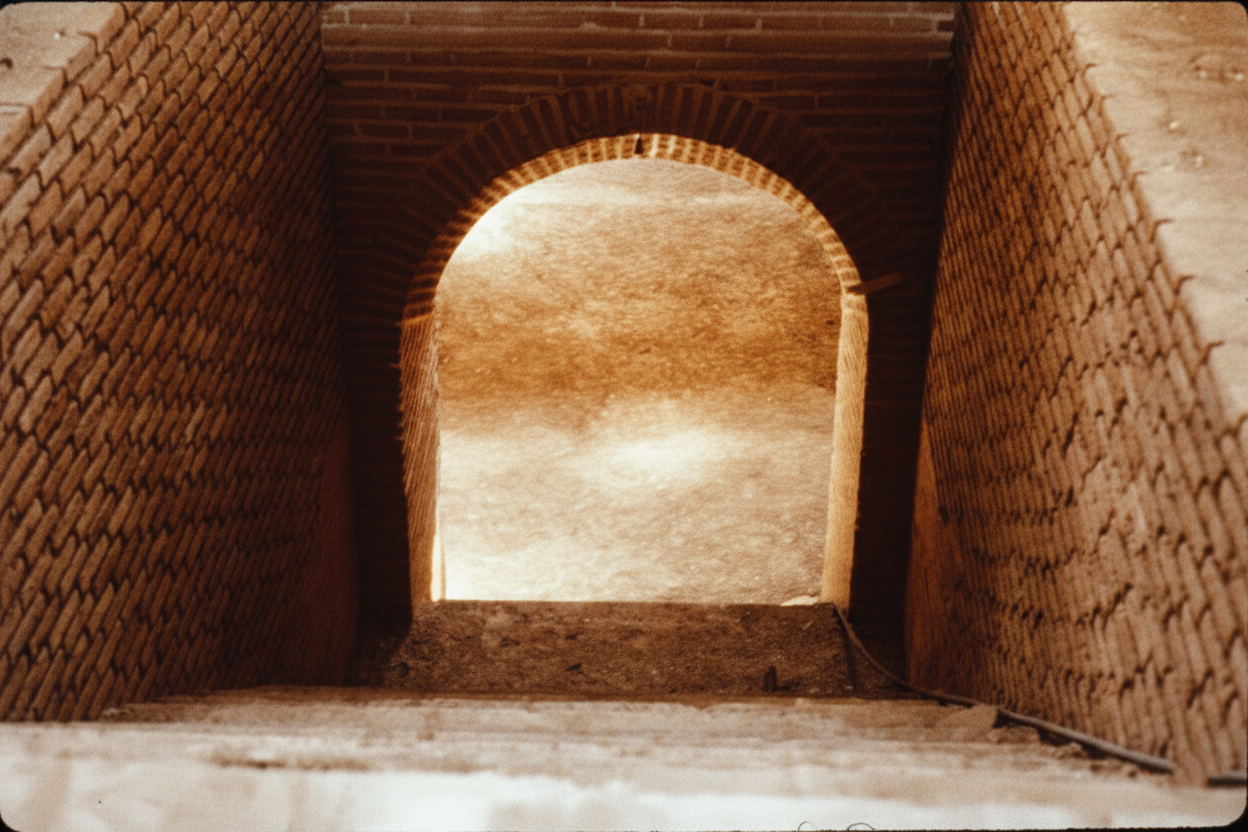
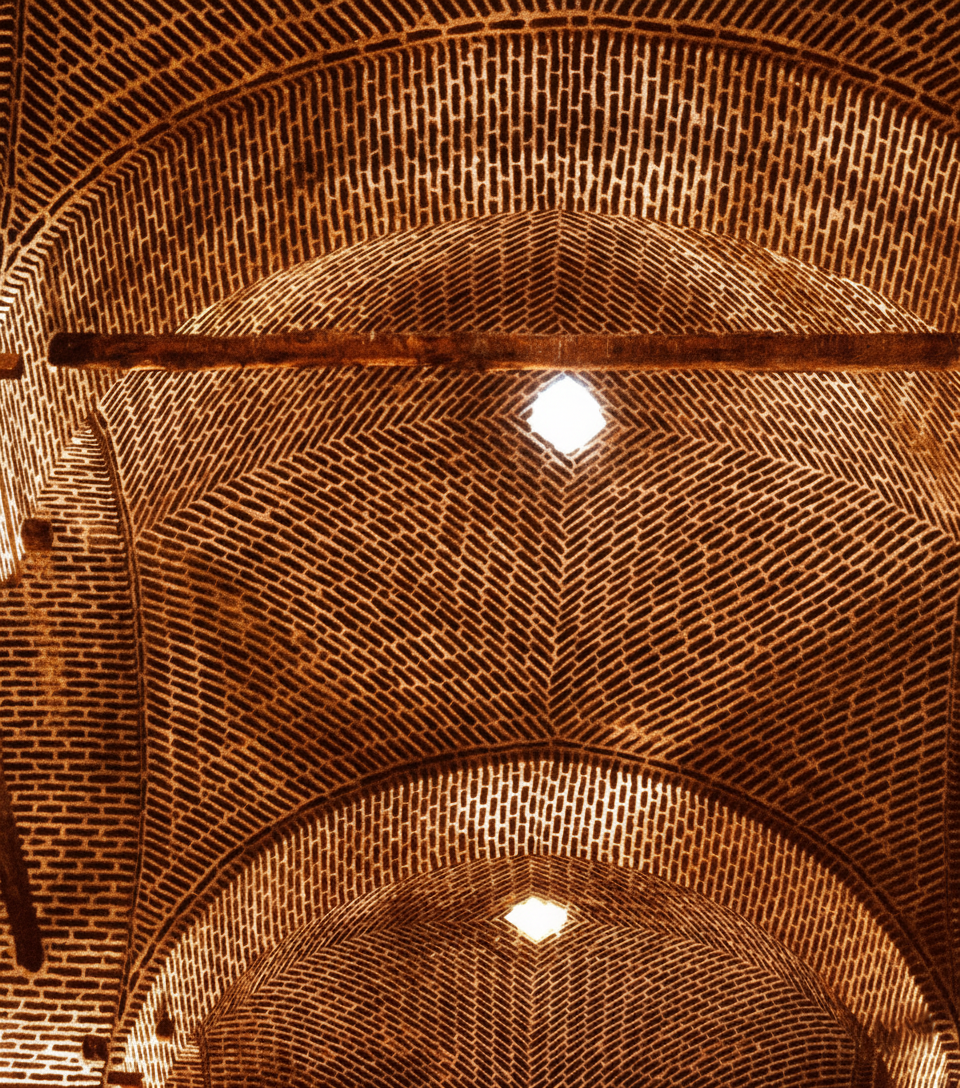
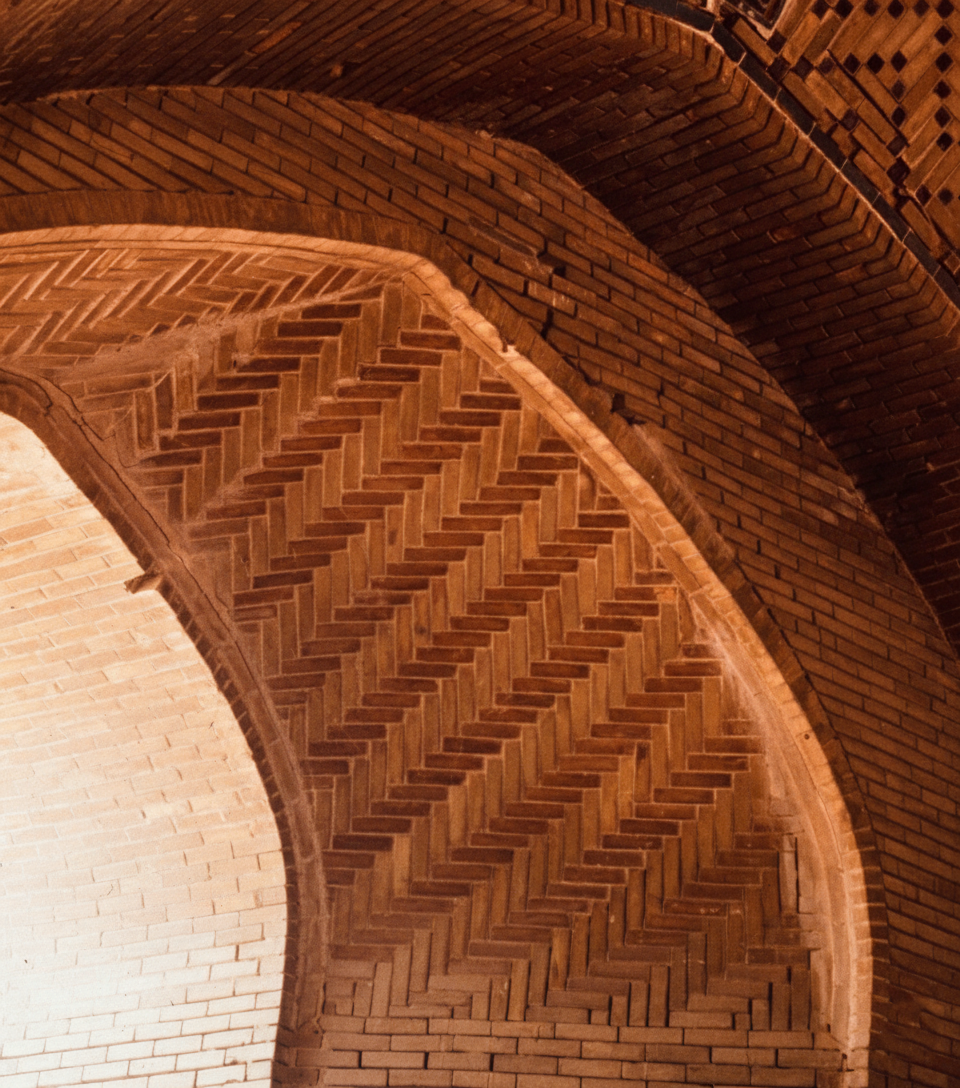
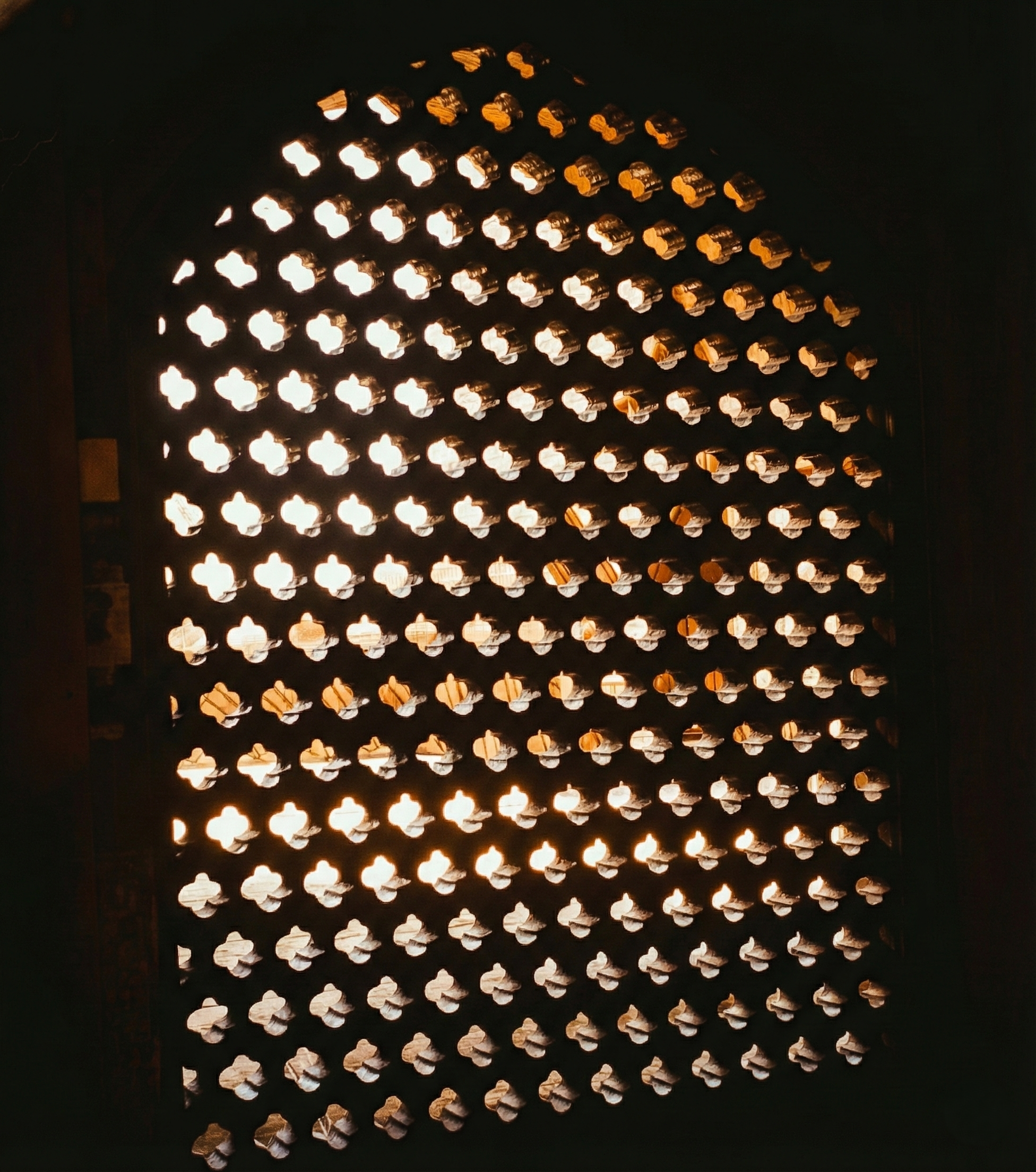
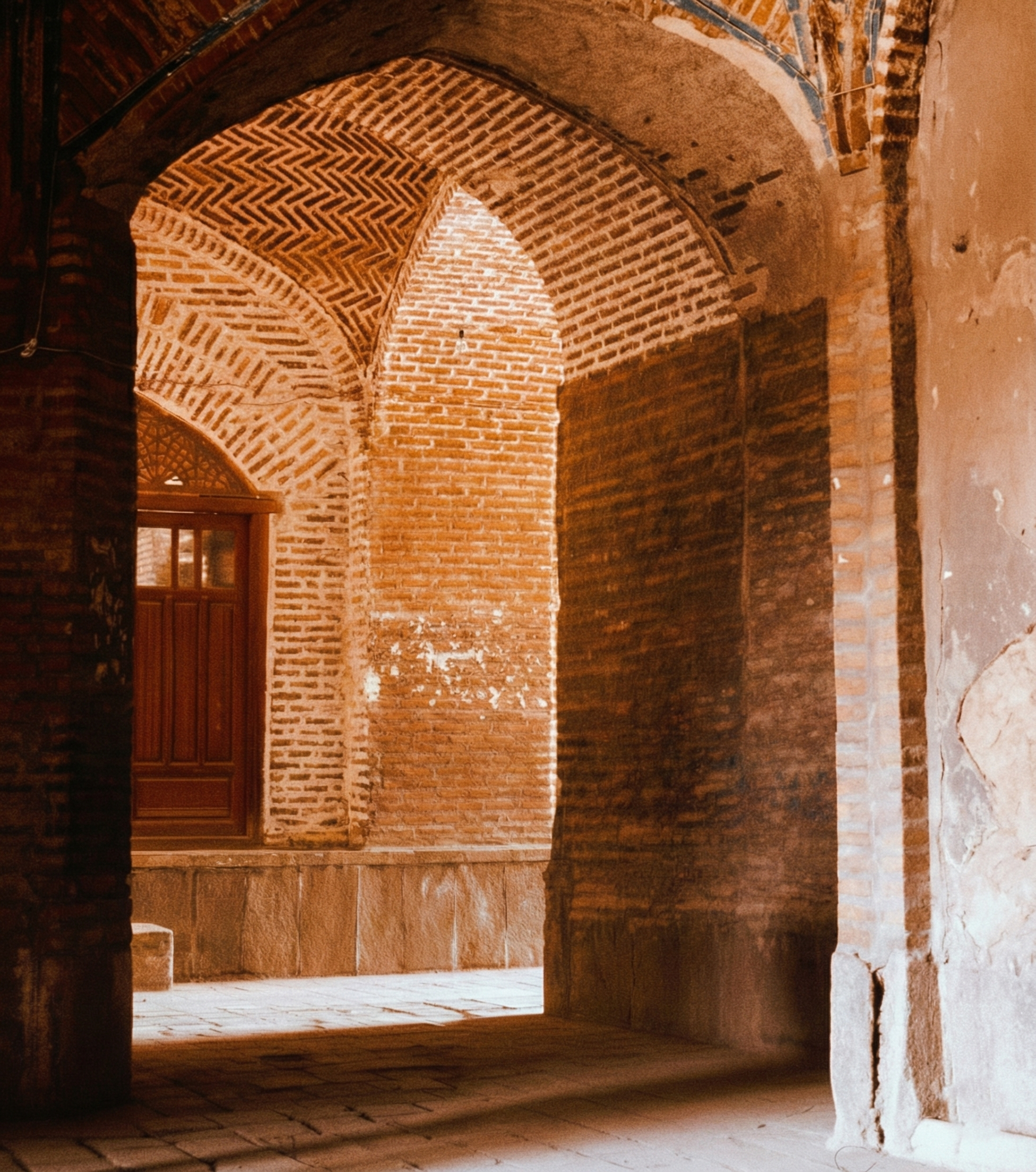
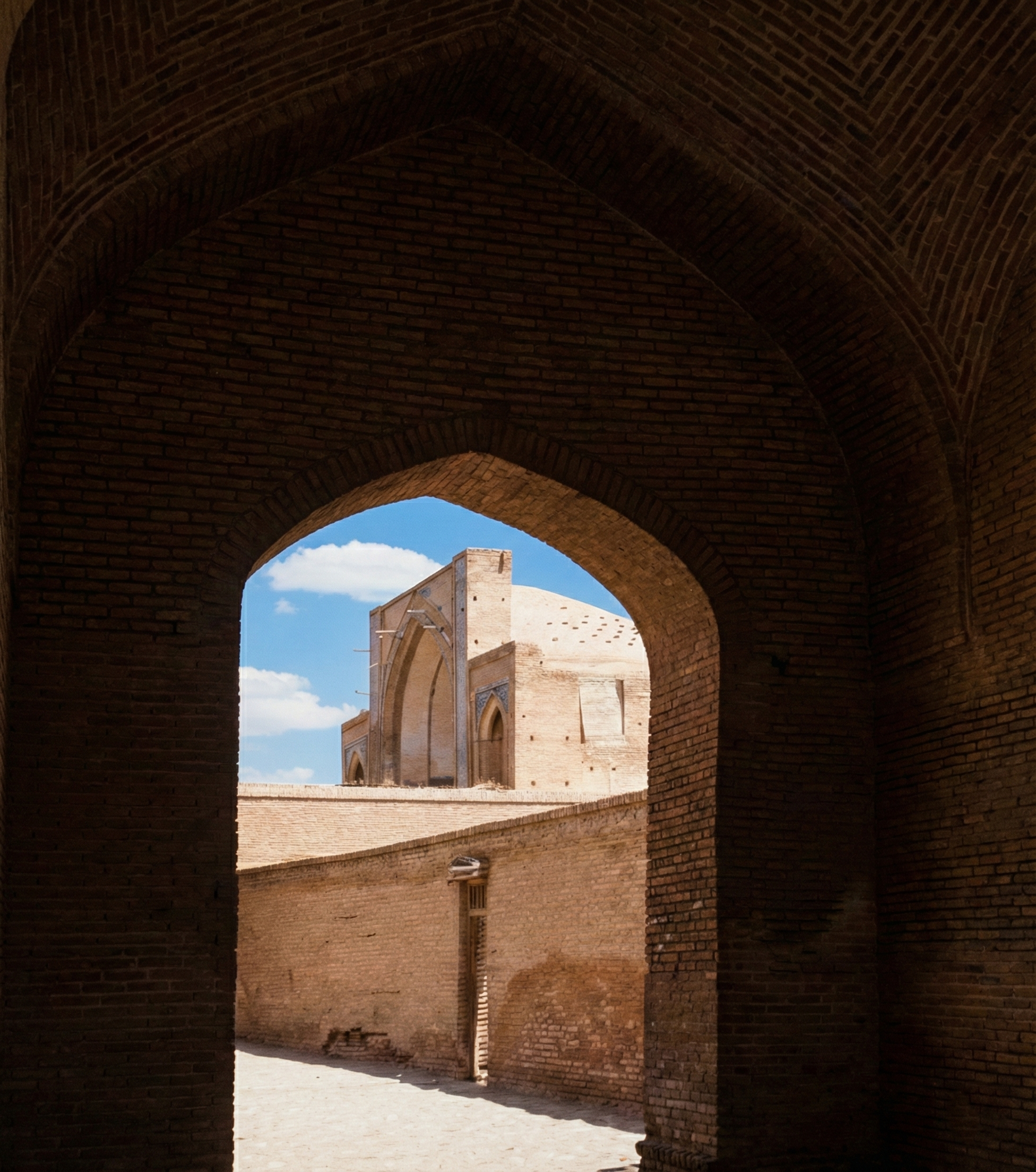
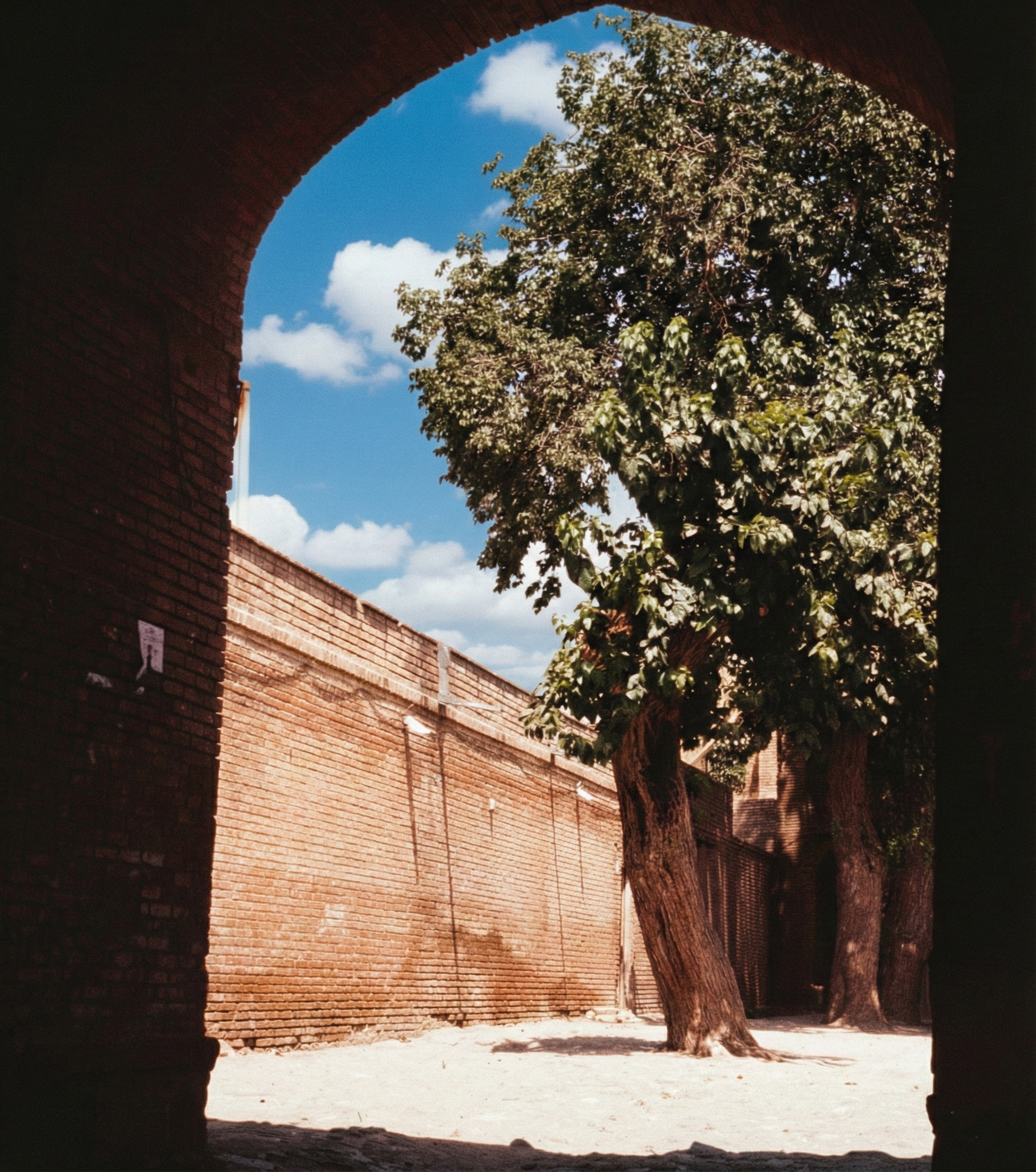
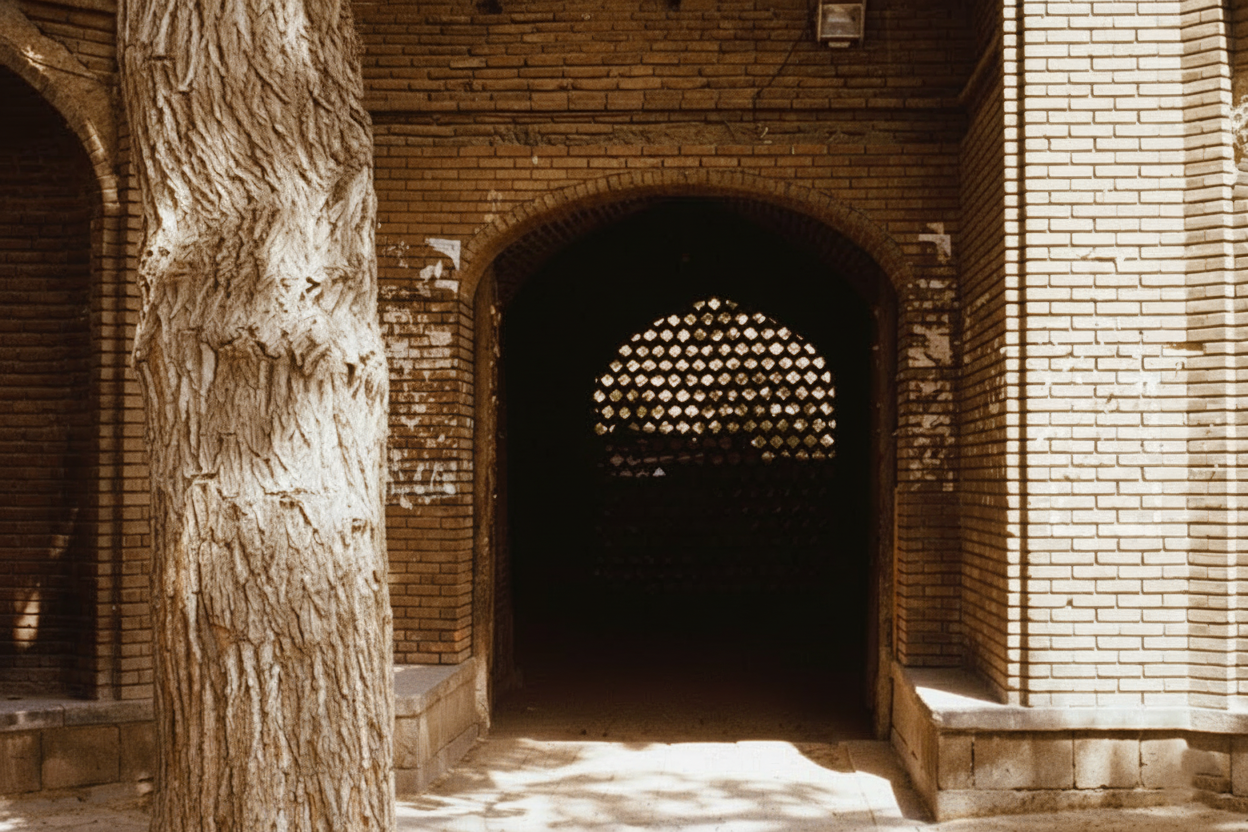
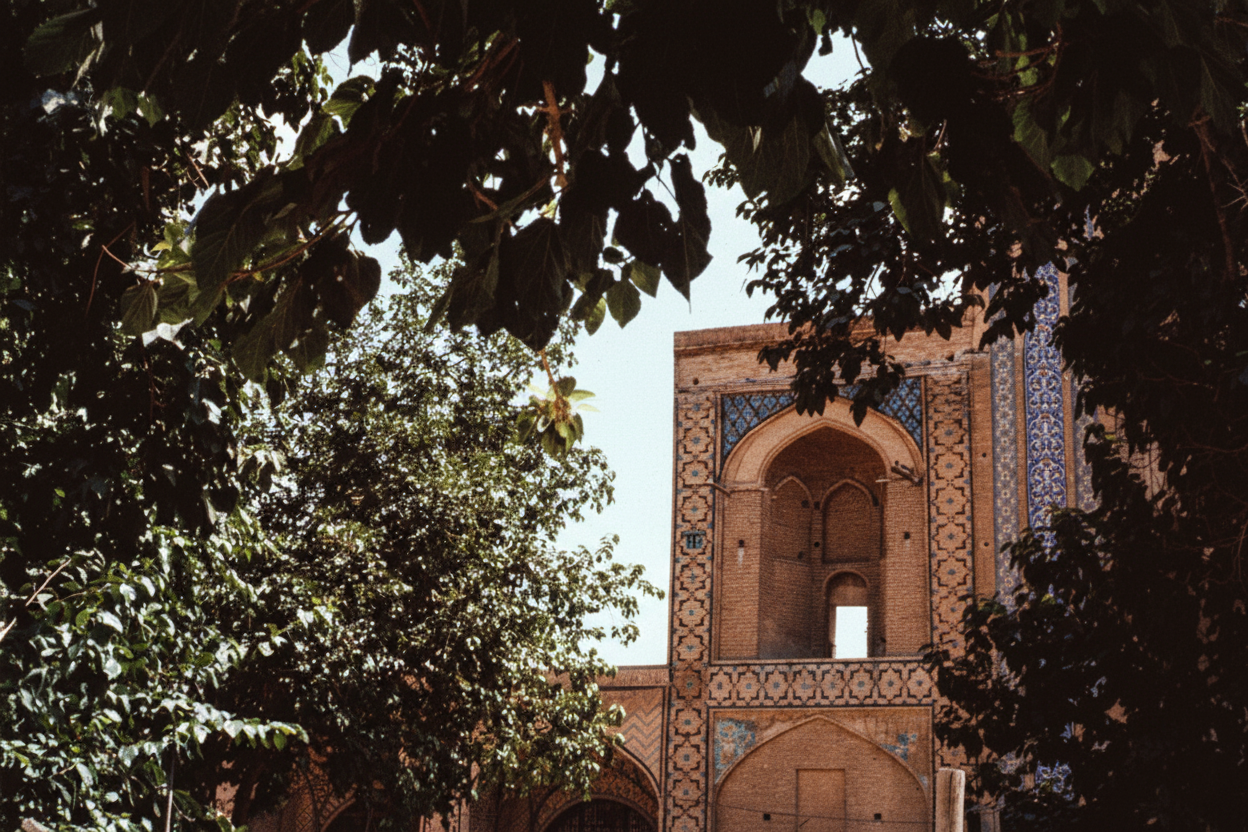
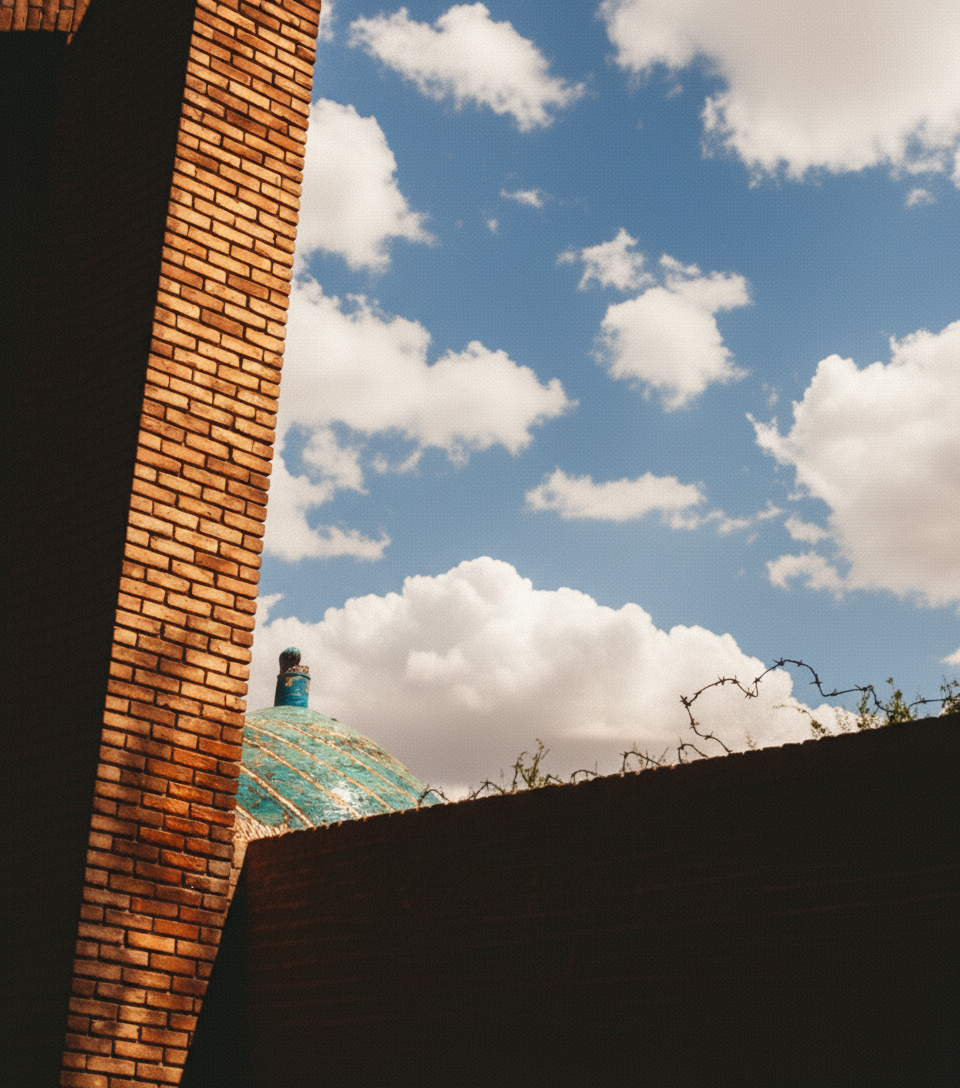
The Jameh Mosque of Qazvin (مسجد جامع قزوین, 9th century CE) forms the historic religious core of the city. Integrated with the Qazvin Bazaar (بازار قزوین) and surrounding neighborhoods (محلهها), it anchors the urban fabric where worship, commerce, and civic life converge within the traditional spatial structure of Iranian cities.
-
The Jameh Mosque of Qazvin (مسجد جامع قزوین) is one of the oldest congregational mosques in Iran, originally established in the 9th century CE (c. 807–817 CE) during the Abbasid period, reportedly on the site of a former Sassanian fire temple. Over the centuries—particularly during the Seljuk period (11th–12th centuries CE) and later the Safavid era (16th century CE)—the mosque was expanded and enriched, producing a layered architectural composition that reflects Qazvin’s evolving political and religious importance.
Architecturally, the mosque follows the four-iwan courtyard plan (چهارایوانی) characteristic of Iranian Islamic architecture. Its monumental Seljuk dome chamber (گنبدخانه) is distinguished by refined brick construction and structural clarity, while later Safavid additions introduced decorative tilework and expanded prayer halls. Through this stratified construction, the mosque embodies the continuity of Iranian architectural traditions, merging pre-Islamic foundations with Islamic spatial organization and craftsmanship.
Within the urban structure of Qazvin (قزوین), the Jameh Mosque functions as a central civic and religious anchor. Historically positioned within the historic core of the city and closely connected to the Bazaar of Qazvin (بازار قزوین), the mosque forms part of a traditional urban pattern found in many Iranian cities where religious, commercial, and social functions converge. The mosque’s courtyard and surrounding spaces served not only as places of worship but also as venues for community gatherings, public announcements, and social interaction.
The surrounding network of narrow alleys (کوچههای باریک), neighborhoods (محلهها), and commercial passages naturally converge toward the mosque, reinforcing its role as a spatial and symbolic center. This integration between mosque and bazaar reflects the broader Iranian urban model in which the Friday mosque, marketplace, and residential quarters form an interconnected civic system.
As a result, the Jameh Mosque of Qazvin operates not merely as a religious monument but as an organizing element of the city’s historic urban fabric—linking faith, commerce, governance, and daily life within the evolving structure of Qazvin.
