Pish-khān (پیشخان) and the Hashti (هشتی): Threshold, Delay, and Environmental Mediation
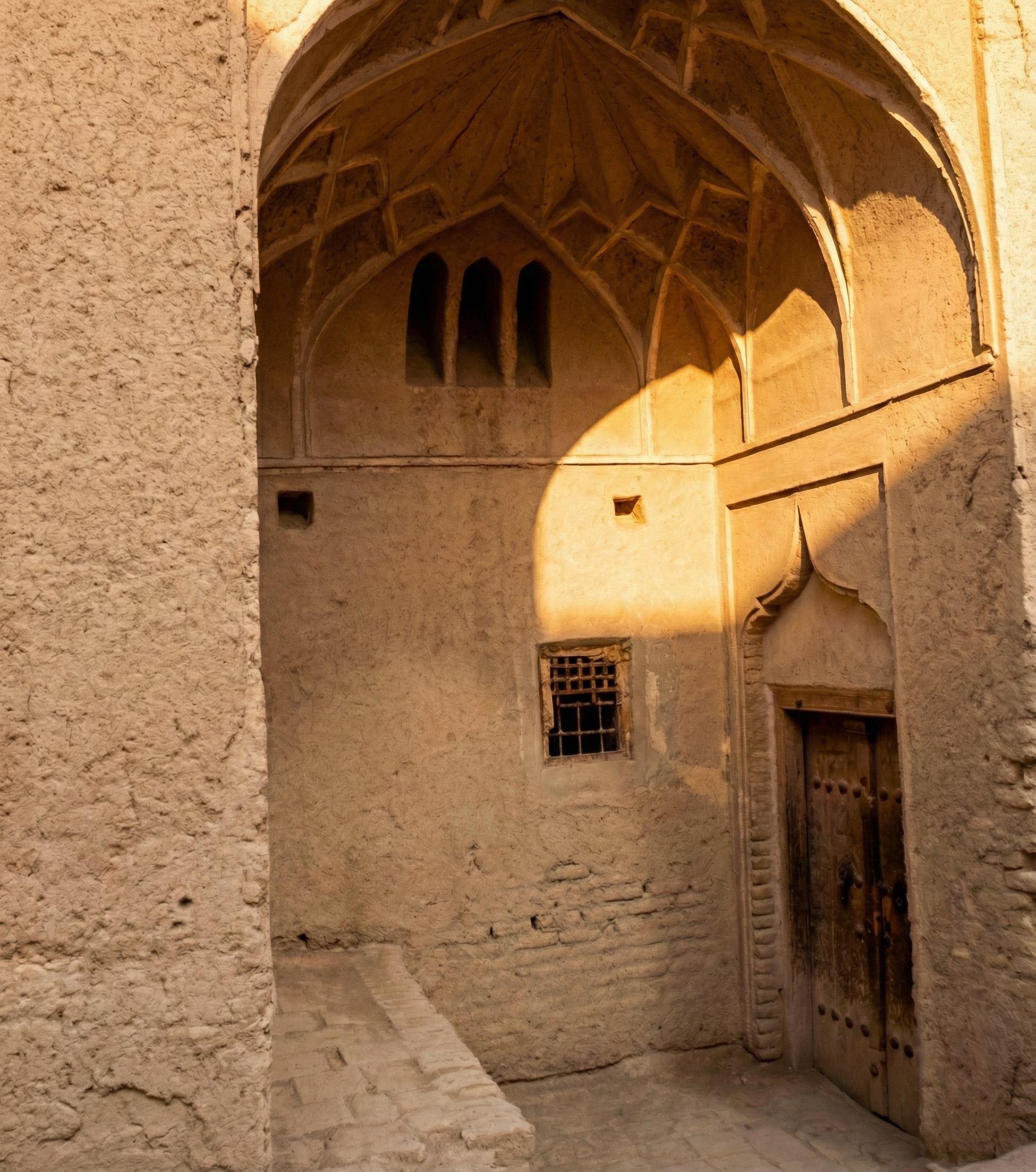
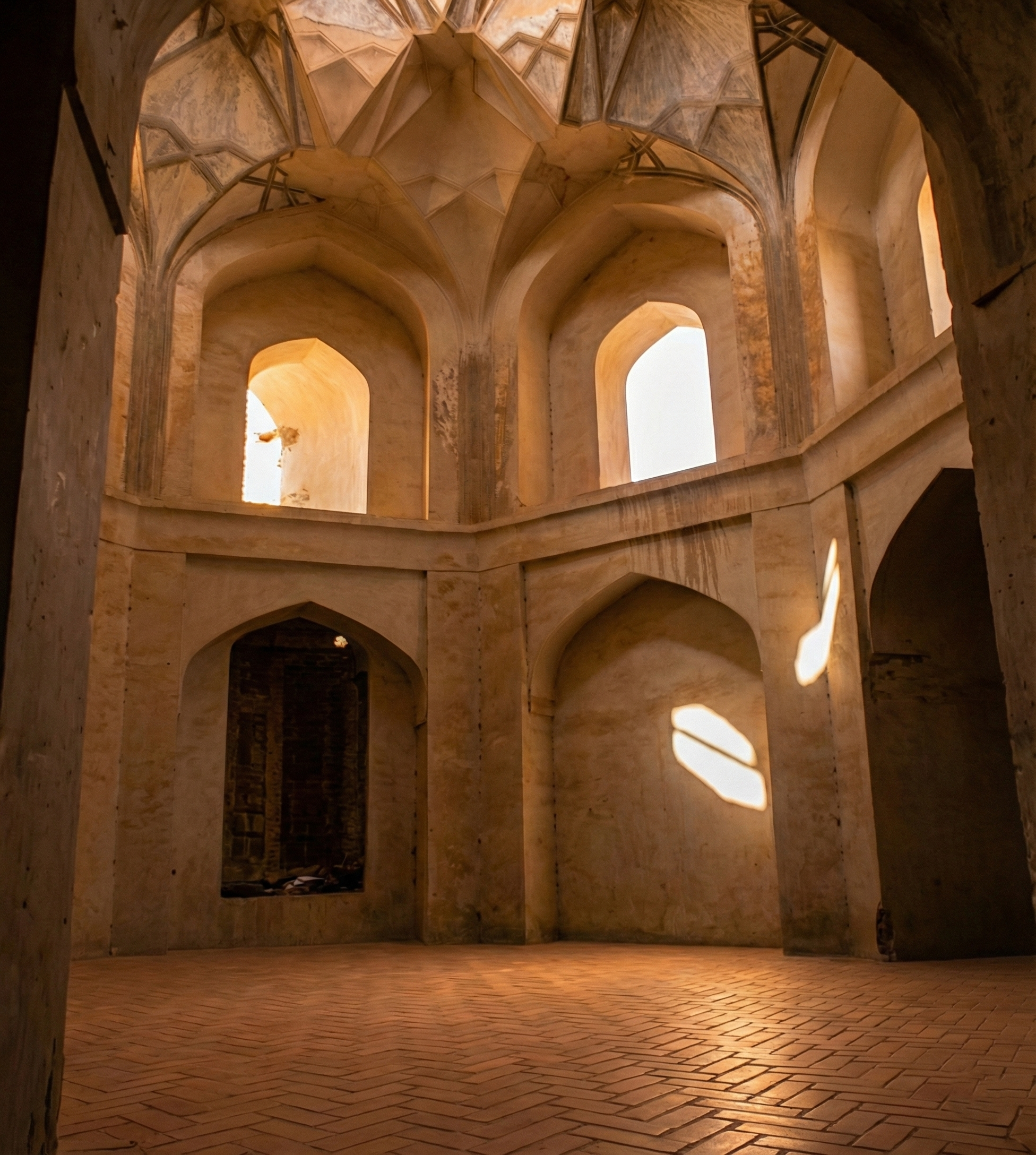
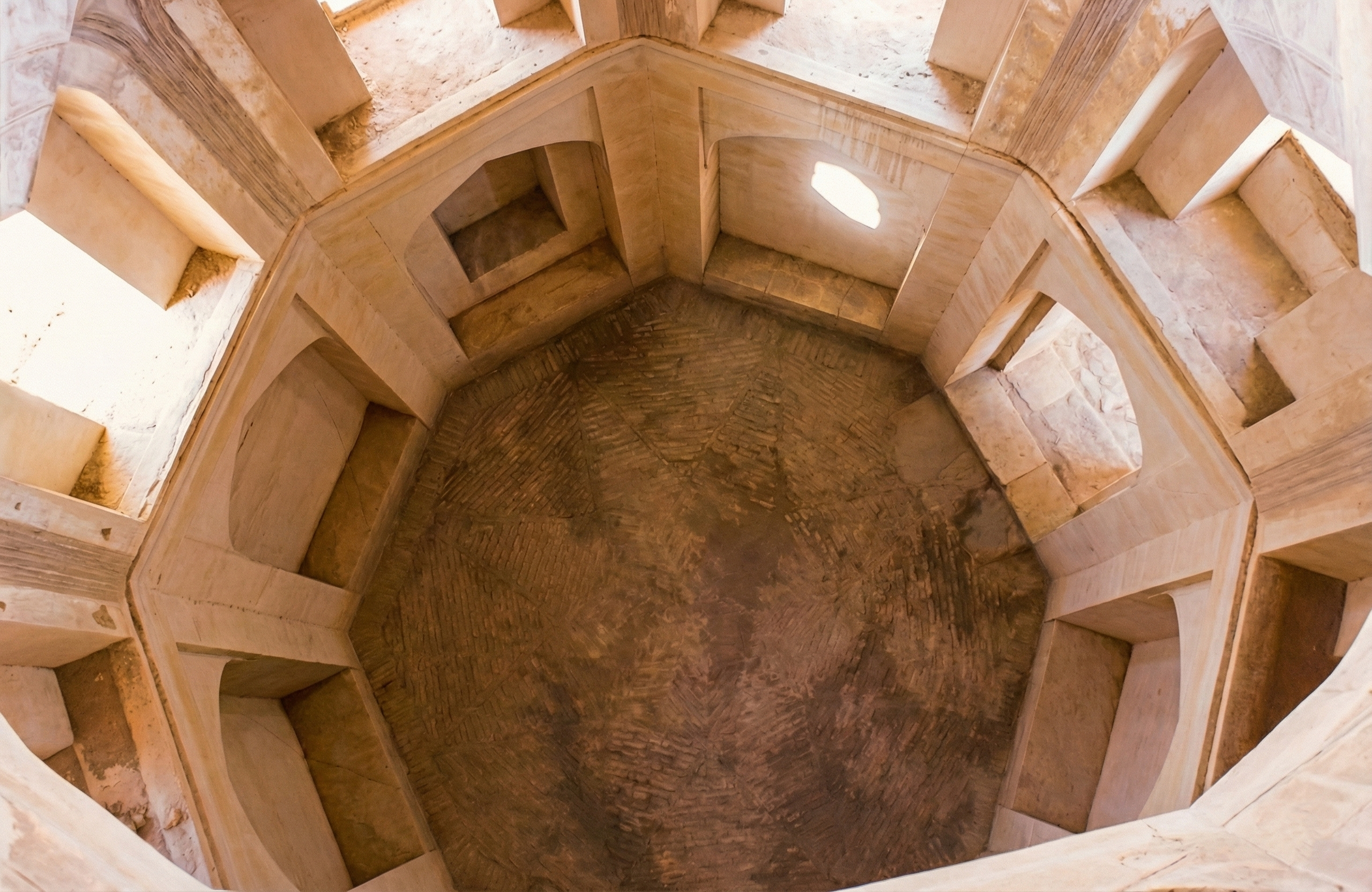
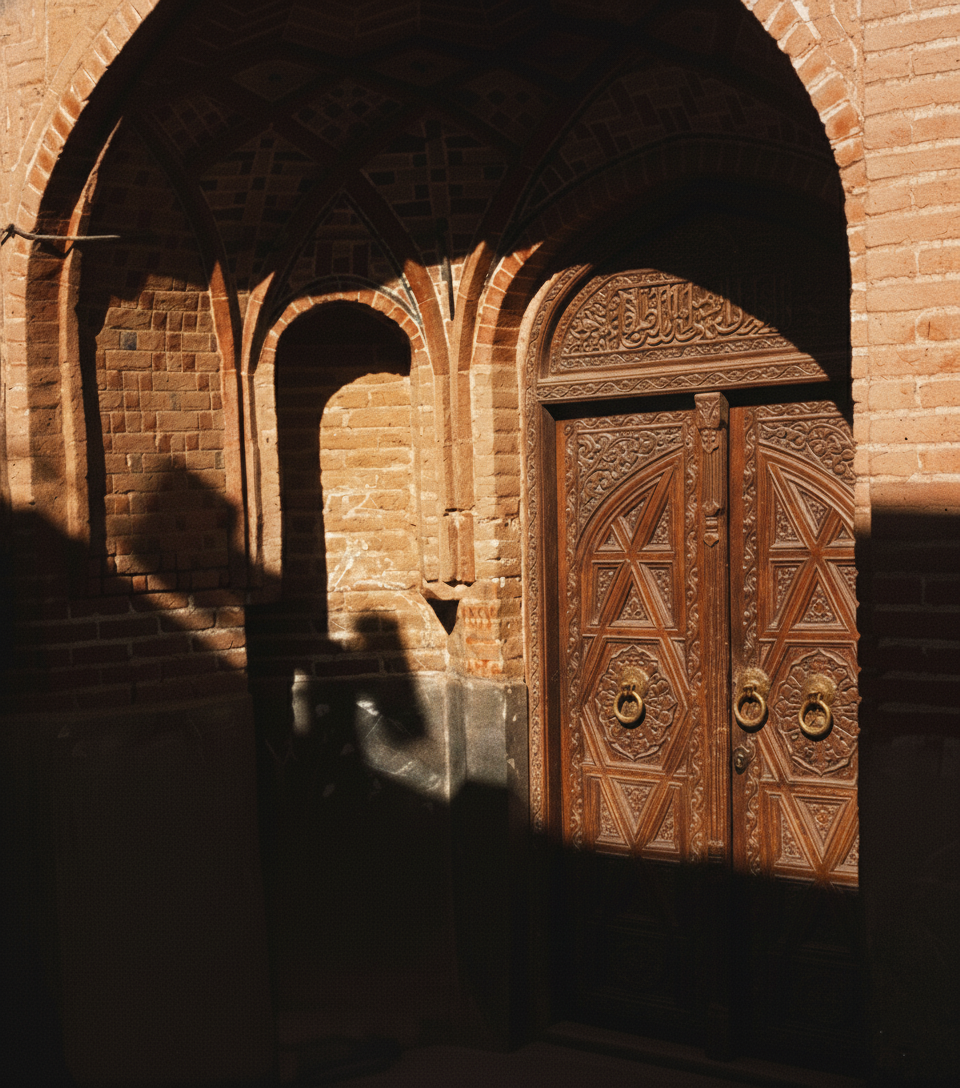
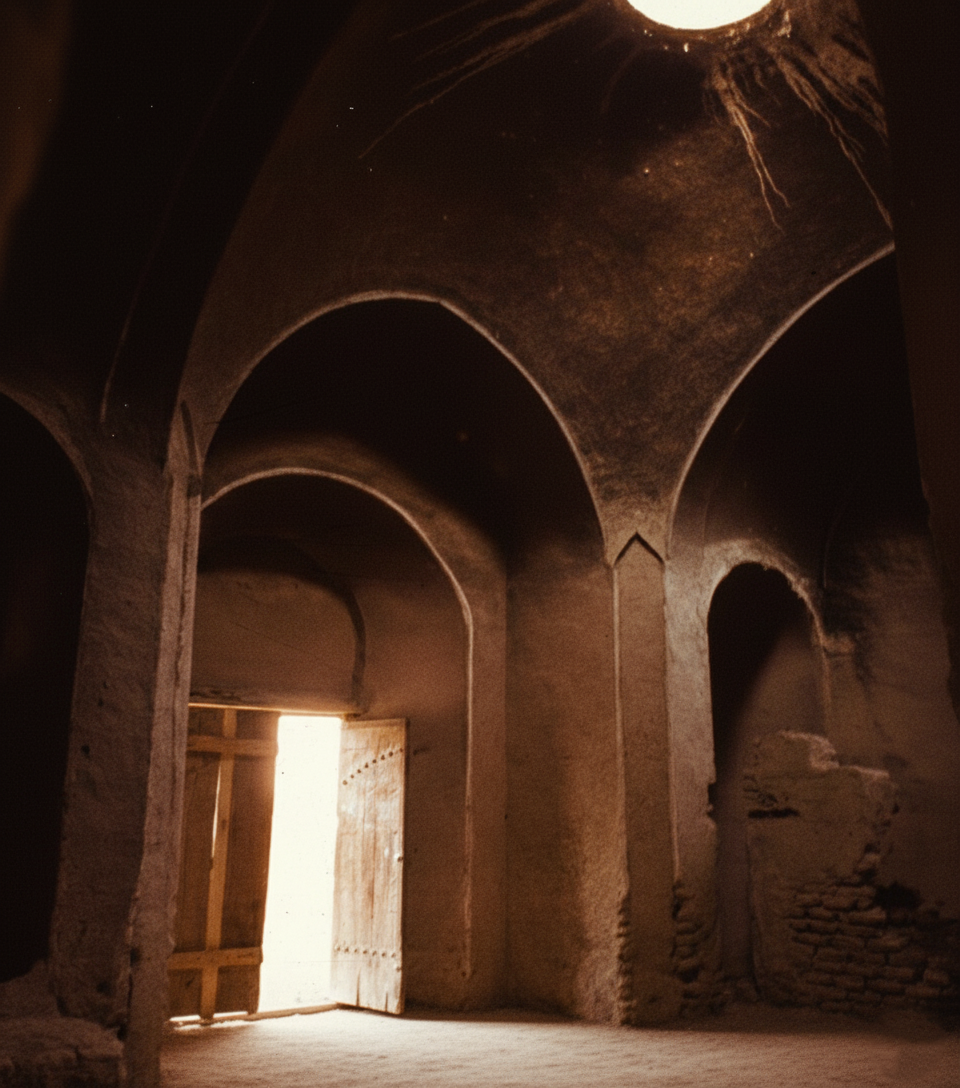
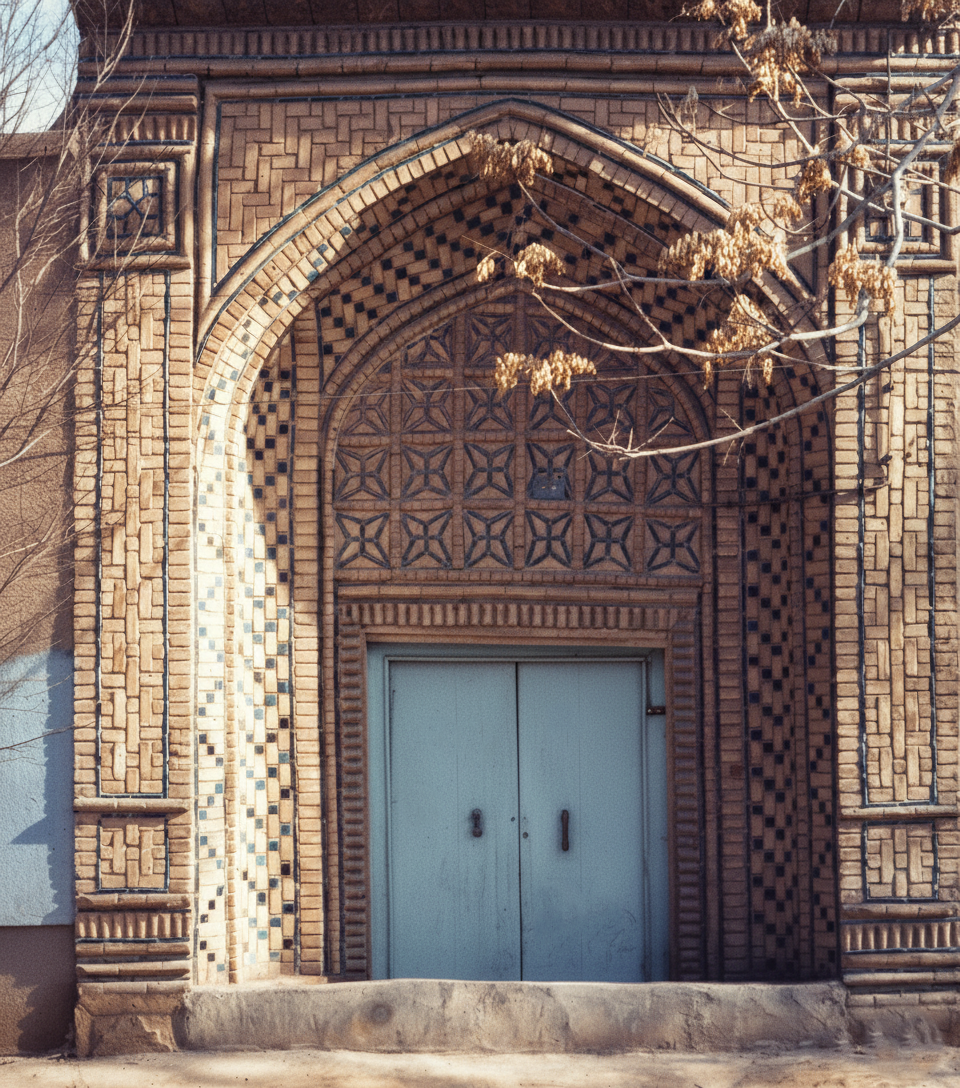
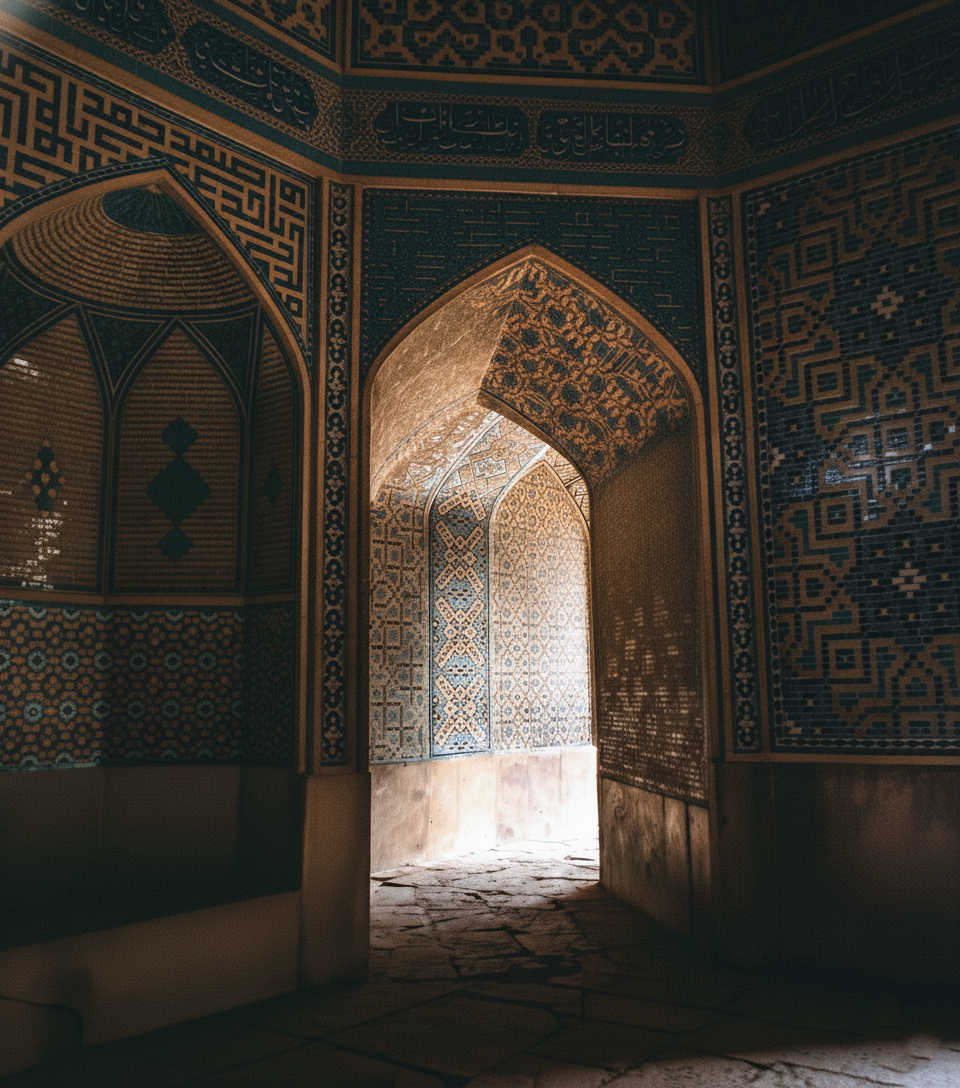
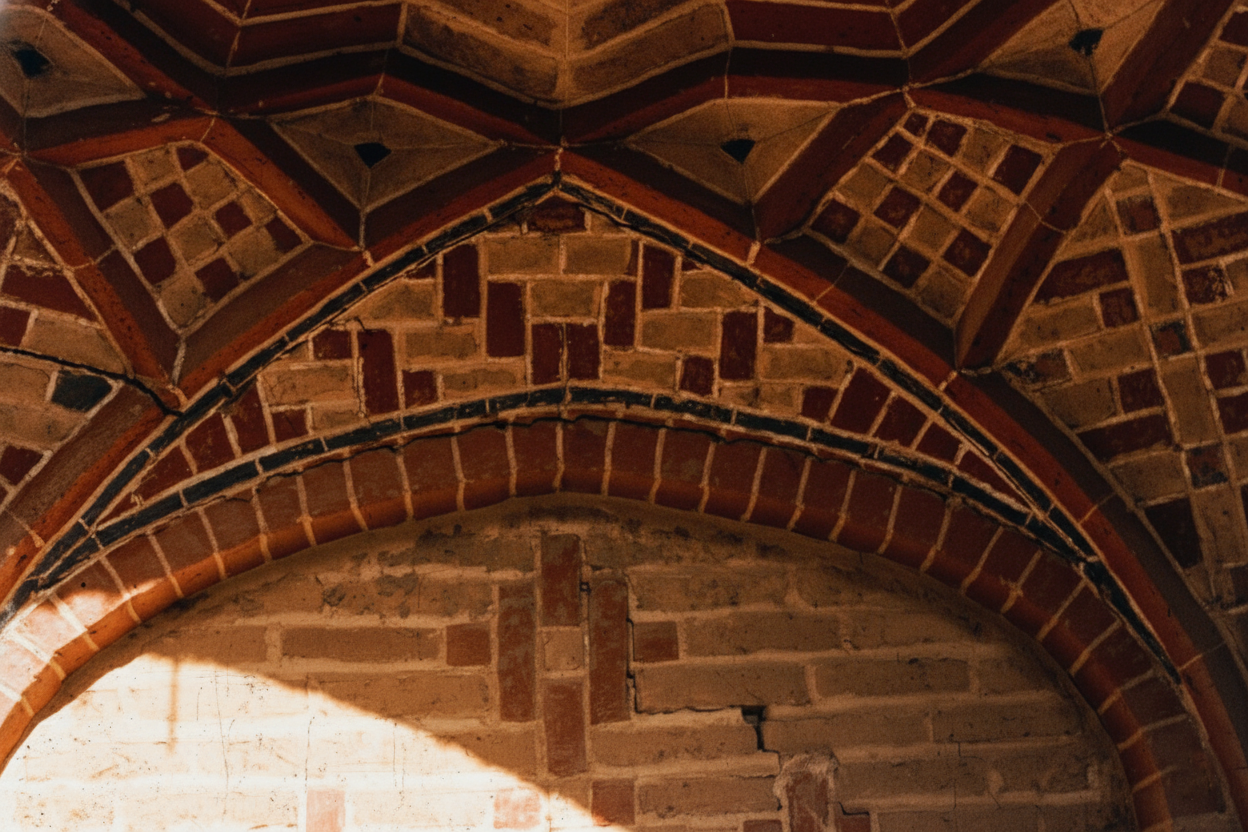
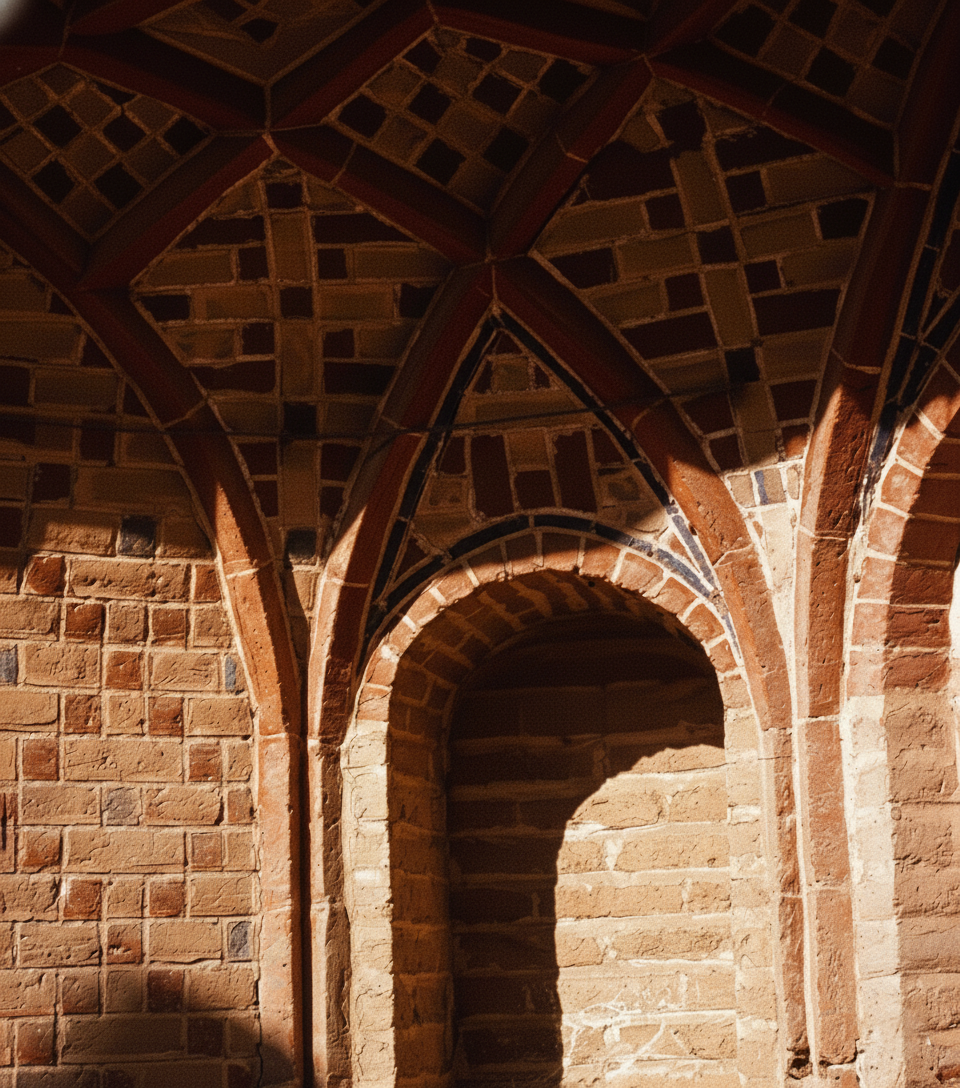
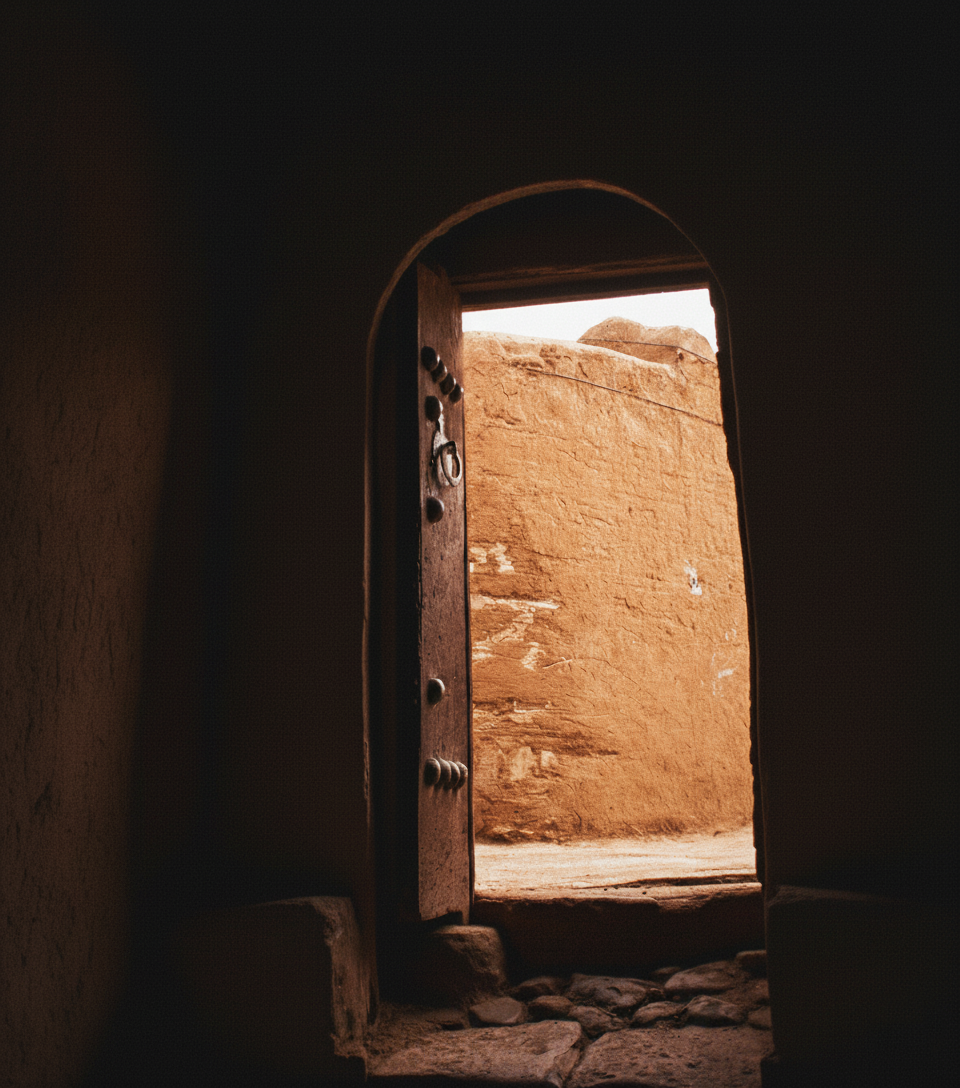
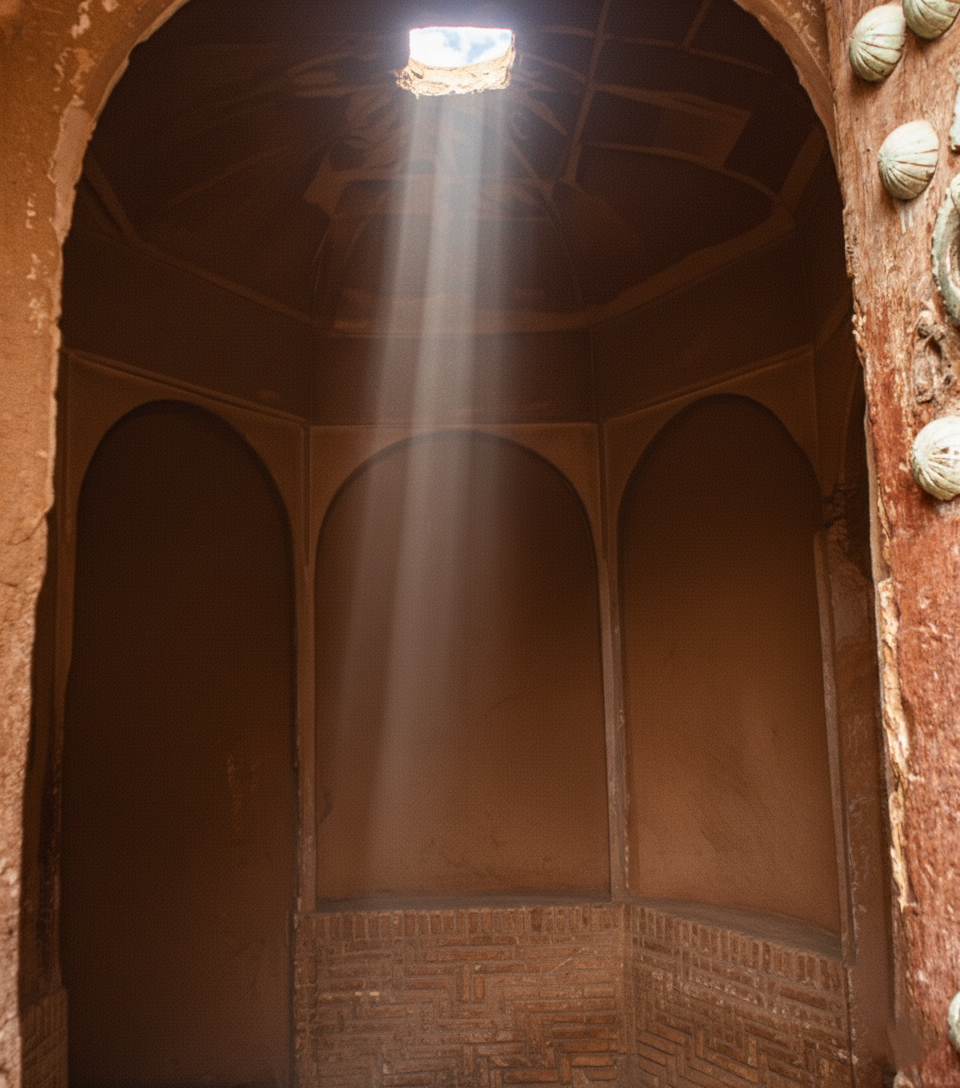
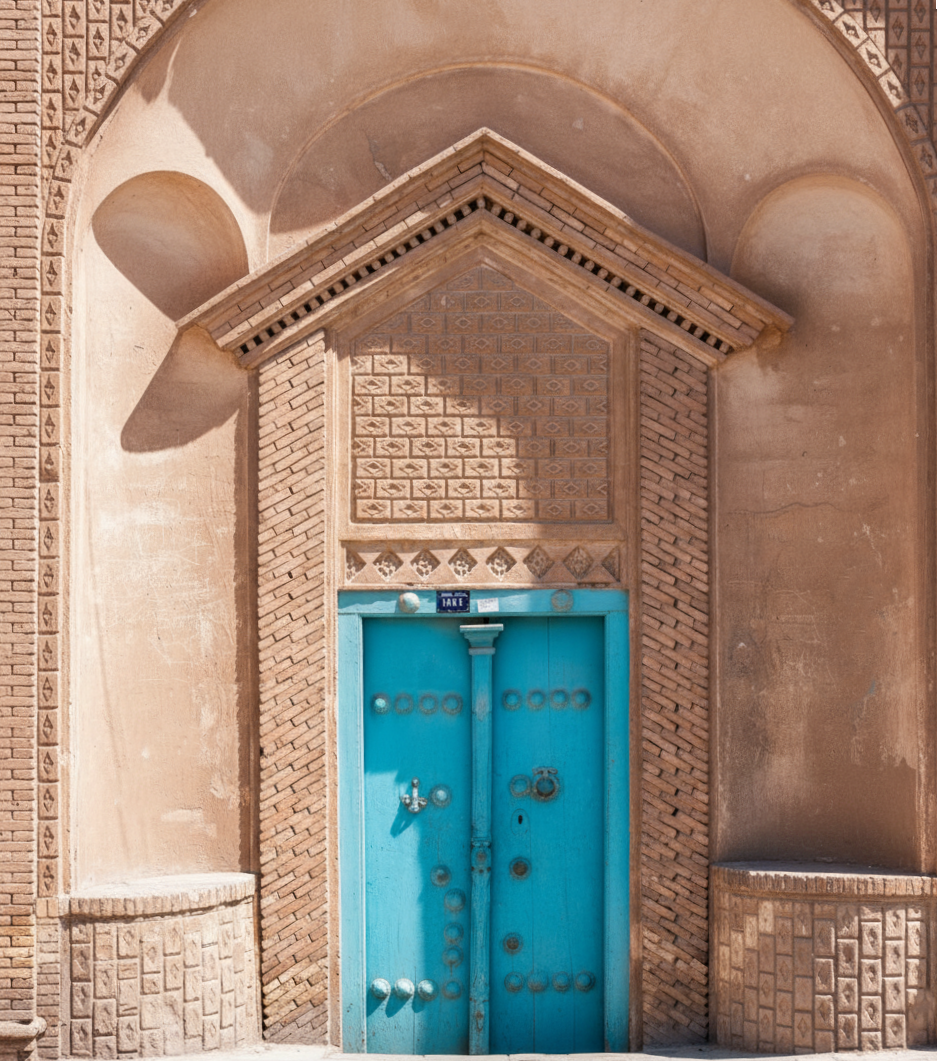
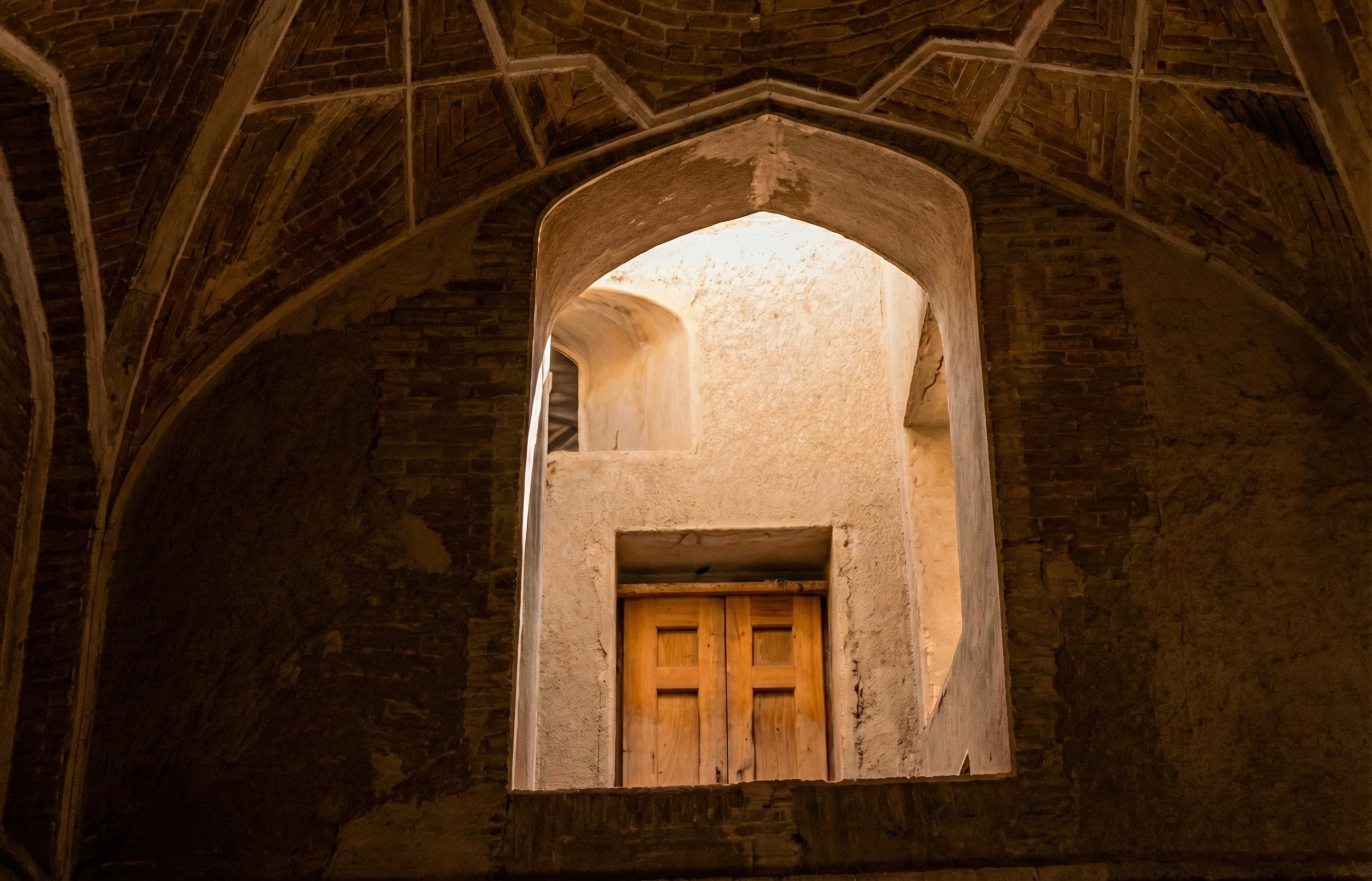
Pish-khān (پیشخان) and Hashti (هشتی) form a layered threshold in traditional Iranian architecture, transforming entry into a gradual climatic and spatial transition. The Pish-khān offers shade and pause, while the Hashti buffers heat, light, and airflow, preserving privacy through indirect movement. Together, they mediate between public and private realms, embodying an architecture of delay, environmental moderation, and cultural refinement.
-
Pish-khān (پیشخان) and the Hashti (هشتی): Threshold, Delay, and Environmental Mediation
In traditional Iranian architecture, the act of ورود (arrival) is never abrupt; it unfolds through a carefully choreographed sequence that mediates between public and private realms, climate, and culture. Central to this transition are the Pish-khān (پیشخان) and the Hashti (هشتی)—two spatial elements that transform entry into a gradual, layered experience.
The Pish-khān, located just before the entrance, serves as a modest yet meaningful forecourt. It offers a moment of pause between the street and the interior, subtly preparing the visitor for entry. Beyond its social role, it provides shade and a slight thermal relief, softening exposure to sun and heat while marking the threshold of transition.
Immediately beyond the entrance lies the Hashti, a pivotal intermediary space—often octagonal or polygonal in form. Far from a simple foyer, it operates as a zone of delay and environmental mediation. The Hashti buffers dust, glare, noise, and hot winds, interrupting direct airflow and solar penetration. Its geometry disperses wind energy, reduces thermal shock, and creates a pocket of tempered air. Light is filtered rather than direct, allowing the eye—and the body—to gradually adjust from the brightness of the street to the subdued interior.
Equally important is Hashti’s role in preserving privacy. By deflecting the axis of entry, it prevents direct views into the home, extending the threshold into a sequence rather than a single moment. Movement through it is indirect and deliberate, transforming entry into a process shaped by both cultural values and environmental intelligence.
Together, the Pish-khān and Hashti embody a fundamental principle of Iranian architecture: the art of transition. They create layered thresholds where climate, light, movement, and social order are carefully negotiated. In this sequence, architecture does not simply separate inside from outside—it orchestrates a gradual passage, allowing space, air, and human experience to acclimate through depth, delay, and design.
