Sardāb (سرداب) and Shabestān (شبستان): Depth, Thermal Inertia, and Seasonal Retreat
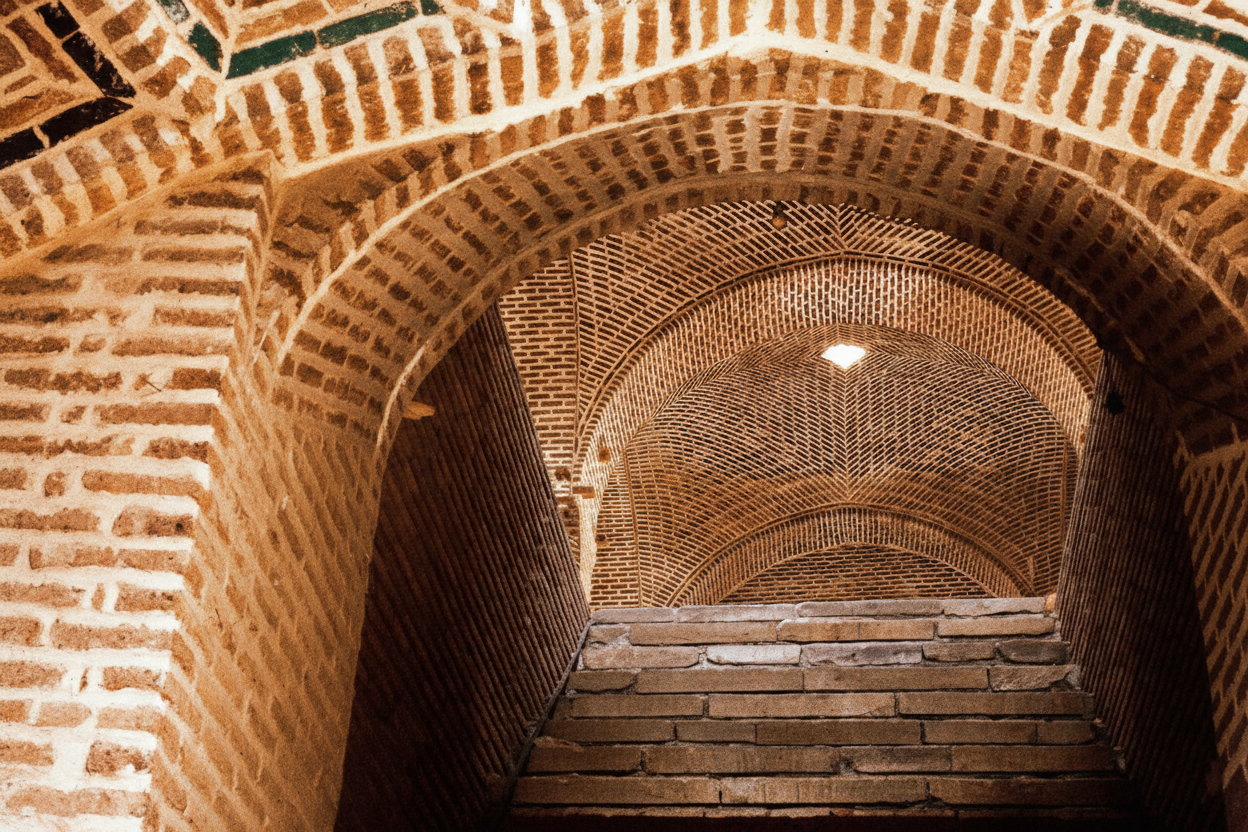
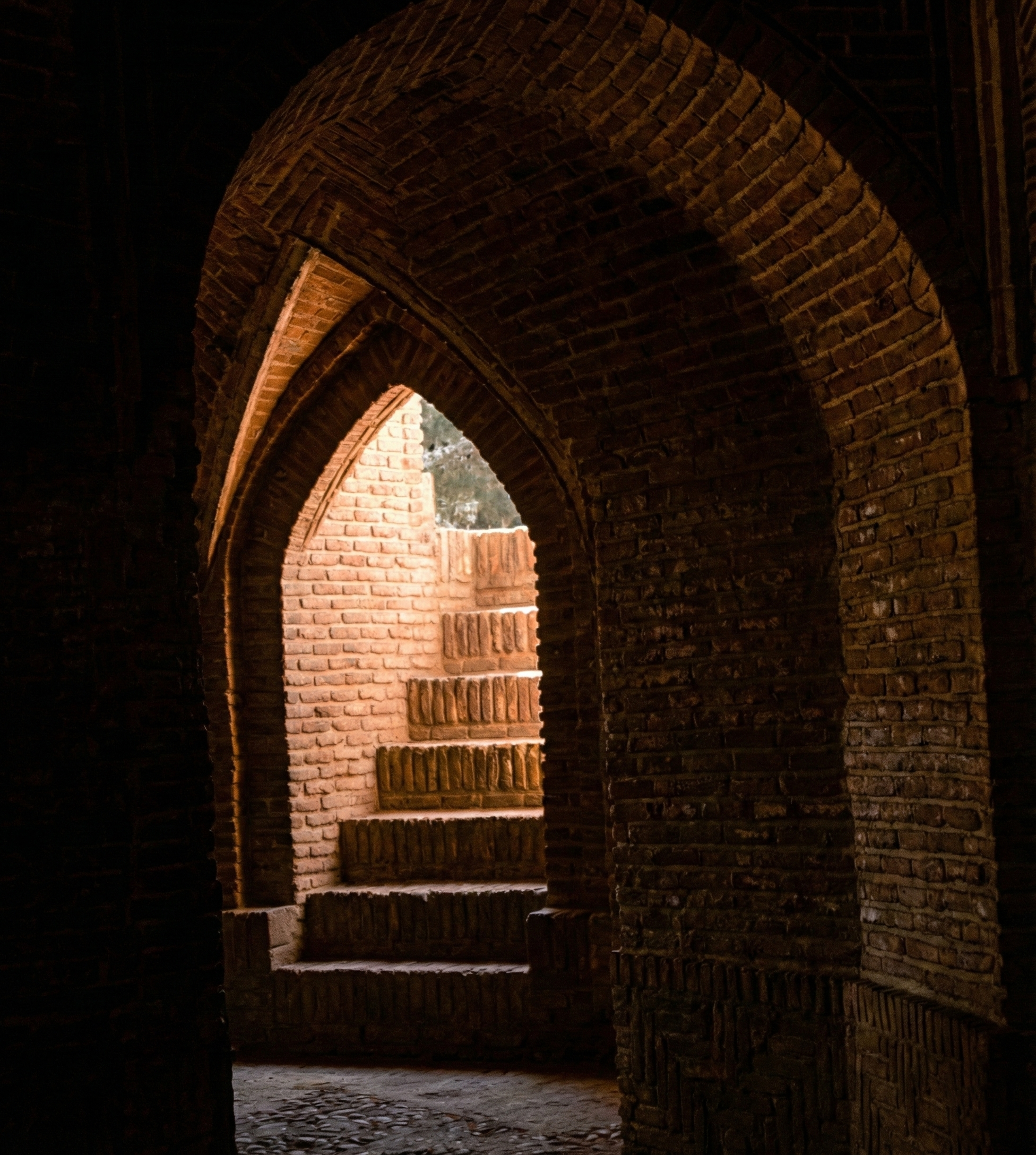
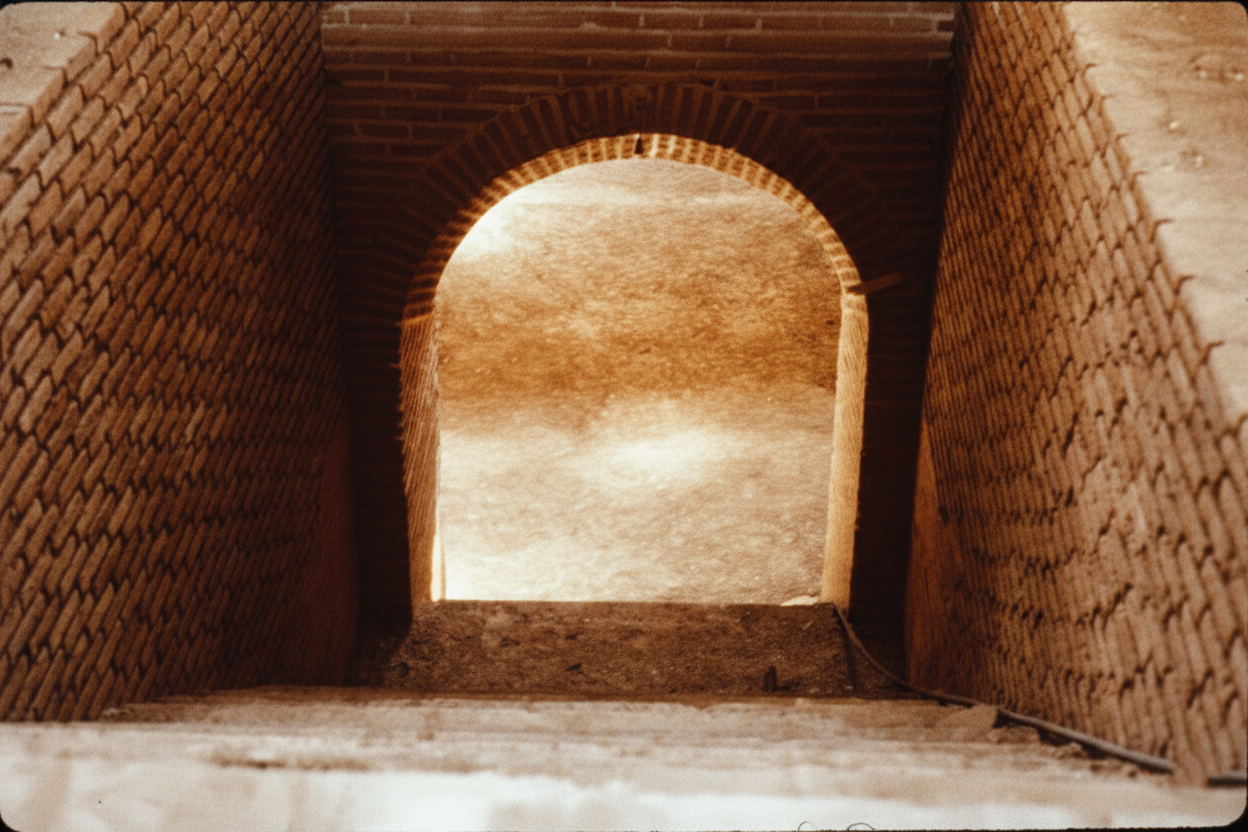
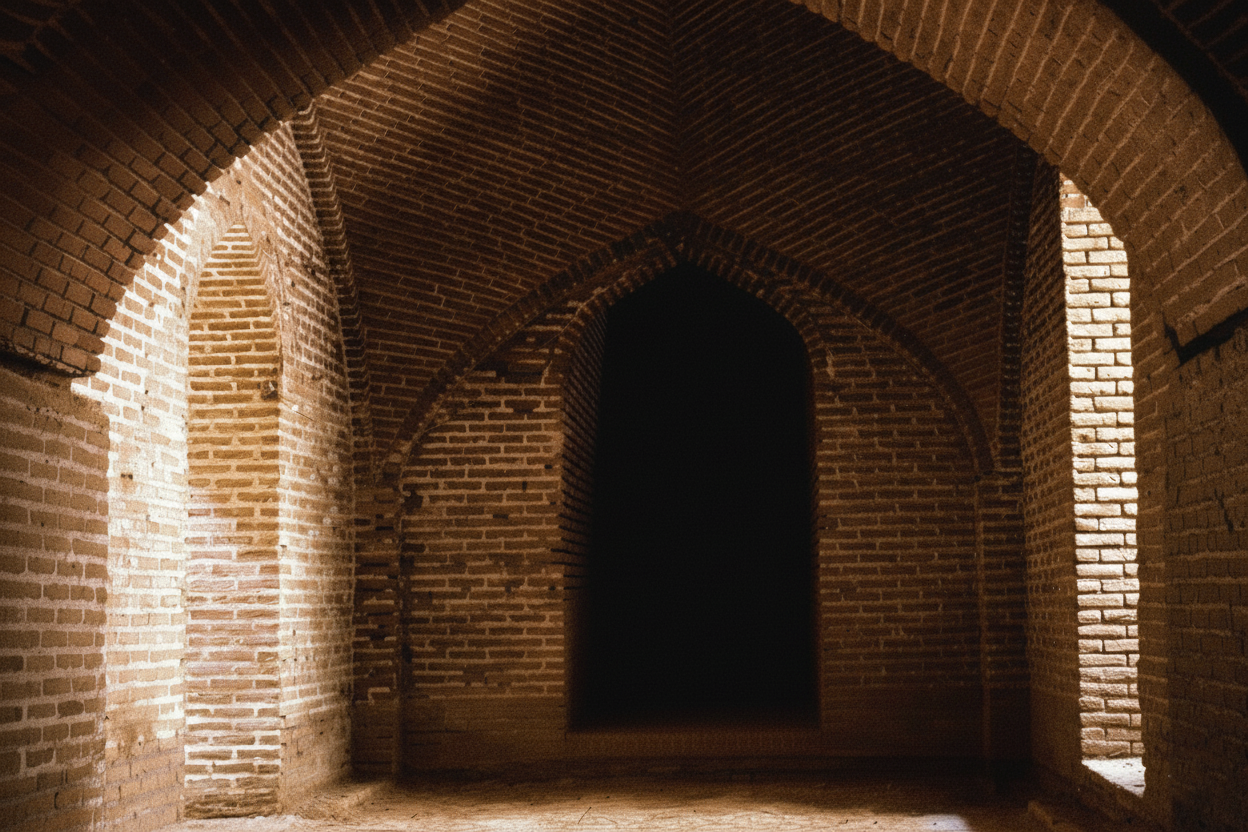
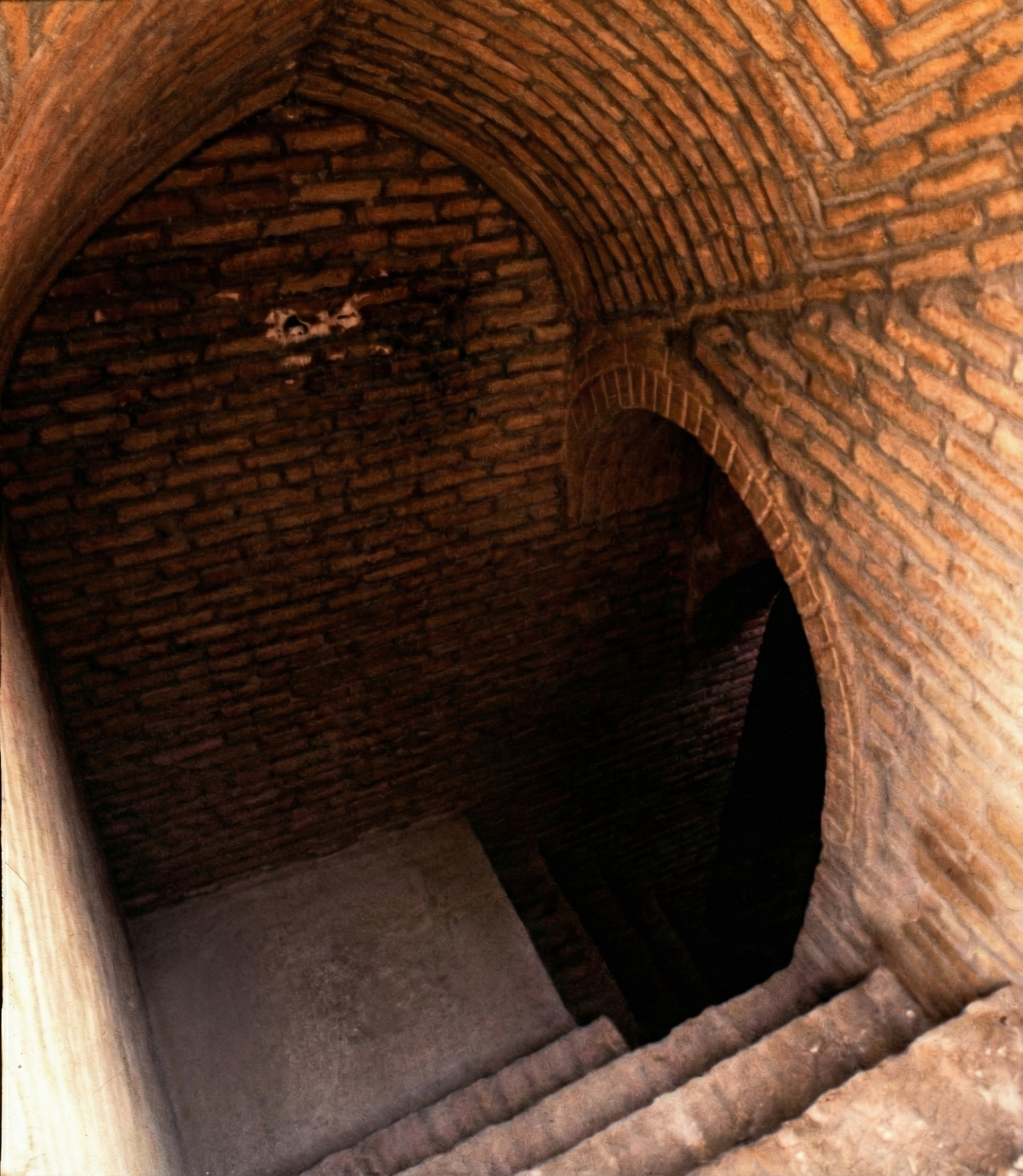
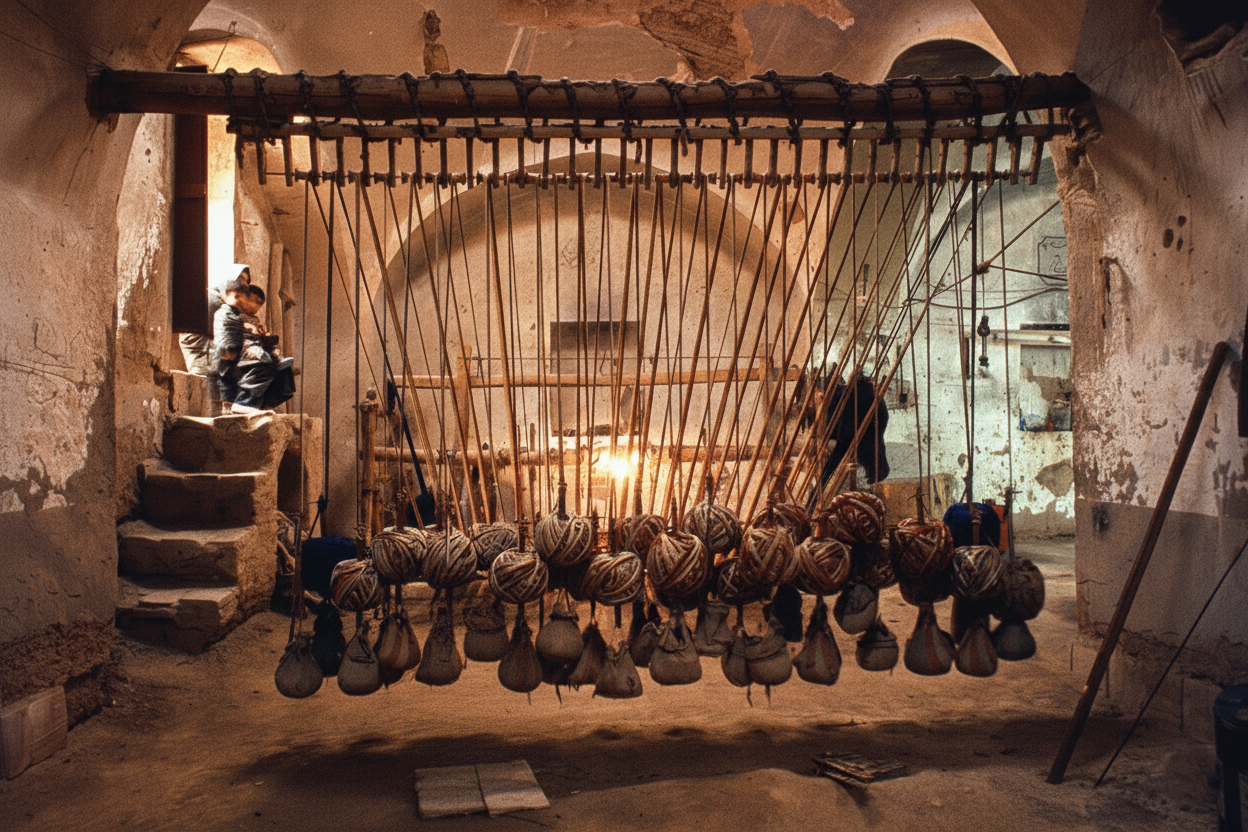
Sardāb (سرداب) and Shabestān (شبستان), subterranean spaces in traditional Iranian architecture, use the earth’s thermal stability to create cool, stable environments. Integrated with windcatchers (بادگیر) and water systems, they form part of a vertical climatic network. Serving as seasonal retreats, these spaces demonstrate how depth and spatial movement provide natural cooling and comfort without mechanical means.
-
Sardāb (سرداب) and Shabestān (شبستان): Depth, Thermal Inertia, and Seasonal Retreat
Subterranean chambers such as the Sardāb and Shabestān occupy a critical yet often understated role in traditional Iranian architecture. Positioned partially or entirely below grade, these spaces exploit the earth’s thermal inertia to achieve climatic stability, transforming depth itself into an environmental resource. Rather than resisting heat through insulation alone, they withdraw from it, embedding habitation within the moderated temperatures of the ground.
The surrounding soil acts as a vast thermal buffer, maintaining interior conditions near the annual mean temperature and dampening diurnal and seasonal extremes. In contrast to surface-level spaces exposed to rapid thermal fluctuation, subterranean chambers remain cool and stable during the hottest months, functioning as natural summer refuges. Here, climate control is achieved through spatial displacement rather than technological intervention.
Crucially, the Sardāb and Shabestān do not operate in isolation. They are integrated into a vertical climatic system linking earth and sky. Often connected to Bādgir (بادگیر) towers, these chambers supply dense, cool air that is drawn upward as warm air is extracted above, sustaining a continuous convective cycle. When coupled with qanāt (قنات) channels or courtyard ḥowz (حوض) pools, evaporative cooling further enhances this effect, reinforcing the subterranean zone as a thermal reservoir within the larger architectural organism.
Beyond their environmental function, these spaces embody a temporal logic of inhabitation. They are seasonally occupied, with use intensifying in summer and upper rooms prioritized in the cooler months. Architecture thus encodes climatic knowledge into patterns of daily life, allowing movement through space to correspond with shifts in temperature rather than relying on mechanical homogenization.
Theoretically, subterranean chambers challenge the primacy of the façade and roof as the sole climatic interfaces. By extending the building envelope downward into the earth, Iranian architecture reconceives the ground not as a boundary but as an active participant in environmental regulation. Depth serves as a form of insulation, and section is the primary instrument of climate control.
In this context, the Sardāb and Shabestān represent an architecture of retreat rather than resistance—one that cools by subtraction, by lowering itself into the thermal calm of the earth. They complete the vertical continuum of the Iranian house, anchoring wind, water, and mass into a coherent climatic system governed by gravity, time, and temperature.
