Ājor (آجر) Walls: Mass and Microclimatic Surface
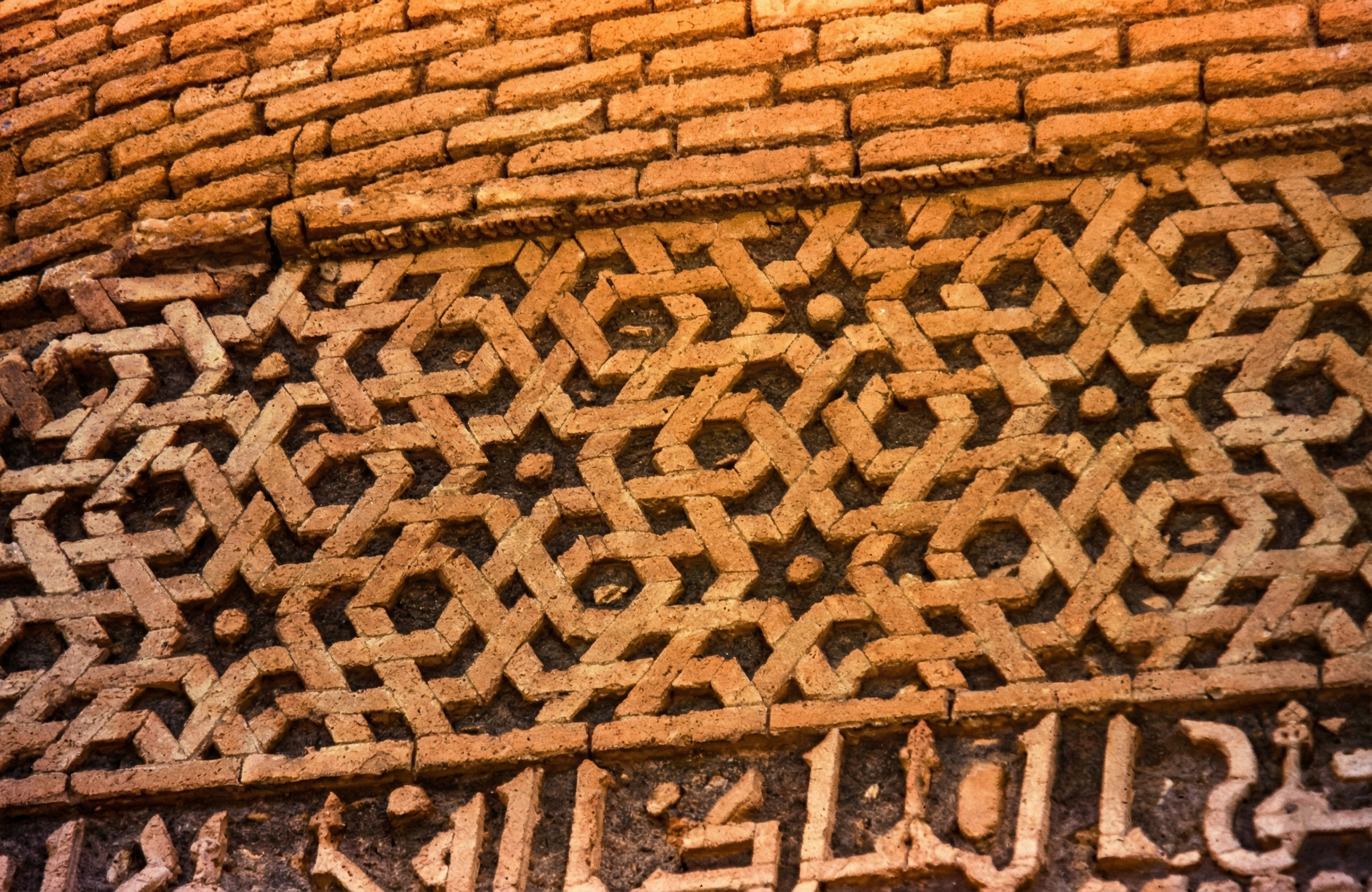
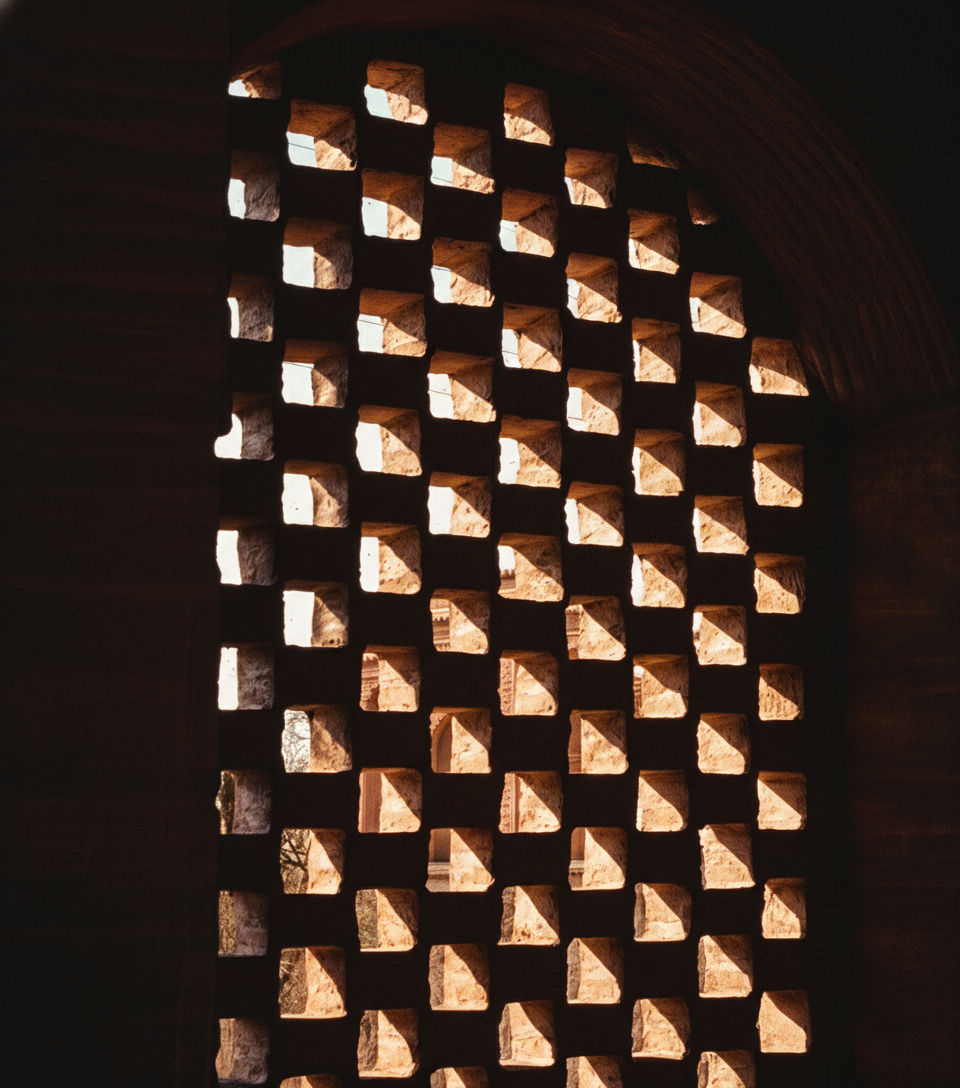
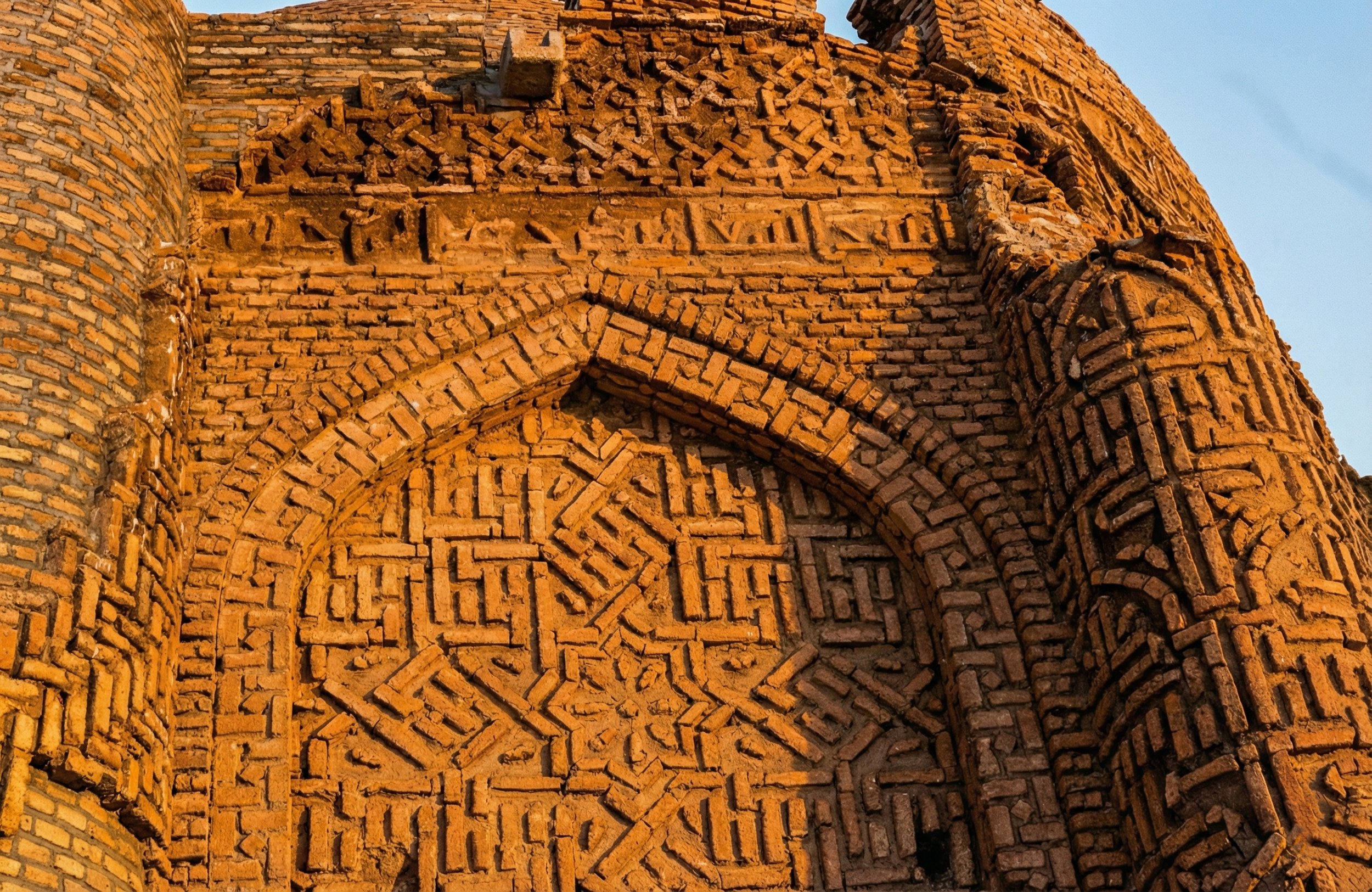
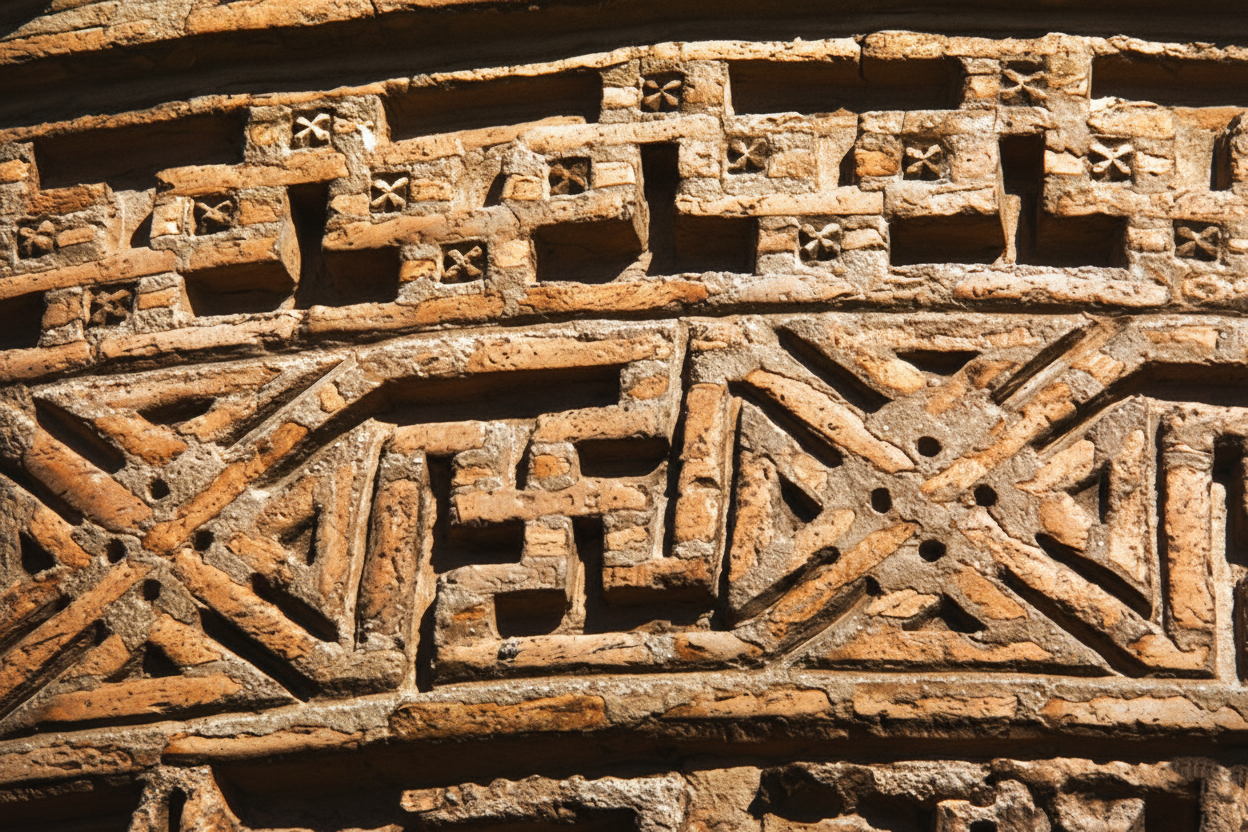
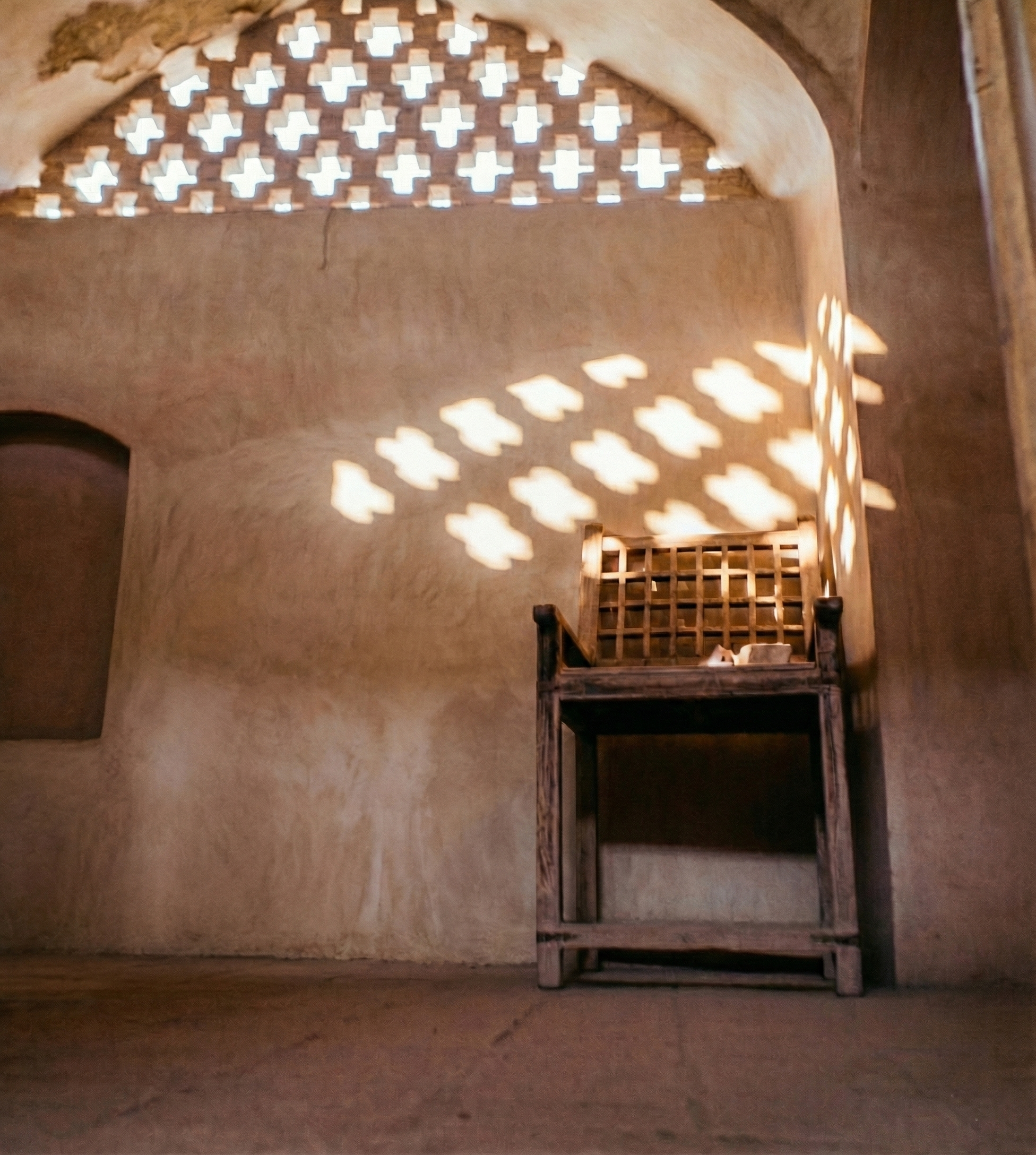
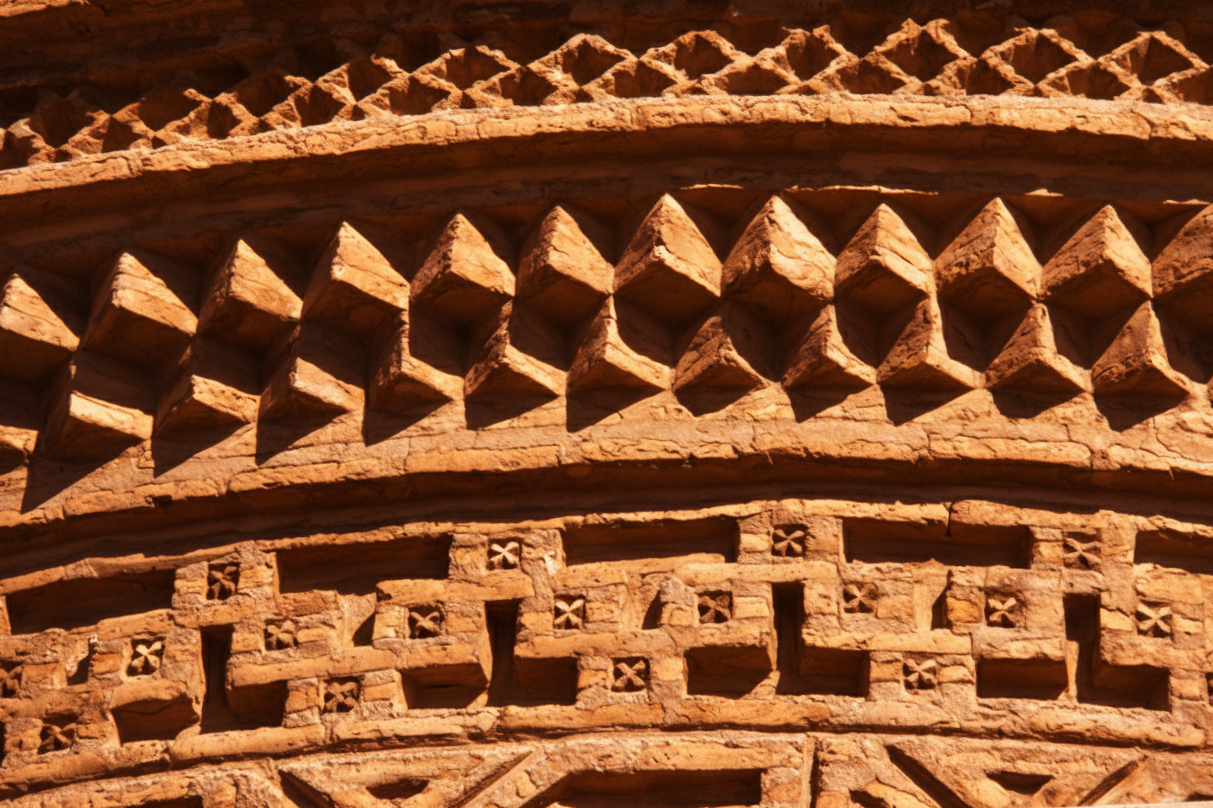
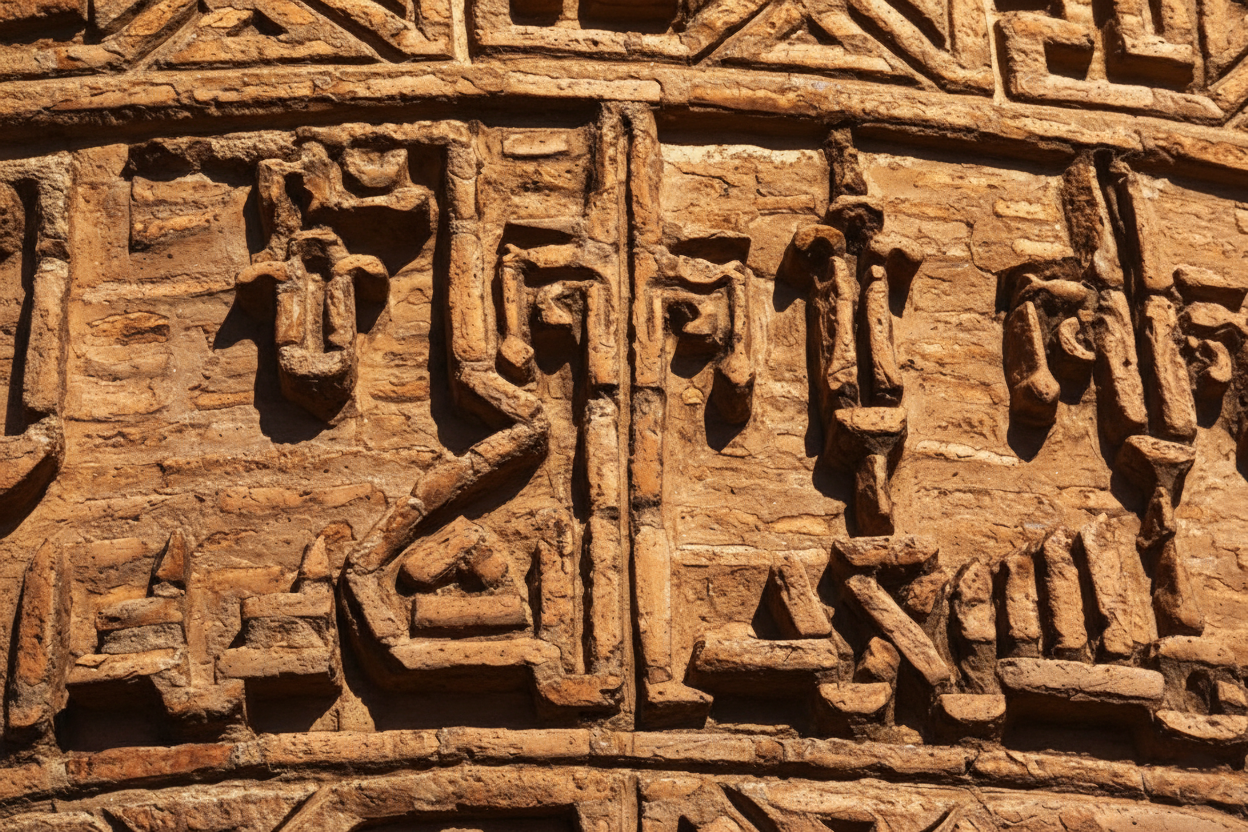
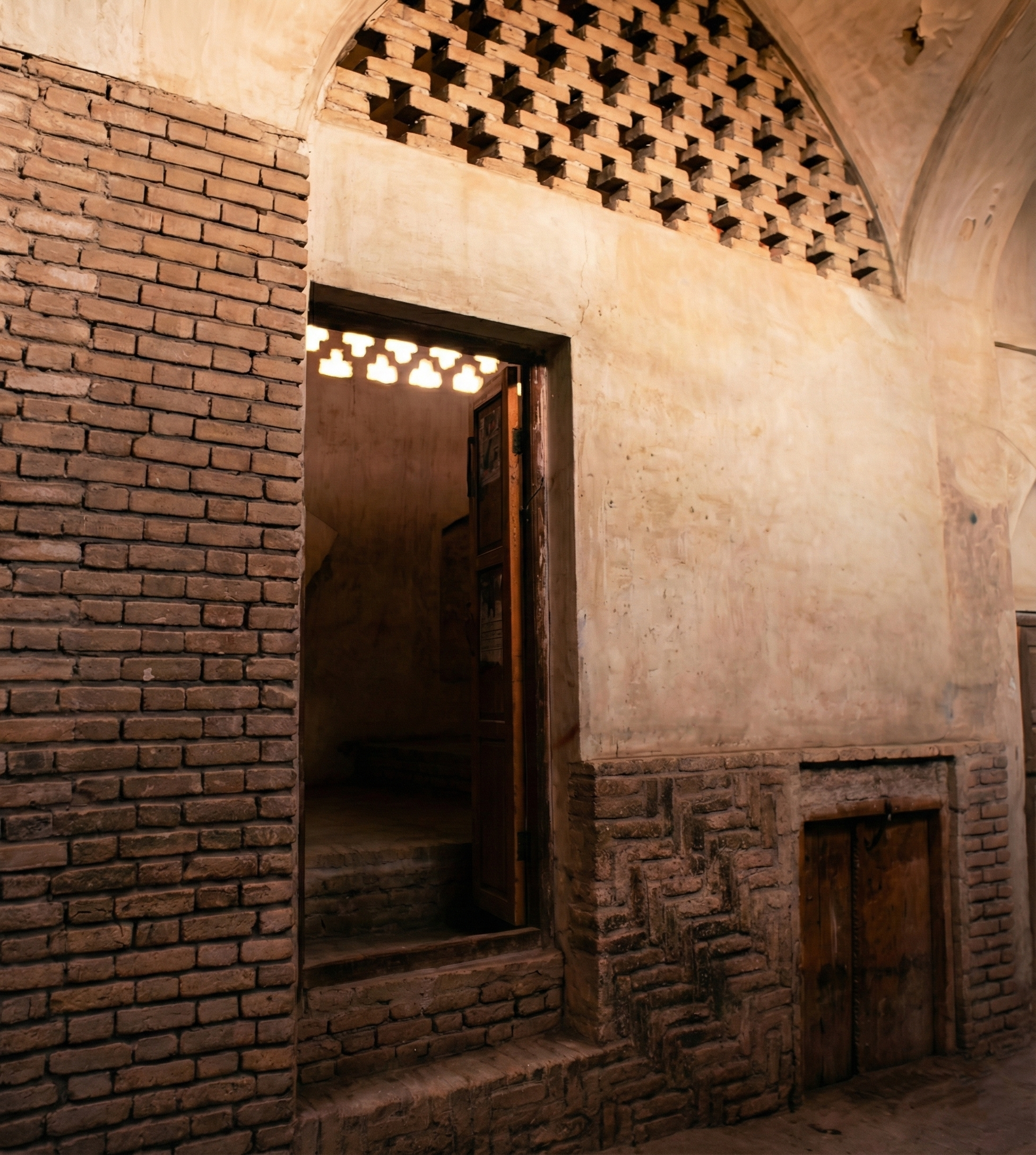
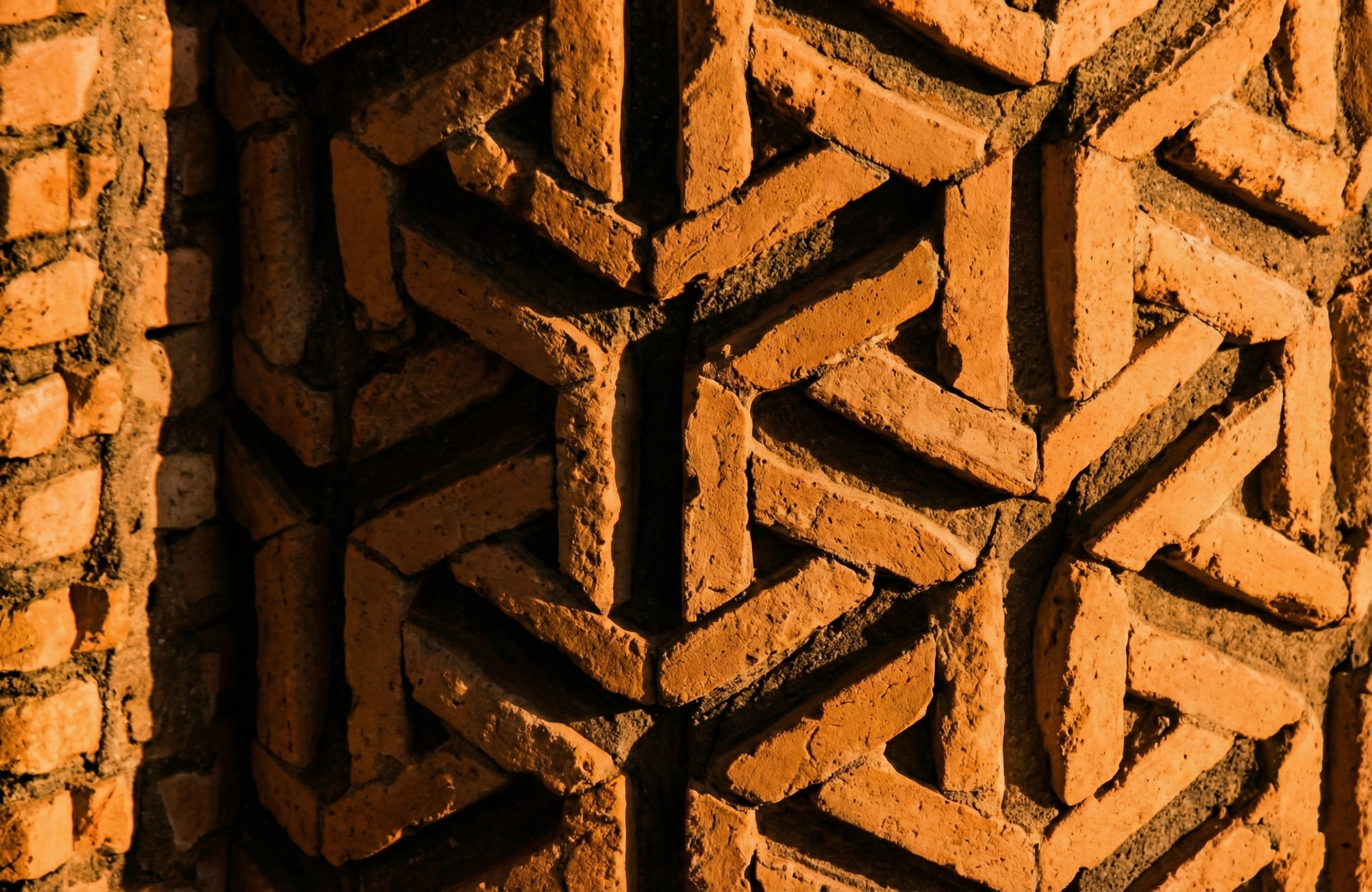
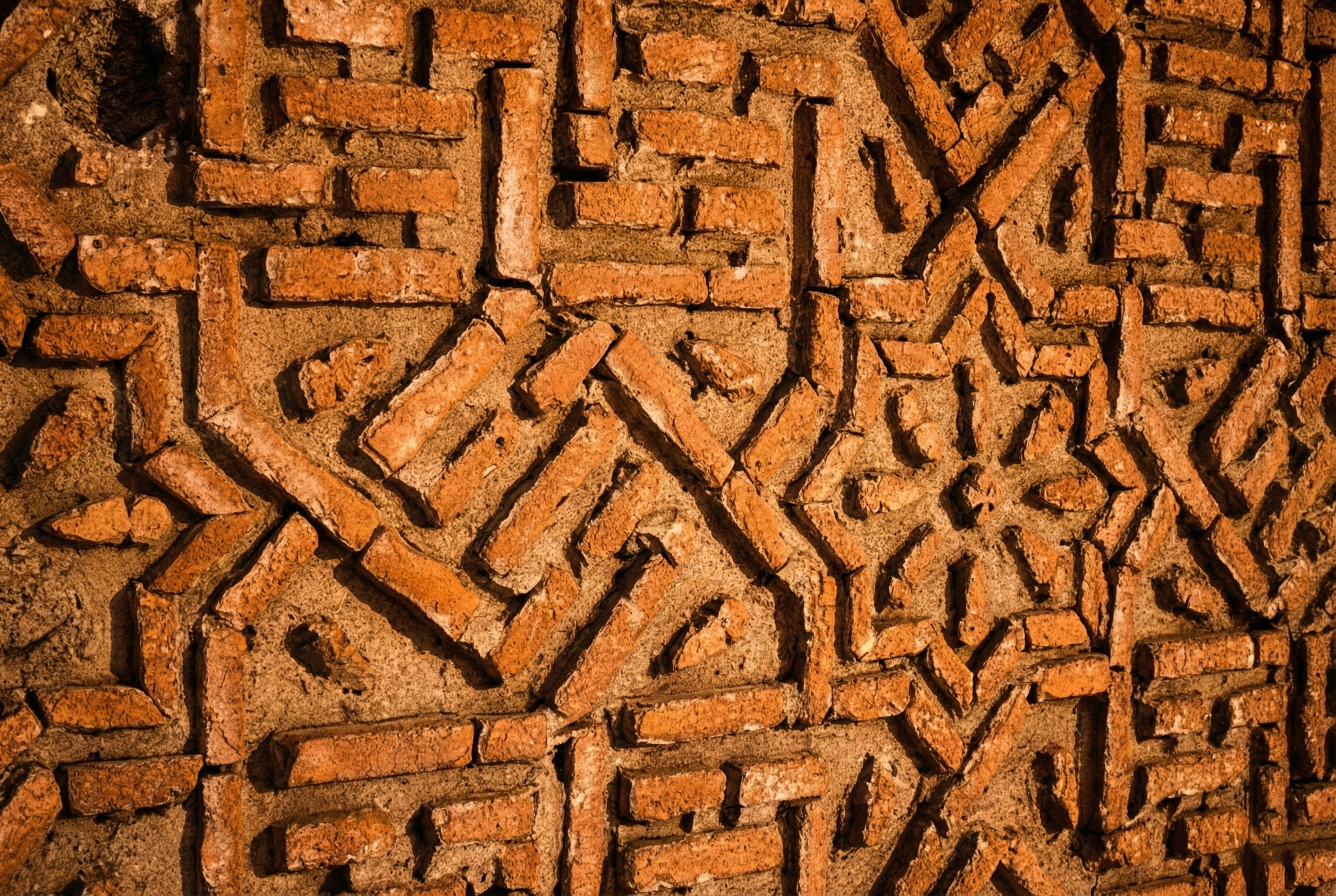
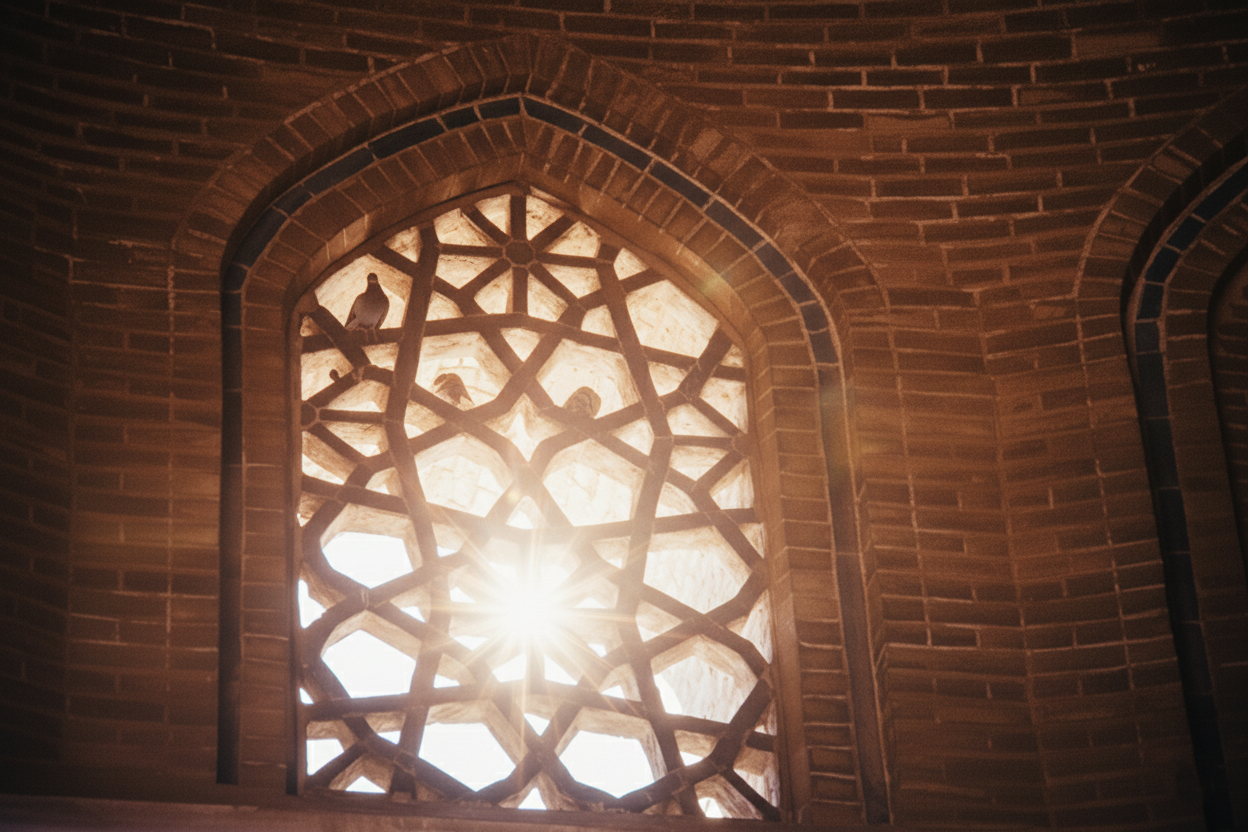
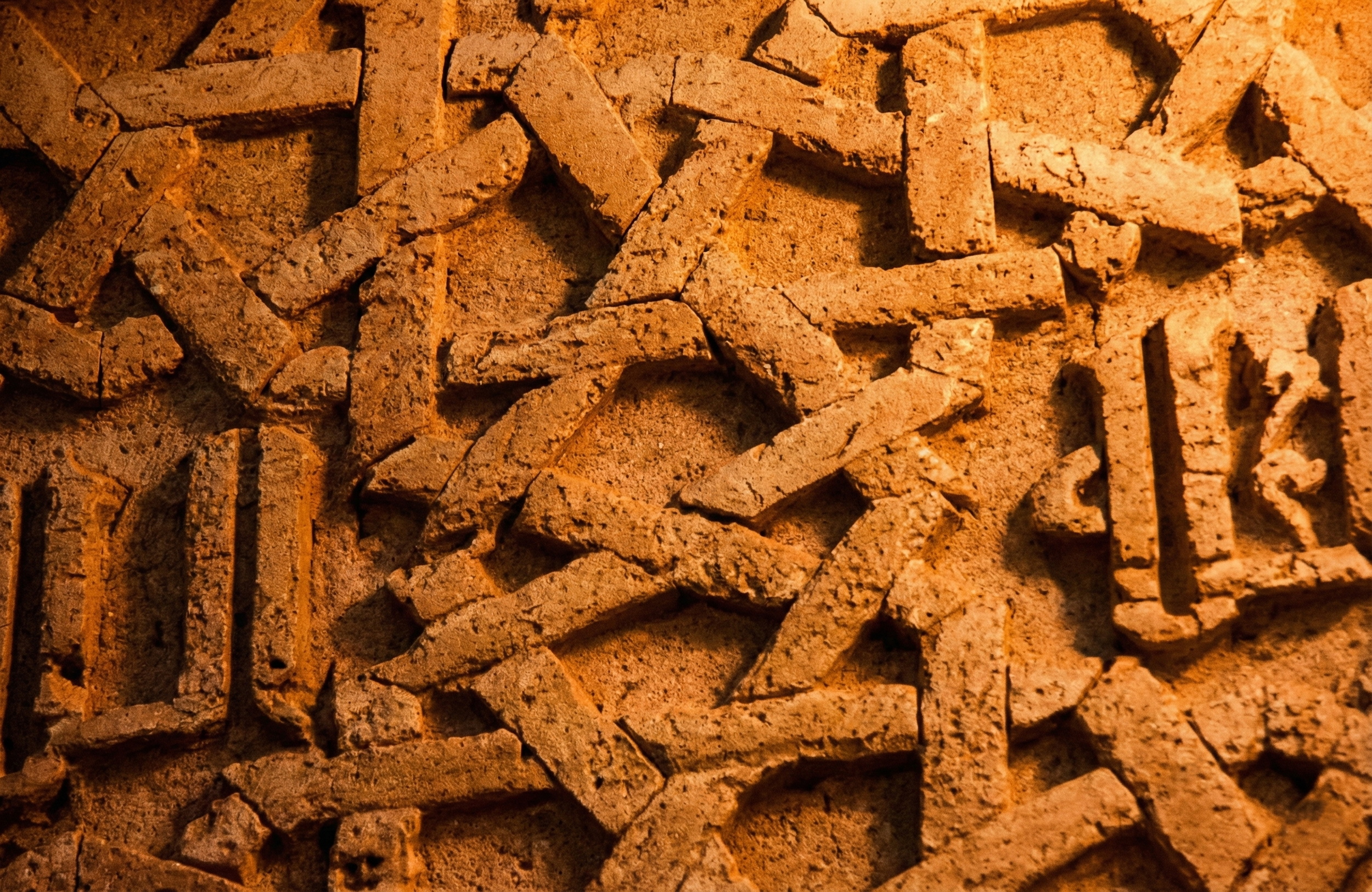
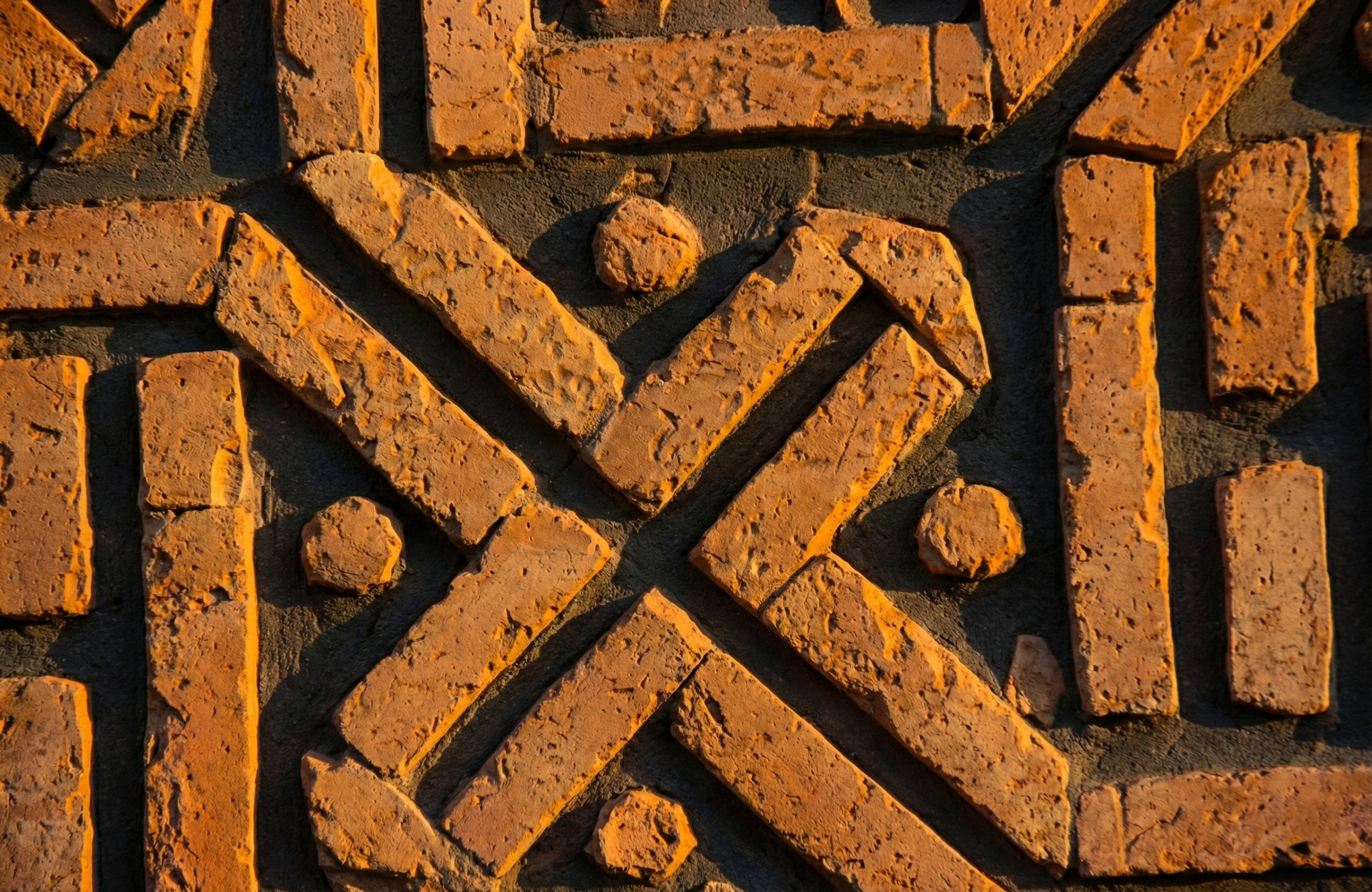
Ājor (آجر) walls in traditional Iranian architecture function as active climatic systems rather than mere enclosures. Their thermal mass absorbs heat by day and releases it at night, moderating temperature over time. Through intricate patterns and relief, brick surfaces create shade, filter light, and enhance airflow—transforming the wall into a dynamic interface of mass, shadow, and environmental control.
-
Ājor (آجر) Walls: Mass and Microclimatic Surface
In traditional Iranian architecture, brick masonry (Ājor, آجر) functions as an active climatic medium rather than a passive enclosure. Unlike the modern wall, conceived as a thin separator between interior and exterior, the brick wall operates as a thick, performative body in which structure, mass, and surface articulation jointly regulate environmental conditions.
The thermal inertia of fired brick allows walls to absorb solar radiation during the day and release it gradually after sunset, moderating diurnal temperature extremes through temporal delay rather than mechanical control. Heat is not excluded but redistributed across time, transforming mass into climatic agency.
This performance is intensified through deliberate surface articulation. Geometric brick patterns (Khwoon-chini) fragment solar exposure, generating shifting shadow fields that reduce surface temperatures and glare. Extruded three-dimensional brickwork (Hozār-bāf) deepens the wall section, producing continuous self-shading and micro-convective airflow along the façade. Brick lattice screens (Fakhr-o-Mādin) introduce a calibrated porosity that filters daylight, admits ventilation, and casts dense shadows while maintaining enclosure.
Together, these strategies transform the exterior wall into a layered microclimatic interface. Ornament and performance converge as depth, relief, and permeability temper radiation, airflow, and heat at the scale of the surface.
Within the broader environmental system of the Iranian house, Ājor walls anchor courtyards, iwans, and windcatchers to a stable thermal core. Theoretically, they exemplify an architecture of mediation rather than insulation—one that thickens the boundary between inside and outside, converting the wall into a climatic field shaped by mass, shadow, and time.
