The Fakhr-o-Madin (فخر و مدین)
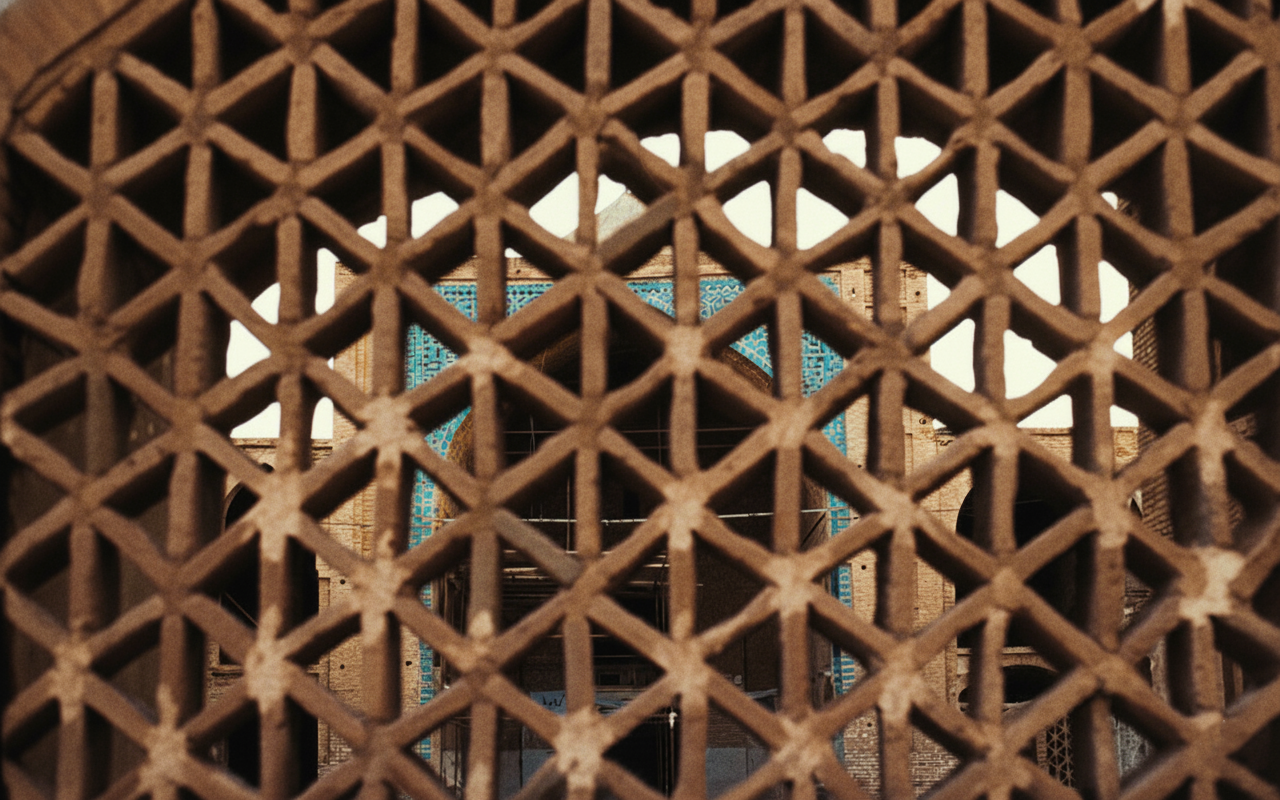
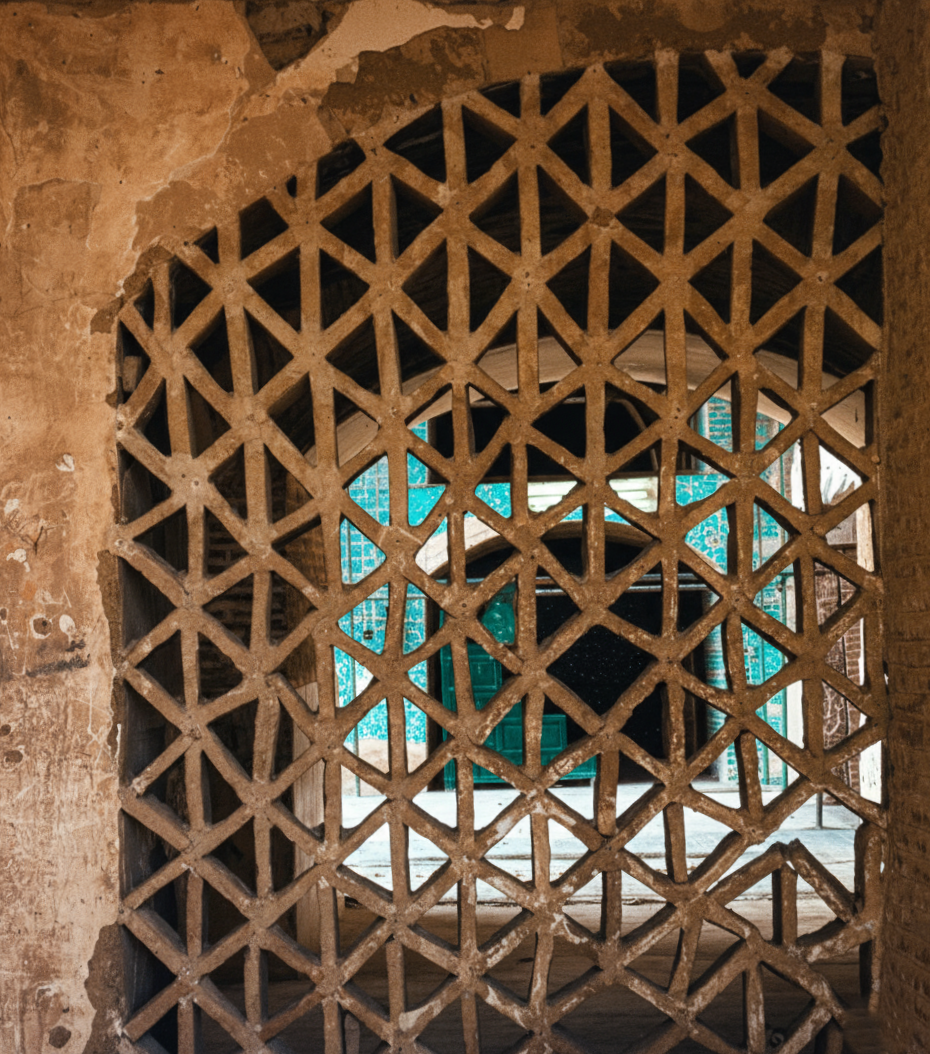
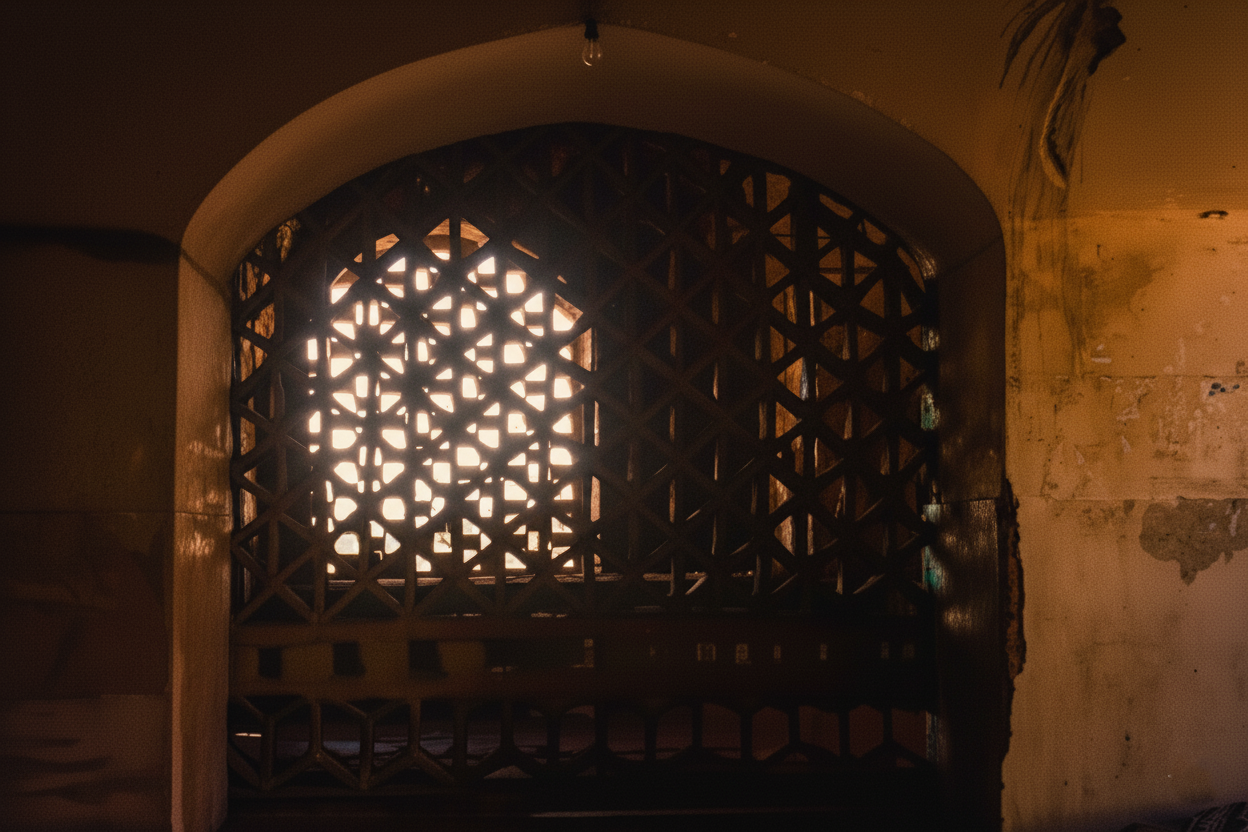
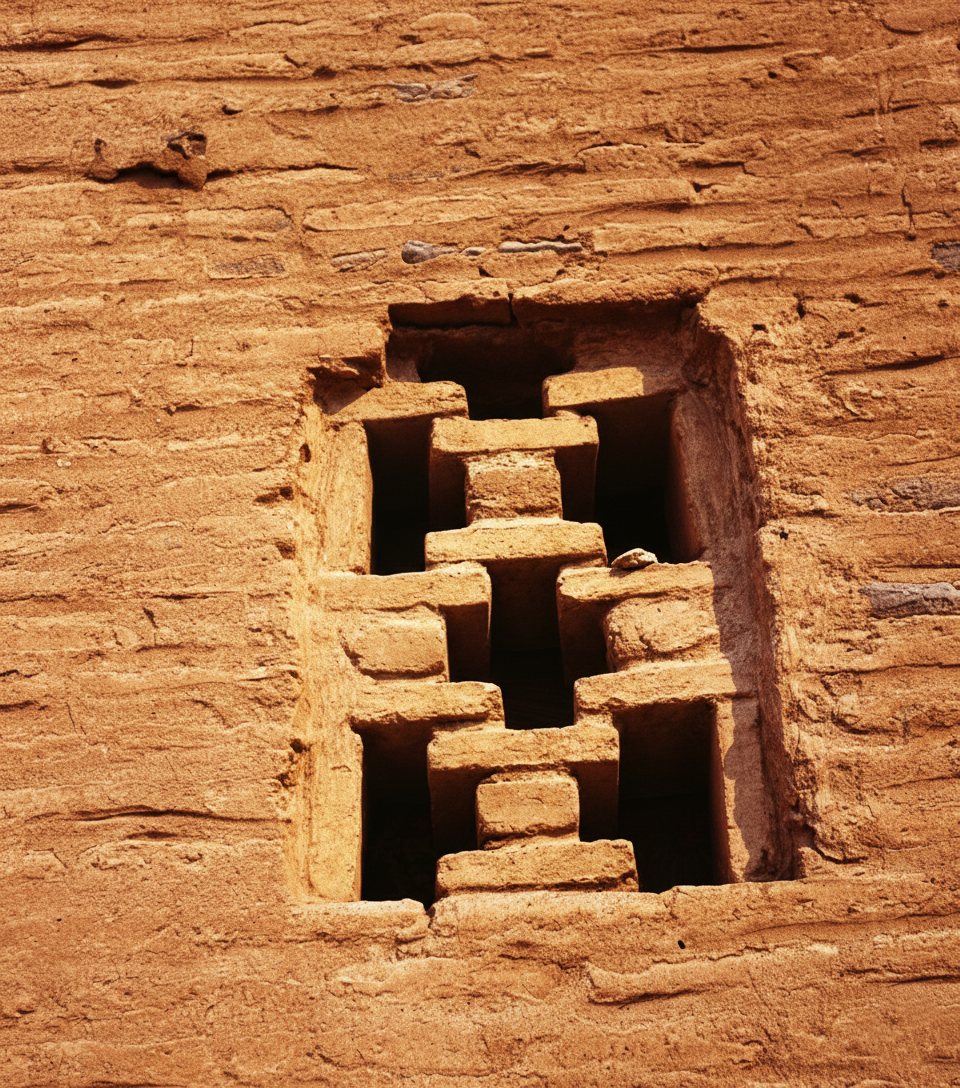
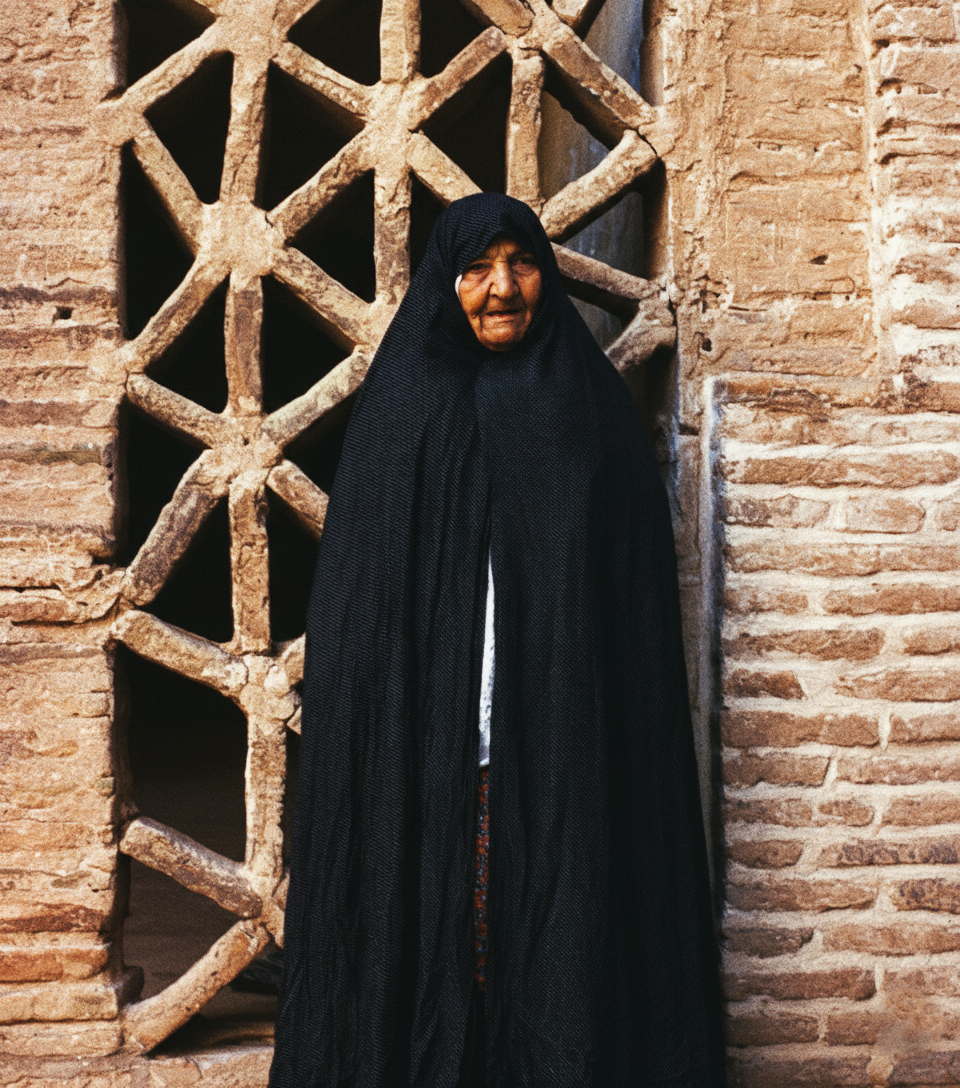
The Fakhr-o-Madin (فخر و مدین) brickwork of the Grand Mosque of Ardestan (مسجد جامع اردستان, c. 1158–1160 CE) transforms intense desert light through geometric brick relief. This technique modulates sunlight into gentle shadows, creating a balanced visual rhythm that humanizes the harsh desert environment.
-
The Fakhr-o-Madin (فخر و مدین) brickwork of the Grand Mosque of Ardestan (مسجد جامع اردستان), developed during the Seljuk period (6th century AH / 12th century CE, c. 1158–1160 CE), represents one of the most refined expressions of structural ornament in Persian architecture. In this technique, carefully arranged baked bricks (آجر) create geometric patterns directly within the masonry surface, allowing structure and decoration to merge into a unified architectural language. In the desert environment of Ardestan (اردستان), where sunlight is intense and constant, Fakhr-o-Madin performs an important environmental role. The patterned relief of the brick surface captures and modulates outdoor light throughout the day, transforming harsh illumination into subtle gradients of shadow and reflection. Through this careful orchestration, light is reduced to a scale that is visually pleasing and psychologically calming. This choreography of light is a defining characteristic of desert architecture, where the overwhelming brilliance of the landscape is transformed into a controlled and inviting spatial experience.
