The Gachbori (گچبری) stucco decoration of the Grand Mosque of Ardestan (مسجد جامع اردستان)
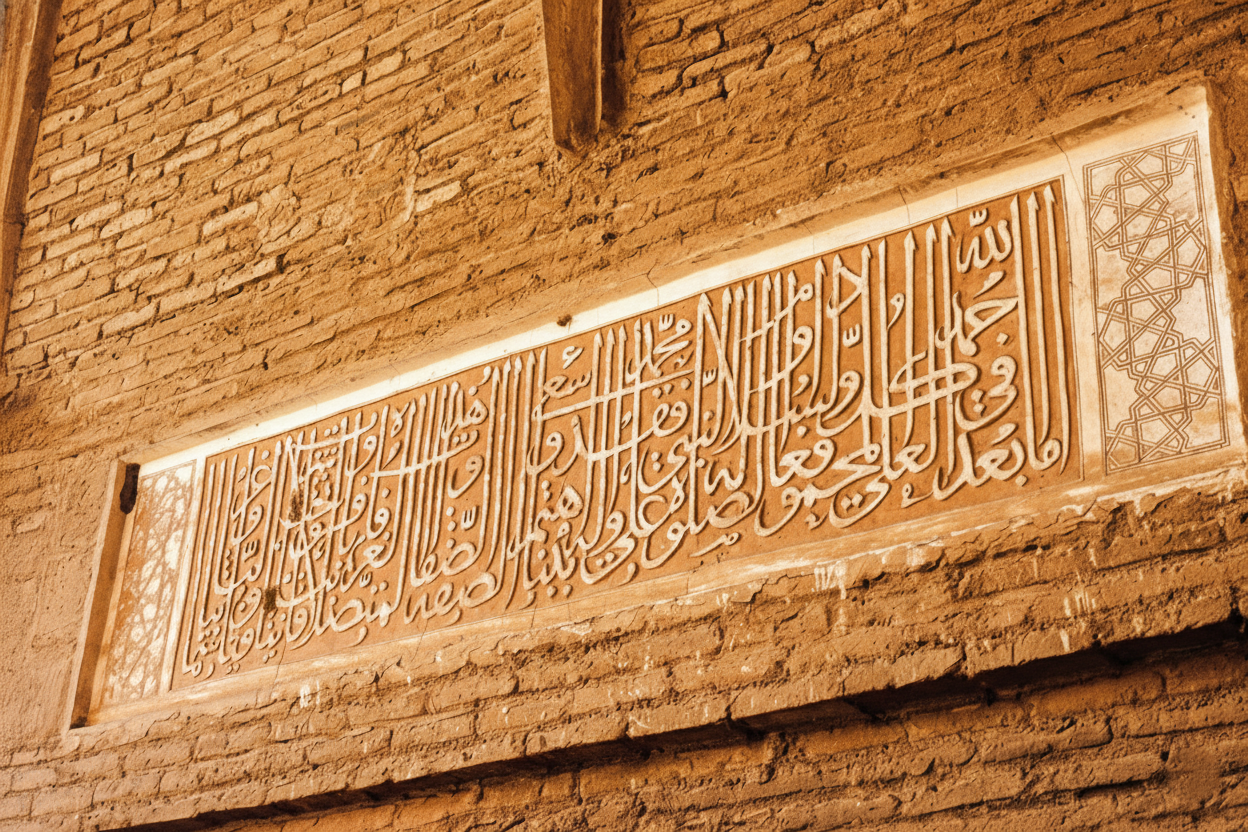
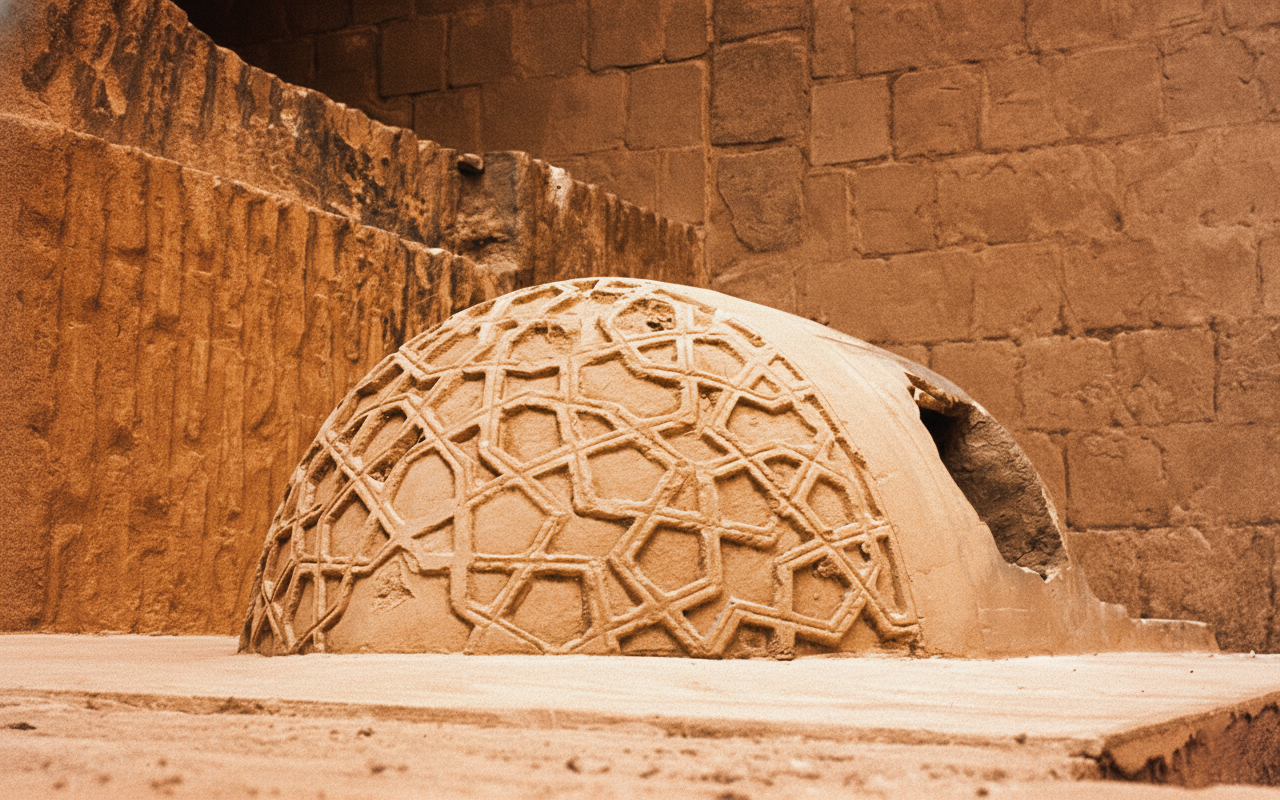
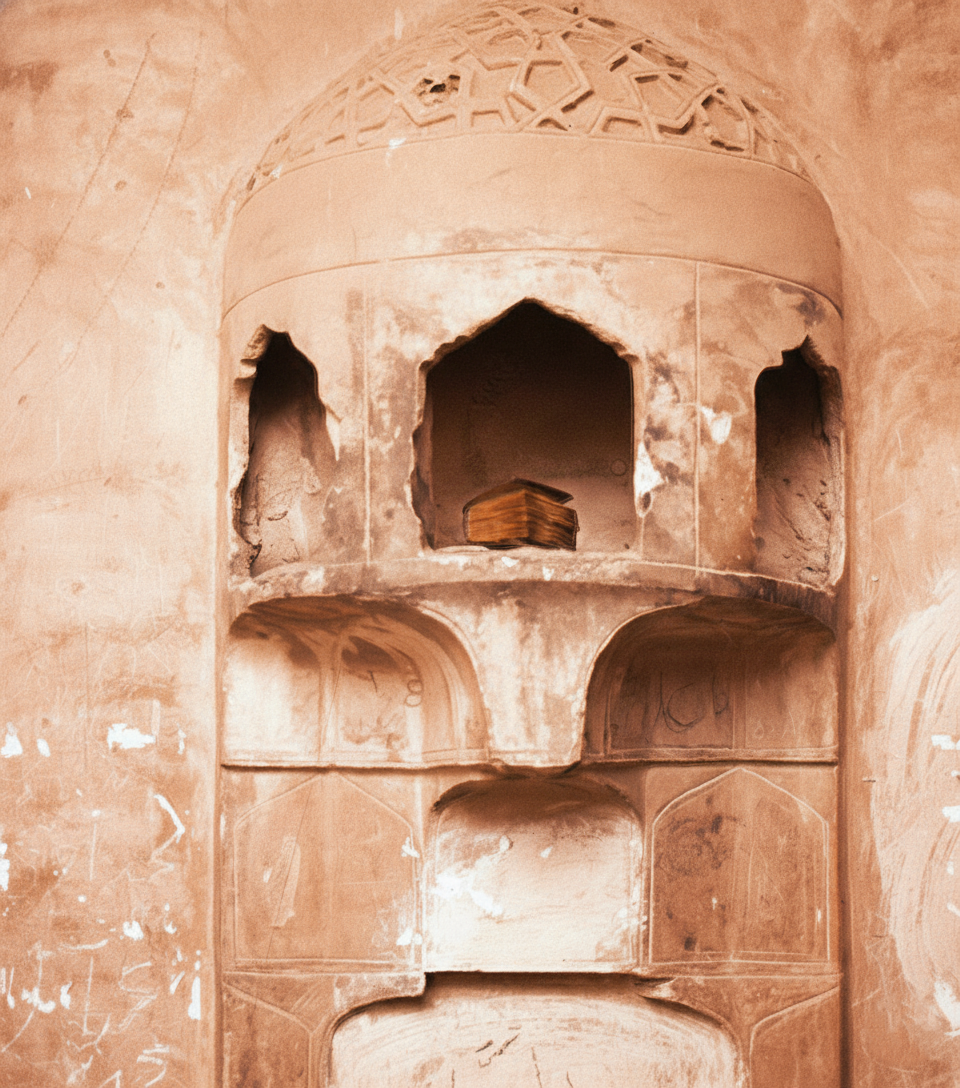
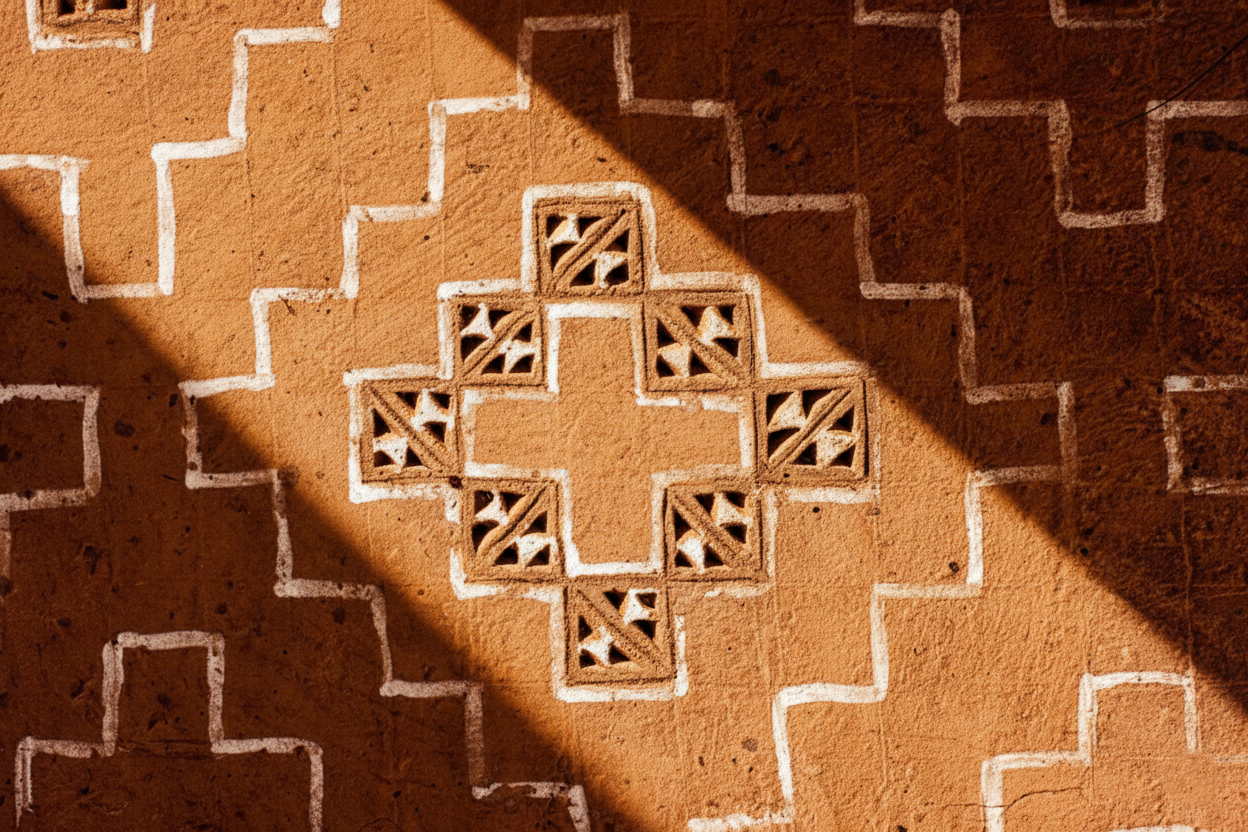
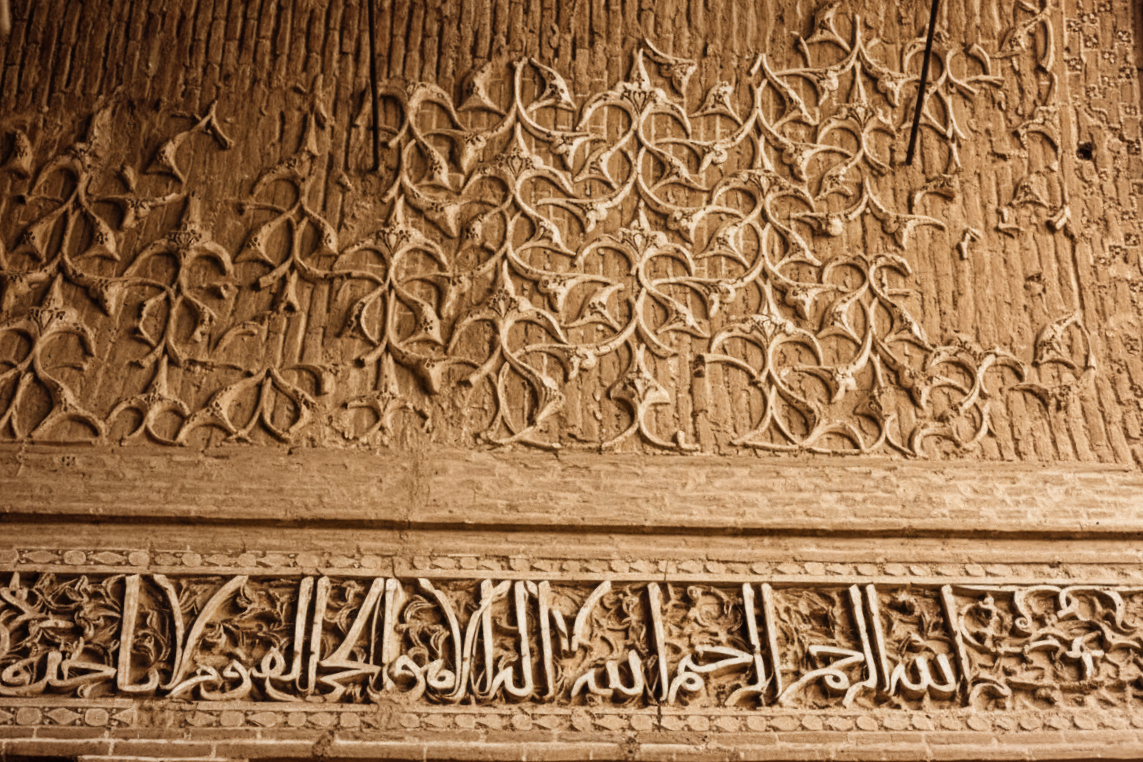
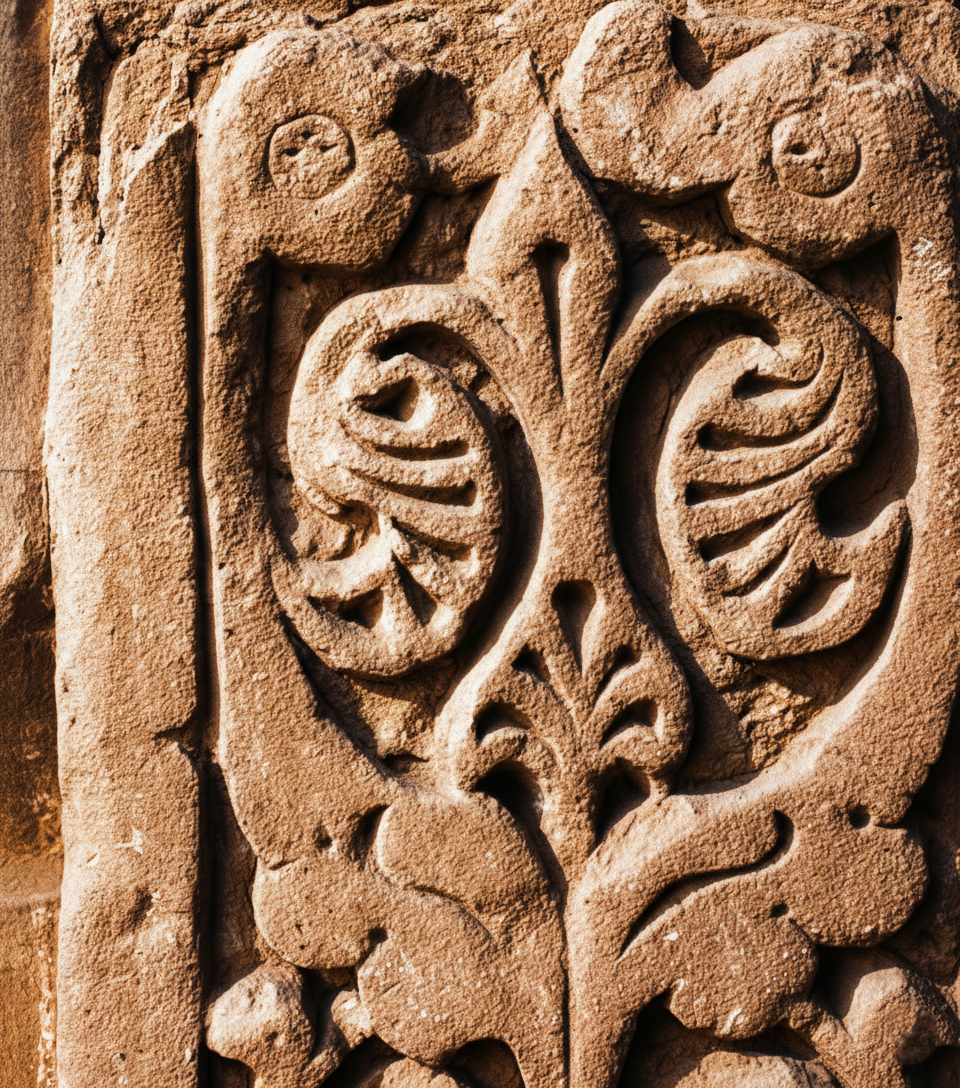
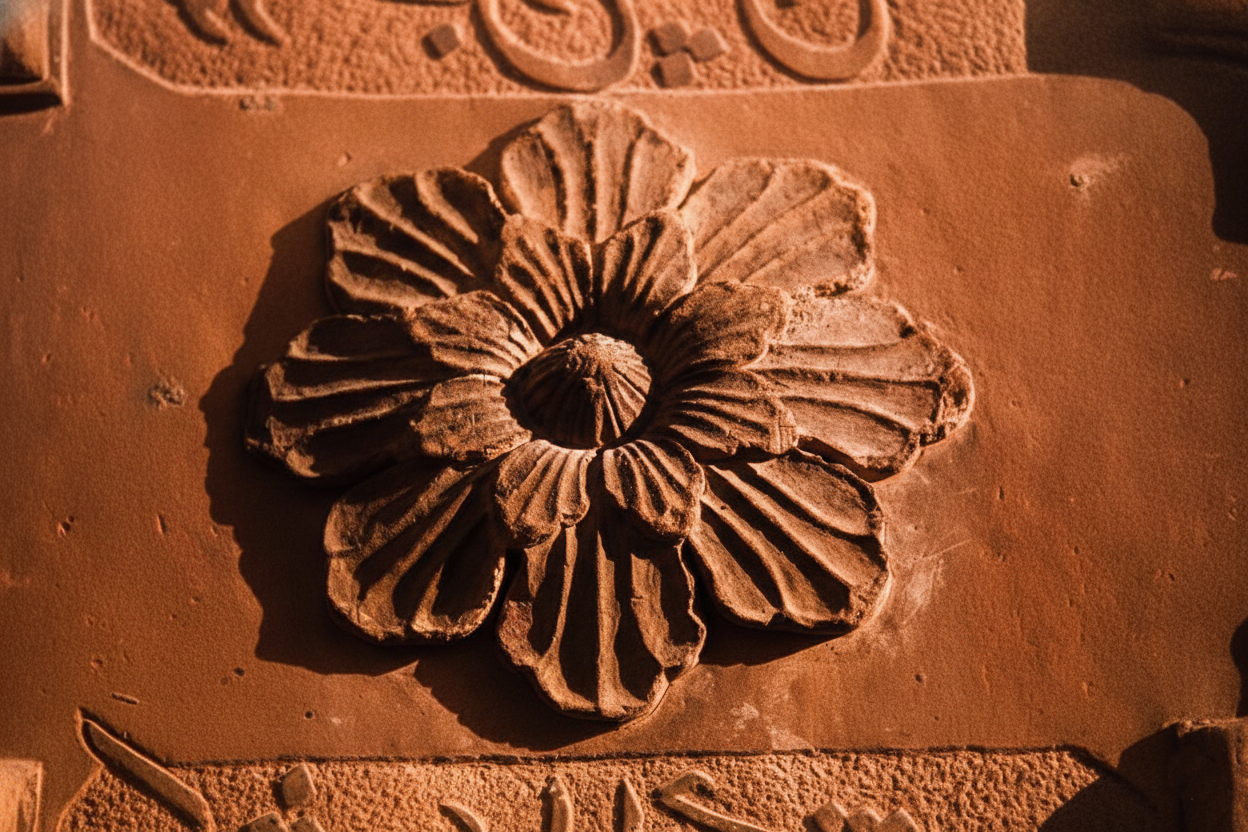
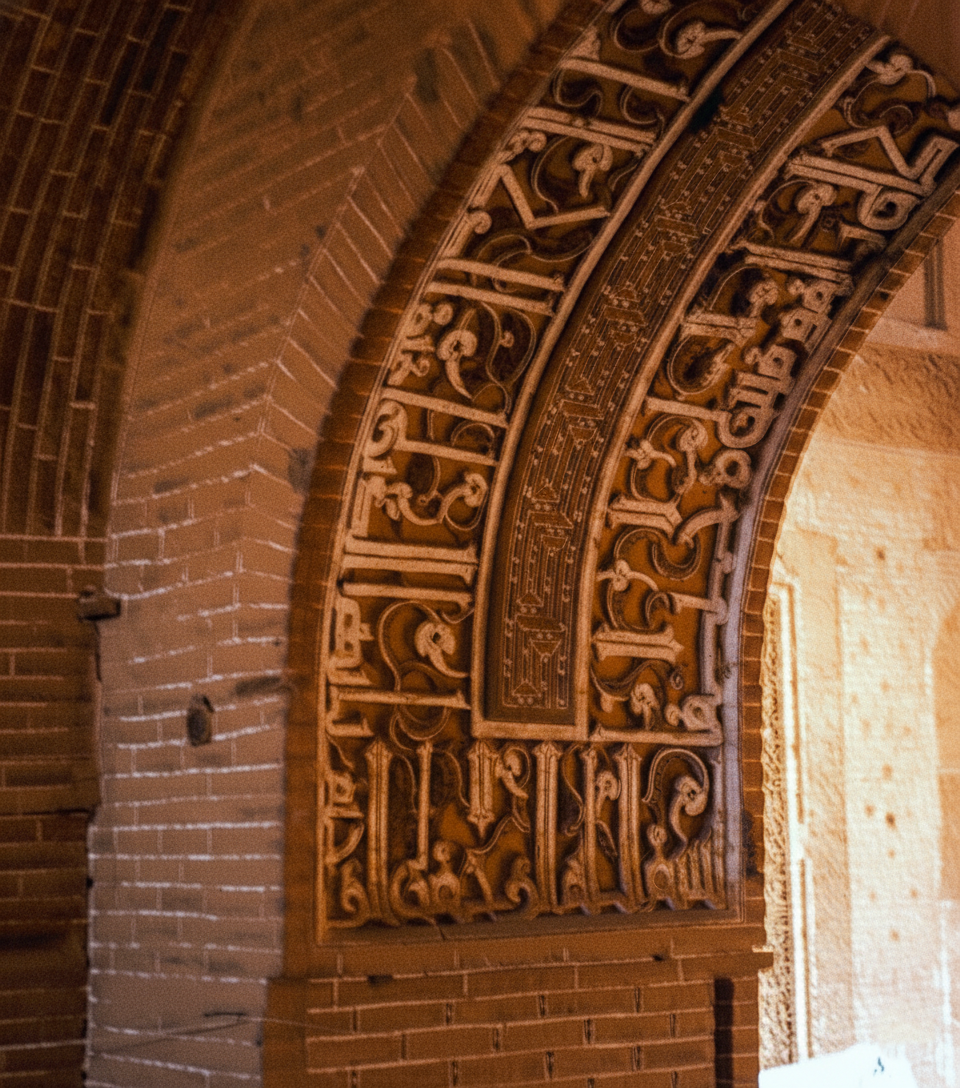
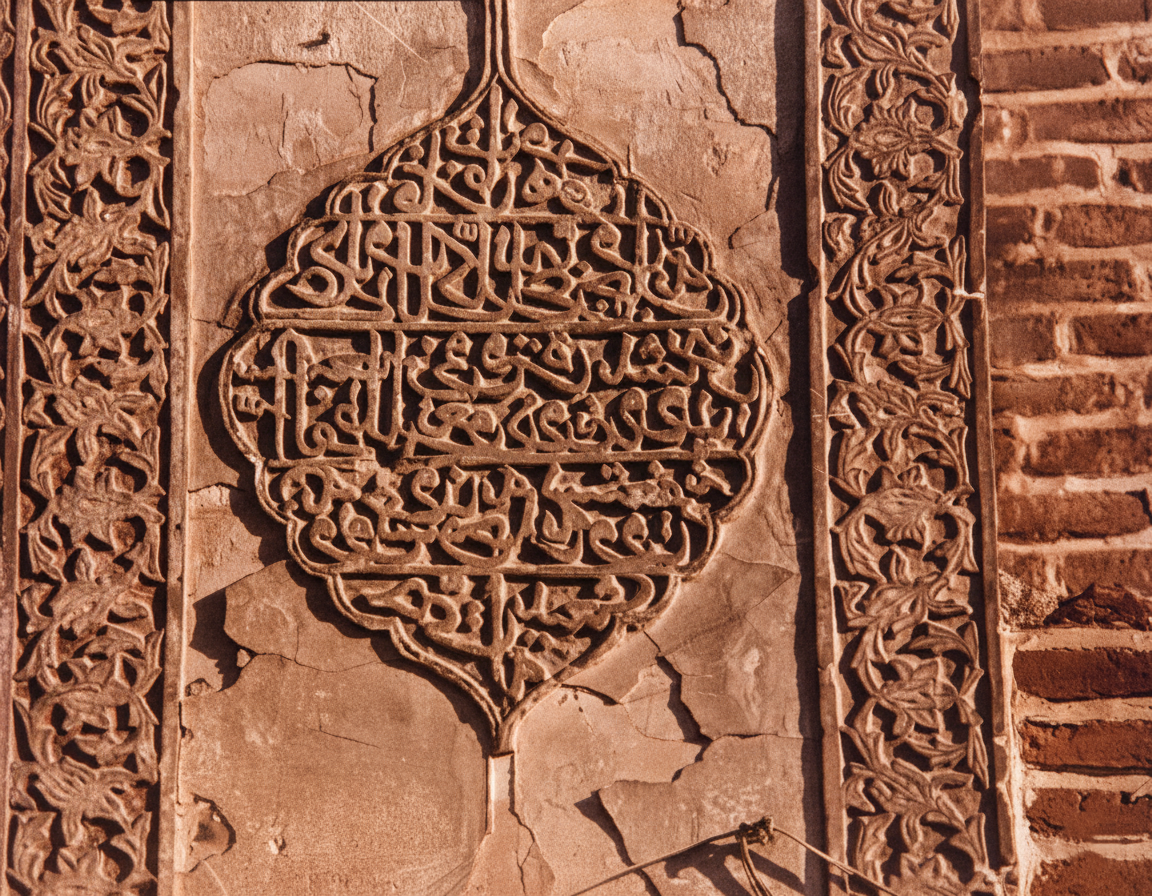
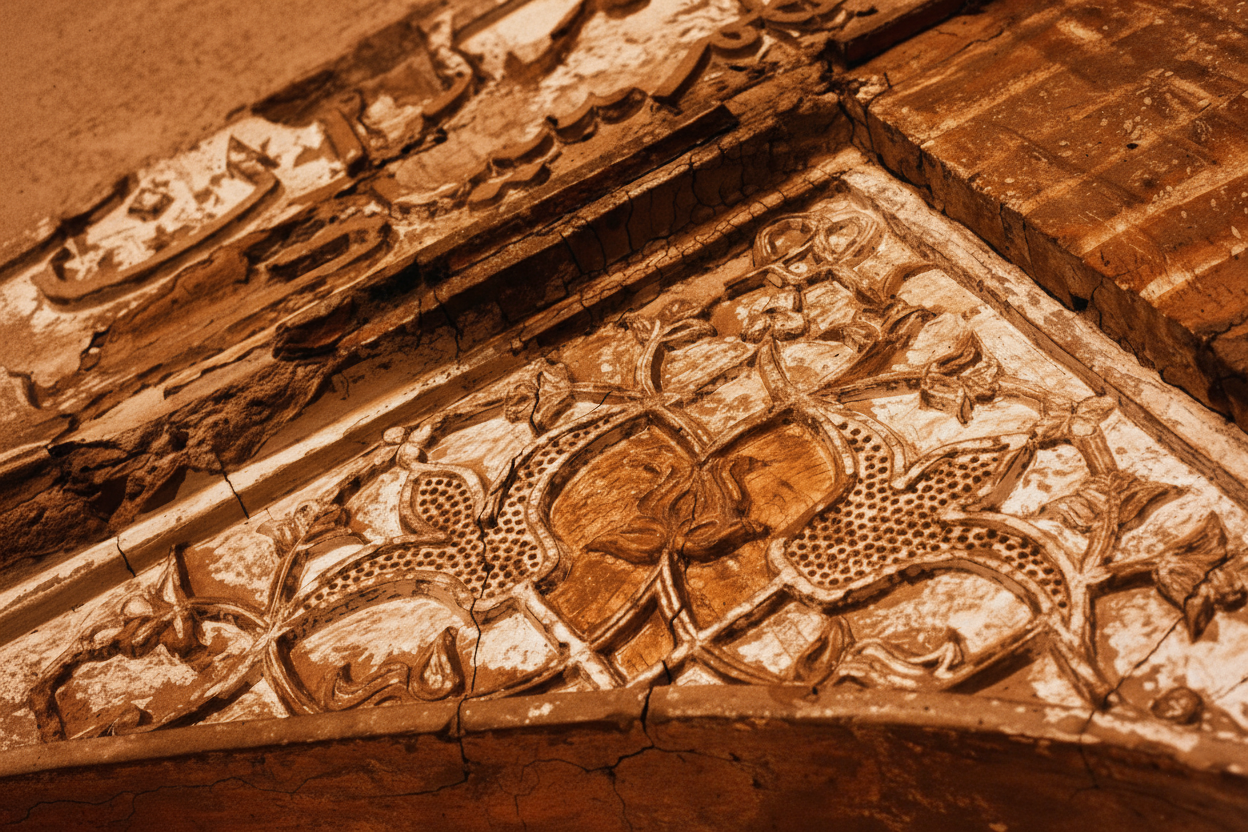
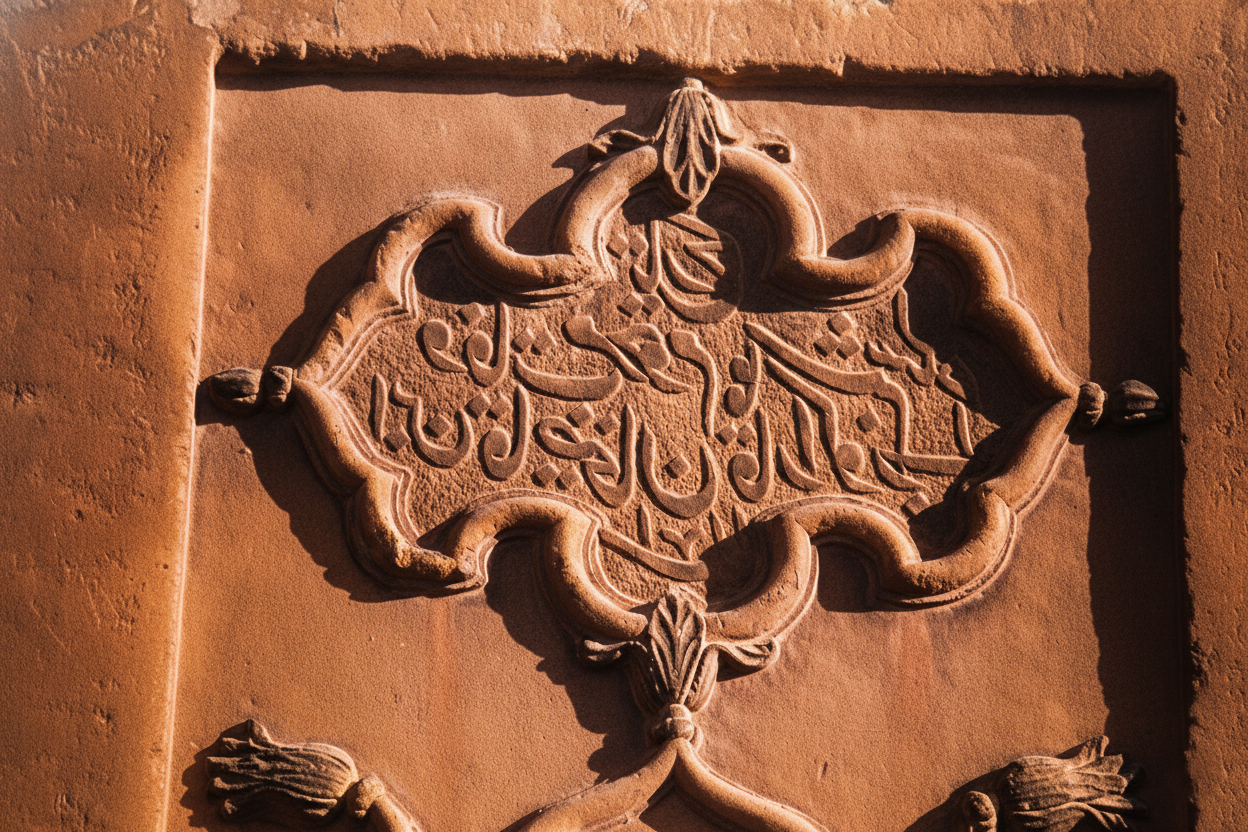
The Grand Mosque of Ardestan (مسجد جامع اردستان, c. 1158–1160 CE) contrasts its massive adobe (خشت) and brick (آجر) structure with delicate Gachbori (گچبری) stucco ornament. These carved vegetal and geometric reliefs, including the jaye mohr taqcheh (جای مهر طاقچه), soften architectural mass, creating a refined sense of spatial dematerialization.
-
The Gachbori (گچبری) stucco decoration of the Grand Mosque of Ardestan (مسجد جامع اردستان), largely developed during the Seljuk period (6th century AH / 12th century CE, c. 1158–1160 CE), exemplifies a central principle of Persian architectural aesthetics: dematerialization. The mosque’s structure, built primarily of adobe (خشت) and brick (آجر), expresses a monumental and solid architectural mass characteristic of Seljuk construction. Against this substantial material presence, the introduction of finely carved Gachbori stucco creates a striking visual and spatial contrast. Intricate vegetal and geometric reliefs transform plaster surfaces into a porous, light-responsive membrane that softens the weight of the underlying masonry. Within this ornamental field, the plaster jaye mohr taqcheh (جای مهر طاقچه)—a recessed niche designed to hold the mohr (مهر) prayer tablet—translates monumental architectural language into intimate ritual scale. Through layered carving, rhythmic abstraction, and the interplay of light and shadow, Gachbori dissolves the perception of mass, reinforcing the mosque’s contemplative spatial atmosphere.
