The Jameh Mosque (مسجد جامع) of Ardestan
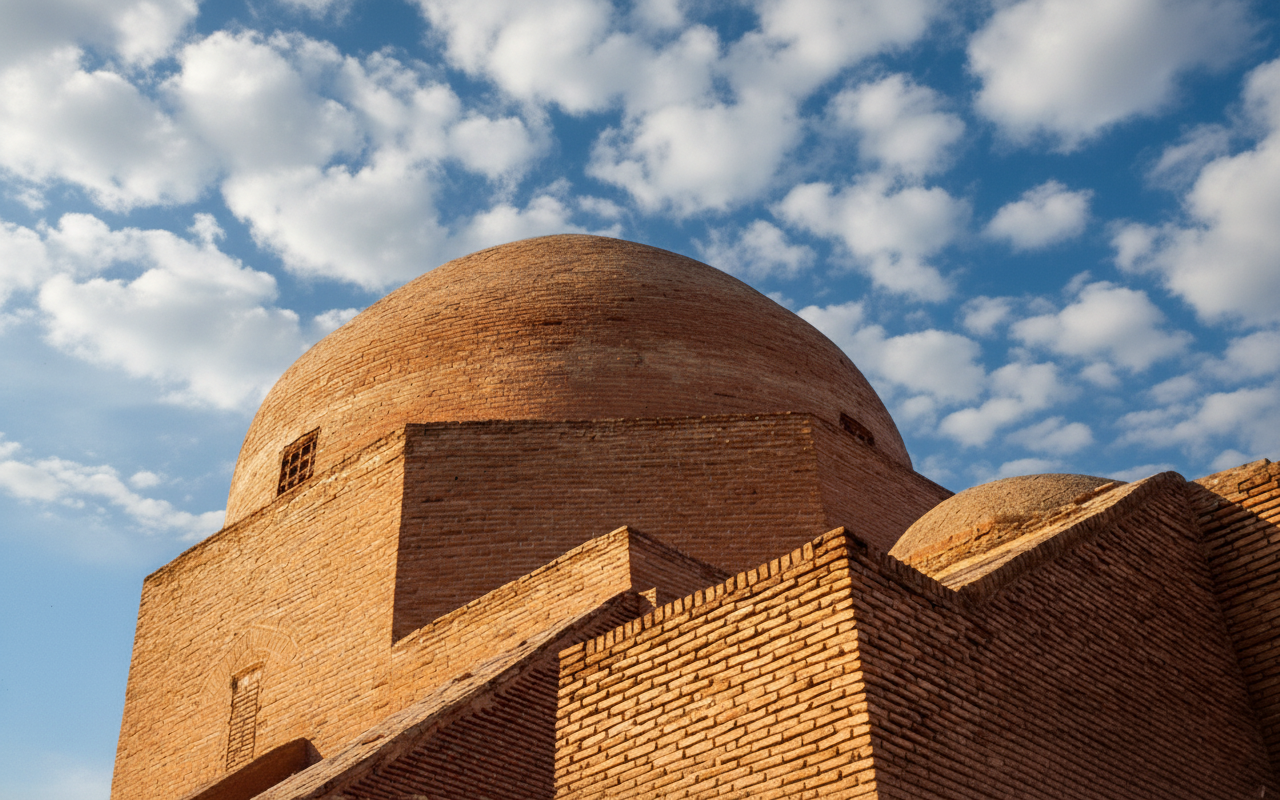
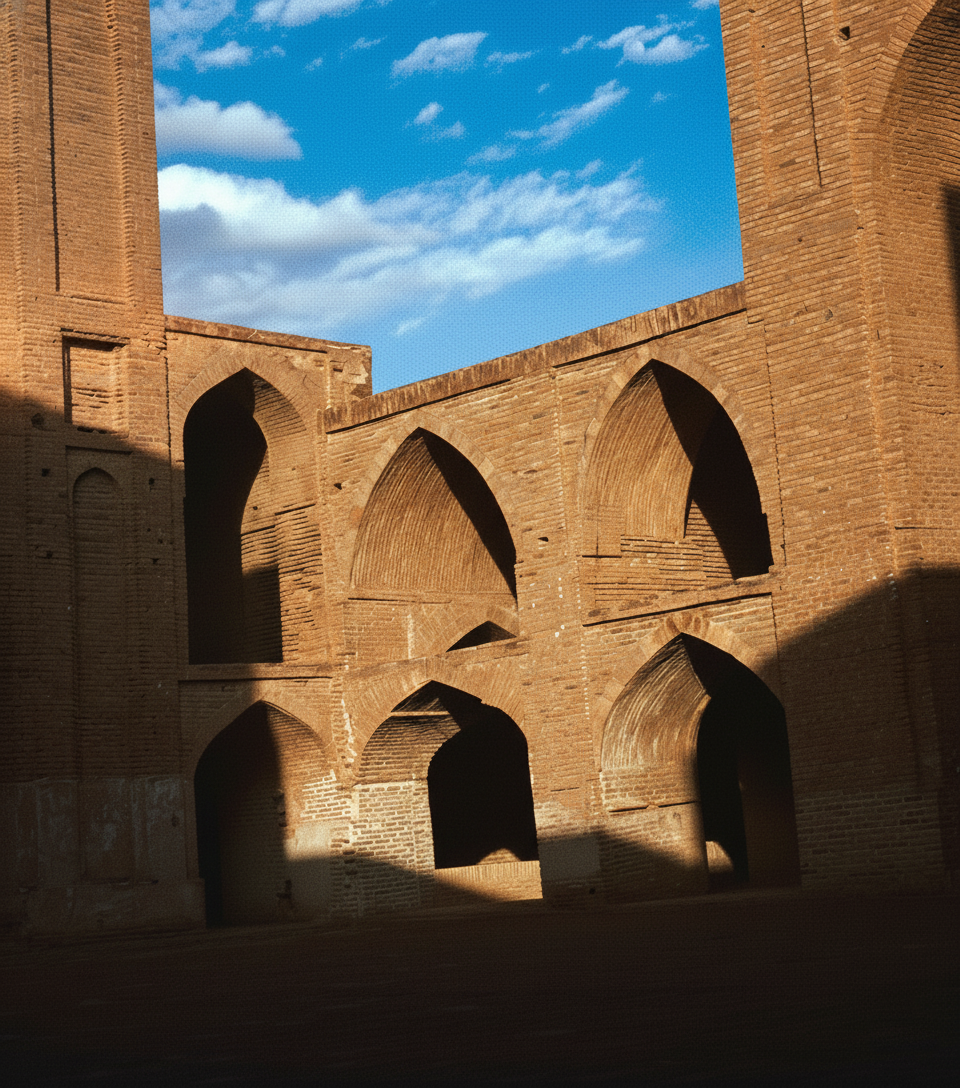
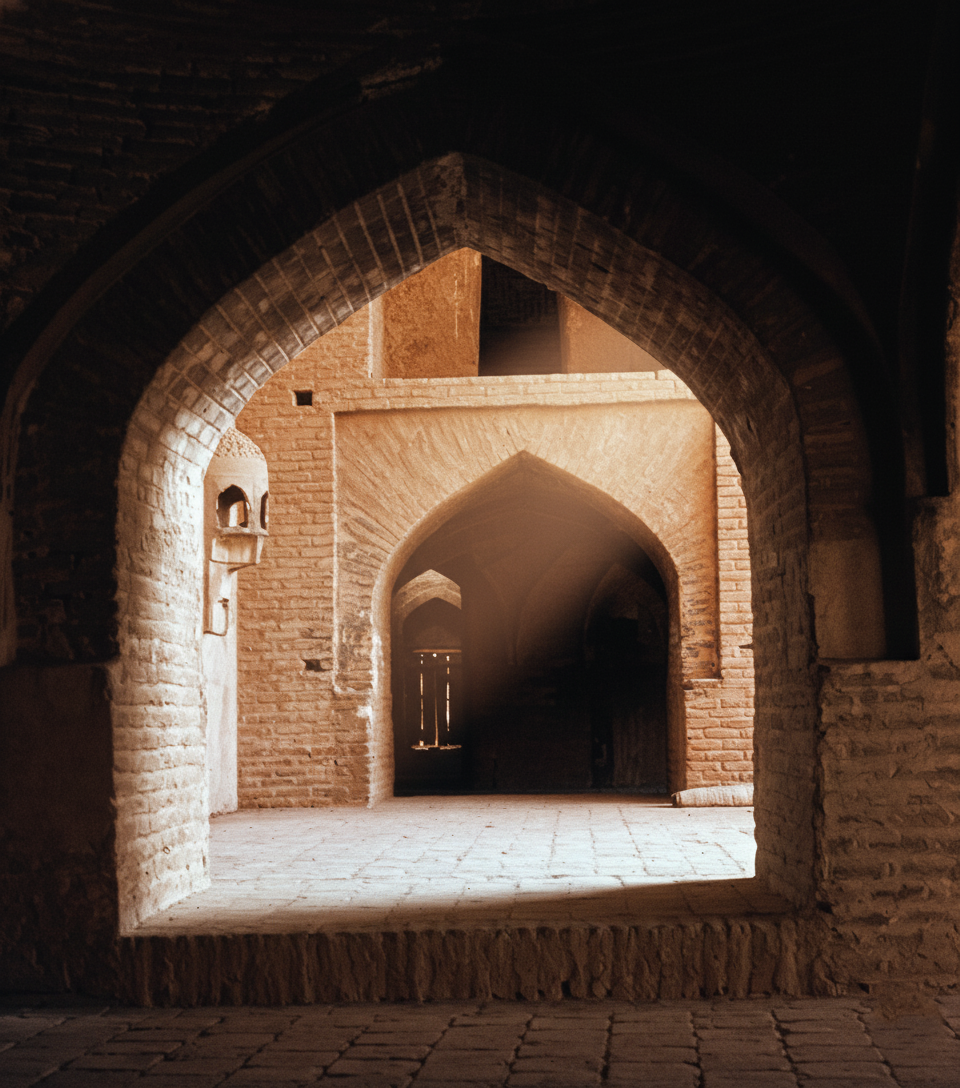
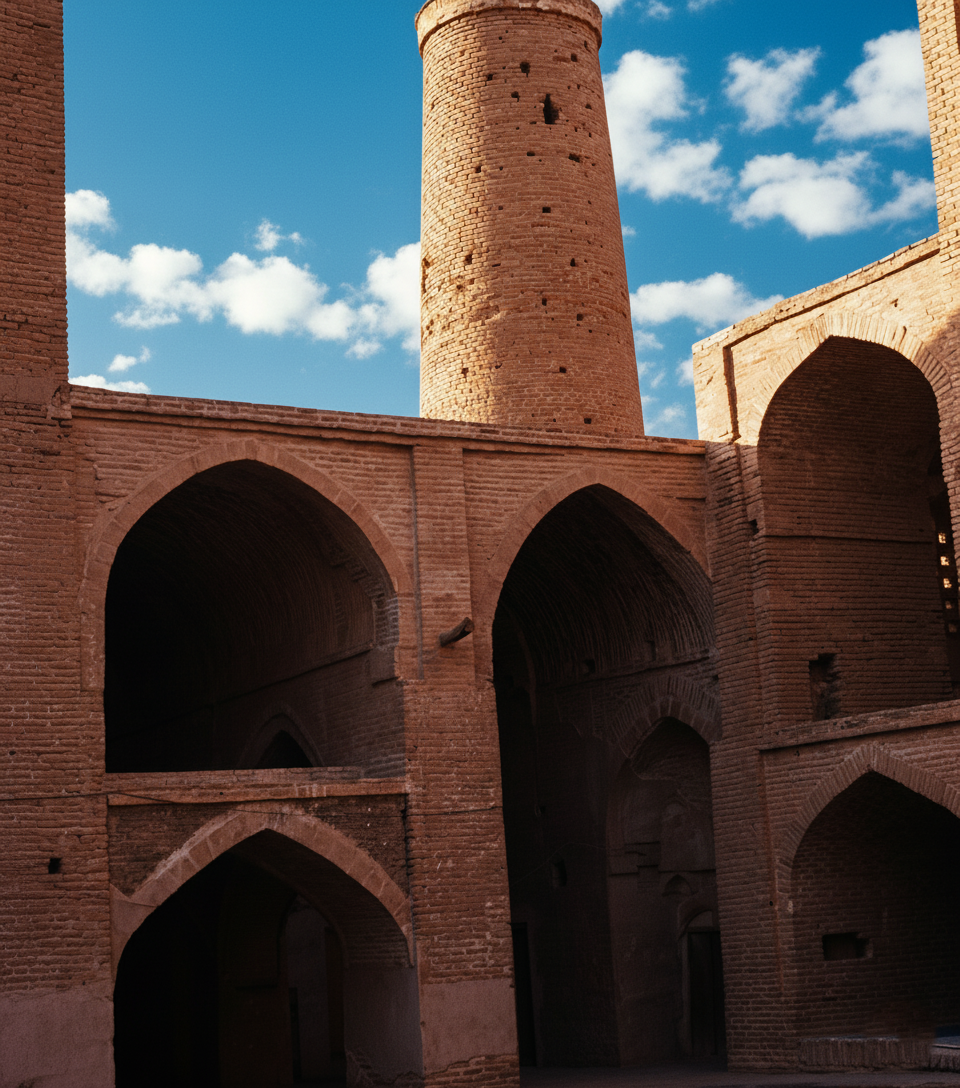
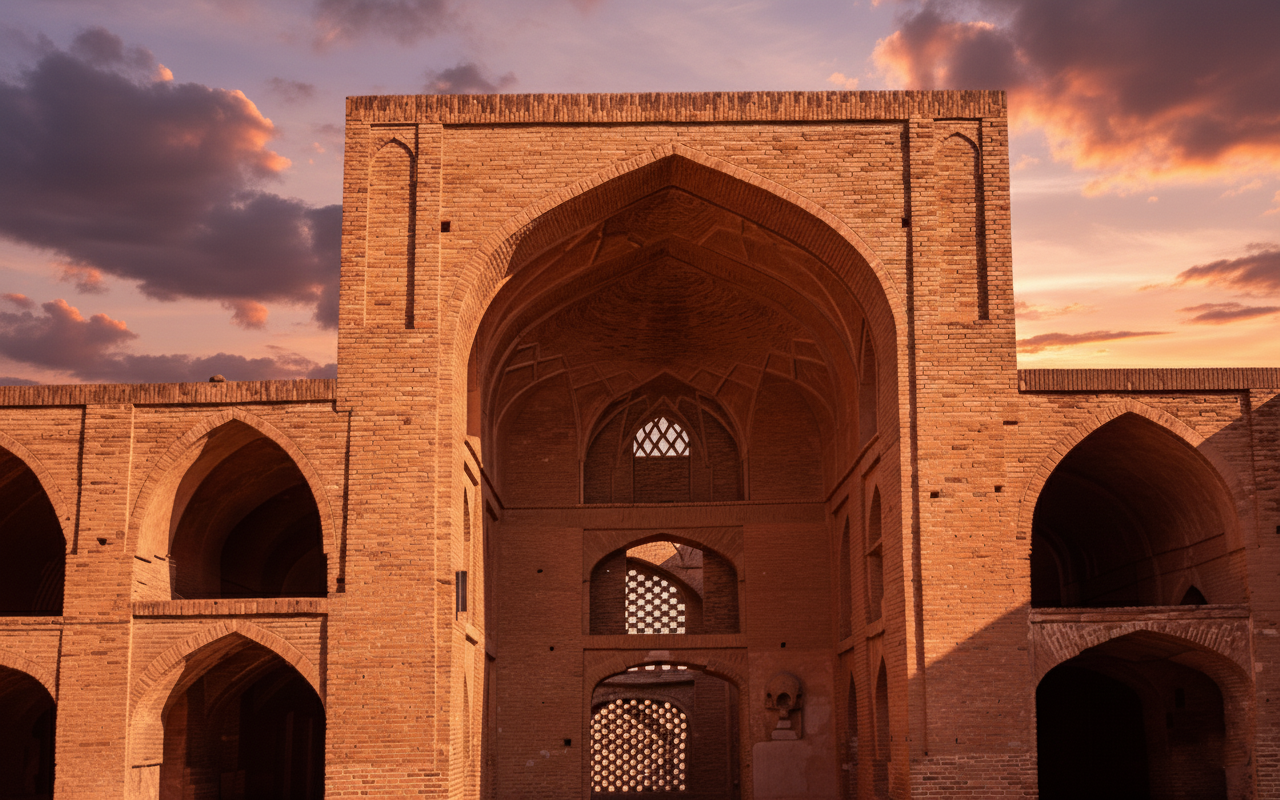
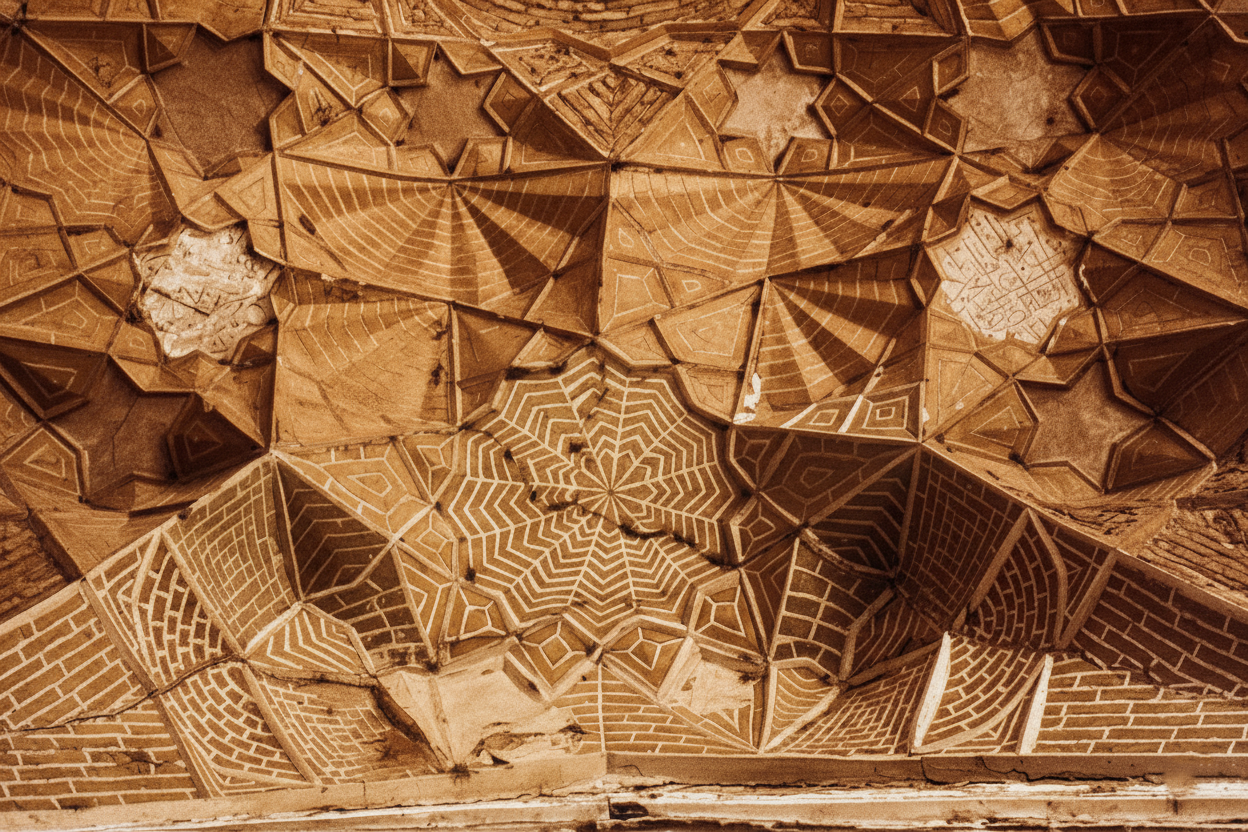
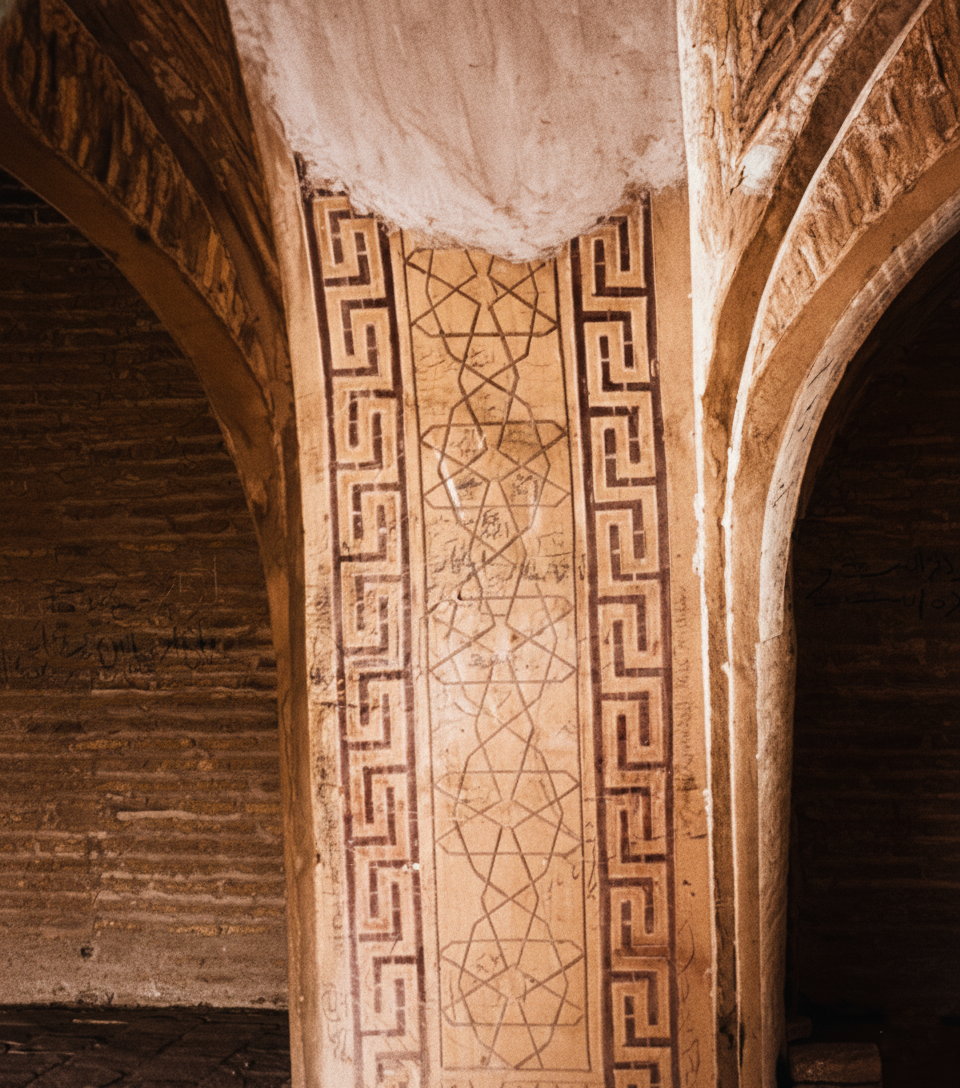
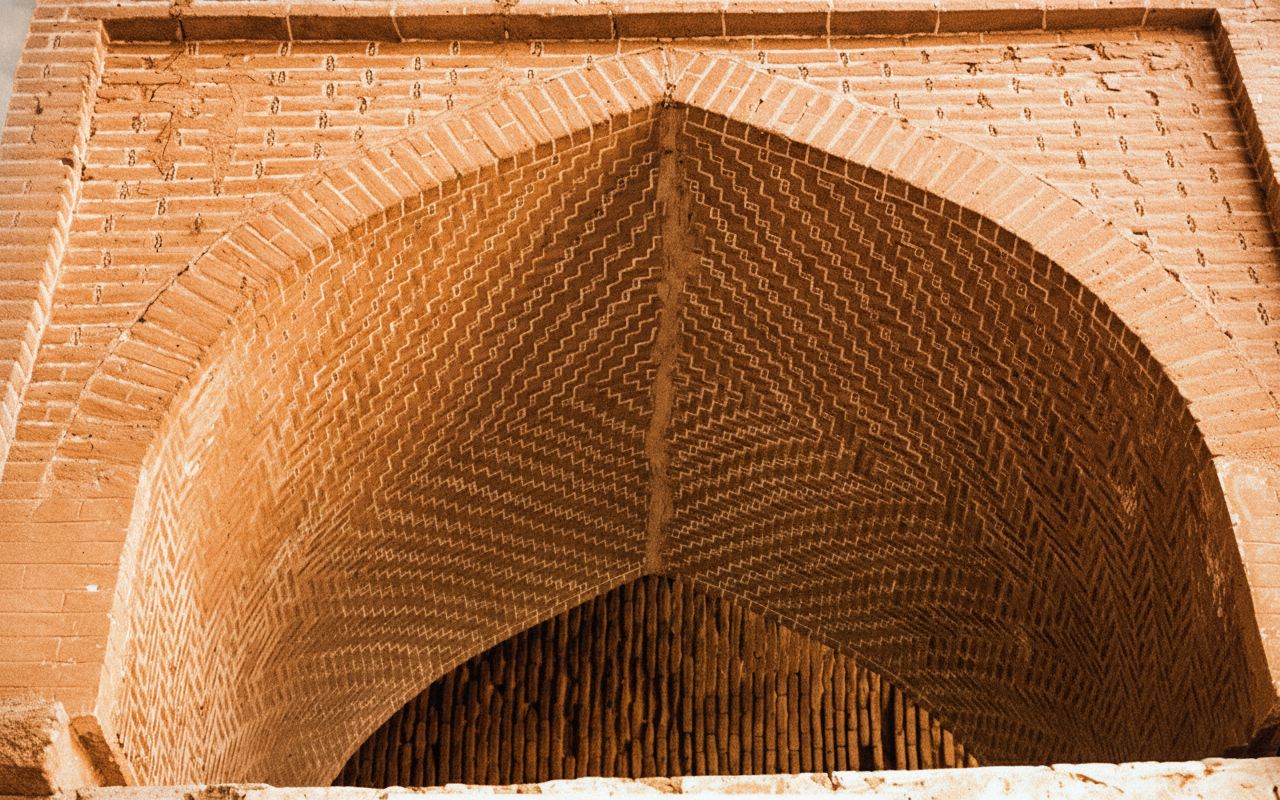
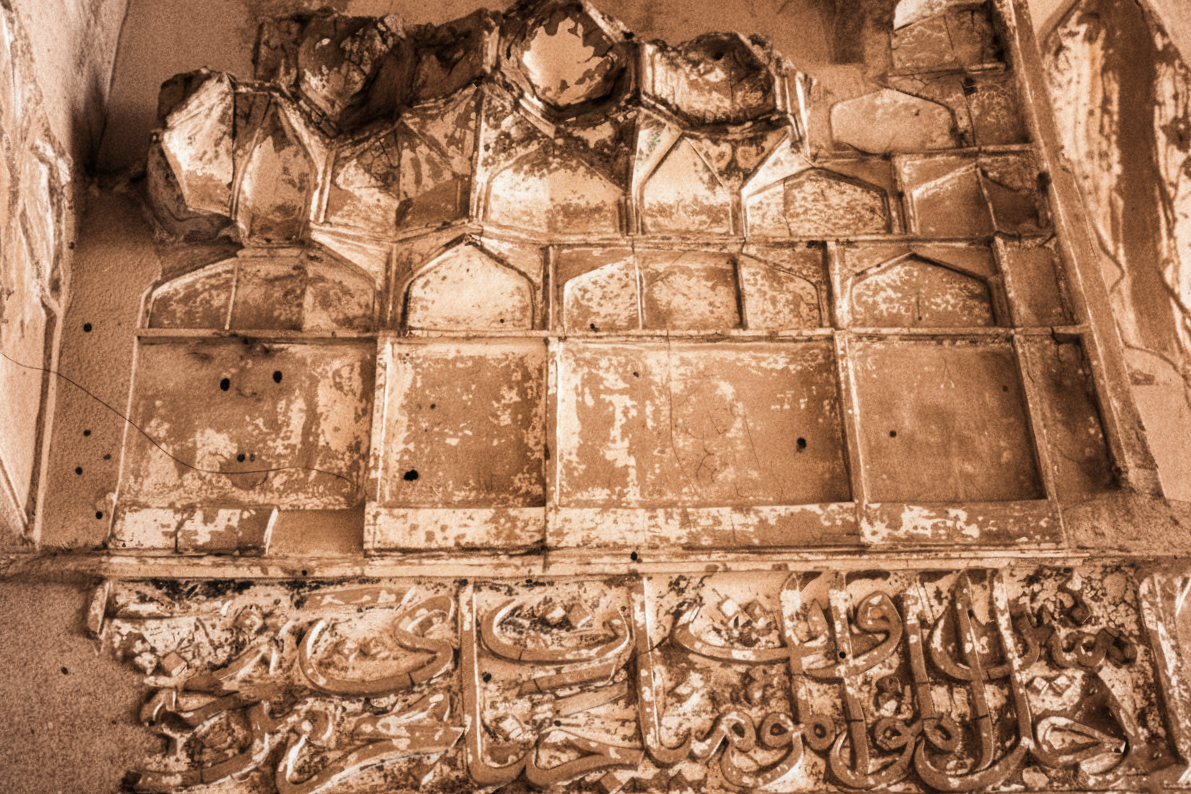
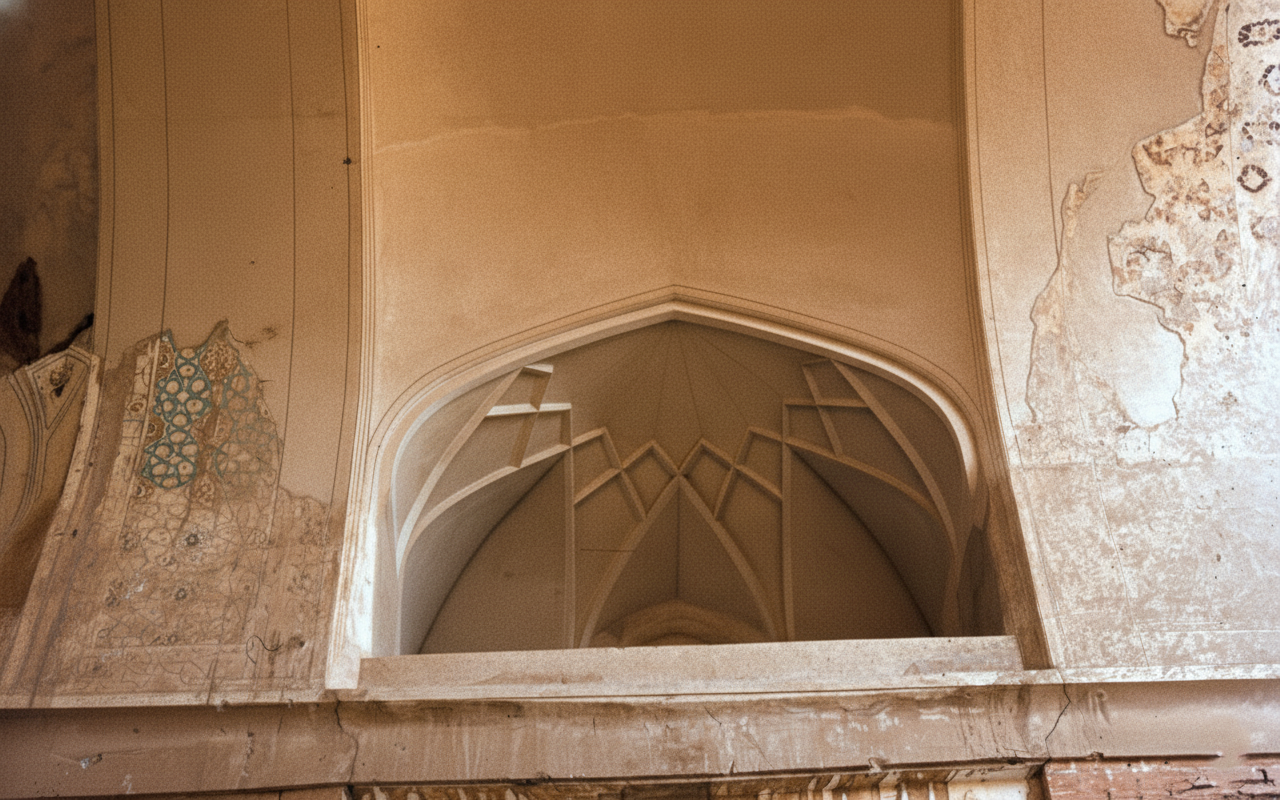
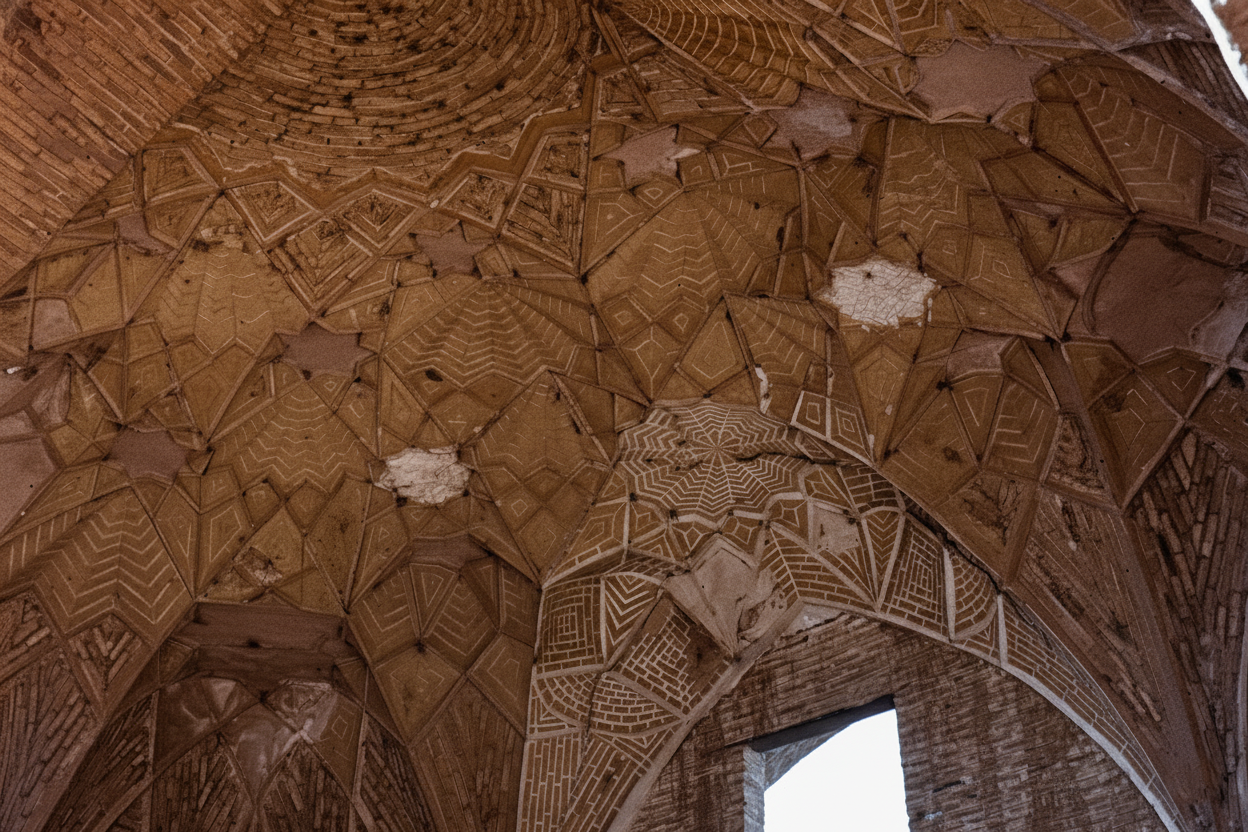
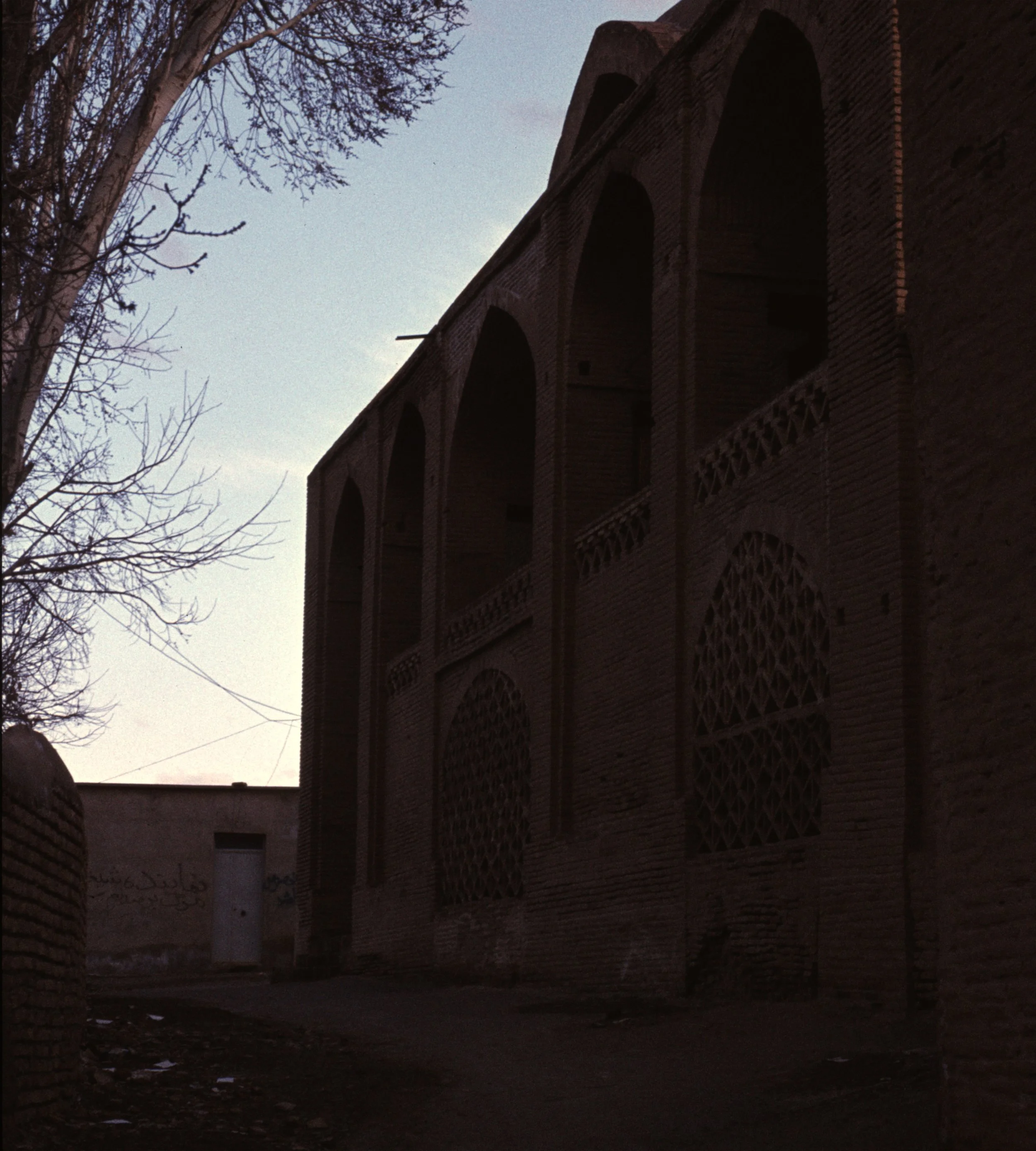
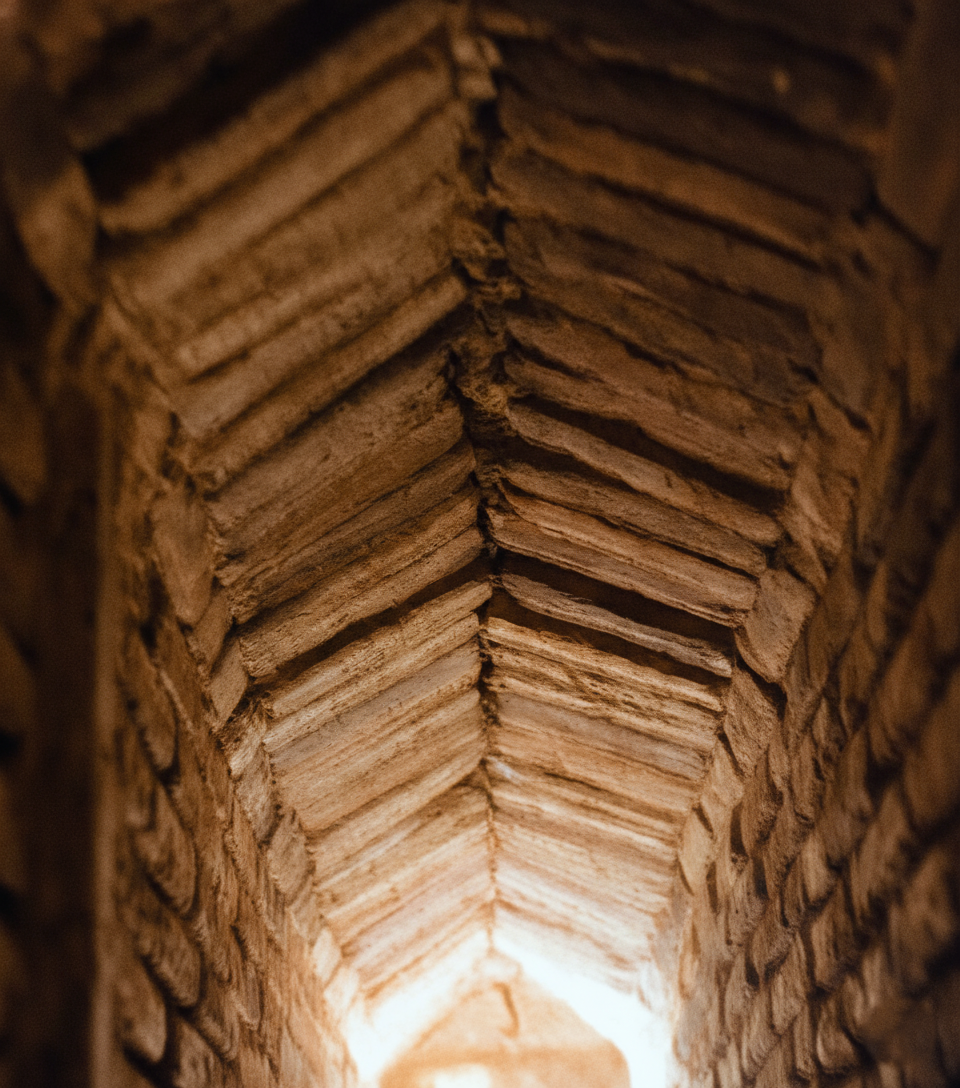
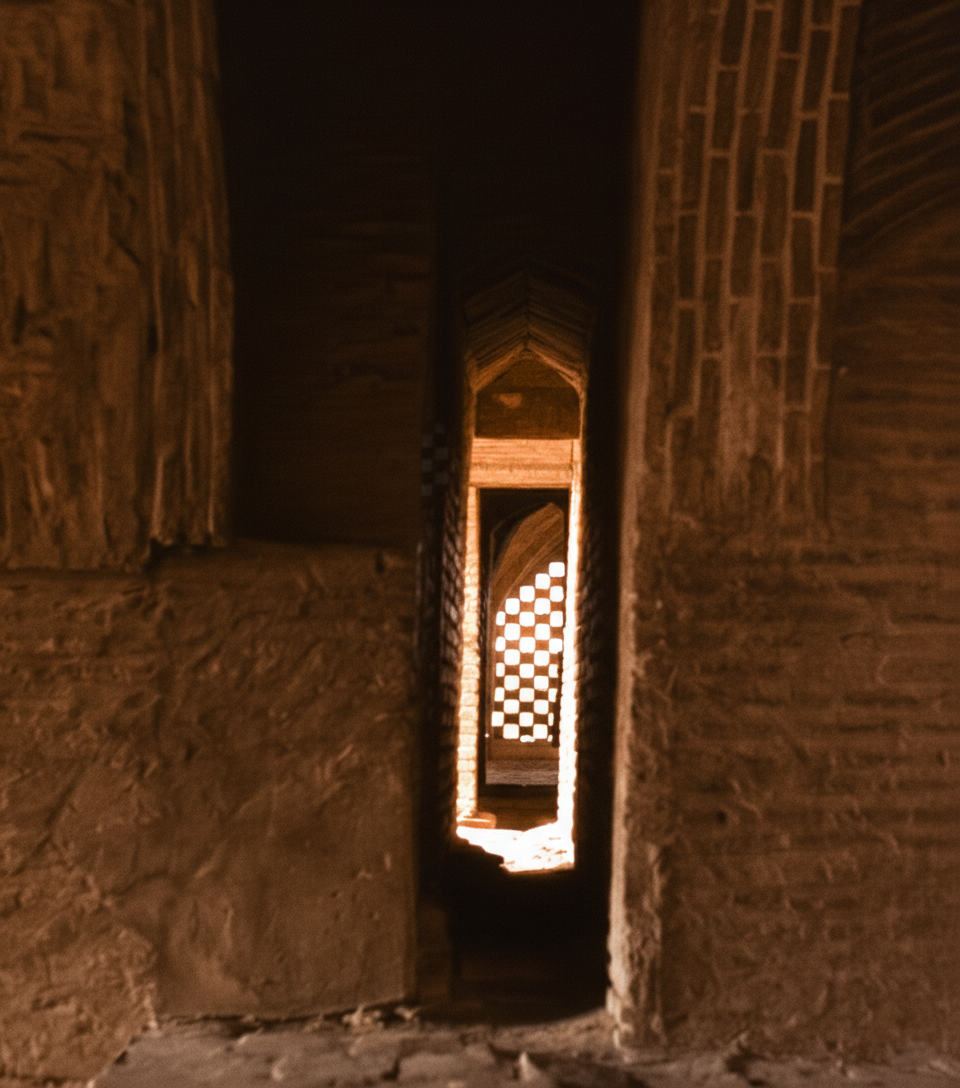
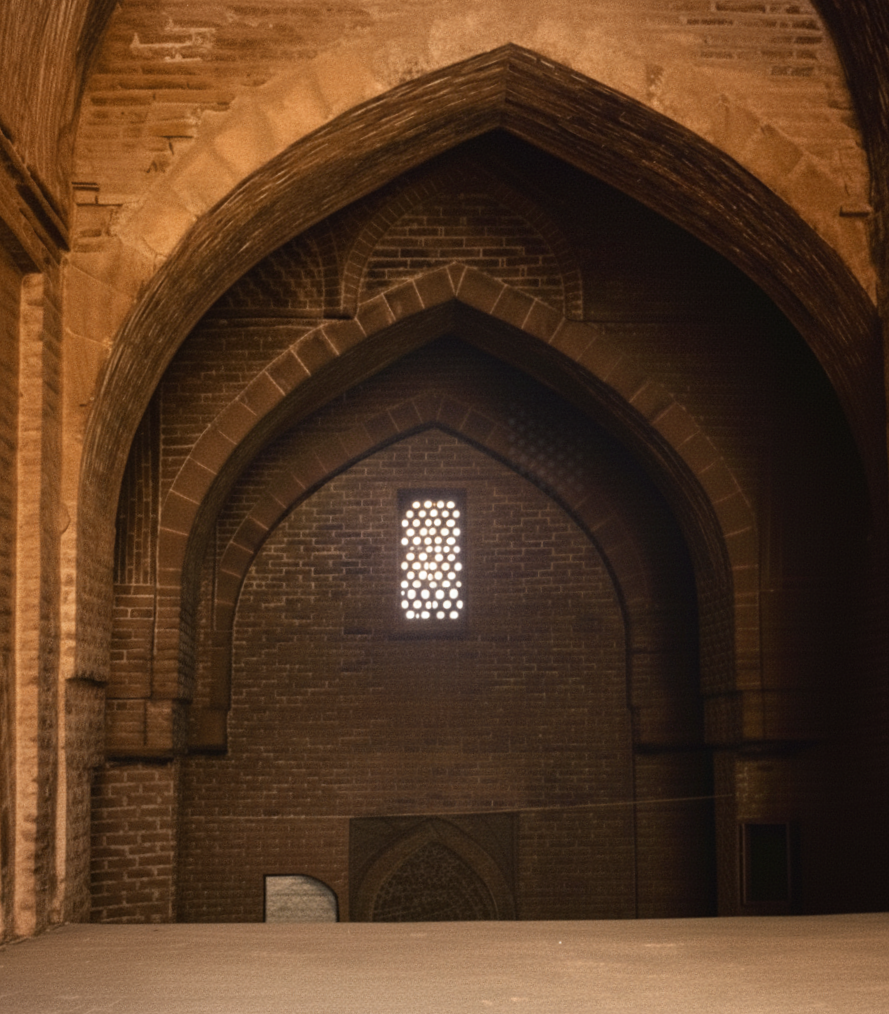
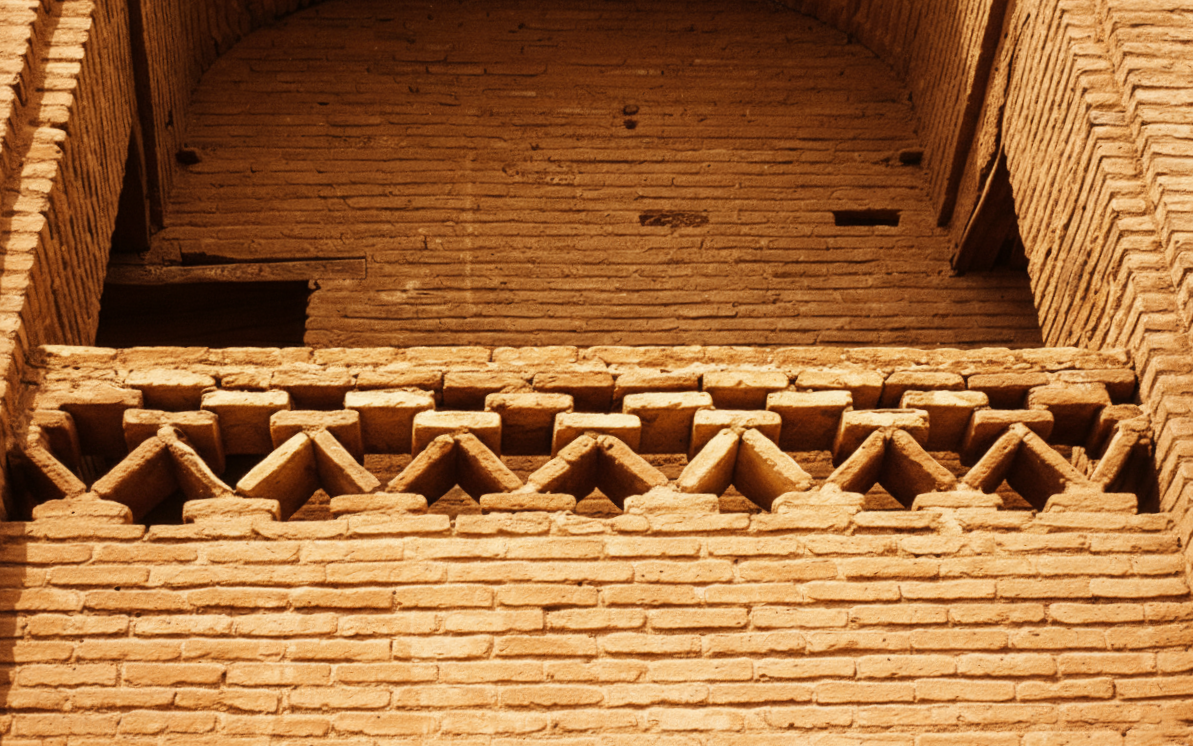
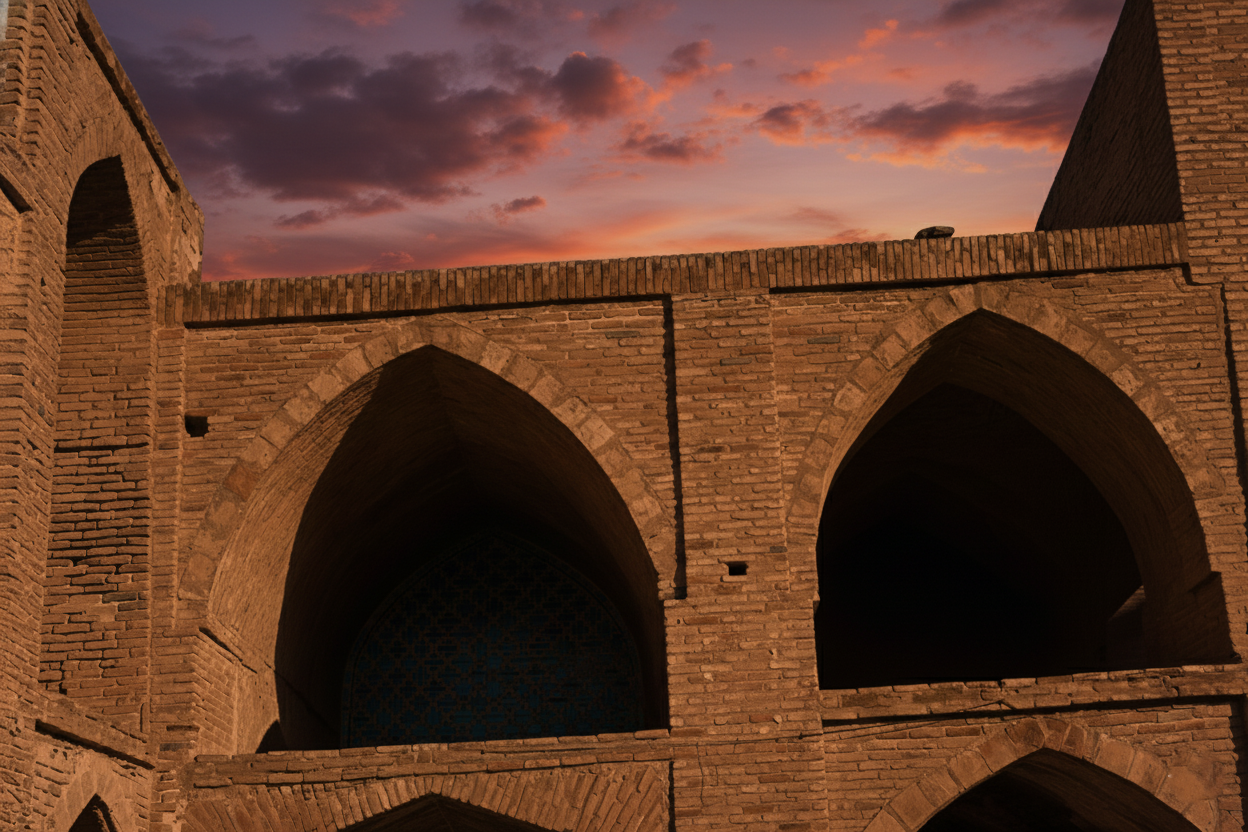
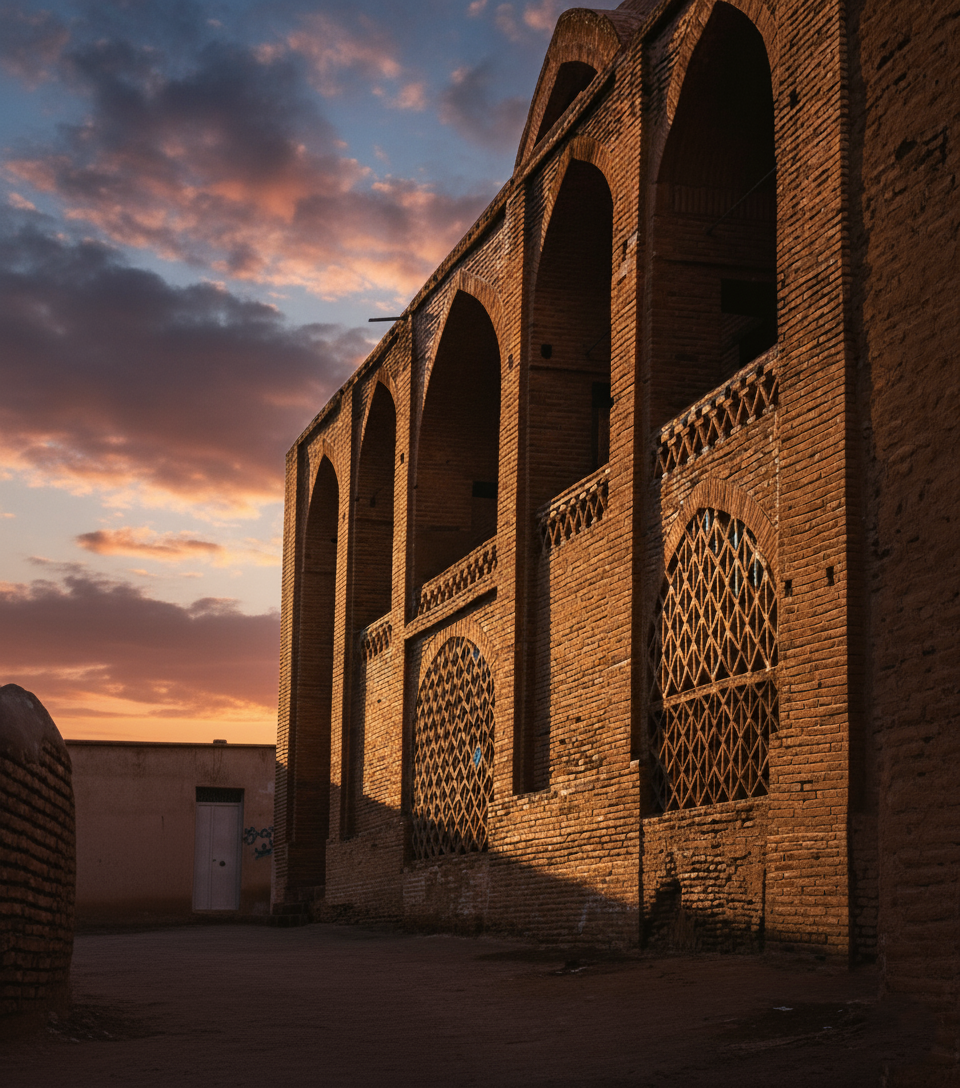
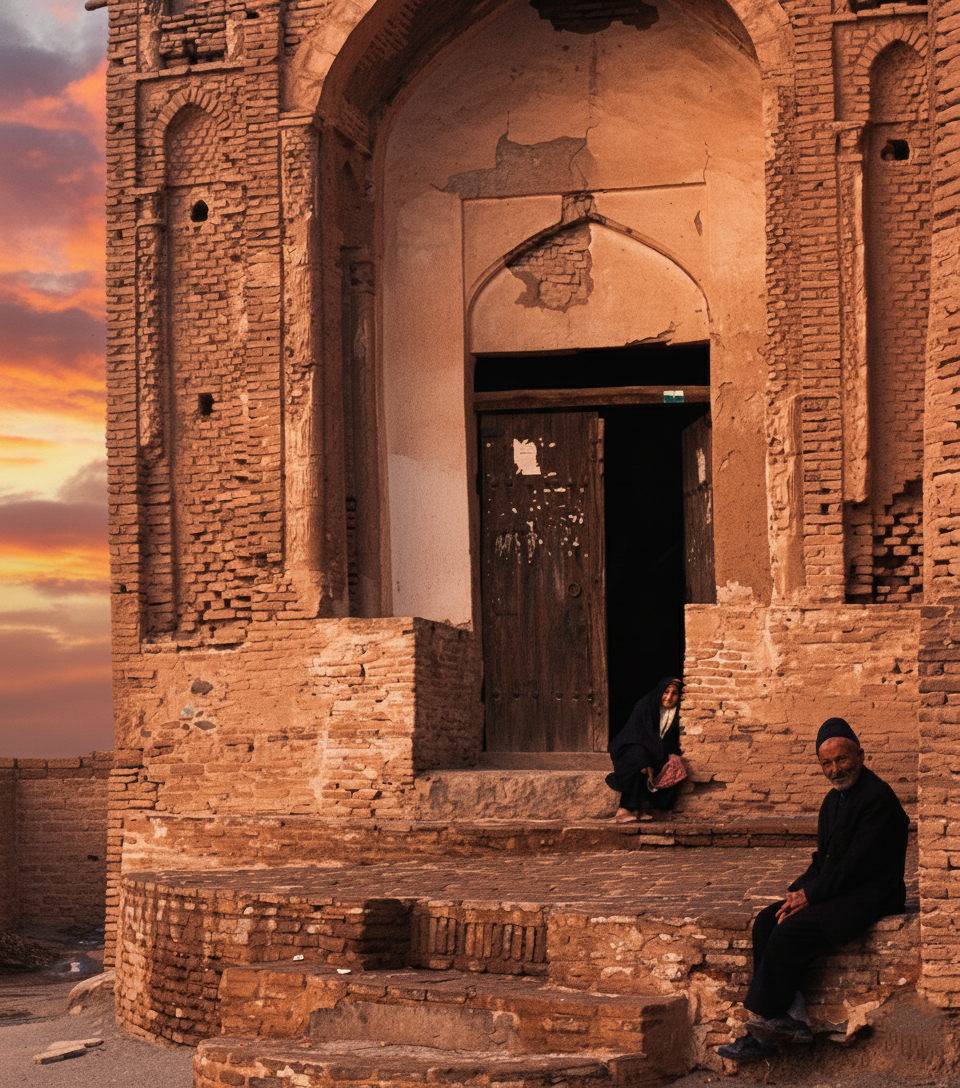
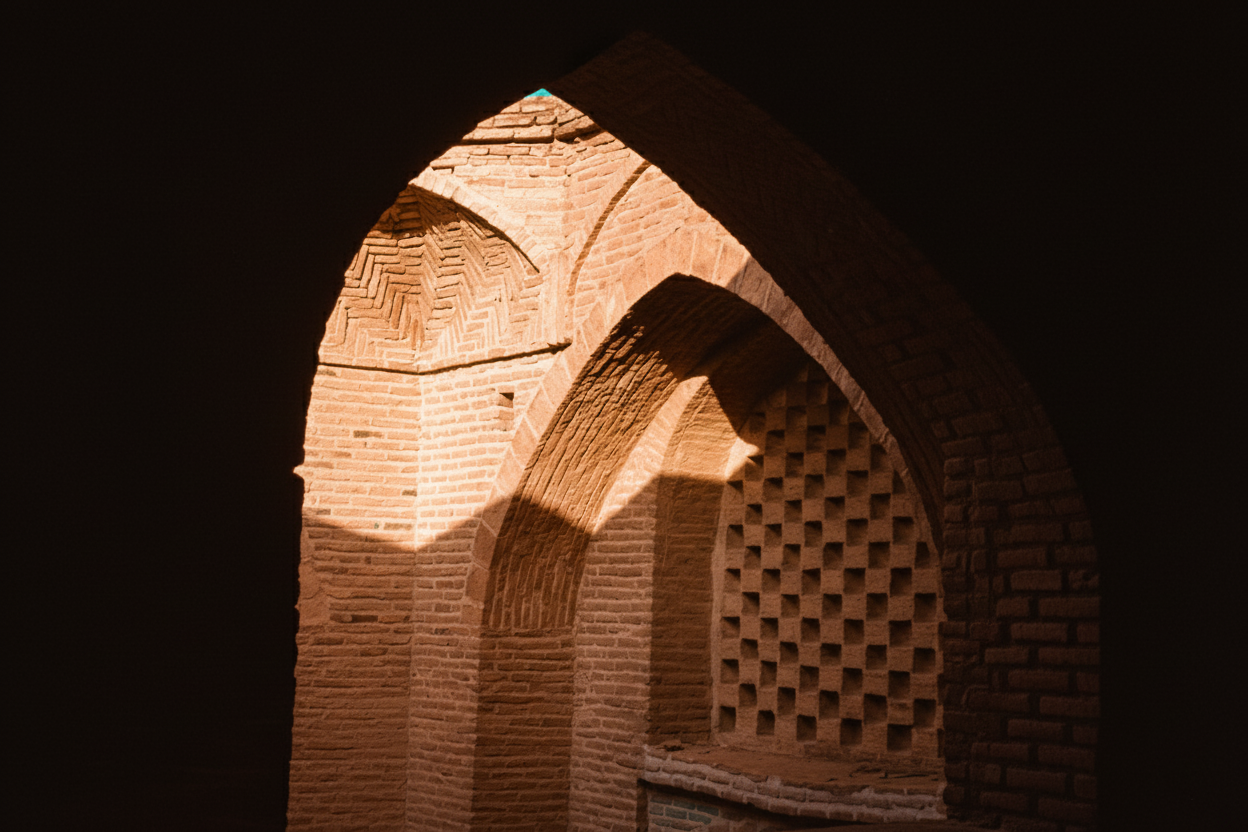
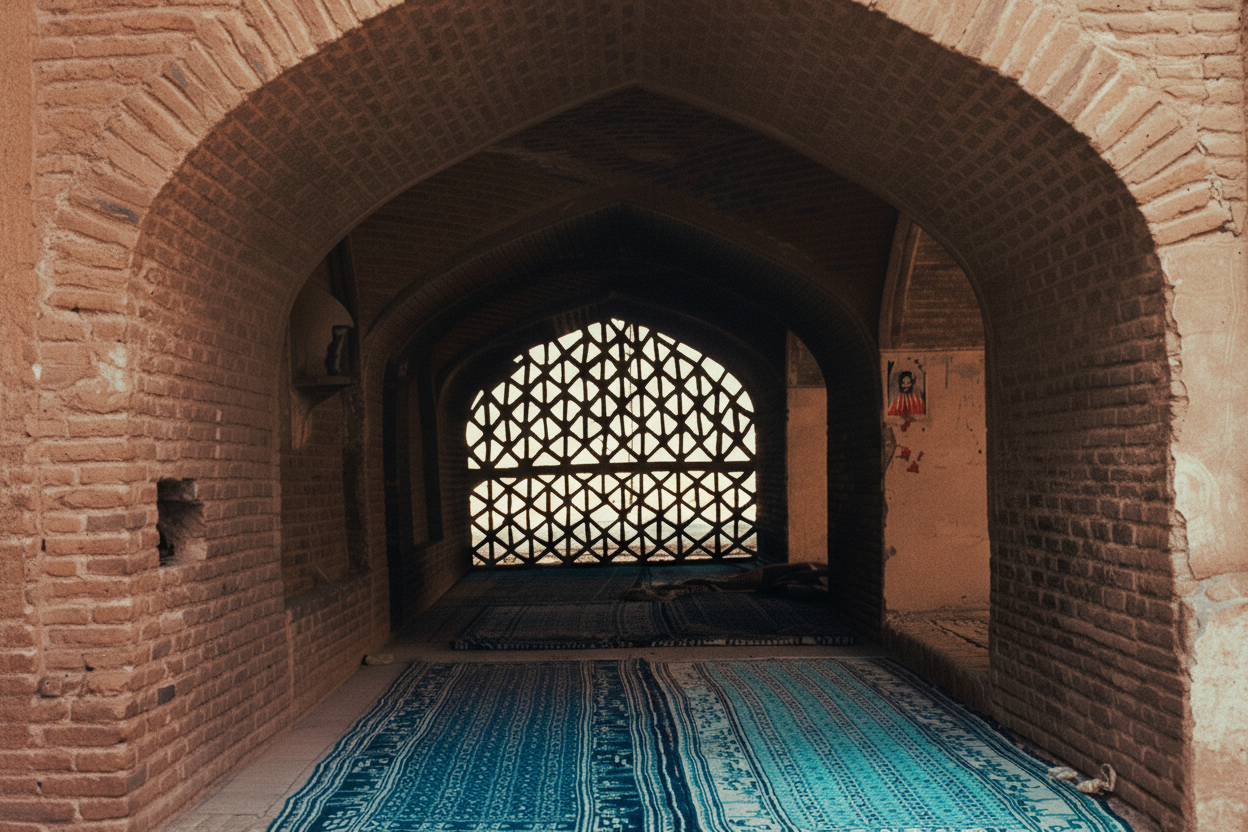
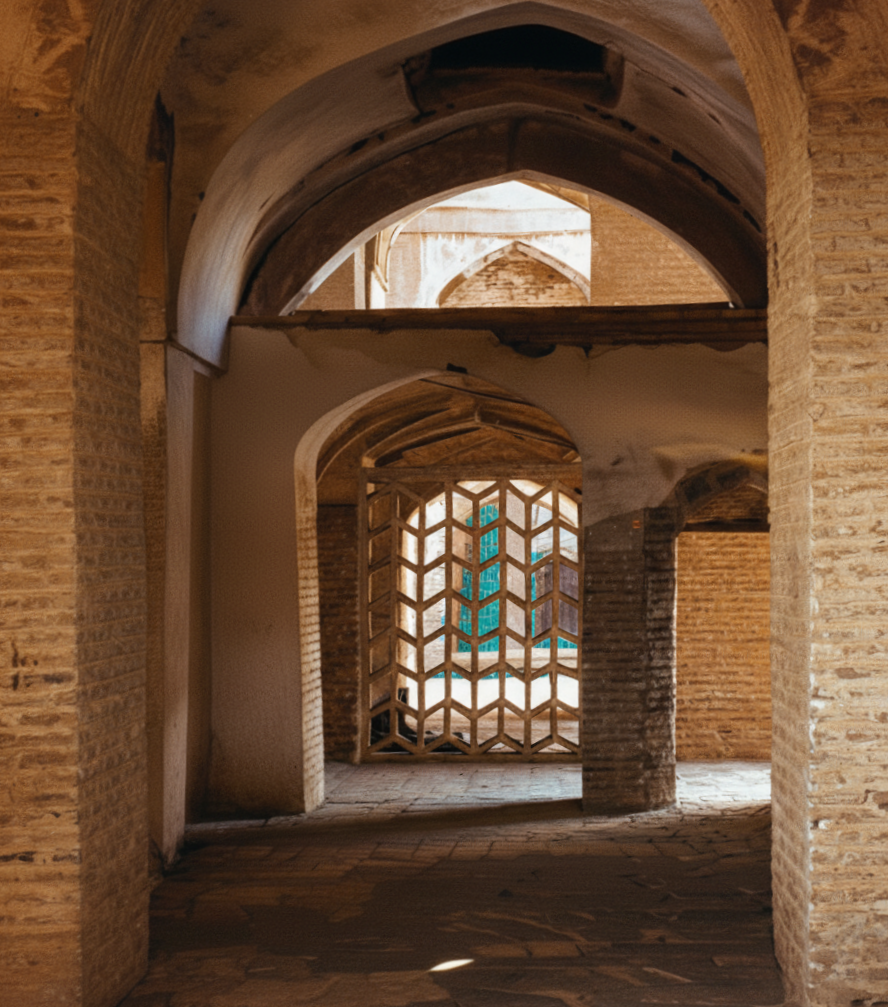
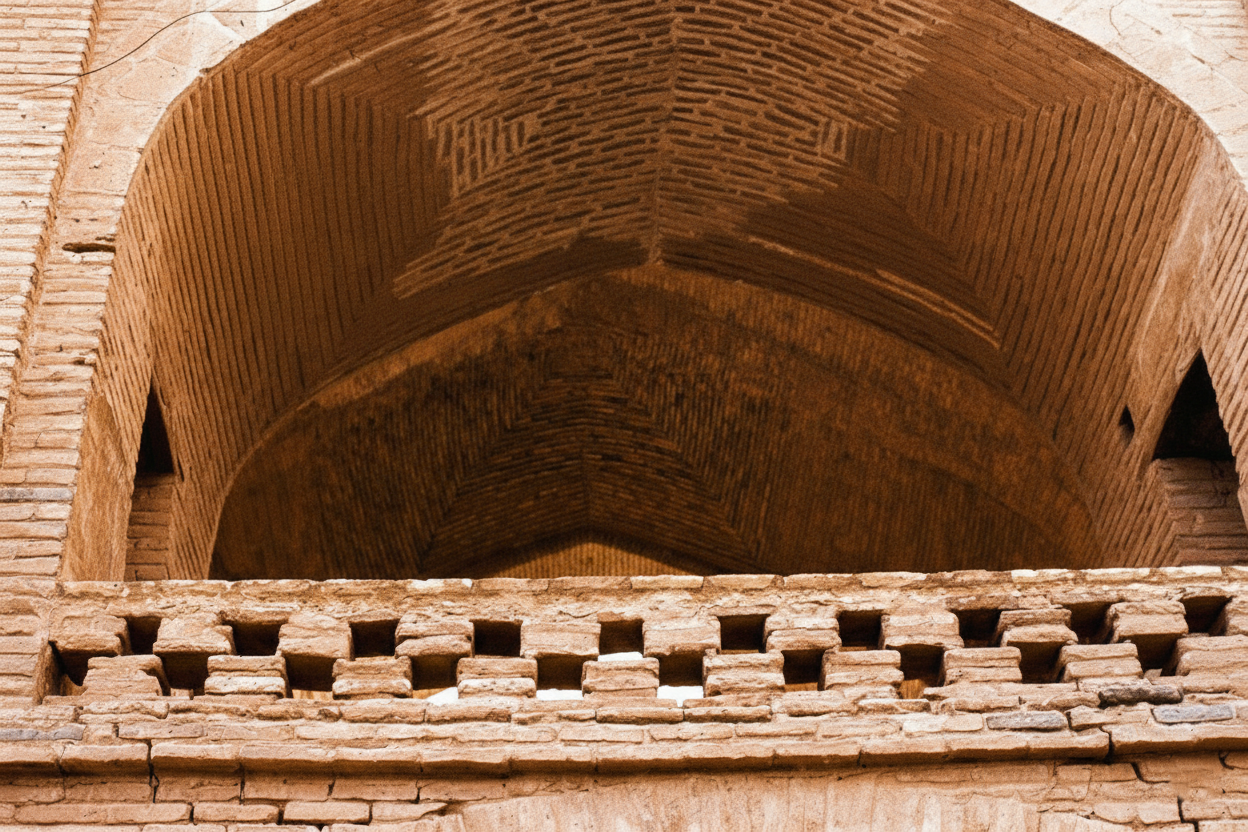
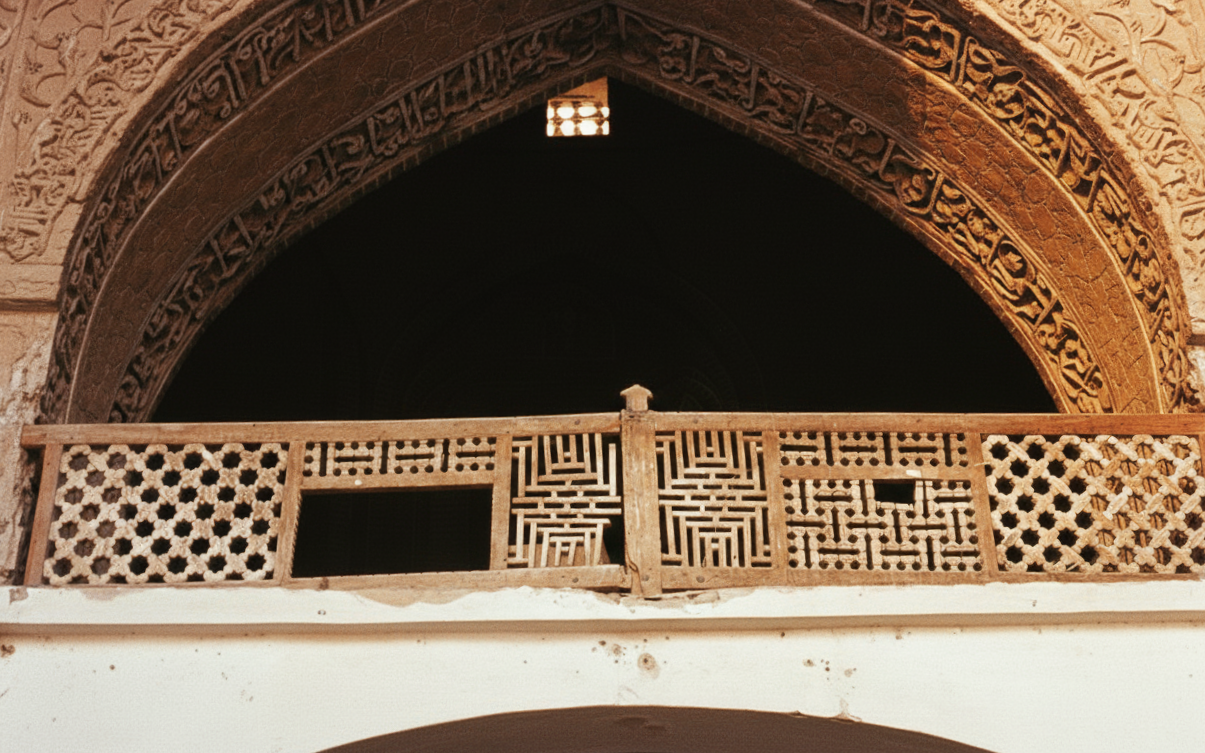
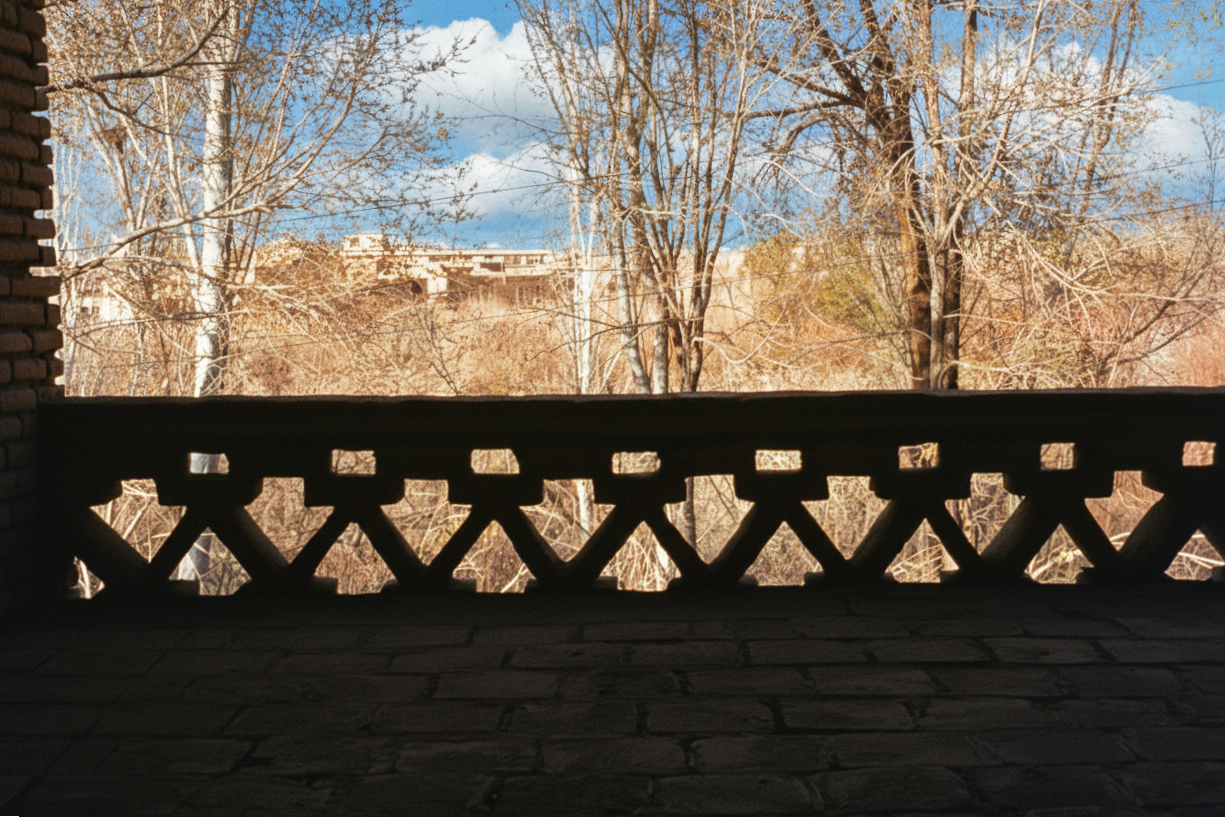
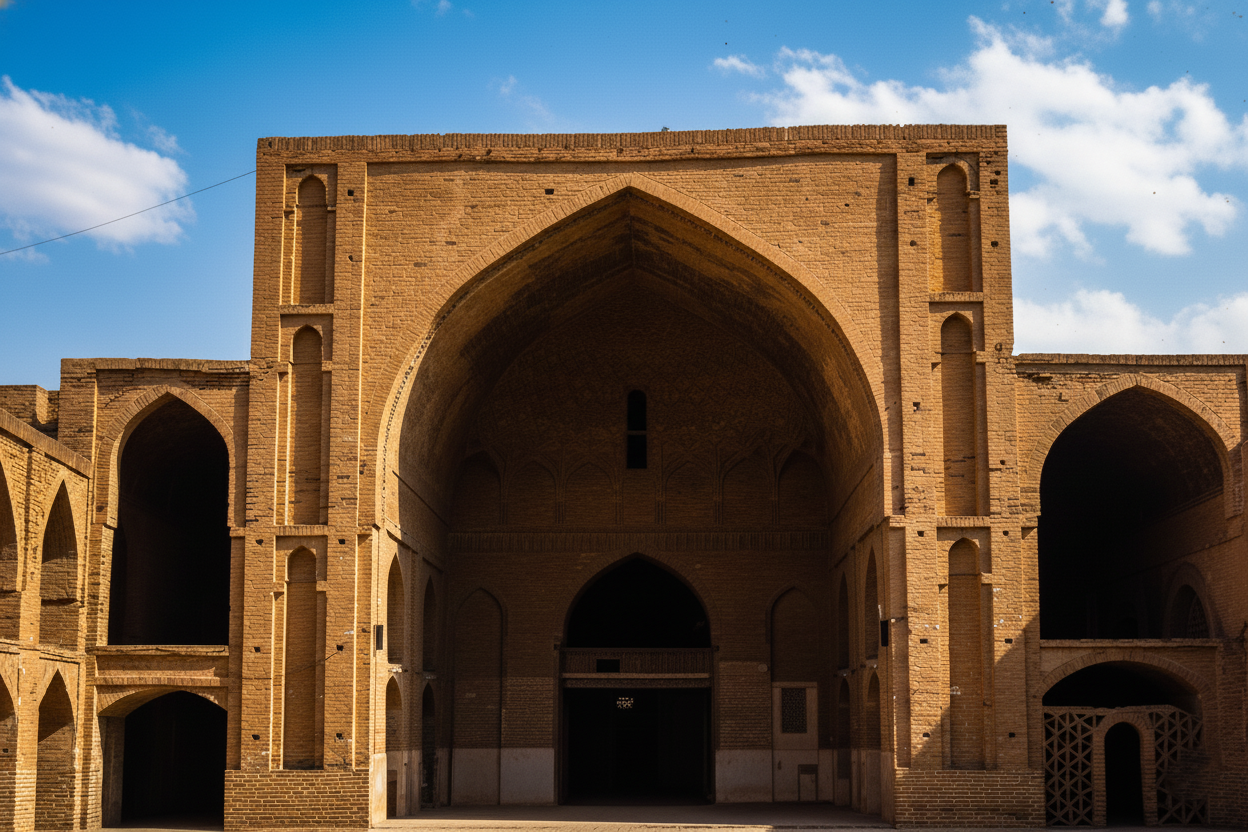
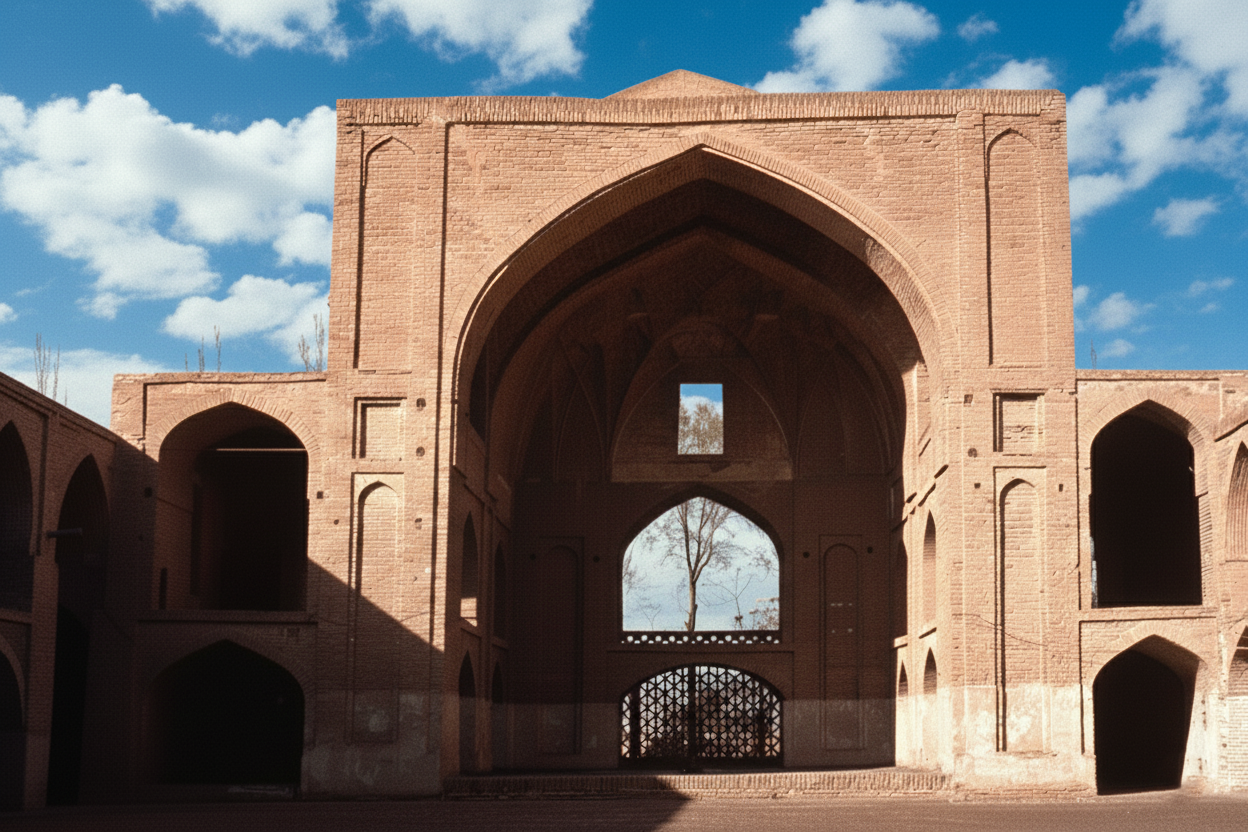
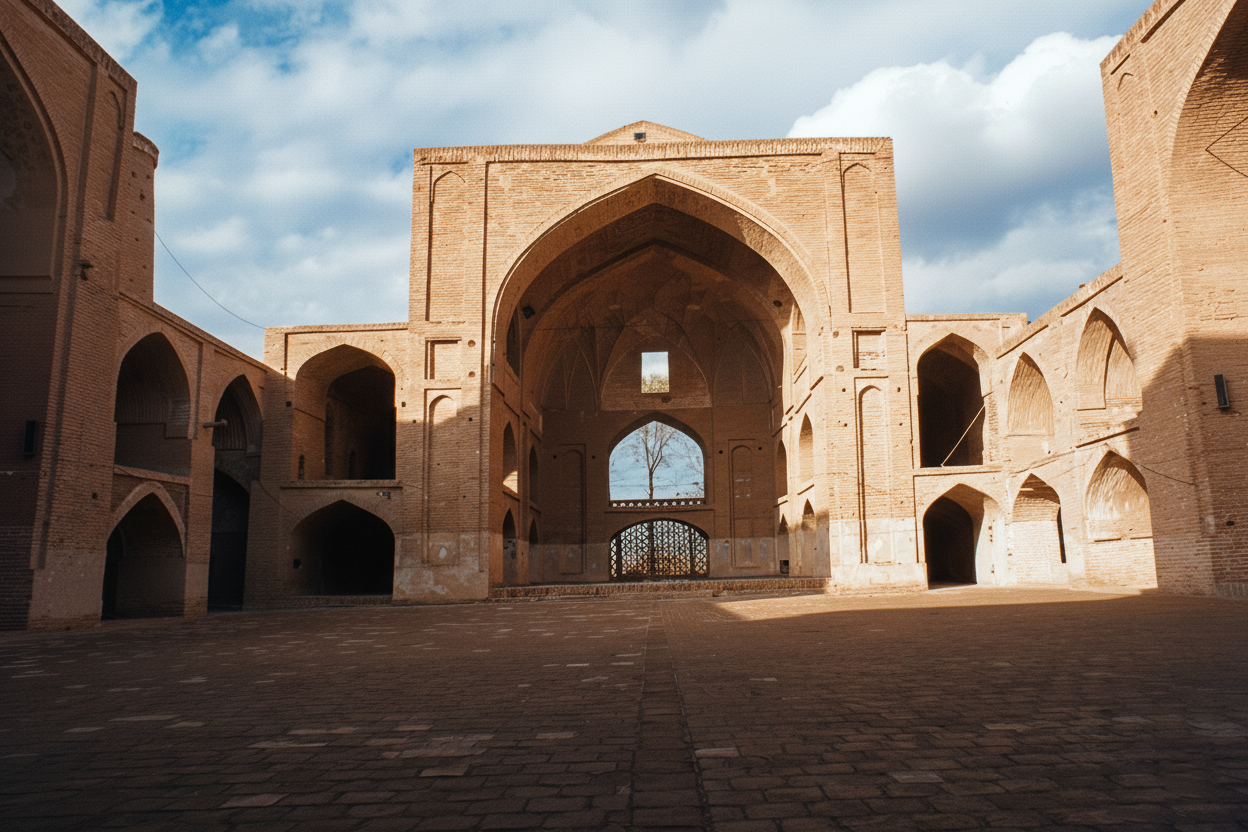
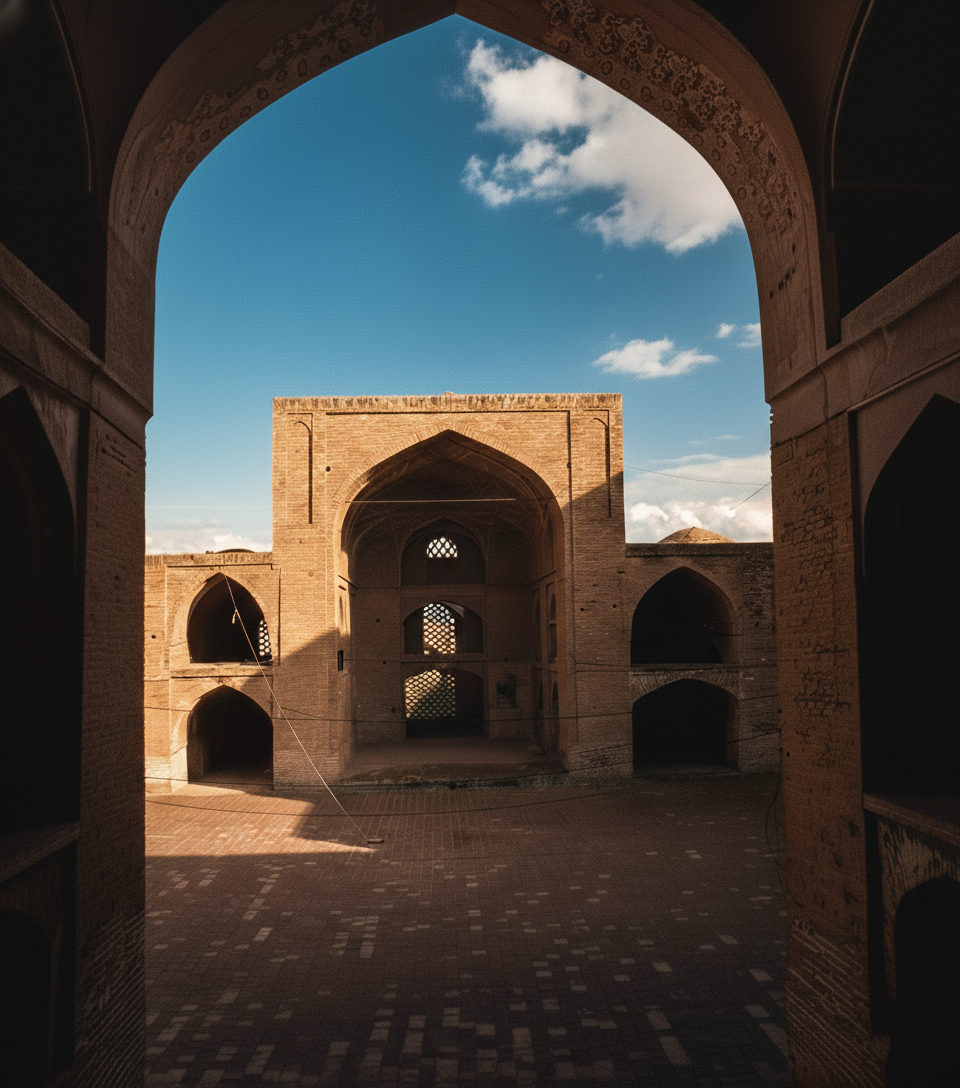
The Jameh Mosque (مسجد جامع) of Ardestan, largely developed in the Seljuk period in the 6th century AH (12th century CE, c. 1158–1160 CE), marks the mature Persian four-iwan (ایوان) courtyard plan. Its brick structure features gachbori (گچبری) stucco, Fakhr-o-Madin (فخر و مدین) brickwork, and the jaye mohr taqcheh (جای مهر طاقچه).
-
The Jameh Mosque (مسجد جامع) of Ardestan, largely developed during the Seljuk period in the 6th century AH (12th century CE, with major phases c. 1158–1160 CE), stands as a seminal monument in the evolution of Persian-Islamic architecture, marking the mature articulation of the four-iwan (ایوان) courtyard plan. Built over earlier sacred foundations, it preserves the transition from the hypostyle “forest of columns” to a spatially ordered composition defined by monumental iwans (ایوانها) opening onto a central courtyard. Its brick structure is enriched by refined decorative programs, including intricate gachbori (گچبری) stucco carvings and the distinguished Fakhr-o-Madin brickwork (فخر و مدین), where patterned baked bricks create rhythmic geometric surfaces. Architectural details such as the jaye mohr taqcheh (جای مهر طاقچه)—a carefully formed niche for placing the prayer stone—reflect both ritual precision and intimate craftsmanship. Beyond its formal and ornamental qualities, the mosque functions as the spiritual and spatial heart of the city, anchoring the bazaar and residential quarters while embodying Ardestan’s religious, social, and architectural identity.
