Visual Dematerialization (مادیزدایی بصری): A Metaphysical Journey
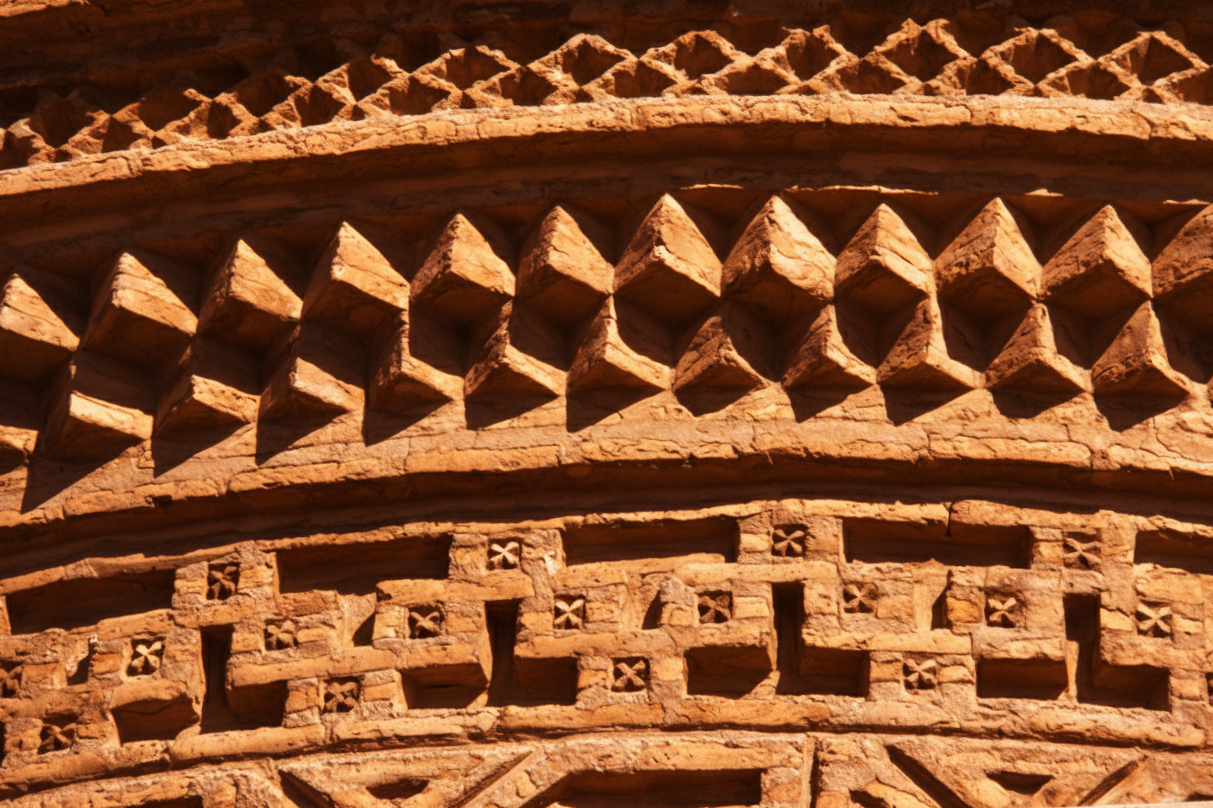
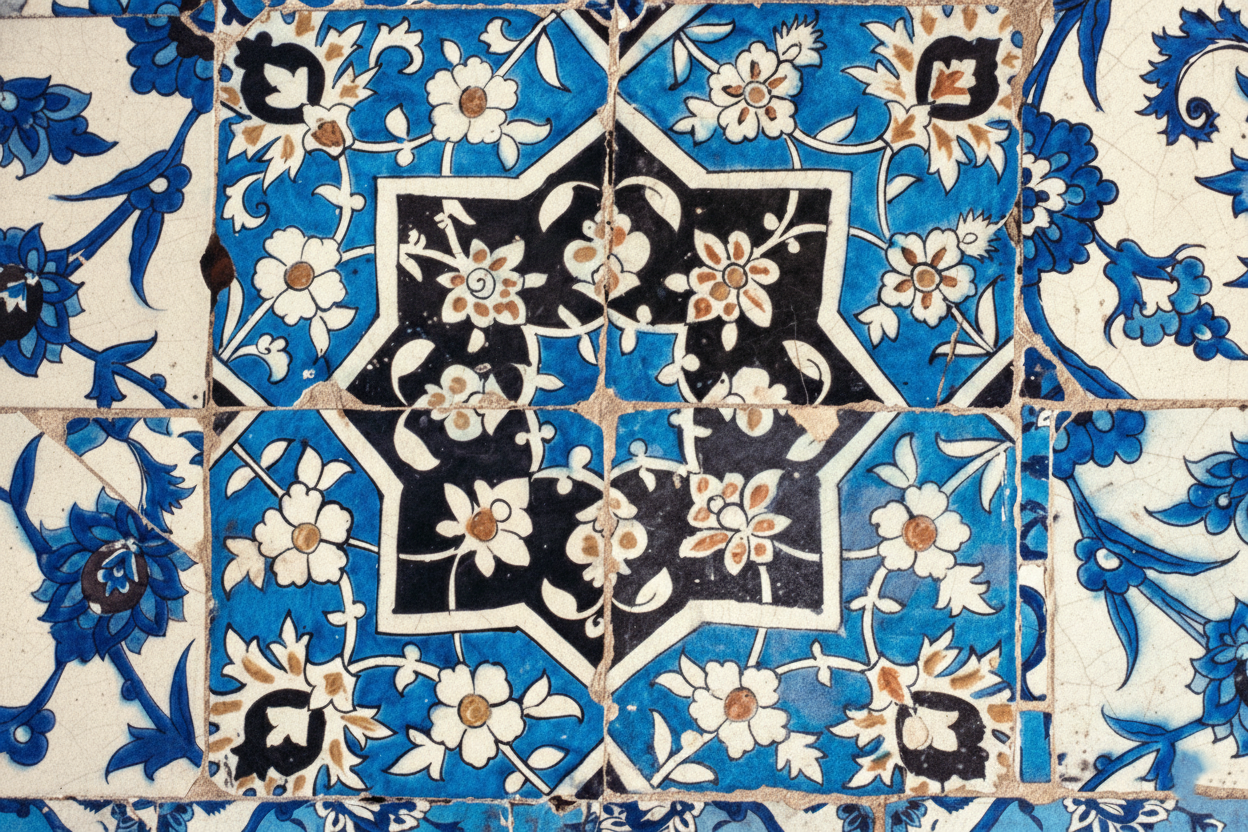
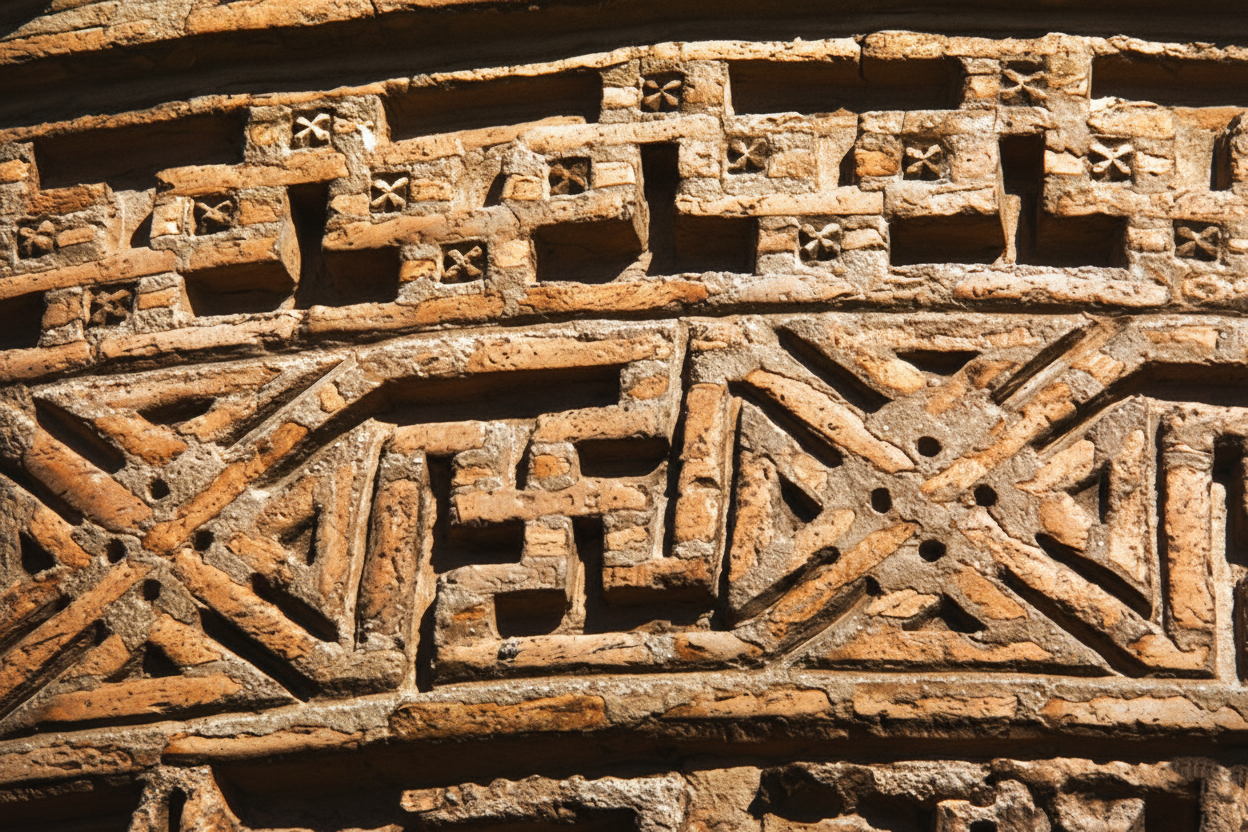
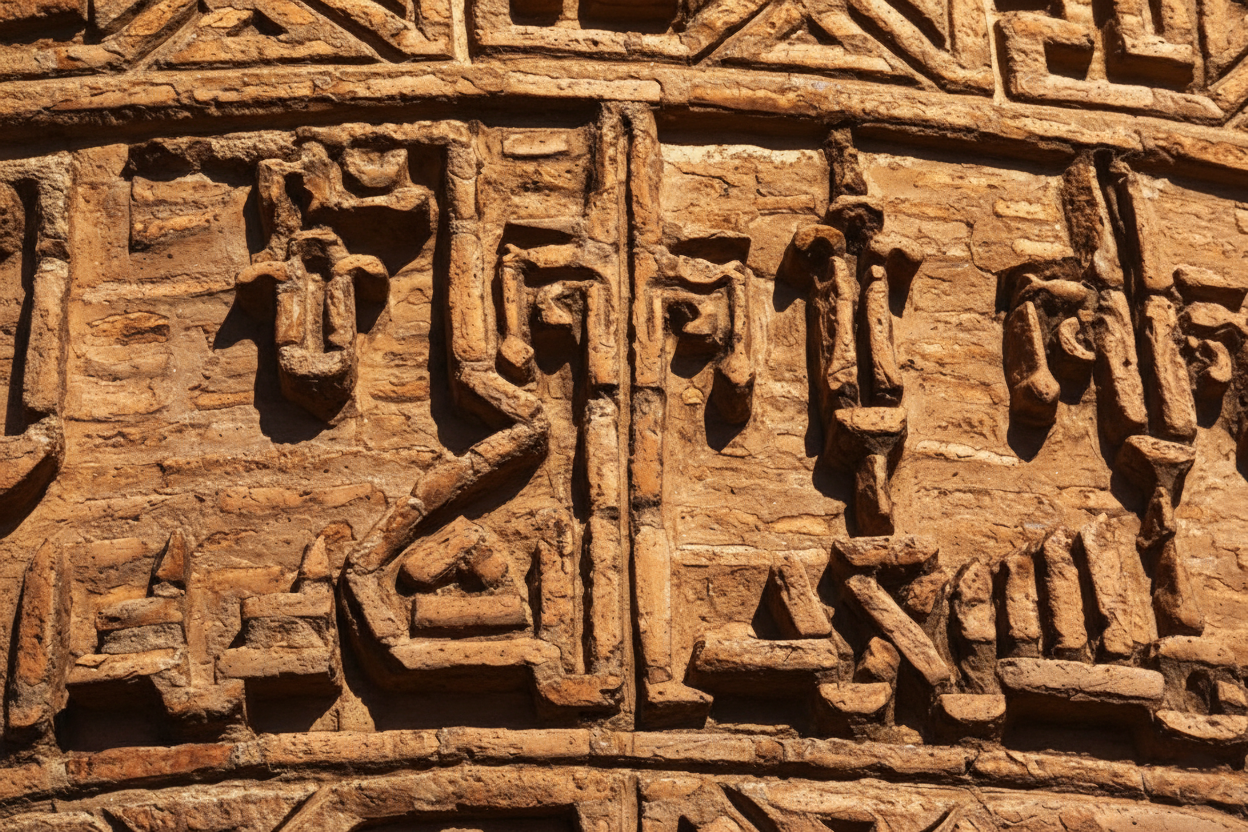
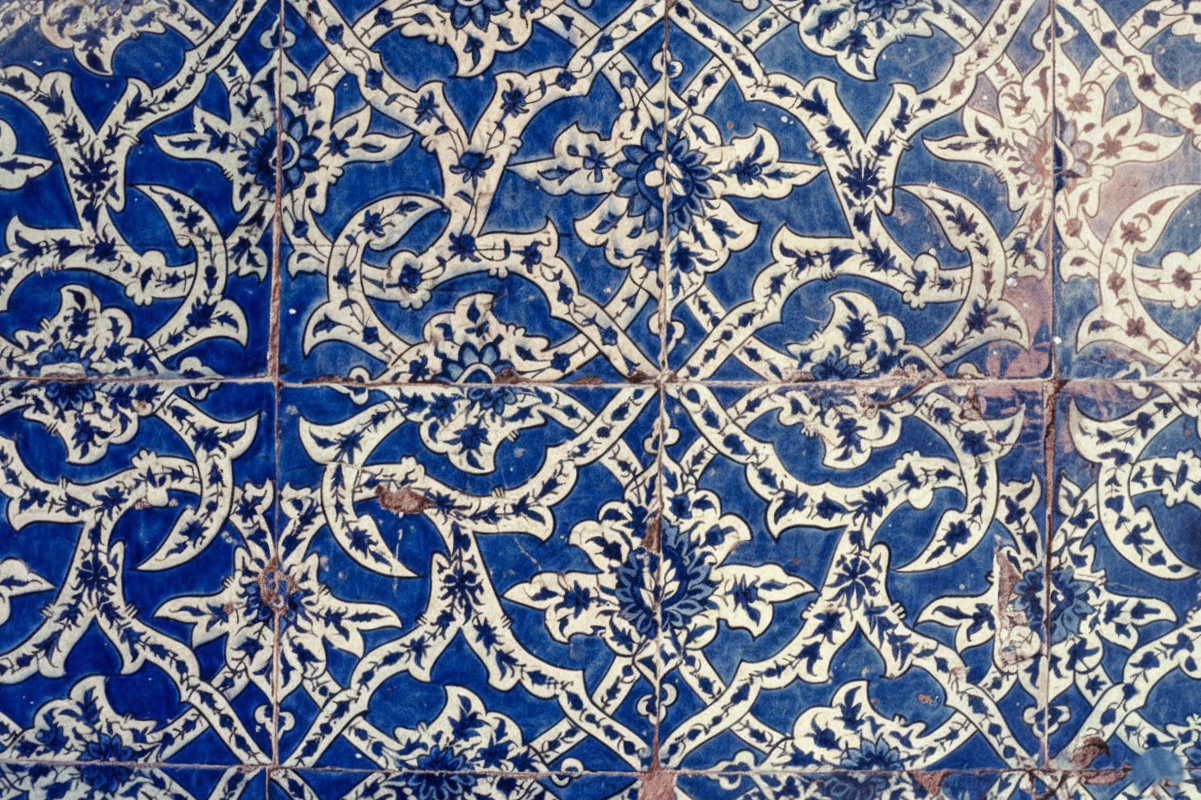
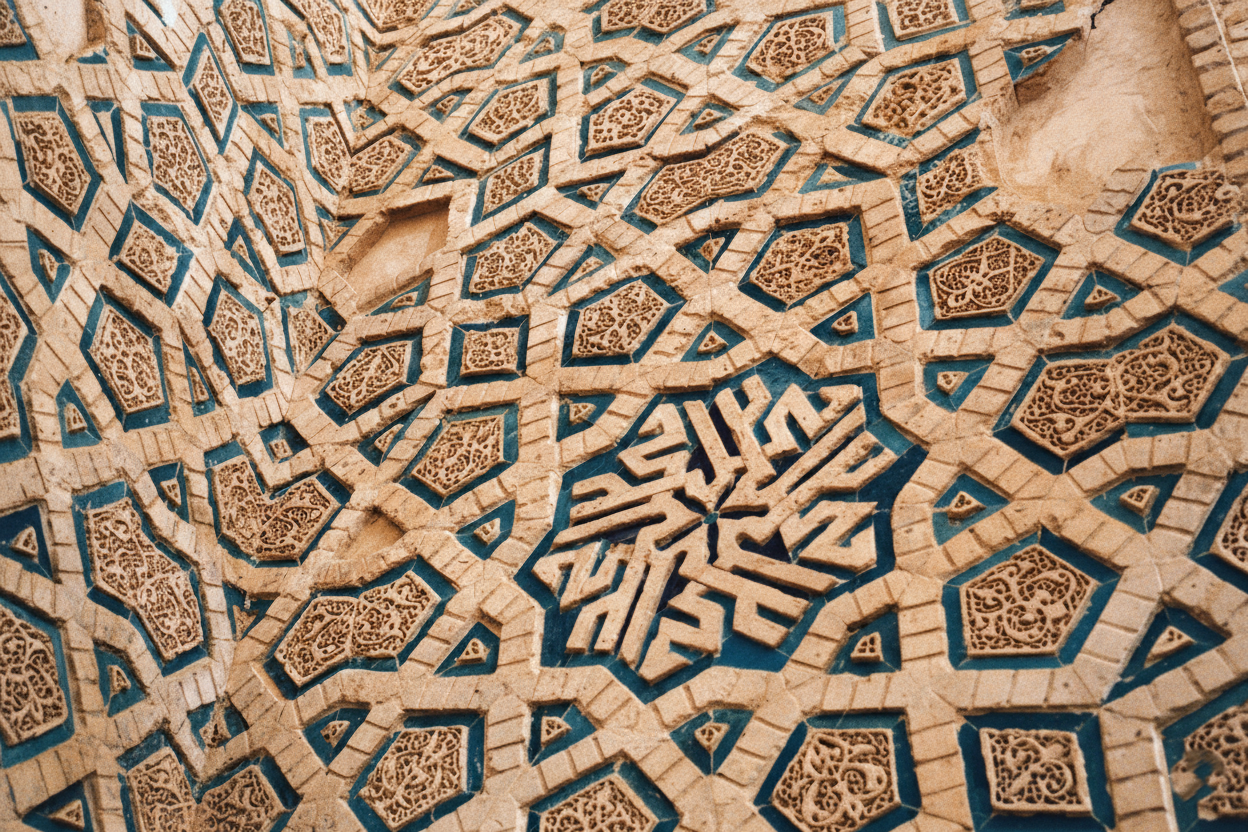
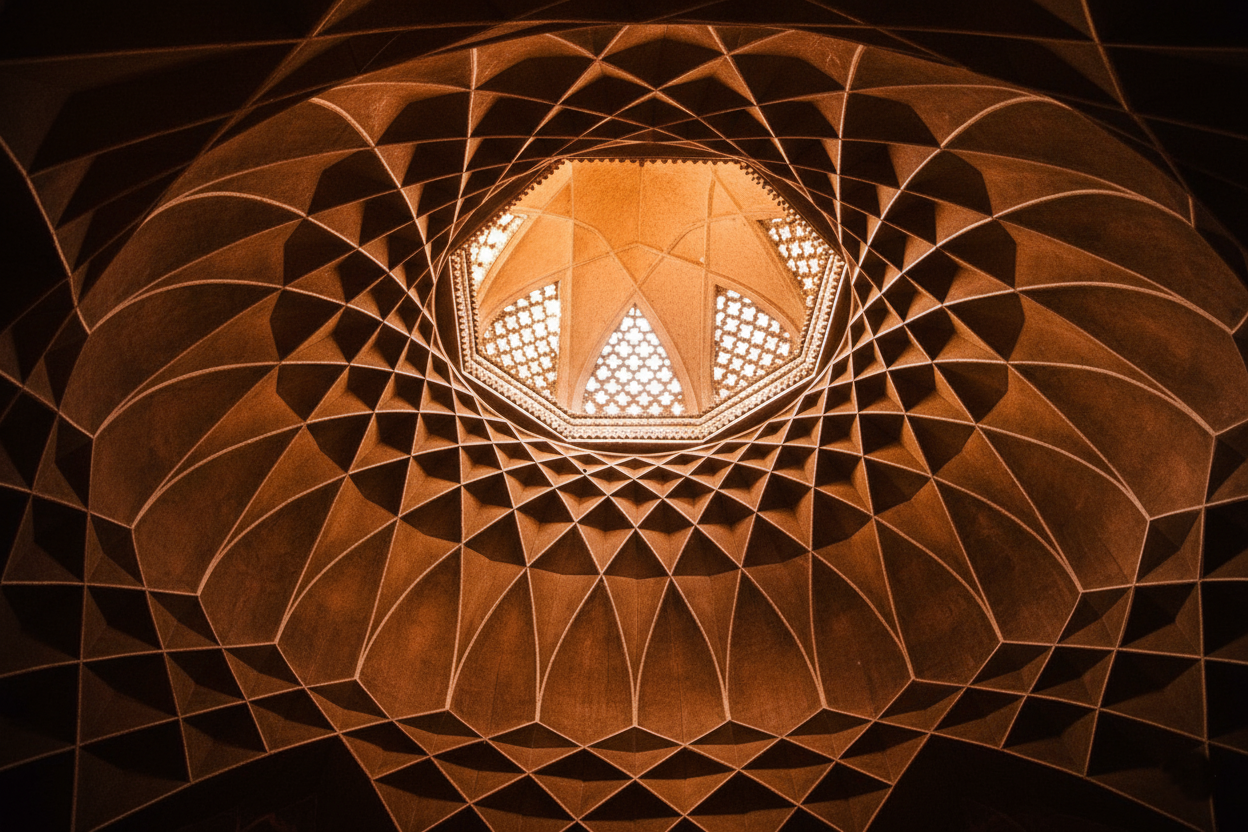
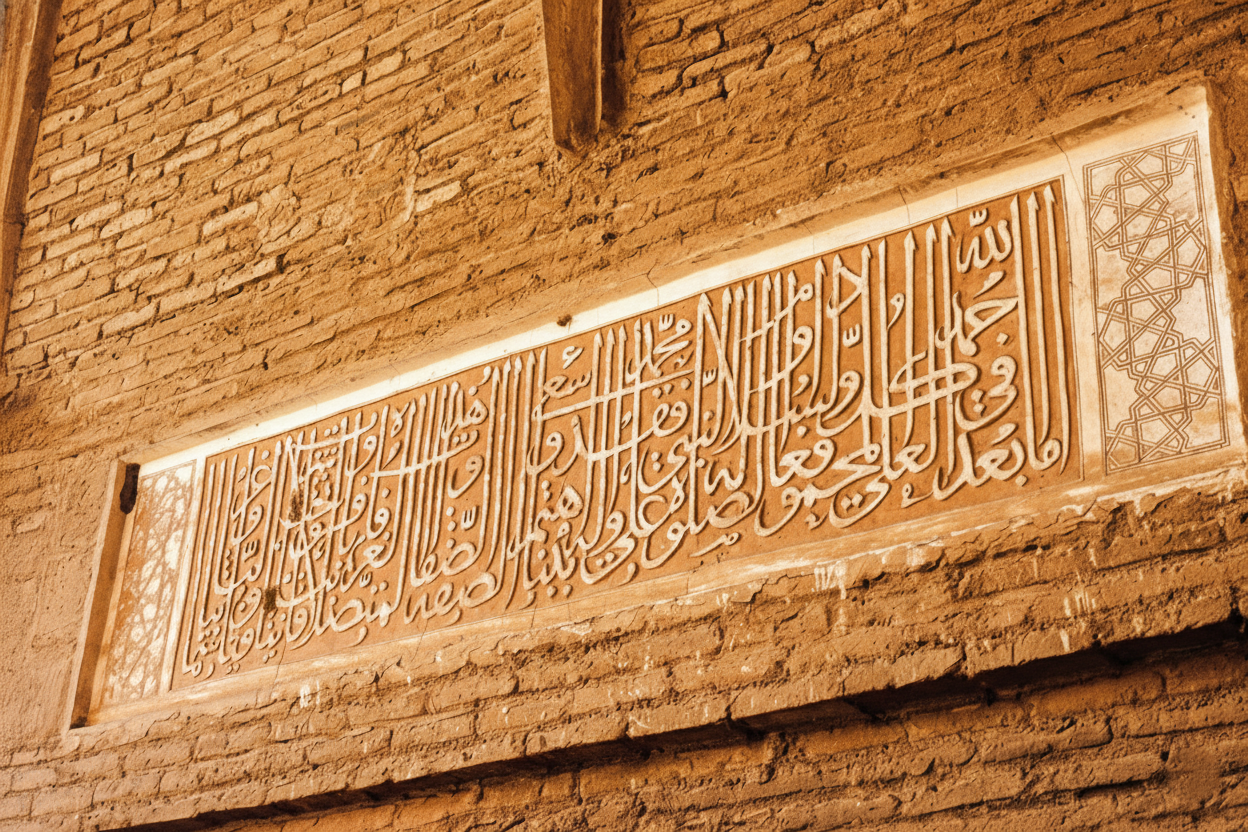
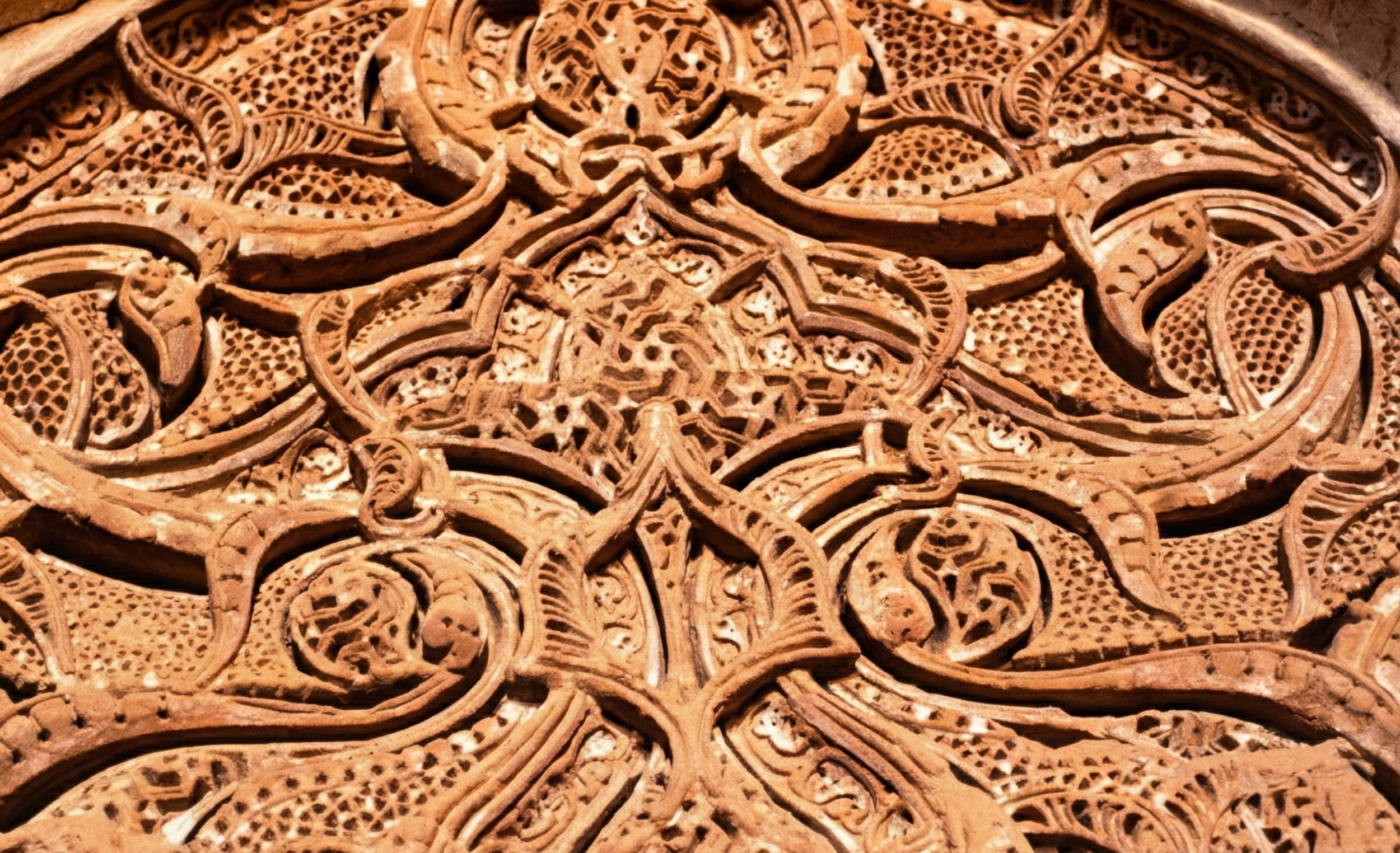
Visual Dematerialization (مادیزدایی بصری) in Iranian architecture transforms solid materials into luminous, perceptual experiences. Through brickwork (آجرکاری), tilework (کاشیکاری), and plasterwork (گچبری) with calligraphy (خطاطی), surfaces dissolve into light, shadow, and meaning. Architecture transcends mass (جرم), becoming a medium of revelation (تجلی) where the void (خلأ) evokes presence, inviting a contemplative and spiritual engagement with space.
-
Visual Dematerialization (مادیزدایی بصری): A Metaphysical Journey
Beyond material performance, Iranian architecture engages a more profound pursuit: the dematerialization of perception. Here, the reduction of matter is not driven by necessity, but by meaning. Architecture becomes an instrument for dissolving the apparent weight of earth (زمین), brick (آجر), and stone (سنگ)—transforming solidity into something luminous, immaterial, and transcendent.
In this realm, the building is no longer read as mass (جرم), but as experience (ادراک). Surfaces are carefully articulated to soften their physical presence, inviting the eye to move beyond the tangible and toward the metaphysical (متافیزیکی). The architect does not eliminate matter, but redefines it—rendering it visually weightless, almost ephemeral.
This transformation is achieved through refined techniques. Brickwork (آجرکاری) breaks down solid walls into rhythmic patterns of light (نور) and shadow (سایه). Tilework (کاشیکاری) dissolves surfaces into reflective fields that evoke the sky (آسمان). Plasterwork (گچبری), often intertwined with calligraphy (خطاطی), elevates architecture into a vessel of meaning (معنا), where ornament and text transcend the wall.
Through these strategies, architecture moves beyond enclosure (محصورسازی) and becomes revelation (تجلی). The wall turns into a veil (پرده), and the void (خلأ) becomes a space of presence (حضور). In this way, visual dematerialization (مادیزدایی بصری) transforms architecture into a contemplative experience—one that reveals the unseen through light, pattern, and form.
