The Role of Three Alchemies (کیمیاگری) in Visual Dematerialization
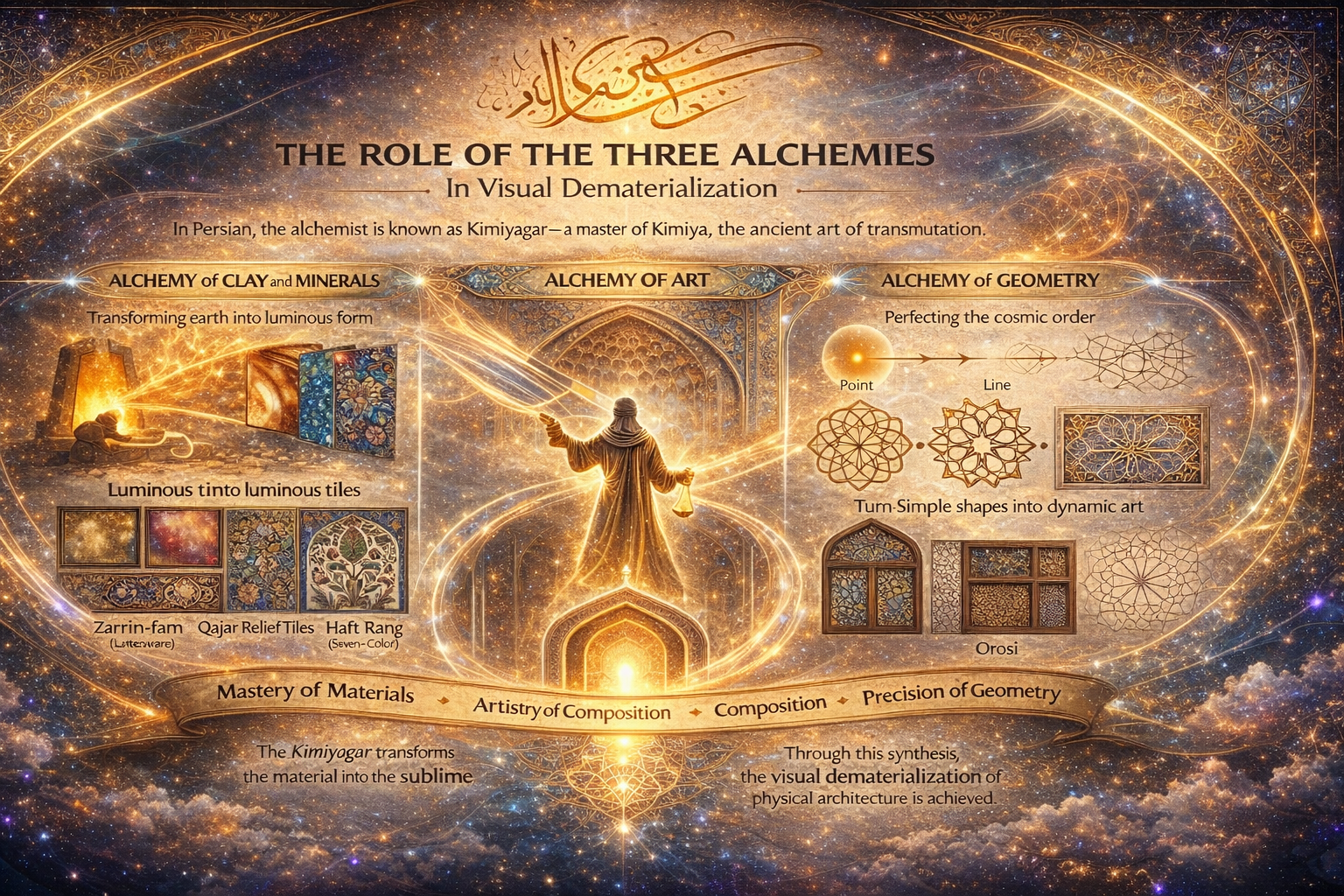
Visual dematerialization (مادیزدایی بصری) in Iranian architecture emerges through three alchemies: material (کیمیاگری مصالح), art (کیمیاگری هنر), and geometry (کیمیاگری هندسه). The architect as Kimiyāgar (کیمیاگر) transforms earth into light, form into rhythm, and lines into infinite patterns—dissolving mass into perception and elevating architecture beyond its physical limits.
-
The Role of Three Alchemies in Visual Dematerialization
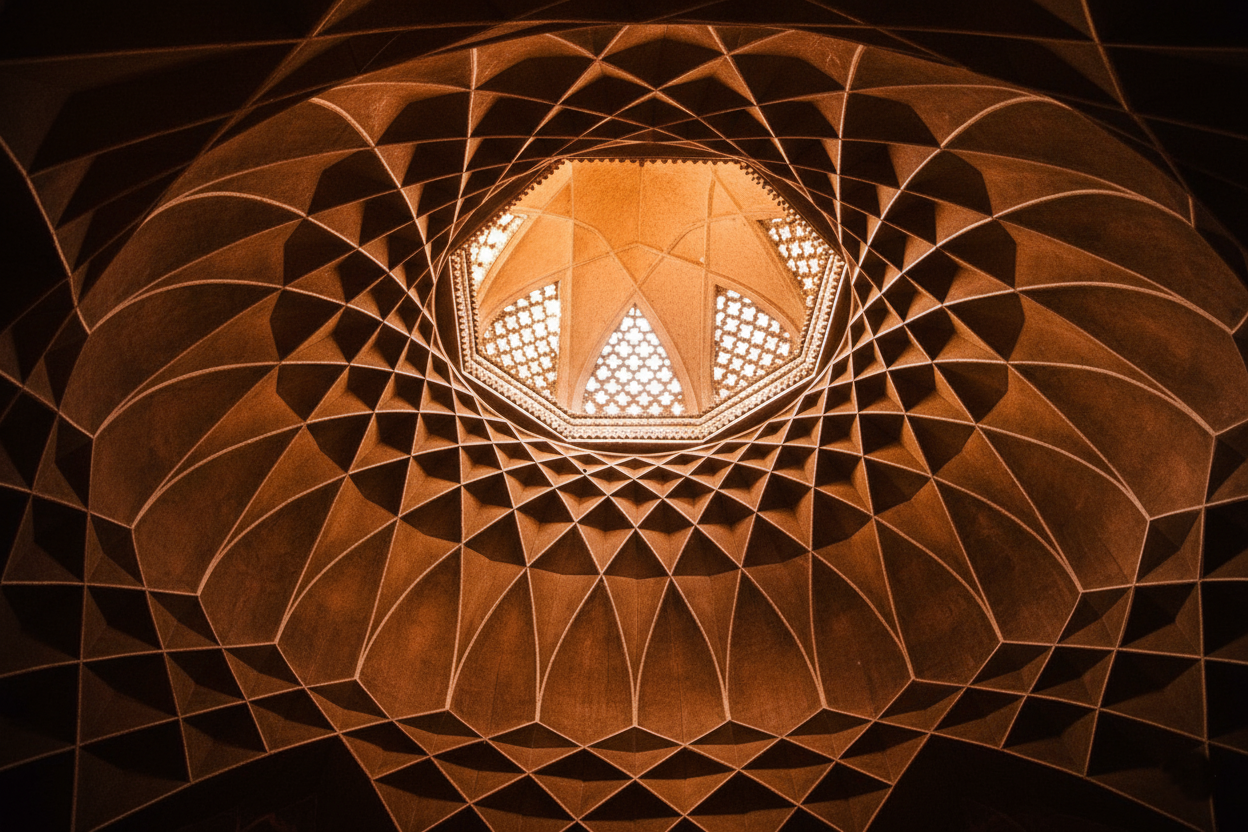
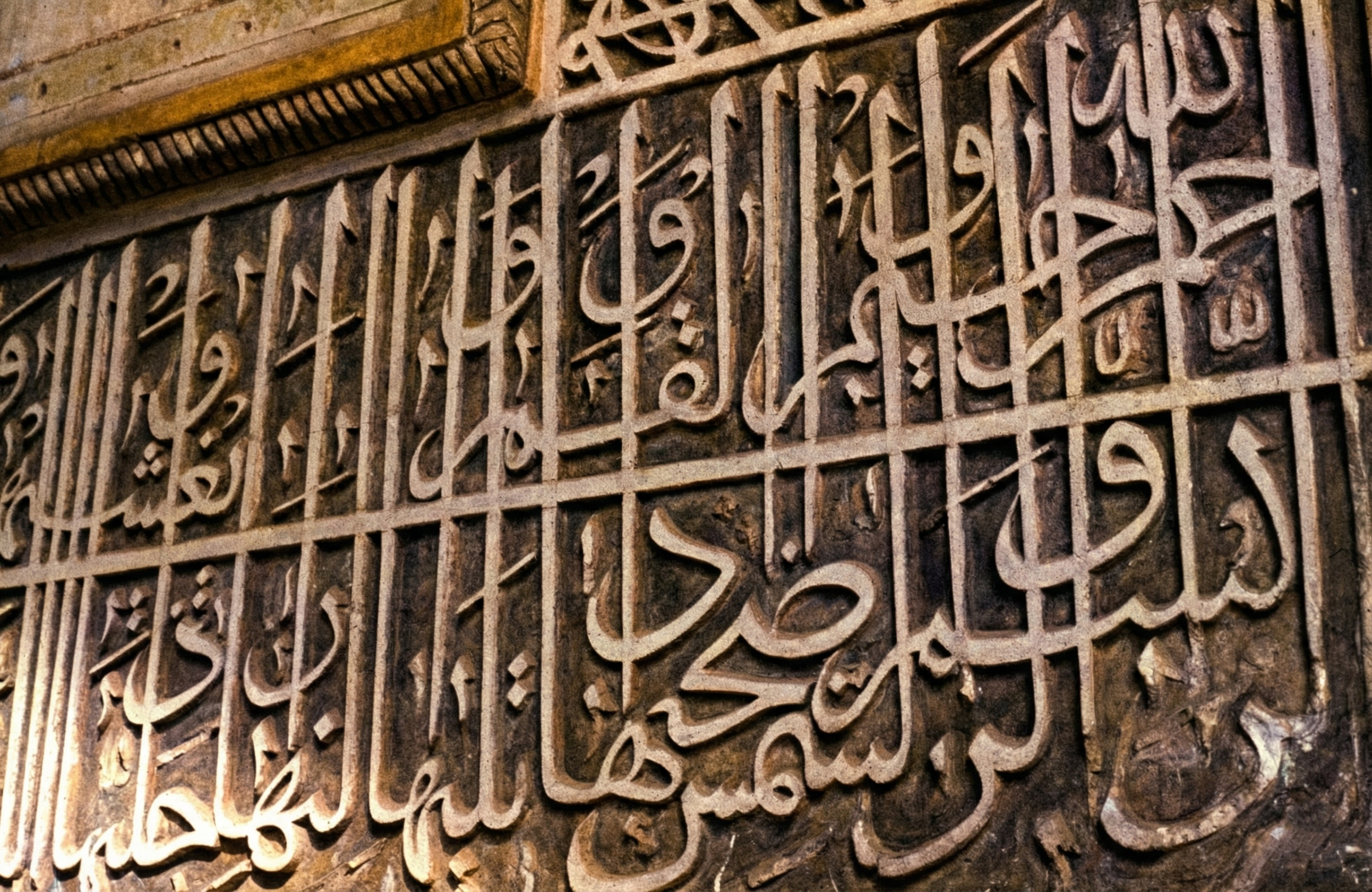
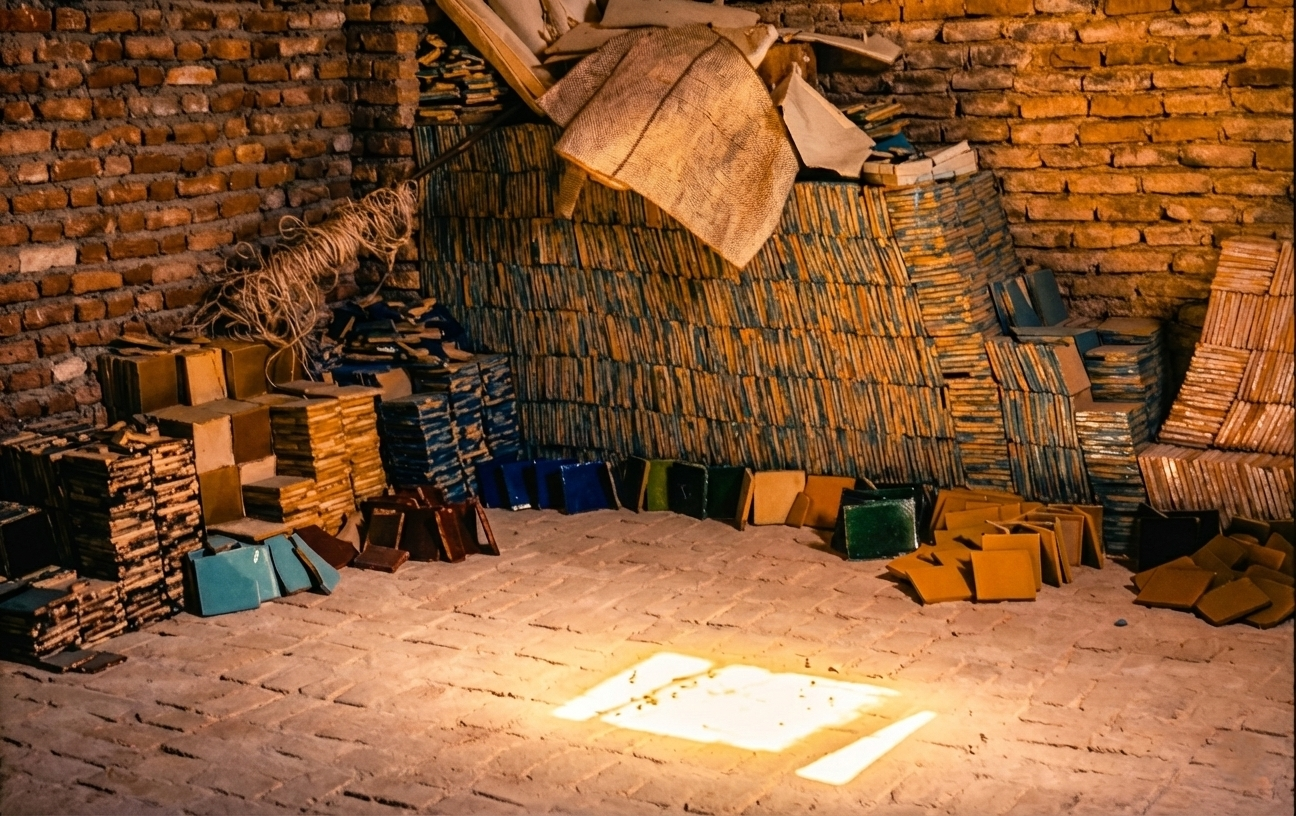
In Persian tradition, the alchemist—Kimiyāgar (کیمیاگر)—is a master of transformation, one who turns the ordinary into the sublime. In Iranian architecture, the architect assumes this role, practicing a form of Kimiya (کیمیا) not to convert metals into gold, but to transmute matter into meaning. This architectural alchemy unfolds through three intertwined domains. First, the Alchemy of Clay and Minerals (کیمیاگری خاک و مواد معدنی), where mastery of material and fire transforms earth into luminous surfaces—seen in Zarrin-fām (زرینفام) luster tiles, Qajar polychrome reliefs, and Safavid Haft Rang (هفترنگ) ceramics. Second, the Alchemy of Art (کیمیاگری هنر), in which composition, light (نور), and shadow (سایه) dissolve static form into a dynamic visual experience, animating surfaces beyond their physical limits. Third, the Alchemy of Geometry (کیمیاگری هندسه), where the simplest elements—point (نقطه) and line (خط)—are elevated into infinite patterns (نقوش بینهایت) that reflect cosmic order (نظم کیهانی). Together, these three alchemies—material, artistic, and geometric—form the foundation of Iranian architectural expression, enabling brickwork (آجرکاری), tilework (کاشیکاری), and calligraphy (خطاطی) to transcend materiality and achieve visual dematerialization (مادیزدایی بصری).