Zavareh Bazaar (بازار زواره)
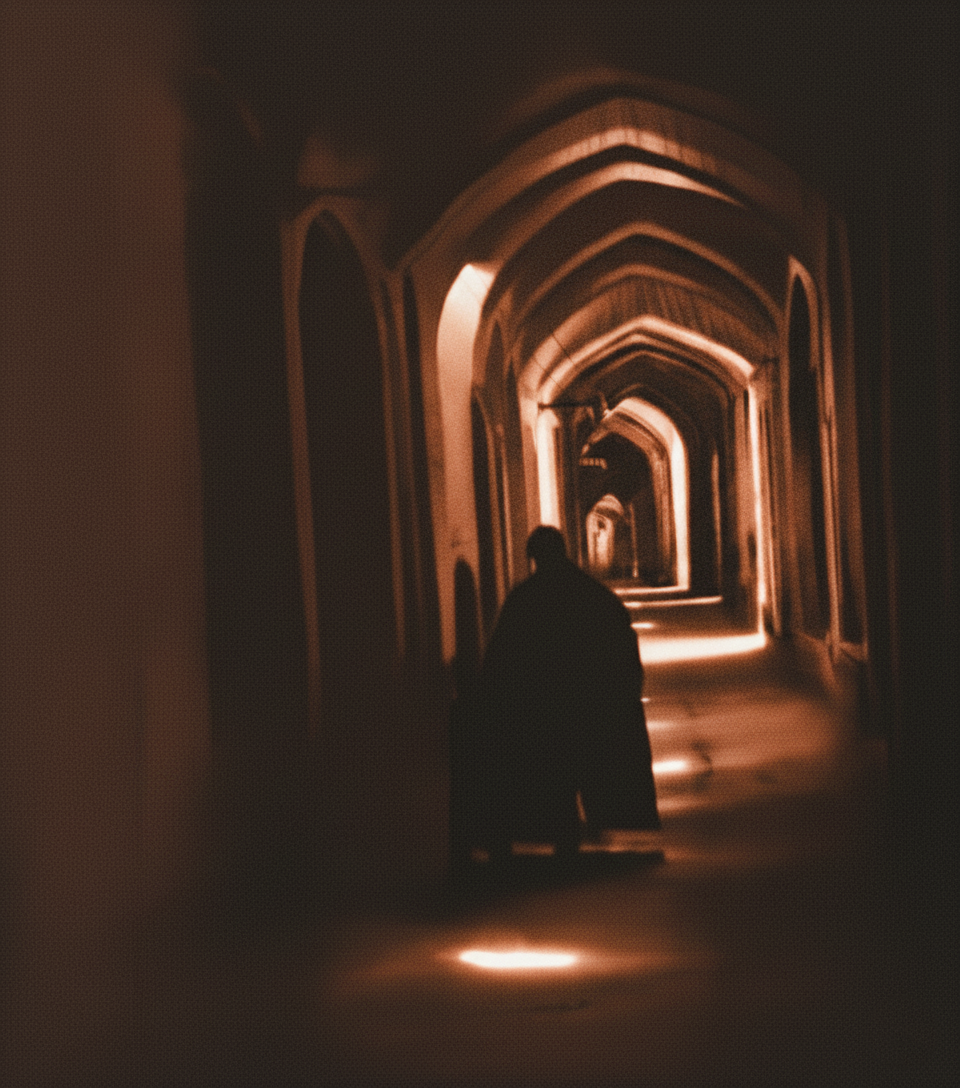
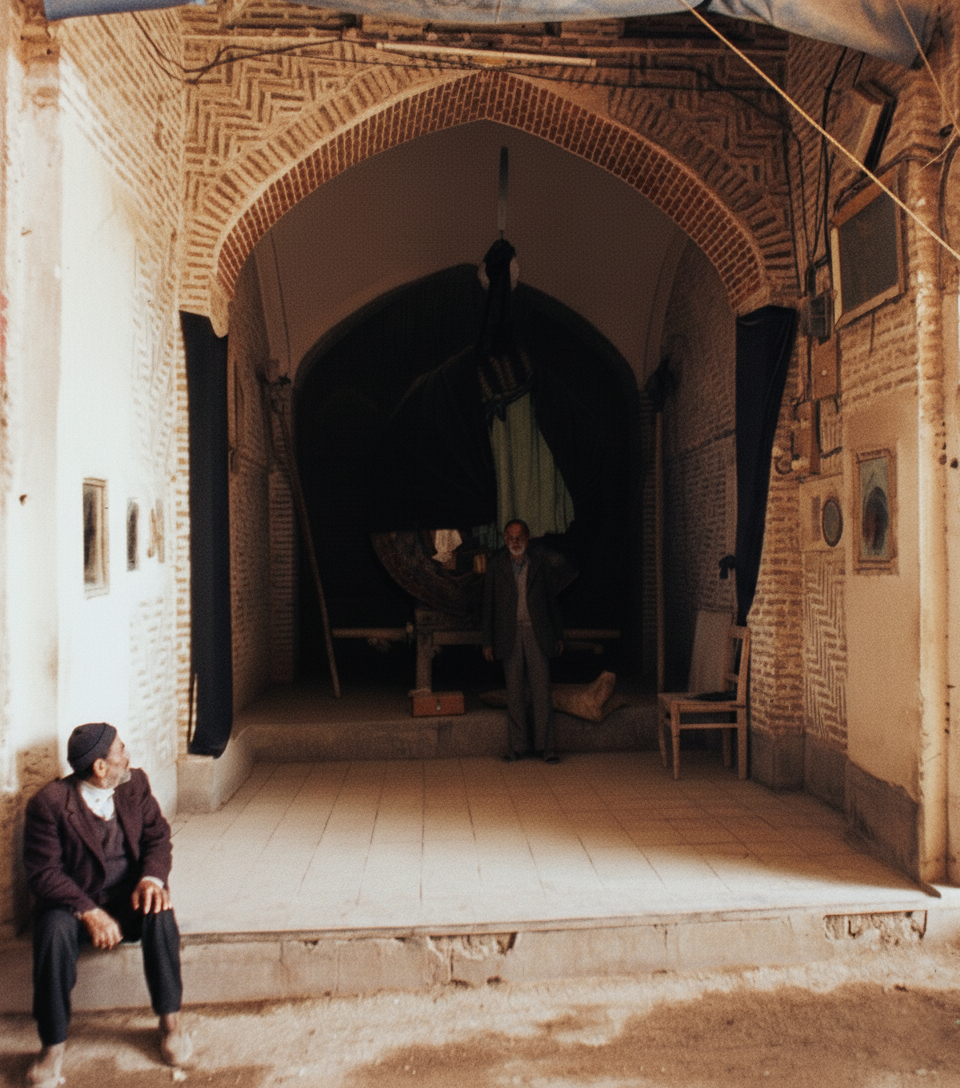
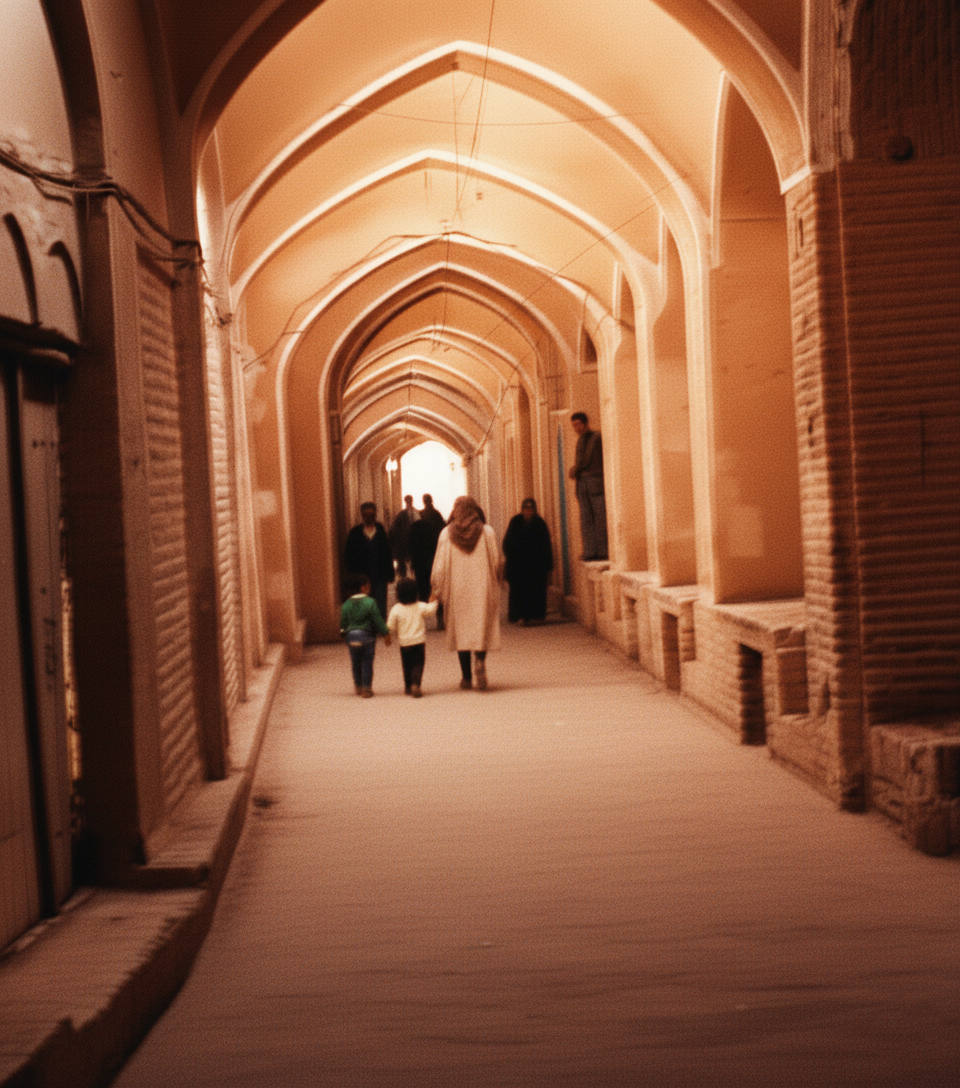
In the Zavareh Bazaar (بازار زواره), some passages contain hojreh (حجره) only on one side due to urban and climatic conditions. These sections follow routes linking the Jameh Mosque (مسجد جامع زواره, 1135 CE) to residential areas, while single-sided shops improve ventilation and reflect the scale of Zavareh’s regional market economy.
-
In the Zavareh Bazaar (بازار زواره), certain passages contain commercial hojreh (حجره) only on one side rather than on both sides, a configuration shaped by both urban morphology and environmental adaptation.
First, the bazaar developed along pre-existing circulation paths connecting the Jameh Mosque (مسجد جامع زواره, 1135 CE) with residential quarters and caravan routes. In sections where the bazaar edge bordered housing blocks, courtyards, or garden plots (باغچهها), commercial units could only be constructed on one side while the opposite side remained residential or infrastructural.
Second, the climate-responsive design of desert architecture influenced this arrangement. A single row of hojreh (حجره) allowed the passage to maintain better ventilation and light control, reducing heat buildup in narrow alleys.
Finally, this configuration also reflects the scale of Zavareh’s local economy. As a regional market rather than a major metropolitan bazaar, portions of the bazaar required fewer commercial units, producing linear markets integrated with the surrounding urban fabric rather than fully enclosed commercial corridors.
