The Bazaar (بازار) of Na’in,
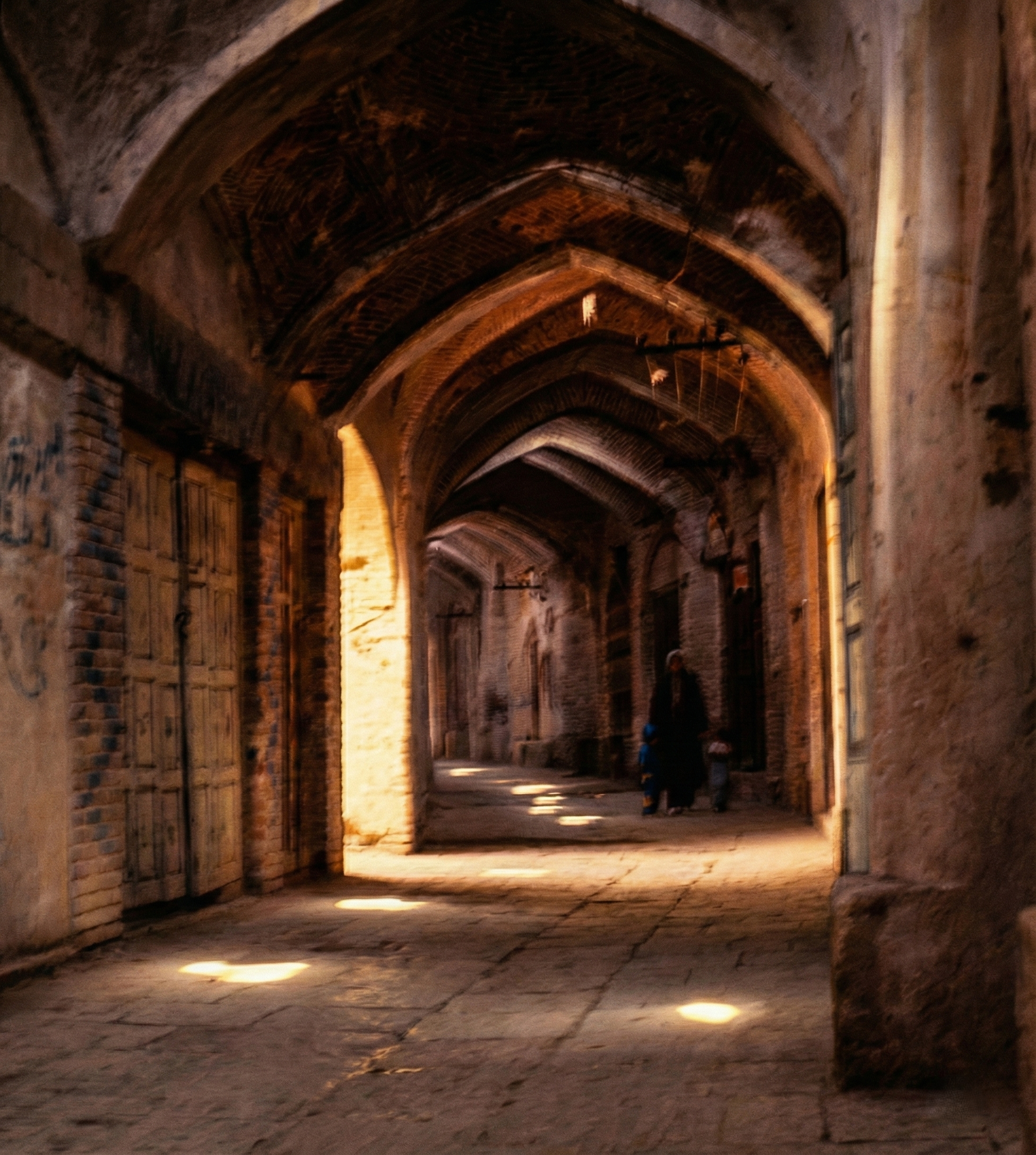
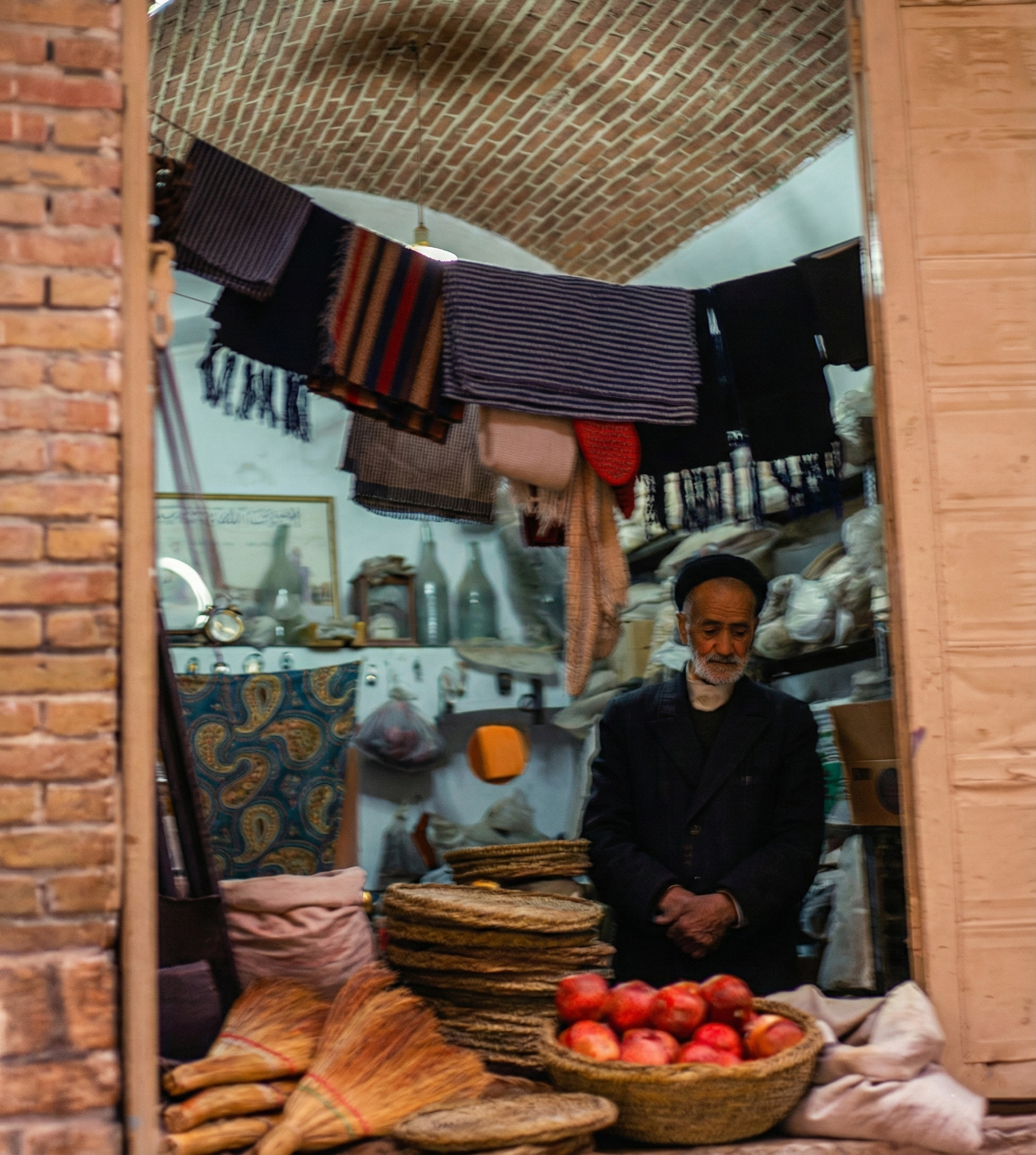
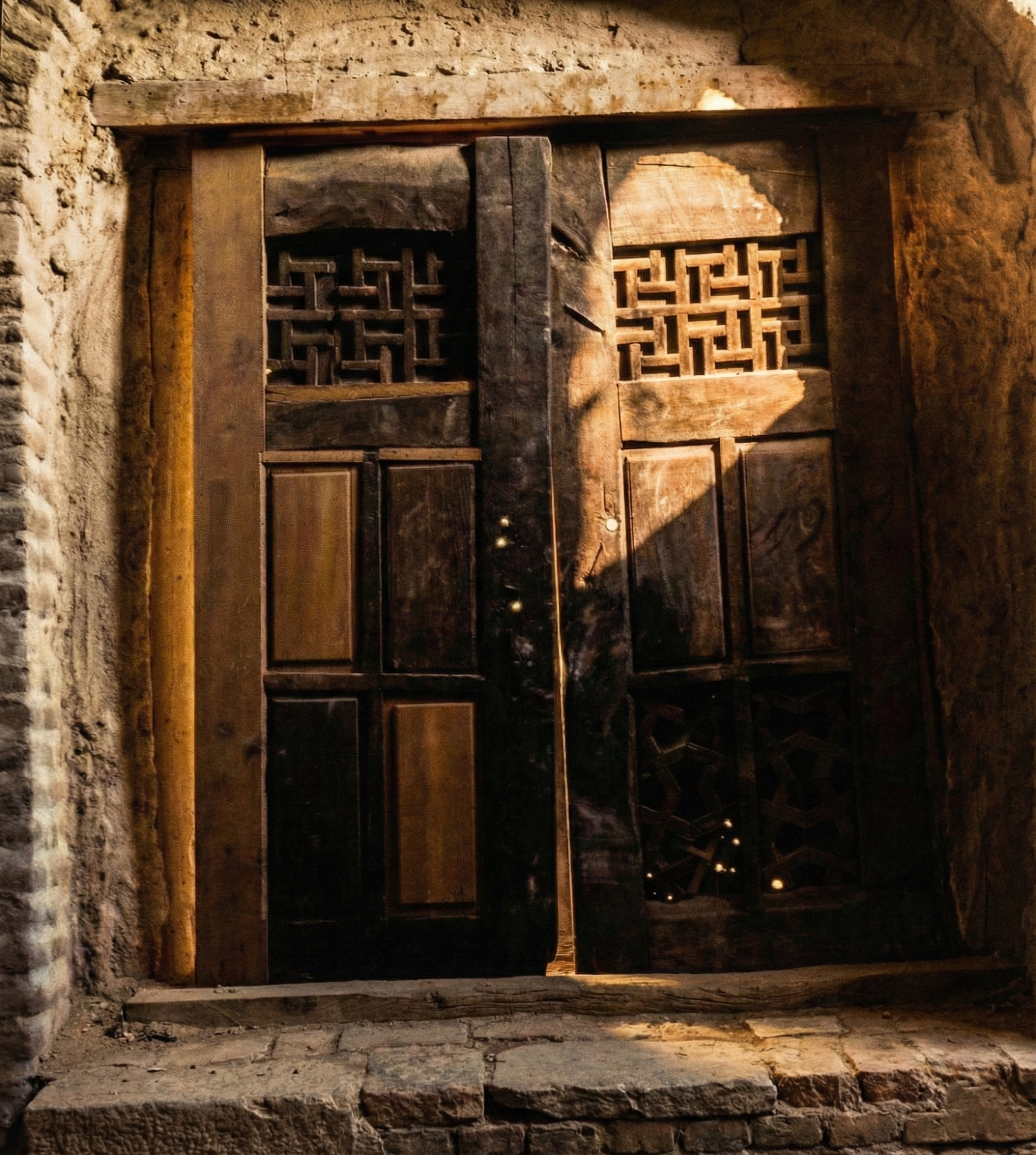
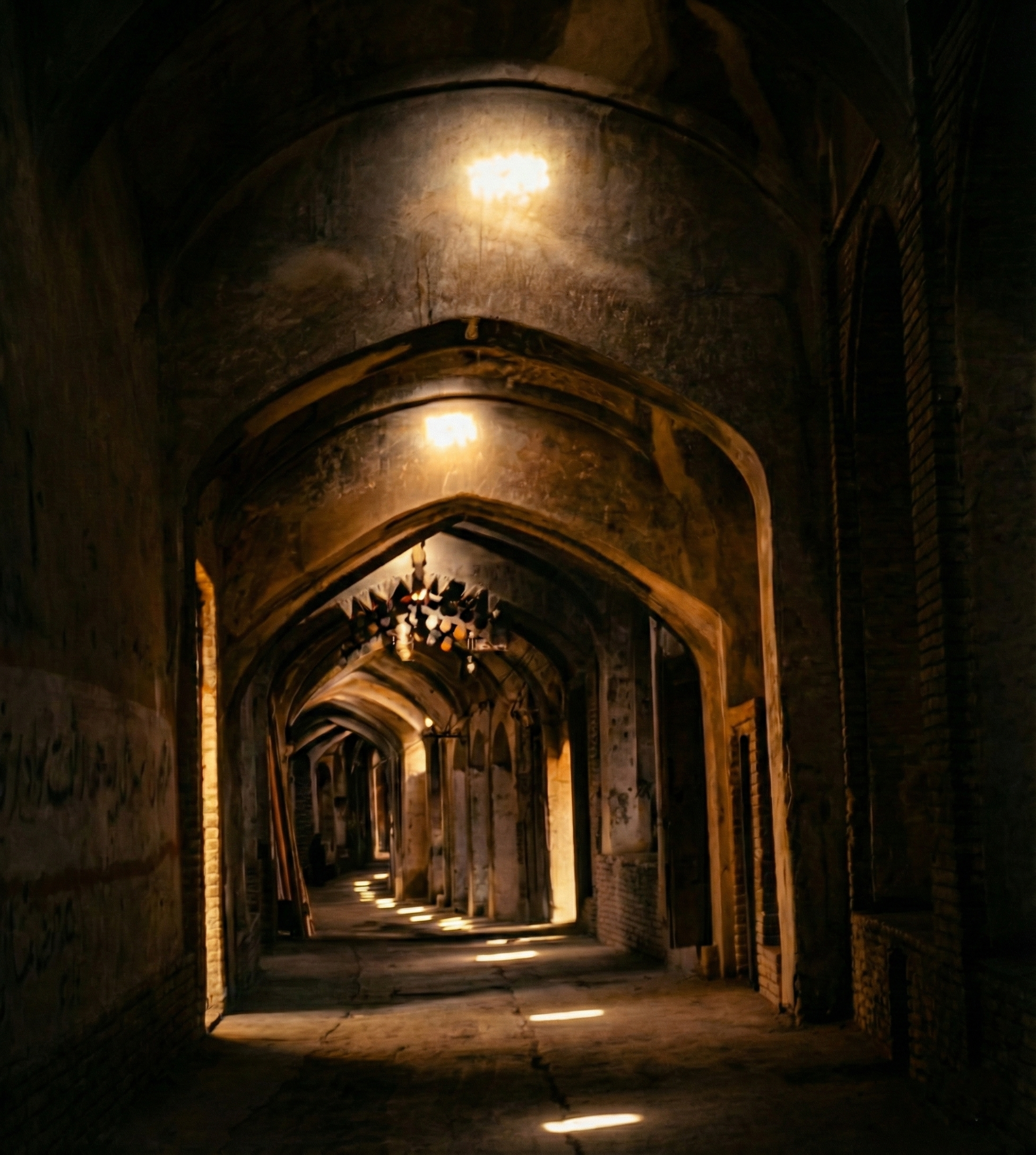
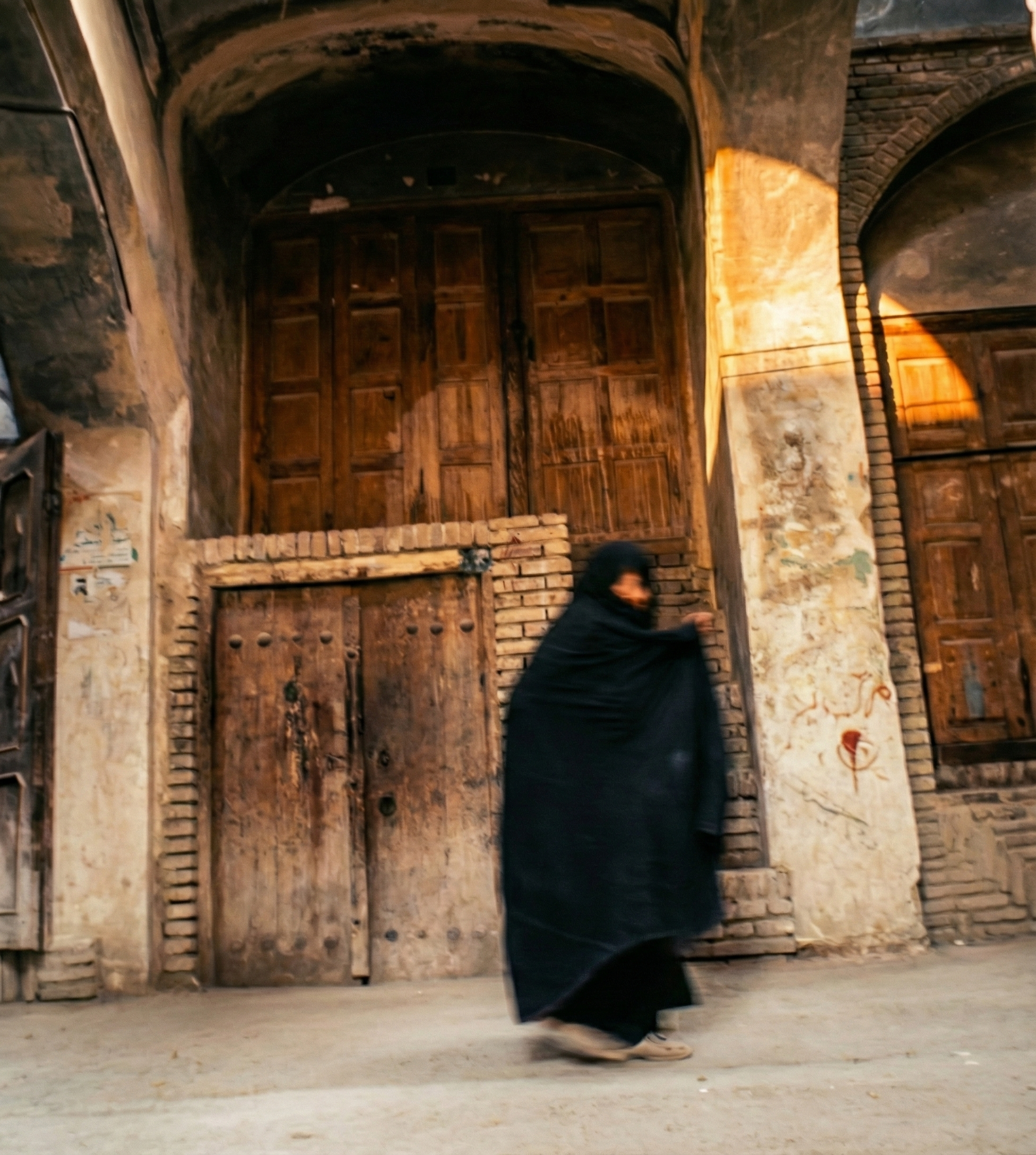
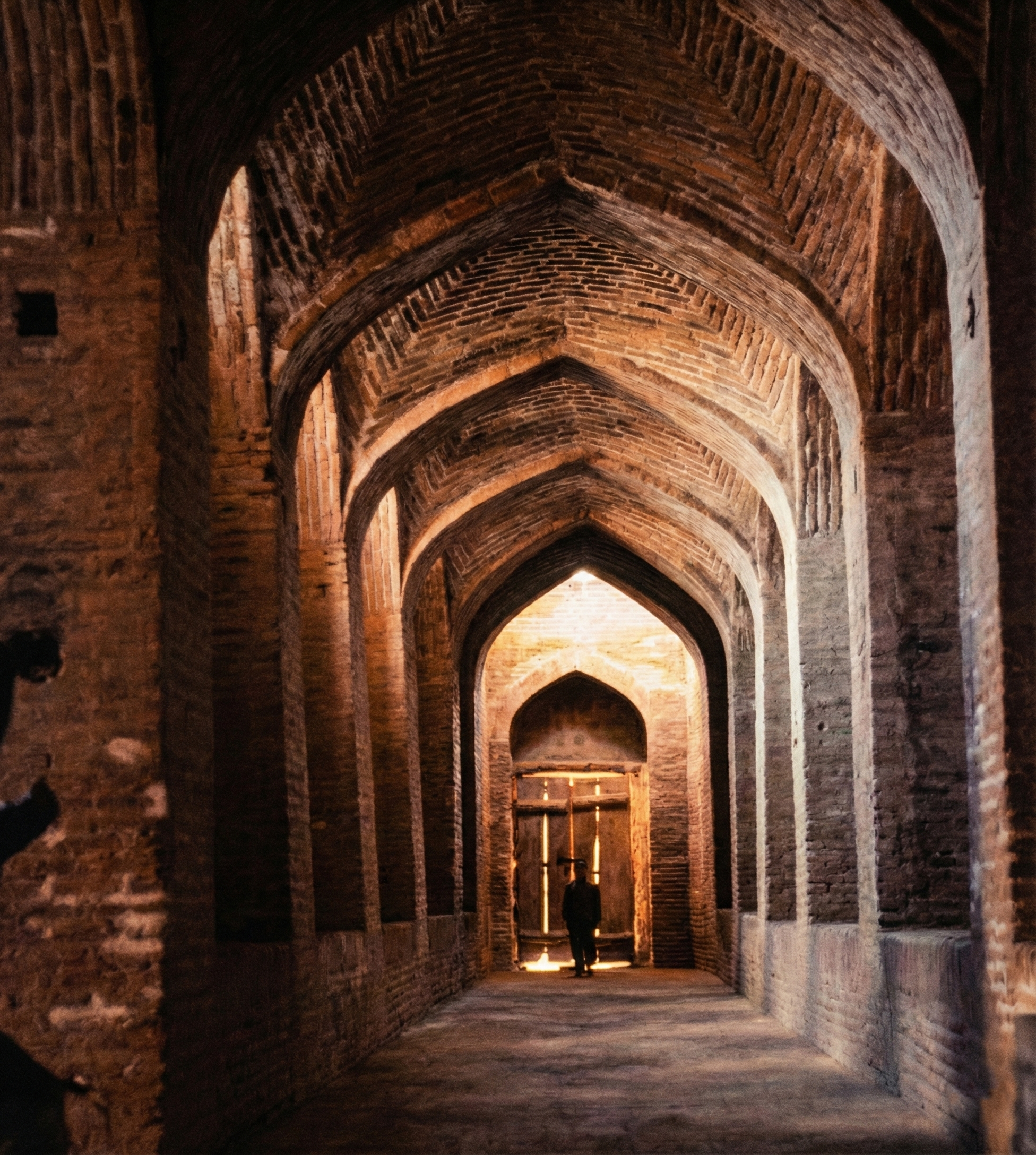
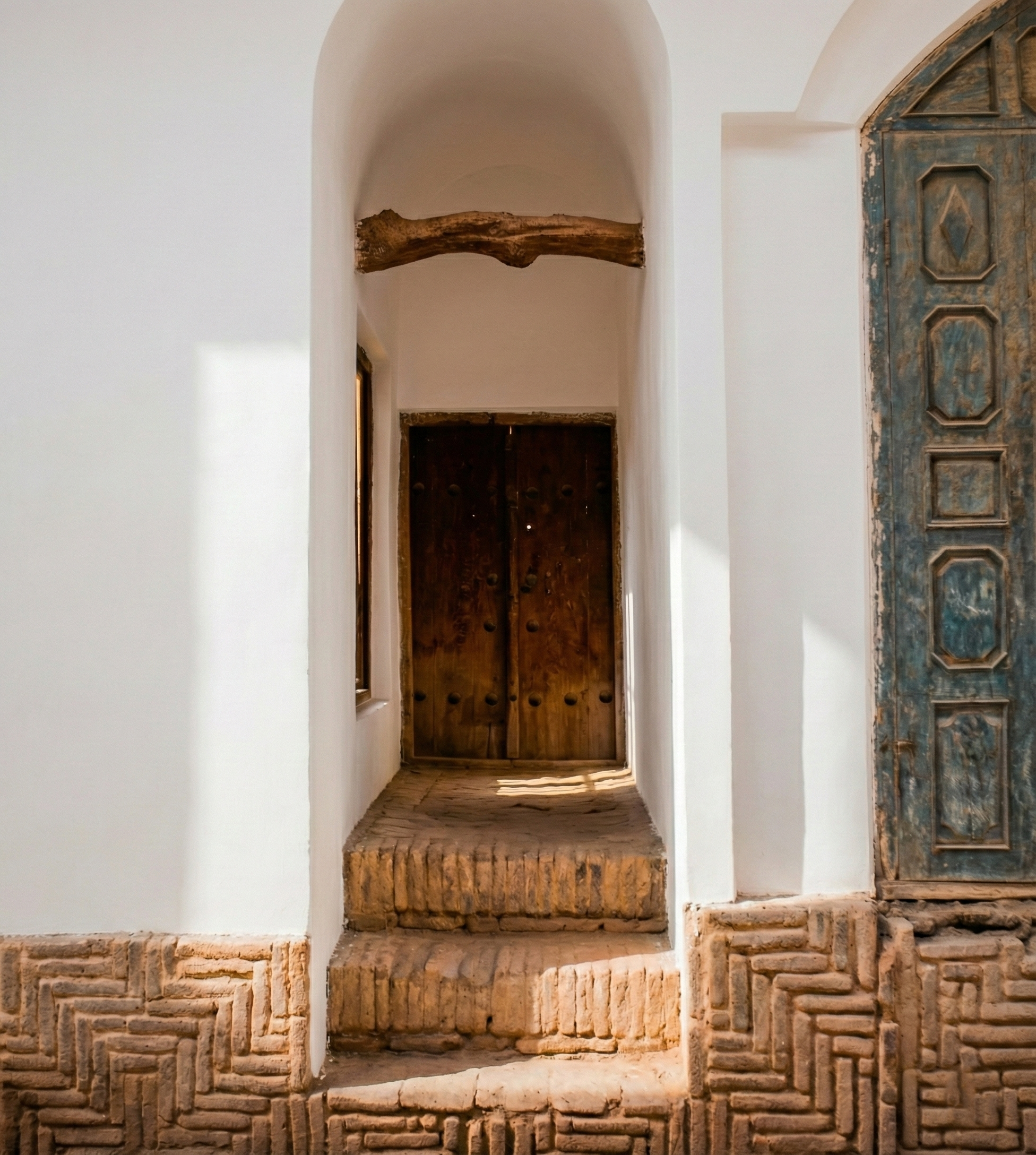
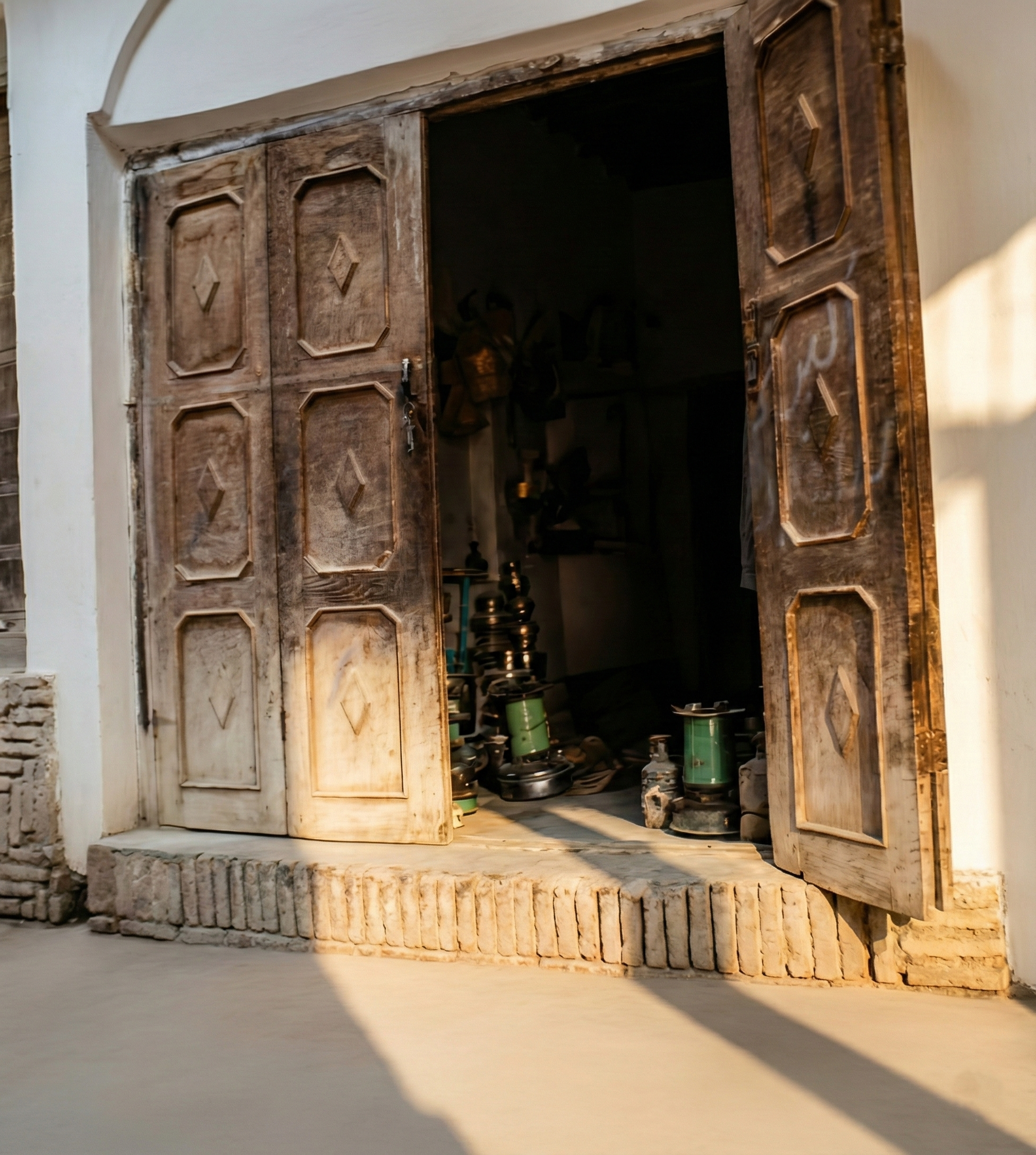
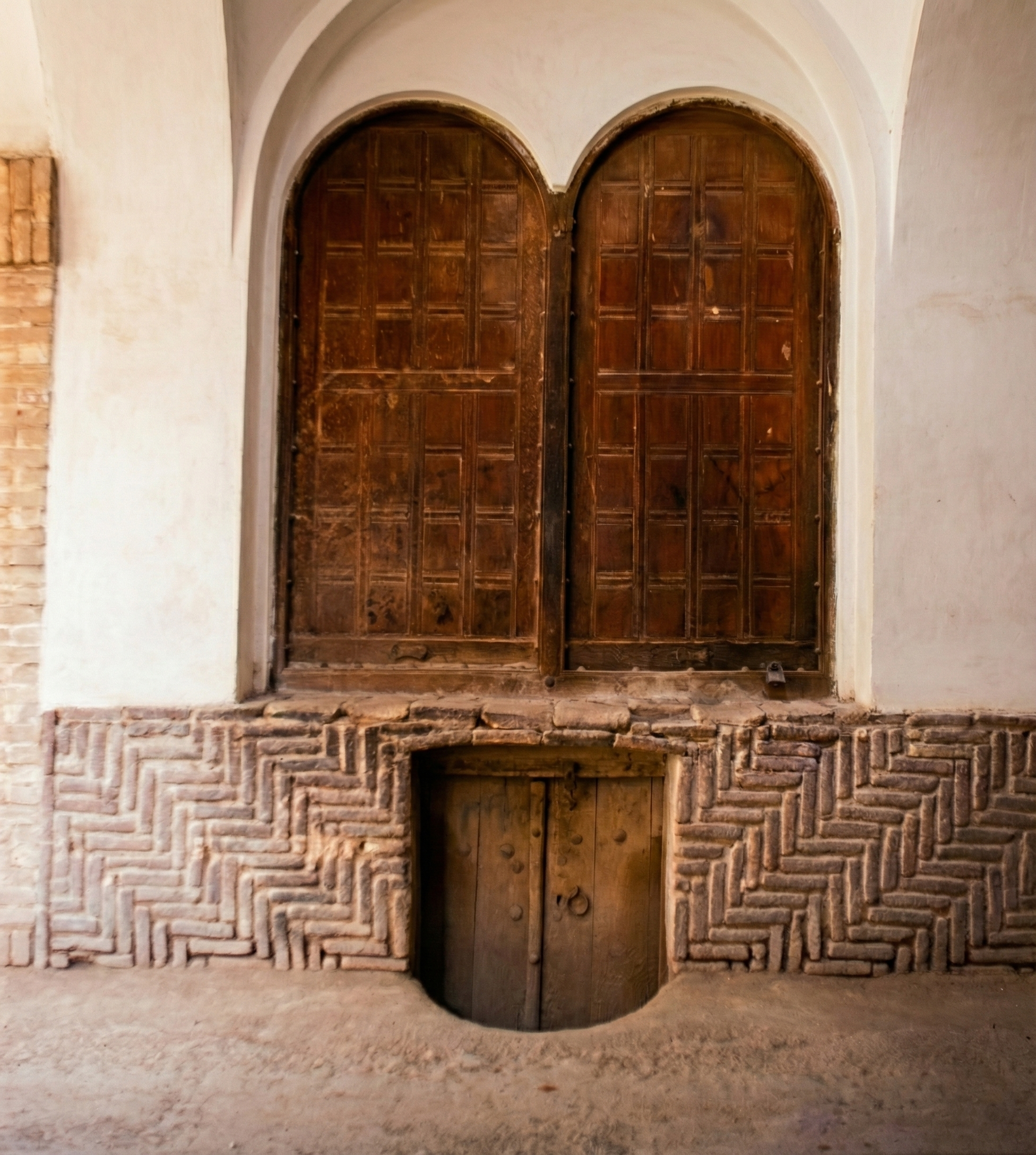
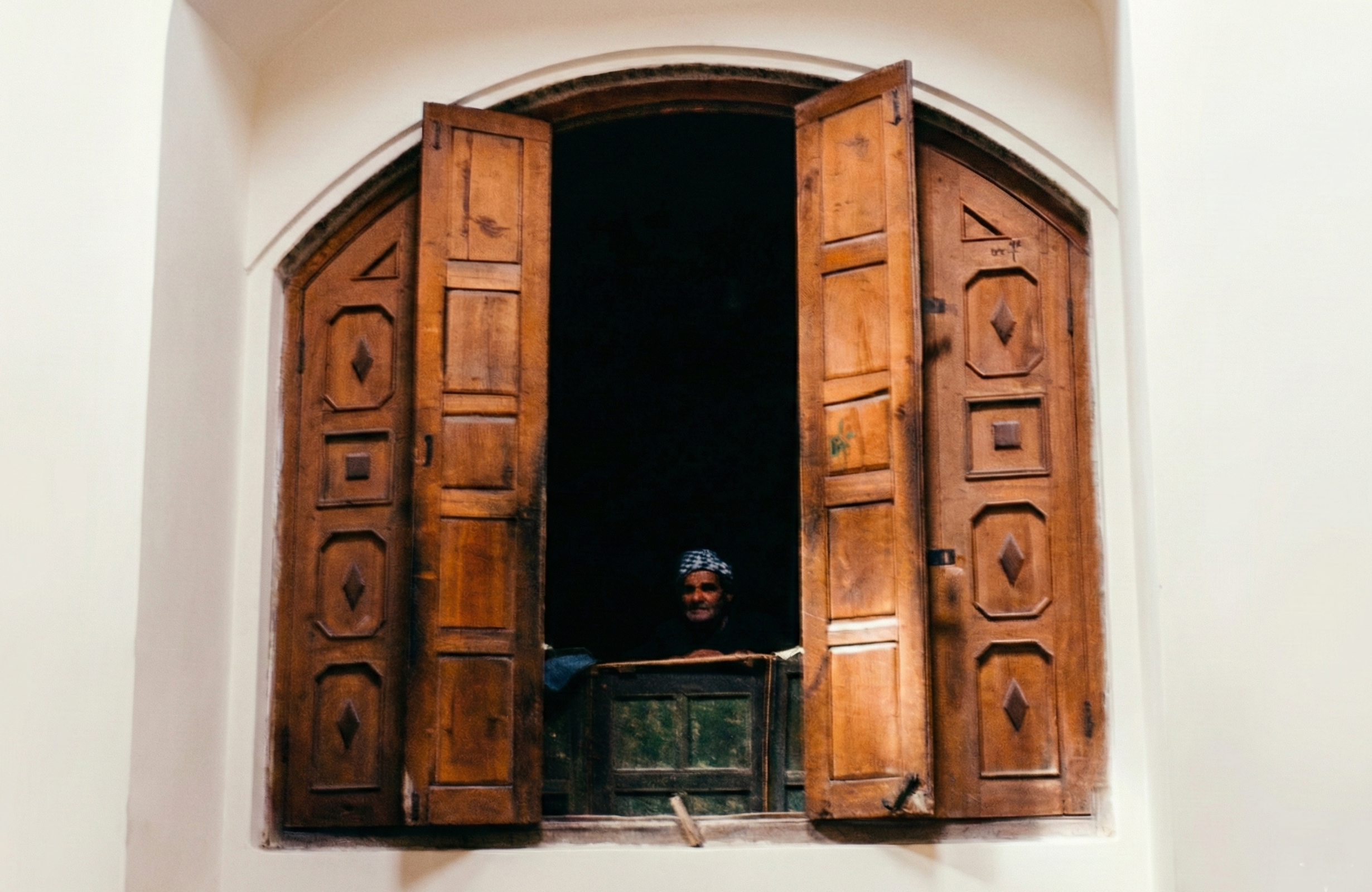
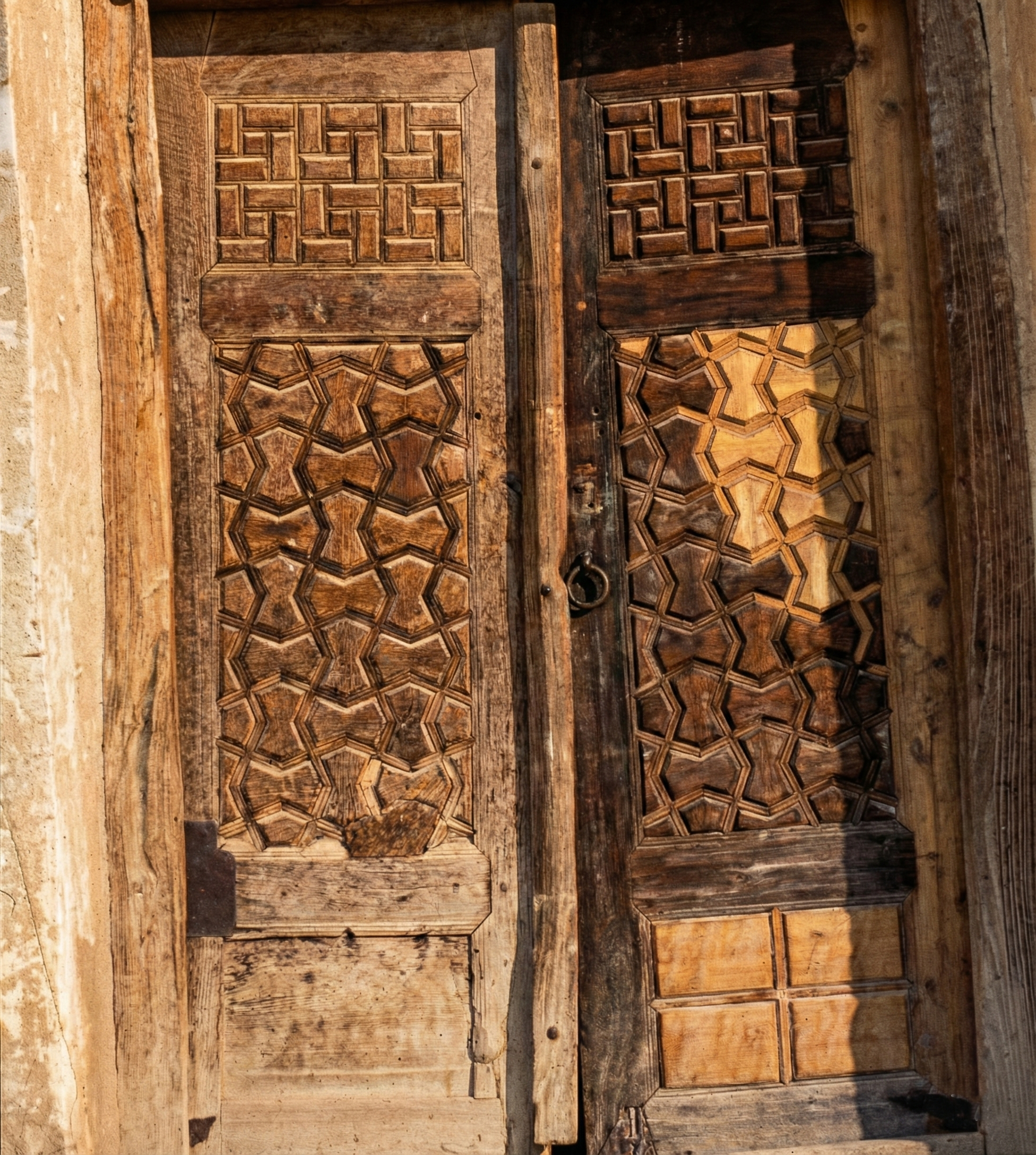
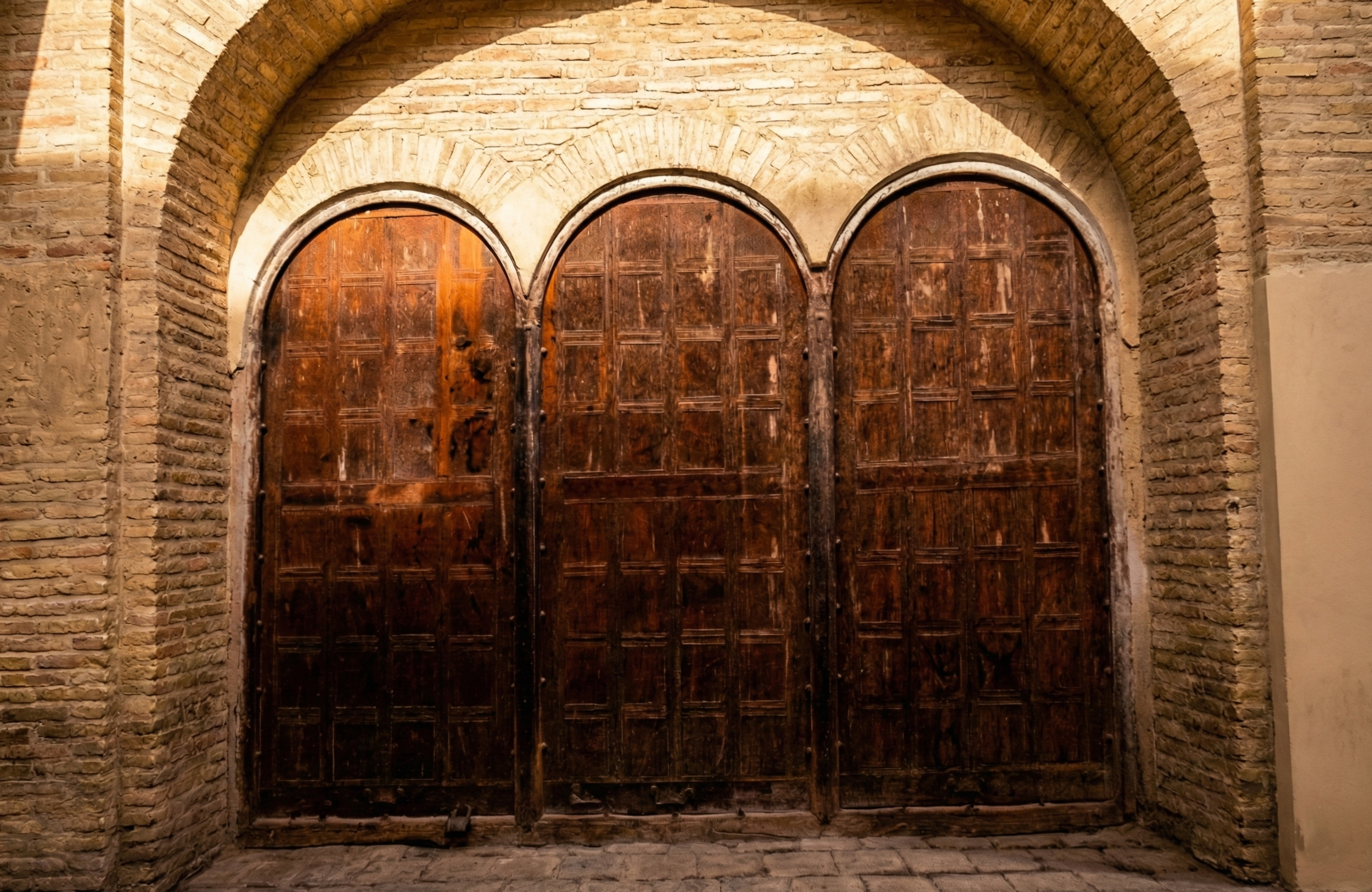
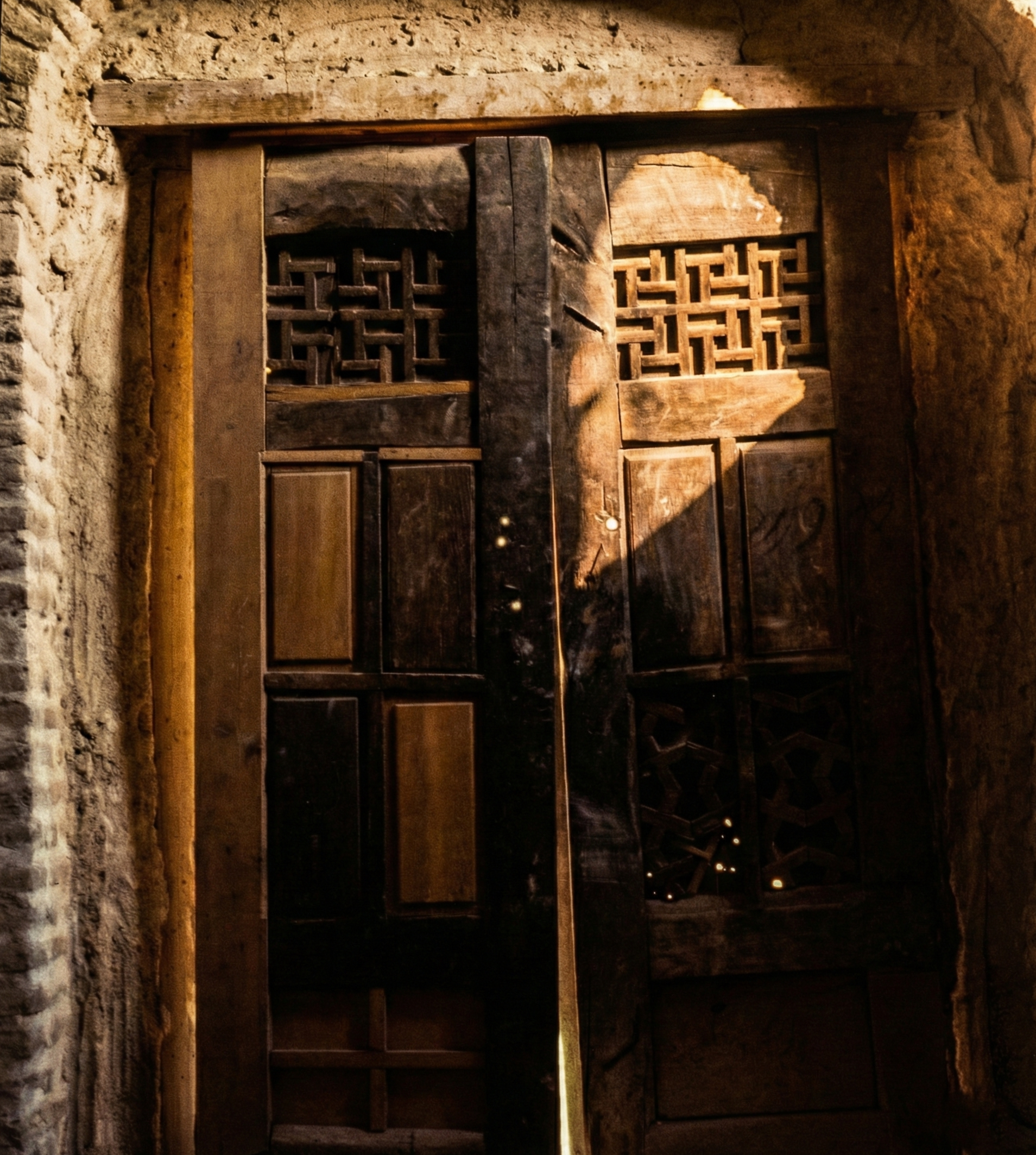
The Bazaar (بازار) of Na’in (نائین), largely built during the Safavid period (16th–17th centuries CE) with Qajar additions (18th–19th centuries), connects the Jameh Mosque (مسجد جامع) to surrounding neighborhoods. Its vaulted passages provide shade and airflow while supporting textile and carpet trade and fostering everyday social interaction.
-
The Bazaar (بازار) of Na’in, whose main structure dates largely to the Safavid era (16th–17th centuries CE) with later Qajar additions (18th–19th centuries CE), forms the commercial spine of the historic city, linking the Jameh Mosque (مسجد جامع) to the surrounding residential quarters. Its covered vaulted passages protect merchants and pedestrians from intense sun and desert winds, while enhancing airflow and thermal comfort. Beyond its economic function—historically supporting trade in textiles and fine carpets—the bazaar serves as a social corridor where daily interactions reinforce the cohesion and continuity of Na’in’s communal life.
