The Jameh Mosque (مسجد جامع) of Na’in (نائین)
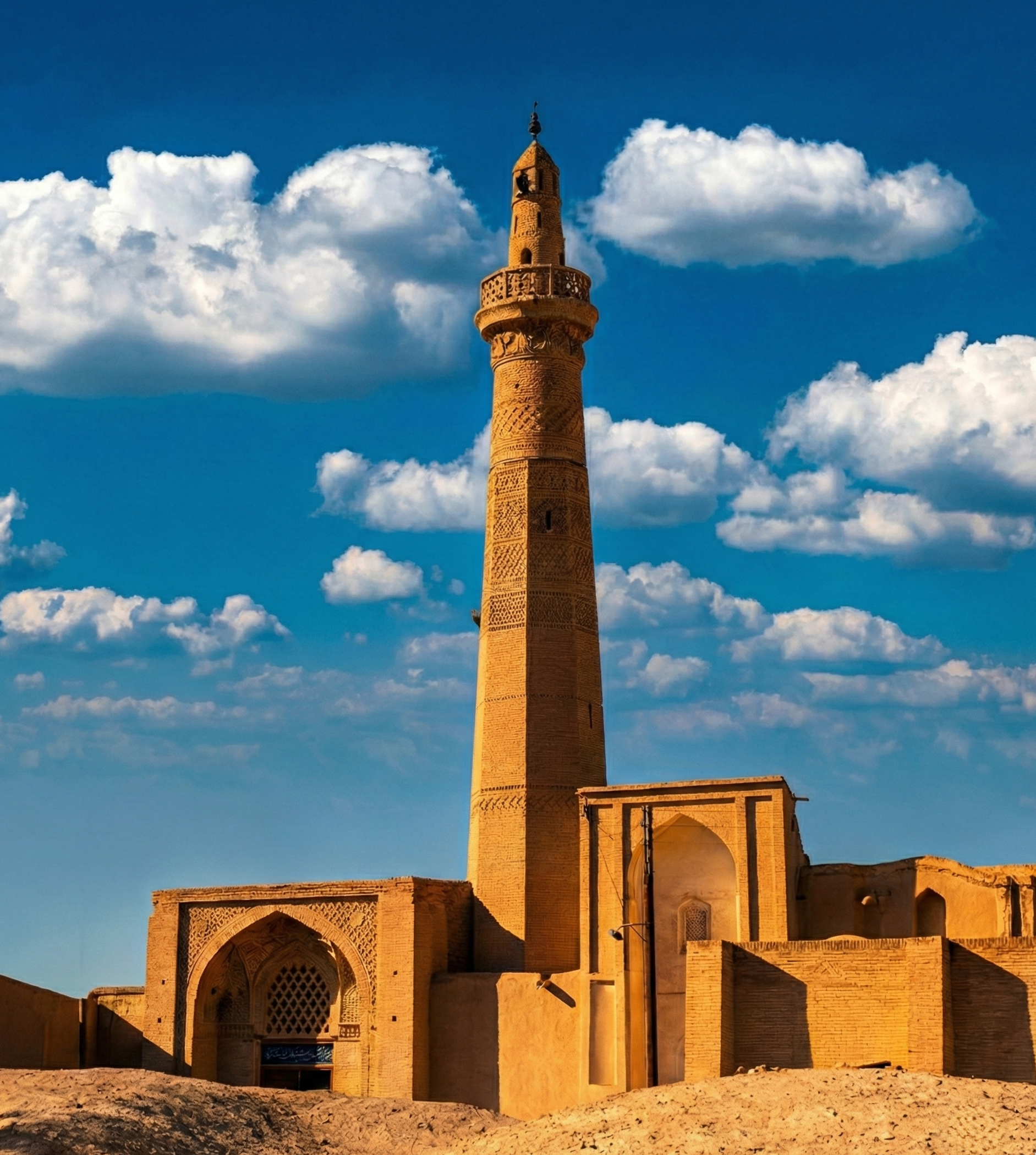
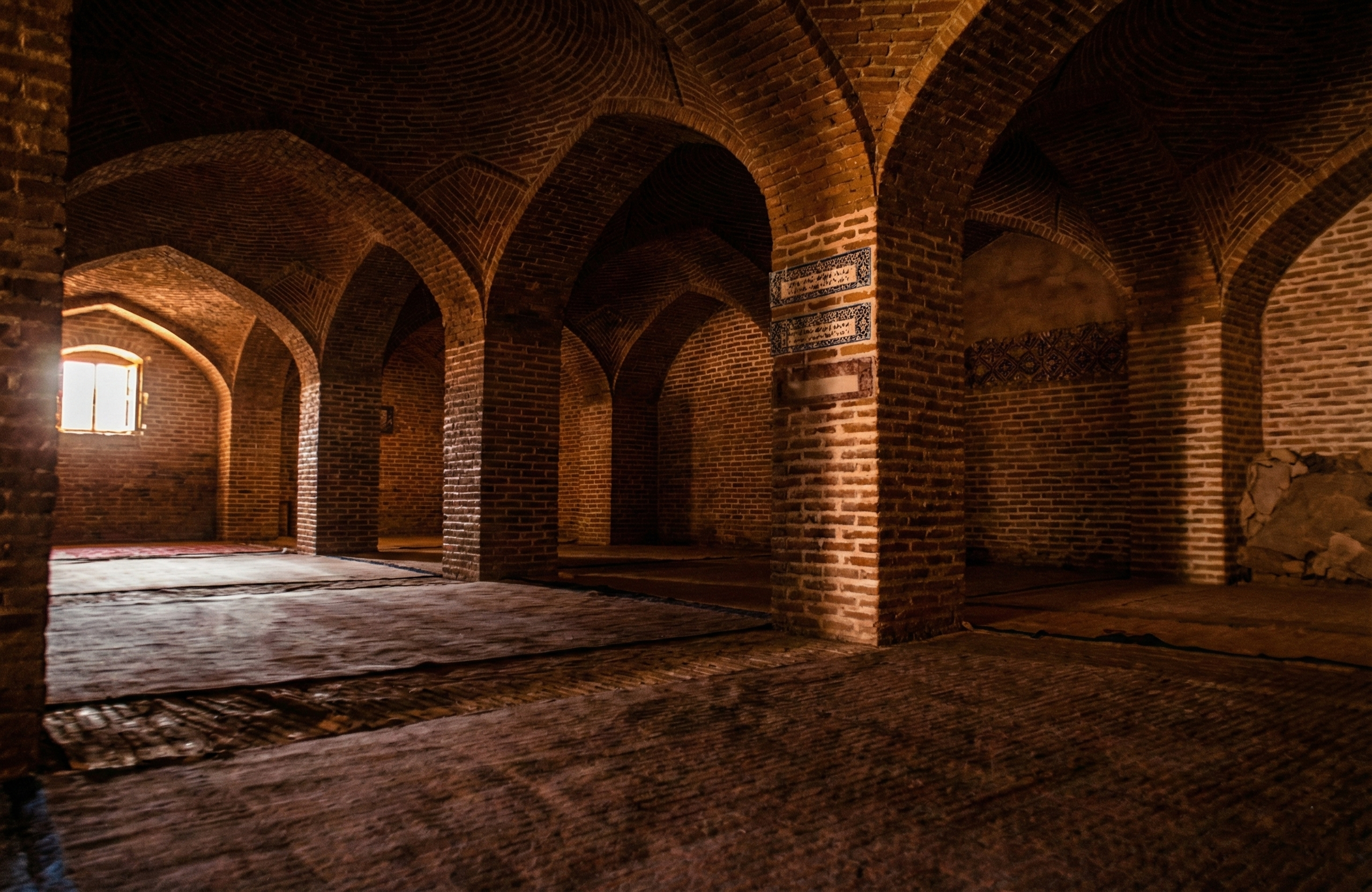
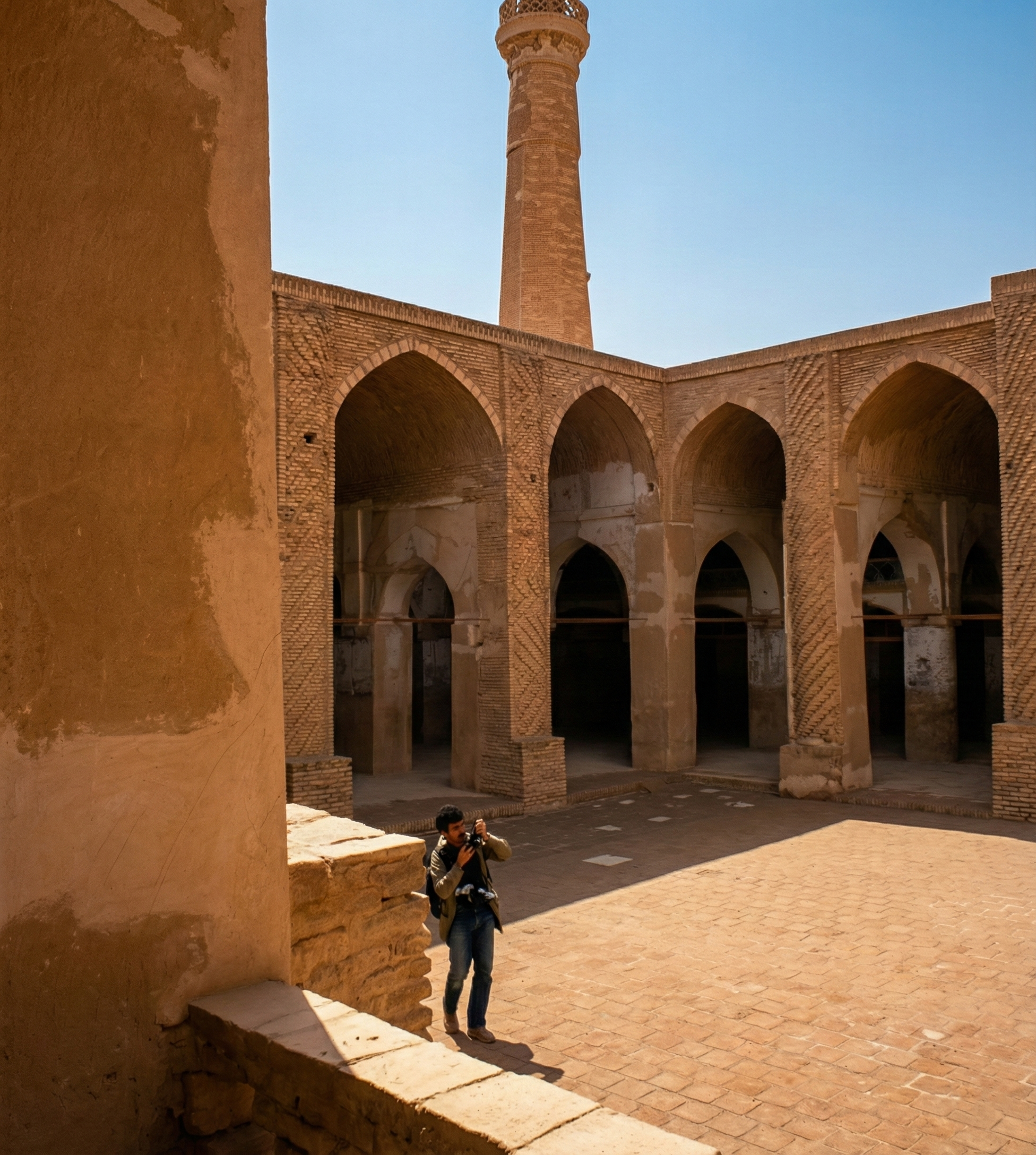
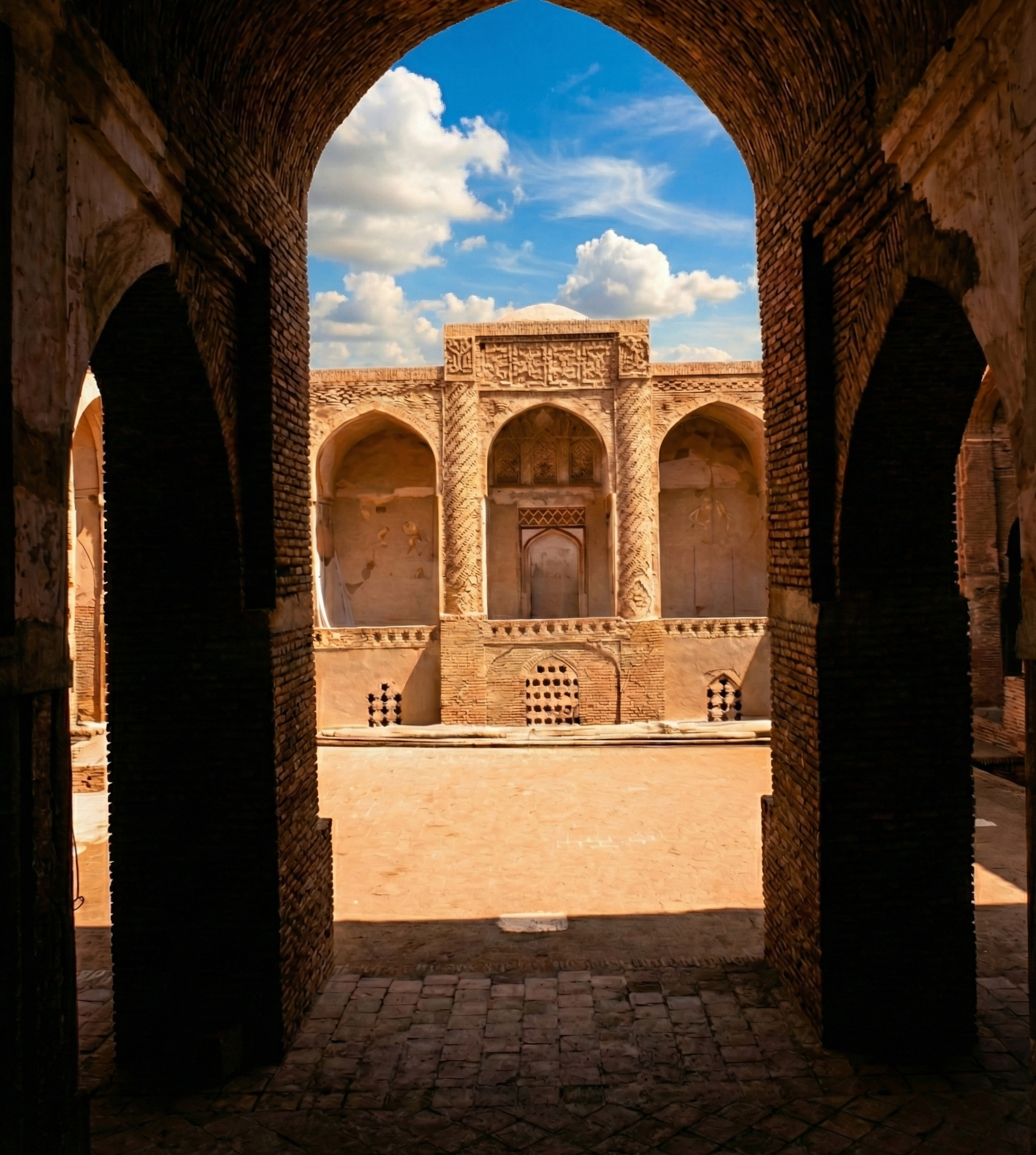
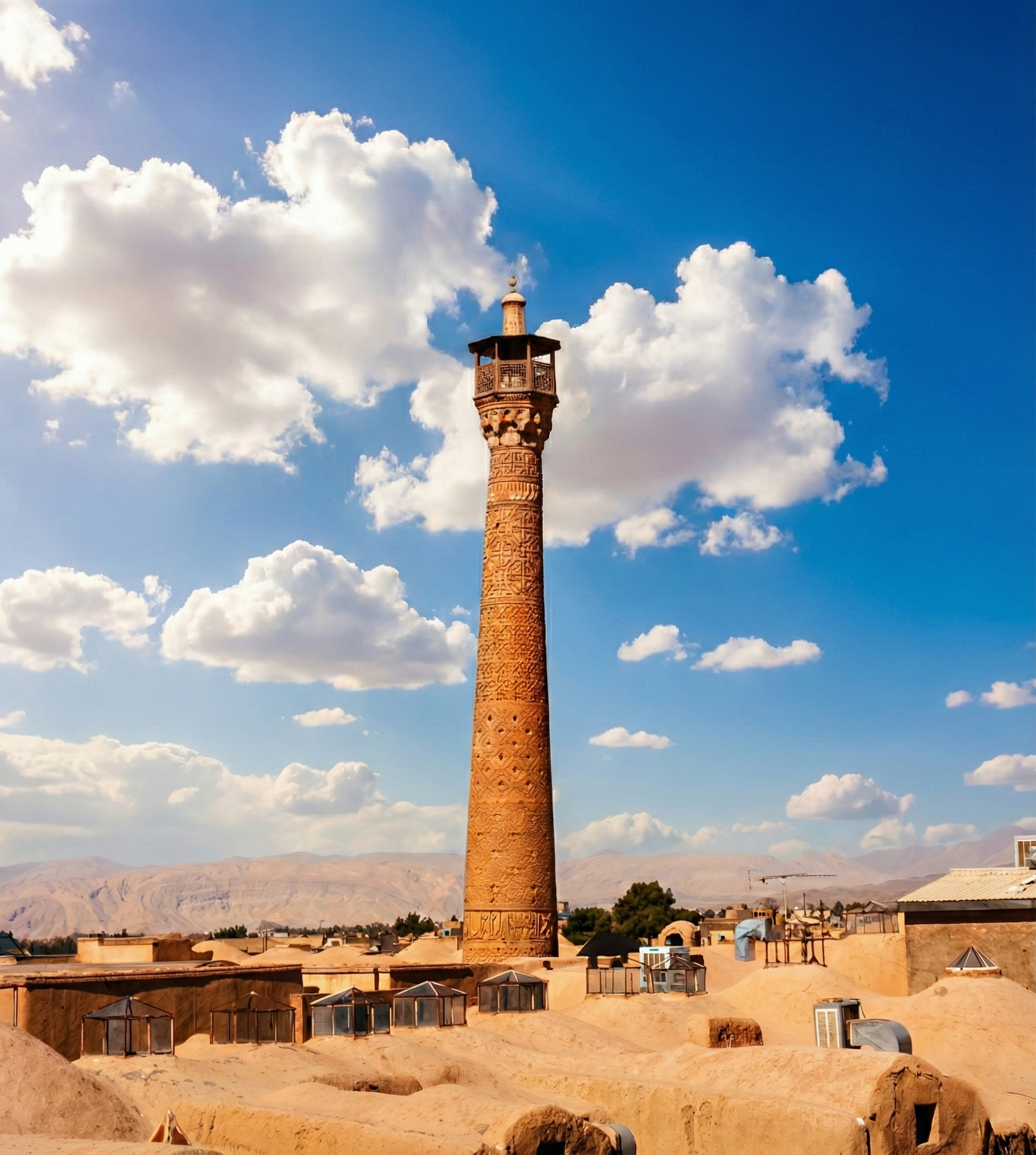
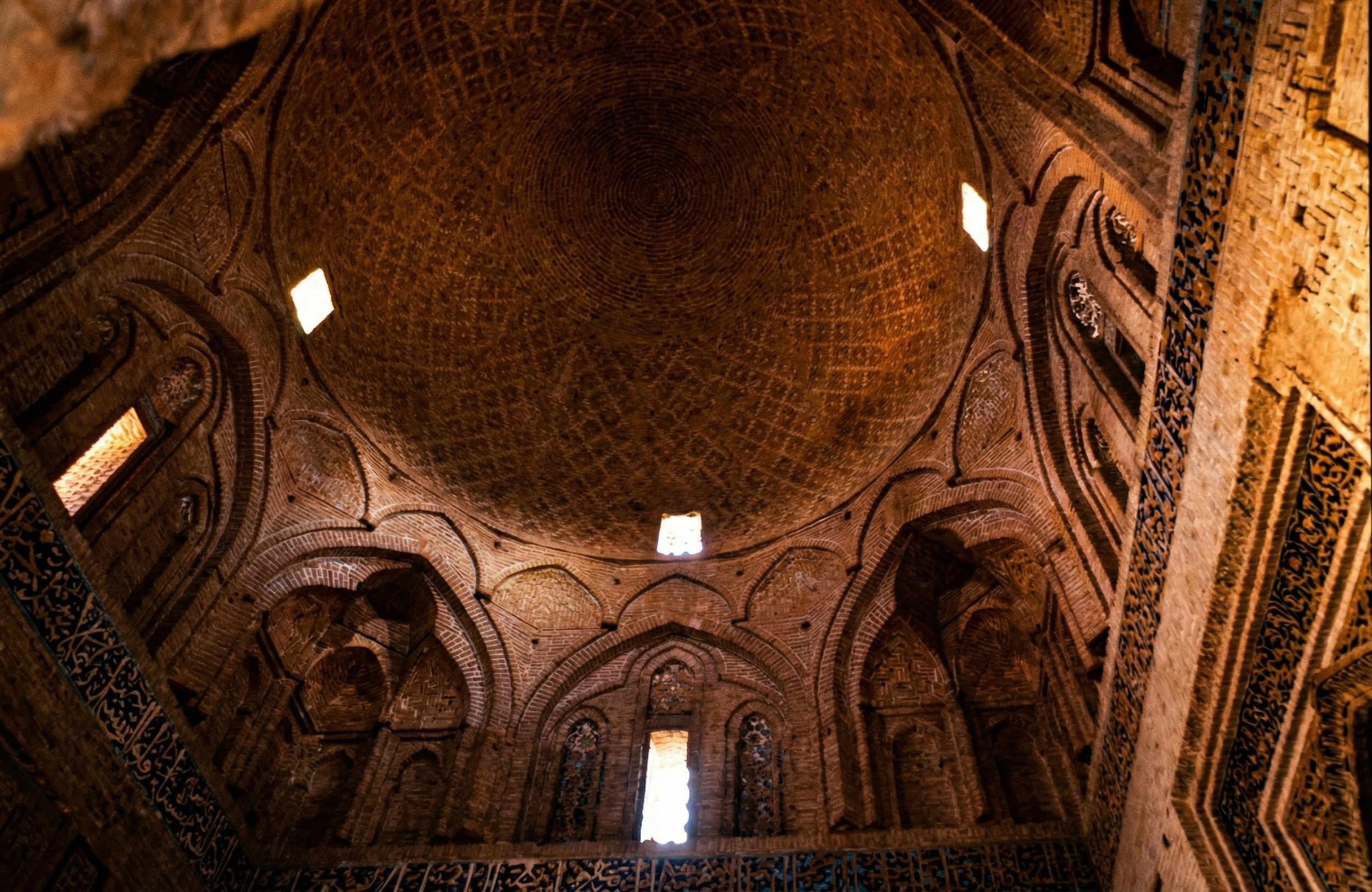
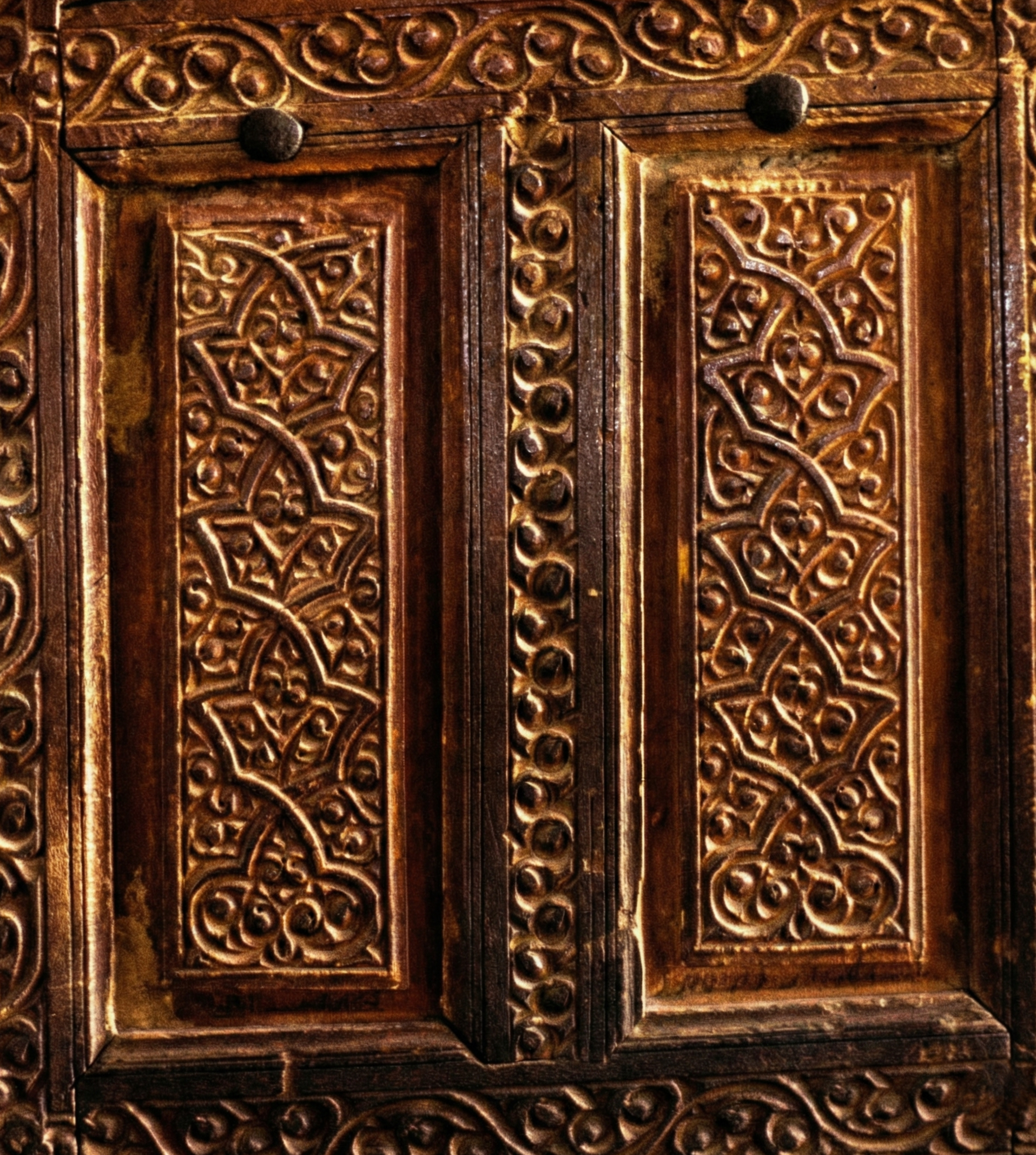
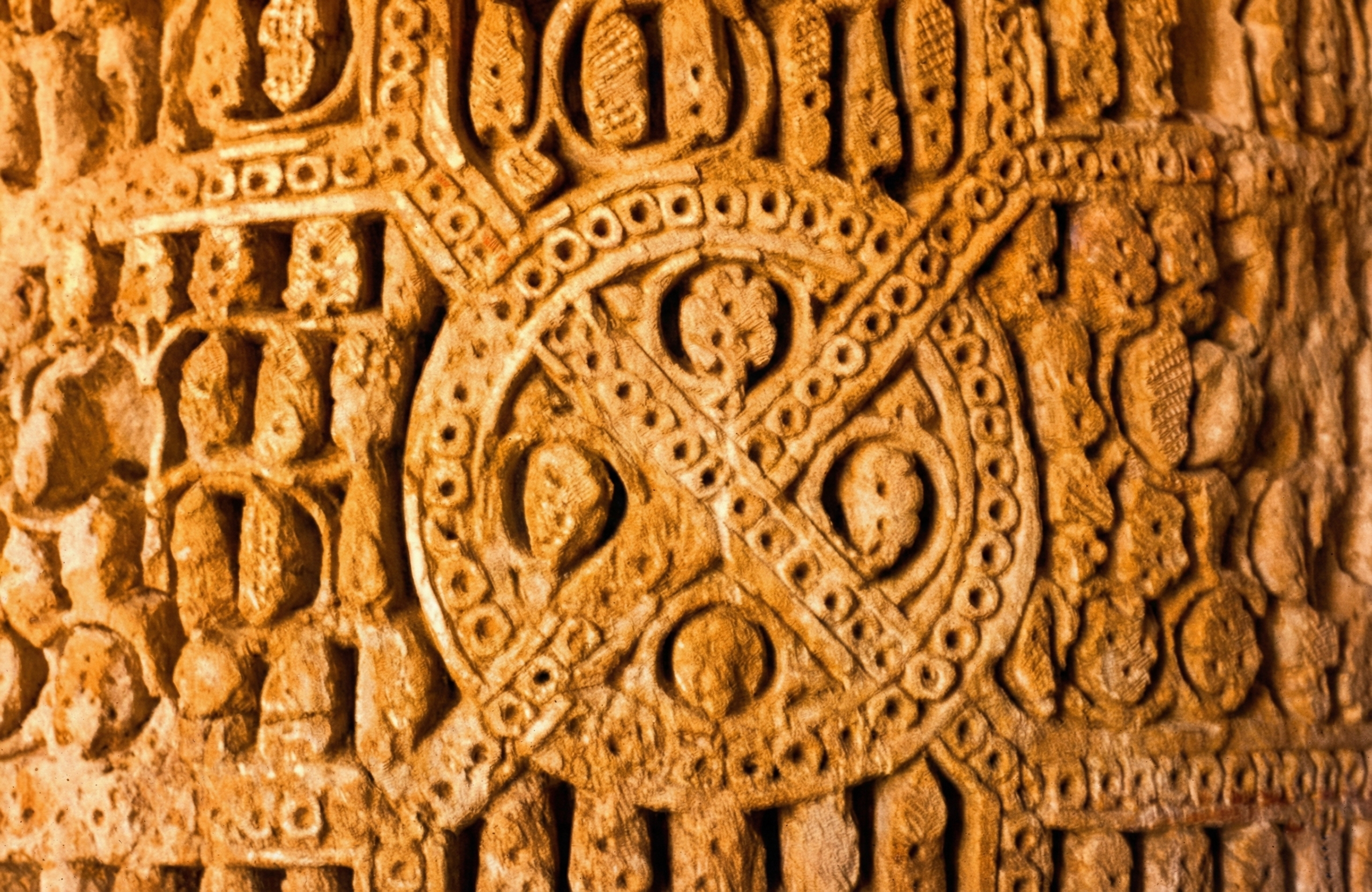
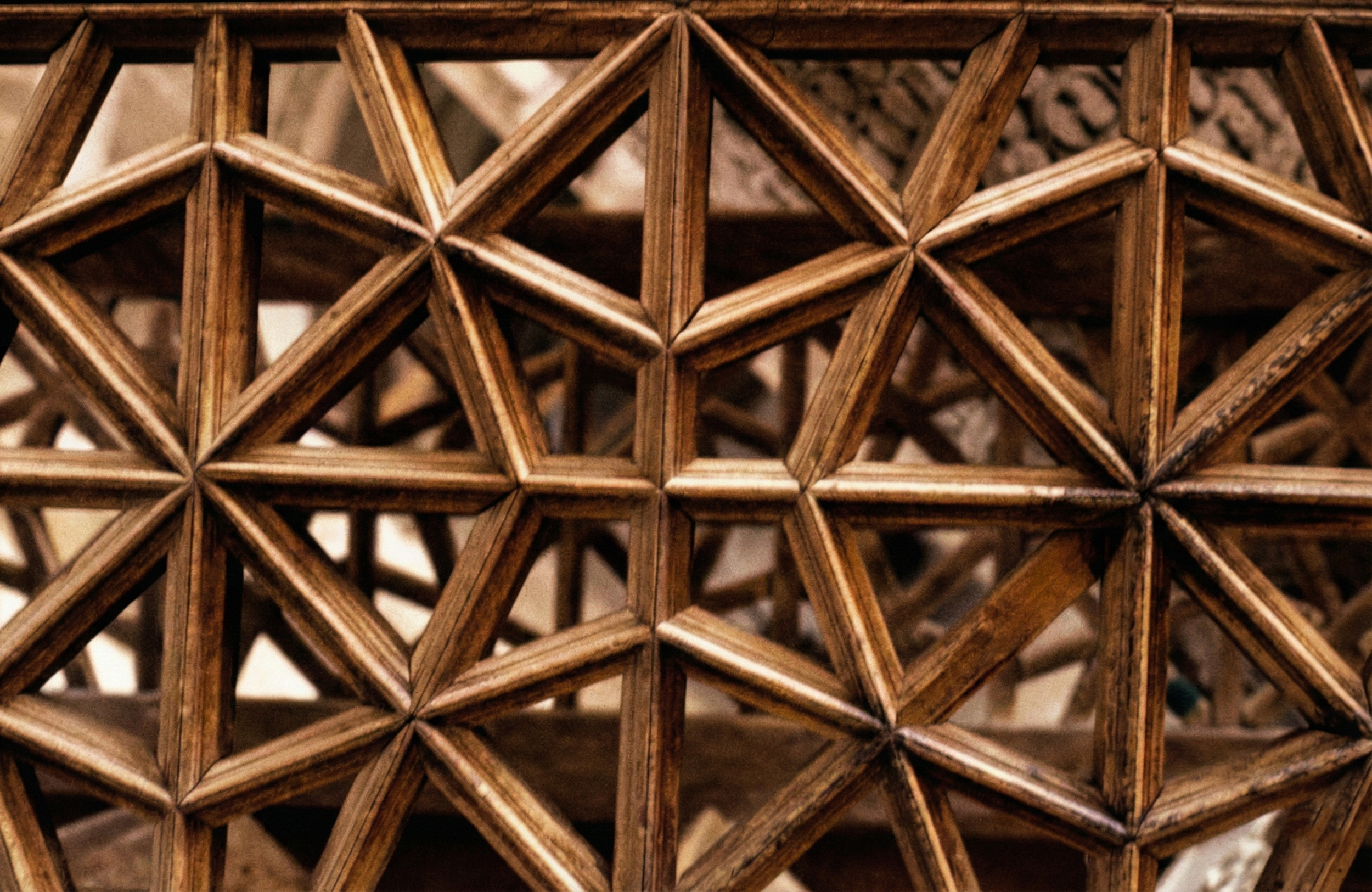
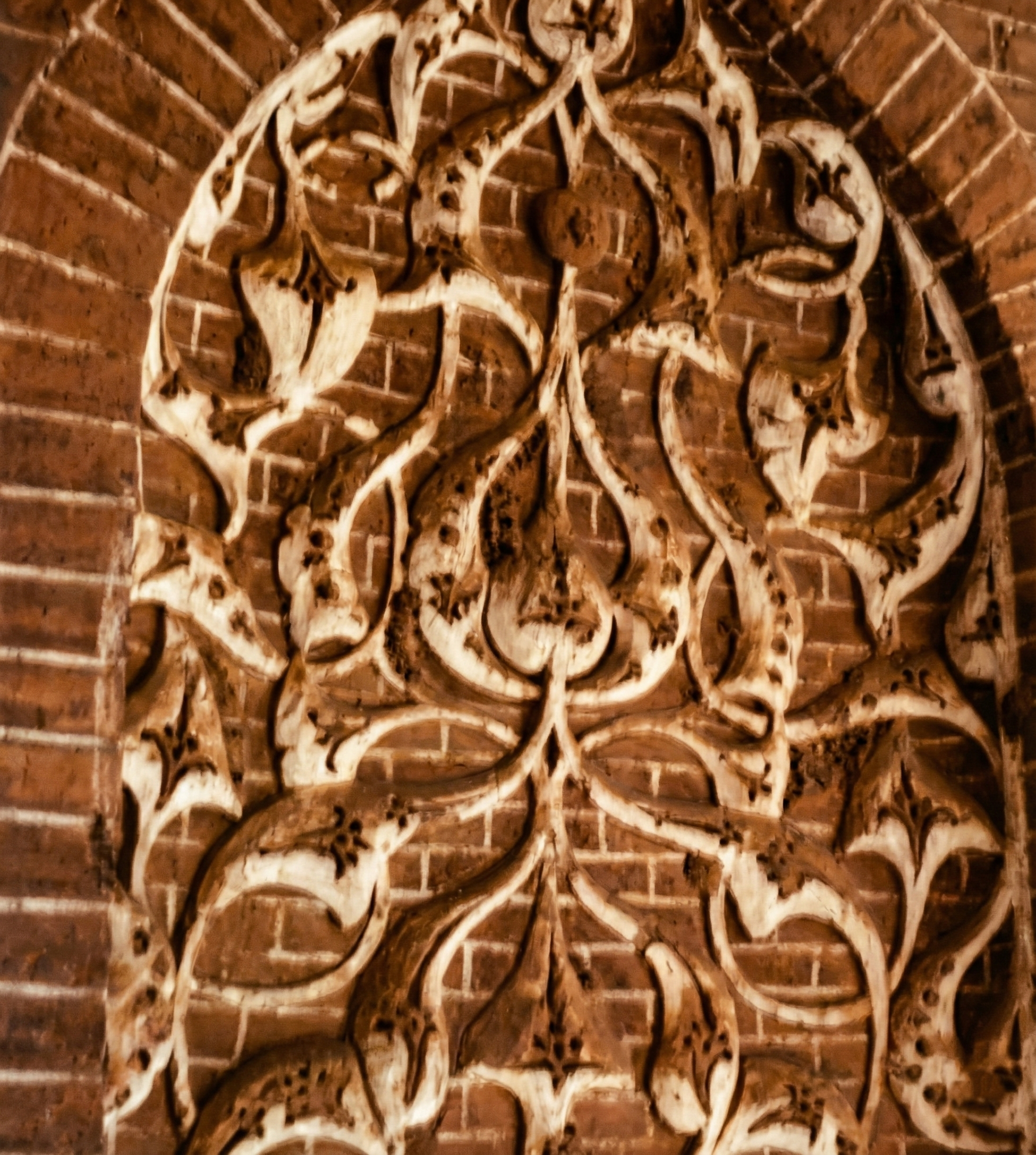
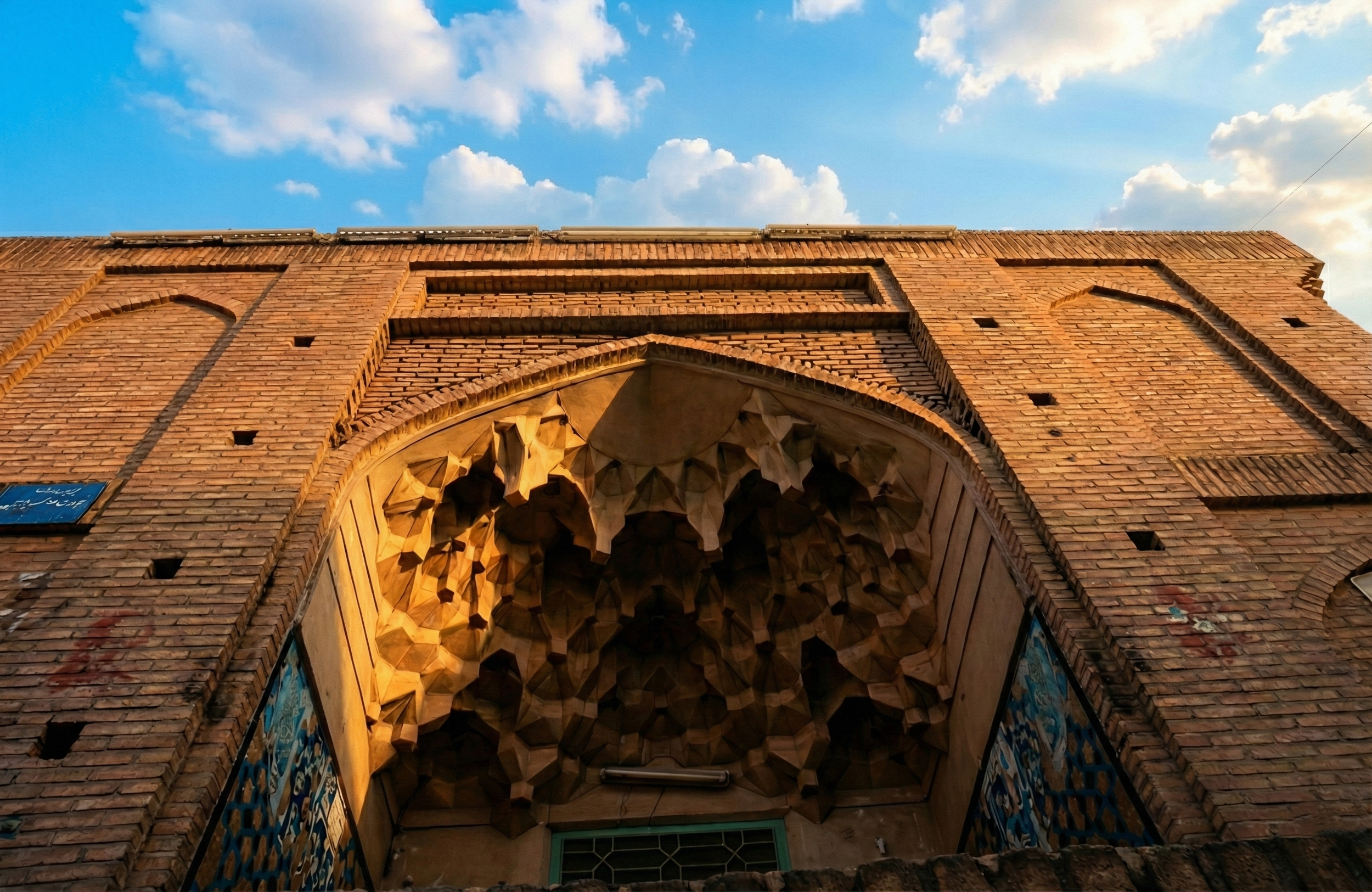
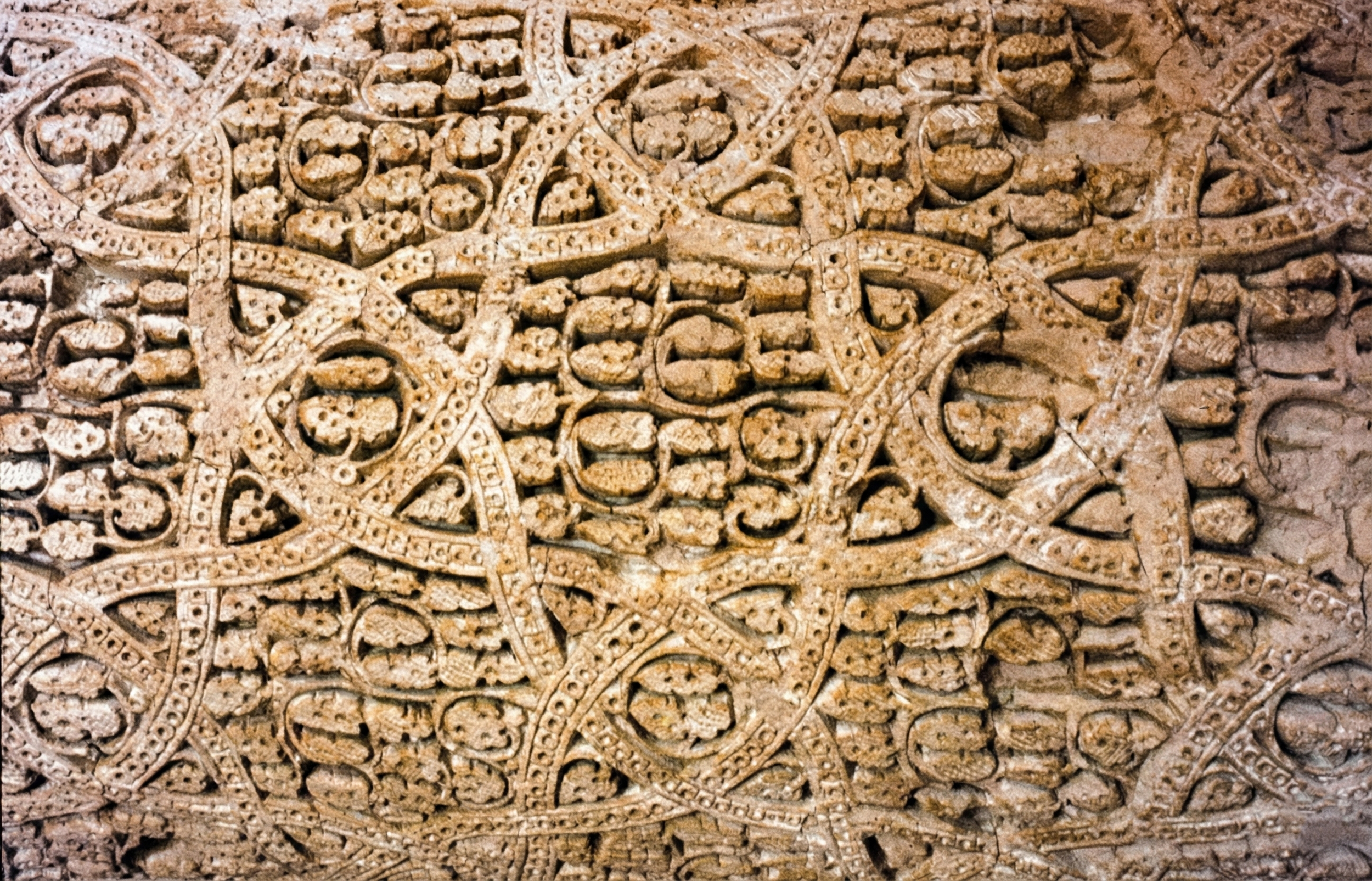
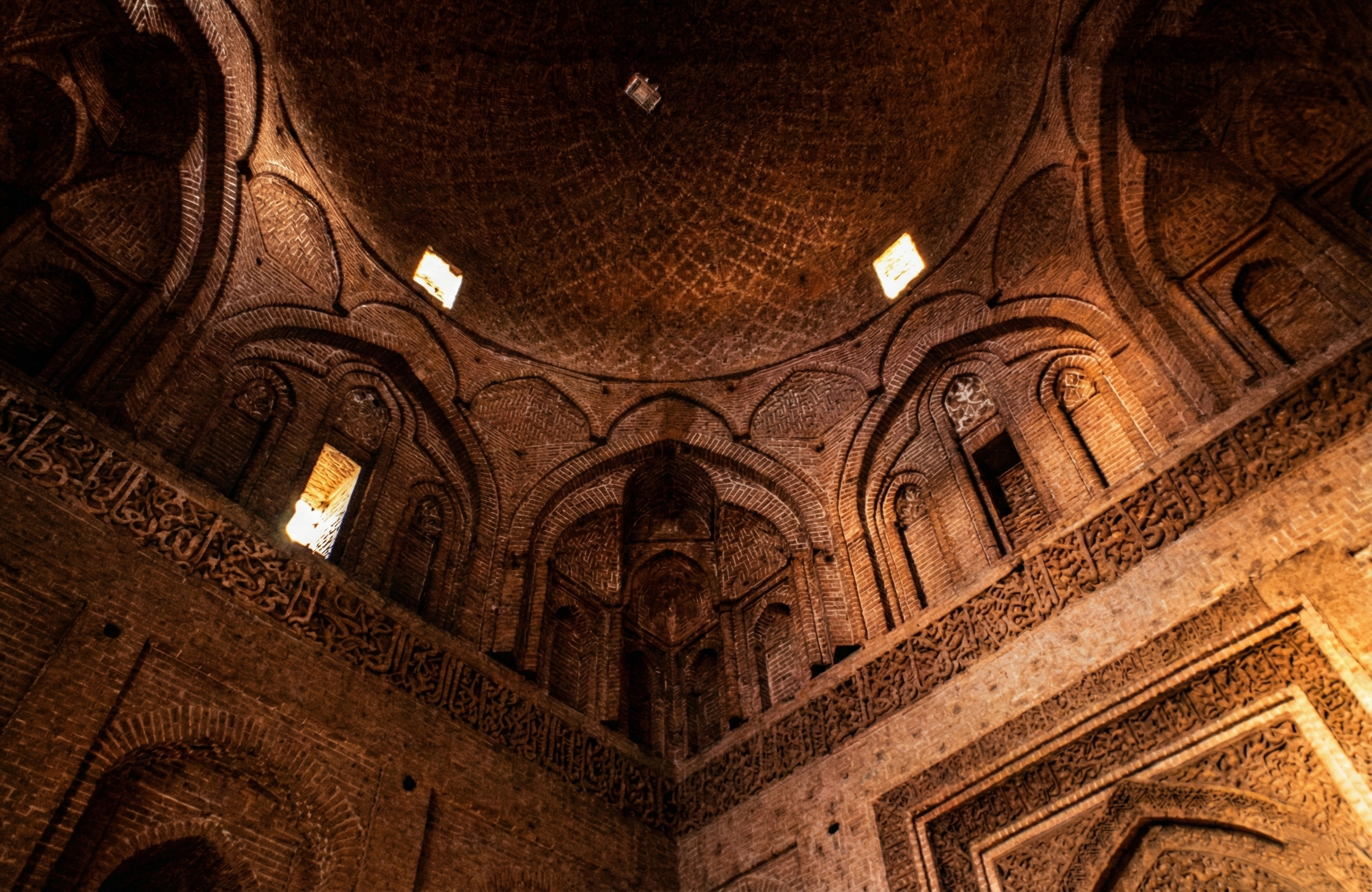
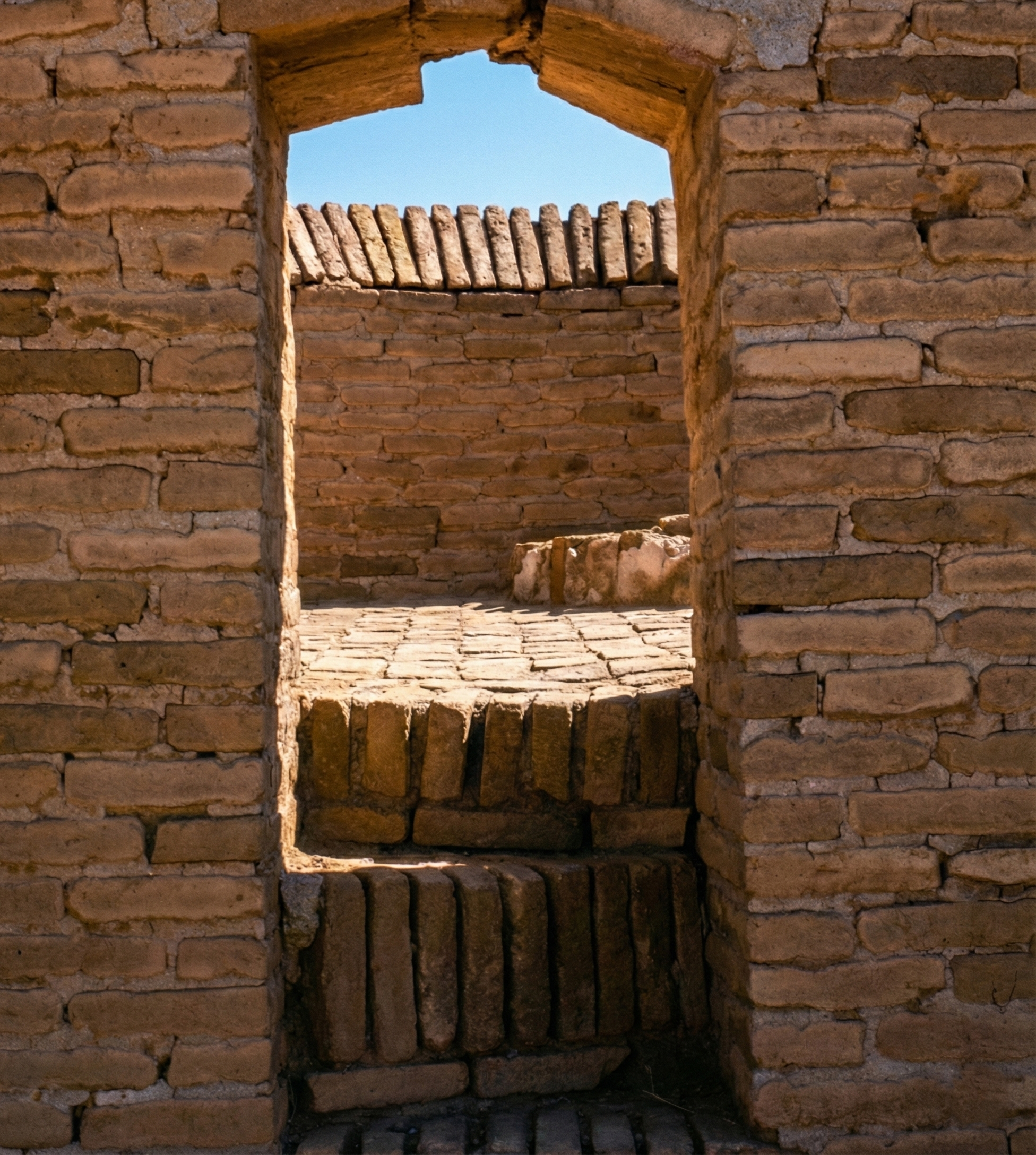
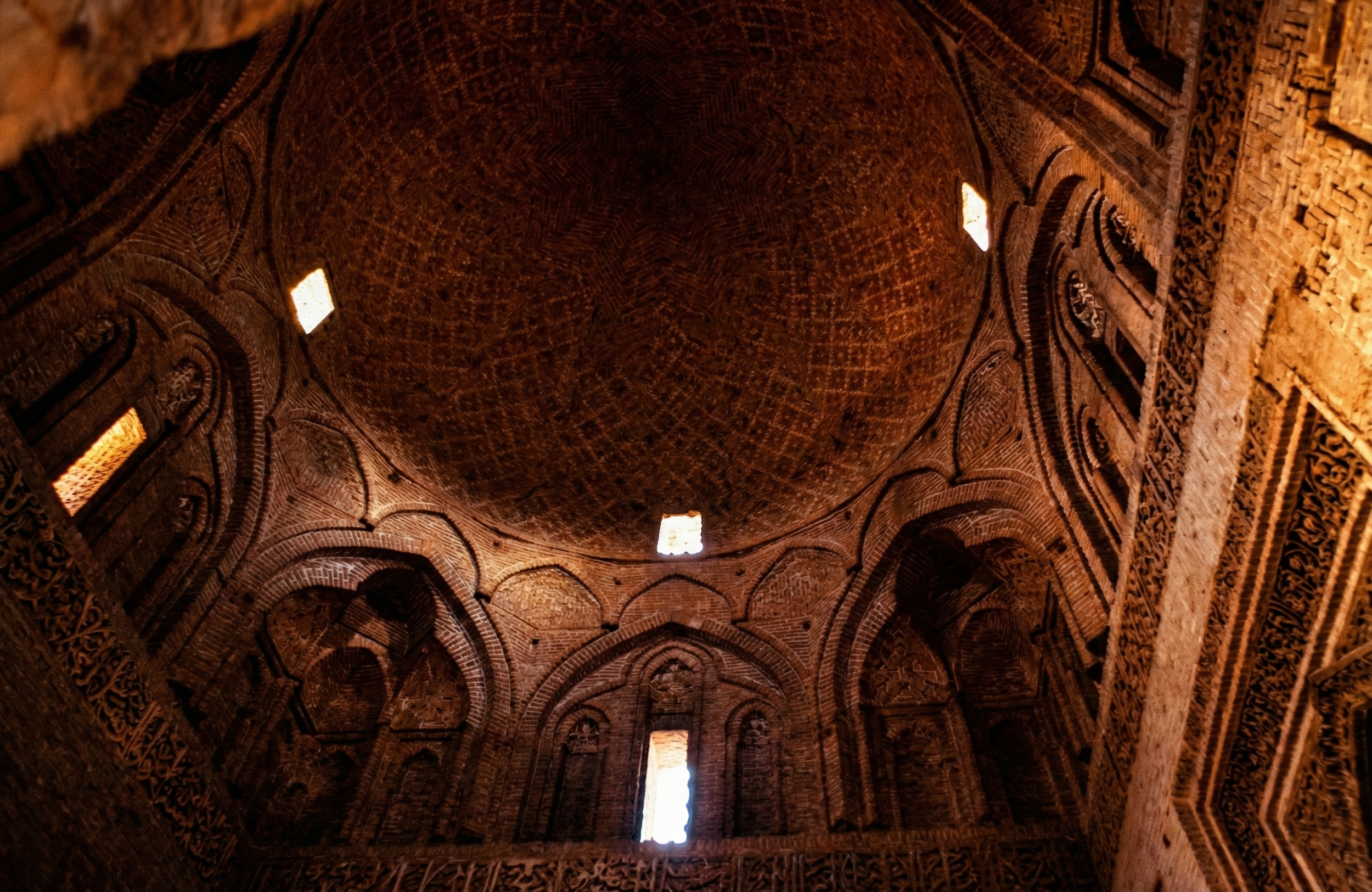
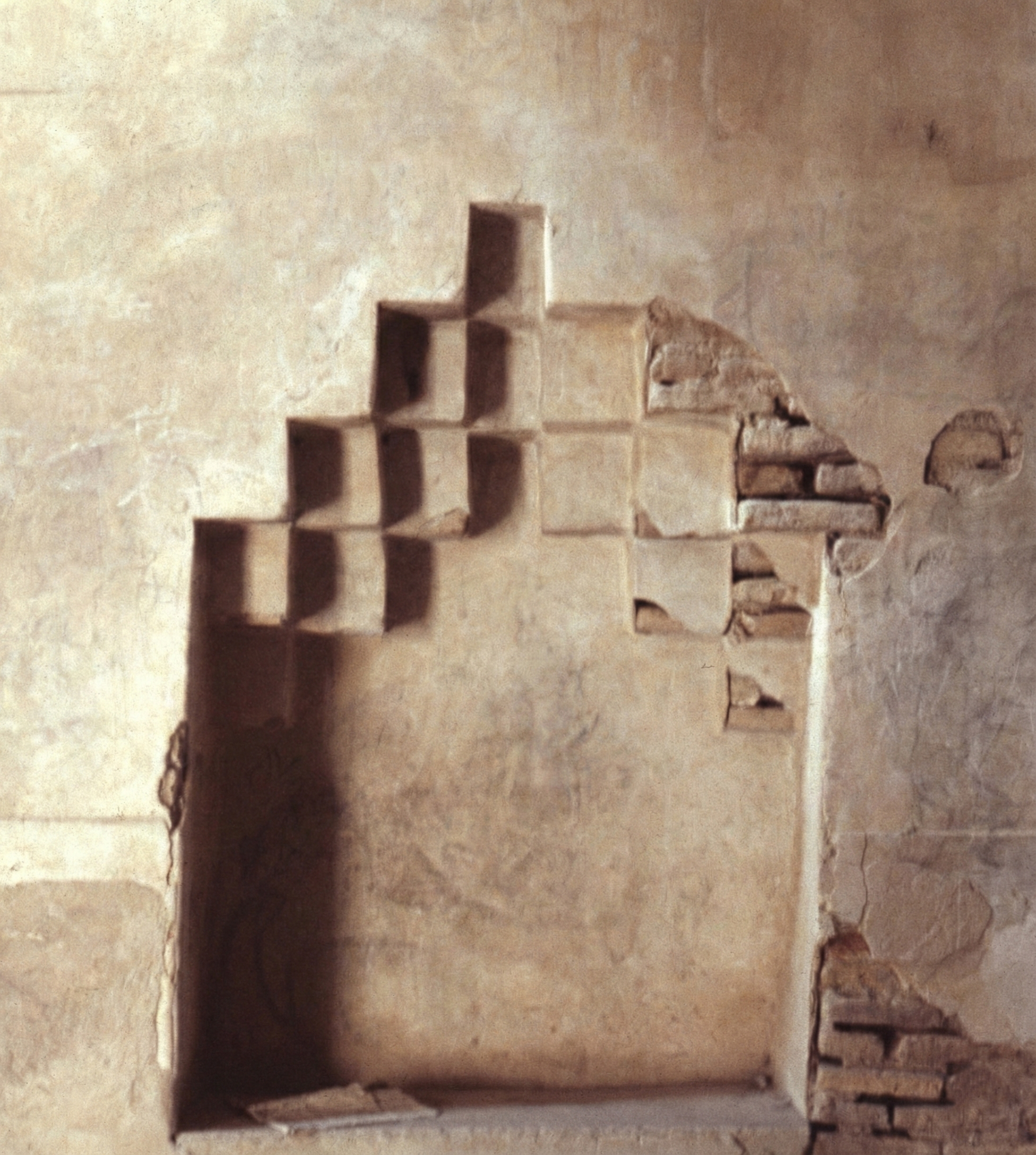
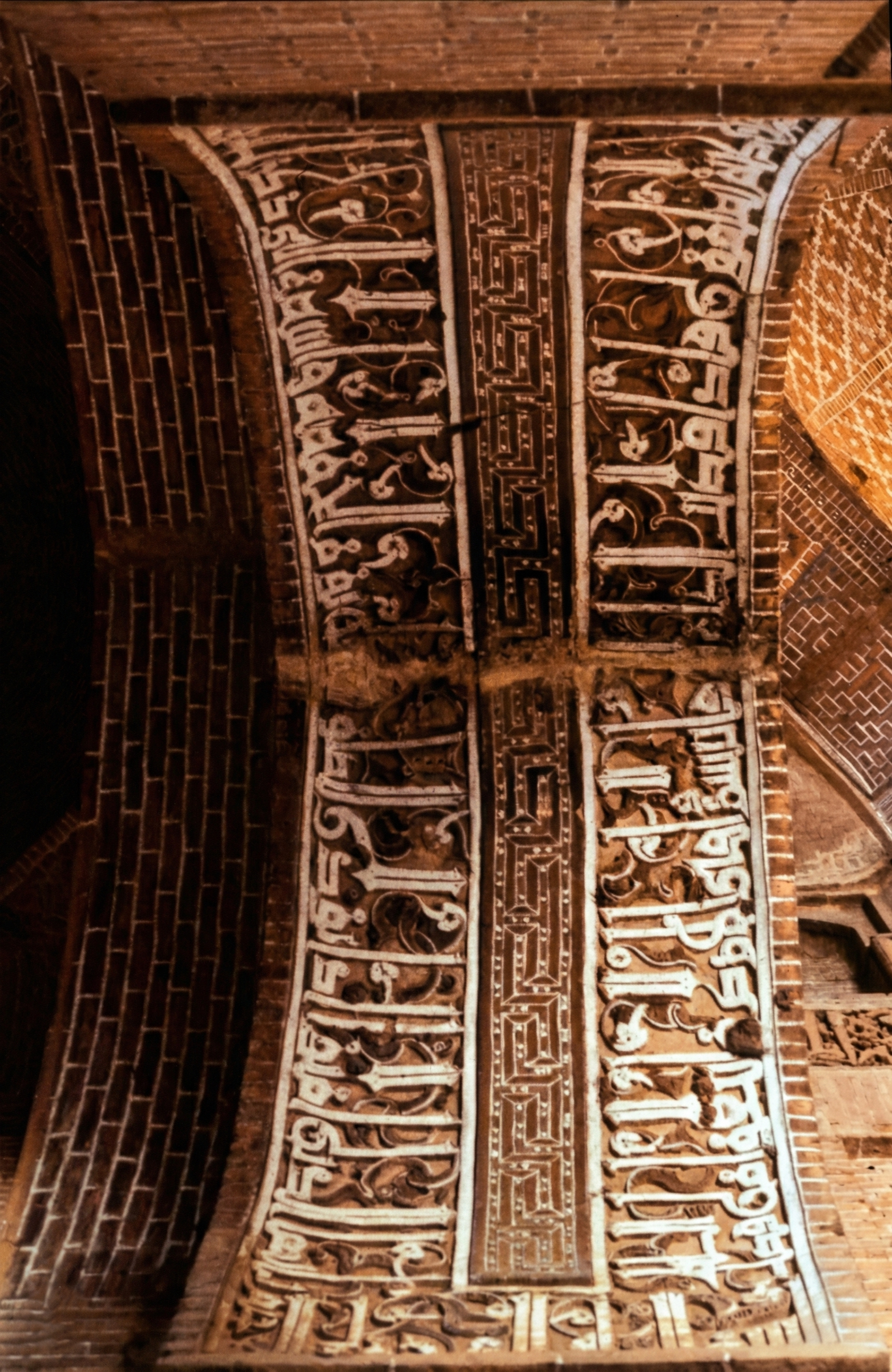
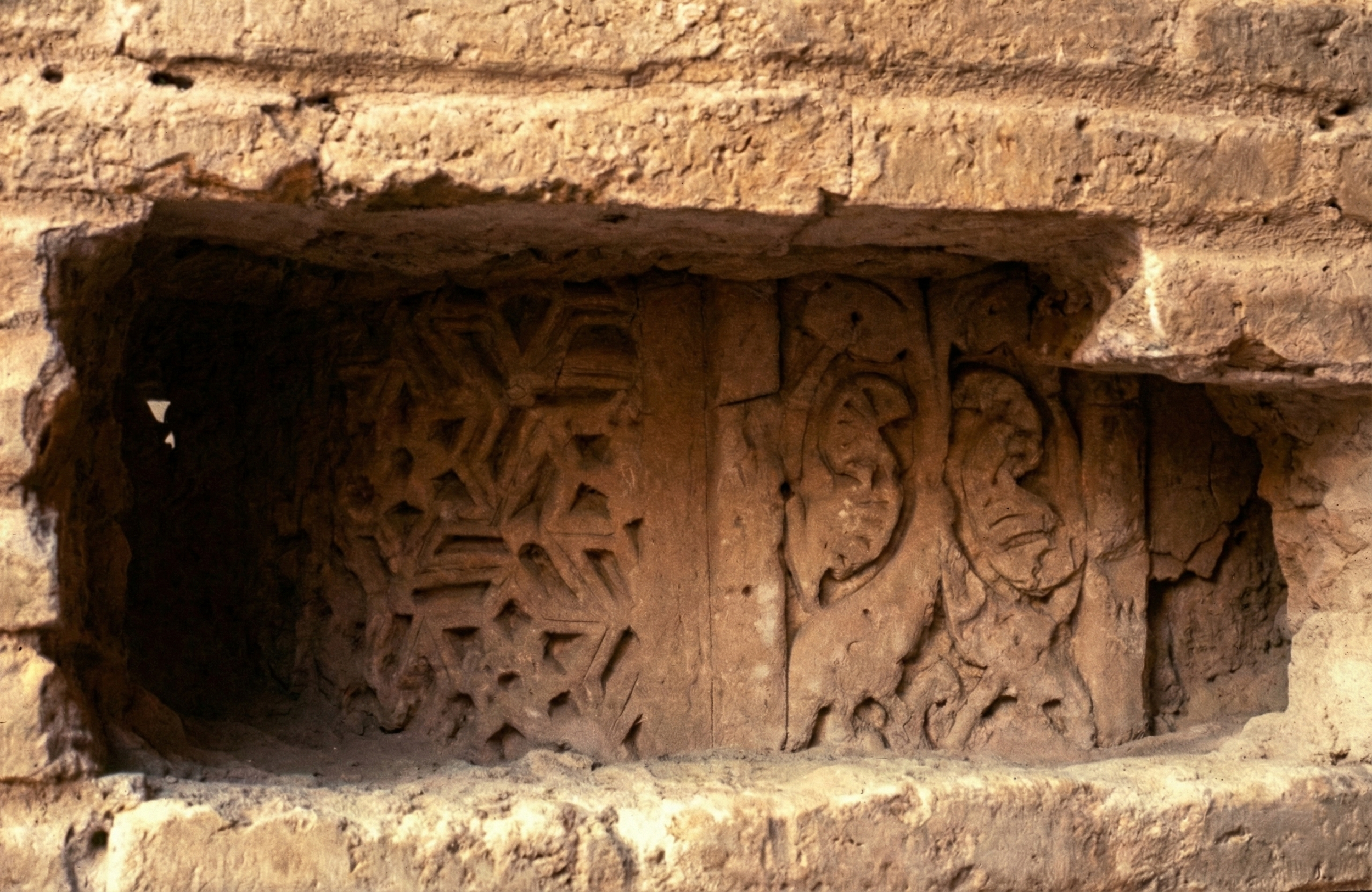
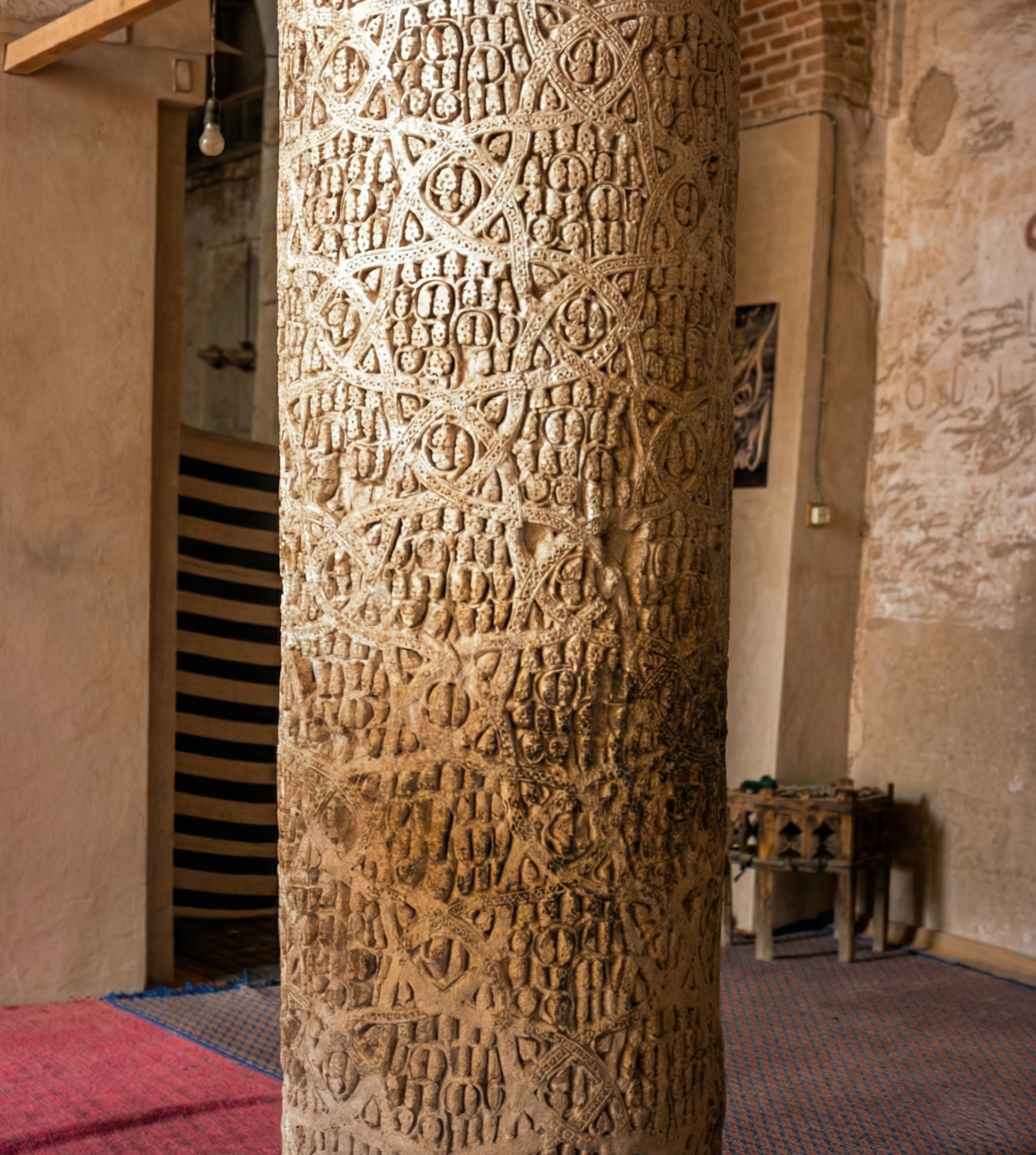
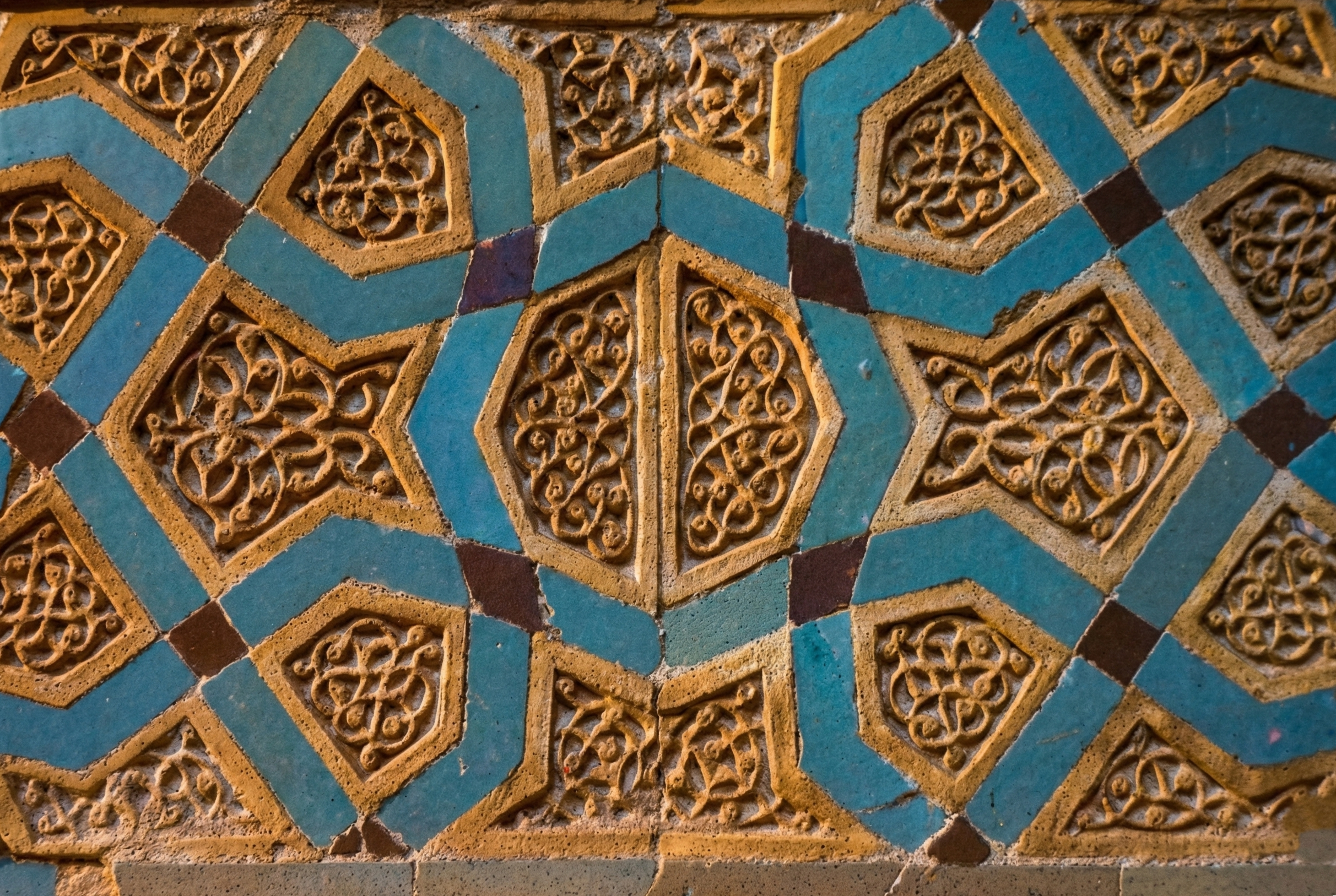
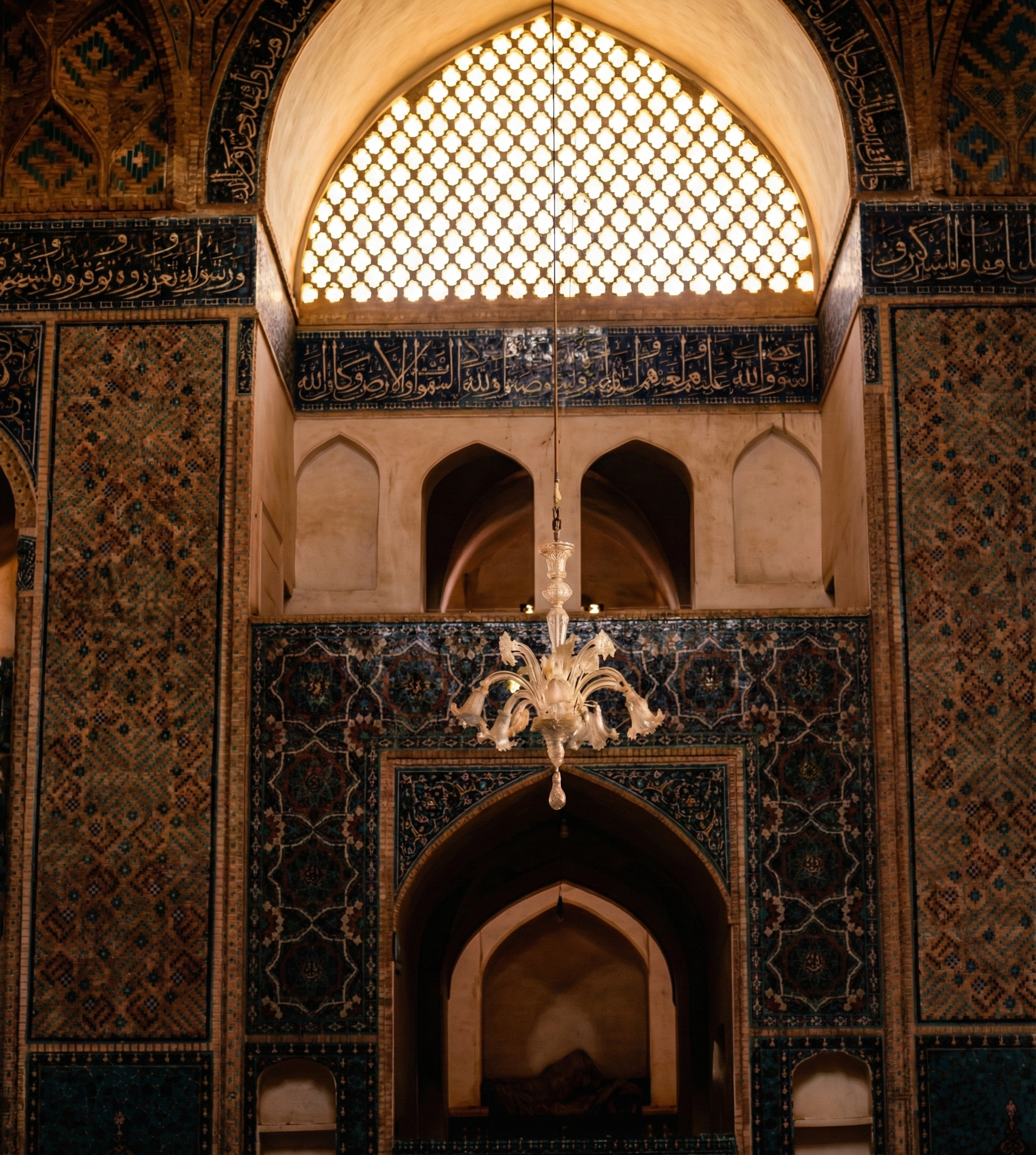
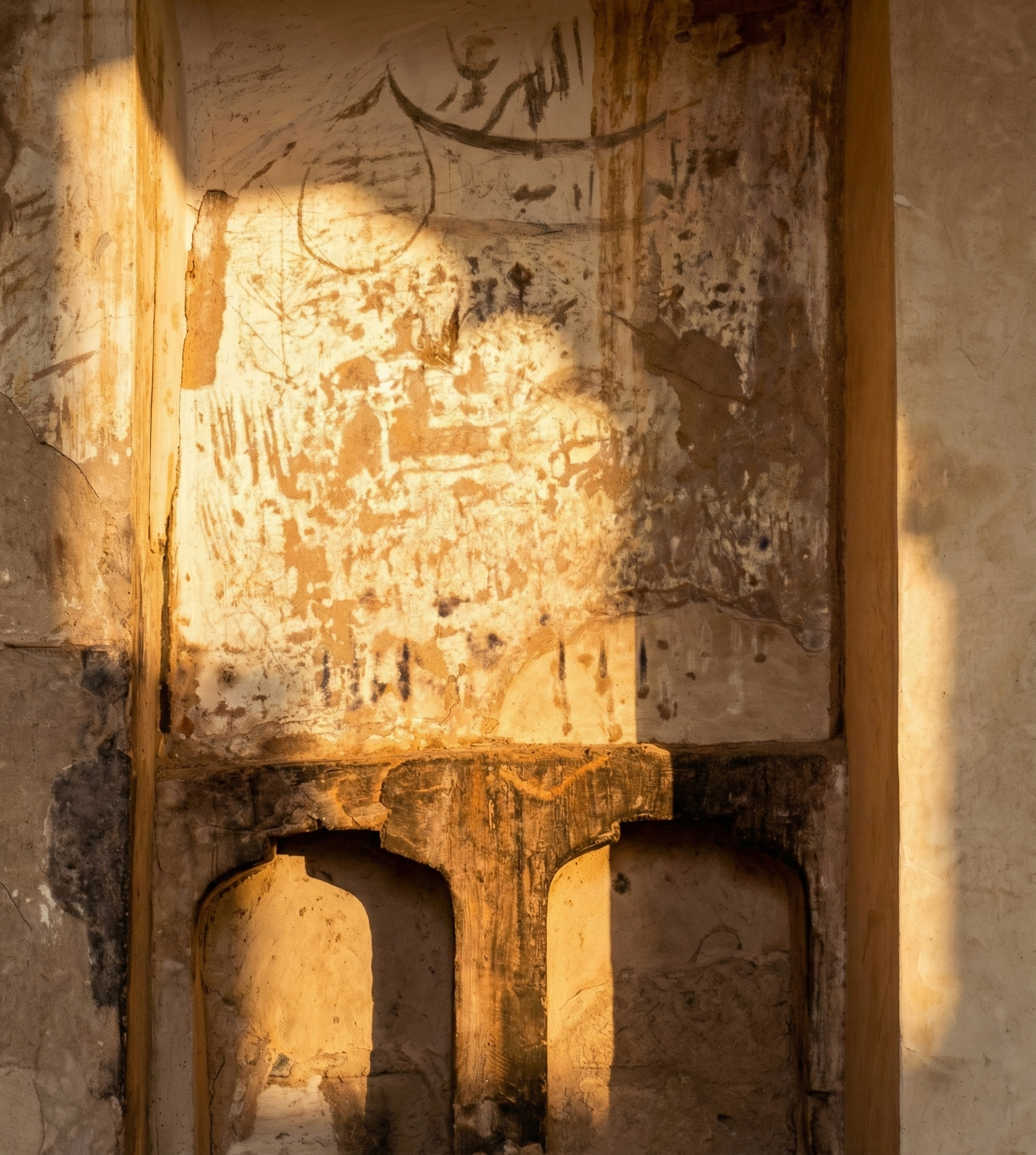
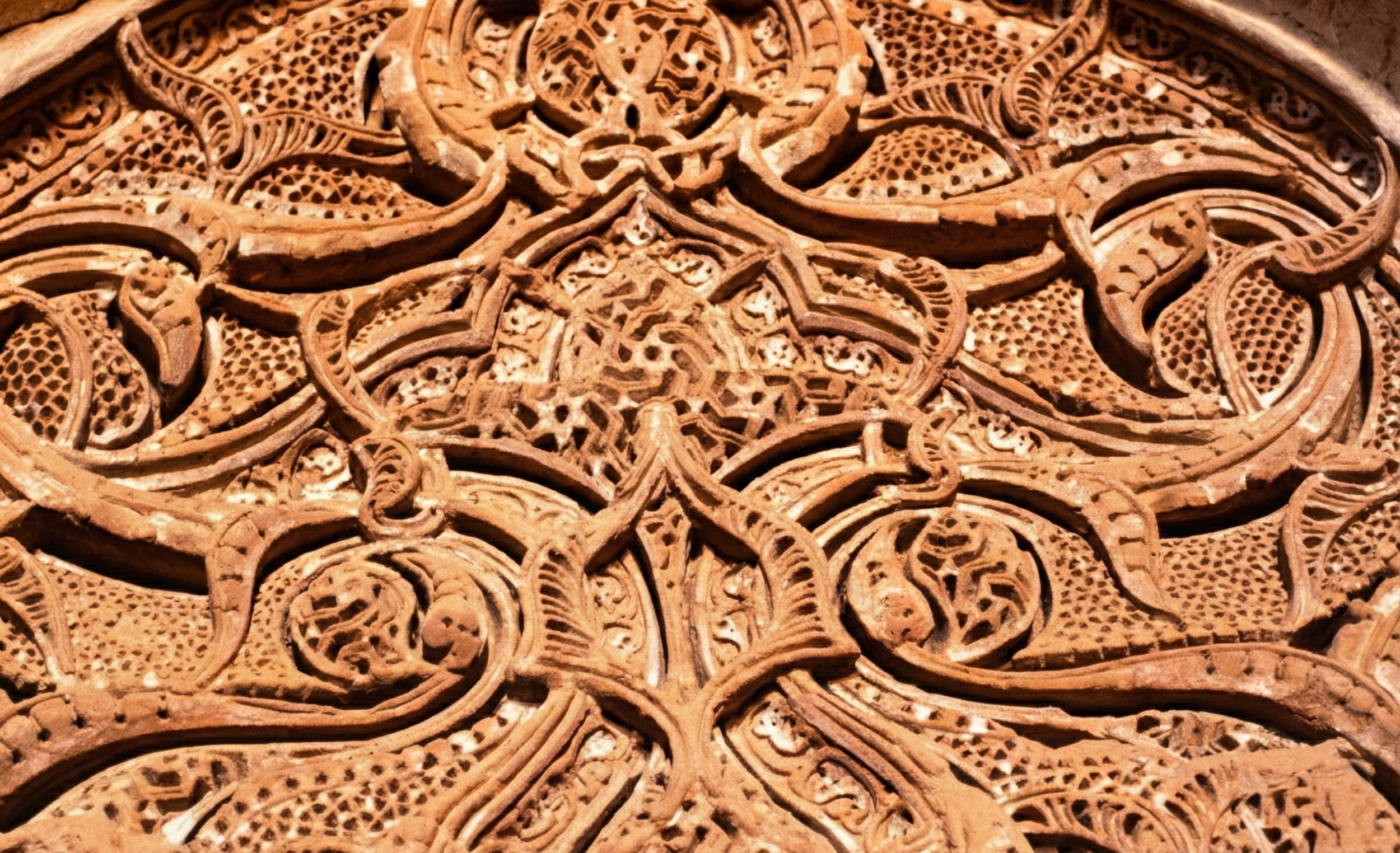
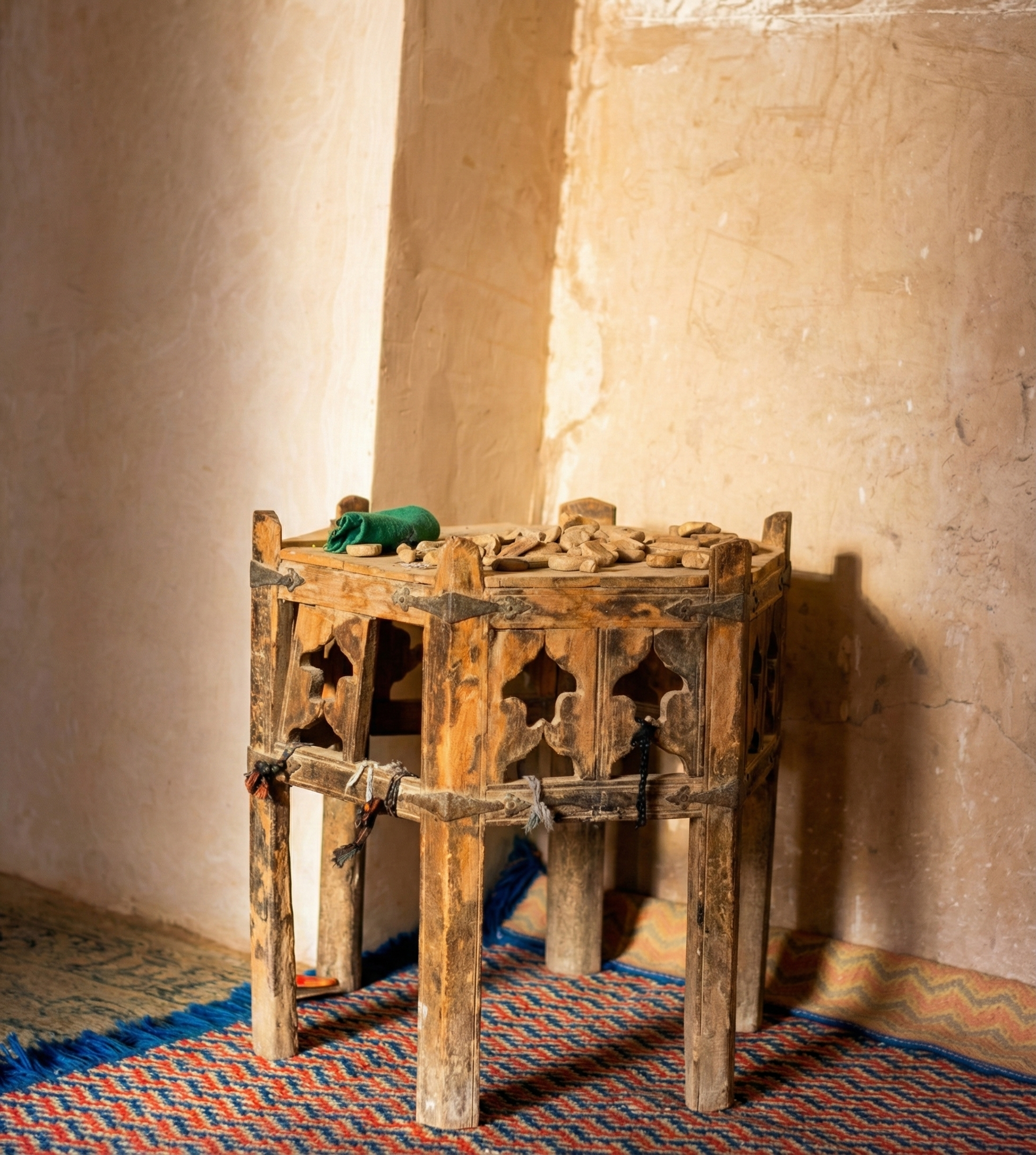
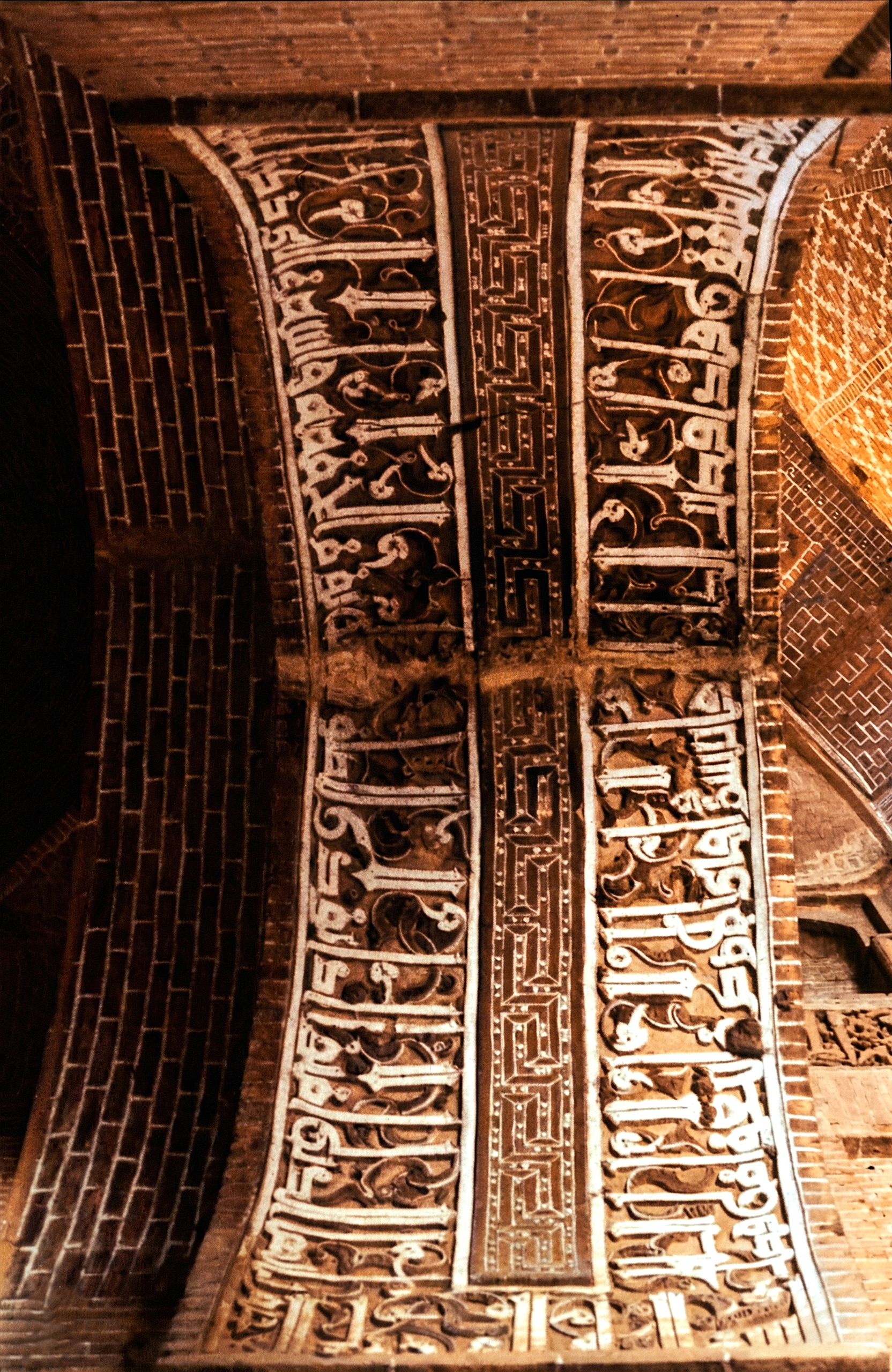
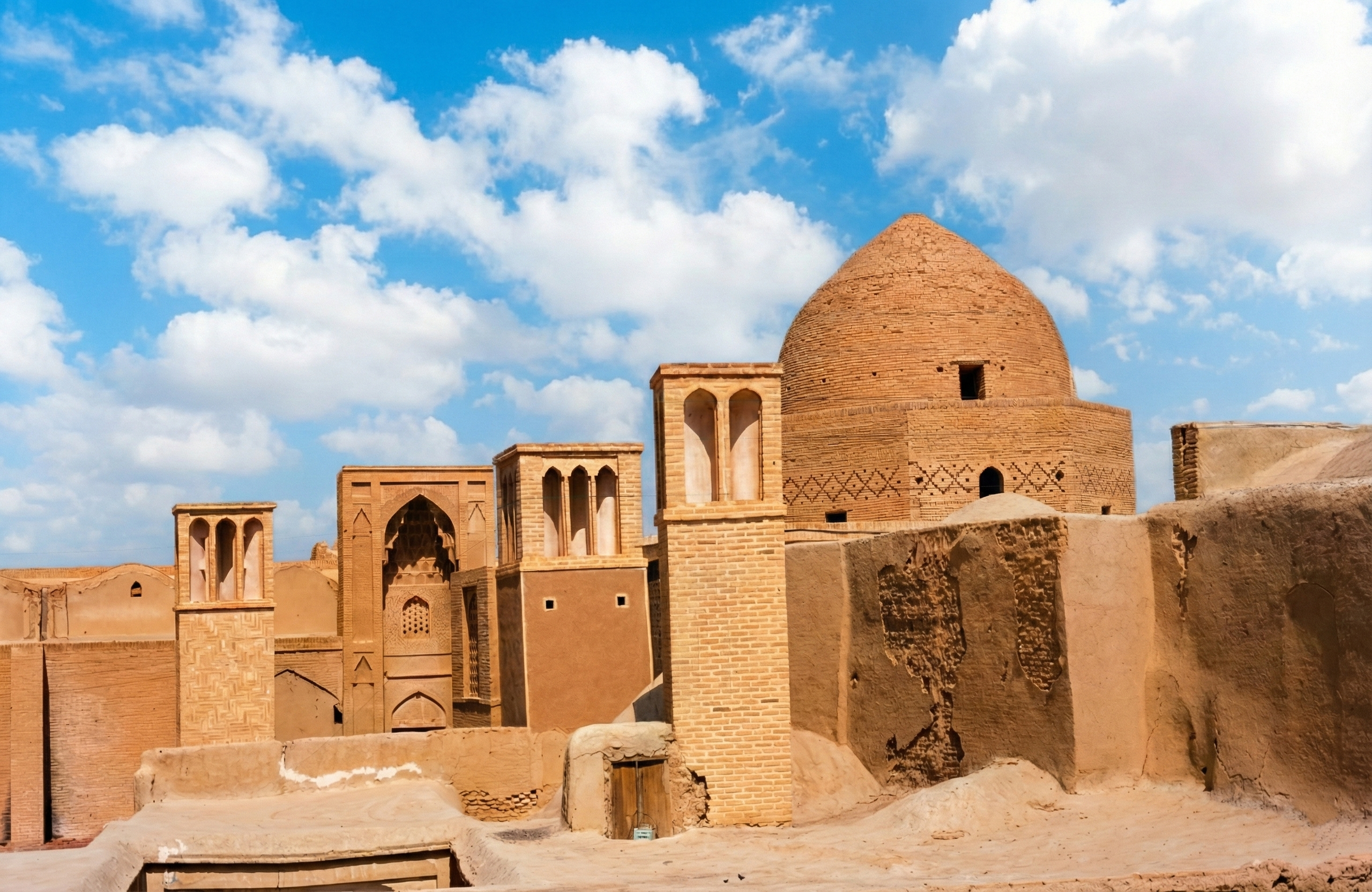
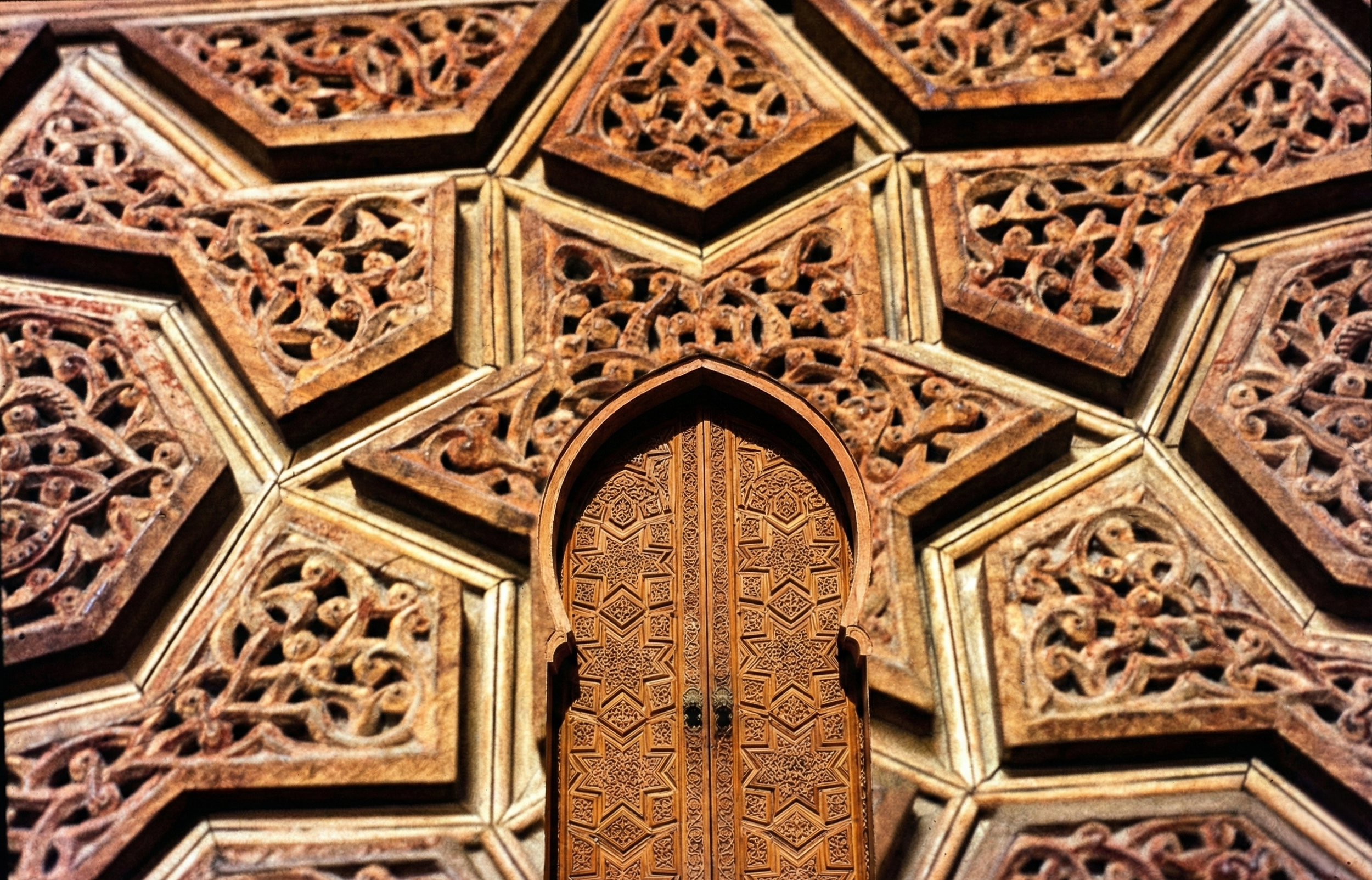
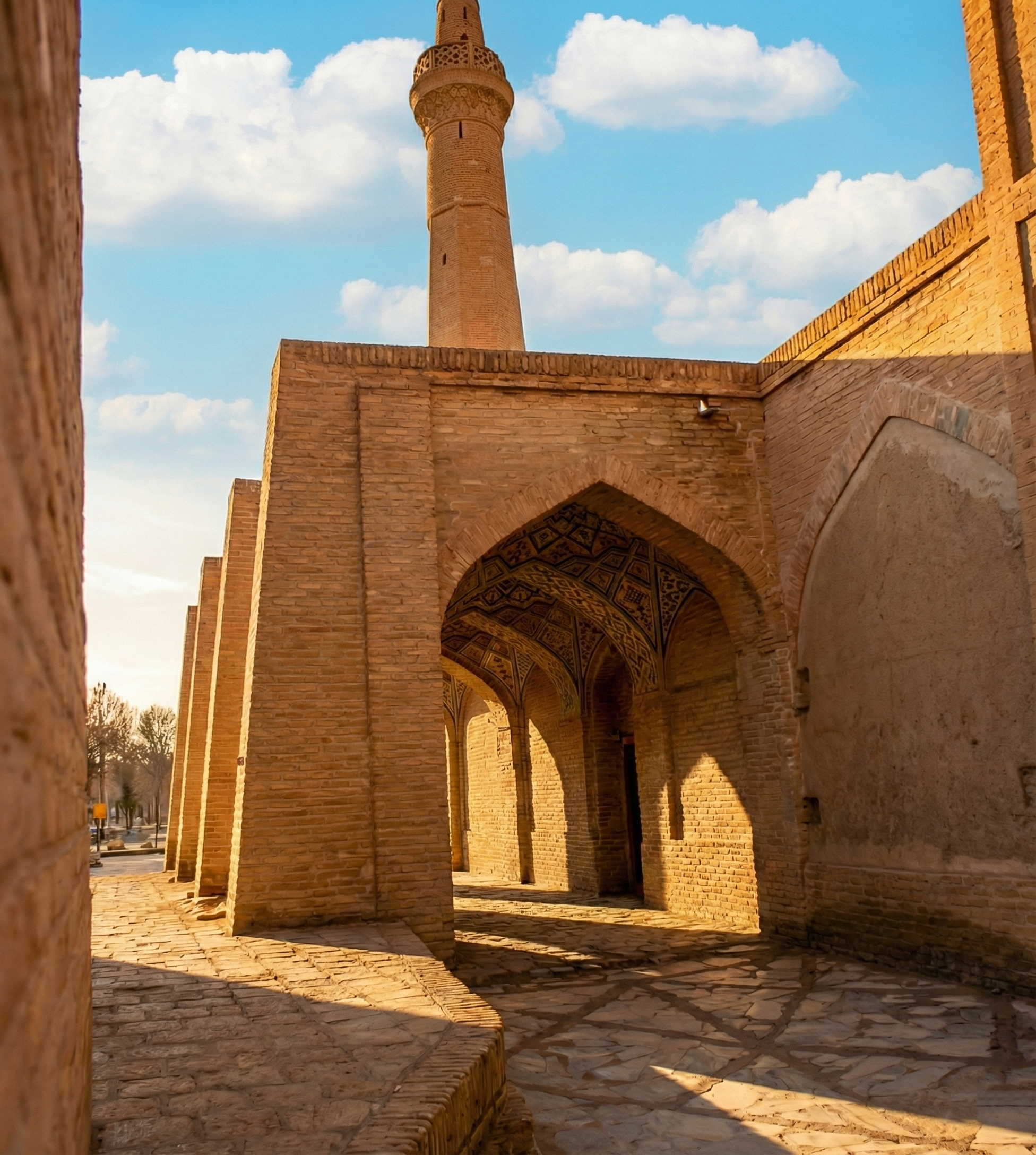
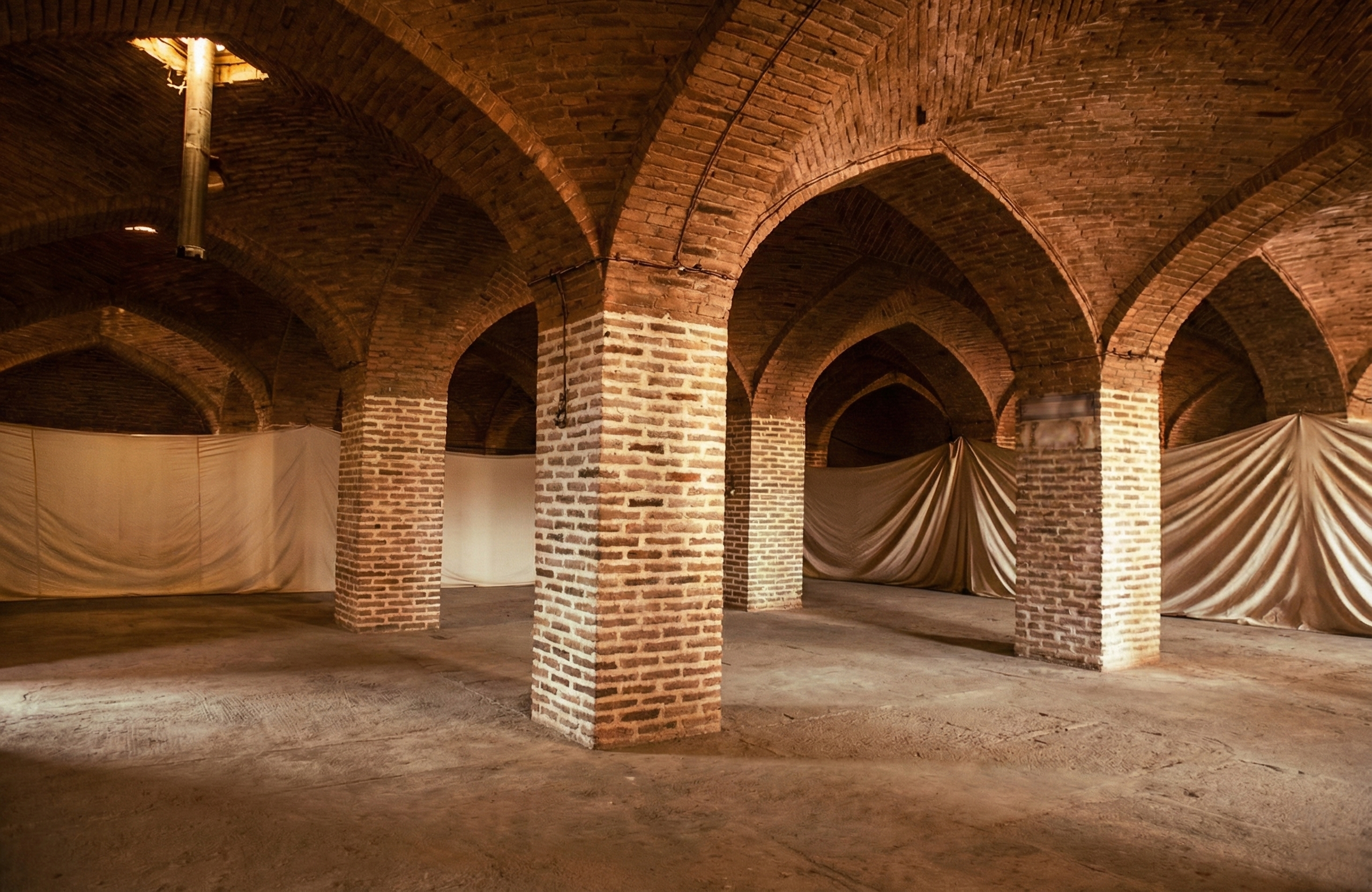
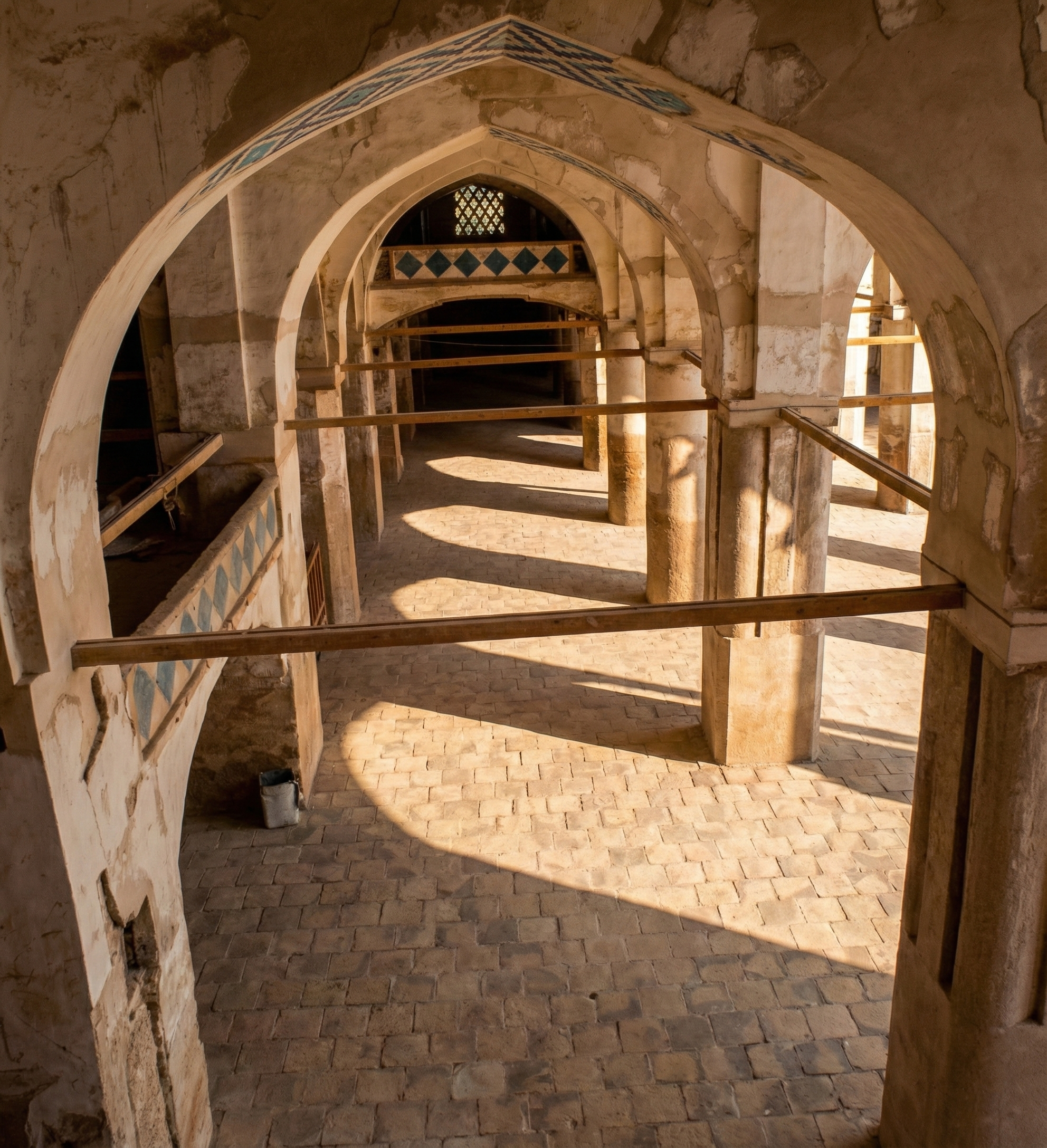
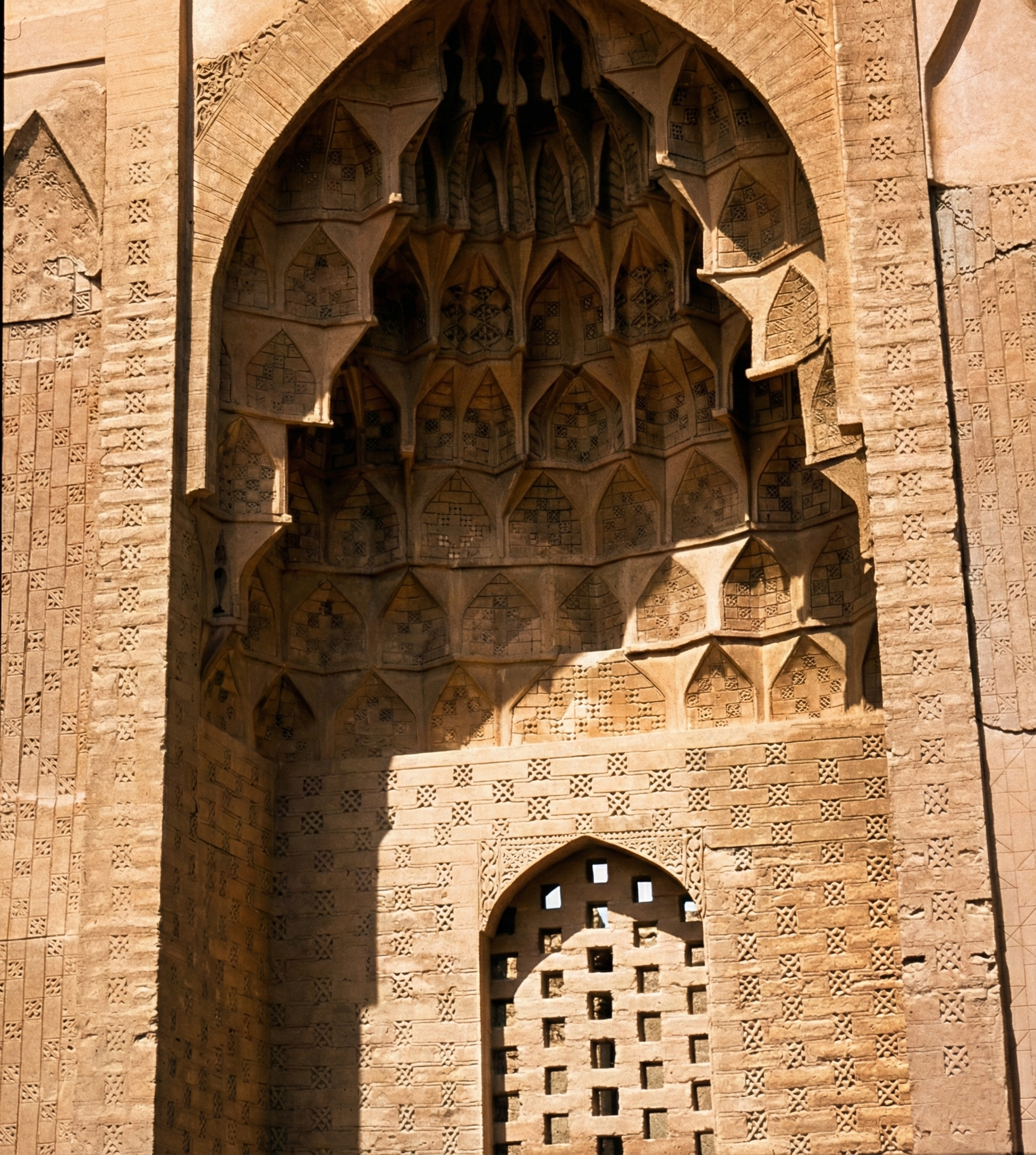
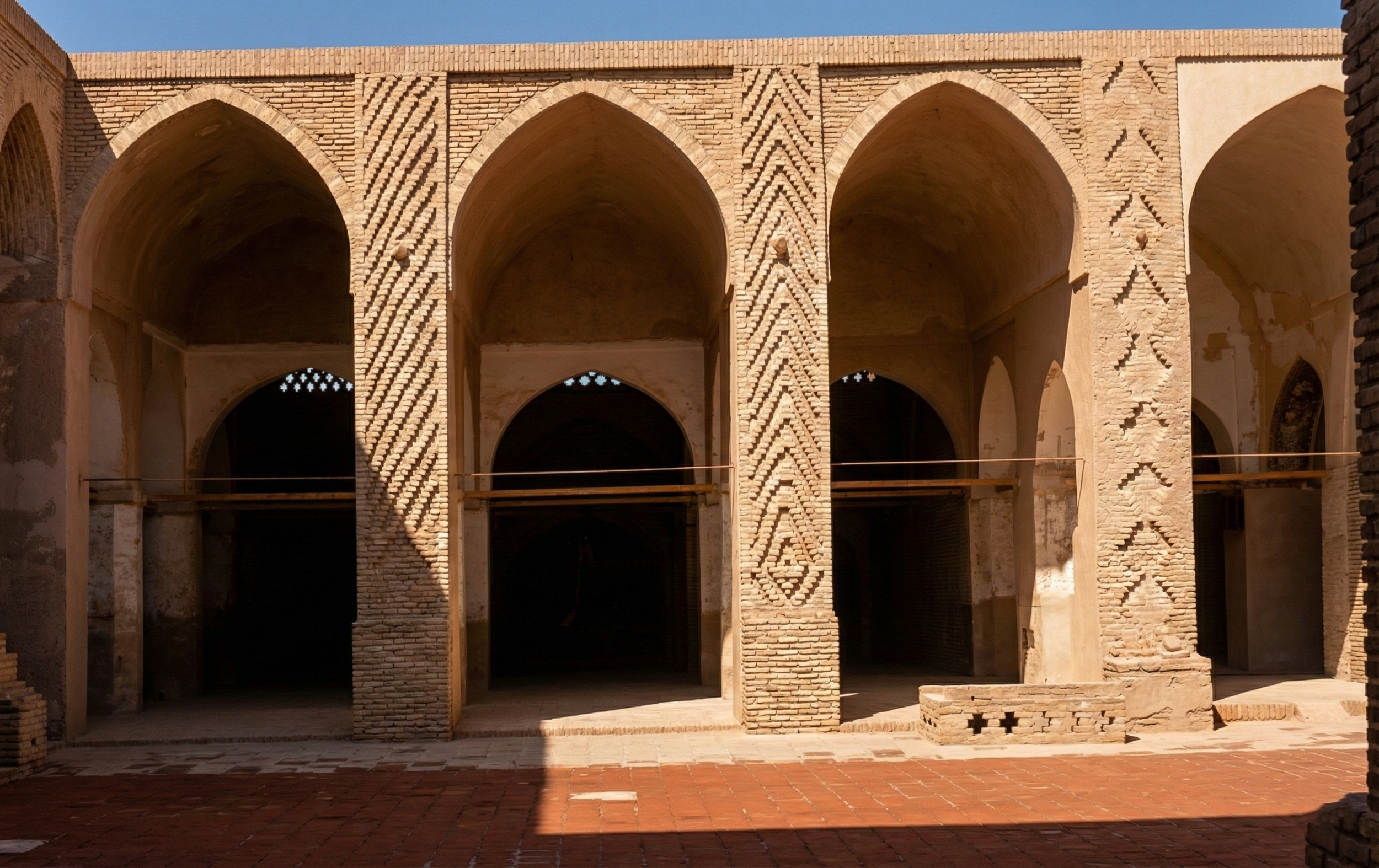
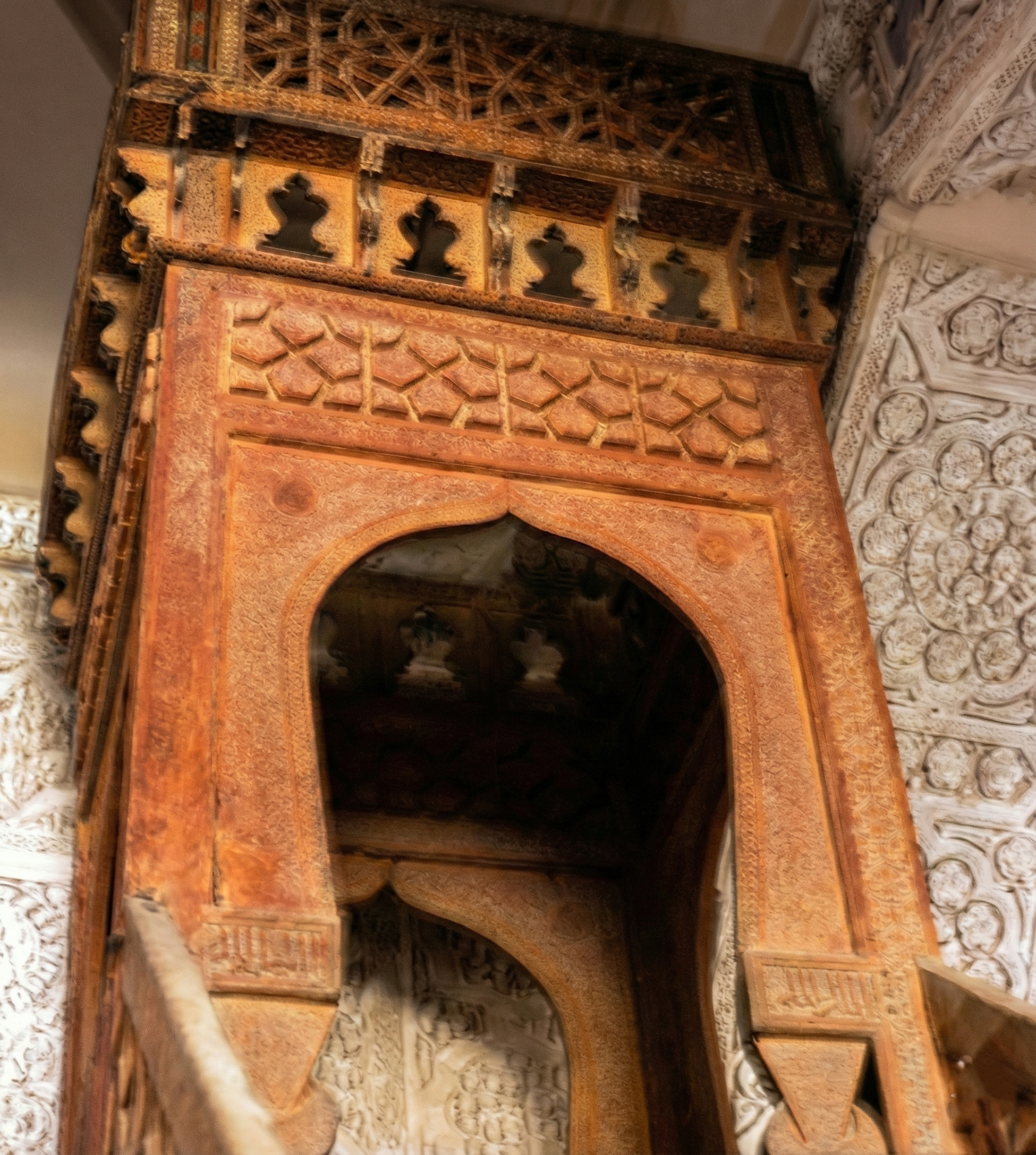
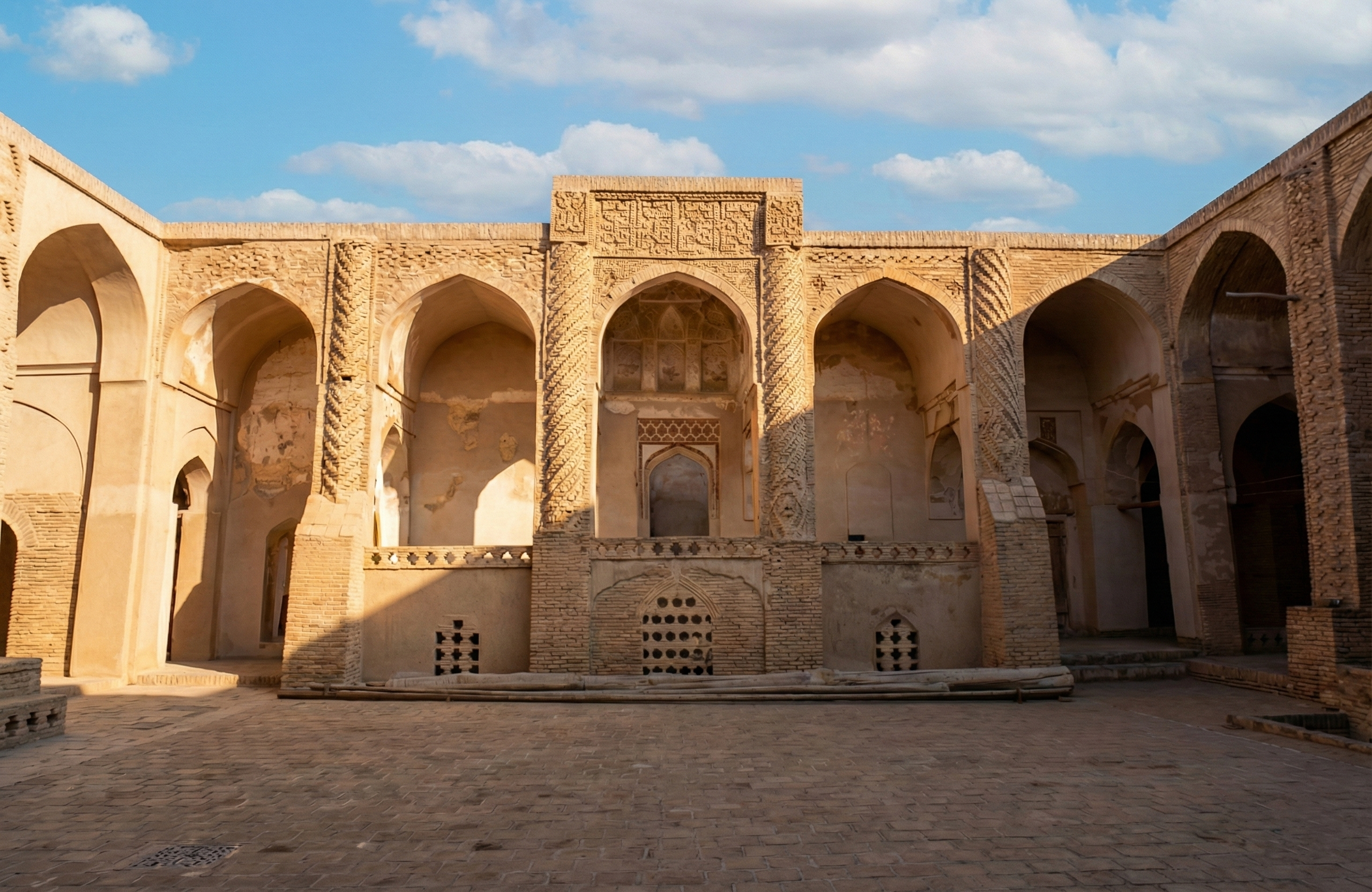
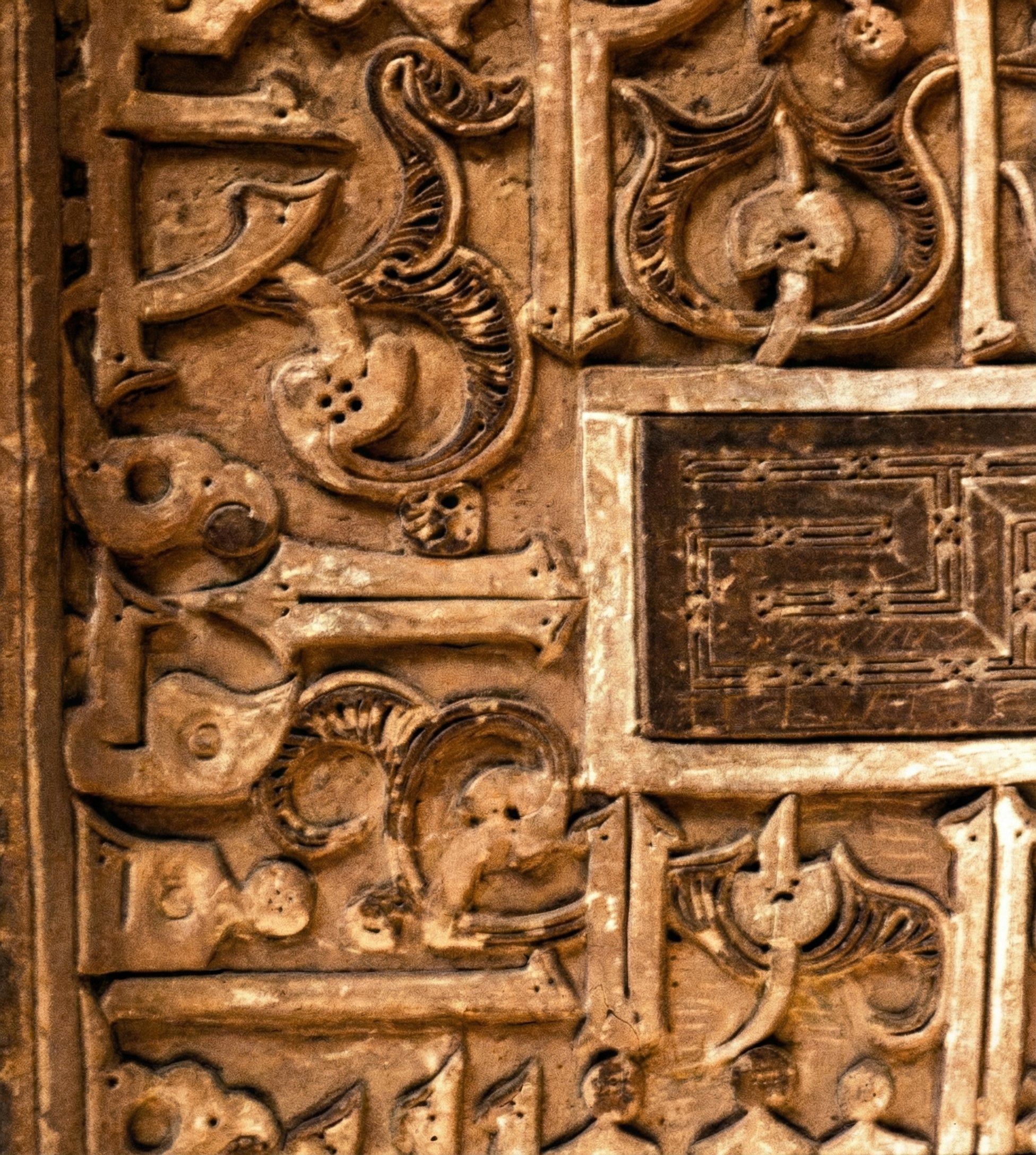
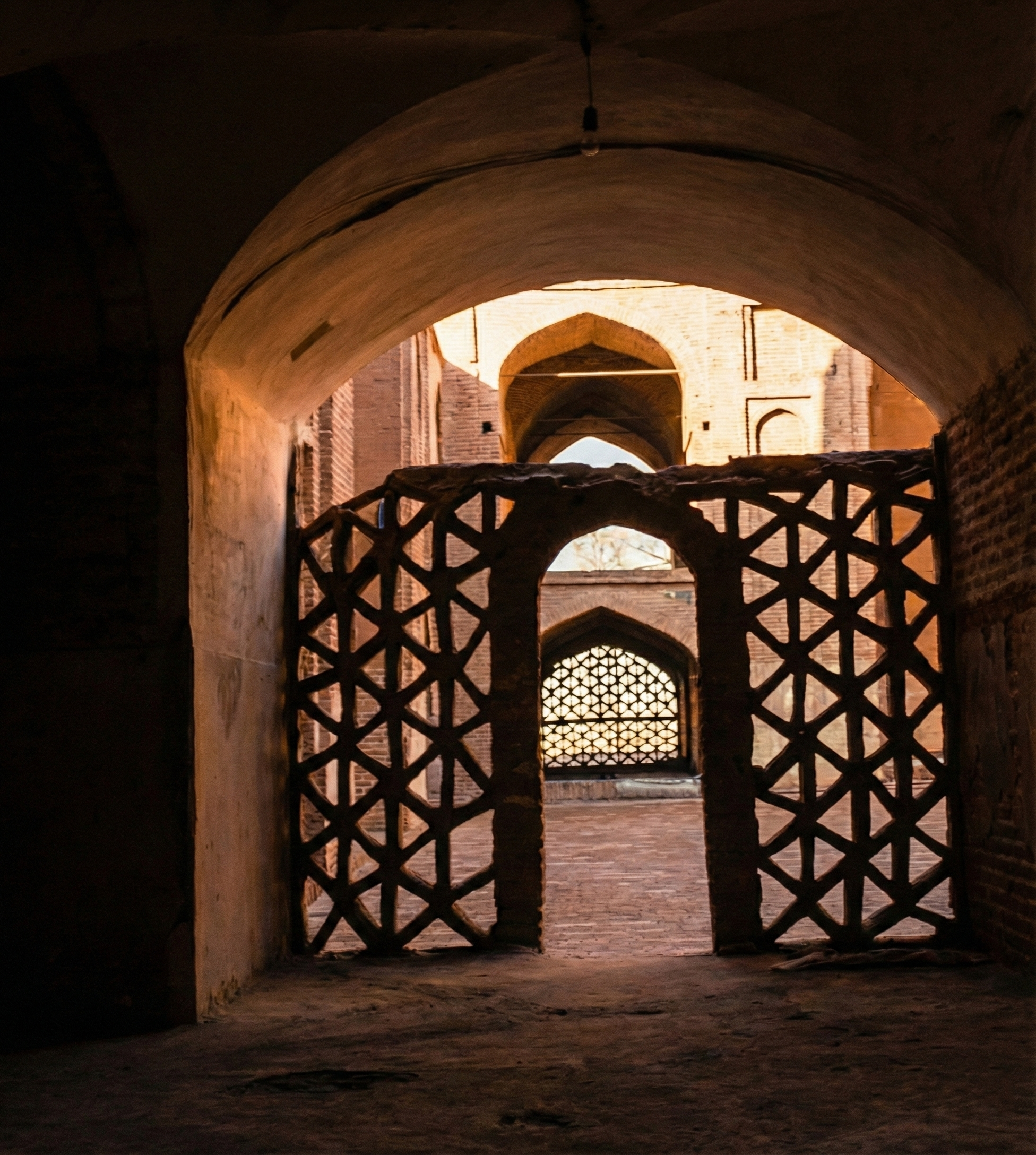
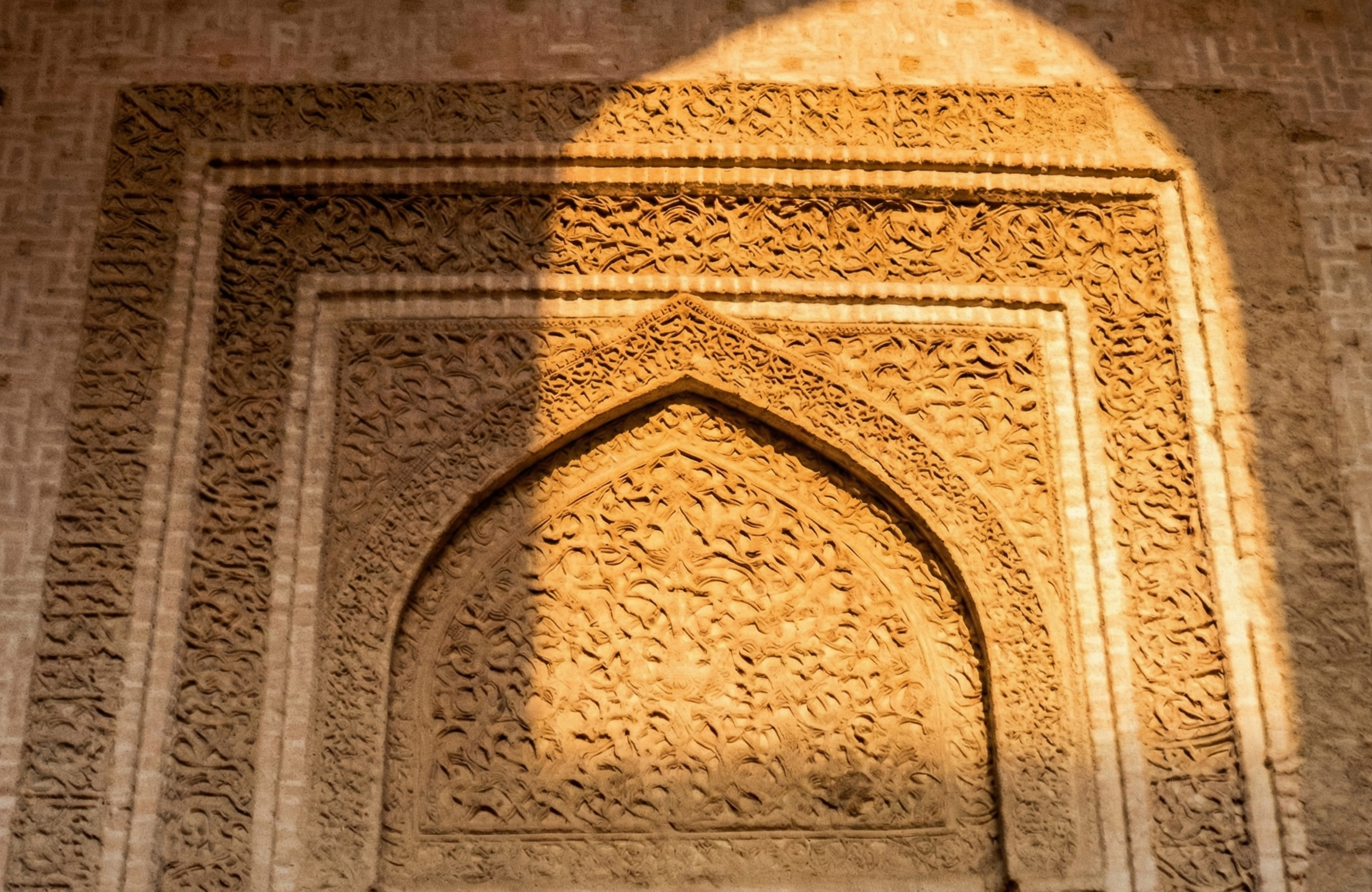
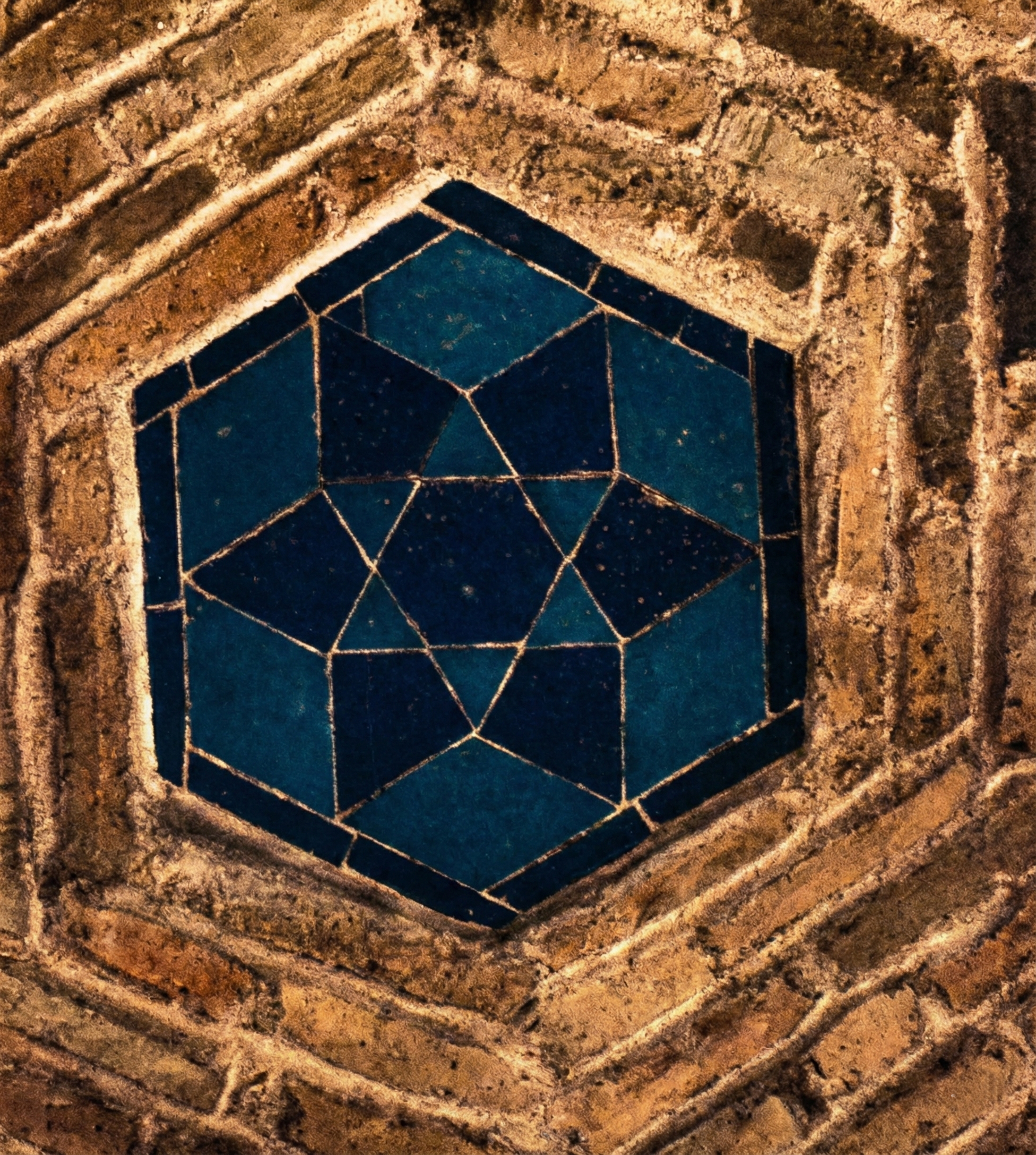
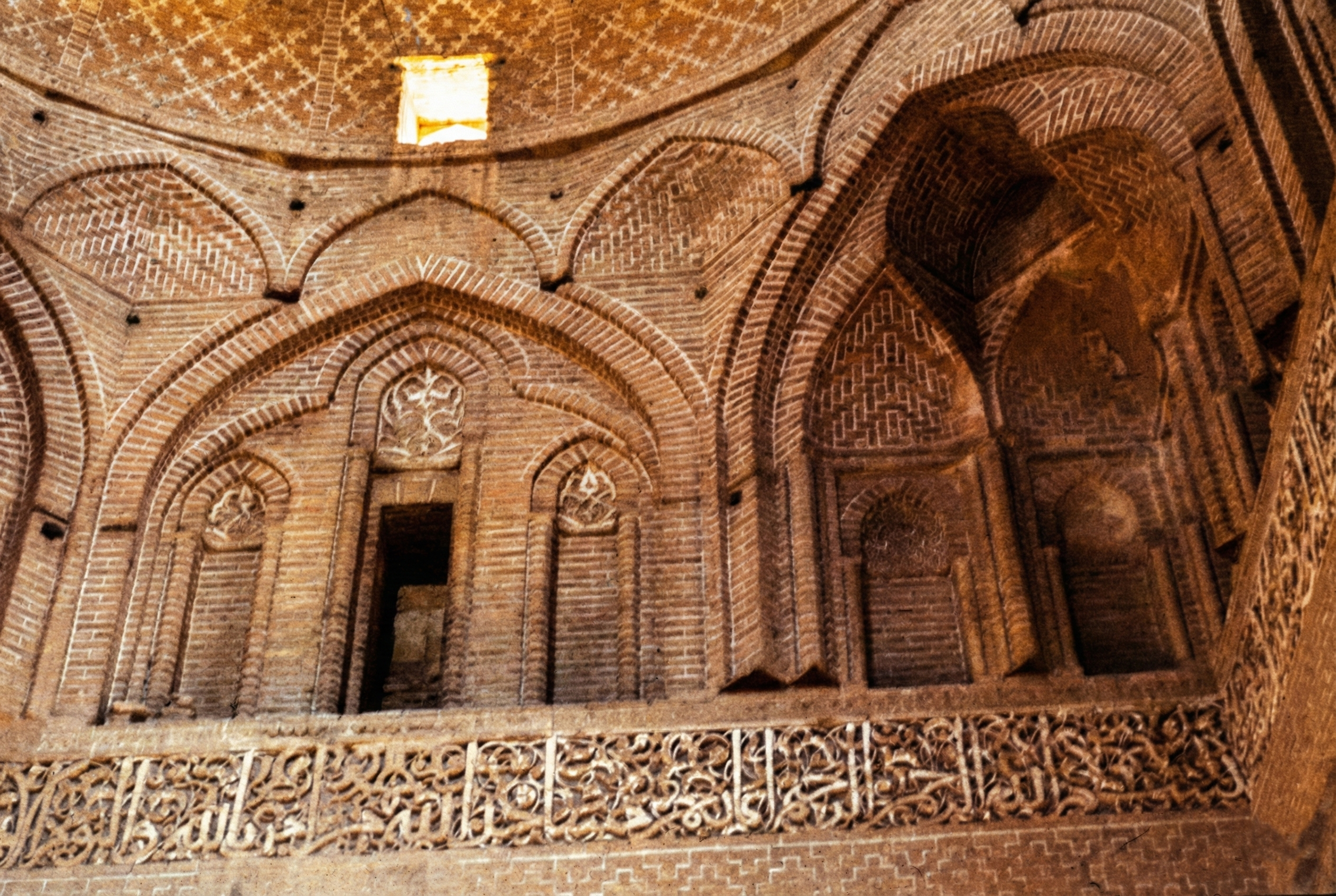
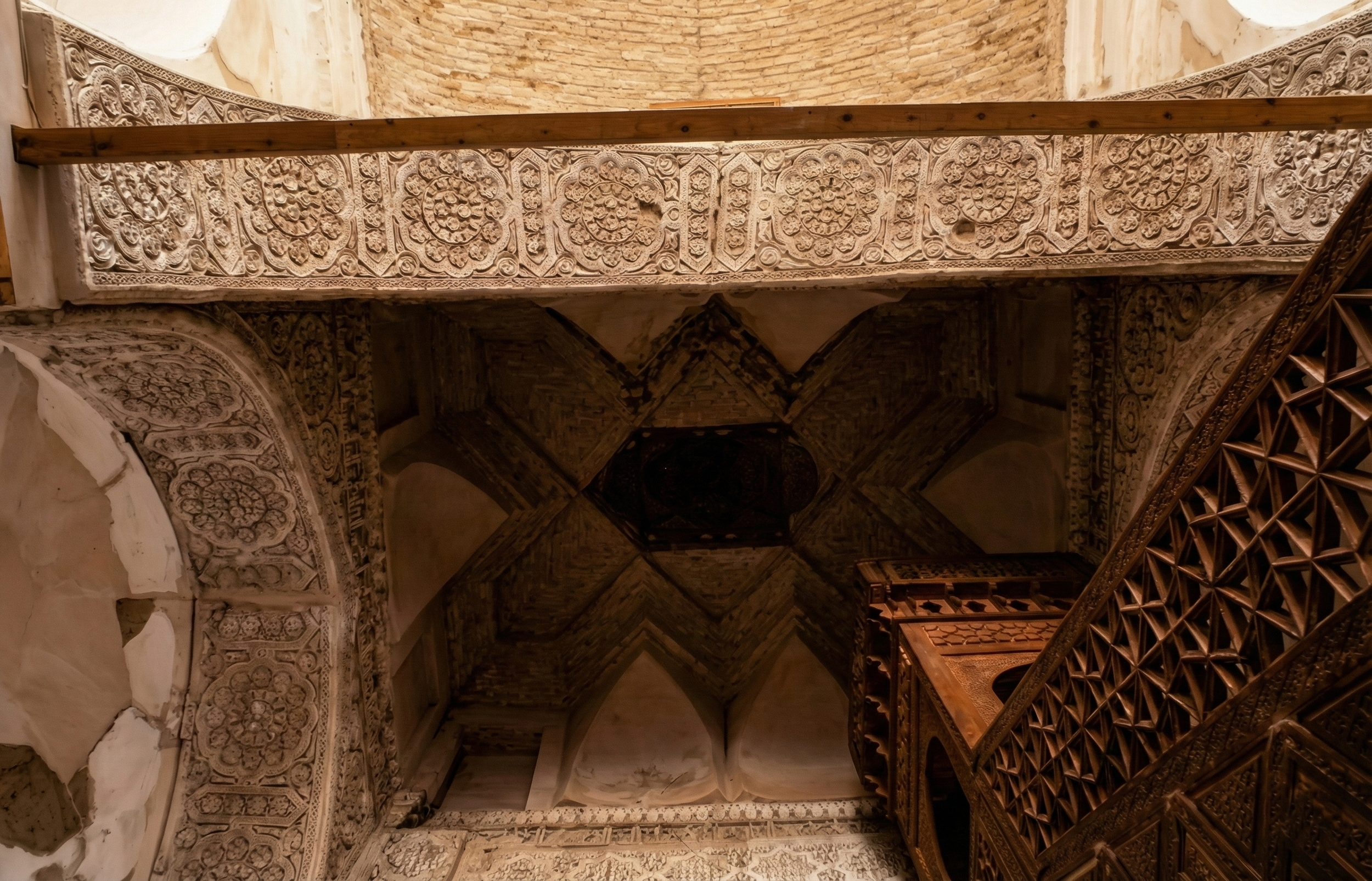
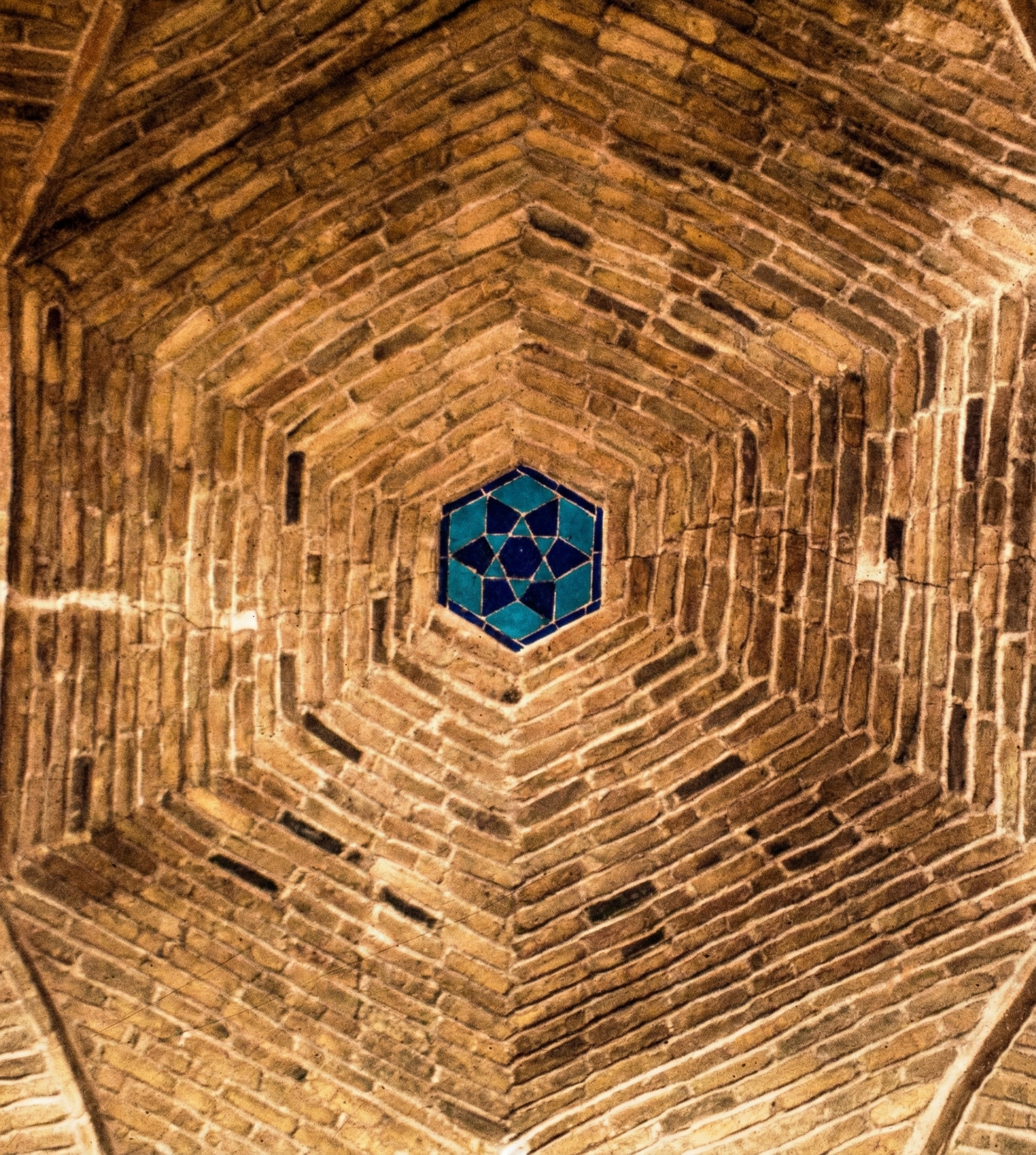
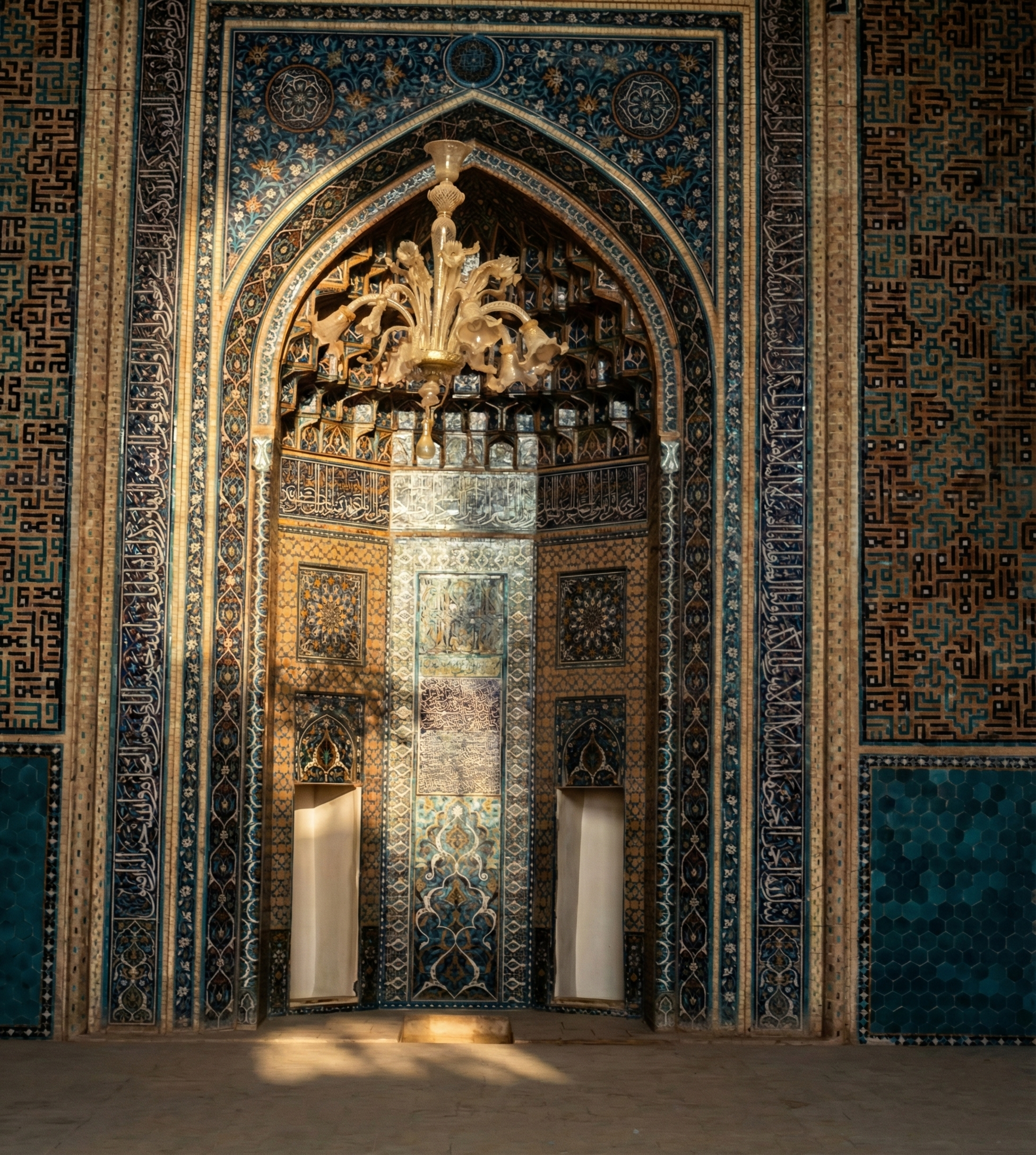
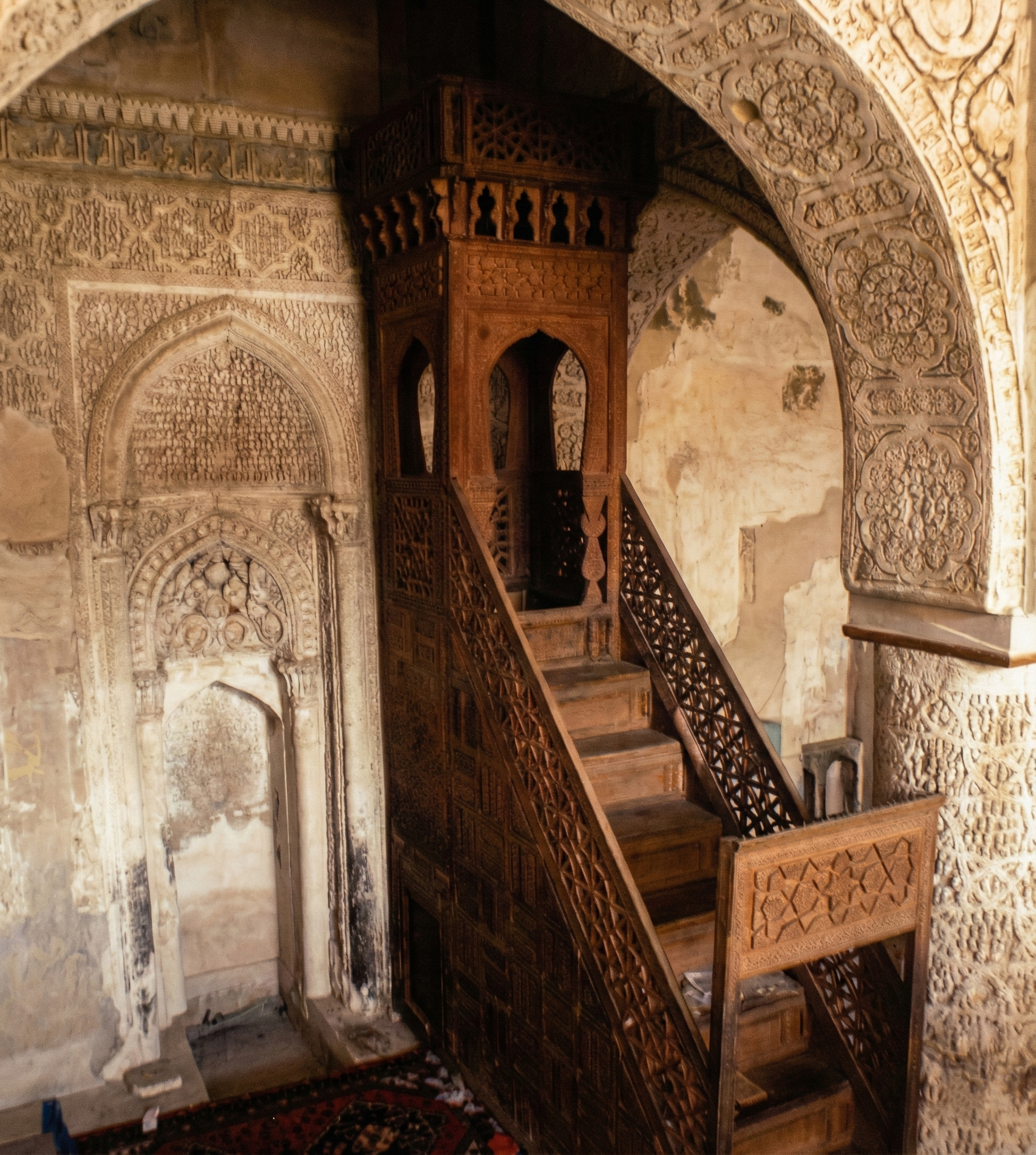
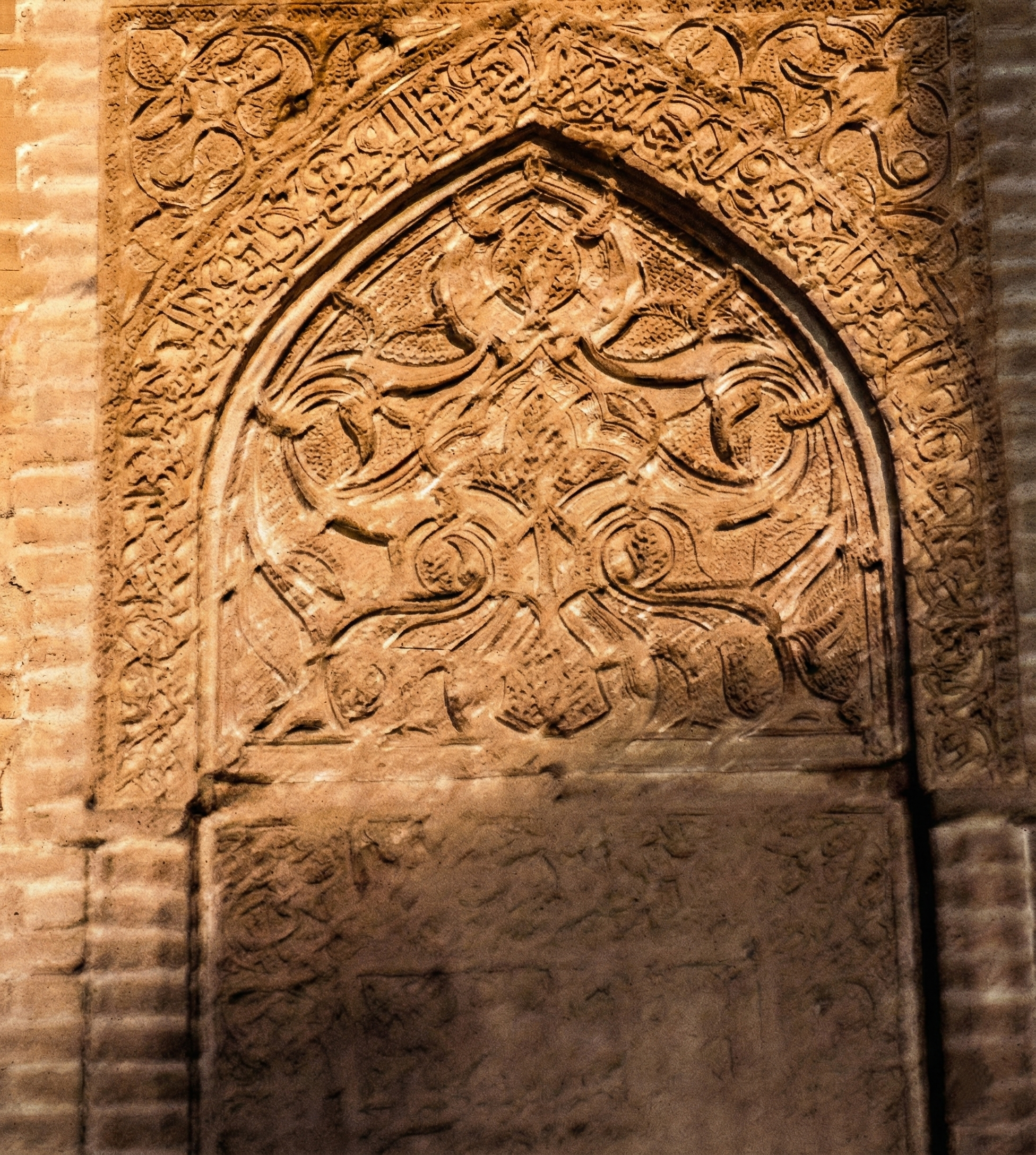
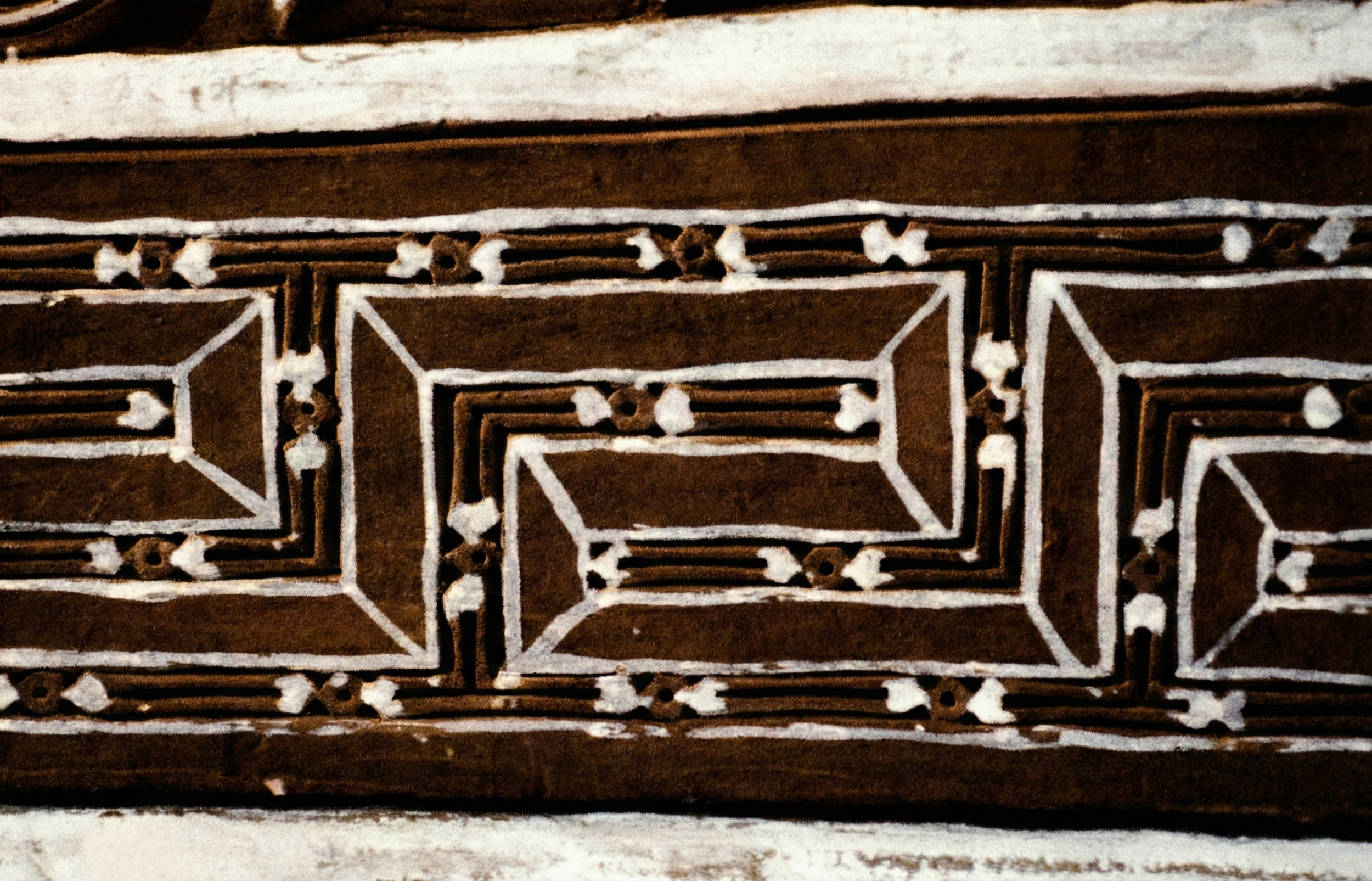
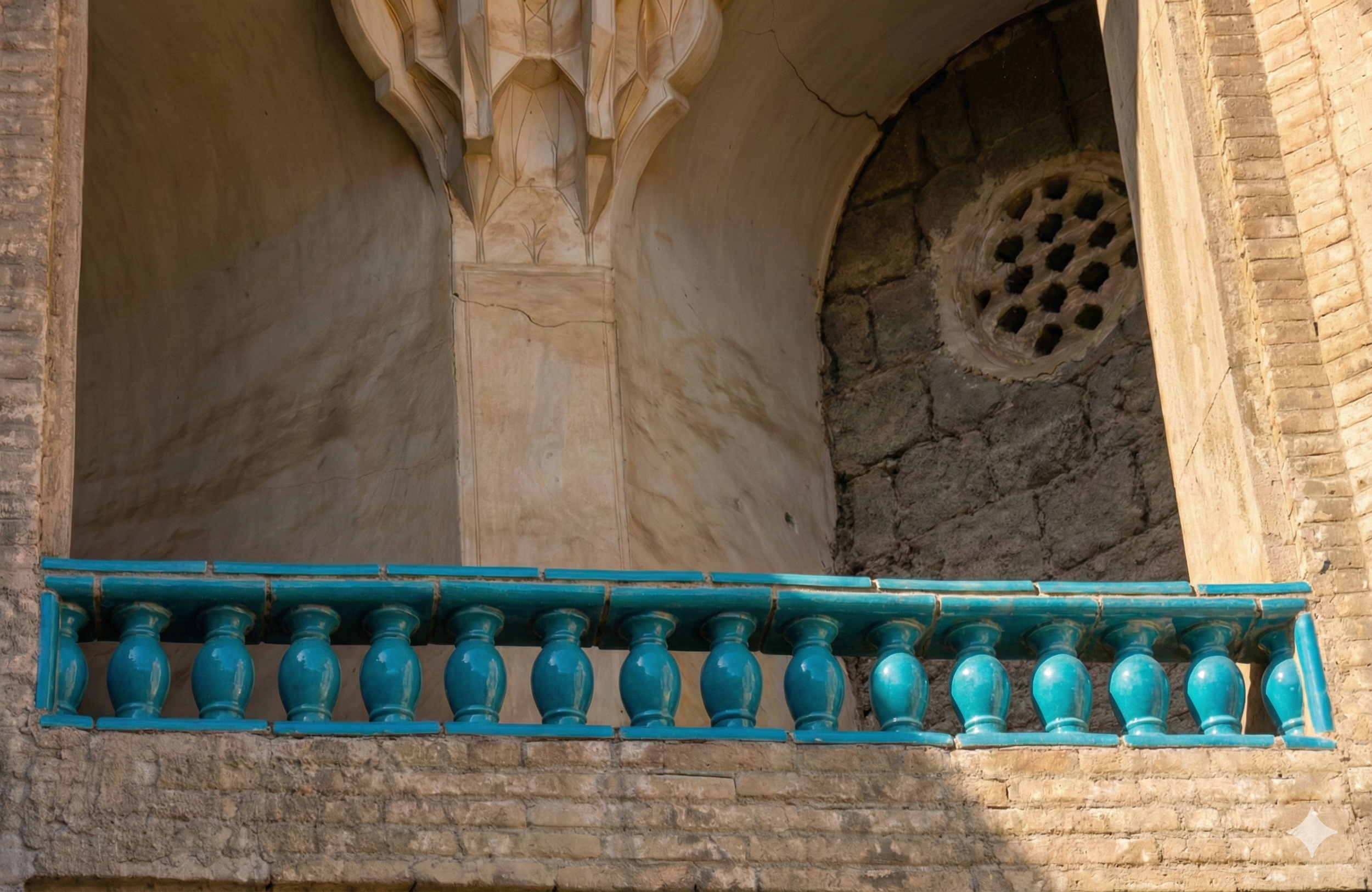
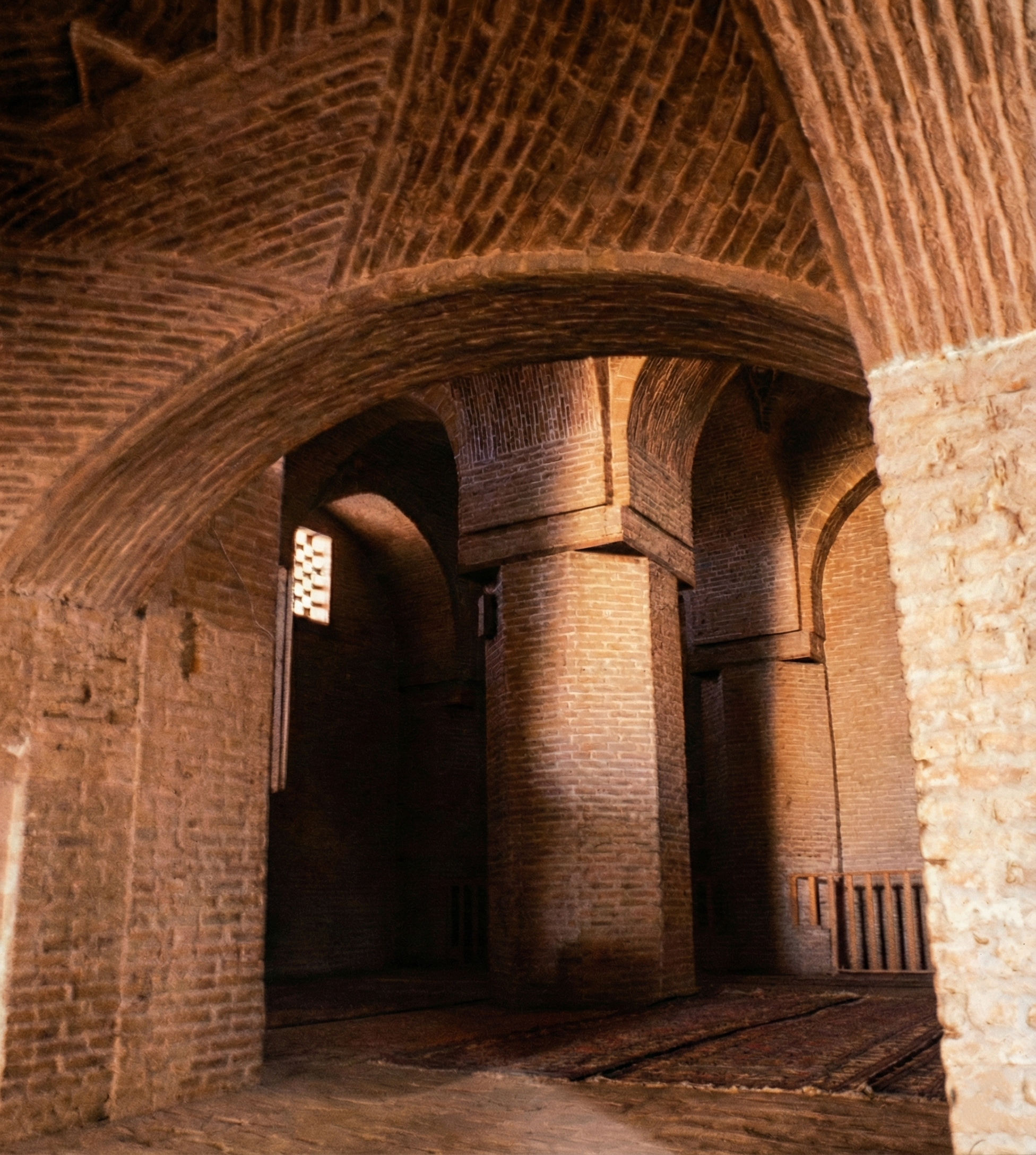
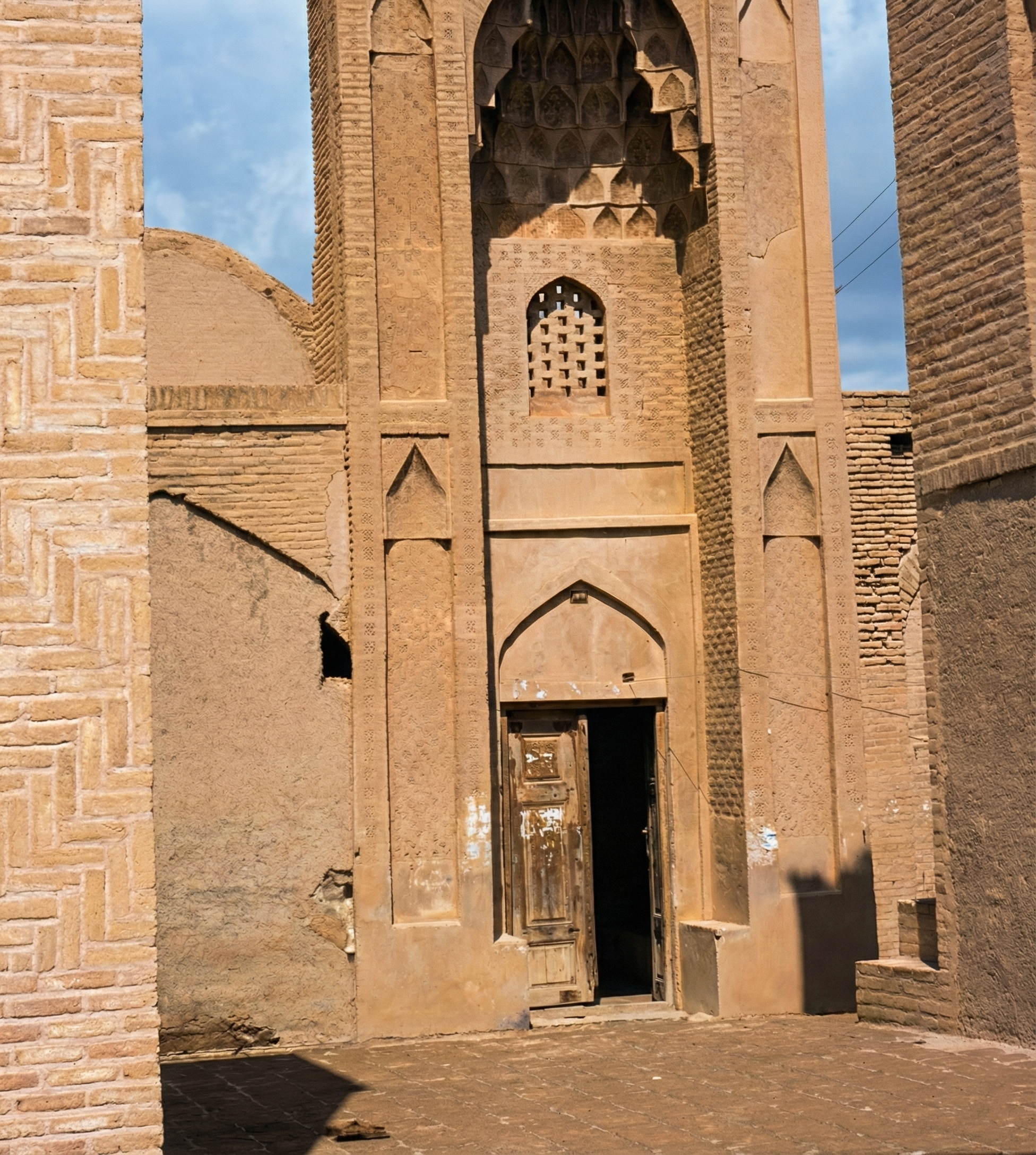
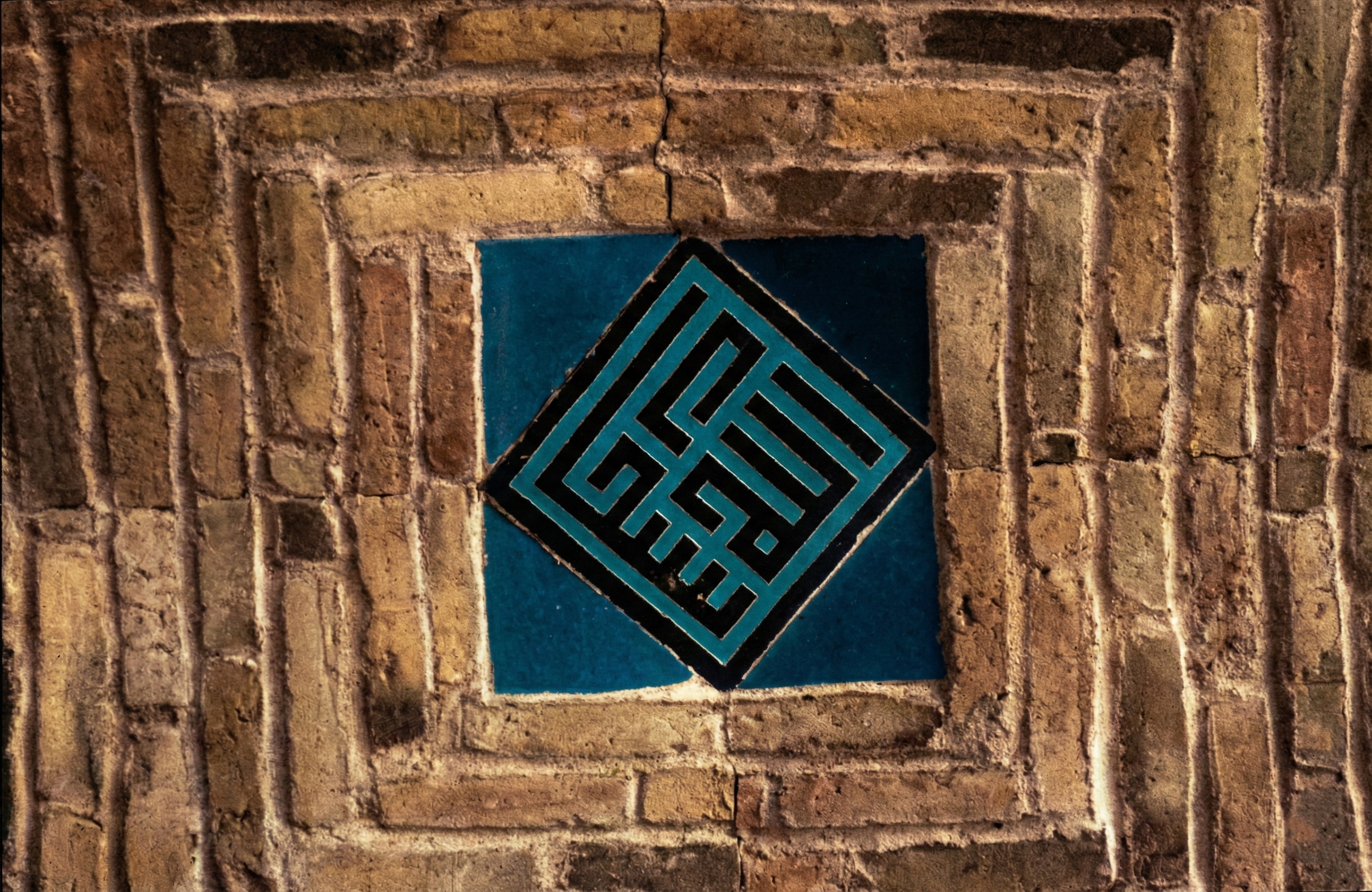
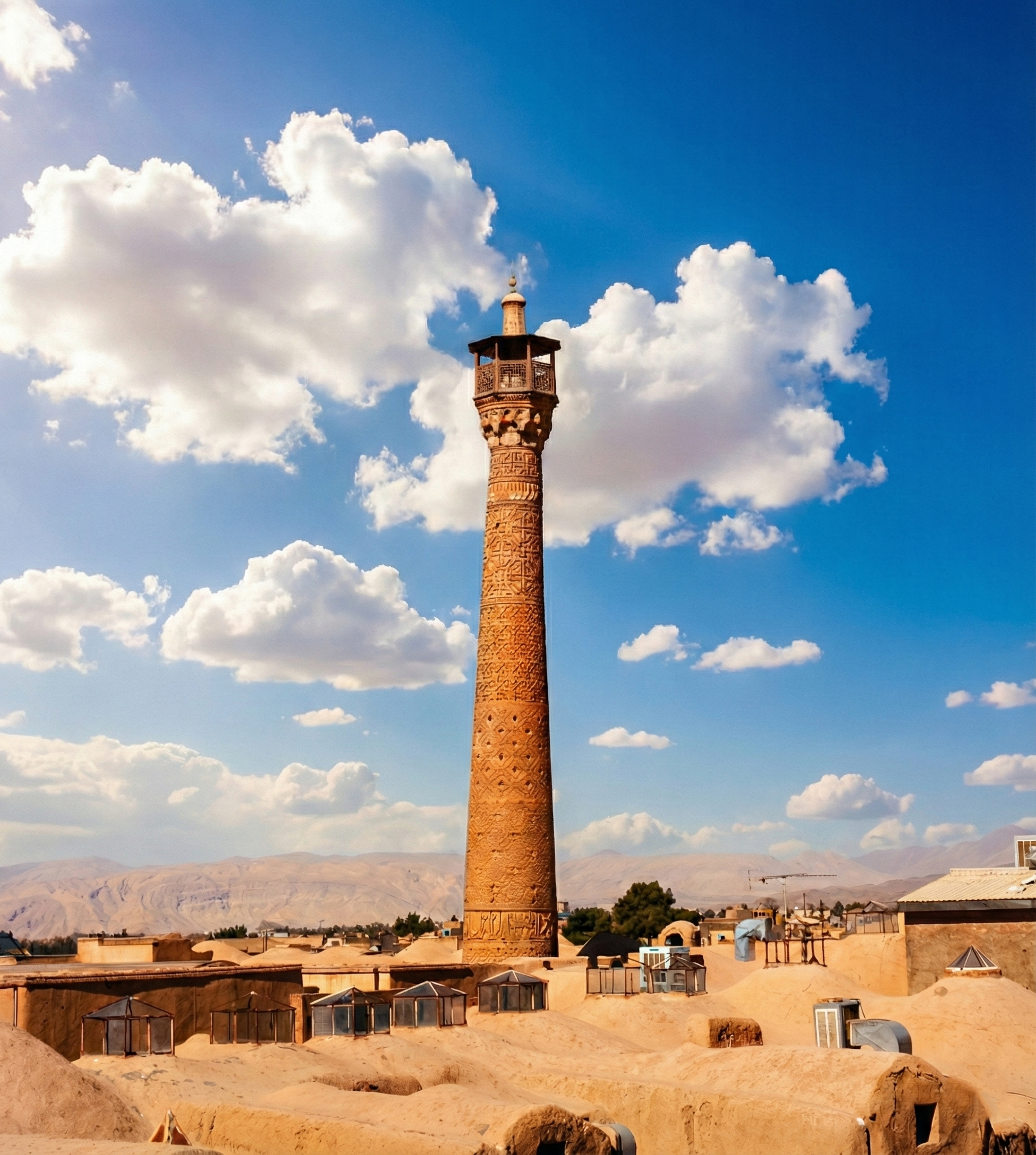
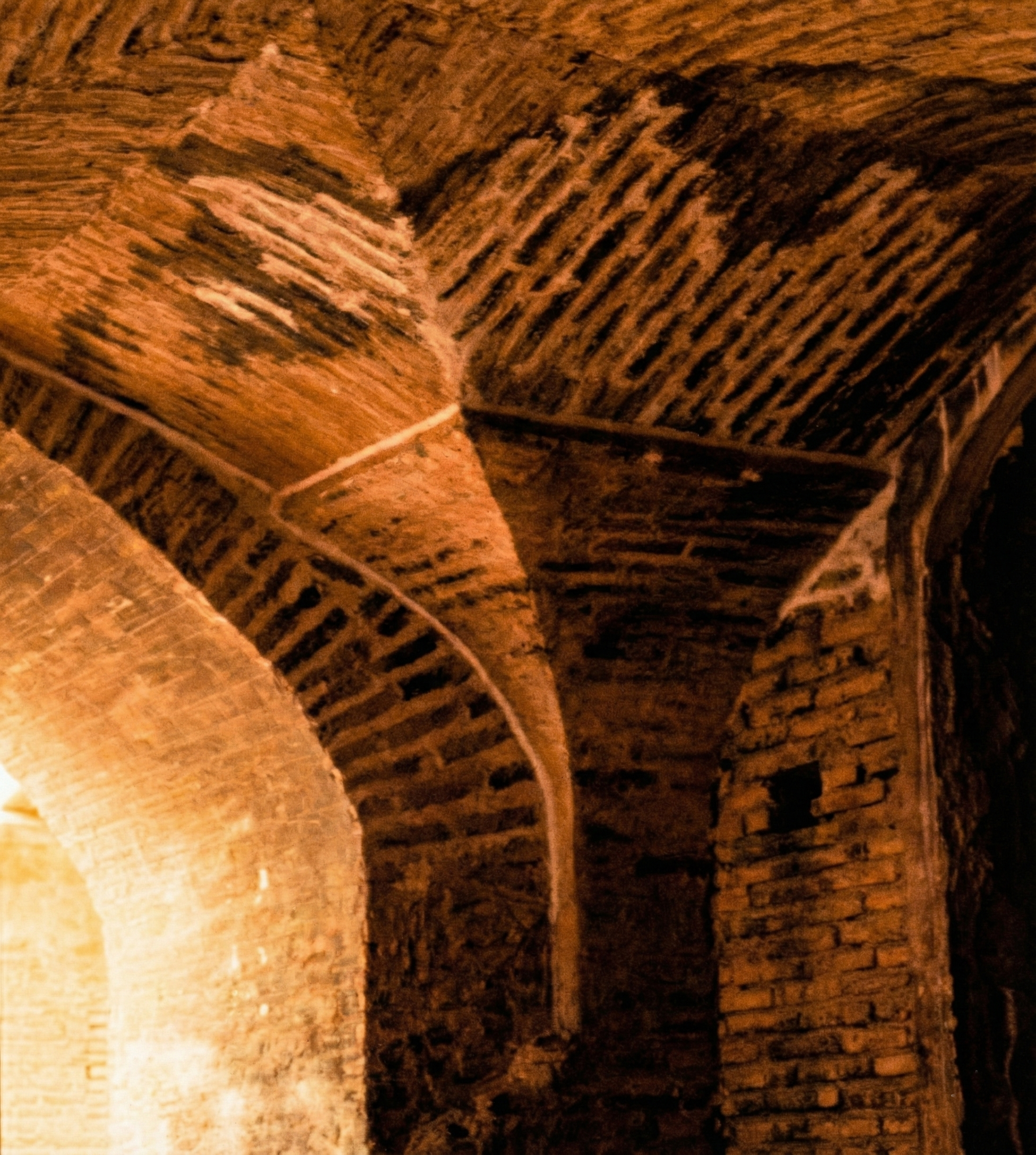
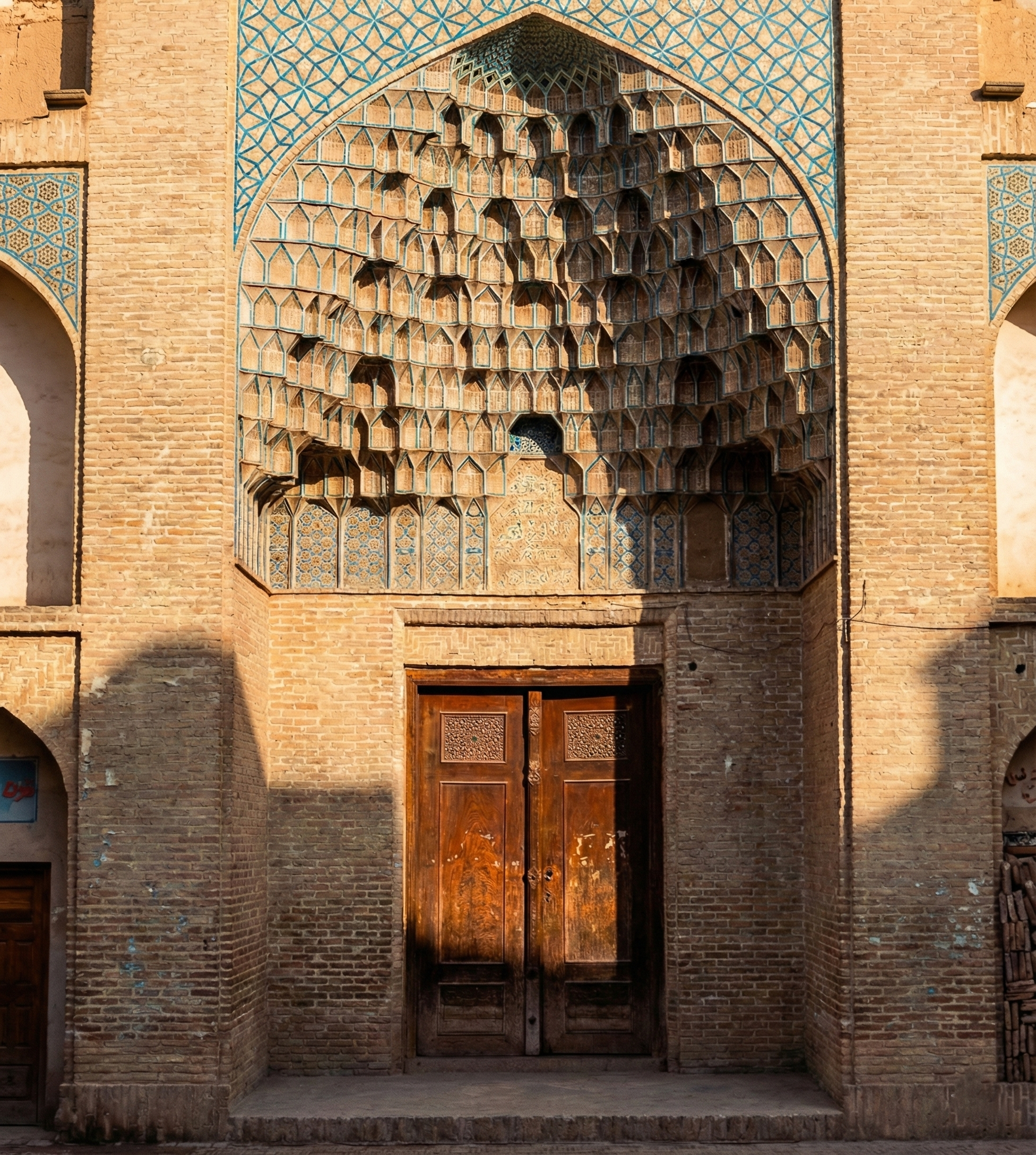
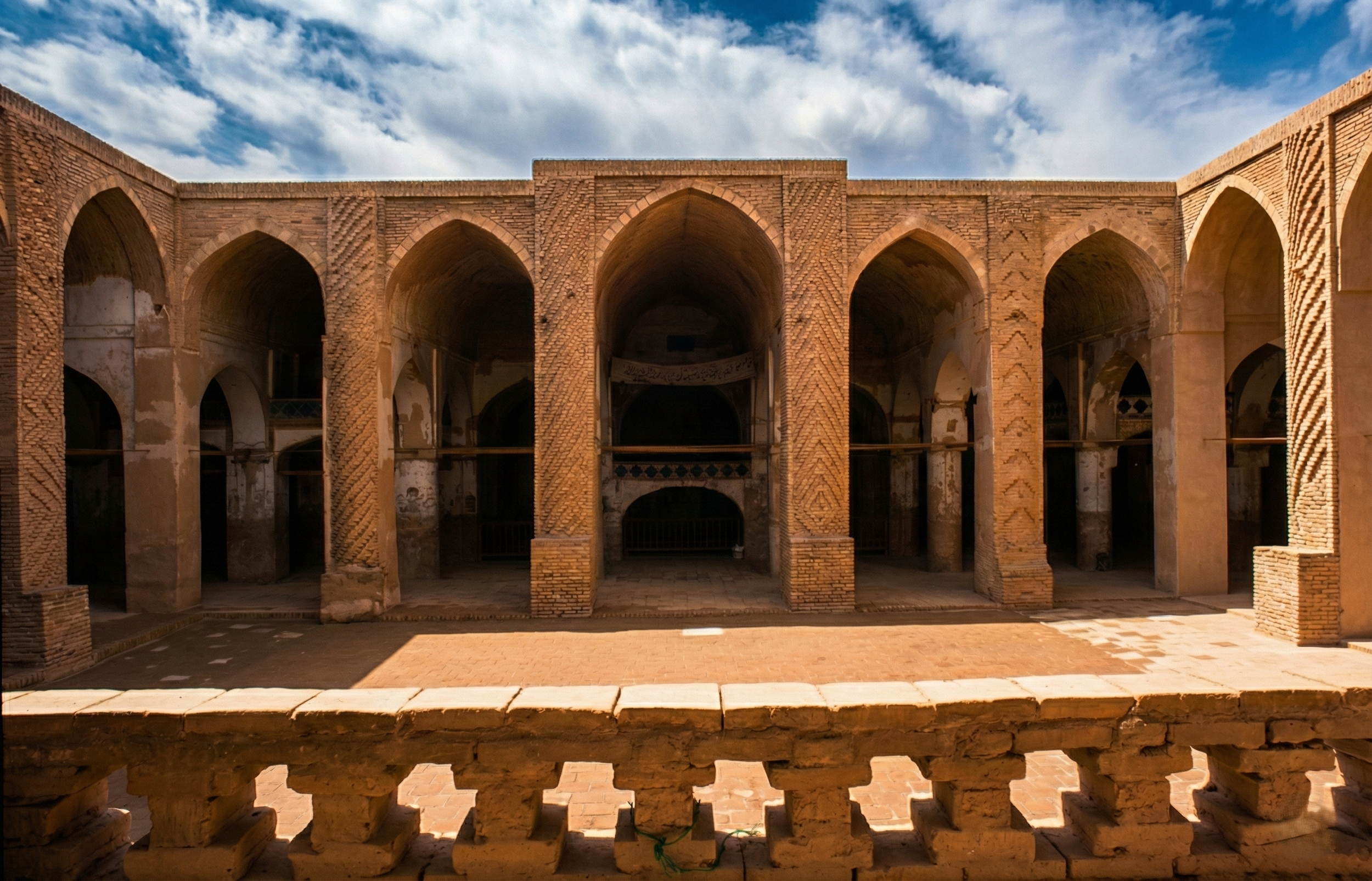
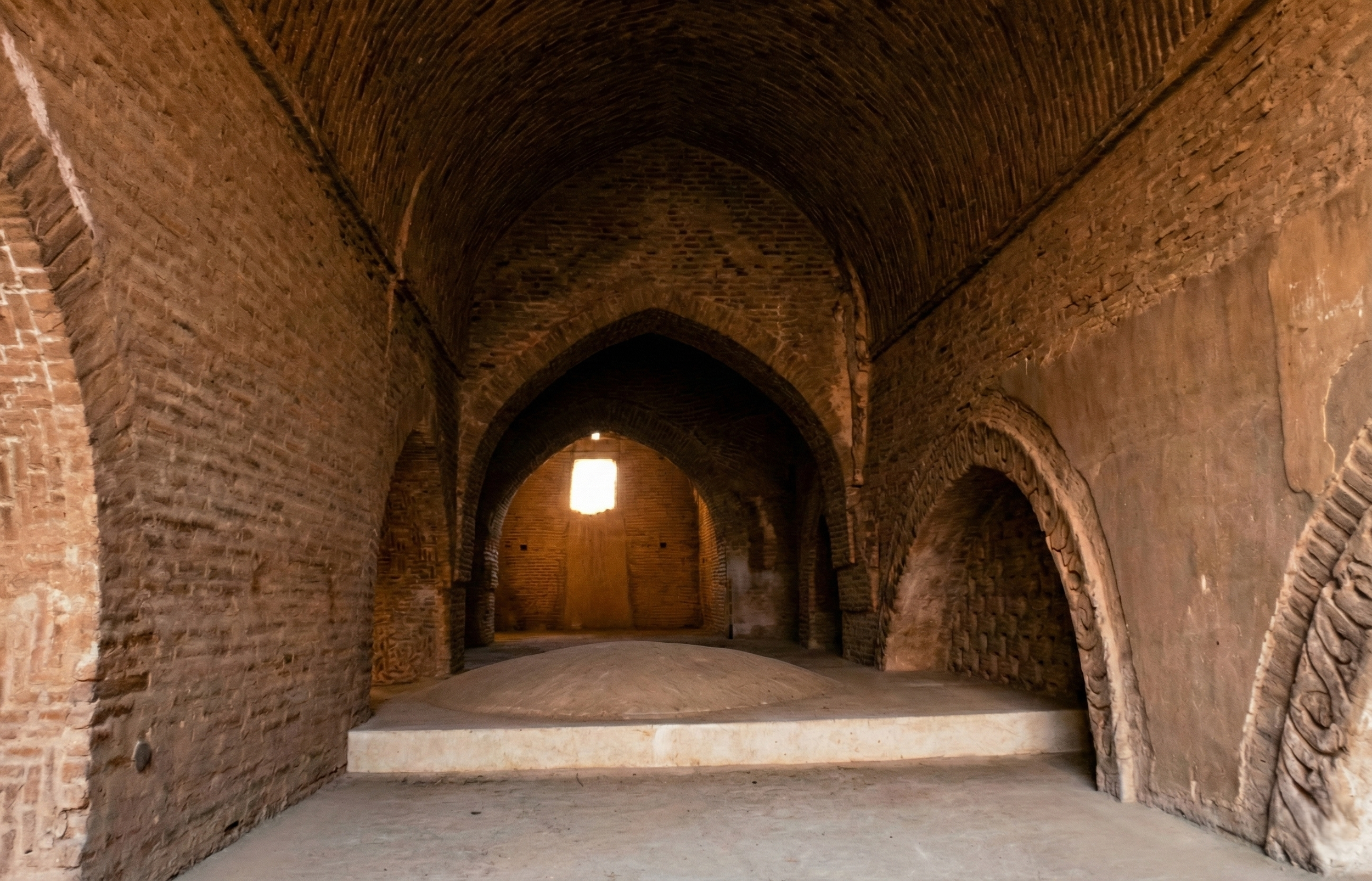
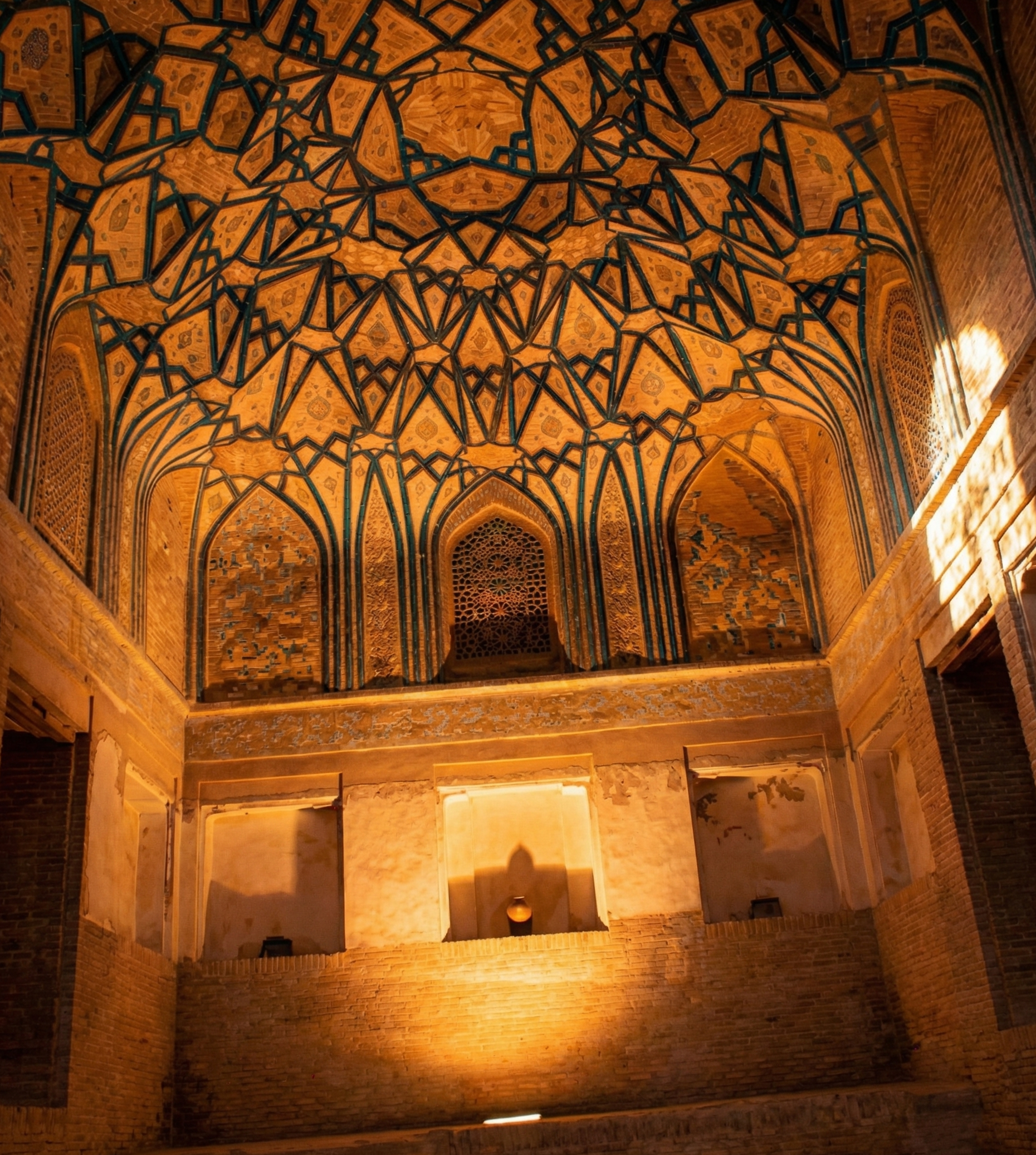
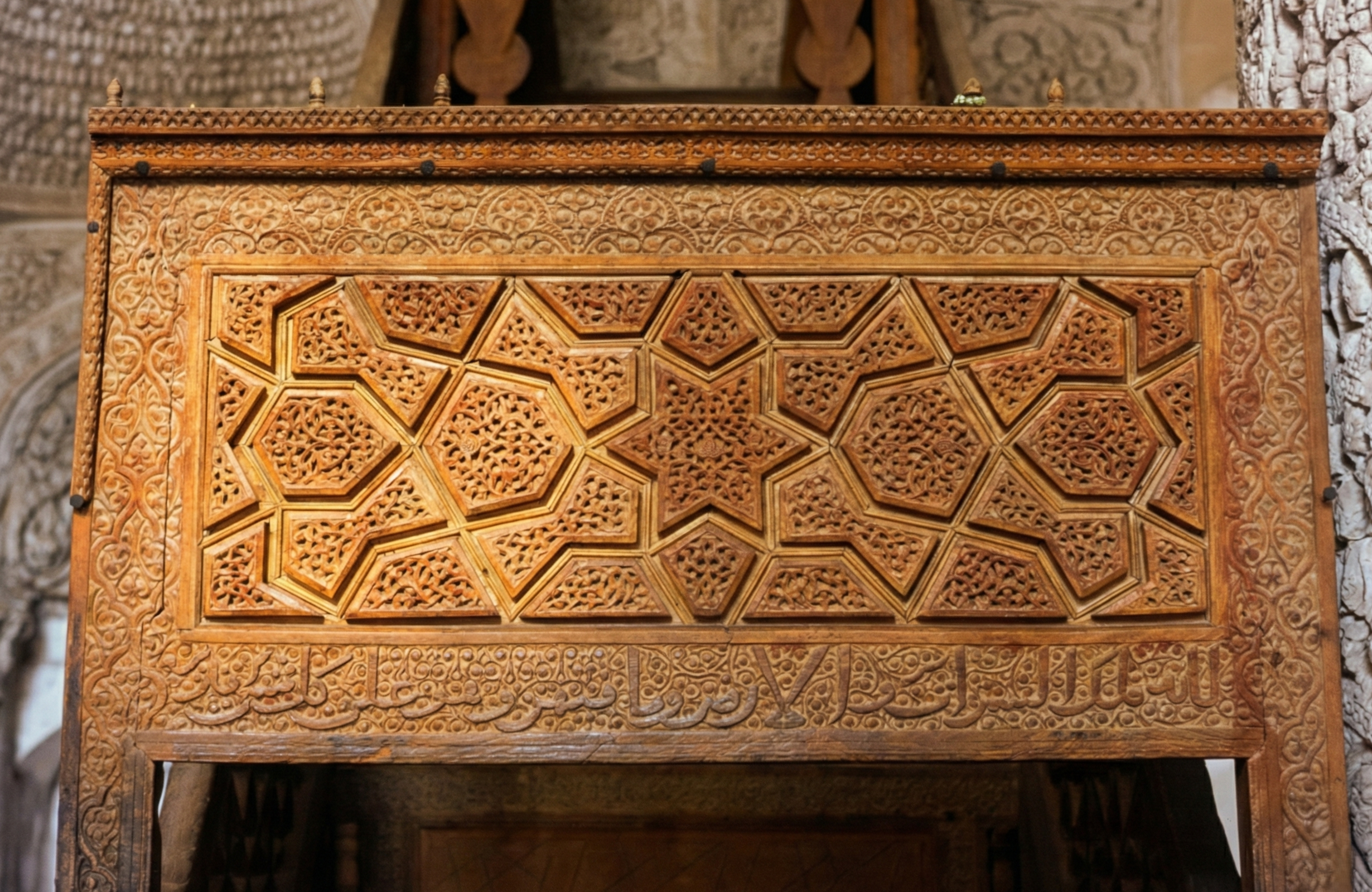
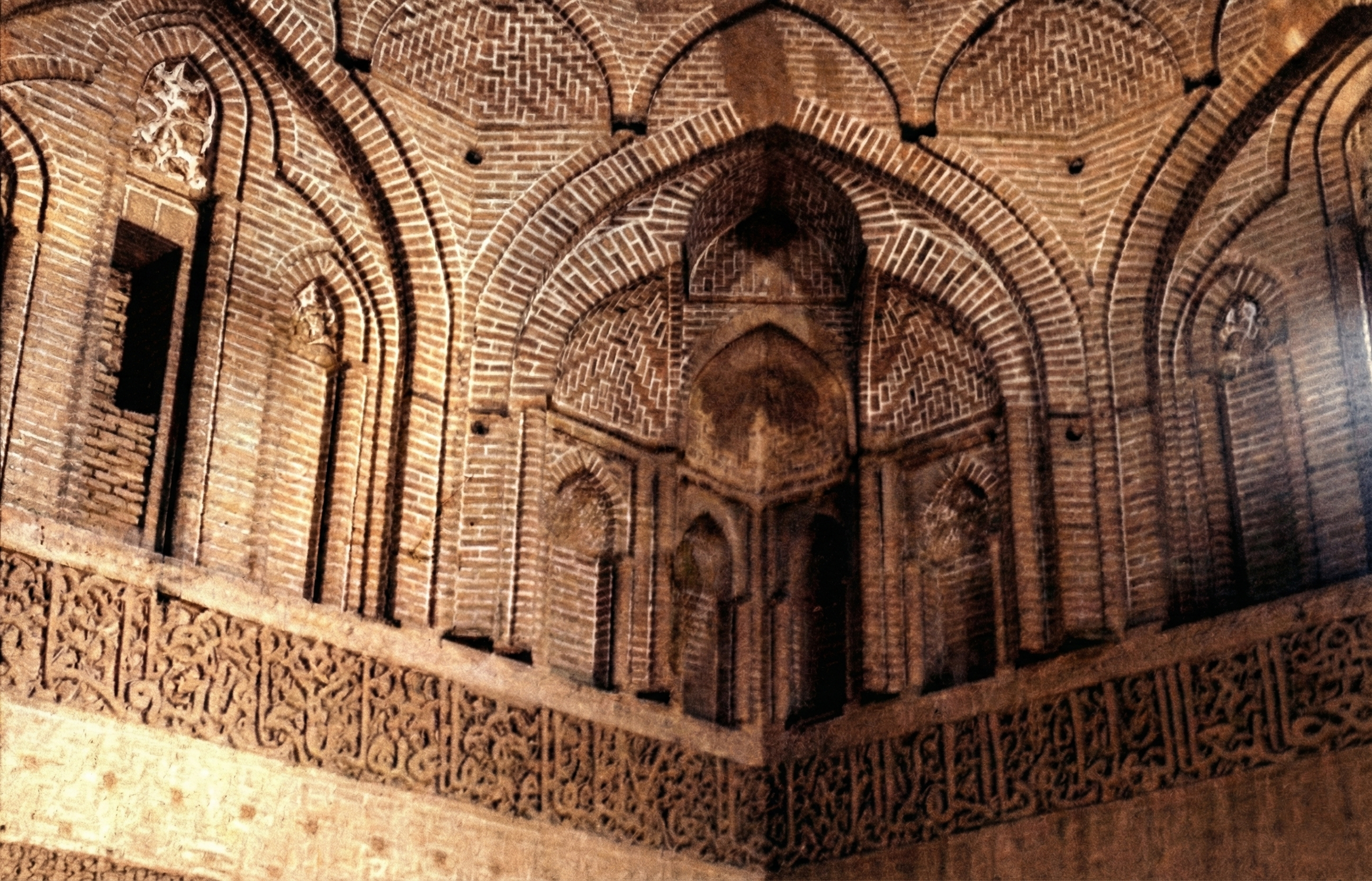
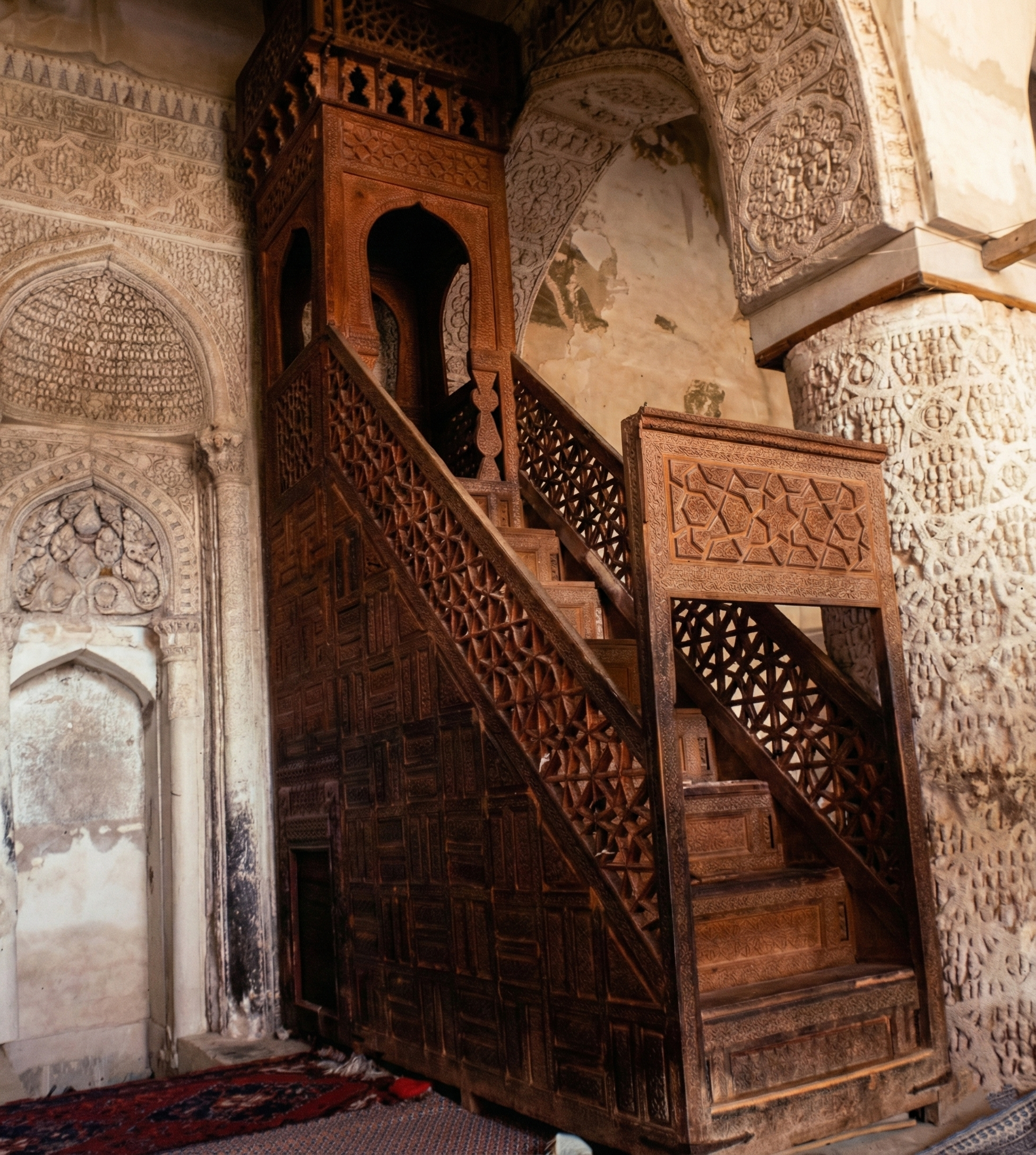
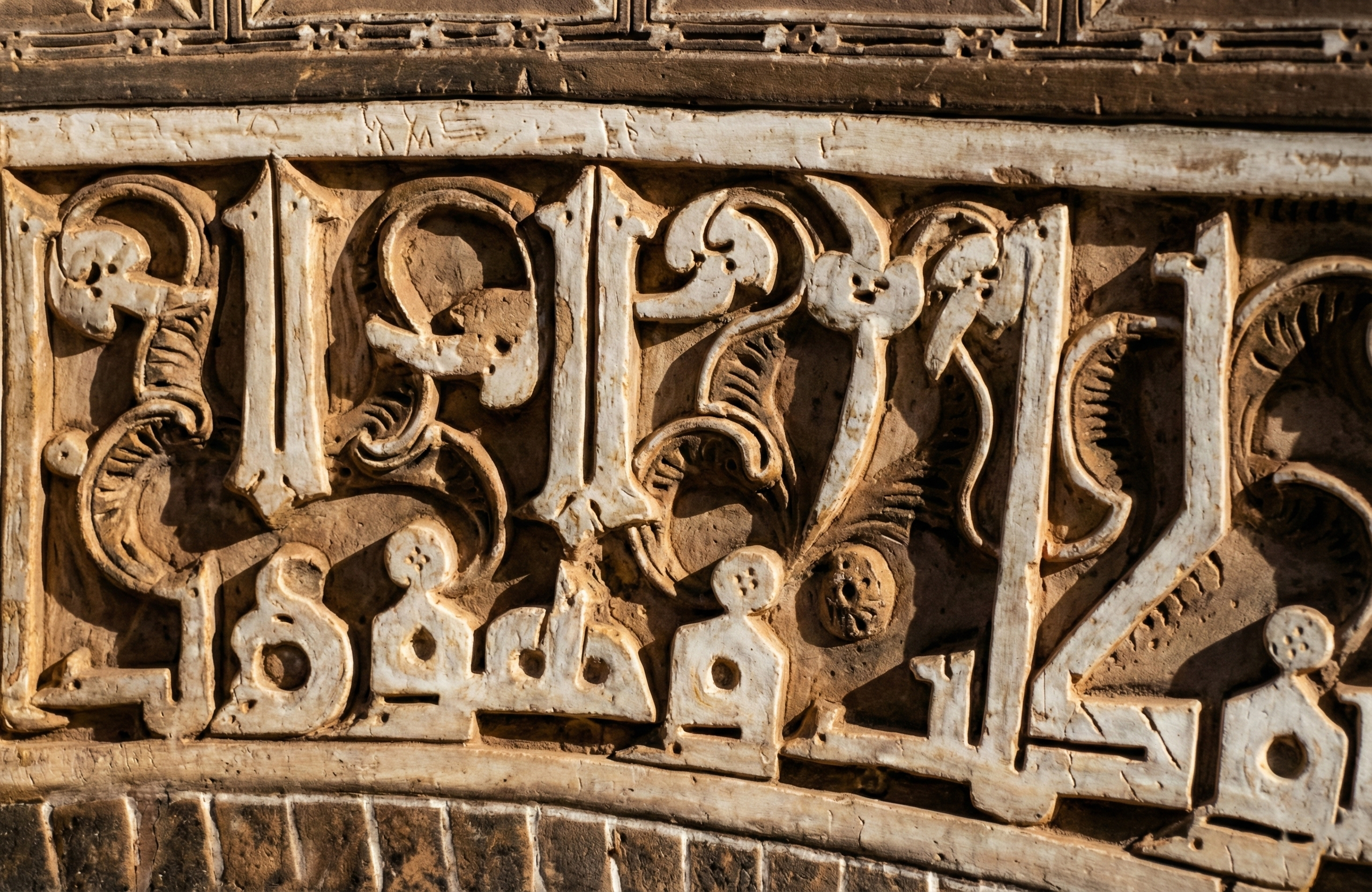
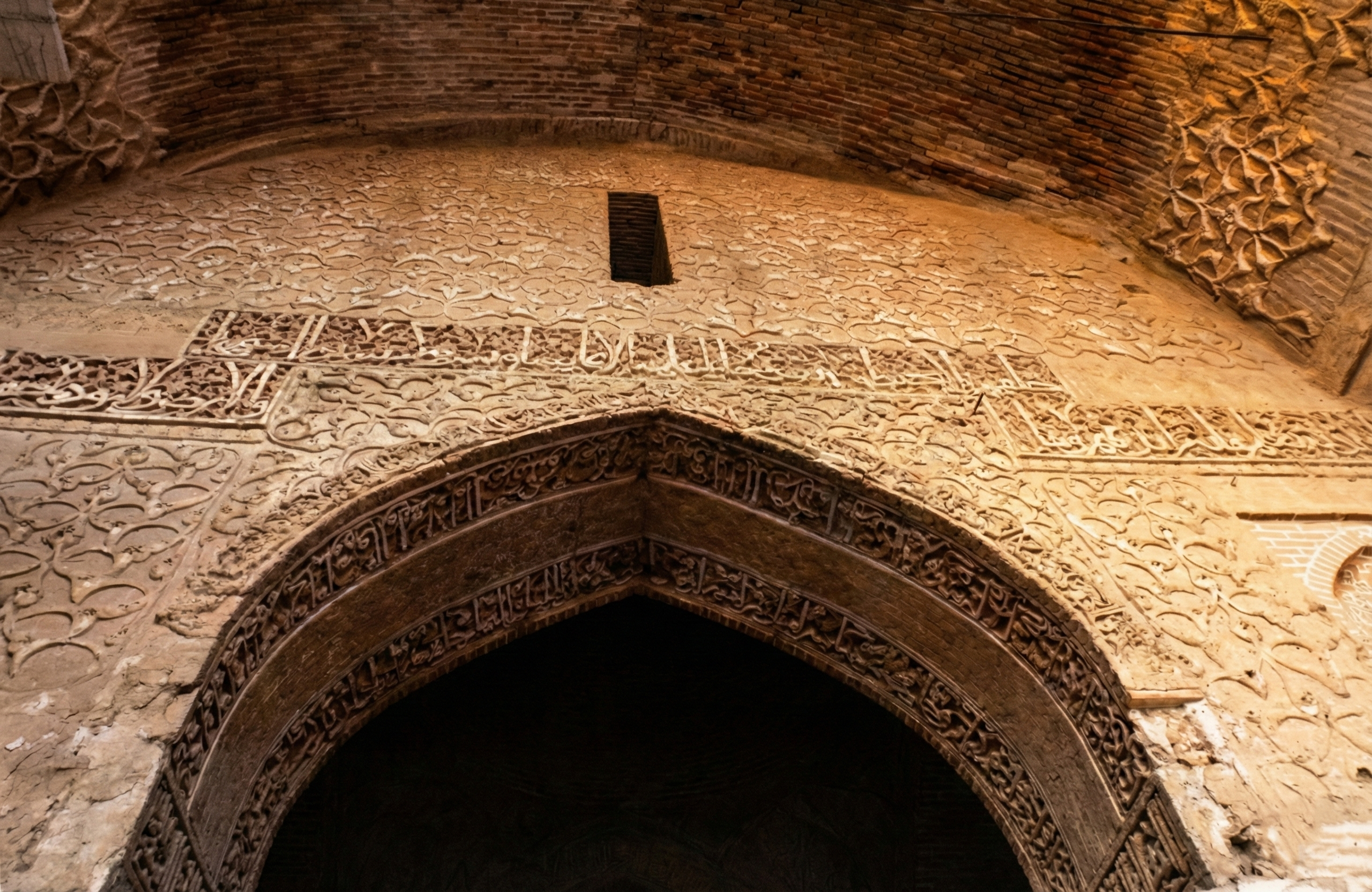
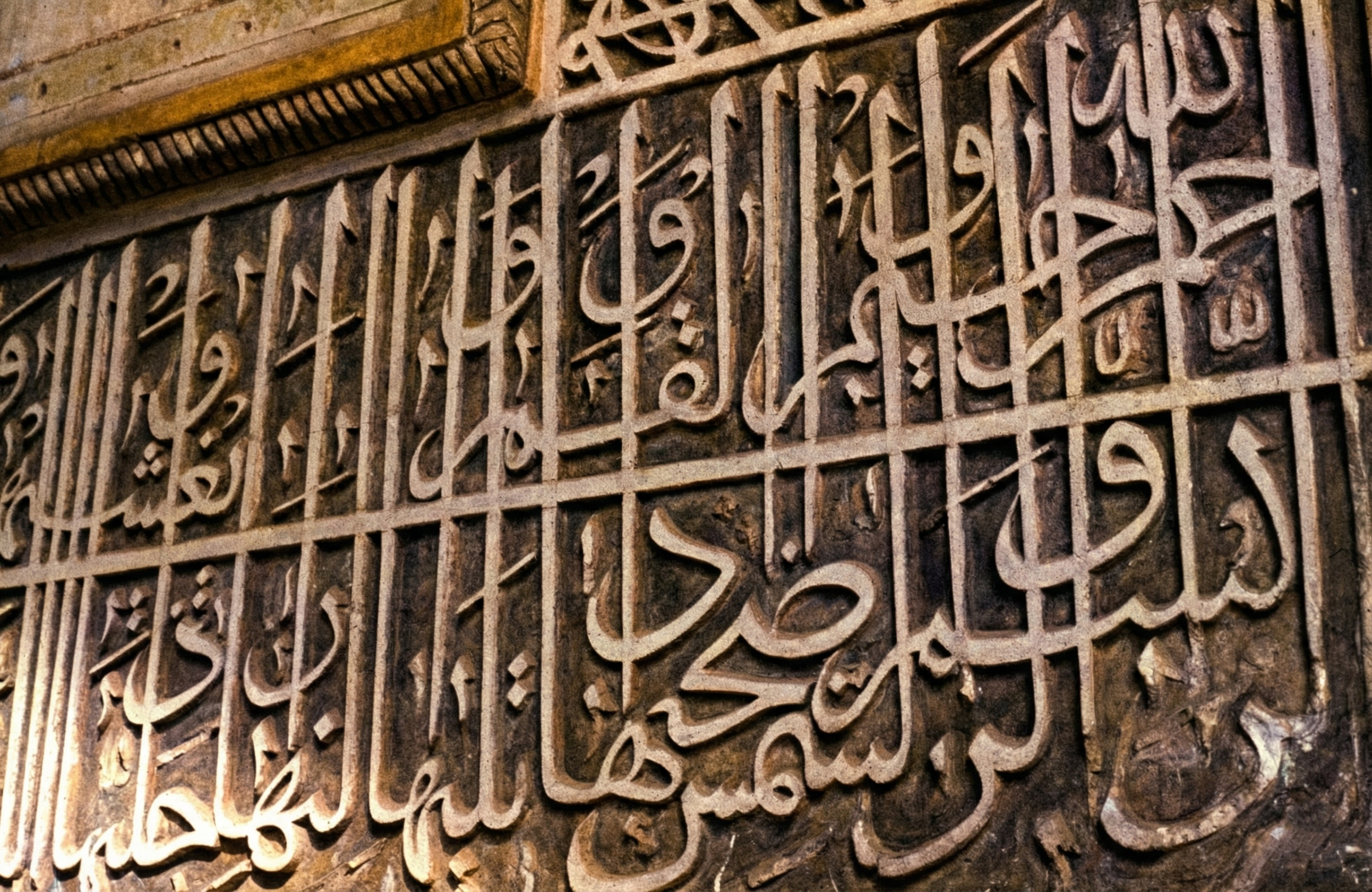
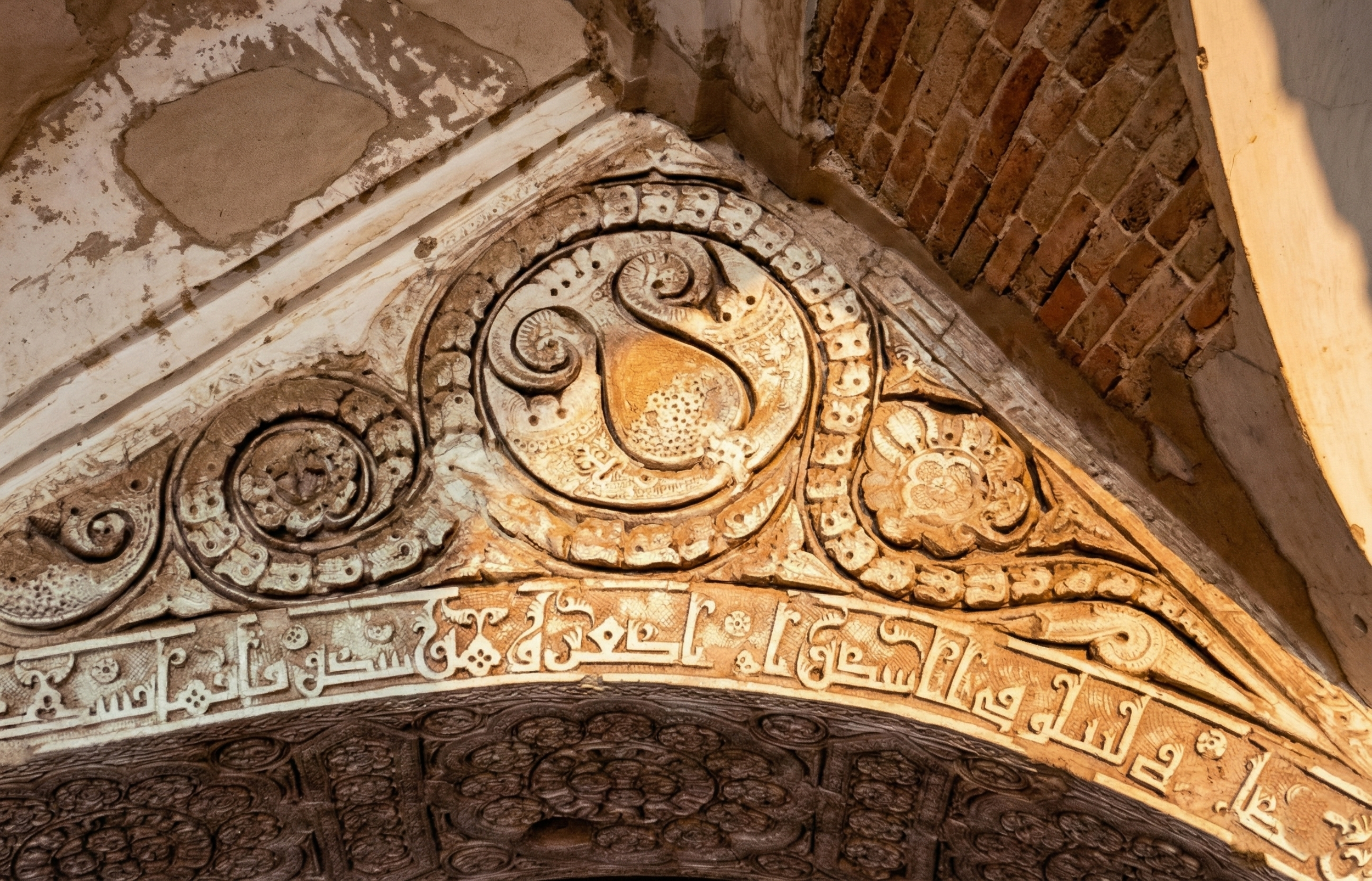
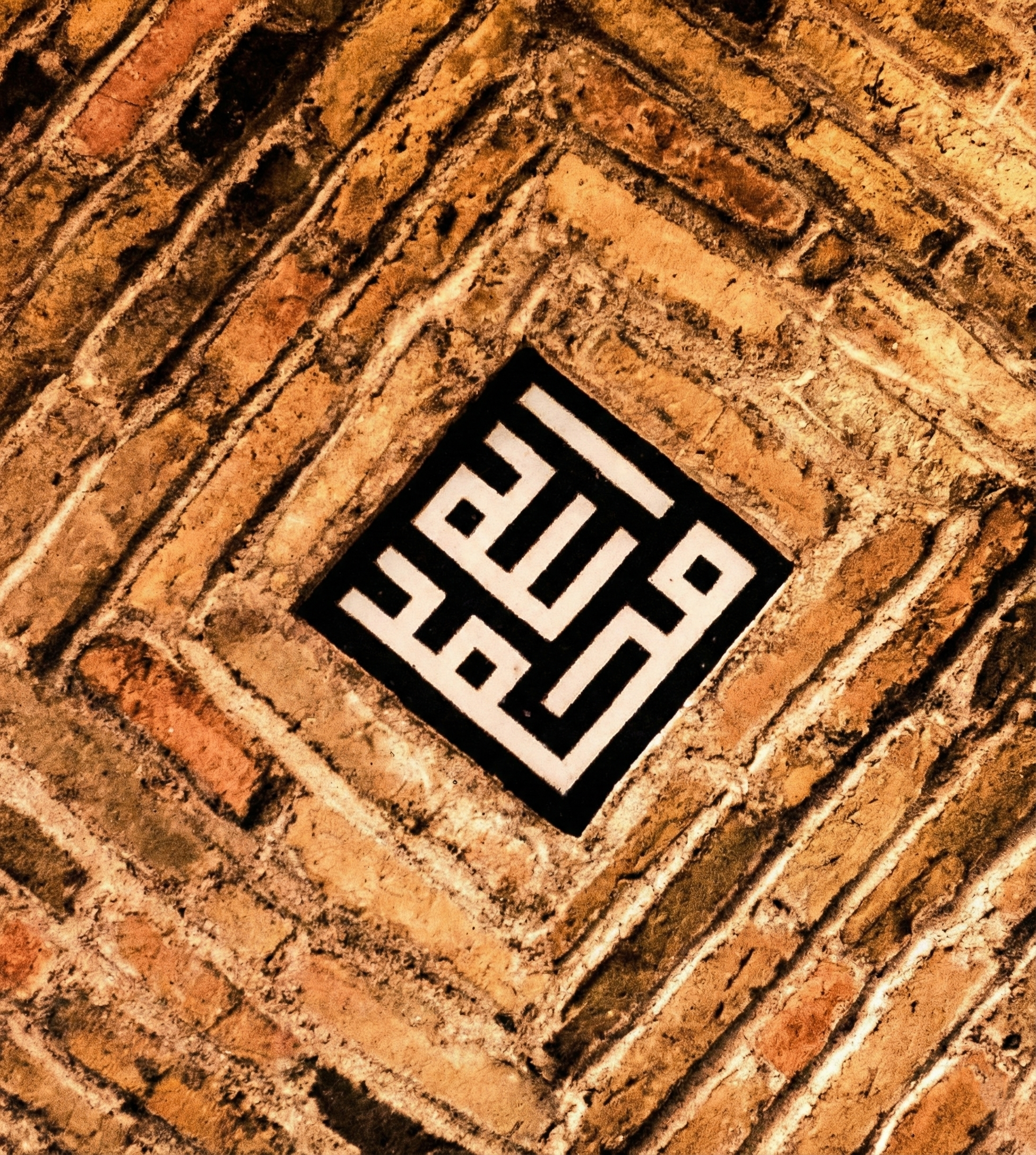
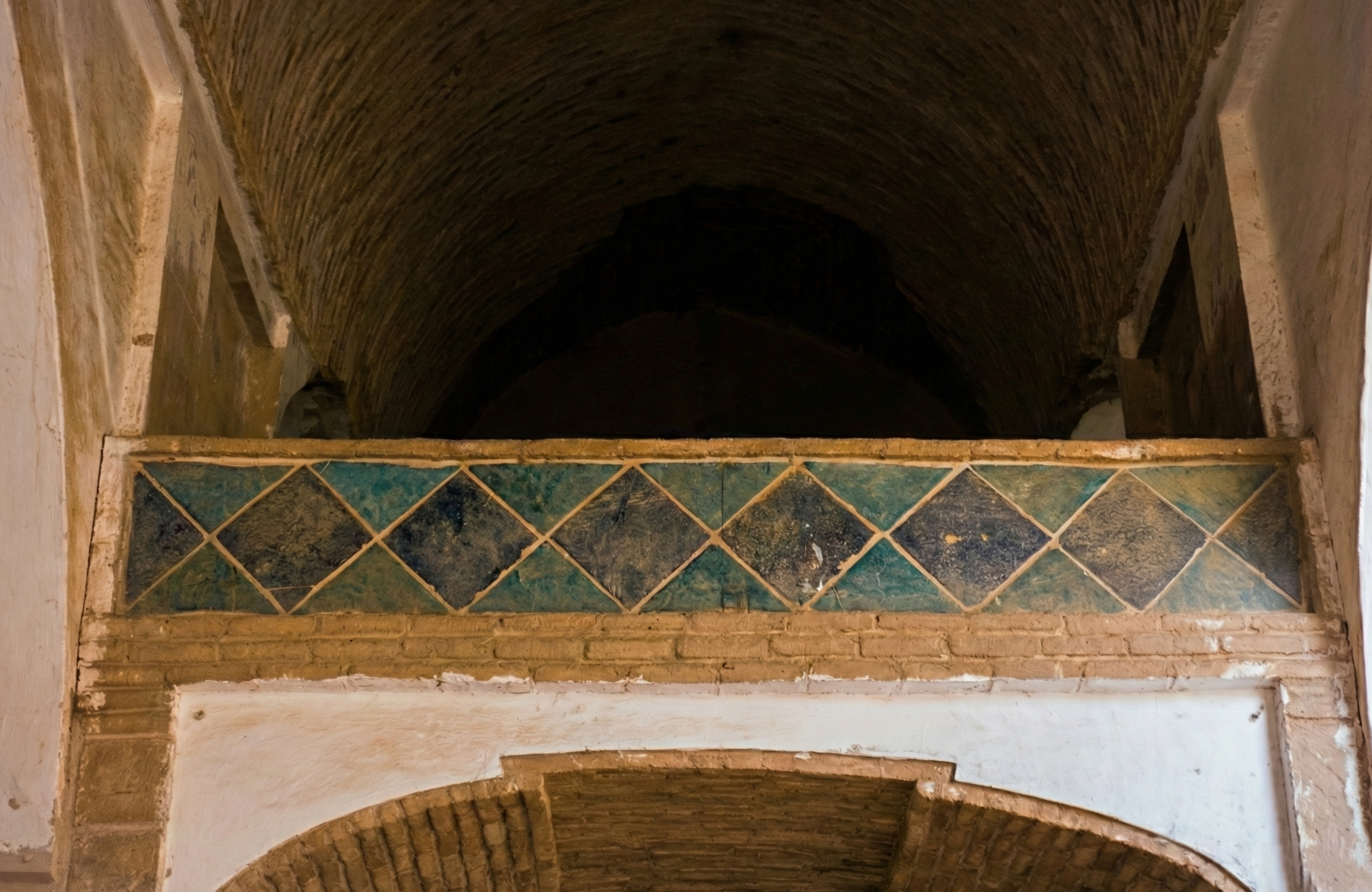
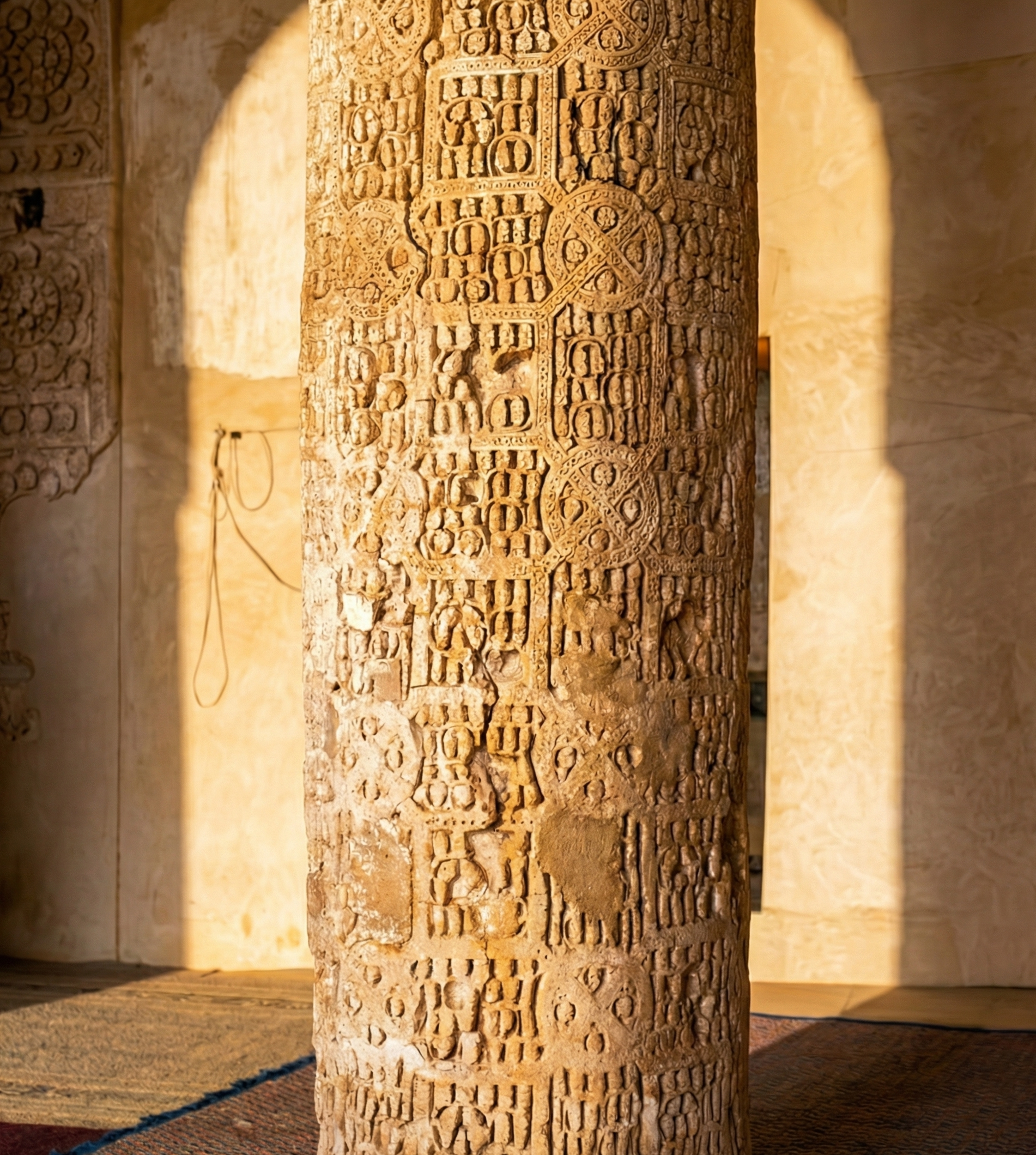
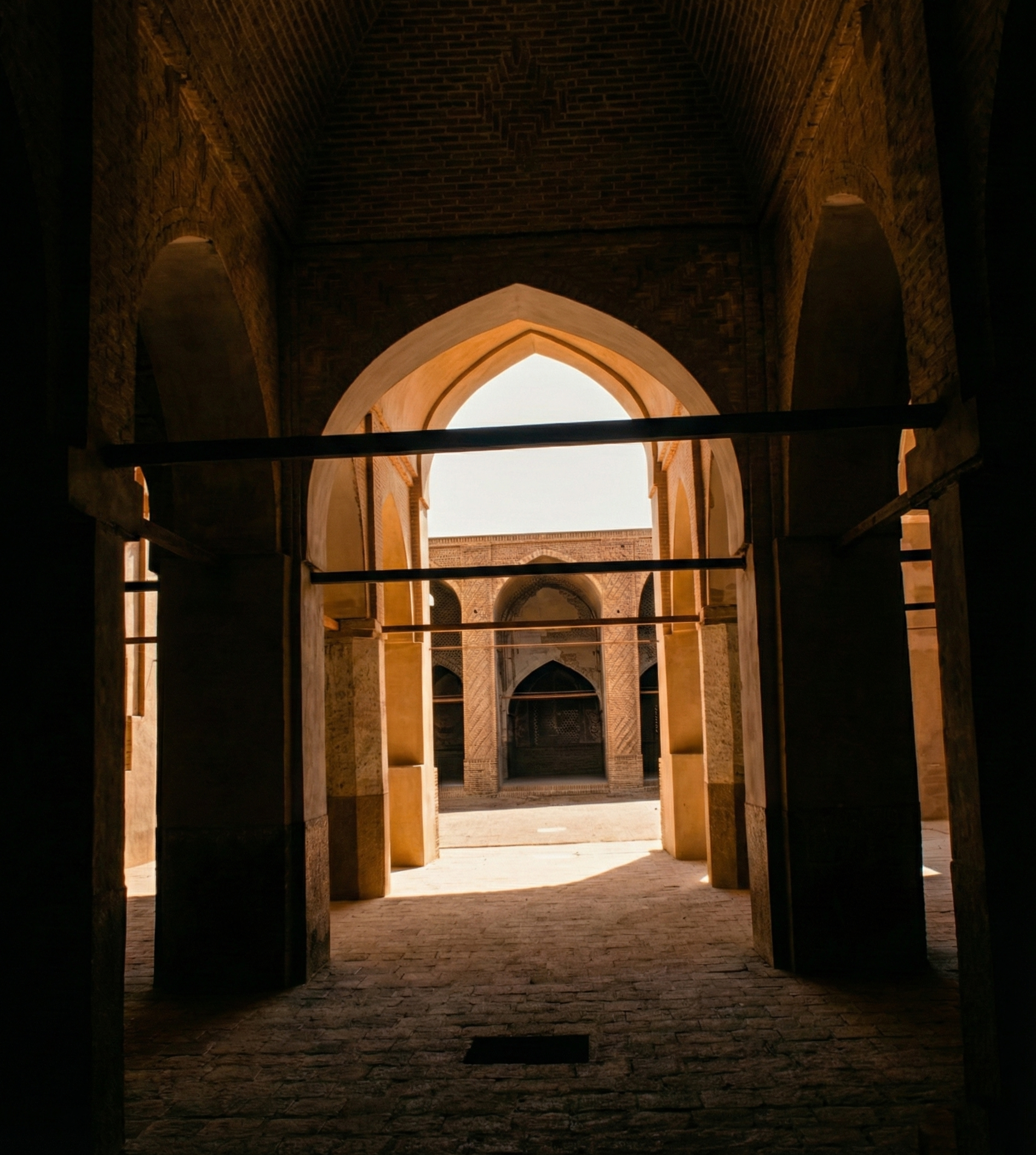
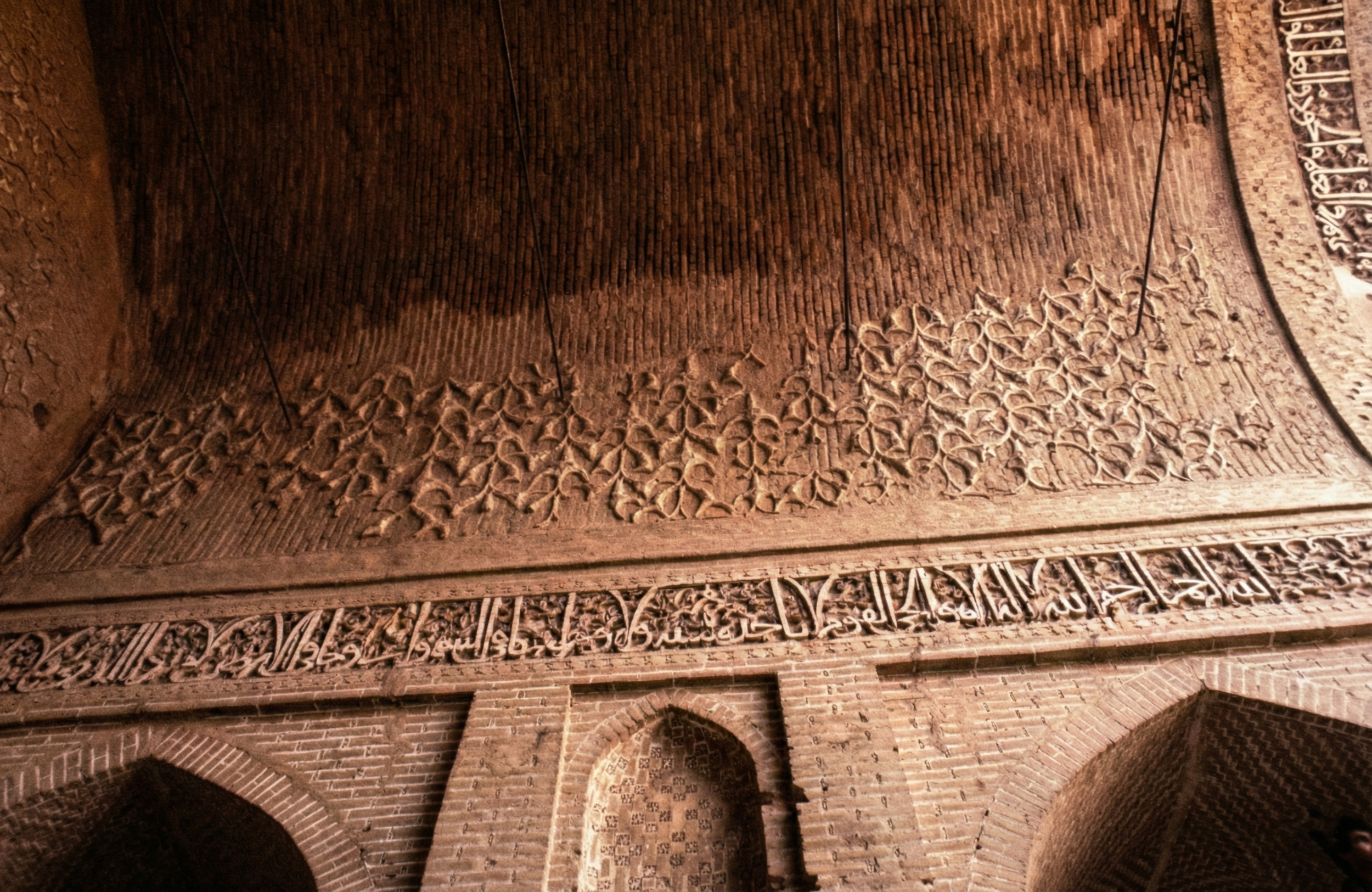
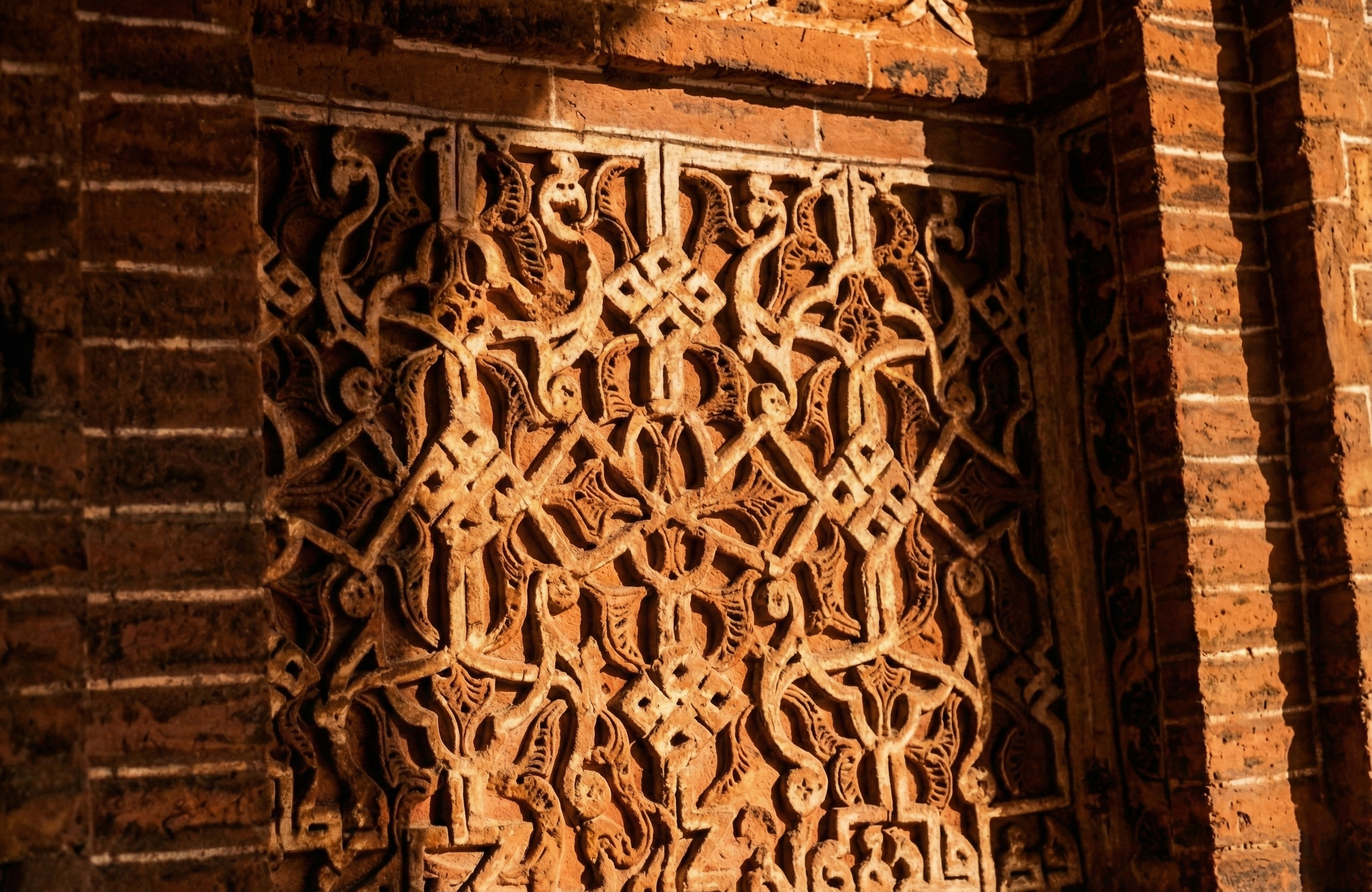
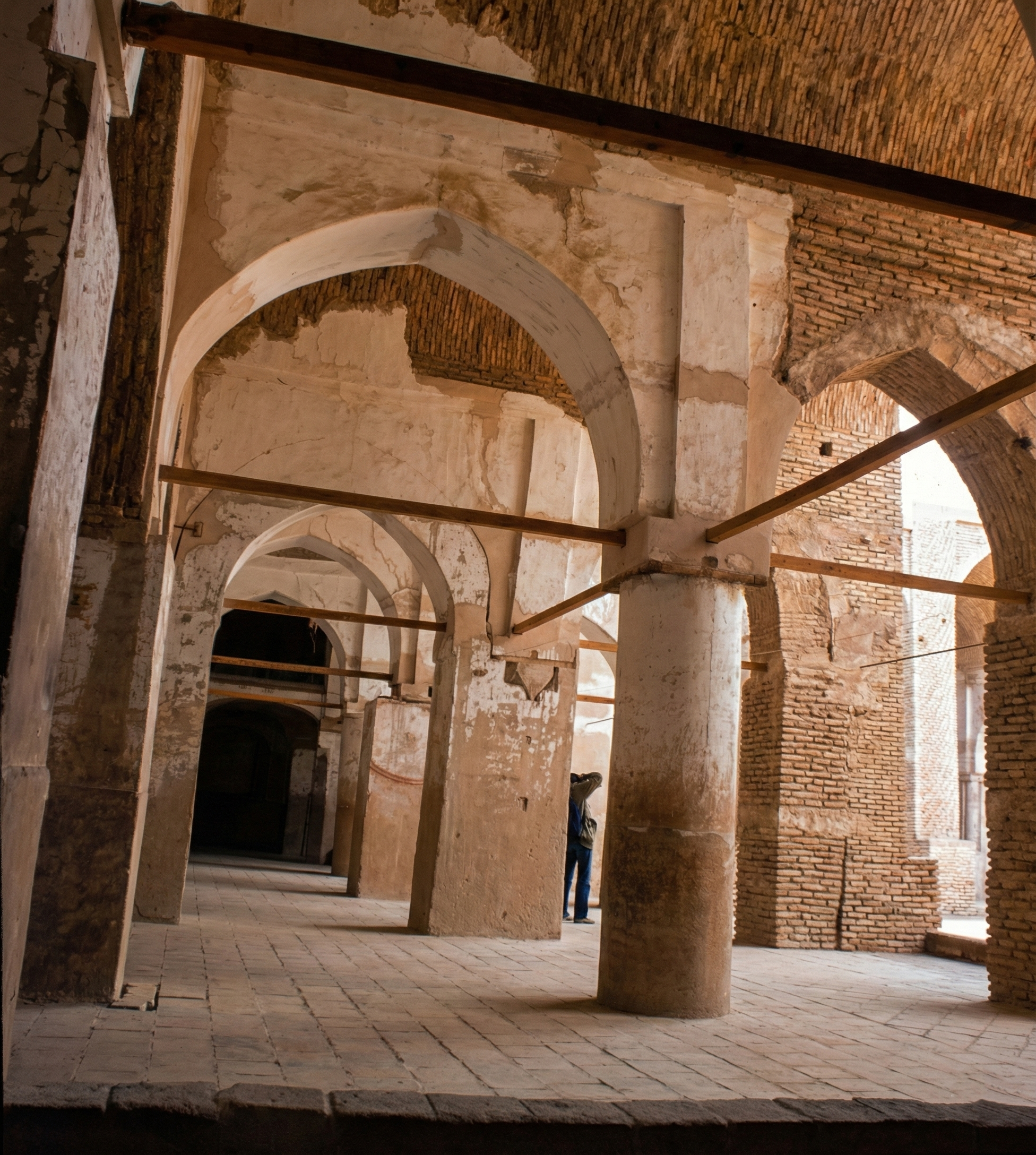
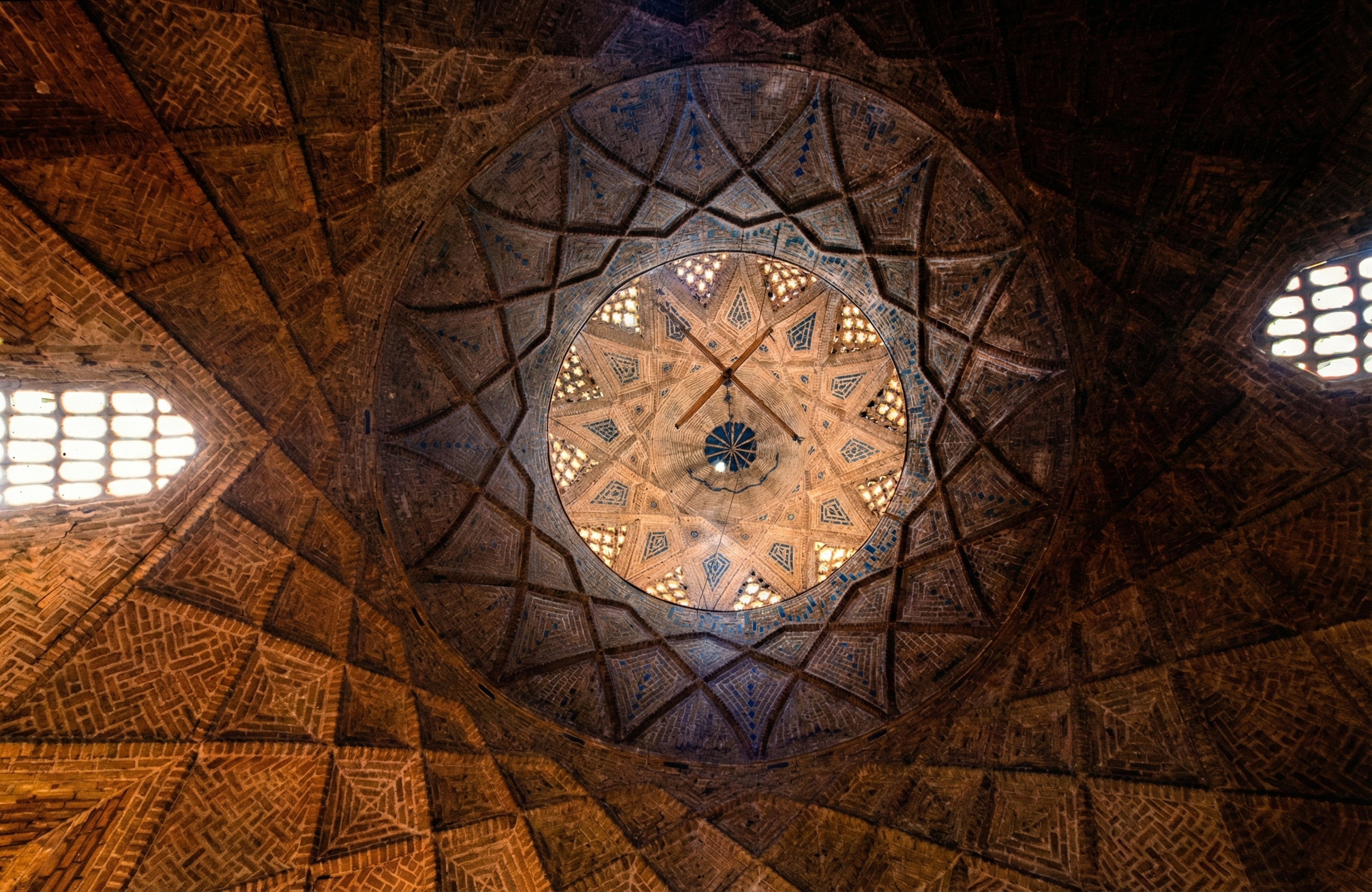
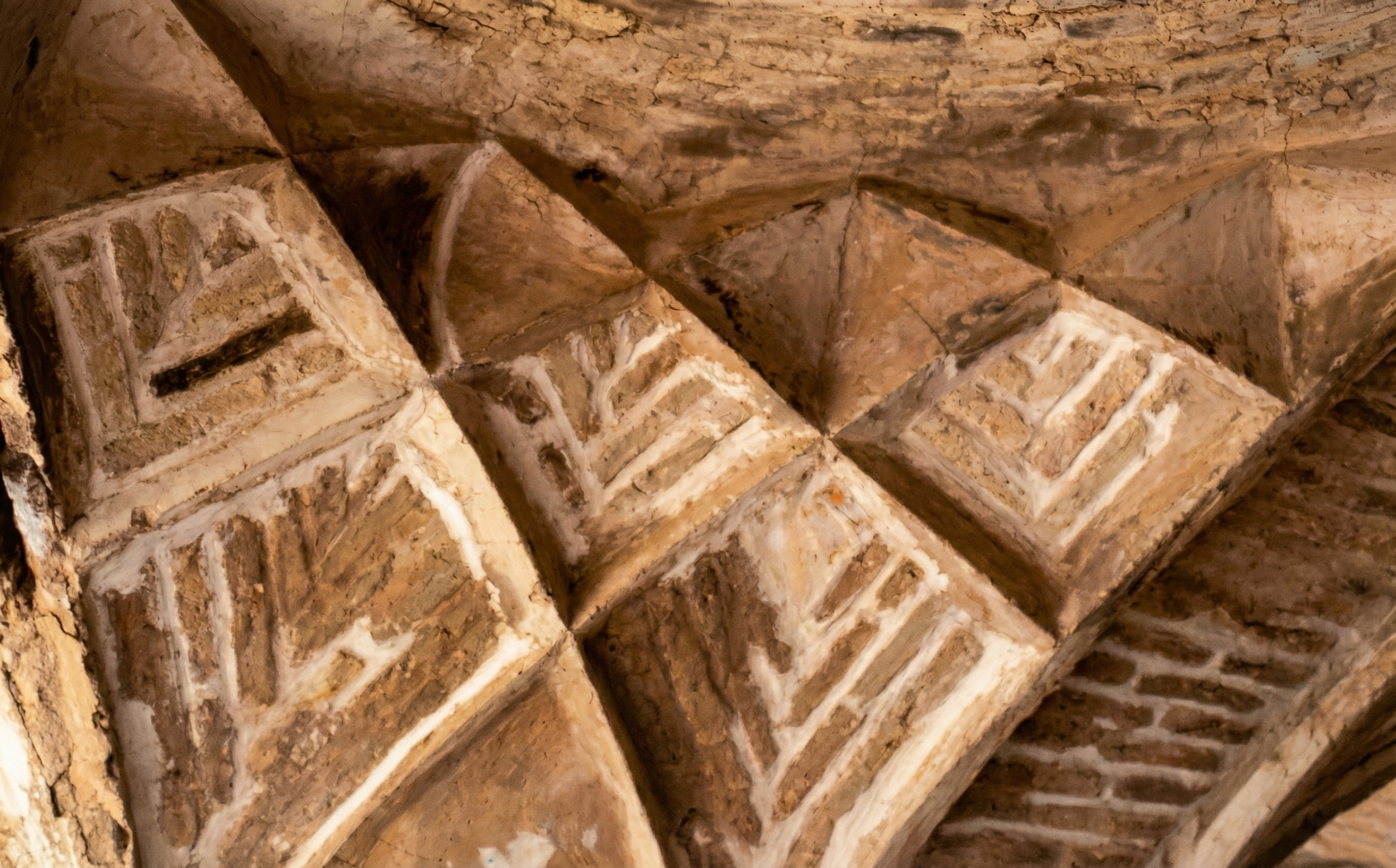
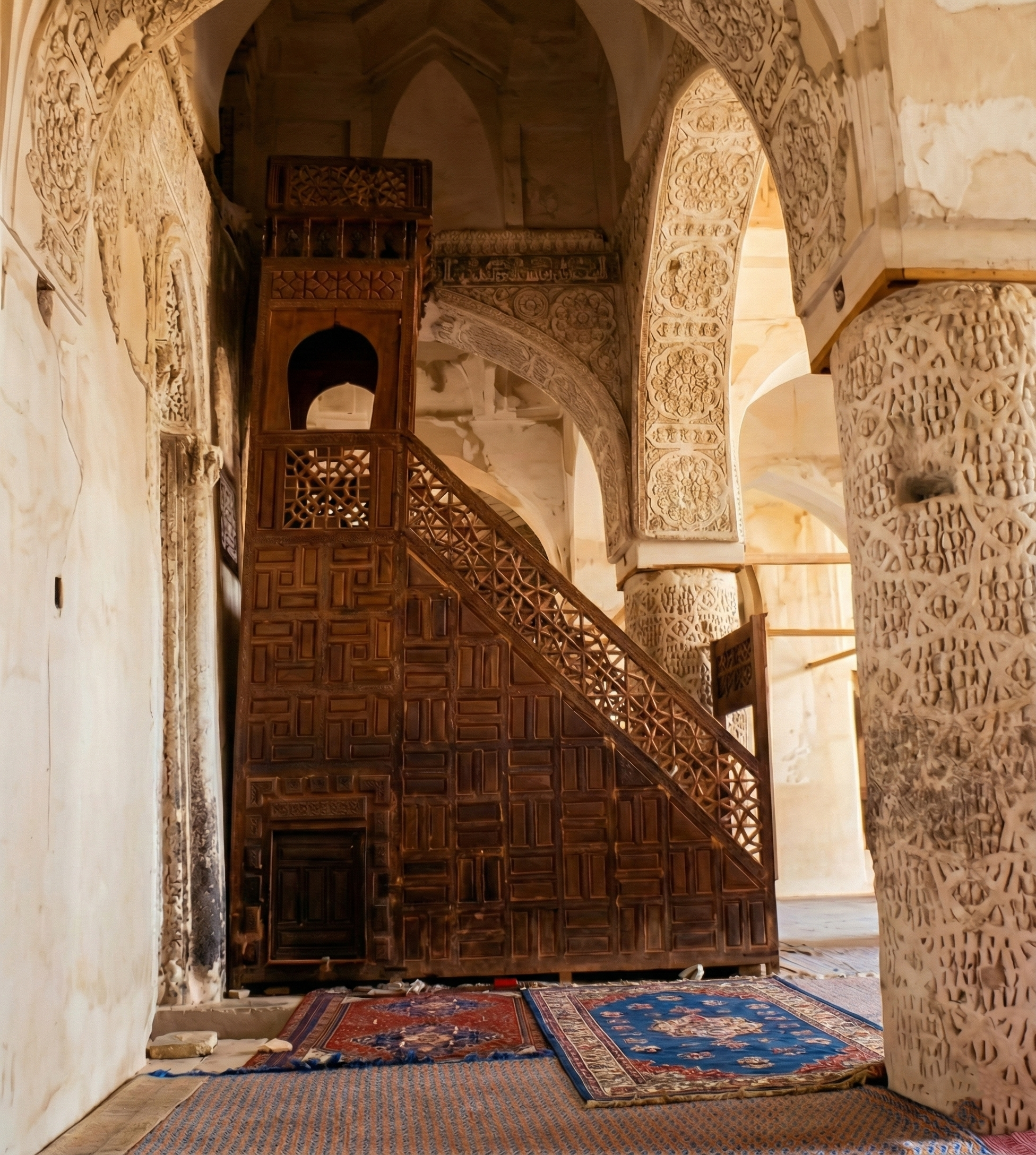
The Jameh Mosque (مسجد جامع) of Na’in (نائین), built in the 10th century CE with Seljuk additions (11th–12th centuries), is one of Iran’s earliest congregational mosques. Its hypostyle plan, 12th-century stucco mihrab, and Seljuk octagonal minaret anchor the city’s bazaar (بازار) and surrounding residential quarters.
-
The Jameh Mosque (مسجد جامع) of Na’in (نائین), originally constructed in the 4th century AH (10th century CE) with later additions in the Seljuk period (11th–12th centuries CE), is one of Iran’s earliest surviving congregational mosques. Its hypostyle plan, inspired by early Islamic architecture, preserves a remarkable sense of simplicity and spatial clarity. The mosque is especially renowned for its exquisite stucco mihrab, dating to the 6th century AH (12th century CE), adorned with intricate vegetal and calligraphic motifs. A distinctive octagonal minaret, added during the Seljuk era, rises above the complex, emphasizing verticality in the low-desert skyline. As the spiritual nucleus of Na’in, the mosque anchors the surrounding bazaar and residential quarters, reinforcing the city’s cohesive urban structure and enduring religious identity.
