The Ab Anbar (آبانبار) and Badgir (بادگیر) Systems of Na’in (نائین)
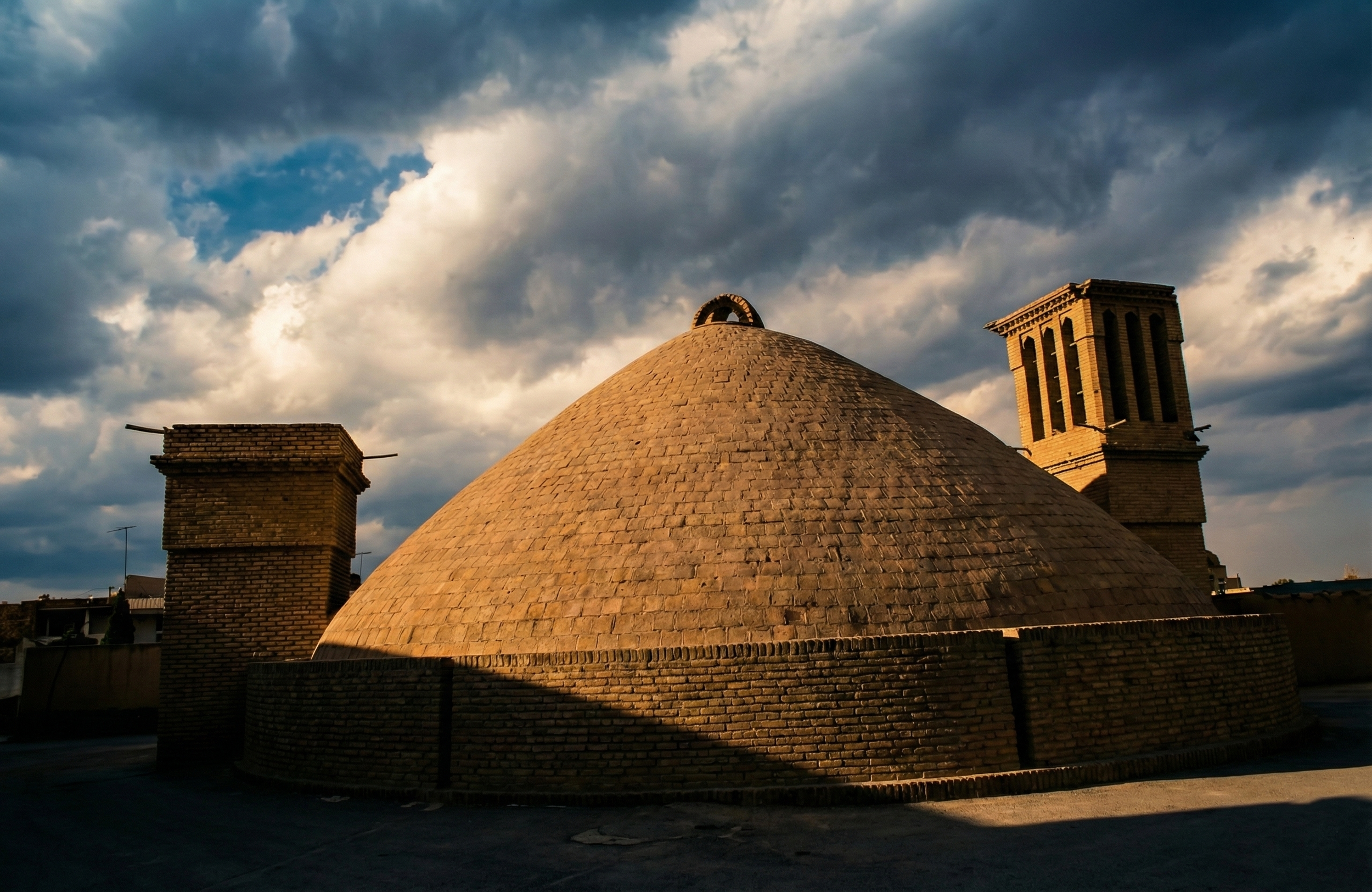
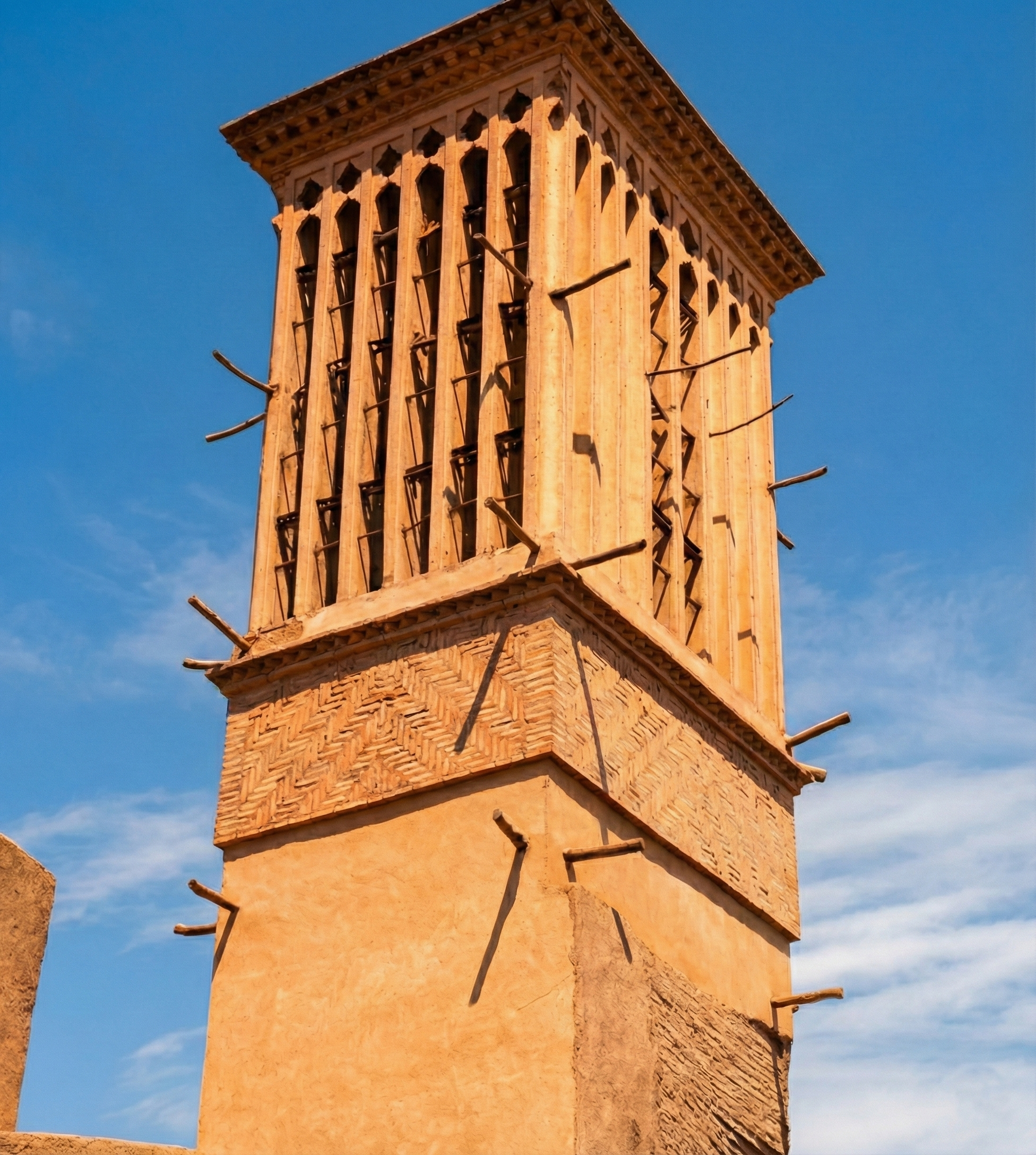
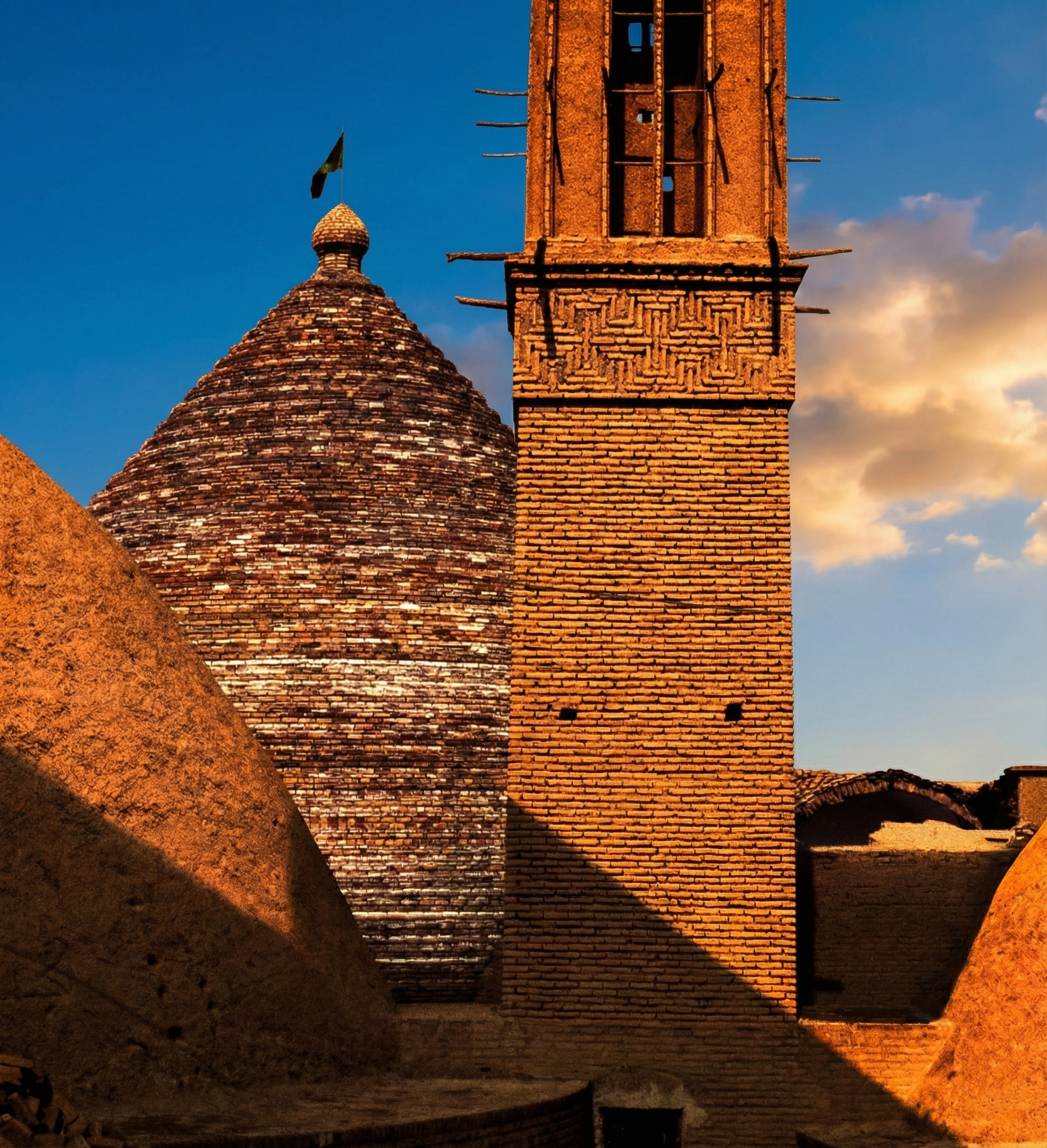
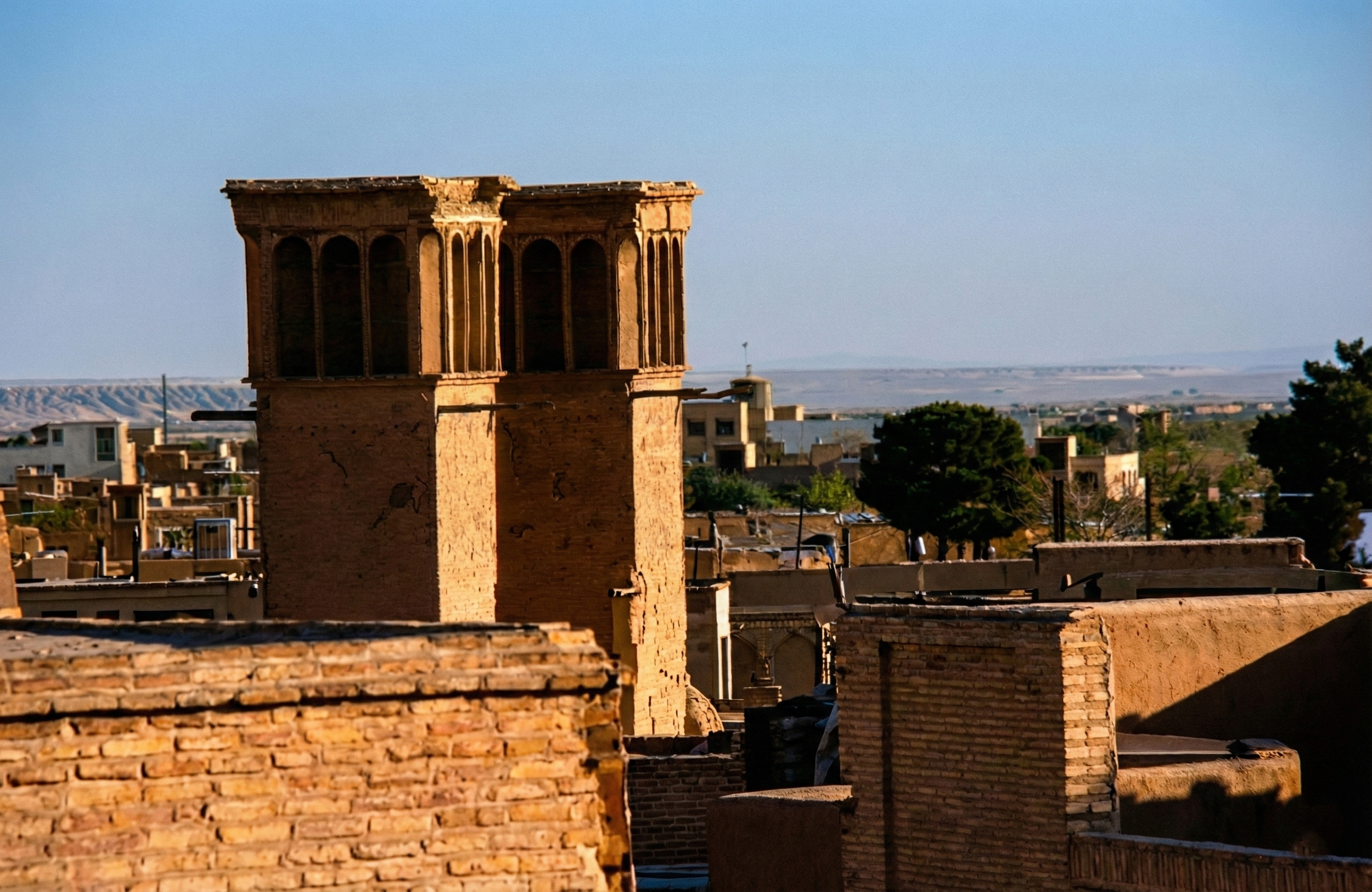
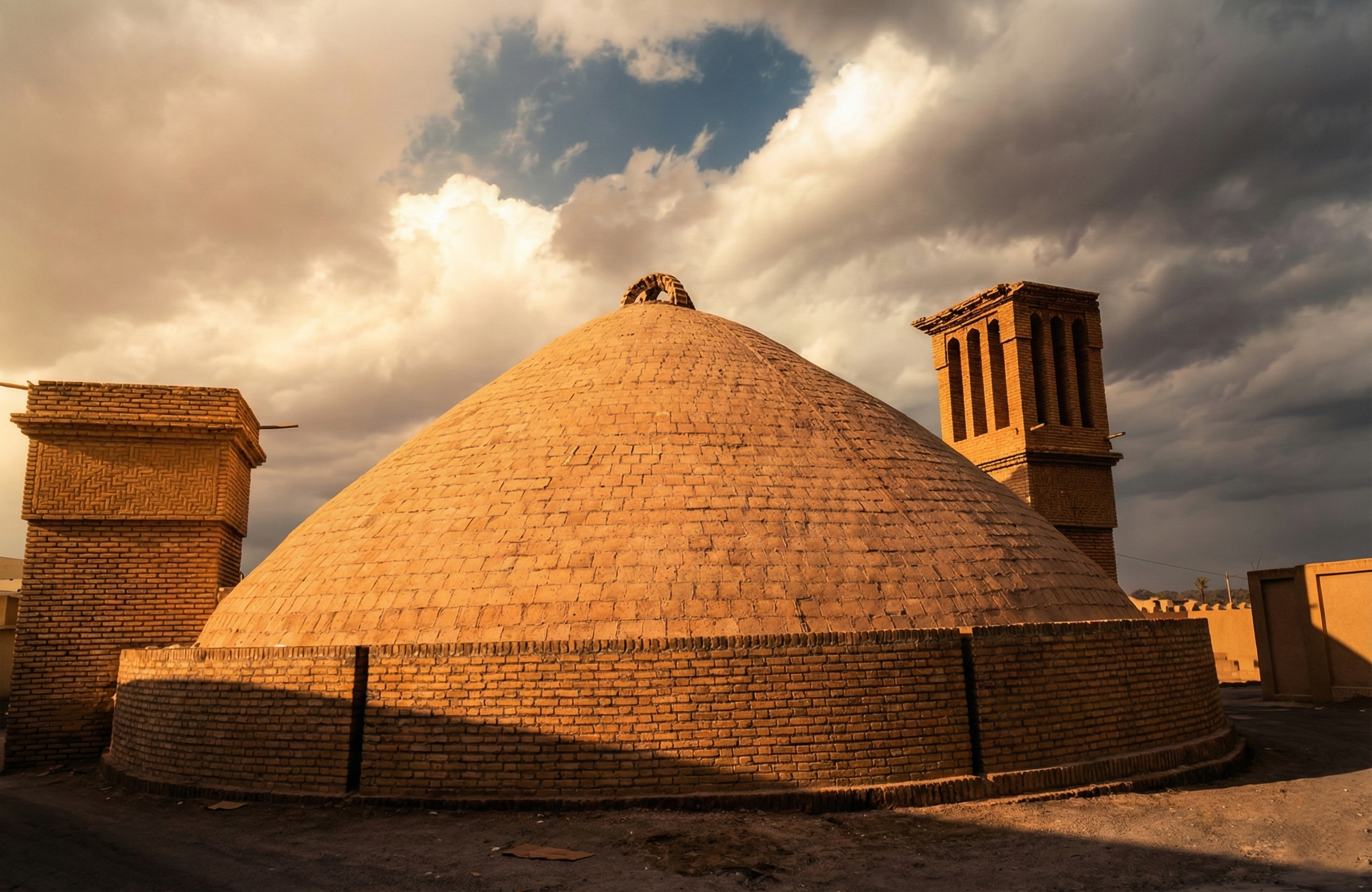
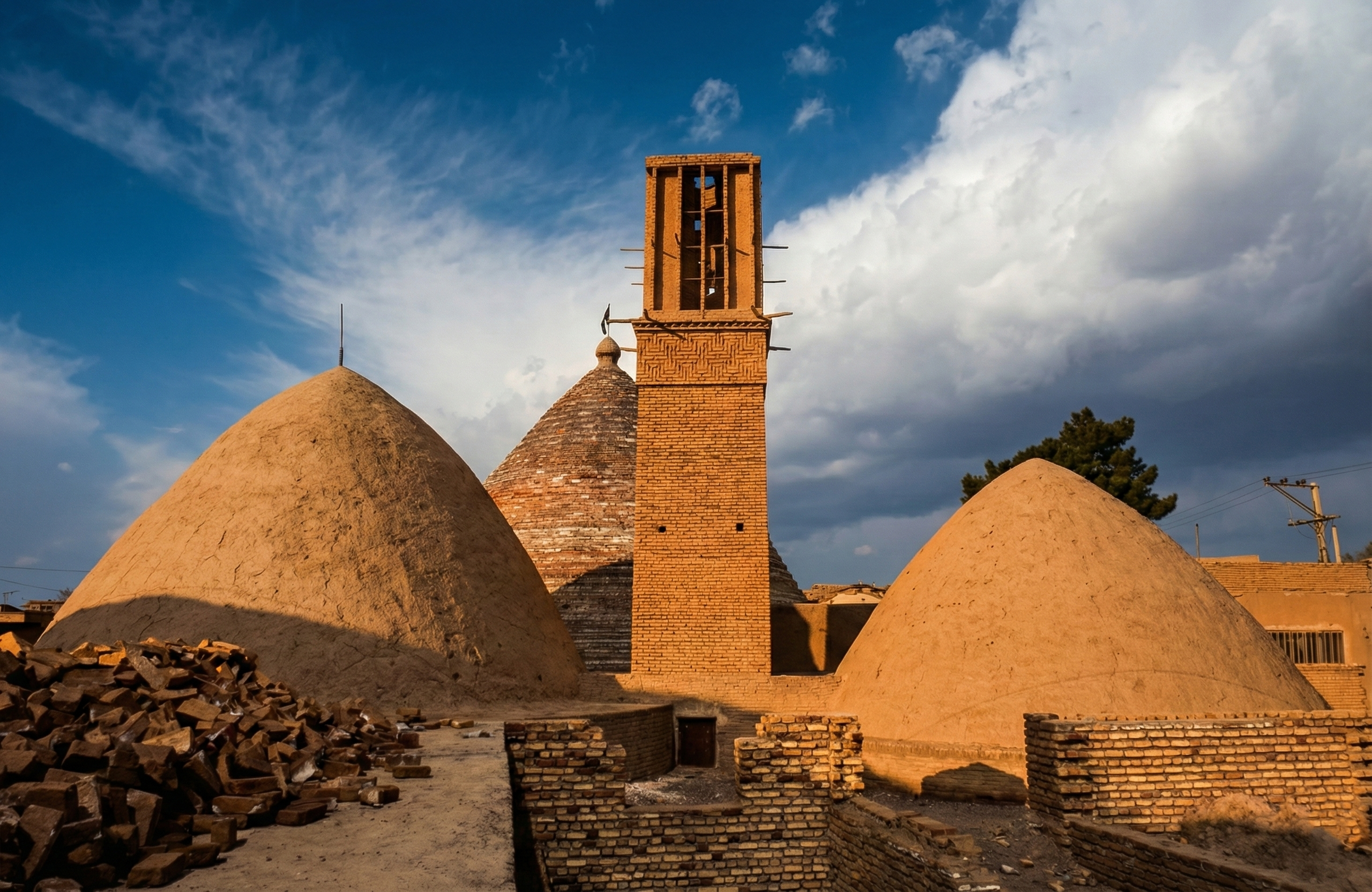
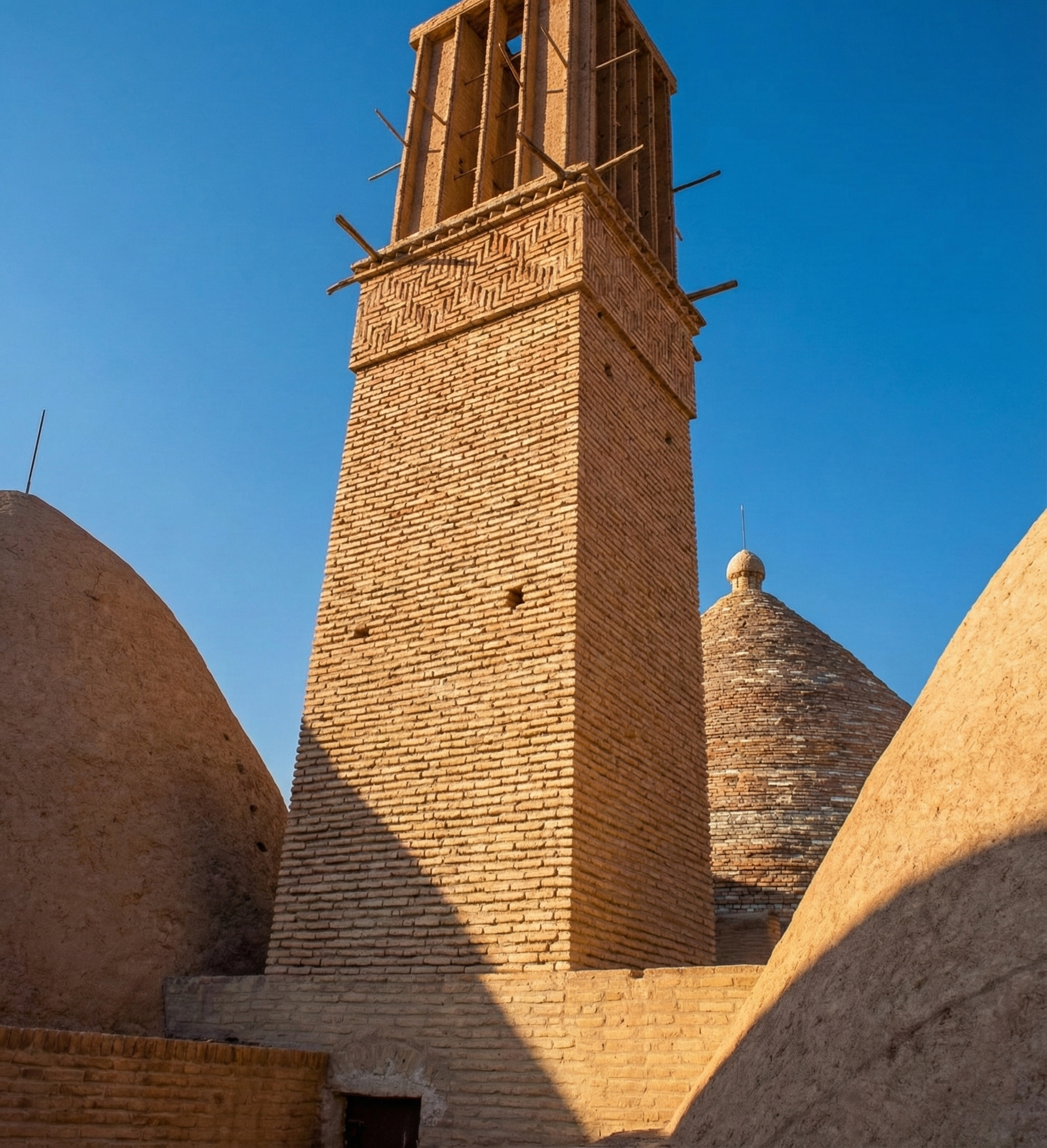
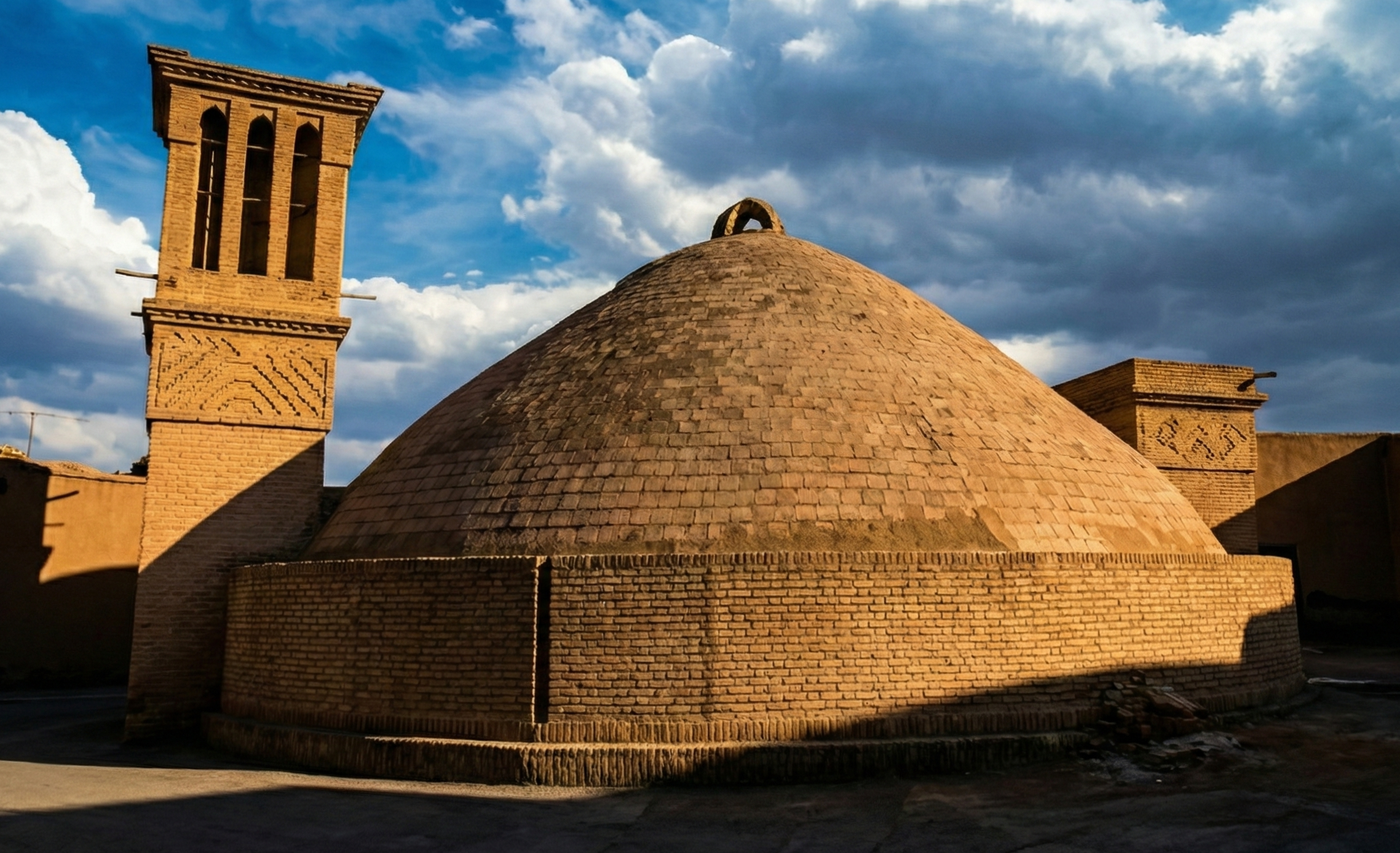
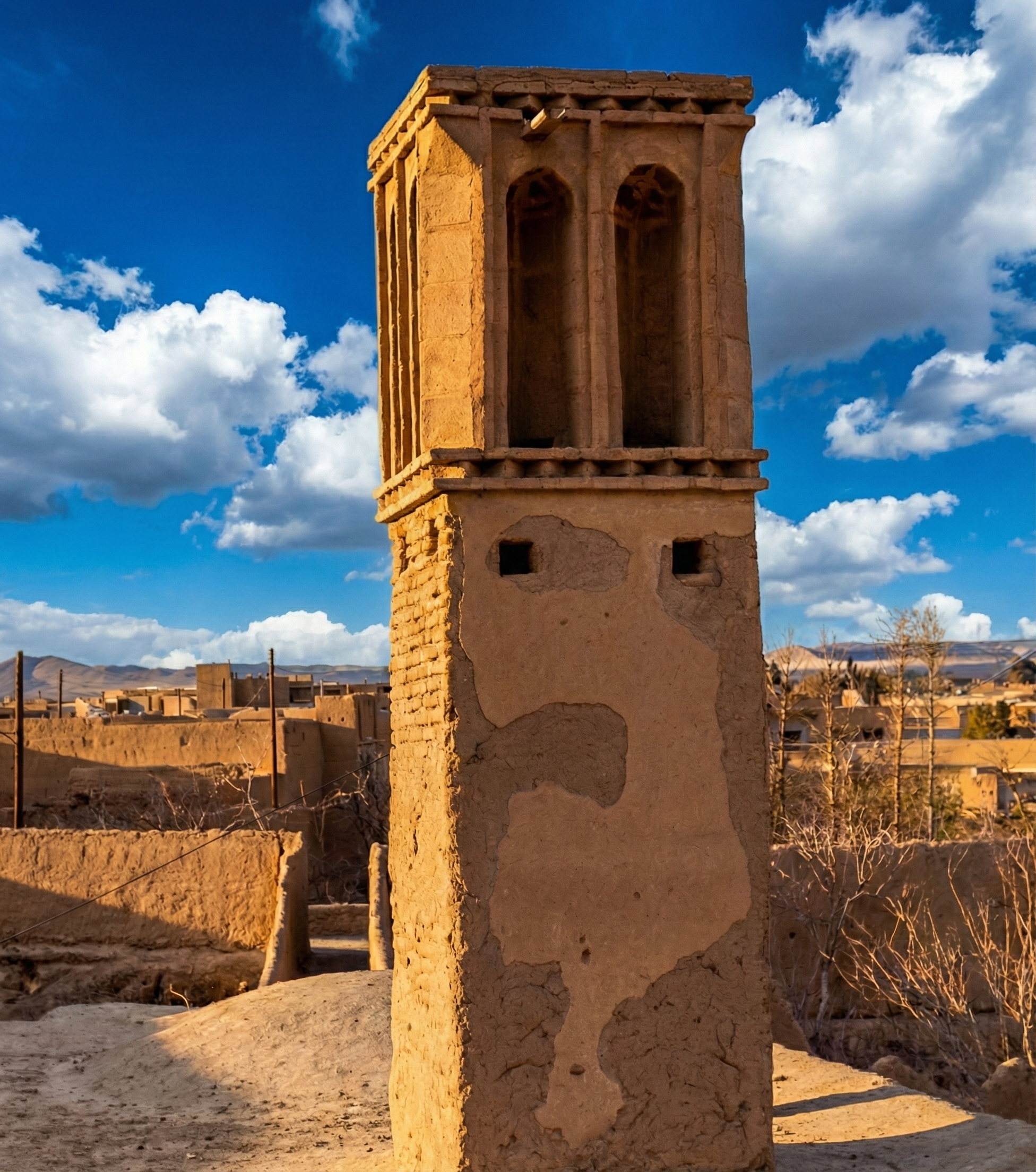
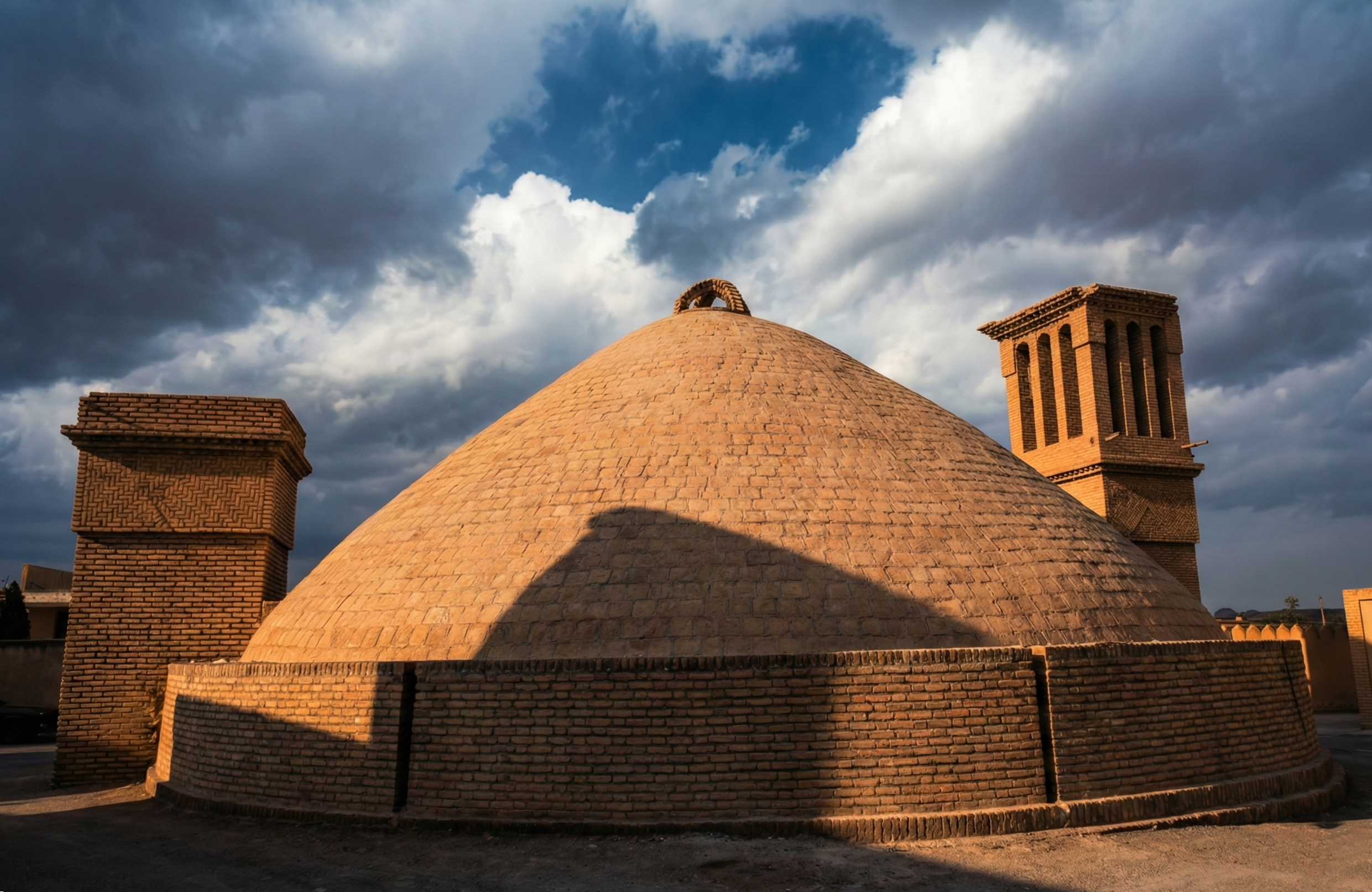
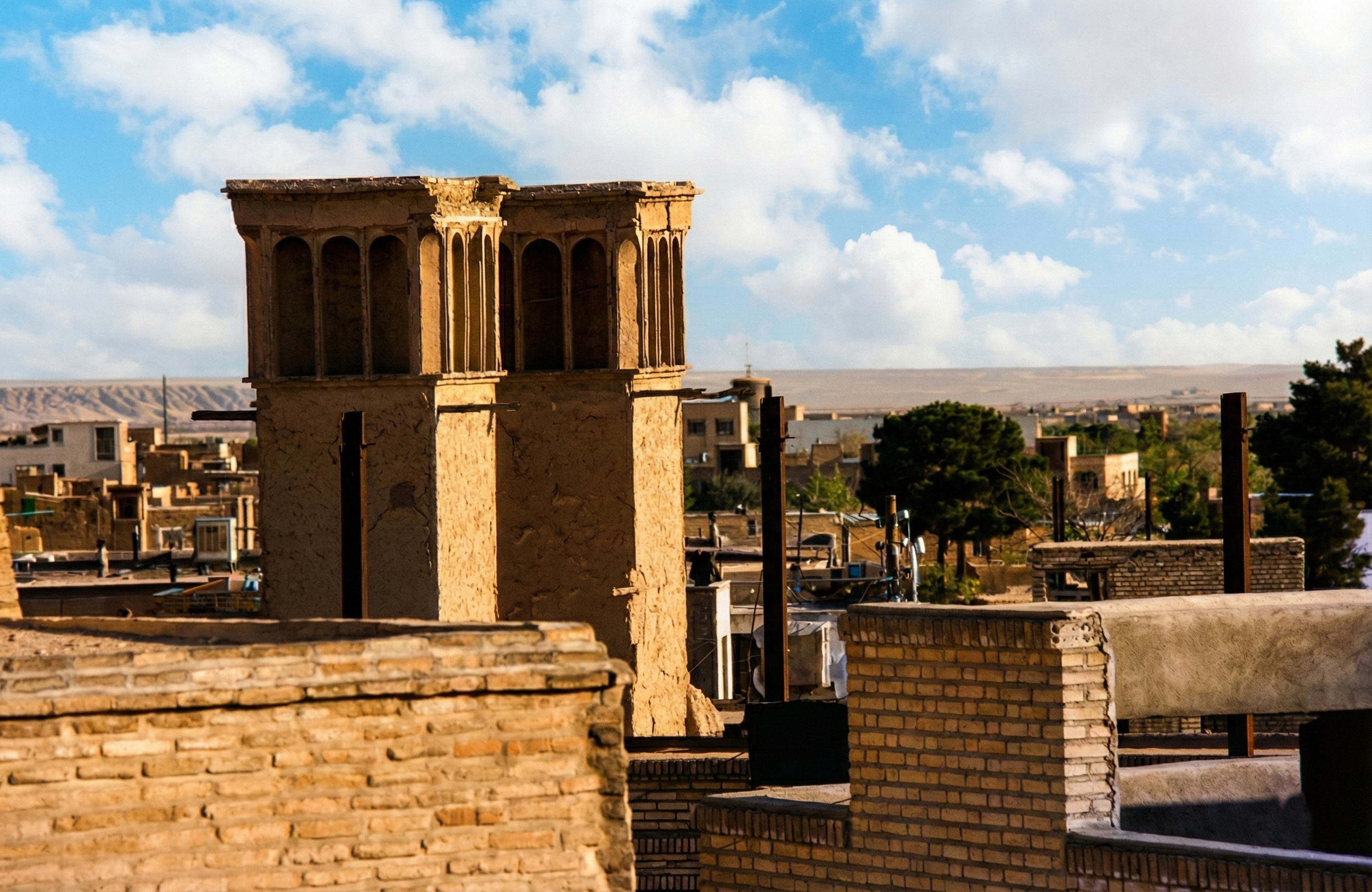
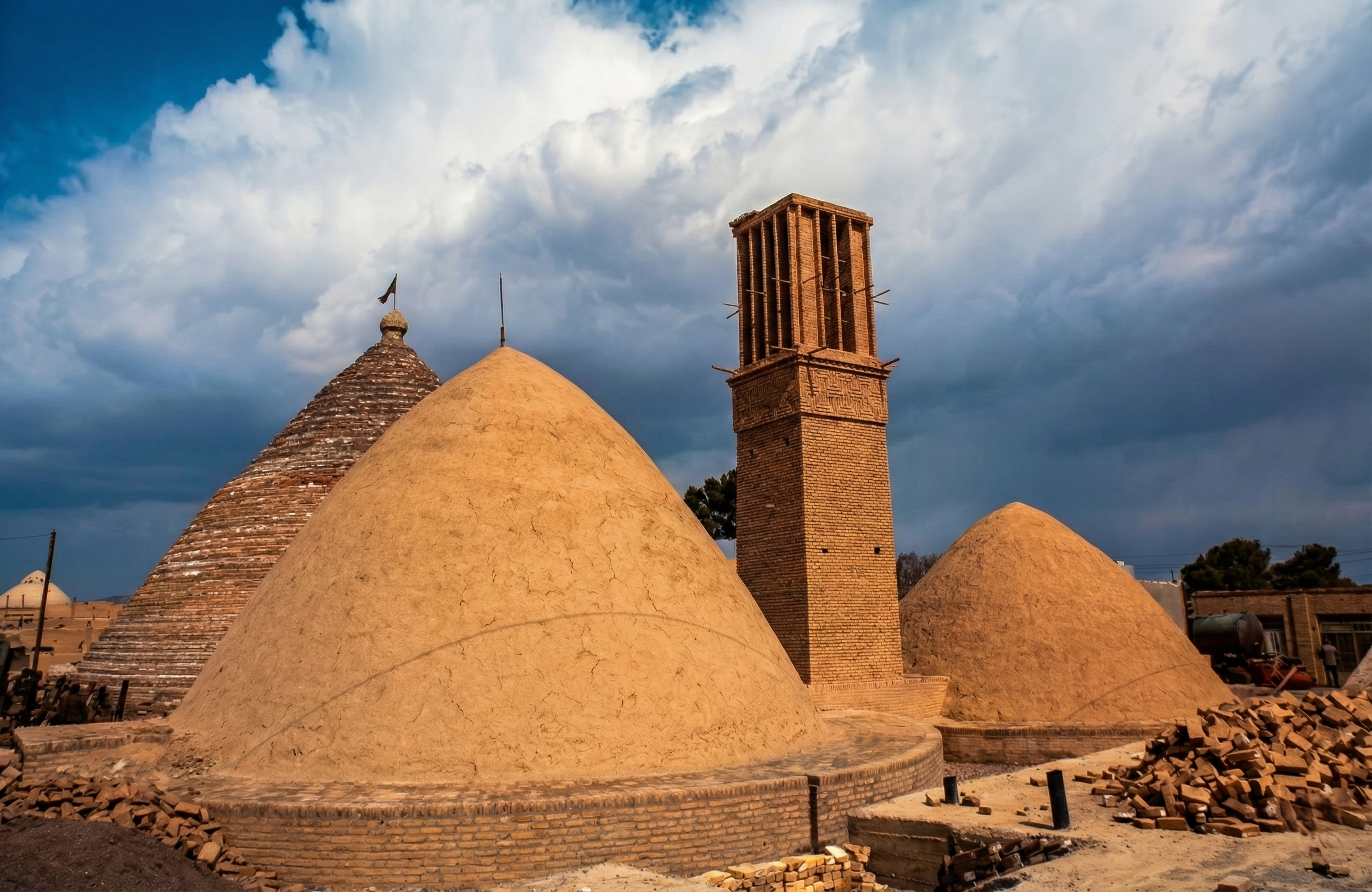
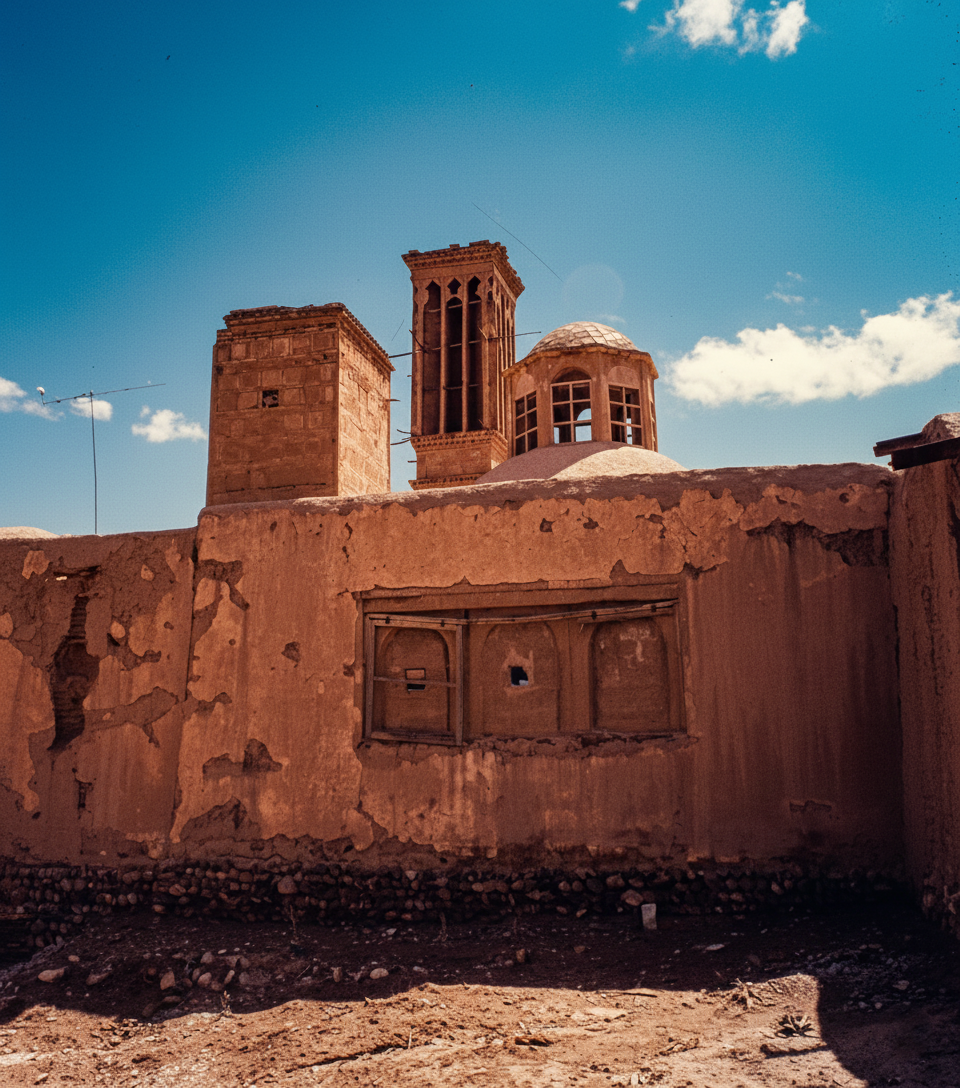
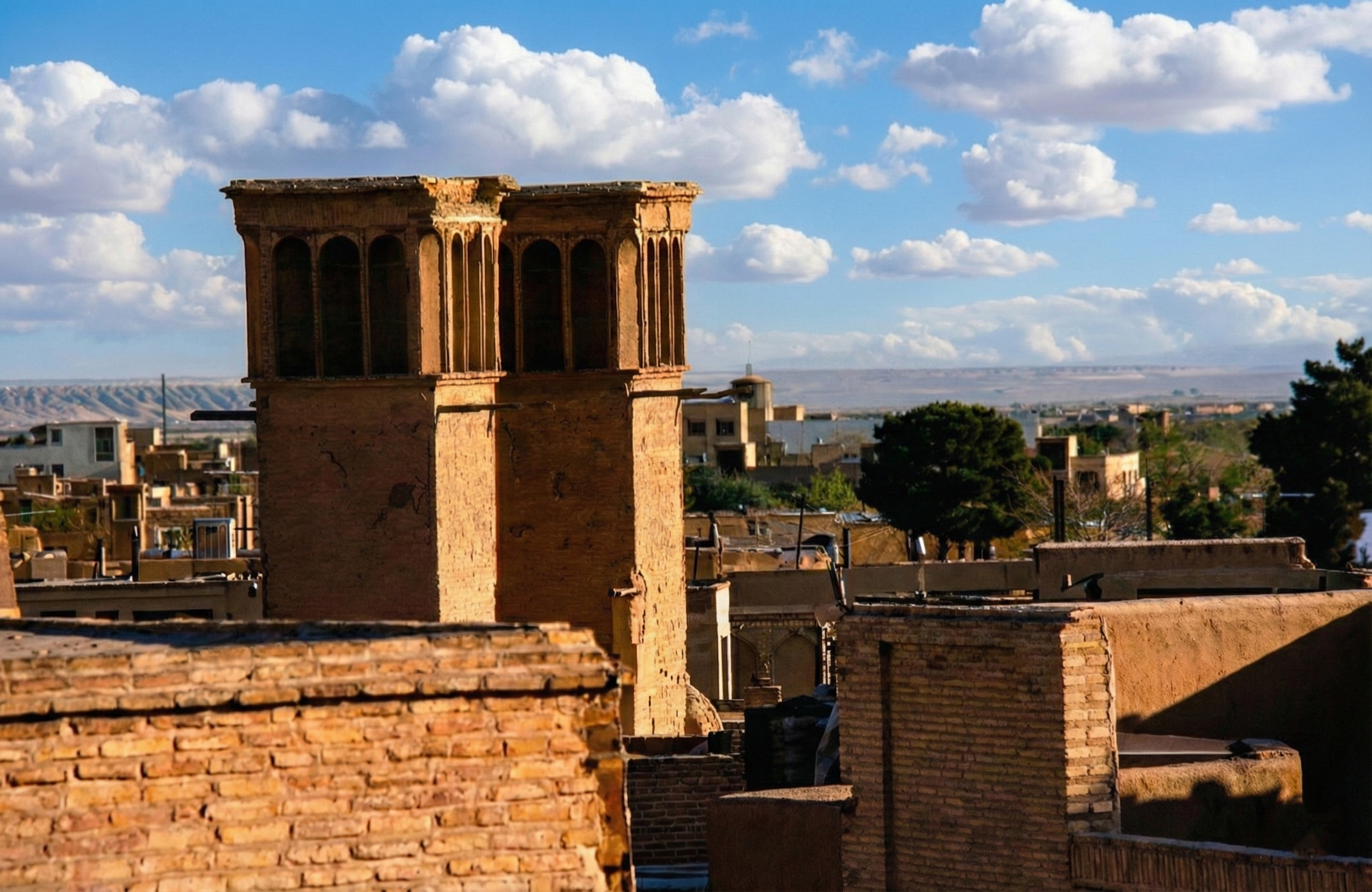
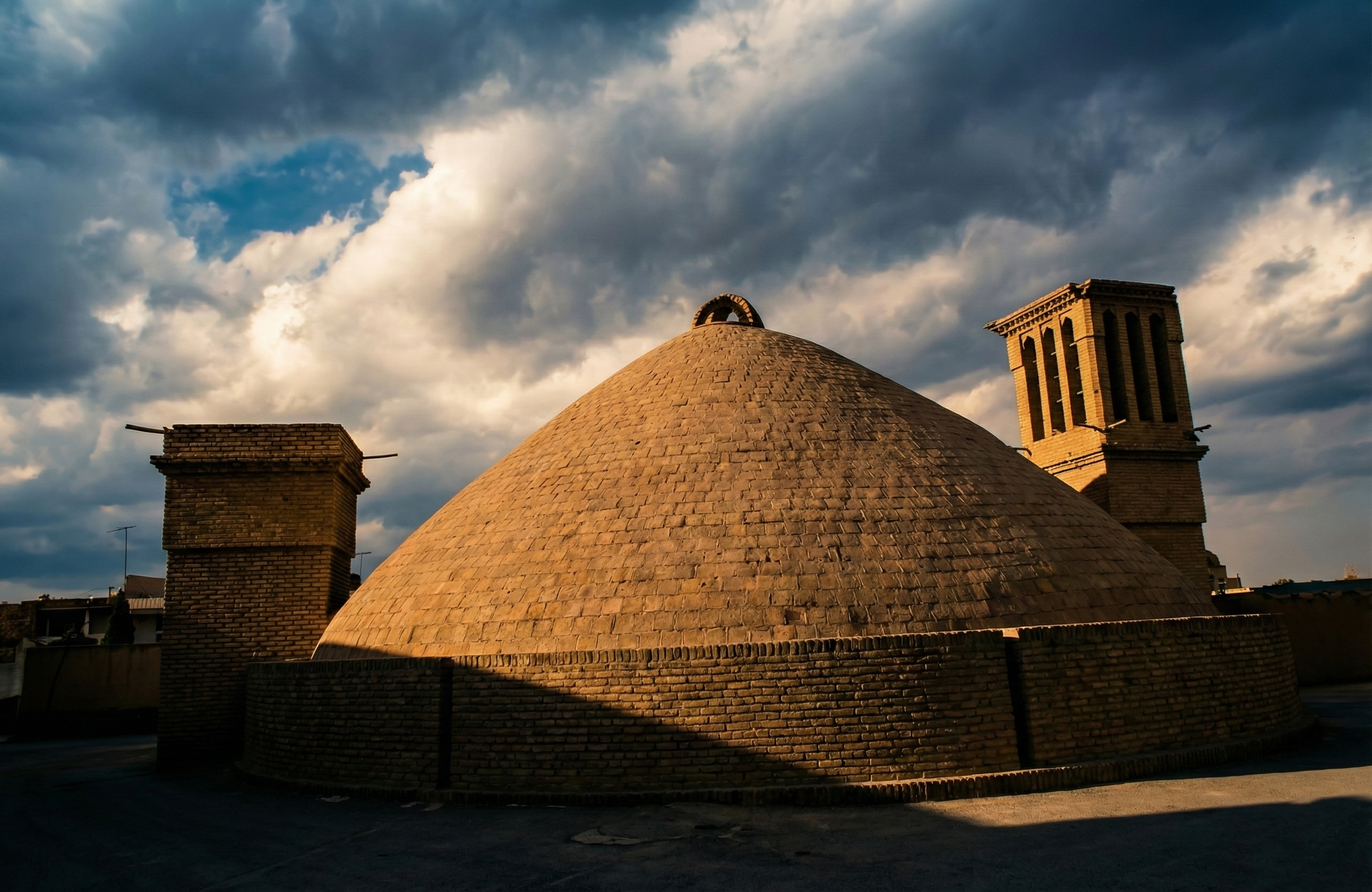

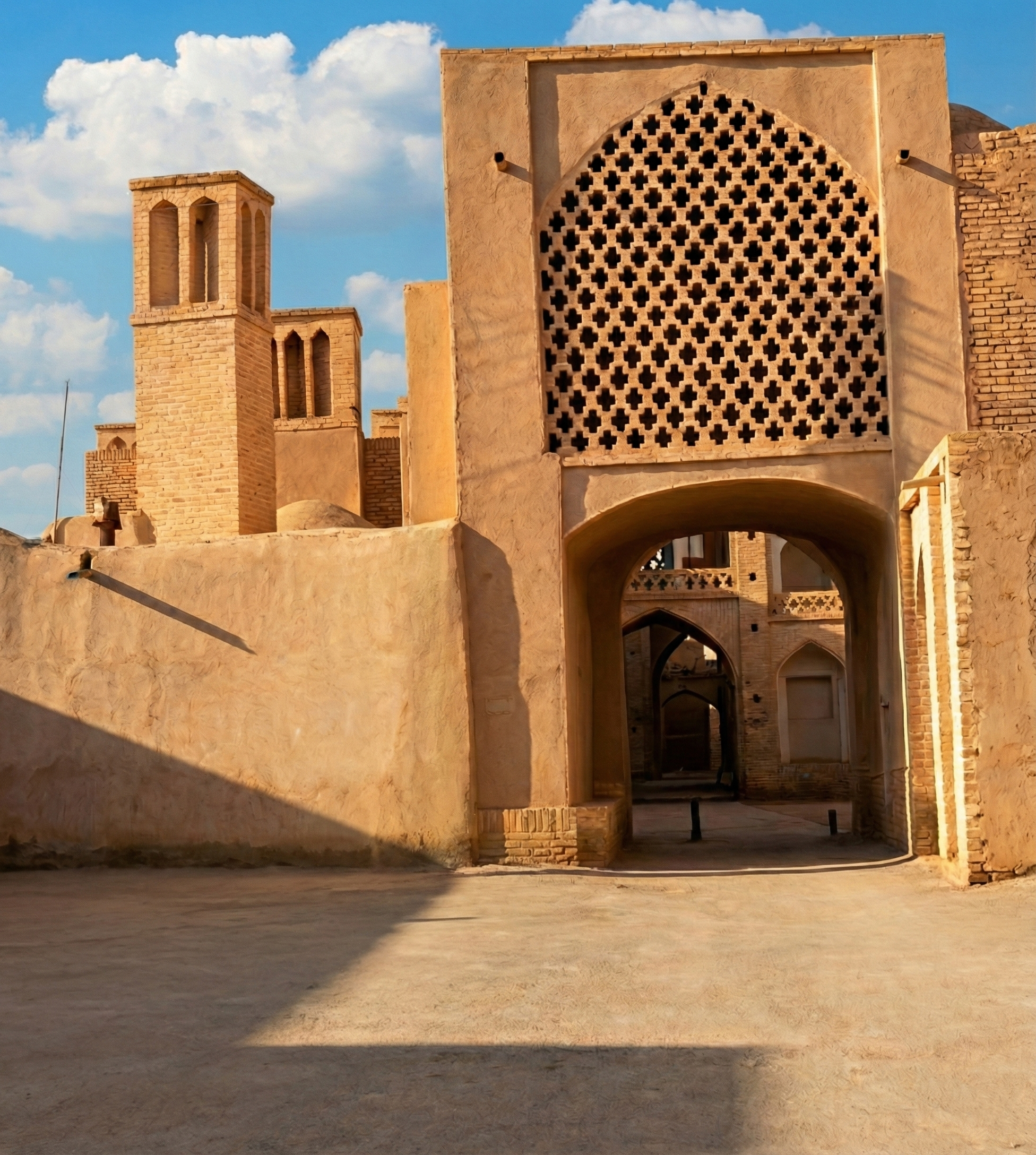

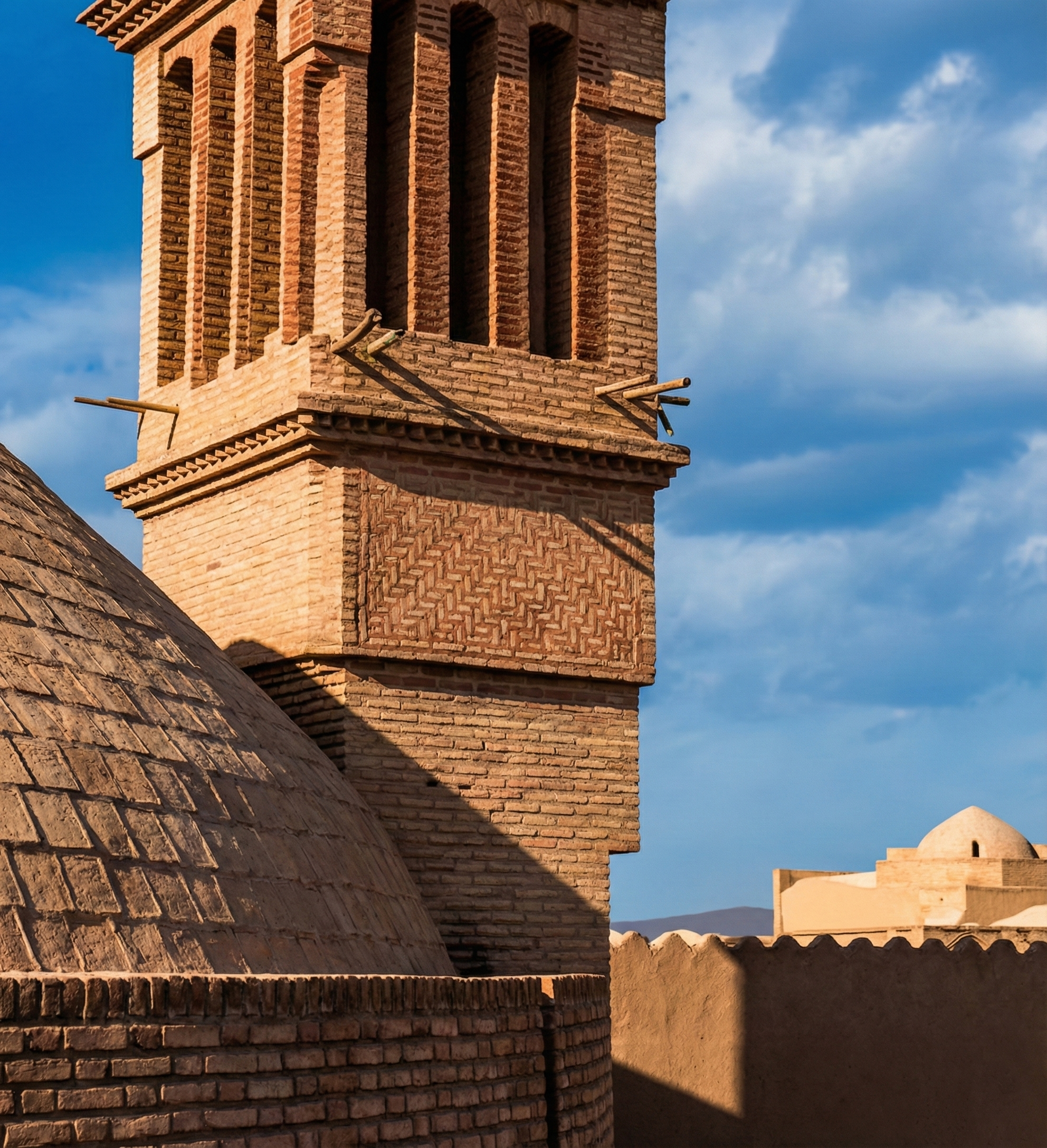

The Ab Anbar (آبانبار) and Badgir (بادگیر) systems of Na’in (نائین), developed mainly between the Safavid and Qajar periods (16th–19th centuries CE), illustrate advanced desert adaptation. Underground Ab Anbars stored cool water, while Badgirs captured prevailing winds to ventilate buildings, demonstrating integrated climate-responsive architecture within the city’s historic fabric.
-
The Ab Anbar (آبانبار) and Badgir (بادگیر) systems of Na’in (نائین), many of which developed between the Safavid and Qajar periods (16th–19th centuries CE), demonstrate the city’s advanced environmental adaptation within its desert context. The Ab Anbar, constructed below ground, stored and preserved cool water throughout the year, while the Badgir captured prevailing winds and directed them into interior spaces, providing natural ventilation and passive cooling. Together, they reflect a sophisticated understanding of climate-responsive design seamlessly integrated into the urban fabric.
