Susa (شوش):One of the Oldest Continuously Inhabited Cities in the World
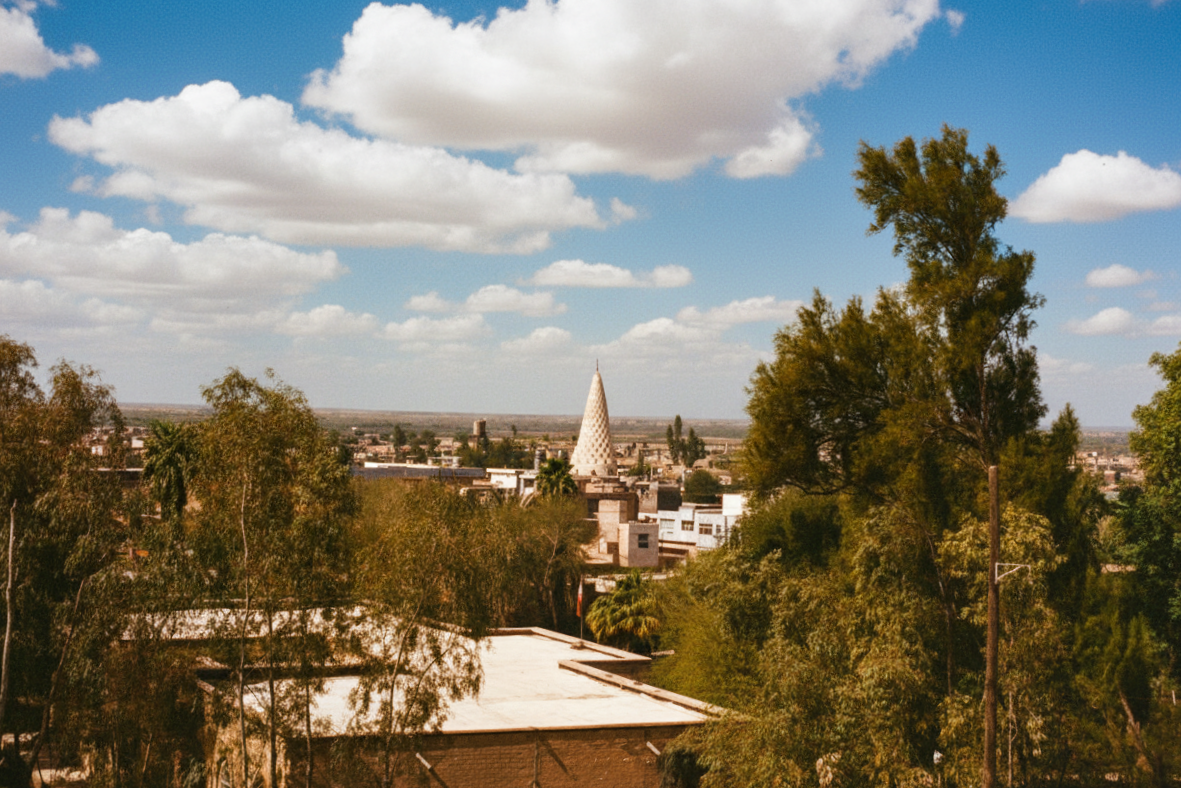
Susa (شوش), in southwestern Iran near the Karkheh and Dez rivers, is one of the world’s oldest continuously inhabited cities, dating to around 4200 BCE. A major center of Elamite and later Achaemenid power, it flourished through fertile agriculture, monumental architecture like the Palace of Darius, and long-standing cultural and trade connections.
-
Susa (شوش) is located in Khuzestan Province (استان خوزستان) in southwestern Iran, near the fertile plains formed by the Karkheh River (رود کرخه) and close to the Dez River (رود دز). The city lies in a lowland alluvial plain at the foothills of the Zagros Mountains (رشتهکوه زاگرس), where rivers created rich agricultural land that supported early settlement and urban development. Archaeological evidence indicates settlement in the region dating back to around 4200 BCE, making Susa one of the world's oldest continuously inhabited cities and one of the earliest centers of urban civilization in the ancient Near East.
Because of its favorable natural setting—access to water, fertile soil, and connections between the Iranian plateau and Mesopotamia—Susa developed into a major political, cultural, and commercial center. The city flourished as the capital of the Elamite civilization (تمدن ایلام) and later became one of the principal administrative capitals of the Achaemenid Empire (امپراتوری هخامنشی, 550–330 BCE) during the reign of Darius the Great (داریوش بزرگ).
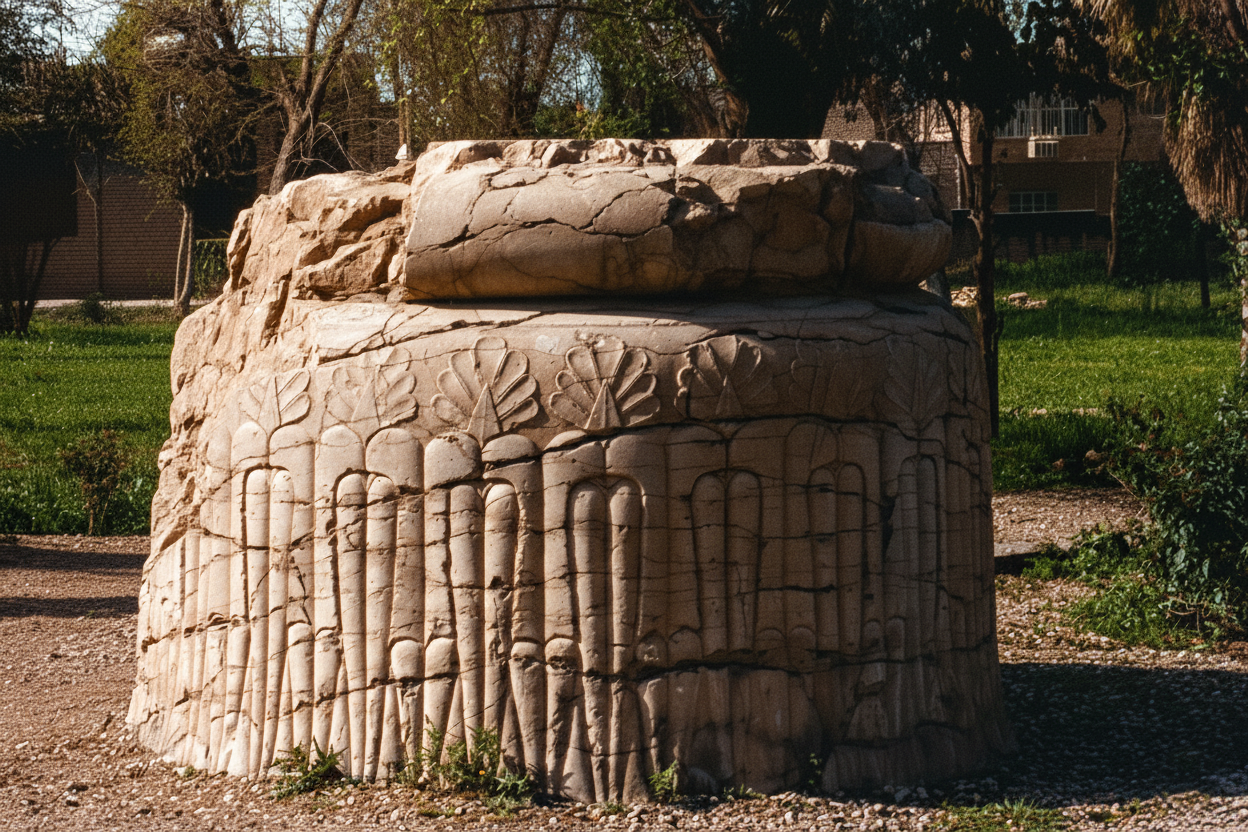
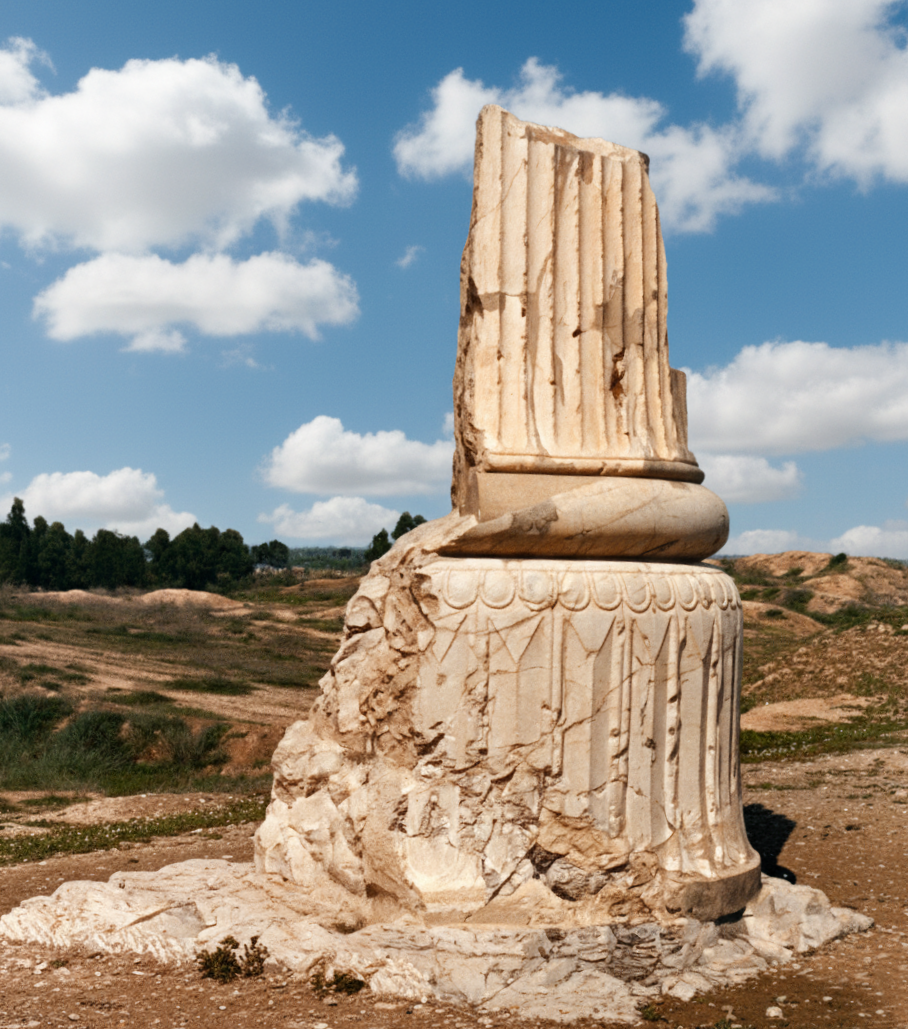
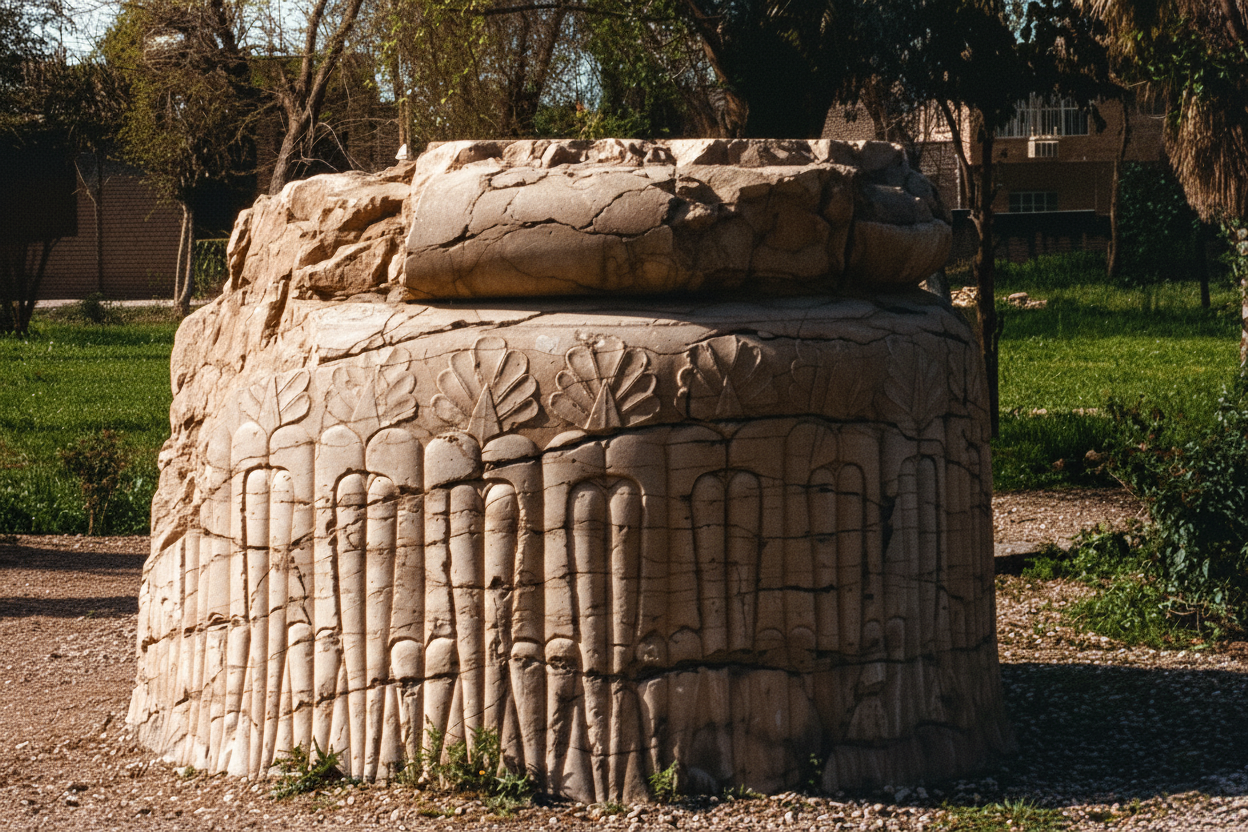
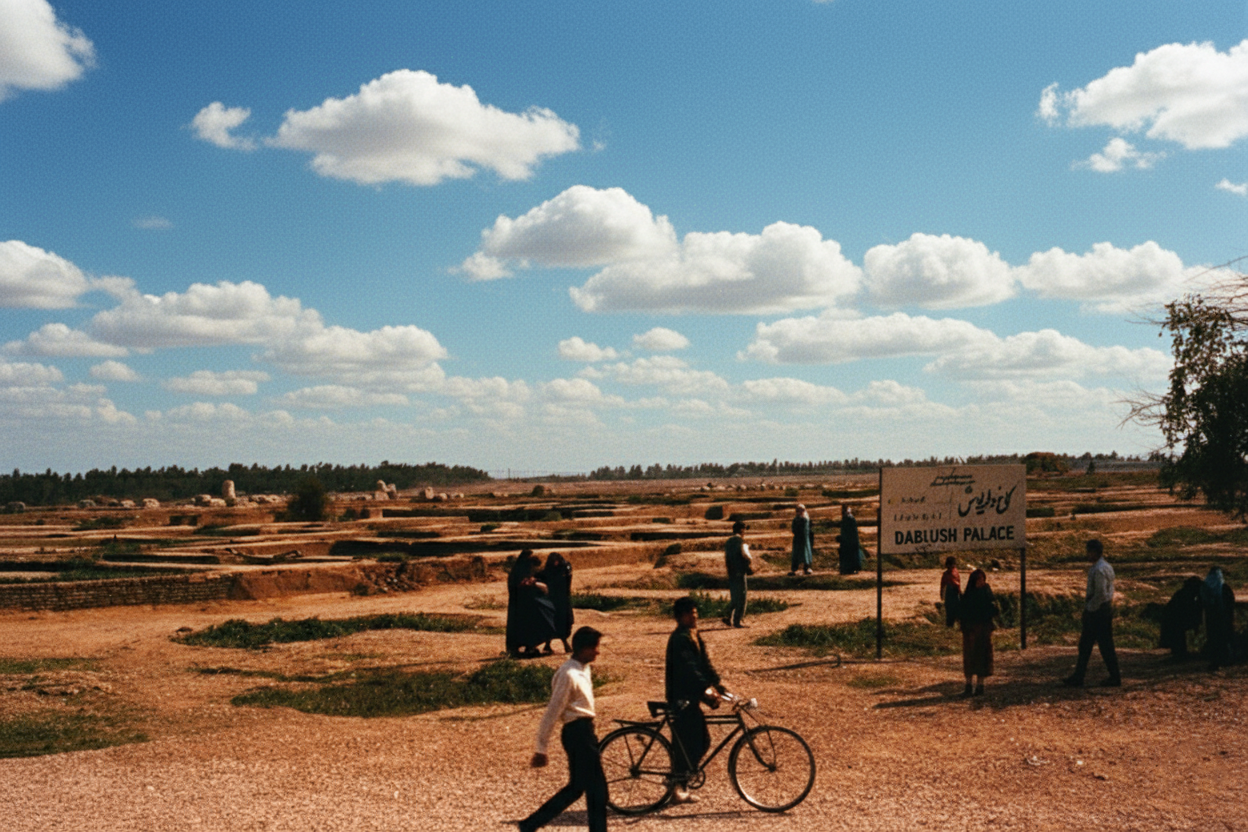
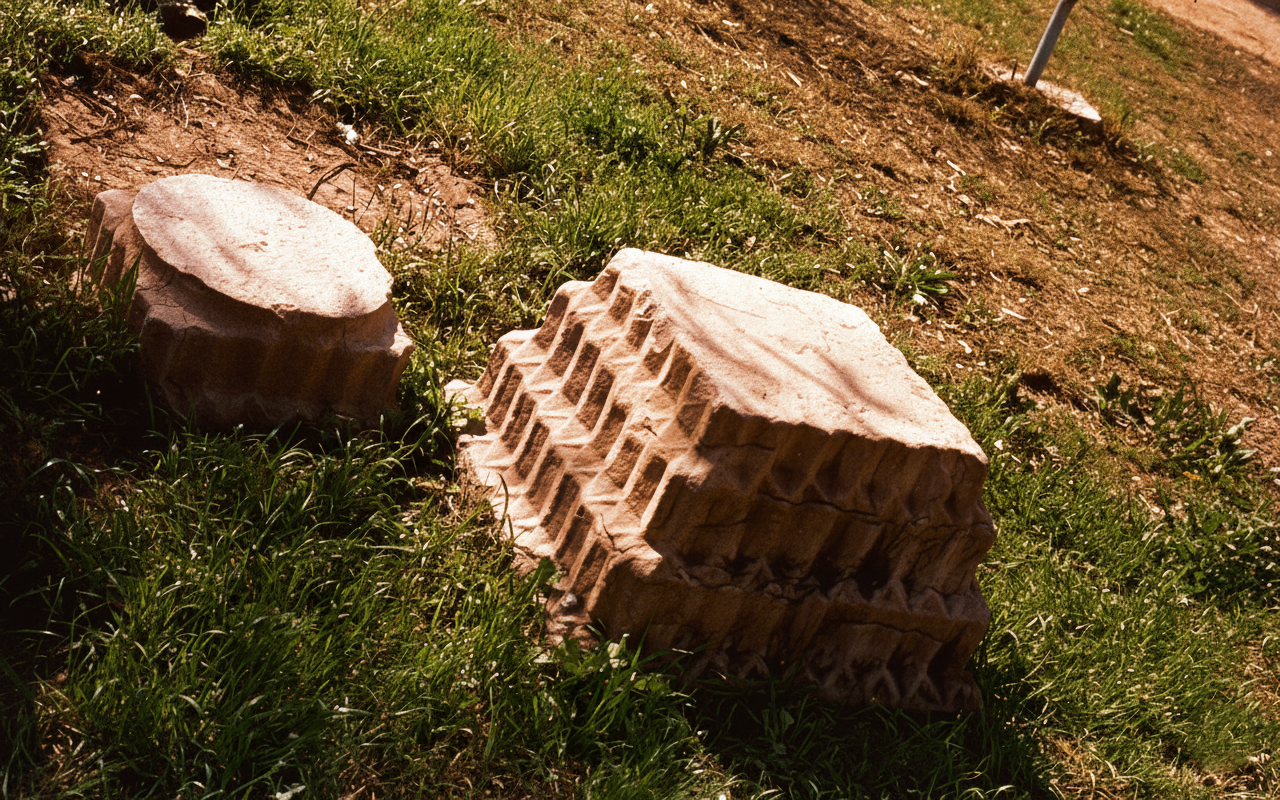
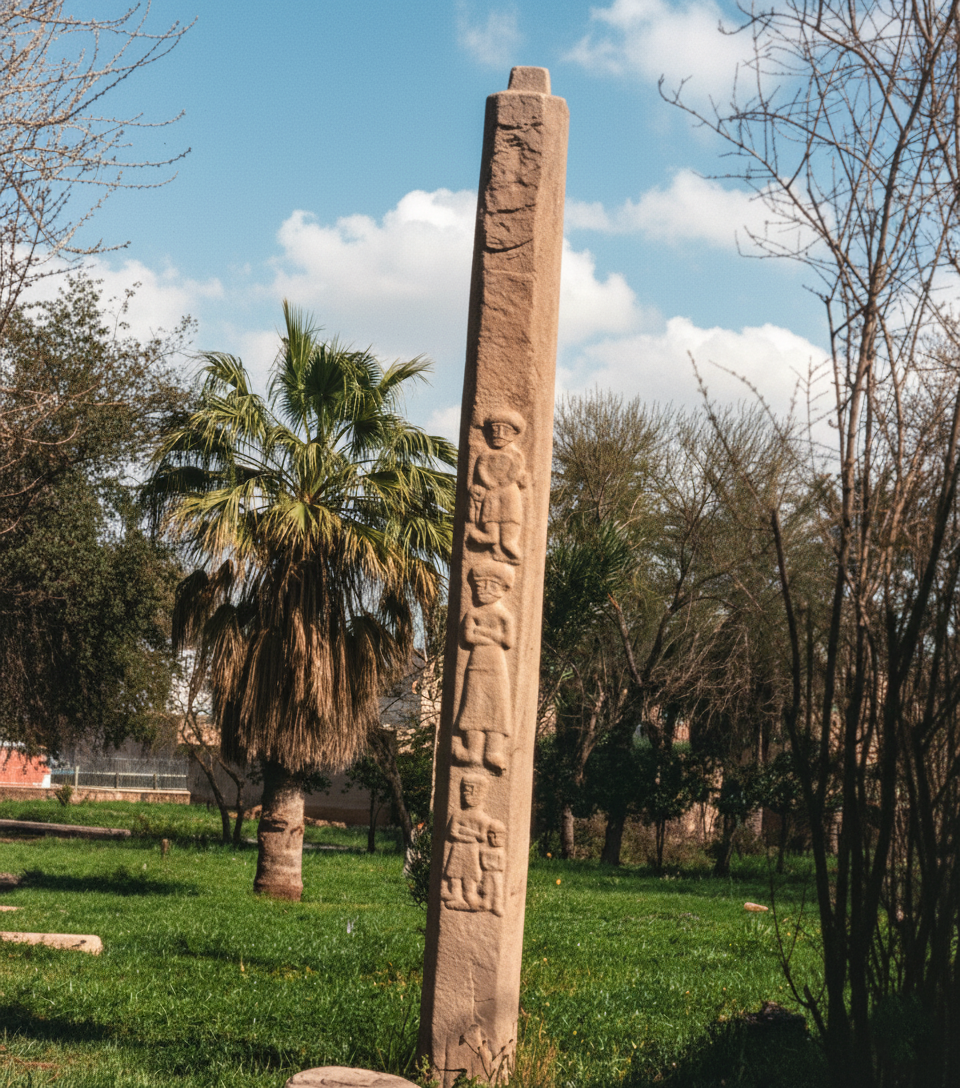
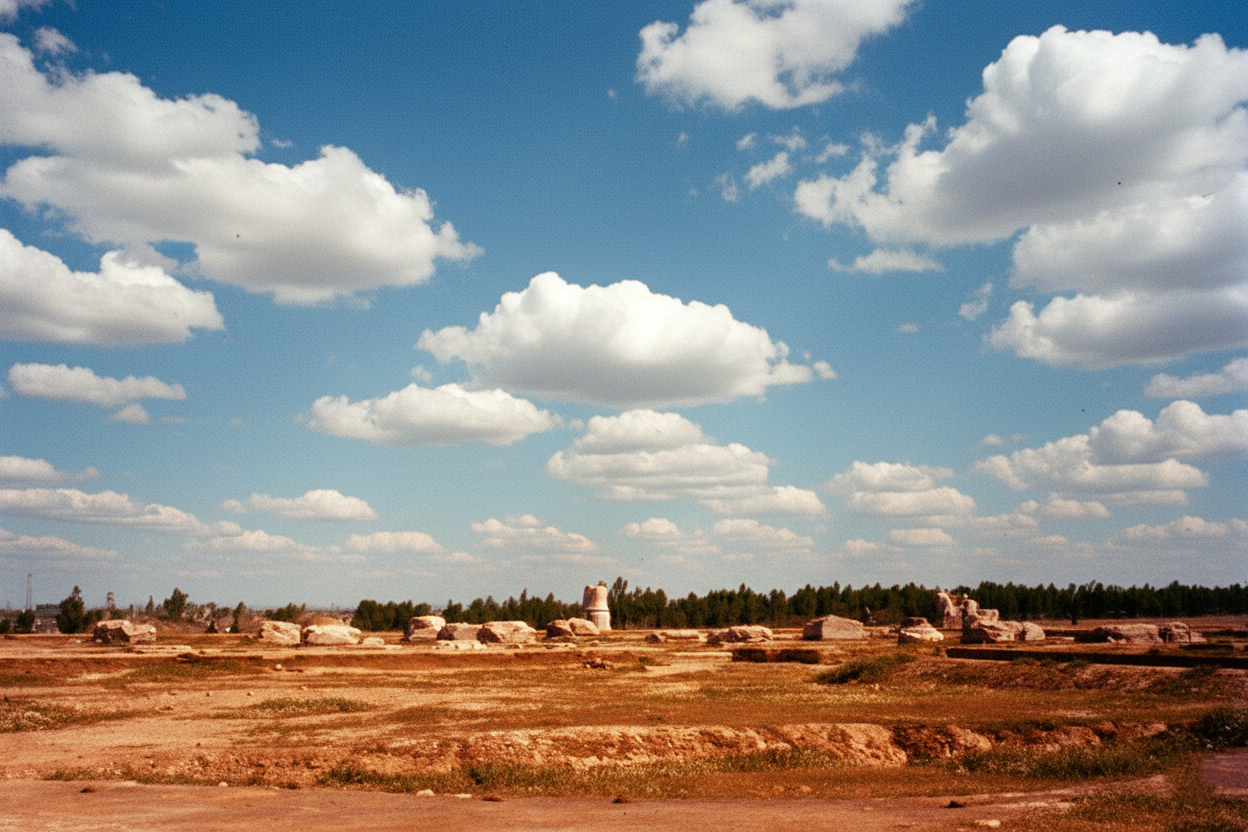
Among the most significant architectural remains is the Palace of Darius (کاخ داریوش), a monumental complex constructed in the 6th century BCE. The palace incorporated columned halls, decorated glazed bricks, and elaborate reliefs reflecting both Persian and Mesopotamian artistic traditions.
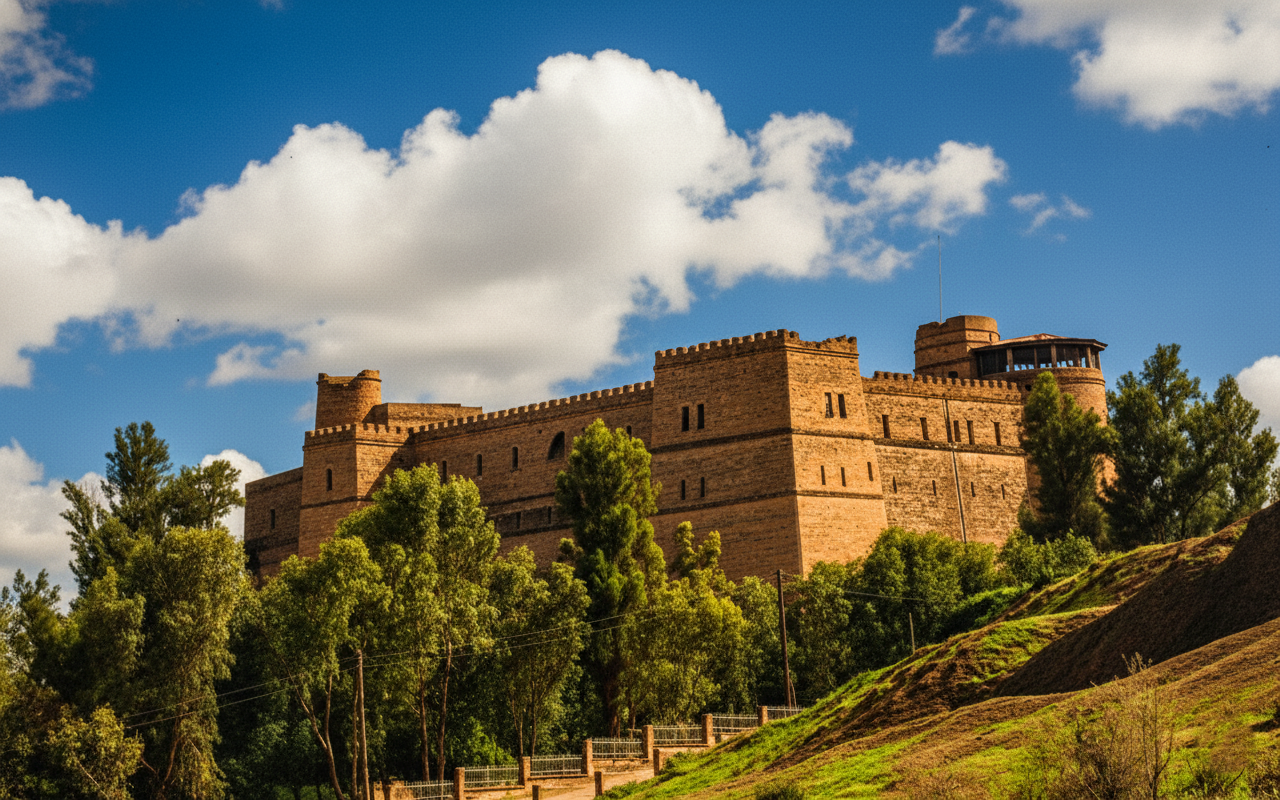
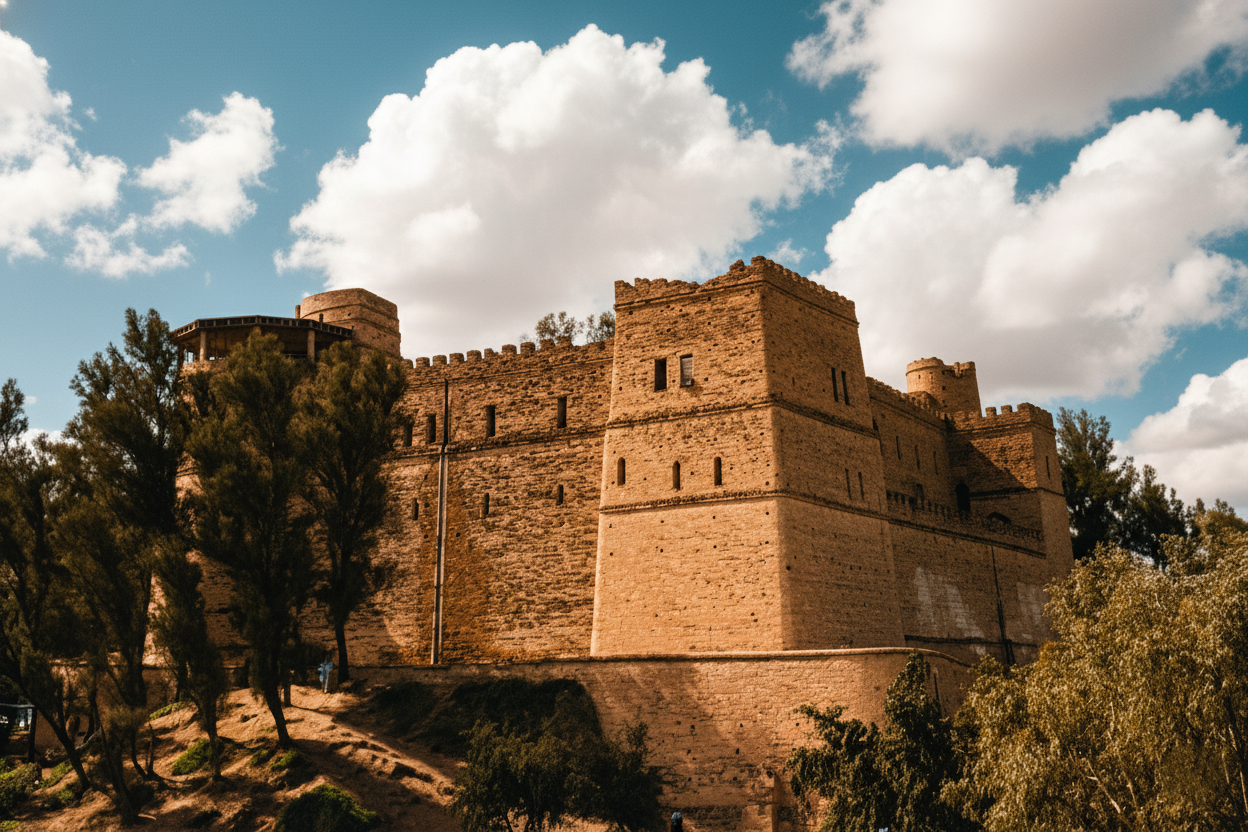
Another prominent landmark of the site is Shush Castle (قلعه شوش), also known as the French Castle, built in the late 19th century by French archaeologists who conducted early excavations at Susa. Constructed primarily from bricks taken from ancient ruins, the castle was designed in a medieval European style and served as a base for archaeological research and storage of artifacts discovered at the site. Today, the castle stands on one of the archaeological mounds overlooking the ancient city and remains a visible symbol of the long history of exploration and study at Susa.
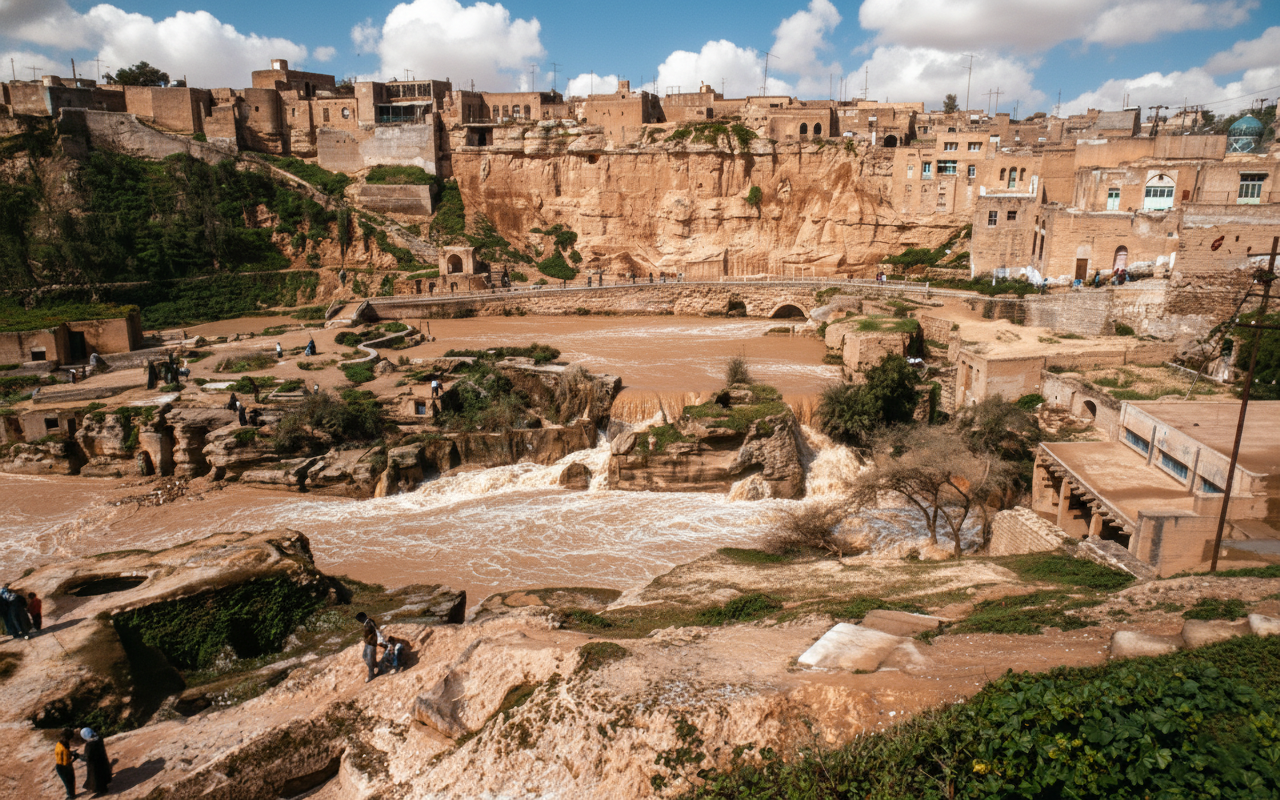
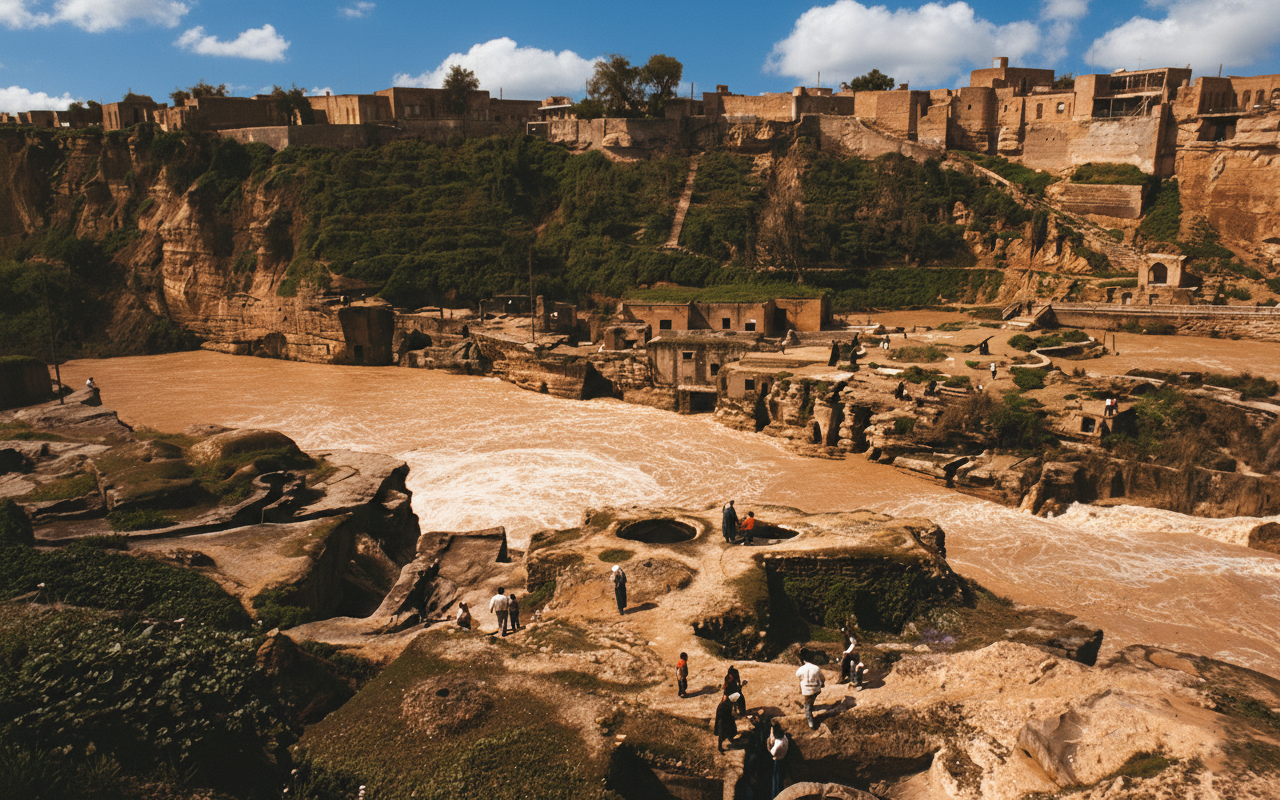
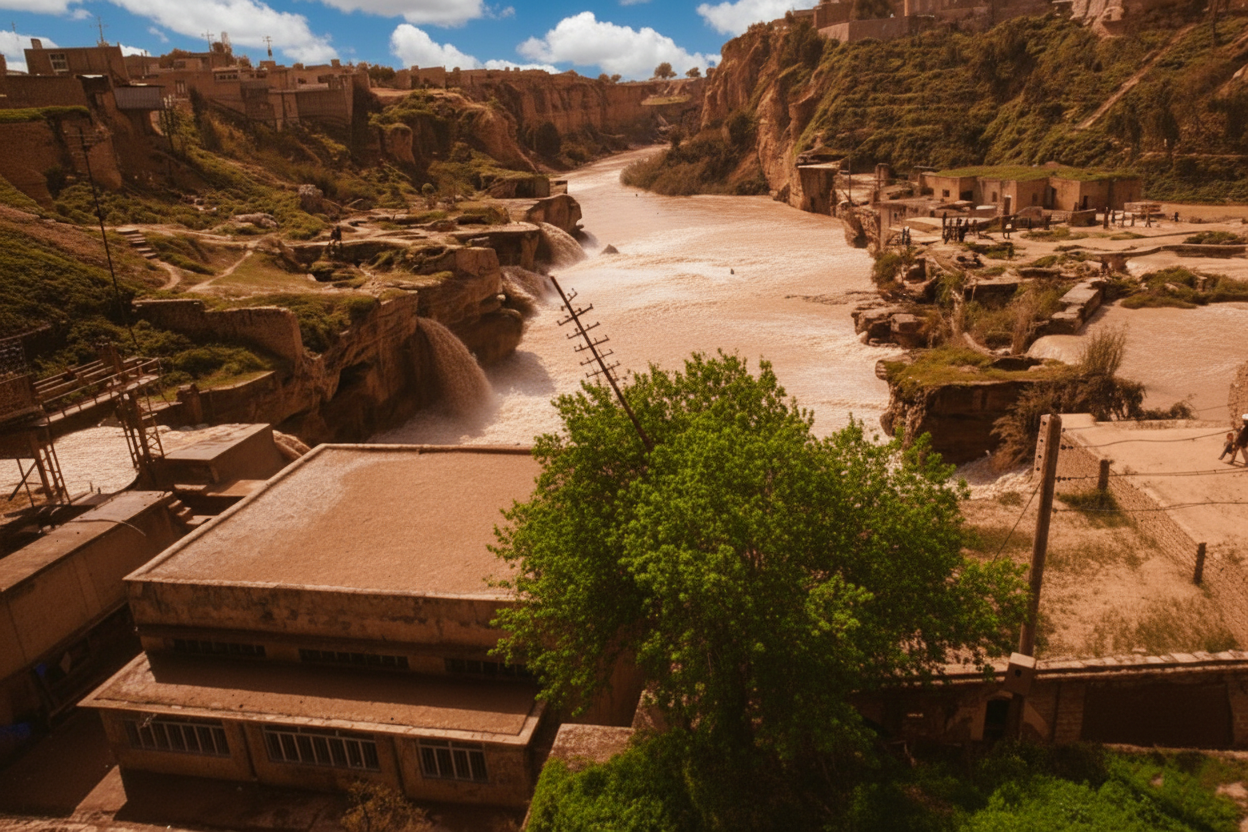
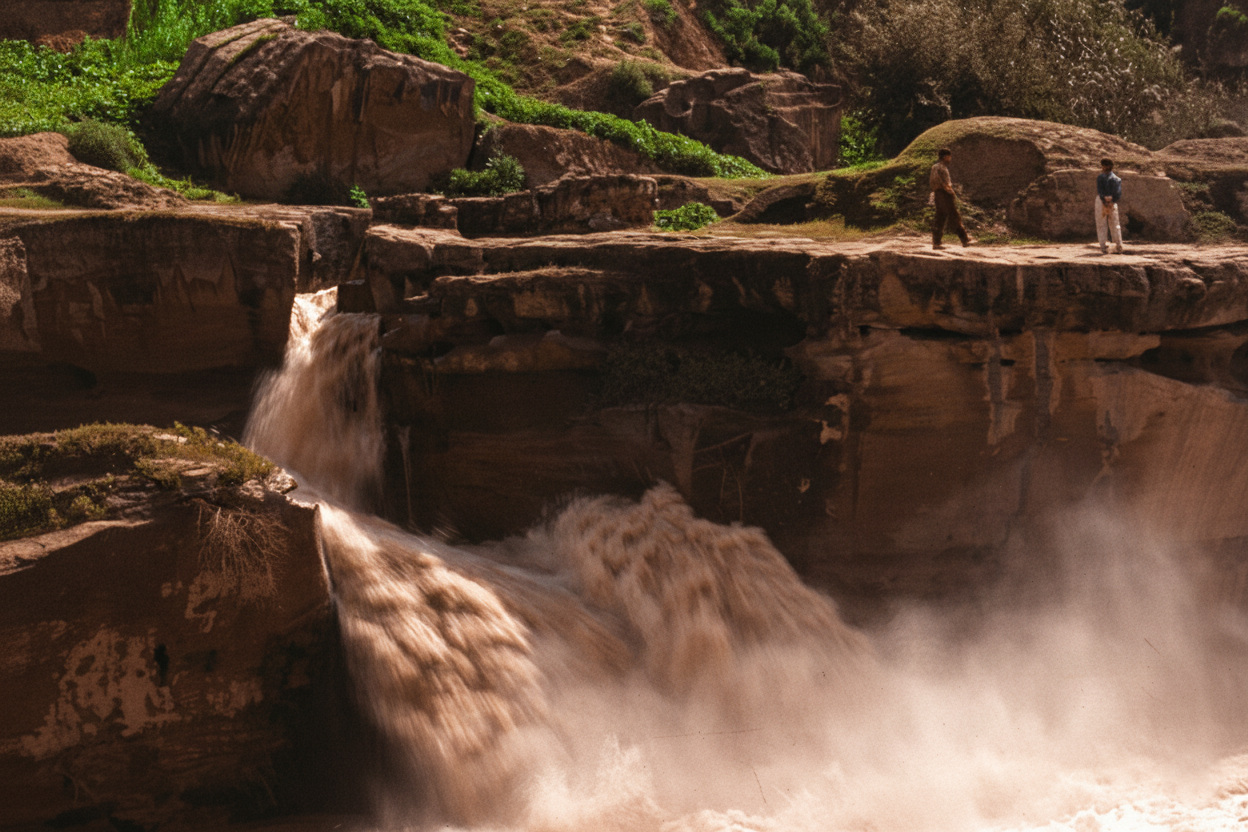
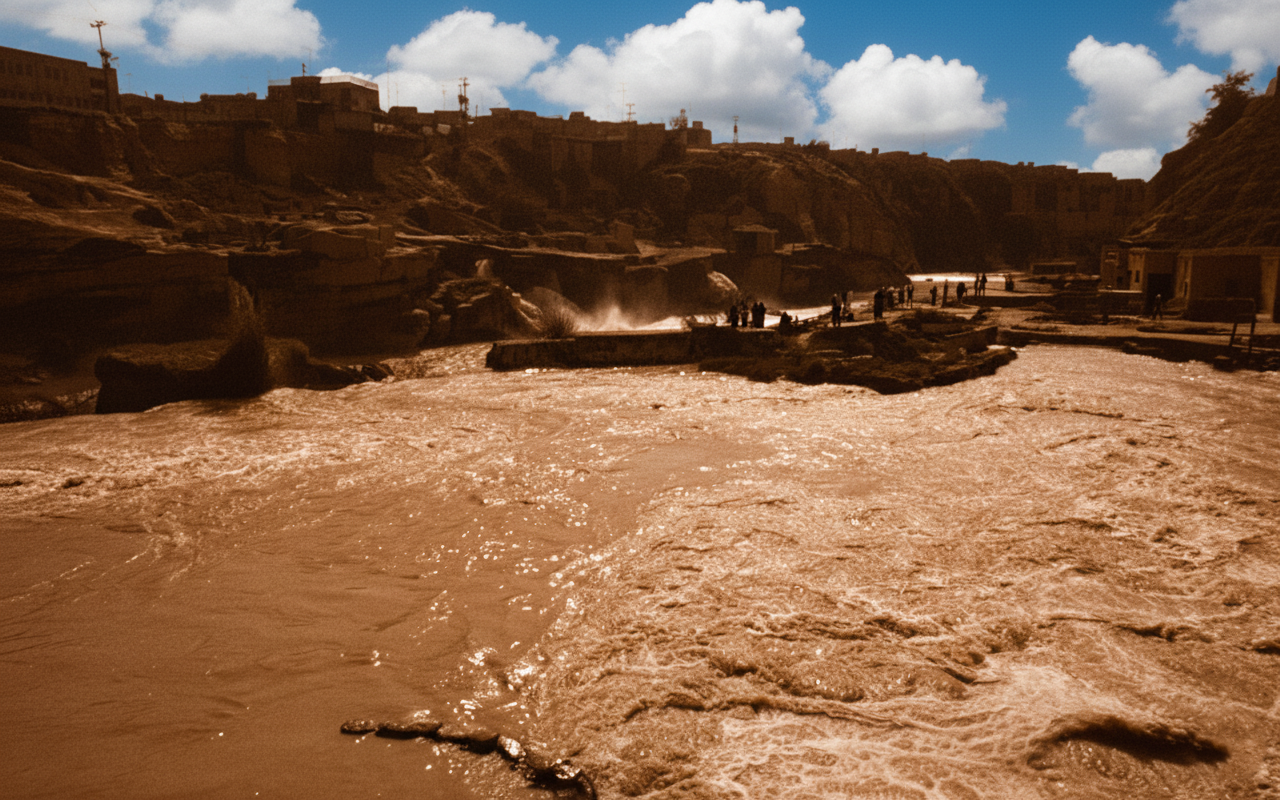
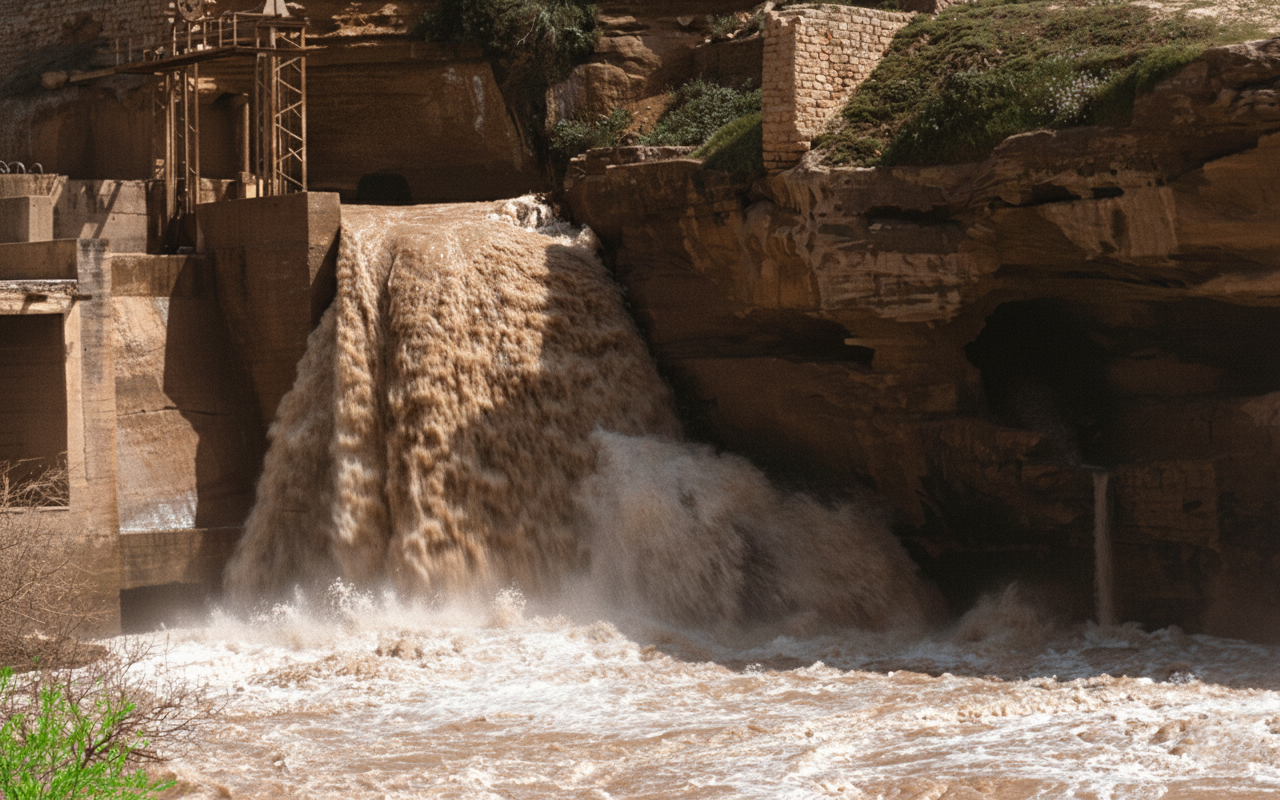
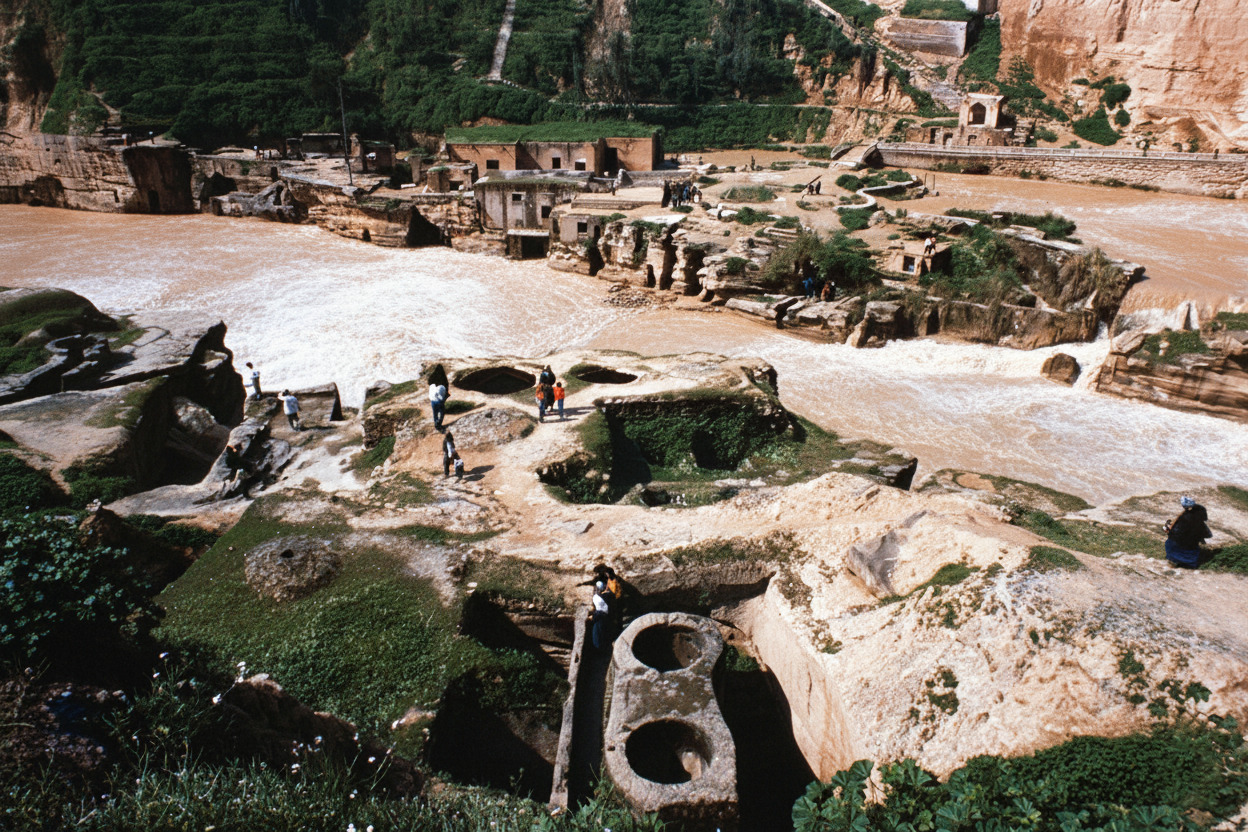
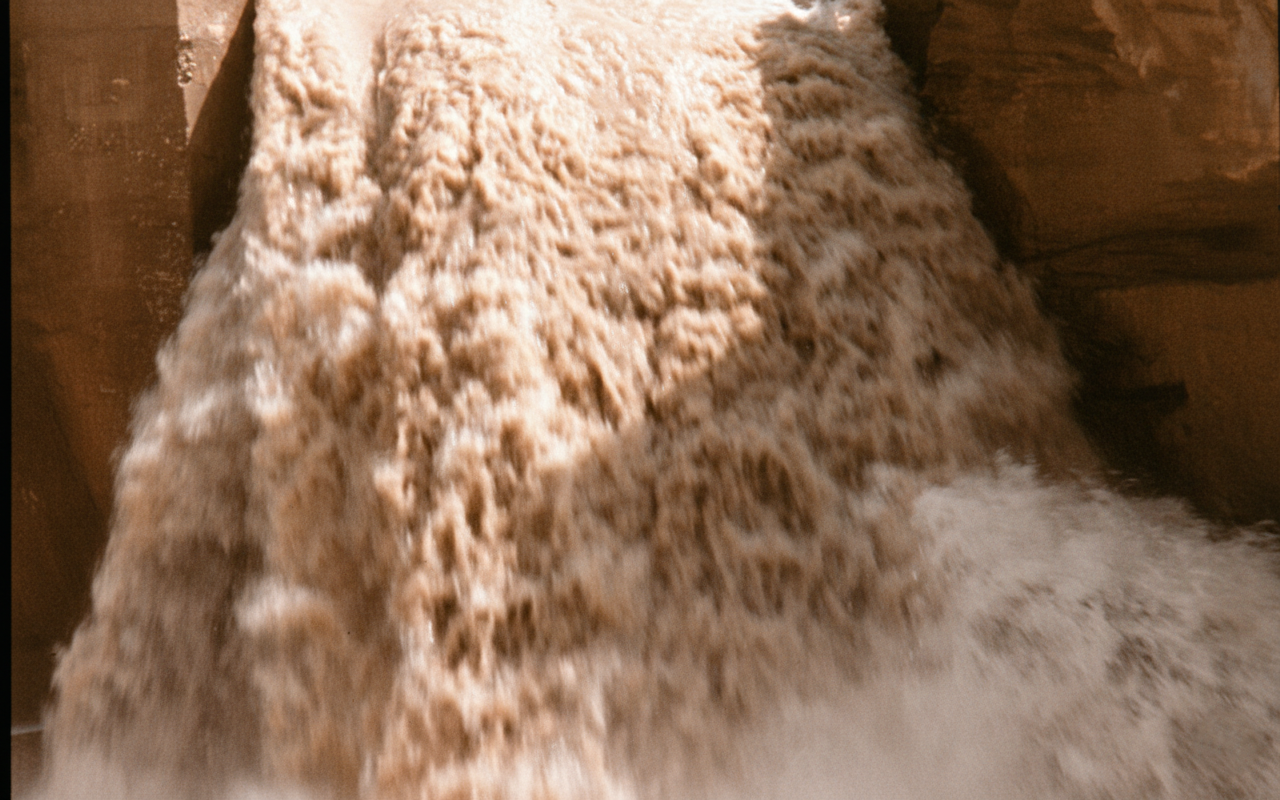
The surrounding landscape of river plains and fertile farmland sustained the city's growth for millennia. The region also developed early water-management and hydraulic systems, including water mill structures that harnessed the flow of nearby rivers such as the Karkheh (رود کرخه) and Dez (رود دز). These mills used river power to grind grain and support agricultural production for surrounding communities, illustrating the advanced use of hydraulic engineering in Khuzestan.
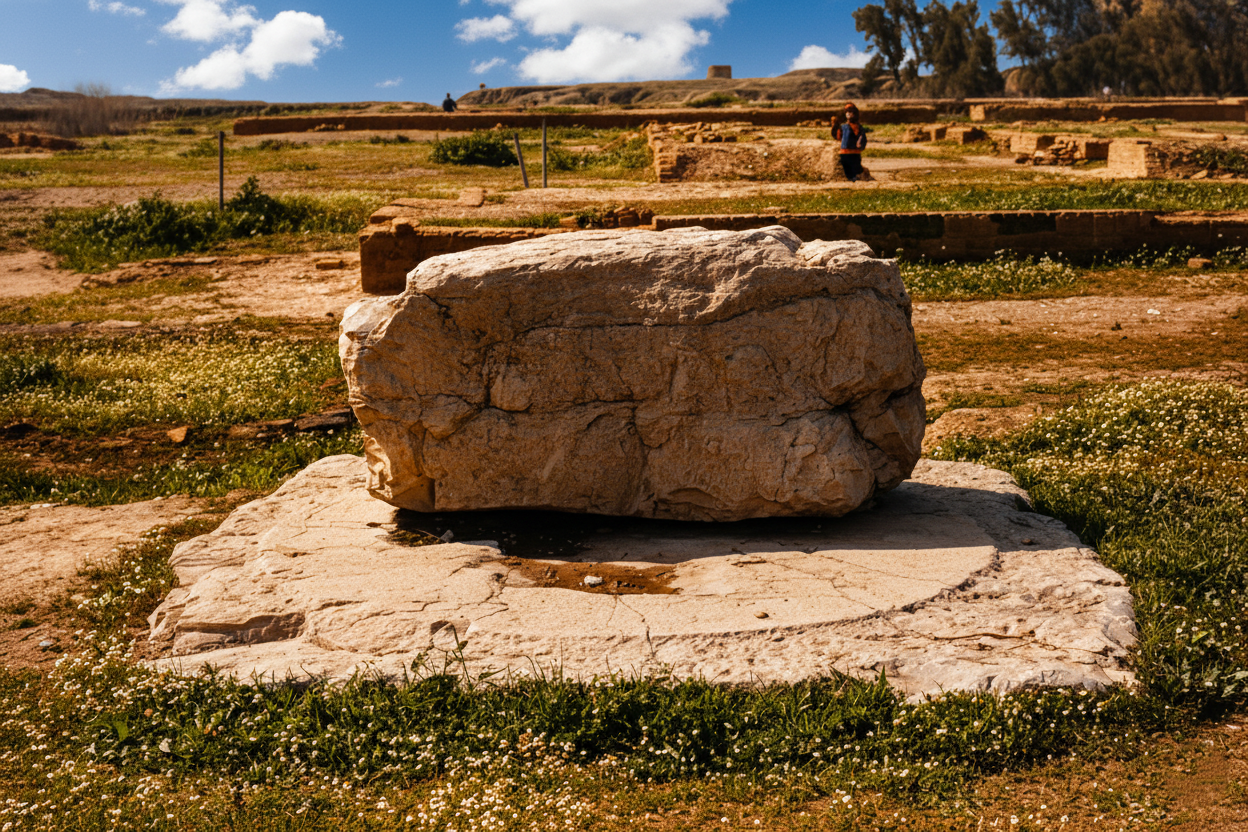
Today, the archaeological mounds of Susa, along with its ancient palaces, reliefs, temples, water-mill structures, Shush Castle, and other remains, stand as enduring evidence of one of the earliest and most influential urban centers in Persian history and a center of power, administration, and cultural exchange in ancient Persia.
