Hoorno (هورنو) in Na’in (نائین)
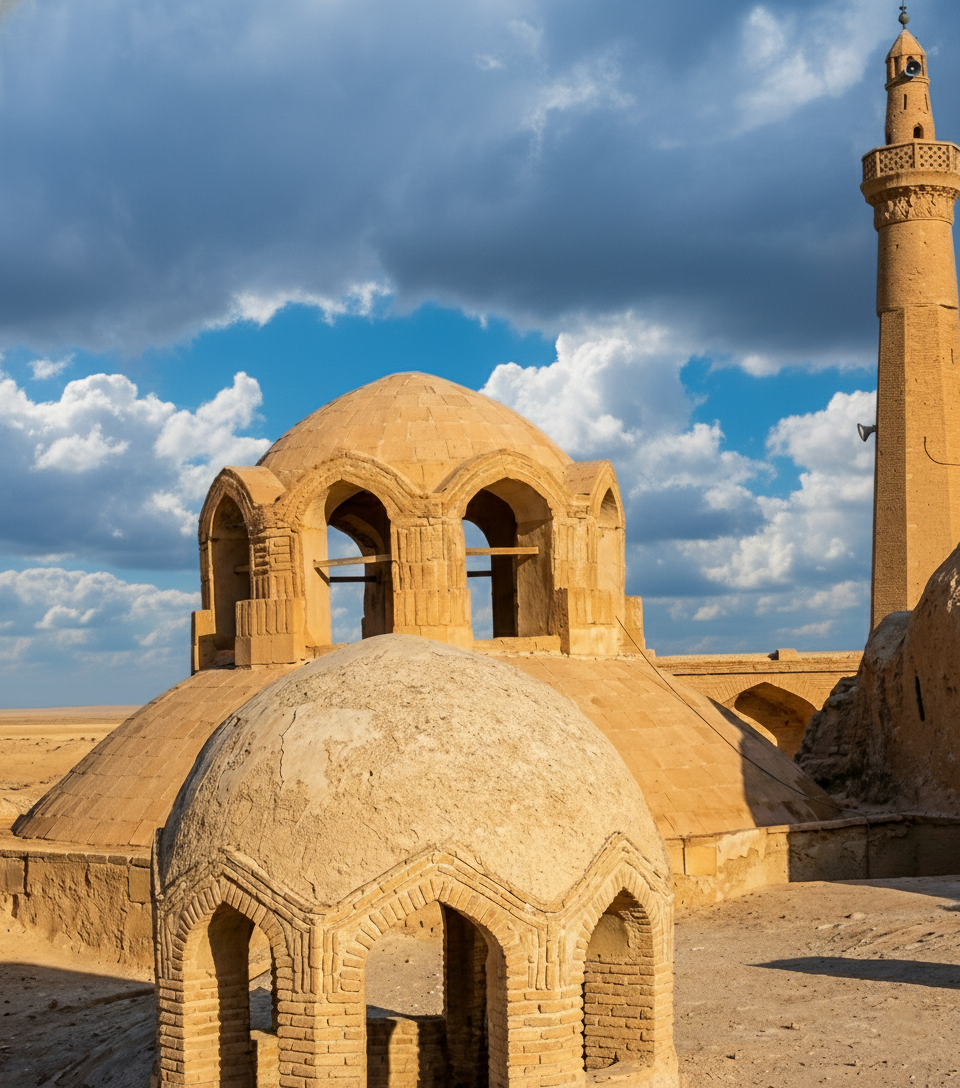
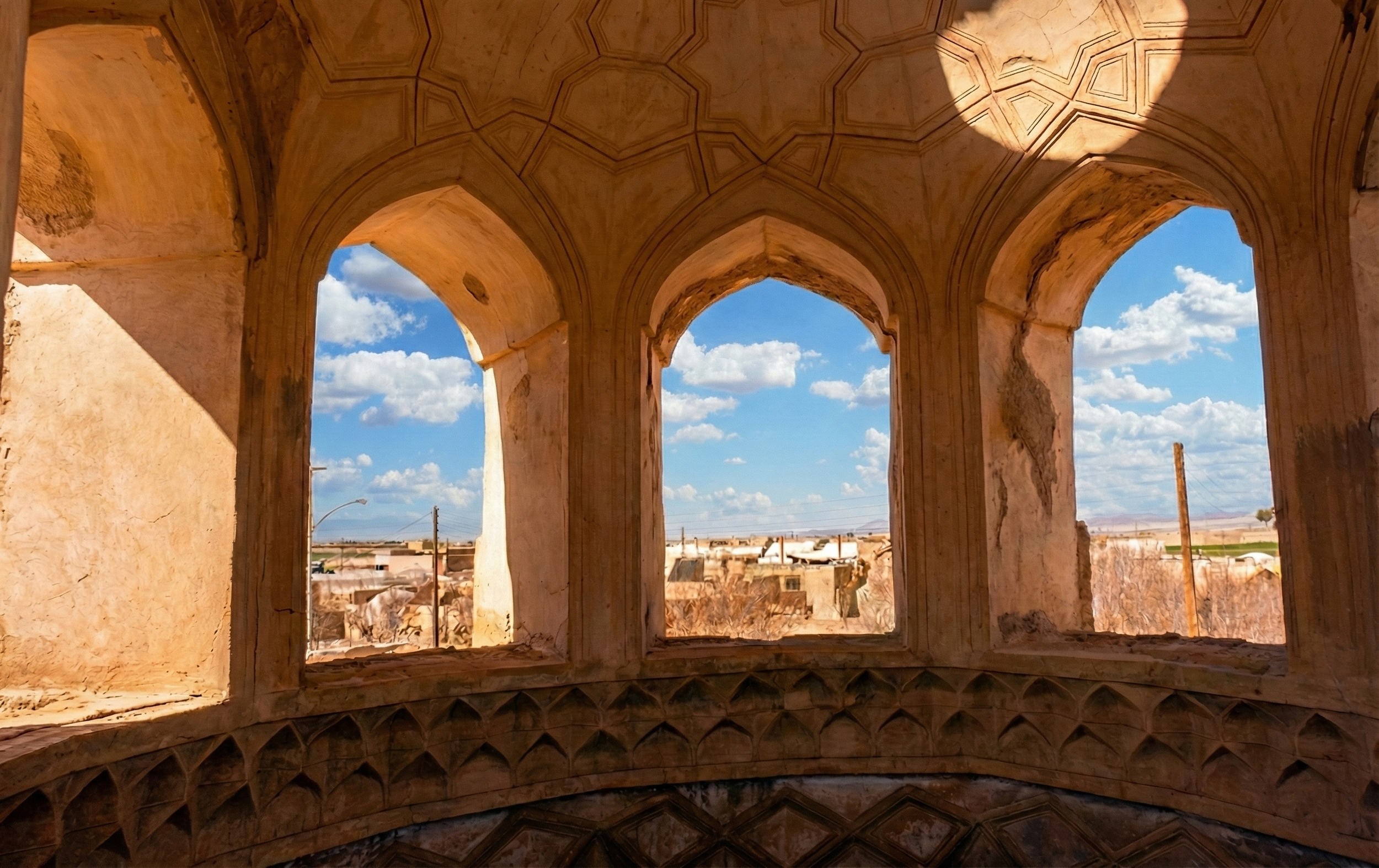
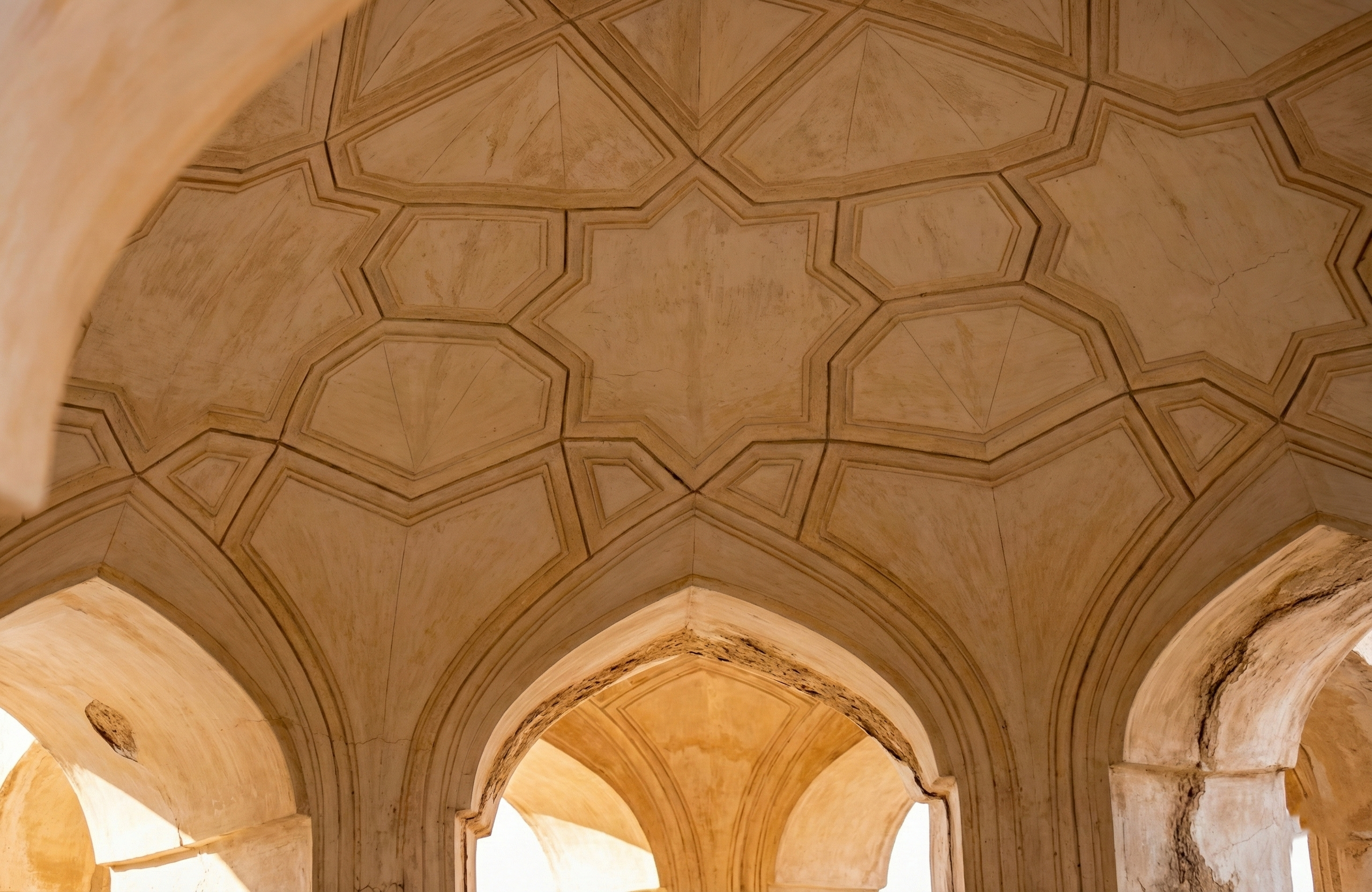
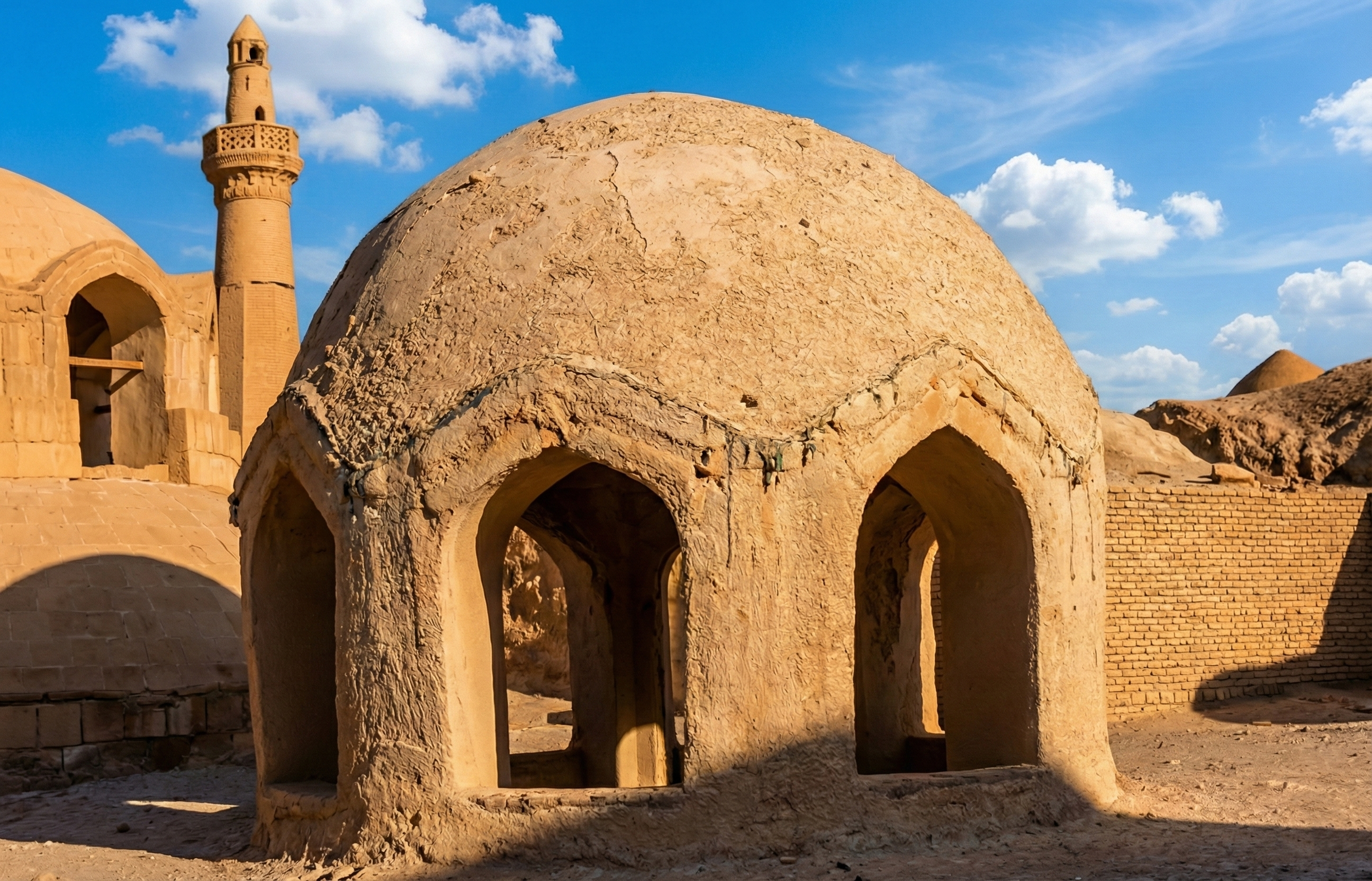
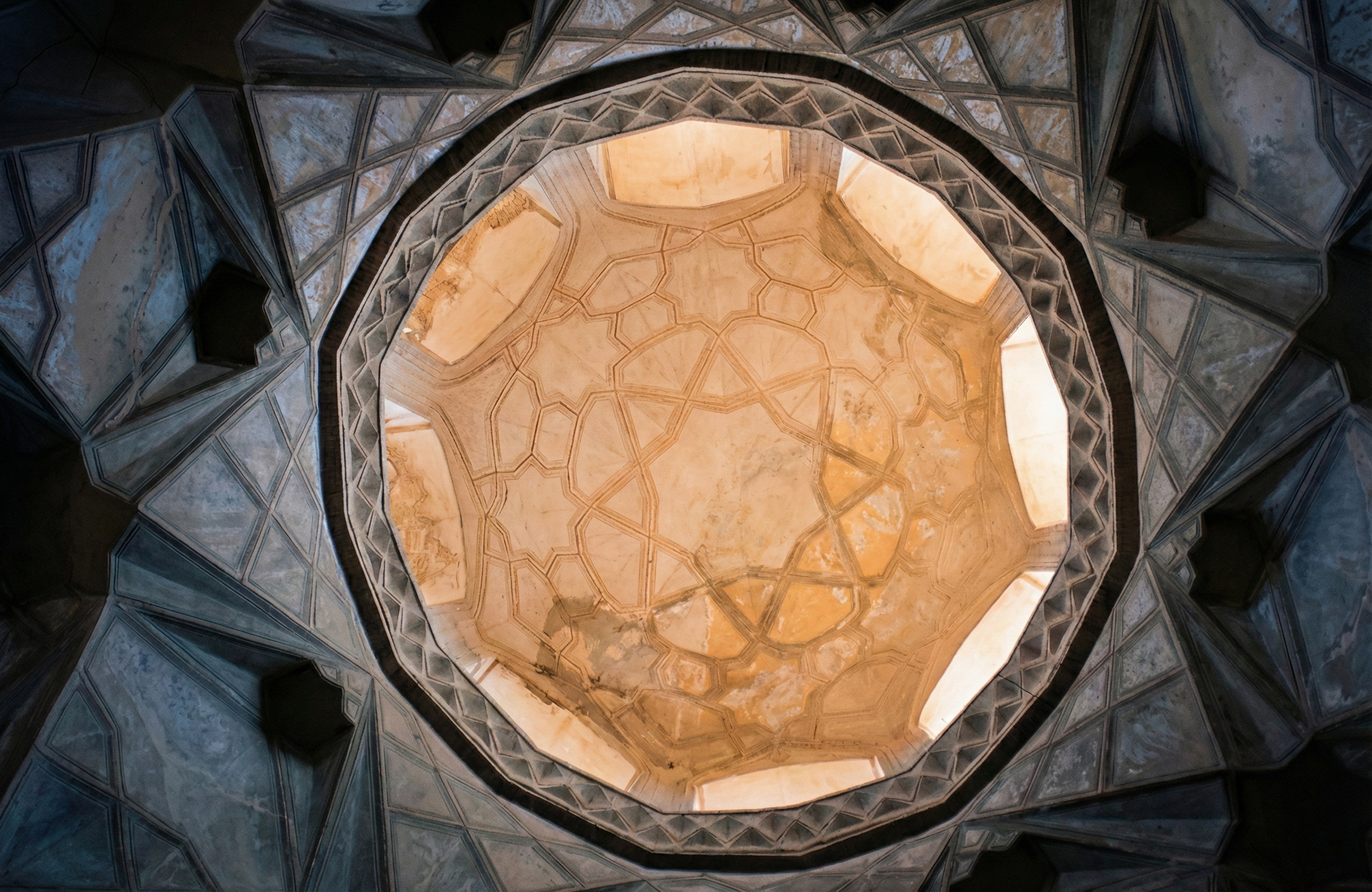
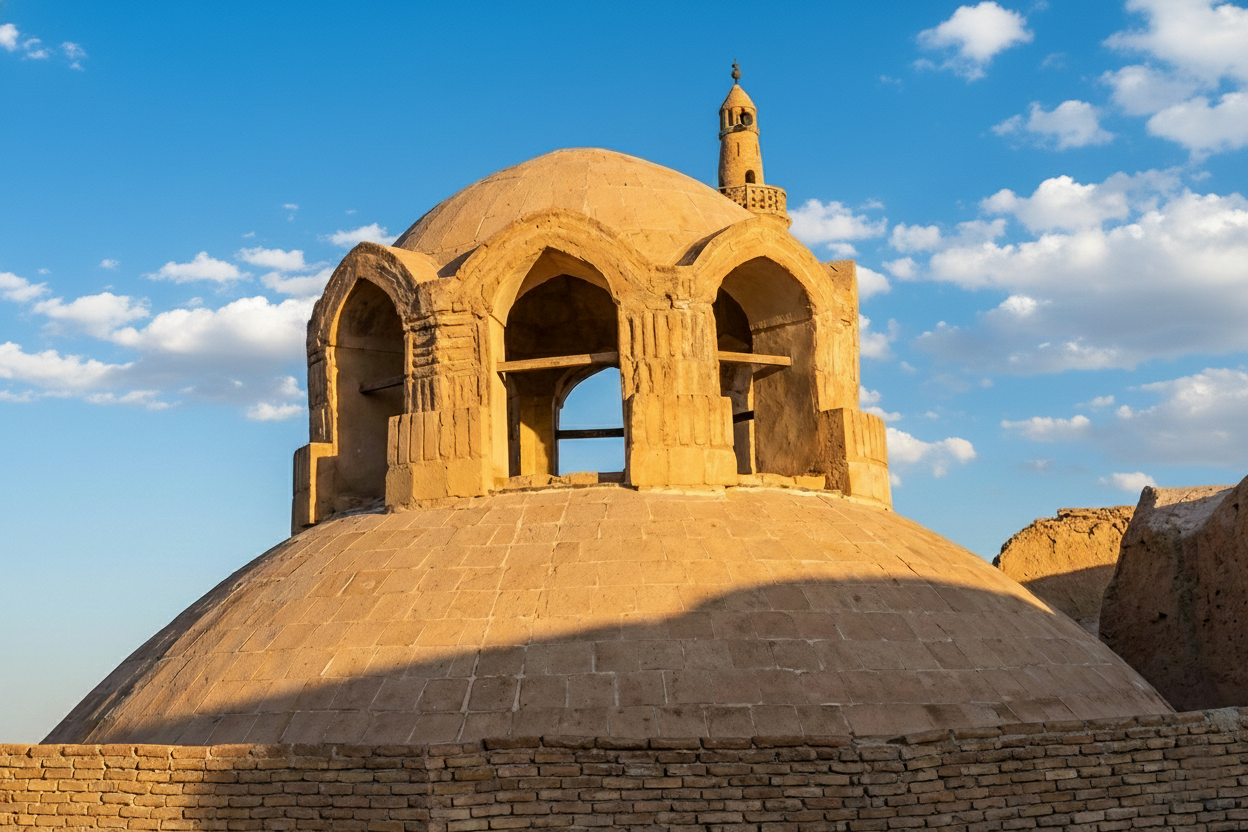

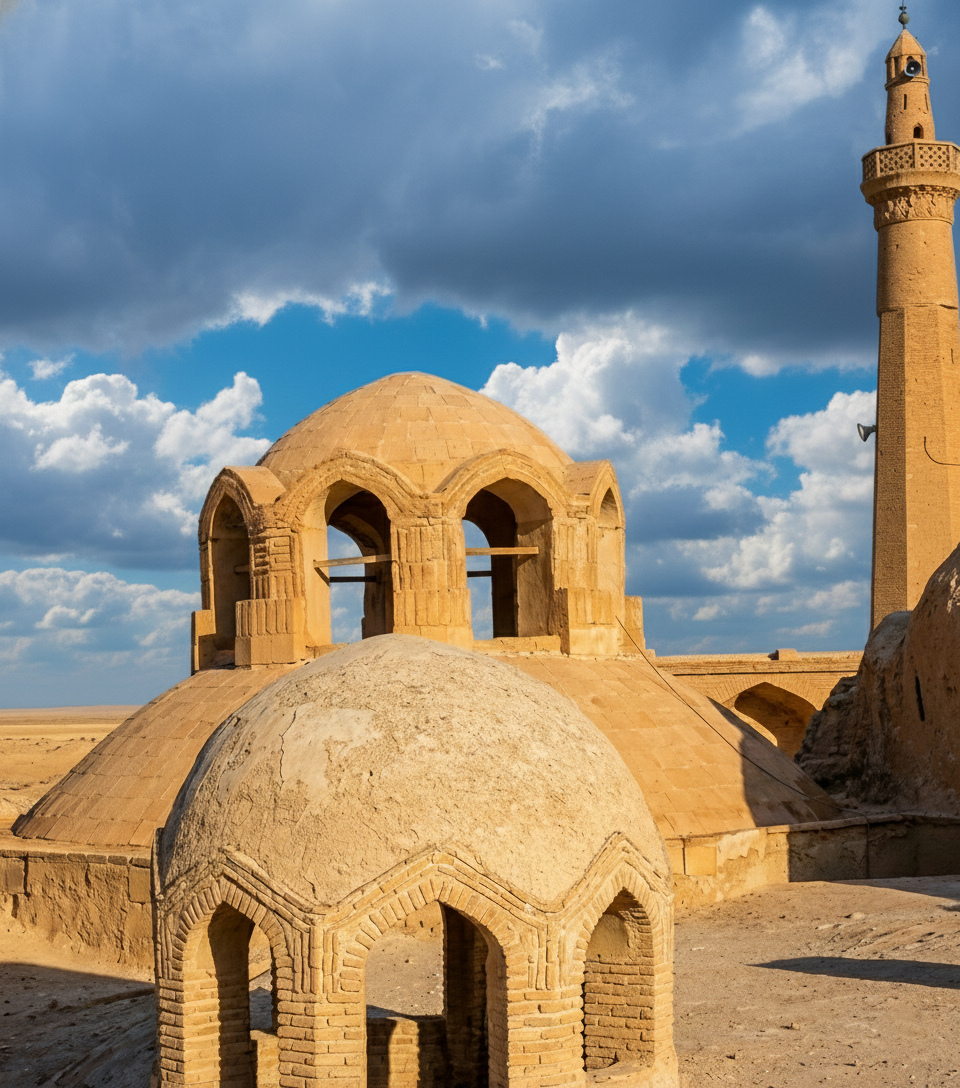
Hoorno (هورنو) is a traditional vaulting technique used in Na’in (نائین) since the Seljuk period (11th–12th centuries CE). Built with curved adobe or brick courses, it forms self-supporting arches and domes that distribute structural loads, reduce solar gain, enhance air circulation, and enrich interior spaces through rhythmic geometry and shadow.
-
Hoorno (هورنو) is a traditional vaulting technique widely used in the desert architecture of Na’in (نائین), particularly in residential buildings and covered passages. Developed over centuries and prevalent from the Seljuk period (11th–12th centuries CE) onward, Hoorno construction relies on carefully arranged adobe or brick courses laid in curved, self-supporting forms without extensive temporary scaffolding. This method creates durable arched roofs and domed ceilings that efficiently distribute structural loads while minimizing material use.
Beyond its structural logic, Hoorno contributes to climate adaptation: the curved surfaces reduce direct solar gain, enhance air circulation, and improve thermal performance inside rooms and corridors. Its rhythmic geometry also enriches interior spaces with subtle shadows and depth, demonstrating how vernacular engineering and aesthetic expression merge seamlessly in Iran’s desert-building traditions.
