The Sardāb (سرداب) in Na’in (نائین)
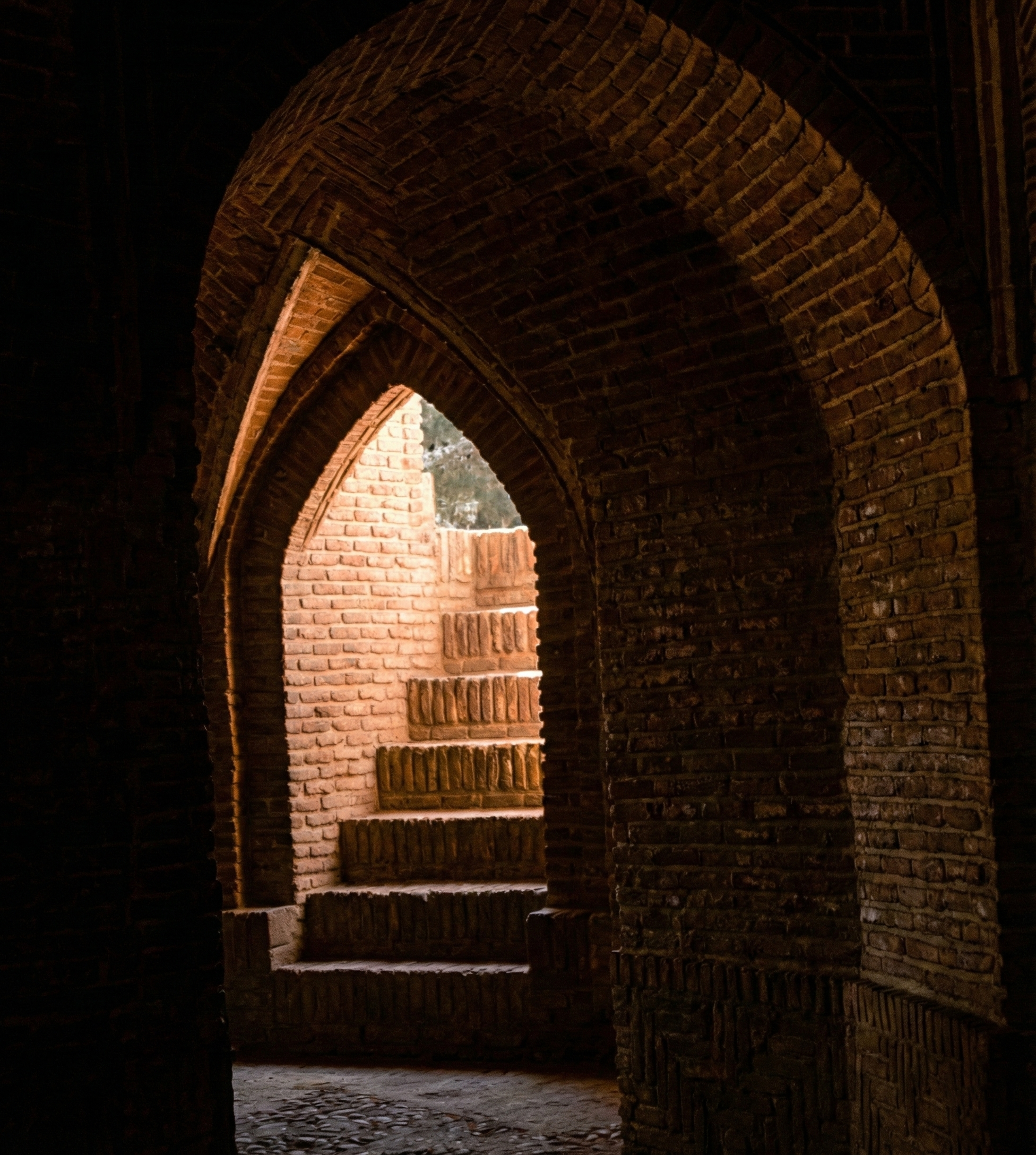
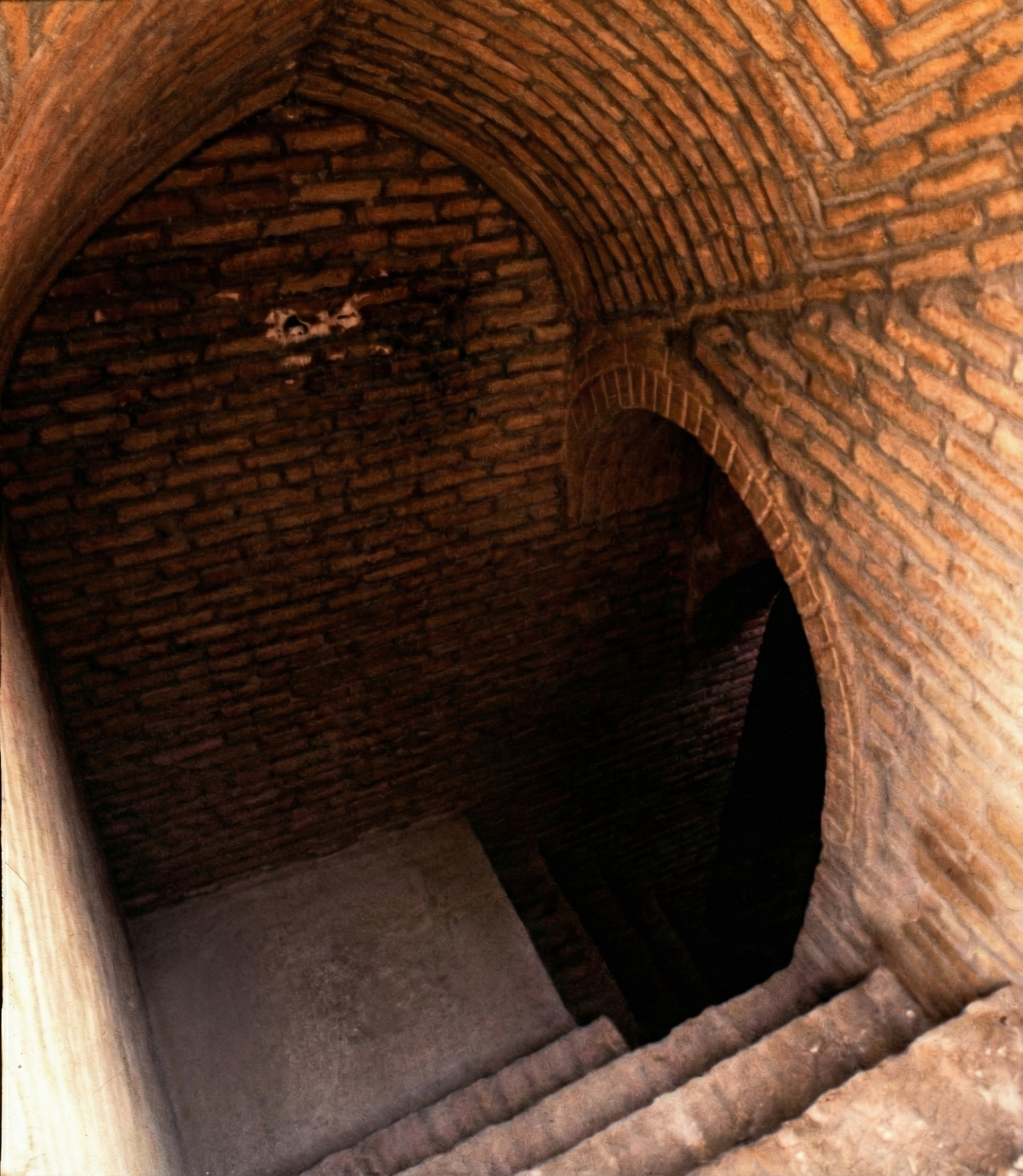
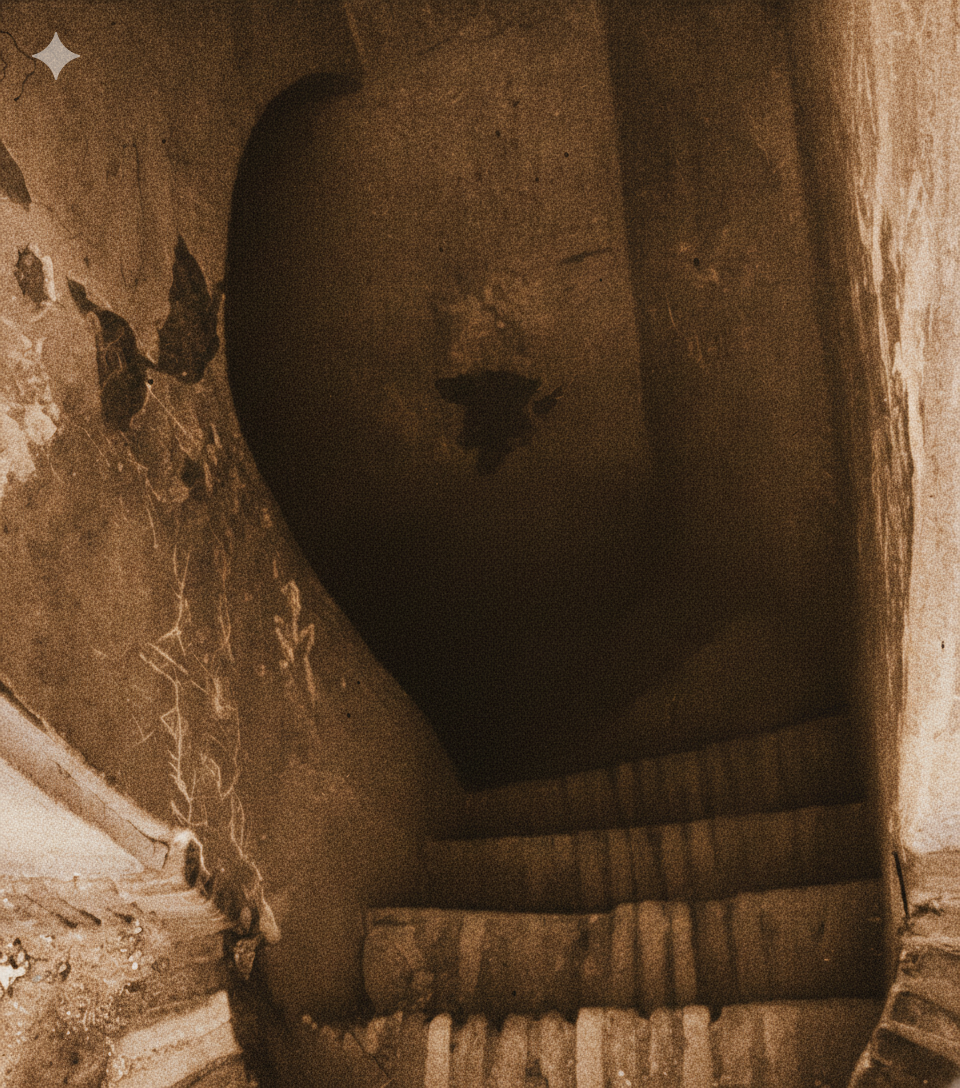
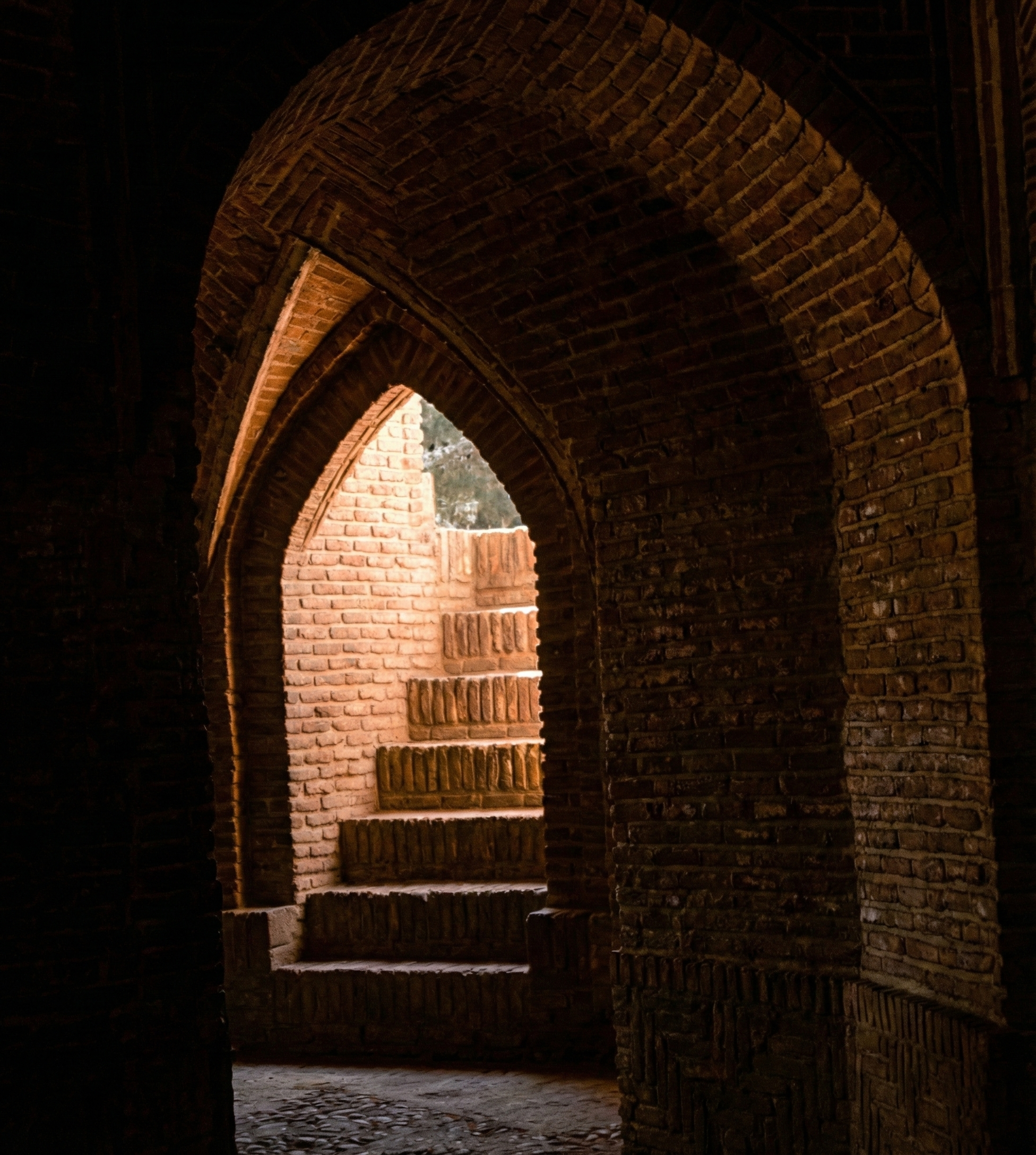
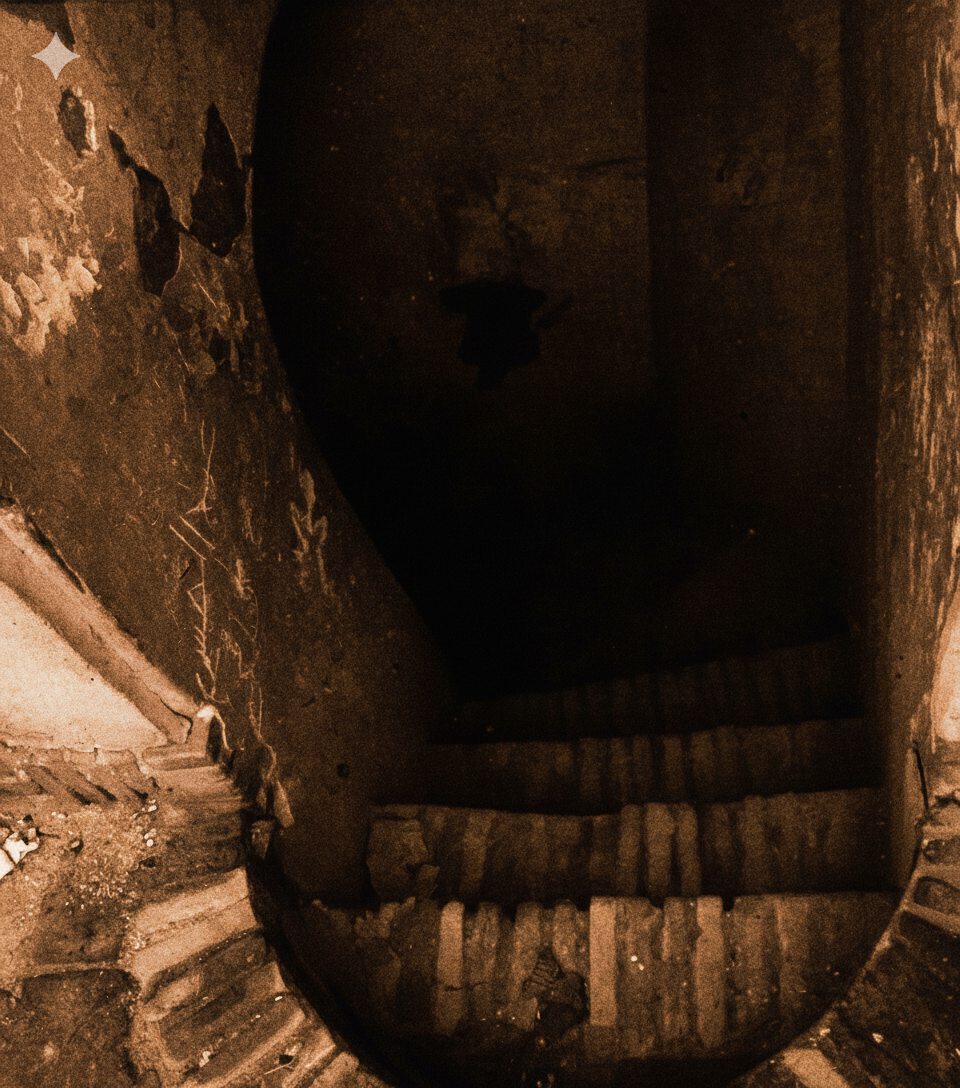
The Sardāb (سرداب) in Na’in (نائین) is a subterranean cooling chamber used in traditional houses. Often combined with a Badgir (بادگیر) and nearby qanat (قنات) channels, it circulates cooled air through living spaces, demonstrating sophisticated passive climate control in Iranian desert architecture since the Seljuk period (11th–12th centuries CE).
-
The Sardāb (سرداب), a subterranean chamber commonly found in houses in Na’in (نائین), served as an effective cooling space during the intense summer months. Built partially or fully below ground level, the Sardāb benefited from the earth’s natural thermal mass, maintaining significantly lower temperatures than exterior conditions.
When used in conjunction with a Badgir (بادگیر), the system achieved remarkable passive climate control: the wind tower captured prevailing breezes and directed them downward into the Sardāb, where the air cooled further before circulating into adjacent living spaces. In some cases, proximity to qanat channels enhanced evaporative cooling, intensifying the effect. This integrated design demonstrates the sophistication of Iranian desert architecture, where underground space, airflow, and structural form work together to create comfort without mechanical systems.
