Fakhr-o-Madin (فخر و مدین) Brickwork in Na’in (نائین)
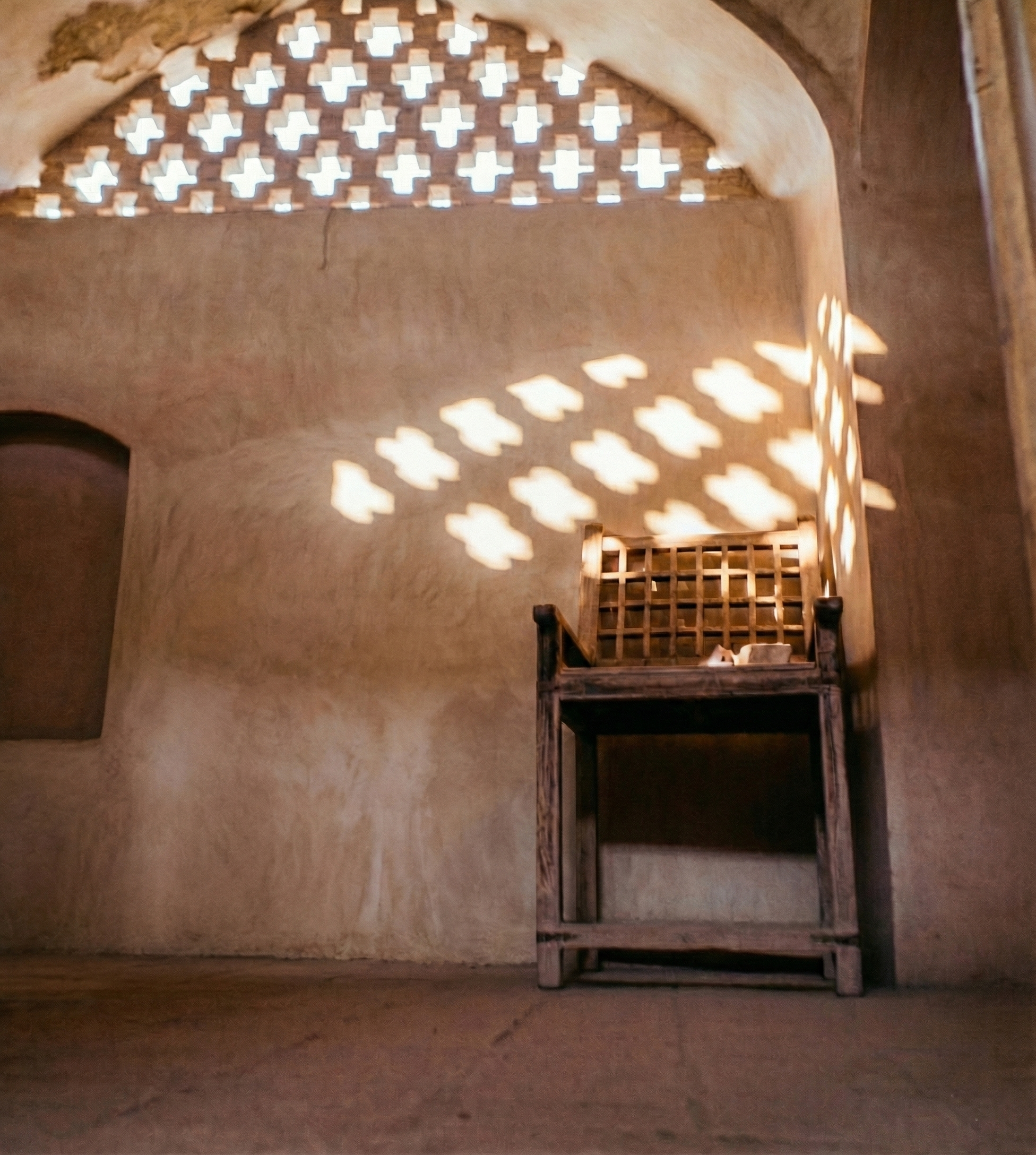
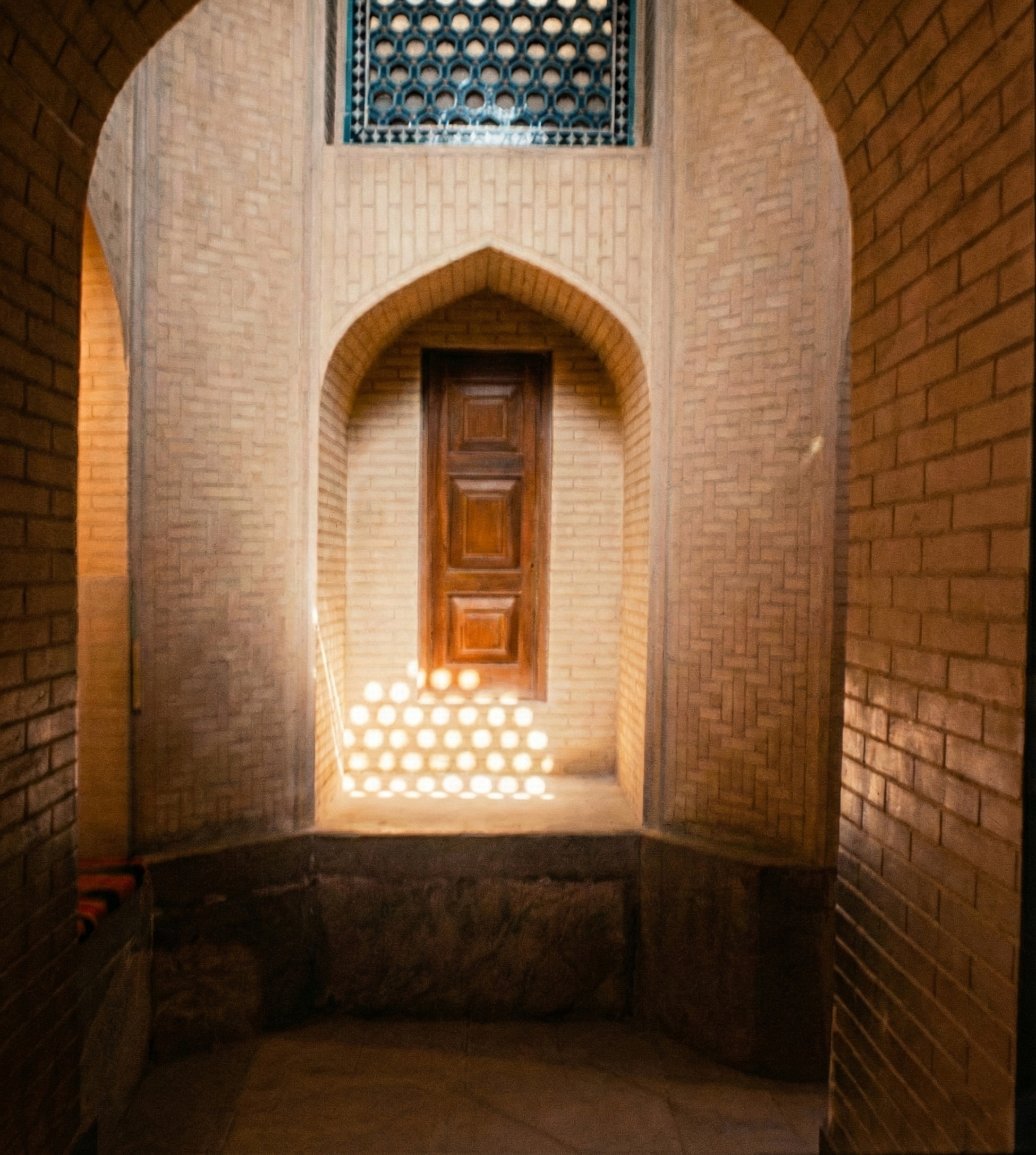
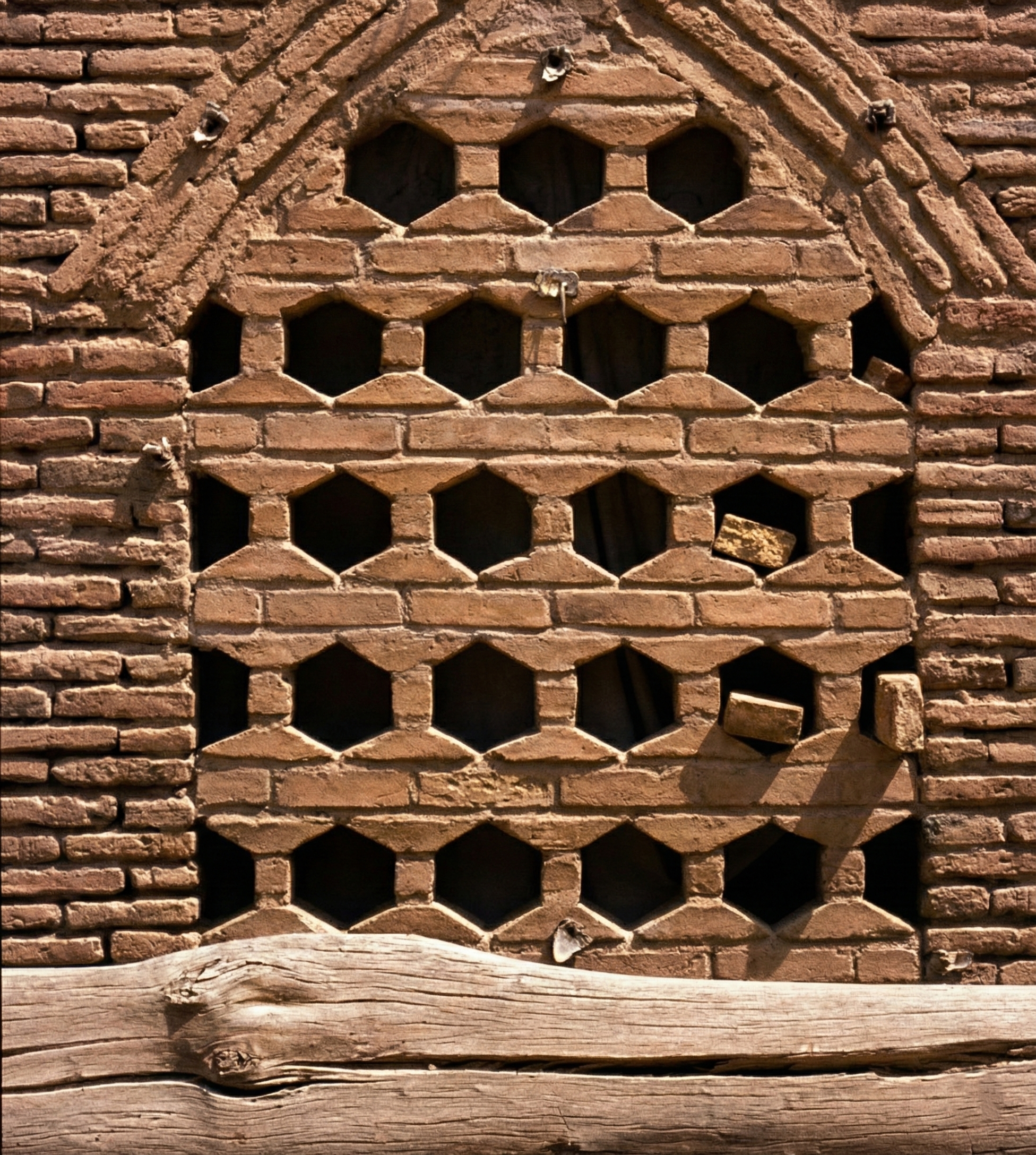
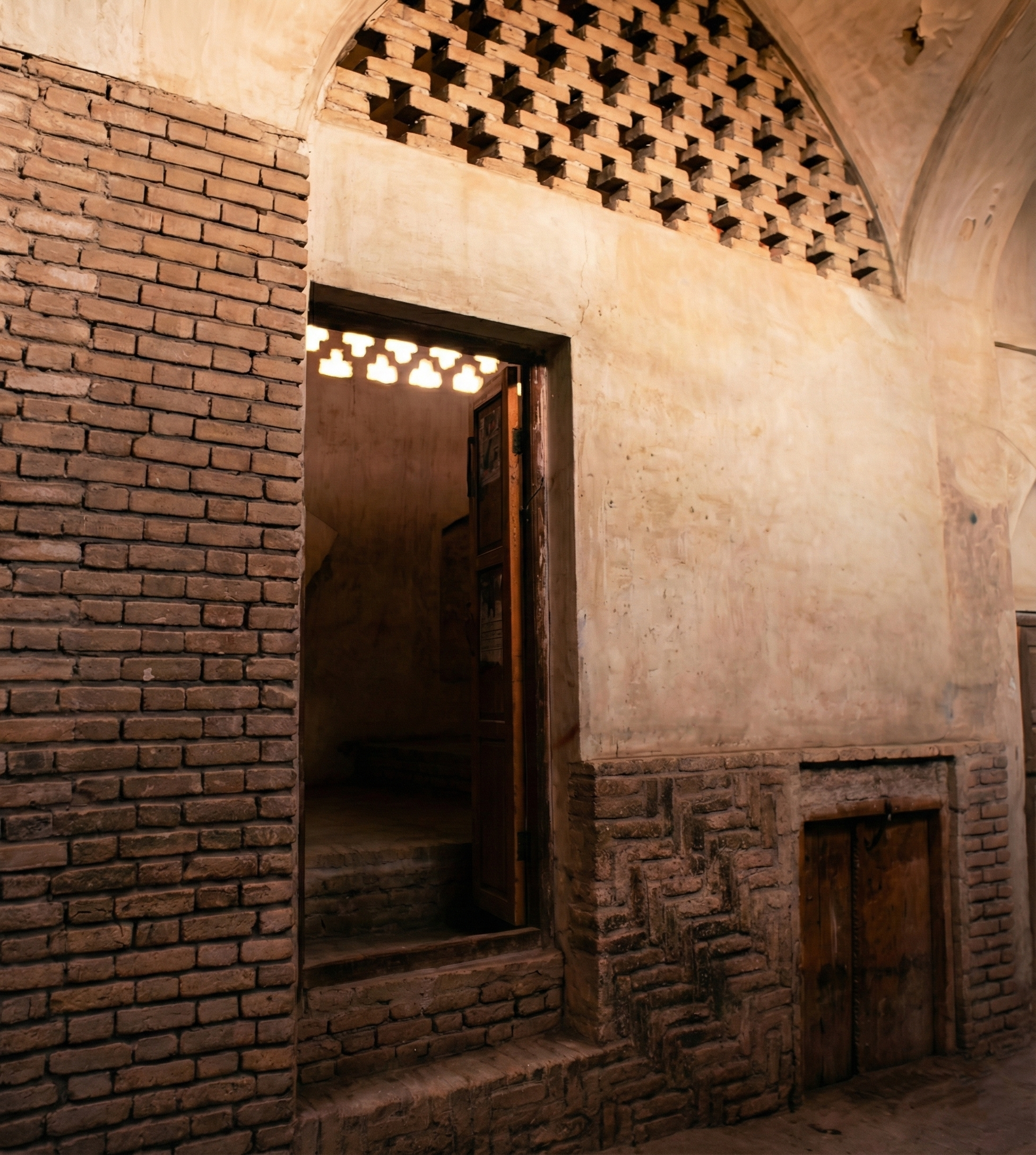
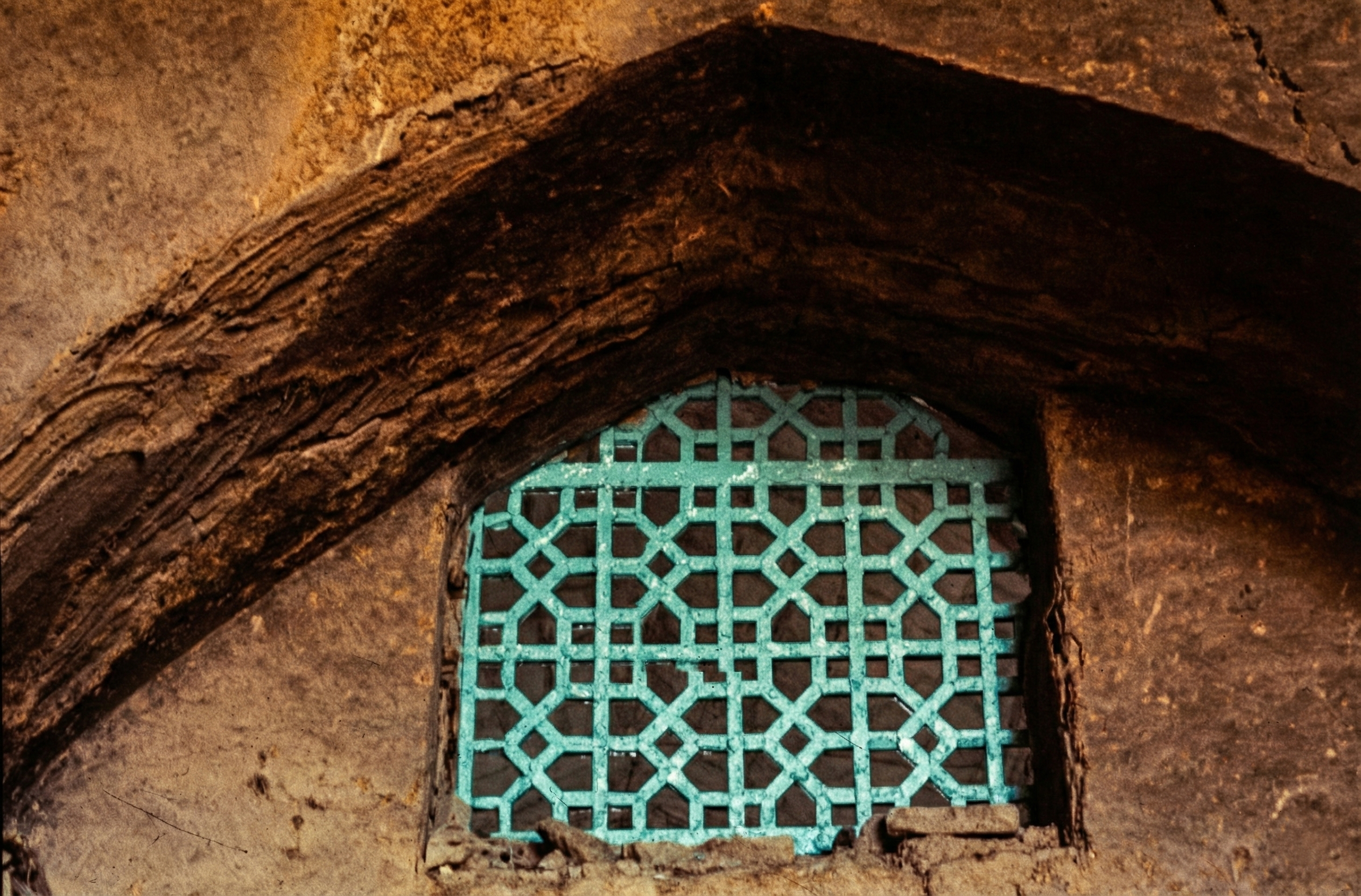
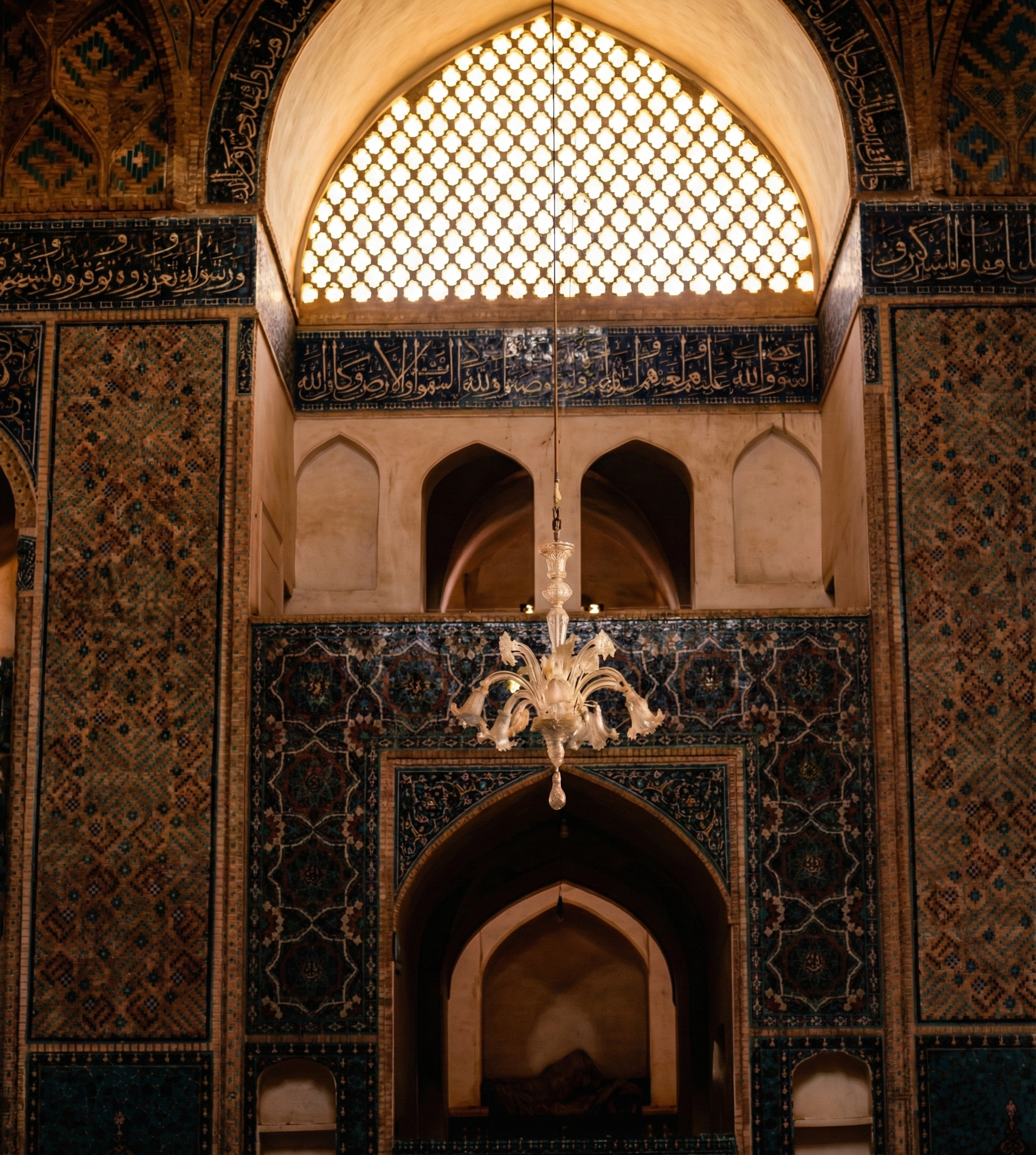
Fakhr-o-Madin (فخر و مدین) brickwork in Na’in (نائین), prominent in the Jameh Mosque (مسجد جامع, 10th century CE) and later Seljuk-period (11th–12th centuries) architecture, arranges baked bricks into geometric patterns. Integrating structure and ornament, it enriches façades, arches, and residential walls with rhythmic texture, shadow, and refined masonry craftsmanship.
-
Fakhr-o-Madin (فخر و مدین) brickwork in Na’in (نائین) appears prominently in both the Jameh Mosque (مسجد جامع) and historic residential architecture, reflecting a refined Seljuk-era (11th–12th centuries CE) mastery of decorative masonry. This technique arranges baked bricks in alternating vertical and horizontal patterns to create rhythmic geometric textures directly within the structural surface, eliminating the need for applied ornament. In the Jameh Mosque, Fakhr-o-Madin enhances façades, arches, and transitional zones with subtle shadow play and proportional harmony, reinforcing the monument’s architectural dignity. In residential buildings, the same method enriches courtyard walls, entrances, and wind towers, elevating everyday adobe construction into articulated compositions. Beyond decoration, Fakhr-o-Madin expresses a synthesis of structure and ornament—an enduring characteristic of Iranian desert architecture where craftsmanship, material efficiency, and aesthetic precision are inseparable.
