The Cityscapes of Na’in (نائین)
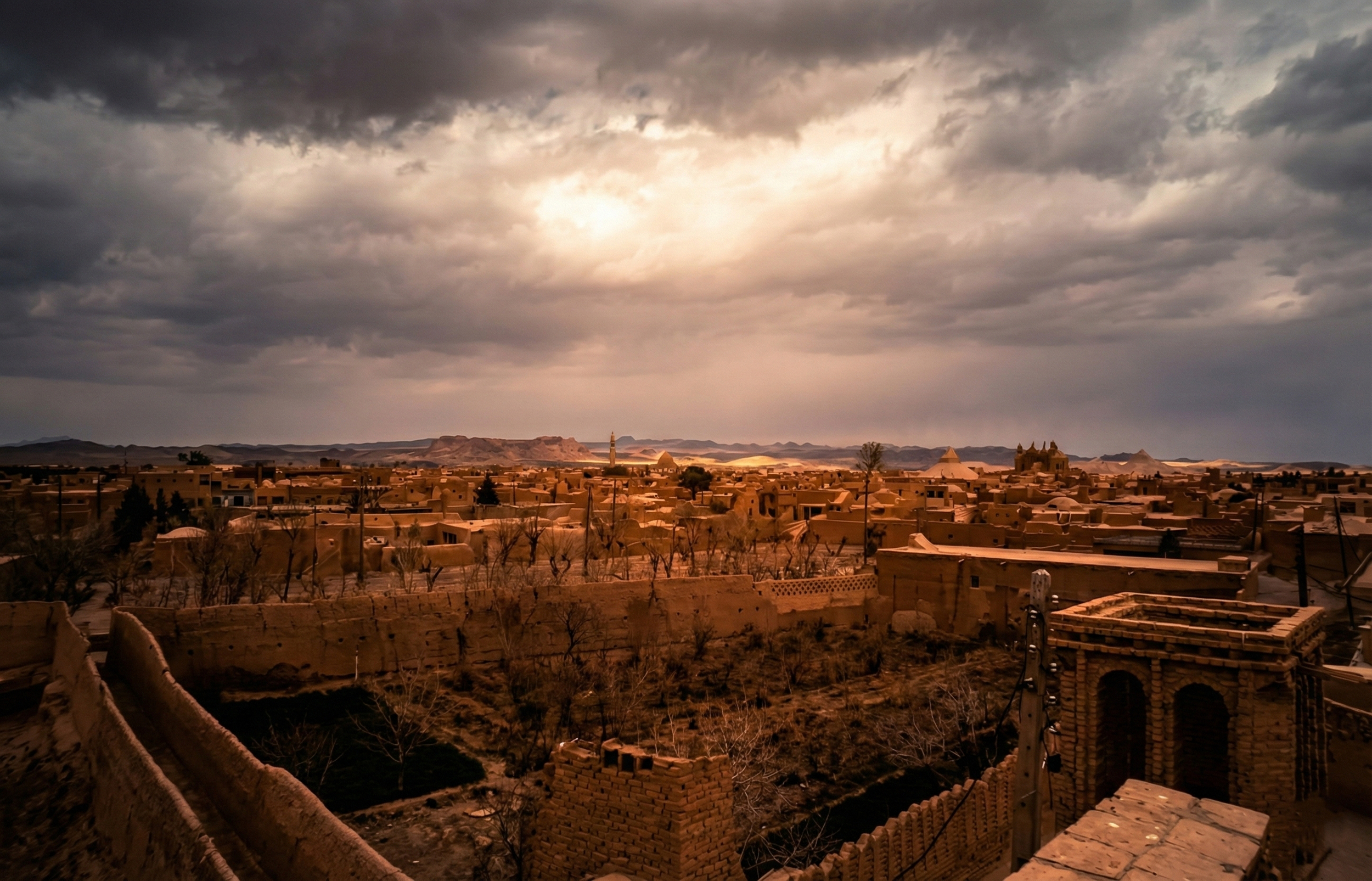
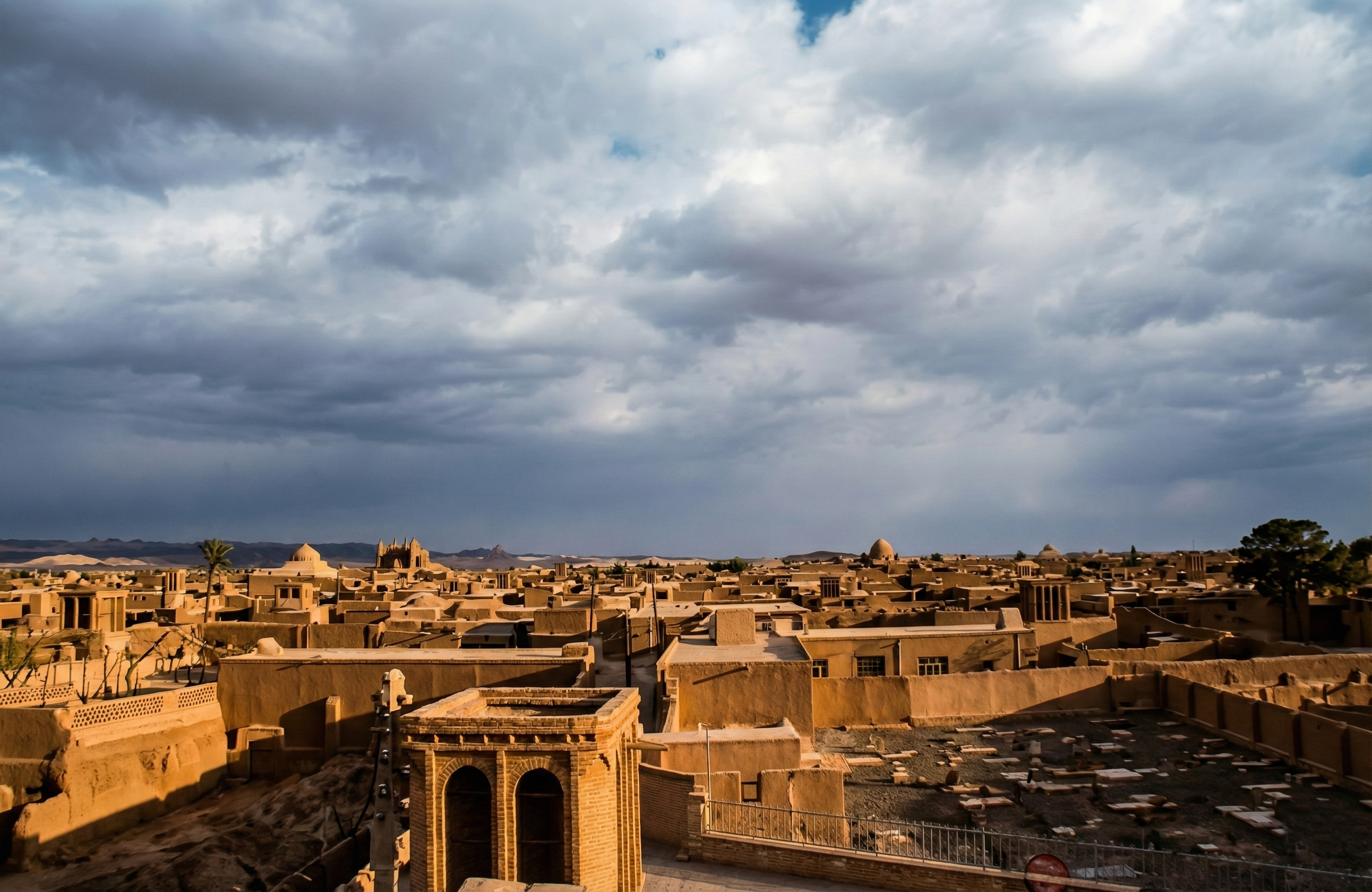
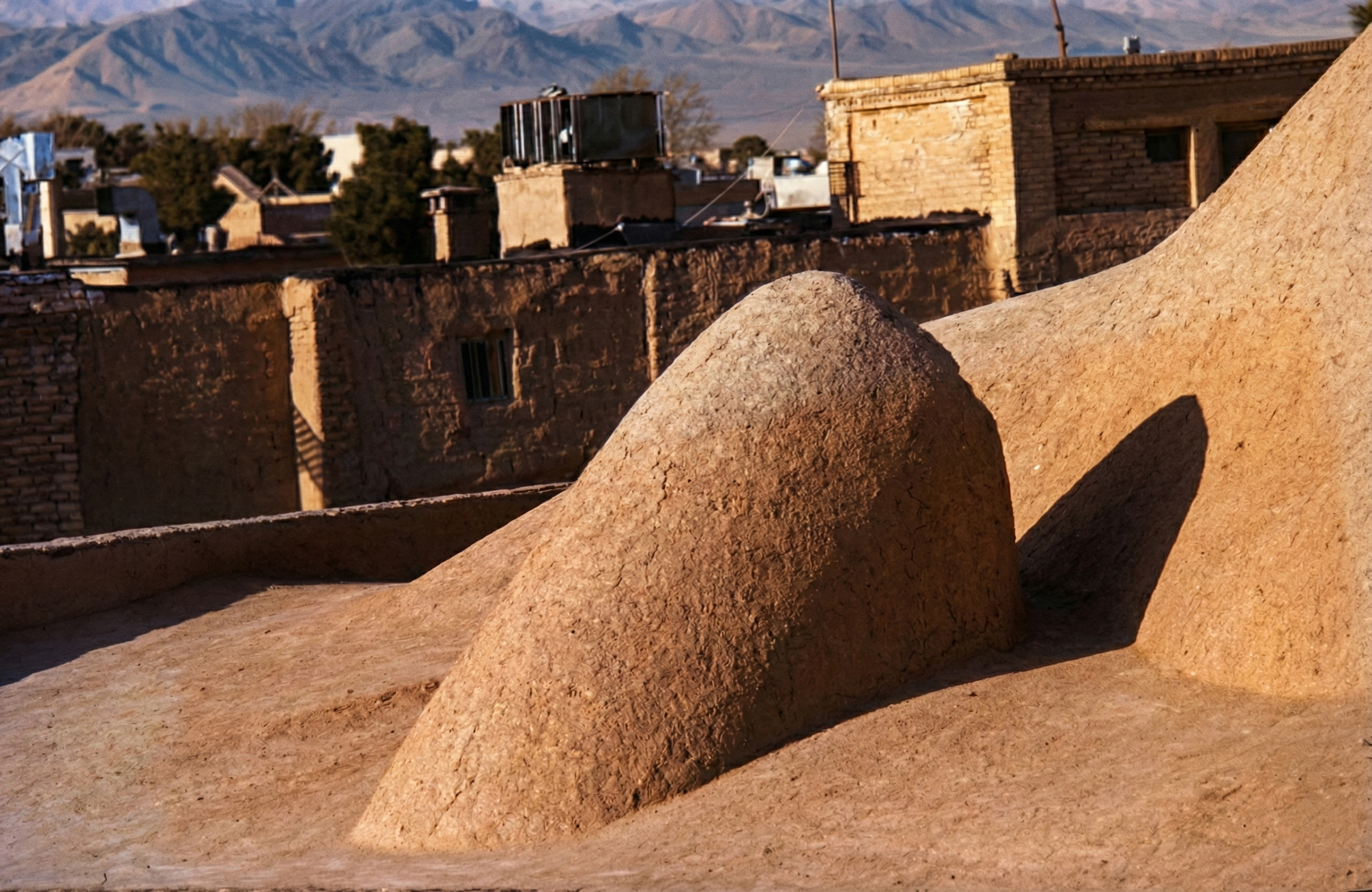
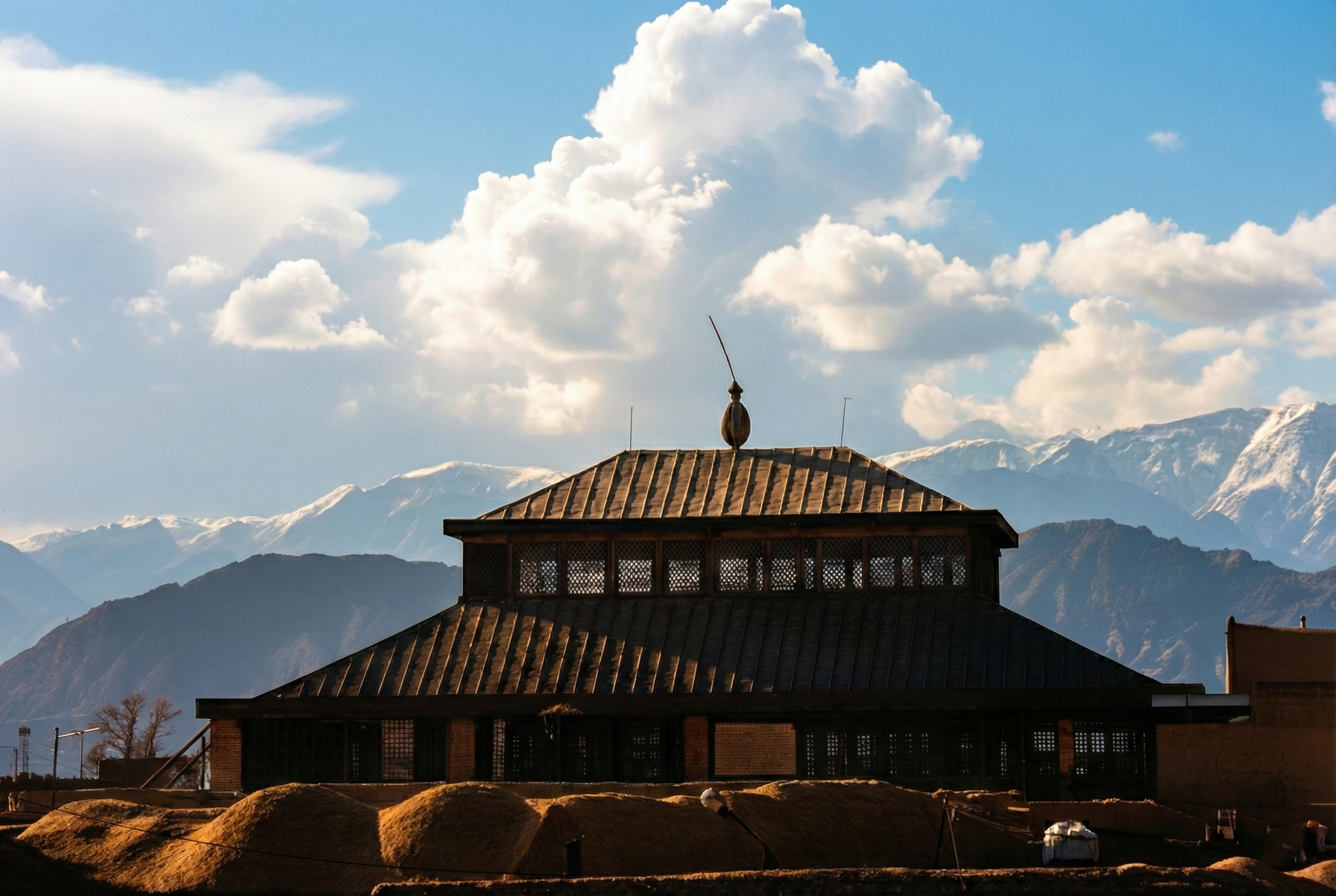
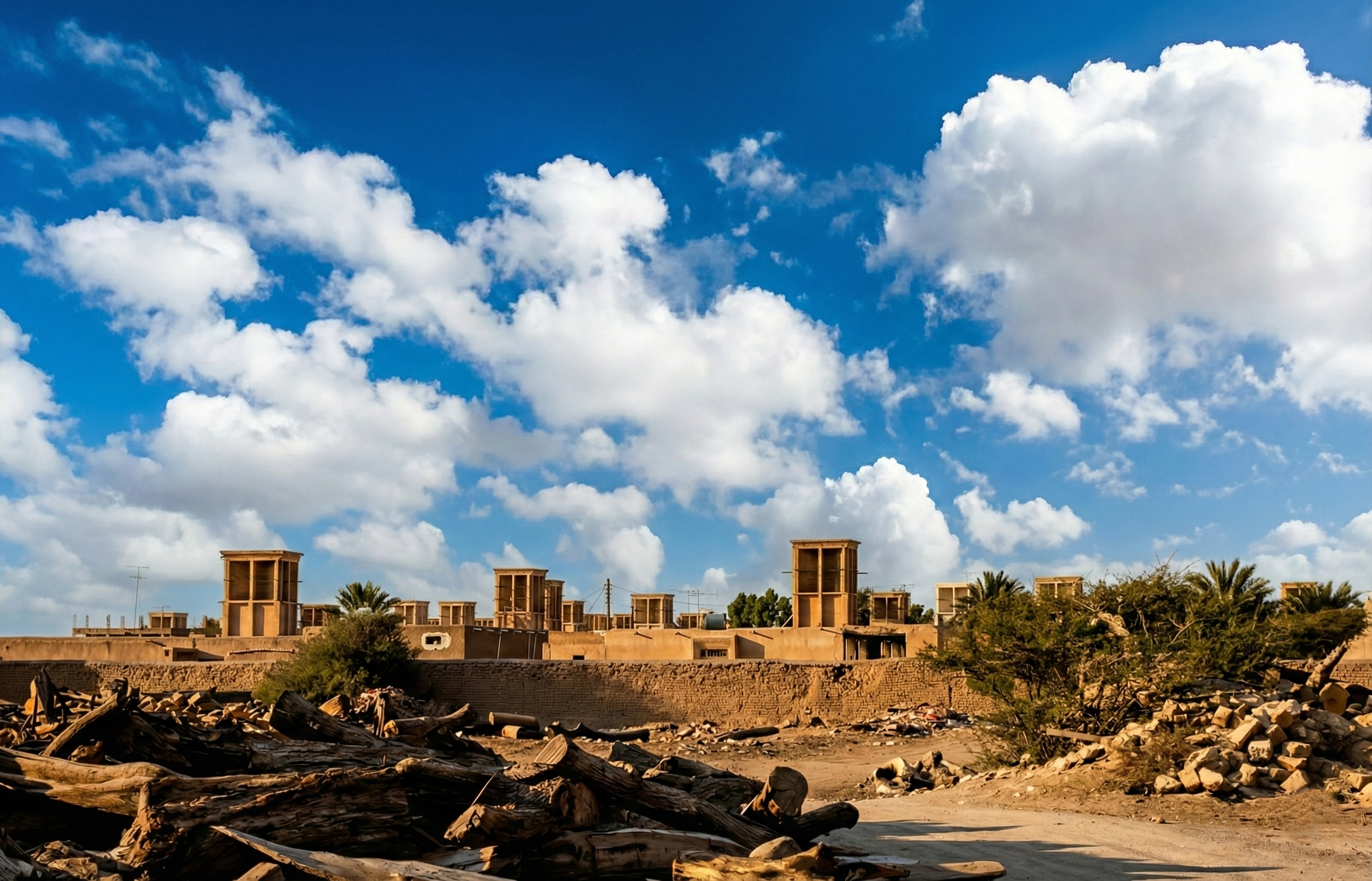
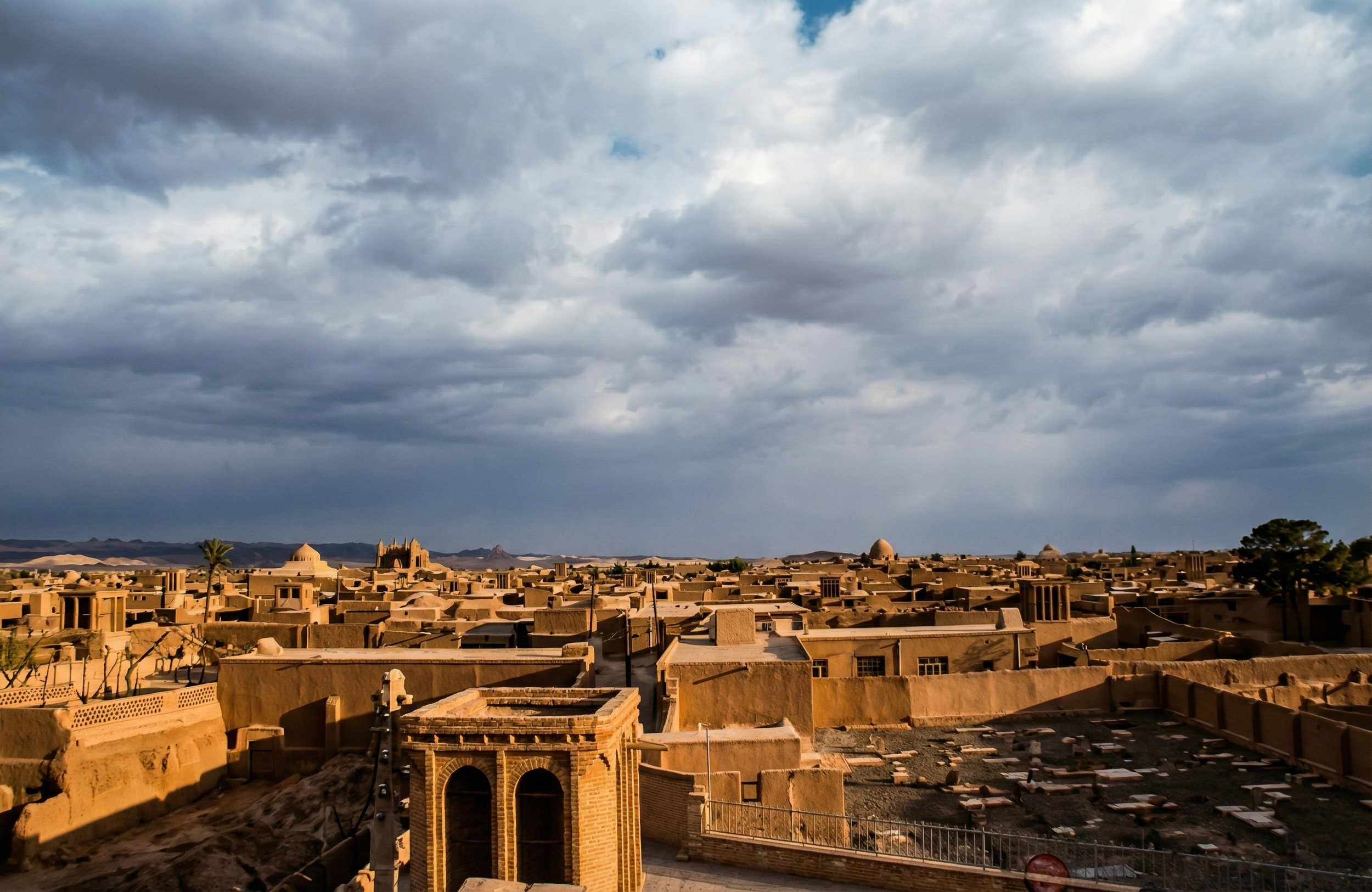
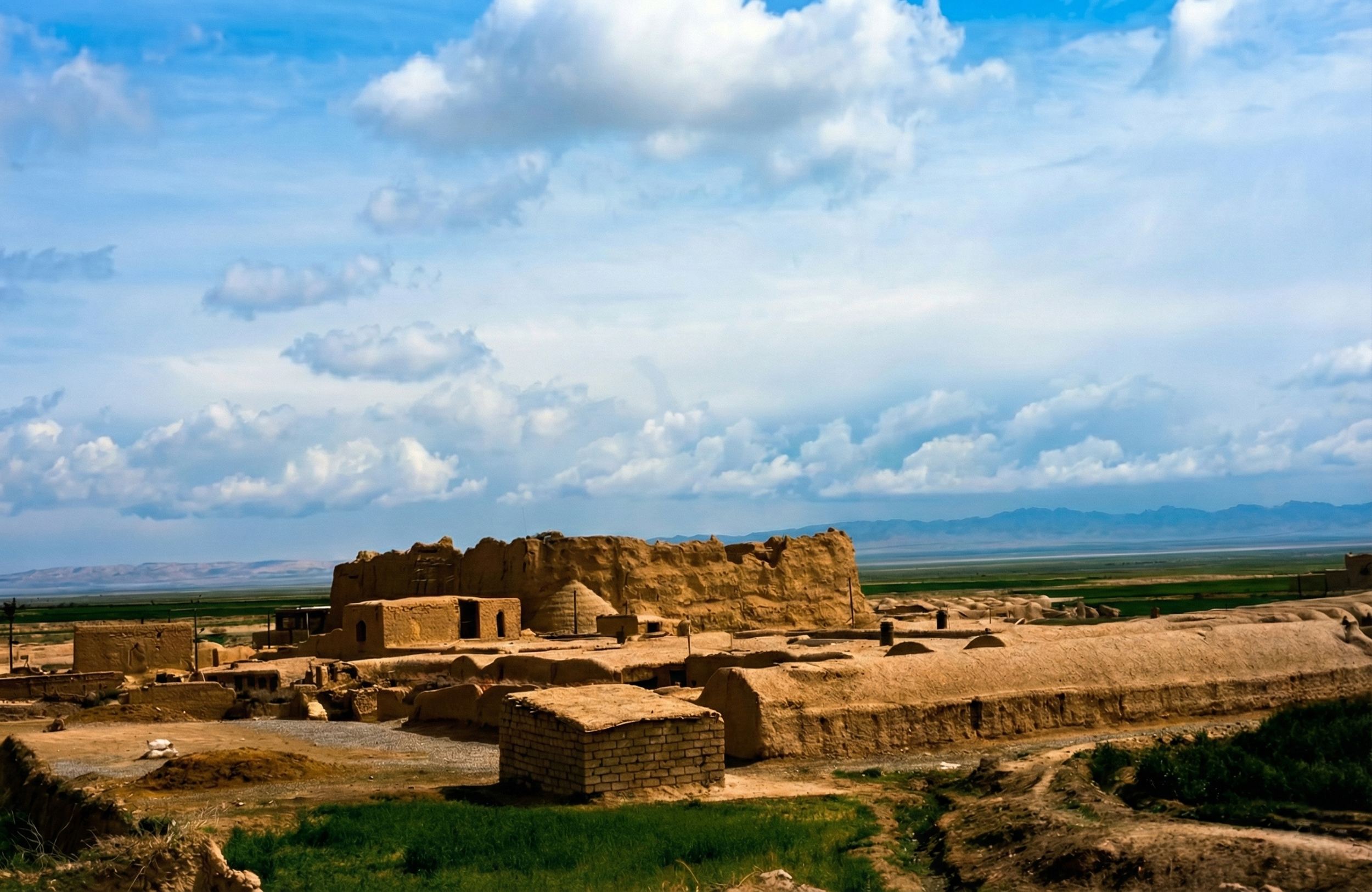
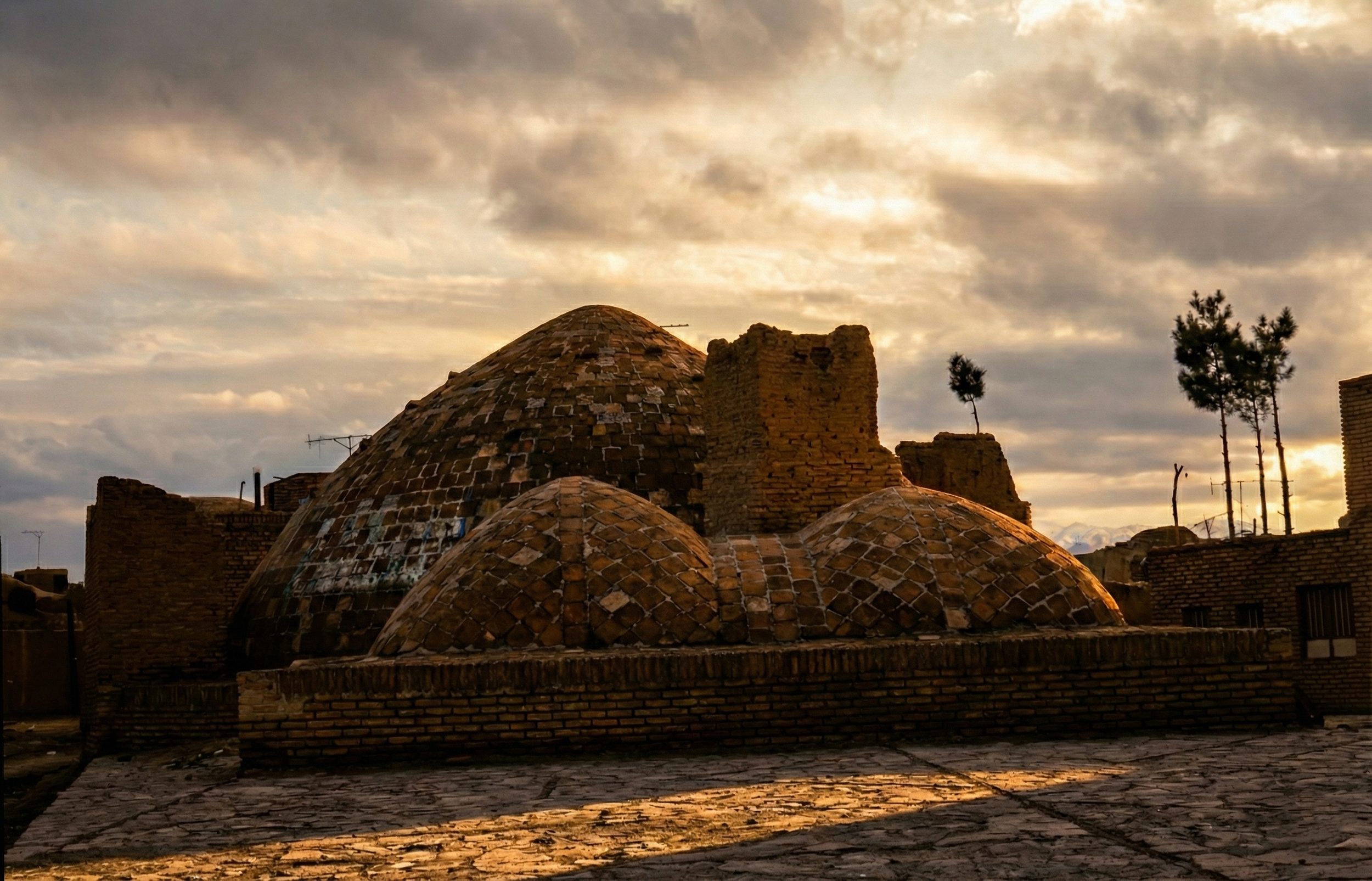
The cityscape of Na’in (نائین), shaped largely between the Seljuk (11th–12th centuries CE) and Safavid periods (16th–17th centuries CE), features adobe volumes, domes, Badgir (بادگیر) towers, and the Jameh Mosque (مسجد جامع) minaret. Interconnected courtyards and winding alleys form a cohesive desert skyline blending architecture with landscape.
-
The cityscapes of Na’in (نائین) are defined by a continuous horizon of adobe volumes, domes, wind towers, and minarets rising subtly from the desert plain. Shaped largely between the Seljuk (11th–12th centuries CE) and Safavid (16th–17th centuries CE) periods, the skyline reflects a cohesive earthen palette in which architecture blends seamlessly with the surrounding landscape. Rather than monumental height, Na’in’s visual identity emerges from rhythmic rooflines, vaulted forms, and the vertical accents of Badgir (بادگیر) towers and the Jameh Mosque (مسجد جامع) minaret.
The compact massing of houses, interconnected courtyards, and winding alleys creates layered vistas that reveal and conceal space gradually, enhancing both climatic comfort and spatial intimacy. From elevated viewpoints, the city reads as an integrated architectural organism—an organic desert settlement where infrastructure, faith, commerce, and domestic life merge into a unified and enduring urban composition.
