The Chehel Dokhtaran Tomb Tower
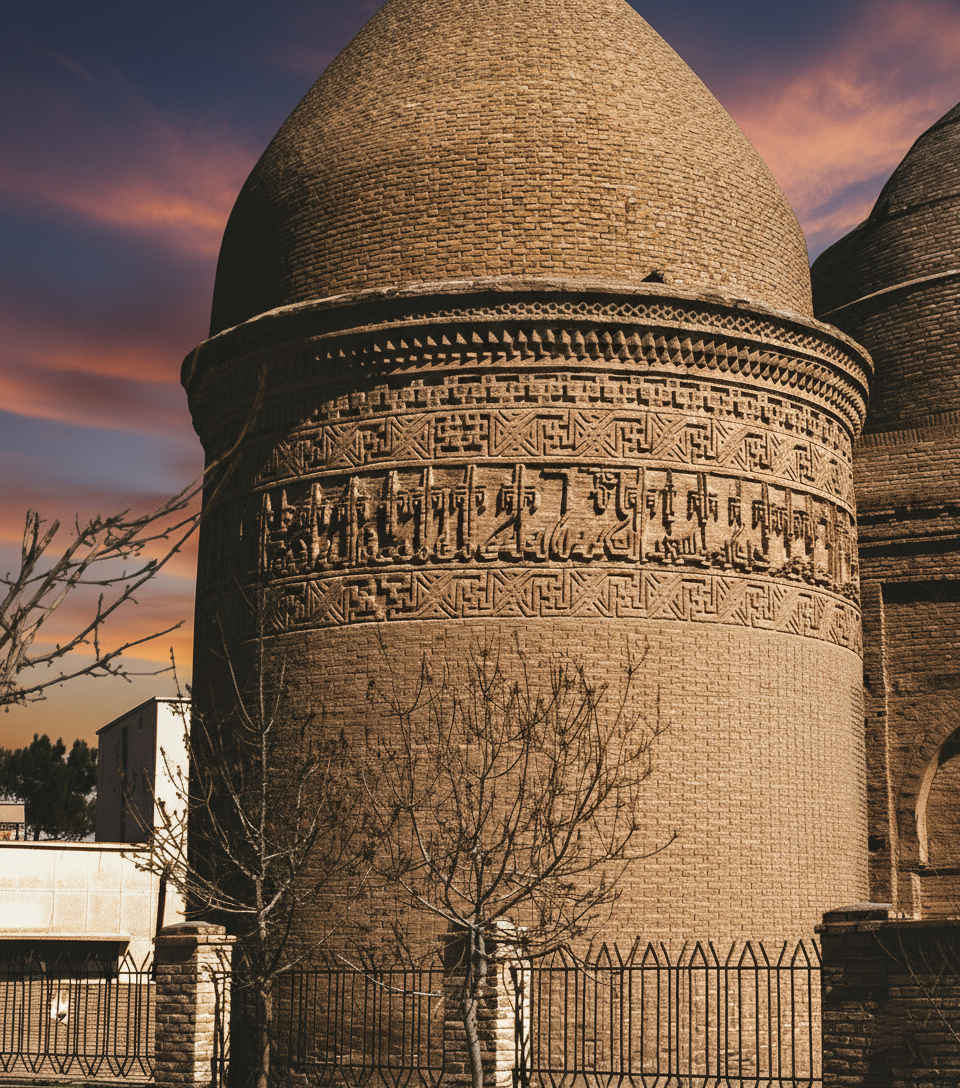
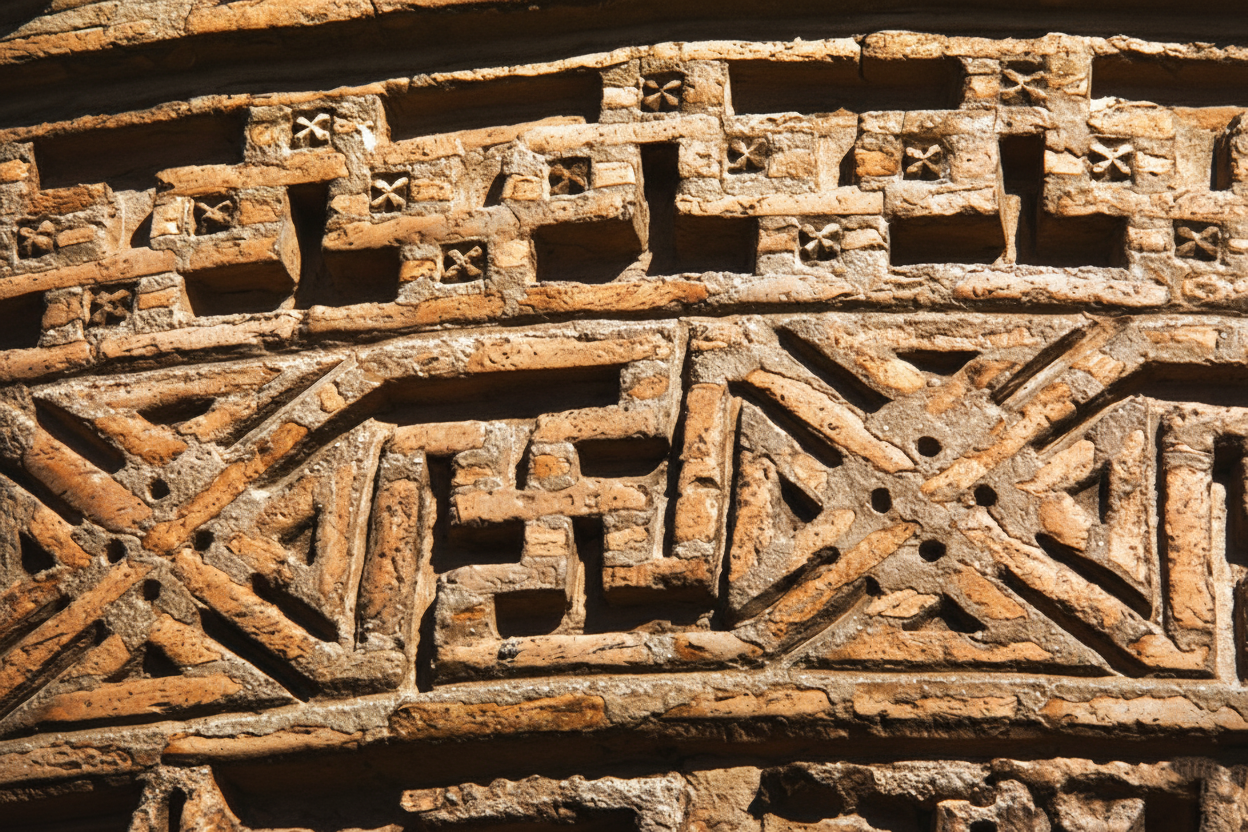
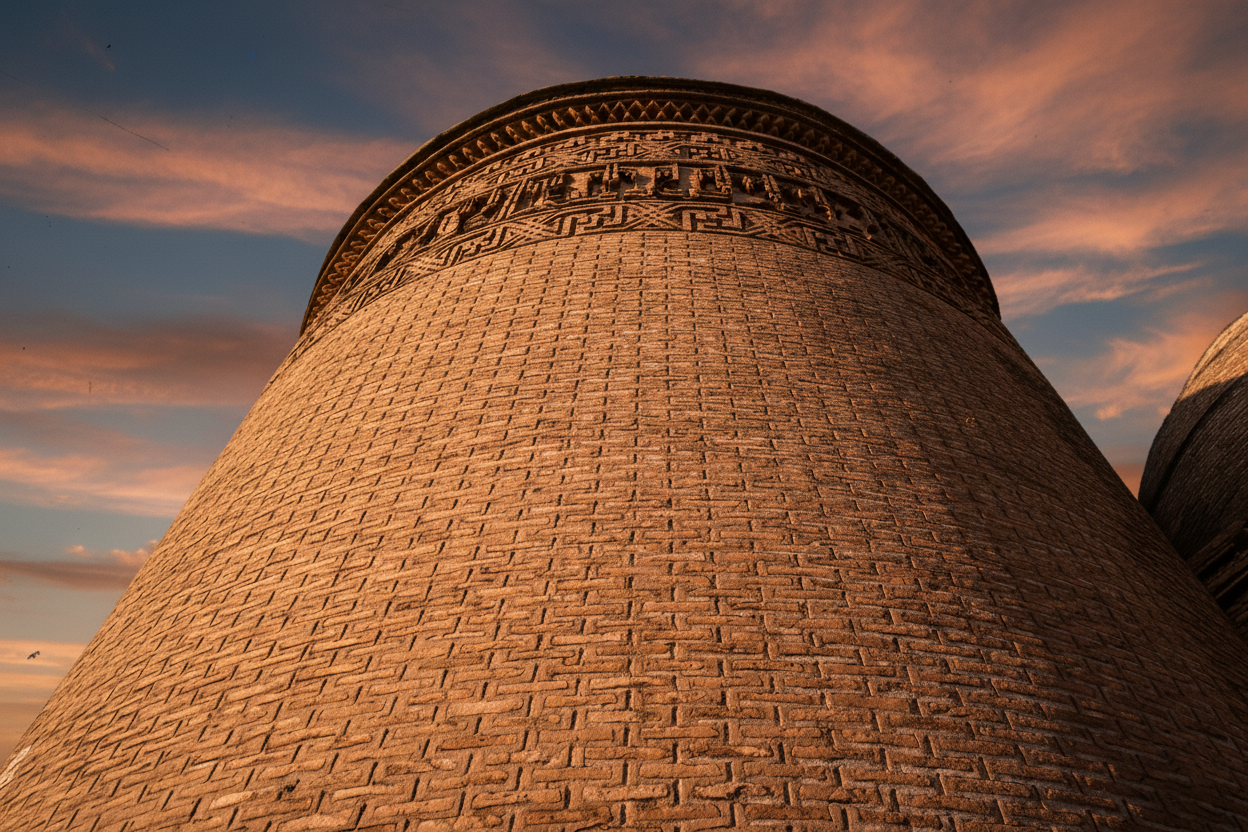
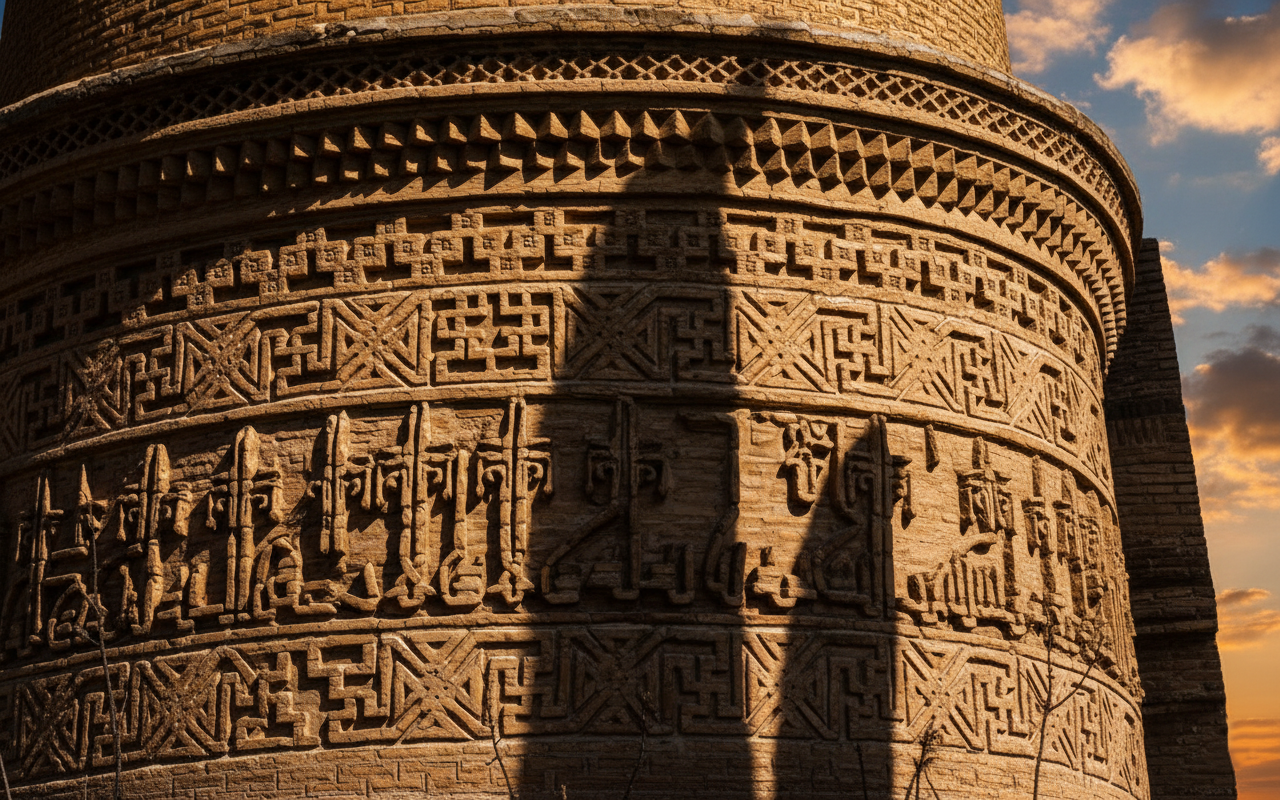
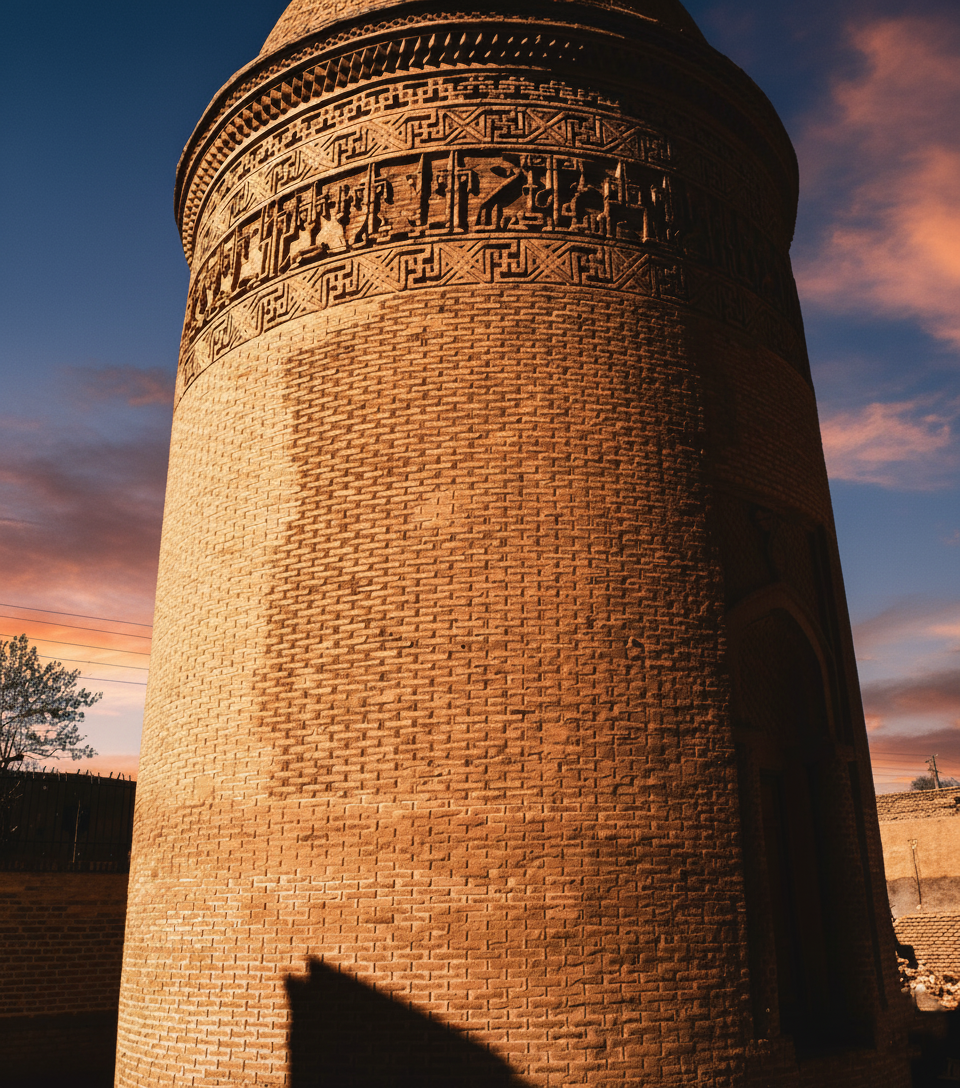
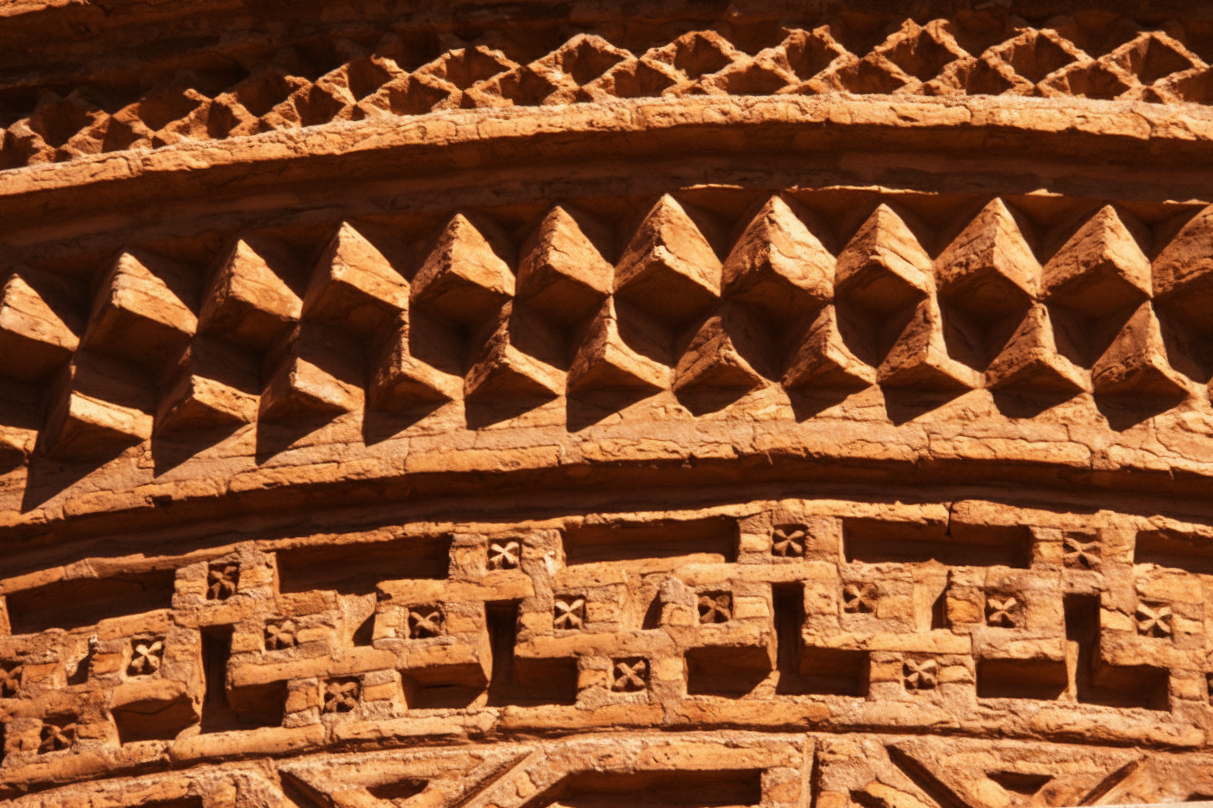
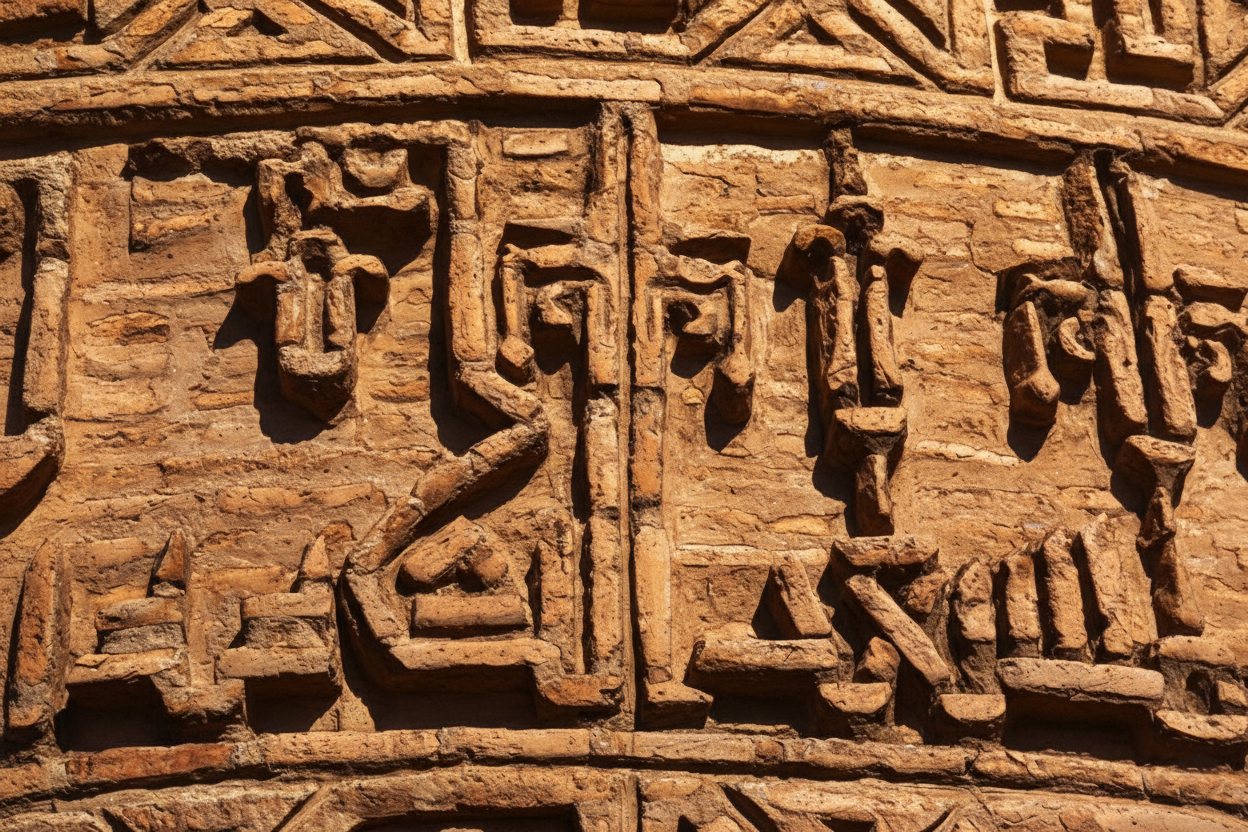
The Chehel Dokhtaran (چهلدختران) Tomb Tower (برج آرامگاهی) in Damghan (دامغان), built in 1054 CE (446 AH), exemplifies early Seljuk (سلجوقی) brick architecture. Its cylindrical form and intricate Hozar baf (هزارباف) patterns transform masonry into ornament, creating a striking interplay of light, shadow, and enduring craftsmanship within the desert urban fabric.
-
The Chehel Dokhtaran (چهلدختران) Tomb Tower (برج آرامگاهی) in Damghan (دامغان), built in 1054 CE (446 AH) during the Seljuk (سلجوقی) period, stands as one of the earliest surviving Islamic funerary towers in Iran (ایران) and a defining example of early brick architecture. Rising prominently from the low-rise adobe (خشت و گل) fabric of the city, its cylindrical form introduces a striking vertical presence, contrasting with Damghan’s predominantly horizontal skyline.
Beyond its clarity of geometry and balanced proportions, the tower is distinguished by its refined surface articulation. The exterior brickwork showcases the intricate Hozar baf (هزارباف) technique—an elaborate patterned arrangement of bricks that creates geometric motifs and subtle relief across the façade. Through this method, masonry becomes both structure and ornament, transforming light and shadow into a dynamic architectural expression.
The tower stands as a testament to the Seljuk (سلجوقی) mastery of brick construction, where craftsmanship elevates material into a timeless and enduring architectural form.
