Earth (Khāk خاک)
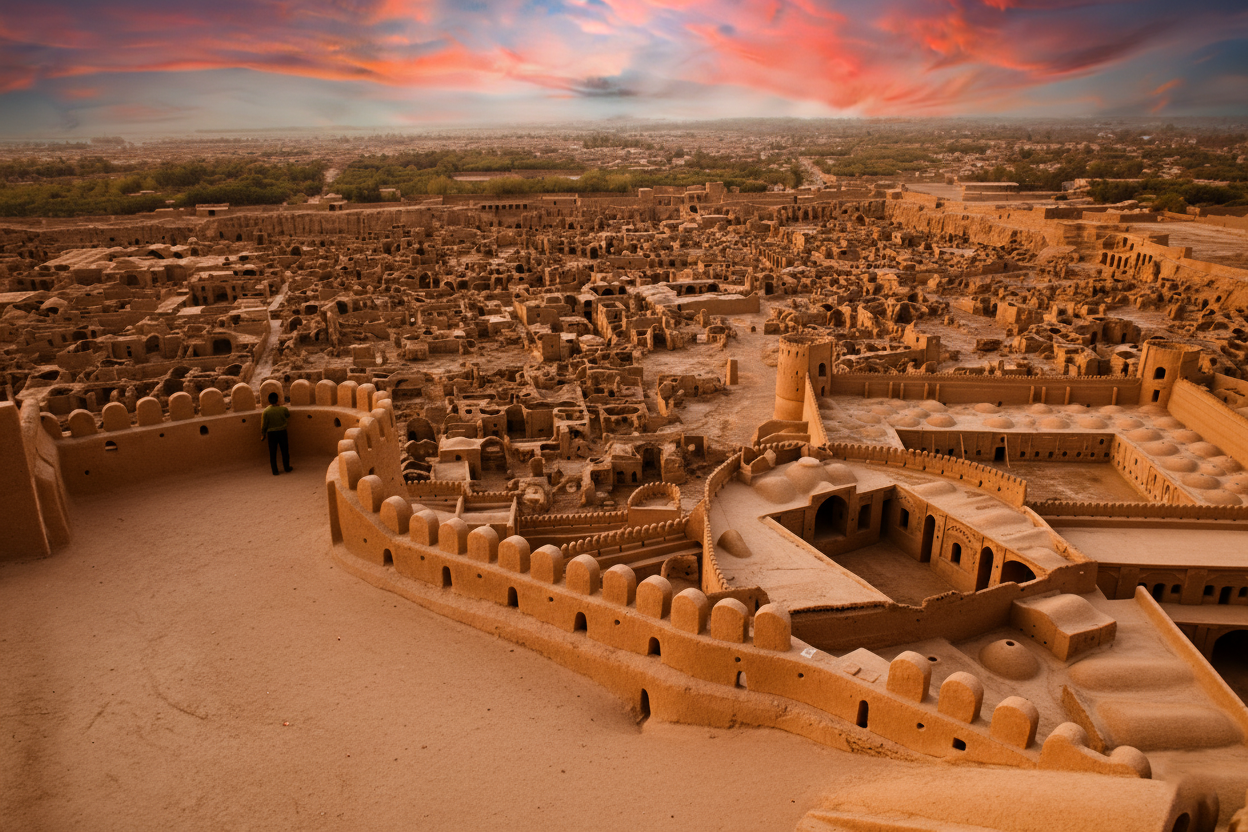
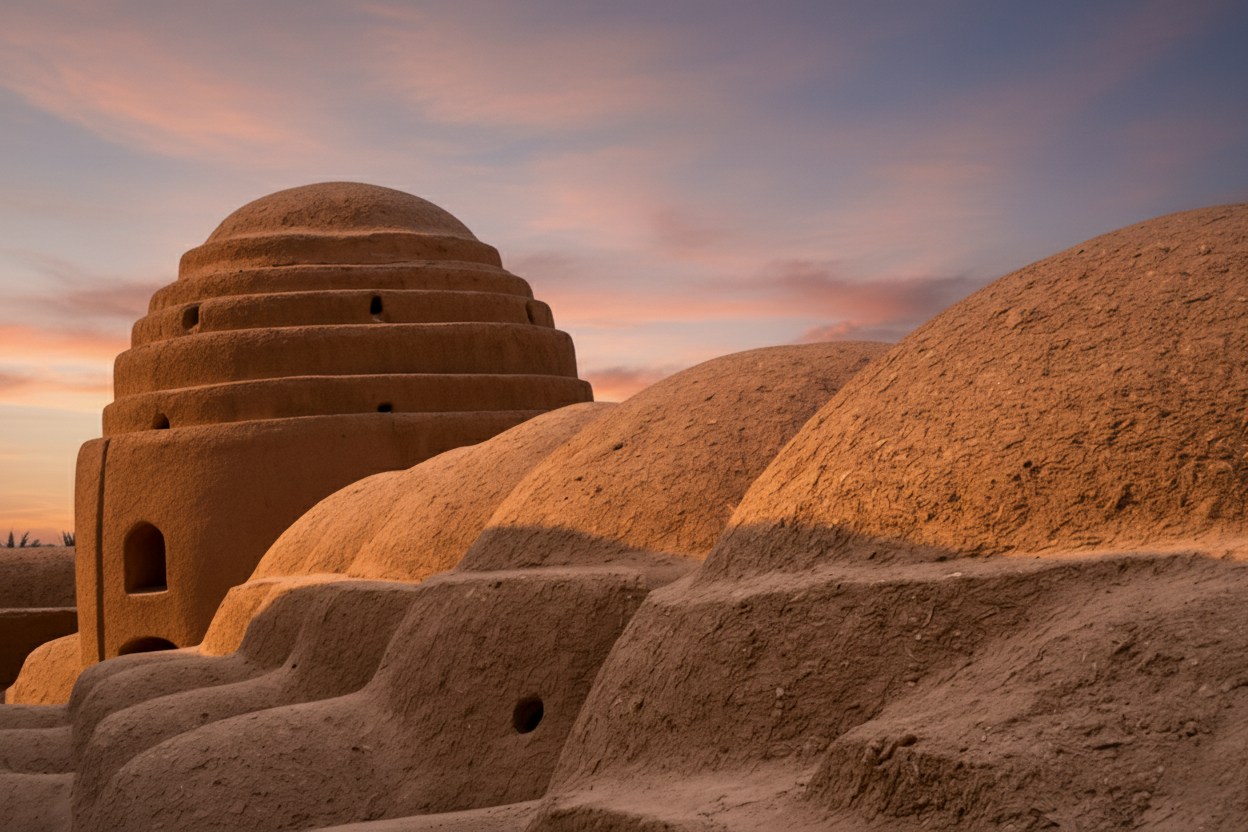
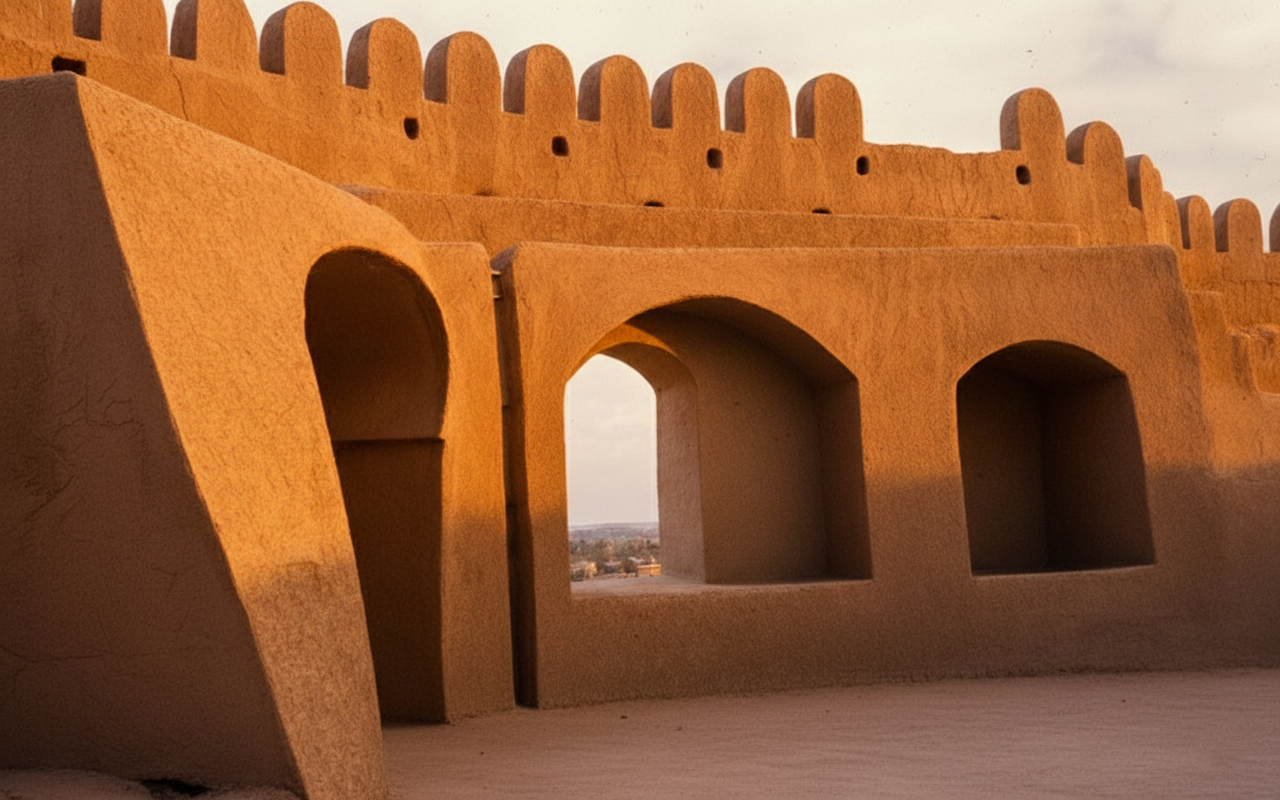
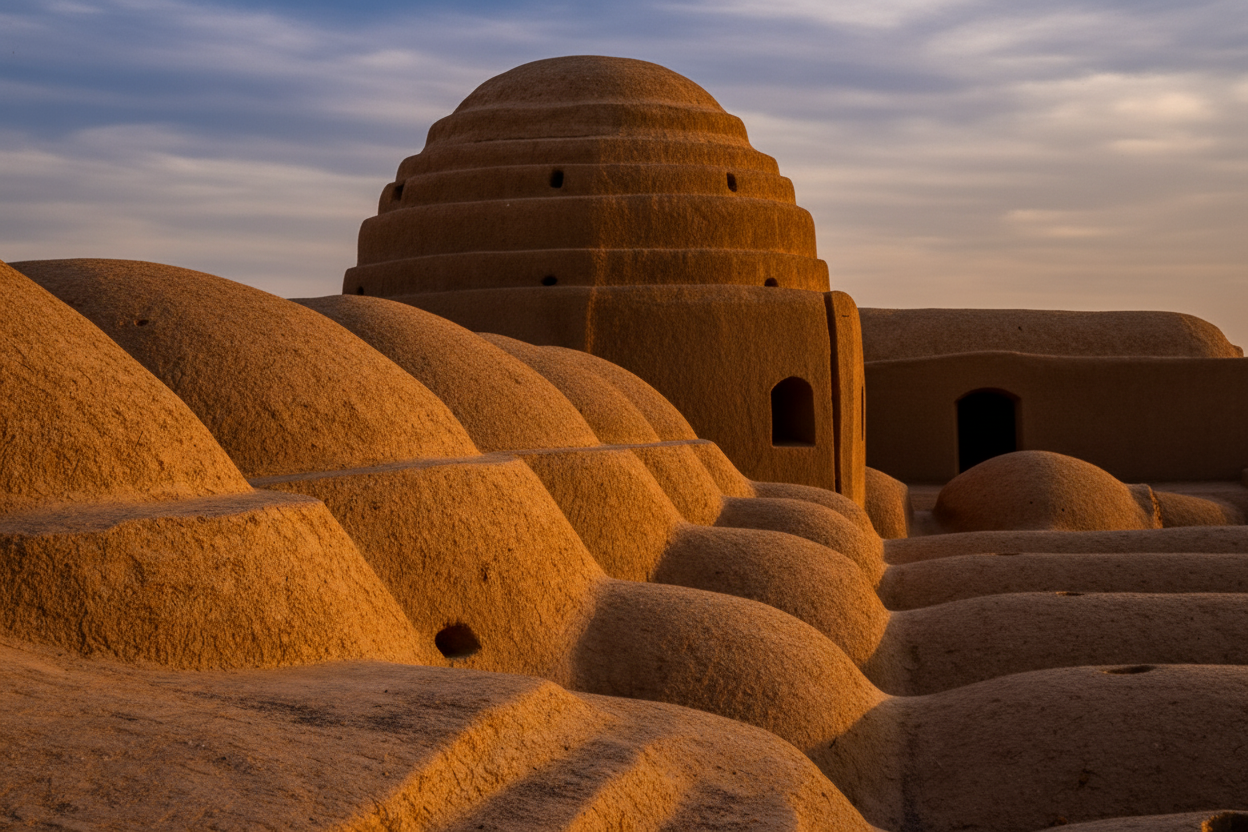
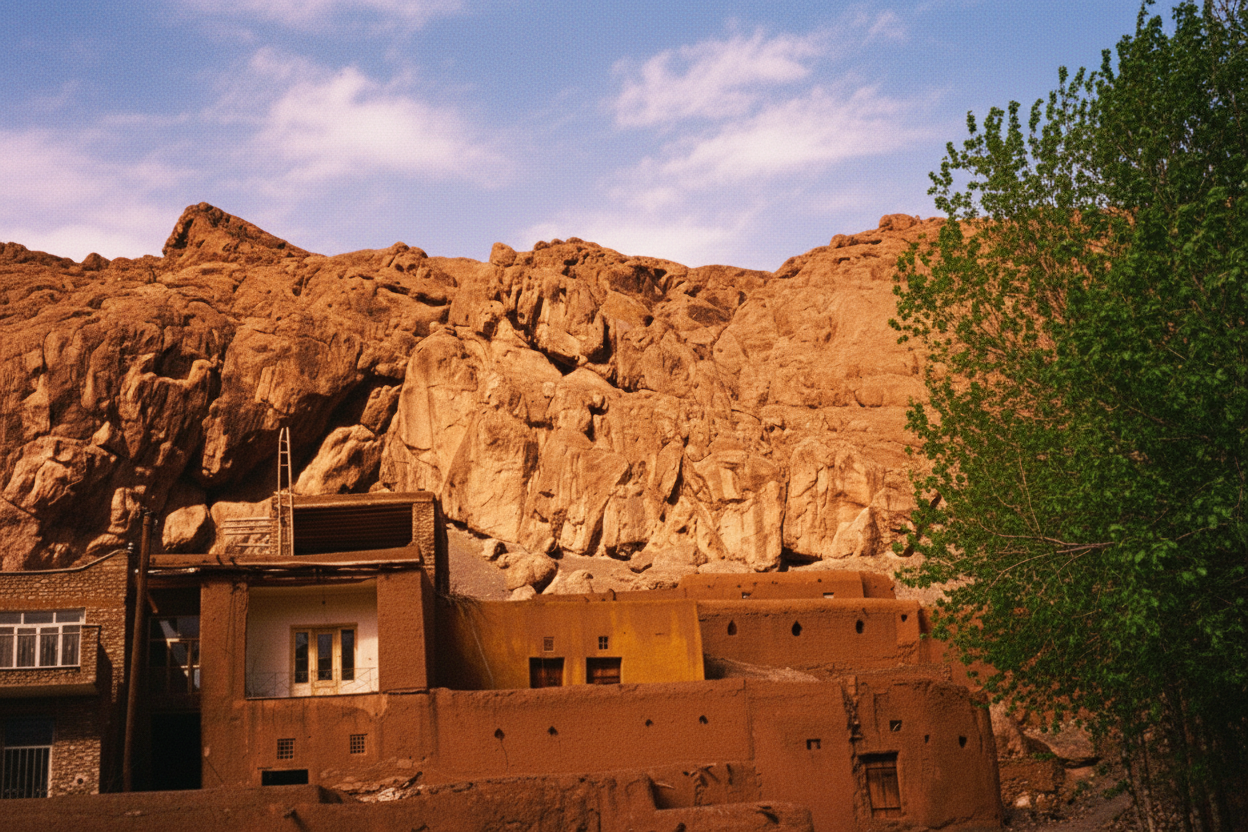
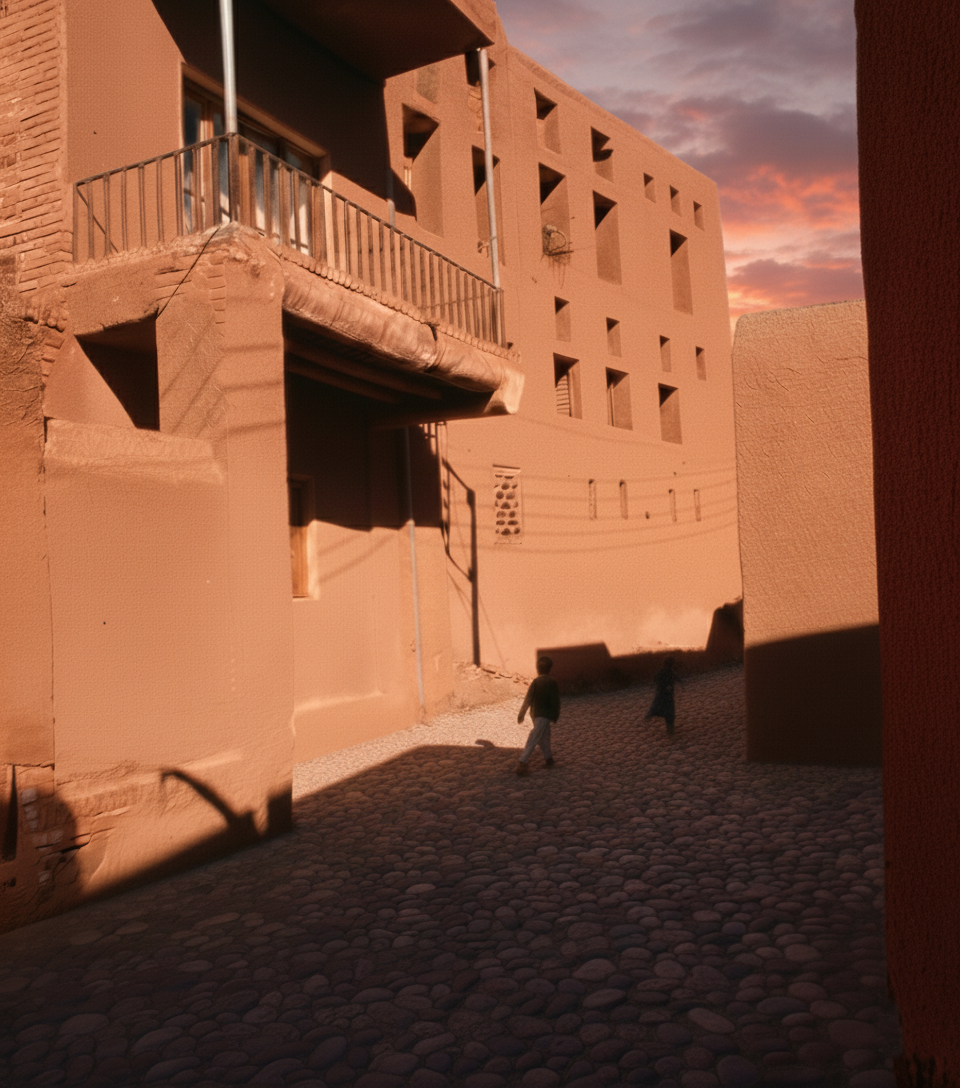
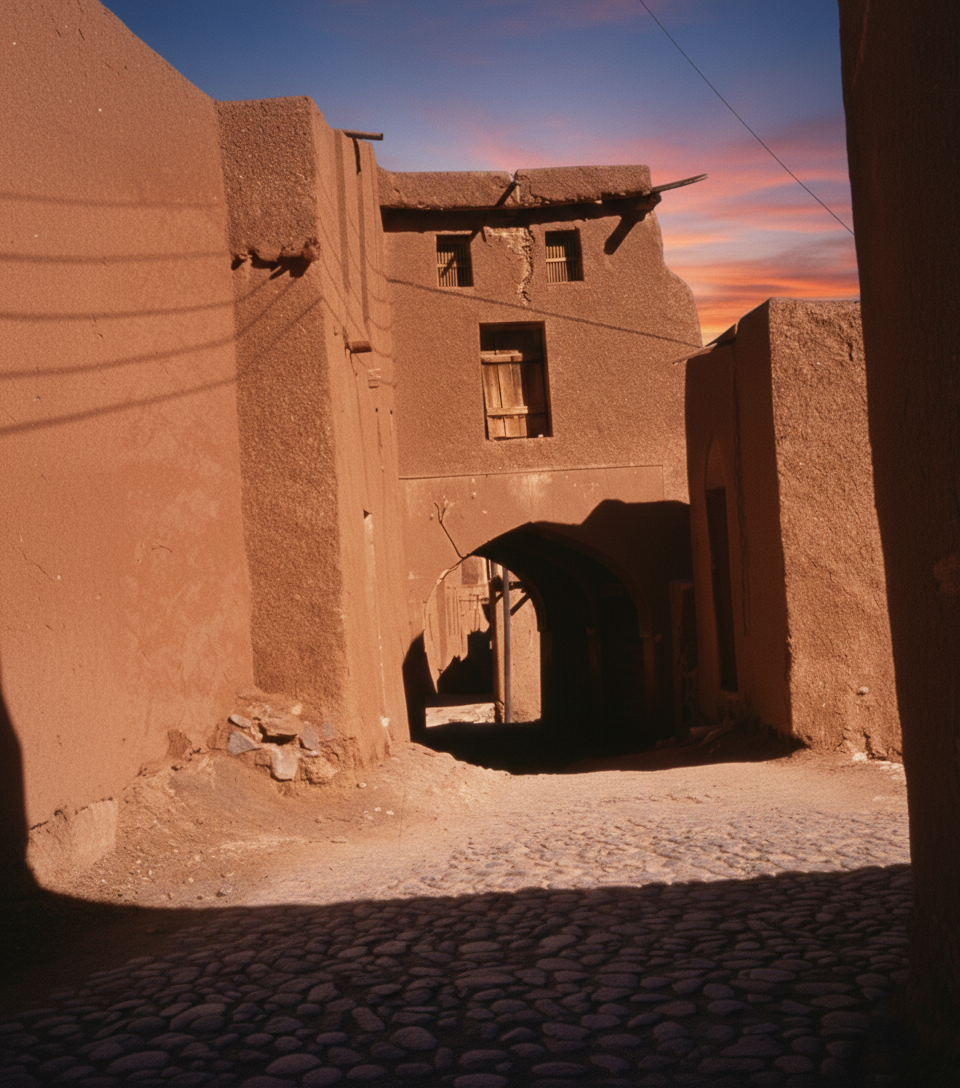
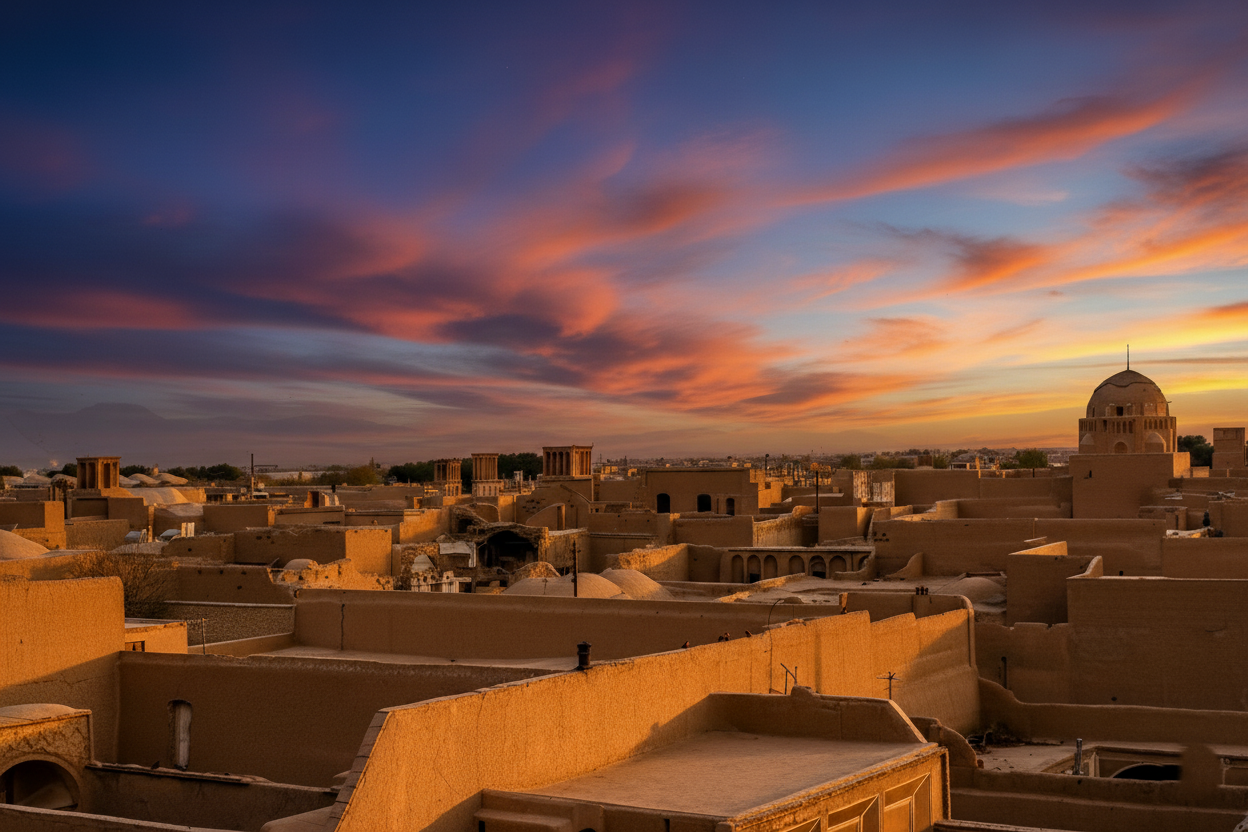
Arg-e Bam (ارگ بم), Abyaneh (ابیانه), and the edge of the Lut Desert (کویر لوت) and the central desert (کویر مرکزی) reveal earth (khāk خاک) as the primary medium of survival and expression. Through adobe (khesht خشت) and kahgel (کاهگل), architecture harnesses thermal mass, shaping climate-responsive forms where domes, walls, and شهری fabric emerge directly from the زمین itself.
-
Earth (Khāk خاک) holds a foundational role in Iranian architecture, serving both as a sacred substance and a pragmatic building medium. In pre-Islamic Zoroastrian thought, earth was revered as Spenta Armaiti (سپنتا آرمیتی), and its purity was protected through practices such as the Dakhma (دخمه), where the dead were exposed to avoid contaminating the soil. In the Islamic period, this reverence was reinterpreted through the concept of humility—man as created from clay (tīn طین)—encouraging the widespread use of adobe (khesht خشت) and brick (ājor آجر), materials that embody both simplicity and transience. Rather than concealing their modest origin, Iranian architects elevated earth through craft, transforming it into an architecture of light and geometry—an “alchemy of light.”
In the timber-scarce landscapes surrounding Iran’s central deserts, earth became the اساس (foundation) of survival. Its thermal properties allow it to function as a natural climate regulator: thick earthen walls coated with kahgel (کاهگل) absorb solar heat during the day and release it gradually at night, stabilizing interior conditions against extreme temperature shifts. This principle is evident in settlements at the edge of the Lut Desert (کویر لوت) and the central desert (کویر مرکزی), where entire cities are formed from earth, their dense fabric minimizing exposure while maximizing thermal efficiency. The village of Abyaneh (ابیانه), with its distinctive red خاک architecture, further demonstrates how local soil defines not only construction technique but also visual identity.
Material constraints also shaped architectural form. The scarcity of long wooden beams led to the refinement of arches and domes, exploiting the compressive strength of mud brick to span space without timber. Iranian architects mastered ājor-kāri (آجرکاری), arranging and rotating bricks to produce intricate geometric patterns that animate surfaces through shadow and light, integrating structure and ornament into a unified system.
The pinnacle of this tradition is exemplified in Arg-e Bam (ارگ بم), once the largest adobe structure in the world, standing as a testament to how earth-based construction can sustain complex urban life. Across these examples, khāk is not merely a material but a generative medium—binding architecture to climate, culture, and belief, and grounding the built environment in both necessity and meaning.
