Cheshmeh Ali in Damghan (Cheshmeh Ali / چشمهعلی)
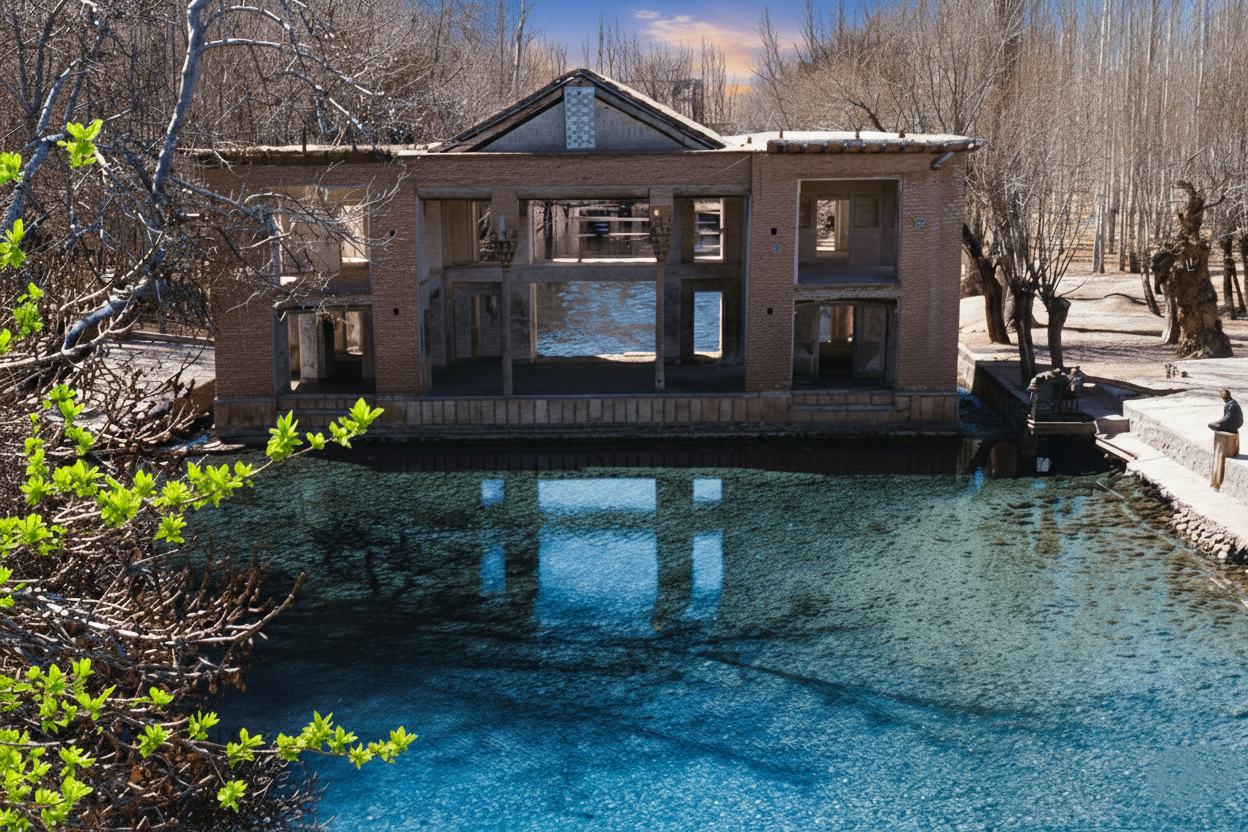
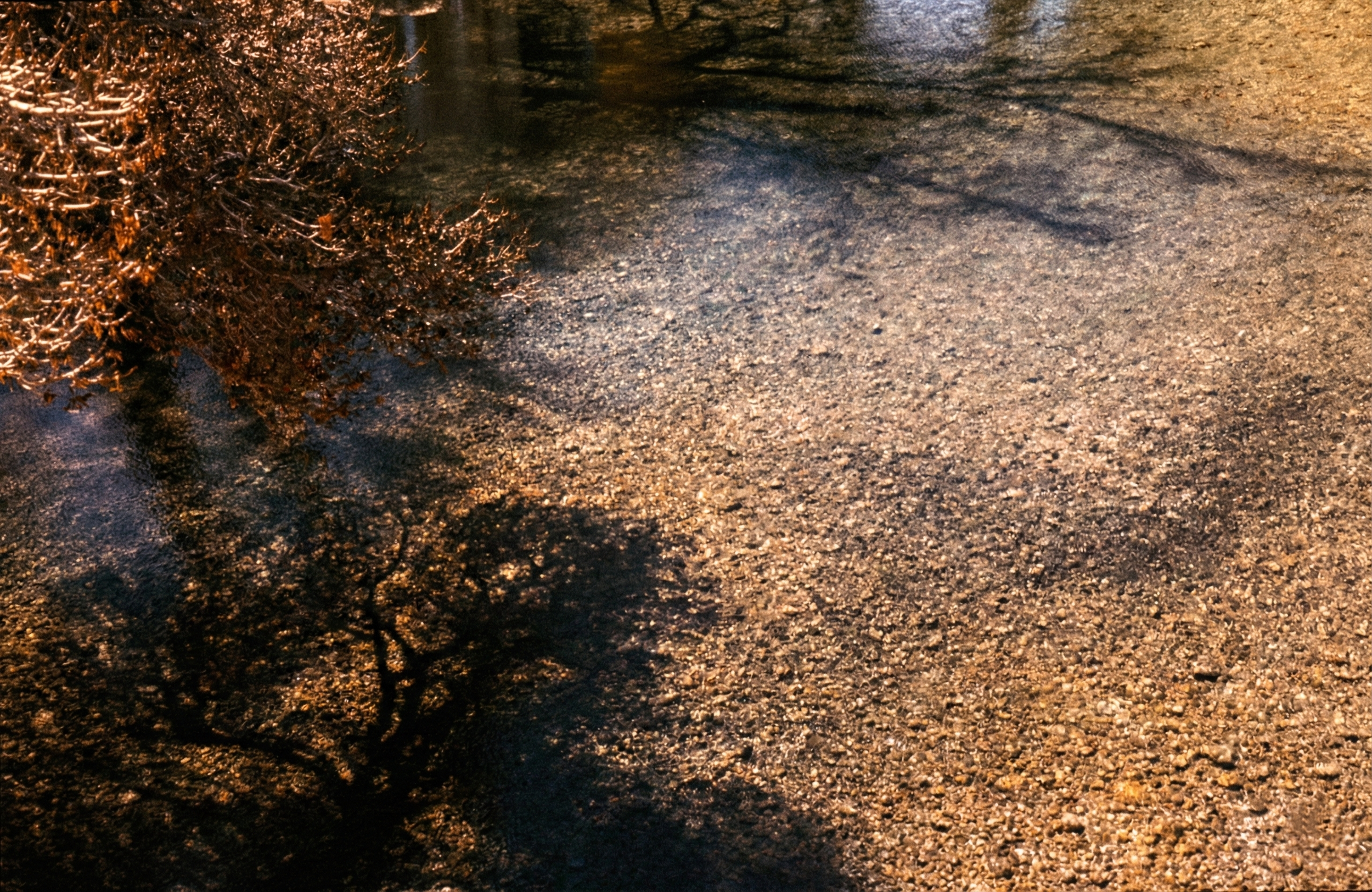
Cheshmeh Ali (چشمهعلی) in Damghan (دامغان) integrates water (آب), landscape (منظر), and architecture (معماری). Developed in Safavid (صفوی) and Qajar (قاجار) periods, its pools (حوضها), terraces (سکوها), and pavilions (کوشکها) create a microclimate (اقلیم خرد), reflecting the Persian garden (باغ ایرانی) tradition and enduring cultural landscape (منظر فرهنگی).
-
Cheshmeh Ali in Damghan (Cheshmeh Ali / چشمهعلی) holds architectural significance not as a single monumental building, but as a carefully shaped landscape where natural elements and built form are integrated into a coherent spatial experience. Originating in antiquity (antiquity / دوران باستان) and later developed during the Safavid period (Safavid / صفوی) and expanded in the Qajar era (Qajar / قاجار), it represents a long continuity of landscape design in Iran.
At the heart of the site is the natural spring (spring / چشمه), whose constant flow of water defines both the layout and function of the complex. In Persian architectural tradition, water is not merely utilitarian but symbolic (symbolic / نمادین)—associated with life, purity, and paradise. The channeling of water into pools (pools / حوضها) and terraces (terraces / سکوها) reflects principles of Persian garden design (Persian garden / باغ ایرانی), where geometry and flow are used to organize space and perception.
The باغ ایرانی (Persian garden / باغ ایرانی) concept is especially important here. Although Cheshmeh Ali is less formal than royal gardens like Fin Garden, it still embodies key ideas: axial organization (axis / محور), controlled water movement (water flow / جریان آب), and the creation of a microclimate (microclimate / اقلیم خرد). In an otherwise arid landscape (arid landscape / اقلیم خشک), the presence of water and vegetation transforms the site into a livable and pleasurable environment, demonstrating a sophisticated understanding of environmental design (environmental design / طراحی اقلیمی).
Architecturally, the pavilions (pavilions / کوشکها) and garden structures (garden structures / بناهای باغی) overlooking the water play a crucial role. These elevated or strategically placed buildings frame views (views / دیدها) of the spring and surrounding landscape, reinforcing the importance of منظر (landscape / منظر) in Persian architecture. Rather than dominating the site, these structures are integrated into it, acting as نقاط دید (viewpoints / نقاط دید) that mediate between human experience and nature.
The use of terraces and stepped platforms also introduces a spatial hierarchy (hierarchy / سلسلهمراتب فضایی), guiding movement and creating layered visual experiences. As visitors move through the site, the relationship between water, زمین (ground / زمین), and built form shifts continuously, producing a dynamic interaction between elements.
Socially, Cheshmeh Ali functioned as a recreational retreat (recreational space / فضای تفریحی) and seasonal residence (seasonal residence / اقامتگاه فصلی), especially during the Safavid and Qajar periods. This highlights another key aspect of its architectural importance: it is not فقط یک بنا (just a building / فقط یک بنا نیست), but a cultural landscape (cultural landscape / منظر فرهنگی) shaped by patterns of leisure, governance, and communal life.
Ultimately, Cheshmeh Ali exemplifies the deep-rooted Persian relationship between water, landscape, and architecture (water–landscape–architecture relationship / رابطه آب، منظر و معماری). It demonstrates how natural resources were transformed into spatial experiences that supported not only survival but also pleasure, اجتماع (social life / حیات اجتماعی), and identity (identity / هویت)—making it a vital and enduring element of Damghan’s architectural and cultural heritage.
