Ājor-kāri Tarāsh (آجرکاری تراش)
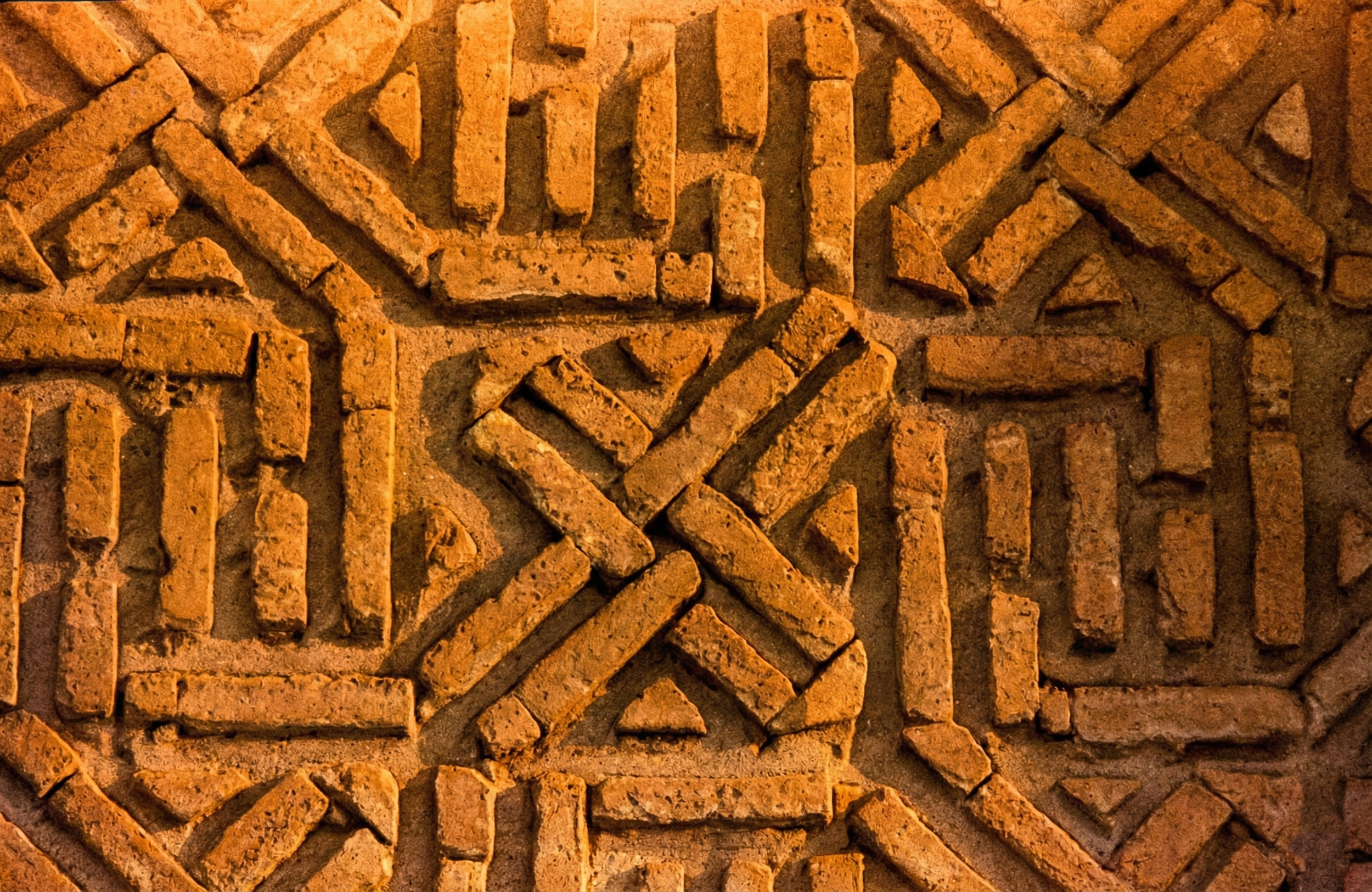
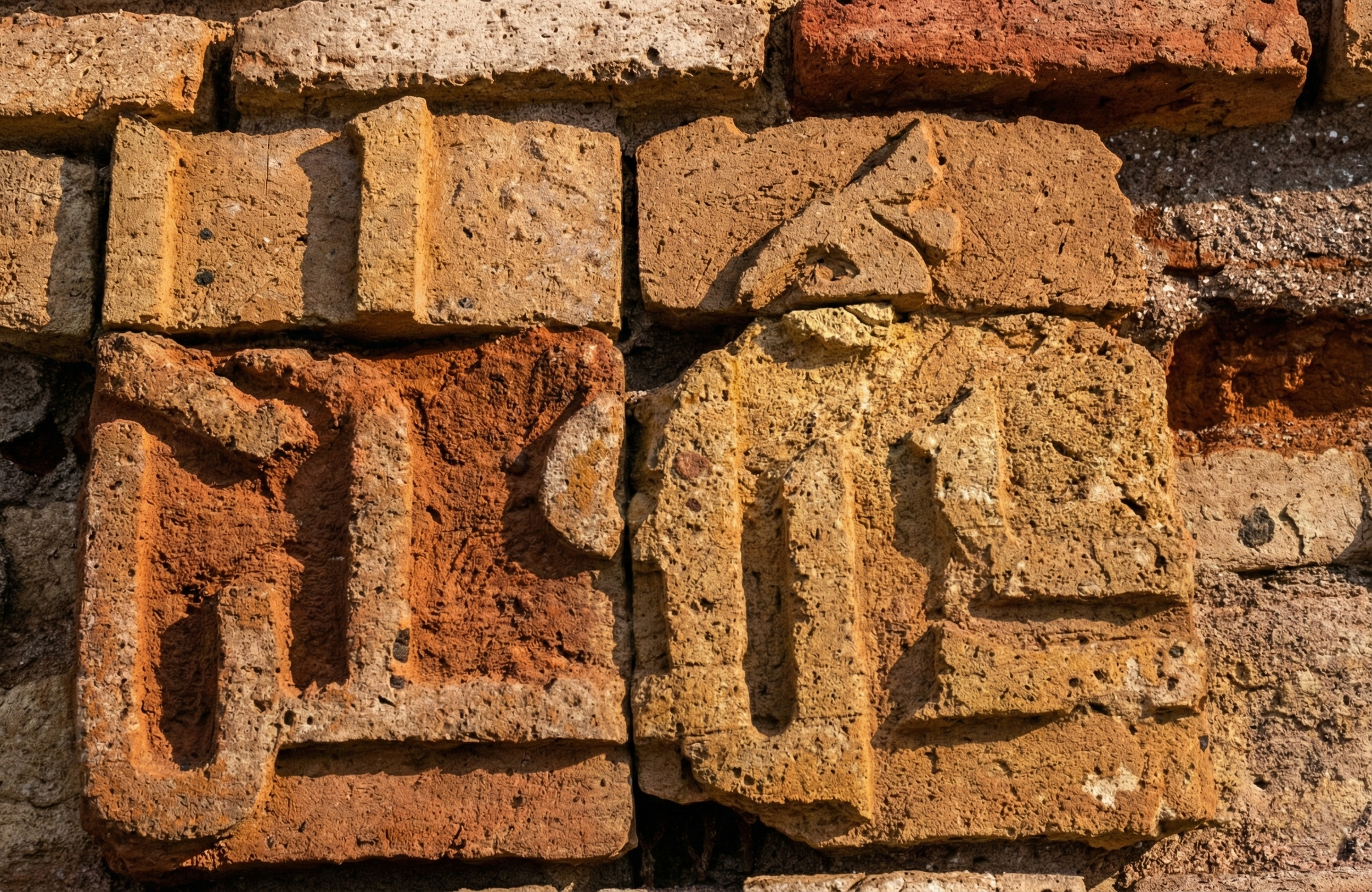
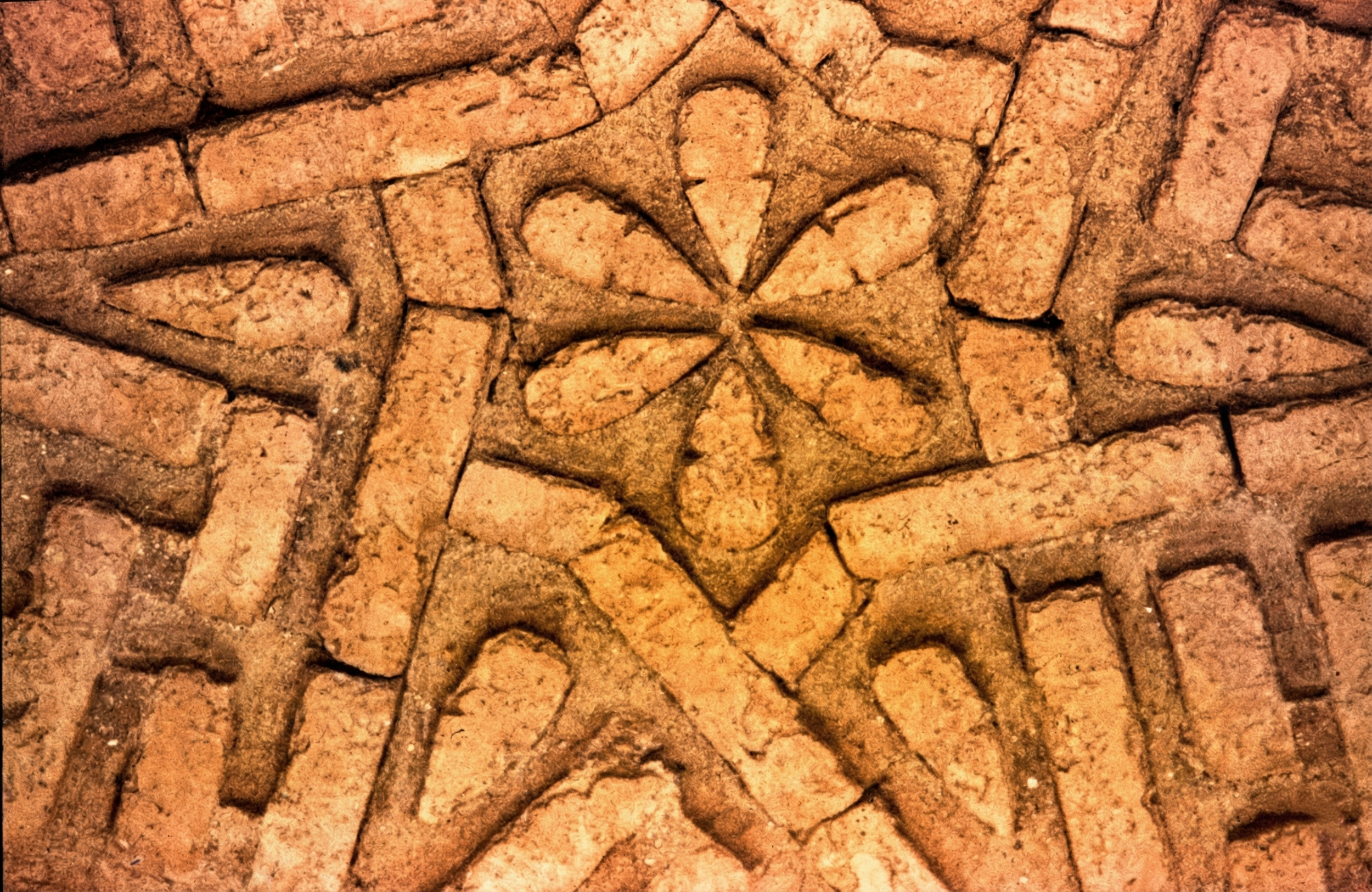
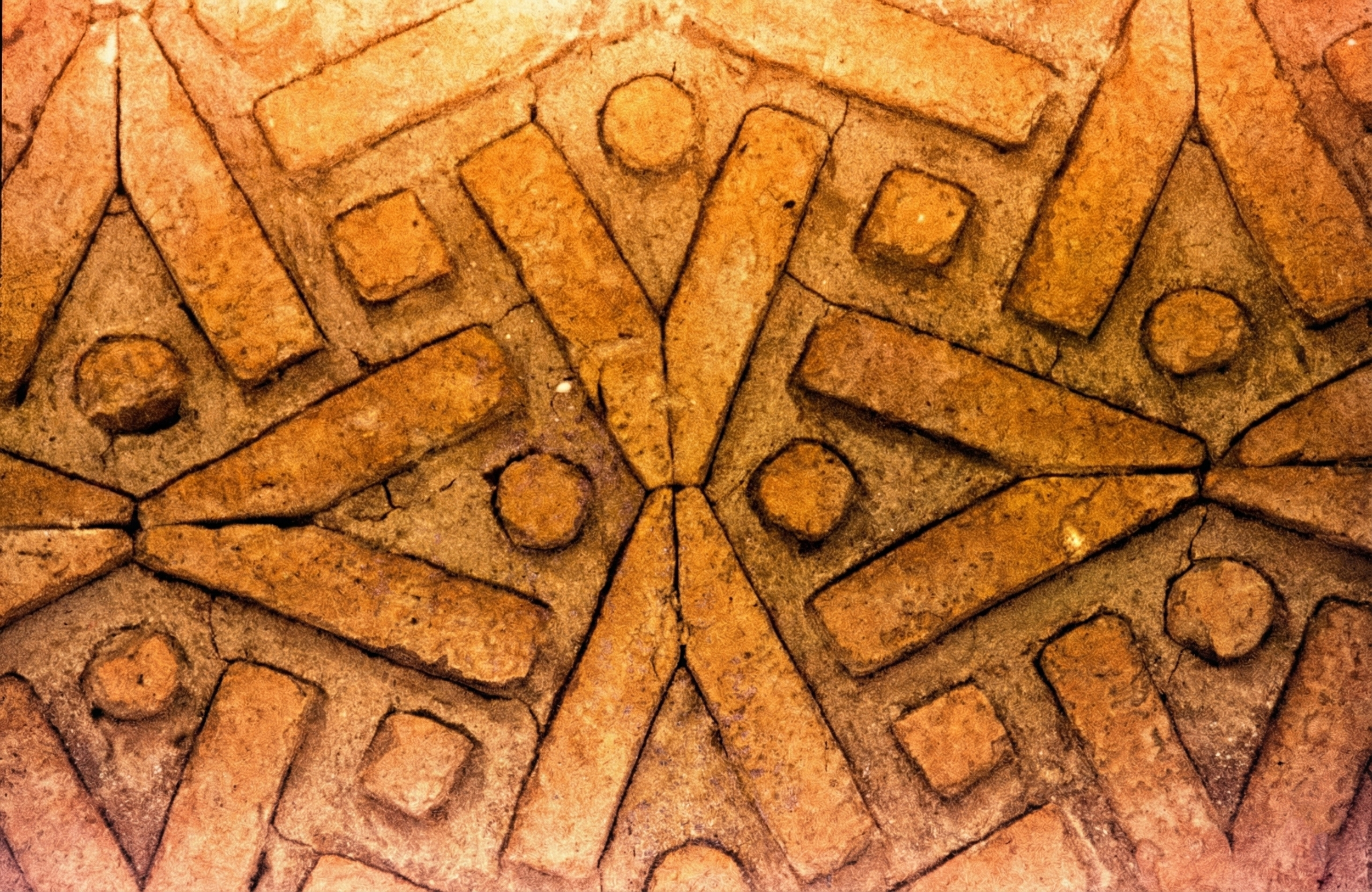
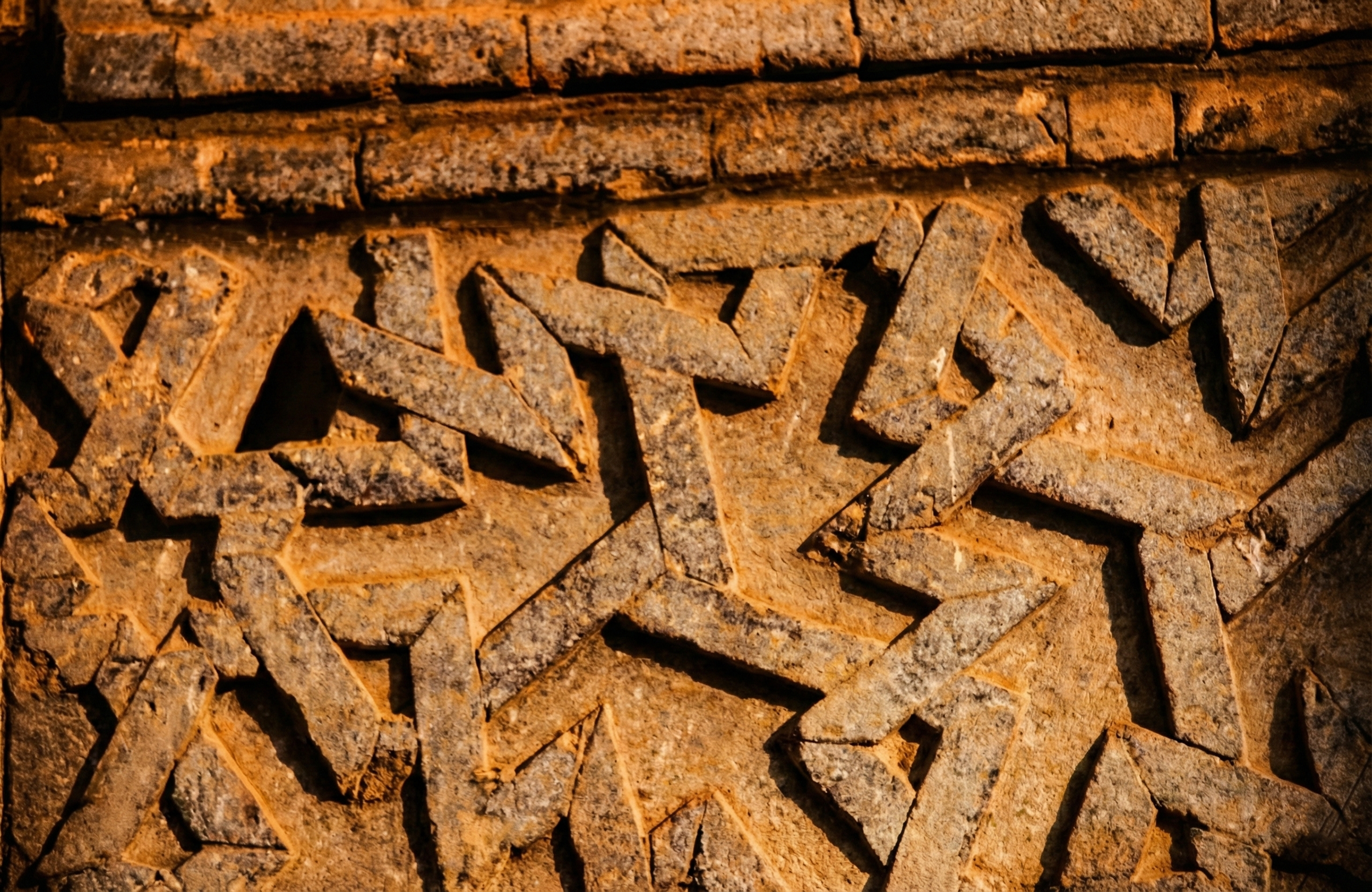
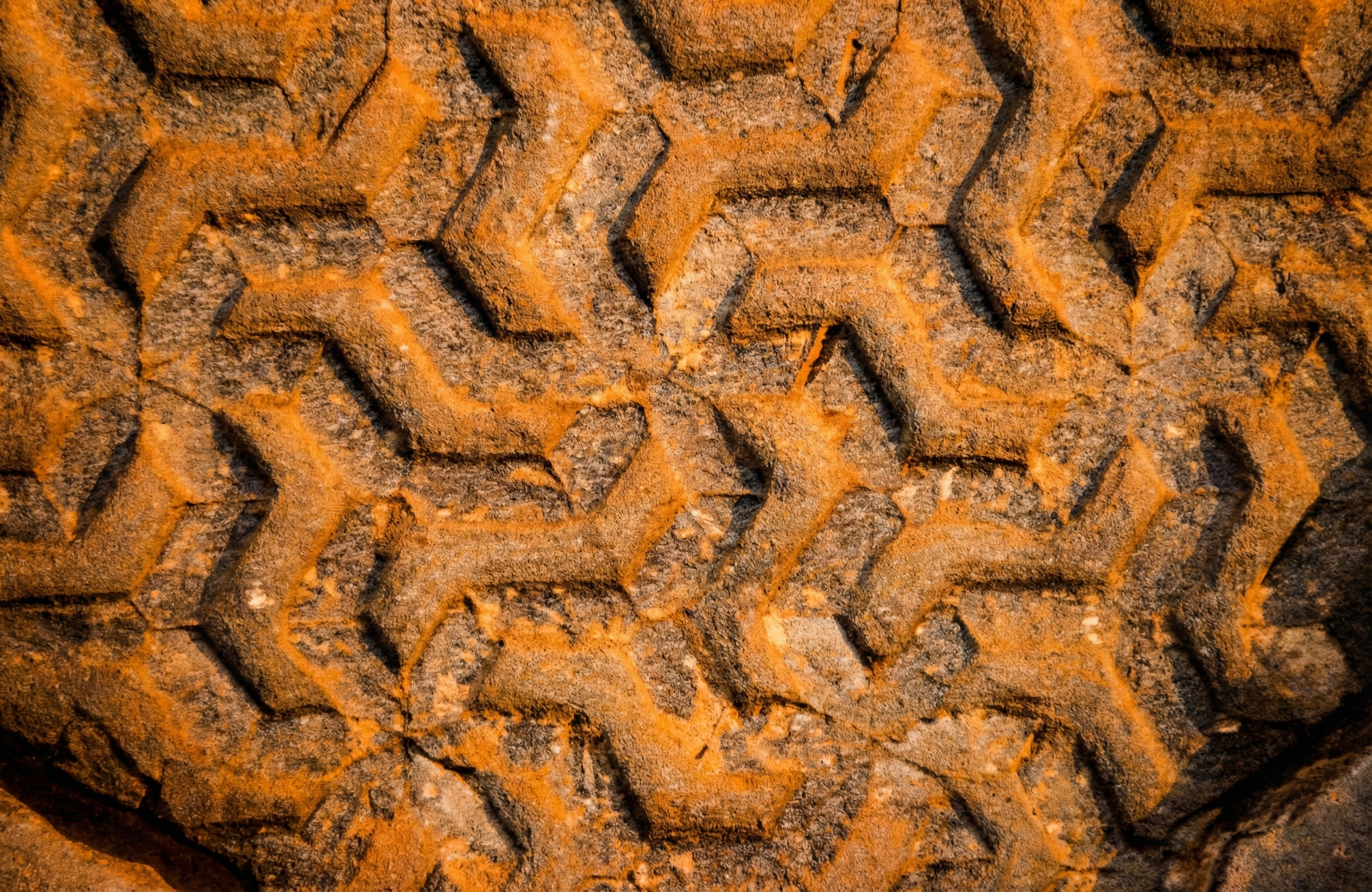
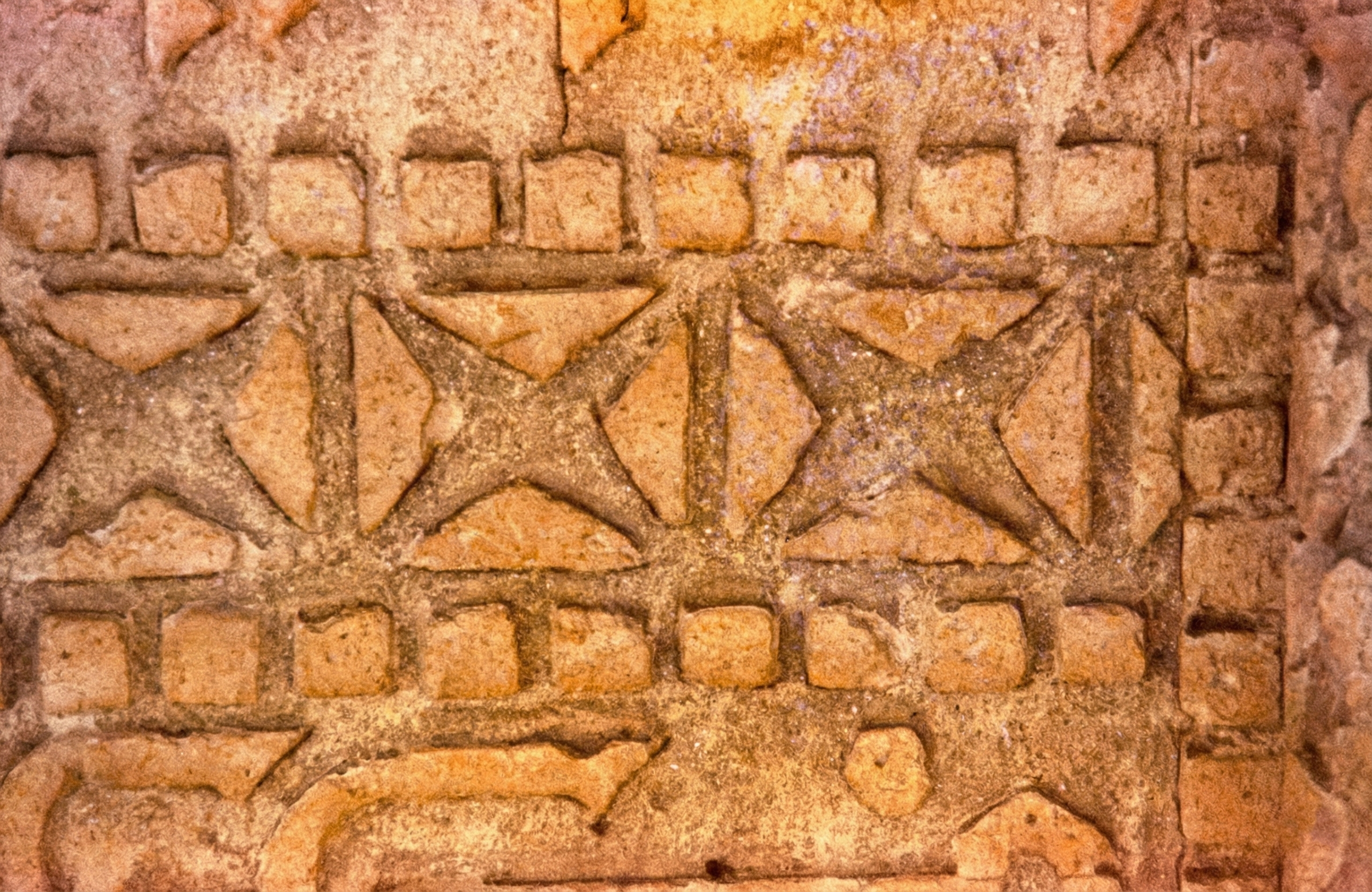
Towers of Kharaghan (برجهای خرقان) showcase Ājor-kāri Tarāsh (آجرکاری تراش) as a geometric instrument, where carved bricks form intricate patterns that dissolve mass (جرم) into rhythmic networks. Light (نور) and shadow (سایه) animate deep relief surfaces, transforming solid masonry into a dynamic field, achieving visual dematerialization (مادیزدایی بصری) through precision, geometry, and crafted depth.
-
Ājor-kāri Tarāsh (آجرکاری تراش), rooted in the Seljuk period, transforms brick (آجر) into a precise geometric instrument (ابزار هندسی), where each unit is carefully cut to participate in continuous patterns of stars, polygons, and interlaced grids. This mastery is vividly expressed in the Towers of Kharaghan (برجهای خرقان), where carved brickwork generates intricate geometric fields across the سطح (surface), dissolving the perception of mass (جرم) into ordered complexity. As light (نور) moves across the deeply carved reliefs, sharp edges and recessed planes produce dynamic shadow (سایه), fragmenting solidity into layered perception. Here, geometry (هندسه) overrides weight, transforming the towers into rhythmic, almost immaterial شبکه (networks), and demonstrating how visual dematerialization (مادیزدایی بصری) emerges through the precision of crafted form.
