Molded or Stamped Brick (Ajor-e Mehri آجر مهری -Ghalebi)
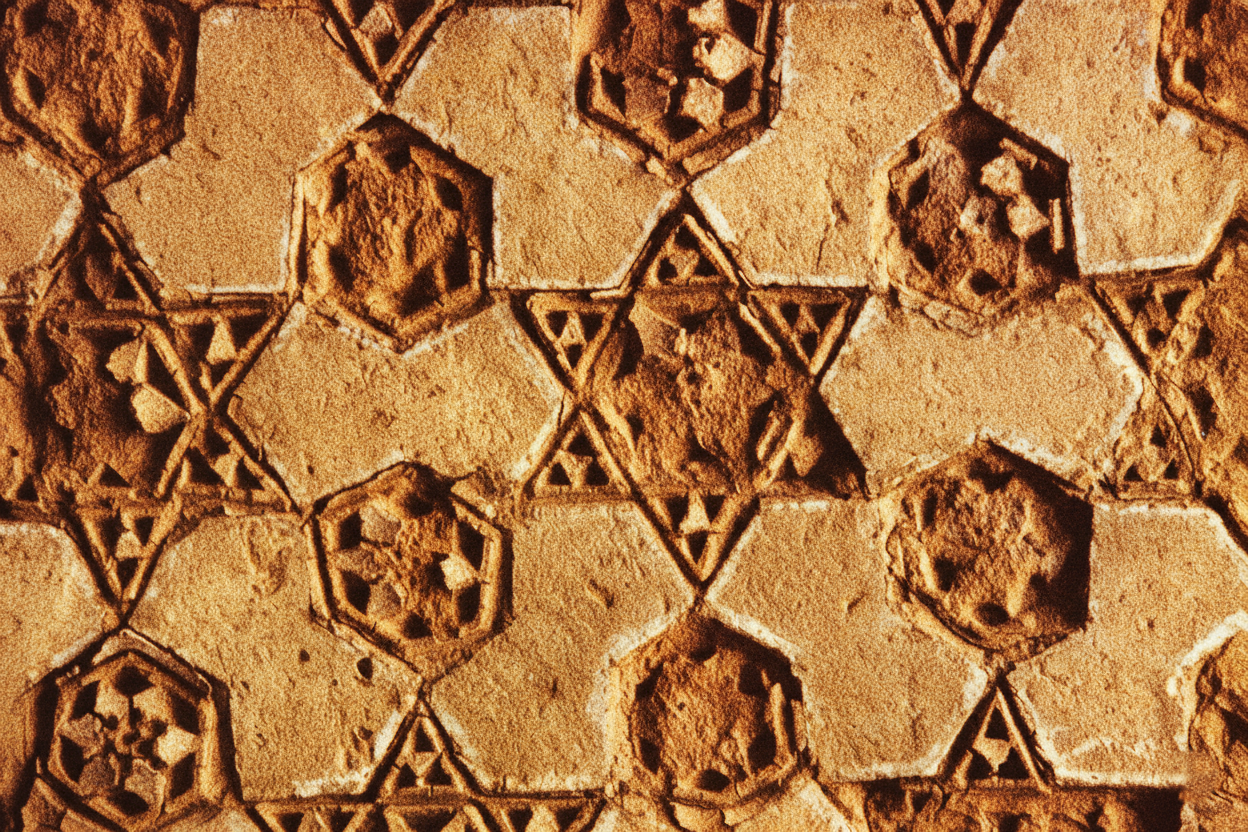
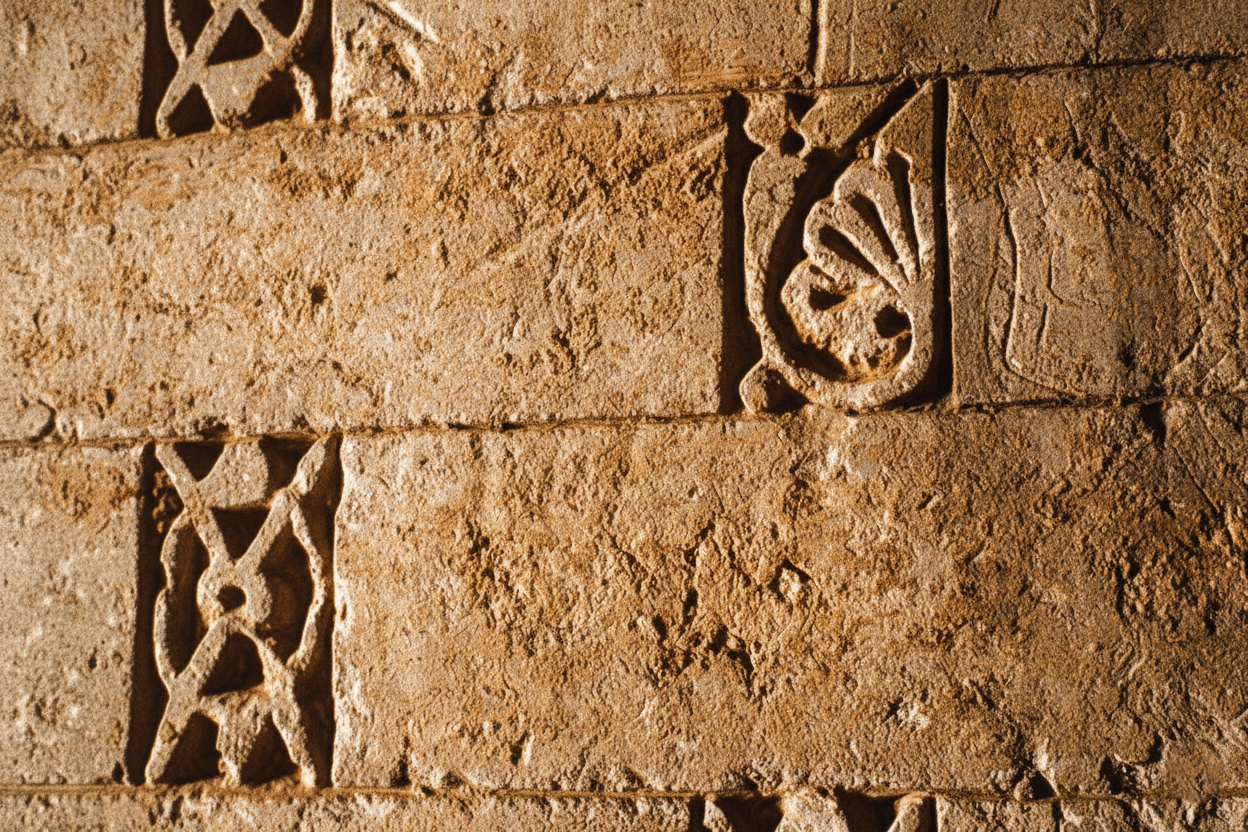
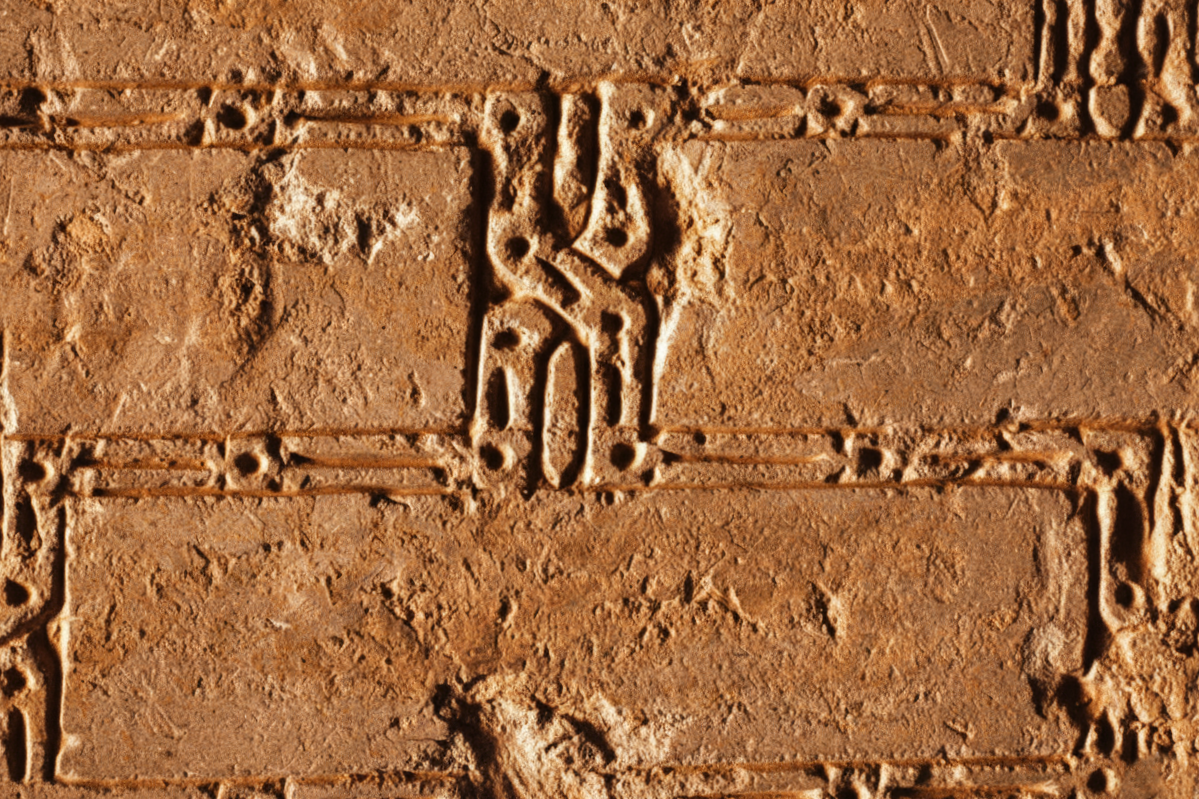
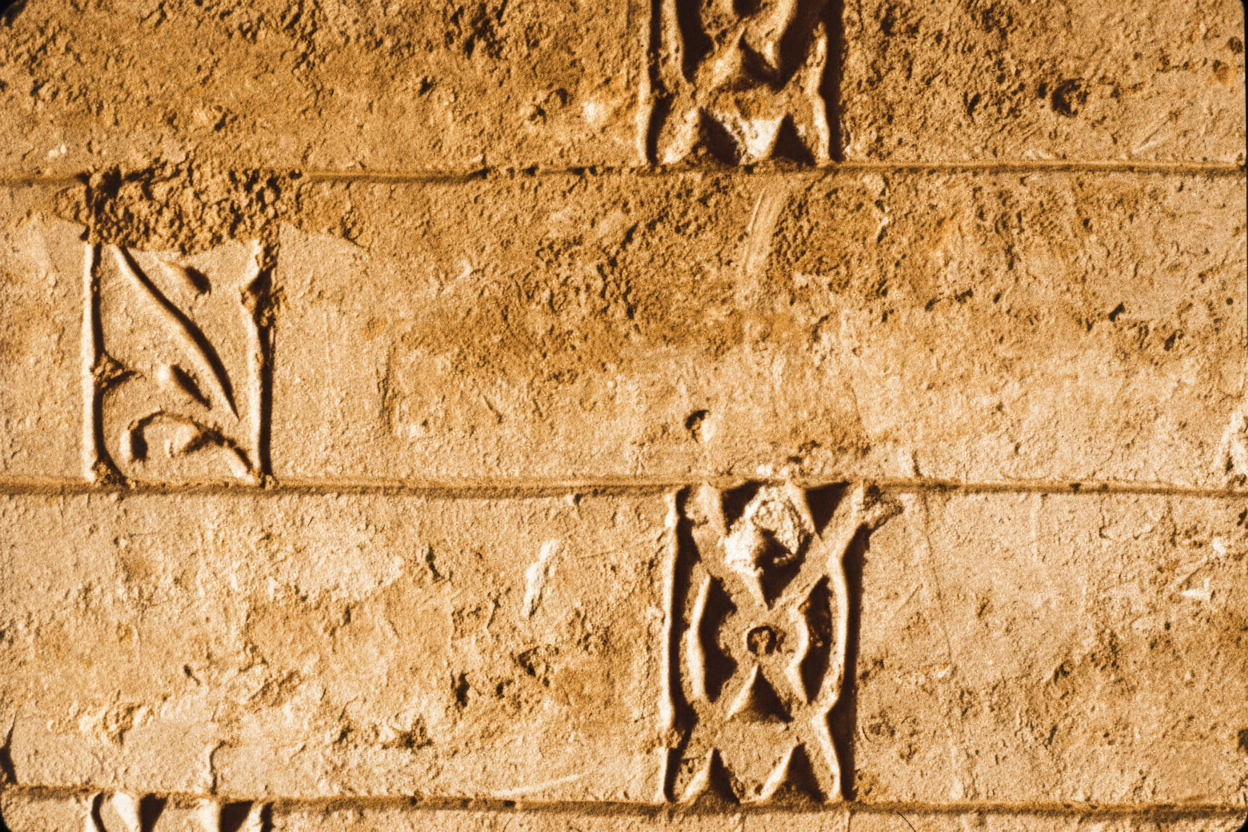
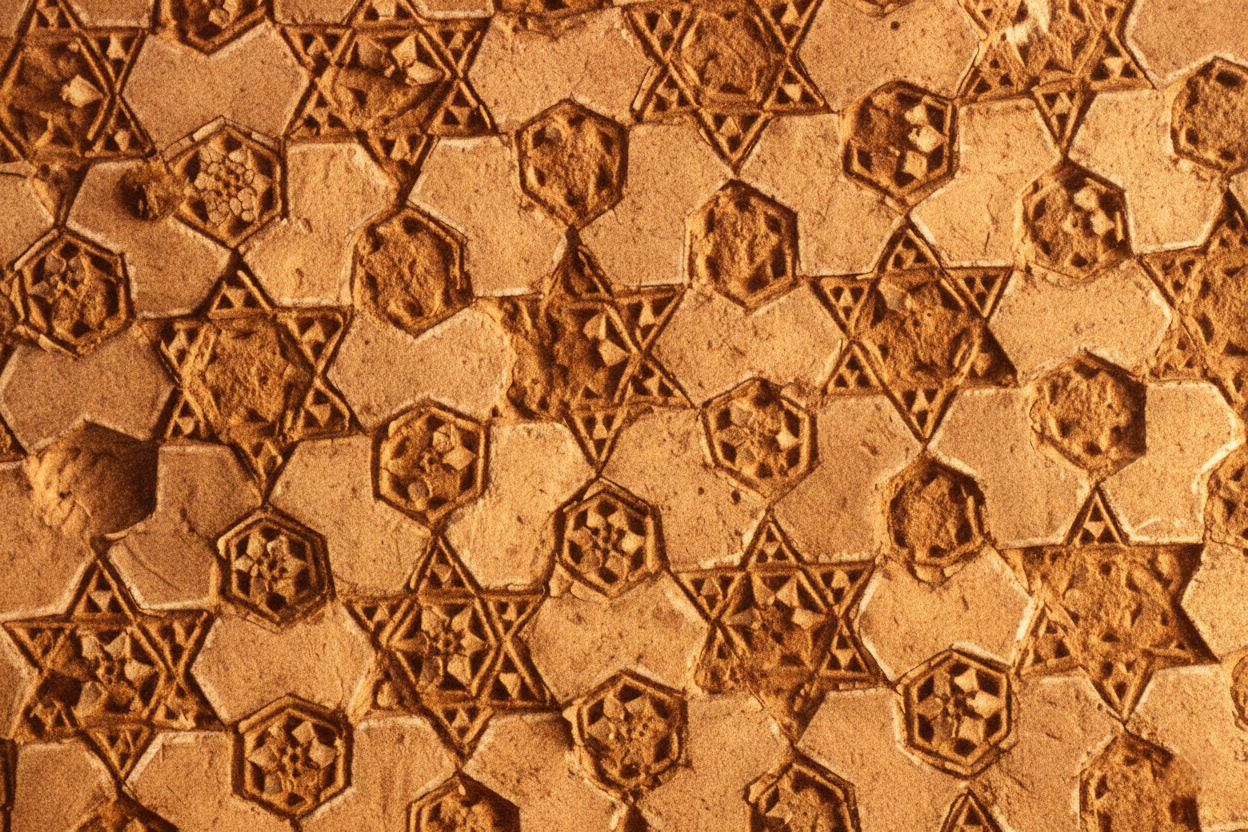
Brickwork of Soltanieh (سلطانیه) exemplifies Ājor-e Mehrī (آجر مهری), where molded bricks create rhythmic relief patterns that dissolve mass (جرم) into textured surfaces. Through repetition and light (نور), façades gain depth and articulation, transforming solid walls into patterned skins. This interplay of shadow (سایه) and geometry enhances visual dematerialization (مادیزدایی بصری) and architectural harmony.
-
Ājor-e Mehrī (آجر مهری)—also known as molded or stamped brick (آجر قالبی)—is a refined decorative technique in Iranian brick architecture (معماری آجری) in which clay is pressed into carved molds (قالب) before firing, embedding geometric (هندسی), floral (گیاهی), and calligraphic (خطی) motifs directly into each brick. Emerging prominently from the Ilkhanid period, this technique is notably employed in the brickwork of Soltanieh (سلطانیه), as well as in cities such as Yazd, Kashan, Shiraz, and Tehran, where it articulates façades and architectural elements with rhythmic precision. Unlike carved brickwork, Ājor-e Mehrī generates ornament through imprint (اثر), producing continuous relief surfaces that interact with light (نور) and shadow (سایه). This repetition softens the perception of mass (جرم), contributing to visual dematerialization (مادیزدایی بصری) by transforming solid walls into textured, patterned skins (پوسته). Strategically used to emphasize entrances, cornices, and axial alignments, it unites structure (سازه) and ornament (تزئینات), enriching architectural expression through rhythm, depth, and material intelligence.
