The Jameh Mosque (مسجد جامع) of Natanz (نطنز)
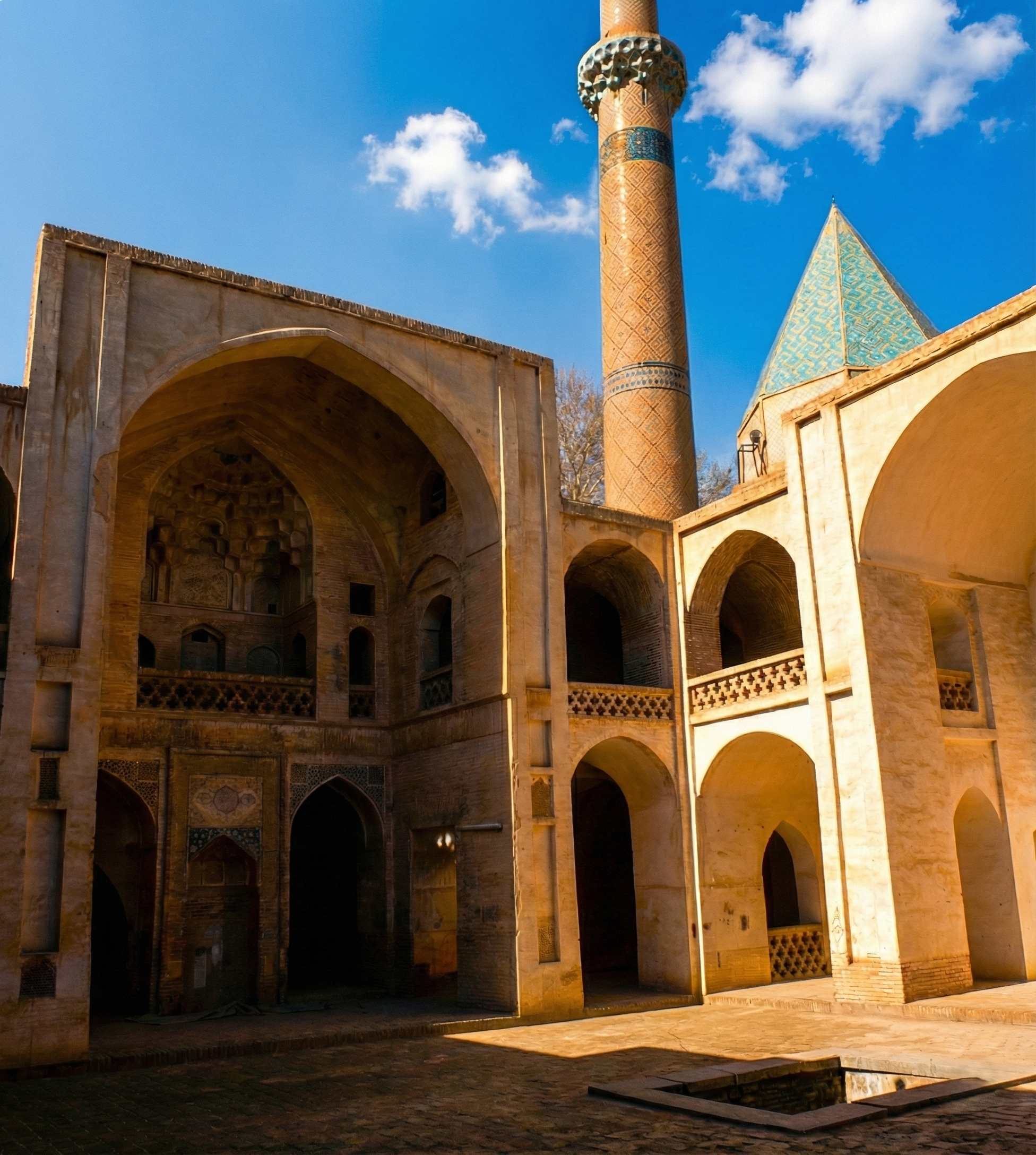
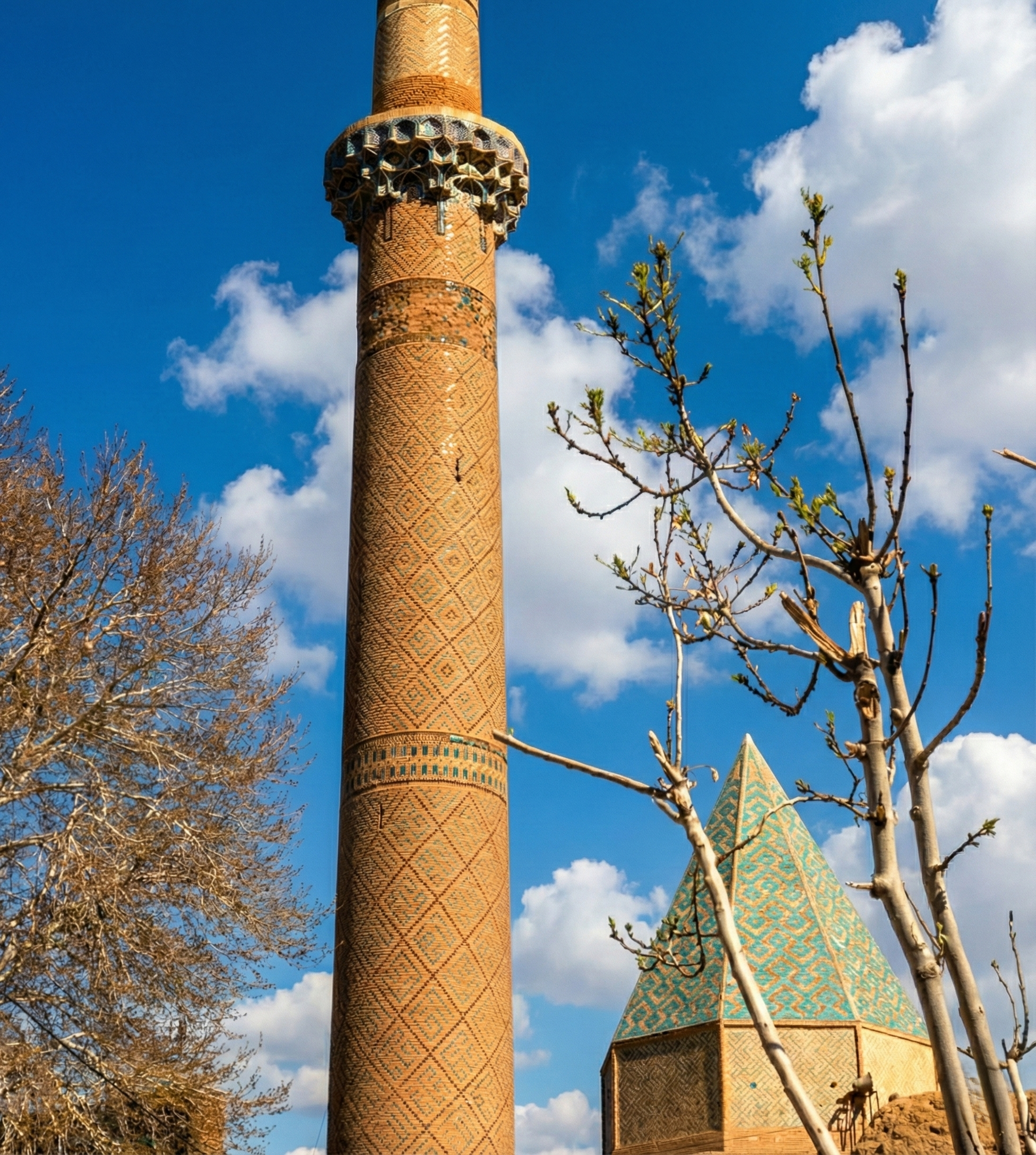
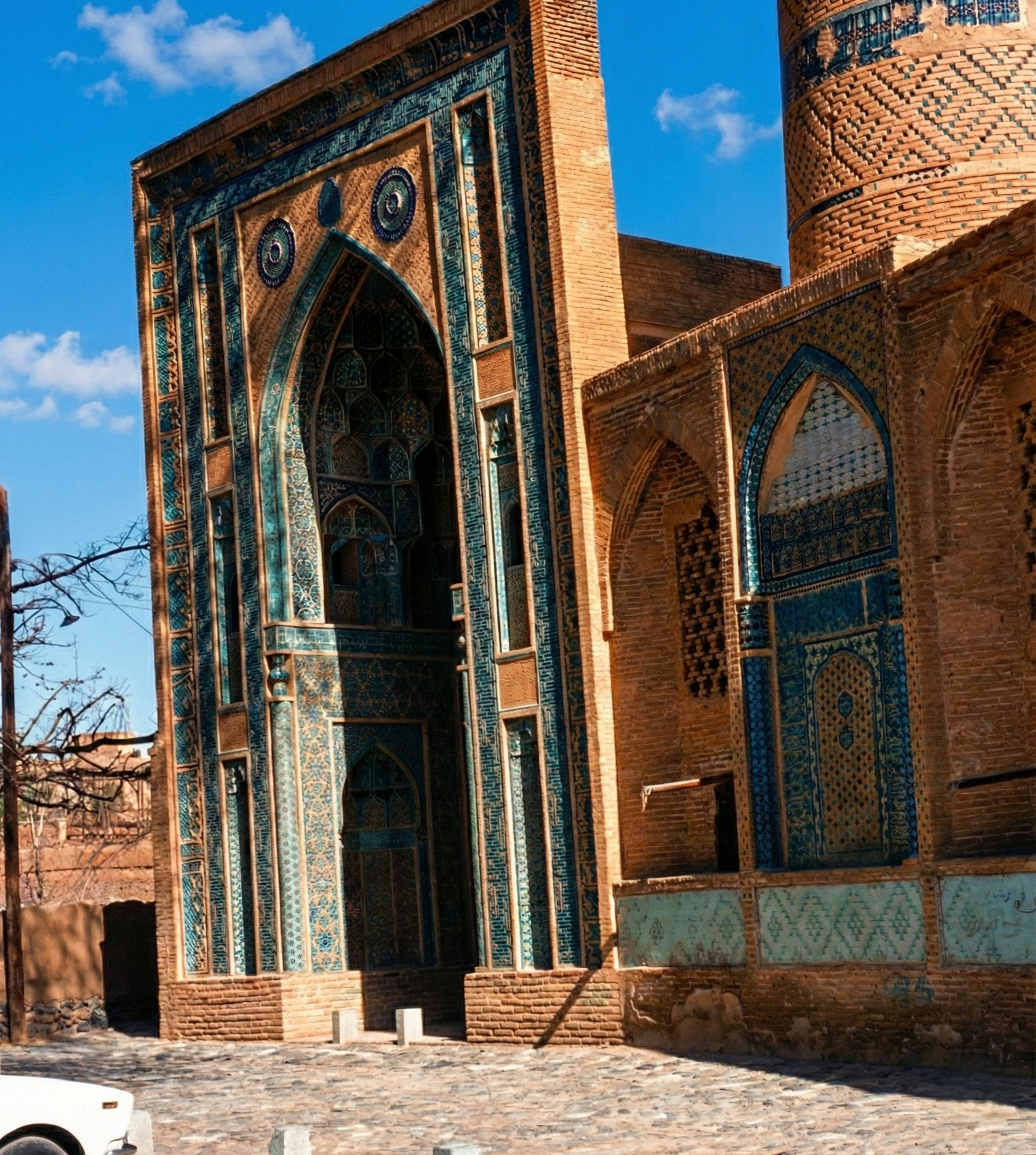

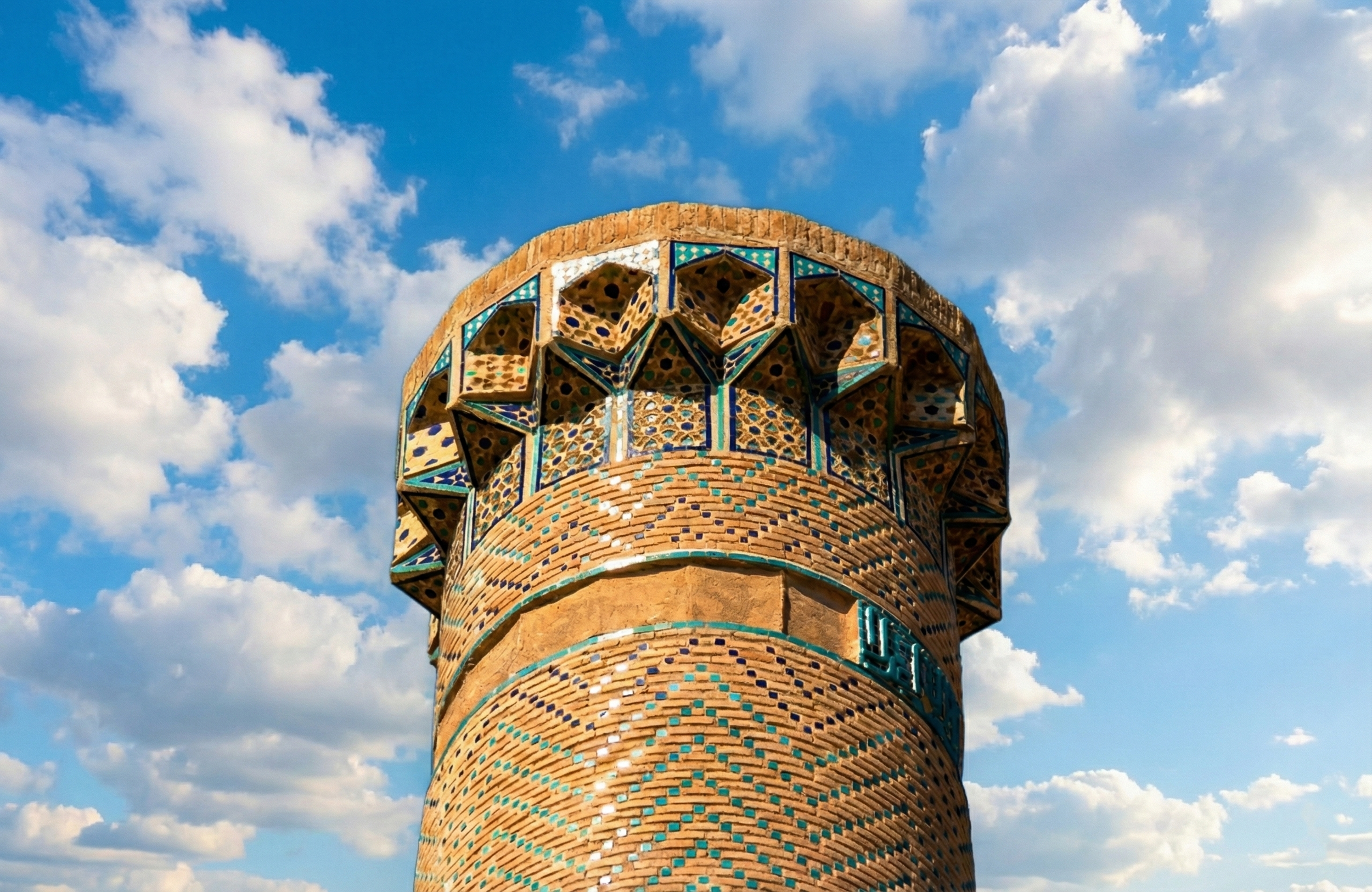
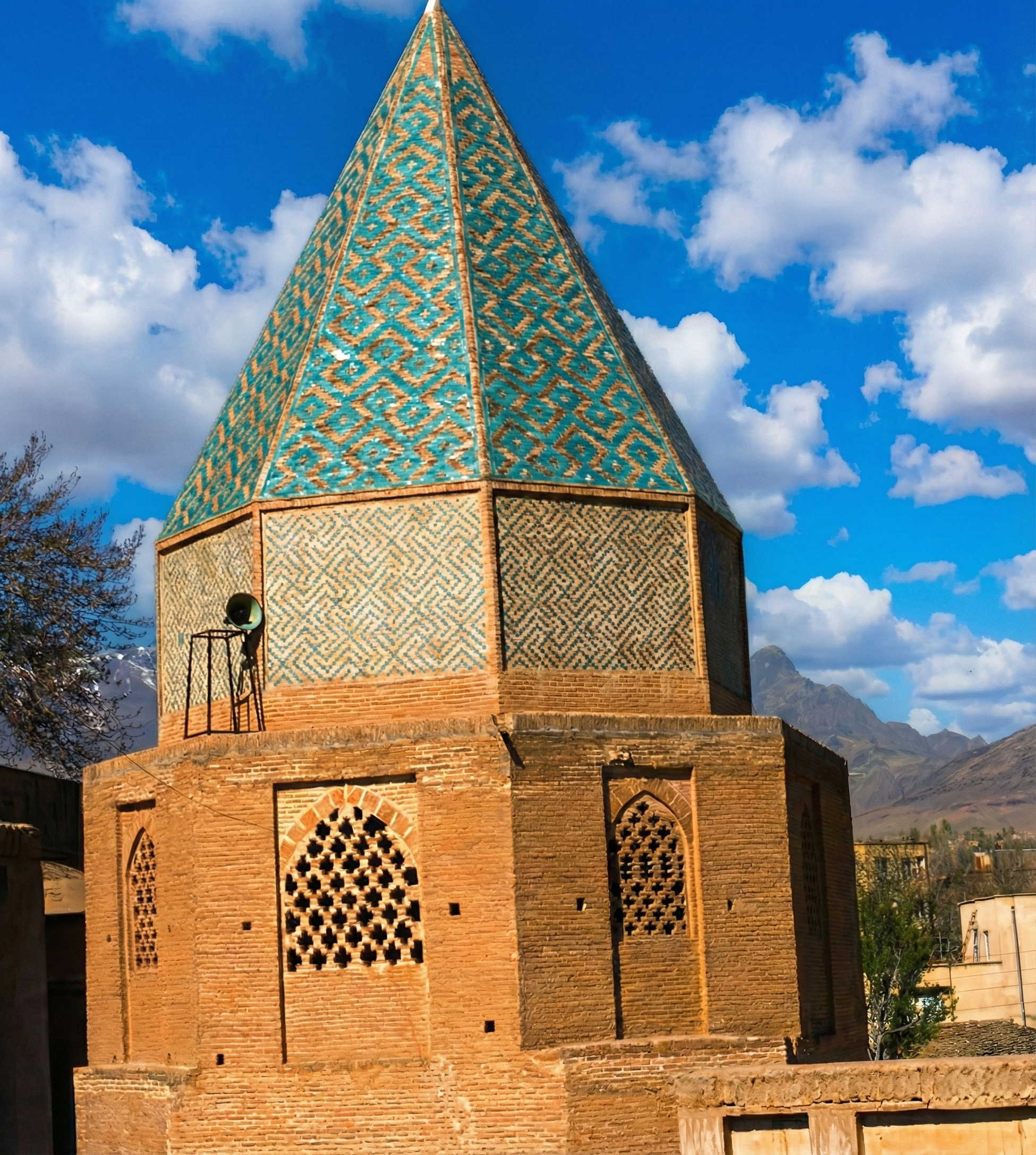
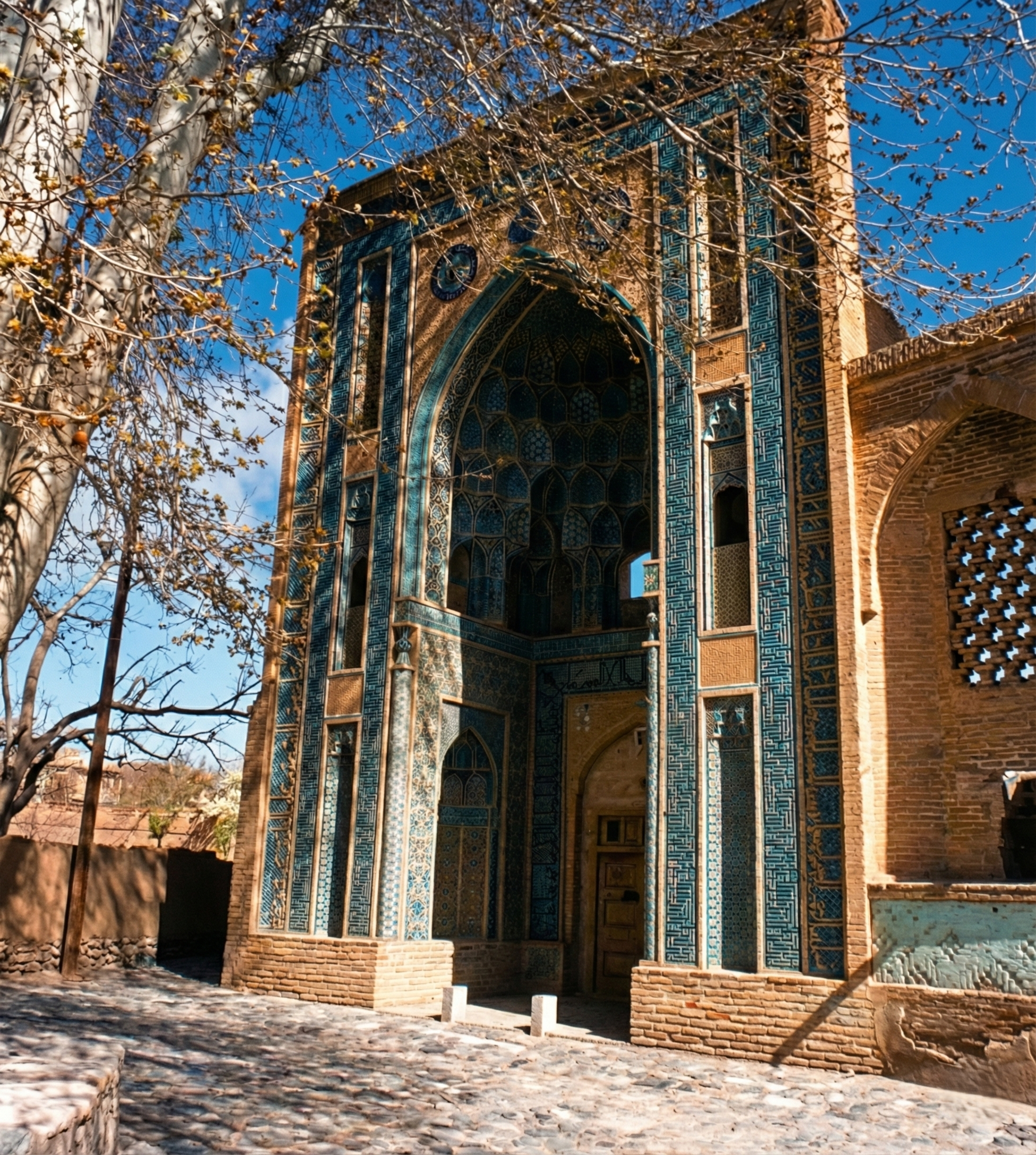

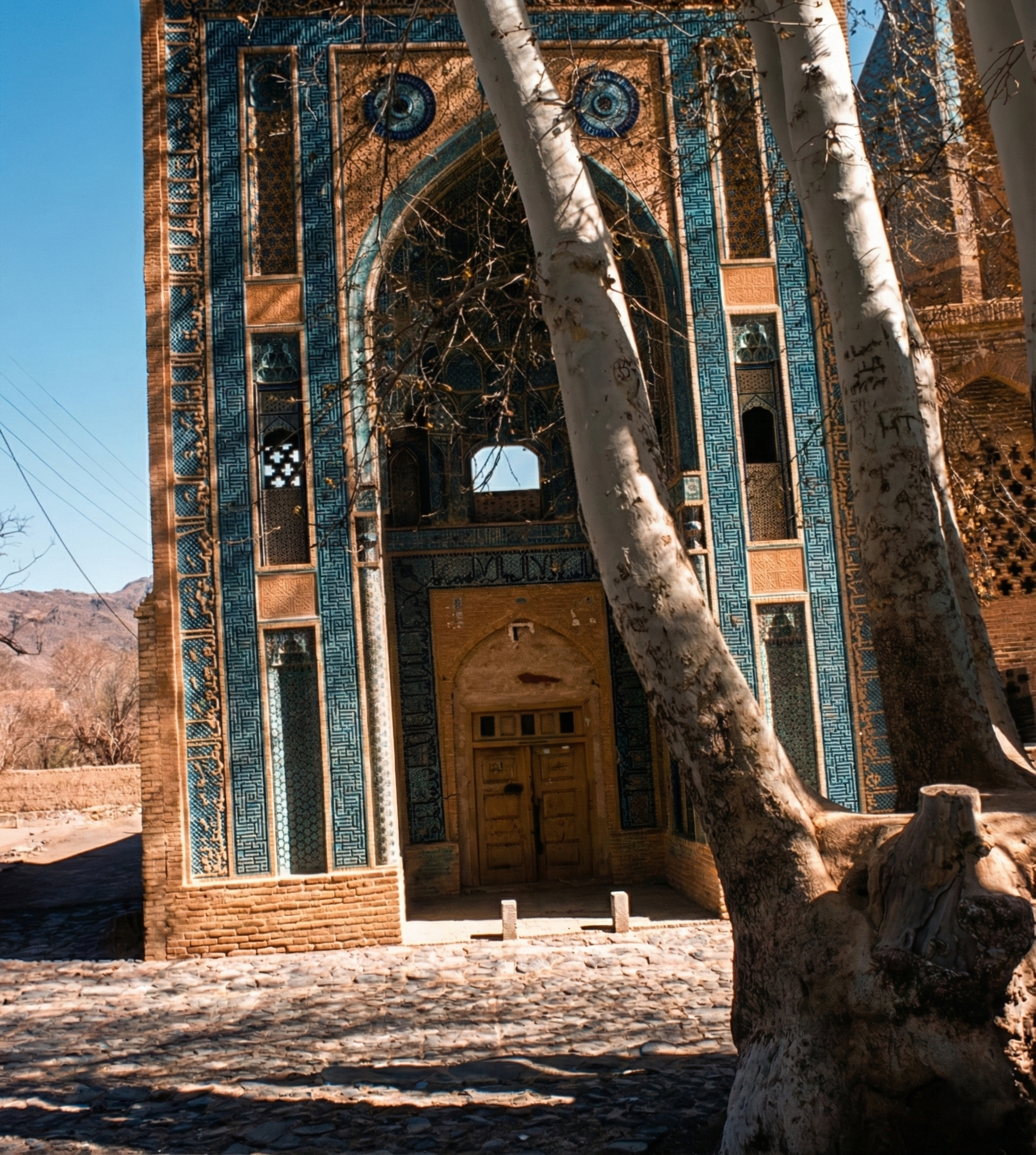

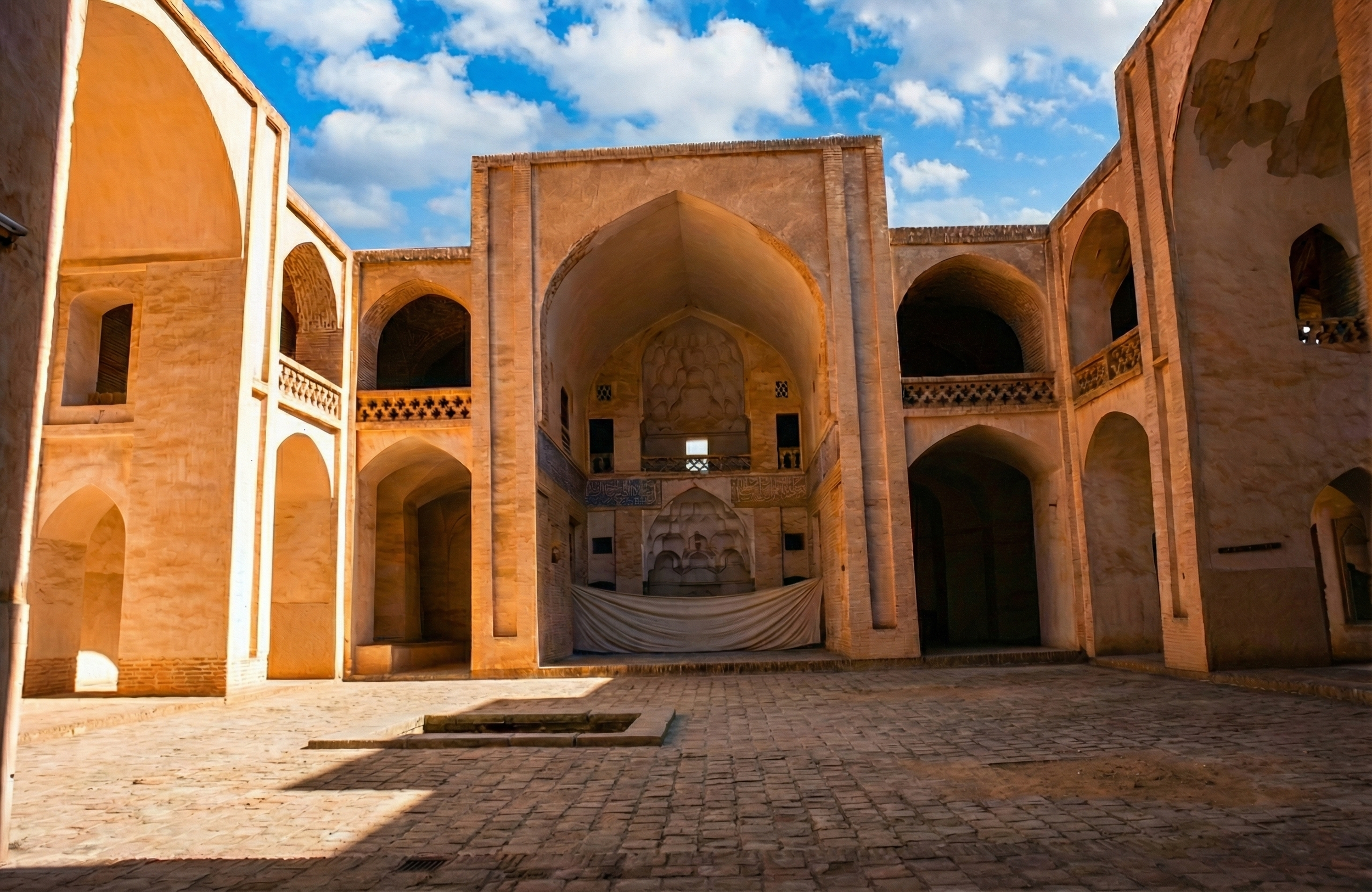
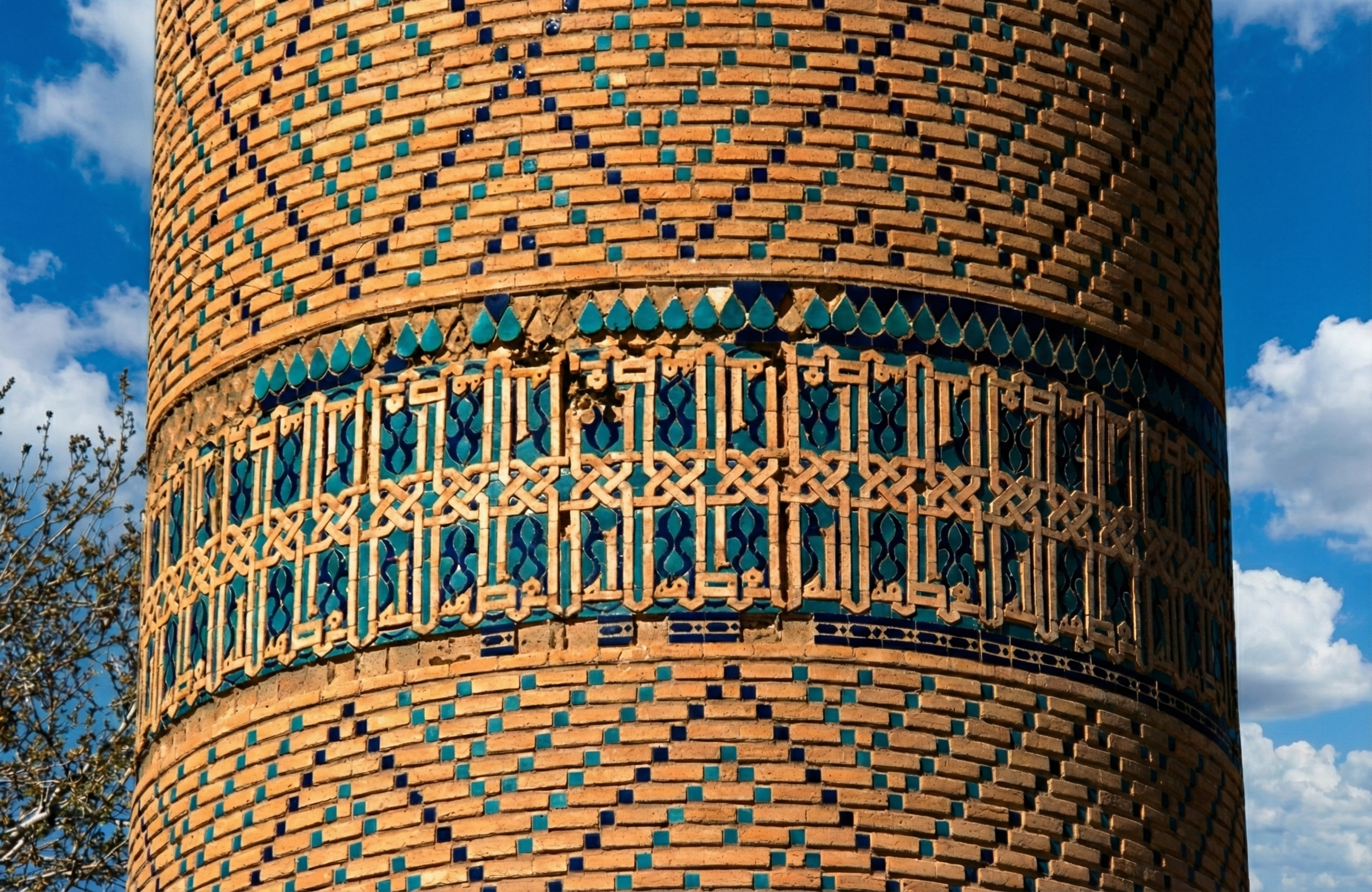
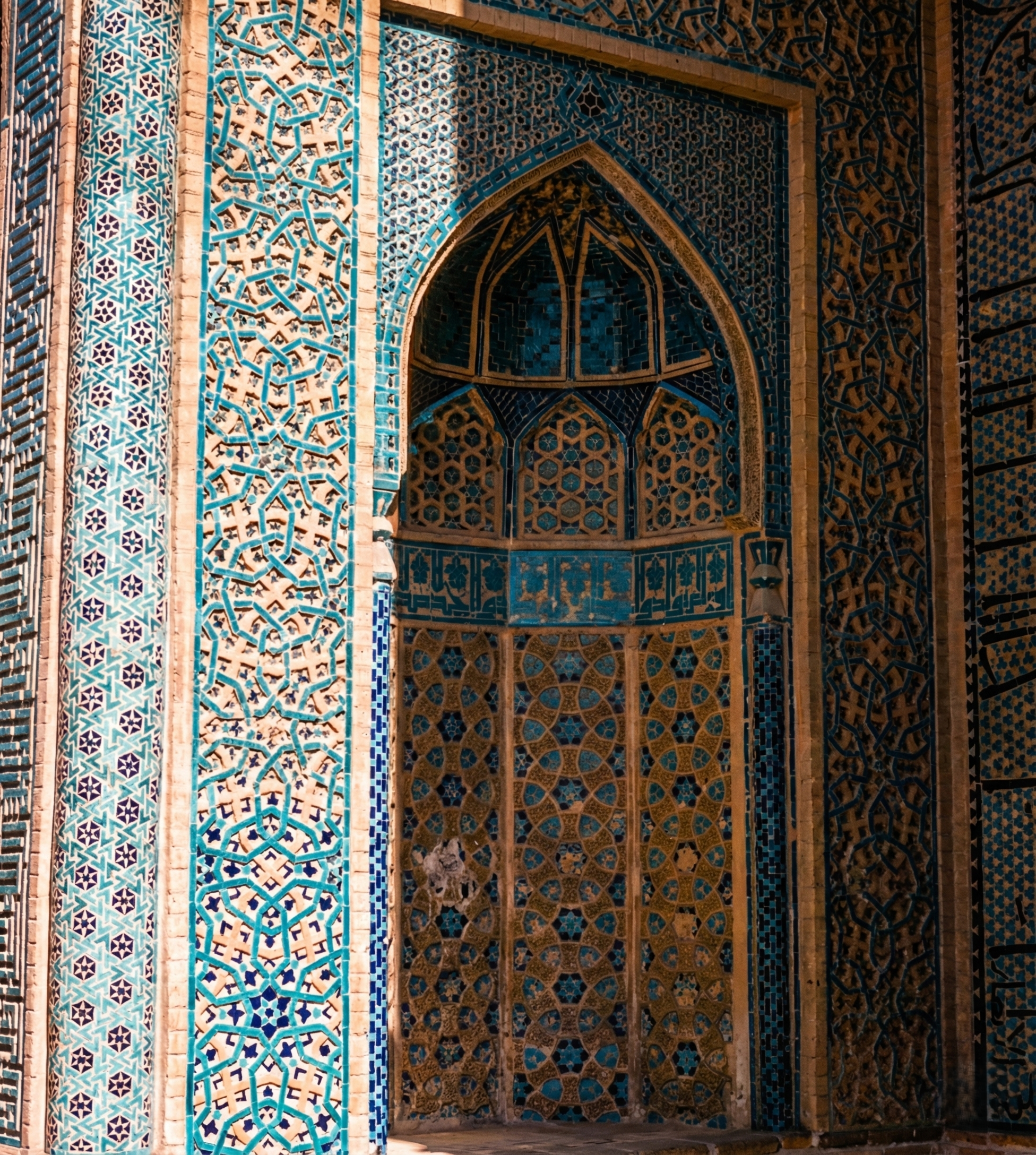
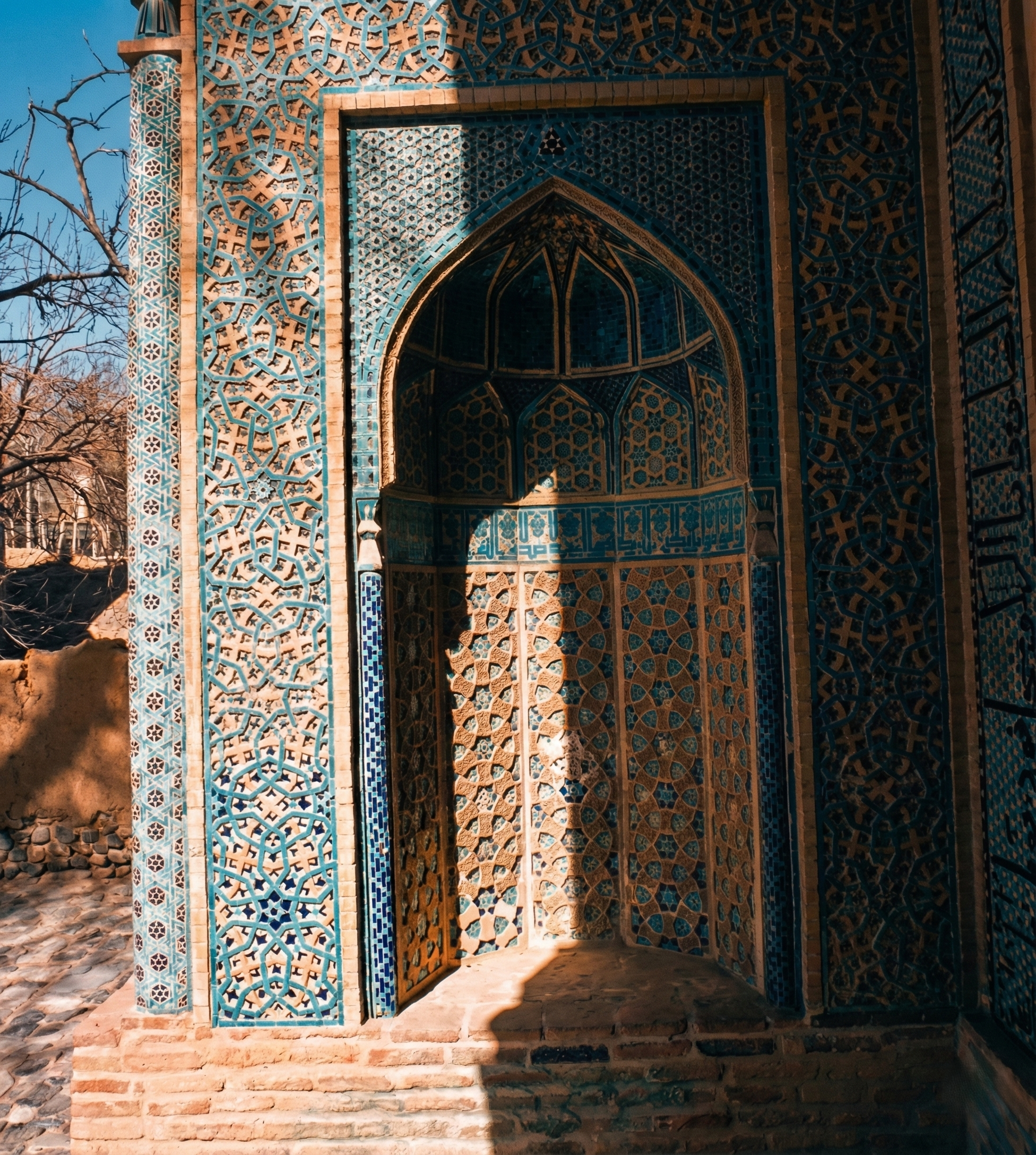
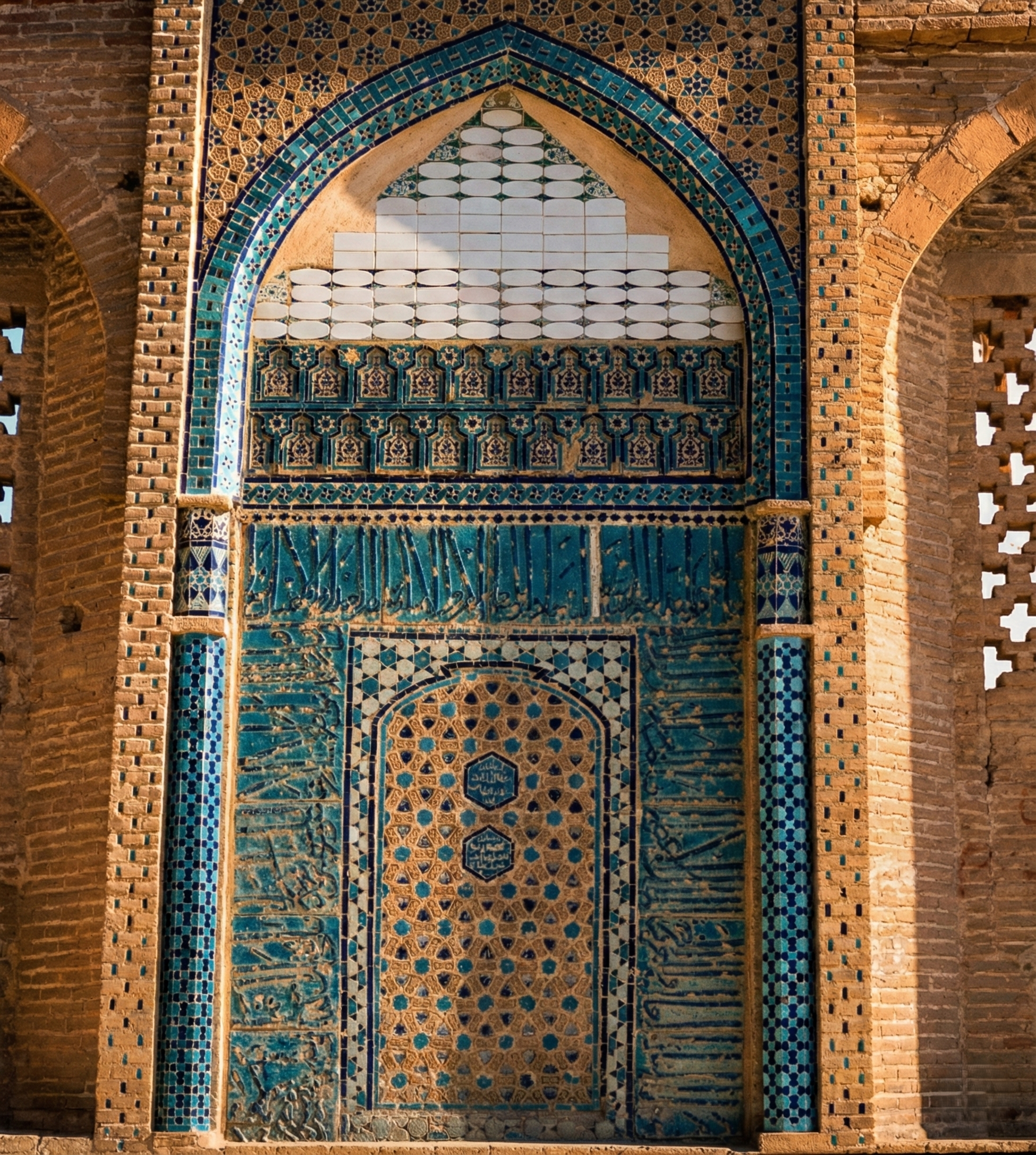
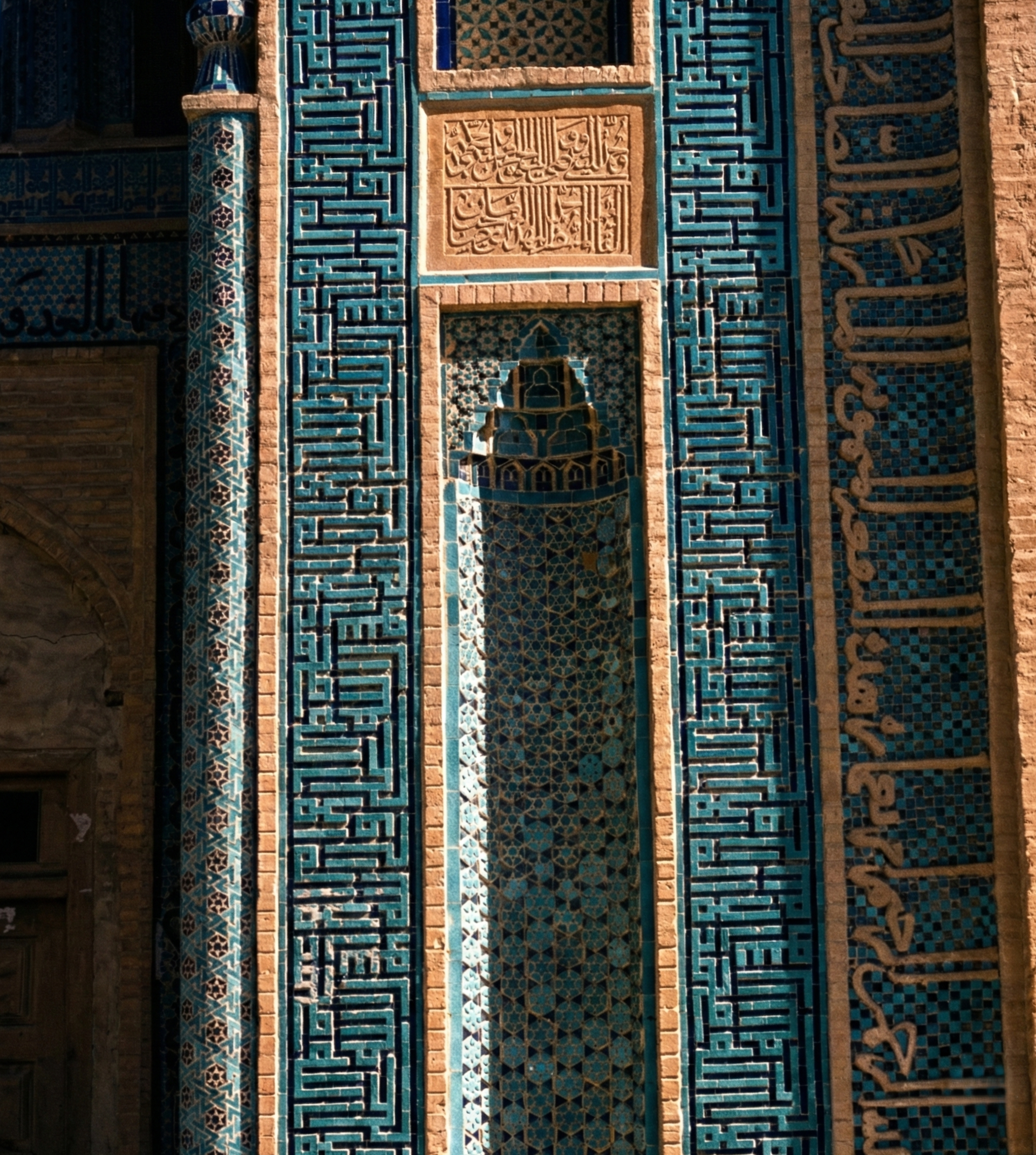


The Jameh Mosque (مسجد جامع) of Natanz (نطنز), built during the Ilkhanid period (c. 1304–1310 CE), features refined brickwork, tile ornament, and a slender minaret completed in 1325 CE. Its pointed Persian dome rises from an octagonal base, while the central courtyard organizes iwans and prayer spaces within the complex.
-
The Jameh Mosque (مسجد جامع) of Natanz (نطنز), primarily constructed during the Ilkhanid period in the early 8th century AH (early 14th century CE, c. 1304–1310 CE), is a refined example of Persian-Islamic architecture distinguished by its balanced proportions and intricate craftsmanship. Its slender brick minaret, completed in 725 AH (1325 CE), rises prominently above the complex and is decorated with geometric brick patterns and Qur’anic inscriptions that emphasize verticality and structural elegance. The mosque’s entrance portal features finely detailed brickwork and tile ornamentation, forming a dignified transition from the urban fabric into the sacred interior. Delicate tile work enriches key architectural elements, including the mihrab, introducing color and texture to the predominantly earthen construction.
The dome above the prayer hall is not fully spherical; instead, it follows the Persian pointed profile, designed to reduce lateral thrust and enhance structural stability. Its footprint is octagonal, created through transitional elements that transform the square prayer chamber into an eight-sided base before supporting the dome—an engineering solution that improves load distribution while emphasizing verticality. At the center of the complex, a serene courtyard organizes movement between iwans and prayer spaces, reinforcing the mosque’s role as both the spiritual and spatial heart of Natanz.
