Jameh Mosque of Saveh (مسجد جامع ساوه)
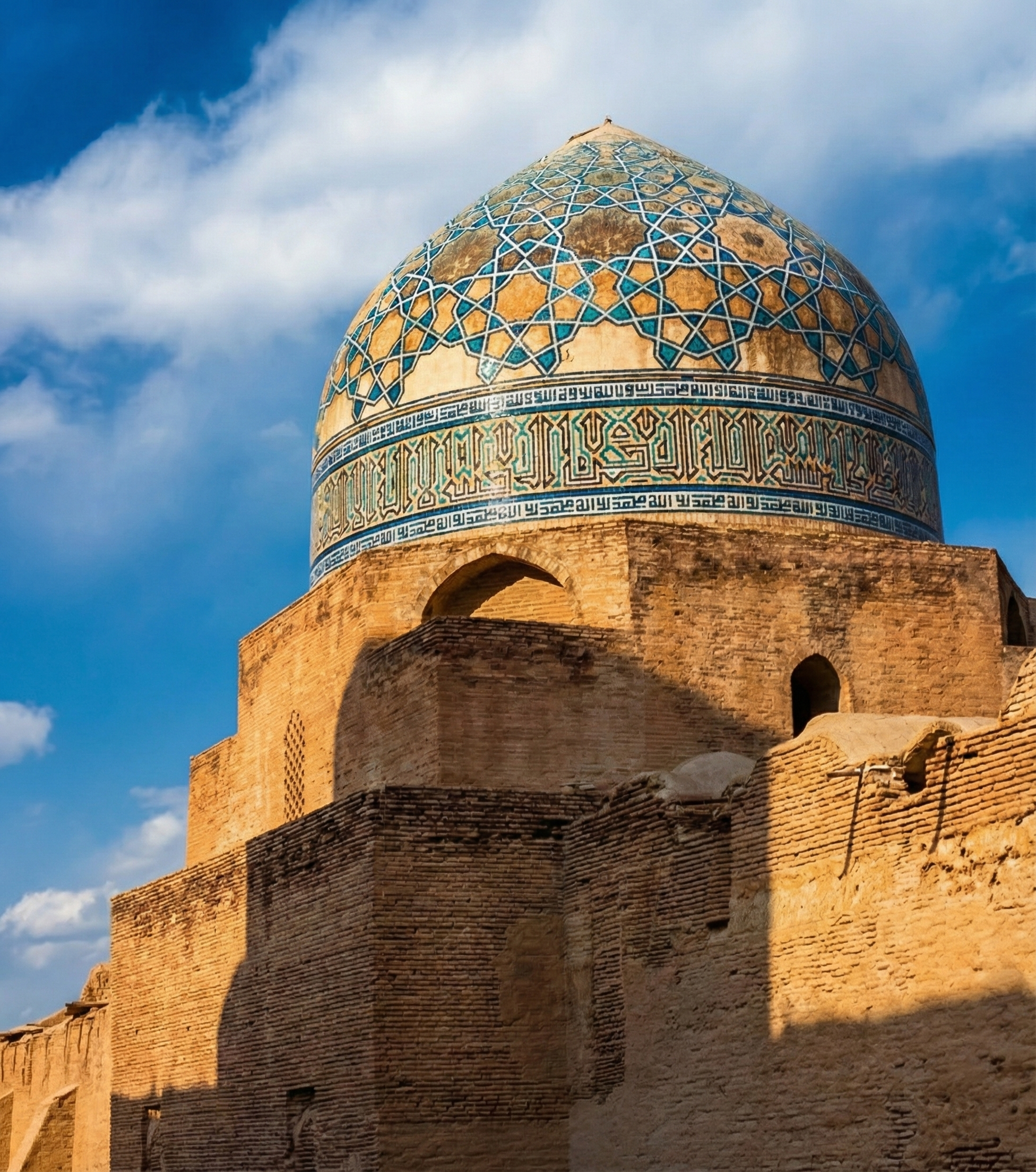
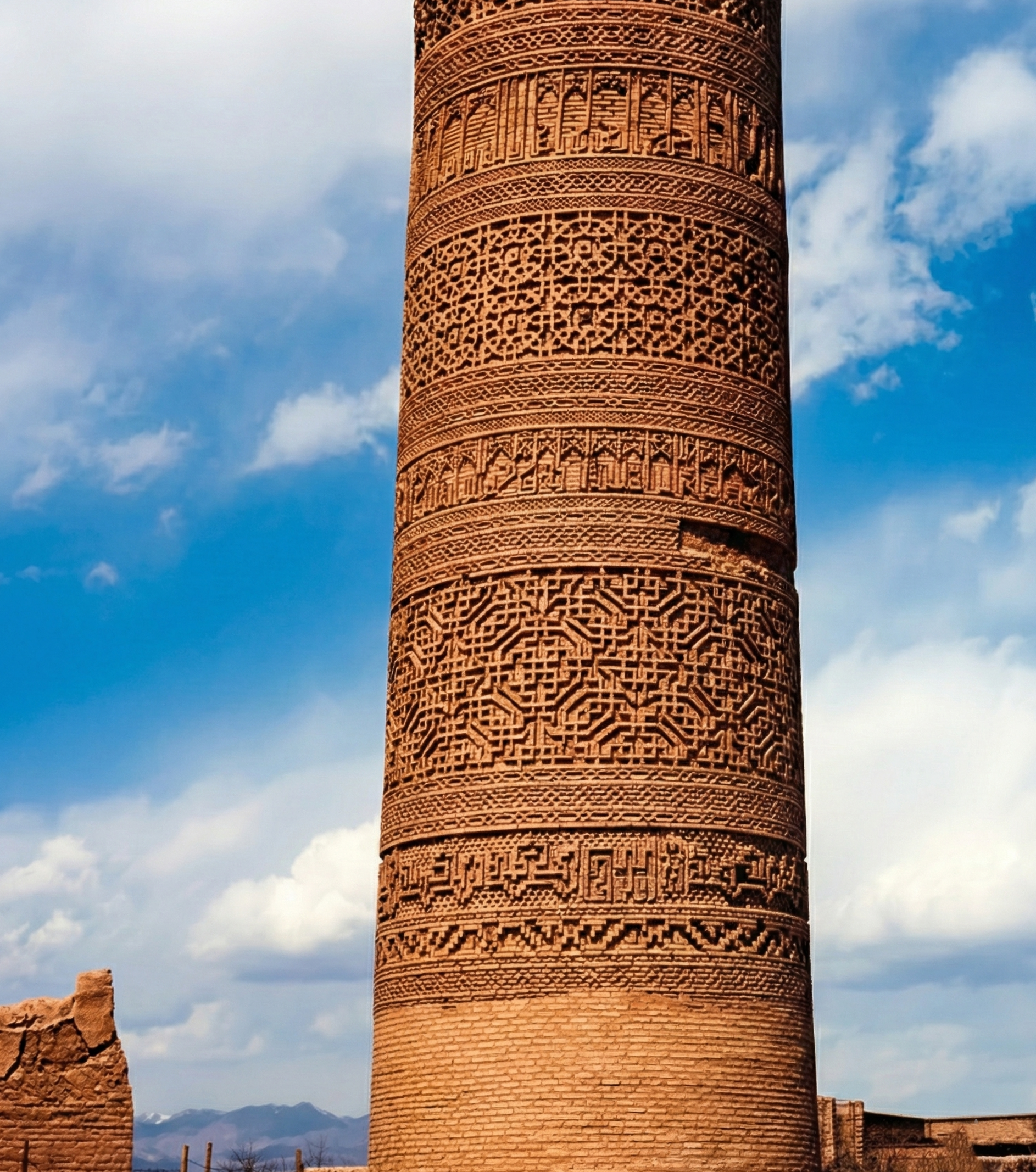
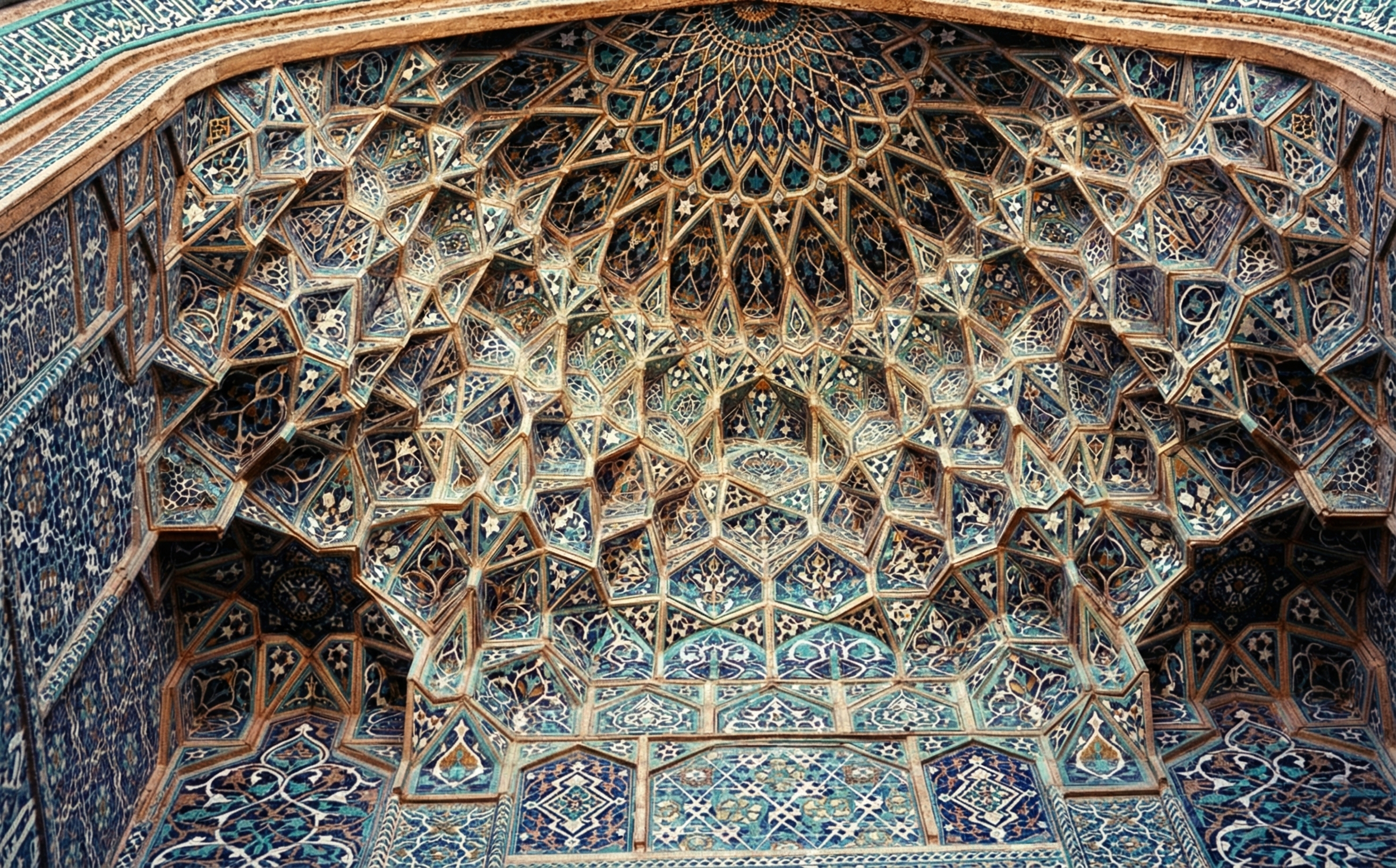
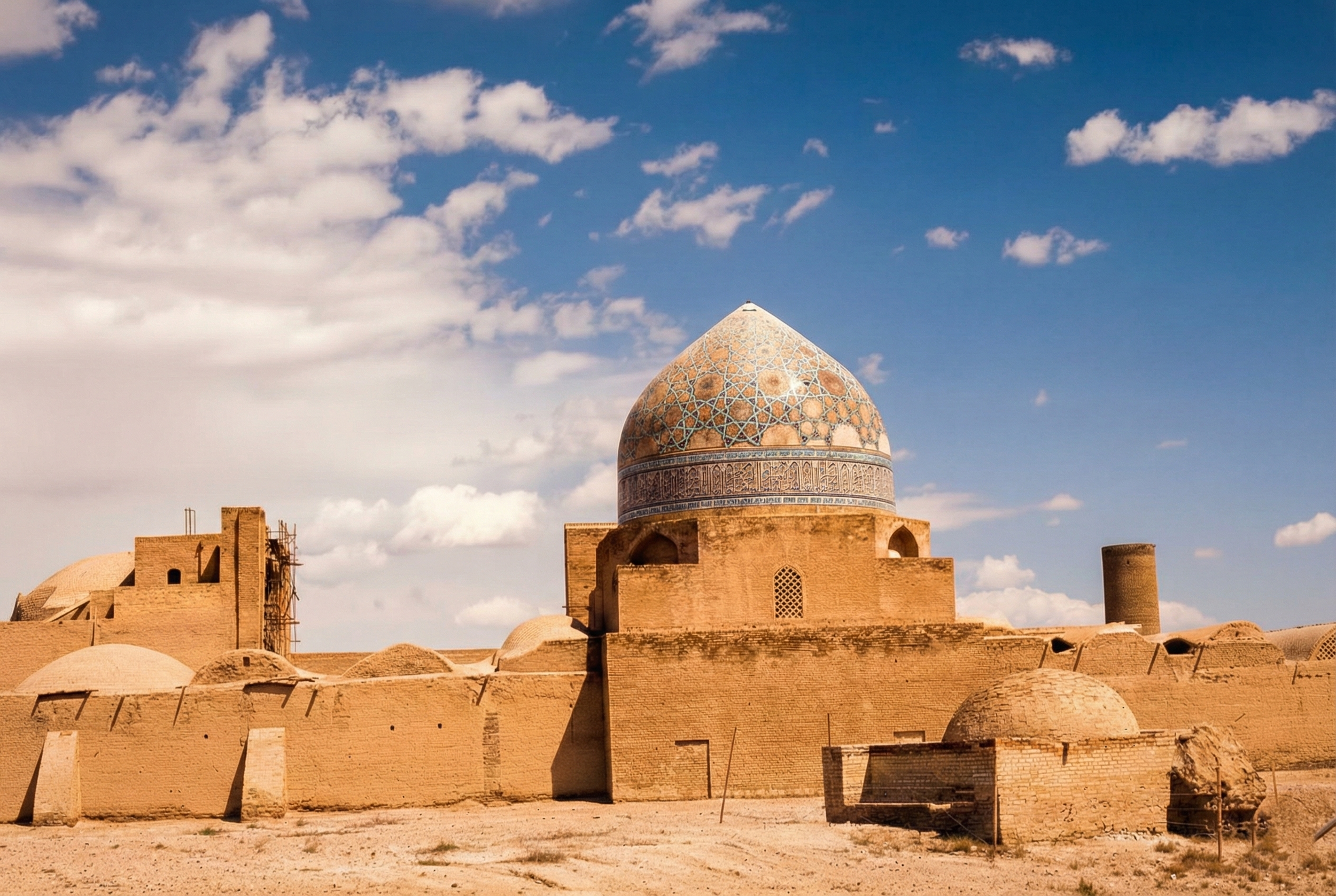
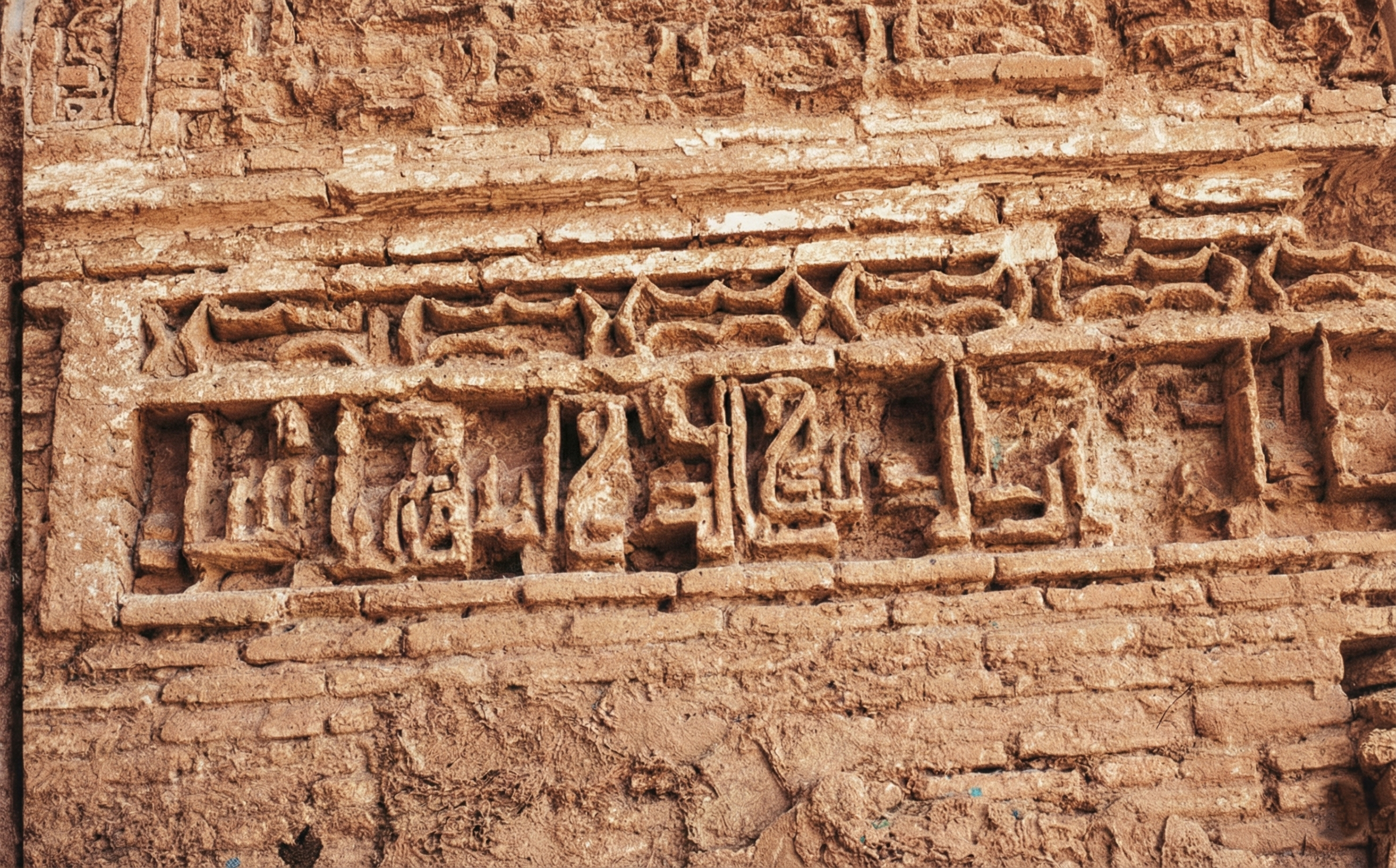
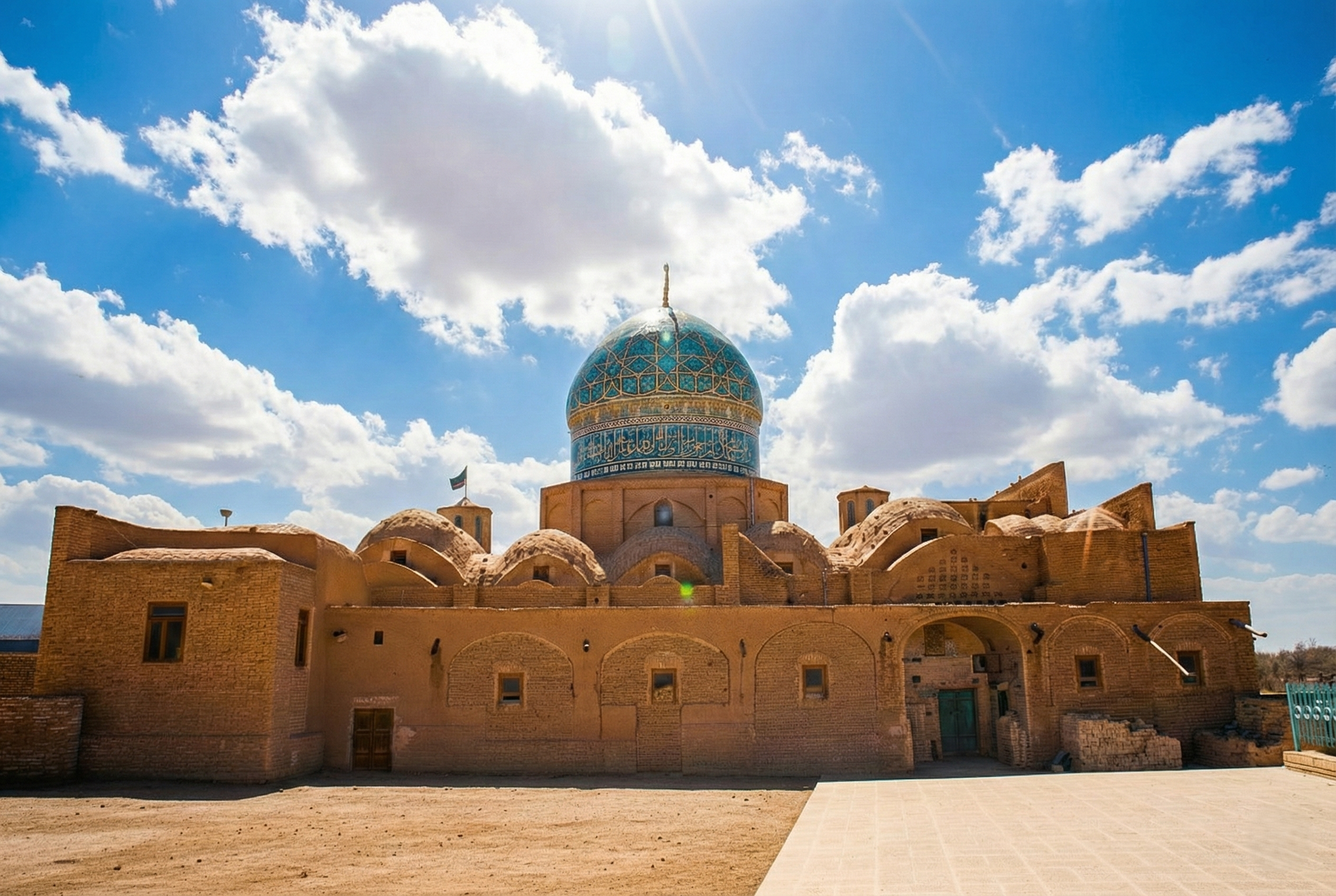
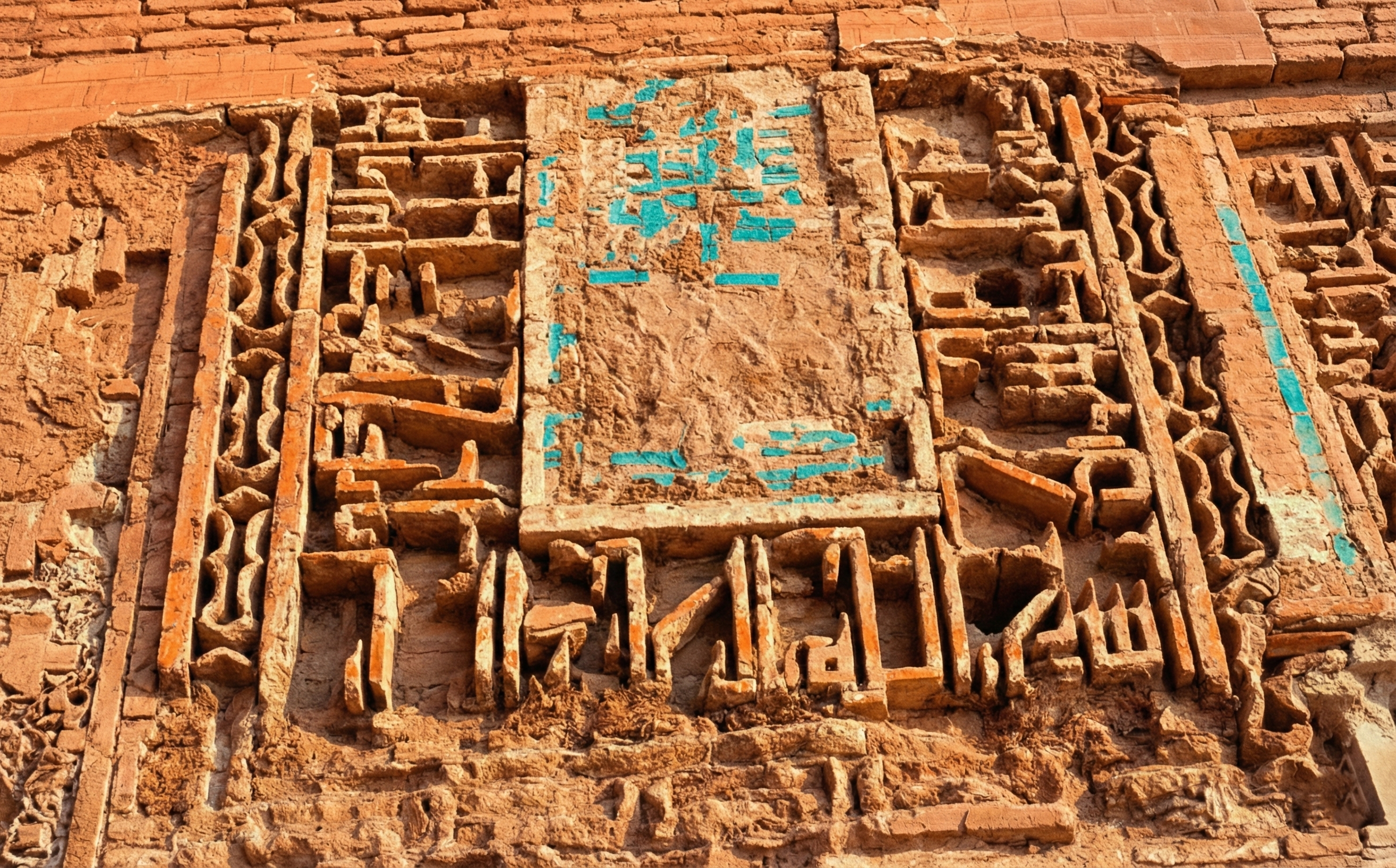
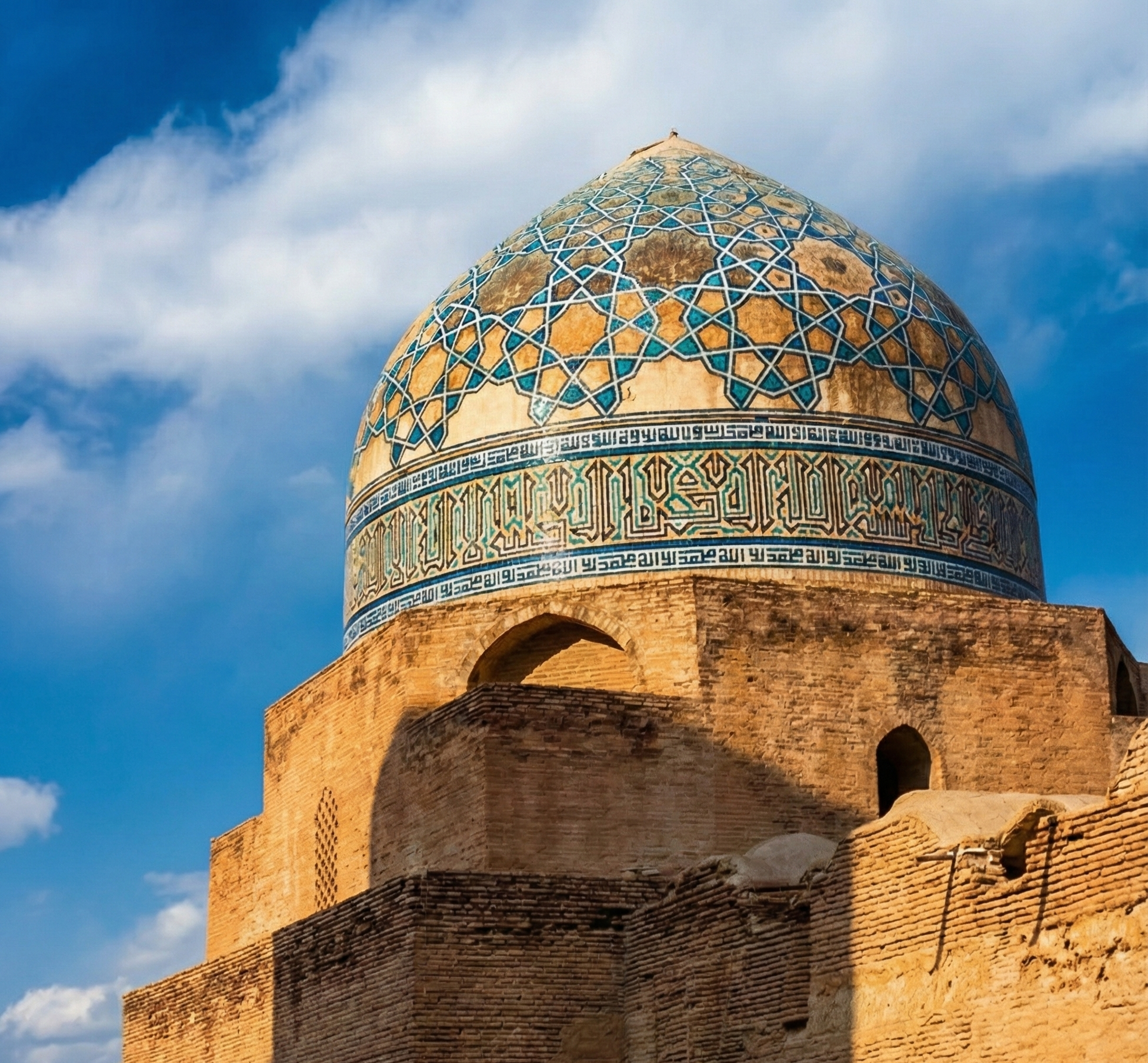
The Jameh Mosque of Saveh, dating to the 8th–9th centuries CE, reflects the evolution of Islamic architecture in Iran. Expanded during the Seljuk and Ilkhanid periods, it combines hypostyle and four-iwan elements. Its brick minaret and stucco decoration highlight centuries of craftsmanship, religious significance, and architectural transformation within the city.
-
Jameh Mosque of Saveh (مسجد جامع ساوه), A Layered Monument of Early Islamic Architecture.
The Jameh Mosque of Saveh (مسجد جامع ساوه) is one of the most important early Islamic monuments in central Iran, reflecting centuries of architectural evolution. The mosque’s origins likely date to the early Islamic period (8th–9th centuries CE), possibly built upon the remains of a pre-Islamic structure. It underwent significant expansion and transformation during the Seljuk period (11th–12th centuries CE) and later during the Ilkhanid era (13th–14th centuries CE).
The architectural composition of the mosque reveals this layered history. Its earliest sections follow a hypostyle plan, with arcaded halls supported by brick columns, characteristic of early Islamic mosque design. During the Seljuk period, new elements were introduced, including the development toward a four-iwan layout, which became a defining feature of Persian mosque architecture.
One of the most prominent features of the mosque is its tall brick minaret, constructed in the Seljuk period (likely 12th century CE). The minaret is decorated with intricate geometric patterns and Kufic inscriptions, demonstrating the refinement of Seljuk brickwork and serving as both a functional and symbolic landmark within the city.
Additional decorative elements include finely carved stucco work dating to the Ilkhanid period (13th–14th centuries CE), reflecting continued artistic patronage and architectural enhancement. Despite damage over time and subsequent restorations, the mosque preserves a rich architectural narrative.
Today, the Jameh Mosque of Saveh stands as a significant example of the continuity and transformation of Islamic architecture in Iran, embodying nearly a millennium of religious, artistic, and urban history.
