(Atash آتش) or Light (Nur نور),
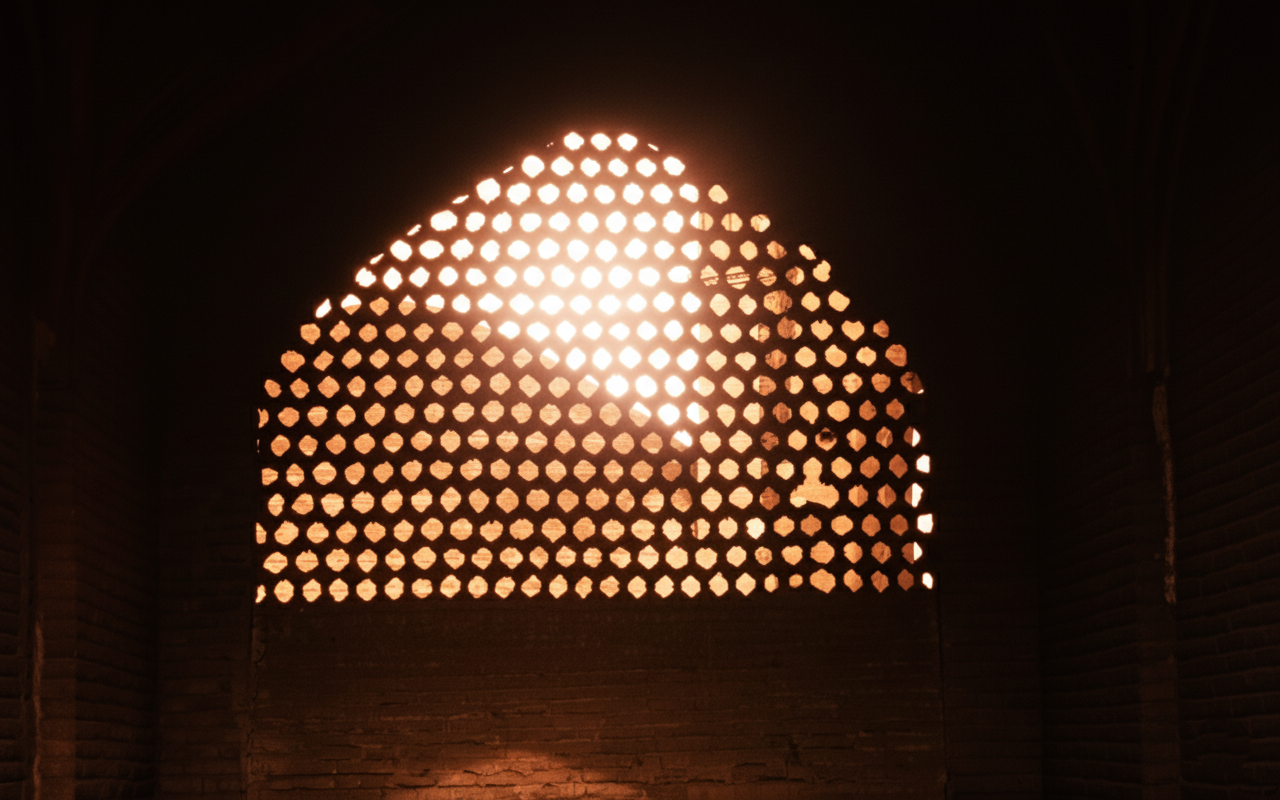
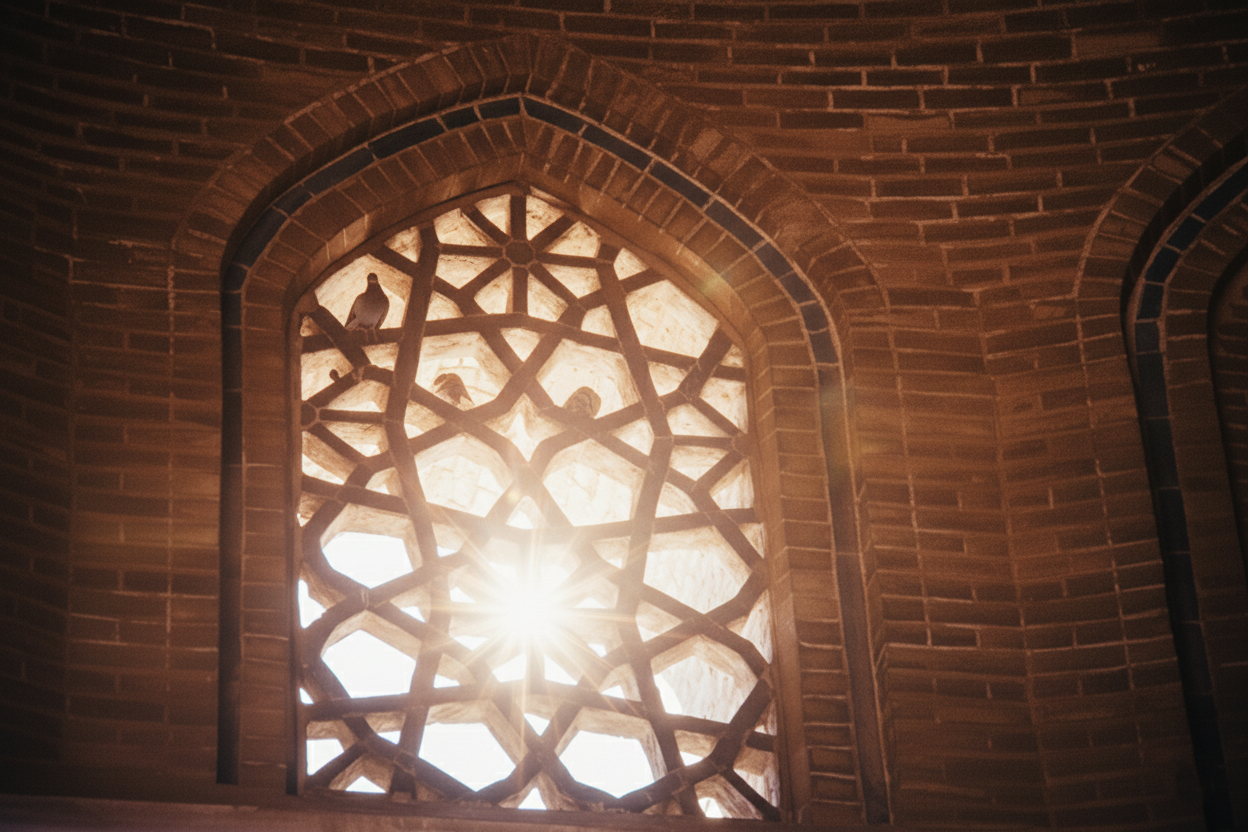
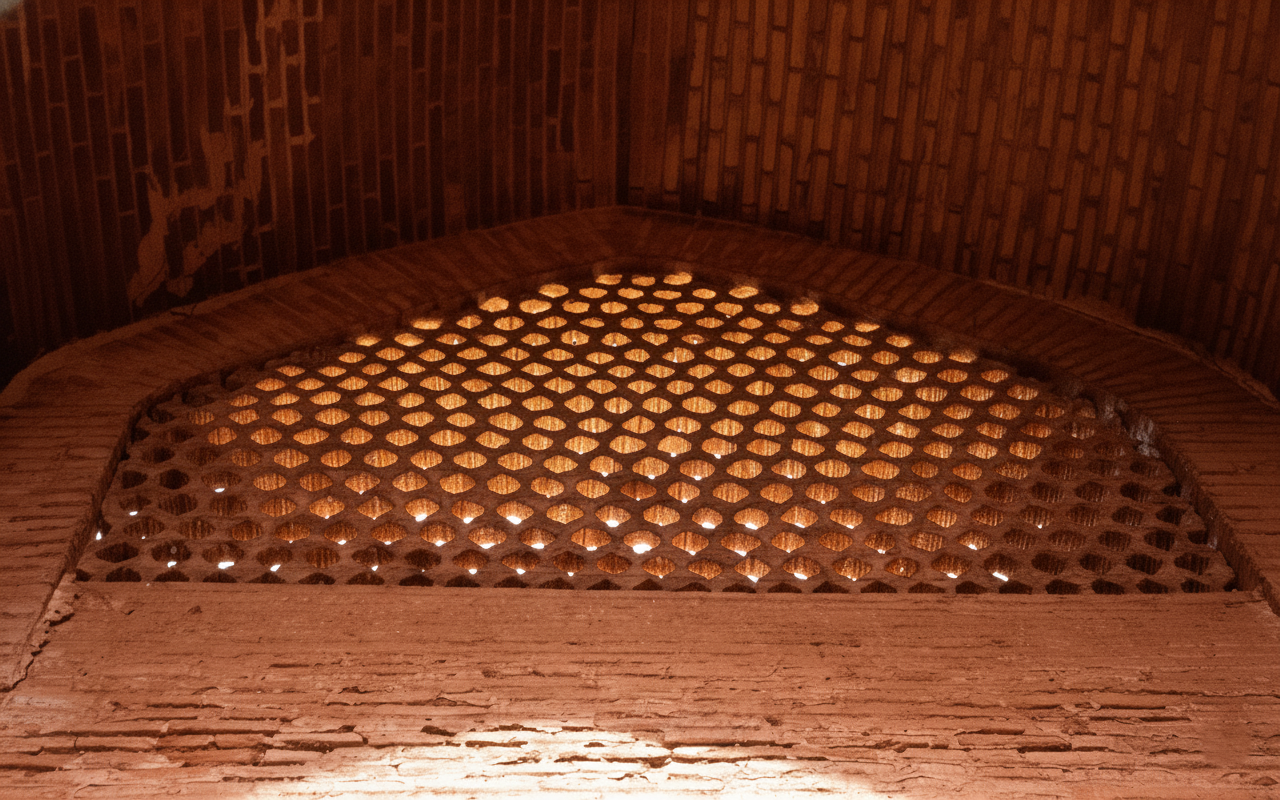
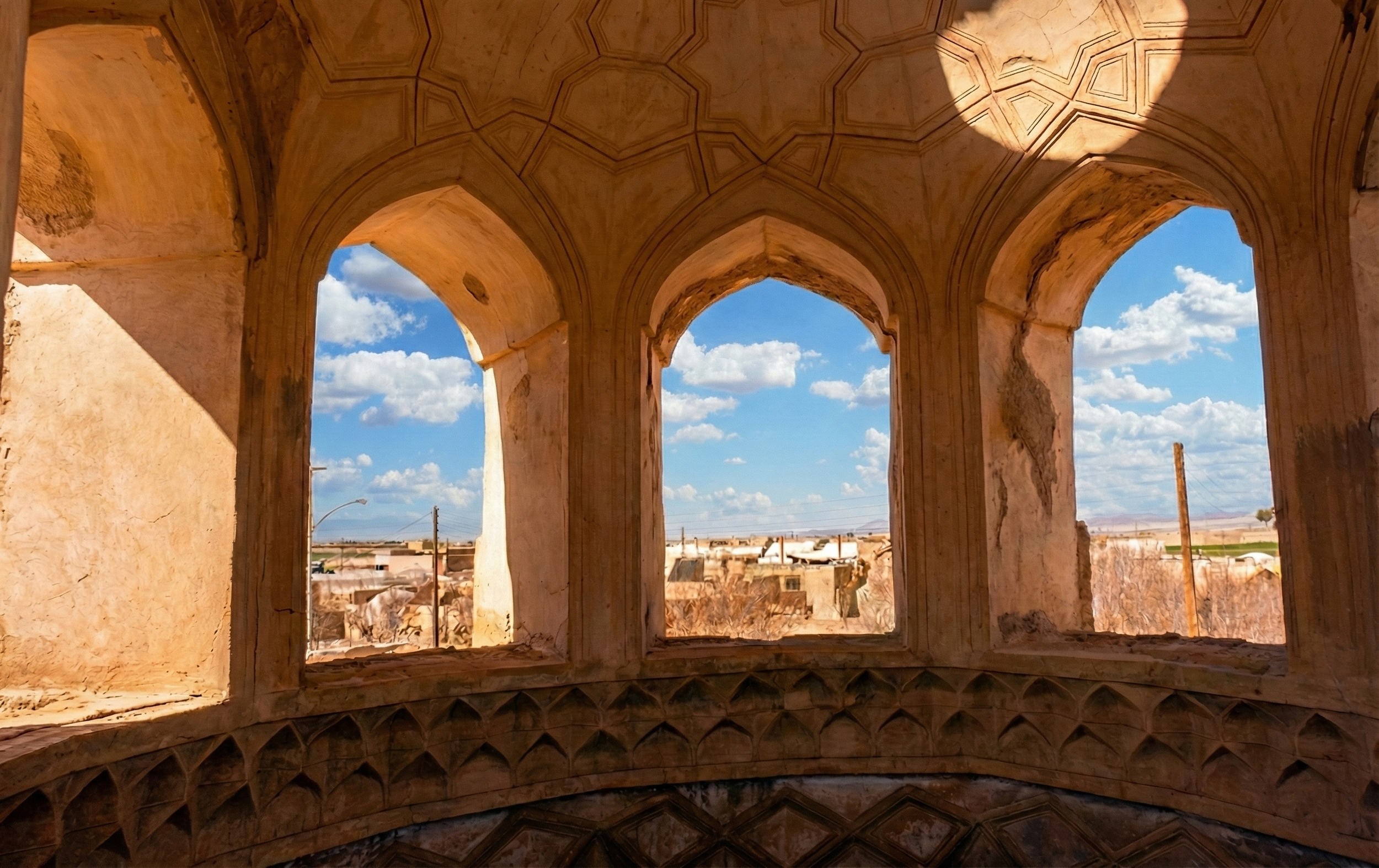
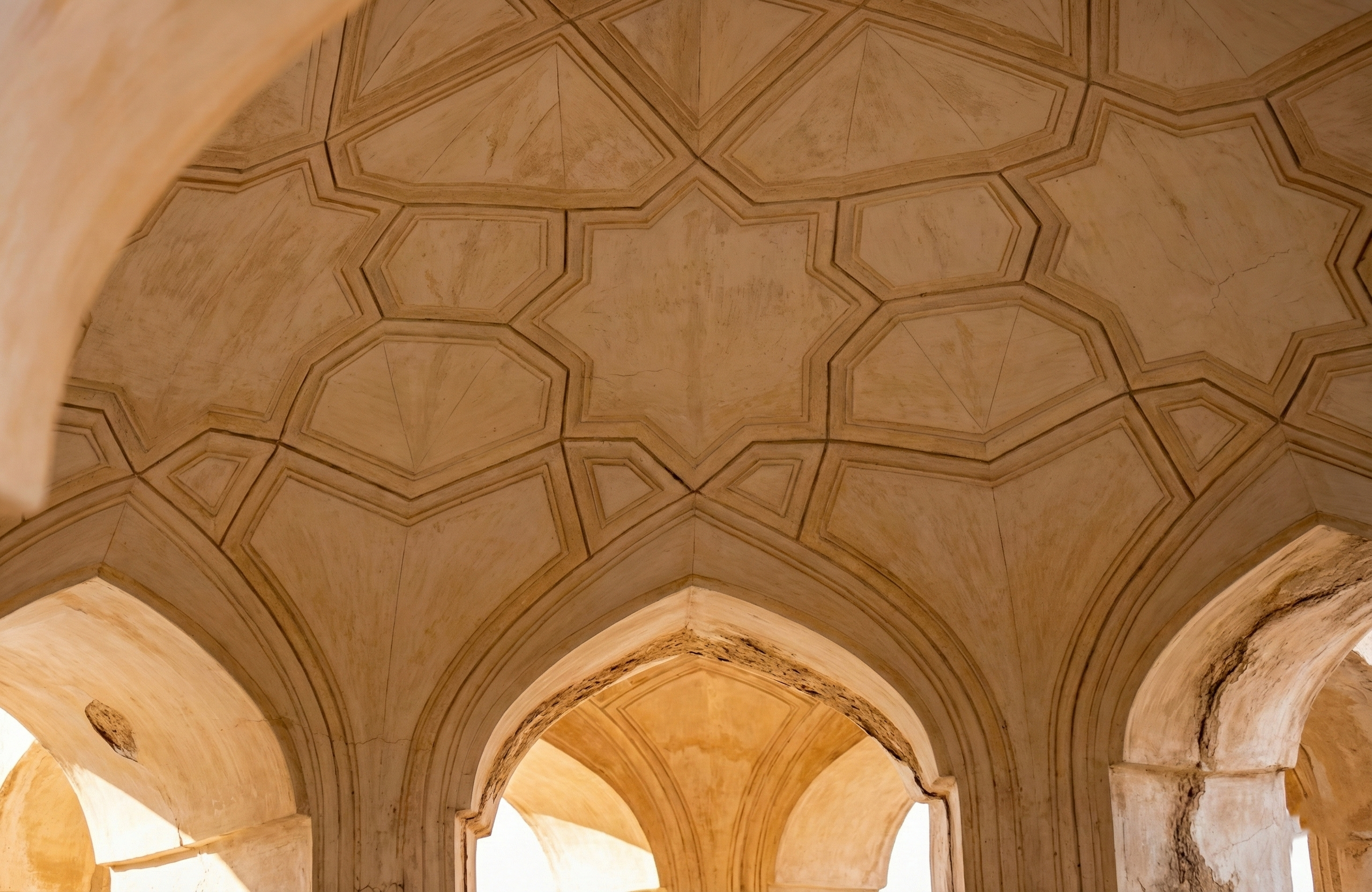
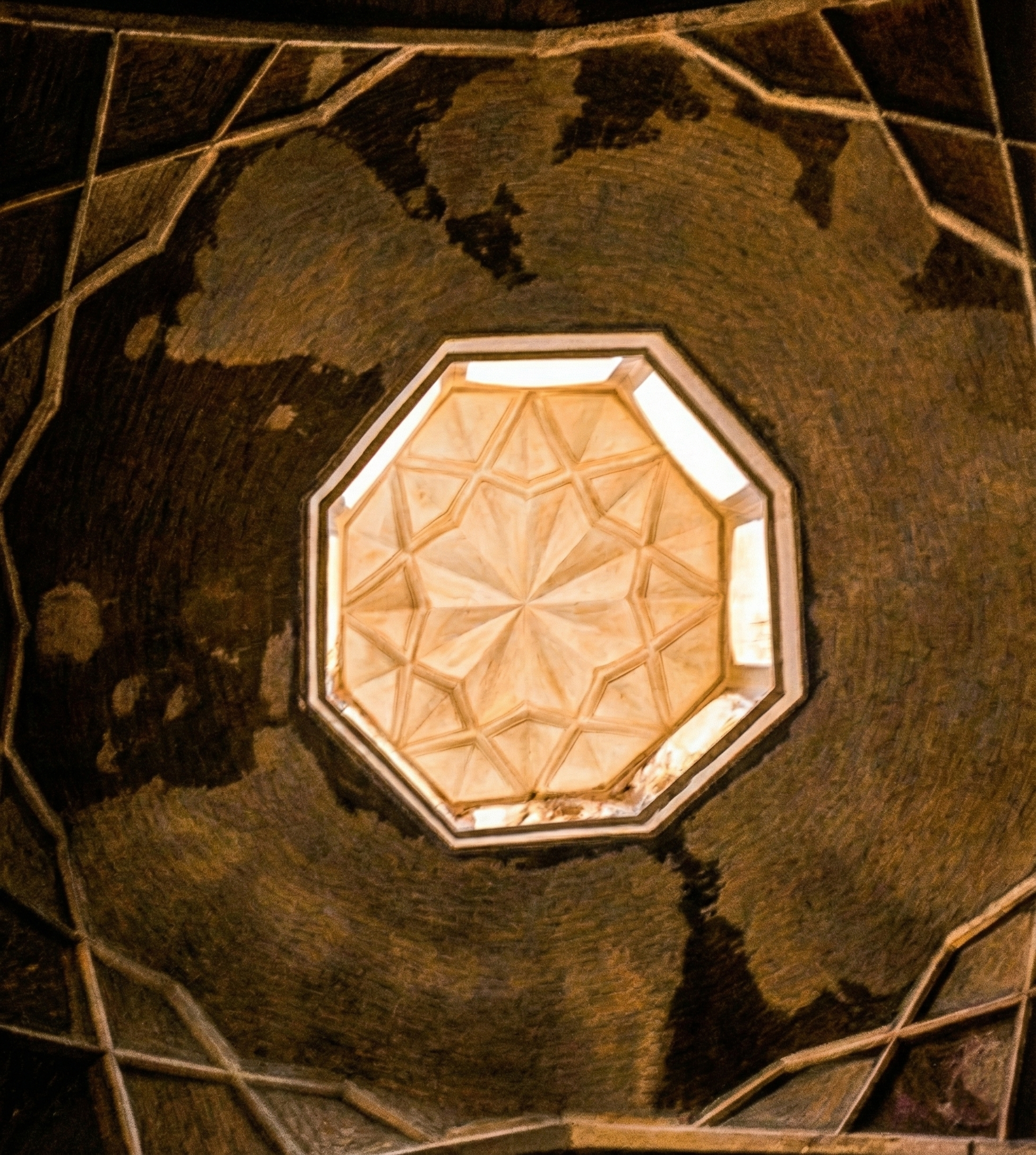
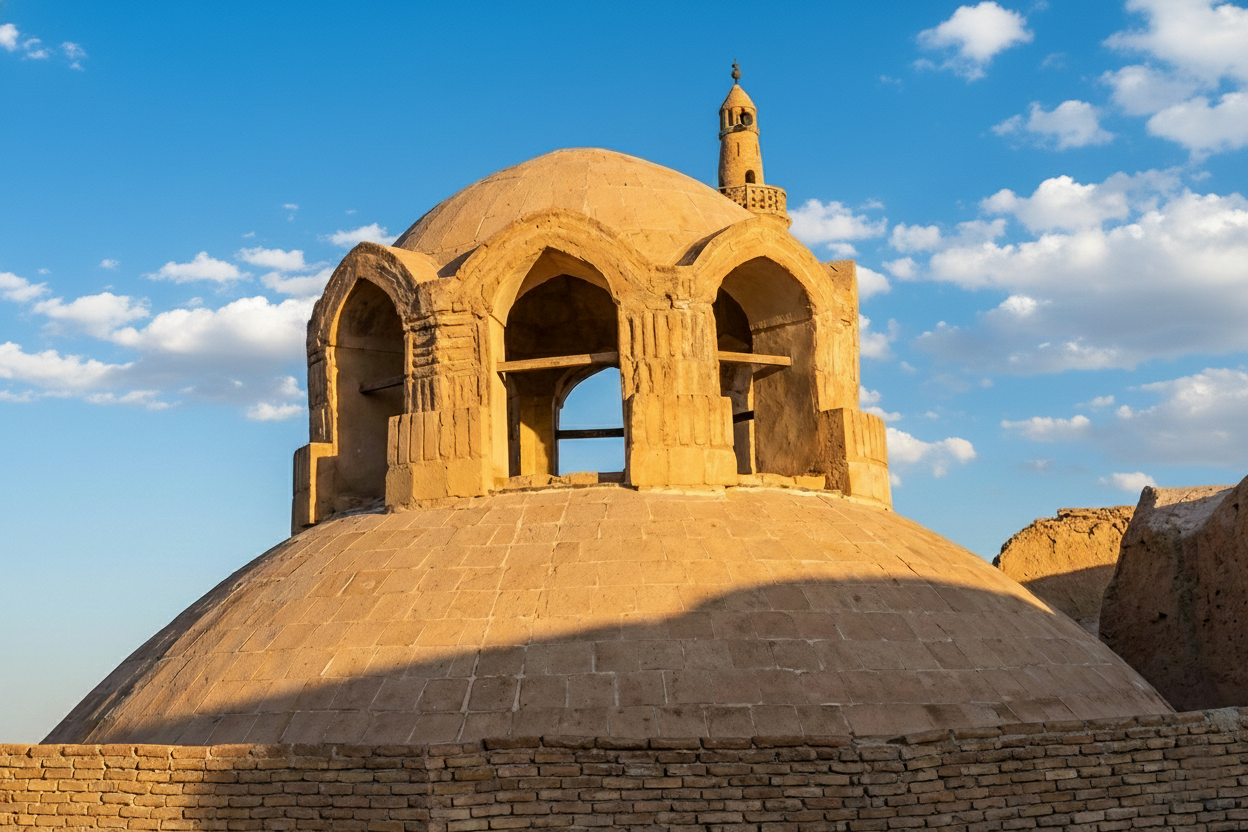
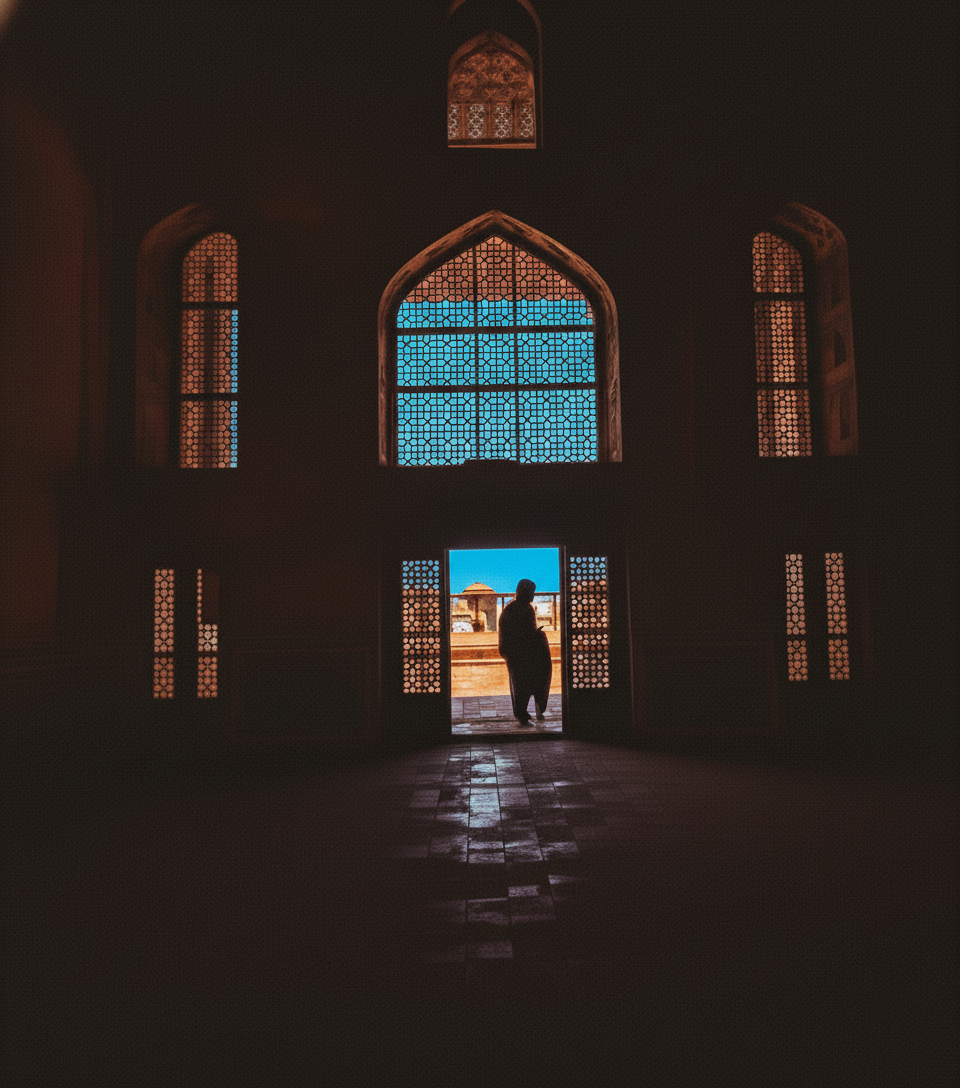
Fakhr-o-Madin (فخر و مدین), Hoorno (هورنو), dome and roof openings, lightwells, and traditional Persian orosi windows (ارسی) orchestrate the flow of light within Iranian architecture. These elements filter, reflect, and diffuse sunlight, transforming harsh solar intensity into a balanced, luminous atmosphere, where نور (light) animates surfaces, softens mass, and elevates interior spaces into dynamic environments of shadow, color, and spiritual presence.
-
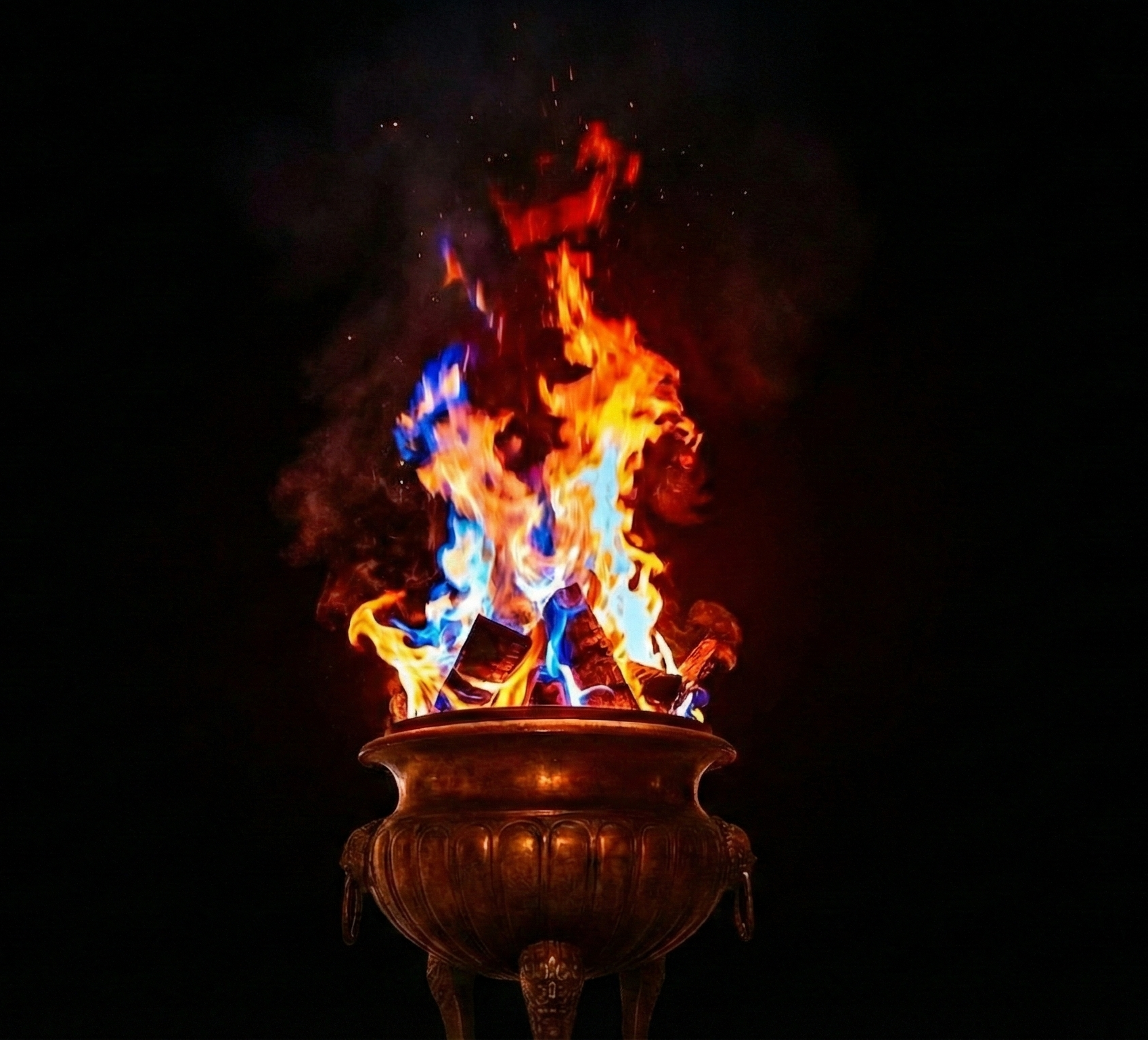
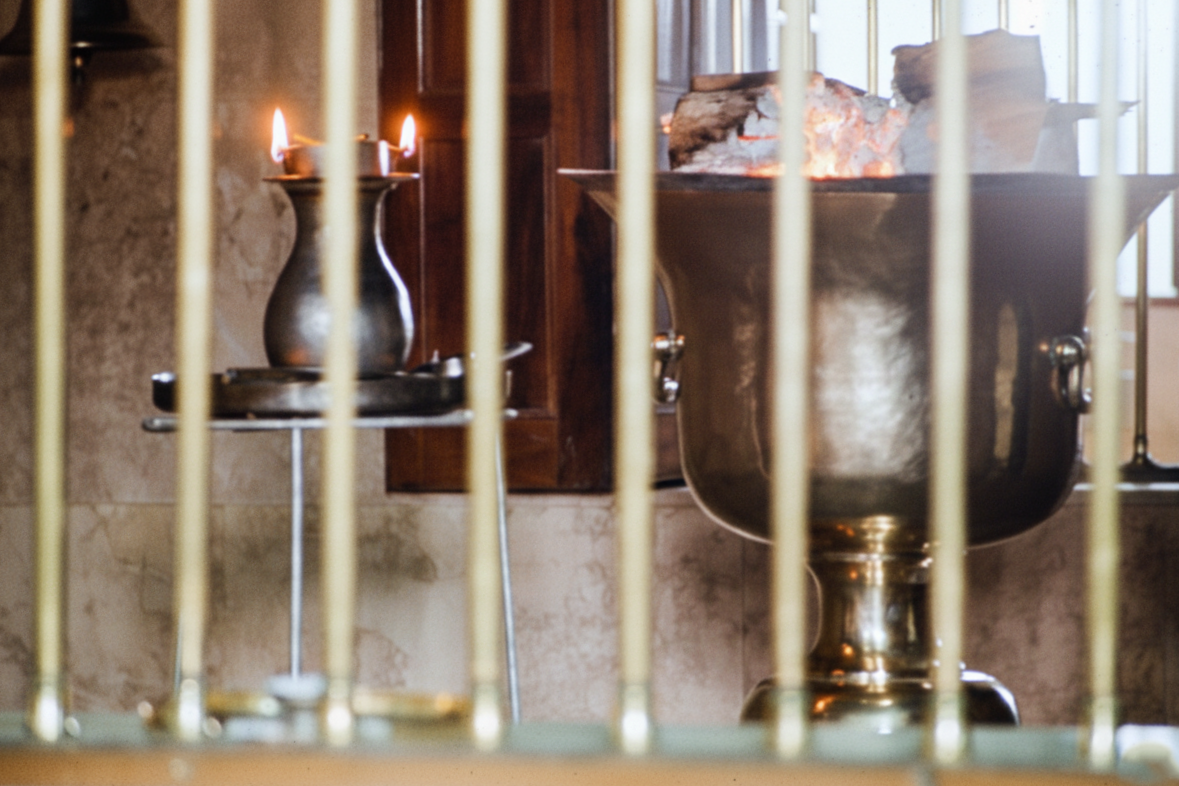
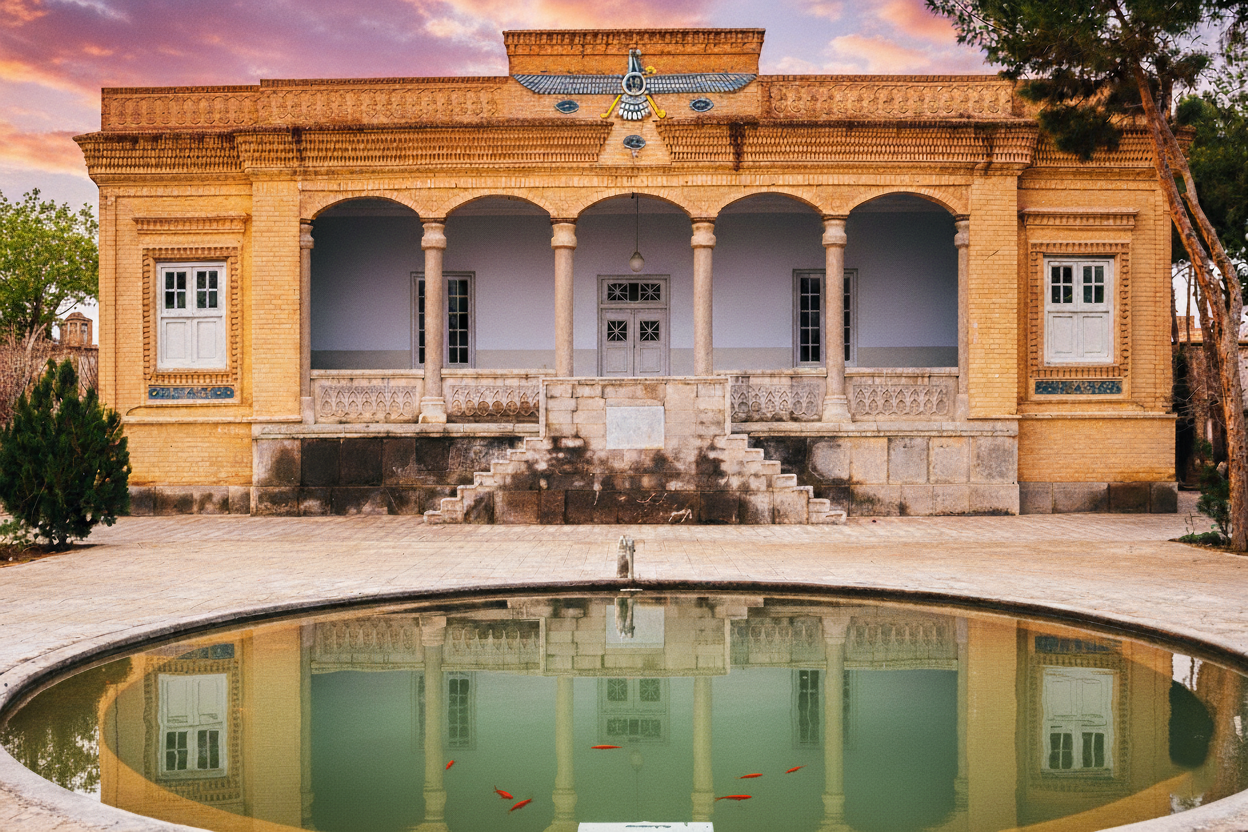
Fire (Ātash آتش) / Light (Nūr نور) in Iranian architecture embodies one of the most profound transformations in the alchemy of the four elements—shifting from a tangible sacred flame to an immaterial, spiritual luminosity. In pre-Islamic Zoroastrian tradition, fire was the direct manifestation of Ahura Mazda (اهورا مزدا), enshrined within Atashkadeh (آتشکده) and protected by the enclosed geometry of Chahartaqi (چهارطاقی) structures, where darkness preserved the purity of the eternal flame. With the advent of Islam, this direct veneration evolved into a metaphysical understanding of light, aligned with the notion that “God is the Light of the heavens and the earth,” transforming fire into Nūr—a pervasive, divine illumination.
This shift redefined architectural space as a medium for capturing, filtering, and orchestrating light. Glazed turquoise and azure tiles (kāshi کاشی) were applied to earthen masses to reflect and soften sunlight, while muqarnas (مقرنس) fragmented illumination into cascading layers, guiding perception upward toward the unity of the dome. Within interiors, āina-kāri (آینهکاری) multiplies light into infinite reflections, and traditional Persian orosi (ارسی) windows filter it into chromatic patterns, turning light into a dynamic, experiential substance.
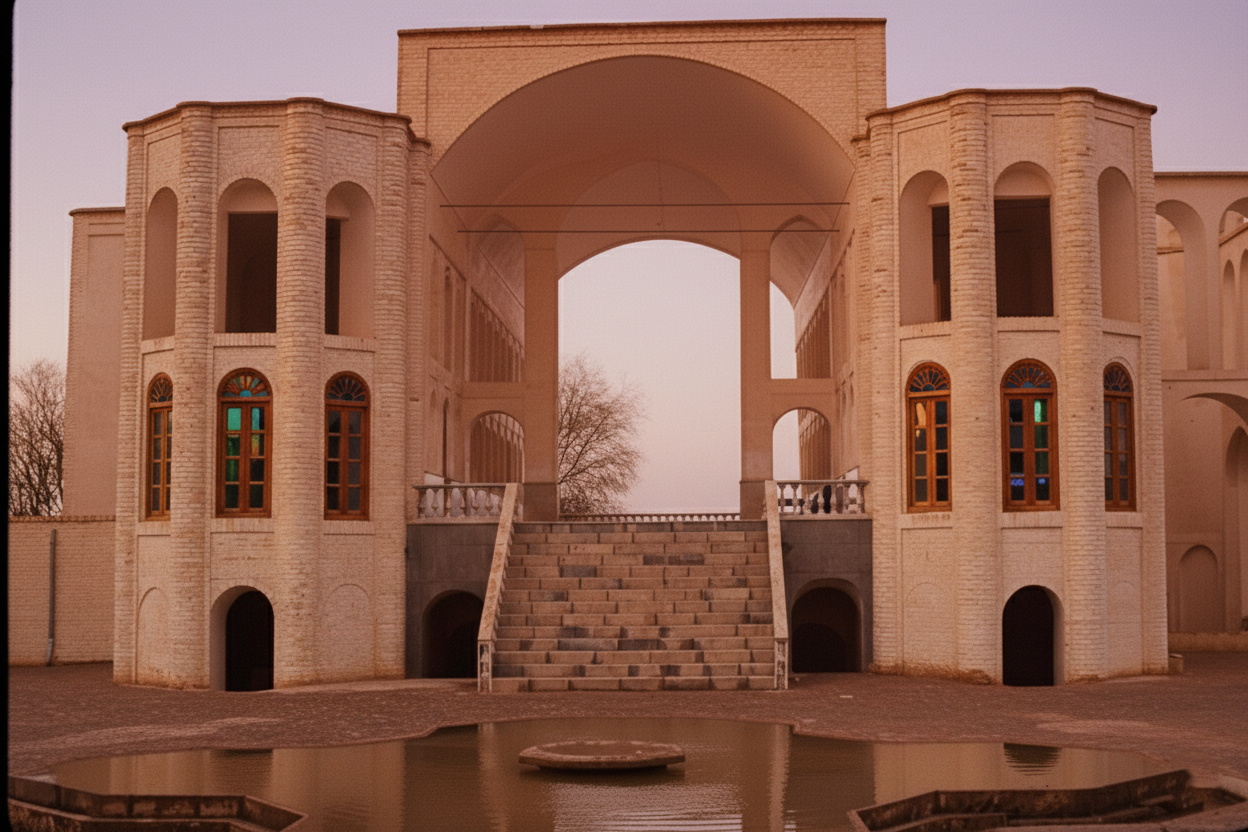
A range of architectural devices further choreograph this luminous presence: Fakhr-o-Madin (فخر و مدین), Hoorno (هورنو), dome and roof openings, lightwells, and traditional Persian orosi windows regulate the ورود (entry) and diffusion of light into interior spaces, balancing brightness, shadow, and thermal comfort. At the urban scale, this logic extends to the deliberate orientation of meydān (میدان), streets, alleys, courtyards, and buildings in relation to the four cardinal directions, ensuring optimal engagement with the sun’s مسیر (path).
Simultaneously, the physical fire of the desert sun is moderated—its شدت tempered through mass, shade, and reflection—transforming harsh radiation into a controlled, life-sustaining warmth. In the great domes of Iran, this interplay culminates in a responsive architecture where light animates surfaces throughout the day, dissolving the perception of weight and rendering the built form as a luminous field. Here, fire is no longer confined to flame but diffused as light, elevating architecture into a living dialogue between matter, energy, and the divine.
