Bushehr of the Persian Gulf (بوشهرِ خلیج فارس)
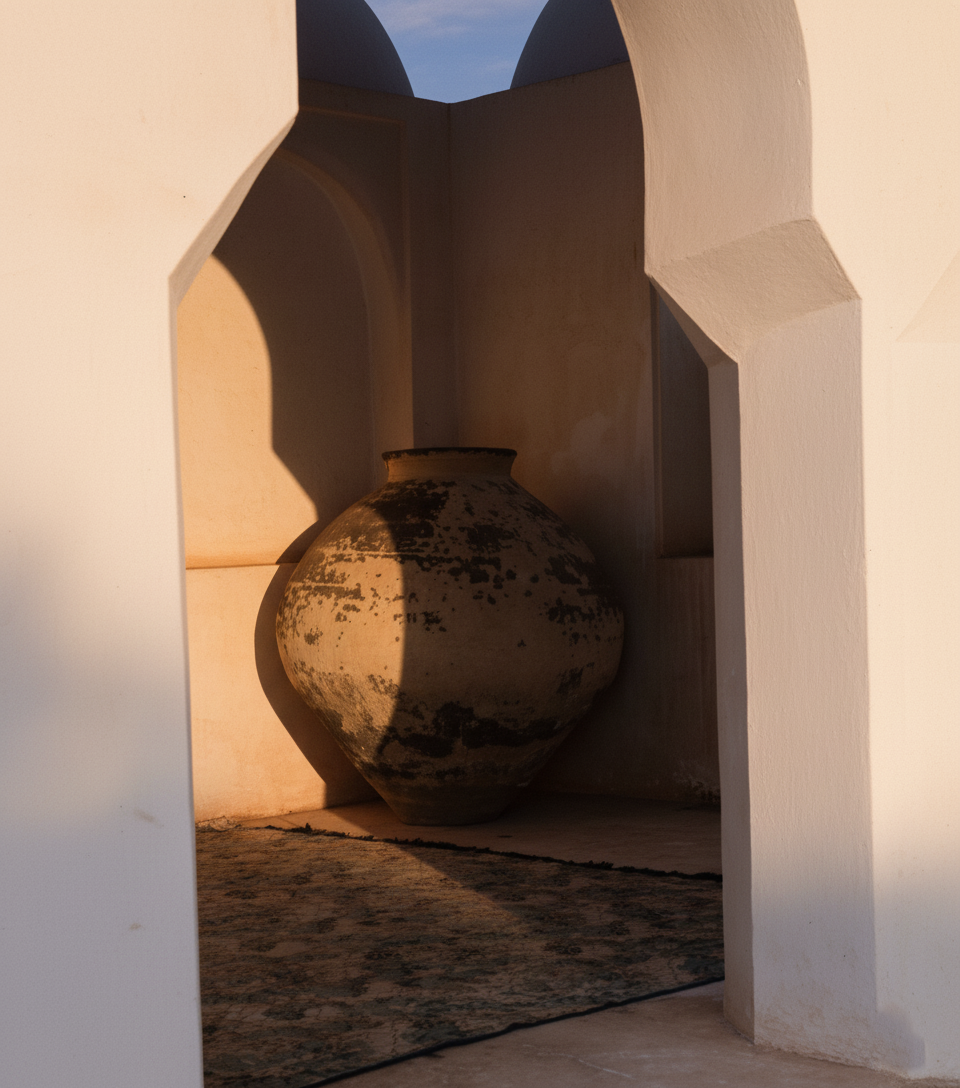
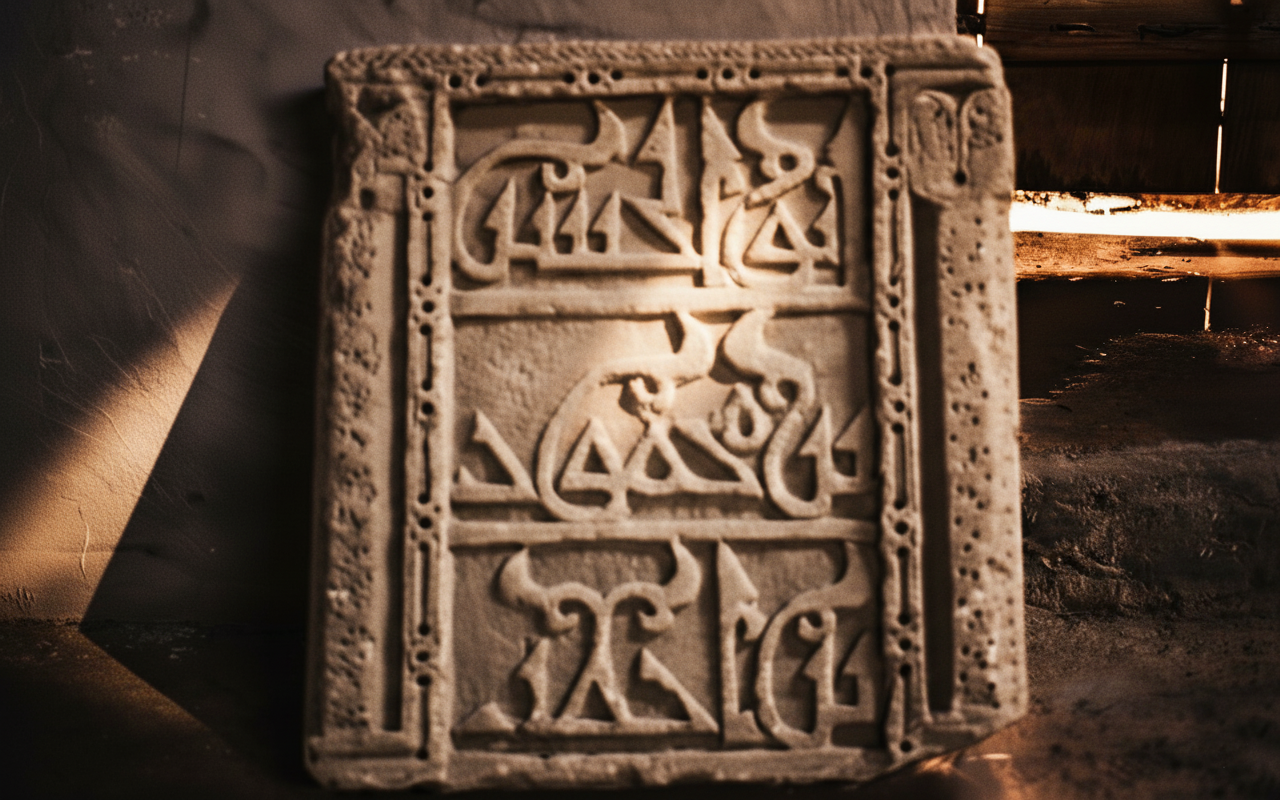
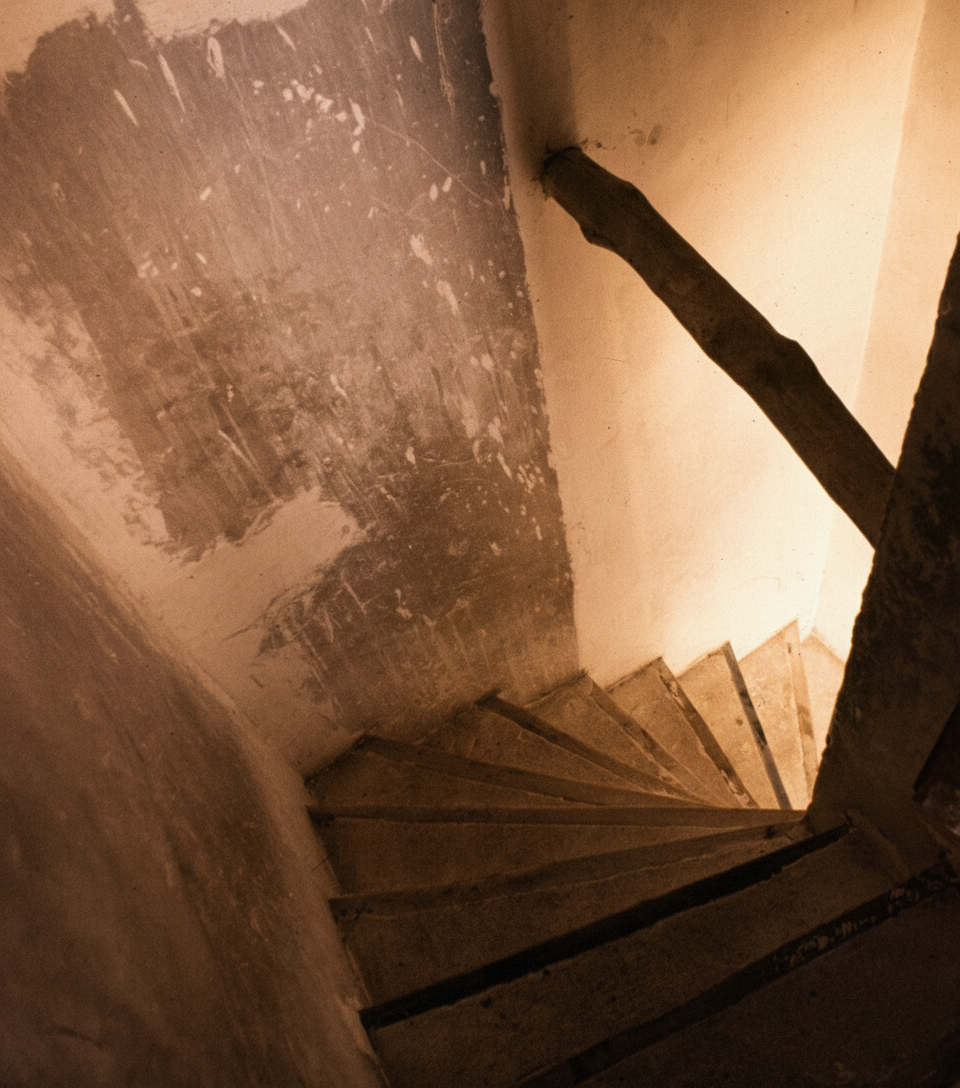
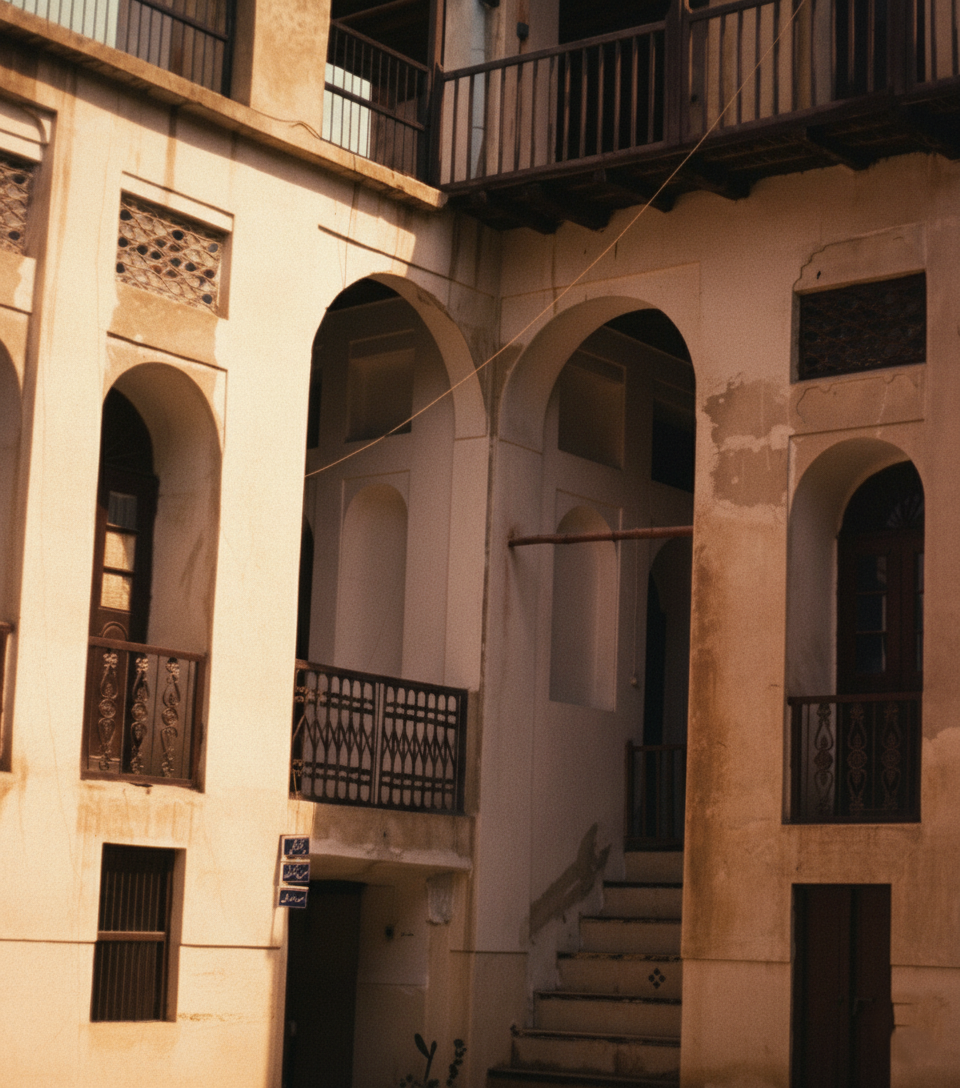
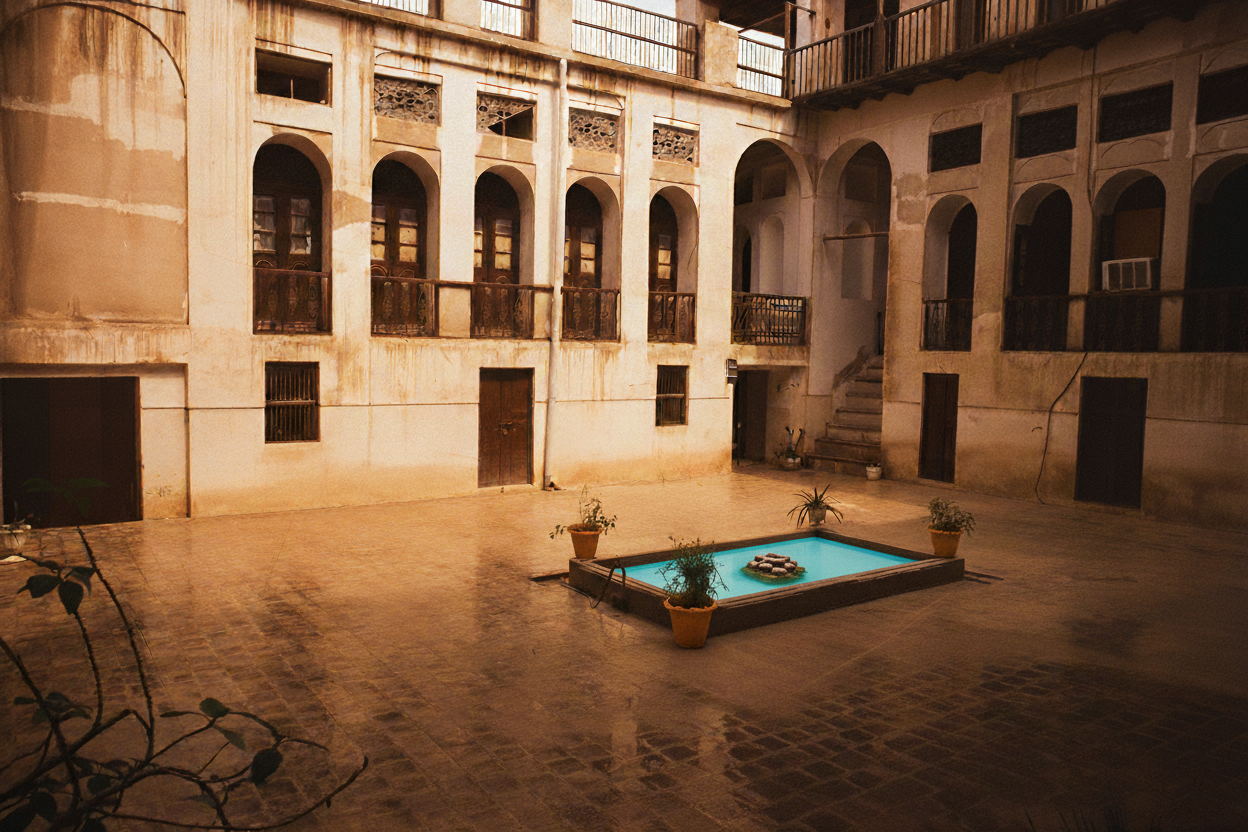
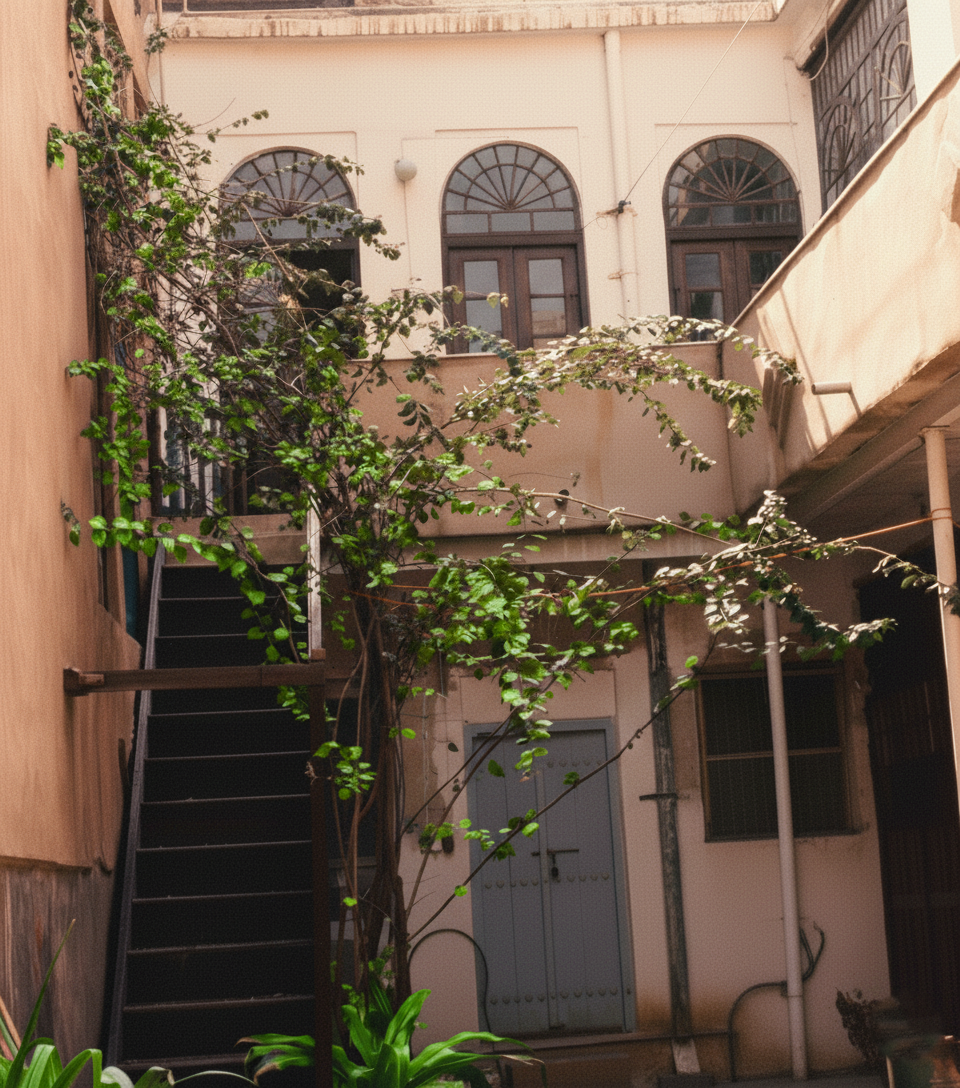
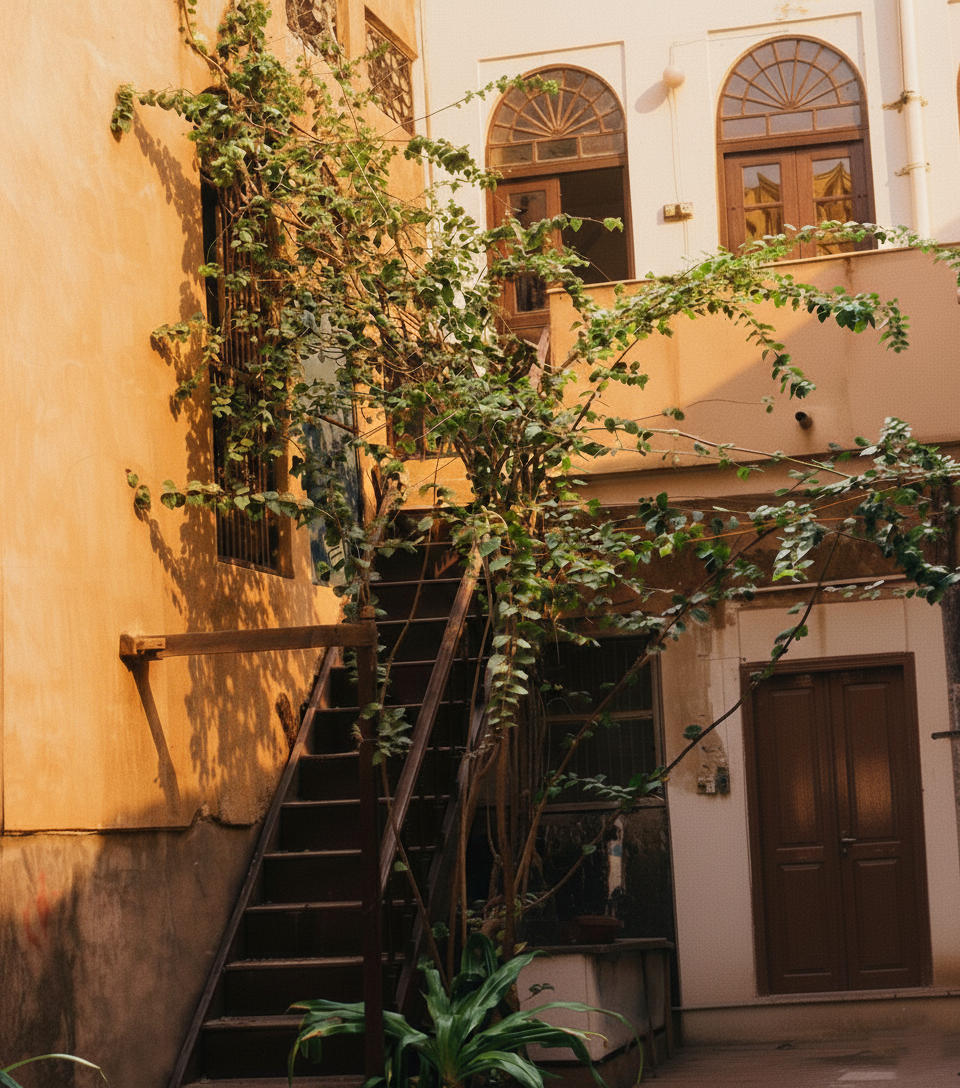
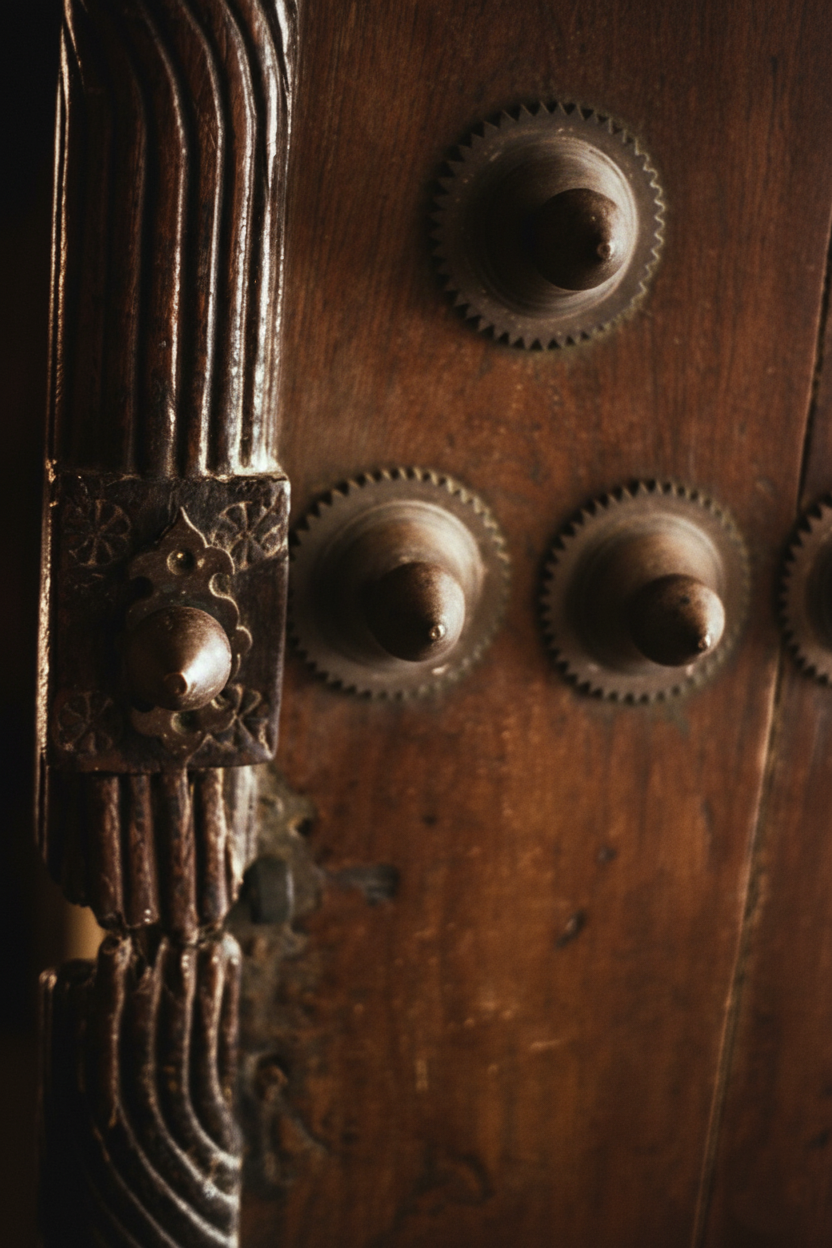
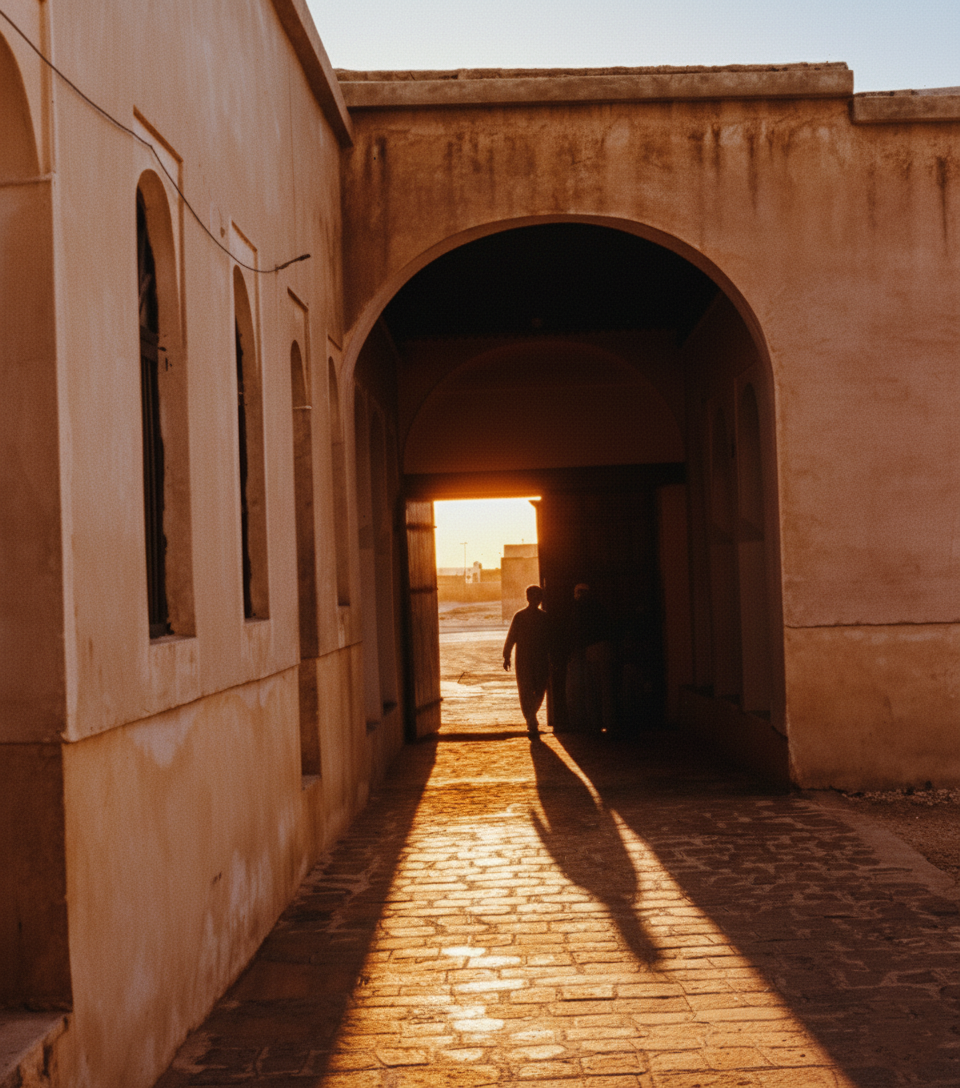
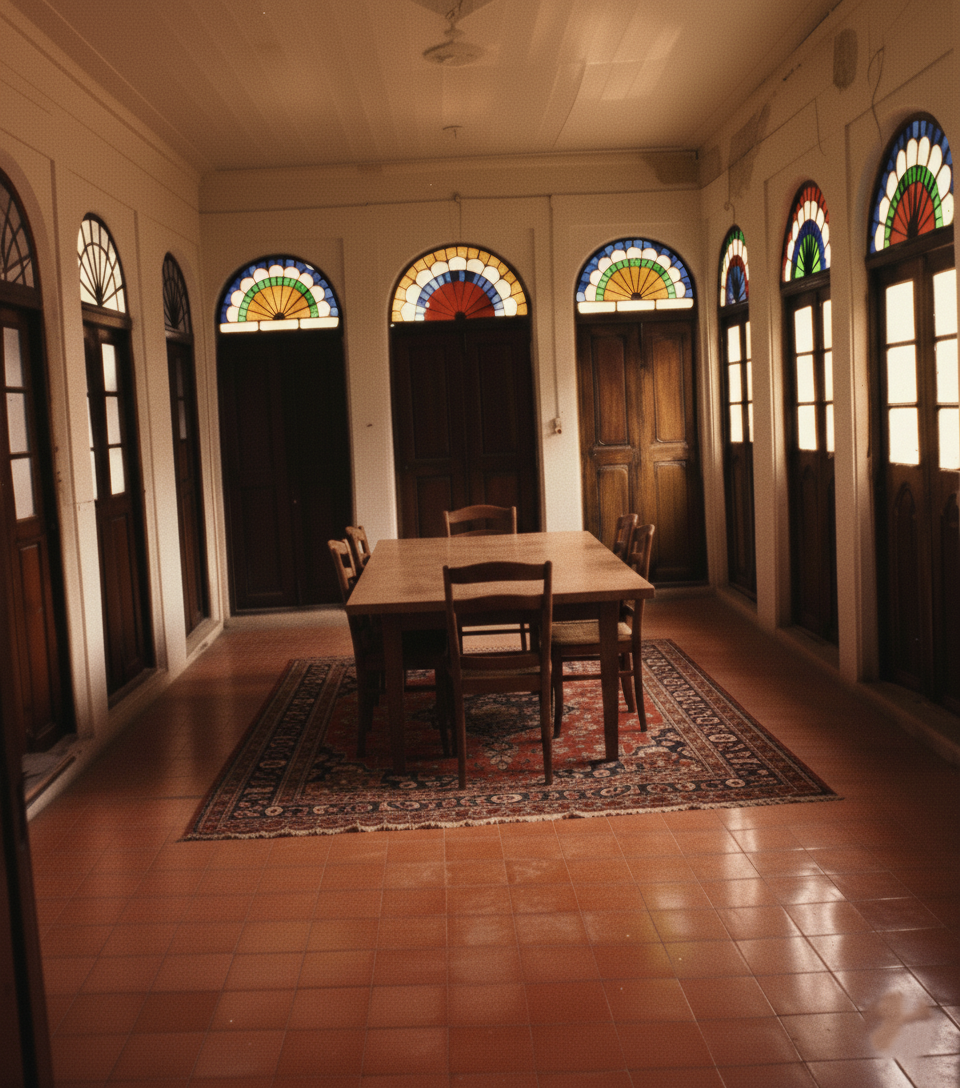
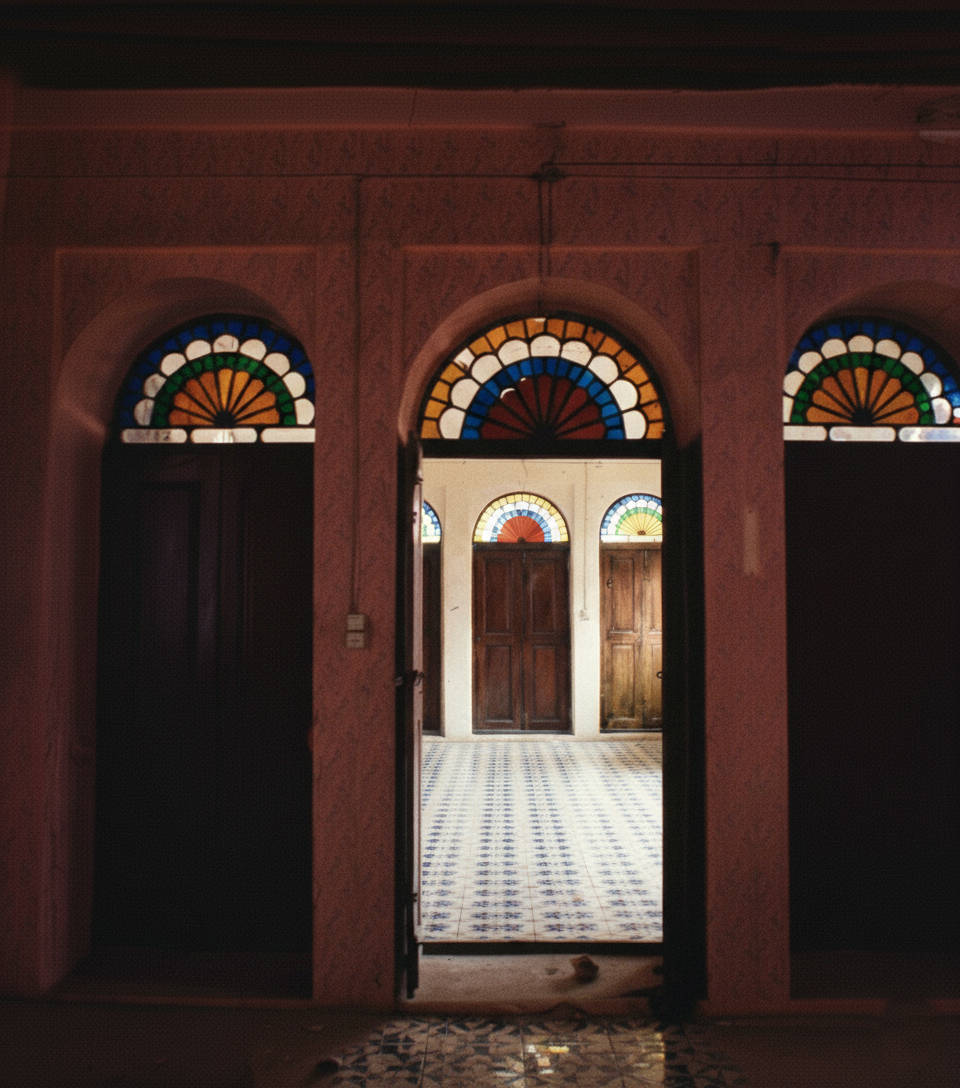
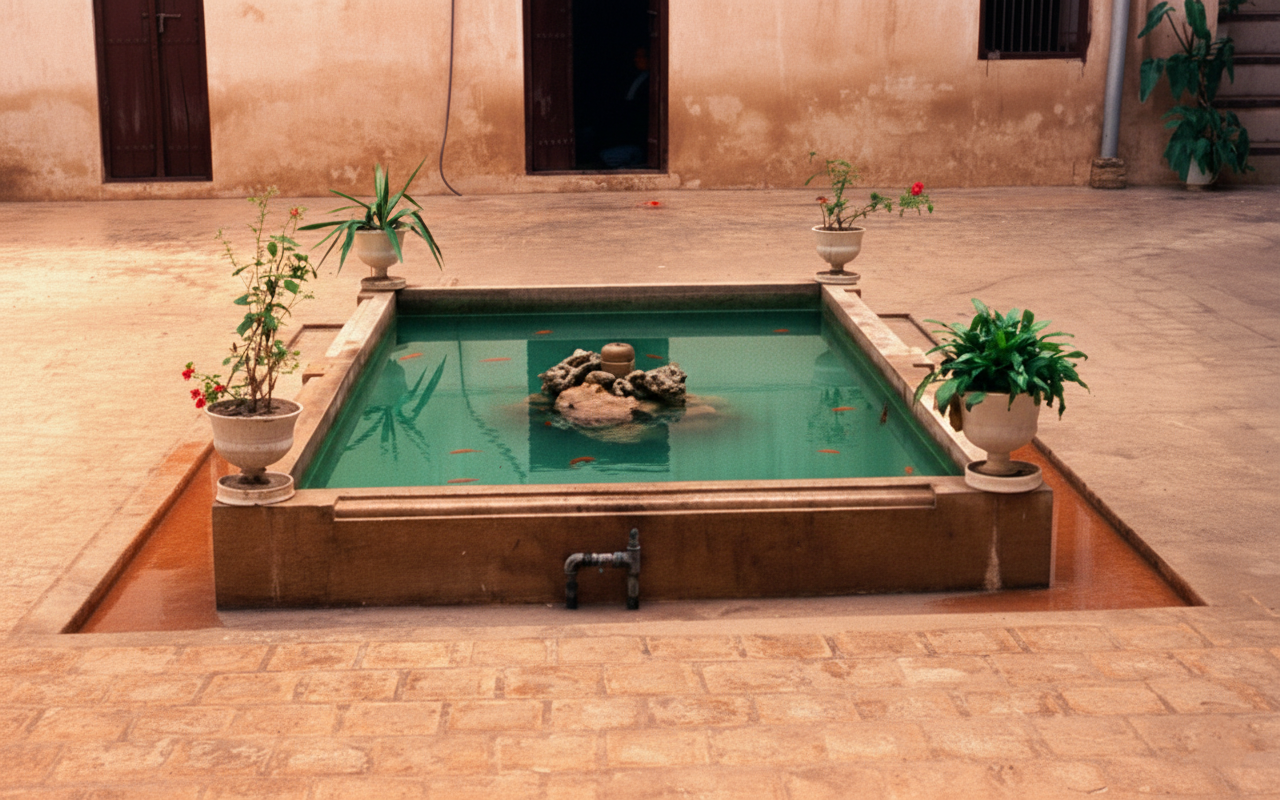
Bushehr (بوشهر), on the northern Persian Gulf, developed a distinctive architecture shaped by maritime trade and a hot, humid climate. Built with coral stone, lime plaster, and timber, traditional courtyard houses use balconies and tall windows to capture sea breezes. Historic buildings like the Dehdashti Mansion reflect the prosperity of Bushehr’s coastal trading culture.
-
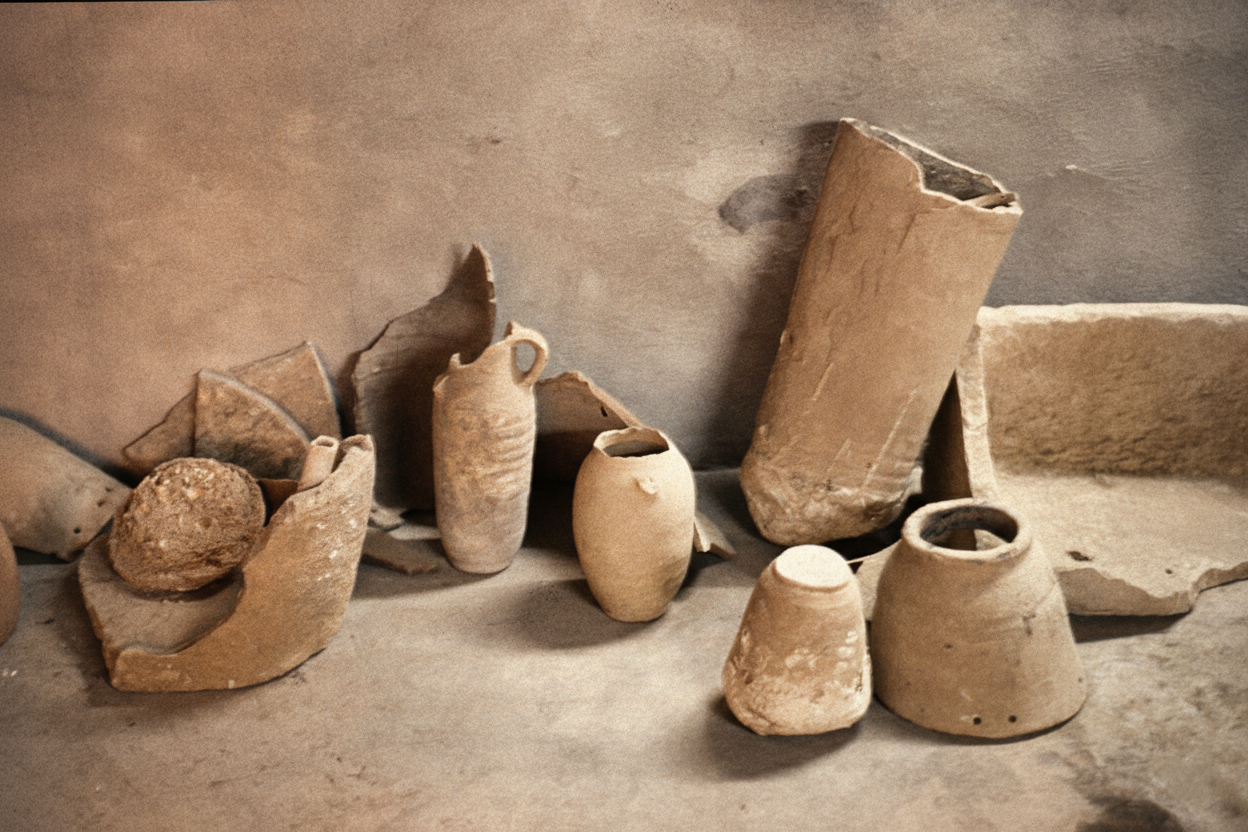
Bushehr (بوشهر), situated along the northern shores of the Persian Gulf, presents a distinctive architectural tradition shaped by maritime trade and a hot, humid coastal climate. Archaeological evidence suggests that settlements in the region date back to the Elamite period (2nd millennium BCE), while the modern development of the city began in the 18th century, particularly during the reign of Nader Shah Afshar in the 1730s CE, when Bushehr was established as an important naval and commercial port. For centuries, the city functioned as a key maritime hub linking Iran with India, the Arabian Peninsula, and East Africa, becoming a center of commercial exchange along the southern branches of the Silk Road (جاده ابریشم).
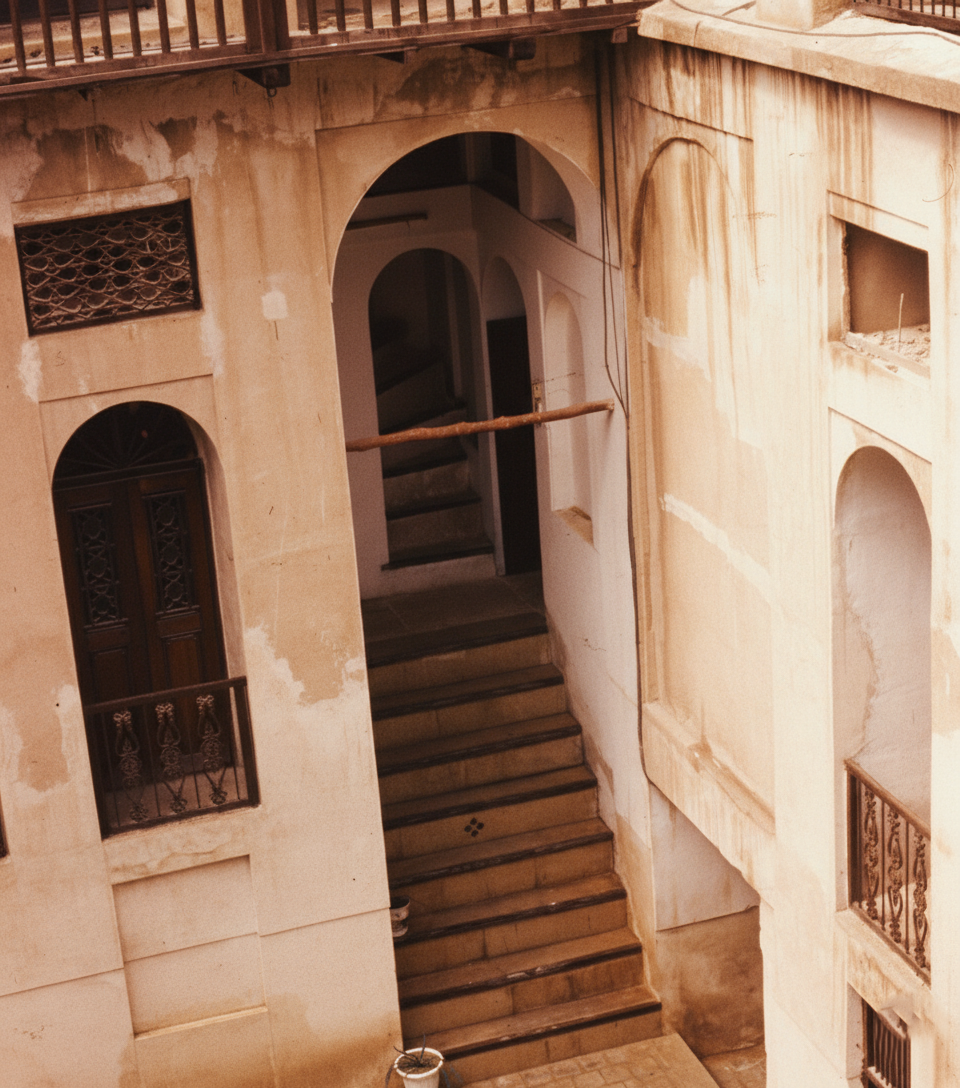
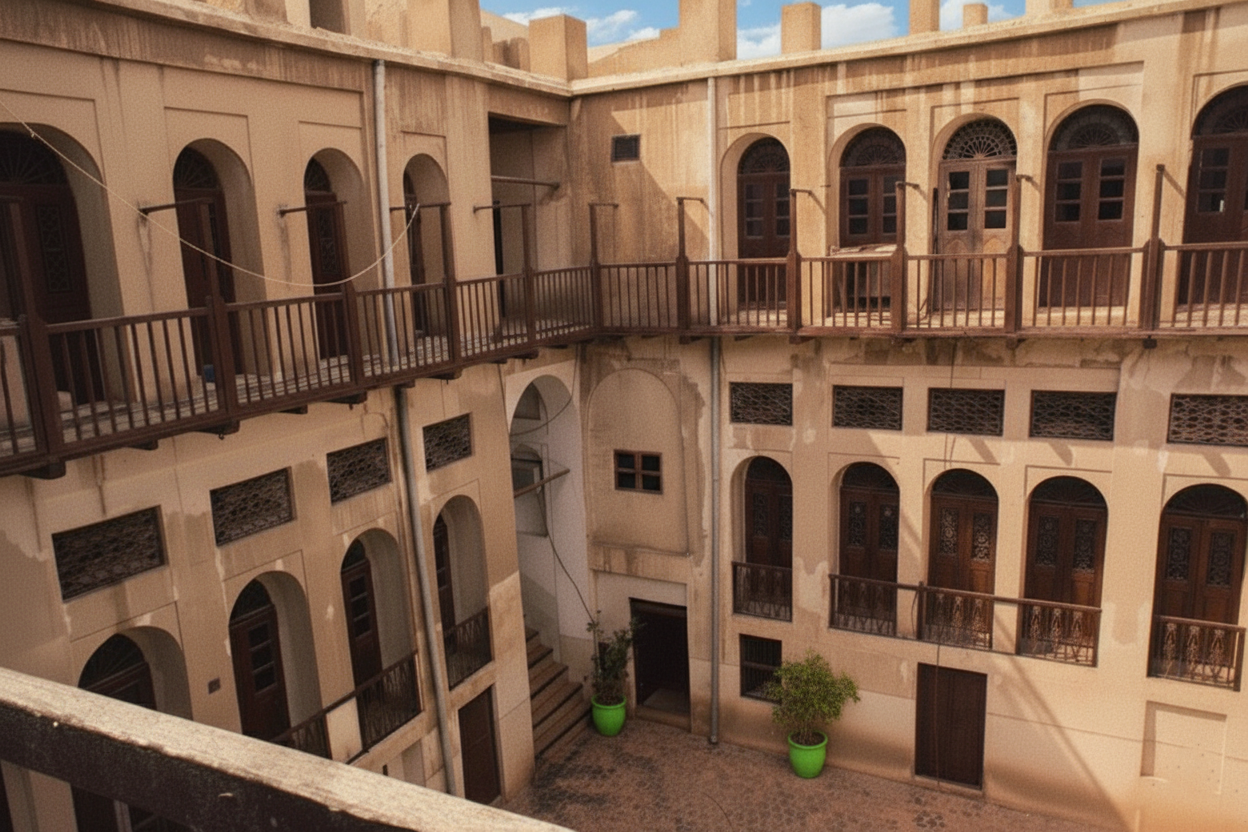
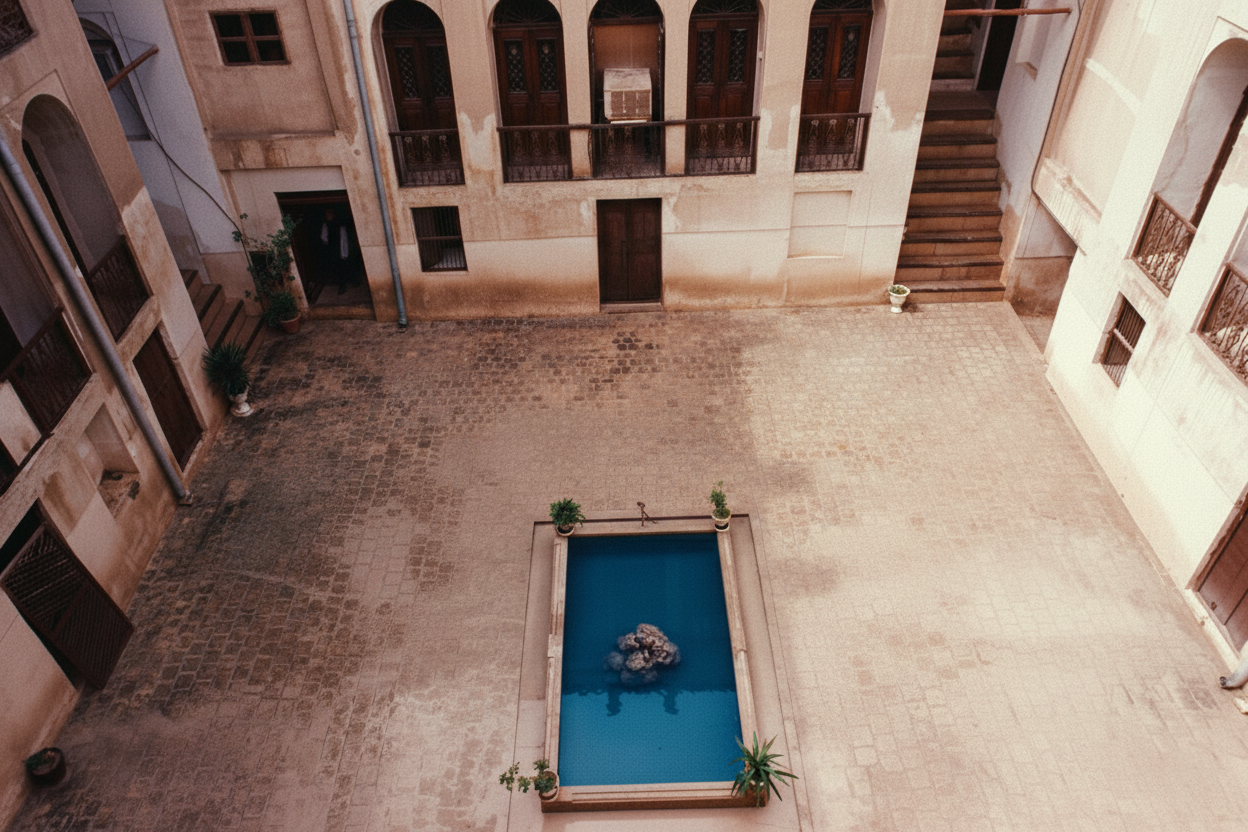
Unlike the adobe architecture common across the Iranian plateau, traditional houses in Bushehr are constructed primarily from coral stone, lime plaster, and timber—materials suited to the coastal environment. Many buildings rise two or three stories above narrow streets and are organized around a central courtyard (حیاط مرکزی), which provides shade, privacy, and a protected interior space for family life.
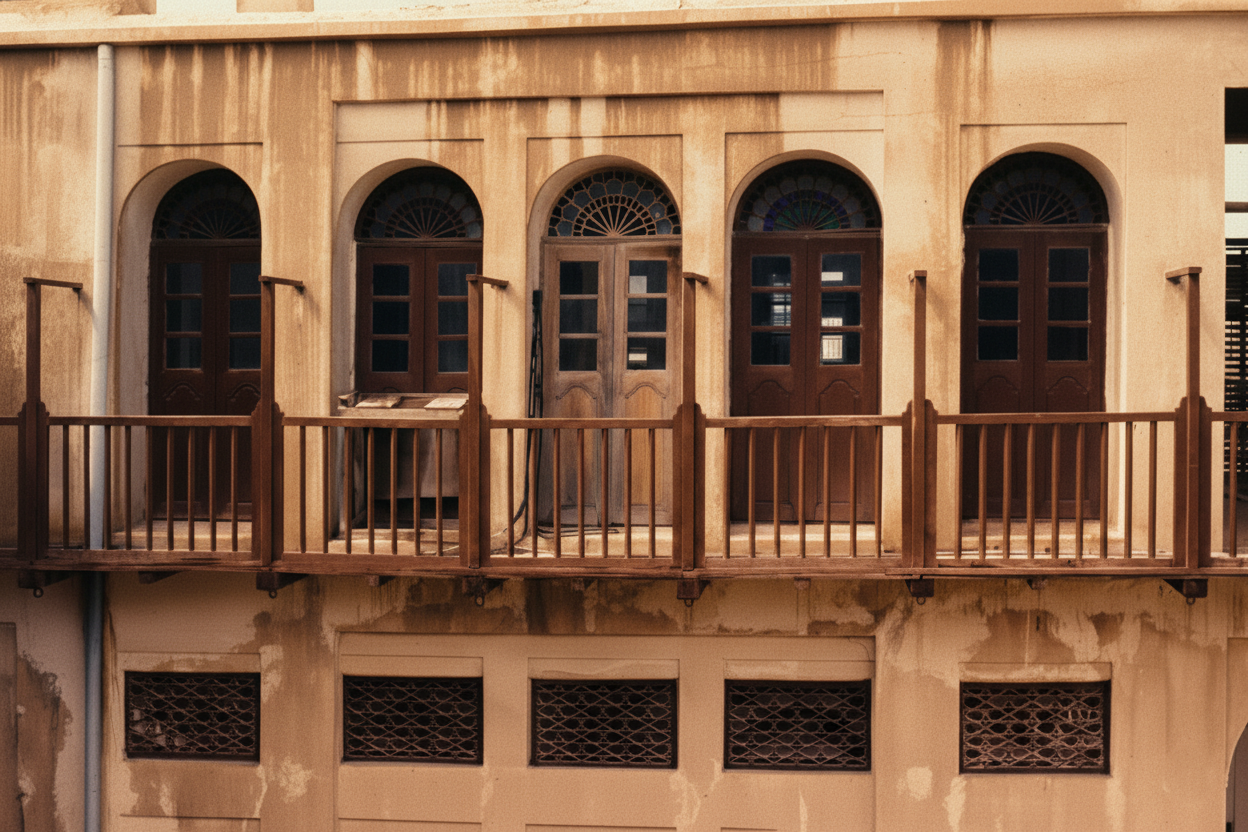
The façades facing the courtyard often feature large wooden balconies, tall windows with shutters, and screened openings designed to capture cooling sea breezes from the Gulf. This architectural strategy allows natural ventilation to circulate through the building, mitigating the intense heat and humidity of the coastal climate.
Among the notable historic buildings of the city is the Dehdashti Mansion (عمارت دهدشتی), a prominent merchant residence from the late Qajar period (c. 1900–1910 CE). Built by the oil merchant Haj Gholam-Hossein Dehdashti, the multi-story mansion reflects the prosperity of Bushehr’s trading community and exemplifies the coastal architectural style with its balconies, courtyards, and climate-responsive design.
Another important cultural landmark connected to the region’s history is the Rais Ali Delvari Museum (موزه رئیسعلی دلواری), located in nearby Delvar. The museum is housed in the historic residence of Rais Ali Delvari, built in the late 19th century (c. 1880–1890 CE), and commemorates the leader of the southern Iranian resistance against British forces during World War I. Today, the building serves as both a museum and an example of traditional Persian Gulf residential architecture.
Together, these historic residences and civic landmarks reflect Bushehr’s unique architectural character, in which maritime trade, regional materials, and climatic adaptation have shaped one of the most distinctive urban traditions along the Persian Gulf.
